History History 4 min read

Don’t believe everything

From Washington’s wooden teeth to Plymouth Rock: 12 myths still around

Image: Hartono Creative Studio

American history is filled with stories that are passed down through generations, but not all of them are accurate. Some legends were invented to inspire, others simply to entertain, and many grew from misunderstandings. Let’s take a look at 12 of the most common myths from U.S. history that are still believed to be true by a lot of people.

1
George Washington had wooden teeth
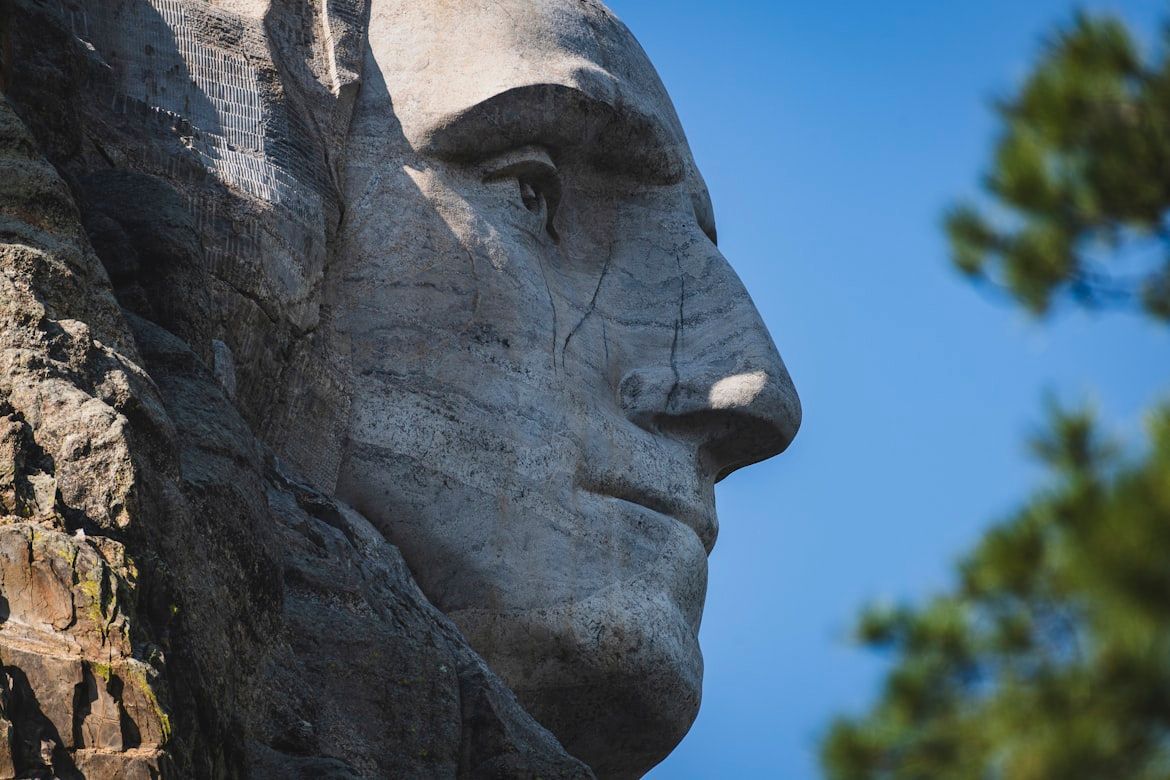
Image: Jon Sailer

When one thinks about this one, it can sound quite preposterous, but many people still believe it to be true. George Washington did wear dentures, but none were made of wood. His sets were crafted from ivory, gold, lead, and even animal and human teeth. The wood myth likely spread because stained ivory took on a rough, brown look .

The story stuck because it seemed to fit the image of a rustic leader. In truth, Washington’s constant dental pain was very real, but the wooden teeth are pure fiction.

2
The Declaration of Independence was signed on July 4
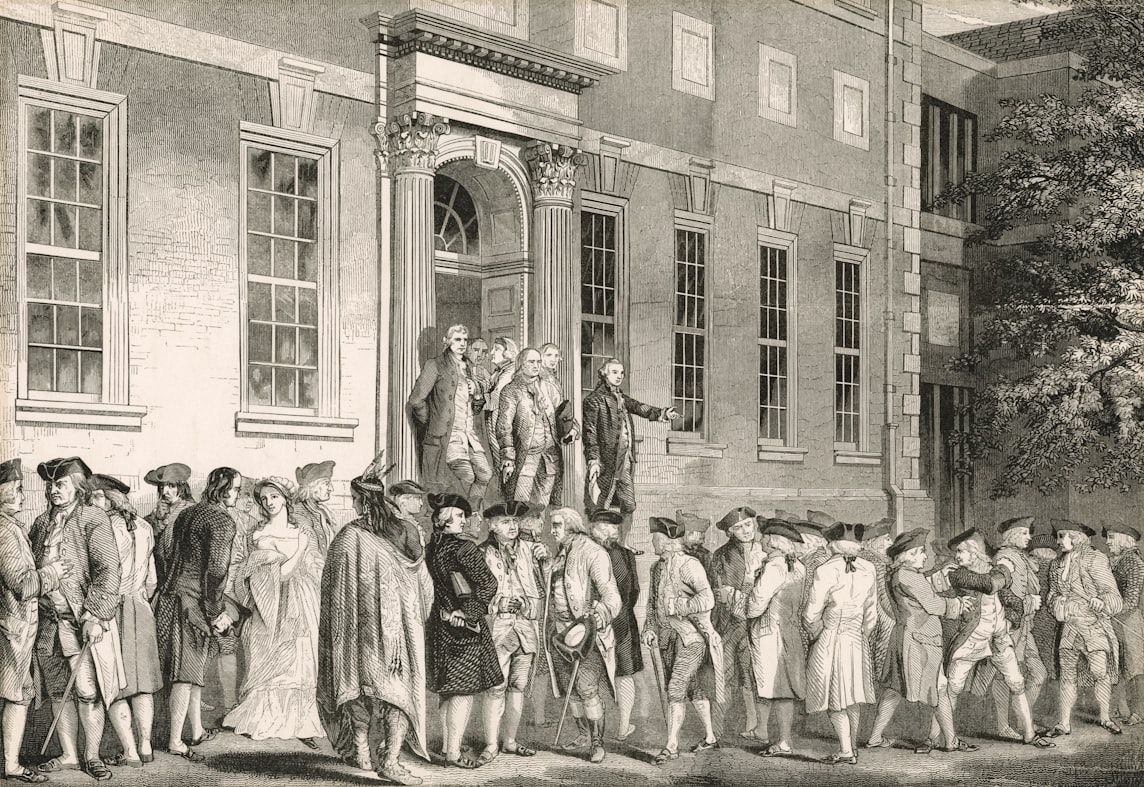
Image: The New York Public Library

Yes, July 4, 1776, is remembered as the day America declared independence, but most delegates did not sign the document then. It was approved that day, yet the majority of signatures were added on August 2 .

Only John Hancock and perhaps a handful of others signed on the Fourth. The legend of all the Founders signing together created a more dramatic story than reality.

3
The first Thanksgiving had turkey and pie

Image: Noah Samuel Franz

The 1621 gathering in Plymouth is remembered as a feast of turkey, stuffing, and pumpkin pie. In reality, the menu was very different. Venison, fish, shellfish, corn, and nuts were likely served instead .

Turkey may have been present, but it wasn’t the centerpiece, and sweet pumpkin pie was impossible without sugar or ovens. The foods we associate today were added later by tradition.

4
The Liberty Bell cracked on July 4, 1776
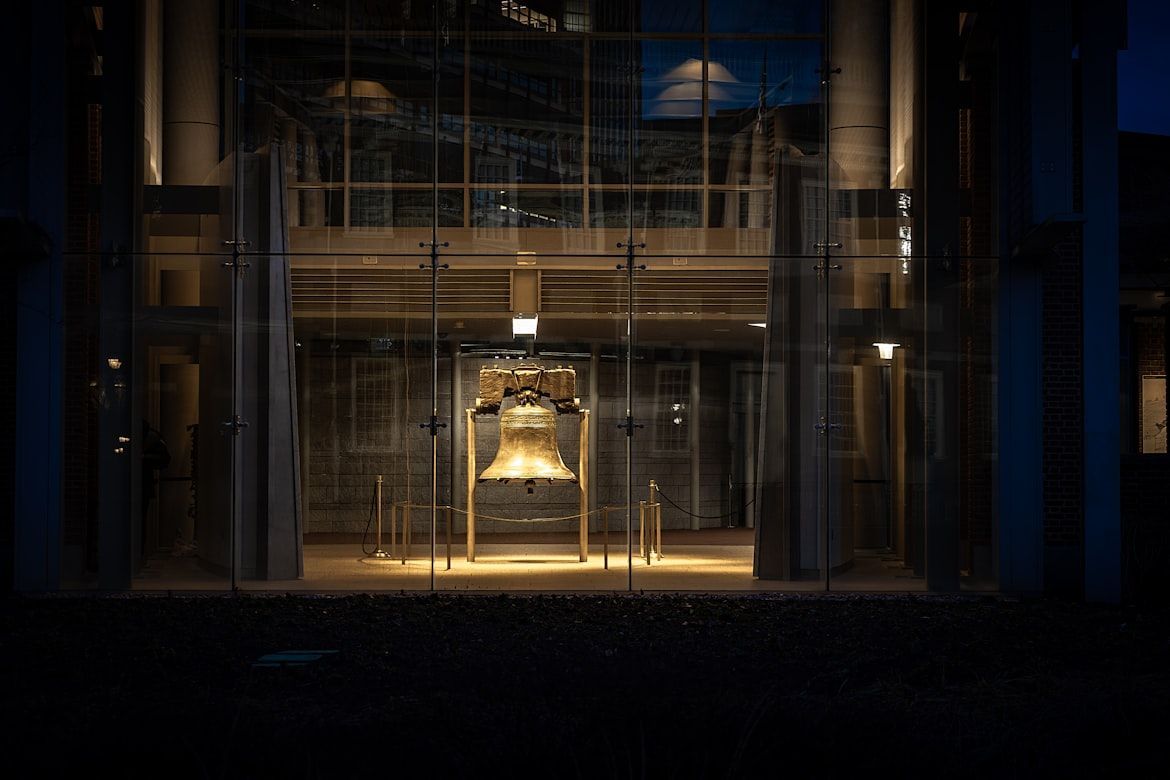
Image: Dan Mall

Many believe the Liberty Bell cracked while celebrating independence on July 4, 1776, but it didn’t. The bell wasn’t even rung that day, and its famous fracture appeared decades later .

Records suggest the crack happened in the 1830s or 1840s during use at civic events. The legend tied the crack to 1776 because it made for a more patriotic tale.

5
Paul Revere shouted "The British are coming!"
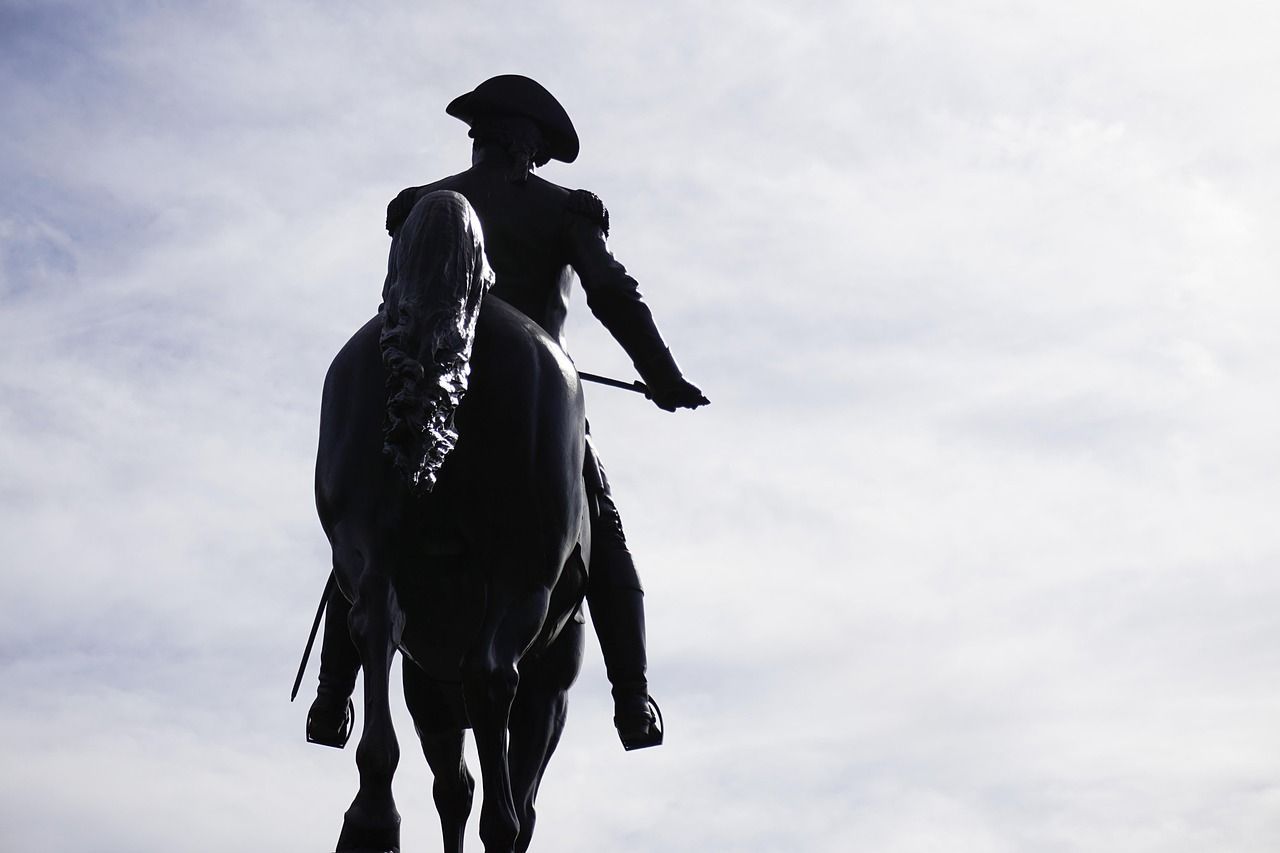
Image: brianfakhoury

Paul Revere’s midnight ride is legendary, but the famous phrase attributed to him is not. He likely warned townspeople, "The Regulars are out," since most colonists still thought of themselves as British.

The dramatic version was added later to make the story more exciting. Revere’s actual mission was successful, but it didn’t involve shouting through the countryside.

6
Colonial Americans were short
Image: James Coleman

It’s often said that colonial Americans were much shorter than people today, but that’s an exaggeration. Skeletal evidence shows the average man in the 1700s was about 5’8", not far from modern averages .

Malnutrition was less severe in America than in Europe at the time. The myth spread from comparing old, small doorways and beds, which were not actually built for shorter people.

7
The pilgrims landed on Plymouth Rock
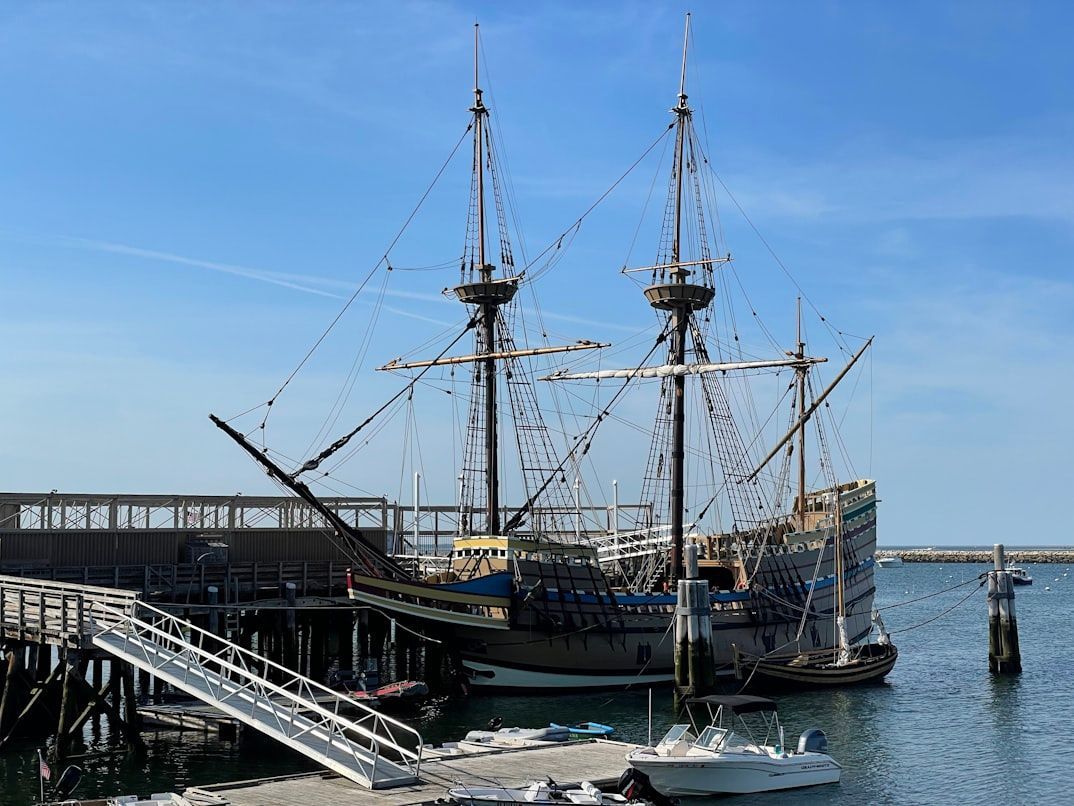
Image: Bernd 📷 Dittrich

The story that the Pilgrims stepped onto Plymouth Rock in 1620 has no basis in fact. No historical accounts from the time mention it.

The tale was first told more than a century later, likely to create a symbolic landmark. The rock is real, but its role in the landing is pure invention to add drama to history .

8
Benjamin Franklin discovered electricity with a kite
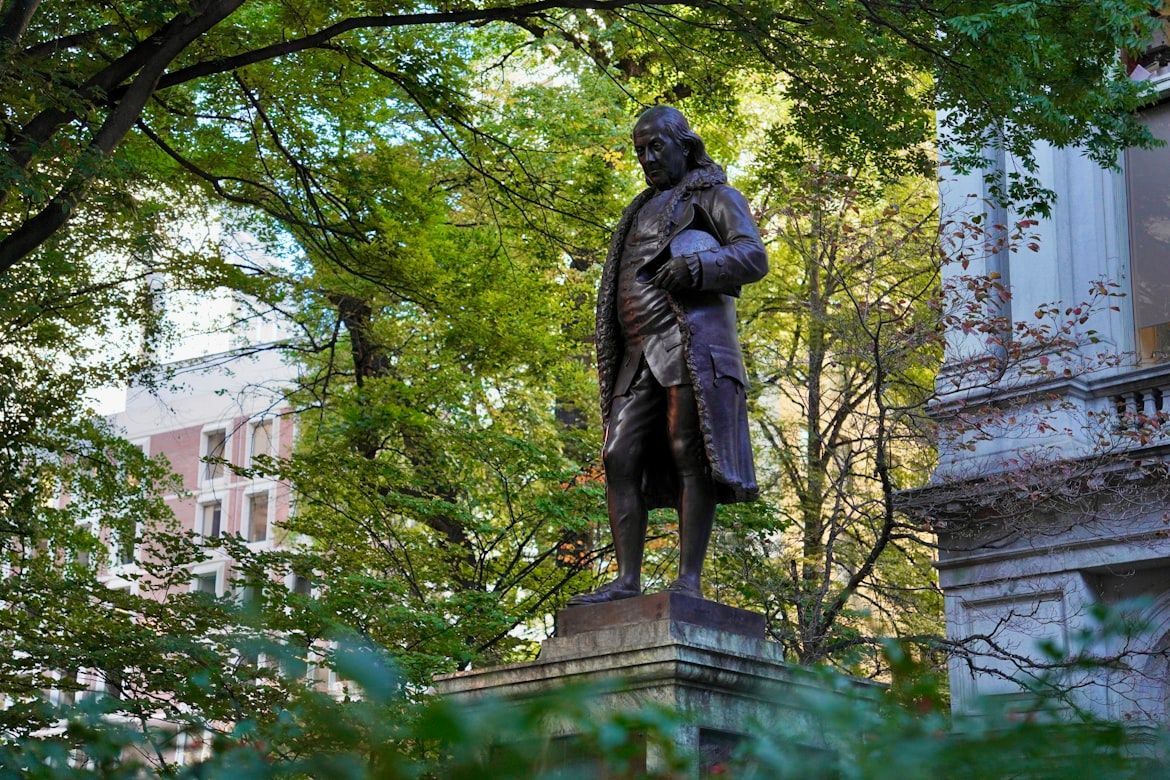
Image: Brett Wharton

Benjamin Franklin’s 1752 kite experiment is well-known, but he didn’t "discover" electricity. Scientists had known about it for years. His test demonstrated that lightning was a form of electricity . So, somewhat similar but not the same.

The story became simplified over time into a myth of sudden discovery. Franklin’s real contribution was proving a connection, not inventing the concept.

9
The Alamo defenders fought to the last man
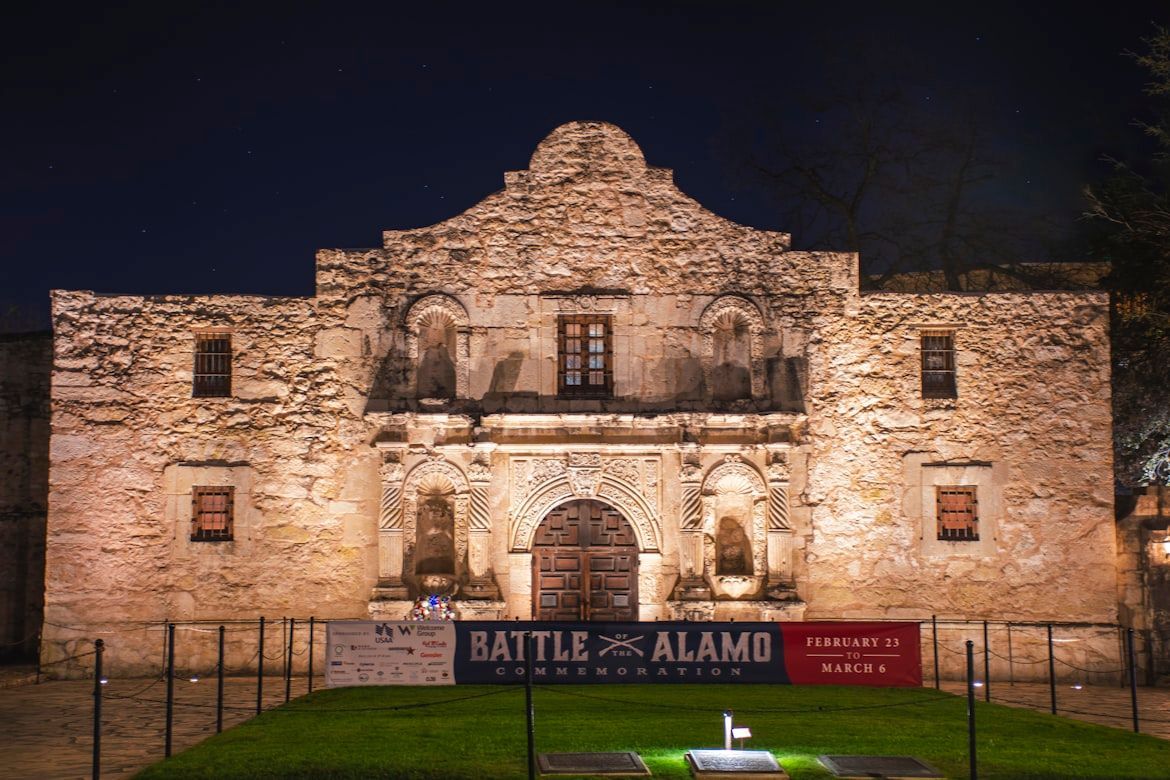
Image: Gabriel Tovar

The legend of the Alamo says every defender fought to the bitter end in 1836. While most did die, accounts suggest some may have surrendered and were executed afterward .

The truth is more complicated than the heroic version. Still, the myth of total sacrifice became central to Texas identity and American lore.

10
Lincoln wrote the Gettysburg Address on an envelope
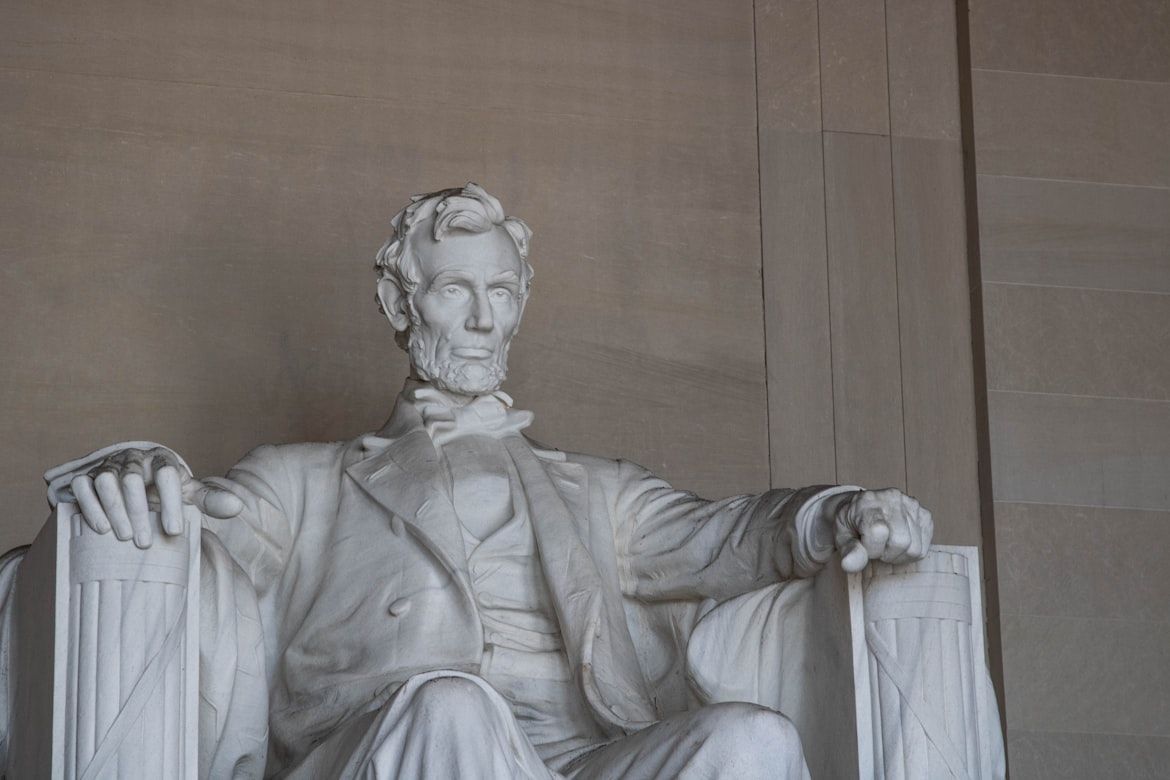
Image: Forest Simon

Abraham Lincoln’s Gettysburg Address is often said to have been scribbled quickly on the back of an envelope. In reality, he drafted several careful versions of the speech in advance .

The "envelope" tale was later invented to emphasize his brilliance and spontaneity. The truth shows Lincoln was thoughtful and deliberate, not hurried.

11
Gunfights were really common in the Wild West
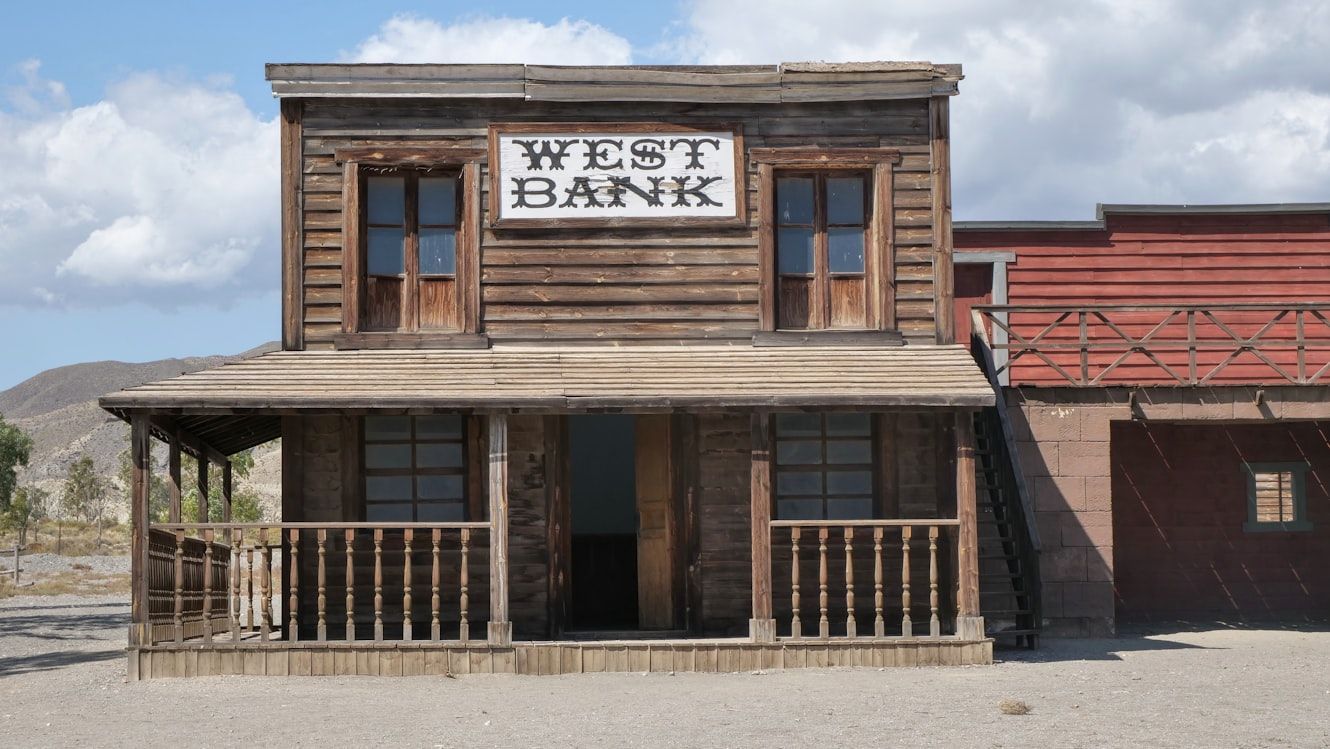
Image: Stefan Münz

Popular film and TV shows depict the Wild West as lawless and violent, with constant gun duels. In fact, frontier towns often had strict laws banning guns inside city limits .

Shootouts like those in movies were rare events, not daily life. The myth grew from dime novels and later Hollywood Westerns that exaggerated violence.

12
A cow started the Chicago Fire

Image: Daniel Quiceno M

The Great Chicago Fire of 1871 was long blamed on Catherine O’Leary’s cow kicking over a lantern. This story was published in newspapers and stuck in public memory.

Historians now know the cause was never proven . The cow tale unfairly tarnished the O’Leary family (and the cow itself), but it became a convenient explanation for a devastating disaster.


General General 4 min read

Do you know how to sew a button?

How prepared are you?

Image: Mariah Hewines

In a world where most of us have specialized knowledge about certain things, we often neglect to learn about other basic areas that can also affect us greatly. Knowing how to use a compass, cook some basic recipes, knowing how to sew a button, light a fire, stay fit, and keep a budget are all things that everybody should know about because they can either make your life a bit easier or, if disaster strikes, can save your life. Check out these 12 useful skills. Which ones do you already have?

1
Basic computer skills

Image: Christin Hume

An increasingly larger chunk of our world requires at least some basic form of digital literacy to interact with it. Knowing your way around a computer, your smartphone, and the Internet makes everything a little bit easier .

You don’t need to be a hacker or anything like that; just knowing the very basics allows us to access most of the advantages that modern technology provides.

2
Housekeeping skills

Image: Slaapwijsheid.nl

Living in a clean and comfortable environment is something that almost everyone can achieve with just a little bit of effort. Learn to use a vacuum cleaner, your washing machine, and the dishwasher, if you have it ; learn how to iron your clothes, make a bed, and clean your home.

3
Navigation skills

Image: Tabea Schimpf

The aforementioned basic computer and smartphone skills are a great aid in this department. But even if you have those incorporated, it is always a good idea to learn how to use a map and a compass. Ask for directions and memorize them . Just in case technology fails.

4
Survival skills

Image: Courtnie Tosana

Learn how to make a fire. Learn how to perform CPR and a Heimlich maneuver on adults, children, and infants. Learn to use a portable electricity generator. Learn a few basic knots. All of these abilities are very rarely used. But whenever you need them, you'd better know how to perform them correctly . Your life or someone else’s might depend on it.

5
Time management

Image: kylefromthenorth™️

The best way to make time is to manage it correctly. Learn to set daily and weekly goals , prioritize your tasks and responsibilities, create to-do lists, and review your schedule periodically.

6
Financial education

Image: Sasun Bughdaryan

Track your money. Learn to check, build, and repair, if necessary, your credit score . Learn how to apply for a loan or a credit card. And hire or at least consult with a tax professional to make sure that you are doing your taxes correctly.

7
Social skills

Image: Chris Liverani

While it is true that some people are born with social skills, these can be learned by anyone . The ability to accept criticism in good spirit, the ability to have a productive conversation, patience, knowing how to speak clearly and succinctly, and knowing how to negotiate are all things that can be learned and add significant benefits to whoever acquires these skills.

8
Fitness

Image: Emma Simpson

Your body is your vessel. And it is the only one you are going to get for your life. Therefore, make sure to keep it as fit as possible . Strengthen your muscles and bones with activities that suit you. Learn how to stretch properly, learn bodyweight exercises, and look for ways to stay active at any age. A fit body will always get you farther.

9
Healthy cooking

Image: Alyson McPhee

This one goes hand in hand with the previous item. Healthy cooking involves preparing nutritious and balanced meals. This is essential for maintaining good health and can be a fun and creative activity.

Learn some basic recipes that you can make at home, quickly, with a few ingredients, and you will never go hungry again.

10
Learn to keep a budget

Image: Mediamodifier

This one is related to the previous item regarding financial education, but on a more basic level. Keeping a good track of the money you earn and the money you spend helps you make ends meet and save more at the end of the month.

Create a spreadsheet and write down your expenses and your income, or use an app to help you do the same thing on your phone.

11
Sew on a button

Image: Merve Sehirli Nasir

The constantly decreasing quality of clothing makes this simple skill all the more important as time goes by. Learn how to sew on a button. It is not difficult, and it will save you a trip to the tailor or having to ask somebody else for a very easy task.

12
Change a tire

Image: Wade Lambert

If you drive a car, you should know how to change a tire. Yes, maybe you have an insurance service that can aid you, and maybe there is always someone around who can help until there is no service available and you are all alone.

Changing a tire is very simple, and there are techniques to do so with very little physical effort . Learn how to perform this simple task, and you will be much safer when driving a car.

General General 7 min read

REVOLUTIONARY ACHIEVEMENTS

The 10 Means Of Transportation That Changed America

Image: Jacob Norrie

From the time of the invention of the wheel more than 5000 years ago, human beings have found ways to move themselves and goods across the territory. But the last 250 years have brought groundbreaking innovations that changed the way we conceive transportation . In this sense, Americans have contributed a great deal to the development of new modes of transport that even allowed us to leave the atmosphere and travel to the moon.

In this article, we have compiled a list of the 10 means of transportation that changed the history of the United States and how all of humanity connects. Keep reading to discover the first American car, subway, and bike!

1
The Mayflower

Image: William Halsall, Public domain, via Wikimedia Commons

In 1620, about 100 passengers set sail on the Mayflower , a merchant ship that usually carried goods, to start a life in the New World. They left England in September and in November landed in Cape Cod, Massachusetts, putting the first stone in the foundation of the future American Nation.

The trip lasted two long months full of storms and perils. Finally, the ship, which was intended to land in Virginia, spotted the coastline up North in New England. The Mayflower pilgrims decided to stay in the area previously named Plymouth by famous explorer John Smith. During the first winter, the Mayflower served as a source of shelter . Although only half of the Pilgrims survived, they eventually founded the Plymouth Colony, celebrated the first American Thanksgiving with the Pokanoket people, and were able to establish a self-sufficient economy based on hunting, farming, and trading.

2
The Stagecoach

Image: Edward Joseph Holslag, Public domain, via Wikimedia Commons

Before the invention of trains and automobiles, animal power was the main form of transportation. People, goods, and even mail would travel by horse, donkey, oxen, and pulled coaches and wagons, connecting cities with rural parts of the country. In the United States, the carriage era started in the late 17th century and lasted until the early 1900s when the automobile replaced horse-drawn vehicles.

The stagecoach, in particular, was the main public vehicle responsible for the conquest of the American West. It traveled along predetermined routes and had stops every 12 or 50 miles where people could rest and grab a bite to eat and horses could be changed. Moving goods and people throughout the territory meant the growth of cities, the settling of rural areas, and the creation of wealth . In this sense, carriages played a key role in the transportation revolution that transformed American life forever.

3
The Clermont

Image: Samuel Ward Stanton (d1912), Public domain, via Wikimedia Commons

Although steamboats began to be developed in the late 1700s by the Scottish engineer James Watt, and that John Fitch was technically the first to build a steamboat in the United States in 1787, the North River Steamboat would be the one to make it into the history books .

This boat, also known as The Clermont , was designed by American inventor Robert Fulton. On August 17, 1807, this 142-foot-long vessel left New York City for Albany, constituting the first commercial steamboat service in the world . With a group of special guests aboard, the trip up the Hudson River took a total of 32 hours, at about 5 miles per hour. After this inaugural expedition, Fulton continued to build more boats, improving engine and propulsion design and making the steamboat a practical means of transportation. The success of The Clermont certainly changed river traffic and trade on major American rivers for years to come.

4
The American Railway System

Image: Popular Graphic Arts, Public domain, via Wikimedia Commons

There’s no doubt that trains had a significant role in shaping the landscape of the country. The origins of trains can be found in the ancient world, back when causeways and wooden rails were used to guide wagons. However, it would not be until the invention of the steam locomotive in the early 1800s that the history of transportation would be forever changed , spurring an industrial revolution around the world. And The United States was no exception.

The construction of new factories drove the need for materials to be transported over large distances, and railway travel provided the perfect solution. The concept of constructing a railroad in the U.S. was first conceived in 1812 by Colonel John Stevens. Yet, the first American railroad, the Baltimore and Ohio Railroad, was built in 1827 . For the next 50 years, the government would issue grants to build railroads across the country, which became a very lucrative investment for companies, leading to economic growth and the development of new towns and cities.

5
The San Francisco Cable Car

Image: Public domain, via Wikimedia Commons

Did you know that the cable car was invented in San Francisco in the late 1800s? It was developed by Andrew Smith Hallidie based on mining systems and is a symbol of the city still today. Clay Street Hill Railroad began public service on September 1, 1873, and it was an instant success. Other companies followed suit and launched their versions of Hallidie's patented system in the following years, totaling 53 miles of track across the city.

Later, although the electric street car, a lot cheaper to build and maintain, became the vehicle of choice for city transit, cable cars continued to be better equipped for steep hills. In 1947 the city Mayor urged to "get rid of all cable lines" leading a committee to launch a public campaign to save this iconic vehicle. Even celebrities rallied for the cause and ultimately the cable car system survived the attempt, specifically because of its great cultural value, especially among the thousands of tourists who visit San Francisco every year.

6
The Columbia Bicycle

Image: Boston Public Library, Public domain, via Wikimedia Commons

In 1878, Civil War veteran Colonel Albert A. Pope, inspired by a British bike he saw at the Philadelphia World’s Fair, hired a sewing machine company to make the first American bicycle . The brand went on to be called Columbia , and by 1888 was manufacturing about 5,000 high-quality bikes a year. However, for a couple of years, it would not be seen as a means of transportation but as pure entertainment.

Later, with the development of the British Rover safety bike, bicycles were no longer limited to athletes and the brave. Pope started selling these easier-to-ride vehicles and the American bicycle industry finally took off in 1890. By the beginning of the 20th century, 1 million bikes were produced in the U.S. yearly and people were even riding them to work every day.

7
The First American Car

Image: Public domain, via Wikimedia Commons

Few people know that the first successfully American manufactured car was actually developed by bicycle makers. In the Autumn of 1893, brothers Charles and Frank Duryea road-tested the first gasoline-powered automobile in Chicopee, Massachusetts . It was, in fact, an old horse-drawn buggy into which the brothers installed a 4 HP, single-cylinder gasoline engine.

By 1899 there were around thirty companies manufacturing cars in the U.S. One of the most representative staples of the history of automotive manufacturing in the country is, no doubt about it, the Ford Model T . This "affordable" car was intended for the American middle class and it was first produced in 1908 in Detroit. Within days of its release, over 15,000 Ford cars were sold and the popularity of this iconic American company is still relevant today.

8
The Tremont Street Line

Image: Boston Transit Commission, Public domain, via Wikimedia Commons

The first subway in America was built during the second phase of the Industrial Revolution in Boston, Massachusetts in 1897. This cutting-edge mode of transport was possible thanks to the invention of the electric motor by Frank Sprague in 1866 . But, why Boston? In the late 19th century, bustling Boston had a street congestion problem due to overcrowding and frequent blizzards and needed an out-of-the-box solution.

City officials agreed the best thing to do in a city with narrow colonial streets was to build an underground subway. Finally, on September 1, 1897, a four-track subway line between Boylston Street and Park Street was opened to the public . Additional lines and stations have been added throughout the following centuries, ushering in a new era in American public transportation.

9
The 1903 Wright Flyer

Image: John T. Daniels, Public domain, via Wikimedia Commons

On December 17, 1903, a powered airplane invented by brothers Orville and Wilbur Wright made the first sustained flight over the skies of North Carolina . The Wright Flyer —also known as the _Kitty Hawk_— was a single-place biplane that managed to fly 852 ft on its fourth attempt before it was blown over on landing. The aircraft was later repaired but never flew again —although you can now visit it at the National Air and Space Museum in Washington, D.C.

After this exceptional achievement by the Wright brothers, the progress of American aviation never ceased to amaze. For example, in 1910 the St. Petersburg–Tampa Airboat Line started to operate and although it lasted only three months, it is now considered the United States’ first airline. By 1918 the U.S. Post Office was using airplanes to transport mail across the country . Finally, in 1958 Pan American ushered in the Jet Age with the iconic Boeing 707.

10
The Apollo 11

Image: Project Apollo Archive, Public domain, via Wikimedia Commons

From the 1950s onwards, the Soviet Union and the United States embarked on a space race that made possible an unprecedented program of scientific exploration. On April 12, 1961

the Soviets managed to send the first person into space. In response, just 23 days after Yuri Gagarin, the first American man entered space aboard the Freedom 7 Mercury capsule . Alan Shepard’s trip lasted only 15 minutes and 28 seconds but it was more than enough to mark the beginning of an unprecedented revolution. Who would have thought that only 8 years later we would be transporting humans to the moon?

The story of Apollo 11 is well known, yet it deserves a special place in the history of American transportation , which is by no means limited to the Earth. Without the development of space shuttles, it would be impossible to imagine the future of transportation, a future that will surely be defined by the conquest of the unknown.

Explore more American facts

Choose your favorite category!

General
General

As American as apple pie—the very best America has to offer!

Culture
Culture

Delve into the astounding richness of American lore.

Geography
Geography

Hop in and explore vast and diverse American landscapes.

History
History

Discover the key moments that shaped the United States.