History History 5 min read

Marketing experts!

Can you see the arrow in the logo? 12 American brands' logos decoded!

Image: KelvinStuttard

Logos are everywhere: on billboards, coffee cups, your favorite gadgets—you name it! But how much attention do we really pay to the stories behind them? For example, did you know about the hidden arrow in the FedEx logo? And what about Tesla—is it just a T, or is there more to it? Big brands, big logos, big backstories —of course! Let’s take a fun dive into 12 iconic American brand logos and the hidden tales they tell.

1
Disney: A signature of magic

Image: Gui Avelar

Some logos inspire happiness at first glance, don’t you think? Walt Disney’s logo is a perfect example for us. It’s playful and inviting, and that’s because it’s modeled after Walt Disney’s very own signature, or at least an artistic version of it.

The truth is that Walt’s actual handwriting looked pretty different from the logo we know today because he changed his signature frequently, making it nearly impossible to determine if this version was ever truly his. In any case, it was very successful, and if you ask us, this logo screams "happily ever after."

2
McDonald’s: Golden arches or hidden symbol?

Image: Janet Ganbold

The moment you see a golden "M," your mouth starts watering, doesn’t it? However, the famous Golden Arches weren’t always part of McDonald’s logo history.

Back in the 1950s, they were part of the restaurant’s architecture, we mean actual arches on either side of the building!

When designing a logo, the company leaned into that imagery to create something unforgettable. Well, they definitely did it! And we’re lovin’ it!

3
Coca-Cola: Scripted for success

Image: Efekan Akyüz

That classic Coca-Cola logo has remained surprisingly consistent since 1887. The secret? A font called Spencerian Script, which was highly fashionable back in the late 19th century.

The smooth, flowing letters give it a friendly, approachable feel, it’s like an invitation to "have a Coke and a smile."

Over the years, the brand played with design elements (remember the old glass bottles?), but the logo’s handwritten charm never wavered. The old-school way truly is the best way in some cases.

4
Dove: A symbol of softness

Image: Akshay Bandre

Some logos are so powerful, that you can almost taste them. In this case, you can smell and feel it at the same time. Have you ever noticed the graceful bird on Dove products? That dove isn’t just for show, it represents peace, gentleness, and care , which is exactly what the brand aims to evoke.

When Dove first launched in 1955, its messaging was all about moisturizing and being kind to your skin. The logo, paired with the brand’s soothing colors, reinforces that sense of softness. It’s one of those designs that just feels good, even before you try the products.

5
Amazon: The smile that points the way

Image: Christian Wiediger

The story behind the name is quite fascinating, but let’s focus on the logo. Amazon’s logo isn’t just a smile—it’s a smile with a purpose. Look closely, and you’ll notice the arrow stretches from "A" to "Z," symbolizing the company’s goal to offer everything you could ever need.

And that curved arrow? It’s designed to look like a grin, giving the brand a friendly, customer-first vibe. With a logo this clever, it’s no surprise they’ve grown into an online shopping powerhouse. This is the kind of logo we like—what about you?

6
Google: The colors of curiosity

Image: sarah b

At first glance, one might think Google just put together the letters, chose random colors, and launched the site. But that’s definitely not the case—this logo is packed with meaning.

To begin with, they are not random colors, they are primary colors, chosen to represent creativity and approachability .

As for the unexpected green "L," it’s a nod to the idea that Google likes to break the rules (in a good way, of course). Over the years, the company has refreshed the logo’s font and shading, but the vibe remains the same. And let’s not forget about the festive Doodles—they’re genius!

7
Starbucks: From the sea to your cup

Image: Athar Khan

That green mermaid on your Starbucks cup? She’s actually a two-tailed siren, inspired by an old Norse woodcut. Why a siren, you may ask? Well, the brand wanted to evoke the allure of coffee as something irresistible —like a siren’s call.

Over time, the logo has evolved, losing the "Starbucks Coffee" text to let the siren shine on her own. Curious enough, the first design included the name of the company on the outer part of the circle, but they decided to eliminate that and let the siren do all the luring work on her own!

8
FedEx: The arrow you didn’t see

Image: Jan Rosolino

FedEx has one of the sneakiest logos in the business world. Between the "E" and the "X," there’s a hidden arrow that represents speed and precision . And once you see it, you can’t unsee it!

This wasn’t the original version, though. Designed in 1994, the logo is a masterclass in subtlety and clever branding, much like Amazon’s. It’s a perfect fit for a company that prides itself on delivering packages quickly and efficiently.

9
Domino’s: Three dots, infinite pizza

Image: Miroslav Denkov

Speaking of logos you can taste, right? Domino’s logo features three dots, which represent the first three locations of the pizza chain .

Originally, the company planned to add a new dot for every store they opened. Can you imagine if they had kept that idea? They quickly realized that wouldn’t work with their explosive growth.

Paired with the iconic red and blue colors, the logo is as comforting as a fresh box of pizza. And let’s be real—who doesn’t love their pizza?

10
Tesla: An electric secret

Image: Tesla Fans Schweiz

Tesla’s sleek, futuristic logo isn’t just a fancy "T"; it’s actually a nod to the company’s cutting-edge tech. The "T" is designed to resemble a cross-section of an electric motor, tying into Tesla’s mission of revolutionizing transportation .

Pair that with its clean lines and modern vibe, and you’ll see that the logo feels as innovative as the cars themselves. It’s a perfect example of branding that matches the product: bold, forward-thinking, and undeniably cool. What do you think?

11
Levi’s: A stitch in time

Image: Mnz

Few pieces of clothing are as iconic as a pair of Levi’s, right? That’s because both the item and the logo are equally simple, bold, and instantly recognizable .

The classic red tab is the result of eight redesigns. The first version of the logo included two horses pulling in opposite directions of a pair of jeans, trying to rip them—and failing, of course! But that was just the beginning.

The logo we know today was introduced by the same designer who worked on Coca-Cola’s script and the inspiration was the stitching on the back pocket of the jeans. The rest, as they say, is comfortable and durable history!

12
Pepsi: A logo full of energy

Image: Ja San Miguel

This article comes to an end with a classic brand. Pepsi’s logo has gone through dozens of iterations, but the current design—a red, white, and blue globe—is packed with meaning.

The wavy lines represent energy and dynamism, while the patriotic colors nod to its American roots, naturally. And if you were doubtful that it represents our country, you can read the 27-page redesign manifesto from 2008, which reportedly cost millions and came with a full explanation of its symbolism!


History History 6 min read

The lighter side of Patriots

Discover 10 quirks and fun facts about our Founding Fathers!

Image: Adam Nemeroff

From the names we honor on our streets to the faces we see daily on our dollar bills, we think you’ll agree that the Founding Fathers are a visible presence in the lives of all Americans—and with good reason. After all, we owe our eternal gratitude to these brave men who helped build this great nation of ours. In that sense, the grandeur and nobility of these figures sometimes make us forget that the Founding Fathers were also human beings, filled with quirks, hobbies, and a sense of humor. Bearing that in mind, we have prepared 10 fun and weird facts about our Founding Fathers, hoping this will help you get in touch with the lighter side of these American symbols. Enjoy!

1
Thomas Jefferson: Patriot, president… And foodie?

Image: Pixzolo Photography

Let’s start with what is arguably Thomas Jefferson’s most criminally overlooked contribution to history. Next time you are dipping a delicious and crispy French fry in some ketchup, take a moment to thank our 3rd President, who is often considered solely responsible for bringing this recipe to America.

During his time serving as ambassador to France, Jefferson fell madly in love with more than a few mouth-watering French dishes, which included a recipe for "potatoes deep-fried while raw, in small cuttings." He brought these recipes back home with him, and, while French fries didn’t become particularly popular until the beginning of the 20th century, Jefferson is still credited for introducing this quintessential side dish to the United States.

2
Benjamin Franklin’s "fowl" enemy

Image: Tyler Donaghy

There’s no denying that America loves turkeys —they are the undisputed star of every Thanksgiving Day feast. Having said that, can you imagine a world in which the turkey is emblazoned on official documents or currency? Forget that: Can you picture the POTUS delivering an important speech behind a podium with a turkey on it?

America would have definitively been an entirely different country if Benjamin Franklin had been successful in choosing the turkey as our national symbol. In a letter, Franklin stated that he believed that the bald eagle was "a bird of bad moral character," while the turkey, in his view, was a "Bird of Courage" more aligned with American values.

3
John Hancock’s signature

Image: Signature Pro

The Declaration of Independence was surely a pivotal moment in our country’s history. This document provided the basis of freedom, liberty, and justice on which America was founded. As you probably know, Founding Father John Hancock had the honor of being the first to sign this ever-so-important piece of paper.

In turn, history has thanked Hancock in a rather unusual way, with the simple yet versatile slang term "to give your John Hancock," which means to sign your name onto something.

4
John Adams dog from hell

Image: Jamie Street

Ask anyone to tell you possible dog names for your new puppy and they might suggest timeless classics like "Spot," "Buddy," or "Rex." However, had you asked our 2nd President, his suggestions might have been a bit more daring. During his time in the White House, John Adams and his wife Abigail were the proud owners of an adorable dog that sported a terrifying name: Satan.

What’s interesting is that the Adams truly had a unique talent when it came to naming their pets. Alongside Satan, the couple also had a female dog named Juno and a horse called Cleopatra. In any case, don’t be too fast to judge Good Old Satan. As the saying goes, a dog by any other name is still a good boy.

5
Are any Fans of the Bard Out There?

Image: Taha

For many book critics, the world will never know another writer as incredible as William Shakespeare. His works still inspire admiration around the world, with millions of fans reading, commenting, and recreating many of his timeless plays. In that sense, would you be surprised to learn that two of our Founding Fathers were die-hard fans of the Bard?

John Adams and Thomas Jefferson were self-proclaimed admirers of Shakespeare’s literature, frequently writing letters that praised his impeccable style. Adams once called the Bard "the great master of nature" and the "great teacher of morality and politics." Not only that, a popular legend states that, when both Founding Fathers visited Shakespeare’s home in England, they chipped a piece of his chair to take home as a souvenir.

6
Whiskey that tastes like freedom

Image: Thomas Park

George Washington’s resume was certainly impressive: 1st President, Commander-in-Chief of the Armed Forces, and tactical mastermind. However, there’s another noteworthy activity that is often overlooked by history books— George Washington owned and ran a commercial whiskey distillery from his home in Mount Vernon.

Think about it: Is there any liqueur more likely to lift your "spirits" (see what we did there?) than a fine malt whiskey personally distilled by the "Father of Our Country"? The thousands of tourists that visit Mount Vernon every year seldom forget to visit the distillery.

7
Have you seen this dog?

Image: Joe Caione

Picture this: You are putting out signs in your block trying to locate your beloved and recently lost dog. All of a sudden you receive an unexpected call, informing you that they have found your dog and that it is currently in the care of none other than the President of the United States!

In all honesty, that’s not exactly how the story went, but it’s a true testament to George Washington’s honor and etiquette. According to historians, a little fox terrier named Lila was found by Continental Army troops behind American lines after the Battle of Germantown in 1777. After learning from the dog’s collar that she belonged to an enemy soldier, Washington ordered for the dog to be returned to her rightful owner, with a note assuring him that she was unharmed and safe.

8
Fancy a cold one?

Image: Drew Beamer

George Washington was not the only Founding Father adept at brewing alcoholic beverages. The great city of Boston proudly boasts an iconic beer brand named after Samuel Adams , paying homage to the beer-brewing past of this Founding Father.

There’s another bit of fun trivia regarding "Samuel Adams Beer": If you’ve ever enjoyed a pint of this delicious beer, you probably saw Adams raising a beer glass on its label. However, some theorize that the man depicted in the logo might actually be fellow patriot Paul Revere. Having said that, there’s no solid evidence to back this up, other than the fact that both revolutionaries looked a little similar.

9
Thomas Jefferson’s magical cookbook

Image: Hayden Walker

As mentioned earlier, Thomas Jefferson was a bit of a foodie. Granted, he would look at us in complete bewilderment if he heard us call him a "foodie," but it’s safe to say he loved good cuisine. Besides bringing French fries to our country, every American should salute and pay tribute to the 3rd President for yet another culinary jewel: Mac and cheese.

Again, we should clarify that the recipe Jefferson brought wasn’t exactly the one you would find in a box of Kraft. However, he would often serve his dinner guests macaroni pasta, paired with a cheese sauce that closely resembles the dish we know and love today. It’s believed that Jefferson’s delighted guests helped popularize this creation, which would eventually become one of America’s favorite meals.

10
Benjamin Franklin purposely misspelled "Pennsylvania"

Image: Adam Nir

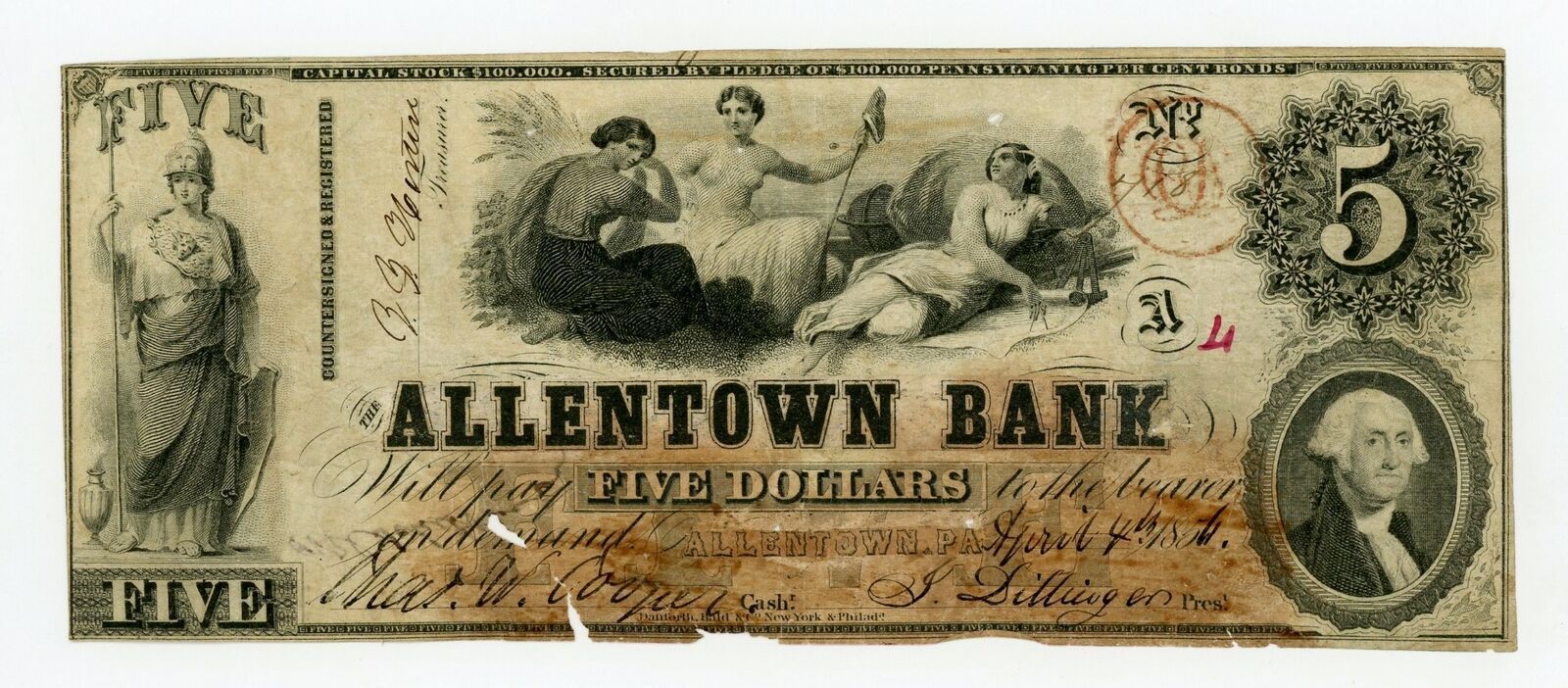
We’ll end with a remarkably smart mistake that came from a remarkably smart man. Benjamin Franklin was behind some of the earlier forms of currency in the United States. After moving to Philadelphia in 1723, he became involved in printing money, which had only recently started circulating around Pennsylvania. As the great inventor that he was, Franklin added some remarkably clever ways to bypass counterfeiters and help differentiate his bills from possible fakes.

One of the smartest—and possibly simplest—features Franklin introduced was purposely misspelling the word "Pennsylvania" on his bills. After all, such a blatant and evident mistake would immediately inform anyone that this bill came from Franklin’s own hand.

General General 4 min read

WHICH ONE WOULD YOU LIVE IN?

Which Are The 10 Most Popular Architectural Styles In America?

Image: Todd Kent

Land of the free, home of the brave, right? As far as architecture is concerned, that is very much true. As long as you can imagine it (and afford it, and get your blueprints approved), you can make it. America has many different styles of architecture , some more eccentric, some more unassuming. In this list, we have favored the latter and compiled ten of the most popular ones in the country because, as Tom Waits says, "What makes a house grand, ain't the roof or the doors. If there's love in a house, it's a palace for sure".

1
Townhouse

Image: Aman Kumar

Most commonly found in cities, townhouses have spacious layouts, more amenities than the condo styles, and lower maintenance than most residential homes. They’re typically two or three-story homes, usually sharing one or two walls with adjacent properties, and a rooftop deck to enjoy sprawling views.

While the most famous examples are the ones from New York or San Francisco, thanks to TV series and movies, these types of homes can be found all over the country.

2
Cape Cod

Image: Phil Hearing

Cape Cod houses bring to mind the classic American cottage style but with a weekend feel to them. This type of home design migrated from the UK to the United States, maintaining its symmetrical design and central chimney.

These houses feature a steep roof to keep snow from accumulating, dormer windows for added light, wood siding and shutters to keep the heat in, and hardwood floors for comfort and practicality.

3
Modern

Image: Avi Werde

Funny how the word "modern" is used to define things that happened 100 years ago, right? Emerging in the 1920s to embrace minimalism and reject the more ornate house styles, modern house styles include progressive elements such as asymmetrical exteriors, flat roofs, and integrated outdoor spaces.

Many modern interiors also feature minimal to zero molding and trim, neutral color palettes, and metal accents to accentuate the simplicity of its design.

4
Farmhouse

Image: Raychel Sanner

A house design that has been around for a long time, the farmhouse style was created back in the early 1700s, as housing for farmers and is all about practicality.

Modern farmhouses still showcase many of the same features from the original design such as large, wraparound front porches, clapboard siding, large fireplaces, wood floors, eat-in kitchens, and oversized kitchen sinks.

5
Craftsman

Image: Lernestorod

This style became increasingly popular in the 1900s and has remained a staple throughout the 21st century. Craftsman style adds charm to any neighborhood with its exterior features, including shingles, low-pitched roofs, and covered front porches.

These types of houses feature interior details such as thick trim, prominent ceiling beams, and built-in shelving and seating.

6
Contemporary

Image: James Kovin

A style often compared to modern style architecture, contemporary is very much a trend these days among house builders. These homes have simple forms without elaborate ornamentation or detail.

Showcasing geometric lines, large windows and doors to bring in light, and open floor plans, contemporary homes often incorporate sustainable and eco-friendly building materials, textures, and components, exposed roof beams, and flat or low-pitched roofs.

7
Cottage

Image: Czapp Botond

As the name implies, cottage houses of the 1920s and 30s were inspired by the cozy cottage-style houses of the English countryside, but with a more modern twist.

This style of house typically has a steep, thatched roof, arched doorways, and shuttered windows. They can be found in semi-rural areas, closed communities, and holiday spots, among other places.

8
Mid-Century Modern

Image: Lenalensen

A style that has been well represented in modern media, the mid-century modern style is part of the modernism movement and dates back to post-World War II, and remained popular throughout the 1970s.

This design is characterized by minimalism. Think of clean lines and floor-to-ceiling windows, open layouts, and a mix of natural and manufactured materials for the interior elements like wood, stone, steel, and plastic.

9
Colonial

Image: Mateus Campos Felipe

Another early style, colonial architecture has maintained its allure in many parts of the United States. These classic homes are known for their vintage charm, decorative doorways, and symmetrical window placement.

Many of these houses will be similar to the Cape Cod-style home because of their symmetry and side-gabled roofs but with two or three stories, fireplaces, and brick or wood exteriors.

10
Ranch

Image: Michal Průcha

A style that dates back to the 1930s, ranch homes grew in popularity during the 1950s and 1960s, and are still popular today. This architecture is known for its simple, single-story floor plan, low-to-the-ground look, often with an open layout and occasional basement.

With a smaller yard, attached garage, and a low-pitched roof, the ranch-style home often features large windows and sliding glass doors, encouraging an indoor-outdoor living style. A ranch can also be called a ‘rambler,’ depending on which region in the country it is located.

Explore more American facts

Choose your favorite category!

General
General

As American as apple pie—the very best America has to offer!

Culture
Culture

Delve into the astounding richness of American lore.

Geography
Geography

Hop in and explore vast and diverse American landscapes.

History
History

Discover the key moments that shaped the United States.