General General 4 min read

Little-known stories

Which movie star annoyed customers at drive-thrus? Stories of food brands
Image: Alessandro D’Antonio

American food brands have some gifted storytellers behind them. So, naturally, many of us are familiar with the fabled facts about Coca-Cola’s secret recipe or the success story of Colonel Sanders. But do you remember stories about pizza delivered to outer space , a fictional spokesperson, or a rebranded National Monument? We’re here to explore some of the lesser-known facts behind our favorite food brands!

1

2
Jack In The Box

Image: Studbee

And speaking of outer space… Before Mark Hamill became Luke Skywalker in Star Wars, he once worked the drive-thru at Jack in the Box. He was quickly fired, though. Customers complained after he spoke to them using a clown-like voice.

Decades later, in 2022, Hamill reunited with the brand in a comeback ad promoting two revived fan favorites: Spicy Chicken Strips and French Toast Sticks.

3
Taco Bell
Image: PJ Gal-Szabo

The company has pulled off some interesting marketing pranks over the years, but none as unforgettable as its 1996 April Fool’s joke announcing that it had purchased the Liberty Bell.

A full-page ad ran in major newspapers announcing the purchase of the historic bell to help reduce the national debt. The "Taco Liberty Bell" joke did not land well. It caused thousands of complaints; people contacted Taco Bell and the National Park Service demanding answers. Later that day, the company confirmed the story was a hoax, and the stunt went down as one of the most memorable marketing pranks of all time.

4
Domino’s Pizza
Image: Erick Galván

Back in the ’80s, when Domino’s expanded into Japan, the company ran into a problem: there was no Japanese word for "pepperoni." And, since it was the best-selling topping in the US, they could not risk leaving that pizza out of the menu! So, the brand had to coin a Japanese word for pepperoni. They went for ペパロニ (pronounced "peparoni").

5
Pizza Hut
Image: Joshua Hoehne

Pizza Hut has always been known for some memorable marketing stunts. When Back to the Future Part II hit theaters in 1989, the chain handed out "futuristic" sunglasses with every pie. In 1995, they recruited Donald Trump and Ivana Trump to introduce their first stuffed-crust pizza.

And who could forget the time, in 2001, when they delivered the first pizza ever sent into space, straight to the International Space Station (ISS)?

6
Starbucks
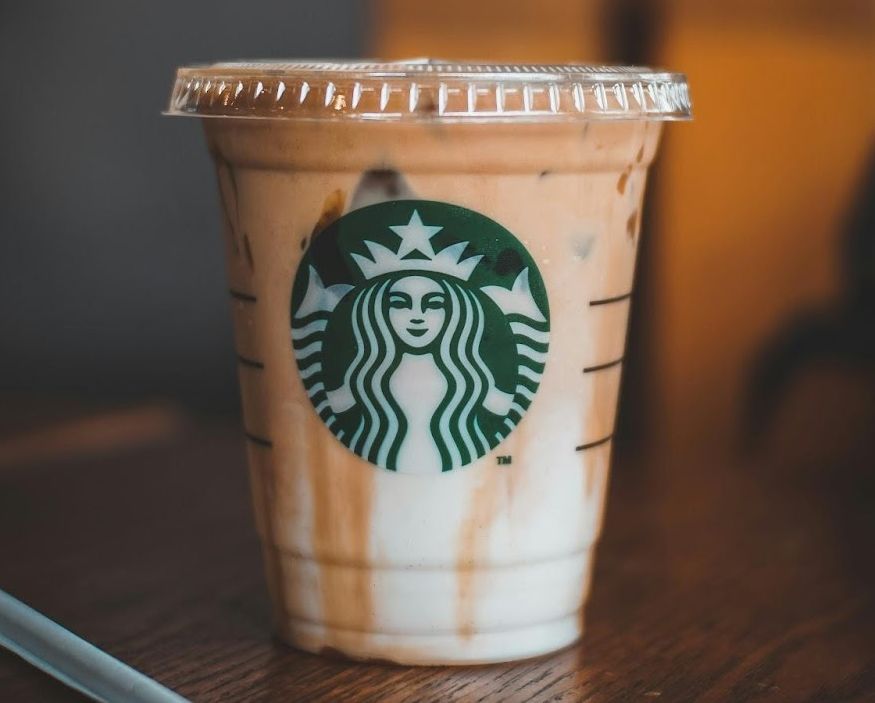
Image: Gema Saputera

Starbucks is such an iconic franchise that its presence can signal rising real-estate values. Studies show that neighborhoods with a new Starbucks often experience property-price increases above the usual rate.

Another interesting tidbit about the brand: inside its stores, employees are required to avoid wearing perfume, cologne, or other strong fragrances to prevent interfering with the aroma and taste of the coffee.

7
Coca-Cola
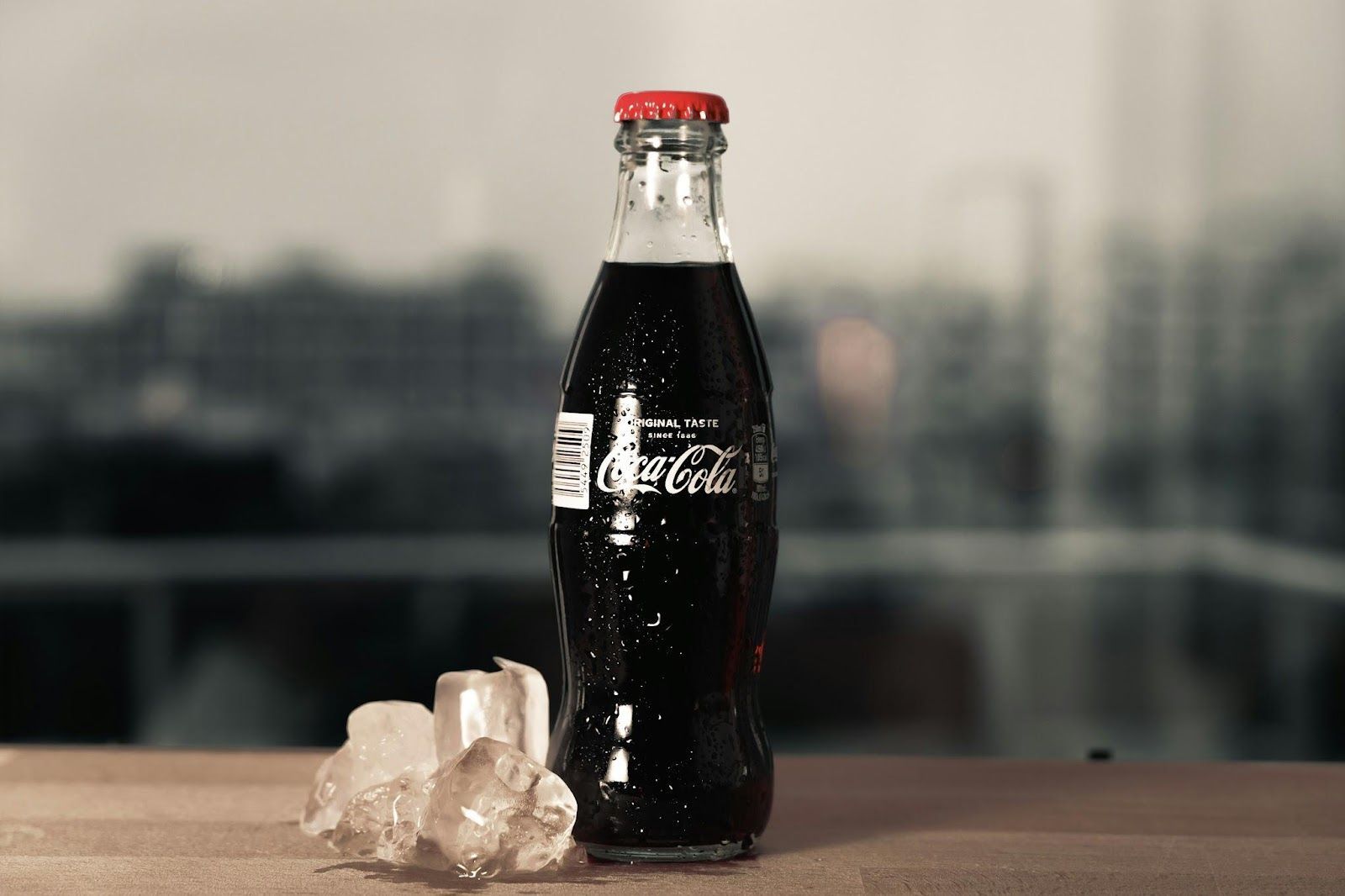
Image: Samuel Bryngelsson

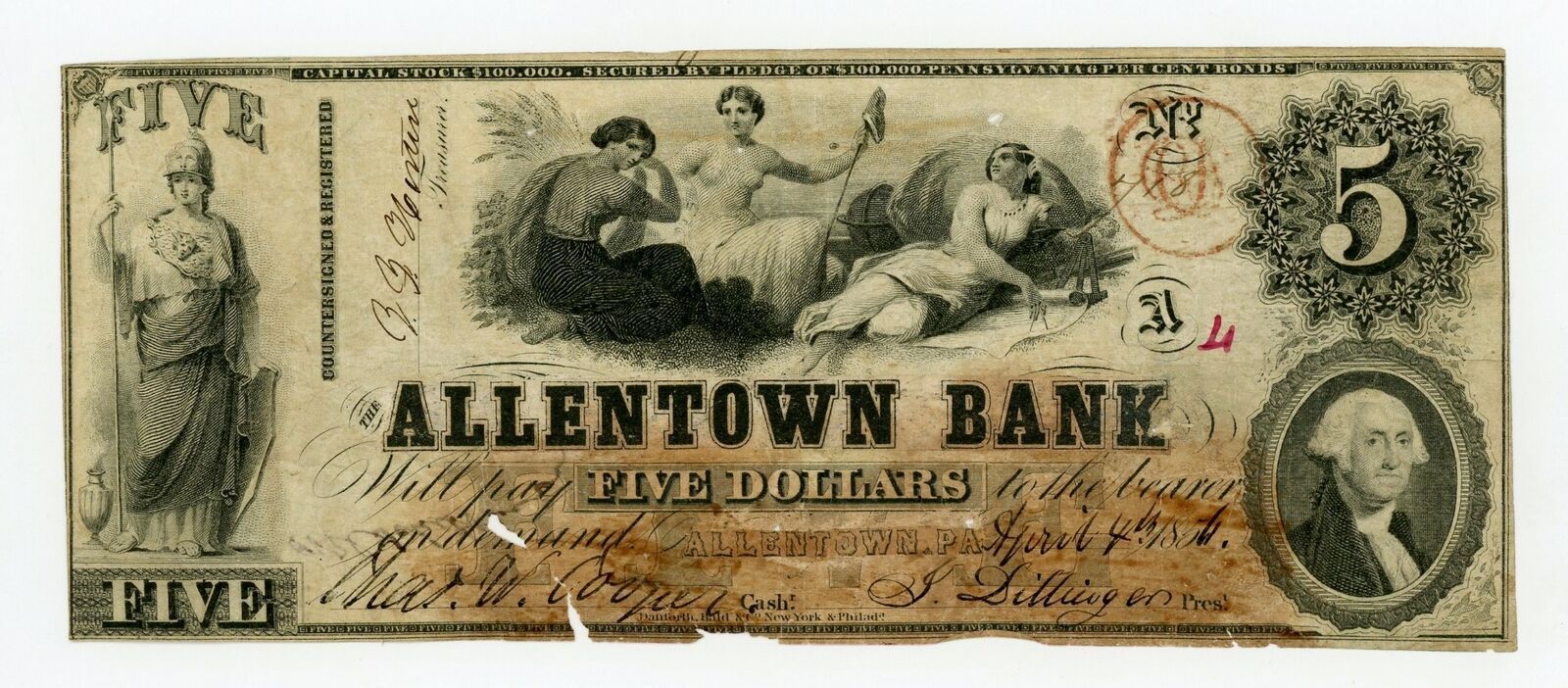
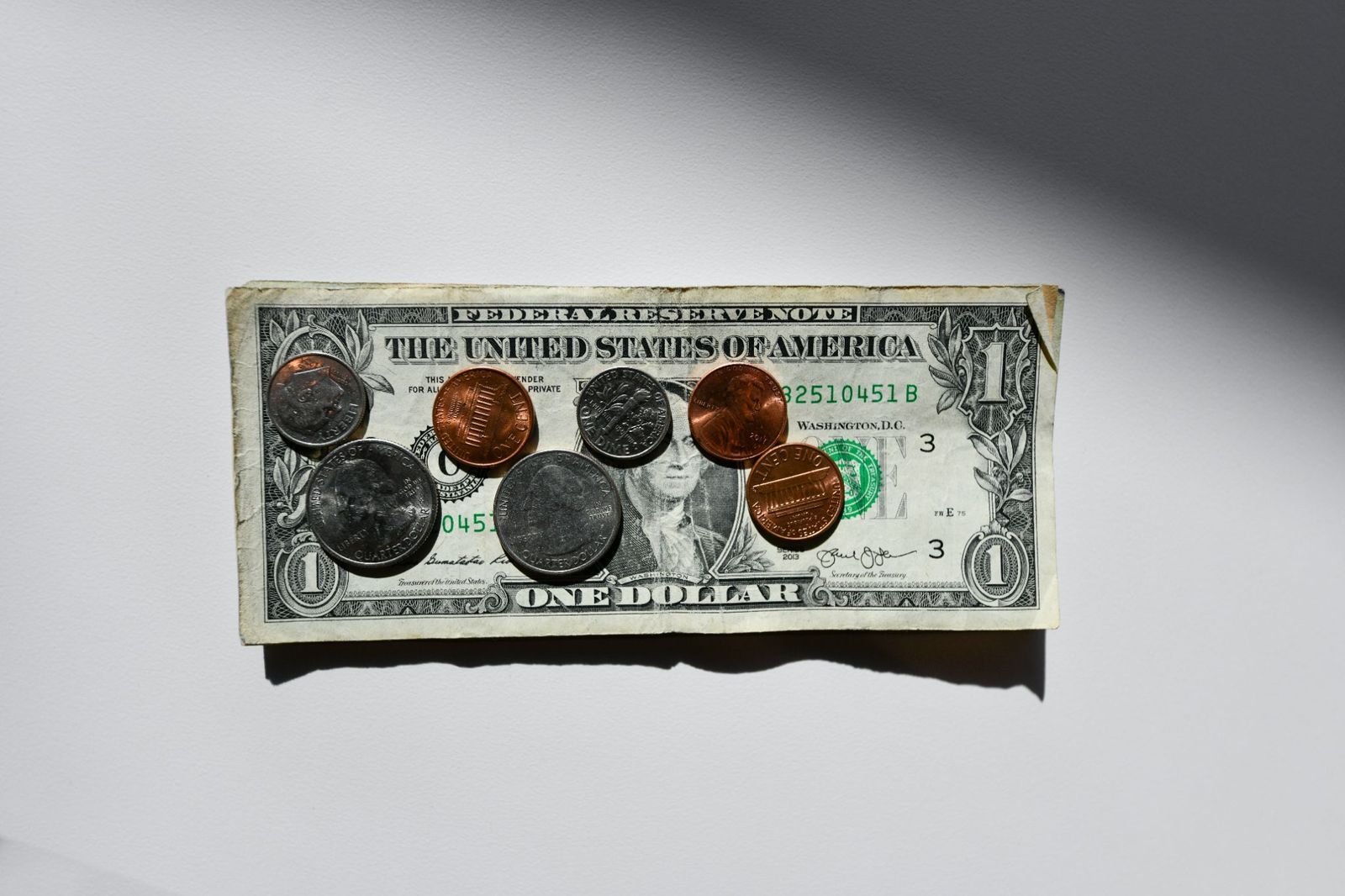
From 1886 until 1959 (over seventy years!), a 6.5-oz glass or bottle of Coca-Cola cost exactly 5 cents. The company had strategic reasons for keeping the price so low and stable.

At the time, it was easier to get customers to insert a single nickel into vending machines rather than require multiple coins. The 5-cent price helped make Coca-Cola a simple, affordable choice.

8
McDonald’s
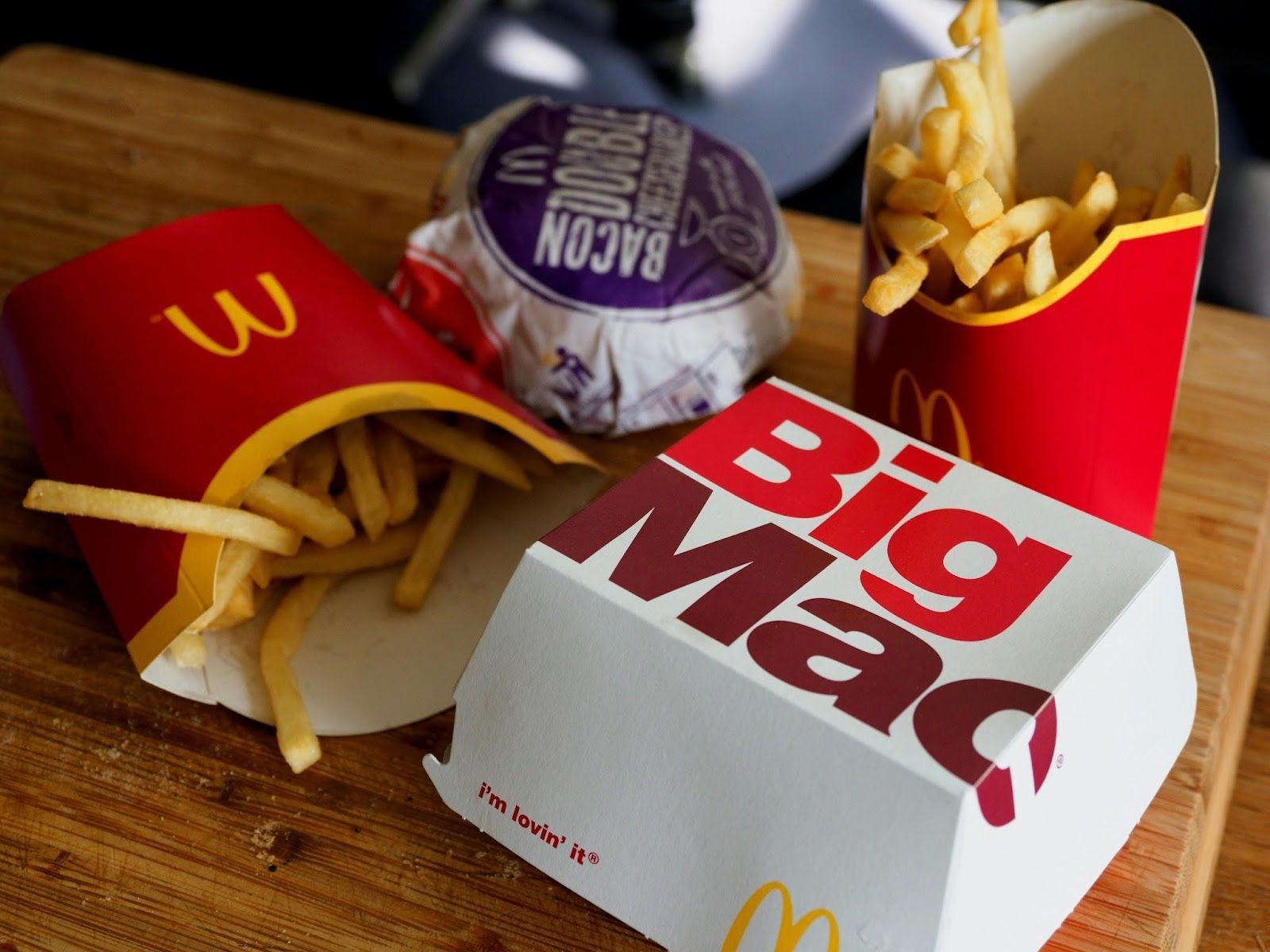
Image: Brett Jordan

The Golden Arches giant has had a long, sometimes on-, sometimes off-, relationship with Disney. McDonald’s began doing Happy Meal tie-ins with Disney characters in 1987 to promote Disney films.

For about ten years, the partnership was exclusive, but it fell off because Disney wanted to work with other food brands, and McDonald’s with other movie studios! Today, they still share a non-exclusive alliance.

9
Wendy’s
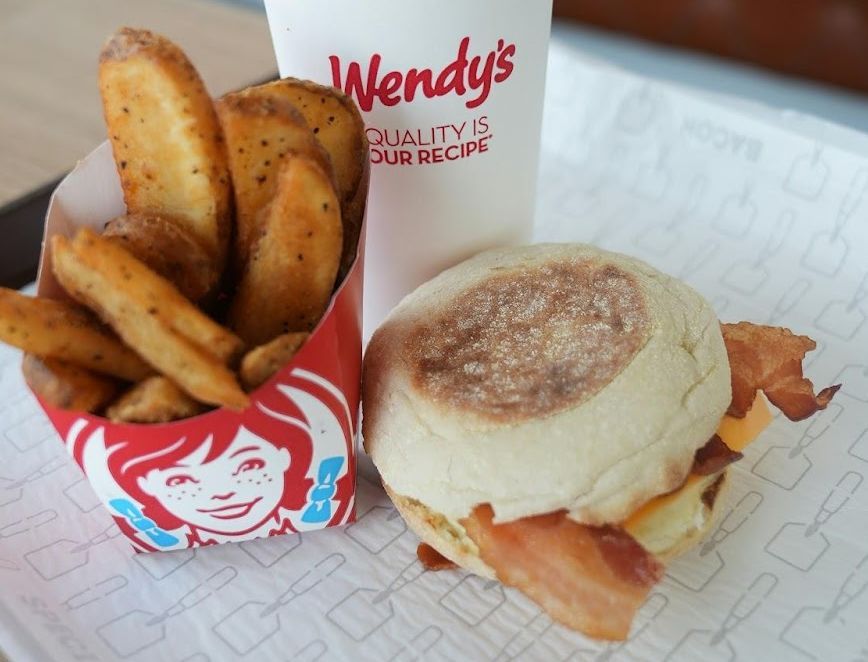
Image: Brian J. Tromp

Wendy’s square hamburger patties weren’t an accident; the idea reportedly came from a chain called Kewpee Hamburgers, a Kalamazoo favorite known for its square-shaped burgers. Founder Dave Thomas has said that as a child, he often ate at a Kewpee, and that those square patties inspired the look and feel of Wendy’s burgers.

Thomas had always loved those because corners poking out of the bun created the impression of a larger burger and made the meat easier to see.

10
KFC
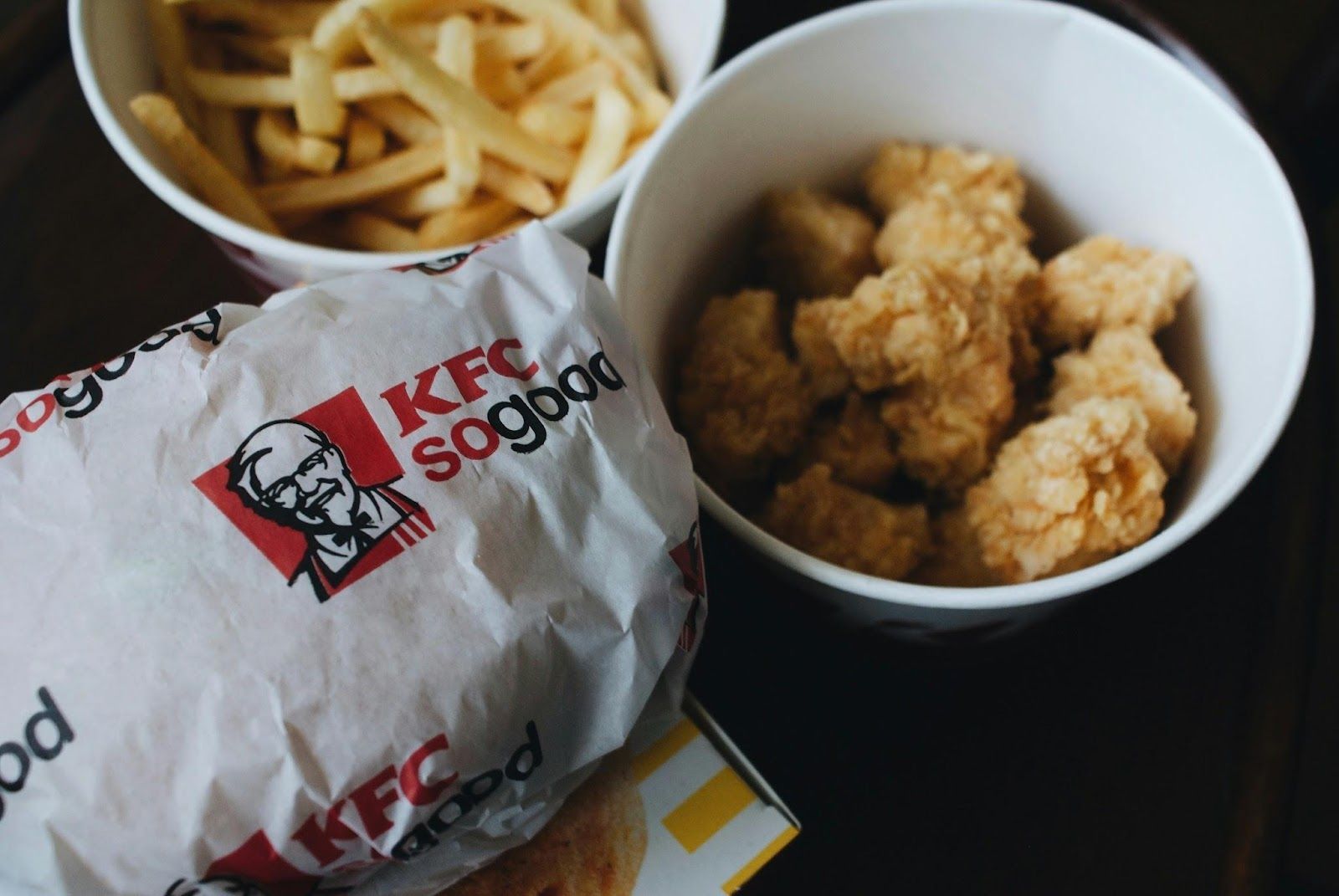
Image: Aleks Dorohovich

KFC’s legendary "11 herbs & spices" recipe is kept under tight lock and key; the company splits the production of the spice mix between different suppliers so that no single person outside knows the full formula.

However, there was a time when Colonel Sanders offered that recipe at a very affordable price: he would license the recipe to restaurant owners for just 4 to 5 cents per chicken piece sold, giving them the right to cook and sell his secret-recipe chicken themselves.

11
Betty Crocker

Image: Lalada .

Betty Crocker was never a real person. Did you know? She was invented in 1921 by the Washburn-Crosby Company as a friendly, approachable name to respond to consumer letters.

Even though she was fictional, by 1945, Fortune magazine named "Betty Crocker" the second most famous woman in America, second only to Eleanor Roosevelt.

12
M&M
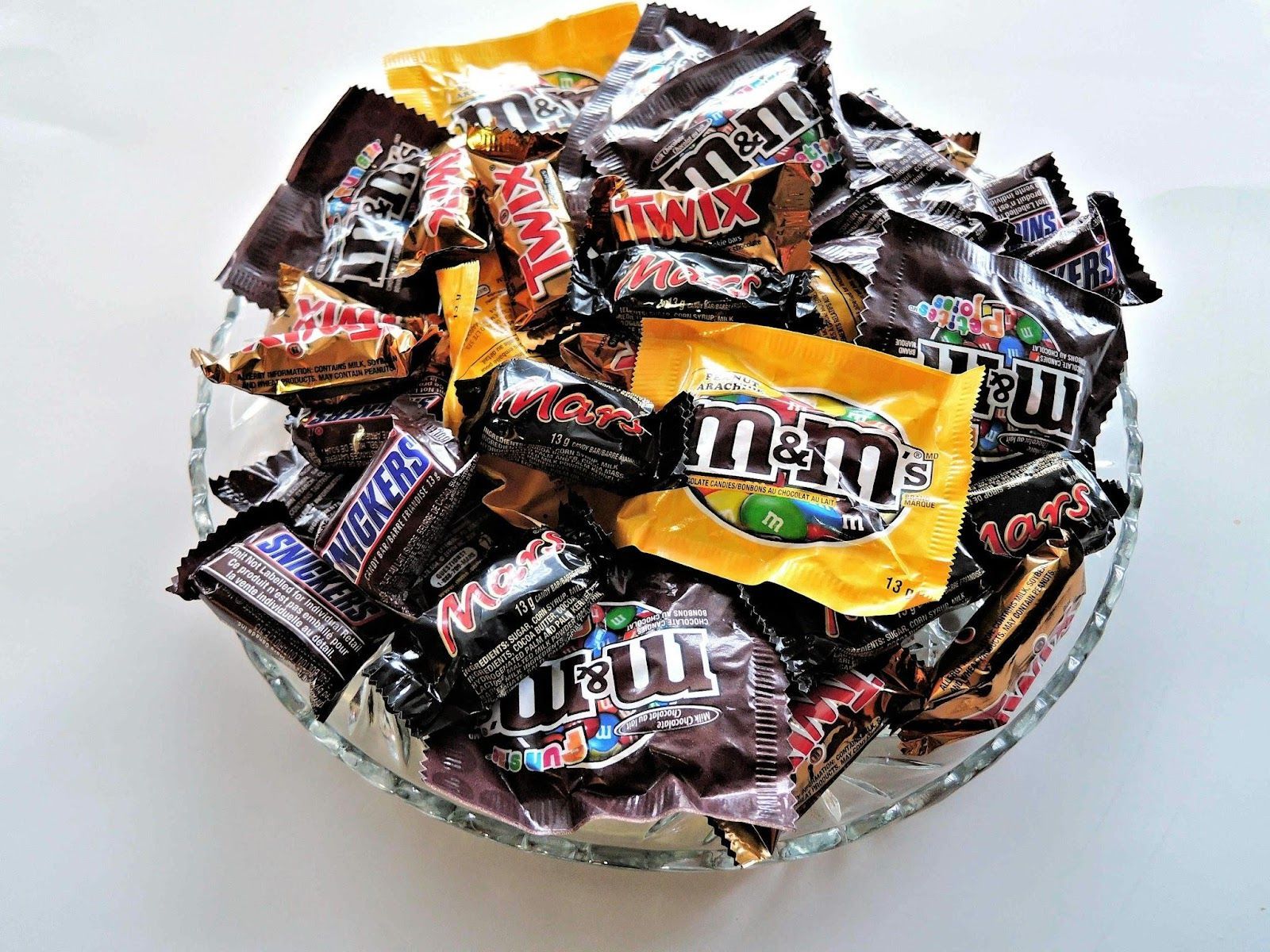
Image: Pixabay

There’s a long-standing debate about America’s favorite chocolate nuggets: Do different colors of M&M’s actually taste different? While many fans swear their favorite color has a distinct flavor, the brand consistently states that the only difference between colors is their dye; all other ingredients remain the same.

That said, some people claim that mini M&M’s taste sweeter than the regular ones. Some analyses suggest that mini M&M’s have a higher candy-shell-to-chocolate ratio, which could make them taste sweeter.

13
Heinz
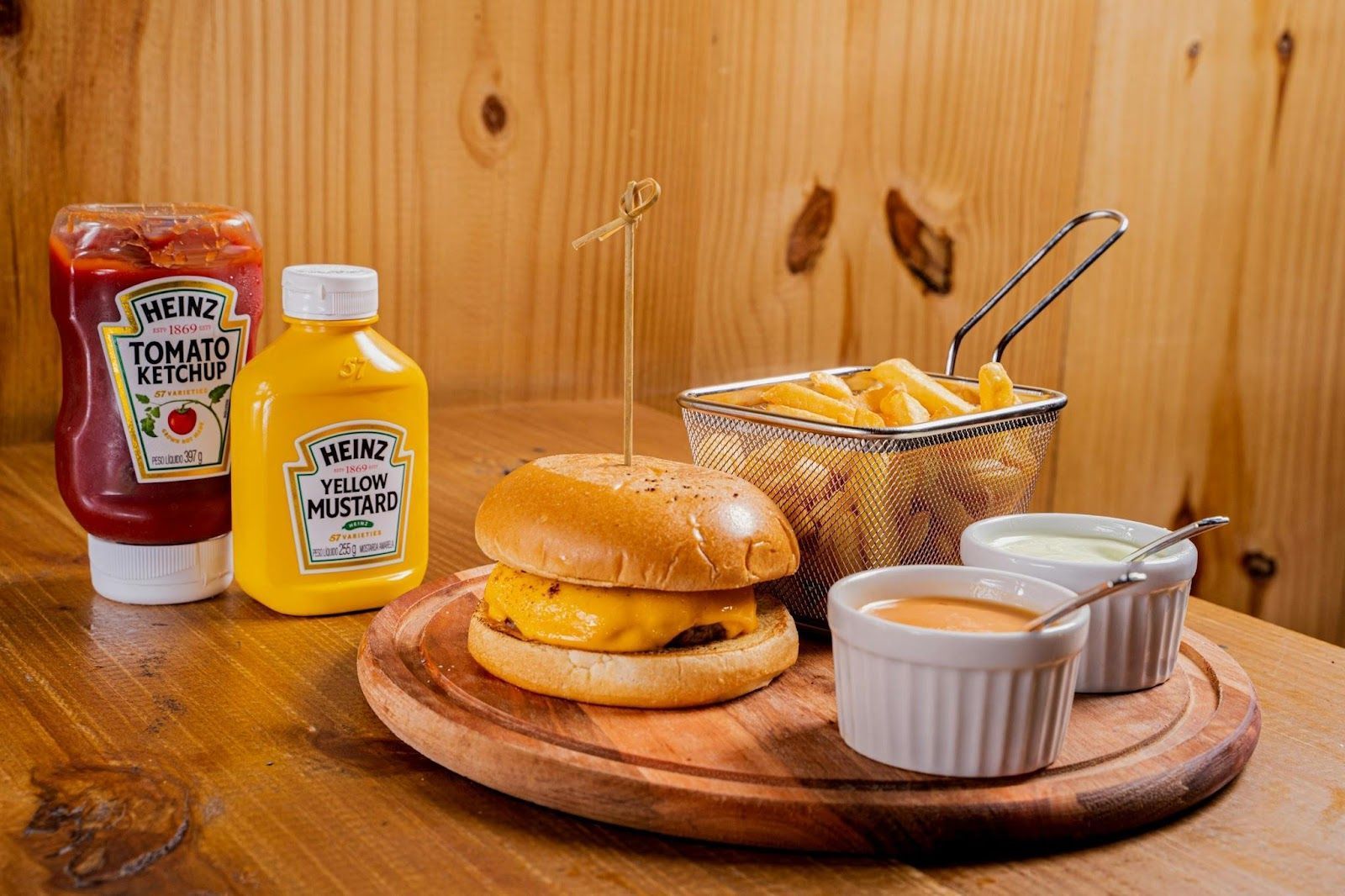
Image: JEFERSON GOMES

Though ketchup is by far Heinz's flagship product, that was not the first one Henry J. Heinz sold. You probably could never guess what it was that he personally started selling back in 1869!

Horseradish! The first thing he ever sold, out of his house, under his name, was horseradish and other pickled goods like vinegar, sauerkraut, and pickles. This early business laid the groundwork for the now-famous condiments empire.
History History 3 min read

Everything has a secret to tell

Take a deep breath before reading these iconic landmarks’ untold stories

Image: Venti Views

America is filled with famous landmarks that everyone recognizes. But some of these places hold secrets known to only a few. For example, did you know that Niagara Falls can be turned off and on like a faucet? Or that a hidden social club exists inside New York’s Grand Central Station? Discover 12 of these incredible facts and impress your friends with your knowledge!

1
The Statue of Liberty’s color

Image: Pierre Blaché

We start our list with a moderately well-known fact: the Statue of Liberty’s beautiful emerald color is not original. Technically, it’s a sign of damage. While the statue's infrastructure is made of iron, its exterior is copper, which has turned green over time due to oxidation .

Fortunately, that same green coating now protects the statue from further damage and deterioration.

2
Grand Central Terminal’s hidden club

Image: David Vives

A busy train station may not seem like the ideal place for a social club, but that’s exactly the case with the Explorers Club. Operating for decades, this exclusive venue primarily serves locals, featuring a full gym, an indoor hard court, and even a smaller secondary court .

3
Gateway Arch’s time capsule

Image: Chris Hardy

This beloved St. Louis landmark holds a secret at its peak: a time capsule was placed inside the arch in 1965 , containing 762,000 signatures—many from students who attended St. Louis schools at the time.

The capsule is permanently welded inside the arch and will remain sealed for as long as the structure stands.

4
New York's High Court Building’s ball court

Image: Markus Spiske

New Yorkers seem to have a penchant for sports courts hidden on the top floors of iconic buildings—this one being the second on our list. The New York High Court Building is primarily a place for legal proceedings and bureaucratic work, but on its fifth floor, visitors will find a basketball court known as the "Highest Court in the Land."

5
The White House’s dentist

Image: Benyamin Bohlouli

It’s easy to imagine hallways and rooms filled with endless state secrets in the White House basement. But what most people won’t guess is that you can also find a dentist’s office, a carpenter’s shop, and even a bowling alley down there.

6
Niagara Falls is a huge faucet

Image: Tosab Photography

As strange as it sounds, this statement is true in a sense. The complex system of pumps and gates that administer the water of the Falls can be controlled by a central command.

In fact, part of Niagara Falls is even scheduled to be "turned off" in the coming years to replace some obsolete structures—just like a faucet.

7
Washington Monument’s Civil War graffiti

Image: Sonder Quest

Graffiti has been around all over the world, for a couple of centuries now. The Washington Monument was still under construction when the Civil War broke out, and Union soldiers stationed there carved their names and drew pictures onto the monument . These markings can still be seen today at its base.

8
Mount Rushmore’s hidden room

Image: Jéan Béller

One of America’s most famous landmarks hides a secret room known as the Hall of Records , which is filled with documents intended to preserve the nation’s history for future generations. This hidden chamber is accessed through a concealed door behind Abraham Lincoln’s ear.

9
Lincoln Memorial’s secret carvings

Image: Andy Feliciotti

Speaking of Lincoln, you’ll need a flashlight to spot this one—but it’s there. On the north wall stone of the Lincoln Memorial, the letters "EBL" can be seen carved . These initials stand for Evelyn Beatrice Longman, the artist who sculpted the memorial’s ornamental border.

10
Empire State Building’s secret floor

Image: Kit Suman

As it turns out, the Empire State Building has one more floor than the famous 102. This extra floor was originally constructed for building maintenance but now serves as an exclusive hotspot for celebrities, complete with an ultra-thin, knee-high railing separating observers from the sky surrounding them.

11
Brooklyn Bridge’s wine cellars

Image: Partha Narasimhan

Wine cellars are cold and dark places—just like the basements at the Brooklyn Bridge’s bases. This connection, now quite obvious, was made by the bridge’s engineer, Washington Roebling, who incorporated two full wine cellars into the bridge’s bases on each side and then rented the space to local businesses who needed the extra storage.

12
Disneyland’s secret members-only club

Image: Travis Gergen

If a trip to Disneyland isn’t enough of a Disney experience for you, there’s an exclusive club on the premises called Club 33 . This exclusive joint boasts an invite-only guest list, where members must pay anywhere from $25,000 to $100,000 to join, with annual membership dues ranging from $12,500 to $30,000. Do you think it’s worth it?

Geography Geography 5 min read

Streets ahead

City hearts: The 10 most iconic neighborhoods in America

Image: Breno Assis

America’s history comes alive in its bustling streets and ever-expanding urban landscapes. But what truly pumps life into the heart of these vibrant cities are their neighborhoods—where people meet, live, work, and thrive. These communities are as diverse as our nation's cultural roots, offering a window into the inclusiveness and energy that define American society. From the jazz beats of New Orleans to the legendary avenues of Harlem, let’s take a journey through 10 iconic American neighborhoods that—each in its own way—embody the spirit of our country!

1
French Quarter – New Orleans, LA

Image: João Francisco

Also known as the Vieux Carré ("Old Square" in English), the French Quarter is the oldest neighborhood in New Orleans. Established in 1718 by the city’s founders, the neighborhood is now famous for its vibrant music scene—particularly jazz, which was born in its streets and clubs.

Architecturally, the French Quarter is characterized by a blend of Spanish and French colonial influences, with wrought-iron balconies and colorful buildings lining the streets. Jackson Square and St. Louis Cathedral remain central landmarks, standing as reminders of the city’s rich European history.

2
Harlem – New York City, NY

Image: John Money

Harlem is a neighborhood in Upper Manhattan known for its African American culture and rich immigration history. Originally founded as a Dutch settlement around 1658, it was named after the city of Haarlem in the Netherlands. Harlem's complex history has been defined by a series of economic boom-and-bust cycles, with significant population shifts accompanying each cycle.

Successive waves of immigration populated its streets with people from all over the world, including Jewish and Italian Americans in the 19th century and African American residents in the 20th century. The Harlem Renaissance of the 1920s and 1930s cemented the neighborhood's fame, giving rise to figures like Louis Armstrong and Duke Ellington, and helping to shape American popular culture.

3
Beverly Hills – Los Angeles, CA

Image: David Vives

Although technically a suburb of Los Angeles, with distinct neighborhoods of its own, Beverly Hills is still a somewhat closed-knit community, known for its opulent homes and celebrity residents. Originally settled in 1828, the area began as an agricultural community centered around Rancho Rodeo de las Aguas, a Mexican-era land grant.

In 1914, a group of investors, initially searching for oil, discovered water instead and decided to develop the area into a town. By the 1920s, Beverly Hills had become synonymous with wealth and luxury, attracting movie stars like Douglas Fairbanks and Mary Pickford, who built lavish estates and cemented the area as a celebrity haven.

4
North End – Boston, MA

Image: Zoshua Colah

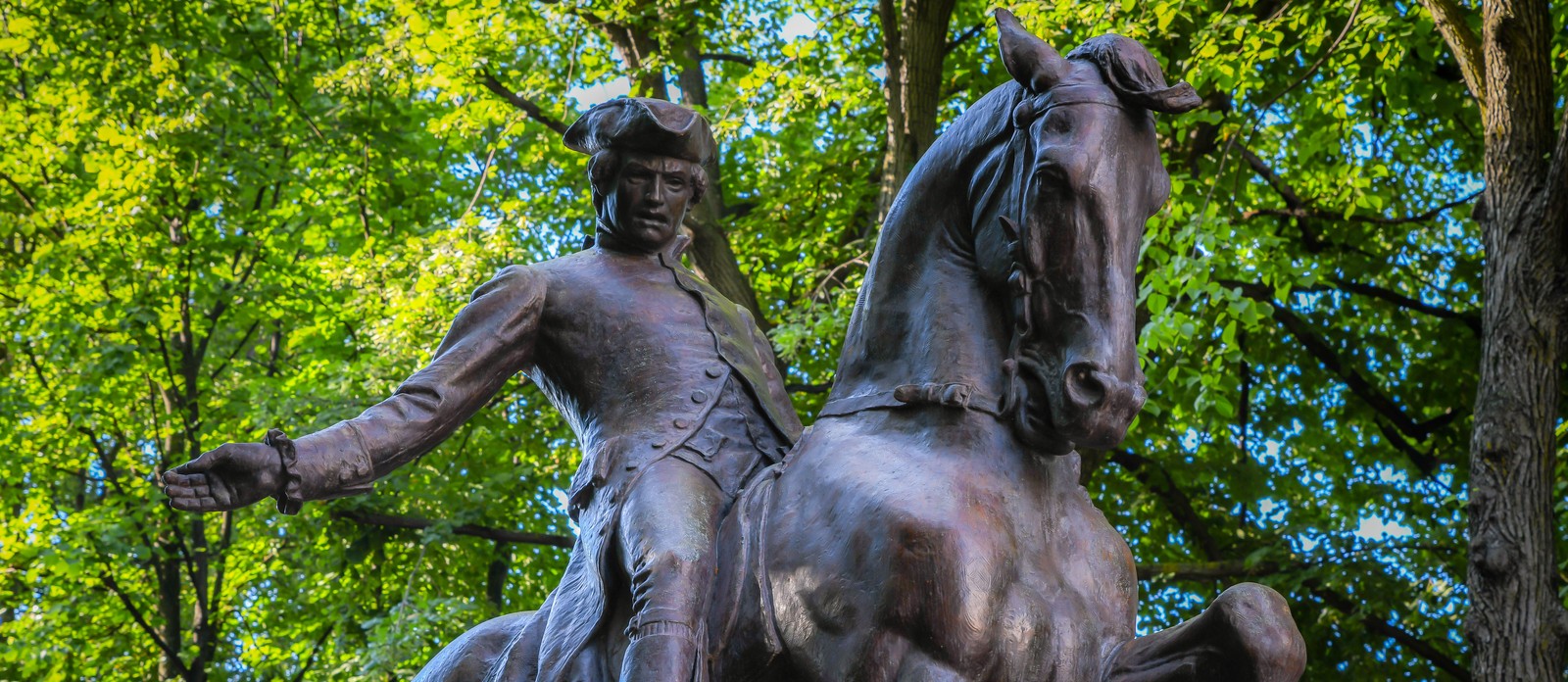
Boston's North End is the city’s oldest residential neighborhood, dating back to the 1630s. It played a crucial role in the American Revolution, with notable figures like Paul Revere building their homes there. The Old North Church, where the famous "One if by land, two if by sea" signal was sent, also stands as a landmark of the city’s revolutionary heritage.

The narrow streets and historic buildings offer visitors a glimpse into colonial America, making it one of Boston’s top tourist destinations. The North End is also renowned for its Italian heritage, which took root in the early 1900s, and for hosting the annual Feast of St. Anthony, a tradition dating back over a century.

5
Hollywood – Los Angeles, CA

Image: Jeremy Bishop

Hollywood is arguably the world’s most famous neighborhood when it comes to film and entertainment. Founded in the late 1800s, it quickly became the movie capital of the world with the establishment of the Nestor Film Company in 1911, the first of many studios to call Hollywood home.

Its most iconic landmark, the Hollywood Sign, was originally created in 1923 as an advertisement for a real estate development but has since evolved into a universal symbol of the film industry. While many production studios have relocated over the years, Hollywood remains synonymous with celebrity and filmmaking. Each year, millions of visitors flock to the Hollywood Walk of Fame and explore the streets where countless film legends started their careers.

6
Little Italy – New York City, NY

Image: Alex Haney

Little Italy, located in lower Manhattan, was established in the late 19th century by Italian immigrants who brought their culture, cuisine, and traditions to New York. The neighborhood quickly became a vibrant center of Italian-American life , with bustling markets, restaurants, and festivals.

Though urban development has reduced the original neighborhood to just five blocks, Little Italy still retains its old charm. Iconic spots like Lombardi’s, America’s first pizzeria, continue to draw crowds, while the annual Feast of San Gennaro—a tradition since 1926—celebrates the rich heritage of the community.

7
Chinatown – San Francisco, CA

Image: Kevin Vision

San Francisco’s Chinatown is not only the oldest but also one of the largest Chinese enclaves in North America —and even outside of Asia. Established in 1848, it holds significant historical and cultural importance, playing an important role during the California Gold Rush and the construction of the Transcontinental Railroad.

Today, Chinatown is celebrated for its vibrant markets, distinctive pagoda-style architecture, and lively Chinese New Year festivities. Spanning 24 blocks, it remains a crucial cultural and commercial hub, drawing both tourists and locals with its authentic cuisine and historic landmarks.

8
Hyde Park – Chicago, IL

Image: Manta X

Best known as the home of the University of Chicago, Hyde Park has long been a hub for intellectuals, politicians, and social movements on Chicago’s South Side. Originally developed as a retreat for the city's affluent residents, the neighborhood is also known for its numerous museums and religious institutions, including the famous Museum of Science and Industry.

Hyde Park was also the site of the 1893 World's Columbian Exposition, where millions of visitors were introduced to groundbreaking innovations, such as the first Ferris wheel. Today, it remains one of Chicago’s most diverse neighborhoods, having been home to notable figures like President Barack Obama.

9
Beacon Hill – Boston, MA

Image: Leslie Cross

Beacon Hill is one of Boston’s most picturesque neighborhoods, known for its Federal-style row houses and gaslit streets. Established in the early 1800s, it quickly became a haven for the city's elite, featuring homes designed by notable architects of the era, including Charles Bulfinch.

Beacon Hill also played a significant role in the abolitionist movement, with prominent figures like Frederick Douglass residing in the area. Adding to its architectural charm, the Massachusetts State House, also designed by Bulfinch, crowns Beacon Hill with its stunning golden dome.

10
Little Havana – Miami, FL

Image: Kian Lem

Little Havana in Miami is the heart of Cuban-American culture in the United States. Home to Cuban exiles and Latin American immigrants, the neighborhood's main street, Calle Ocho, is famous for its colorful murals, Cuban cafés, and lively music. Each year, the Calle Ocho Festival, part of the larger Carnaval Miami celebration, draws thousands of visitors.

A symbol of cultural integration, Little Havana features several significant landmarks, including the historic Tower Theater, which has served as a cultural bridge for newly arrived immigrants by offering films in both English and Spanish.

Explore more American facts

Choose your favorite category!

General
General

As American as apple pie—the very best America has to offer!

Culture
Culture

Delve into the astounding richness of American lore.

Geography
Geography

Hop in and explore vast and diverse American landscapes.

History
History

Discover the key moments that shaped the United States.