History History 2 min read

Born in America

From Pickleball to Pigskin: 10 sports only America could invent

Image: Riley McCullough

America has long been a land of innovation—not just in tech and culture, but in sports too. From backyard pastimes to professional spectacles, many athletic pursuits started here and captured the imagination of millions. Join us as we explore 10 uniquely American sports.

1
Baseball
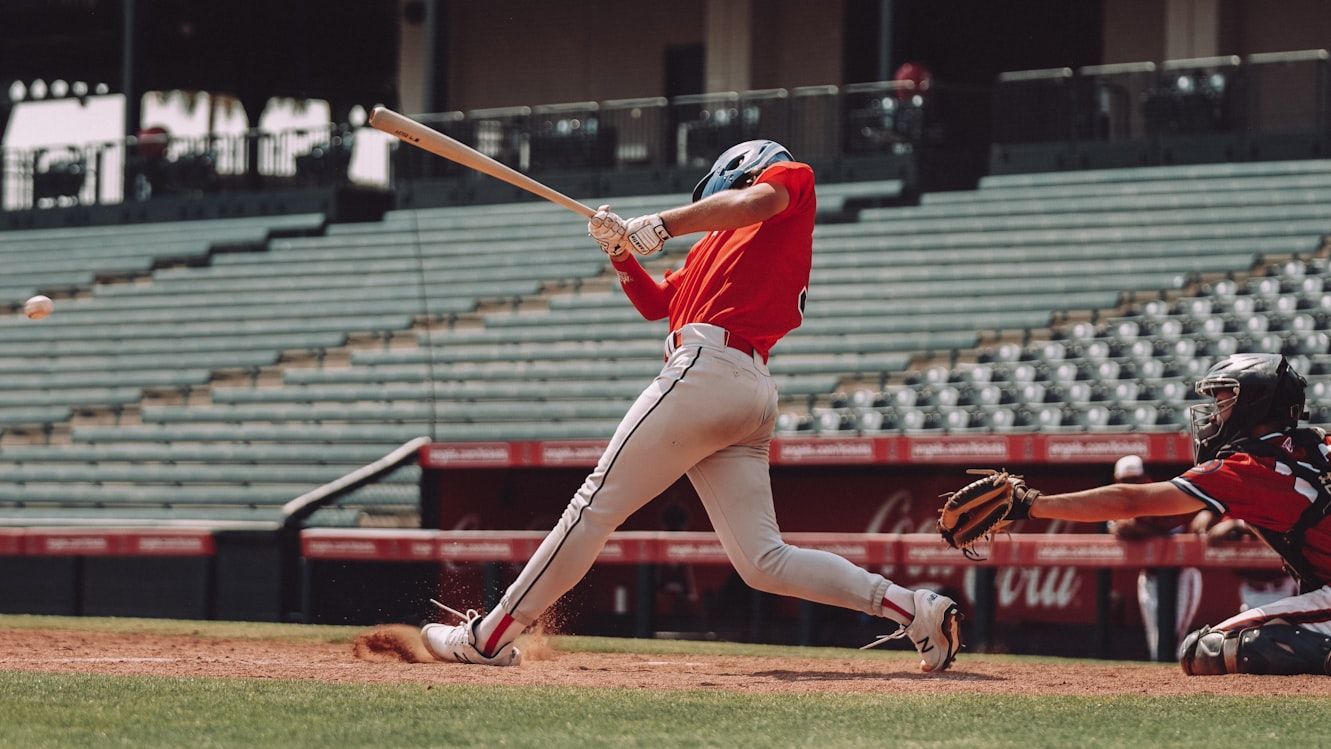
Image: Josh Hemsley

Originating in the early 19th century, baseball evolved from British bat-and-ball games like rounders. By the 1840s, it was widely played in New York and spread quickly across the country.

Professional leagues began forming in the 1870s, and by the 20th century, baseball had become a defining cultural symbol. The Major League Baseball (MLB) remains a cornerstone of American sports identity.

2
American Football
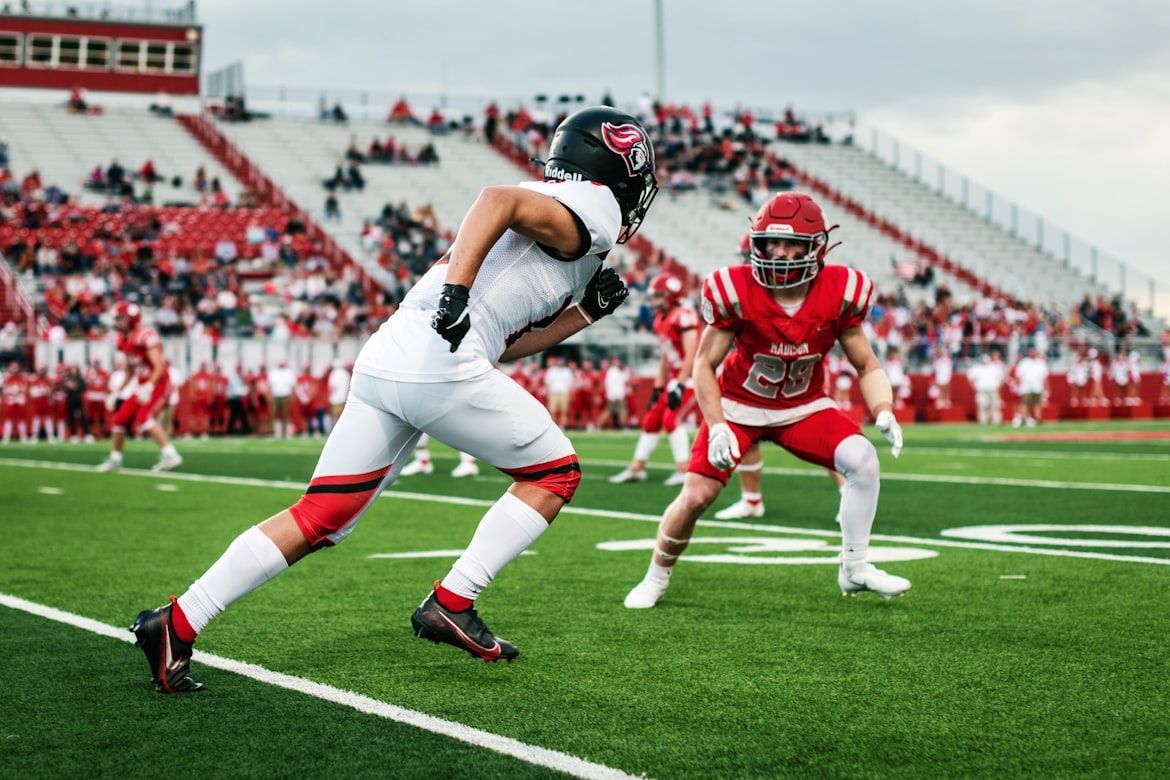
Image: Tim Mossholder

American football developed from rugby and soccer in the late 19th century, with Walter Camp shaping key rules like the line of scrimmage.

Today, the NFL is a multi-billion-dollar enterprise, with the Super Bowl considered an unofficial national holiday. Its unique strategic play sets it apart globally.

3
Basketball

Image: Markus Spiske

Invented in 1891 by James Naismith in Springfield, Massachusetts, basketball was created as an indoor game to keep athletes active during winter.

Basketball rapidly grew in schools and colleges, evolving into the NBA by 1946. Its fast pace and high scoring made it a uniquely American phenomenon with global influence.

4
Volleyball
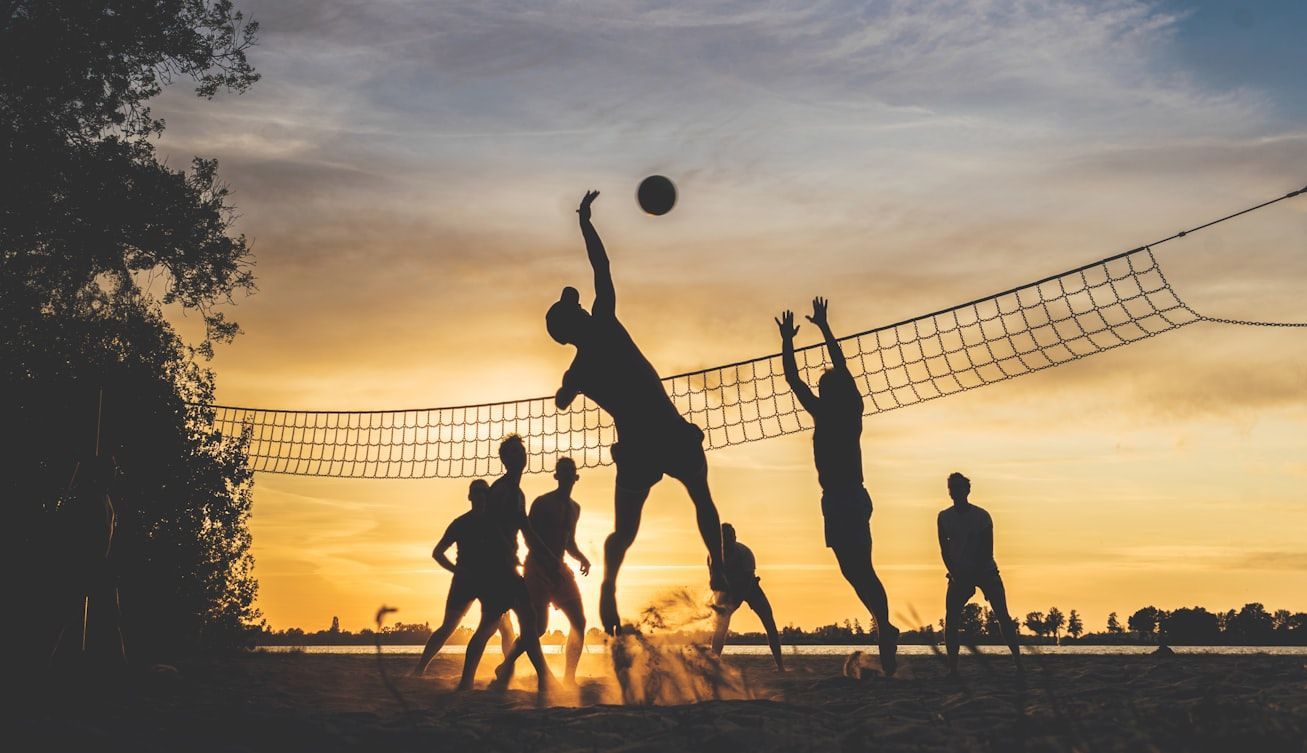
Image: Jannes Glas

William G. Morgan invented volleyball in 1895 in Holyoke, Massachusetts, as a less strenuous alternative to basketball for older athletes.

Originally called "Mintonette," it quickly spread through YMCA programs. Today, volleyball is a staple in American schools and a popular recreational and Olympic sport.

5
Lacrosse
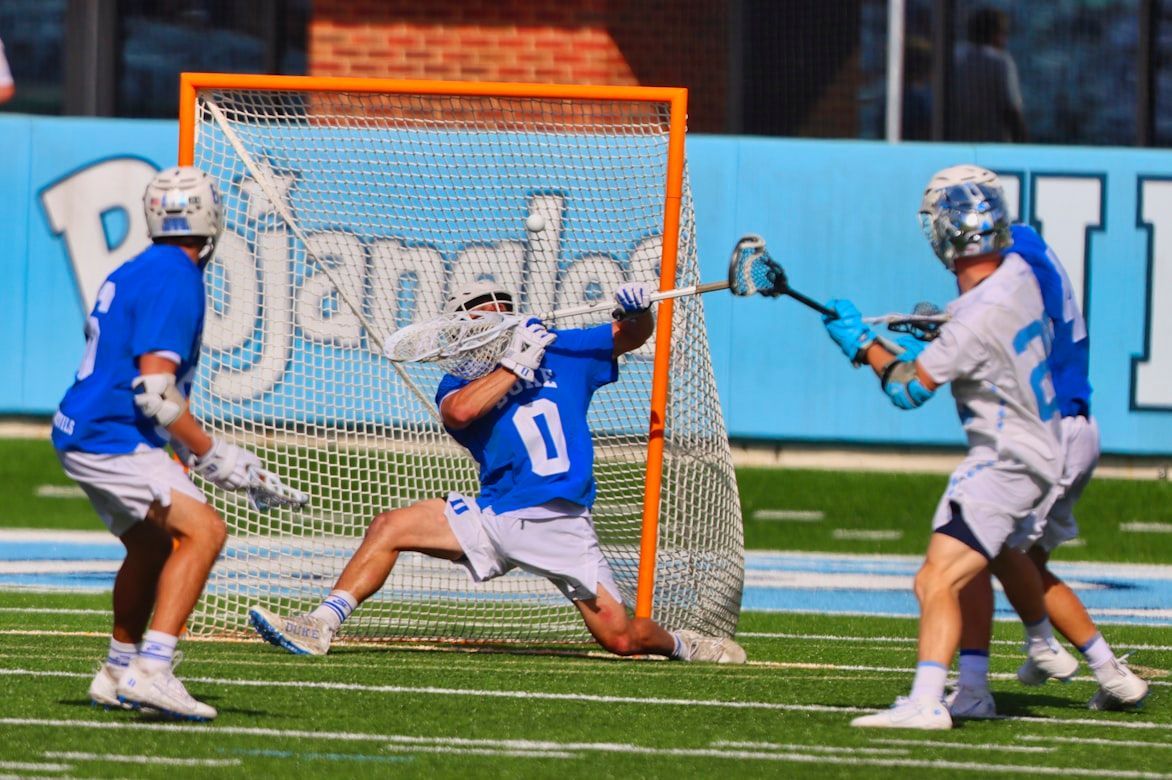
Image: Gene Gallin

Though based on Indigenous games, the modern field version of lacrosse was codified in the U.S. in the mid-19th century, particularly in New York and Maryland.

American collegiate leagues helped popularize the sport. Its fast pace, physicality, and unique stick skills differentiate it from similar sports elsewhere.

6
Rodeo
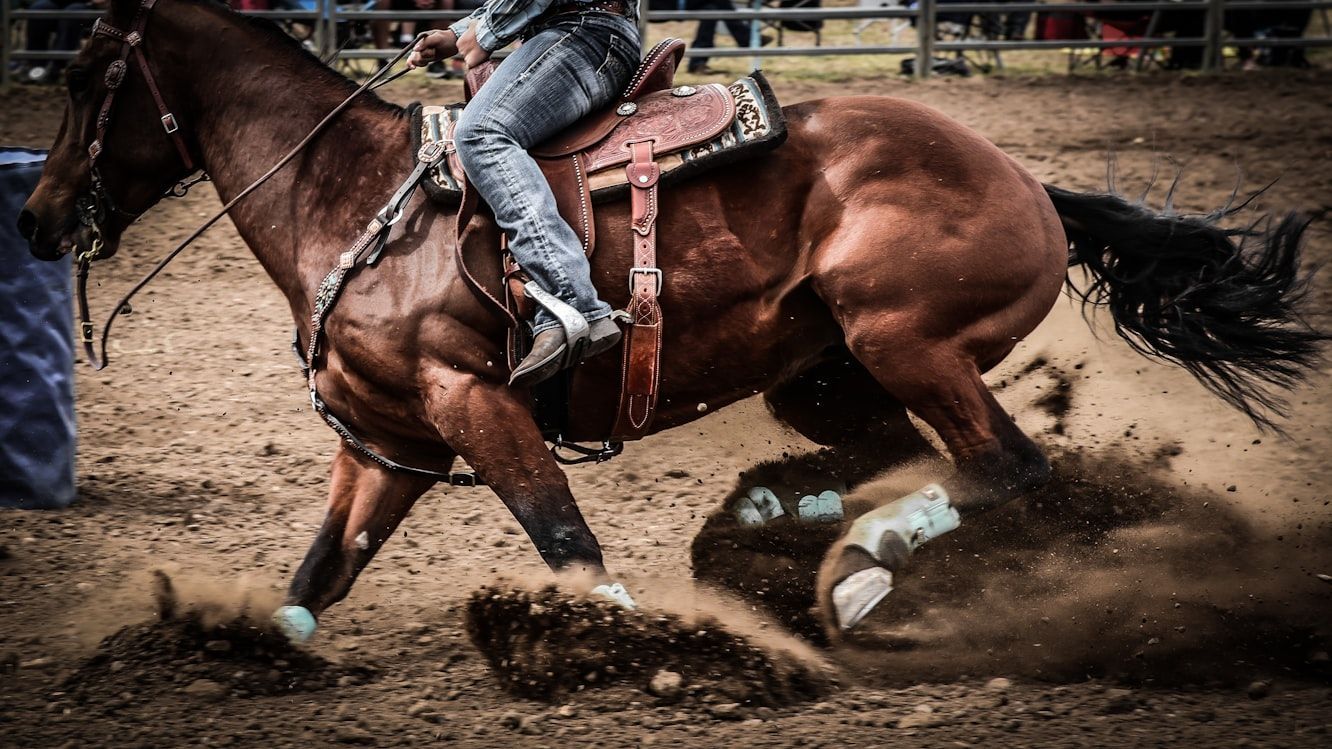
Image: Lee Pigott

Rodeo emerged from cattle herding competitions in the American West in the late 1800s. Cowboys demonstrated skills like bronco riding, roping, and barrel racing.

Rodeo reflects frontier life and is heavily celebrated in states like Texas and Wyoming. It became an organized sport with professional circuits in the 20th century.

7
Skateboarding

Image: Rhendi Rukmana

Developed in California in the 1950s as "sidewalk surfing," skateboarding transformed surfing techniques for urban environments.

The sport gained a professional scene by the 1970s, complete with skate parks and competitions. Its counterculture roots remain distinctly American.

8
Roller Derby

Image: River Fx

Emerging in the 1930s as a banked-track endurance race, roller derby evolved into a full-contact team sport.

Especially popular with women, modern roller derby combines athleticism and theatrical flair. It’s a uniquely American mix of sport and spectacle.

9
Cheerleading
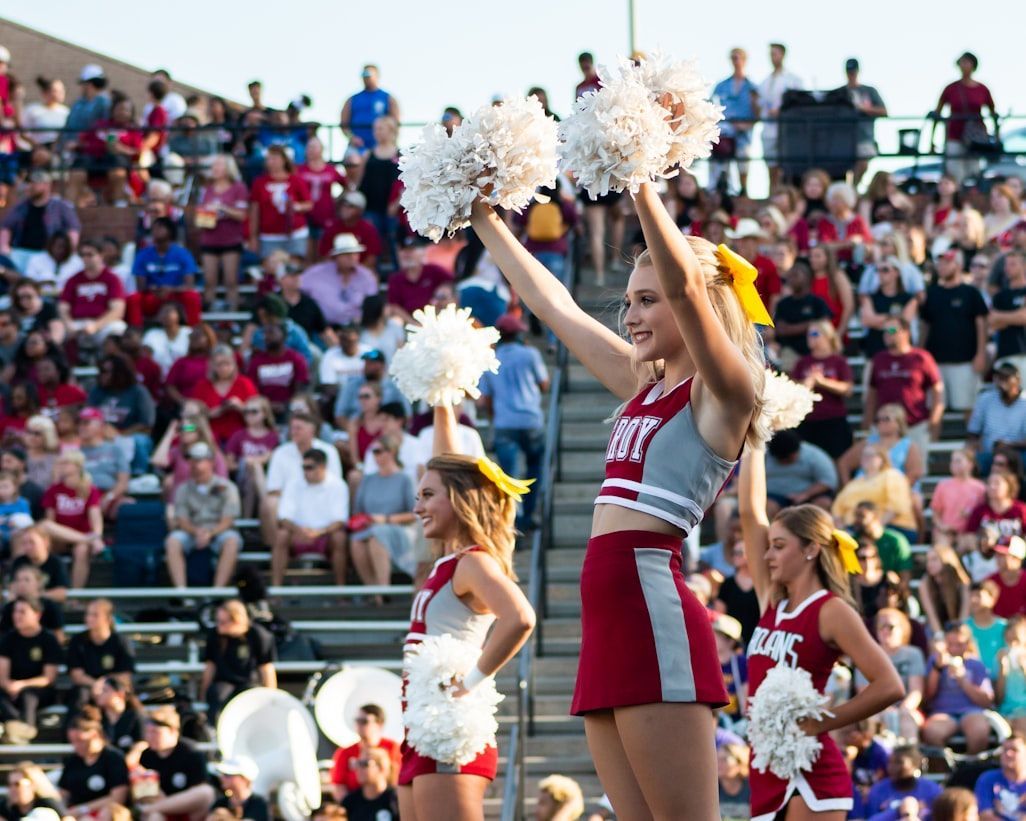
Image: Rojan Maharjan

Starting at the University of Minnesota in 1898, cheerleading began as organized support for college football teams.

Over time, it developed competitive elements with complex stunts and routines. Today, cheerleading is recognized both as a sport and a cultural phenomenon in the U.S.

10
Pickleball

Image: Aleksander Saks

Invented in 1965 on Bainbridge Island, Washington, pickleball blends tennis, badminton, and ping-pong.

It gained popularity for all ages due to its accessibility and social appeal. Pickleball’s exponential growth highlights American ingenuity in casual sports.
History History 2 min read

Homegrown sounds

How America invented 10 of the world’s biggest music genres

Image: Daniel Angele

If the U.S. has exported anything in abundance, it’s music. From Delta blues to disco, America has shaped the global soundscape with genres that reflect its history, struggles, and triumphs. Join us as we explore 10 of the most influential music styles born on American soil.

1
Blues

Image: Ahmed Rizkhaan

Originating in the Deep South during the late 19th century, blues evolved from African American work songs, spirituals, and field hollers. More often than not, it channeled pain and the harsh realities of life in a segregated America. Formally, its 12-bar blues structure and expressive guitar playing influenced countless other genres, from rock and roll to jazz.

2
Jazz

Image: Carol Highsmith's America

Born in New Orleans in the early 20th century, jazz blended African rhythms, blues, and brass band traditions. It was a revolutionary genre defined by improvisation and syncopation. Great figures like Louis Armstrong and Duke Ellington helped jazz spread worldwide, becoming a symbol of American creativity.

3
Rock and Roll

Image: Ana Grave

Emerging in the 1950s, rock and roll combined elements of blues, gospel, and rhythm and blues to create a high-energy, powerful sound . It soon became the voice of a new, rebellious generation. Pioneers like Elvis Presley, Chuck Berry, and Little Richard became universally beloved legends, forever altering the course of popular music.

4
Country

Image: Ben White

Originating in the southern United States, country music evolved from folk ballads and fiddle tunes brought by European immigrants. Initially, the genre focused on stories about blue-collar American life but later expanded to include love ballads and dance tunes. Today, it remains one of the most popular genres in the U.S.

5
Bluegrass

Image: Priscilla Du Preez

A fast-paced, acoustic offshoot of country, bluegrass emerged in the 1940s thanks to Bill Monroe and his Blue Grass Boys. Drawing from Irish and Scottish folk traditions, it prominently features stringed instruments like the banjo, mandolin, and fiddle. A true heartland gem, bluegrass continues to thrive on festival circuits worldwide.

6
Rhythm and Blues

Image: Matthijs Smit

Rhythm and Blues, or R&B, evolved from blues and jazz in the 1940s, featuring soulful vocals and a strong, "insistent" backbeat. Though its boundaries have been historically difficult to define, it laid the foundation for rock, soul, and funk while remaining a powerhouse in American music for generations.

7
Gospel

Image: Iyinoluwa Onaeko

Rooted in African American church traditions, gospel music emerged in the early 20th century, blending spirituals with blues and jazz influences. Artists like Mahalia Jackson and The Staple Singers were among the first to bring gospel beyond church walls, paving the way for future soul and rock musicians.

8
Soul

Image: Kobe Subramaniam

A direct descendant of gospel and R&B, soul music took center stage in the 1960s with its mix of emotional vocals and deep grooves. Legends like Aretha Franklin and James Brown defined the genre, influencing everything from funk to modern pop.

9
Funk

Image: Krisztián Reischl

Emerging in the 1960s, funk placed a strong emphasis on groove and rhythm, featuring heavy basslines and syncopated beats made for dancing. Pioneers like James Brown, Parliament-Funkadelic, and Sly & The Family Stone helped popularize the genre, whose infectious rhythms later influenced disco, hip-hop, and even rock.

10
Disco

Image: Honey Fangs

Rising in the 1970s, disco blended soul, funk, and Latin influences into a beat-driven, club-friendly sound. More than just a music genre, it became a cultural movement centered on dance, freedom, and glamour. At its peak, artists like Donna Summer and the Bee Gees dominated the airwaves.

General General 4 min read

True gems

I Will Always Love You, Purple Rain & more hits that almost didn't happen

Image: Alexas_Fotos

We all have those unforgettable songs that take us back to special moments in our lives. But some of those iconic hits almost never made it out into the world. Remember the theme song from The Bodyguard ? Believe it or not, it was almost replaced! Today, we're looking back at 10 legendary songs that, for one reason or another, were nearly never released. Let's hit play and enjoy!

1
"I Will Always Love You" by Whitney Houston

Image: Ransford Quaye

This legendary ballad was originally written and recorded by Dolly Parton in 1973. When the song was selected for the The Bodyguard soundtrack , the producers were initially hesitant. They were about to choose a different song for Whitney Houston, but everything changed in a second. Once they heard her sing it, they knew they couldn't pass it up. Today, it's considered one of her most iconic performances!

2
"Purple Rain" by Prince

Image: Doyoun Seo

While we can't imagine a world without the iconic "Purple Rain," it almost wasn't released! At first, Prince conceived the song as a duet with Fleetwood Mac's Stevie Nicks, but she turned it down, saying the piece felt too overwhelming. Prince then trimmed the original version (the final still runs over 8 minutes) as the theme was considered too complex and extensive. Fortunately, after those arrangements, it was released on the album of the same name in 1984 and became one of his most legendary works.

3
"Billie Jean" by Michael Jackson

Image: Mathew Browne

The Thriller album wouldn’t be the same without the incomparable "Billie Jean"! But did you know that it almost didn't make the cut? Believe it or not, the album's producer didn't like the song and thought the title might confuse people, especially due to its similarity to tennis player Billie Jean King's name. He even suggested changing not just the title, but also the iconic bass intro. Fortunately, Jackson stood his ground, and the song became a turning point in his career!

4
"Nothing Else Matters" by Metallica

Image: Yurii Stupen

Metallica gave us the incredible ballad "Nothing Else Matters," later covered by multiple artists and bands around the world. But vocalist James Hetfield almost deprived us of this beautiful work! As he tells it, he composed the ballad on the road while missing his home and family. However, when his spirits lifted, Hetfield worried that the song might be too personal, and perhaps too soft for Metallica's heavy metal vibe. Fortunately, when the band members heard it, they loved it and convinced him to include it on The Black Album .

5
"Livin' on a Prayer" by Bon Jovi

Image: andre mosele

Who hasn't sung " Whoaaaa, we're halfway there, whoa-ooooh, livin' on a prayer " at the top of their lungs? We certainly have! But, strangely enough, Jon Bon Jovi almost kept this anthem a secret . When he first heard the full version of the song, he wasn’t convinced—he thought it was too simplistic and might not resonate with fans. Thankfully, his bandmates saw something special in it and convinced him to give it a chance.

6
"Smells Like Teen Spirit" by Nirvana

Image: Jurian Kersten

The legendary Kurt Cobain wrote "Smells Like Teen Spirit" as a protest against the polished pop hits dominating the music scene—but the result didn’t convince him. He was worried that the song would become too mainstream, given its commercial appeal. After some debate, the producer and the band convinced him to record it. To this day, it's one of the band's most iconic tracks and a defining anthem of the entire grunge movement!

7
"Like a Prayer" by Madonna

Image: Jonathan J. Castellon

"Like a Prayer" by Madonna is one of the most famous hits in pop music history. But the religious imagery in both the song and its music video raised concerns among her producers and record label executives, who feared an intense backlash that could affect the singer's career. Although it’s said that Madonna herself was initially hesitant as well, the song was not only released but also became one of her defining anthems.

8
"Sweet Child O’ Mine" by Guns N’ Roses

Image: Simon Weisser

Although it may be hard to believe, a record company once considered "Sweet Child O' Mine" unrepresentative of Guns N’ Roses’ sound. In fact, it’s said that Slash’s now-iconic guitar riff started out as an ironic joke! When the rest of the band heard it and wanted to build a song around it, he flatly refused. Luckily for the fans, the song did come out, and it also became the band's only number-one hit on the US Billboard Hot 100!

9
"1979" by The Smashing Pumpkins

Image: Francisco Moreno

Although many of us love "1979" by The Smashing Pumpkins, it was almost left off their album Mellon Collie and the Infinite Sadness . The song, written by lead singer Billy Corgan, was initially rejected by the band because they felt it didn't fit with the overall vibe of the album. Fortunately, after hearing the completed track, they realized how unique it was and decided to include it.

10
"What’s Going On" by Marvin Gaye

Image: Caio Silva

One of the most iconic songs in American music history, "What's Going On," almost didn't see the light of day. When Marvin Gaye brought the track to Motown founder Berry Gordy, he was met with resistance. Gordy felt the song’s social and political themes were too risky and potentially controversial. But Gaye was determined. He pushed forward and recorded it anyway—and thanks to that decision, we have this timeless masterpiece today.

Explore more American facts

Choose your favorite category!

General
General

As American as apple pie—the very best America has to offer!

Culture
Culture

Delve into the astounding richness of American lore.

Geography
Geography

Hop in and explore vast and diverse American landscapes.

History
History

Discover the key moments that shaped the United States.