History History 4 min read

America through songs

10 songs that preserve America’s greatest stories

Image: Anmol Arora / Chris Robert

Music has always been a way for Americans to reflect on their shared history, both struggles and victories. From heartfelt anthems about our most beautiful landscapes to bittersweet reflections on failed dreams, there is no shortage of melodies that place America at their center. Hum along with us through these 10 unforgettable songs that blend art and history, making us reflect on what was gained and lost along the way.

1
"Born in the U.S.A." – Bruce Springsteen

Image: Jose Antonio Gallego Vázquez

This 1984 anthem by "The Boss" captures the struggles of Vietnam veterans returning to a country that seems to have forgotten them. While often mistaken as a patriotic rally cry, its verses lament economic hardship and societal neglect.

Springsteen's raw vocals and gritty lyrics juxtapose against its rousing melody, making it one of America’s most misunderstood yet powerful songs. The album was a commercial success, solidifying its place in rock history.

2
"American Pie" – Don McLean

Image: Priscilla Du Preez

Released in 1971, McLean’s eight-minute epic recounts America’s loss of innocence following Buddy Holly’s death in 1959. The song’s nostalgic tone and layered storytelling made it an instant classic, with its complex lyrics referencing a myriad of cultural and political events of the 1960s.

While the song is known for its deep, almost cryptic lyrics, McLean chose not to explain its meaning for many years, allowing listeners to interpret it as they saw fit. When asked about the song’s significance, McLean humorously responded, "It means I never have to work again."

3
"We Didn’t Start the Fire" – Billy Joel

Image: Matt C

Another hit song known for its rapid-fire, name-dropping lyrics, "We Didn’t Start the Fire" chronicles major American events and figures from 1949 to 1989—a true history lesson packed into a pop hit.

According to Joel, the idea came from a conversation with a younger friend, who suggested that no era could have been more chaotic than the one they were living in. This prompted Joel to write a song demonstrating that every era has its own share of turmoil, showing that there’s nothing new under the sun.

4
"Take Me Home, Country Roads" – John Denver

Image: Mario Scheibl

This 1971 ode to West Virginia celebrates the beauty of rural America. Denver’s tender vocals and vivid imagery perfectly capture the essence of small-town life and evoke a sense of nostalgia for simpler times.

In the chorus, Denver depicts the roads to West Virginia as a guiding force, leading him back to a place where he truly belongs, affectionately calling the state "Mountain Mama." The song has since become a symbol of Appalachian pride, performed at countless events, and even adopted as an official state anthem.

5
"Paradise" – John Prine

Image: Albert Hyseni

Prine’s 1971 bittersweet ballad tells the story of a small Kentucky town destroyed by coal mining. Although Prine was from Chicago, his family hailed from the Appalachian region, specifically the town of Paradise, Kentucky.

Large-scale strip mining from the 1950s to the 1970s wiped Paradise off the map, as thousands of acres were stripped. During that time, regulation of strip mining was minimal at best, and even today, the environmental and societal scars of this practice are still visible.

6
"Casey Jones" – Mississippi John Hurt

Image: Tim Wildsmith

"The Ballad of Casey Jones," also known as simply "Casey Jones," is a traditional American folk song about railroad engineer Casey Jones and his death while driving the train he was operating.

Although Mississippi John Hurt isn’t the only artist to cover this subject, his version neatly and beautifully sums up the story of this almost forgotten American hero — a heroic railroad engineer who sacrificed his life to save passengers during a train crash in 1900.

7
"Pancho and Lefty" – Townes Van Zandt

Image: Cemrecan Yurtman

Though originally written by Van Zandt, Willie Nelson and Merle Haggard’s 1983 rendition made this tale of two outlaws iconic. It tells the mysterious story of Pancho, a legendary gunslinger betrayed by his partner Lefty.

One reason the song remains so enduring may be its open-ended lyrics, which invite listeners to imagine the untold parts of the story. Plus, who doesn’t love a song about outlaws on the run in the good old days?

8
"The Night They Drove Old Dixie Down" – The Band
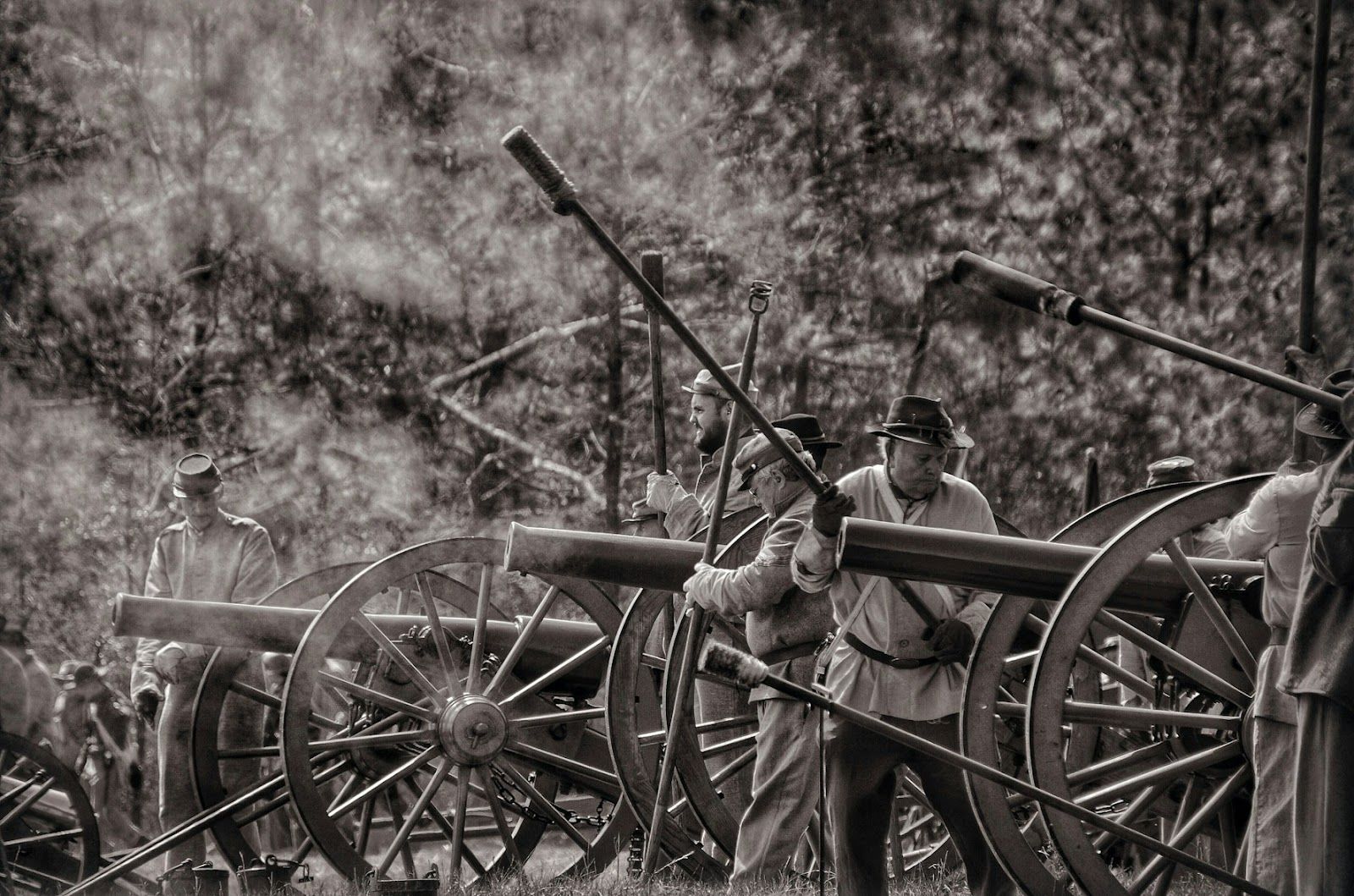
Image: Rick Lobs

This 1969 song tells the story of a Confederate soldier reflecting on the fall of the South during the Civil War. Its deeply human perspective makes it stand out, resonating with empathy on the subjects of war and its aftermath.

One of the group's most successful songs, its carefully crafted lyrics bring an overwhelming human sense of history, reminding us of the suffering of those who were quickly forgotten after the war.

9
"Pastures of Plenty" – Woody Guthrie

Image: Samantha Sheppard

This 1941 song tells the story of Dust Bowl migrants seeking work in California. Guthrie's soulful lyrics seek to capture their resilience amid poverty and displacement.

Written as a tribute to these migrant workers, the song evokes the world described in John Steinbeck’s The Grapes of Wrath . Curiously, the tune is based on the ballad "Pretty Polly," a traditional folk song from the British Isles that was also popular in the Appalachians.

10
"Wabash Cannonball" – Roy Acuff

Image: Paul Arky

An anthem of railroad culture, "Wabash Cannonball" follows the predicaments of a mythical train of the same name. There are many theories about the origin of "The Wabash Cannonball." Some believe it originated in American hobo culture, serving as a "death coach" that appeared at the death of a hobo to carry his soul to its reward.

Another theory suggests the song is based on a popular tall tale about Cal S. Bunyan, Paul Bunyan's brother, who supposedly constructed a railroad so the train could travel so fast it arrived at its destination before it even departed.
Culture Culture 3 min read

Powerful styles

How can a beard change history? 10 US presidents with iconic facial hair!

Image: Library of Congress

Can you guess how many US presidents have had beards? And how many grew a mustache? Which one comes to mind first? For some, it's Lincoln's unmistakable beard; for others, Roosevelt's distinguished mustache; and some will remember John Quincy Adams' sideburns. From the most classic mustaches to eccentric beards, today, we're taking a look at 10 unforgettable presidential styles!

1
Abraham Lincoln

Image: Library of Congress

Probably one of the most remembered presidential beards is that of the 16th US President and author of the unforgettable Gettysburg Address, Abraham Lincoln. But, while his image is forever linked to his top hat and distinctive, mustache-free beard, he actually didn't always have it.

Before he was elected president, an 11-year-old girl wrote him a letter suggesting he grow a beard. Fortunately, Lincoln took her advice! Thus, he became the first president to grow a beard while in office.

2
Theodore Roosevelt

Image: Library of Congress

Another iconic style was that of Teddy Roosevelt. His handlebar mustache is not only seen in photos and portraits from his time in office but is also forever etched on the imposing Mount Rushmore. Many men of his era imitated his dramatic, thick, and bushy mustache, which perfectly matched the vigor and toughness that defined the 26th US president.

3
Ulysses S. Grant

Image: Sergei Starostin

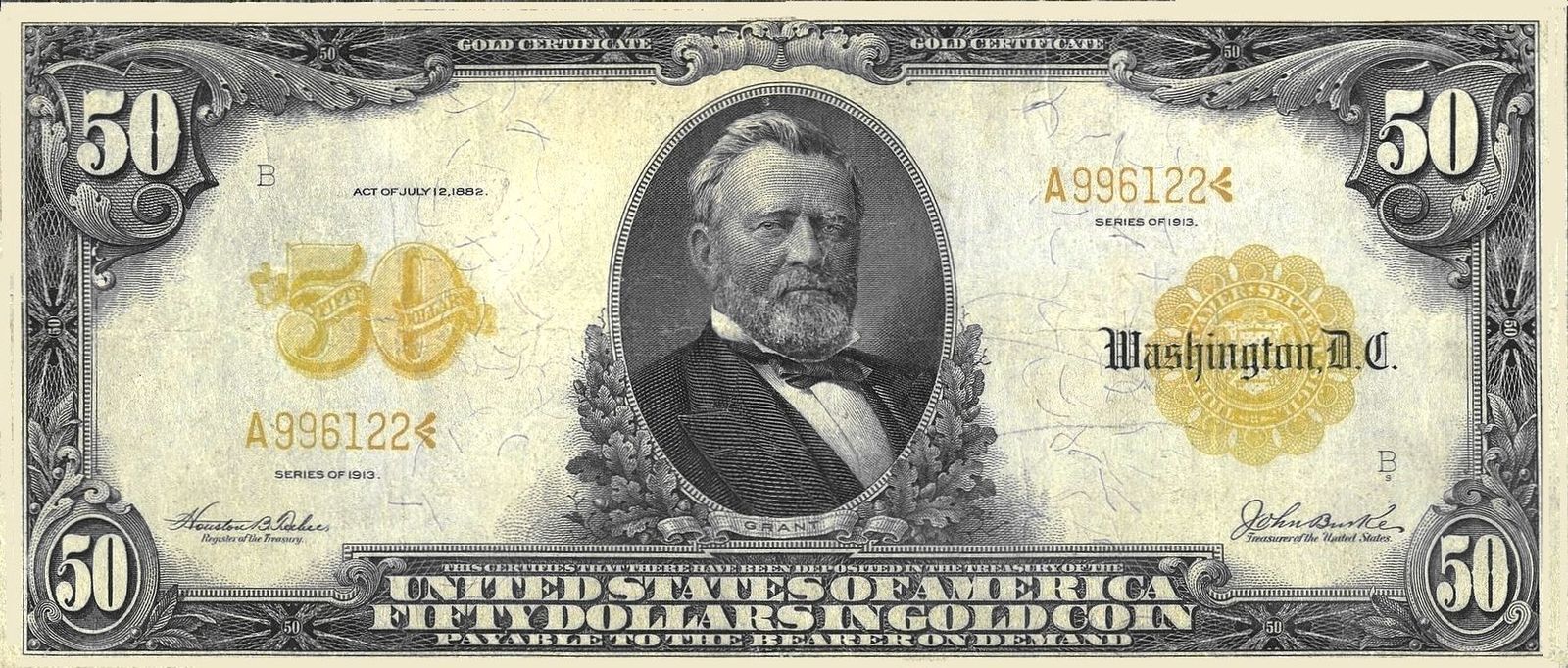
Beard? Yes! Sideburns? Of course. Mustache? That too! That is the case with Ulysses S. Grant, a president with a full look, fitting for a Civil War hero.

Grant's beard and mustache were thick -though not long- covering his jawline and also much of his cheeks. Thus, the 18th US president set a fashion trend that would be followed by several other presidents of the 19th century.

4
Grover Cleveland

Image: Dave Sherrill

Another president with a well-remembered mustache was Grover Cleveland, the first US president to serve two non-consecutive terms.

Cleveland's mustache was fluffy and extended just past the edges of his mouth. Although this might have been a problem when dining with guests, his mustache always looked neatly trimmed.

5
William Howard Taft

Image: Ronaldo Guiraldelli

Now, it's time to talk about the only person in the history of the US to have served as both President and Chief Justice of the Supreme Court: William Howard Taft.

Taft sported a bushy mustache, like Teddy Roosevelt, who served right before him. But, unlike his predecessor, the tips of Taft's mustache didn't point downward; instead, they bent upward, making it much more theatrical.

6
John Quincy Adams

Image: Library of Congress

John Quincy Adams didn't need a mustache to stand out with his style. His hallmark was something quite original: sideburns.

Remembered for being bushy and always well and neatly groomed, the 6th president's memorable sideburns extended down the sides of his face, even connecting beneath his chin!

7
Rutherford B. Hayes

Image: Nikolaos Dimou

Rutherford B. Hayes was another 19th-century president known for sporting a full beard. In addition to being thick, his beard and mustache were quite long and even joined together, fully covering his lips, as seen in portraits from the time. While the 19th President looked really distinguished, we can't help but wonder how he handled summer with that style!

8
James A. Garfield

Image: Sean Foster

James A. Garfield had a look strikingly similar to that of his predecessor, Rutherford B. Hayes.

Also sporting a thick, long, full beard, Garfield's mustache was slightly shorter than Hayes', and his beard extended further onto his cheeks. It seems that you had to put some serious effort into perfecting your facial hair to be trendy in the late 19th century!

9
Martin Van Buren

Image: Jack Bulmer

"Mutton chops" is the term for the thick, bushy sideburns worn by Martin Van Buren, the 8th president of the United States, a style known more for its volume than its tidiness.

As seen in portraits from different moments of his life, Van Buren had sideburns from a young age, but they definitely stood out during his presidency. In fact, political cartoons of his time often emphasized that very feature, making his sideburns exaggeratedly large.

10
Zachary Taylor

Image: Josh Sorenson

Before Lincoln, the dominant fashion was a clean-shaven look. But Zachary Taylor -just like John Quincy Adams and Martin Van Buren- came to revolutionize things with his sideburns.

We have to admit Taylor's sideburns were far more modest than those of his predecessors, but he remains one of the few presidents to have worn any facial hair before Honest Abe made it a trend!

History History 4 min read

Sip back in time

Ombibulous times: Talking the talk of prohibition

Image: Moussa Idrissi

Back in the 1920s, when alcohol was outlawed but far from out of reach, people got creative—not just with cocktails, but with their lingo, too. From secret bars to shady drinks and sly lawmen, the Prohibition era brewed up a whole dictionary of clever slang. Some of these phrases are still with us today, while others sound like something out of an old gangster flick. Let’s raise a (legal) glass and dive into the wild vocabulary of the dry years!

1
Giggle water

Image: Tristan Gassert

Sounds fun, doesn’t it? "Giggle water" was slang for champagne, but later came to mean any kind of alcoholic drink that made you feel good.

The term popped up around 1910 and hung around well into the ’20s. Lighthearted and cheeky, it captured the mood of a tipsy good time. It was all laughs—until the next morning.

2
Blind pig

Image: Annie Spratt

A "blind pig" was code for an underground bar, or speakeasy, where patrons paid to see an "exotic animal" and conveniently received a cocktail with the show. This ruse was an early attempt to skirt the law. The term dates back to the 1800s and had a cousin in crime: the "blind tiger." No matter the name, nobody was there to admire animals—they came for the booze.

3
Juice joint

Image: John Hernandez

At first glance, this might sound like a fruit stand. But during the 1920s, a "juice joint" was slang for a speakeasy—especially the more modest ones. However humble, they had it all: music, dancing, and definitely drinks, legal or not.

The name originally referred to soda stands, but it didn’t take long before it meant something much stronger. If you were thirsty during the dry years, this was a must-stop.

4
Jake walk

Image: Ve al perfil de Andreas M Andreas M

Here’s a sobering one. "Jake" was shorthand for Jamaican ginger extract, a legal tonic with high alcohol content. But manufacturers altered it to skirt regulations—and the results were tragic. Drinkers developed a distinct limp from nerve damage, called the "Jake walk" or "Jake leg." Thousands were affected, especially in the South. It became both a medical crisis and a dark symbol of the risks people took to sneak a drink.

5
Ombibulous

Image: Kelsey Chance

Writer H.L. Mencken had a way with words—and a taste for booze. In 1920, he dubbed himself "ombibulous," meaning he happily drank anything alcoholic, no matter what. He was also known for calling bootleggers "booticians," always with a wink. A strong critic of Prohibition, Mencken turned his drinking habits into witty declarations.

6
Needle beer

Image: Wil Stewart

You know the drill: desperate times, desperate measures. Some barkeeps took regular beer, injected it with alcohol via a syringe through the cork, and served it up as the real deal. This DIY hack became known as "needle beer." It was risky and often poorly mixed, but in an era when options were slim, creativity was all people had. Probably not the safest pint you ever drank, though.

7
Brick of wine

Image: Kym Ellis

Yes, really! You could buy a block of grape concentrate, add water, and wait—voilà, wine! These "bricks" came with an ironic warning not to store them in a cool, dark place (wink, wink), or they might "accidentally" ferment. For wine lovers who craved a glass during the dry years, this was a sly workaround. Just add water, patience, and a sense of humor, of course!

8
Bathtub gin

Image: Bjarne Vijfvinkel

Not a flavor—a method. "Bathtub gin" referred to homemade hooch often mixed in, you guessed it, a bathtub. Tall bottles didn’t fit under sink taps, so a larger space was needed. We’ve said it before, and we’ll say it again: how creative could they get?

The quality varied wildly, and safety wasn’t exactly guaranteed. However, it became the generic term for all sorts of homebrewed booze.

9
Teetotaler

Image: Jessica Smith

This word originated before Prohibition but got plenty of use during it. A "teetotaler" is someone who avoids alcohol entirely. The term comes from the emphatic "T" in "total abstinence." It gained popularity thanks to temperance movements in the 1800s, long before the ban was official. While others were sneaking into blind pigs, teetotalers were proudly saying, "Thanks, but no thanks."

10
Dry

Image: engin akyurt

If you were "dry," you were all in on Prohibition. Drys supported the ban, and dry counties banned alcohol completely. Agents who enforced the law were often called "dry agents." The term became both a political and cultural identifier. You were either dry or...

11
Wet

Image: CHUTTERSNAP

...you were wet. A "wet" person supported legal alcohol sales, plain and simple. Wet cities and counties allowed booze to flow, and many Americans never bought into the dry movement. The wet/dry divide wasn’t just about drinks—it represented a much larger cultural clash. And as we know now, the wets eventually won.

12
Whale

Image: Todd Cravens

Not a sea creature, but someone who could drink like a fish. A "whale" was a heavy drinker, often the life of the party and the last one standing. Whether at a juice joint or speakeasy, whales had reputations to uphold. The term lives on today in gambling circles, too—but back then, it was all about your booze tolerance.

Explore more American facts

Choose your favorite category!

General
General

As American as apple pie—the very best America has to offer!

Culture
Culture

Delve into the astounding richness of American lore.

Geography
Geography

Hop in and explore vast and diverse American landscapes.

History
History

Discover the key moments that shaped the United States.