General General 4 min read

A map of weirdness

From Bigfoot to the Jersey Devil, discover these American mysteries!
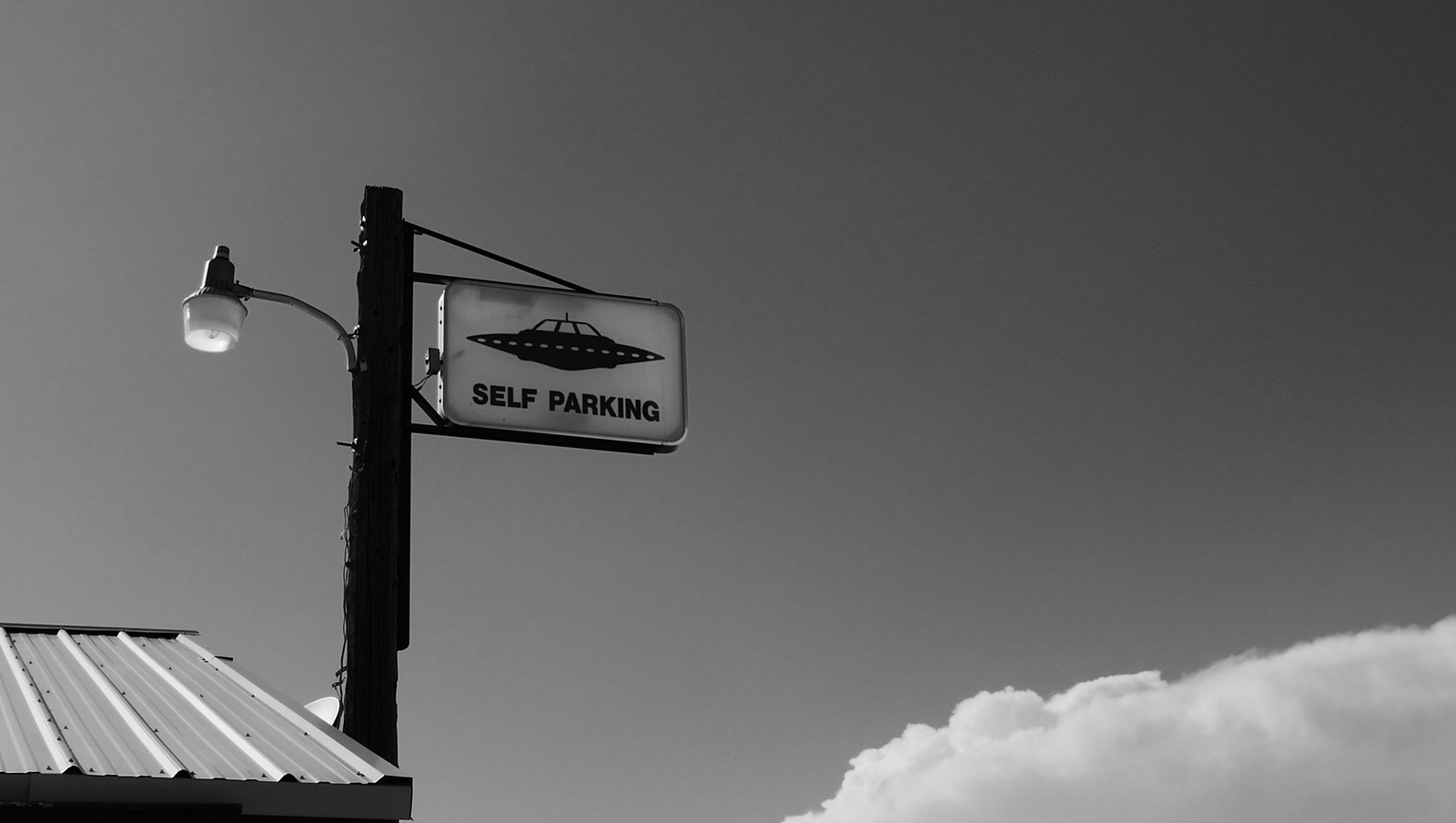
Image: Michael Herren

America is undoubtedly a vast country, and this great land of ours certainly holds its fair share of mysteries. From coast to coast, you’ll encounter fascinating, enchanting, and sometimes chilling secrets hidden across all 50 states. With that in mind, we’ve selected 10 of the most captivating American mysteries, hoping to inspire the adventurer hiding in all of us. Enjoy!

1
Bigfoot
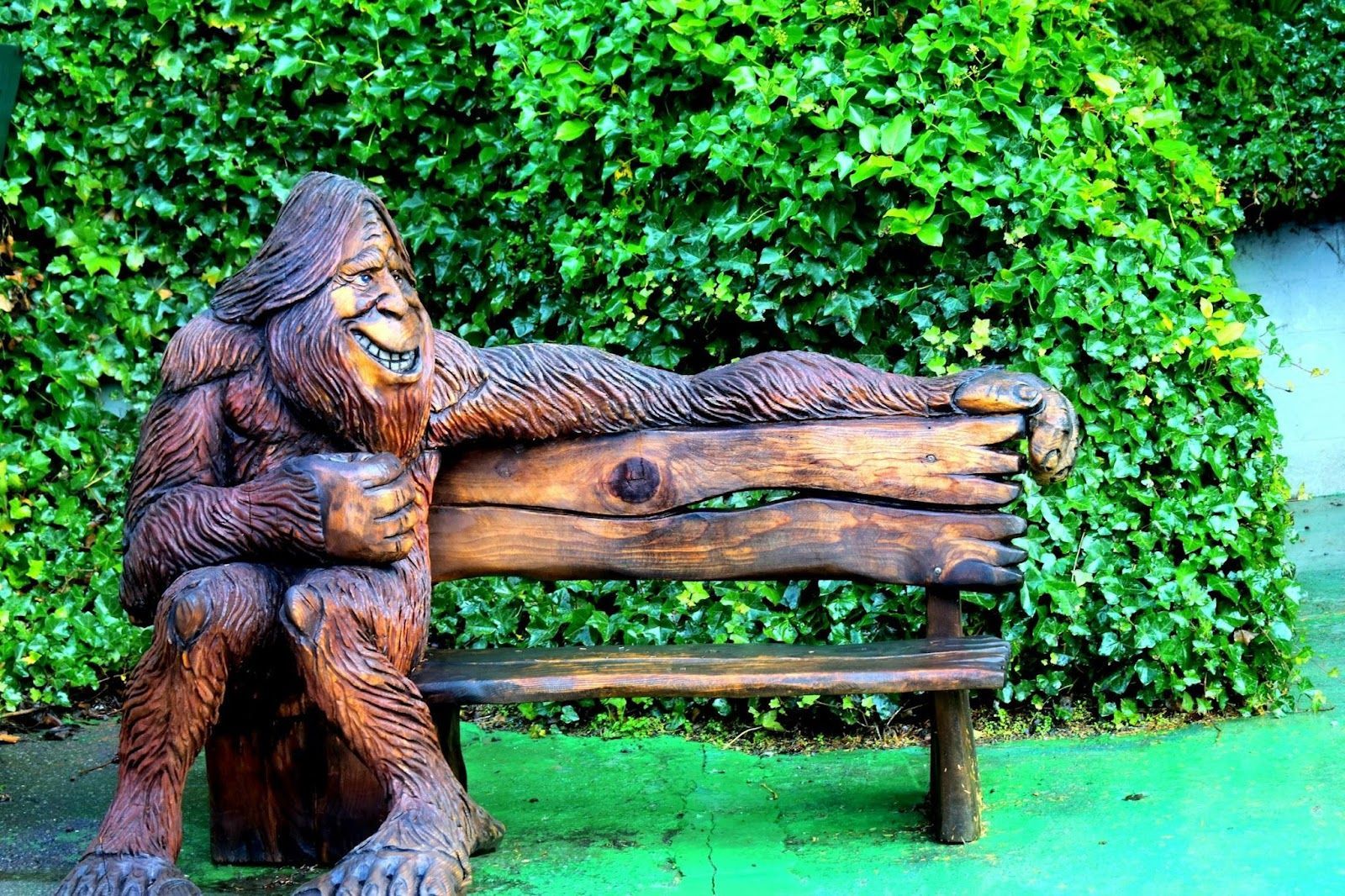
Image: Mandy Bourke

We’ll start with a classic. For many Americans, Bigfoot is the quintessential mystery —a fantastical creature that has fascinated generations. Also known as Sasquatch, Bigfoot is described as a large, hairy, ape-like being that supposedly roams the forests of North America, evading hikers and adventurers. Some believe most sightings result from misidentifying large mammals like black bears, but true believers continue their relentless search for this mythical creature.

2
Area 51
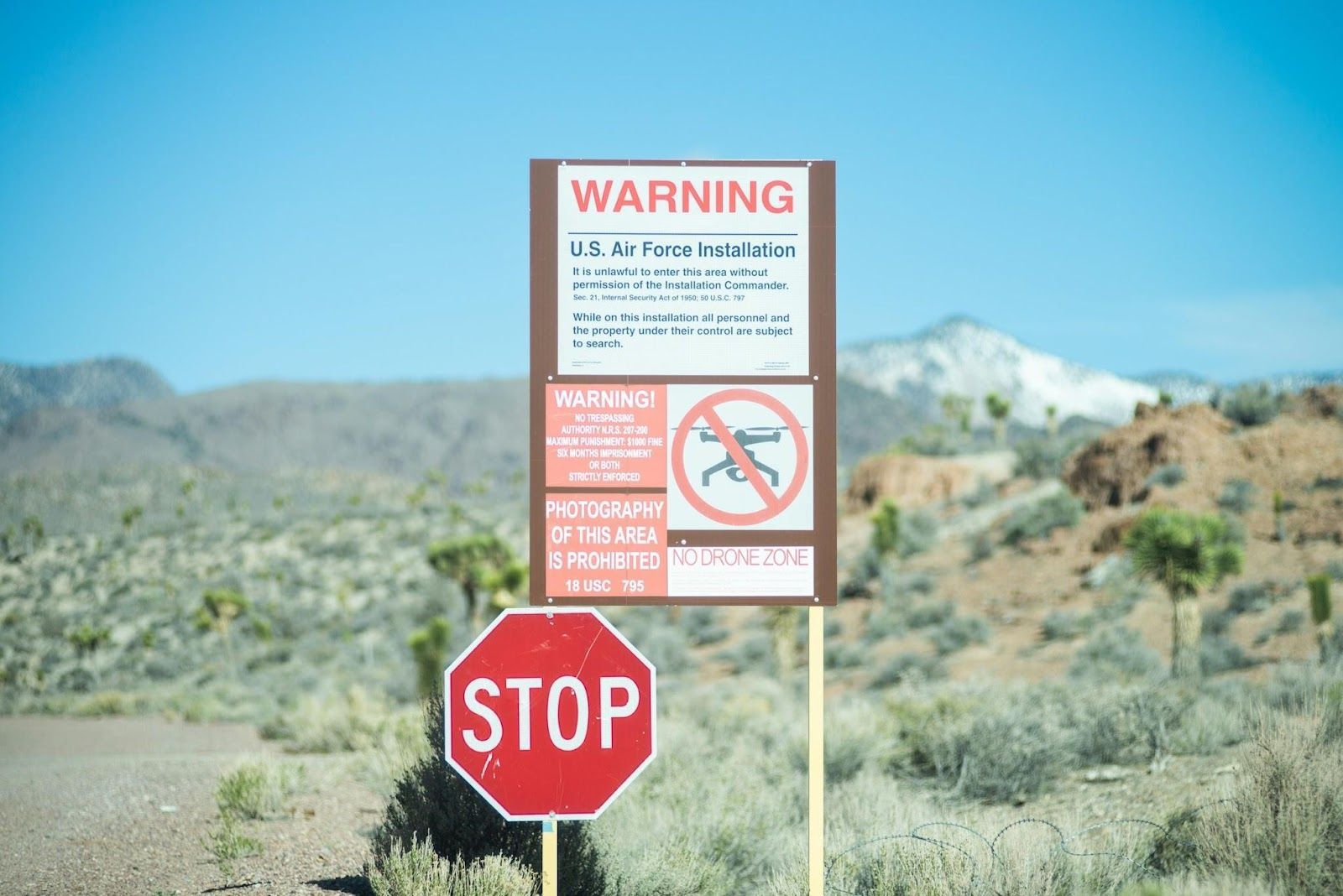
Image: Oliver Pacas

Who would have thought that a number could become synonymous with aliens and mystery? There’s no doubt that Area 51 exists—it is a real and highly classified United States Air Force facility in Nevada. However, most of us know it for the intrigue surrounding it. According to some sources, Area 51 houses crashed spaceships and alien life forms . Of course, the government denies these claims, but to quote the classic TV show The X-Files , some theorists "choose to believe."

3
Amelia Earhart
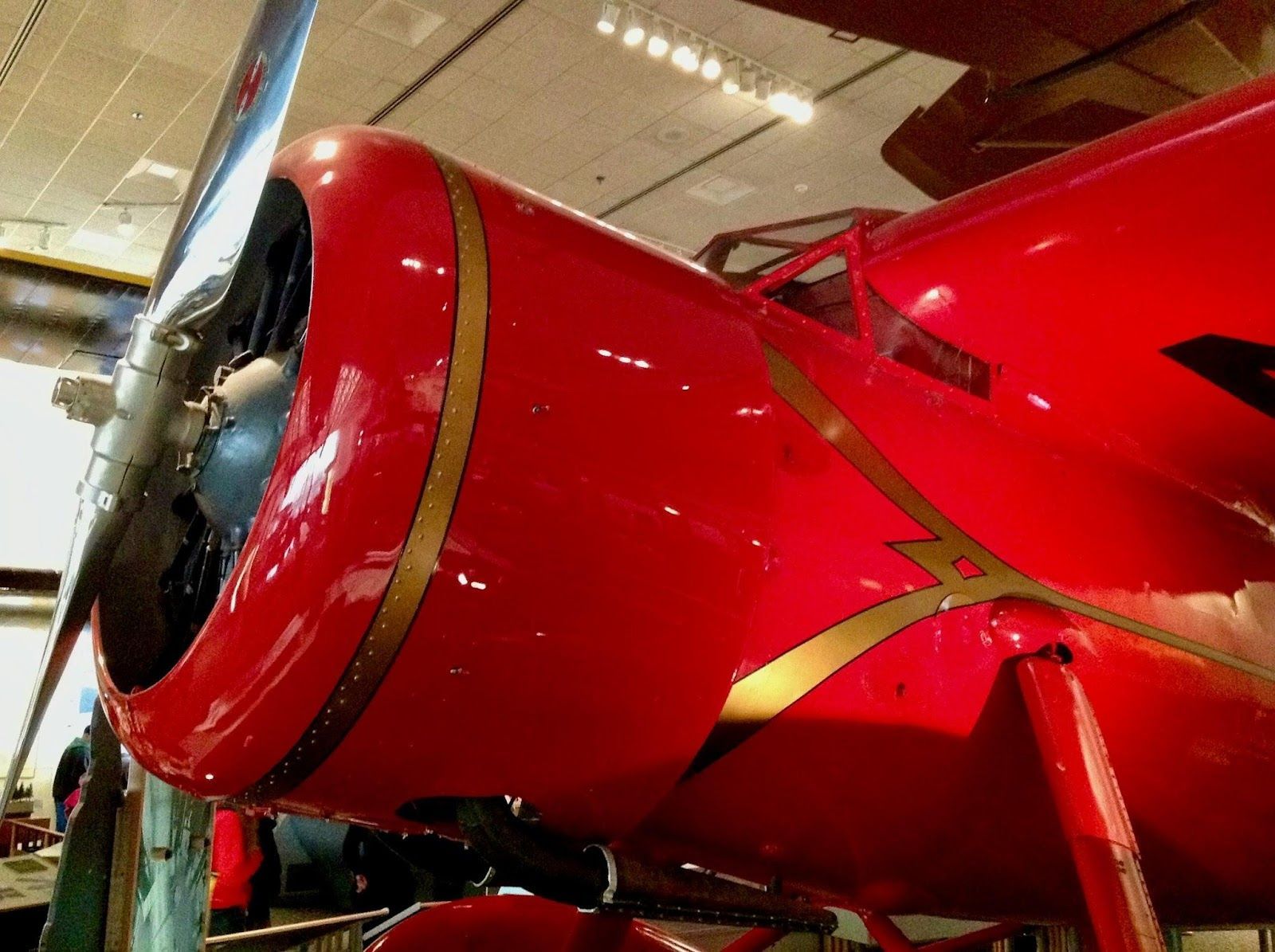
Image: Tomas Martinez

Amelia Earhart's life was one filled with adventure. She became the first female pilot to fly solo nonstop across the Atlantic Ocean, among many other feats. Beyond her achievements, her magnetic personality and best-selling books made her an international icon, forever cemented as an American cultural icon. Her mysterious disappearance only deepens the intrigue surrounding her: While attempting to become the first female pilot to circumnavigate the globe, Earhart’s plane vanished over the Pacific Ocean —no wreckage or remains were ever found.

4
Mothman
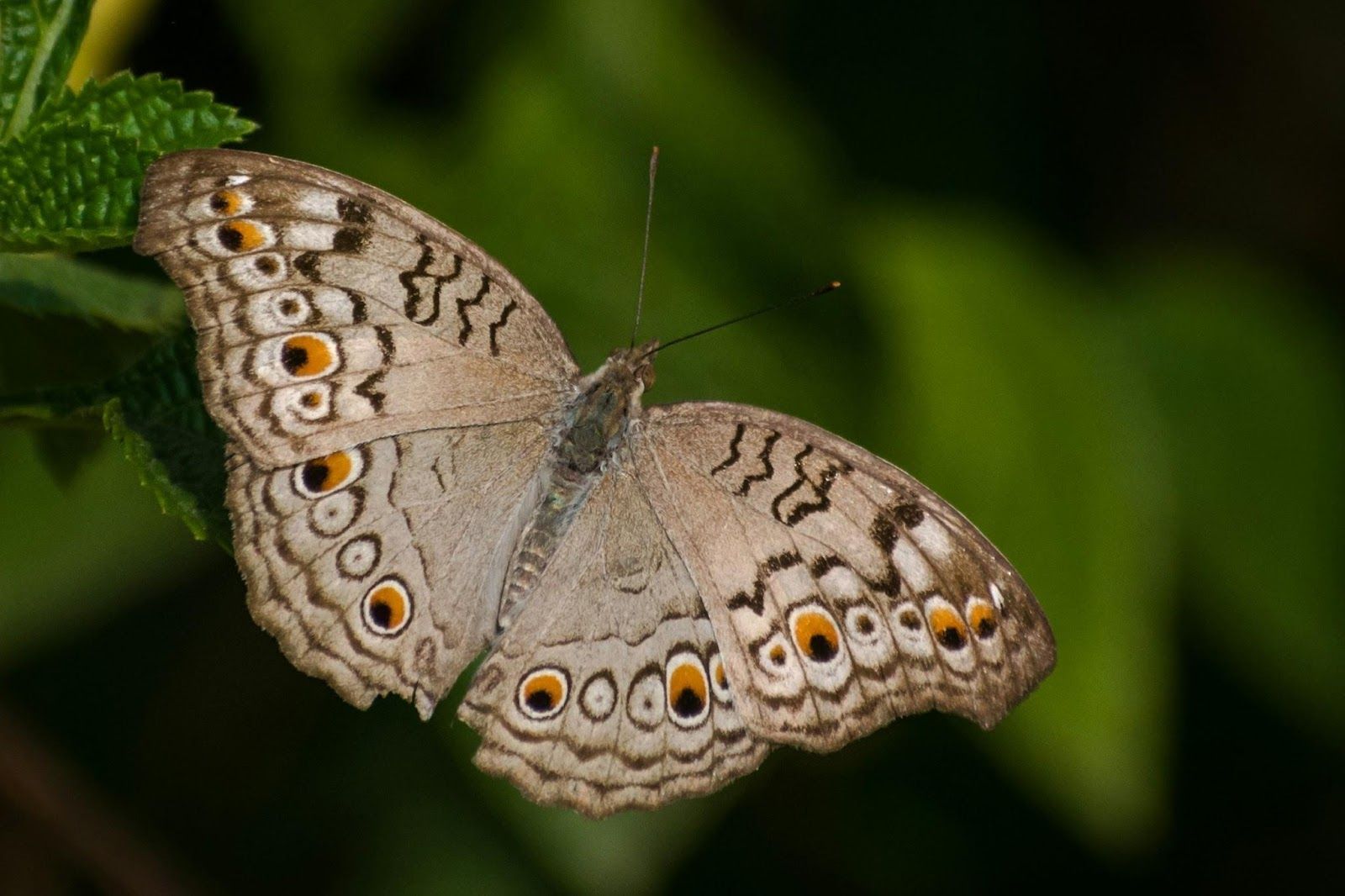
Image: Sonika Agarwal

Moths are sadly often given a bad reputation. Though they are close cousins to the beloved, colorful butterflies, some people find them slightly unnerving. For the people of West Virginia , there’s an even greater reason to find moths scary: The "Mountain State" is home to one of America’s most famous cryptids— the Mothman . According to legend, this eerie creature resembles a man , stands about seven feet tall , and has large white wings and glowing red eyes .

5
Jersey Devil
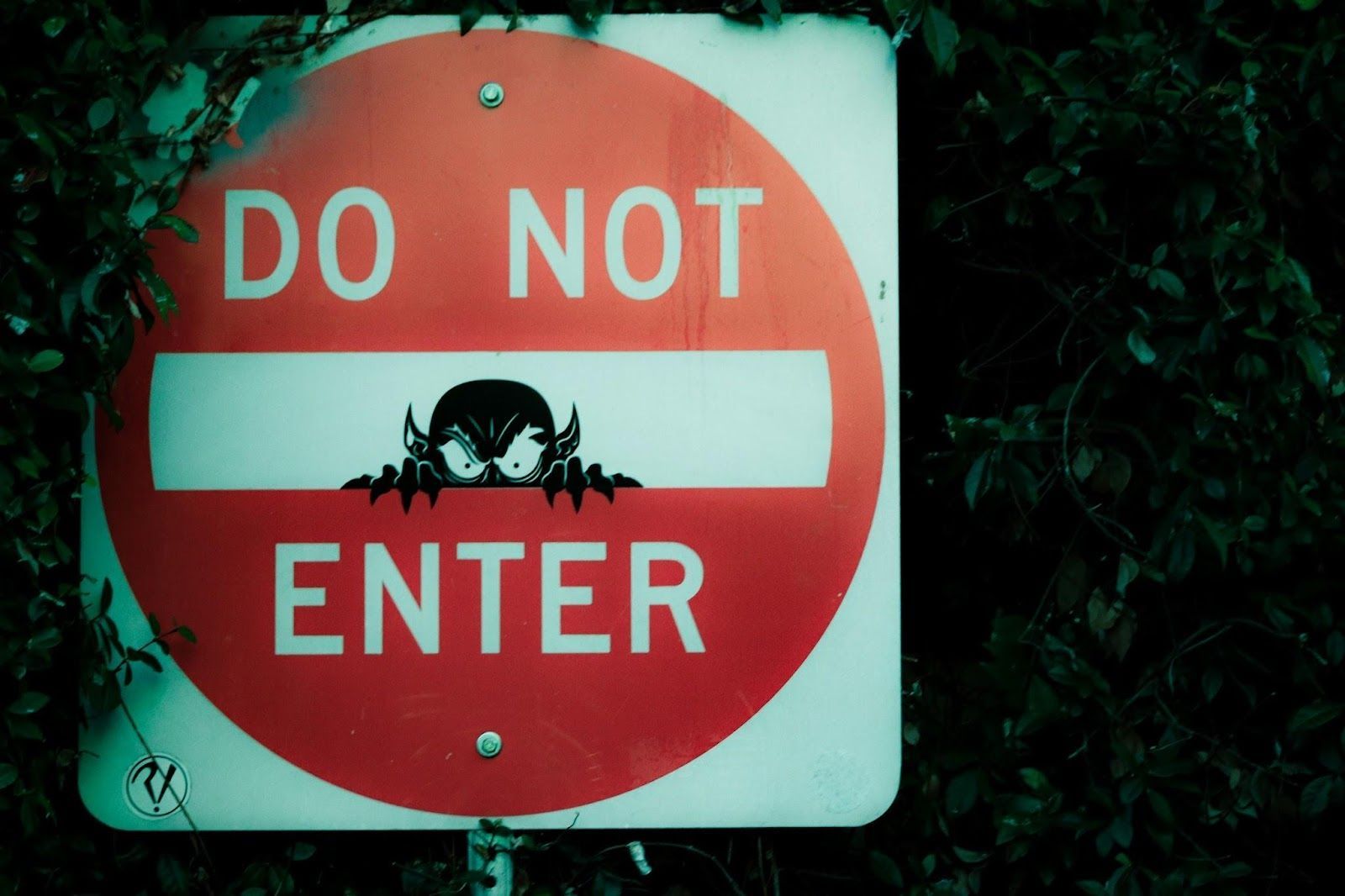
Image: Tech Nick

If you ever visit South Jersey’s Pine Barrens, be on the lookout for an oddly shaped creature often described as a cross between a kangaroo and a winged beast . If luck (or misfortune) is on your side, you might encounter the fabled Jersey Devil . Many legends surround this creature, but the most popular tells of the cursed thirteenth child of a Pine Barrens resident, forever cursed to haunt this region.

6
UFO Sightings
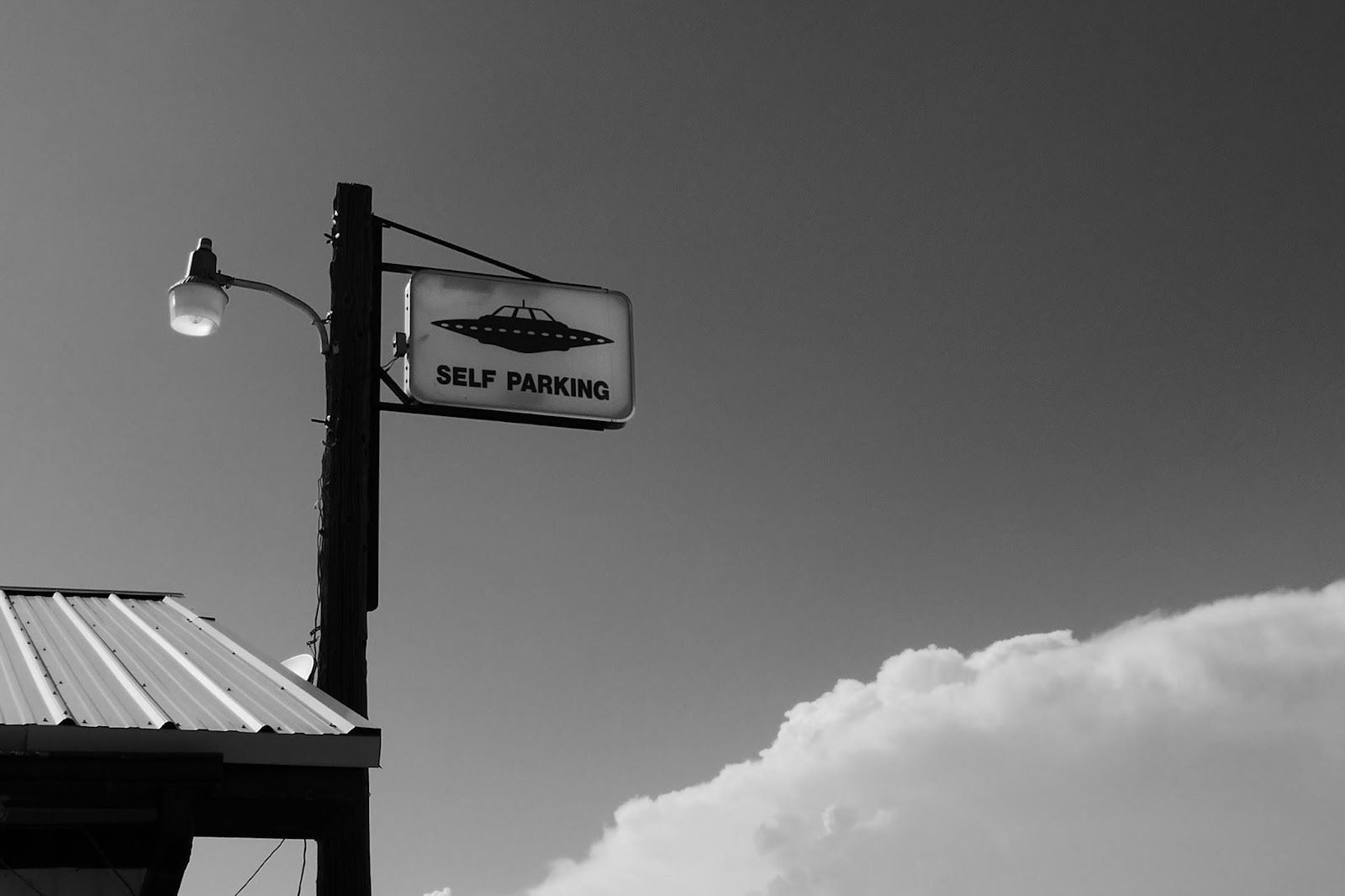
Image: Michael Herren

UFO sightings are the bread and butter of paranormal enthusiasts. Thousands of Americans have reported seeing flashing lights in the sky , unable to explain their origin. In that regard, we’ll focus on what is perhaps the most famous UFO sighting in this article: In 1947 , residents of the town of Roswell, New Mexico , claimed to have seen a UFO crash into the desert.

7
Haunted houses
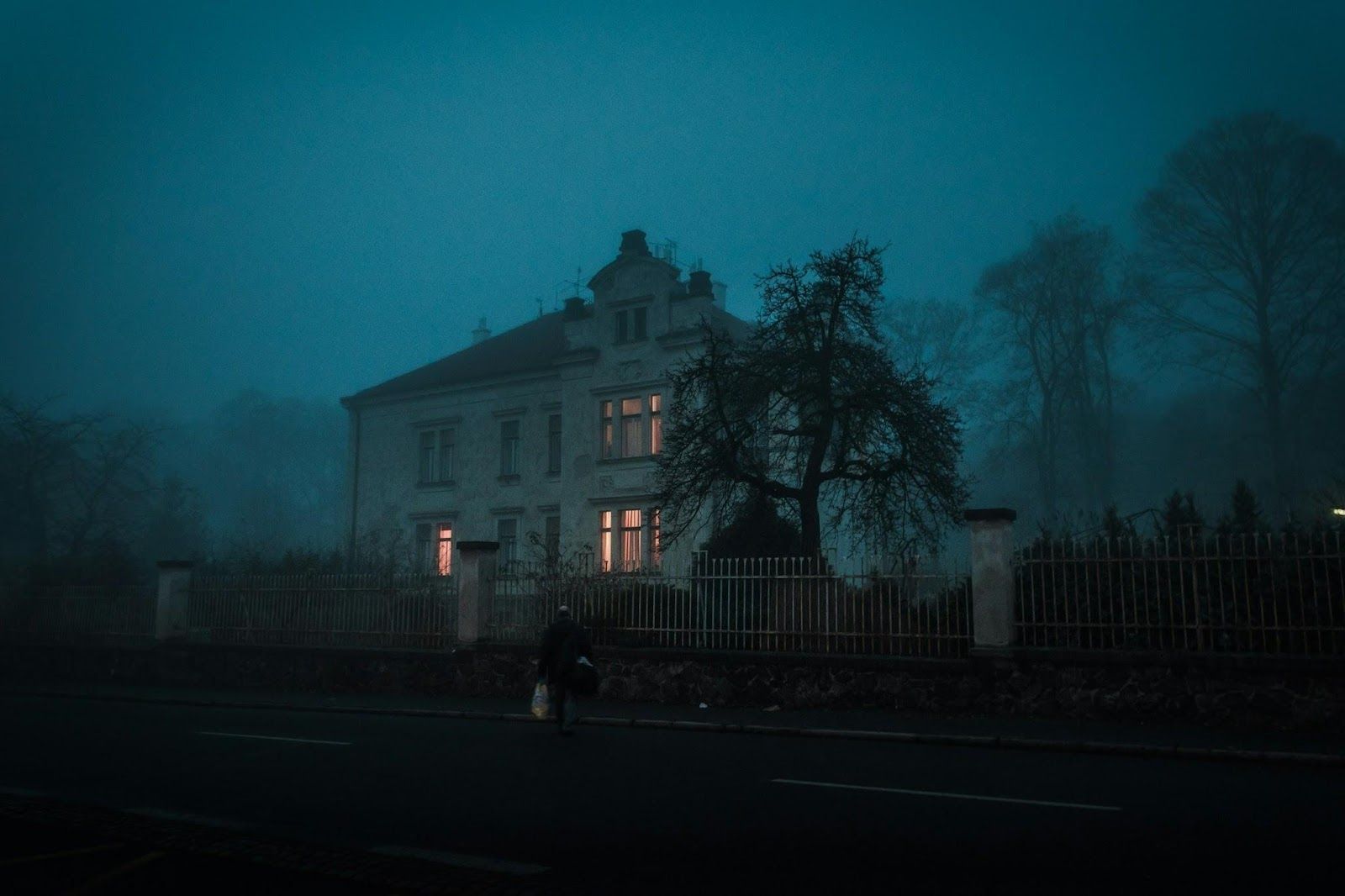
Image: Ján Jakub Naništa

As soon as October comes around, hundreds of excited families transform their garages into spooky, fun haunted houses. It’s a thrilling activity that brings neighborhoods together, but let’s face it—these aren’t the haunted houses we’re talking about. From the LaLaurie Mansion in New Orleans to the Winchester Mystery House in San Jose , America is home to some of the world’s most terrifying haunted houses—locations definitely not suitable for the faint of heart.

8
Chupacabra
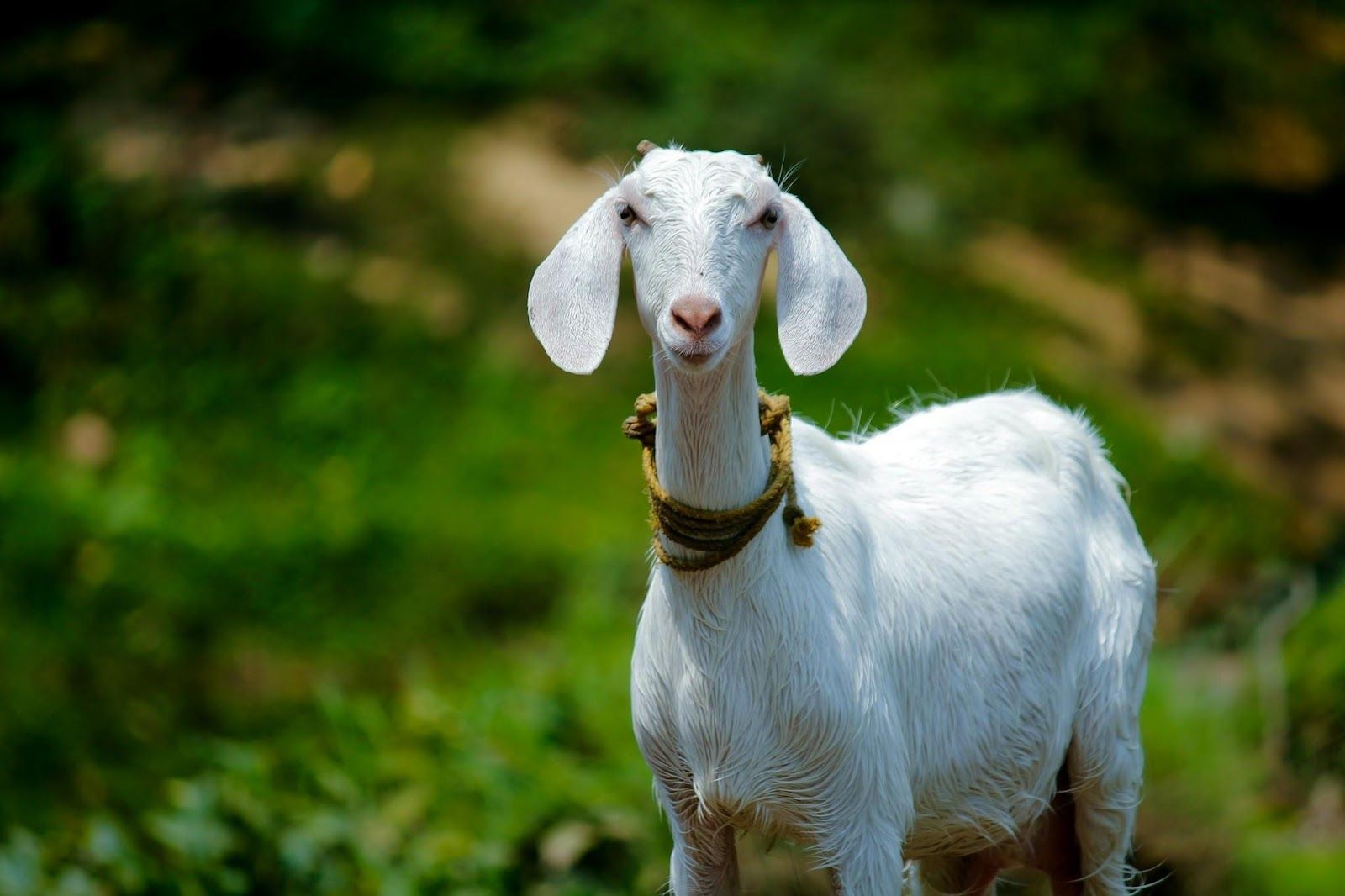
Image: Nandhu Kumar

For such a terrifying creature, the English translation of " Chupacabra "—literally " goat-sucker "—somewhat diminishes its mystique. However, don’t let the name fool you. According to legend, this cryptid is a foul beast that preys on livestock , draining their blood. Descriptions of its appearance vary: In Puerto Rico , it is depicted as an alien-like creature , while in the Southwestern United States , it is described as more dog- or wolf-like .

9
Marfa lights

Image: Jr Korpa

Many cultures around the world have legends about mysterious lights appearing before wary travelers at night. In our case, the city of Marfa, Texas , is home to a strange phenomenon known as the Marfa Ghost Lights . While scientists suggest a rational explanation—claiming they result from automobile headlights distorted by warm desert air—some still believe the lights have a paranormal origin.

10
Chimayó, New Mexico – Land of Healing

Image: Lina Trochez

We’ve covered some dark and gruesome mysteries in this article, so why not end on a lighter note? In New Mexico’s Rio Arriba and Santa Fe counties, Chimayó is home to a remarkable site . Some believers claim that El Santuario de Chimayó , a Roman Catholic church, possesses mysterious healing powers —particularly the "holy dirt" found in a small well at the back of the church.


Culture Culture 7 min read

A bucket list for the creative at heart

Every American should see these 10 American masterpieces at least once

Image: manolofranco

The intense relationship between Americans and their surroundings has been the source of a rich artistic tradition. From Impressionism and Realism to Abstract Expressionism and Pop Art, the United States has given the world a remarkable sample of its artistic potential. Through 10 masterpieces, which span a wide range of movements and artists, this article will explore the enormous legacy that visual art has left on American culture.

1
Snap the Whip - 1872

Image: Winslow Homer, CC0, via Wikimedia Commons

Winslow Homer was a self-taught artist from Boston, best known for his Civil War paintings, which he created at the request of Harper's Weekly magazine. But after the war, Homer moved to a totally different subject matter: childhood. The artist painted the life of American children as a world unto itself, where adults seemed to have no influence.

Homer's children, like the ones depicted in Snap the Whip , can be compared to similar literary characters of the time, like Louisa May Alcott's Little Women and Mark Twain's Tom Sawyer . They are potential America, the stock from which renewal will spring in the aftermath of the Civil War: young, strong, quick-witted, practical, and without pretense. The piece can now be viewed at The Met in New York City.

2
Whistler’s Mother - 1871

Image: James McNeill Whistler, CC0, via Wikimedia Commons

James Abbott McNeill Whistler (1834-1903) was a painter mainly active during the American Gilded Age and a leading proponent of the motto "art for art's sake." Whistler’s best-known piece is a painting entitled Arrangement in Grey and Black No. 1: The Artist’s Mother . While it is a portrait of his mother, the identity of the woman, according to the artist, should be of no interest to the viewer, only the formal layout of grays and blacks.

For Whistler, art was not about moral instruction or storytelling but, instead, about formal perfection. He believed that artists should not simply replicate what they see in nature but express their emotional response to it. Art should be filled with sentiment, not sentimentality. These ideas formed the basis of the Aesthetic Movement of the 1870s and 1880s and influenced several American artists.

3
Madame X - 1884

Image: John Singer Sargent, CC0, via Wikimedia Commons

It may seem totally innocent to us today, but in the late 19th century, this piece was a true scandal. Madame X , by John Singer Sargent (1856-1925), is a portrait of Virginie Gautreau, a young woman born in New Orleans who moved to Paris after her father’s death. There, she married a wealthy man twice her age and became the talk of the town, due to her independent character and her alleged infidelities.

Virginie posed for Sargent, the world's most sought-after portrait painter of his time, and the work turned out to be as rebellious, elegant, and striking as its model. Sargent always thought that this was his masterpiece, but the public hated it. Shortly before his death, he donated the painting to the Metropolitan Museum of Art in New York, saying, "I suppose it is the best thing I have done."

4
The Child’s Bath - 1893

Image: Mary Cassatt, Public domain, via Wikimedia Commons

Mary Cassatt (1845-1926) was not only one of the foremost American Impressionists but also an outstanding woman painter of the 19th century. She was raised and initially trained in Philadelphia before moving to Paris, where she befriended prolific Impressionists like Edgar Degas. However, Cassatt’s subject matter was very different from that of her French counterparts. She depicted a distinct world, drawn from her own strong family interests: sociable encounters over tea, fashionable women in theaters or drawing rooms, and mothers with their babies.

For example, The Child's Bath not only reflects Cassatt’s technical ability but also serves as a testament to her exploration of motherhood and female roles . Her approach succeeds in capturing everyday life, and the painting is remarkable for its composition and use of color. This piece, like many of her works, stands as a reminder of the value of small, deeply meaningful moments that make up culture and life in all its complexity.

5
American Gothic - 1930

Image: Grant Wood, Public domain, via Wikimedia Commons

Perhaps one of the most famous houses in America is located in Eldon, a tiny community in southern Iowa. Contrary to what one might think, no one of distinction, notoriety, or power has ever lived in this house. Its fame is owed entirely to artist Grant Wood (1891-1942), who used it in the background of his painting American Gothic .

Wood enlisted his sister Nan to pose as the woman and recruited a dentist from Cedar Rapids, B. H. McKeeby, as the man. The painting won a prize in Chicago in 1930 and was instantly catapulted to national fame. Since then, it has been reproduced and satirized by popular culture to exhaustion and is now one of the most recognizable American paintings. Wood's American Gothic honors those who settled the land and has become an iconic representation of American identity and resilience.

6
Nighthawks - 1942

Image: Edward Hopper, Public domain, via Wikimedia Commons

Edward Hopper (1882-1967) studied at the New York Institute of Art and Design and worked for many years as a magazine illustrator. Although he didn't particularly enjoy this job, it helped sharpen his compositional skills. Thanks to these influences, Hopper's work has come to typify the American Realism movement. His paintings convey the sense that the events depicted are taking place in front of the viewer in the here and now, as seen in his famous diner scene, Nighthawks .

In this stark, impassive, realist painting, Hopper evokes a powerful sense of urban alienation, highlighting the isolation. The bright fluorescent light in the all-night diner contrasts strongly with the surrounding gloom outside and immediately transports us to a scene from a film noir movie. Exhibited at the Art Institute of Chicago, Nighthawks is considered one of Hopper's masterpieces and is worth visiting at least once in a lifetime.

7
Untitled (Violet, Black, Orange, Yellow on White and Red) - 1949

Image: chummels

Mark Rothko (1903-1970), along with Jackson Pollock, was one of the greatest representatives of American abstraction . He is best known for his color field paintings. Through his work, he sought to achieve an ambitious utopia: to express the most basic universal emotions.

When Rothko painted Untitled (Violet, Black, Orange, Yellow on White, and Red) he was arriving at a point of maturity in what was a highly nuanced and distinct visual style. He had abandoned any remaining references to recognizable imagery, and the result is a painting with a great expressive force. Rothko used to say that he preferred to paint large pictures because he wanted to be very intimate and human. In this work, he achieves this immersion entirely through his sensitive use of color.

8
Autumn Rhythm (Number 30) - 1950

Image: Simi Iluyomade

Jackson Pollock (1912-1956) was a leading figure in Abstract Expressionism and is best known for his "drip technique." Pollock's drip method entailed placing a canvas on the floor and then dripping, pouring, and at times throwing paint over its surface. Although his technique appeared to favor chance, the artist stressed that everything in his paintings was fully intentional.

One of his most emblematic works is Autumn Rhythm (Number 30) , which is currently on display at the Metropolitan Museum of Art in New York. If you ever have the chance to see this piece in person, know that Pollock believed contemplation of his paintings allowed the viewer to access personal and unconscious responses to the modern world. As Pollock advised, the viewer should look passively and "try to receive what the painting has to offer."

9
Twenty Marilyns - 1962

Image: pvdberg

Andy Warhol (1928-1987) started making paintings of Marilyn Monroe shortly after her death. He used a black and white publicity photograph taken by Gene Korman for the 1953 movie Niagara to create a stencil for silk-screen printing, a technique he had adopted for transferring photographic images to canvas. Over the course of four months, Warhol created more than twenty works based on the Korman photograph.

What Warhol called the "assembly line effect" of the repeated image aimed to criticize the supposed uniqueness of the work of art in a world of mass reproduction and mass media. Yet, the repetitive Marilyns are full of small variations, as the paint is applied by hand. Twenty Marilyns is such an iconic work of American art history that, in a 2004 article published in The Guardian , it was named the third most influential piece of modern art in a survey of 500 artists, critics, and other members of the art world.

10
Whaam! - 1963

Image: Eric Koch, CC0, via Wikimedia Commons

Apart from Andy Warhol, perhaps the greatest exponent of American Pop Art is Roy Lichtenstein (1923-1997). Lichtenstein was mainly drawn to action and true romance comic strips. Through his depictions of fighter pilots and tearful drowning damsels, he drew attention to the constructed nature of gender roles. Lichtenstein's exaggeration of these gender stereotypes in comic book characters led some critics to recognize his paintings as true works of art.

Whaam! , based on a comic book panel published by DC Comics in 1962, is Lichtenstein's witty and irreverent reaction to the contemporary popularity of Abstract Expressionism. With this piece, the artist attempted to deflate that movement's pomposity by presenting pictorial subject matter based on what was regarded as crass commercial art. Since Whaam! , Lichtenstein was viewed by the public eye as the ultimate American master of Pop Art.

History History 4 min read

Side hustles

Whiskey, Hollywood, and Grammys? Unexpected jobs of former presidents!

Image: The Cleveland Museum of Art

Picture this: You have just finished your term as President of the United States. It was a tough job to tackle, but you made it. It’s your first day out of office, and you wonder, "What’s next?" A world of possibilities opens up. What is the first thing you would do in that position? These former presidents, from Washington to Bush, went different ways and took up activities most Americans don’t even know about. Let’s take a look at some fascinating second acts of former U.S. presidents.

1
George Washington - The whiskey-making Founding Father

Image: Daniel Vogel

After leading the nation, George Washington stepped into the world of spirits, whiskey spirits, that is! In 1797, his farm manager convinced him to open a distillery at Mount Vernon . Within two years, it became one of the largest in the country, producing nearly 11,000 gallons of whiskey annually.

Here’s a fun fact: Washington didn’t need a marketing team. His whiskey was sold in unmarked barrels to local merchants, and his operation was so successful that it became one of the top money-makers in the area. The best part? You can try it today at the reconstructed distillery!

2
Theodore Roosevelt - Adventurer-in-Chief

Image: Zetong Li

Not one to sit still, Theodore Roosevelt went on an exploration of the Amazon rainforest after leaving office. In 1913, he embarked on a seven-month journey to map an uncharted river . Guess what it’s called today? The Roosevelt River, of course!

The expedition was grueling: he caught malaria, suffered a leg injury, and nearly died. Though he made it back home, his health never fully recovered. Roosevelt’s post-presidency was all about adventure and risks!

3
Thomas Jefferson - The University Founder

Image: Ryan Ledbetter

Thomas Jefferson didn’t just help write the Declaration of Independence; he also founded the University of Virginia . A firm believer in education, he wanted to create a university that emphasized academic freedom and rigorous learning. So, in 1819, ten years after leaving office, he established the University of Virginia, which opened in 1825.

Jefferson personally designed the campus, including its iconic Rotunda, and hand-picked the first professors. He once called the university one of his greatest accomplishments, right up there with drafting the Declaration of Independence.

4
John Quincy Adams - From President to Congressman

Image: Ian Hutchinson

John Quincy Adams didn’t believe in retirement, you know? He didn’t go back for a second term, but instead of stepping away from public service, he returned to Congress, serving in the House of Representatives for nine terms until his death in 1848.

His dedication earned him the nickname "Father of the House." Even in his final moments, he was working: he collapsed on the House floor after casting a vote and died two days later. Well, once a public servant, always a public servant.

5
William Howard Taft - From President to Supreme Court Justice

Image: Adam Michael Szuscik

Most former presidents take a step back from government, but William Howard Taft went in the opposite direction. After serving as the 27th president, he was appointed Chief Justice of the Supreme Court in 1921.

He later admitted that being on the Supreme Court was his true calling, famously stating, "I don’t remember that I ever was president." Taft remains the only person in history to have served in both roles! Talk about an upgrade!

6
Calvin Coolidge - Presidential columnist

Image: AbsolutVision

Some former presidents write memoirs, but Calvin Coolidge took it a step further. From 1930 to 1931, he wrote a nationally syndicated newspaper column titled Thinking Things Over with Calvin Coolidge .

His articles covered a range of topics, from politics to everyday life. As it turns out, running a country gives you plenty to write about!

7
Jimmy Carter - The humanitarian president

Image: Library of Congress

If there’s one president who redefined life after the White House, that is Jimmy Carter. In 1982, he founded the Carter Center , a nonprofit organization focused on democracy, health, and human rights.

He has also spent decades working with Habitat for Humanity, personally helping to build homes for those in need. In 2002, Carter’s humanitarian work earned him the Nobel Peace Prize, making him the only former president to receive the honor for efforts made after leaving office. He once said his post-presidency was "more gratifying" than his time in politics. Only logical, right?

8
Ronald Reagan - A Knight of the Realm

Image: Annie Spratt

Yes, that’s a literal title. Ronald Reagan didn’t take up a new career after leaving office, but he did receive an unexpected knighthood from Queen Elizabeth II. In 1989, just months after stepping down as president, he was made a Knight Grand Cross of the Most Honorable Order of the Bath.

While it’s a prestigious honor, American citizens aren’t allowed to use the title "Sir," so there was no "Sir Ronald" in the works. Reagan wasn’t the only president to receive this honor; Dwight Eisenhower and George H.W. Bush were also knighted.

9
Bill Clinton - Grammy-winning storyteller

Image: Annie Spratt

Bill Clinton has always been a gifted speaker, so it’s no surprise that he won not one, but two Grammy Awards, though they weren’t for playing his famous saxophone. He won Best Spoken Word Album in 2004 and 2005, narrating both a children’s book and his autobiography.

Clinton joins a small but prestigious club of American presidents who have won Grammys, including Barack Obama and Jimmy Carter. His ability to captivate audiences didn’t end with politics; he simply found a new stage.

10
George W. Bush - From the White House to the Art Studio

Image: Yannis Papanastasopoulos

After serving two terms as president, George W. Bush discovered a surprising new passion: painting. How about that? In 2012, he began taking art lessons , and by 2013, his paintings were revealed to the public following an email hack.

Bush embraced his new hobby and has since published several collections, including Portraits of Courage , which features paintings of US military veterans. His artwork has been exhibited in galleries, proving that a president can become an artist, too. While politics was his career, painting has become his personal form of expression.

Explore more American facts

Choose your favorite category!

General
General

As American as apple pie—the very best America has to offer!

Culture
Culture

Delve into the astounding richness of American lore.

Geography
Geography

Hop in and explore vast and diverse American landscapes.

History
History

Discover the key moments that shaped the United States.