History History 3 min read

Nature finds its way

When nature takes over! 12 abandoned places in America you have to see
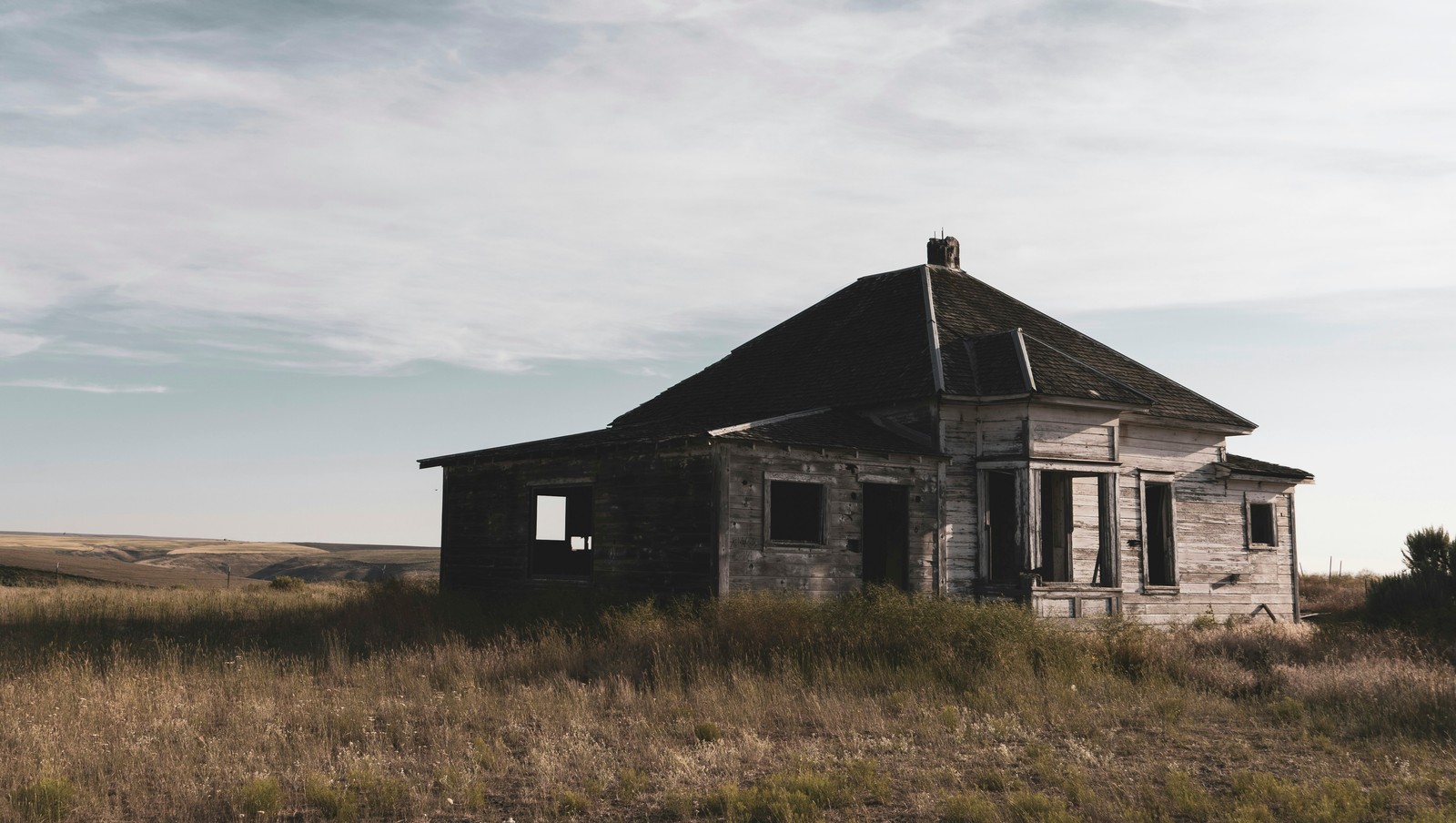
Image: Dan Meyers

Many places across America once buzzed with life but have since been left behind: ghost towns, forgotten amusement parks, crumbling factories, you name it. Over time, nature has crept back in, covering concrete with moss, letting trees grow through old buildings, and allowing animals to reclaim quiet spaces. Take a look at 12 of these haunting landscapes. Maybe one is near you!

1
Igloo City, Alaska
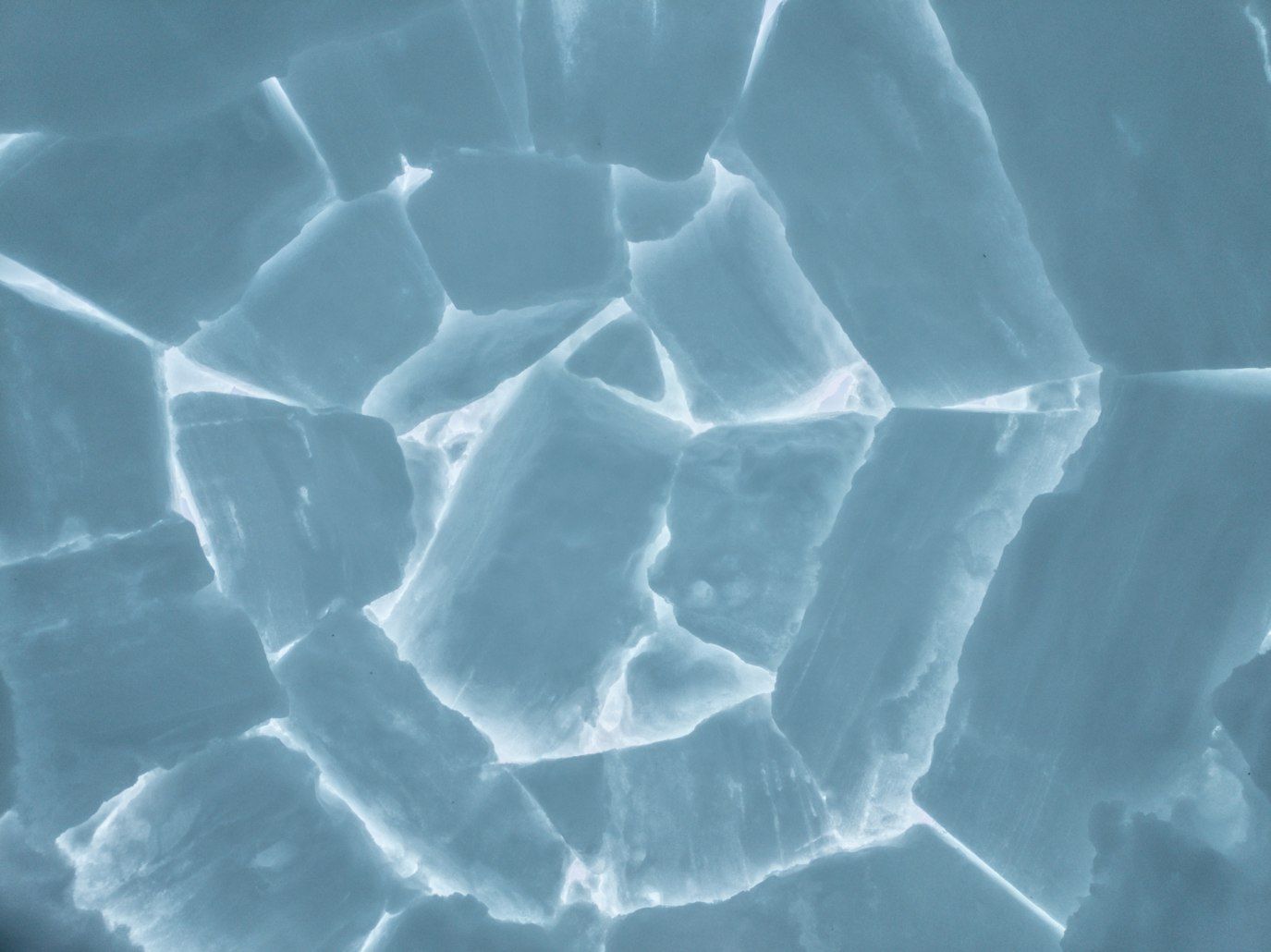
Image: Tim Oun

Igloo City in Cantwell, Alaska, is a massive, unfinished hotel built in the 1970s that never opened due to building code issues . Despite multiple owners and redevelopment plans, it remained abandoned and eventually deteriorated too much to renovate.

Now a roadside oddity between Fairbanks and Anchorage, its giant igloo shape continues to draw curious visitors.

2
Spectre Set, Alabama
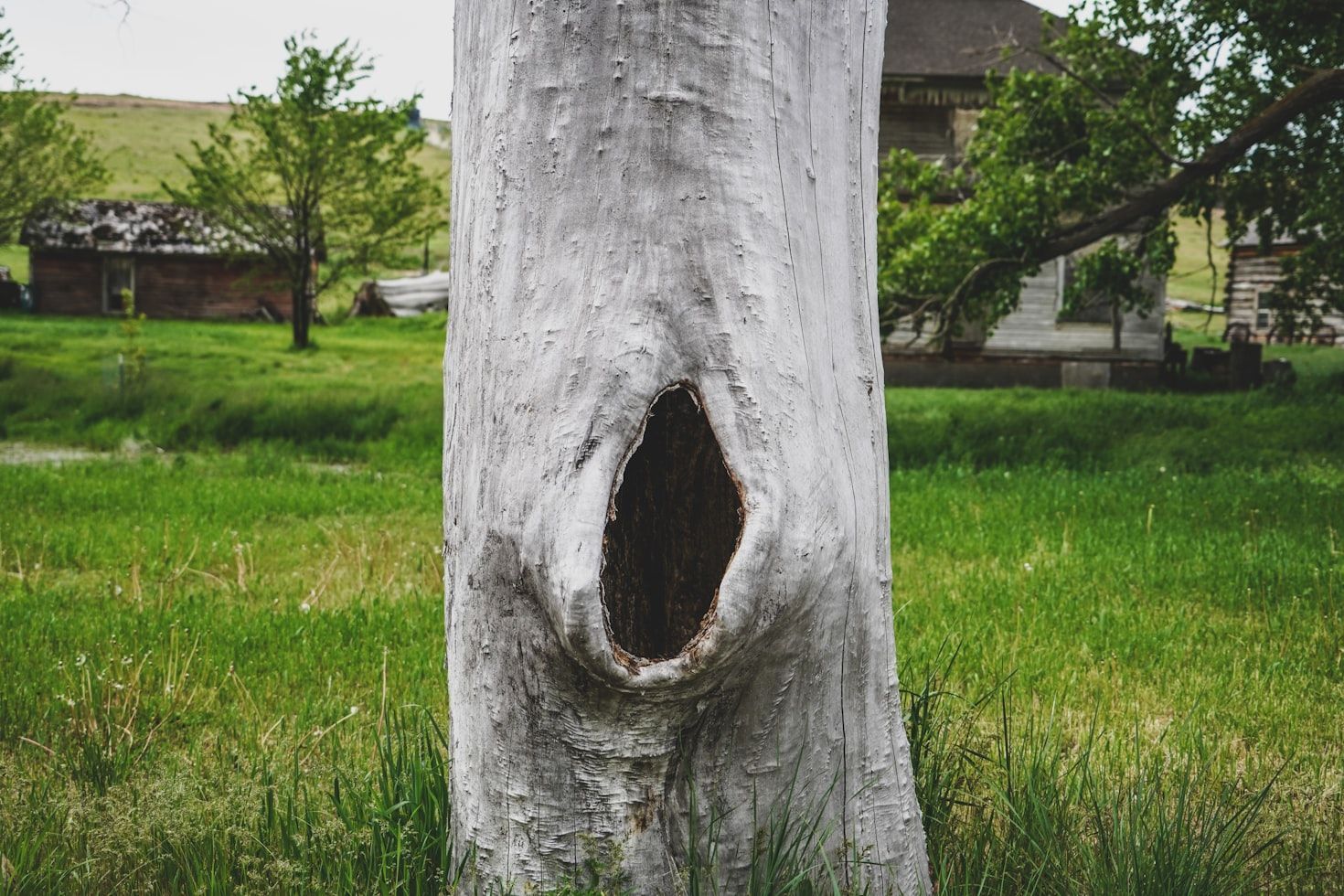
Image: Dan Meyers

The abandoned film set of Spectre from Big Fish still stands on a private island along the Alabama River. Originally built for the 2003 movie, the town was left behind after filming and has slowly decayed.

Fires and flooding destroyed much of it, but a few buildings, spooky trees, and crumbling columns remain, giving the site a haunting atmosphere.

3
Dogpatch USA, Arkansas
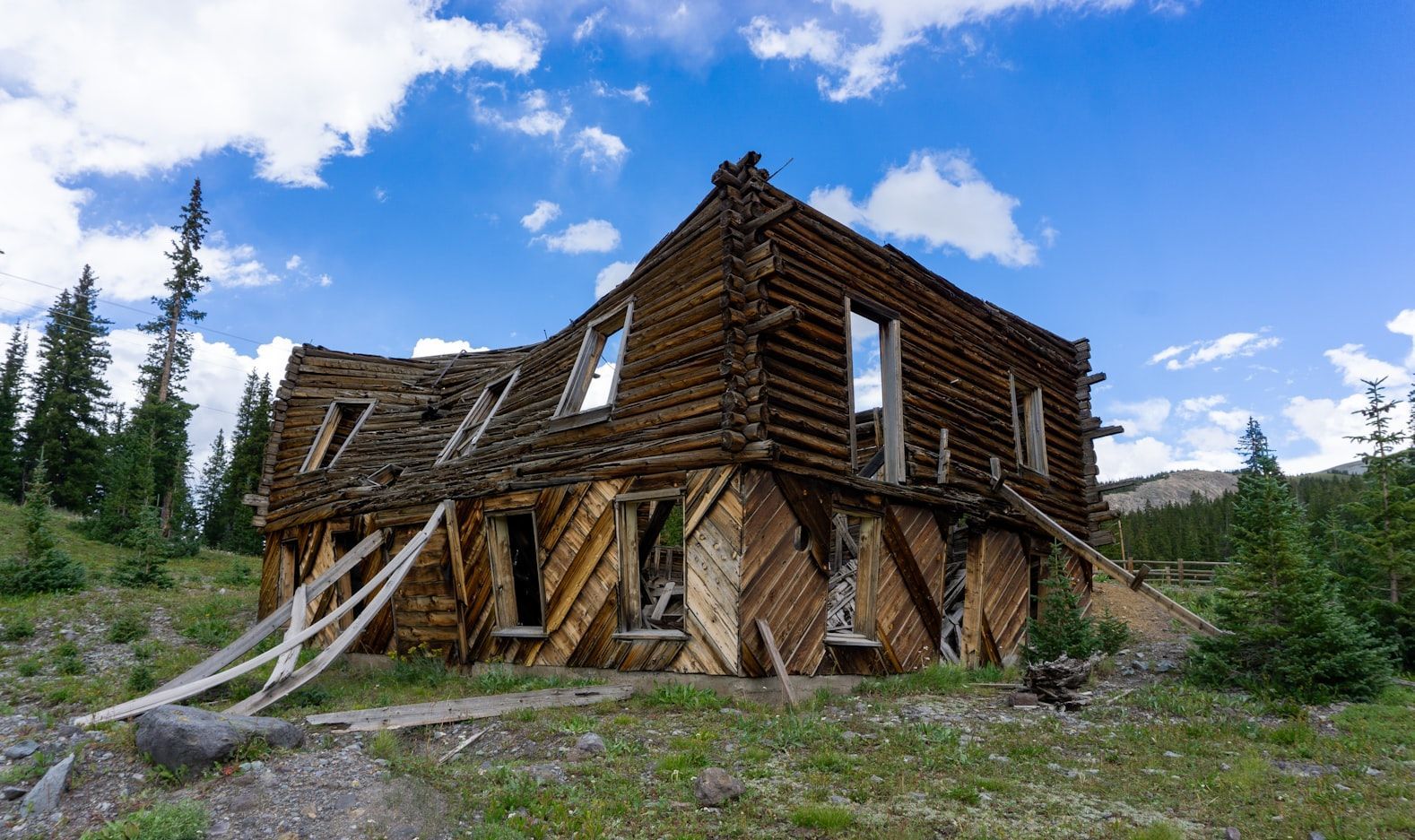
Image: Matt Gross

Dogpatch USA, a hillbilly-themed park in Arkansas based on the Li’l Abner comic strip , opened in 1968 but never met visitor expectations. With low-key attractions and rustic charm, it struggled to draw crowds and ultimately closed in 1993.

Attempts to sell the land largely failed, and parts of the park still stand abandoned. While some parcels have been sold over the years, most of the site remains a curiosity for urban explorers.

4
Gibraltar, Delaware
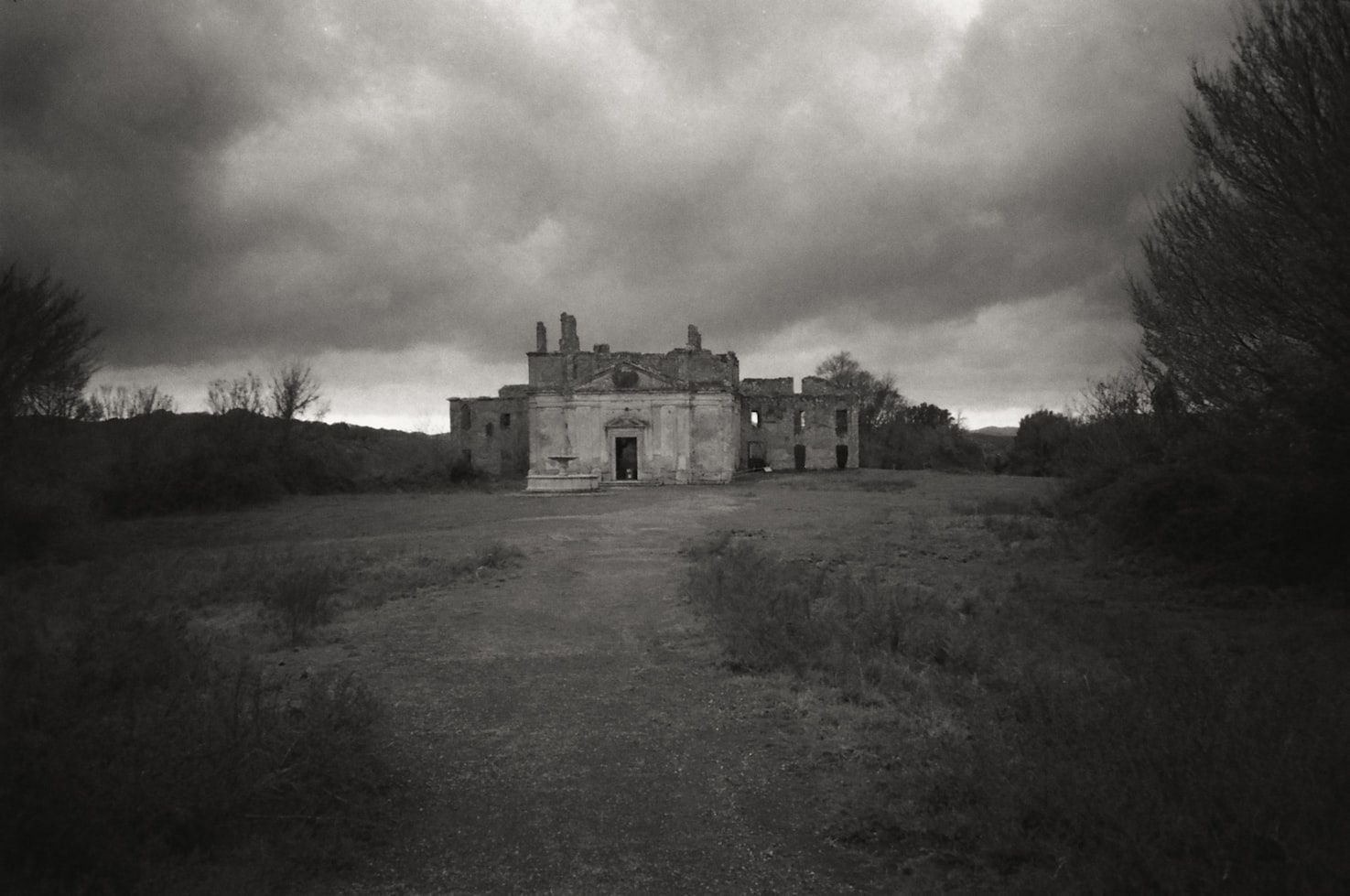
Image: Johannes Beilharz

Hidden behind a stone wall in Wilmington, Delaware, Gibraltar is a crumbling 1840s mansion surrounded by beautifully restored gardens . While the house itself is abandoned, ivy-covered, and slowly decaying, the gardens remain vibrant and full of life.

5
Atlanta Prison Farm, Georgia

Image: Dan Meyers

The Atlanta Prison Farm has sat abandoned for over 25 years , now covered in graffiti and fast-growing kudzu. Though there's talk of turning it into a regional park, disagreements between counties have stalled any concrete progress.

6
Custer Ghost Town, Idaho
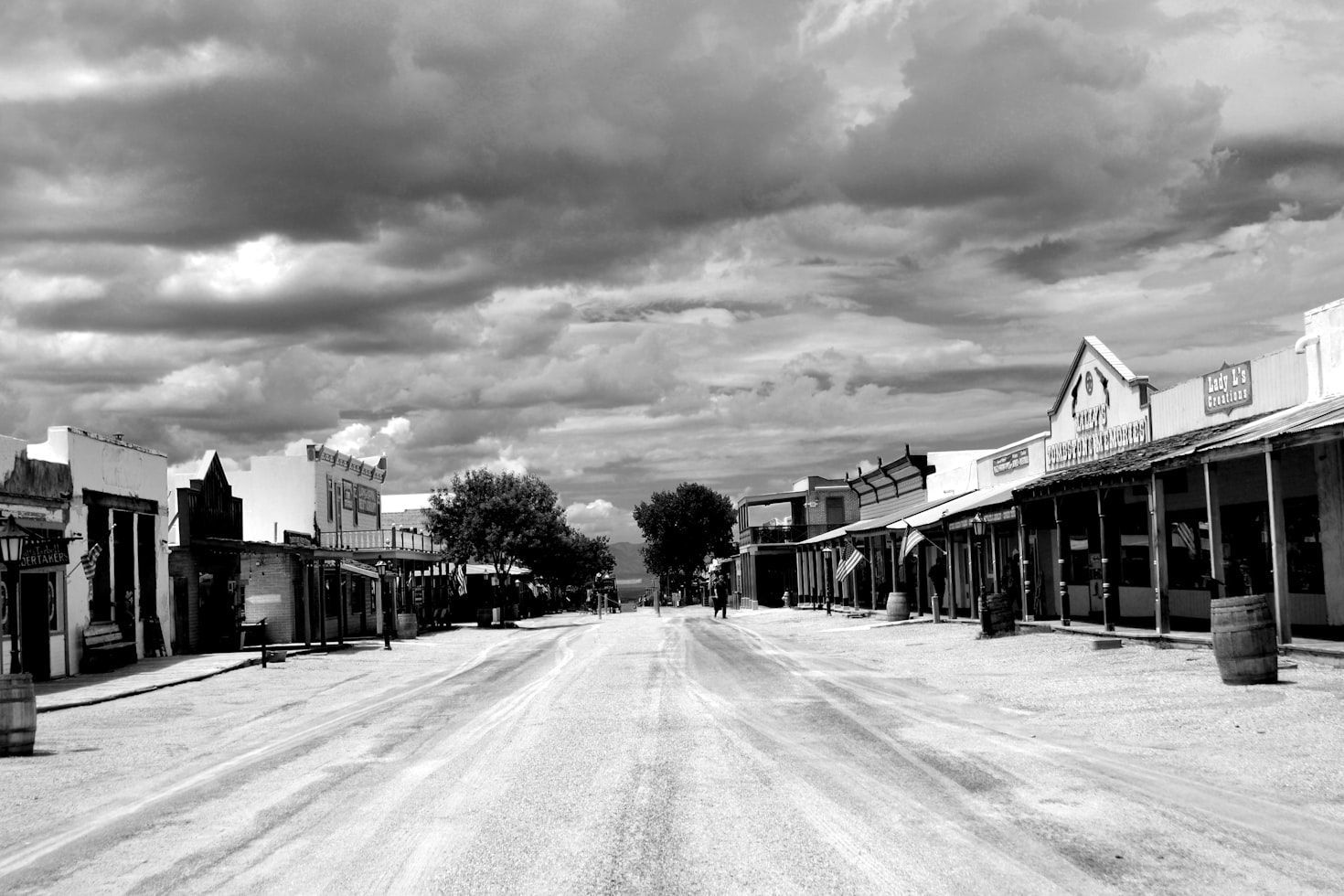
Image: Ruth Durbin

Custer, Idaho, was born from the 1870s gold rush, and later grew after a fire destroyed the nearby town of Bonanza. As mining dried up, the once-busy one-street town was abandoned, leaving behind rusted equipment and relics like a bullet-riddled poker table.

Thanks to its designation as a historic site in 1981, parts of Custer have been restored. Summer visitors can tour cabins, a schoolhouse, and the old saloon.

7
Cairo, Illinois
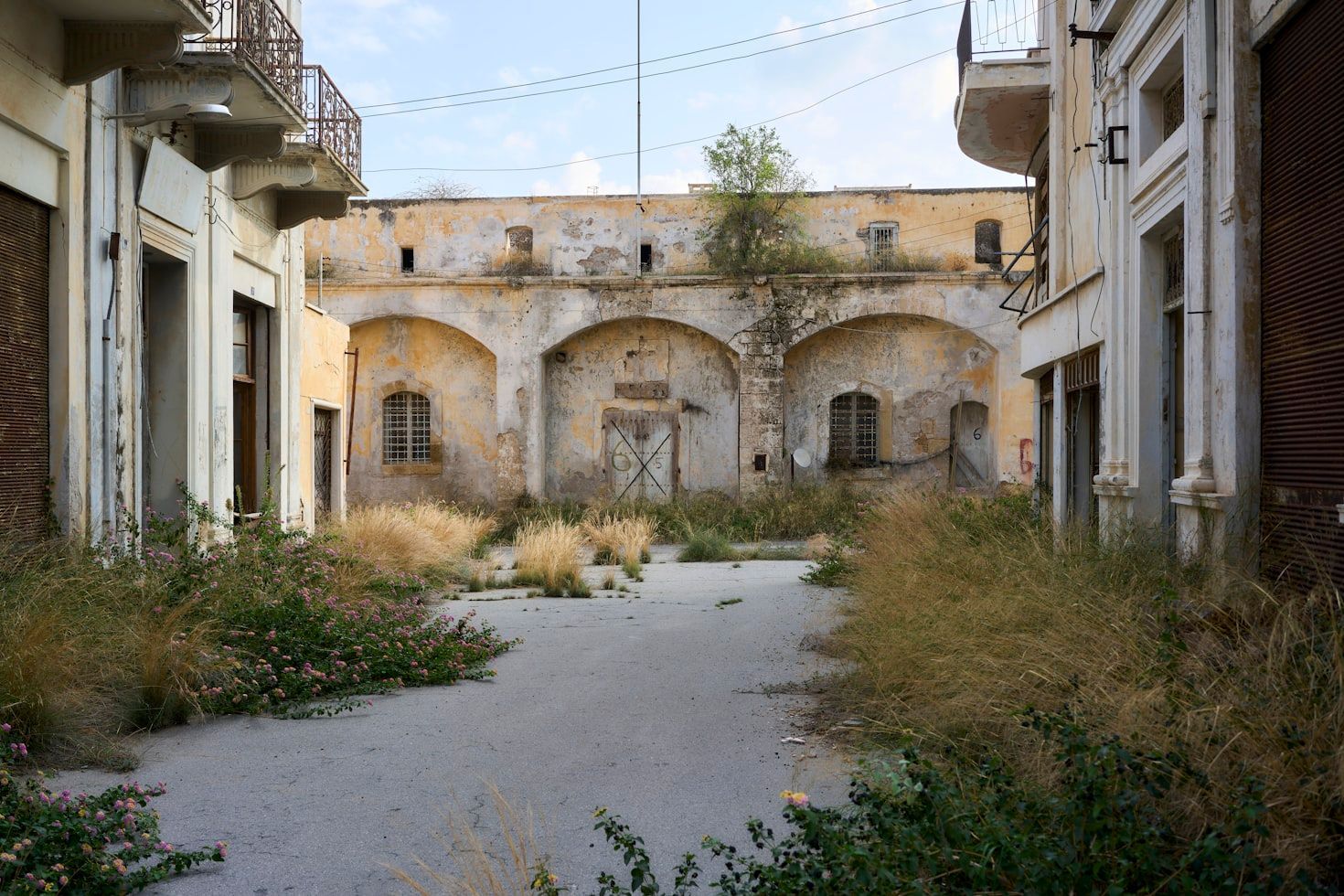
Image: Steffen Lemmerzahl

At the southern tip of Illinois, Cairo once thrived as a key port town during the steamboat era and later as a railroad hub. But as industry shifted and economic opportunities dwindled, the city entered a long period of decline.

Today, Cairo is eerily quiet. Its historic downtown is filled with crumbling buildings and boarded-up windows , and decay is spreading into nearby neighborhoods.

8
Knightridge Space Observatory, Indiana
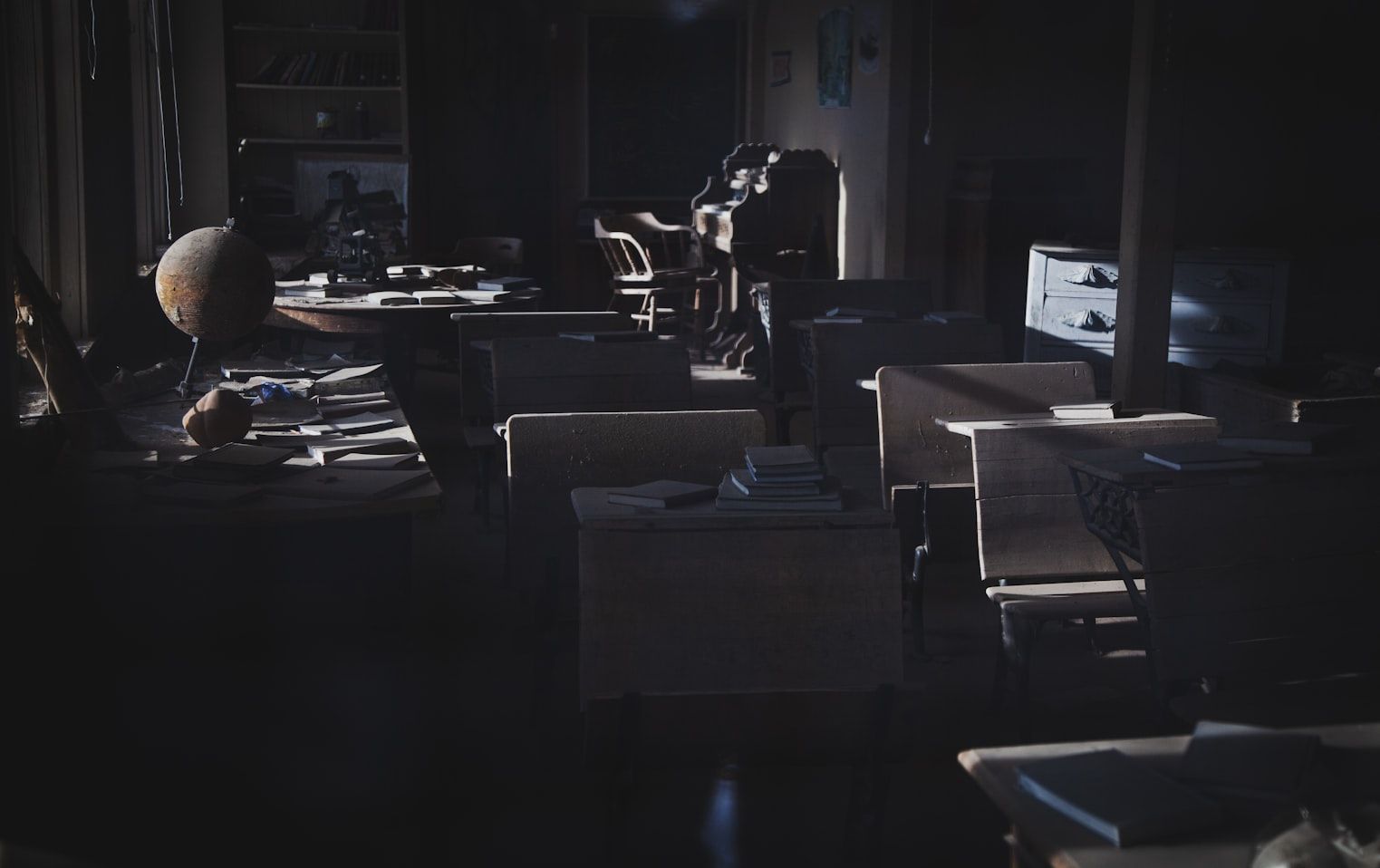
Image: Daniel Gregoire

Hidden in the woods near Bloomington, Indiana, the Knightridge Space Observatory was built in the 1930s for early astronomers . Its wooden dome once held a four-ton telescope, but city growth and light pollution made it obsolete.

Abandoned since the 1960s, the building was left to decay, with its dome rusted shut, the floors unstable, and the telescope relocated. It has since been demolished due to safety concerns.

9
Waverly Hills Sanatorium, Kentucky
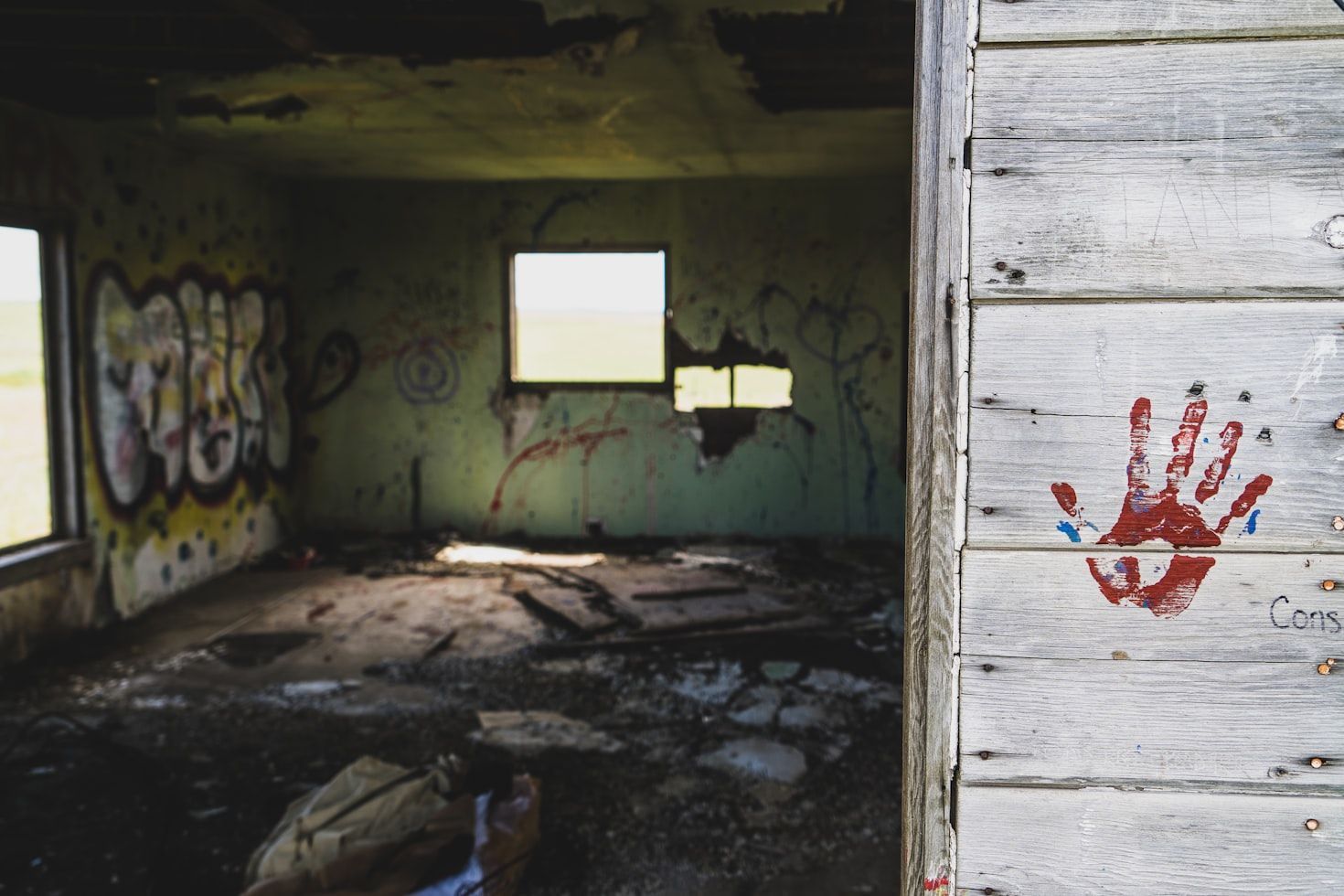
Image: Dan Meyers

Waverly Hills Sanatorium opened in the early 1900s to treat tuberculosis patients with rest, fresh air, and isolation . As the epidemic grew, the facility expanded to hold hundreds of patients, including children.

After closing in 1961, it became a nursing home but was shut down in 1982. Today, Waverly Hills is famous as a haunted attraction, drawing ghost hunters and tourists from around the world.

10
Jazzland, Louisiana

Image: Dmitry Lakhno

Jazzland was a theme park in New Orleans that opened in 2000. After major investments, it reopened in 2003 as Six Flags New Orleans. Following Hurricane Katrina in 2005, the park was submerged, with murky floodwaters destroying roughly 80% of the property. Rides were wrecked, stands overturned, and only the Batman coaster survived on higher ground .

Deemed too costly to repair, the park was abandoned and now draws curious urban explorers.

11
St. Mary's College, Maryland
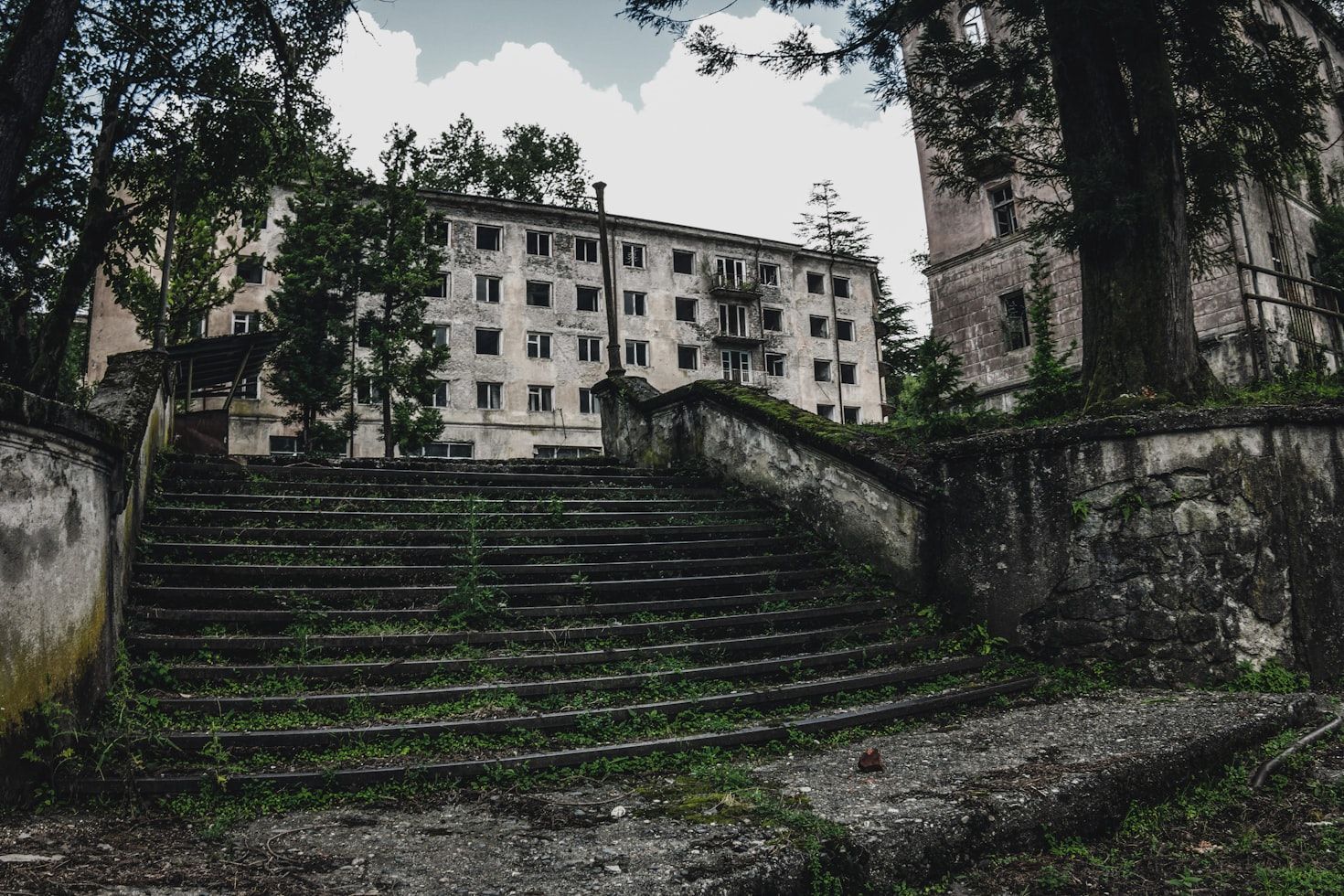
Image: Pavel Neznanov

Built in 1868, St. Mary’s College trained young men for the priesthood until declining enrollment forced its closure in 1972. The abandoned campus, soon nicknamed "Hell House," became a hotspot for ghost stories, local legends, and thrill-seekers.

12
Yellow Creek Nuclear Power Plant, Mississippi
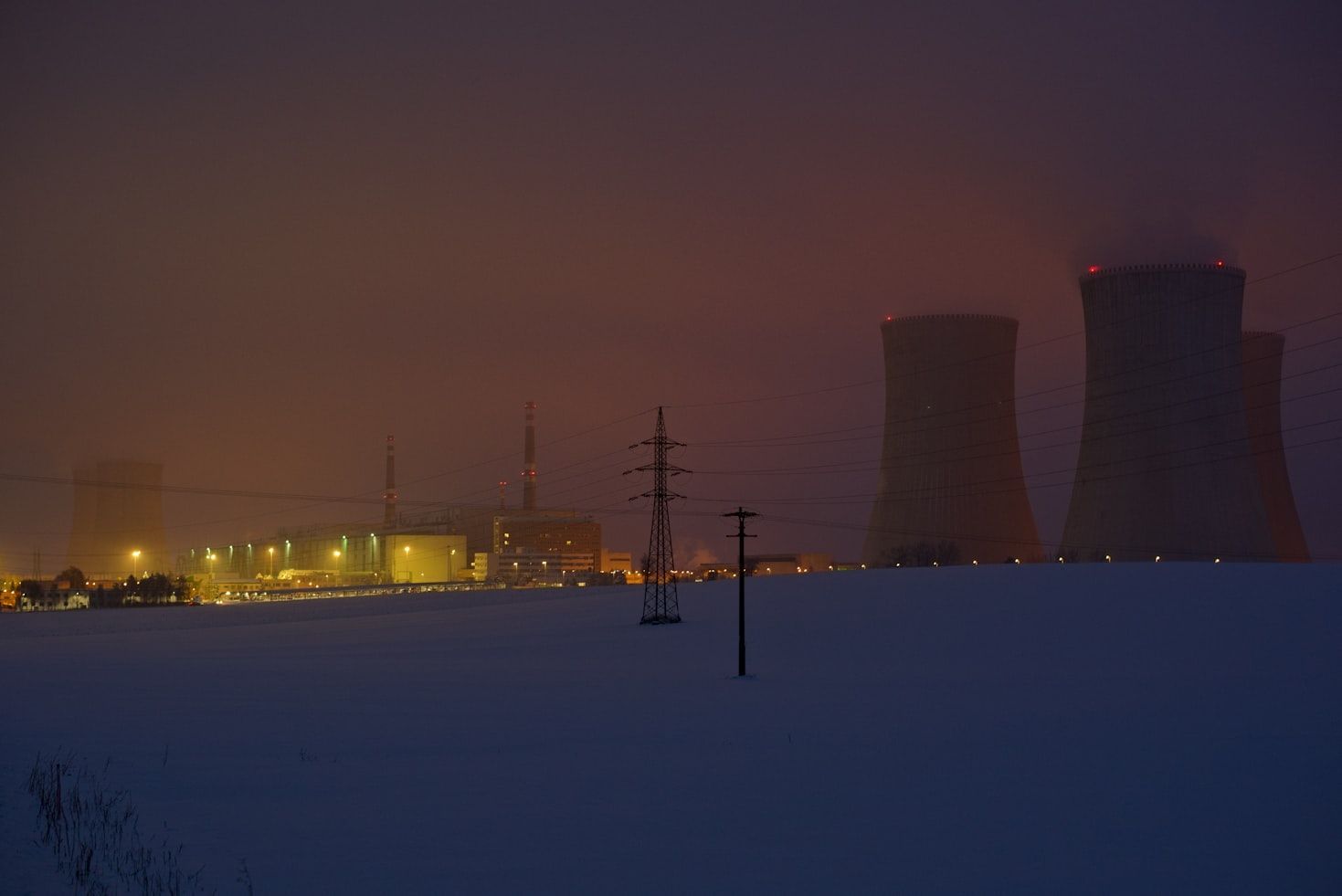
Image: Lukáš Lehotský

Yellow Creek was one of 17 nuclear plants planned by the Tennessee Valley Authority (TVA) in the late 1970s, but construction was halted before completion. The cooling tower base and nearby processing building were left abandoned .

Originally intended to process nuclear fuel components, the site now stands as a vast, unfinished shell.


General General 4 min read

A guide to America's most unconventional museums

The bizarre American museums you never knew existed (but need to visit)

Image: Flickch

Forget the Louvre and the Smithsonian. If you're craving something a little more... unusual on your next museum outing, America has you covered. From pickles to parasites, these wonderfully weird institutions prove that literally anything can be museum-worthy if you're passionate enough about it.

1
The Museum of Bad Art (Massachusetts)

Image: Jerry Wang

Founded in 1994, MOBA showcases art "too bad to be ignored," featuring paintings so spectacularly awful they circle back to being captivating . We're talking off-kilter portraits, baffling subject matter, and techniques that defy explanation.

The collection includes masterpieces like "Lucy in the Field with Flowers," featuring a grandmother dancing in a meadow while wearing what might be a nightgown. Each piece comes with a tongue-in-cheek description that treats these disasters with the same reverence the Met gives to Rembrandts.

2
The International Banana Museum (California)

Image: Deon Black

This museum holds the Guinness World Record for the largest collection of banana-related items . With over 25,000 banana things crammed into one yellow-painted space, it's exactly as bonkers as it sounds. Banana phones, banana lamps, banana art—if you can slap a banana on it, it's here.

The museum's motto is "Yes, we have no bananas... we have more!" which pretty much sums up the gloriously ridiculous vibe.

3
The Museum of Broken Relationships (California)

Image: Kelly Sikkema

This surprisingly poignant museum displays donated objects from failed romances , each accompanied by a brief story from the heartbroken donor. Started in Croatia and now with an outpost in Los Angeles, it transforms personal pain into shared human experience. You'll find everything from wedding dresses to an actual prosthetic leg, each item representing a relationship that didn't quite make it.

What could be depressing is actually oddly uplifting: there's humor, anger, relief, and occasionally shocking pettiness on display. One exhibit features an axe someone used to destroy their ex's furniture, piece by therapeutic piece.

4
The International Cryptozoology Museum (Maine)

Image: Jon Sailer

This Portland museum is dedicated to creatures that may or may not exist , from Sasquatch and the Loch Ness Monster to the Chupacabra. Founded by cryptozoologist Loren Coleman, it houses hair samples, plaster casts of mysterious footprints, and endless speculation about what's lurking in our forests and lakes.

5
The Mustard Museum (Wisconsin)

Image: Pedro Durigan

Wisconsin's National Mustard Museum celebrates that yellow squeeze-bottle staple with 6,000+ varieties of mustard from all 50 states and over 70 countries . Curator Barry Levenson started collecting after his beloved Boston Red Sox lost the World Series in 1986, and a voice in a grocery store told him to pursue mustard instead. As one does.

The museum offers free tastings because, apparently, there's a whole world of mustard beyond French's that many of us have been missing. From champagne mustard to chocolate mustard to varieties with names you can't pronounce, it's a full-on condiment education.

6
The Museum of Clean (Idaho)

Image: JESHOOTS.COM

Spanning 75,000 square feet, it chronicles the history of cleaning from ancient times to modern day . It features vintage vacuum cleaners, washing machines, and cleaning products that would horrify today's safety inspectors.

The museum makes a compelling case that cleaning technology has shaped civilization more than we realize. You'll see how our ancestors scrubbed, swept, and sanitized before electricity, and gain a weird appreciation for your Swiffer.

7
The Mutter Museum (Pennsylvania)

Image: Tibor Dányi

This Philadelphia institution houses medical oddities, anatomical specimens, and antique medical equipment that can look more like torture devices. Think preserved organs, skeletal anomalies, and a wall of skulls that's both educational and nightmare-inducing.

The museum's most famous resident is the "Soap Lady," whose body turned into a soap-like substance after burial. There is also a sample of Albert Einstein’s brain tissue on display, because why not?

8
The American Toby Jug Museum (Illinois)

Image: agmclellan

Toby jugs are those quirky ceramic pitchers shaped like people's heads and bodies, usually depicting jolly characters in tricorn hats. This Evanston museum houses over 8,000 of them, representing the world's largest collection of these peculiar drinking vessels .

The collection spans centuries and includes rare jugs worth thousands of dollars alongside kitschy modern versions. You'll learn that Toby jugs have depicted everyone from Winston Churchill and Sherlock Holmes to characters from literature and politics.

9
The Spam Museum (Minnesota)

Image: ZHIJIAN DAI

This 14,000-square-foot museum in Austin, Minnesota, celebrates the canned pork product that fed armies and annoyed email users everywhere . Interactive exhibits let you pretend to work on the Spam production line, and you'll learn more about processed meat than you thought possible.

10
The International UFO Museum and Research Center (New Mexico)

Image: Danie Franco

Located in Roswell, the site of the most famous alleged UFO crash in history, this museum is ground zero for alien conspiracy theories. Founded by people who claim firsthand knowledge of the 1947 incident, it presents eyewitness accounts, declassified government documents, and enough speculation to keep you wondering all night .

Beyond Roswell, the museum explores UFO sightings worldwide, alien abduction stories, and government cover-up theories that range from plausible to completely bonkers.

General General 3 min read

Say cheese!

Your smartphone's camera is more powerful than you think. Learn 12 tips

Image: César Guadarrama Cantú

Each year, our smartphones’ cameras improve, with superior lenses and new features that allow savvy users to take incredible photos. Many of those same capabilities are already available on your device. How many of these tricks do you know?

1
Clean your lens

Image: Mika Baumeister

We’ll start with probably the most essential—and somehow most overlooked—tip: take a moment to clean your smartphone’s camera lens. Over time, it can accumulate dust and smudges, which can result in hazy or blurry photos.

Give it a quick wipe with a soft, lint-free cloth . It can make a significant difference in the clarity of your shots.

2
Investigate your camera app

Image: Brett Jordan

Almost every single smartphone comes with a default camera app that’s user-friendly and packed with features. Take some time to explore it , learn how to switch between photo and video modes, and familiarize yourself with settings like Portrait Mode, Night Mode for low-light shots, and Panorama Mode for landscapes.

3
Use gridlines

Image: Jonathan Kemper

Gridlines allow you to center your focal points and enhance the visual appeal of your photos. Most mobile camera apps let you turn them on easily. These gridlines strategically divide your screen into thirds , both horizontally and vertically, adding balance and symmetry to your shot .

4
Focus and exposure control

Image: François Genon

Focus and exposure are two of the most important settings you can adjust in a manual camera to achieve different effects in photography. Fortunately, both functions are available on most modern smartphones.

By playing with different focus and exposure points, you can highlight a specific subject against a blurred background or ensure a well-balanced shot in difficult lighting conditions.

5
Lighting

Image: Ben White

Always try shooting in natural light, often referred to as available light, whenever the opportunity arises. Natural light gives a gentle, even illumination that can significantly enhance the quality of your photos.

Avoid harsh, direct sunlight, which can create intense and unflattering shadows, potentially leading to overexposed or underexposed areas. If you're shooting in low light, rest your phone on a flat surface to stabilize it for long exposures.

6
Play with composition

Image: Eaters Collective

Experiment with different angles and perspectives to enhance your subject. Don't be afraid to get low or high for a unique viewpoint. Also, pay attention to what’s in the background and eliminate any distractions that might detract from your subject.

7
Take pictures often

Image: Ferdinand Stöhr

Practice makes perfect. Since your phone is always with you, it’s easy to integrate photography into your daily routine. Whether you snap a selfie or take a few shots on your way to work, there’s no wrong way to be a smartphone photographer. Great photos often come from everyday life.

8
Take many shots

Image: The Free Birds

Long gone are the days when you had only 36 exposures in your camera and had to choose each shot carefully. One of the best things about smartphones is that you can take as many photos as you want, and there is no need to print them to see the results . This makes it much easier to learn and improve as you go.

9
Avoid digital zoom

Image: Redd Francisco

Digital zoom generally produces poor-quality images, even on the best smartphones. Avoiding it is one of the basic photography tips for taking better photos. Instead of using a digital zoom, simply move closer to your subject to maintain image quality.

10
Use HDR

Image: Kote Puerto

HDR stands for High Dynamic Range, and it’s a common feature on many smartphones. It enhances detail in both dark and light areas to provide a more balanced exposure . HDR prevents the sky from becoming too bright or the ground from appearing too dark, making it especially useful for landscape photography.

11
Set a high resolution

Image: TheRegisti

Simply put, the higher the resolution of your photo, the better quality it is . When taking pictures, try to get as close to the subject as possible, rather than zooming in. Take advantage of the higher pixel count.

12
Aspect ratio

Image: Alice Donovan Rouse

The aspect ratio determines the width and height of your photograph . The standard 4:3 ratio is versatile, but you can also choose widescreen 16:9 for a cinematic look or square 1:1 for Instagram-ready shots.

Explore more American facts

Choose your favorite category!

General
General

As American as apple pie—the very best America has to offer!

Culture
Culture

Delve into the astounding richness of American lore.

Geography
Geography

Hop in and explore vast and diverse American landscapes.

History
History

Discover the key moments that shaped the United States.