General General 4 min read

Ever wondered where presidents live?

Where did presidents escape when the White House got too stressful?
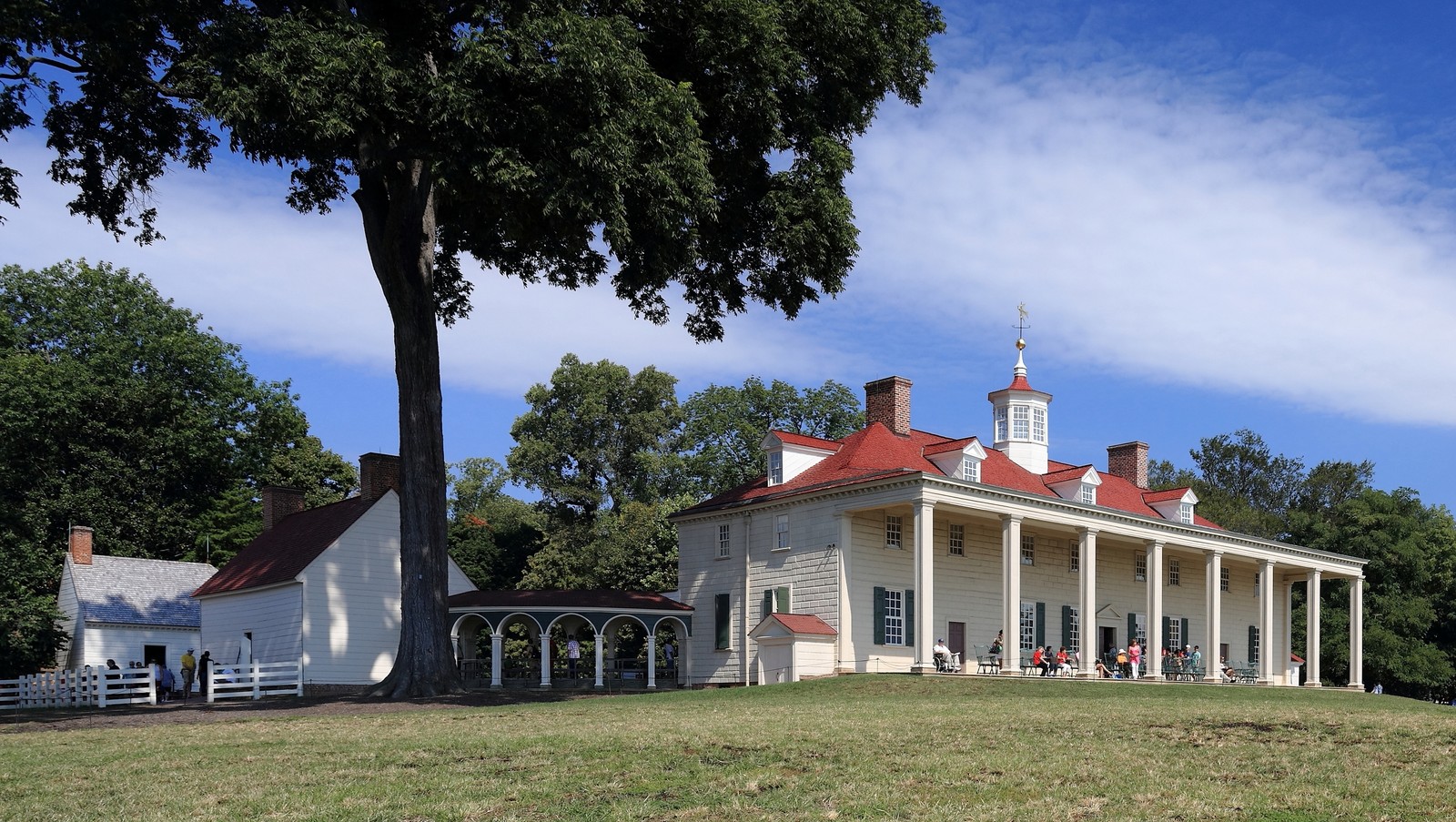
Image: Anthony Roberts

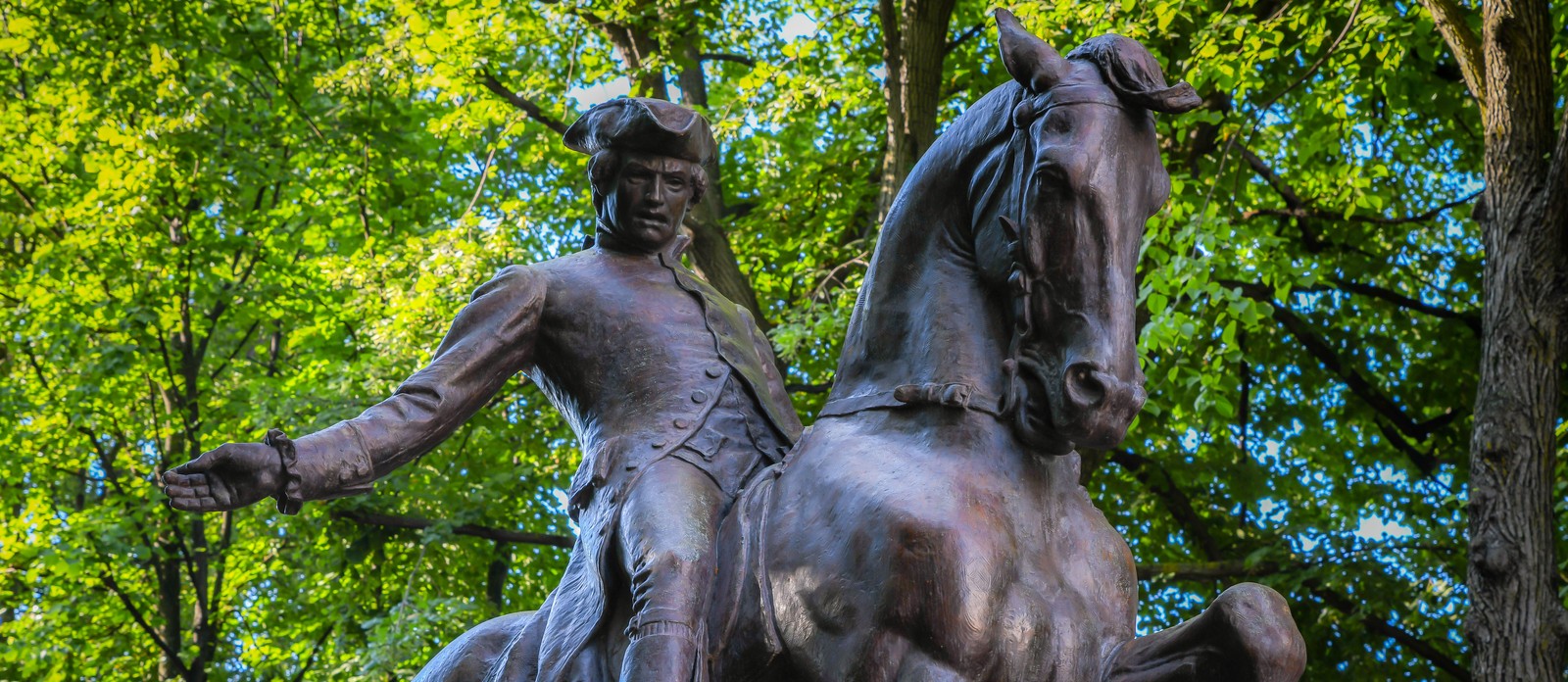
Ever wonder what kind of digs a president calls home when they’re not stress-eating in the Oval Office? It turns out our commanders-in-chief have surprisingly eclectic tastes in real estate. From sprawling plantation estates to modest farmhouses , these presidential pads offer a peek behind the curtain of American history. So grab your walking shoes and your sense of historical curiosity—here are ten presidential homes that welcome visitors.

1
Mount Vernon (George Washington) - Mount Vernon, Virginia
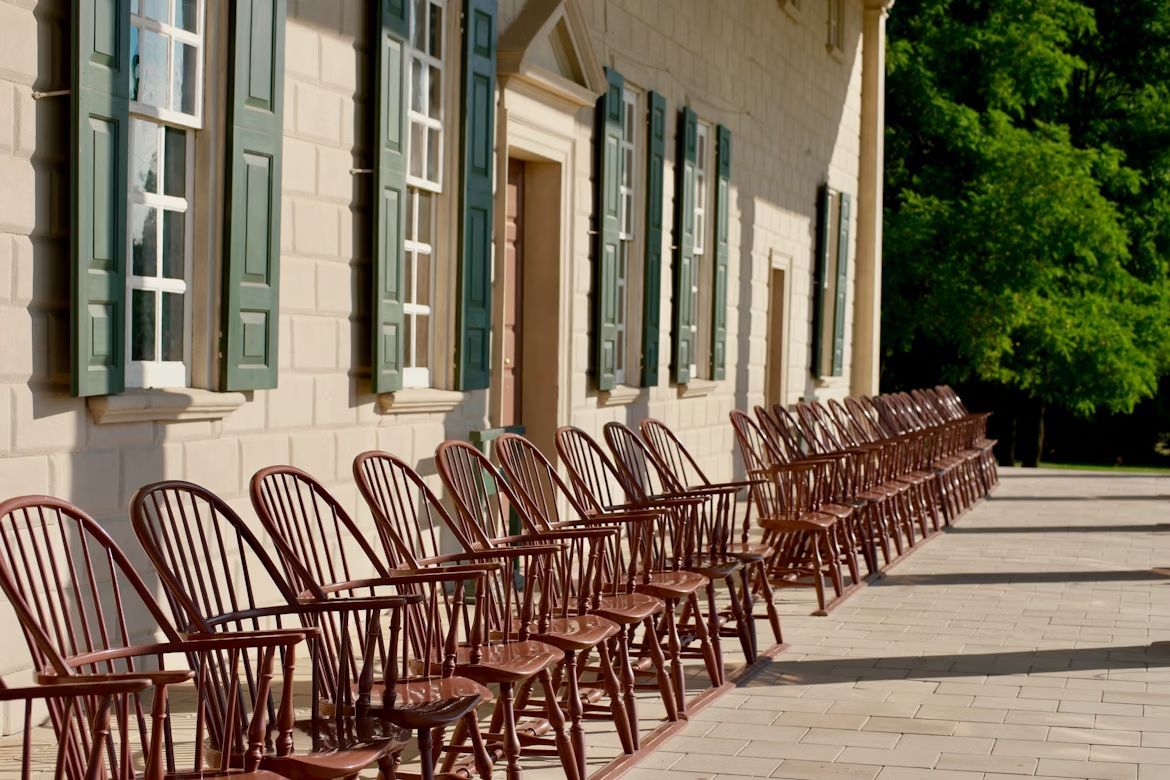
Image: Matt Briney

George Washington's Mount Vernon isn't just a house—it's basically an 18th-century empire. Sitting majestically on the Potomac River, this sprawling estate was where our first president played gentleman farmer when he wasn't, you know, founding a nation.

The estate includes the mansion, beautiful gardens, Washington's tomb, and even a working distillery where they still make whiskey using his original recipe. Fair warning: the place is huge, so plan to spend at least half a day exploring.

2
Monticello (Thomas Jefferson) - Charlottesville, Virginia
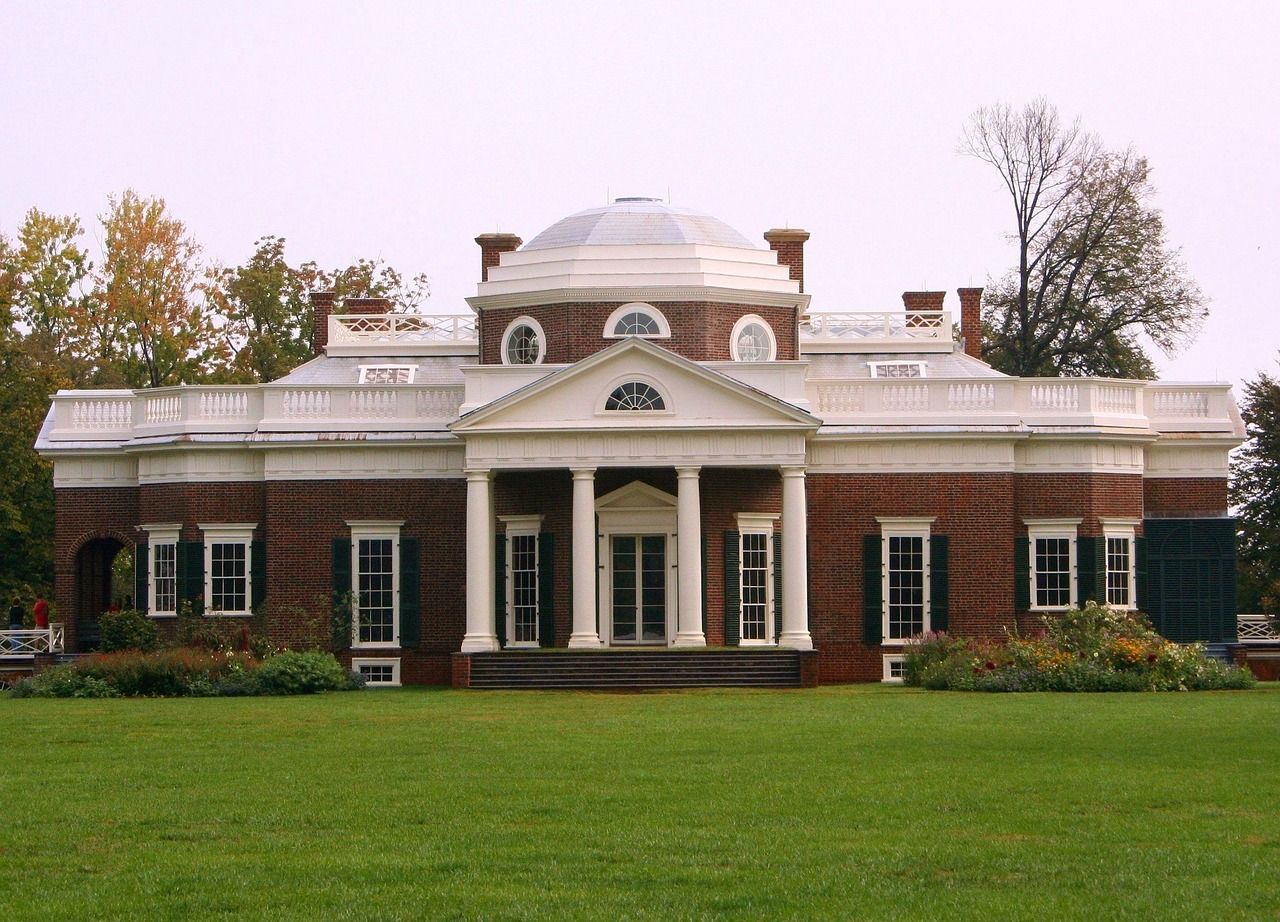
Image: James DeMers

Thomas Jefferson didn't just write the Declaration of Independence—he also designed one of America's most ingenious homes. Monticello is an architectural marvel, packed with Jefferson's clever inventions, from a seven-day clock to a bed alcove between two rooms .

Perched atop a mountain with stunning views of Virginia's countryside, Monticello reflects Jefferson's obsessions: architecture, science, wine, and collecting artifacts. You'll see his extensive library, scientific instruments, and even the desk where he penned some of America's most important documents.

3
Hermitage (Andrew Jackson) - Nashville, Tennessee
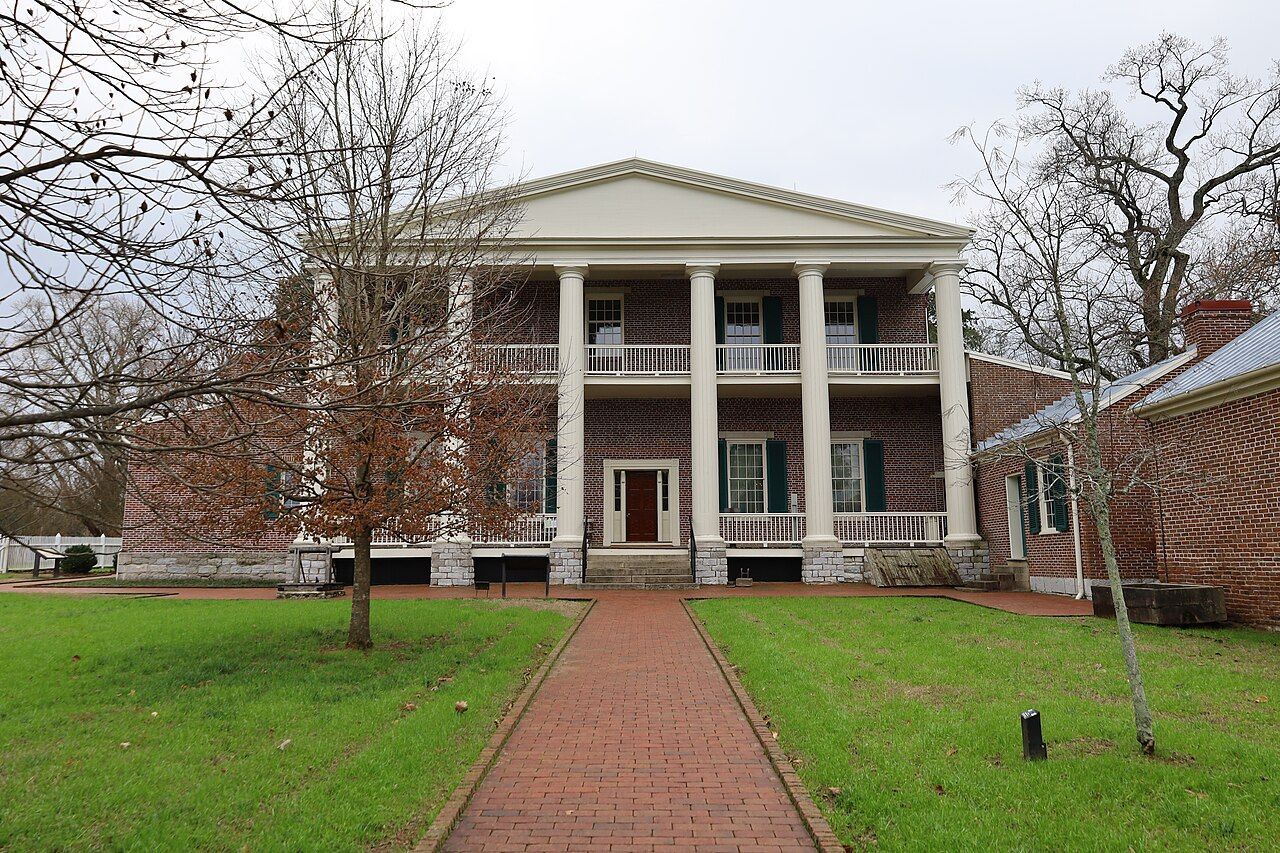
Image: Giorgio Trovato

Andrew Jackson's Hermitage proves that Old Hickory had a softer side—at least when it came to interior decorating. This Greek Revival mansion near Nashville showcases surprisingly elegant taste for a guy who basically invented political mudslinging. The home features original wallpaper, family furnishings, and enough period detail to make any history buff swoon.

The grounds include Jackson's tomb, beautiful gardens, and the Tulip Grove mansion where his nephew lived . There's also a museum that doesn't shy away from the more controversial aspects of Jackson’s legacy, including his policies toward Native Americans.

4
Sagamore Hill (Theodore Roosevelt) - Oyster Bay, New York
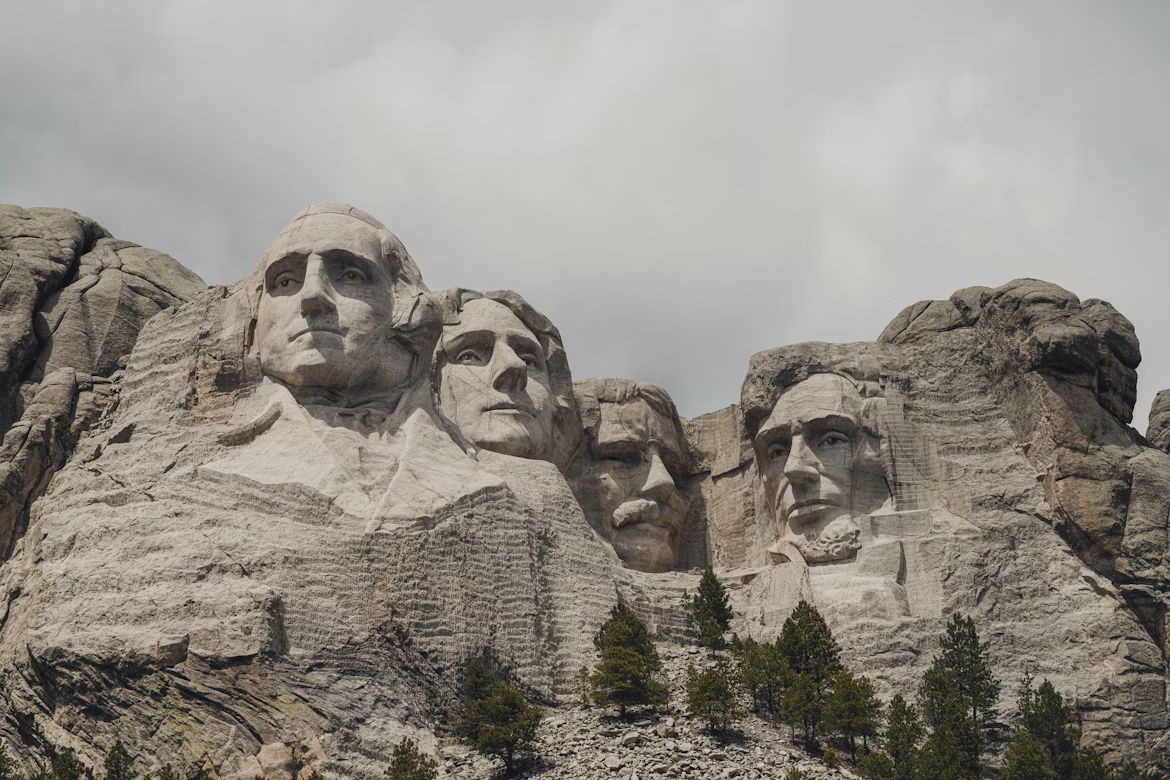
Image: Laura Nyhuis

If you've ever wondered what a president's "Summer White House" looks like, Sagamore Hill delivers in spades. Teddy Roosevelt's Long Island retreat is filled with hunting trophies, books, and artifacts from his adventures around the globe .

The rambling Victorian mansion overlooks Oyster Bay and perfectly captures TR's larger-than-life personality. You'll see the study where he conducted presidential business while supposedly on vacation, because apparently, Teddy Roosevelt didn't understand the concept of "unplugging."

5
Springwood (Franklin D. Roosevelt) - Hyde Park, New York
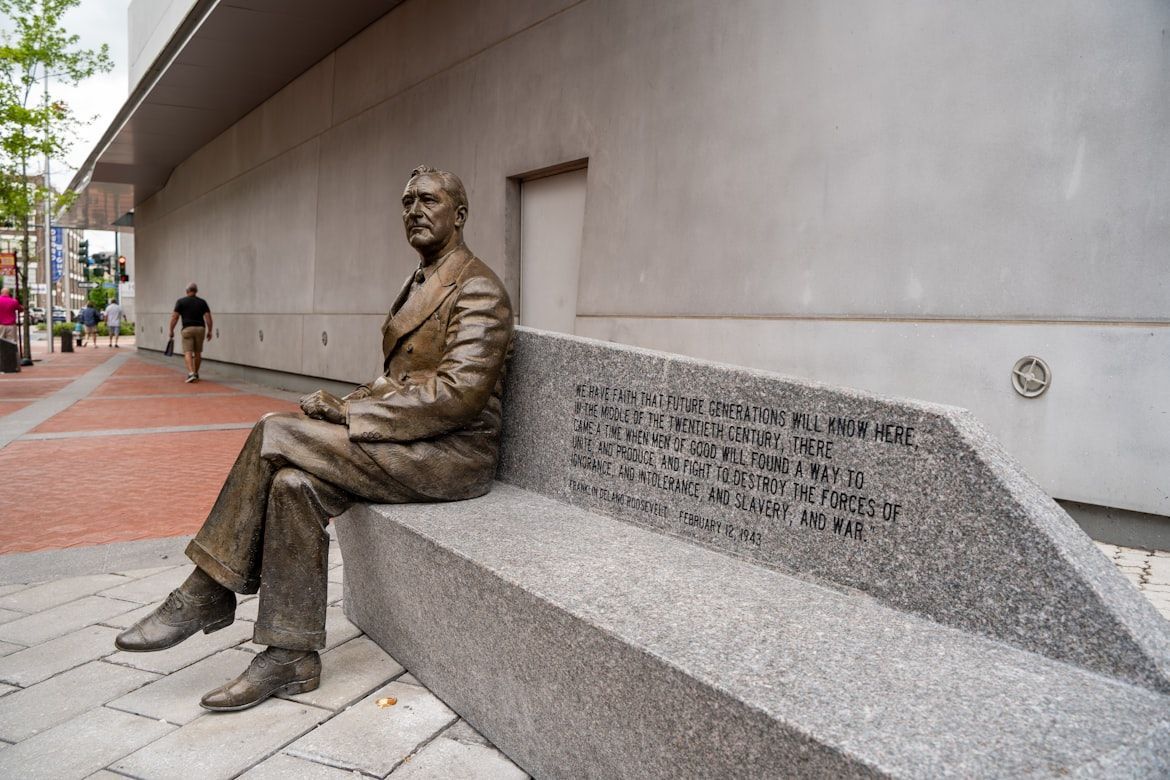
Image: conversationswithval

Springwood is where Roosevelt returned throughout his presidency, seeking refuge from Washington's pressures and the challenges of polio. The house tour includes the room where he was born and the bedroom where he died , which is either poetic or morbid, depending on your perspective.

The estate also features his presidential library—the first of its kind—and the rose garden, where both Franklin and Eleanor are buried. The Top Cottage, FDR's personal retreat on the property, shows insight into how he adapted to living with paralysis.

6
Harry S. Truman House - Independence, Missouri
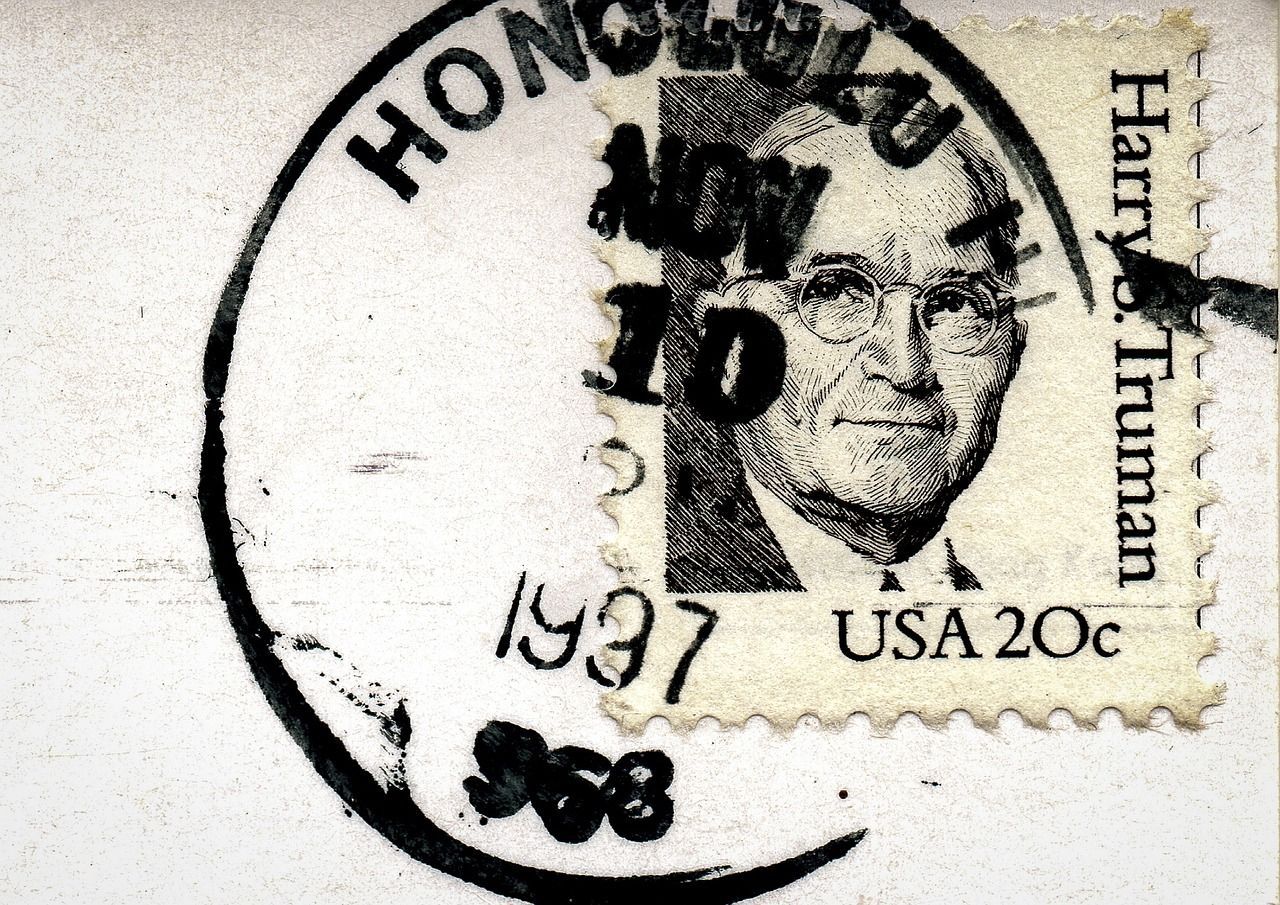
Image: urbanvibe14

Harry Truman's home in Independence is refreshingly normal—which makes sense for a man who went from haberdasher to president without losing his everyman touch. This white Victorian house belonged to his wife Bess's family, and the Trumans lived there before, during, and after his presidency.

The house looks like the Trumans just stepped out for groceries, with original furnishings, Harry's hat hanging in the hall, and Bess's piano in the parlor . It's a time capsule of mid-20th-century American life, proving that you don't need a mansion to make history.

7
Lyndon B. Johnson Ranch - Stonewall, Texas
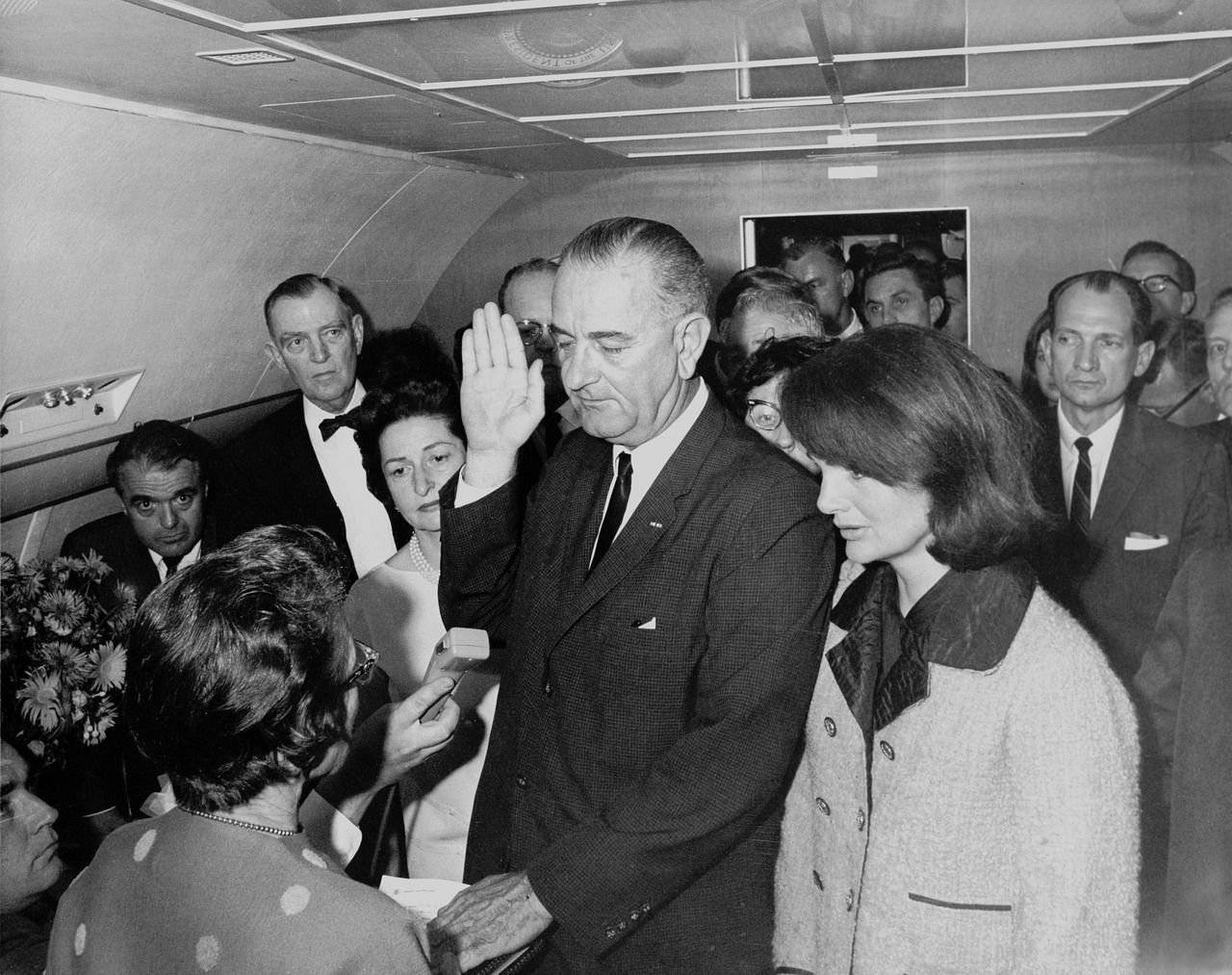
Image: WikiImages

The Texas White House, as LBJ called it, is where the 36th president went to escape Washington's fishbowl and reconnect with his Hill Country roots. The ranch is still a working cattle operation, which somehow makes it even more authentically Texan. You can tour the ranch house, see LBJ's famous Amphicar (half car, half boat, all LBJ showmanship), and visit the one-room schoolhouse where his education began .

The ranch is part of Lyndon B. Johnson National Historical Park, which also includes his birthplace and the family cemetery where he's buried. The house itself is modest but comfortable, filled with Western art and the kind of leather furniture you'd expect from a Texas rancher.

8
Jimmy Carter Boyhood Farm - Plains, Georgia
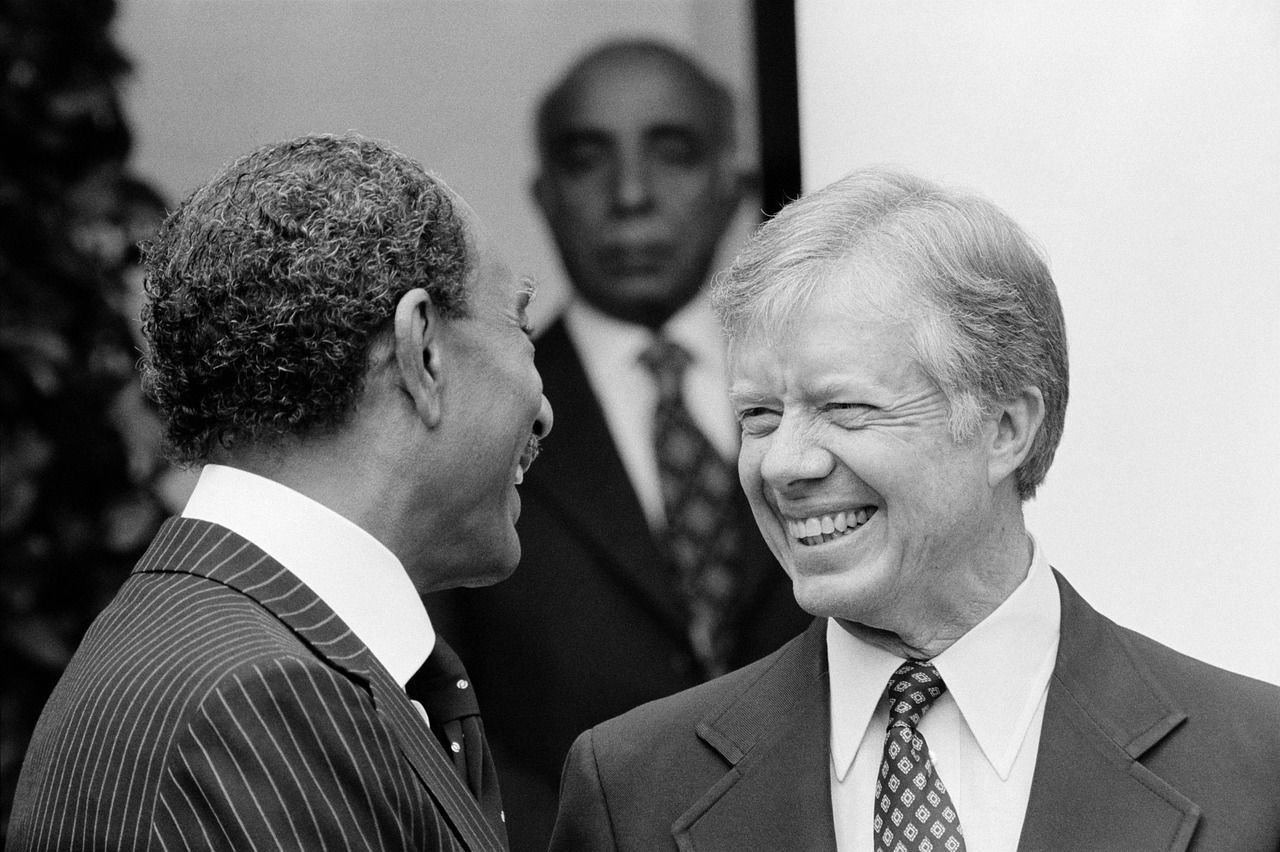
Image: WikiImages

Before he was president, Jimmy Carter was just a peanut farmer's kid growing up in rural Georgia without electricity or running water. The restored farmhouse and grounds show what life was like in 1930s rural America . The pump in the yard wasn't decorative; it was how they got water.

Visiting the Carter farm is like stepping into a time machine. You'll see the commissary where tenant farmers bought supplies, the blacksmith shop, and the outhouse that served as the family's "facilities."

9
Ronald Reagan Ranch - Santa Barbara, California
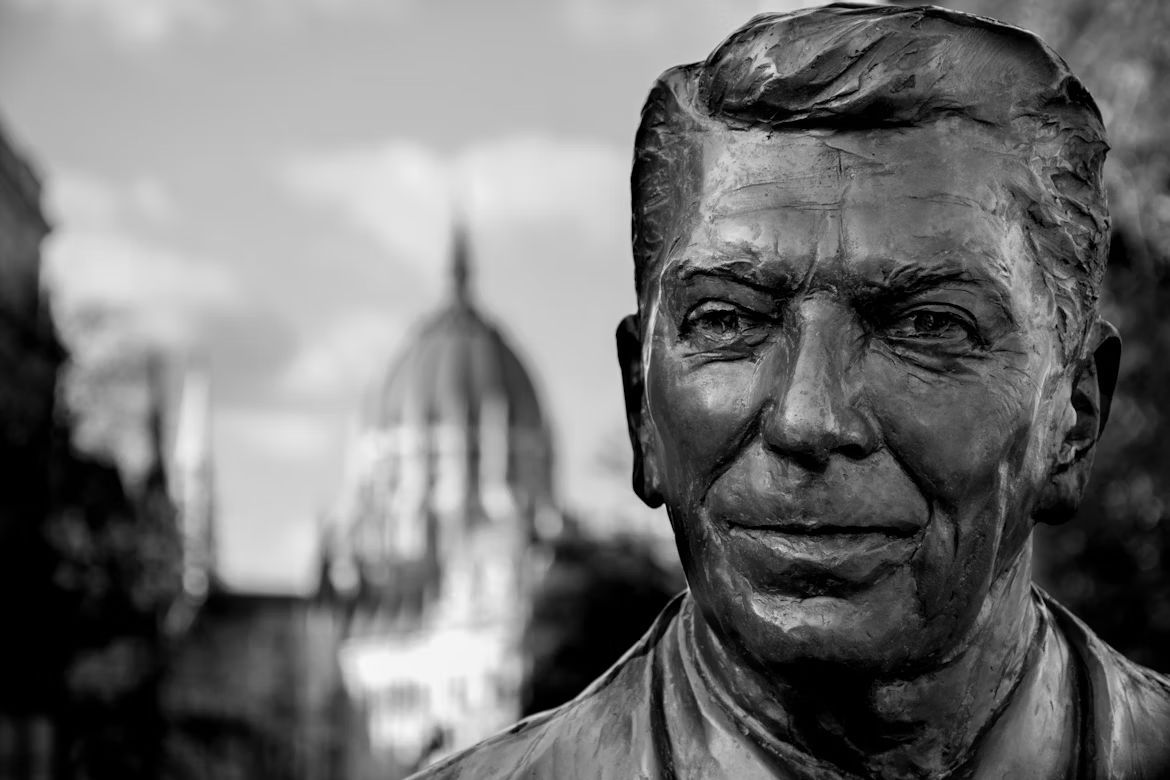
Image: Nicolas HIPPERT

Perched in the Santa Ynez Mountains with sweeping Pacific views, this 688-acre ranch was where the Gipper went to ride horses, clear brush, and make decisions that shaped the 1980s. The rustic adobe house is surprisingly modest : no movie-star mansion here, just a comfortable retreat.

Tours are limited and require advance booking, but they're worth the effort. You'll see Reagan's Jeep, the tack barn where he kept his horses, and the house where he and Nancy entertained world leaders like Mikhail Gorbachev.

10
George W. Bush Prairie Chapel Ranch - Crawford, Texas
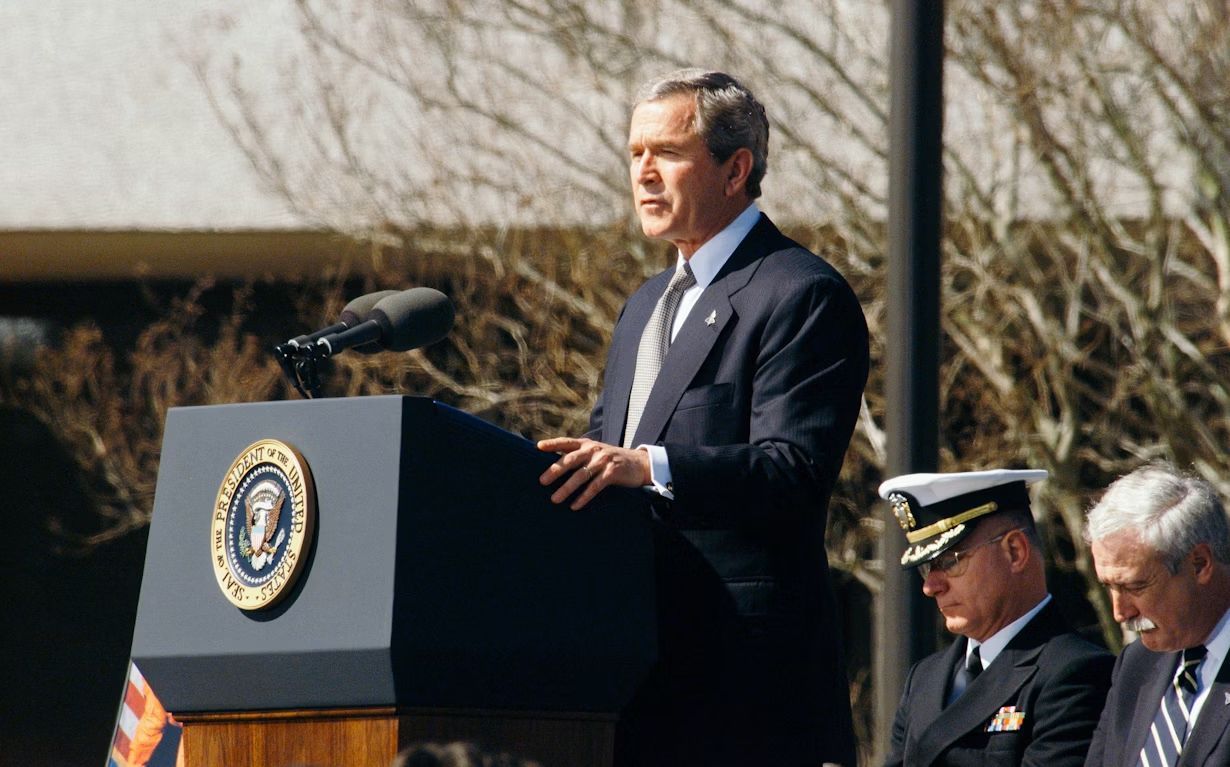
Image: History in HD

While Bush's Crawford ranch isn't open for public tours (yet), it deserves mention as a modern presidential retreat that captured the nation's imagination. The environmentally conscious "Western White House" featured geothermal heating, a rainwater collection system, and lots of brush for W to clear while contemplating post-9/11 America . It's where he hosted everyone from Vladimir Putin to Tony Blair, proving that Texas hospitality works in any era.

Culture Culture 4 min read

The king of the Western

John Wayne: 10 facts about 'The Duke'

John Wayne is one of the great names of the Western genre and American Cinema in general. With a career spanning five decades and nearly 200 films, " The Duke " became an American icon and set the standard for many actors who followed. Let’s take a look at 10 facts about his life!

Marion

Image: Noom Peerapong

We know him as John Wayne, but he was born Marion Robert Morrison . His early minor roles were credited under the name "Duke Morrison," but he adopted a stage name for his first starring role in The Big Trail . The film’s director suggested "Anthony Wayne," after a general from the Revolutionary War, but the studio thought it sounded too Italian, so it was changed to " John Wayne ."

The Duke

John Wayne’s nickname came from his childhood pet terrier , Duke . The two were inseparable, so people started calling him "Little Duke." He preferred the nickname over his given name and even used it for his first film roles. The name resurfaced years later when director John Ford began calling him "Duke" again. By then, Wayne was already a popular actor, and he welcomed the old name with open arms.

The footballer who wasn’t

Did you know we almost had "Duke Morrison, footballer" instead of "John Wayne, actor"? After failing to get into the US Naval Academy, Wayne enrolled at the University of Southern California on a football scholarship . But an injury from a bodysurfing accident cut his athletic career short, and he eventually had to leave college.

Not all was lost, though: silent film star Tom Mix, who received football tickets in exchange for giving summer jobs to USC players, helped Wayne land a gig as an extra and prop boy.

The first big role and breakthrough

Raoul Walsh’s The Big Trail was one of the first Western superproductions of the sound era. Walsh wanted to cast an unknown actor in the leading role and chose Wayne after spotting him moving furniture around the studio.

The film was a box office failure, and Wayne spent much of the 1930s acting in low-budget Westerns. His big break came with Stagecoach , directed by the legendary John Ford, which finally put him in the spotlight.

Attempts to enlist

When World War II broke out, Wayne was not drafted due to his age and family situation. Despite this, he made several attempts to enlist and even tried to convince John Ford to bring him into his military unit. Ultimately, he gave up after his studio threatened him with a lawsuit for breaching his contract. It’s said that he carried the guilt of staying behind for the rest of his life.

John Ford

John Ford’s Stagecoach established John Wayne as a leading actor and began his long collaboration with the director. The two worked together on more than 20 films, many of which are considered Western classics , including Fort Apache , The Searchers , The Man Who Shot Liberty Valance , Rio Grande , and She Wore a Yellow Ribbon .

Awards

Wayne received several nominations and awards throughout his career, both as an actor and a director. He was nominated for the Academy Award for Best Actor for Sands of Iwo Jima and for Best Picture for The Alamo , which he also directed. He finally won the Oscar for his role as Rooster Cogburn in True Grit . He was also posthumously awarded the Presidential Medal of Freedom, and the airport in Orange County, California, is named after him.

International popularity (or not)

Wayne’s films made him an American icon and a celebrity both in the US and abroad. Japan’s Emperor Hirohito reportedly asked to meet him during a visit to the United States, impressed by his performance in Sands of Iwo Jima , and so did Soviet leader Nikita Khrushchev.

According to some biographers, the FBI allegedly thwarted an assassination attempt ordered by Joseph Stalin, who viewed Wayne as a symbol of anti-communist ideals. While this story remains unverified, it has become part of Wayne’s larger-than-life legend.

Wayne vs Sinatra

John Wayne was known to have feuded with several celebrities due to his strong personality and political views. One of the most prominent was his disdain for Frank Sinatra , whom he believed had communist sympathies. Their animosity escalated when Wayne reportedly filed a noise complaint against Sinatra at a hotel and allegedly got into a fistfight with one of Sinatra’s bodyguards. Despite their differences, the Duke and Ol’ Blue Eyes eventually made peace years later.

The Duke’s death

John Wayne died of stomach cancer in 1979, a disease many have linked to his filming of The Conqueror in the Escalante Desert, Nevada, near a nuclear testing facility. It is reported that about half of the film’s cast and crew developed cancer, and nearly half of those cases were fatal.

Wayne’s family stated that he converted to Catholicism and received baptism in his final days. He reportedly requested that his grave bear the inscription " Feo, fuerte y formal " (Spanish for "ugly, strong, and dignified," in Wayne’s own words). However, his grave remained unmarked for 20 years after his death.

Culture Culture 4 min read

Brand stars

This is how these 10 brand mascots became bigger than their products

Image: P. L.

Every brand dreams of being instantly recognized by its logo or mascot, and some US brands have truly achieved this. In fact, a few have grown far beyond their products, becoming icons of American culture. From the beloved Pillsbury Doughboy to the unmistakable Colonel Sanders, join us as we take a walk through this brand-mascot hall of fame!

1
The Pillsbury Doughboy

Image: Dan Depew, CC BY 4.0 <https://creativecommons.org/licenses/by/4.0>, via Wikimedia Commons

You only need to see a tiny bit of his fluffy body to recognize him: Poppin’ Fresh, better known as the Pillsbury Doughboy, is a global star. The Pillsbury Company created him in 1965, and over the decades, he has appeared in hundreds of commercials and on all kinds of merchandise. Now, 60 years later, his cute image is still familiar to Americans everywhere. He’s even part of the Macy's Thanksgiving Day Parade!

2
Tony the Tiger

Image: SqueakyMarmot from Vancouver, Canada, CC BY 2.0 <https://creativecommons.org/licenses/by/2.0>, via Wikimedia Commons

Our childhood memories include a character who was and still is right there at the breakfast table. We're talking about Tony the Tiger, the beloved mascot of Frosted Flakes. Introduced in 1952 by Kellogg’s, many of us grew up with him and watched him become a cereal icon. And of course, no one can forget his iconic catchphrase: "They’re grrrreat!"

3
The Energizer Bunny

Image: Jazz Guy from New Jersey, United States, CC BY 2.0 <https://creativecommons.org/licenses/by/2.0>, via Wikimedia Commons

Style, attitude, energy: The Energizer Bunny has it all. With his signature sunglasses, drum, and flip-flops, this bunny first appeared in 1989 as a parody of the Duracell bunny, and he quickly grew far beyond Energizer batteries. In fact, he became a symbol of vitality and nonstop energy, so much so that when someone can’t sit still, they’re often compared to this bunny. You know, he just keeps going and going and going.

4
Mr. Clean

Image: JESHOOTS.COM

His style is unmistakable: that celebrity tan, bald head, bright white eyebrows, and even a cool earring. Of course! It’s Mr. Clean, the magical helper who shows up when stains get stubborn. Procter & Gamble introduced him in 1958, and he quickly became more than just the face of a product; he is a full character with his own personality and identity, deeply tied to the idea of household cleaning.

5
Mr. Monopoly

Image: Fluffybuns, CC BY-SA 4.0 <https://creativecommons.org/licenses/by-sa/4.0>, via Wikimedia Commons

We already talked about Mr. Clean, but there’s another Mister who is just as famous, if not more: Mr. Monopoly. While we all know him by that name today, he originally had a much funnier one: "Rich Uncle Pennybags." His mustache and top hat are unmistakable, and his fame has long transcended the Monopoly game, turning him into a visual symbol of wealth and capitalism in pop culture.

6
The Jolly Green Giant

Image: greefus groinks, CC BY-SA 2.0 <https://creativecommons.org/licenses/by-sa/2.0>, via Wikimedia Commons

The Green Giant Company introduced its giant mascot in 1928, and he quickly became synonymous with frozen vegetables across America. The Jolly Green Giant originally had a somewhat intimidating look, but a later redesign turned him into the friendly, smiling giant everyone knows and loves today. Decades of TV commercials, packaging, toys, and pop-culture references made him famous even among people who don’t buy the products.

7
Mr. Peanut

Image: InOttawa.ca, CC BY 2.0 <https://creativecommons.org/licenses/by/2.0>, via Wikimedia Commons

With his classic top hat and monocle, Mr. Peanut is undoubtedly a sophisticated mascot. And since he’s literally a peanut, it’s almost impossible not to think of Planters every time we grab a handful, right? Surprisingly, despite his excellent condition, Mr. Peanut is over 100 years old, having been introduced in 1916.

8
Mickey Mouse

Image: Brian McGowan

If there’s one truly world-famous mascot, it’s definitely Mickey Mouse. His round ears, white gloves, red shorts, and big yellow shoes are so familiar that most of us could sketch them from memory. Mickey started as a character but quickly became the unmistakable icon of Disney. Over time, he even transcended the brand itself, appearing in all kinds of products, commercials, shows, and parades, becoming a symbol of childhood around the world.

9
Colonel Sanders

Image: Marques Thomas

Every time you see this face, you instantly crave fried chicken. That’s the magic of the iconic Colonel Sanders, who is much more than a mascot. He was a real person, the founder of KFC. Because of that, his face has become so familiar to Americans that he feels almost like a father figure. His fame is so strong that KFC often doesn’t even need the brand name; the Colonel’s friendly face says it all.

10
Geico Gecko

Image: Roland Balik, Public domain, via Wikimedia Commons

The GEICO Gecko is so famous that seeing any lizard instantly brings him to mind. This friendly character has been tied to the brand since 1999, and the idea for him came from people mispronouncing "GEICO" as "gecko." Over the years, he has become a celebrity, so recognizable that he doesn’t even need the brand name for people to know exactly who he is.

Explore more American facts

Choose your favorite category!

General
General

As American as apple pie—the very best America has to offer!

Culture
Culture

Delve into the astounding richness of American lore.

Geography
Geography

Hop in and explore vast and diverse American landscapes.

History
History

Discover the key moments that shaped the United States.