Sin City’s secrets
Fascinating facts about Las Vegas you won't find on travel guides
Image: Paul IJsendoorn
A man once sold every single thing he owned, flew to Las Vegas, and bet the whole lot on a single spin of the roulette wheel. Do you think he won? There are 600 miles of concrete flood tunnels under Sin City—can you estimate how many people live there? Most of the profits of the whole city come from one single game; could you guess which one it is? Read on to find all the answers to these stunning facts about Las Vegas, Nevada.
1
The man who sold everything he owned and bet it all on one spin
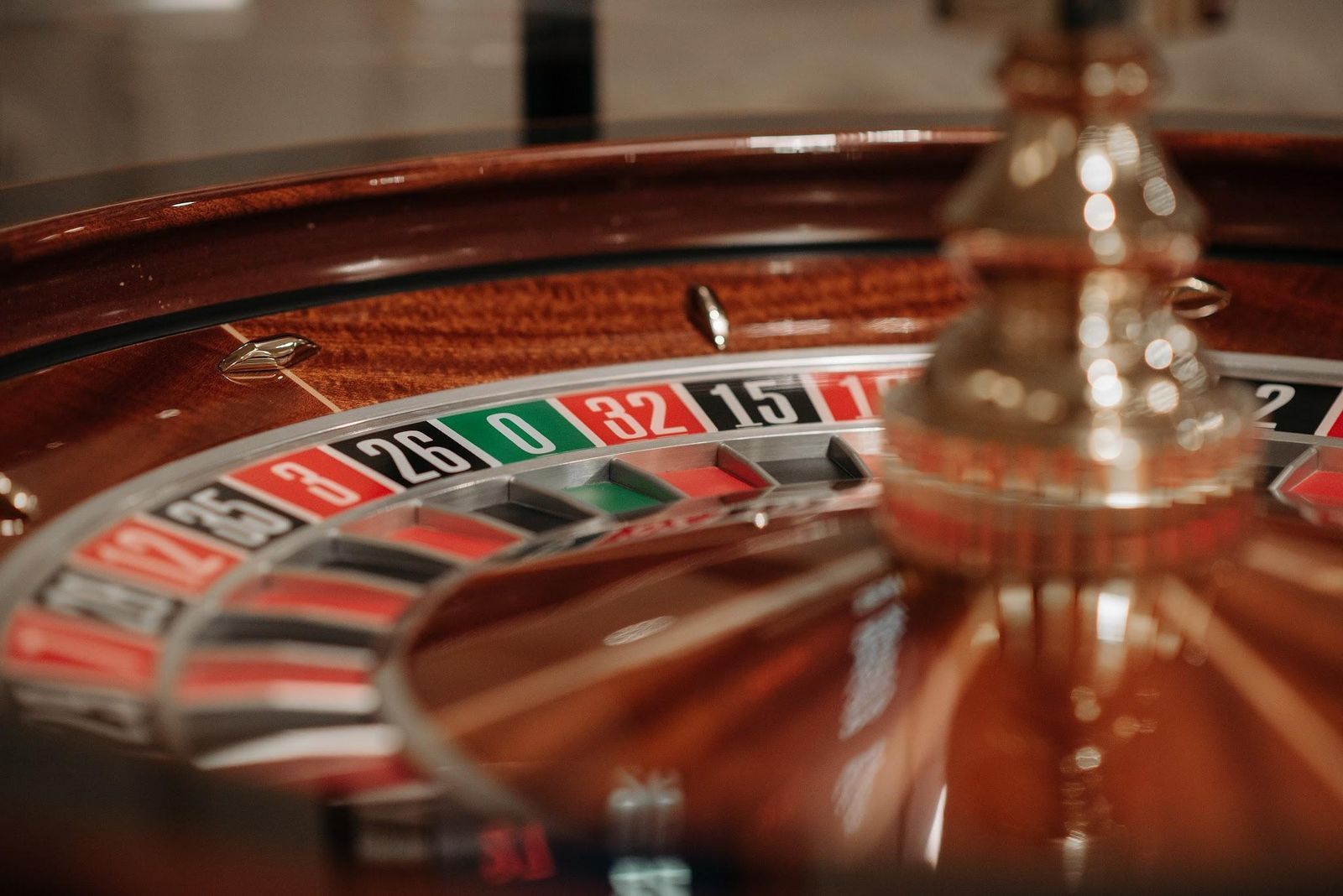
In 2004, a 32-year-old British man named Ashley Revell walked into the Plaza Hotel and Casino in Las Vegas and placed every dollar he had in the world on a single spin of the roulette wheel.
In the months before, Revell had sold his house in Kent, his BMW, his Rolex watch, his golf clubs, his electronics, his furniture, and every piece of clothing he owned. The grand total of his liquidated possessions came to $135,300 . He pushed the entire stack of chips onto red as the ball was already spinning. It landed on Red 7.
Revell walked away with $270,600, exactly double what he had come in with. He tipped the croupier $600 on the way out. The whole thing was filmed by Sky One for a reality mini-series called Double or Nothing .
2
Beneath the casinos, an estimated 1,500 people live underground
Below the glittering hotels and neon lights of the Las Vegas Strip runs a network of concrete flood drainage tunnels stretching roughly 600 miles beneath the city. Built in the 1990s to manage flash flooding in the Nevada desert, these tunnels have become an unofficial home for hundreds of the city’s unhoused residents.
It is estimated that between 1,200 and 1,500 people live there . Some residents have constructed makeshift shelters from plywood and salvaged metal deep inside the tunnels, occasionally just yards below the casino floors above them.
The tunnels pose serious dangers: flooding risk during desert rainstorms, extreme heat, and high rates of substance abuse. A network of nonprofits, outreach teams, and government agencies coordinates aid by providing the residents with essentials and offering them long-term case management, like treatment and housing placement.
3
Las Vegas has a literal black book of people banned for life
Since 1960, the Nevada Gaming Control Board has maintained what it officially calls the List of Excluded Persons, better known as the Black Book. The original publication was a black-covered booklet held together with Scotch tape, listing eleven people deemed to have "notorious or unsavory reputations."
Most of the early entries were organized crime figures: Chicago outfit boss Sam Giancana; enforcer Anthony "Tony the Ant" Spilotro, whose violent exploits inspired Joe Pesci’s character in the film Casino ; and nine other mob associates. Anyone whose name appears on the list is permanently banned from entering any licensed gaming establishment in the state of Nevada.
Violating the ban is a gross misdemeanor under Nevada law. As of 2026, there are 37 names on the list. No one has ever successfully appealed their removal.
4
Strange casino rules: no clocks, no windows, no soft dice
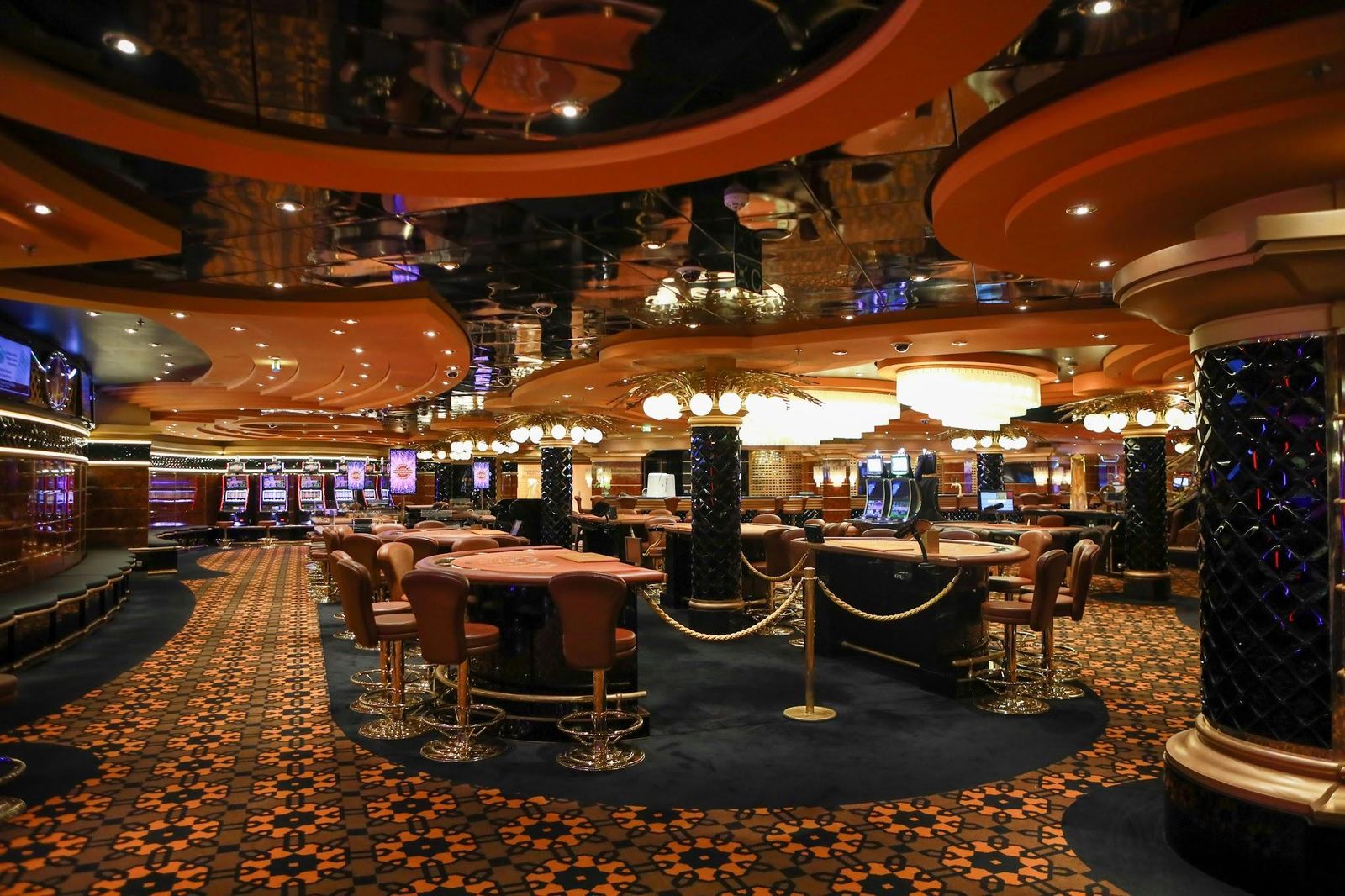
Las Vegas casinos are designed to keep gamblers at the tables as long as possible. Clocks are banned to distract players from the passing of time. Windows are eliminated so that they cannot tell whether it is noon or 3 a.m.
What’s more, Nevada law governs even the dice. The Nevada Gaming Control Board requires casino dice to be perfectly transparent so that no hidden weights can be concealed inside . Each die must be precision-manufactured to within 1/10,000th of an inch, with razor-sharp corners and edges showing no rounding whatsoever. They are inspected regularly and, in high-stakes games, replaced every eight hours of play to ensure consistent rolls.
5
The famous Las Vegas Strip is not actually in Las Vegas
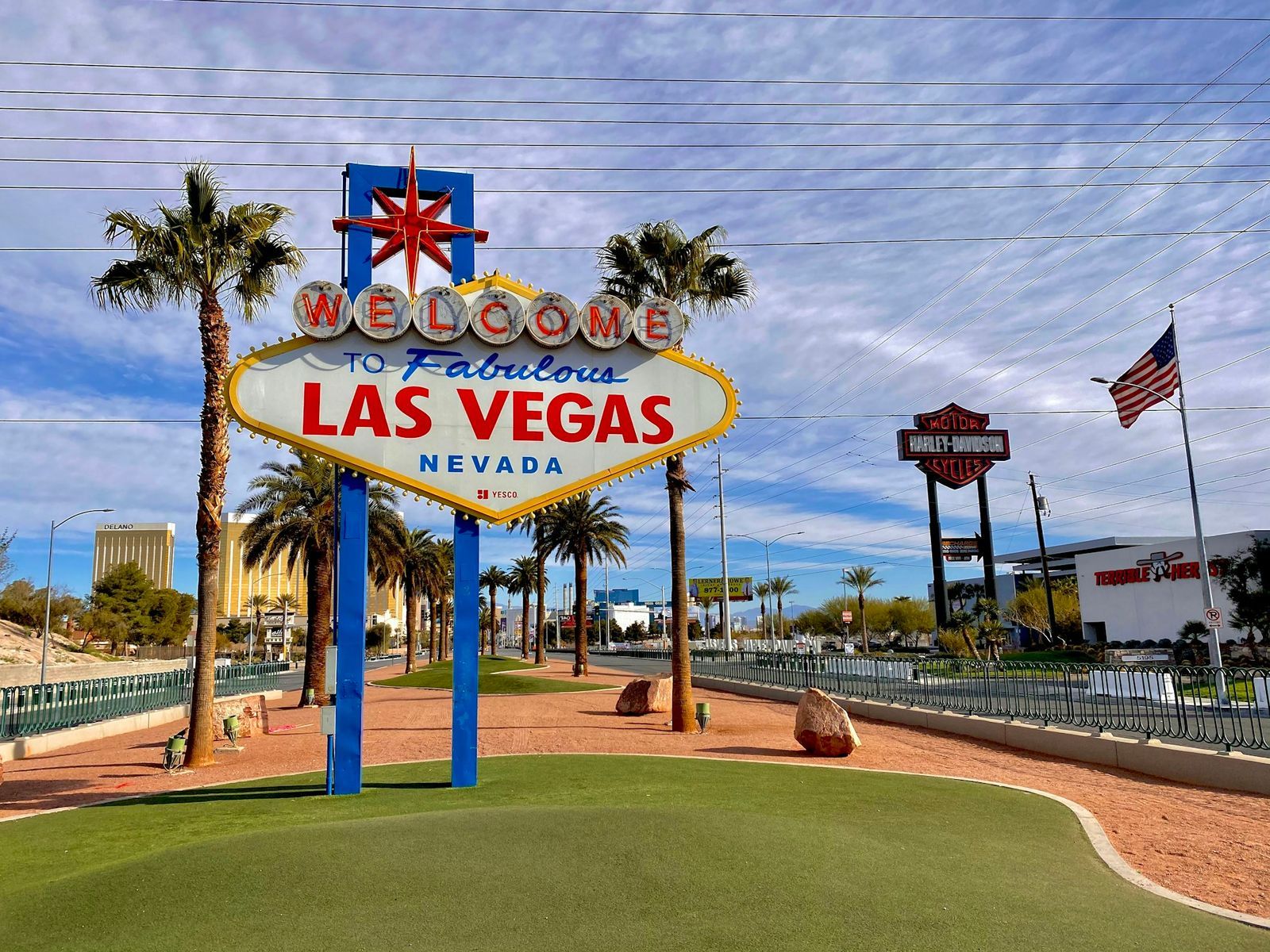
The stretch of Las Vegas Boulevard South that the world knows as the Strip does not lie within the city limits of Las Vegas. This is the area that’s home to Caesars Palace, the Bellagio, MGM Grand, the Venetian, Mandalay Bay, and dozens of other iconic venues.
Technically, it falls within an unincorporated community called Paradise , which is governed by Clark County rather than the city of Las Vegas. Paradise was deliberately established in 1950, when casino owners moved to avoid Las Vegas city taxes and regulations while continuing to trade on the city’s name and benefit from its infrastructure.
The city of Las Vegas actually begins further north along the boulevard, near the Stratosphere. Paradise covers approximately 54 square miles and has a residential population of around 220,000 people, which means it’s one of the largest and most densely populated unincorporated communities in the United States.
6
The Luxor’s sky beam is the most powerful artificial light on earth
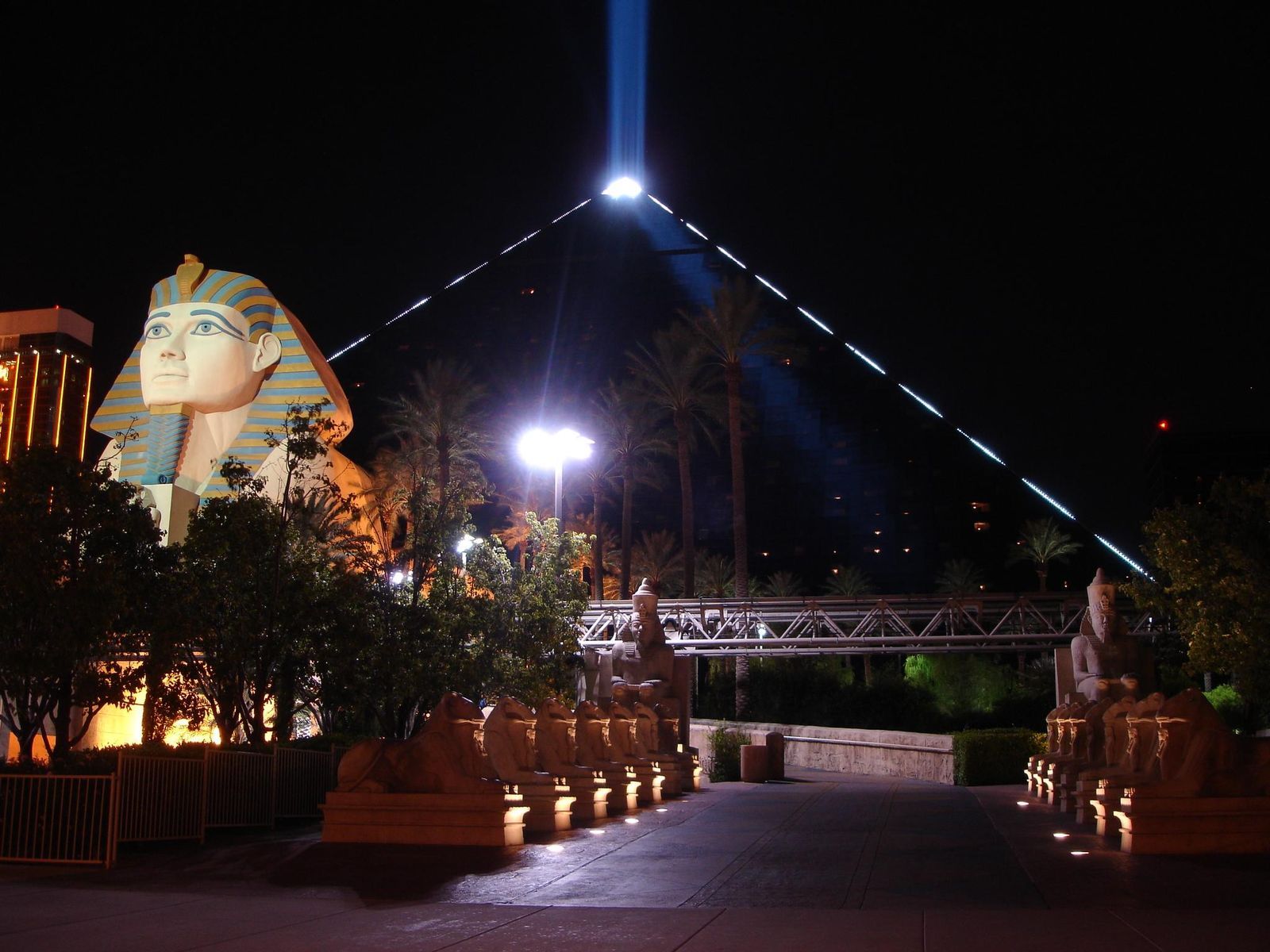
Rising straight up from the apex of the black pyramid-shaped Luxor Hotel and Casino, the Luxor Sky Beam has been one of the most recognizable sights in Las Vegas since the hotel opened in October 1993. It is, by any measure, the most powerful artificial light beam on the planet. The beam is produced by 39 individual xenon lamps, each with 7,000 watts and roughly the size of a washing machine, focused through computer-designed curved mirrors into a single concentrated column.
Together, they generate an estimated 42.3 billion candlepower. On a clear night, airline pilots have reported seeing the beam from as far as 250 miles away. The total operating cost, confirmed by Luxor engineer John Lichtsteiner, is $51 per hour, of which $20 is electricity. That adds up to $480 a day only for lighting the signature beam each night —or $175,200 a year.
7
Las Vegas is home to the tallest observation tower in the US
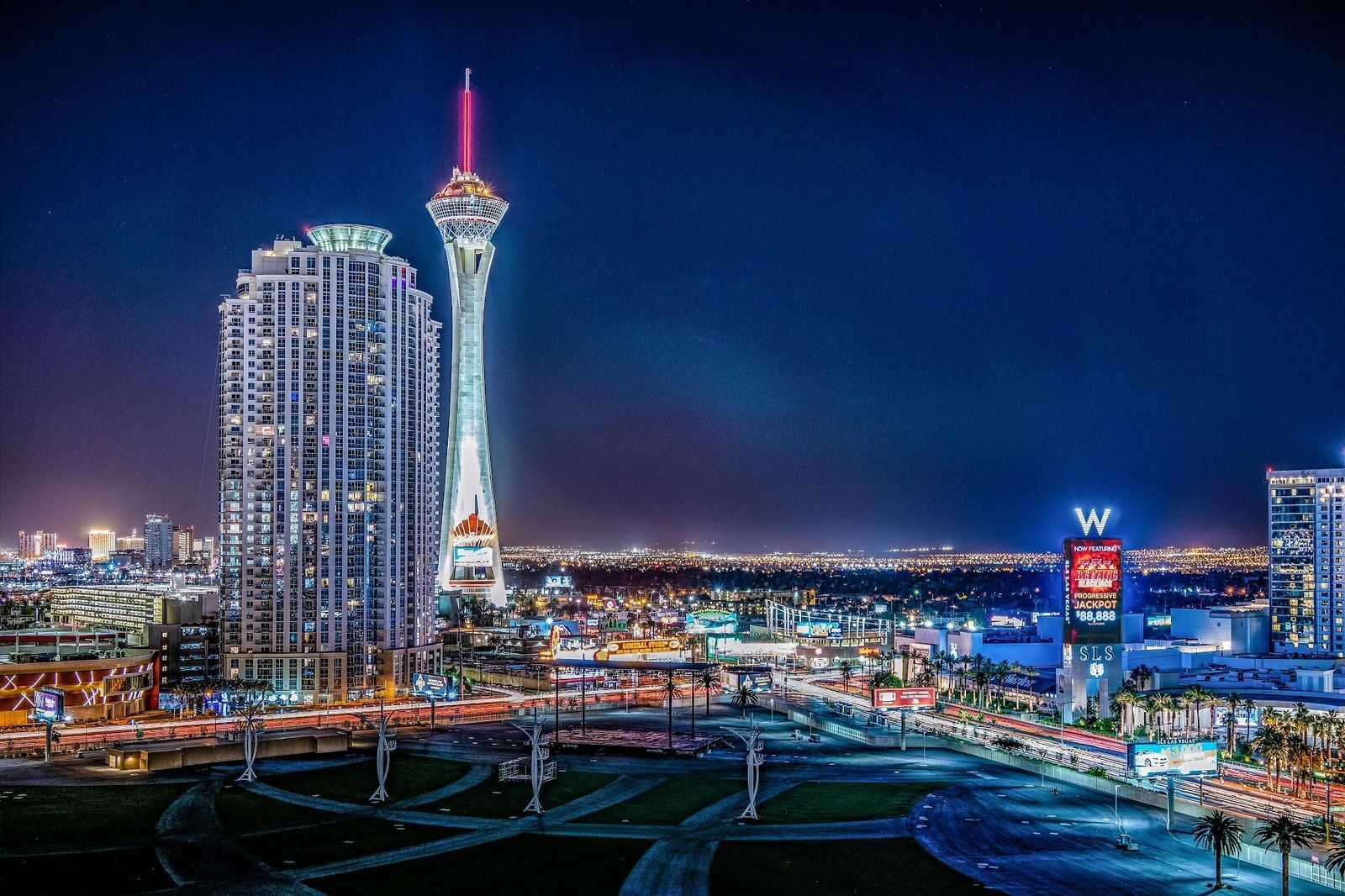
Standing 1,149 feet above the Las Vegas valley, the Strat Tower, officially rebranded from the Stratosphere in 2020, is the tallest freestanding observation tower in the US and the second-tallest in the entire Western Hemisphere, surpassed only by the CN Tower in Toronto at 1,815 feet. It is also the tallest building in Nevada and the tallest structure west of the Mississippi River.
At the top, the Strat offers four outdoor thrill rides, including one that dangles riders 64 feet beyond the edge of the building on a mechanical arm, over 900 feet above the ground.
8
Slot machines account for around 60% of all casino revenue
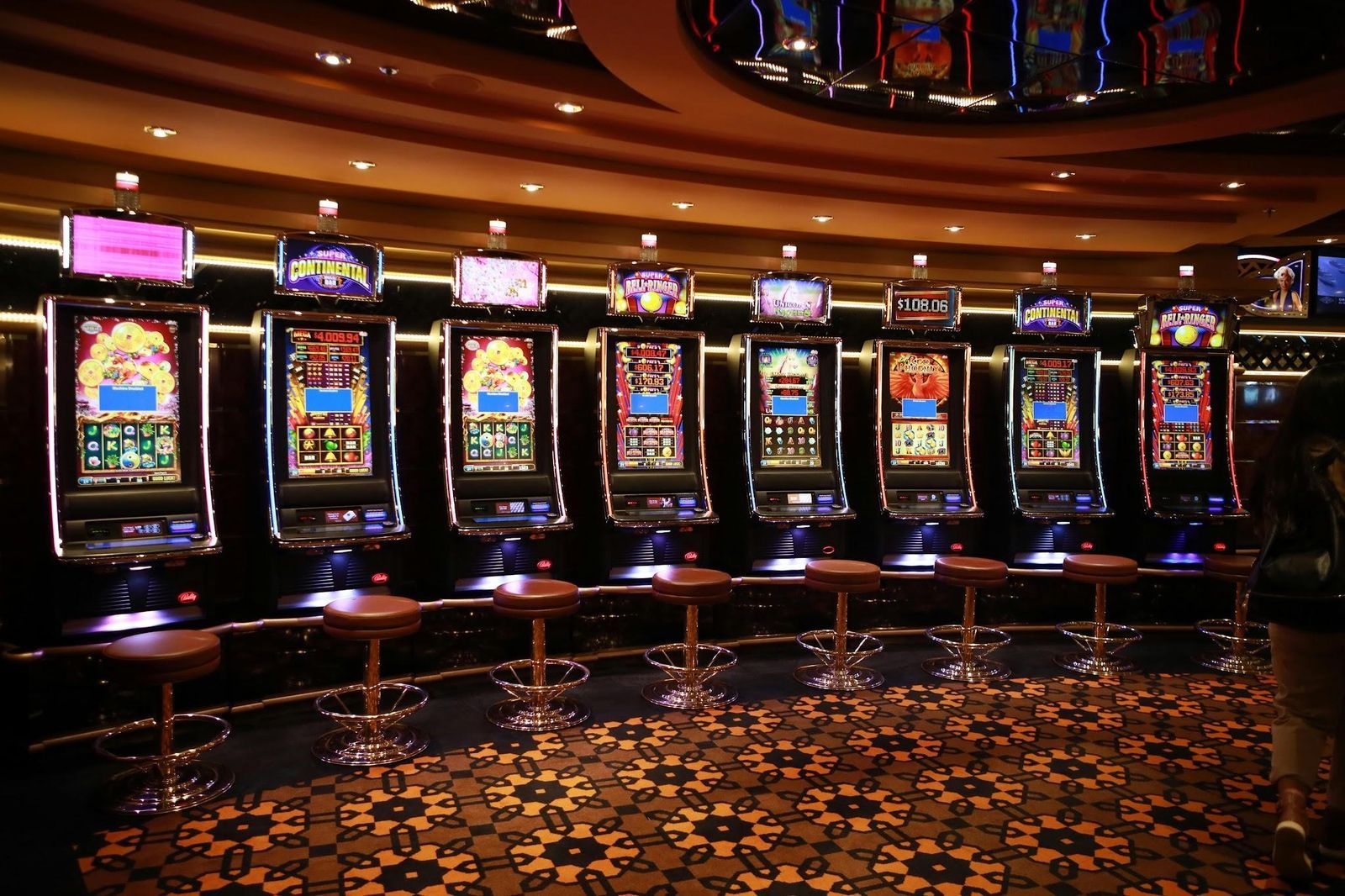
Walk into any Las Vegas casino, and the first thing that surrounds you (and the loudest) is the rows of slot machines that line nearly every available wall and corridor. That layout is not a coincidence.
It is estimated that slot machines consistently generate approximately 60 to 65 percent of all casino gaming revenue in Nevada. There is roughly one operating slot machine for every eight residents of Las Vegas. Nevada law requires that video slot machines pay out a minimum average of 75 percent, though Strip machines in practice typically return 87 to 97 percent.
Casinos place the most visible, most tempting machines near entrances, elevators, and high-foot-traffic corridors , a placement strategy that has been studied and refined over decades. Despite the rise of poker rooms and sports betting in recent years, slot machines have remained the single largest source of gaming income in Las Vegas without interruption for more than half a century.
9
The gambling capital of the world does not sell lottery tickets

Nevada is one of only two states in the entire United States that have no state lottery, the other being Utah. You cannot legally walk into a convenience store and buy a $2 scratch-off ticket.
The reason is straightforward and has nothing to do with moral opposition. Nevada’s gaming industry has lobbied persistently and successfully against a state lottery since gambling was first legalized in 1931, on the grounds that a government-run lottery would directly compete with casino revenues.
10
FedEx was saved from bankruptcy by a Las Vegas blackjack table
In 1971, FedEx, then called Federal Express, was days away from collapse. Founder Frederick W. Smith had built the company on the revolutionary idea of overnight package delivery using a central hub-and-spoke air network, but the business was not working.
The company had roughly $5,000 left in its operating account. It was not enough. Facing what appeared to be the end, Smith flew to Las Vegas and sat down at a blackjack table. He gambled the company’s last $5,000 and turned it into $27,000, which was just enough to cover that week’s fuel costs and keep the planes in the air. The breathing room bought by that blackjack session gave Smith enough time to secure additional financing. Today, FedEx employs more than 500,000 people worldwide and is valued at over $60 billion.