Culture Culture 8 min read

Singers before fame

How 10 superstars made ends meet before they were famous
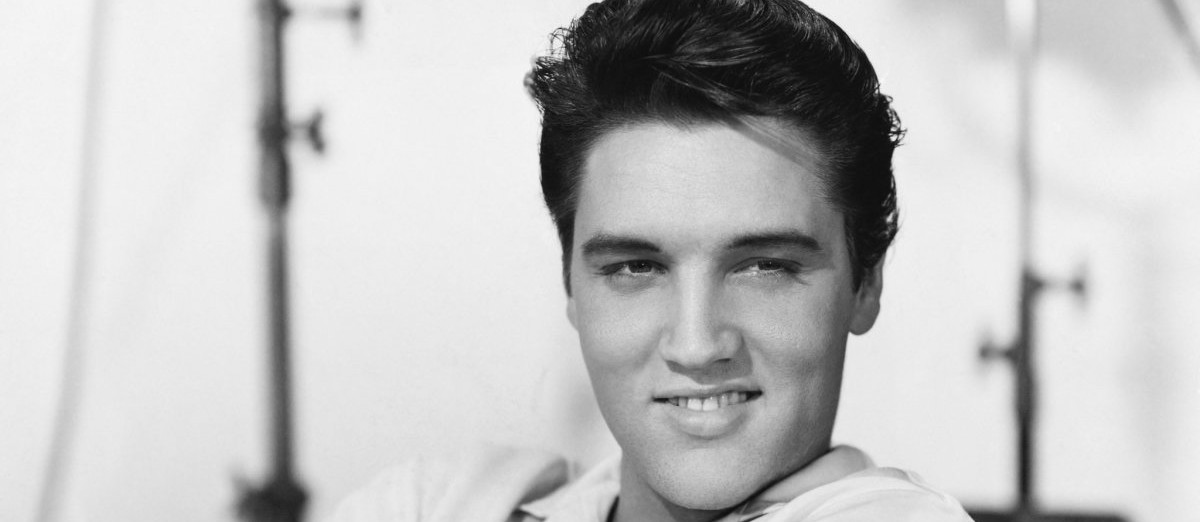
Image: See page for author, Public domain, via Wikimedia Commons

It’s hard to picture Elvis Presley behind the wheel of a delivery truck, Johnny Cash in the U.S. Air Force, or Tina Turner working in a hospital. But before they became icons, these music legends had ordinary jobs and different plans for their lives. Some worked in factories, some waited tables, and others had careers that had nothing to do with music. Here are 10 generational musicians whose lives before fame may surprise you.

1
Elvis Presley
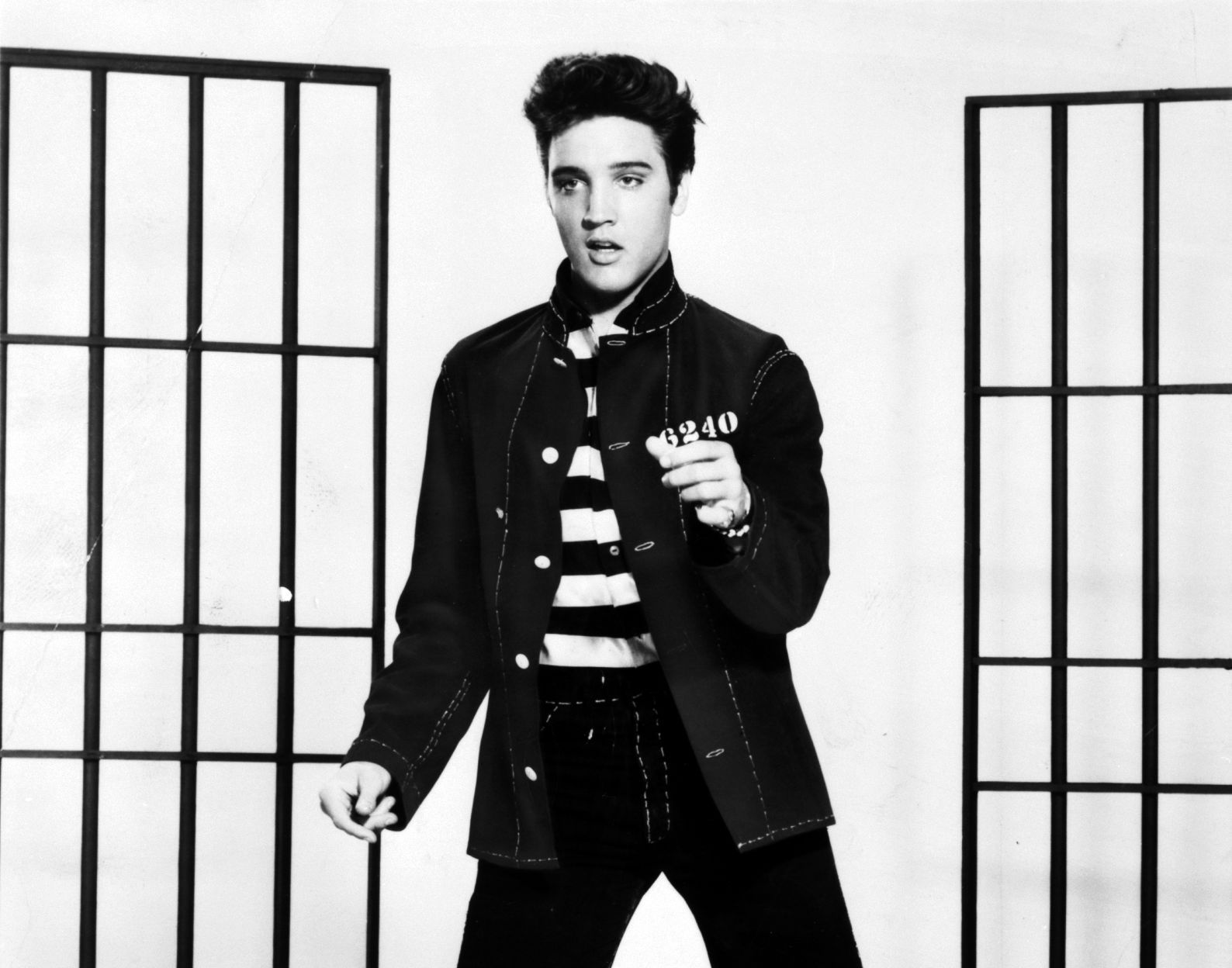
Just two years before "Heartbreak Hotel" catapulted him to worldwide fame in 1956, Elvis was working as a truck driver and deliveryman in Memphis, Tennessee.

He started at Crown Electric Company on April 20, 1954, earning $1 an hour to deliver electrical supplies to local job sites while hoping to train as an electrician. But everything changed that June, when Sun Records owner Sam Phillips remembered a recording Elvis had made a few years earlier as a gift for his mother and called him into the studio. They recorded a high-energy version of Arthur Crudup’s blues song "That’s All Right," which became Elvis’s first hit. Even after the song hit local radio stations, Elvis didn’t quit his job right away; he continued driving until mid-October 1954, when his touring schedule made it impossible to keep working a 40-hour week.

2
Johnny Cash
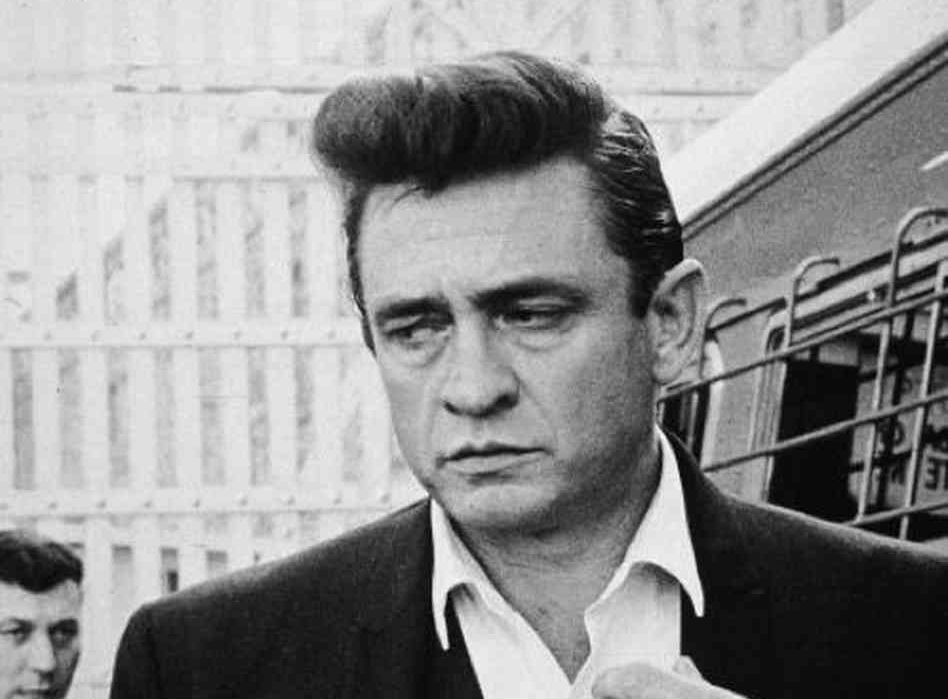
Image: Dillan Stradlin, CC BY-SA 4.0, via Wikimedia Commons

We all know Johnny Cash for hits like "I Walk the Line" and "Ring of Fire," but before becoming a country music legend, he had a totally different career.

In 1950, at 18, Cash enlisted in the U.S. Air Force during the Cold War. Stationed in Landsberg, West Germany, he worked as a Morse code intercept operator, transcribing secret Soviet transmissions. According to his 1997 autobiography, he was the first American to learn of Joseph Stalin’s death on March 5, 1953 , after decoding the Soviet message announcing it. But the Air Force also brought Cash closer to music. While in Germany, he bought his first guitar for 20 Deutsche Marks (about $5 at the time) and began writing songs and performing for fellow soldiers. Several years later, after moving to Memphis, Cash took the lyrics to "Folsom Prison Blues" to Sam Phillips, the same man who helped launch Elvis Presley’s career.

3
Madonna
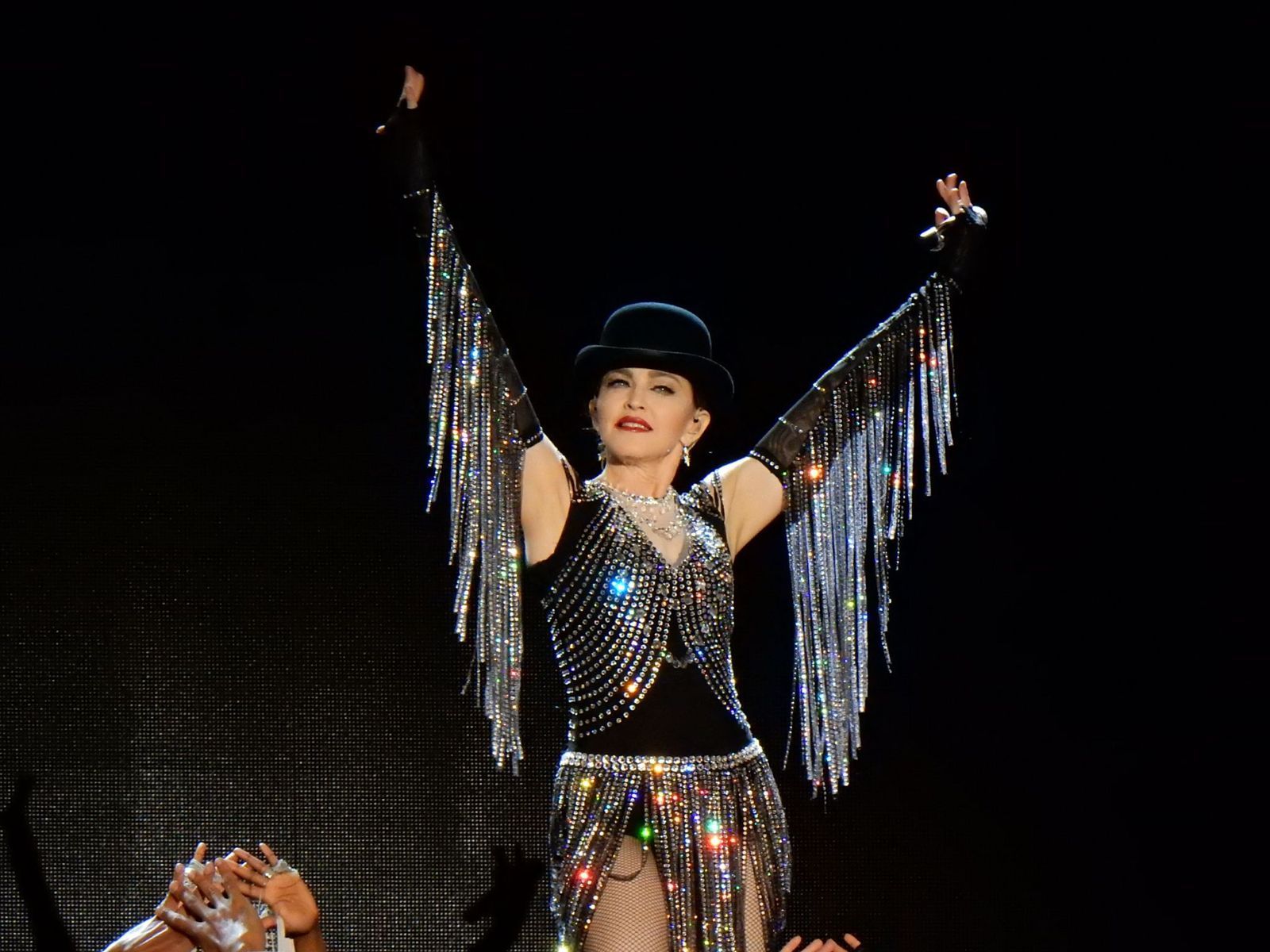
Image: chrisweger, CC BY-SA 2.0, via Wikimedia Commons

Can you imagine walking into Dunkin’ Donuts for a coffee and being served by Madonna? If you lived in New York City in the late ’70s, it could have happened.

Madonna moved from her native Michigan to New York in 1978 at age 20, dreaming of becoming a singer and dancer. With just $35 in her pocket, she needed a job to pay the rent, and landed her first one at Dunkin’ Donuts in Times Square. But it lasted only a week. As she later recalled, she was fired for playing with the jelly-squirter machine. Over the next few years, Madonna took cassette recordings of her songs to producers, nightclubs, and DJs around the city. Her persistence paid off in 1982, when she gave a tape to Mark Kamins, a DJ at Danceteria. He played her song "Everybody," and the crowd loved it.

4
Tina Turner
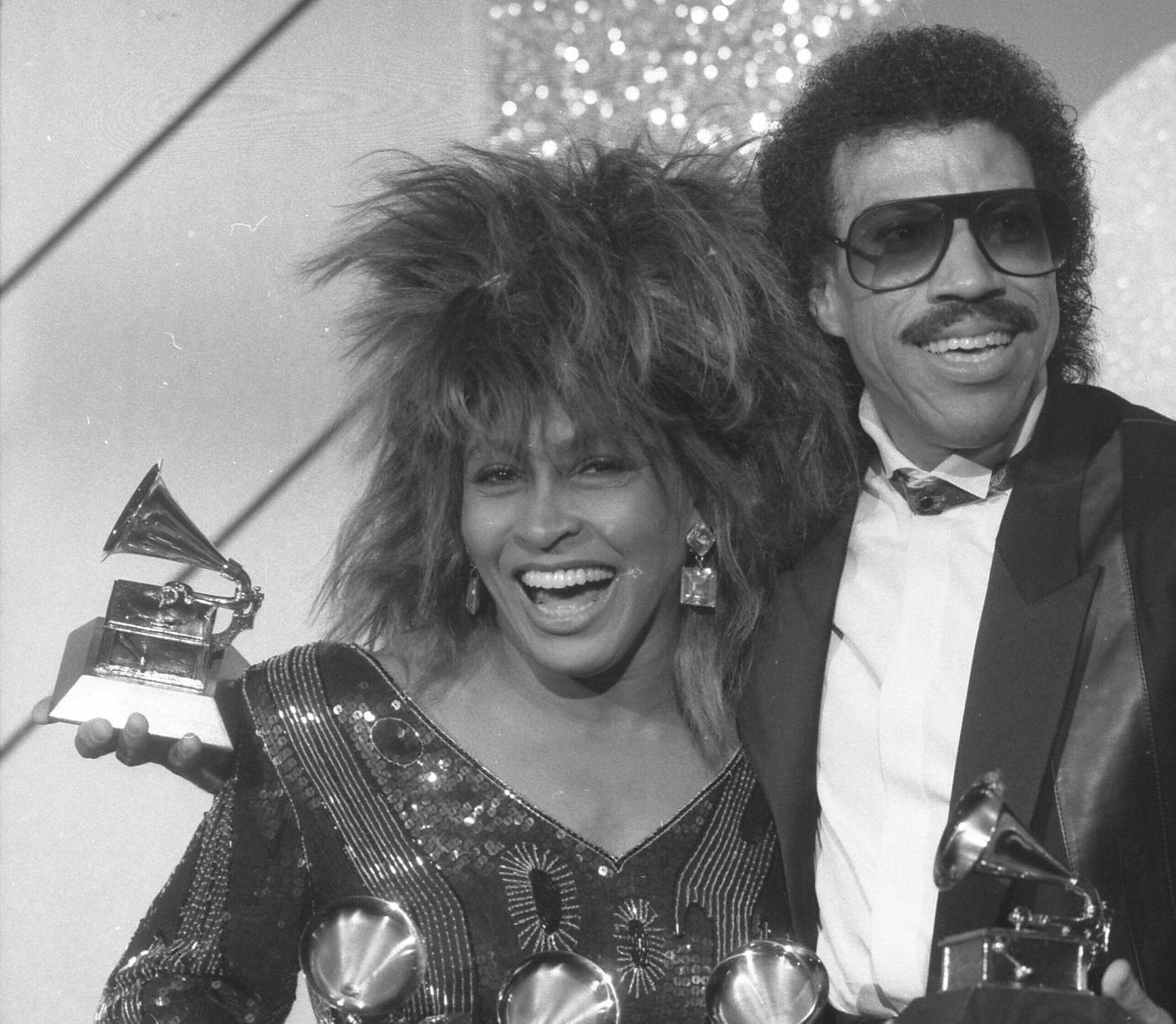
Image: Iris Schneider, Los Angeles Times, CC BY 4.0, via Wikimedia Commons

Before becoming one of the world’s greatest voices and performers, Tina Turner worked at a hospital.

Born Anna Mae Bullock in November 1939, she graduated from Sumner High School in St. Louis, Missouri, in 1958 and got a job as a nurse’s aide at the city’s Barnes-Jewish Hospital, hoping to pursue a career in medicine. But music soon changed her plans. She and her sister often visited clubs where Ike Turner performed with the Kings of Rhythm. One night, a drummer handed Tina the microphone, and Ike was so impressed by her voice that he invited her to sing with the group. For a while, Turner worked at the hospital by day and performed at night, but that changed in 1960, when she recorded "A Fool in Love" with Ike. The song became a huge hit, and touring demands forced her to leave her hospital job behind.

5
Chuck Berry
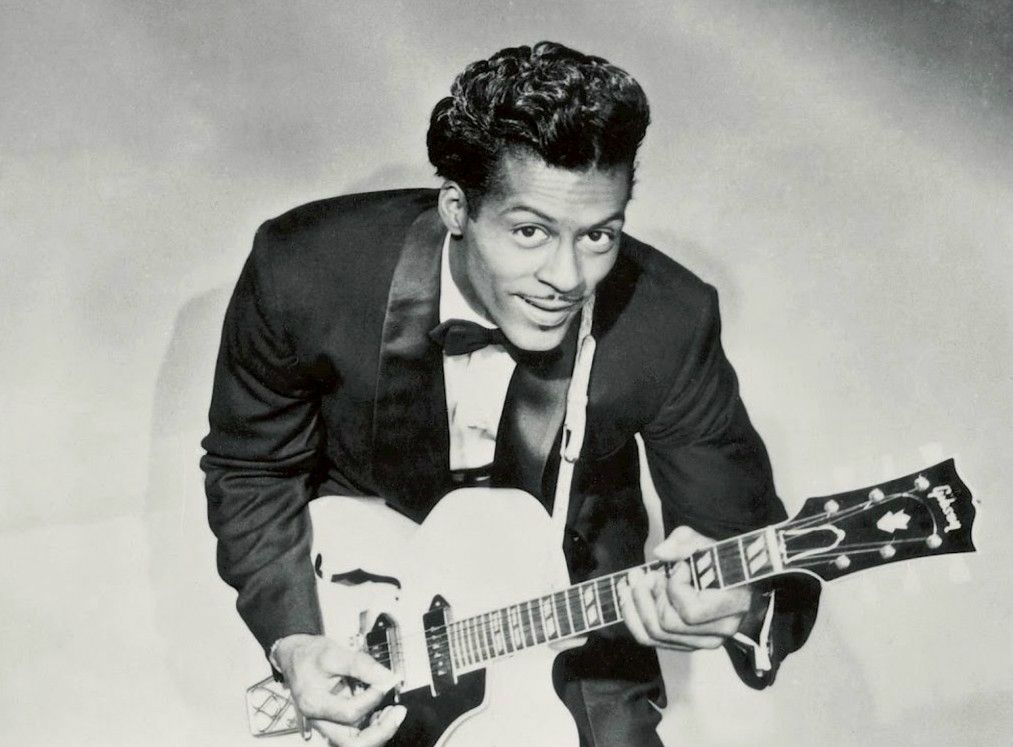
Image: Pickwick Records, Public domain, via Wikimedia Commons

Before becoming the Father of Rock and Roll with hits like "Johnny B. Goode," Chuck Berry had some surprisingly ordinary jobs.

After leaving a youth reformatory in 1947, Berry settled in St. Louis, got married, and found work on General Motors’ auto assembly line. While working at the factory, he developed a love for cars (which later showed up in songs like "Maybellene") and continued his longtime passion: playing guitar. In the early 1950s, he began exploring other fields, and in 1953, he left the factory to work as a professional hairstylist and cosmetologist, a job that allowed him to play guitar at local clubs on weekends. His ordinary life changed in 1955 when Berry showed up right at Chess Records' doors with his songs. That July, "Maybellene" became a huge hit and launched his music career.

6
Axl Rose
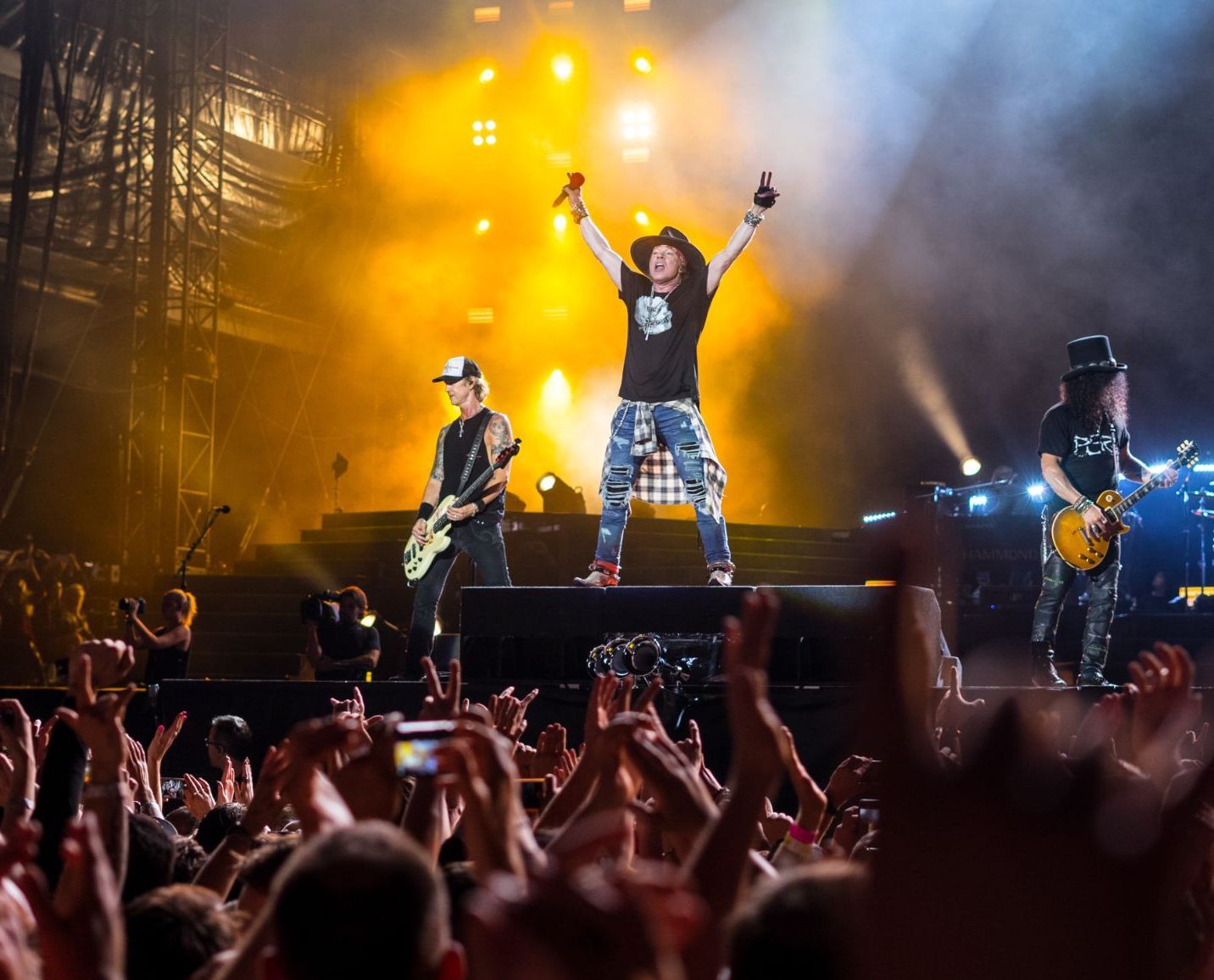
Image: Raph_PH, CC BY 2.0, via Wikimedia Commons

After seeing Axl Rose on stage, it’s hard to imagine him doing anything other than music. But he certainly did.

Born William Bruce Rose Jr. on February 6, 1962, in Lafayette, Indiana, he moved to Los Angeles in 1982 and formed a band named Hollywood Rose. During those years, he took a job as a clerk at Tower Records on Sunset Boulevard. He was pretty good at it and was eventually promoted to store manager. In his new position, he hired Saul Hudson, better known as Slash, who would later become his bandmate. They were both fired from Tower Records in 1984, but they didn’t give up on music. In June 1985, Rose joined Izzy Stradlin, Duff McKagan, Slash, and Steven Adler to form Guns N’ Roses. After building a following in LA bars, a Geffen Records executive saw the band perform, and they were finally signed to a major deal in 1986.

7
Cyndi Lauper

Image: John Bellissimo; Distributed by Portrait Records, Public domain, via Wikimedia Commons

We tend to imagine famous artists as having glamorous lives, but many had difficult beginnings. That was the case for Cyndi Lauper, who, in 1970, dropped out of school and left her home in Queens at 17 to escape her abusive stepfather.

She left with little more than a toothbrush, an apple, her cat, and some art supplies. In those early years, she relied partly on unemployment checks and money from panhandling. But she needed a steady income to support herself while pursuing her dreams. So she took on a series of odd jobs, working as a dog kennel assistant, personal assistant, vintage clothing clerk, and even a horse walker at Belmont Park racetrack. Her life finally began to change in 1981 when David Wolff discovered her singing covers at a New York piano bar and became her manager.

8
Duke Ellington
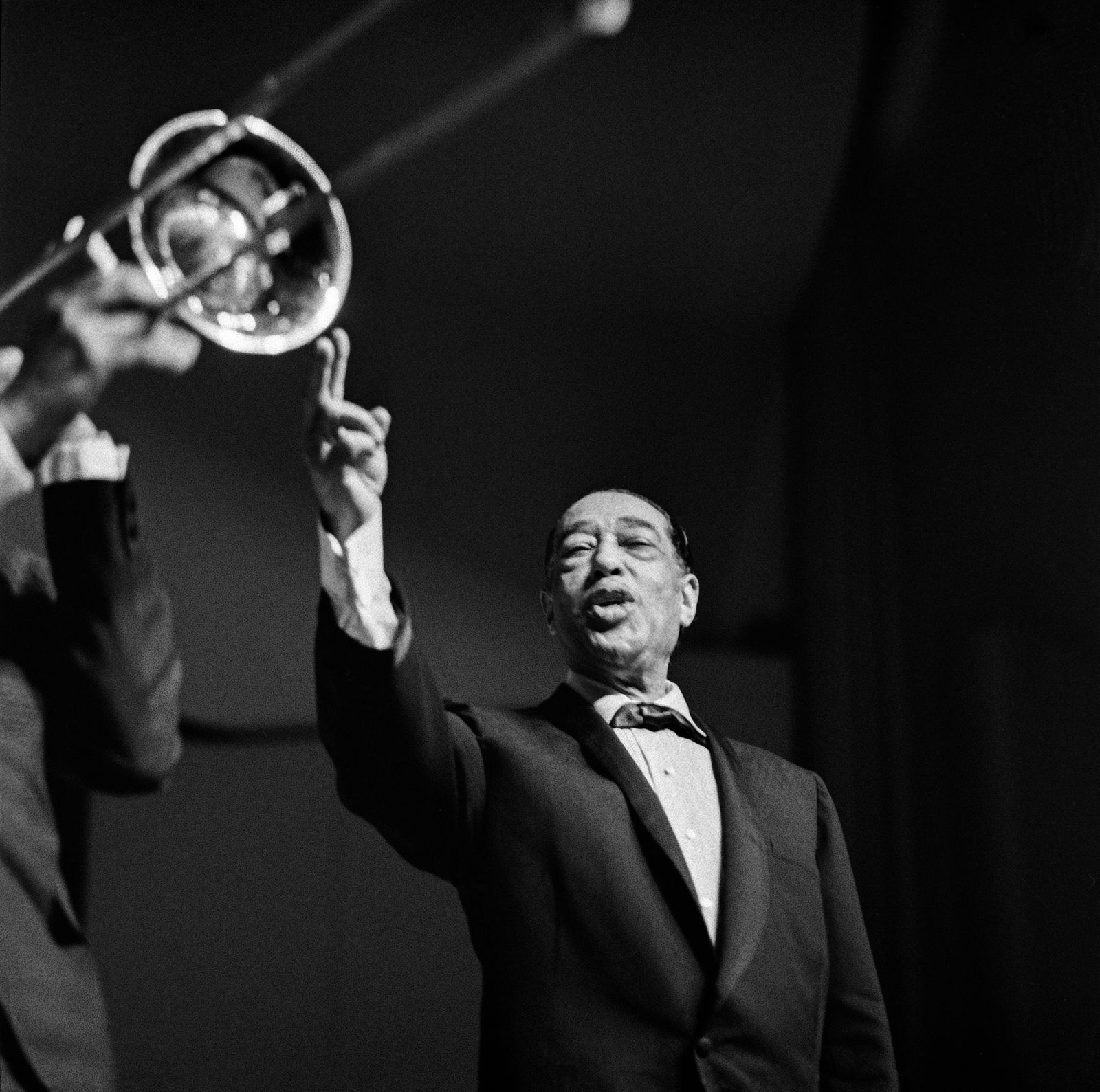
Image: Bert Carpelan, CC BY 4.0, via Wikimedia Commons

As a child growing up in Washington, D.C., in the early 1900s, Edward Kennedy Ellington was actually more interested in baseball than the piano.

At just 7, he would skip piano lessons to play baseball. His love for the sport became a way to earn money when he took a job as a vendor at Washington Senators games, selling peanuts, popcorn, cigars, and candy from around 1908 to 1912. But as a teenager, his interests began to change. At 14, he started sneaking into Frank Holliday’s Poolroom, where hearing local ragtime pianists sparked his passion for music. By 1914, Duke had written his first song, and over the years, his talent made him a local star. In 1923, he moved to New York City, and four years later, his big break came when his orchestra became the house band at Harlem’s famous Cotton Club.

9
Neil Diamond
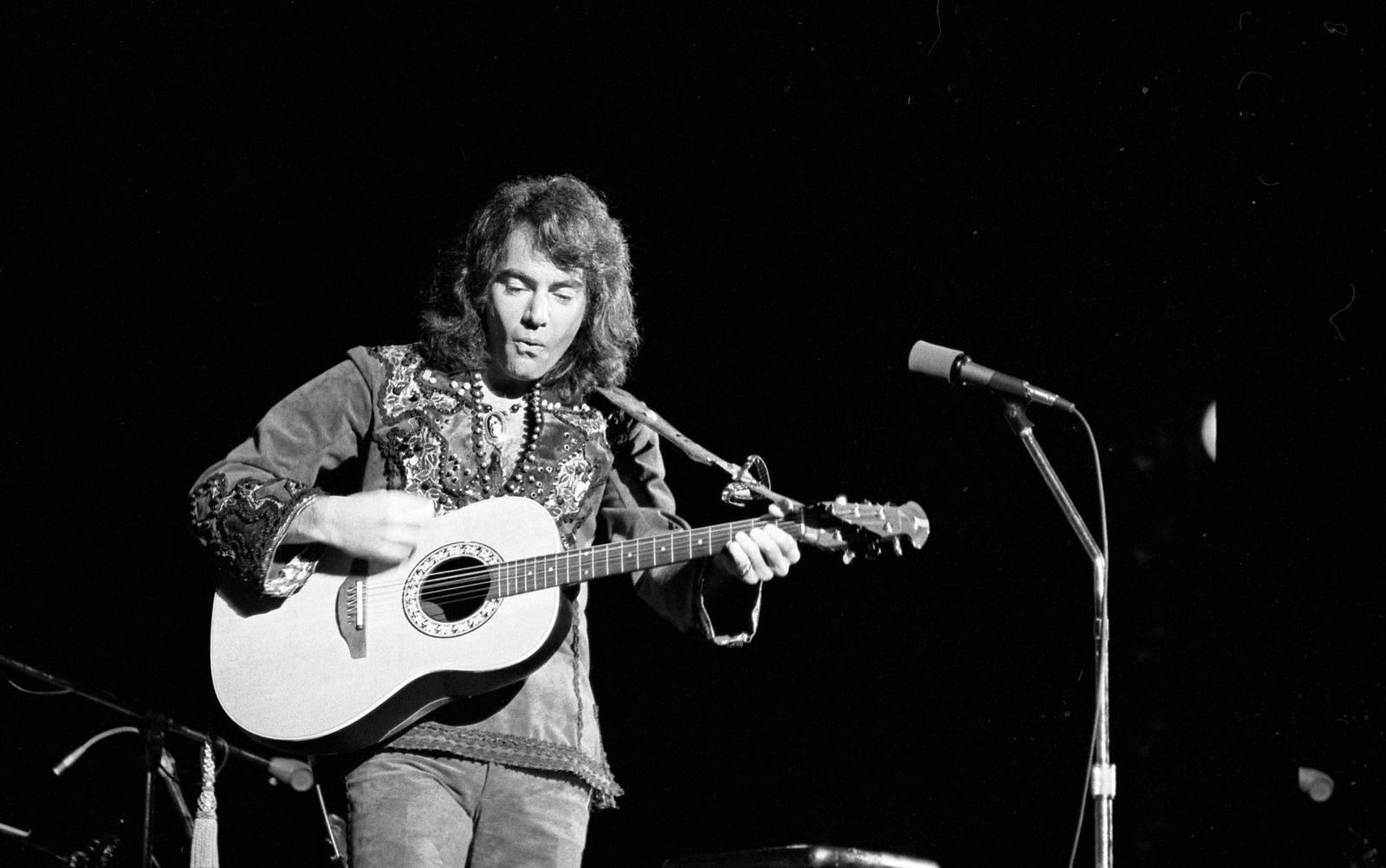
Image: Larry Bessel, Los Angeles Times, CC BY 4.0, via Wikimedia Commons

It’s hard to believe, but the man who gave us "Sweet Caroline" once imagined a life in medicine — and was a talented fencer, too.

After his grandmother died of cancer, young Neil Diamond dreamed of becoming a doctor or biologist so he could help find a cure. In 1958, he went to New York University on a fencing scholarship and studied pre-med, while also helping his team win the 1960 NCAA men’s fencing championship. But just 10 credits short of graduating, he took a job doing what he loved most. For about 4 months, he worked writing songs for Sunbeam Music Publishing for $50 a week. That job changed everything, and Diamond eventually dropped out of college to pursue music full-time. His career took off in 1965 when producers Jeff Barry and Ellie Greenwich helped him land a deal with Bang Records.

10
Patti Smith
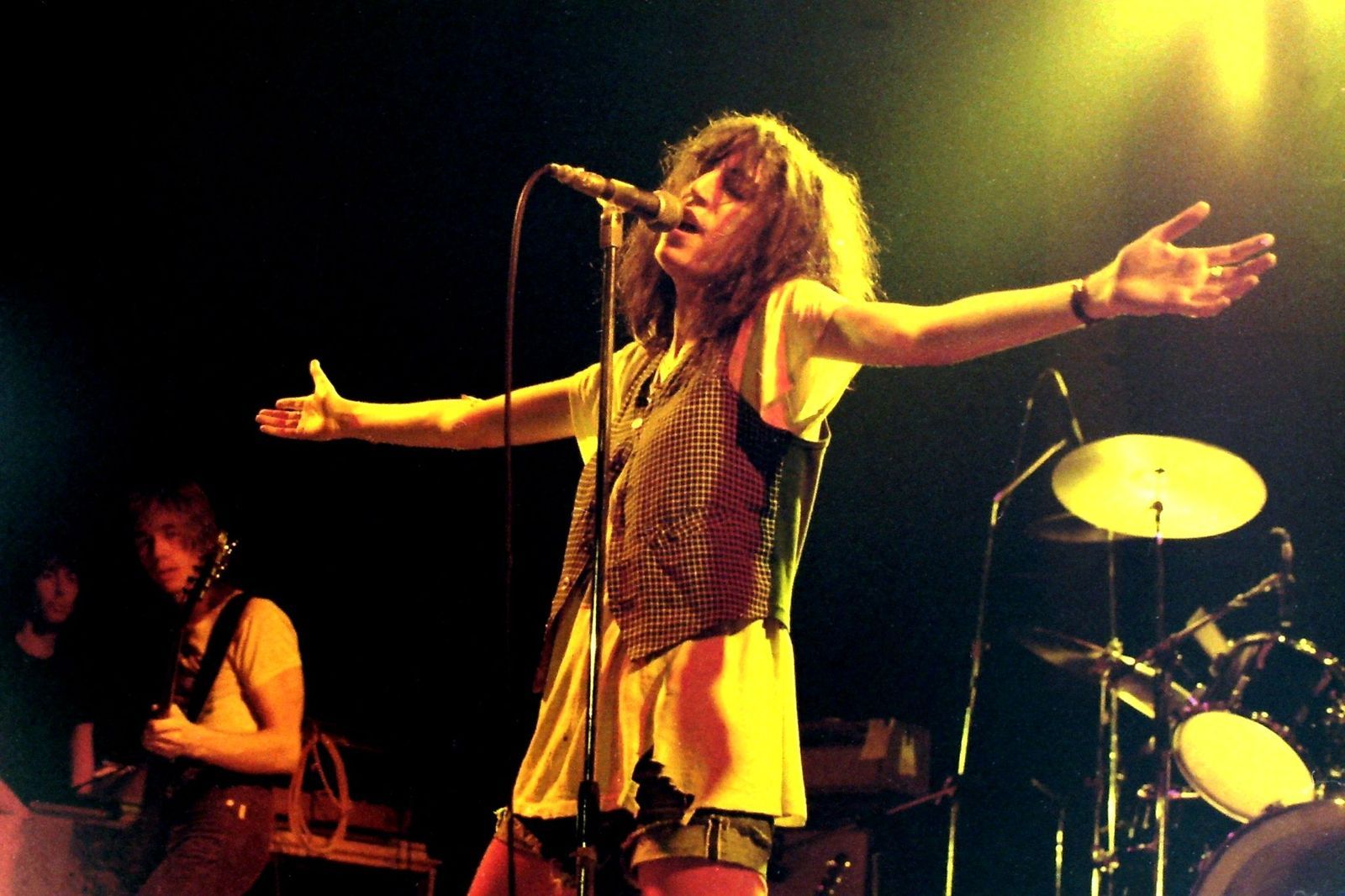
Image: Klaus Hiltscher, CC BY-SA 2.0, via Wikimedia Commons

What does Patti Smith have to do with tricycles? It sounds like a strange question, but before becoming the "Queen of Punk," Smith worked in a factory inspecting parts for baby strollers and tricycles.

At 16, while growing up in New Jersey, she took a summer job at a factory checking metal pipes and handlebars for defects. After graduating high school in 1964, she returned to the factory full-time while briefly attending Glassboro State Teachers College. In 1967, she dropped out and moved to New York City, where she worked at a Brentano’s bookstore while struggling to get by. After years in the city’s underground music scene, Smith finally broke through with her legendary 1975 album, Horses.
History History 4 min read

Forgotten Titanic facts

It wasn’t just humans on the Titanic! 10 incredible facts you didn’t know

Image: Edwin Petrus

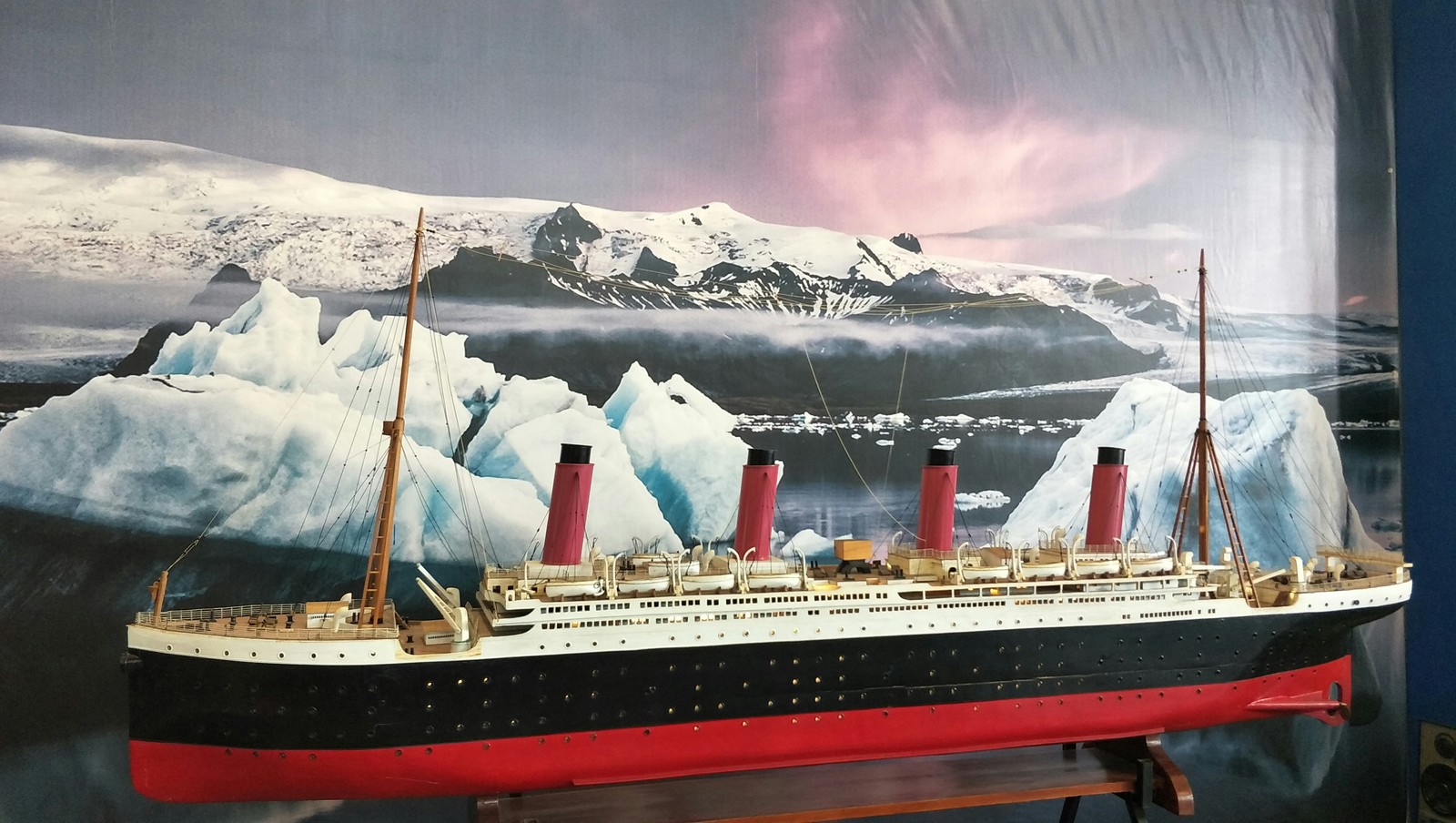
We all know the tragic story behind the Titanic, that "unsinkable" ship that didn’t make it past its first voyage. But besides the tragedy and the Hollywood movie, there are some surprising facts that never made the front page. From pups that survived and pocket watches, to hidden submarines and a tipsy worker who beat the odds, here are 12 curious facts that might just shock you.

1
Construction costs that’d make your wallet faint

Image: Jaime Labra

Back in 1912, the Titanic cost $7.5 million to build, and if you're wondering what that’d be today, it’d be over $400 million. That’s more than some sports stadiums! It took nearly three years to complete and was one of the most extravagant ships ever made.

2
Yes, there were dogs

Image: Yuki Dog

As it turns out, the Titanic wasn’t just for people. At least 12 dogs came along for the ride , lounging in a special first-class kennel. There was even a dog show scheduled for the morning of April 15. Sadly, only three tiny dogs survived, all small enough to sneak onto lifeboats tucked in coats or handbags.

3
The band really did play on

Image: Parizan Studio

Wallace Hartley, the bandleader, went down in history, and with his violin! His group kept playing as chaos unfolded around them, trying to calm passengers with music, just like the movie portrays. He didn’t make it, but his violin was found intact and later sold at an auction for $1.7 million!

4
A pocket watch frozen in time

Image: Otto Hyytiälä

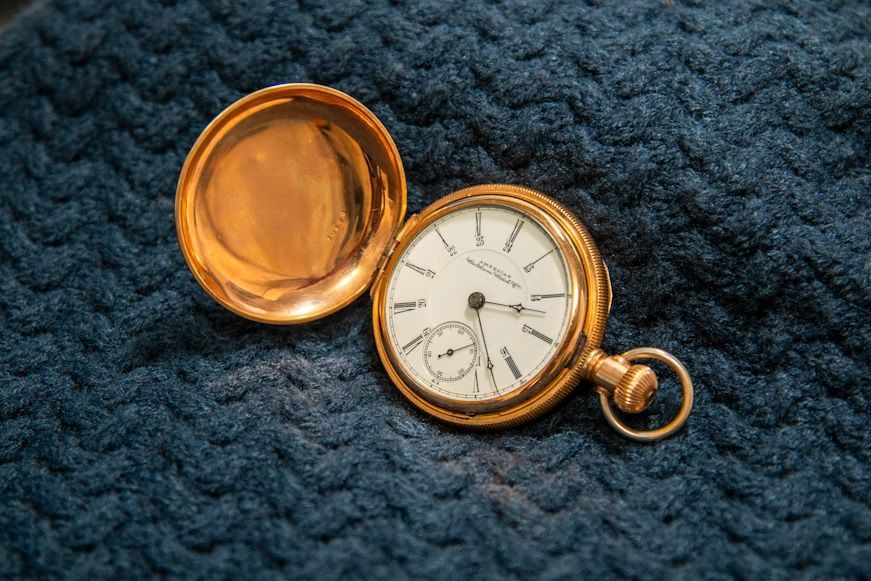
The violin was not the only treasure found. Sidney Sedunary was a young steward whose pocket watch stopped ticking at exactly 1:50 a.m. , just before the ship went under. He was last seen handing out lifejackets to third-class passengers. That same watch, rusted but intact, still tells his story.

5
A survivor with frostbitten legs and Olympic dreams

Image: Shep McAllister

Richard Norris Williams spent six hours in icy water, and doctors on the rescue ship wanted to amputate his legs. He refused . And you may think he was crazy to do so, but thank God he did! He went on to win a Wimbledon title and an Olympic gold medal. How crazy is that?

6
Finding the Titanic by accident

Image: Karl Callwood

In 1985, oceanographer Robert Ballard found the Titanic wreck. But that was just an accident ; he was actually sent by the Navy to look for two lost nuclear submarines and used the Titanic as a cover story.

7
Dishes still stacked neatly on the ocean floor

Image: Jannet Serhan

When explorers visited the Titanic wreck in 1986, they found plates still stacked like someone had just finished doing the dishes. Turns out, the wooden cabinet they were in rotted away , leaving the china perfectly arranged on the sea floor. It’s as eerie as fascinating, considering the many years that passed.

8
The ship is rusting away

Image: NOAA

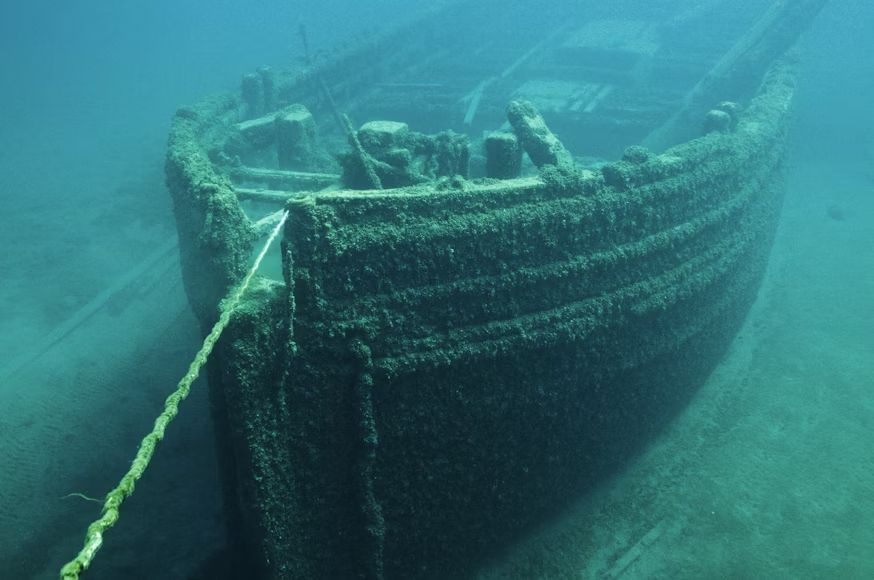
And speaking of the amount of time the Titanic has been underwater, we have to say that nature is reclaiming the Titanic bit by bit. A newly discovered bacterium is literally eating the ship. Scientists estimate it could disappear completely in 20 to 30 years. The latest expeditions have already shown evidence that pieces that were previously there are gone. So… the clock's ticking.

9
No photos of the grand staircase?

Image: Maria Orlova

You’ve probably seen images of the Titanic’s beautiful grand staircase. We’re sorry to disappoint, but they’re not of the Titanic . They’re from her sister ship, the Olympic. No one thought to take a picture of the real deal before the maiden voyage. And they definitely didn’t think of doing it while it happened!

10
Milton Hershey almost boarded

Image: Janne Simoes

If the name rings a bell, that’s because it’s the same Hershey from the chocolate you love. The man behind Hershey’s chocolate bars almost booked a room on the Titanic . He even wrote a $300 deposit check (big money back then!). But business delayed him, and he skipped the trip. Who do we thank for that?

11
The baker who survived two hours in icy water

Image: Maxim Hopman

Here’s a fascinating fact: Charles Joughin, the Titanic’s chief baker, survived one of the worst parts of the sinking: the freezing Atlantic water. He was reportedly treading water for two hours before rescue. Wanna know how he made it? He had been sipping whiskey to face his fate, and the alcohol in his blood kept him warm enough to survive.

12
The last lunch menu went for a tasty sum

Image: Zoshua Colah

In 2015, a copy of Titanic’s last first-class lunch menu sold for $88,000 . That’s one pricey memento. The menu included grilled mutton chops, chicken à la Maryland, and corned ox tongue. Safe to say lunch on the Titanic wasn’t your average sandwich and chips.

Geography Geography 5 min read

Extraordinary secrets about the capitals of the United States

The only state capital without a McDonald's and 11 other fun facts

Image: AmericanBenchCraft

Can you guess which is the only U.S. capital built on top of an extinct volcano? What about which is the oldest state capital, the least populated, or the one with the coldest temperature? If you're dying to know the answers to these questions, read on to discover 12 fun facts about our state capitals that you probably didn't know!

1
Jackson, Mississippi

Image: Engineers' office, department of Tennessee, Public domain, via Wikimedia Commons

Did you know Jackson, Mississippi, is named after the 7th U.S. President, Andrew Jackson? It is one of the four state capitals named after American presidents —the other three are Jefferson City (Missouri), Lincoln (Nebraska), and Madison (Wisconsin).

Jackson is the only U.S. capital built on top of an extinct volcano. Interestingly, during the Civil War, the city was burned by Union troops, giving it the nickname "Chimneyville". In addition, Jackson is best known for being the center of the civil rights movement during the 1950s and 1960s.

2
Santa Fe, New Mexico

Image: Wendy Shervington

Founded by Spanish colonists in 1610 as the capital of the colony of New Mexico, Santa Fe is the oldest U.S. city that still functions as a state capital today.

But that's not the only peculiarity of this quaint city with a temperate climate and a unique historical and cultural richness. At 7,000 feet above sea level, Santa Fe is also the highest U.S. capital.

3
Honolulu, Hawaii

Image: Daniel Lee

Known for its spectacular beaches and rich cultural heritage, Honolulu is the only state capital not on the North American mainland. Considered the birthplace of modern surfing, it also has the highest average annual temperature of any U.S. state capital.

But those aren't the only interesting facts about Hawaii's capital. Here are a few equally (or more) crazy ones: it hosts the only royal palace in the United States (Iolani Palace), the island is made up of volcanic soil, and it houses the world's largest open-air shopping mall (Ala Moana Center).

4
Annapolis, Maryland

Image: Terry Granger

Annapolis is a historic city on the shores of the Chesapeake Bay, known for its colonial architecture, nautical tradition, and academic value. But did you know it is also the smallest U.S. capital by land area? Just 6.7 square miles!

Annapolis was also one of the nine capitals the United States has had throughout its history. For nine months during the Revolutionary War, Maryland's current state capital served as the seat of the Confederation Congress.

5
Bismarck, North Dakota

Image: NASA Astronaut, Public domain, via Wikimedia Commons

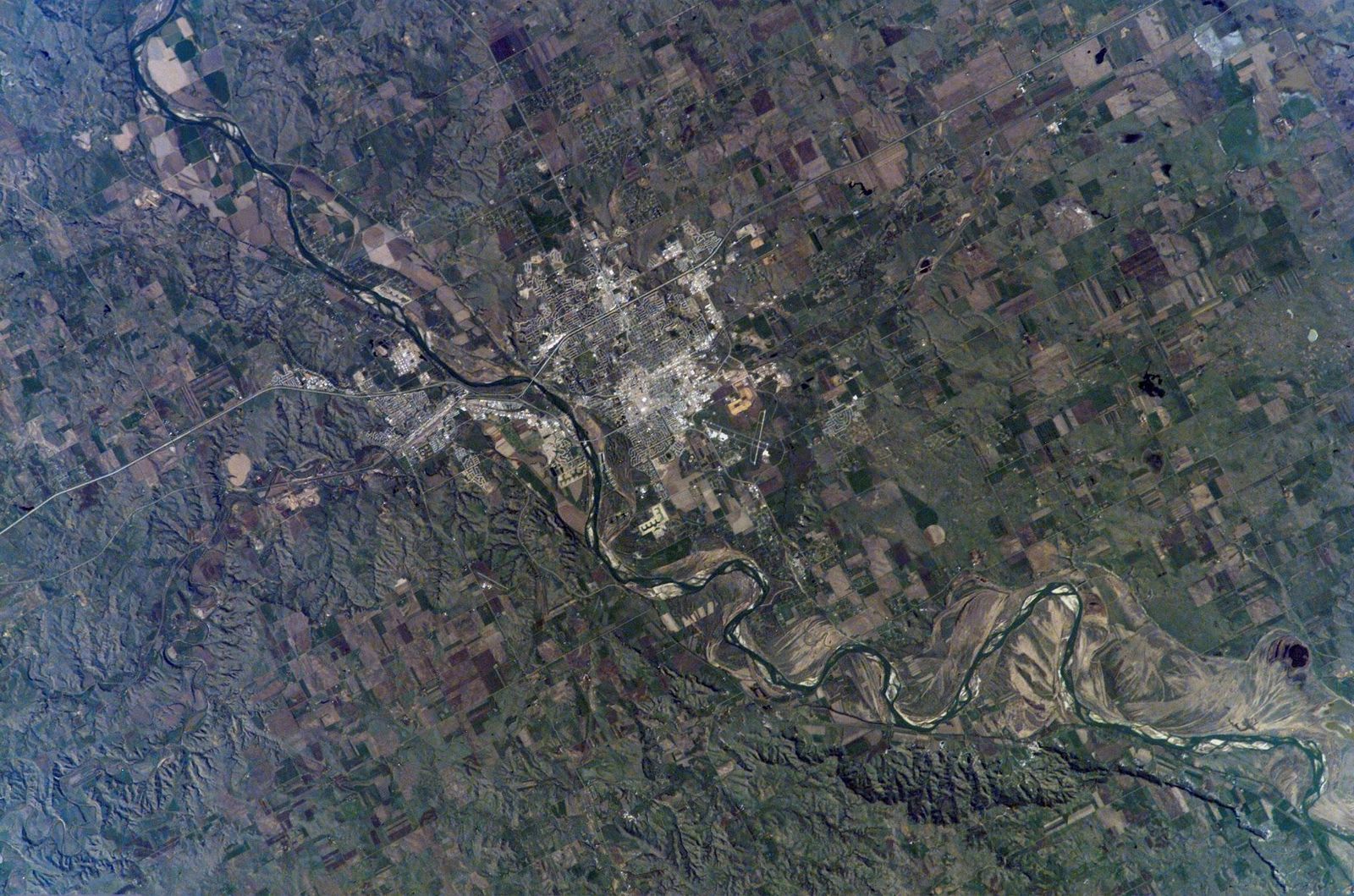
If you thought Juneau, Alaska, had the lowest average winter temperature of all state capitals, think again! It's actually Bismarck, North Dakota, where the coldest temperature ever recorded was -45°F. Imagine that!

Bismarck was founded in 1872 on the banks of the Missouri River. The city was named after Otto von Bismarck, the chancellor of Germany, to attract German investors. Another fun fact? In 1930, Bismarck and Fargo had a dispute, known as the "Capitol Tower War," over which city should be the state capital.

6
Charleston, West Virginia

Image: Carol M. Highsmith, Public domain, via Wikimedia Commons

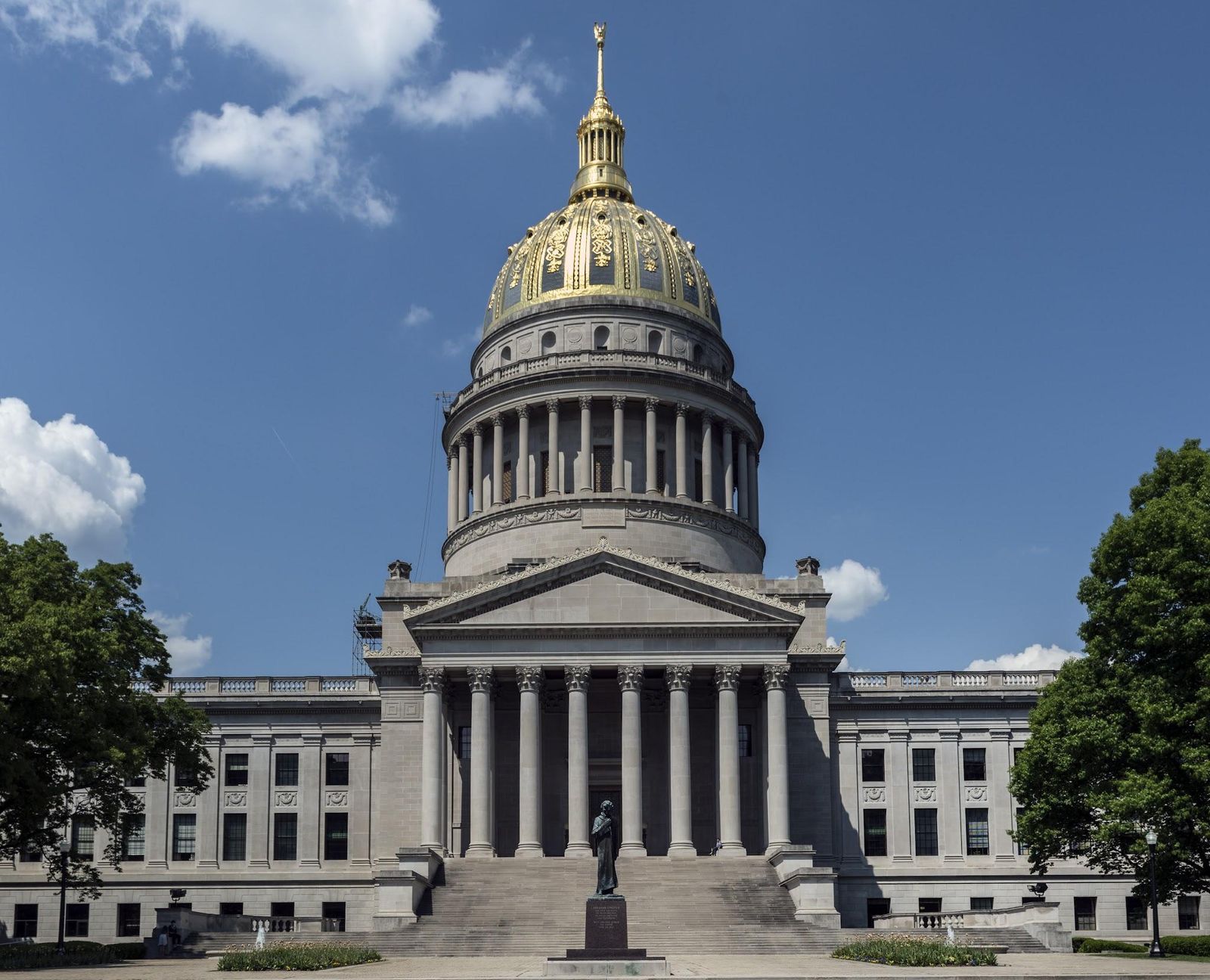
Did you know that the original name of West Virginia's capital was Charles Town in honor of the father of Colonel George Clendenin, one of the first settlers?

Charleston is best known for offering a unique combination of history, culture, and outdoor adventure.

7
Hartford, Connecticut

Image: Balazs Busznyak

Founded in 1635, Connecticut's capital is one of the oldest cities in the U.S. Hartford is known for being a key cultural center in New England. It was the home of writer Mark Twain and is home to historic sites such as the State Capitol, the Harriet Beecher Stowe House, and Bushnell Park, the oldest public park in the country.

Hartford is also called the "insurance capital of the world" due to the presence of major insurance companies. But the city's most curious fact is that it was where Teddy Roosevelt, aboard the Columbia Electric Victoria Phaeton, took the first presidential automobile ride in history!

8
Harrisburg, Pennsylvania

Image: Katherine McAdoo

Pennsylvania's capital city is best known for its role in the Civil War and the Underground Railroad. Located on the banks of the Susquehanna River, Harrisburg has been an important center of transportation and commerce. Today, it is known for its historic architecture, museums, and special events.

Harrisburg is also home to the longest stone arch bridge in the world, the Rockville Bridge, built in 1902. Oh, and in 1979, it came close to a nuclear disaster due to the accident at the Three Mile Island plant, the worst in U.S. history —but that's a longer story for another article!

9
Olympia, Washington

Image: Peter Robbins

Located at the southern tip of Puget Sound, Washington's state capital is known for its natural beauty and vibrant culture. But did you know Olympia is the northernmost state capital in the contiguous U.S.?

Oh, and it's also a great place to try some of the best craft beer in the country.

10
Salt Lake City, Utah

Image: Cong Wang

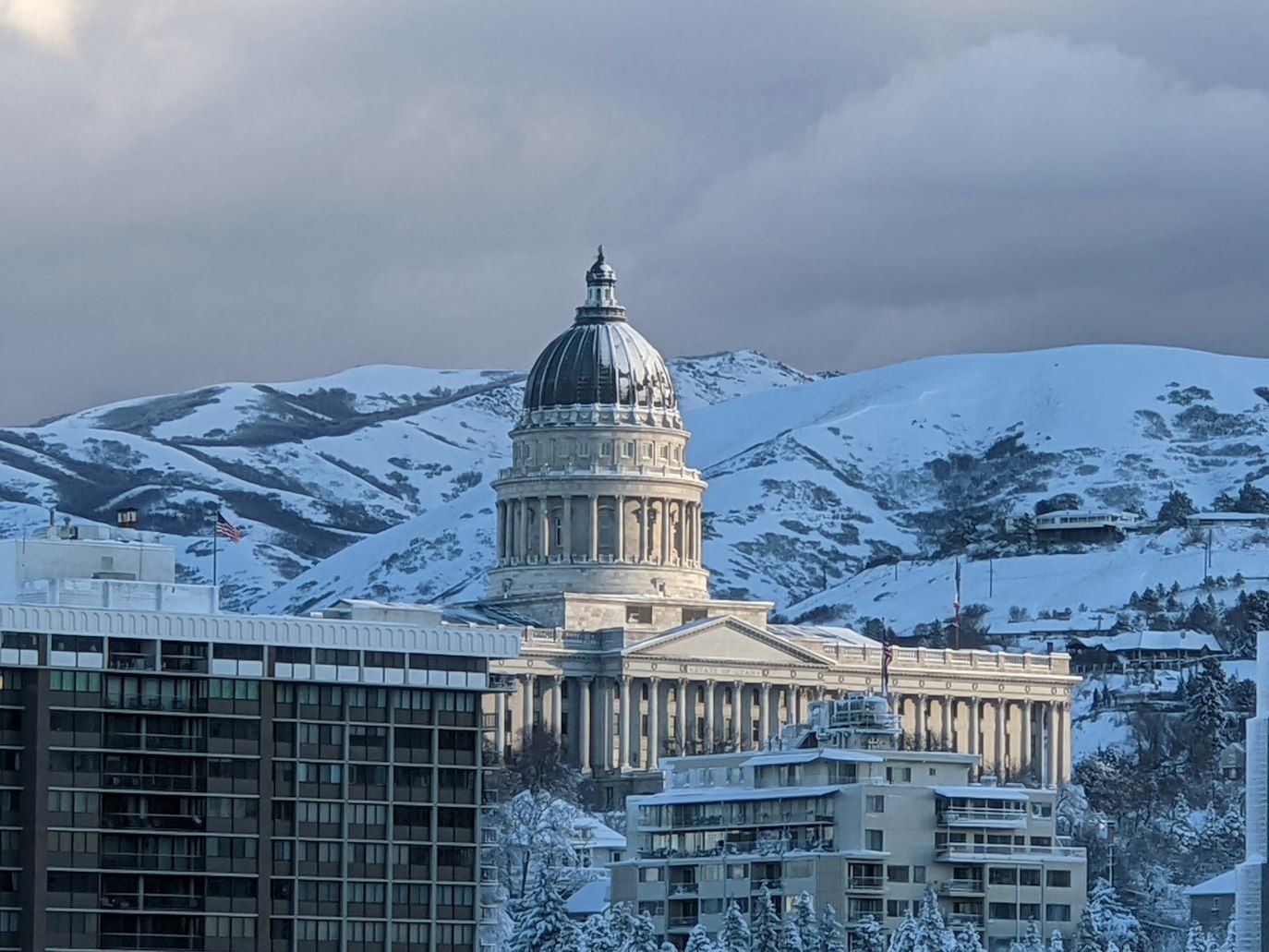
Utah's state capital is popular for being one of the best places to ski in the United States. But that's not all! Salt Lake City is also the only state capital with three words in its name. Have you ever thought about that?

It has the largest Mormon population in the country and is the world headquarters of the Church of Jesus Christ of Latter-day Saints. Another fun fact? Salt Lake City is home to more plastic surgeons per capita than any other state capital!

11
Montpelier, Vermont

Image: John Holm

Named after the French city of the same name, Montpelier is the least populated state capital, with a population of just 7,900. Probably for that reason, Vermont's capital prides itself on its small local businesses: it is the only state capital that doesn't have a McDonald's or a Starbucks. Could you live without these fast food chains? It doesn't have a Walmart store either!

12
Topeka, Kansas

Image: Nils Huenerfuerst

Topeka, Kansas’s state capital, has several interesting tidbits. For example, did you know its name, of Native American origin, means "a good place to dig potatoes"? Interesting, don’t you think?

In 2010, Topeka temporarily changed its name to "Google, Kansas" to attract the attention of the internet giant and become the capital city of fiber optics. Frivolous facts aside, Topeka was also very important in the history of the civil rights movement.

Explore more American facts

Choose your favorite category!

General
General

As American as apple pie—the very best America has to offer!

Culture
Culture

Delve into the astounding richness of American lore.

Geography
Geography

Hop in and explore vast and diverse American landscapes.

History
History

Discover the key moments that shaped the United States.