General General 5 min read

10 TV shows that changed everything

Image: Alexander Chesarev

There’s no way you haven’t watched at least one of them. Groundbreaking, radical, and revolutionary: these TV shows are all that and more. From The Simpsons to Sex and the City, from The Sopranos to Law & Order, these series reshaped storytelling and how we think about our work, our friendships, and our love lives . Get ready to rediscover 10 beloved, incredibly entertaining shows that turned everything upside down.

1
The Simpsons
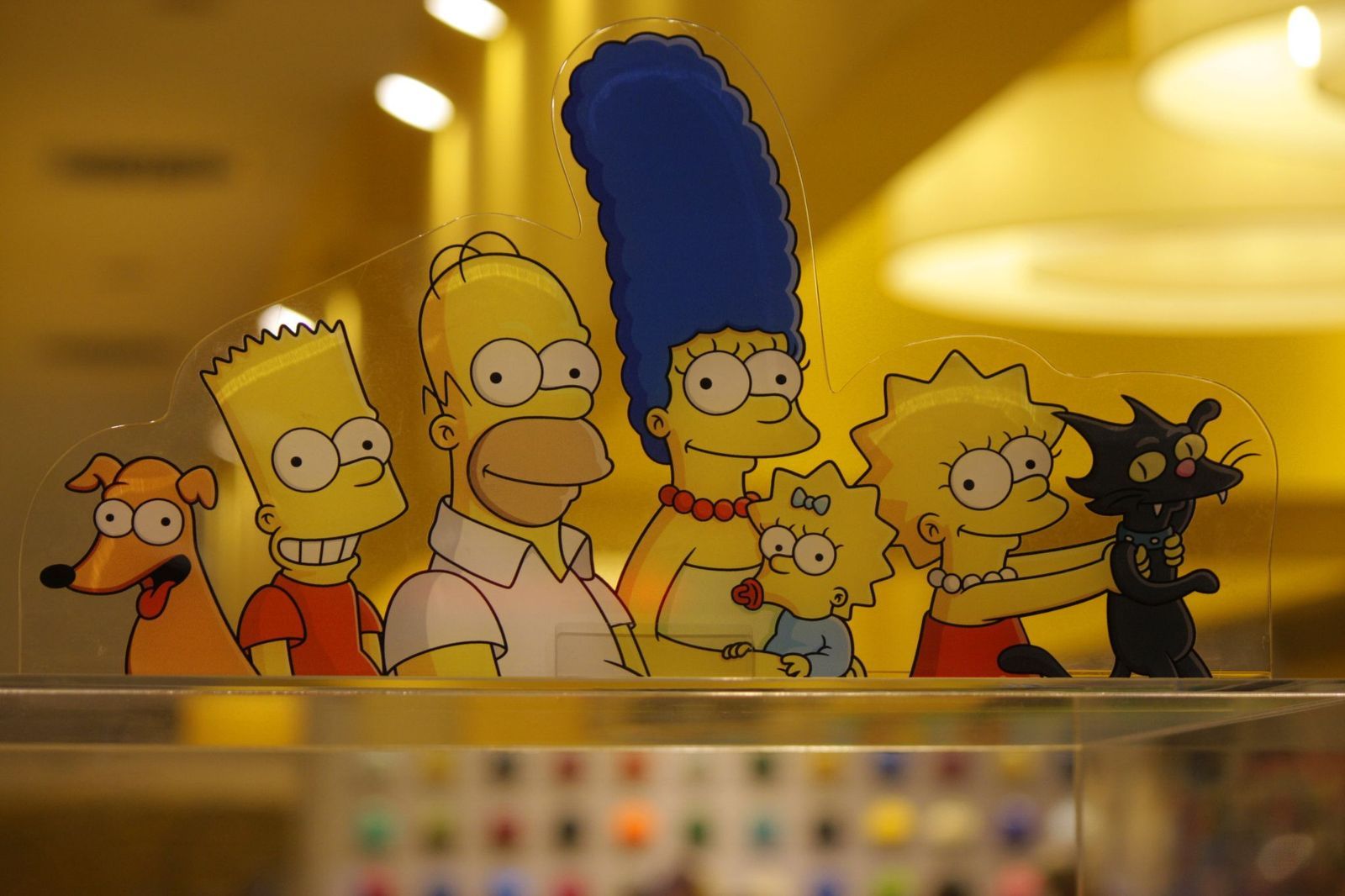
Image: 360b

The Simpsons , created by Matt Groening, premiered on Fox in 1989, starring a new family that defied conventional, picture-perfect TV norms.

Instead, an imperfect and dysfunctional family appeared — and because of that, they were relatable in profoundly new ways . The Simpsons was also a pioneer in adult animation, allowing children to follow the story while including complex political and social satire for adults. It not only coined permanent catchphrases but also had a surprising ability to predict world events.

2
The Sopranos
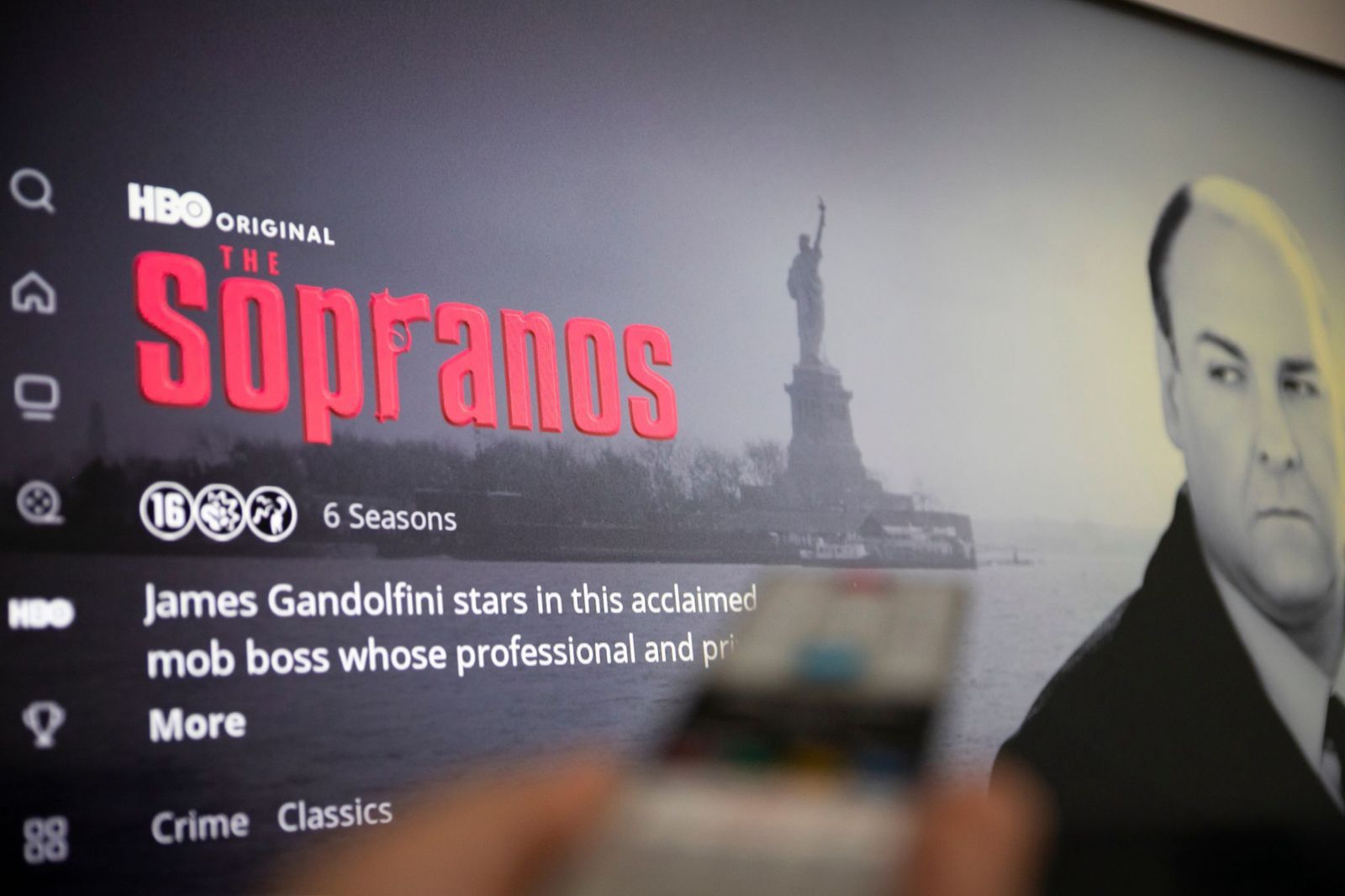
Image: ArtMediaWorx

The Sopranos, created by David Chase, debuted on HBO in 1999. It followed the life of Tony Soprano (played by the late James Gandolfini) and his struggles as a mobster and the patriarch of his dysfunctional suburban family , all analyzed by his psychiatrist, Dr. Jennifer Melfi (Lorraine Bracco).

This show was radical because, unlike previous protagonists, the central figure Tony was deeply flawed and often unlikable, paving the way for more anti-hero protagonists like Walter White and Don Draper. Alongside its complex and ambiguous morality, the cinematography of the show began to rival that of Hollywood movies.

3
Lost
Image: Erman Gunes

Lost , created by J.J. Abrams, Damon Lindelof, and Jeffrey Lieber, premiered on ABC in 2004, before streaming existed. The story follows the crash of Oceanic Flight 815 on a very peculiar tropical island. It kicked off as a gritty and character-driven survival story that eventually evolved into a sci-fi and mythological epic.

It was revolutionary because it introduced the "mystery box" trope, proposing complex questions and dropping clues that kept viewers hooked and constantly theorizing — arguably inventing modern, interactive TV fandom.

4
Sex and the City
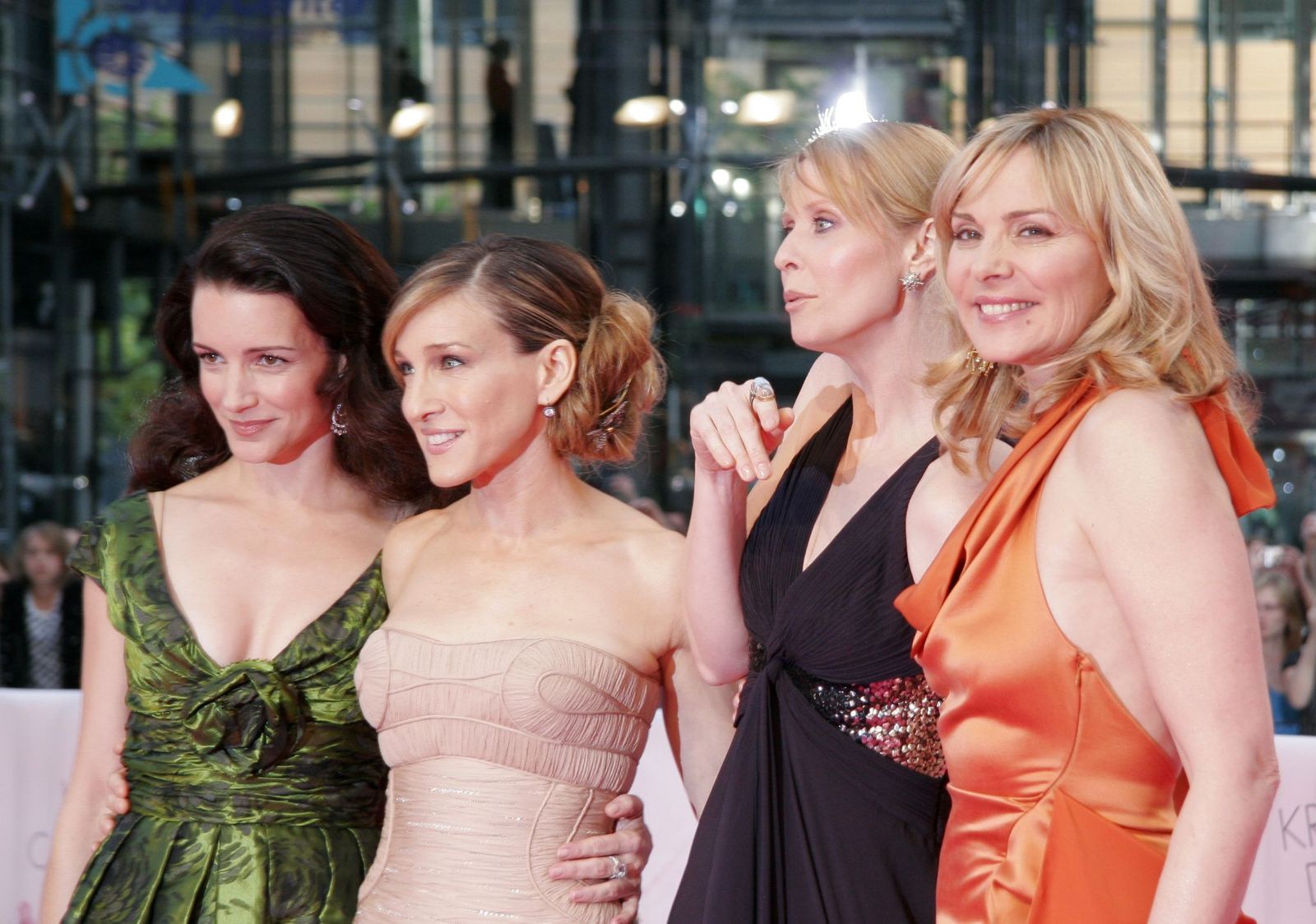
Image: vipflash

Created by Darren Starr, Sex and the City, which premiered in 1998 on HBO, changed the cultural narrative around women’s roles through the lives of four female friends (led by Sarah Jessica Parker’s Carrie Bradshaw) living and working in New York City.

It was the first mainstream hit that featured women talking frankly about sex and sexuality — and proposed that female friends can be soulmates, and that those relationships can take precedence over romantic, marital ones. Rejecting outdated "traditional" roles, the show also destigmatized being single and childless, and instead embraced female financial independence, celebrating women who focused on their careers and personal development in their 30s and 40s.

5
CSI: Crime Scene Investigation
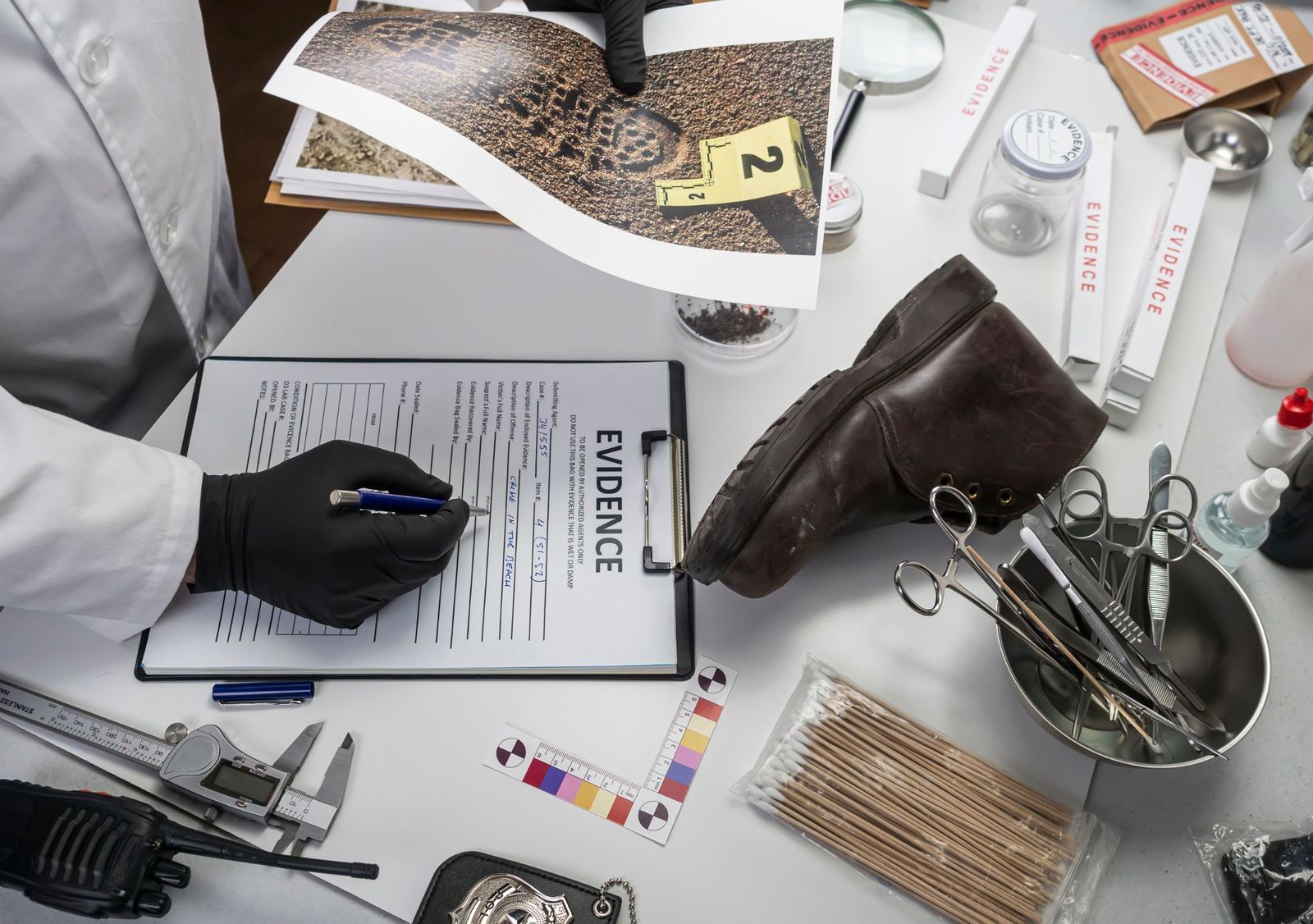
Image: digicomphoto

CSI, created by Anthony E. Zuiker and which premiered on CBS in 2000, followed the lives and work of a team from the Las Vegas Police Department (LVPD), led by Dr. Gil Grissom (William Petersen), who meticulously collected evidence to solve cases.

It shifted the focus for the first time from police and detective work on the streets to the indoor, behind-the-scenes dynamics of interrogations, forensics, and high-tech lab analysis. It also popularized the concept of "nerd squad", making lab and microscope analysis cool for the first time .

6
The X-Files
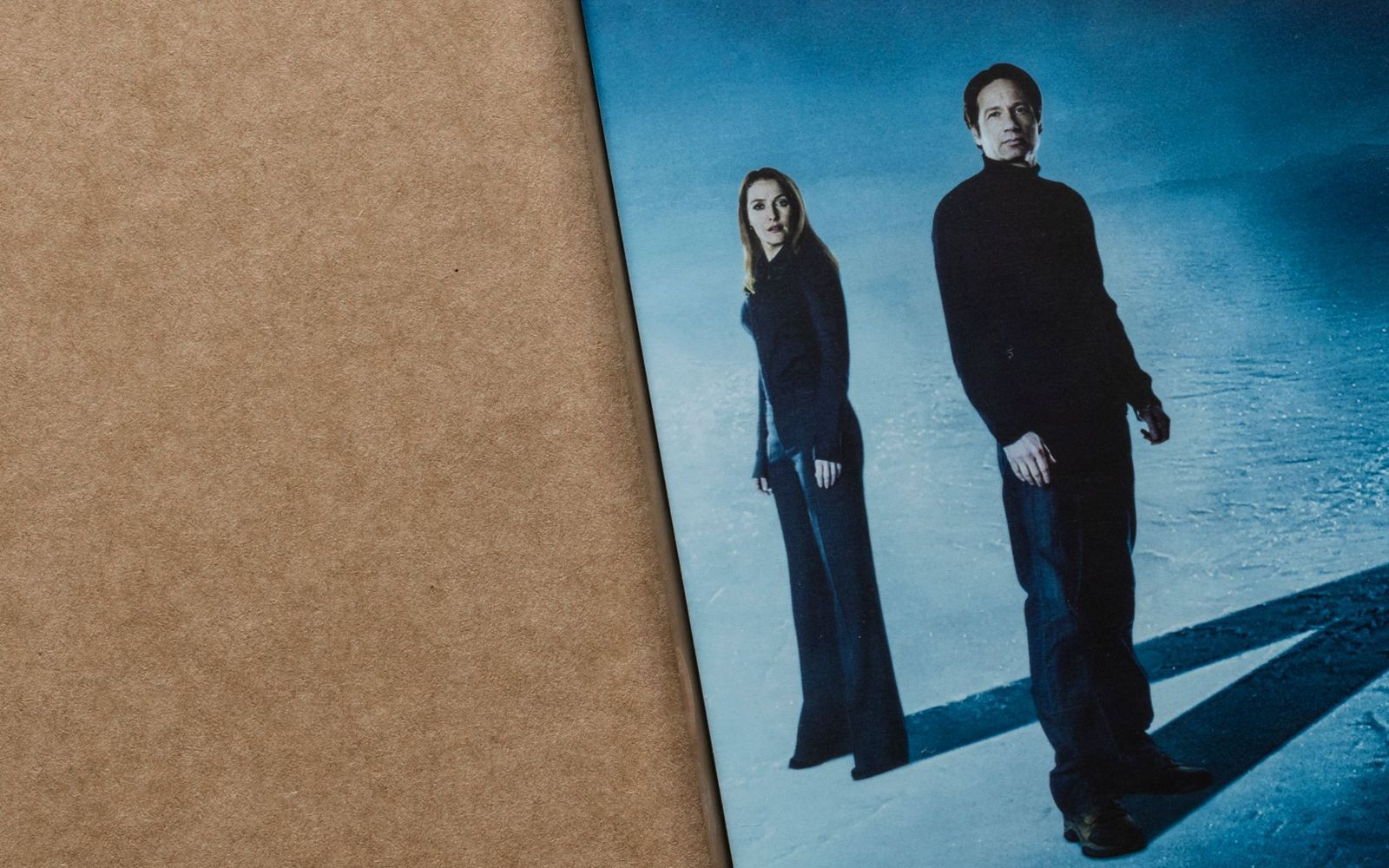
Image: Snap Spot

The X-Files, created by Chris Carter, premiered in 1993, and introduced a structure where each episode was a stand-alone story known as a "monster of the week," while also being part of an overarching mythic story that included government alien conspiracy theories and supernatural events.

This show flipped gender roles completely: the main female character, Agent Dana Scully (Gillian Anderson), was the intelligent and assertive medical doctor (inspiring many women at the time to pursue STEM careers), and the lead male character, Agent Fox Mulder (David Duchovny), was the intuitive and instinct-driven character.

7
Breaking Bad
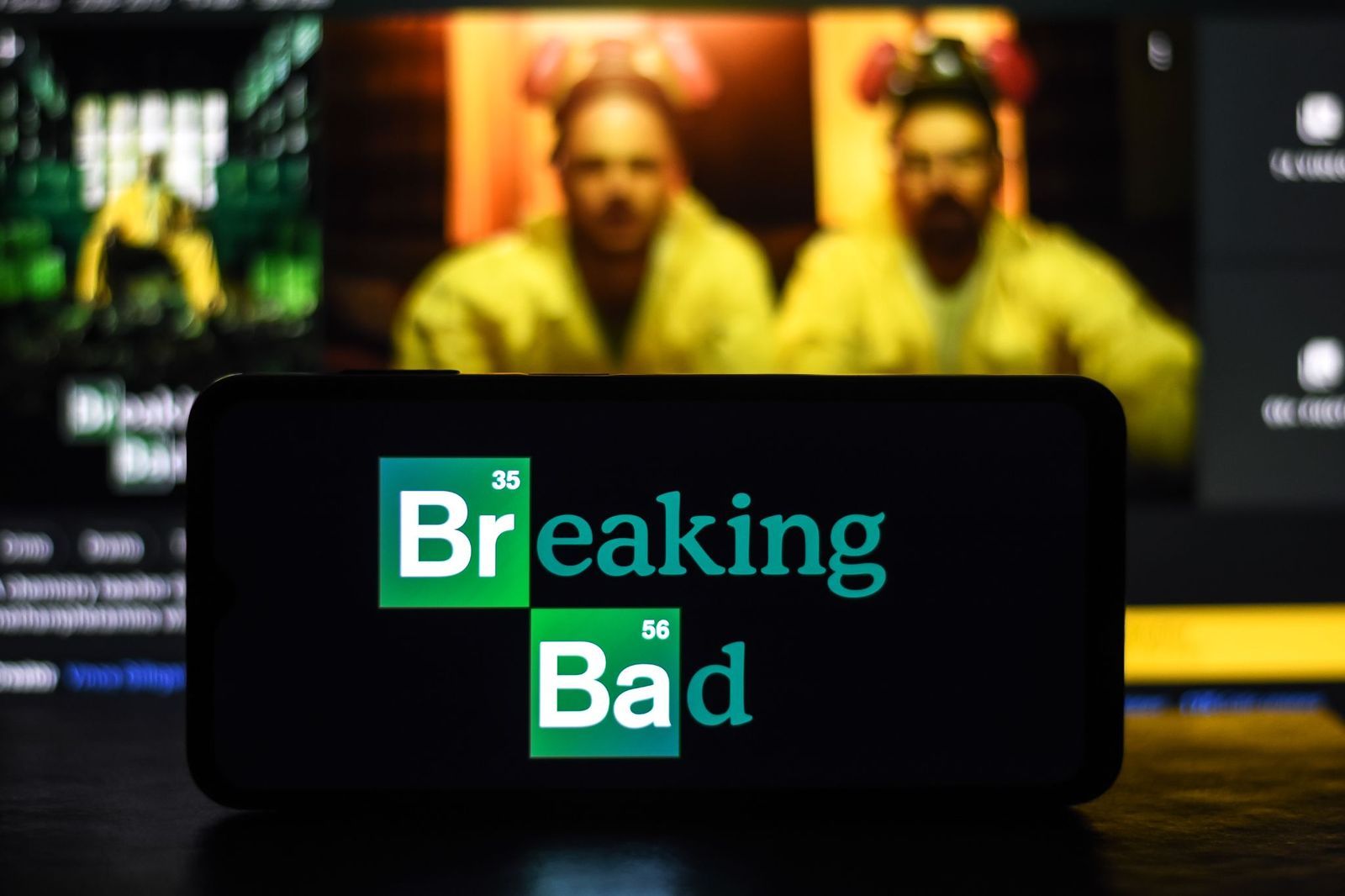
Image: ssi77

Breaking Bad, created by Vince Gilligan, premiered in 2008 and is considered by many to be the ultimate catalyst that transformed television into a cinematic experience, elevated serialized storytelling, and, once it became available on Netflix, popularized the binge-watching model so common today .

Another crucial aspect was the main character: Walter White (Bryan Cranston) changed from a sympathetic, cancer-stricken high school chemistry teacher to the ultimate drug lord villain. Before this show, characters rarely evolved; instead, here the audience became especially invested in Mr. White’s persona.

8
Mad Men
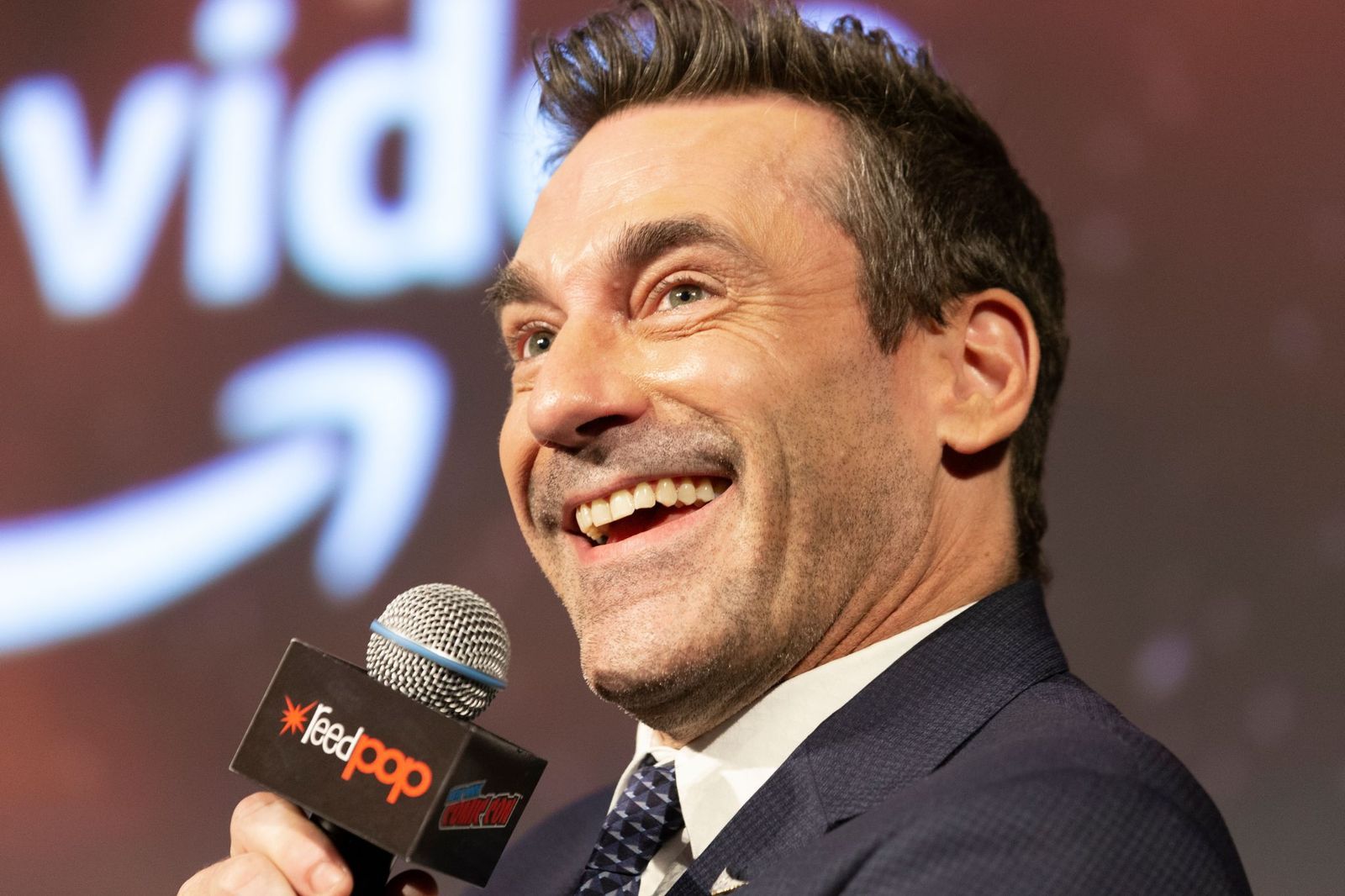
Image: lev radin

Mad Men , created by Matthew Weiner and airing on AMC from 2007 to 2015, centered on the professional and personal lives of advertising executives, including protagonist Don Draper (Jon Hamm), on Madison Avenue in New York City in the 1960s. It was the first basic cable series to win an Emmy Award for Outstanding Drama Series .

It revolutionized television at the time by proving that a sophisticated, slow-burning script with literary character development (including some of the best-written dialogue on television ever) could work. The show was also committed to historical accuracy and meticulous set design, raising the bar for visual and thematic storytelling.

9
Law & Order

Image: Tingey Injury Law Firm

Law & Order, created by Dick Wolf, premiered on NBC in 1990, flipping the usual crime drama formula on its head — splitting episodes into a two-part structure, presenting a police investigation, followed by a courtroom prosecution .

Therefore, it prioritized legal procedures over emotional drama, and the cases became the main character, presenting the difficulties and nuances of the criminal justice system, instead of the usual black-and-white representation of justice. With new episodes still airing (following a 2010-2022 hiatus), Law & Order remains one of the most successful series in TV history, launching numerous spinoffs including the popular Law & Order: SVU.

10
Grey’s Anatomy
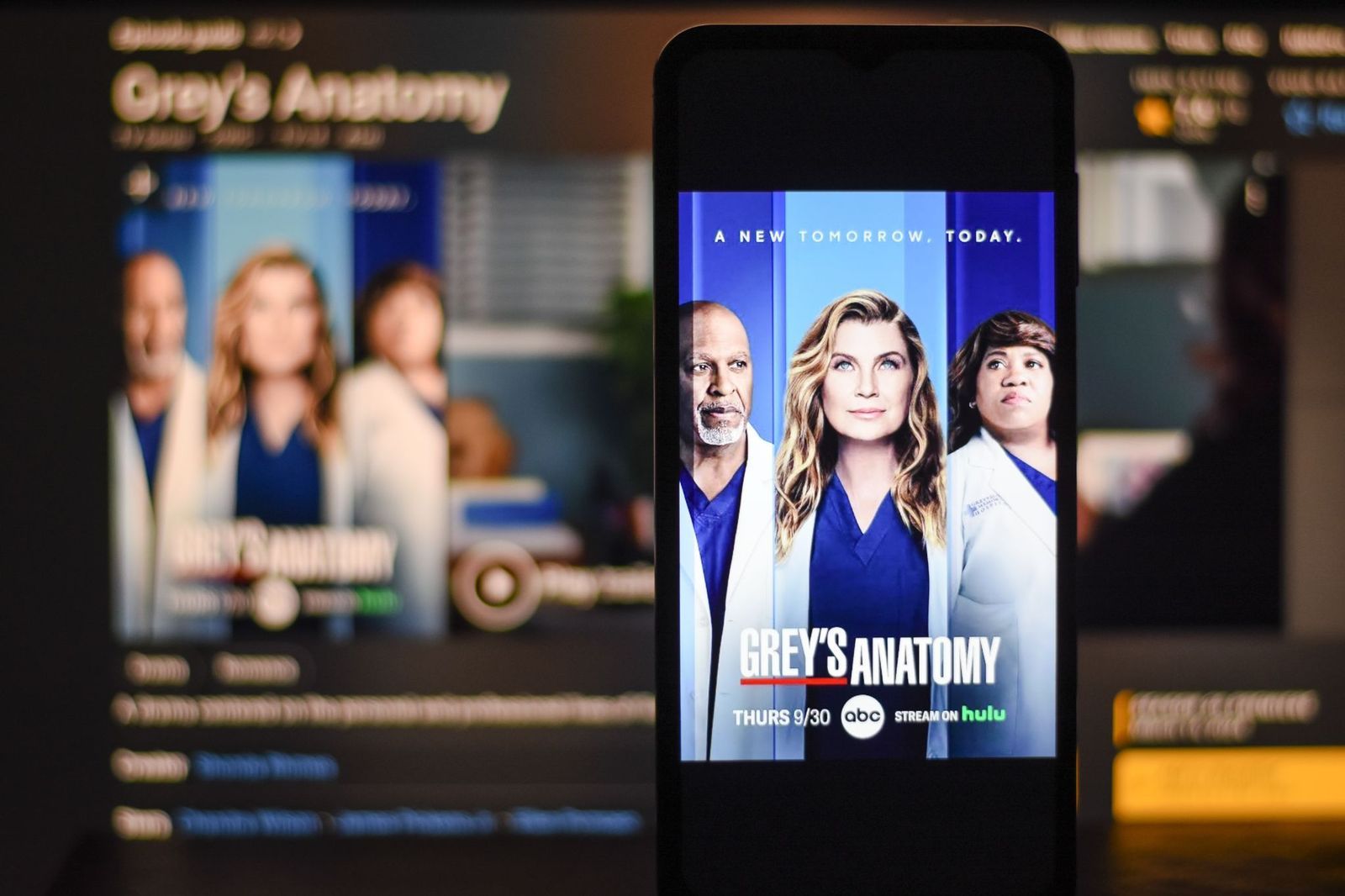
Image: ssi77

Grey’s Anatomy, created by Shonda Rhimes, aired on TV for the first time in 2005 and became the longest-running American primetime medical series ever. It centers on a hospital in Seattle and follows surgical residents as they become surgeons, while balancing intense life-and-death emergencies with complex personal life stories .

Most notably, the series created what was described as "Grey’s Effects": the approach to joyful and defiant female sexuality and to women unapologetically taking up space in a male-dominated professional field; it even shaped medical school applications and improved the public's understanding of real-world health issues.

11
The Wire

Image: Kevin McGovern

The Wire was created by former police reporter David Simon and detective Ed Burns, and is considered by many to be one of the greatest shows ever made , airing on HBO from 2002 to 2008. It is a drama series that analyzes the systemic issues Baltimore faces, examining a different institution in each of its five seasons.

Originally pitched as the "anti-cop show," it showed police departments slowed down by piles of bureaucracy, where chasing arrests became more important than actually solving crimes or improving lives. In addition, the city was the main character, portrayed as a gray, morally complex world.
Culture Culture 6 min read

From real life to music

Bob Dylan wrote it to save his marriage: the real people behind 10 hits

Image: Featureflash Photo Agency

You’ve sung along to these songs, danced to them, and probably heard them hundreds of times. But do you know the real stories behind them? Some of the biggest hits ever were inspired by real people, real relationships, and real moments. There were secret romances, jealousy, heartbreak, and a few surprises that sound too strange to be true. Here are the real stories behind 10 famous songs.

1
"Jolene" by Dolly Parton

Image: Bart Sherkow

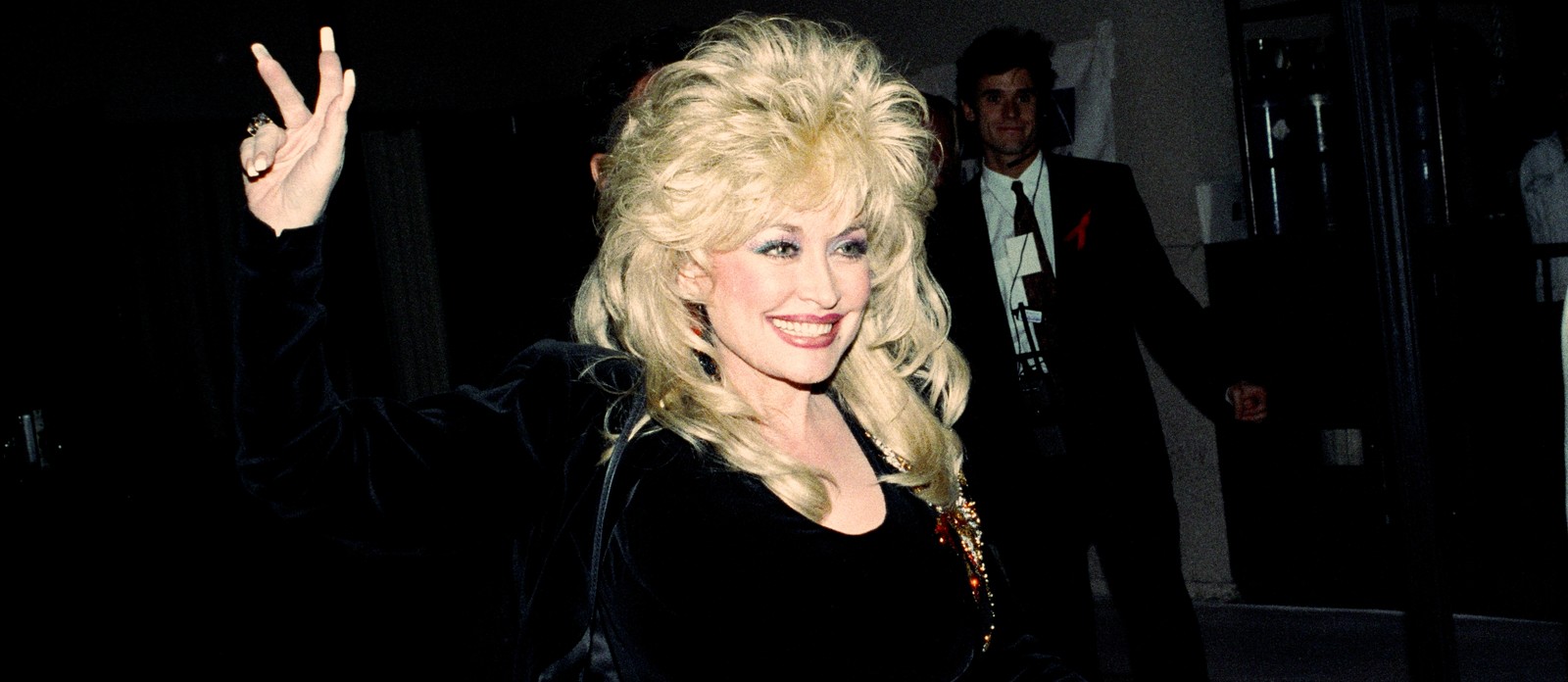
One of Dolly Parton’s most famous songs, 1973’s "Jolene," has resonated across generations because its story of jealousy feels so relatable. And it was inspired by a real experience in Dolly’s life.

As she recounted in interviews, the song was inspired by an attractive female bank teller who paid a little too much attention to her husband, Carl Dean. But while the jealousy was real, the woman wasn’t named Jolene. Dolly got that name from a young fan with beautiful red hair and green eyes who introduced herself to the singer after a concert.

2
"Sweet Caroline" by Neil Diamond

Image: Larry Bessel, Los Angeles Times, CC BY 4.0, via Wikimedia Commons

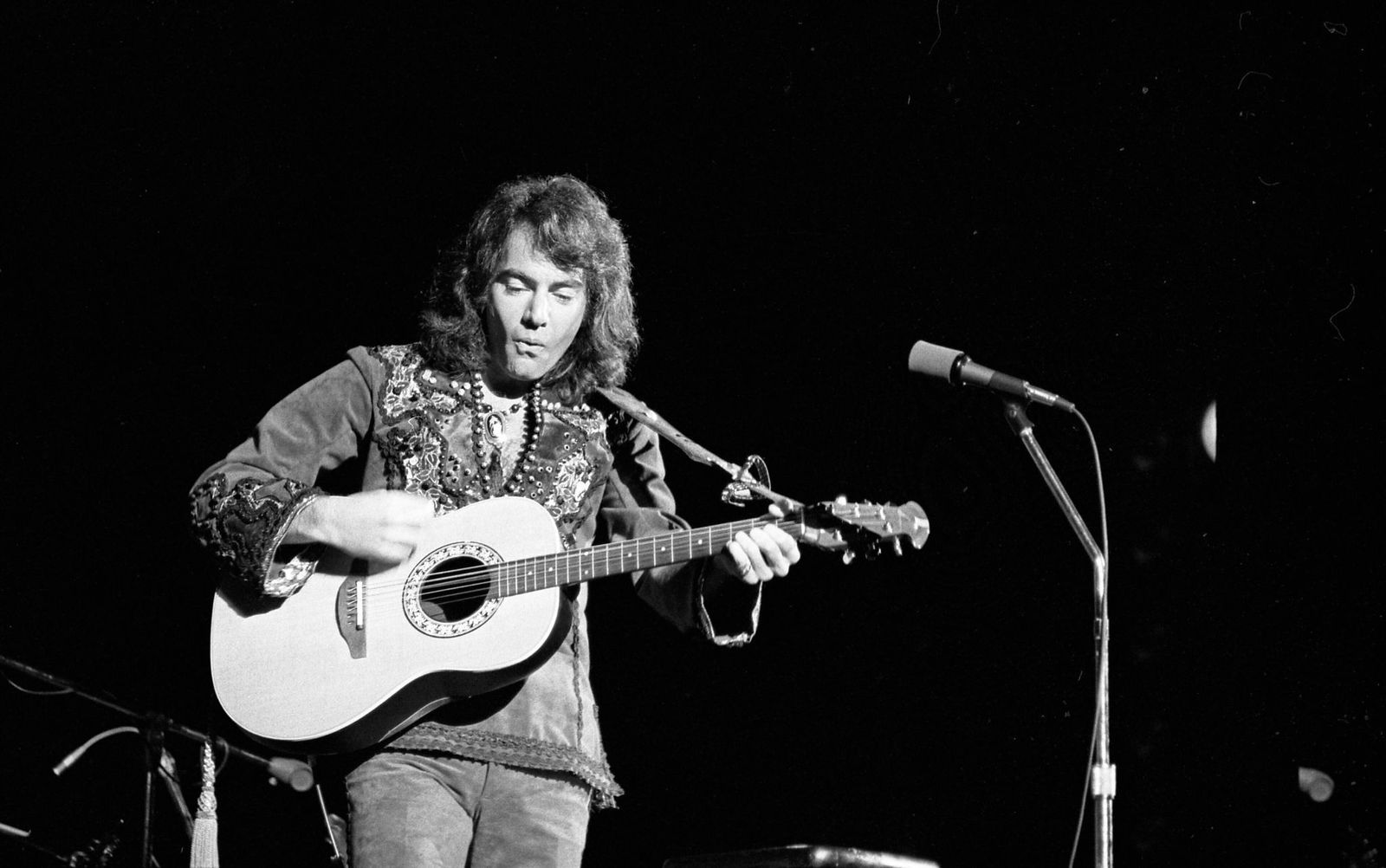
Neil Diamond wrote "Sweet Caroline" in 1969, drawing on his feelings for his wife at the time, Marcia Murphey. But if it was about her, why "Caroline"?

Diamond needed a three-syllable name for the lyrics, and he remembered a photo of First Daughter Caroline Kennedy with her horse that he had seen in LIFE magazine in 1962. Diamond kept the connection to JFK’s eldest secret for nearly 40 years until 2007, when he sang the hit for Caroline at her 50th birthday and finally told her the story. She was "struck by it and really, really happy," Diamond revealed.

3
"You're So Vain" by Carly Simon

Image: Arthur D'Amario III

When a relationship ends, the inspiration can show up in unexpected ways. For Carly Simon, it became one of her biggest hits: "You’re So Vain."

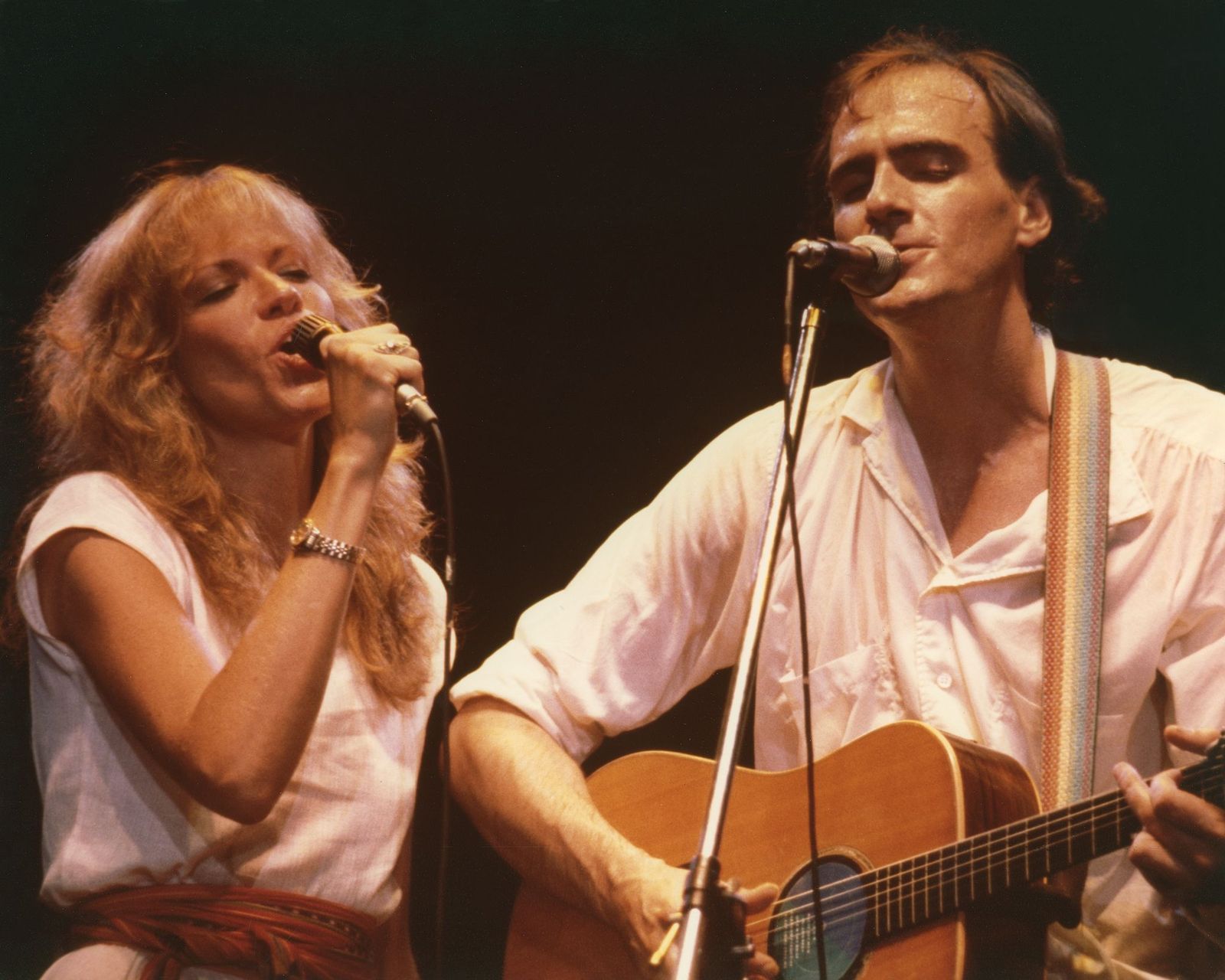
As Simon herself confirmed, most of the lyrics were inspired by actor Warren Beatty, with whom she had a brief but intense relationship in the early 1970s that ended after he cheated on her. But Beatty wasn’t the only "vain" one. Although she didn’t confirm it, there’s speculation that other famous men from her past, including Mick Jagger and Jack Nicholson, also inspired parts of the song.

4
"I Will Always Love You" by Dolly Parton

Image: Moeller Talent, Inc. Nashville (management), Public domain, via Wikimedia Commons

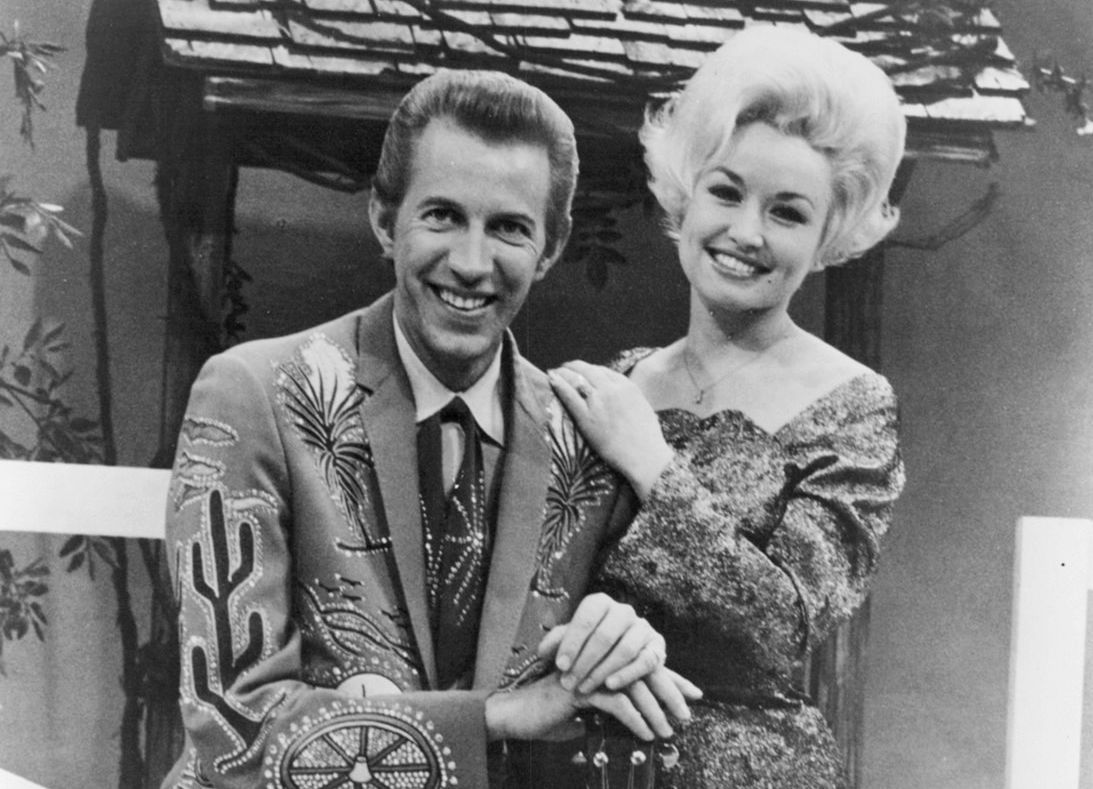
Despite what many assume, "I Will Always Love You" wasn’t written about a romantic breakup. Dolly wrote it as a professional farewell .

After more than seven years working with her mentor and longtime duet partner, Porter Wagoner, on The Porter Wagoner Show , Dolly felt it was time to pursue a solo career. But the decision wasn’t easy, and Wagoner was reluctant to let her go. When ordinary conversations weren’t working between them, Dolly did what she knew best: she put her feelings into a song. She brought her guitar to his office, sat him down, and played it for him. Wagoner was moved to tears, called it the prettiest song he had ever heard, and finally agreed to let her leave the show.

5
"American Pie" by Don McLean

Image: Aija Lehtonen

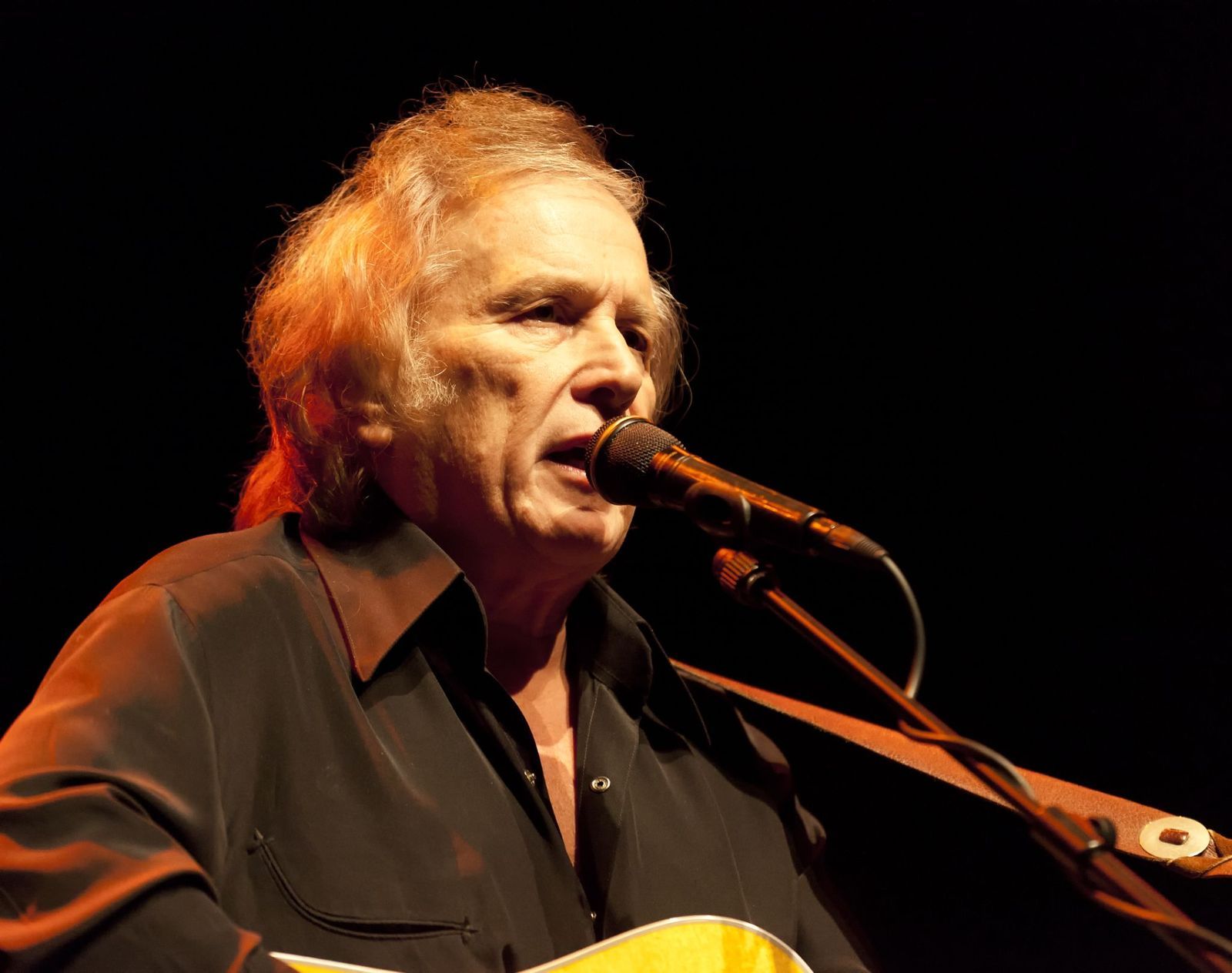
A song can be a farewell, a declaration of love, or a tribute born of admiration. That was the case when Don McLean wrote the beautiful yet haunting "American Pie" in 1971.

This epic folk-rock song became a memorial to "the day the music died," the tragic plane crash on February 3, 1959, that took the lives of rockers Buddy Holly, Ritchie Valens, and J.P. Richardson . McLean was just 13 at the time, but he later said the tragedy had a profound impact on him. The song didn’t come together all at once, either; he wrote it in stages over several years.

6
"Billie Jean" by Michael Jackson

Image: Matthew Rolston; Distributed by Epic Records, Public domain, via Wikimedia Commons

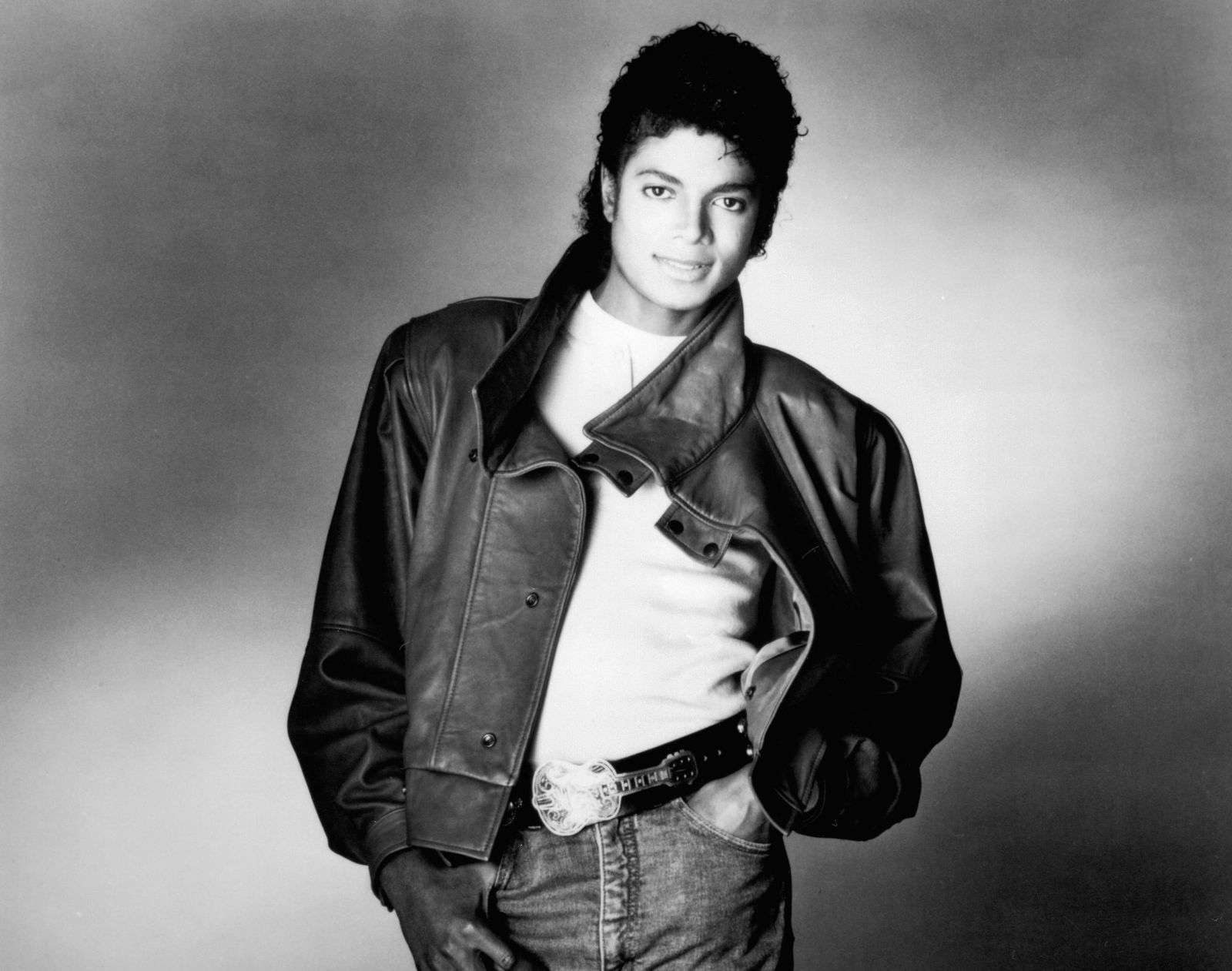
In his 1988 autobiography Moonwalk , Jackson explained that his classic "Billie Jean" was inspired partly by experiences involving women who approached his older brothers while the Jackson 5 were touring.

However, the event that really shaped the song happened in 1981, when Jackson received thousands of messages from a woman who claimed he was the father of her children. The unsettling situation stayed with him and eventually became part of the inspiration for one of his biggest hits.

7
"My Sharona" by The Knack

Image: McSleepy

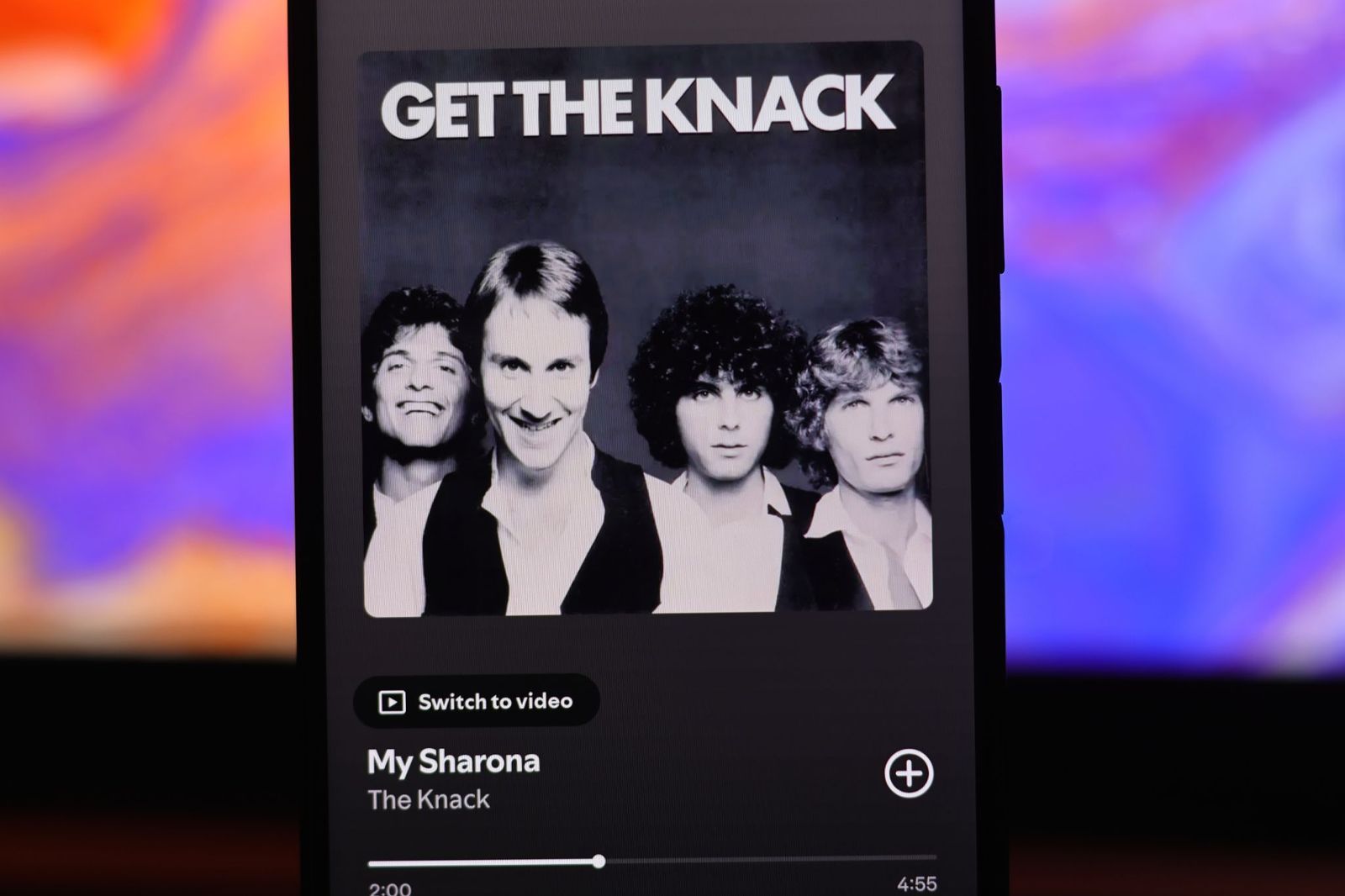
Have you ever wondered who "Sharona" was in The Knack’s famous hit? The answer comes from a real story involving the band’s lead singer, Doug Fieger.

In 1978, Fieger met Sharona Alperin, a clothing store clerk in Los Angeles. He was instantly attracted to her, and after breaking up with his then-girlfriend, he spent several months trying to win Sharona over before she finally agreed to a date. Their romance lasted from 1979 to 1982, and inspired one of the most danceable hits of the 20th century. Even after they broke up, Sharona and Doug remained close friends until he passed in 2010.

8
"Sweet Child O' Mine" by Guns N' Roses

Image: L Paul Mann

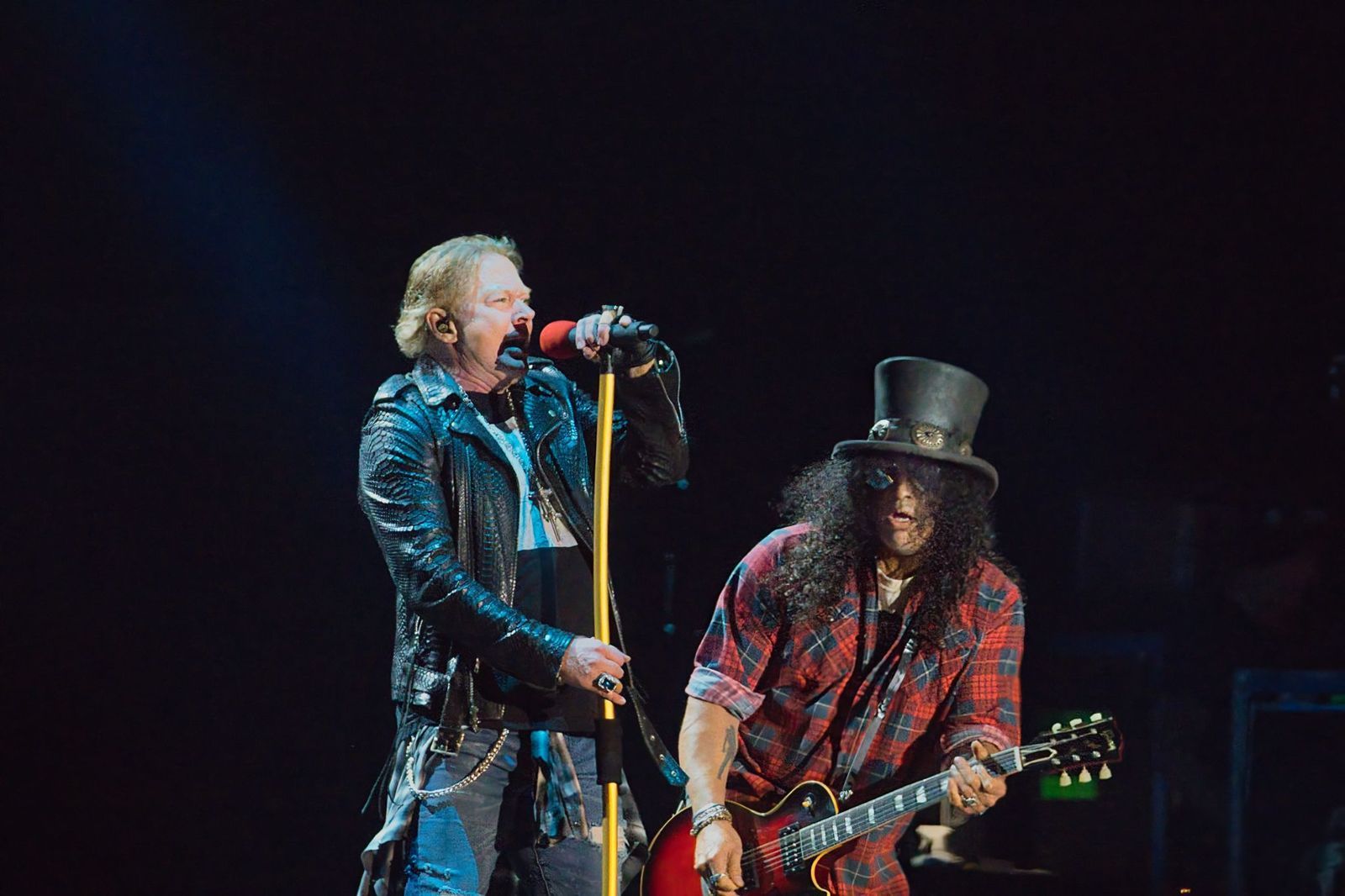
In 1986, Axl Rose was dating model Erin Everly, daughter of Don Everly of The Everly Brothers. He was so in love that he wrote her a love poem in just a few hours, without knowing it would eventually become one of his most famous songs.

That same year, at the band’s shared house, guitarist Slash was playing around with some chords when he came up with an interesting riff. Izzy Stradlin joined in, and when Rose heard the melody from upstairs, he brought down the poem he had written for Everly and adapted the lyrics to fit the music, resulting in the iconic "Sweet Child o’ Mine." Rose and Everly eventually married in 1990, but the marriage ended soon afterward.

9
"Walk On the Wild Side" by Lou Reed

Image: Man Alive!, CC BY 2.0, via Wikimedia Commons

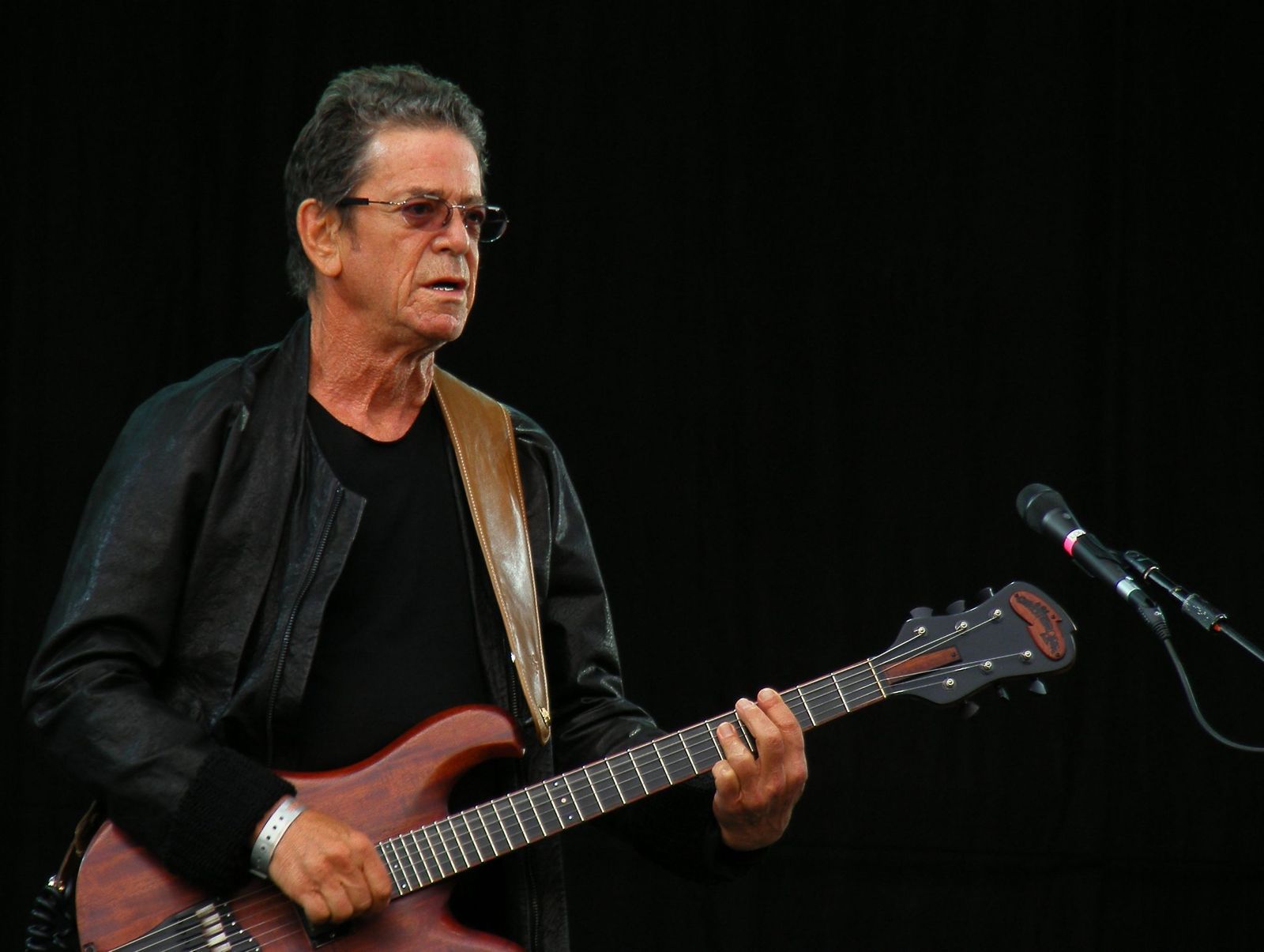
Music crossed paths with other forms of art when Lou Reed wrote his 1972 classic "Walk on the Wild Side".

The song is essentially a series of portraits of real people from Andy Warhol’s circle at The Factory, his famous New York City studio and collective. In the song, "Holly" is a reference to Holly Woodlawn, a transgender actress who appeared in Warhol’s underground films such as Trash (1970). "Candy" was Candy Darling, another prominent actress who starred in Flesh (1968) and Women in Revolt (1971). "Little Joe" referred to Joe Dallesandro, the actor and model who became one of Warhol’s male muses. Other figures from the era’s counterculture are also in the song, bringing a very specific art scene of 1970s New York to a much wider audience.

10
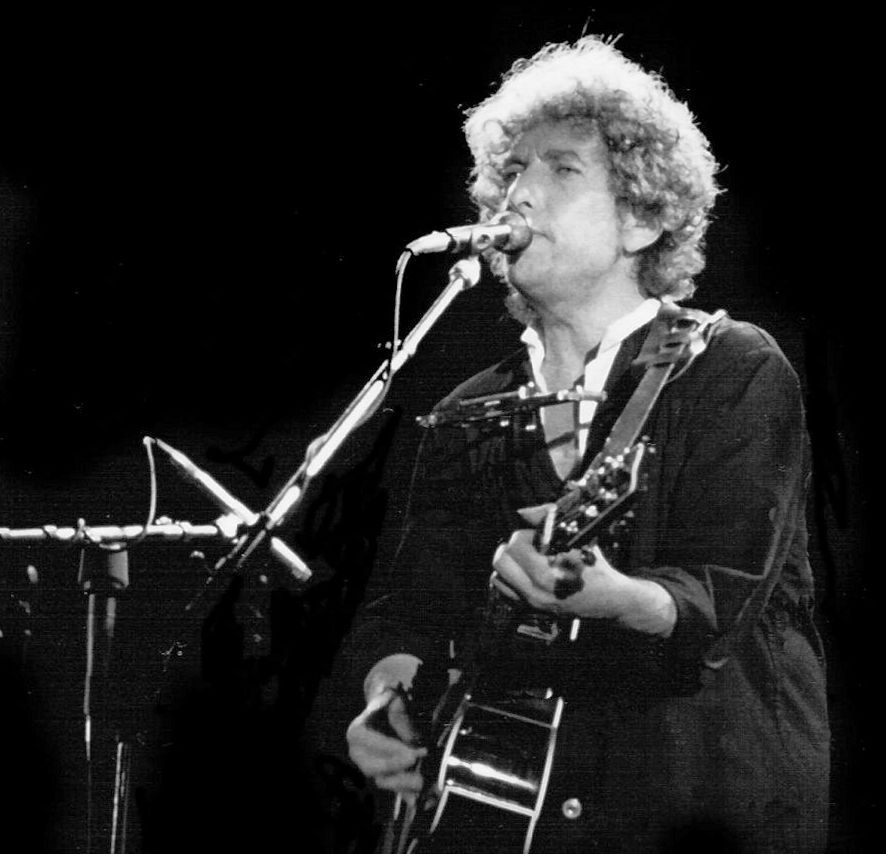
"Sara" by Bob Dylan

Image: Stoned59, CC BY 2.0, via Wikimedia Commons

In 1975, Bob Dylan was in the middle of a creative rush, writing and recording his album Desire . But while his career was going well, his marriage to Sara Lownds was falling apart. So he decided to write a love song for his wife.

"Sara," a heartfelt and personal song, was recorded in 1975 with Sara in the studio, and it became the raw, emotional closing track on the album. It helped spark a brief reconciliation, and Sara even joined Dylan on his subsequent Rolling Thunder Revue tour. However, the marriage ultimately ended in divorce in 1977.

General General 6 min read

Behind closed doors

Why couldn't Lucy say one little word on TV? Here's the surprising truth

Image: PICTOR PICTURES

I Love Lucy made America laugh , but some of its most surprising stories happened behind the scenes. Did you know CBS banned a common word from the show, two of its stars reportedly couldn't stand each other in real life, and Lucy’s fictional baby arrived on the same day as Lucille Ball’s real-life son? These little-known secrets reveal a whole new side of our beloved TV classic.

1
Network executives thought Desi Arnaz was "too foreign" for TV

Image: Elliott Cowand Jr

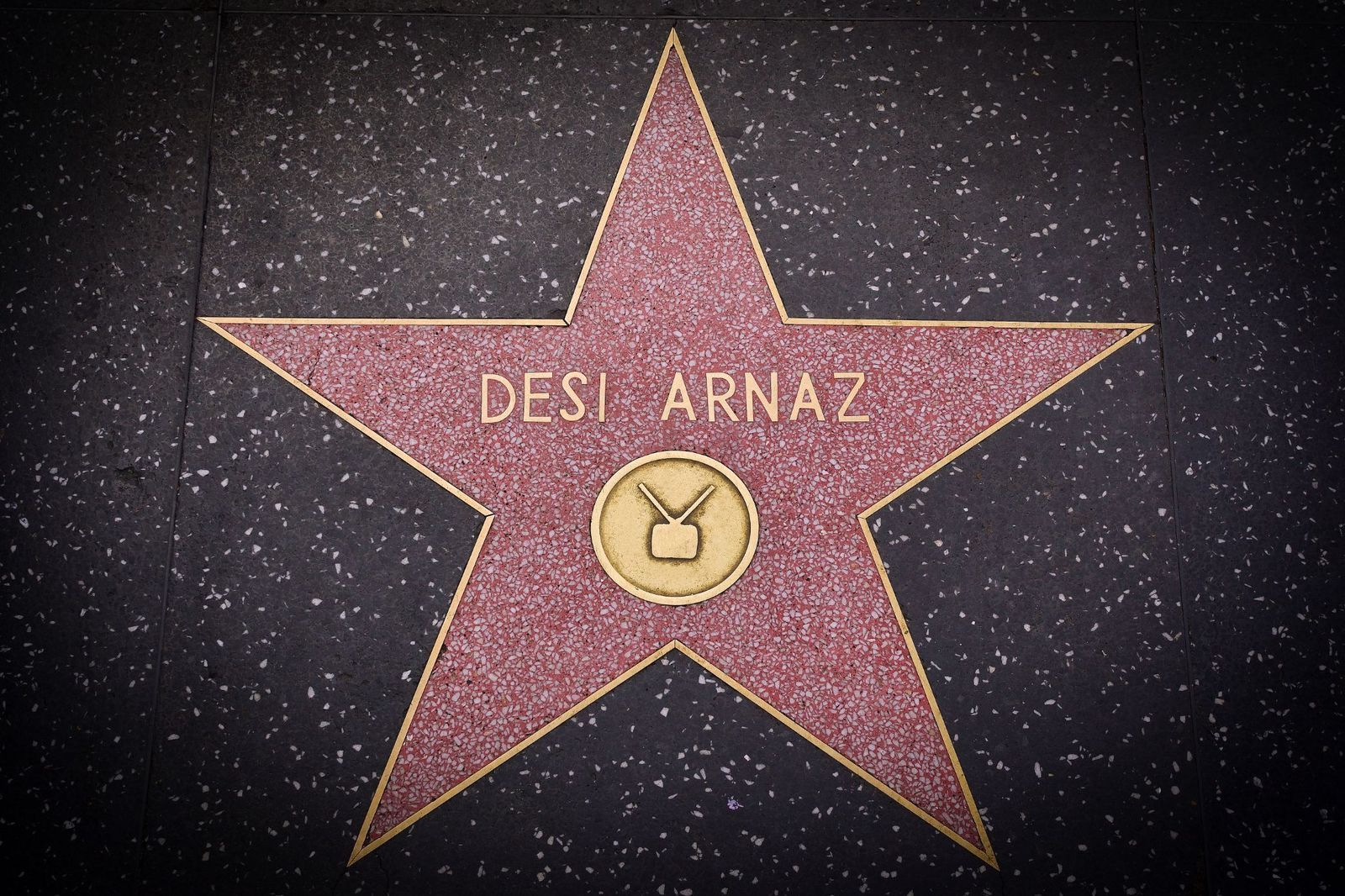
Network executives initially hesitated to cast Desi Arnaz as Ricky Ricardo, Lucille Ball’s husband on I Love Lucy (which aired on CBS from 1951 to 1957) because they doubted that viewers would accept an American woman and a Cuban man as a believable suburban pair.

To prove the concept worked, Ball and Arnaz took a live vaudeville act on the road in 1951, receiving overwhelmingly positive feedback from audiences. The public's reaction helped persuade CBS to give the show a chance with Arnaz in the starring role. And as we all know, the couple was married in real life too and eventually had two children: Lucie, born in 1951, and Desi Jr., born in 1953. It doesn’t get more "real" than that.

2
The word "pregnant" was strictly forbidden on air

Image: SNeG17

On the show, CBS banned the word "pregnant" in 1952, considering it too explicit for family living rooms . Writers therefore relied on euphemisms such as "expecting," "with child," or "having a baby."

When Lucille Ball became pregnant with her second child in 1952, Desi Arnaz pushed for her pregnancy to be written into the show's storyline, despite initial resistance from CBS and its sponsors. The resulting plot became a landmark moment in television history: although the show could portray Lucy expecting a baby, its writers still couldn't use the forbidden word. That’s why the episode in which she breaks the news to Ricky was titled "Lucy Is Enceinte," using the French word for pregnant.

3
More people watched Lucy give birth than the president’s inauguration

Image: neftali

On January 19, 1953, the episode "Lucy Goes to the Hospital", in which she gives birth to Little Ricky, drew an estimated 44 million viewers (about 72% of U.S. television households). In an extraordinary coincidence, Ball gave birth to her real-life son, Desi Arnaz Jr., by scheduled cesarean section on the same day.

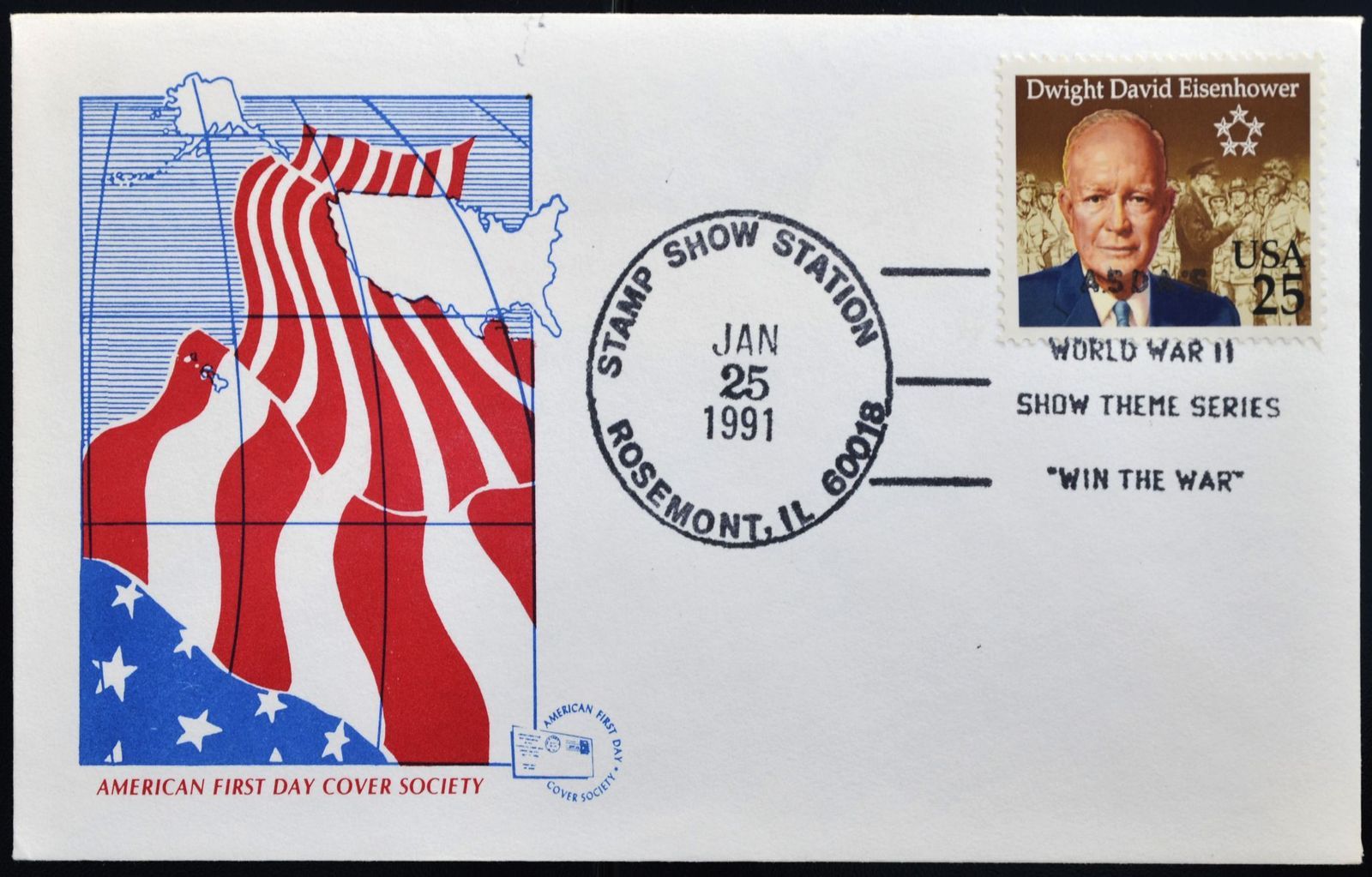
The next day, President Dwight D. Eisenhower’s inaugural address drew an estimated 29 million viewers. That means the episode attracted roughly 15 million more viewers than the president's address, according to the commonly cited estimates.

4
The candy factory episode had a real-life expert in it

Image: catwalker

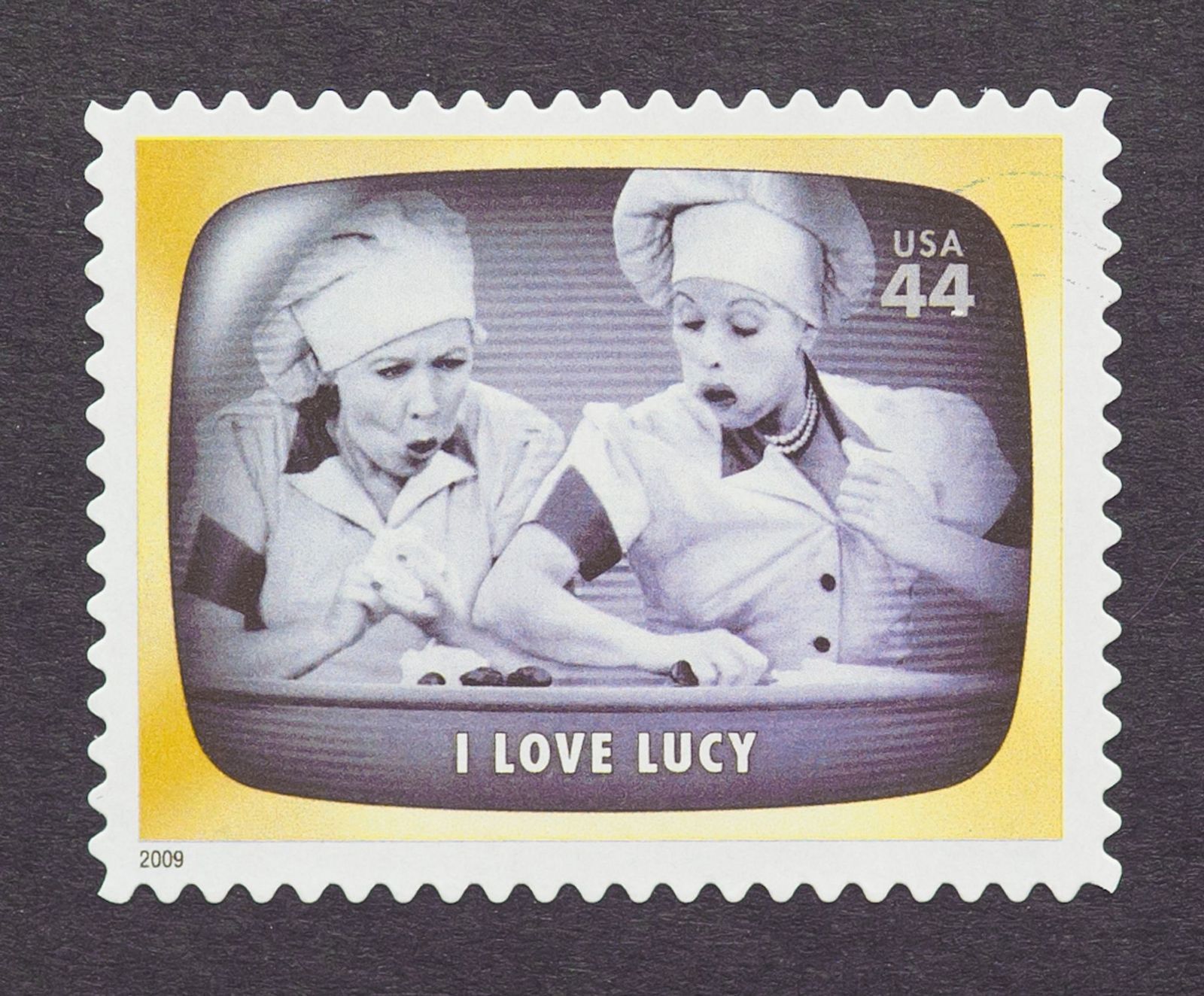
In the beloved "Job Switching" episode, the Season 2 premiere which aired on September 15, 1952, Lucy and Ethel (Vivian Vance) take jobs at Kramer’s Kandy Kitchen to prove to their husbands, Ricky and Fred (William Frawley), that they can handle the demands of working outside the home.

Assigned to wrap and dip chocolates on an assembly line, the pair fall hopelessly behind as the conveyor belt speeds up. Desperate to avoid letting any unwrapped candy pass by, they begin stuffing chocolates into their mouths, hats, and blouses. The resulting chaos became one of television's most beloved comedy scenes. But here's a fun backstage detail: to prepare for the sequence, Ball and Vance spent half a day learning to dip chocolates and work on the production line at a real See's Candies location in Los Angeles. Even more interesting, the woman working alongside Lucy in the scene was an actual See's Candies candy maker, Hazel Pierce .

5
Fred and Ethel viscerally despised each other in real life

Image: Runawayphill

Playing married couple Fred and Ethel onscreen, Frawley and Vance clashed throughout the show's six-season run. Vance was 42 and Frawley was 64 when the show started. She reportedly resented being cast opposite a man 22 years older and famously complained: "How will anyone believe I’m married to that old man?" Frawley overheard her complaints and was reportedly offended. He later made this pointed remark about Vance, "She's one of the finest girls to come out of Kansas, but I often wish she'd go back there."

Despite their bitter off-screen feud, both remained professional on set and delivered the comedic chemistry that made Fred and Ethel such a memorable couple. Vance later reportedly turned down a lucrative spin-off featuring the pair, along with a $50,000 bonus, because she didn't want to work with Frawley again.

6
Desi Arnaz’s deal that changed TV reruns forever

Image: ltdedigos

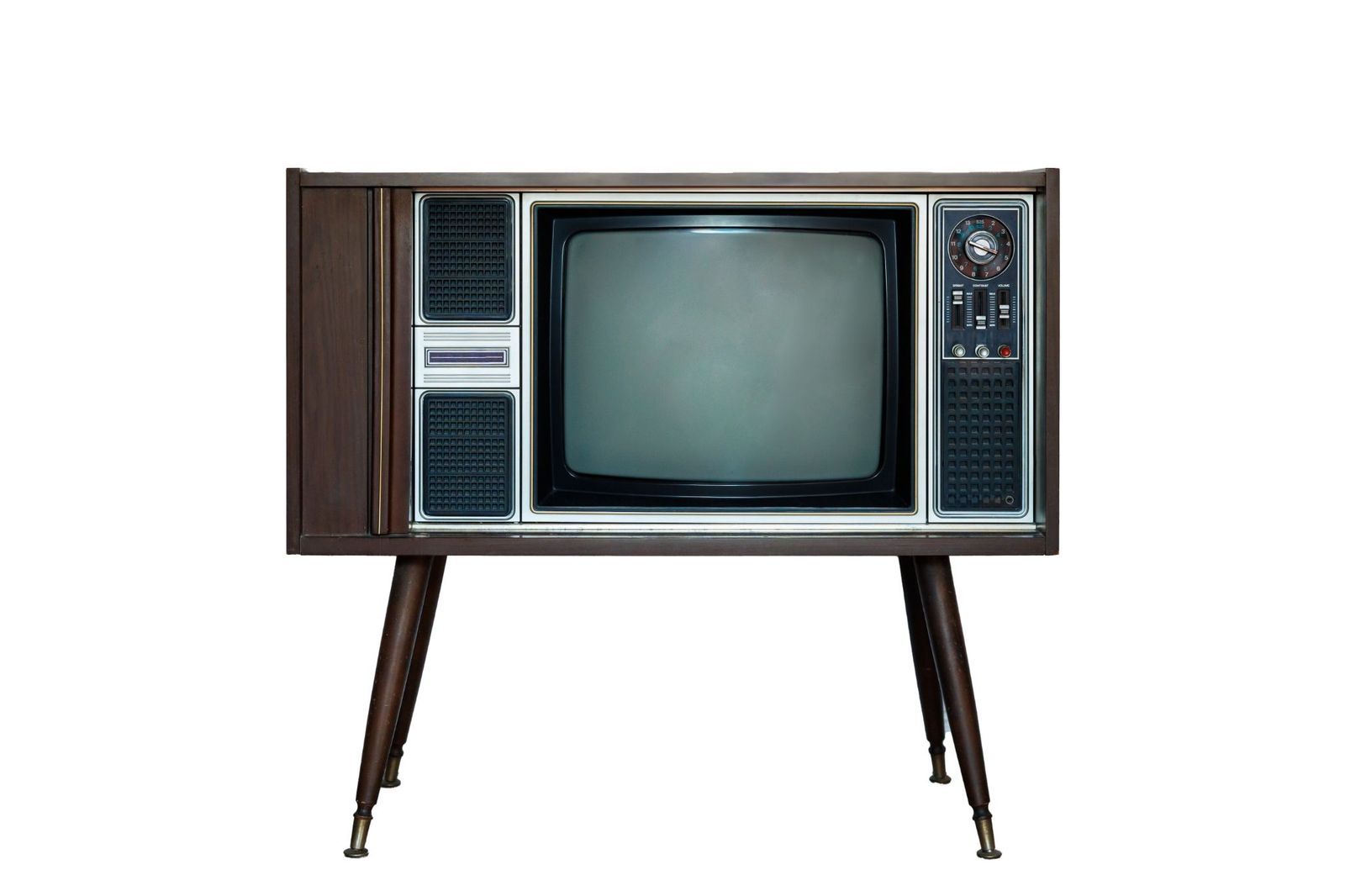
Desi Arnaz’s production decisions helped establish reruns as a profitable part of the industry. He insisted that I Love Lucy be filmed rather than broadcast live, helping shape the modern sitcom format. In the early 1950s, television shows were preserved only as low-quality kinescopes, recordings made by filming television screens.

Ball and Arnaz wanted high-quality recordings, so they were shot on 35mm film using a three-camera setup in front of a live studio audience. As part of their landmark deal with CBS, their production company, Desilu Productions, retained ownership of the film negatives, allowing the episodes to be rebroadcast. By 1955, I Love Lucy had become the first television series to be broadcast as reruns , helping pave the way for modern syndication.

7
Ricky Ricardo was almost named "Larry Lopez"

Image: MAFPHOTOART8

During the development of I Love Lucy, Ricky Ricardo was initially called Larry Lopez, but the name was changed for two main reasons.

First, the producers wanted to avoid confusion with Vincent Lopez, a well-known bandleader of the era. Second, they reportedly preferred the sound of "Lucy and Ricky" to "Lucy and Larry," since it sounded overly alliterative.

8
Lucy was not a natural redhead

Image: Pixel-Shot

Lucille Ball wasn't a natural redhead. Instead, she was a brunette who kept her brown hair during her early career, and also experimented with blonde shades before adopting the fiery red look that became her trademark.

Around 1943, she famously went red for her role in the Technicolor musical Du Barry Was a Lady. MGM hairstylist Sydney Guilaroff helped create the look , which Ball later maintained with a custom blend of henna and dye. Ultimately, her signature color was a carefully crafted Hollywood style, not her natural shade. And it worked.

9
Desi Arnaz used cushions to appear taller than Lucy

Image: Katerina Maksymenko

Desi Arnaz reportedly wore Cuban heels or other elevated footwear to help him appear taller alongside Lucille Ball. Although he stood around 5 feet 9 inches tall and Ball about 5 feet 7 inches in her stocking feet, her high heels could make her look taller than him.

The production team reportedly used another trick when the couple sat down : specially arranged cushions on the Ricardos’ couch and chairs helped maintain the desired height difference on screen and made it easier for Arnaz to stand up.

10
Lucy’s mother left her mark on the show’s soundtrack

Image: gurezende

Lucille Ball's mother, DeDe Ball, was a devoted supporter who reportedly attended the filming of almost every episode. Whenever her daughter landed in a comically awkward situation, DeDe would let out a distinctive "Uh-oh!" from her seat in the studio audience.

Sound engineer Glen Glenn reportedly liked the exclamation so much that he recorded it and incorporated it into the show's laughter track . Because the same recording was reused, DeDe's distinctive voice became part of the show's familiar soundtrack. The story even suggests that her "Uh-oh!" may have made its way into the soundtracks of other classic sitcoms over the years.

Explore more American facts

Choose your favorite category!

General
General

As American as apple pie—the very best America has to offer!

Culture
Culture

Delve into the astounding richness of American lore.

Geography
Geography

Hop in and explore vast and diverse American landscapes.

History
History

Discover the key moments that shaped the United States.