History History 7 min read

Hidden origins

The real reason Abraham Lincoln was first called "Honest Abe"
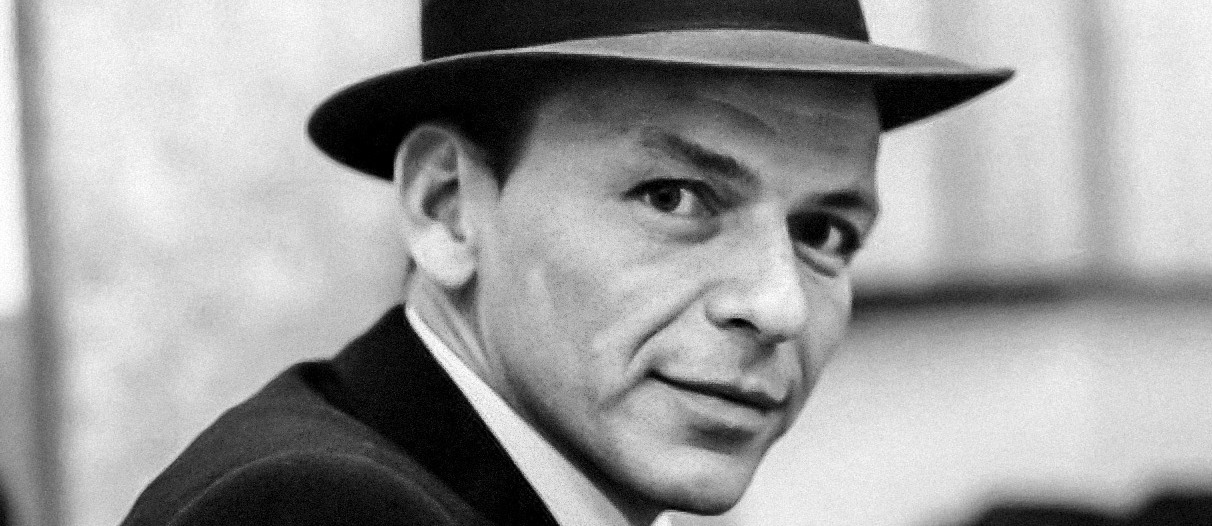
Image: English: Photograph by Capitol Records, per a credit found in the 1959 edition of the International Celebrity Register at page 696. No known source credits an individual photographer., Public domain, via Wikimedia Commons

"The Babe," "Honest Abe," "The Chairman of the Board," "The Boss." We’ve heard these nicknames everywhere: on baseball broadcasts, late-night television, radio broadcasts, and newspaper headlines. In many cases, the nicknames became even more famous than the real names of the luminary in question. But have you ever wondered how these legendary monikers were born? Some came from childhood moments, others from personality traits, scandals, accidents, and unforgettable careers. From presidents and athletes to singers and Hollywood legends, here are the fascinating stories behind some of the most iconic nicknames in American history.

1
Frank Sinatra: "The Chairman of the Board"
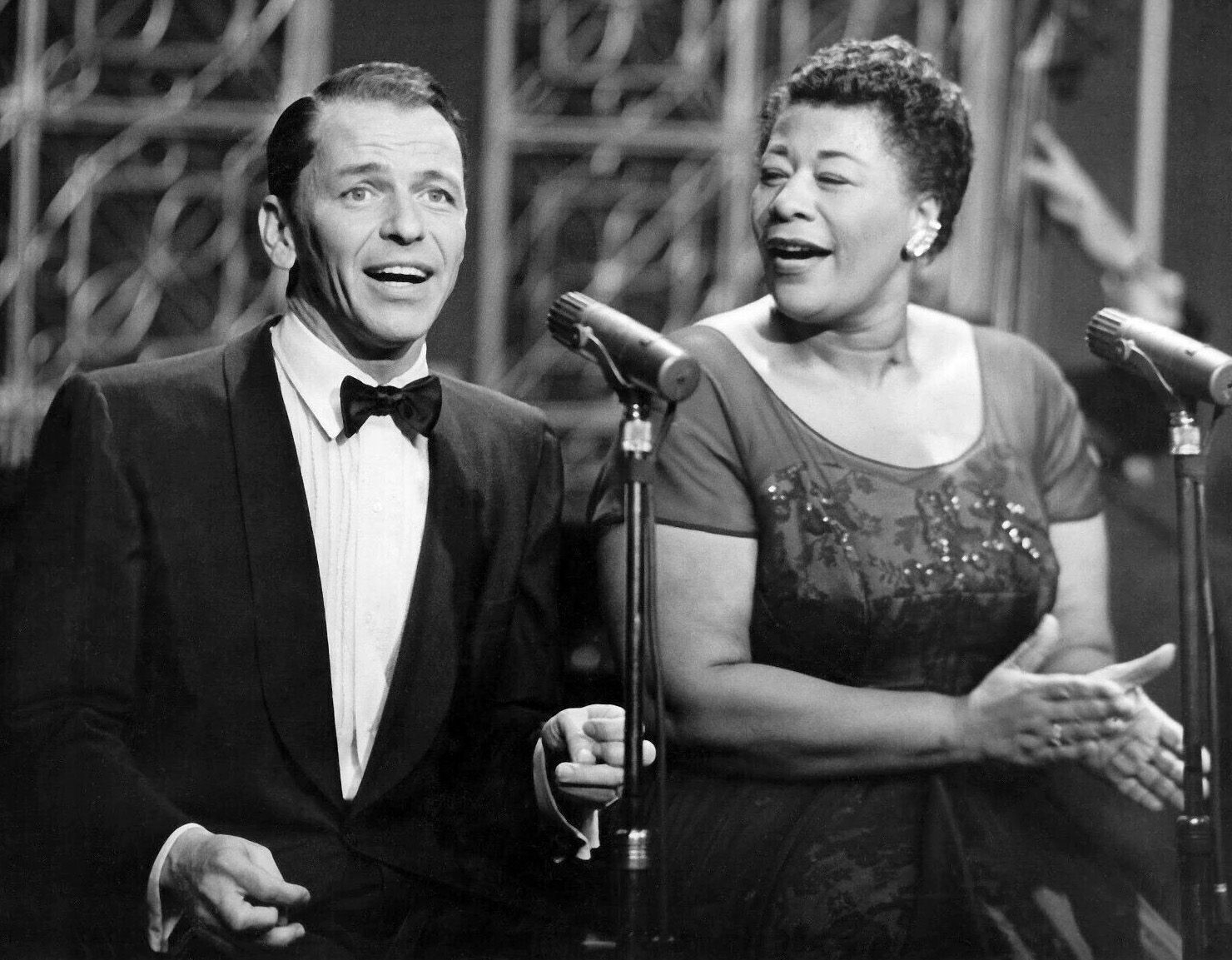
Image: English: Distributed by ABC. Photographer unknown., Public domain, via Wikimedia Commons

Frank Sinatra had many nicknames (including "Ol’ Blue Eyes" and "The Voice"), but none more iconic than "The Chairman of the Board." Do you know where it comes from?

By 1960, Sinatra was tired of record executives telling him what to sing and how to sing it. So he did something unusual at the time: he founded his own label, Reprise Records, which made him not just a singer, but the man in charge. "The Chairman of the Board" was already around in the 1960s, but by the early 1970s, New York radio legend William B. Williams popularized it as a sobriquet that perfectly captured Sinatra’s power and influence in American entertainment. Ironically, despite how famous the title became, Sinatra himself reportedly hated it, according to his wife Barbara Sinatra.

2
Abraham Lincoln: "Honest Abe"
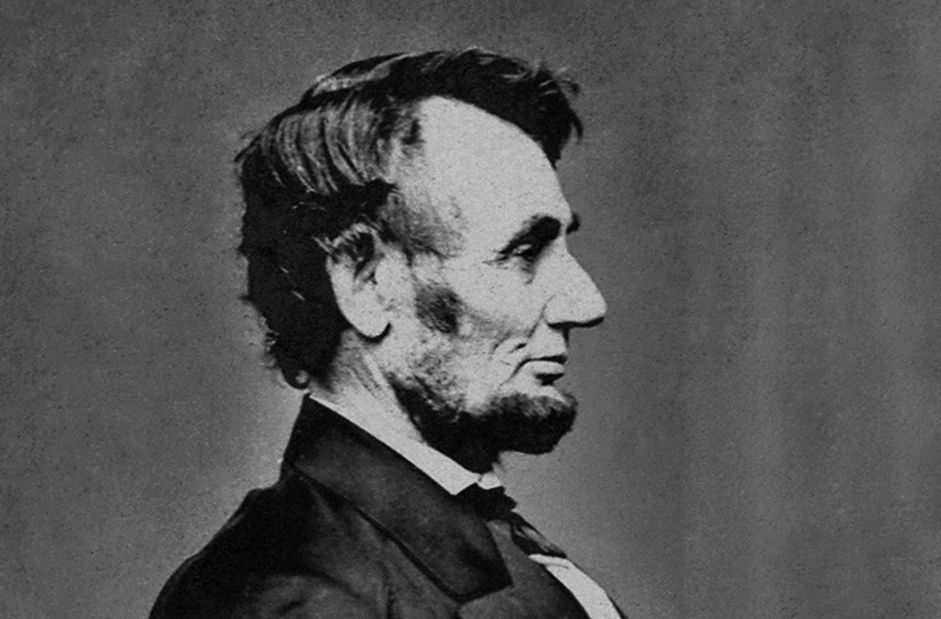
Image: Library of Congress, Public domain, via Wikimedia Commons

There may be many famous presidents in American history, but only one became forever linked with honesty itself: Abraham Lincoln. However, the nickname "Honest Abe" started long before he entered the White House.

The reputation began in the 1830s, when a young Lincoln worked as a store clerk in New Salem, Illinois. According to famous stories repeated for generations, he would walk miles just to return a few pennies to a customer he had accidentally overcharged. As a lawyer in the 1850s, he became known for refusing shady tactics and even encouraging clients to settle disputes instead of fighting. By the time Lincoln entered national politics, his honesty had become widely known, and even political rivals like Stephen A. Douglas openly recognized it.

3
Bruce Springsteen: "The Boss"
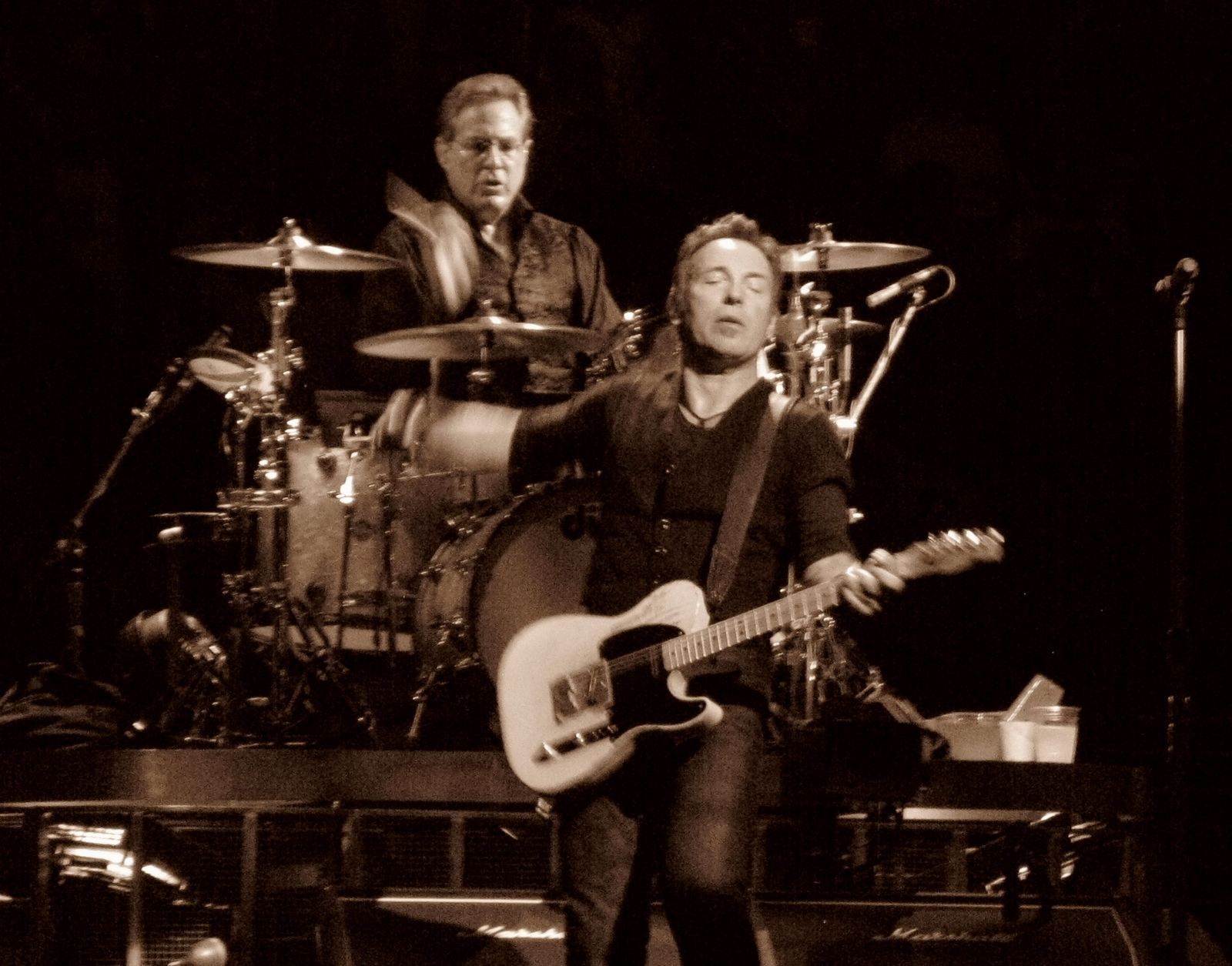
Image: Christopher Sikich, CC BY-SA 2.0, via Wikimedia Commons

In the early 1970s, Bruce Springsteen was touring with the legendary E Street Band when he picked up the nickname that would stay with him forever: "The Boss." But the story behind it is better than most people think.

After playing bars and clubs, Springsteen was often the one collecting the band’s nightly pay from club owners, counting the money, and distributing it to each one of his colleagues. Before long, the band members jokingly started calling him "the boss." According to guitarist Steven Van Zandt, it began as an inside gag within the band, but the nickname fit Springsteen’s leadership style so perfectly that it soon spread far beyond the group.

4
Amelia Earhart: "Lady Lindy"
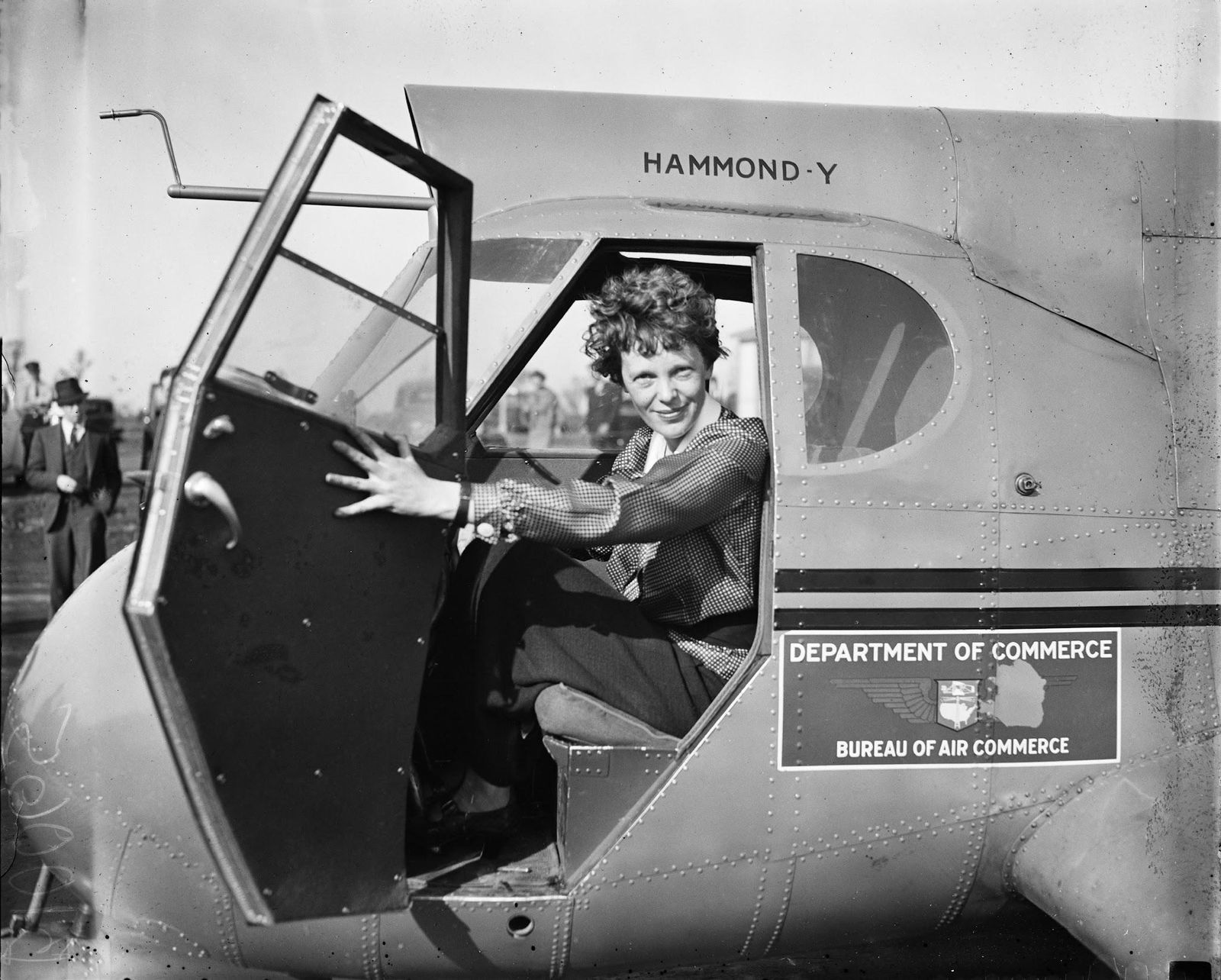
Image: Harris & Ewing, Public domain, via Wikimedia Commons

Amelia Earhart will always be remembered as the pioneering pilot who became the first woman to fly solo across the Atlantic in 1932, breaking records and opening doors for women in aviation. But long before her mysterious disappearance in 1937, Americans already knew her by an iconic nickname: "Lady Lindy."

The nickname appeared in the late 1920s after the press noticed striking similarities between Earhart and famed aviator Charles Lindbergh, the first man to complete a solo nonstop flight across the Atlantic in 1927. Reporters pointed not only to their groundbreaking flights, but also to their surprisingly similar appearance: both were tall, slim, and known for their windblown hair and calm public dispositions. Since Lindbergh was famously called "Lucky Lindy," newspapers soon began calling Earhart "Lady Lindy," and it quickly became popular.

5
George Herman Ruth: "Babe"
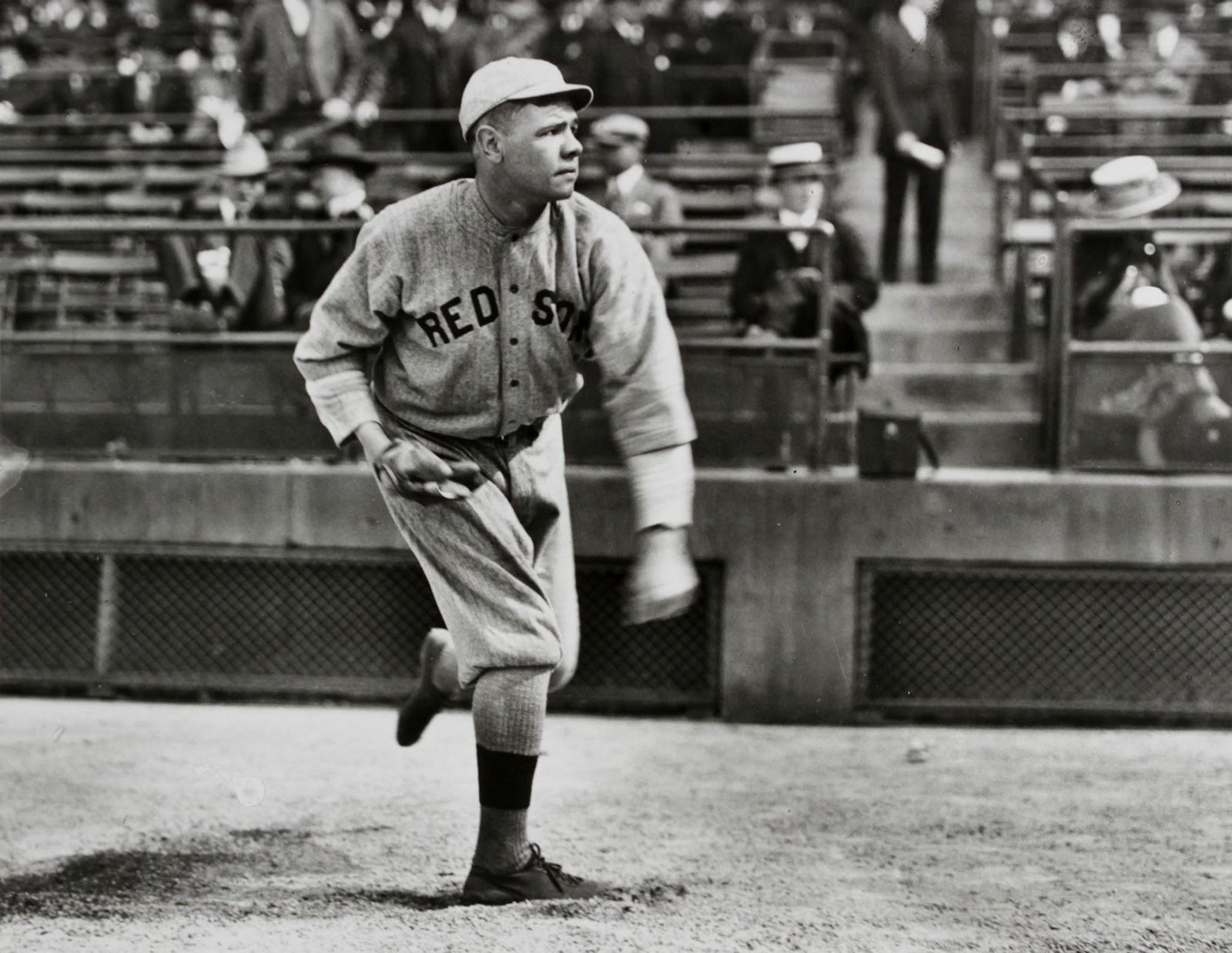
Image: Frances P. Burke, Public domain, via Wikimedia Commons

Babe Ruth became such a giant in American sports that many people forgot his real name was George Herman Ruth Jr. Did you know that he actually got the nickname "Babe" when he was still a teenager?

In 1914, the 19-year-old rookie signed with the then-minor league team, the Baltimore Orioles. Because he was so young, team owner Jack Dunn became his legal guardian while he traveled with the club. Teammates quickly started jokingly calling Ruth "Dunn’s baby" or simply "the Babe." What started as clubhouse teasing soon spread to sportswriters and fans, and before long, "Babe Ruth" became one of the most legendary names in sports history.

6
Eleanor Roosevelt: "First Lady of the World"
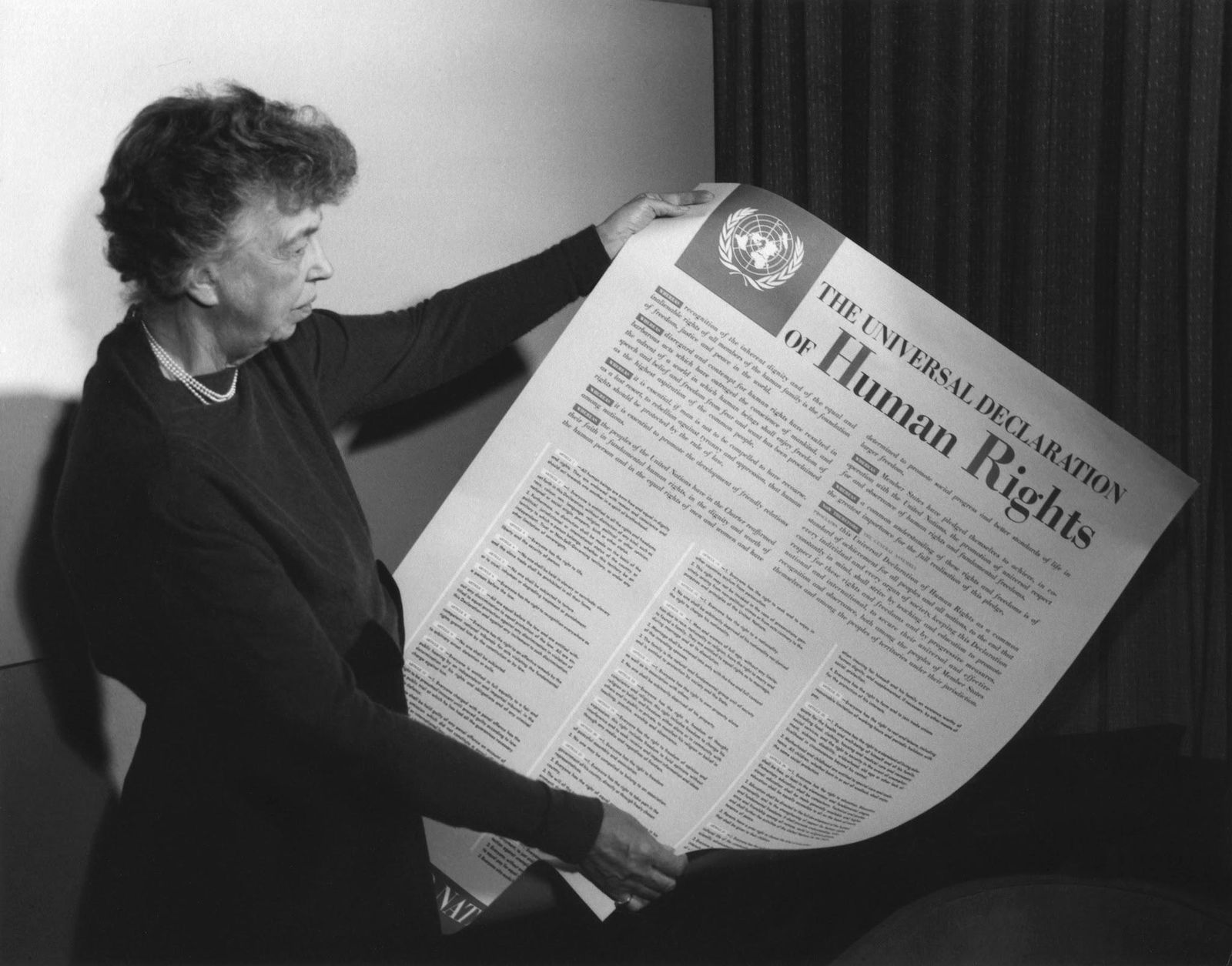
Image: FDR Presidential Library & Museum, CC BY 2.0, via Wikimedia Commons

Eleanor Roosevelt became First Lady in 1933, but long before that, she had already set out on the path that would lead her to become known as "The First Lady of the World."

In the late 1920s, she became increasingly active in women’s rights and social reform, and by the time her husband, Franklin D. Roosevelt, entered the White House, she was already widely known. As First Lady from 1933 to 1945, she reshaped the role, holding press conferences, writing her "My Day" column, and visiting troops during WWII. After leaving the White House, she served as the first US delegate to the United Nations and helped write the Universal Declaration of Human Rights, the final act to secure her name as "The First Lady of the World."

7
William Cody: "Buffalo Bill"
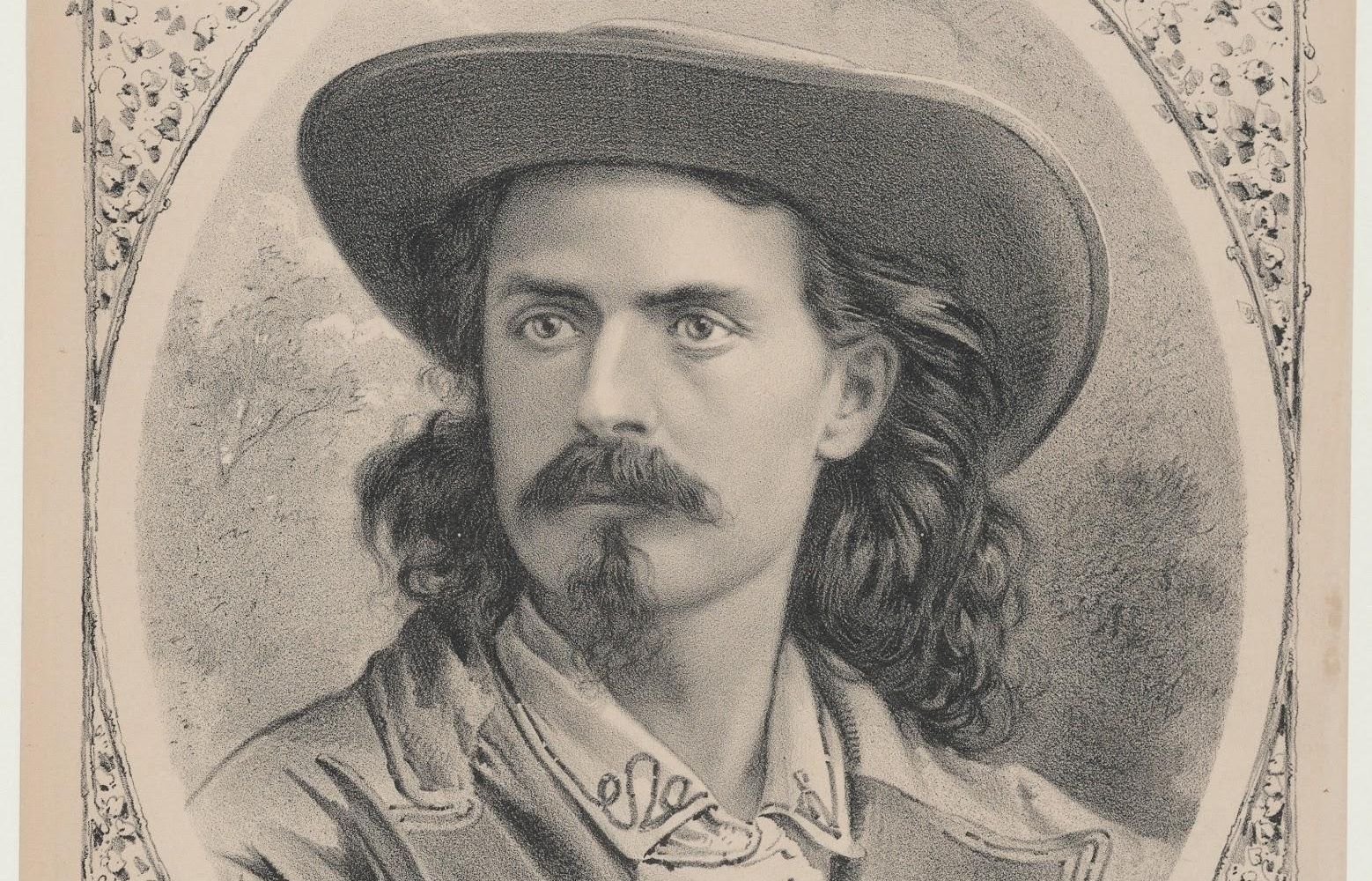
William F. Cody, better known as "Buffalo Bill", became one of the most legendary icons of the American Old West, long before Hollywood ever existed.

In 1867–1868, Cody was hired to supply bison meat to workers building the Union Pacific Railroad, quickly earning a reputation as a skilled hunter. Reports from the time say he killed thousands of buffalo during this period, helping feed large crews across the frontier. In 1868, he also won a popular hunting contest against another famous hunter, Billy Comstock, reportedly killing 69 buffalo to Comstock’s 46. That fame on the frontier is what earned him the nickname "Buffalo Bill", a name that would later become world-famous when he reinvented himself as a showman.

8
Franklin D. Roosevelt: "Great Sphinx"
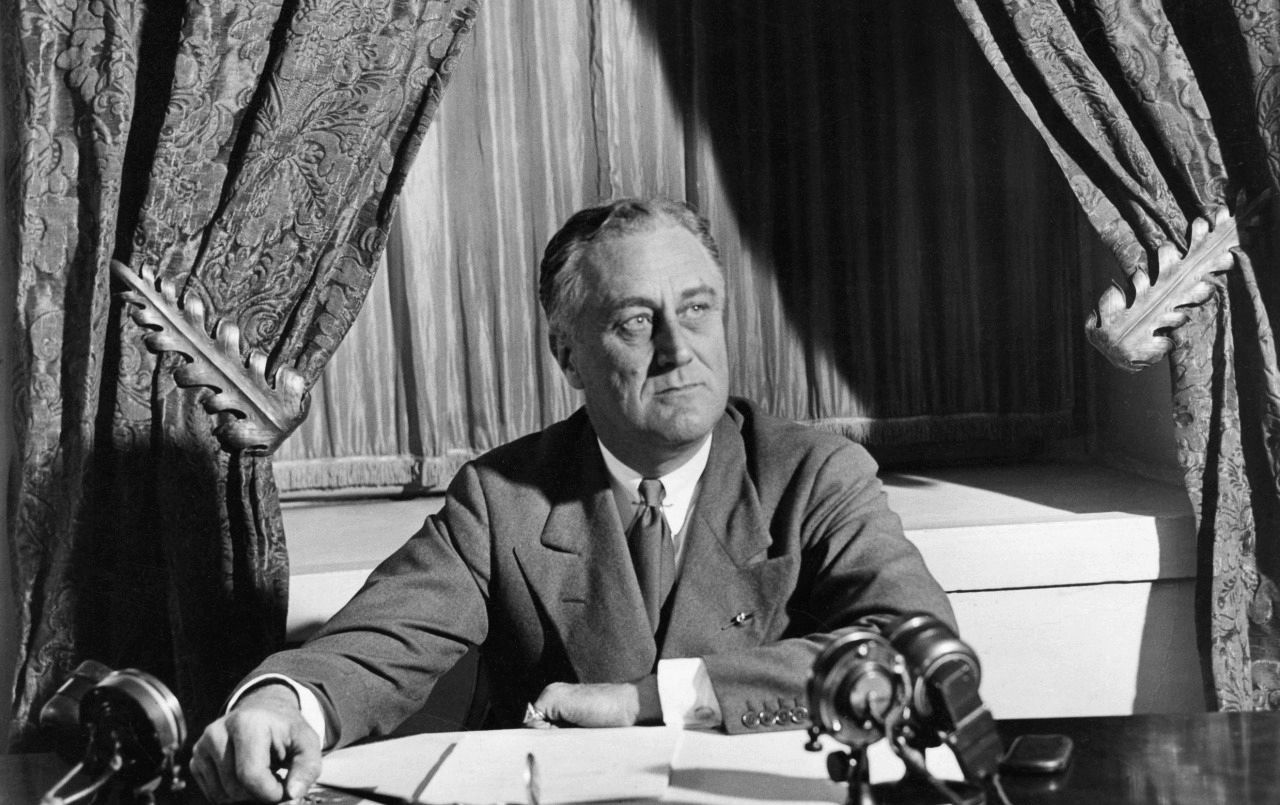
Image: Unknown or not provided, Public domain, via Wikimedia Commons

Franklin D. Roosevelt was known by those closest to him as a naturally reserved man, a trait that became even more pronounced after he was diagnosed with polio in 1921.

According to historians and biographers, Roosevelt revealed very little about his emotions, his health, or even his political intentions. That secrecy carried into his presidency as well. As the 1940 election approached, he refused to say whether he would run for a third term or not, keeping both journalists and other politicians guessing. His silence became part of his reputation, so the press of the time nicknamed him "the Great Sphinx" as a reference to his ability to keep his thoughts and intentions well hidden.

9
Shaquille O'Neal: "The Big Aristotle"
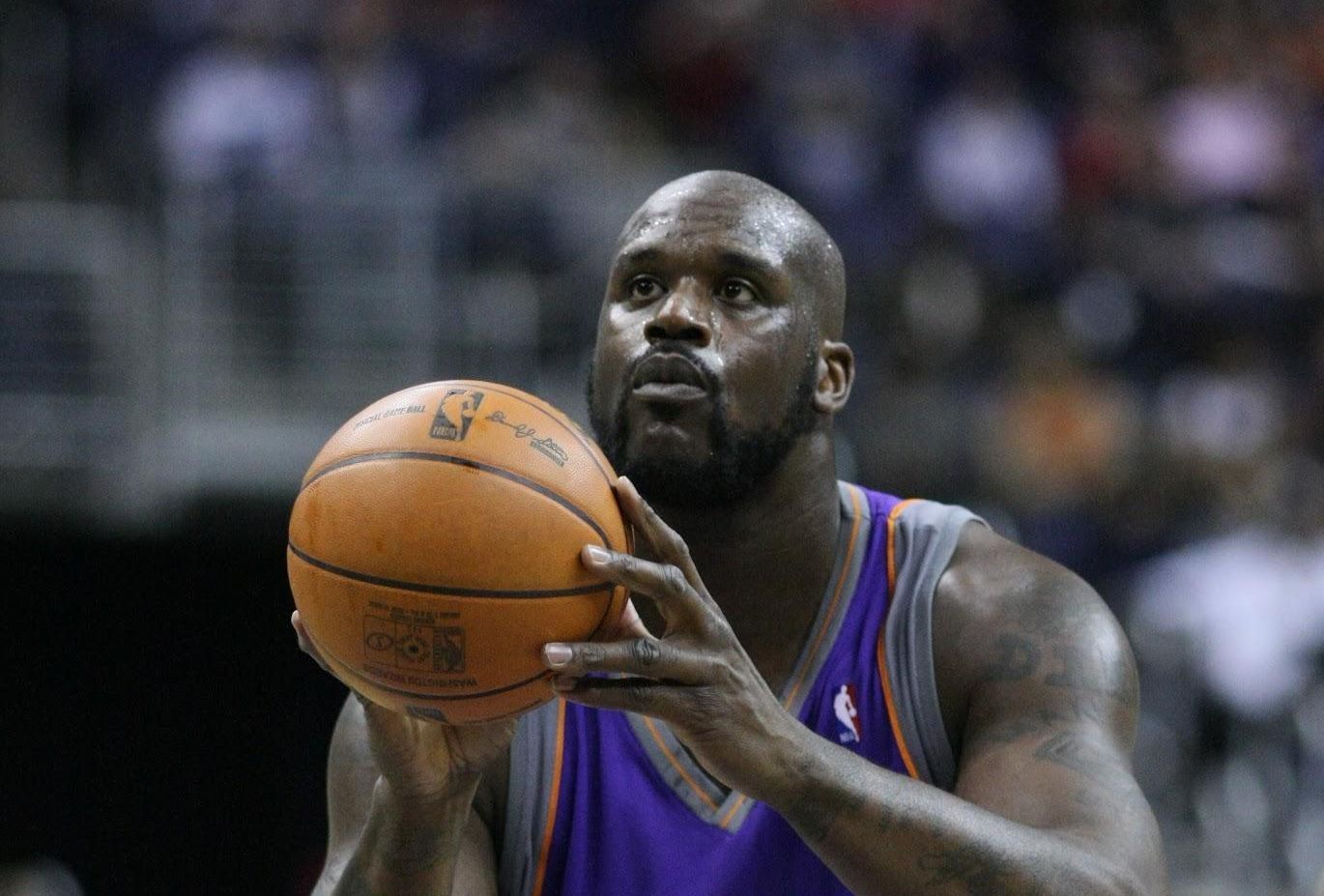
Image: Keith Allison from Baltimore, USA, CC BY-SA 2.0, via Wikimedia Commons

Unlike the other figures on this list, Shaquille O’Neal has a nickname story with a twist: no one gave him the alias. He gave it to himself.

After winning his NBA MVP in 2000 while leading the Los Angeles Lakers to a 67–15 season, Shaq began calling himself "The Big Aristotle." The idea, as he explained, was to reflect more than just size and strength; he also wanted to project wisdom and discipline. He not only took the Greek philosopher's name as a tribute, but also used it to reference him often. One of Aristotle’s quotes he frequently repeated was: "Excellence is not a singular act, it's a habit."

10
George Washington: "American Fabius"
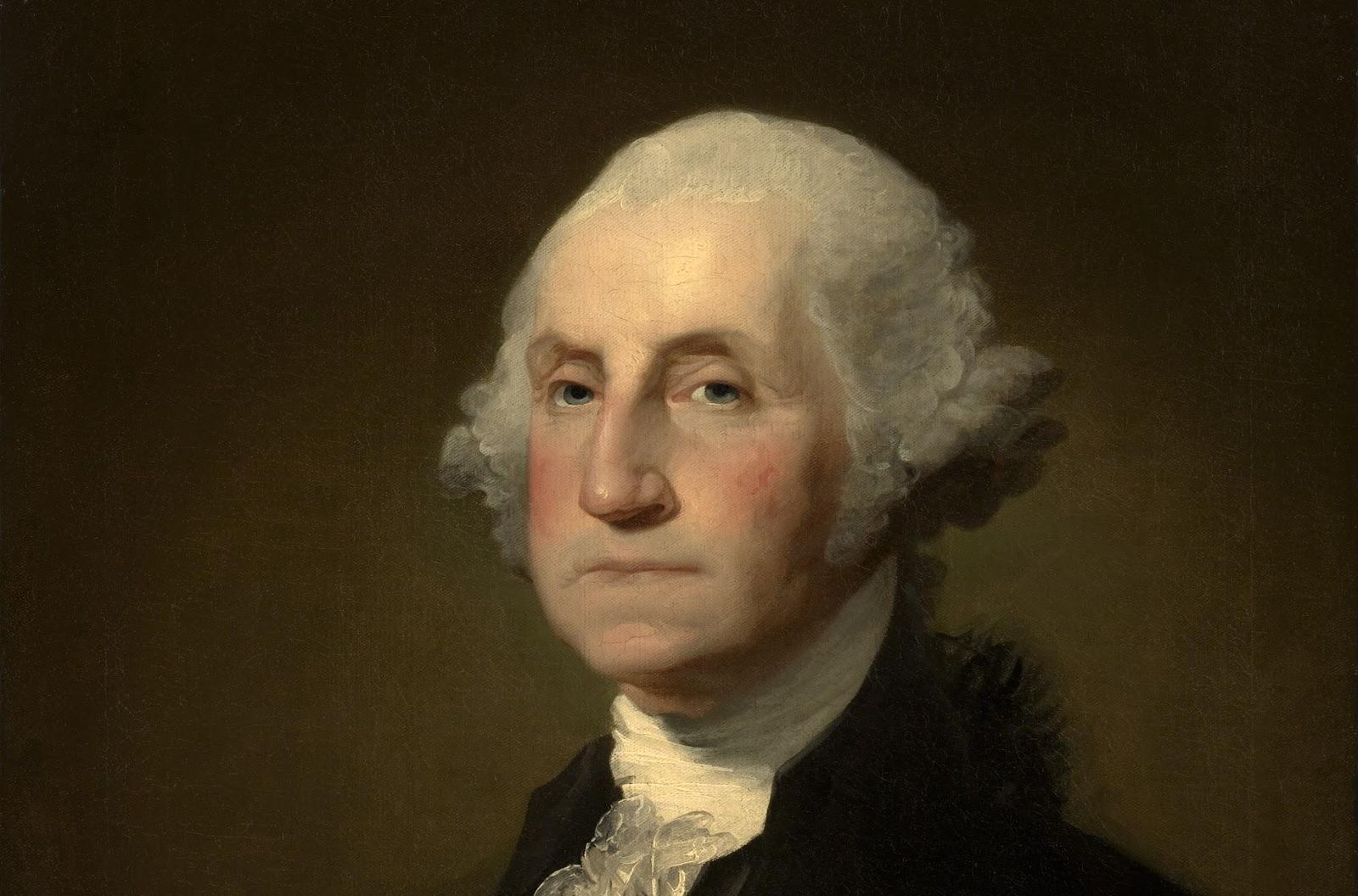
Image: Gilbert Stuart, Public domain, via Wikimedia Commons

George Washington (1732–1799) is best known as the "Father of His Country," for leading the Continental Army to victory in the Revolutionary War and later becoming the nation’s first president. But during the war, he also earned another interesting nickname.

Washington often avoided direct, large-scale battles, instead using patience, retreats, and strategy to wear down British forces. This approach was inspired by Roman general Quintus Fabius Maximus, who defeated stronger enemies by delaying and avoiding decisive conflict. Because of this strategy, Washington became known as the "American Fabius."
General General 4 min read

American uniqueness

10 things America does differently from the rest of the world

Image: Shamblen Studios

The U.S. is a unique country in many ways , but some of these might shock tourists and foreigners because they differ from how they are done in other parts of the world. From etiquette rules to cooking styles to how to record a date, America has its own way of doing certain things . Let’s have a look at some of them!

1
Measuring

Image: Annie Spratt

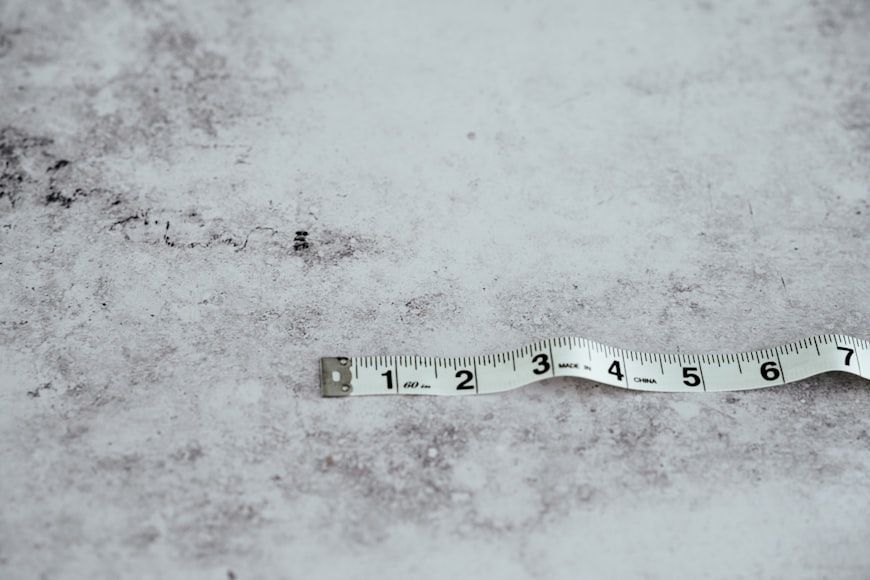
This is a difference most Americans are aware of: most countries use the metric system rather than U.S. customary units, and most use Celsius instead of Fahrenheit. Countries such as the UK and Canada still use some imperial units in everyday life, but they mainly use the metric system. Another measure that confuses foreigners is the particular way ingredients are measured in American recipes, which often use cups, tablespoons, and teaspoons rather than measurements by weight.

Fun fact: The only other countries that use the Imperial system officially are Liberia and Myanmar.

2
Sales tax

Image: Zoshua Colah

Do you find having to calculate sales taxes annoying? That’s a unique American experience. In the majority of the world, the price you see is the price you pay , because it has the sales tax already added.

Why is it different in America? Sales taxes vary across states , so retailers find it easier to showcase the base price and then calculate the total at checkout.

3
Cutlery use

Image: Anna Kumpan

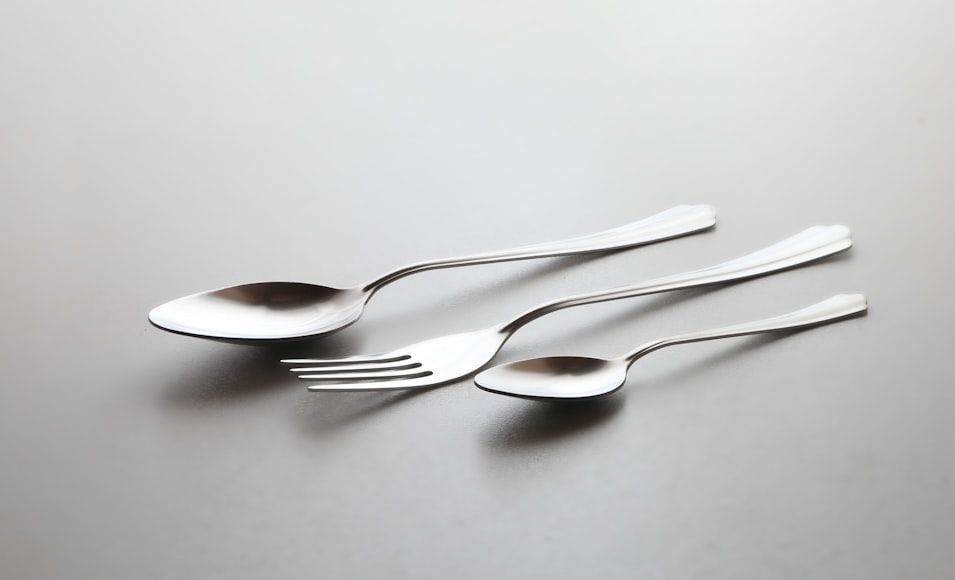
Many Americans abroad are surprised by the realization that not everyone uses a knife and fork in the same way they do . In fact, no one else does. While most Americans have learned the American style —also called the zig-zag or fork switching method— that involves using the fork in the left hand for cutting and then changing it to the right to pick up the food, European and Latin American countries don’t do this . It might seem like a small difference, but it completely changes the way you eat.

4
Iced drinks

Image: Battlecreek Coffee Roasters

Do other countries not have ice? They do, but they don’t necessarily assume everyone will want it. While serving water and other beverages with ice is customary in America, in many other countries, you need to request it —even during the hottest of summers.

But even if you get ice, many times you will need to specify the amount : the same drink that would be filled with ice cubes in America might come to you with just two or three cubes elsewhere.

5
Date formatting

Image: Waldemar

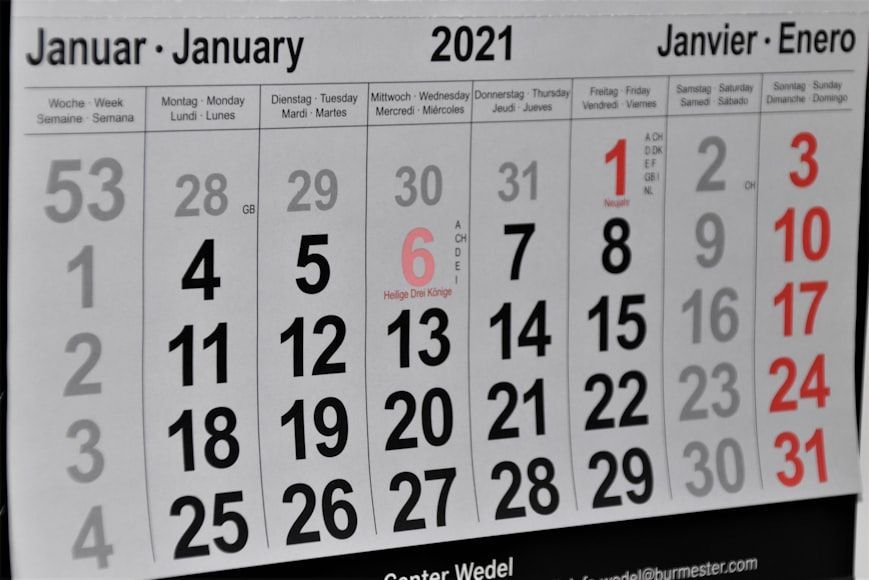
The U.S. is not completely alone on this one, but there’s a difference big enough to be worth mentioning. The standardized way of recording the date in America is month-day-year , a convention also followed by some Caribbean and Asian countries. But in the rest of the Western world, the conventional format is day-month-year , which can lead to confusion for Americans. In most Asian countries , the most commonly used format is year-month-day .

6
The word ‘American’

Image: frank mckenna

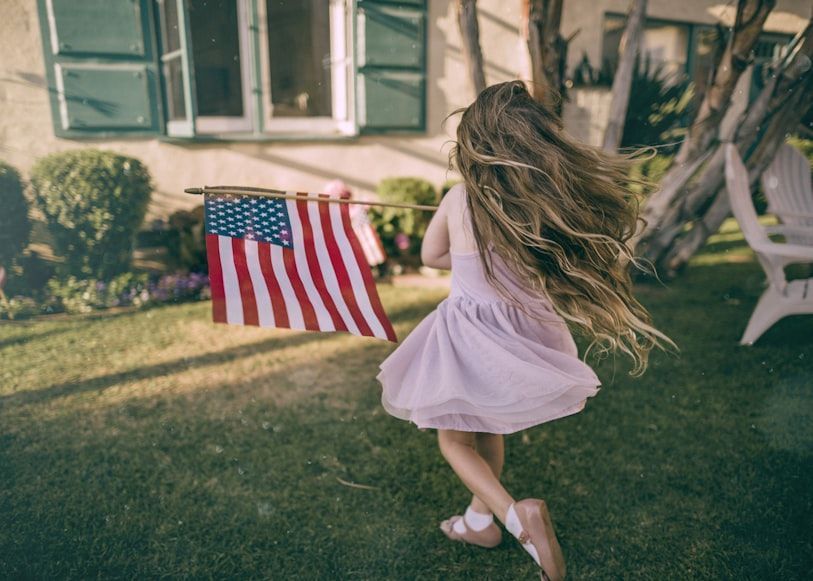
In the English language, ‘American’ is the only way to refer to people with U.S. citizenship . Other words, such as ‘Usian’ or ‘Unitedstatian’ have been proposed, but never stuck. This is why many Americans are surprised when other countries —Latin American countries in particular— use ‘American’ for anyone in the American continent , or continents, another big difference. In most European and Latin American countries, there is a different word for U.S. citizens, such as the Spanish ‘estadounidense’ or the Portuguese ‘estadunidense’ .

7
Moving out at 18 years old

Image: Dina Badamshina

This one is not so black and white, but more like a general tendency. Compared with most of Europe, Latin America, and Asia, Americans give serious consideration to the possibility of moving out after high school. Not everyone does, and not everyone can afford it, but it's fairly common.

In other countries, young adults generally move out if their job or education requires it , but they tend to stay at home a few more years if they can.

8
Driving a car as a teenager

Image: Dan Gold

America is quite car-centric , especially if you live outside of the big cities. While not everyone can afford to have a personal car —even a second-hand one—, it is common for 16 and 17-year-olds to legally drive their parents’ car, or save for their own.

In the rest of the world, the chances of high schoolers driving themselves to school are much lower, as most countries don’t allow underage kids to get a driving license .

9
Solo cups

Image: Artem Beliaikin

Do plastic cups exist outside of the U.S.? They do, but they are not as iconic or as widely used as Solo cups, introduced in the 1970s as a disposable but sturdy cup for parties and events. Many foreigners visiting America are surprised when they realize that solo cups are a real thing , and not something that just happens in movies.

10
Filing taxes

Image: Olga DeLawrence

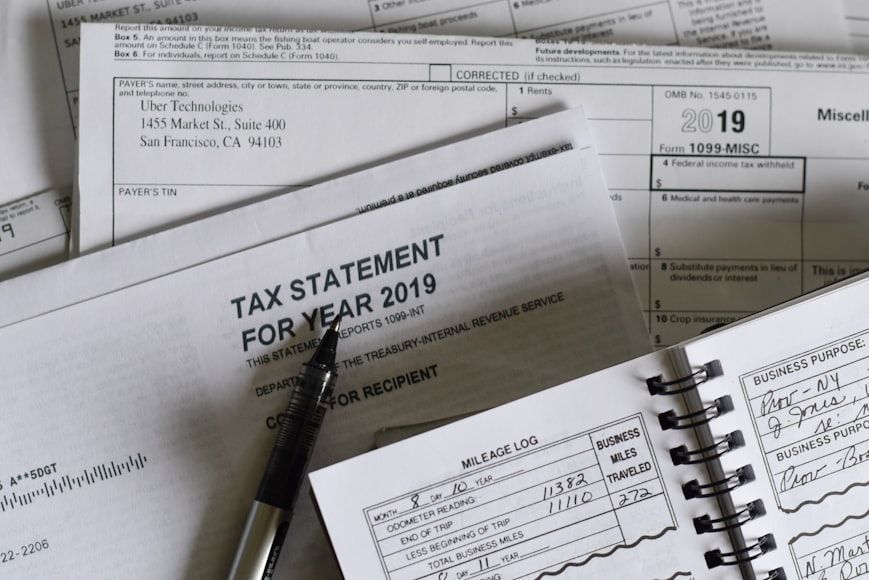
Taxes in the U.S. are not that different from taxes in other countries, except for how they are filed . During tax filing season, thousands of Americans direct their efforts to ensure they have properly reported their income and that their return will match the IRS’s data.

In other parts of the world, however, the one responsible for calculating and filing taxes is the government , while citizens merely corroborate that everything is in order.

Culture Culture 3 min read

I want to believe

11 famous hoaxes in American history that fooled everyone

Image: Hartono Creative Studio

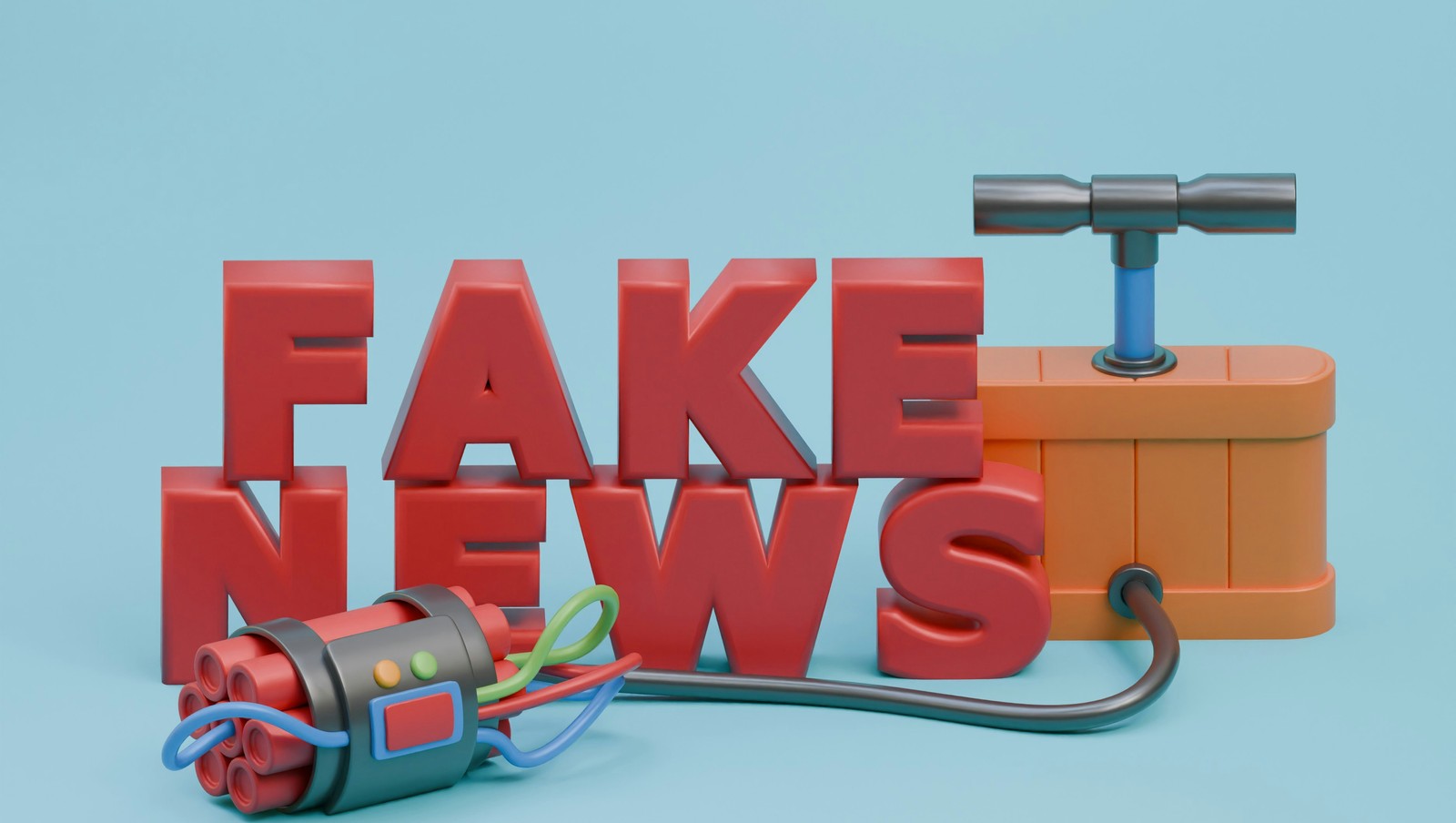
The fact that not every little thing in our world can yet be explained makes life a bit more interesting for many of us. And that urge to believe in certain things has fostered many myths and hoaxes that continue to fool people to this day. How many of the following 11 do you know?

1
The Cardiff Giant

Image: Anton Ivanov

In 1869, workers digging a well in Cardiff, New York, uncovered what appeared to be a 10-foot-tall petrified man. Locals rushed to see the "giant," paying admission to witness history in the soil.

But, as it turned out, it wasn’t ancient at all. A man named George Hull had buried the statue as a prank and made some quick money from the curious crowd.

2
War of the Worlds Broadcast

Image: Michal Balog

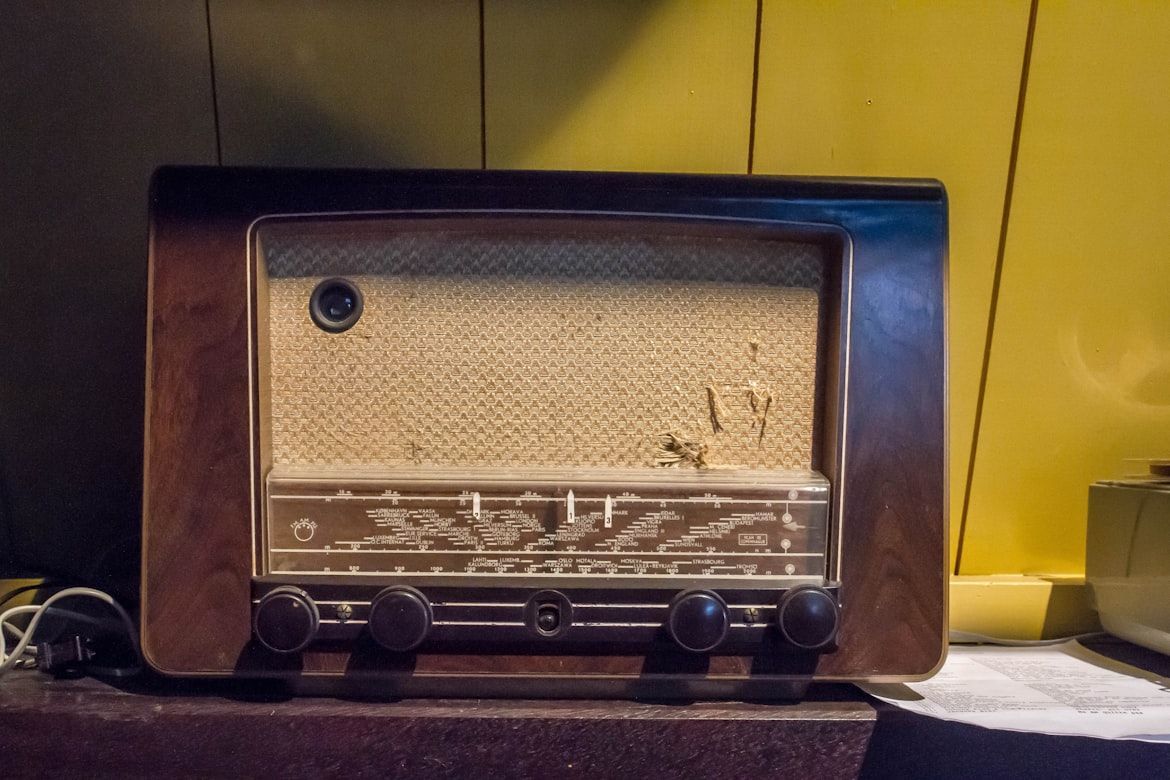
This very famous hoax took place on the eve of Halloween 1938. Orson Welles’s radio adaptation of The War of the Worlds aired as if it were breaking news . Many listeners tuning in late thought Martians had really landed in New Jersey.

Some packed up their cars or called the police in panic. Though no invasion occurred, the broadcast became a legend in media history.

3
The Balloon Boy

Image: Ankush Minda

In 2009, Americans watched live TV coverage of a silver balloon drifting across the skies of Colorado , fearing that a six-year-old boy was trapped inside . The story gripped the nation for hours.

When the balloon finally landed empty, police discovered the child hiding safely at home. His parents later admitted it was a publicity stunt gone wrong.

4
The Feejee Mermaid

Image: Nsey Benajah

In 1842, showman P. T. Barnum unveiled a marvel: a preserved "mermaid" supposedly from the South Seas . Crowds lined up to see the half-fish, half-woman curiosity.

The truth was stranger still. It was the upper body of a monkey sewn onto a fish tail and covered in papier-mâché.

5
The Great Moon Hoax

Image: Ganapathy Kumar

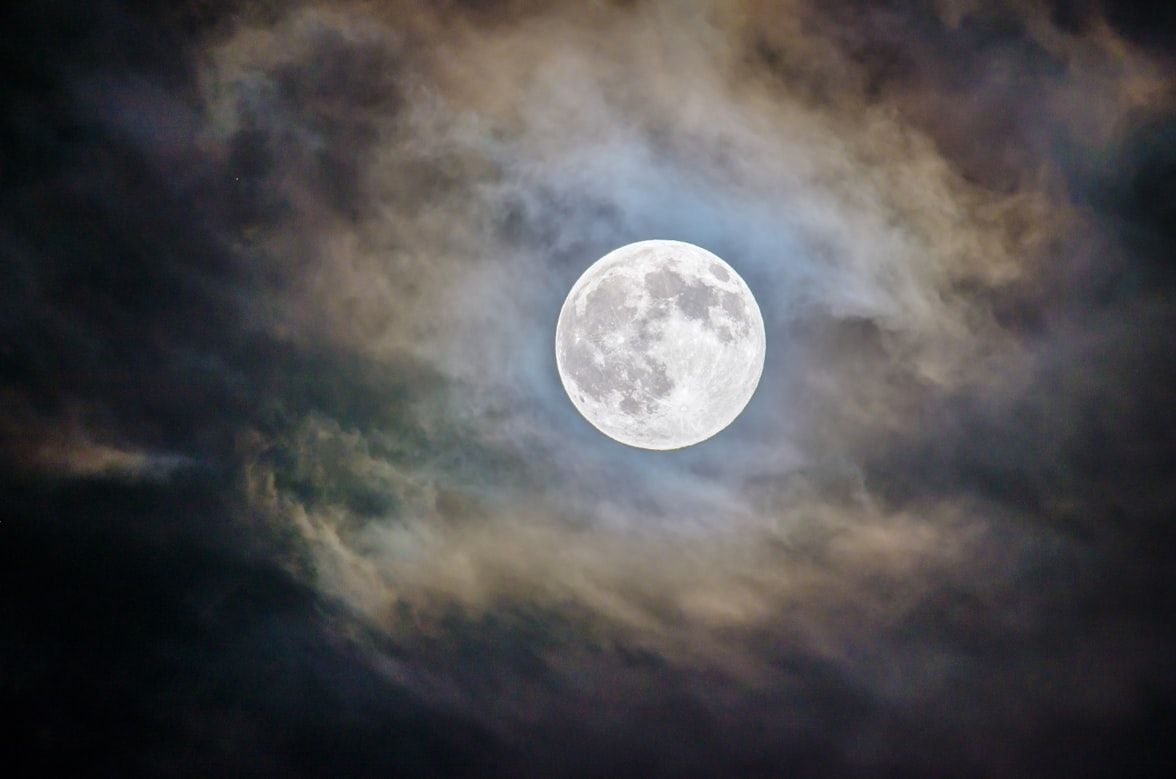
Readers of The New York Sun in 1835 were astonished by reports claiming that scientists had spotted bat-like people and crystal palaces on the Moon through a powerful new telescope.

The story was pure invention, but circulation went up. By the time the truth came out, the paper’s readership had reportedly increased dramatically.

6
The Crop Circles Craze

Image: Agent J

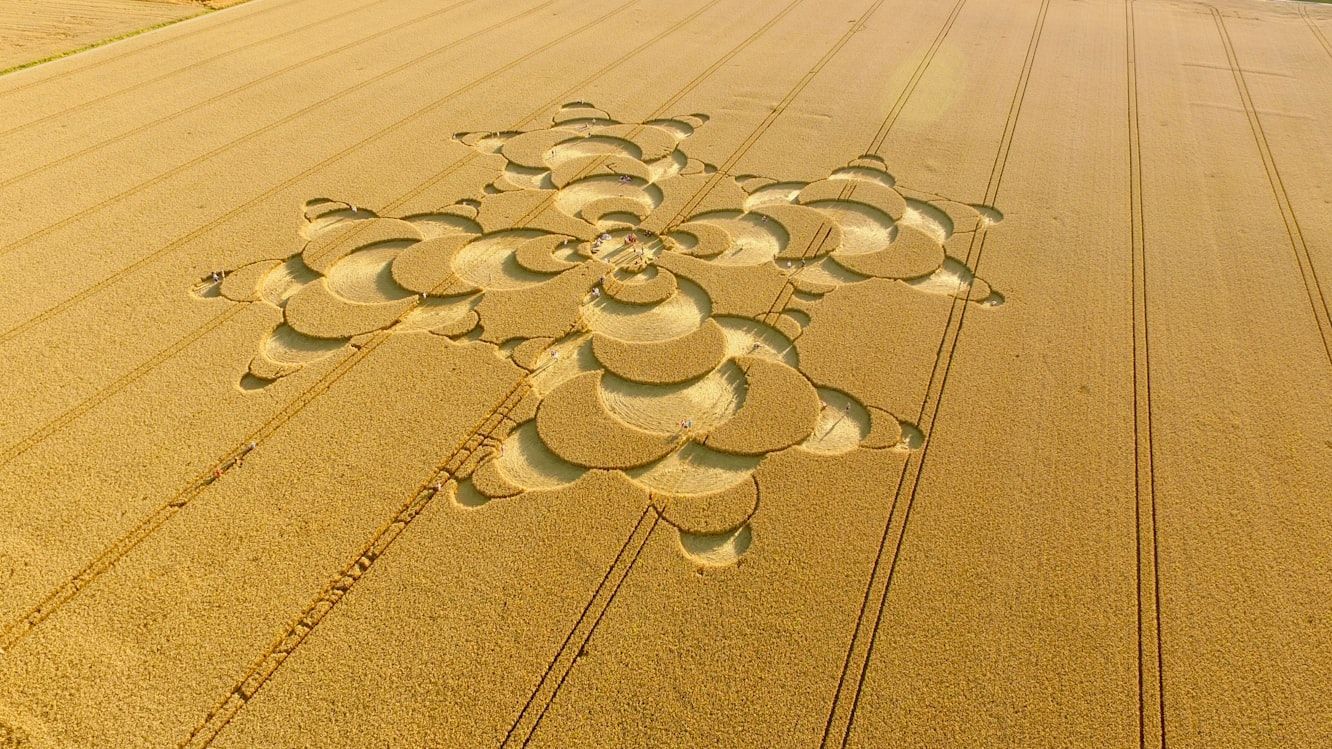
When perfect circles began appearing overnight in wheat fields , people talked about UFO landings. The shapes seemed too precise to have been made by human hands.

But, in 1991, two Englishmen confessed they’d used boards and ropes to flatten the crops. While this revelation explained many of the formations, the mystery lives on in popular imagination.

7
Alien Autopsy Film

Image: Leo_Visions

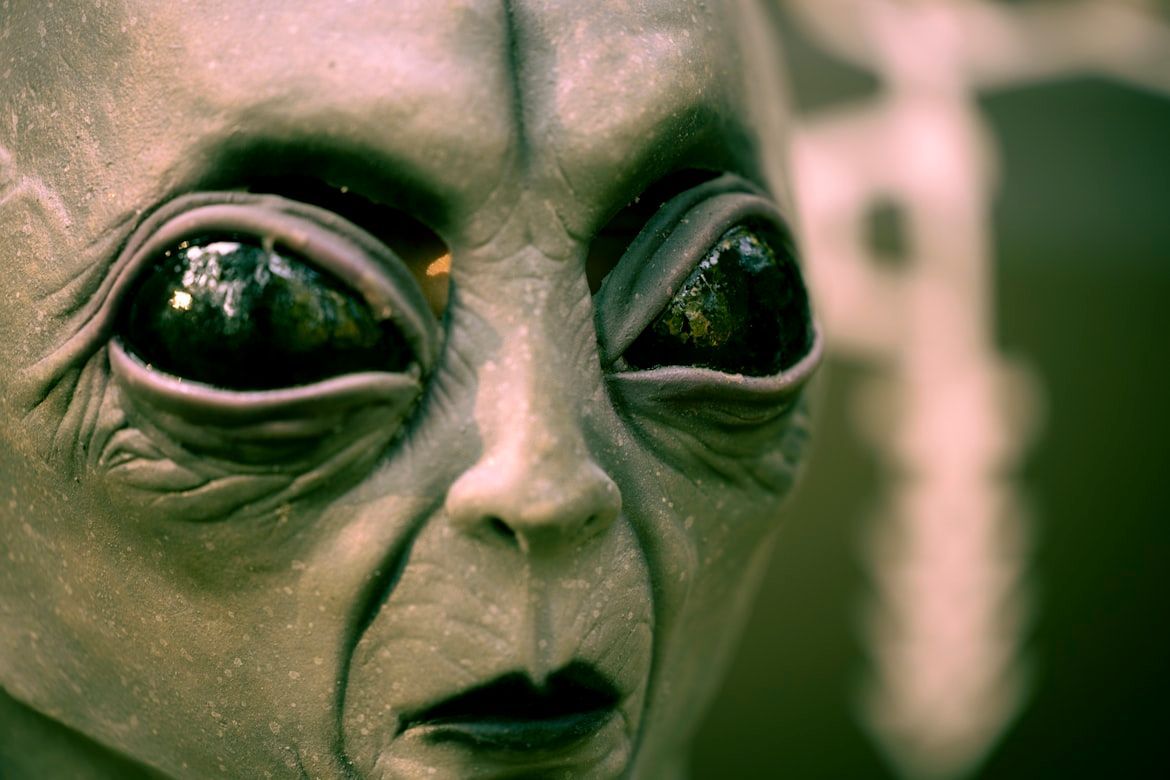
In 1995, a grainy black-and-white video surfaced, showing doctors dissecting what seemed to be an alien recovered from the 1947 Roswell crash. The footage spread quickly worldwide.

Years later, the filmmaker admitted that the film was staged, using latex models and fake organs.

8
The Manti Te’o girlfriend hoax

Image: Kaleb Becker

Notre Dame football star Manti Te’o captured hearts when he revealed that his girlfriend had died of leukemia . Sports fans wept over the tragic love story.

But reporters later learned that the woman never existed. It was an elaborate online catfishing scheme.

9
The Patterson–Gimlin Bigfoot film

Image: Jon Sailer

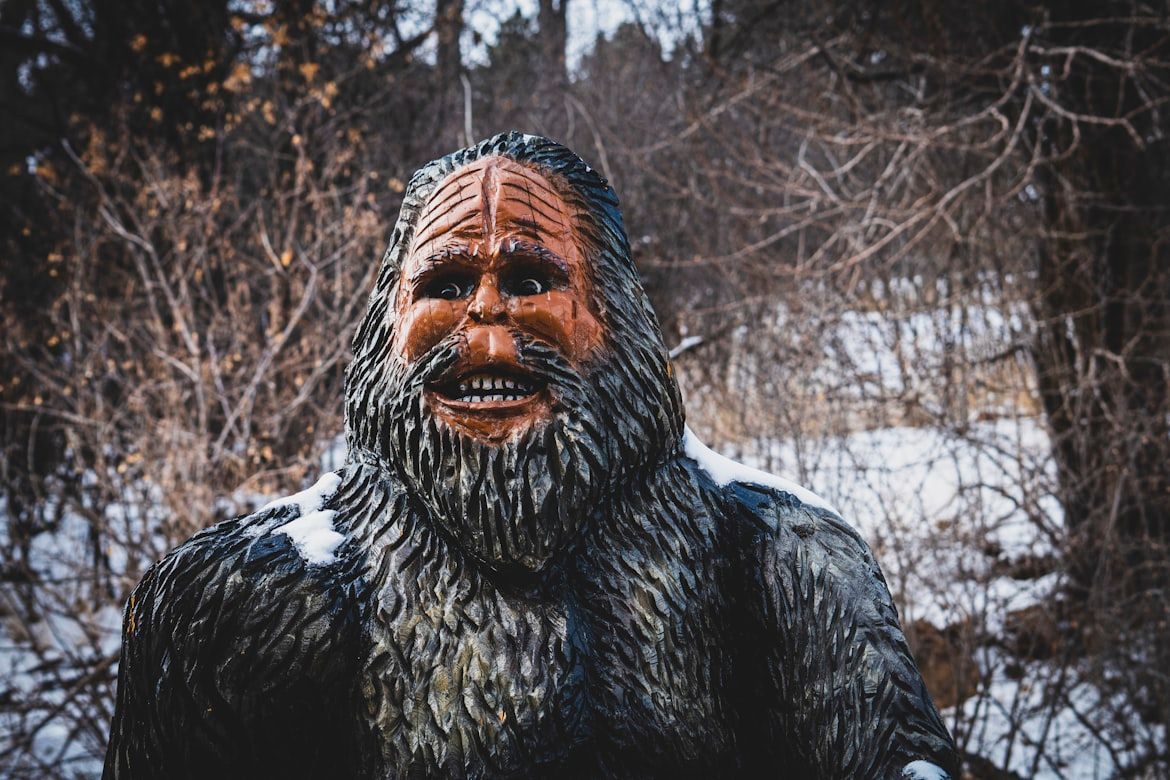
In 1967, a short film shot in California showed a large, hairy creature striding through the woods . Many viewers thought this was real proof of Bigfoot´s existence.

Decades later, one participant claimed it was a man in a gorilla suit, but that claim failed to convince many people who prefer to believe in the existence of this creature.

10
The Drake’s Plate of Brass

Image: David Dibert

In 1936, a shiny brass plate found in California seemed to confirm that explorer Sir Francis Drake had landed there in 1579. Historians called it a priceless relic.

For decades, the plate was displayed proudly, until metallurgical tests in 1977 proved it was modern . It had been made as a practical joke among historians that went too far.

11
Paul Is Dead

Image: Jiamin Huang

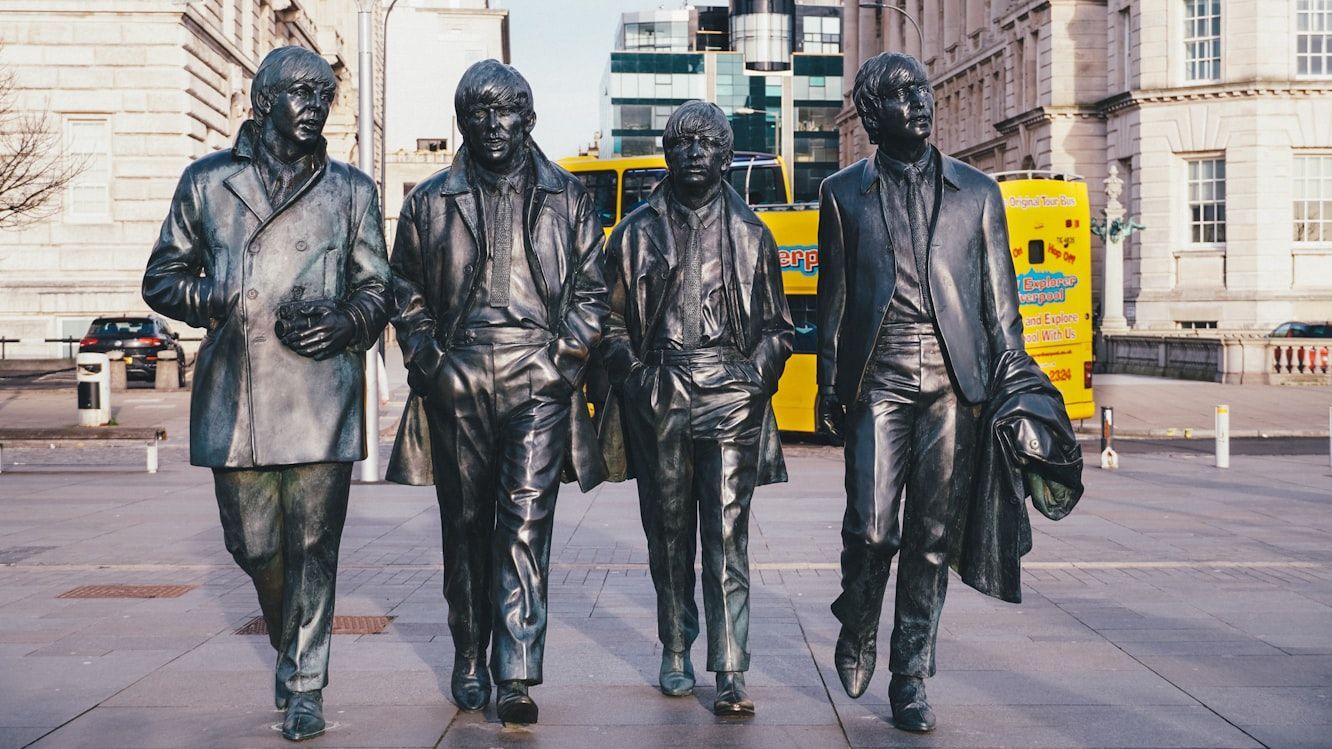
The final entry on our list might not be American per se, but it drew much attention on these shores. In 1969, rumors spread that Beatle Paul McCartney had died and been secretly replaced by a double . Fans scoured album covers for "clues" like hidden messages and backward songs.

Paul, very much alive, later joked about it. The bizarre theory became a lasting pop-culture phenomenon.

Explore more American facts

Choose your favorite category!

General
General

As American as apple pie—the very best America has to offer!

Culture
Culture

Delve into the astounding richness of American lore.

Geography
Geography

Hop in and explore vast and diverse American landscapes.

History
History

Discover the key moments that shaped the United States.