History History 7 min read

The history before the history

What were the thirteen colonies named after?
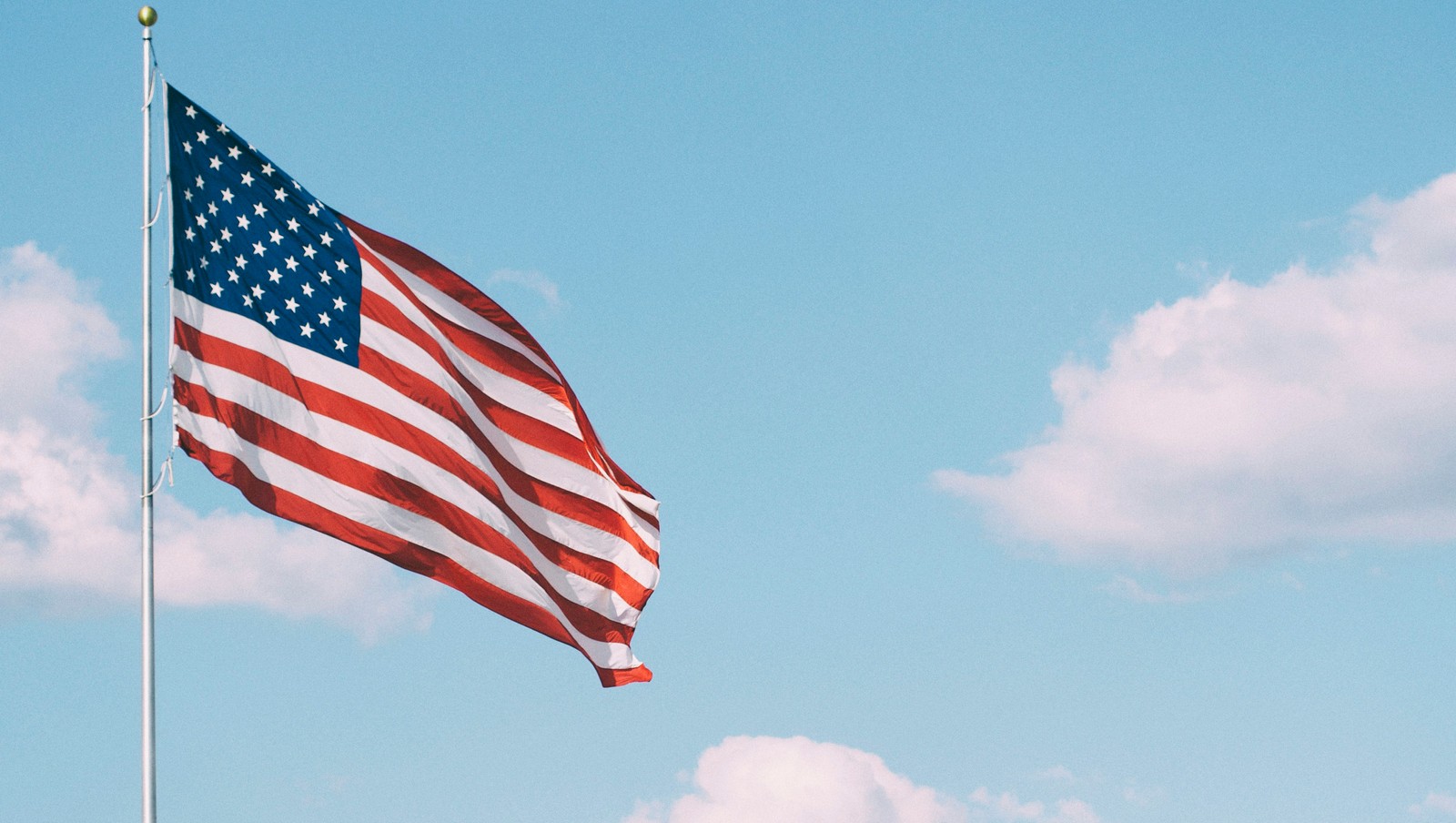
Image: Aaron Burden

The thirteen original colonies are the birthplace of America as a free country, but their history started way before 1776 . Did you know that there were actually only twelve proper colonies? Or that not all colonies were originally settled by the British? How did they come to be? What is the origin of their names? Let’s explore all these questions and more!

1
Virginia (1607)
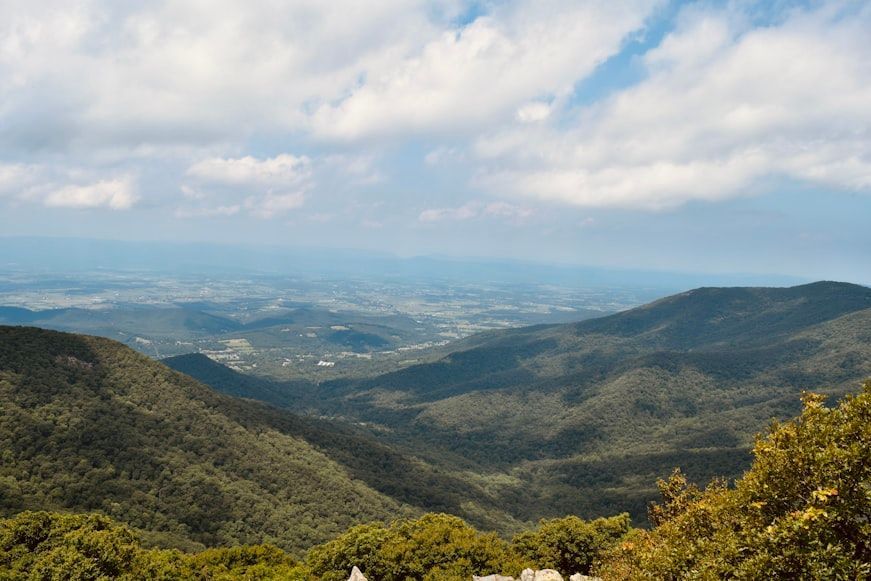
Image: Praswin Prakashan

Before being an established colony, the entirety of England’s territories in North America was referred to as Virginia. While it is commonly accepted that Sir Walter Raleigh named it after Elizabeth I, the Virgin Queen , some historians have suggested that it is the European rendering of Wingina , the name of that region’s native ruler.

The first two English settlements (in modern-day Newfoundland and North Carolina) were not successful. The third one, Jamestown, was settled by the Virginia Company as a charter (a sovereign’s permission to establish a colony). Eventually returned to the crown’s authority, it was officially known as the Virginia Colony. After the English Civil War, Charles II conferred on it the title of "Old Dominion" as a token of gratitude, a name that survives as the state’s current nickname.

2
Massachusetts (1620)
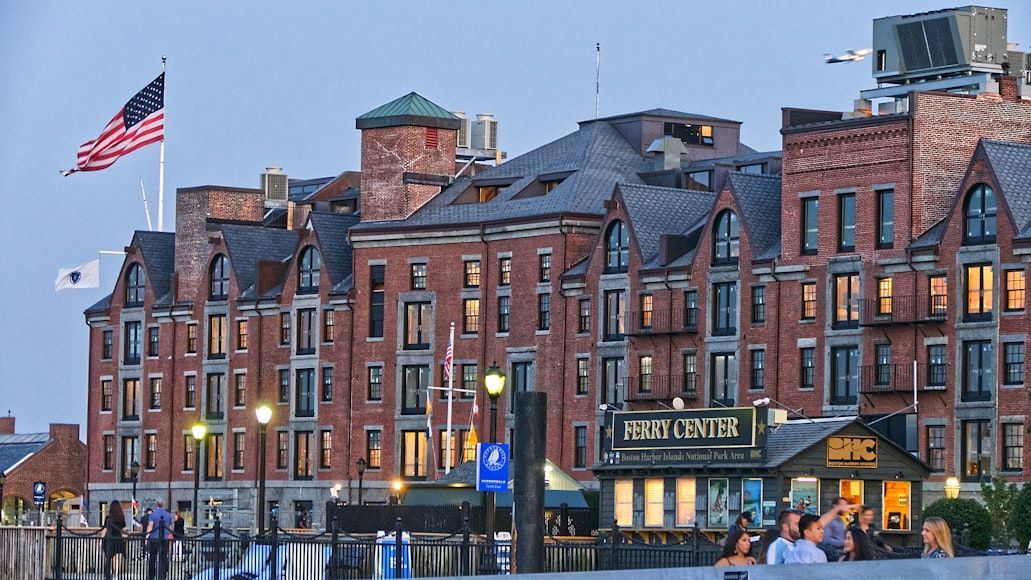
Image: Pascal Bernardon

Also established by charter, the Massachusetts Bay Colony was not only created for trading purposes, like other settlements. It was also intended as a safe haven for English Puritans who desired to escape persecution . Its charter and name changed several times due to the Civil War and political unrest. Eventually, several colonies were merged into the Dominion of New England and later into the Province of Massachusetts Bay.

The name Massachusetts was taken from the indigenous population of the region, an Algonquian tribe called the Massachusett or Muhsachuweesut . It is believed that the name means ‘by the great hills’ or ' at the range of hills’, in reference to the Blue Hills.

3
New Hampshire (1623)
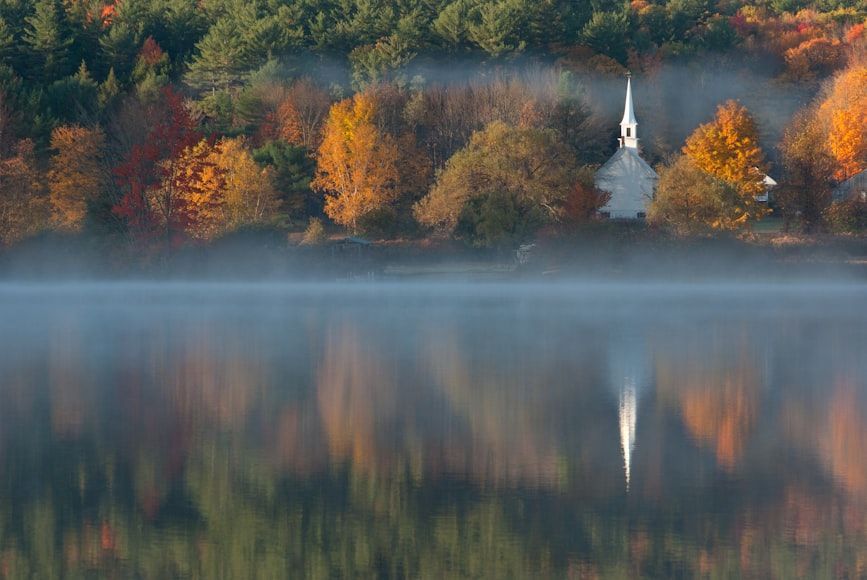
Image: Peter Lewis

The first settlements in New Hampshire were the result of land being granted to John Mason and Sir Ferdinando Gorges , neither of whom ever traveled to the region. Additional settlements in the area were established by colonists from Massachusetts Bay, who were unhappy with the strict Puritan rule of the colony.

Although John Mason had been born in Norfolk, he had ties to Hampshire County in South East England, after whom he decided to name his newly granted land . After Mason’s death, the region lacked a proper authority, and the settlers voted to be part of the Massachusetts Bay Colony. After the Civil War, the Province of New Hampshire was established by Charles II.

4
Maryland (1634)
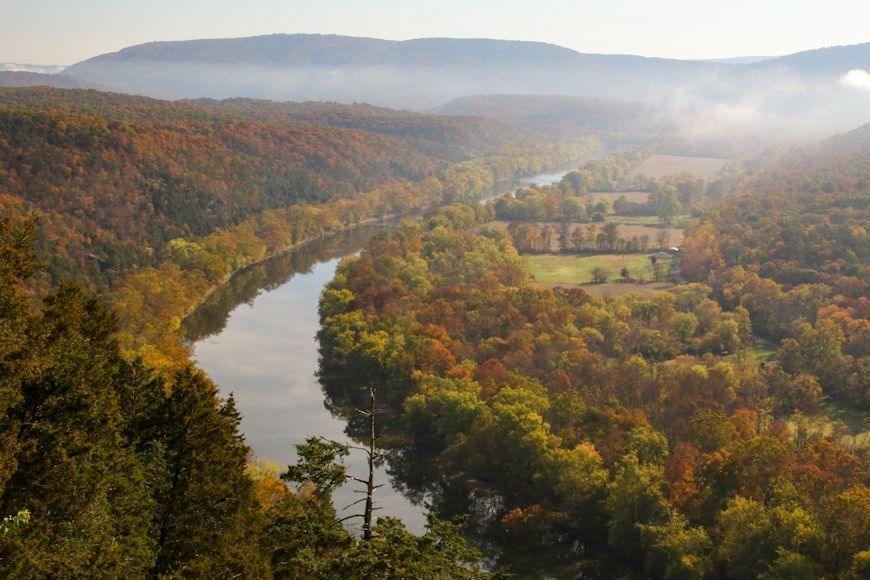
Image: Liz Guertin

A similar situation to the Massachusetts colony, Maryland was also established as a refuge from religious persecution, this time for Roman Catholics . With this purpose in mind, George Calvert, 1st Baron Baltimore, secured a land grant from Charles I. Despite several religious conflicts, Maryland remained one of the most tolerant colonies.

Maryland was named after Charles I’s wife, Henrietta Maria , who was a devout Catholic. Lord Baltimore had initially intended to use the name Crescentia (or ‘the land of growth’), but he decided to let the King choose the name. Charles named it Terra Mariae (Maria’s land), although the English version quickly became more widely used.

5
Connecticut (1636)
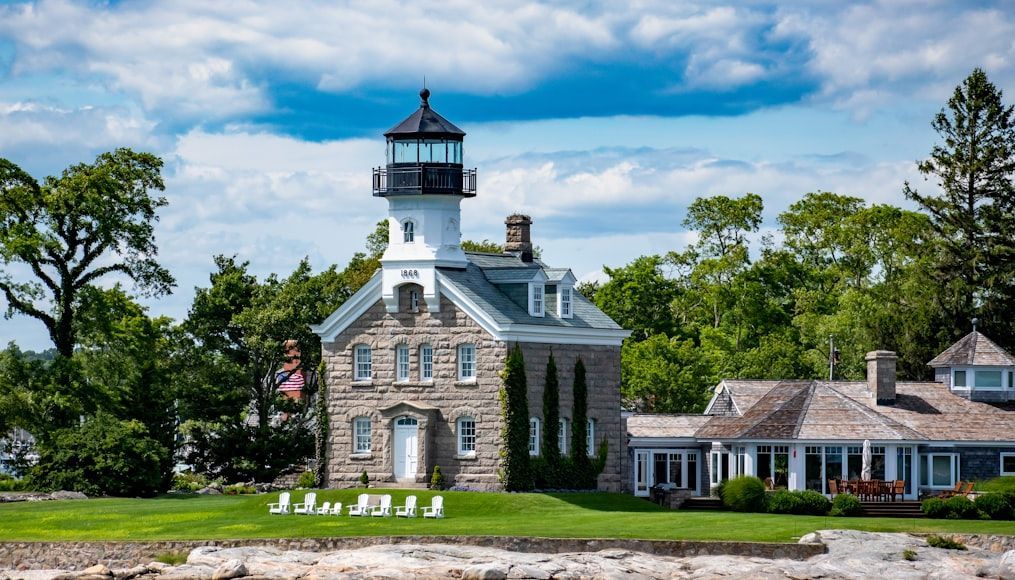
Image: Rusty Watson

The first settlements in the area were established by Dutch explorers, but English settlers soon arrived from the Plymouth colony in Massachusetts. The colony took its name from the Connecticut River , a corrupted form of the native words quinetucket and kwinitekw , meaning ‘beside the long, tidal river’.

Connecticut's current nickname, ‘the Constitution State’, is a reference to the Colony’s constitution, the Fundamental Orders of Connecticut , one of the earliest constitutions in modern history.

6
Rhode Island (1636)
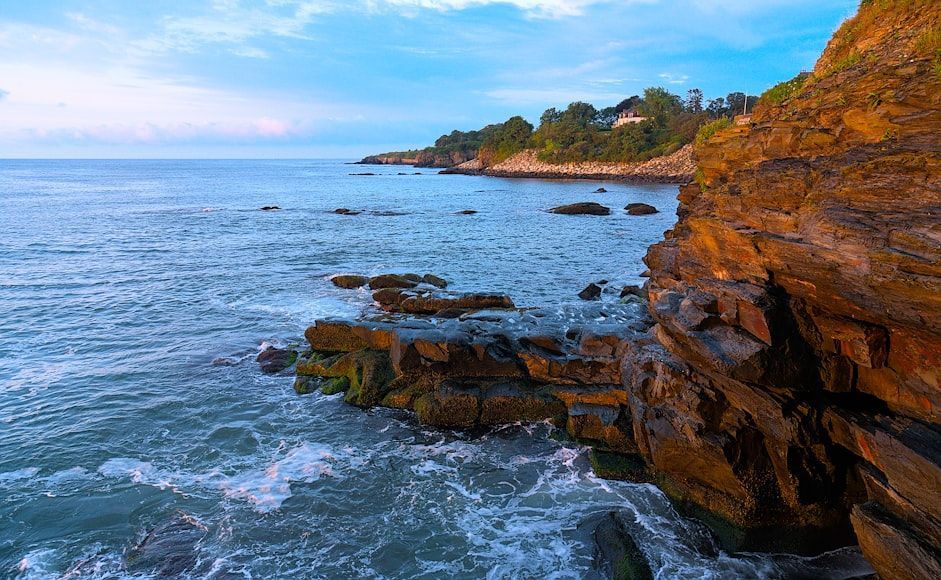
Image: Steve Anton

Founded by a Puritan minister who had been expelled from the Massachusetts Colony, Rhode Island was initially named Providence Plantations . Committed to ensuring religious freedom, it became a refuge for religious dissenters who found it difficult to live in the strict Puritan colonies. Later on, it merged with several other settlements —among them, Aquidneck Island, also known as Rhode Island— and took the name of the Colony of Rhode Island and Providence Plantations.

It’s uncertain where the name Rhode Island came from, but the two most likely theories cite either a connection with the Greek island of Rhodes or the Dutch phrase "een rodlich eylande" (‘a reddish island’) . All three names (Rhode Island, Island of Rhodes, and Red Island) are used in 17th-century documents.

7
North and South Carolina (1663)
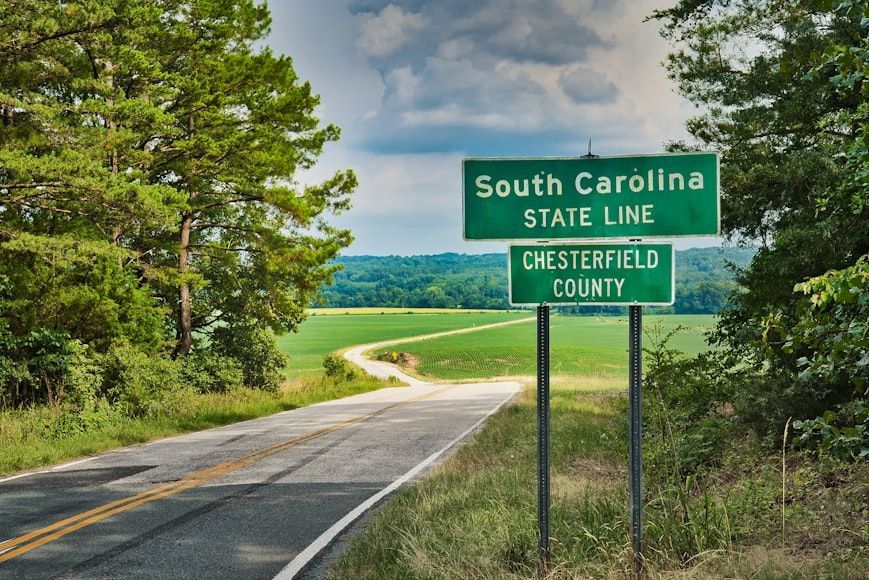
Image: Clint Patterson

Before there was a North and a South Carolina, there was just Carolina . The land of both colonies had been granted to various nobles as a reward for their role in the restoration of the monarchy. The charter granting the lands —which included areas from present-day North Carolina, Tennessee, South Carolina, Georgia, Alabama, Mississippi, and Florida— named them Carolina (from the Latin Carolus ) after King Charles I .

The area covered by the province of Carolina was divided into two distinct parts, and communication and transportation between the two proved difficult. A deputy governor for the northern region was initially appointed, but the noble proprietors eventually decided to divide the province into two , North Carolina and South Carolina.

8
New York (1664)
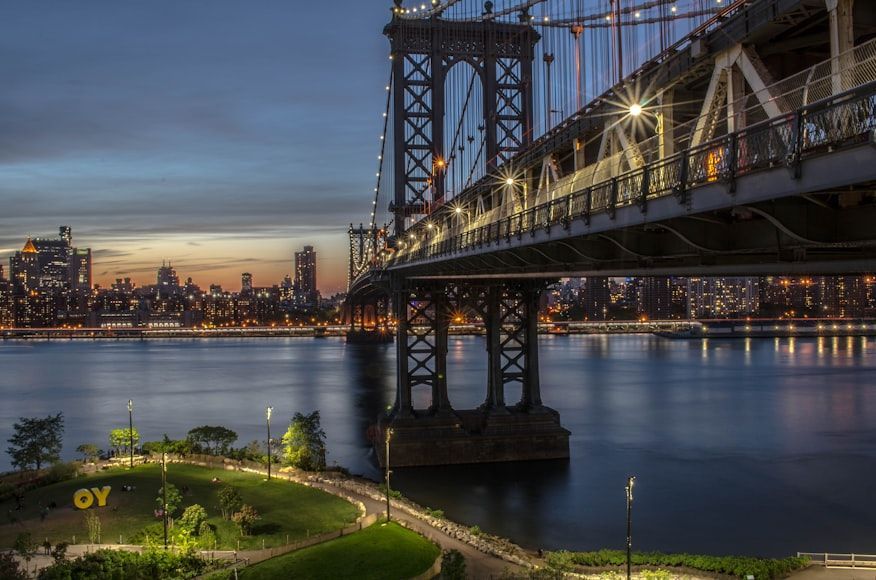
Image: Matthias Kinsella

It is a widely known fact that modern-day New York was initially colonized by Dutch settlers under the name ‘New Netherland’, with ‘New Amsterdam’ as its capital city . In 1664, King Charles II and his brother, the Duke of York, gathered a fleet to seize the New Netherland territories, a conquest disputed by the Dutch West India Company, the colony administrator.

The Duke of York was made proprietor of the territory, now renamed ‘New York’. In the following decade, the ownership of the territory was disputed, and the Dutch made several attempts to recover it. Eventually, the Treaty of Westminster was signed in 1674, where the Dutch forfeited the New York territories in exchange for the Suriname colony in South America.

9
Delaware (1664)
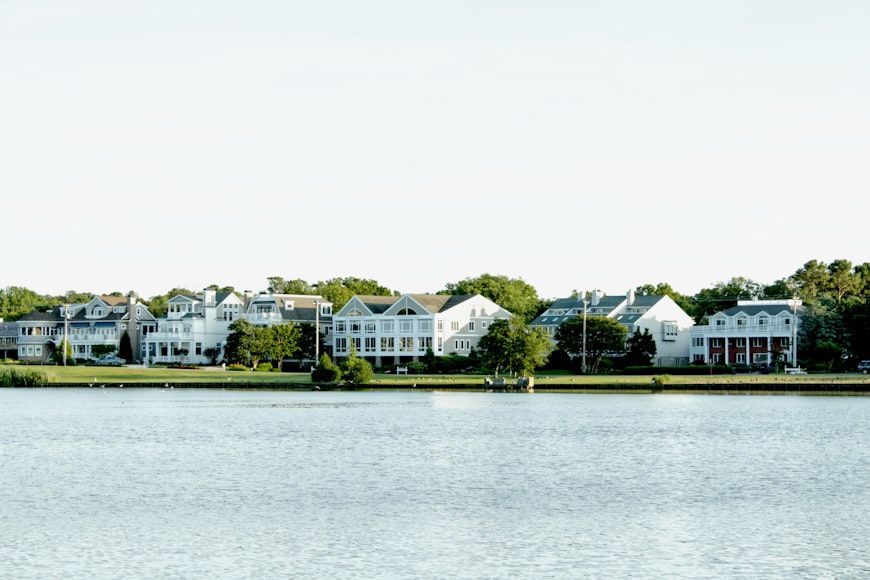
Image: Gökhan Kara

The territory of Delaware was originally part of New Netherland, which made it part of the New York Province after British conquest, but it was never effectively controlled by the New York government. These counties had taken their name from the neighboring Delaware River , which in turn had been named after Thomas West, 3rd Baron De La Warr, governor of Virginia at the time the English gained control of that territory.

While they were never a colony of their own, the Delaware counties had an independent legislature and functioned as a de facto colony. Later included in the land granted to William Penn, they refused to merge with the Pennsylvania government and were eventually granted their own assembly. At the start of the Revolutionary War, the Delaware assembly voted for separation from Britain, thus creating the state of Delaware.

10
New Jersey (1665)
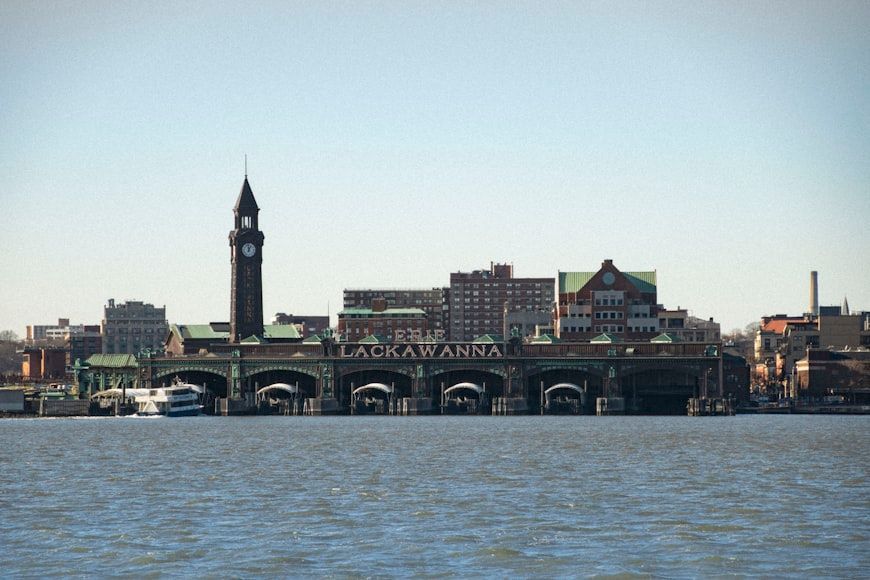
Image: R

Originally part of the New Netherland territory, half of the New Jersey territory was conferred by the Duke of York to Sir George Carteret as a reward, while the other half was sold to Lord Berkeley of Stratton. The territory was named after Carteret’s homeland, the island of Jersey .

A few years later, New Jersey was divided into two provinces, East and West Jersey , with their respective governors and constitutions, which were eventually incorporated into the New England Dominion, alongside the province of New York. However, the Dominion was dissolved after a few years, and the East and West Jersey territories were unified as the Province of New Jersey.

11
Pennsylvania (1681)
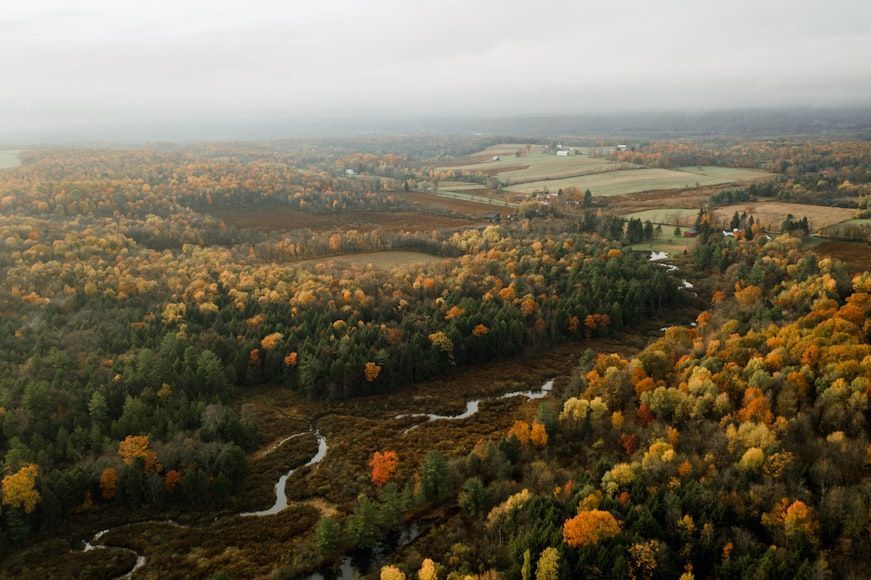
Image: Donnie Rosie

Pennsylvania, alongside Carolina, is one of the two major Restoration colonies, chartered by Charles II to reward loyal subjects after the war. In this case, it was conferred on William Penn, an influential Quaker thinker, to settle a debt owed to his father. Penn and his associates had already purchased most of the New Jersey territory to establish a Quaker haven, but religious tensions in England made him propose a mass emigration of Quakers to the King.

The king conferred Penn a large territory —which made him the largest private non-royal landowner— with almost absolute rights. While Penn intended to name the colony either ‘New Wales’ or ‘Sylvania’ (Latin for ‘forests’), the king named it Pennsylvania after Penn’s father . Penn personally travelled to the territory to establish the first settlements, signed treaties with the Lenape tribes of the area, and established a proto-constitution which guaranteed freedom of religion, elections, and trials by jury.

12
Georgia (1732)
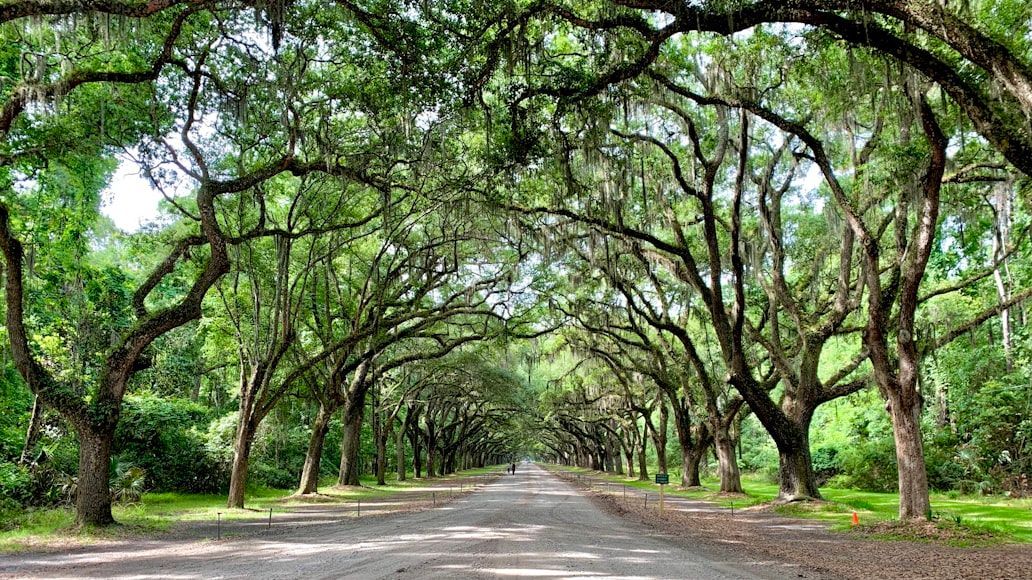
Image: Jacob Mathers

The last colony to be established, Georgia was chartered to James Oglethorpe by King George II, after whom it was named . A social reformer, Oglethorpe, wanted to establish the territory as a haven for debtors and poor people, and implemented measures such as the banning of alcohol and slavery. He also disliked the large plantation system, favoring smallholdings.

The colony was also intended to be a ‘buffer’ between the British colonies and the Spanish territories in Florida. Despite Oglethorpe’s well-intentioned designs, the colony was difficult to manage, and it was returned to the crown two decades later. Upon becoming a royal colony, Oglethorpe’s measures against slavery and the plantation system were overturned.
Culture Culture 3 min read

Tom Waits approves

Did you know about these 12 bizarre American musical moments?

Image: Peter Herrmann

Music in America has never been afraid to get weird. From homemade instruments and oddball inventions to accidental hits and cosmic jazz, our country’s history is full of unexpected sound. These 12 examples prove that when it comes to music, sometimes stranger is better.

1
Singing Tesla coils

In the early 2000s, engineers discovered that Tesla coils could emit tones by modulating the sparks themselves. When programmed, they could play songs using bursts of lightning as notes.

Audiences watched and listened as glowing bolts of electricity "sang" familiar tunes like movie themes. These displays, part science and part spectacle, were a short-lived trend, but they were interesting while they lasted.

Image: Brett Wharton

2
Franklin’s glass armonica

Benjamin Franklin invented many things. Among them, a glass armonica, using spinning glass bowls tuned by size . Players touched the rims with wet fingers to produce pure, haunting tones that seemed to shimmer in midair.

Its ghostly beauty amazed 18th-century audiences. Yet rumors spread that the vibrations could cause fainting or madness, making the momentum of the instrument short-lived.

Image: Karim MANJRA

3
Harry Partch’s microtonal instruments

Frustrated with the limits of Western scales, composer Harry Partch built a system using forty-three tones per octave . He crafted odd instruments from glass, bamboo, and metal to play them.

Performers had to relearn music from scratch, producing sounds that felt alien and ancient at once. His homemade orchestra became a true milestone in America’s experimental environment.

4
The theremin craze

Image: Ryunosuke Kikuno

Invented in the 1920s, the theremin created sound from invisible electromagnetic fields, played by moving hands through the air . It was one of the world’s first electronic instruments.

By the 1950s, its eerie wails filled American sci-fi movies and radio shows. Home versions soon appeared, letting living rooms buzz with strange, ghostlike melodies.

5
The Stroh violin

Back in the days when microphones were not so great at picking up sounds, early studios struggled to capture soft instruments. The Stroh violin solved that by replacing the wooden body with a brass horn that amplified sound directly .

Its brassy, nasal tone worked perfectly for primitive recording gear. Once technology advanced, the mechanical violin faded for good.

Image: Mick Haupt

6
Sun Ra’s cosmic jazz

Jazz mad scientist Sun Ra claimed he was born on Saturn and sent to Earth to spread peace through sound. His Arkestra mixed free jazz, chants, and futuristic costumes into wild multimedia performances .

Audiences never knew what to expect: space helmets, electronic keyboards, or cosmic sermons. His blend of myth, science, and swing launched Afrofuturism, a style of his own.

Image: Matt Artz

7
Singing saw

Rural American musicians once discovered that a regular handsaw could "sing" when bent and bowed like a violin . The flexible steel vibrated with a haunting, "human-like" voice.

The sound carried through old-time folk, gospel, and early film scores. Even today, the singing saw appears in grassroots festivals and soundtracks.

8
Prepared piano

Image: Andrew Petrischev

Avant-garde composer John Cage inserted screws, bolts, and rubber between piano strings, turning each key into a new percussive sound . The result was bizarre but original.

He called it the "prepared piano." Audiences heard rhythms that clanged, thumped, and chimed like a whole percussion ensemble.

9
Moog synthesizer

Image: Adi Goldstein

The Moog was born in the late 1960s with its maze of knobs and wires , and it caused a sensation among musicians. Those who experimented found endless possibilities in its electronic tones .

From the Monterey Pop Festival to Wendy Carlos’s soundtracks for The Shining and A Clockwork Orange , the Moog’s strange bleeps reshaped American pop.

10
The Singing Nun

In 1963, a Belgian nun named Sister Luc-Gabrielle unexpectedly topped U.S. charts with "Dominique," sung in gentle French. Her purity and optimism charmed listeners across the country.

Her hit briefly outshone even the Beatles. Though her fame faded quickly, the story of a shy nun reaching number one remains a sweet oddity, for sure.

Image: Pete F

11
The "Longplayer" experiment

Launched in 1999, "Longplayer" is a music piece designed to play continuously for one thousand years without repeating . It was created by American artists who joined the project to maintain its endless cycle.

The music changes subtly with time, echoing life’s slow rhythm. Its creators call it "a conversation between centuries".

12
Hard-drive symphonies

Image: Borja Verbena

In the 2010s, hobbyists reprogrammed old computer drives to "play" songs by spinning and clicking at different speeds . Each tone came from mechanical motion, not speakers.

Videos of clattering machines performing pop hits can still be found all over YouTube. These homemade orchestras turned computer nostalgia into an art.

Culture Culture 4 min read

Which one’s your favorite?

From Gilligan to Alf: 10 great TV series from back in the day

Image: DS Stories

For decades now, television series have been a part of our culture. And while many have faded into oblivion, quite a few are fondly remembered by fans all over the world, even years after their endings. Maybe it has to do with nostalgia, or perhaps it is something else, but no one can deny that characters like MacGyver or Alf are very much alive in pop culture. The following 10 are just a handful of the ones deserving a spot on this list, but still, these are the ones we remembered the most. Which ones do you recall?

1
The Twilight Zone

Image: Artie_Navarre

The first show on our list was a fantasy science-fiction series created and presented by Rod Serling, which ran for five seasons from 1959 to 1964. Each episode presented a standalone story in which characters dealt with often disturbing or unusual events , an experience described as entering "the Twilight Zone", often with a surprise ending.

Since the show appeared, the phrase "Twilight Zone" has become a household term used to describe surreal experiences. The series featured both established stars and younger actors who would become much better known later.

2
Bewitched

Image: RDNE Stock project

America’s favorite witch, Samantha Stephens was the star of Bewitched , a sitcom series that aired from 1964 to 1972. The plot of the show revolves around a witch who marries an ordinary mortal man and leads the life of a typical suburban housewife.

The show was popular and starred Elizabeth Montgomery as Samantha Stephens, Dick York as Darrin Stephens, and Agnes Moorehead as Endora, Samantha’s mother.

3
Gilligan’s Island

Image: Michael

Its iconic soundtrack and Gilligan’s bucket hat remain a part of today’s pop culture. This sitcom aired from 1964 to 1967, and it followed the misadventures of seven castaways trying to survive on an island where they shipwrecked.

Most episodes revolve around the different castaways’ conflicts and their unsuccessful attempts to escape the island, with the ship’s first mate, Gilligan, usually being responsible for the failures.

4
M A S H

Image: The Australian War Memorial

This comedy-drama aired from 1972 to 1983 and was a spinoff of the 1970 film M A S H. The series follows a team of doctors and support staff stationed at the "4077th Mobile Army Surgical Hospital" (hence the name, M A S H) in South Korea during the Korean War.

The series included broad comedy and tragic drama and was one of the highest-rated shows in U.S. television history, regarded by many as one of the greatest television shows of all time. Its final episode remains both the most-watched finale of any television series and the most-watched episode of a scripted series.

5
Mister Rogers' Neighborhood

Image: Yannis H

Very few people in showbusiness, if any, are as widely appreciated as Fred Rogers, the host of Mister Rogers’ Neighborhood . Both his onstage and offstage persona were filled with a wholesome warmth that became an oasis in an increasingly loud and superficial medium as national television.

His half-hour educational children’s television show ran from 1968 to 2001. The series was aimed primarily at preschool children ages 2 to 5, but it was labeled by PBS as "appropriate for all ages".

6
Knight Rider

Image: Arthur Besnard

The television series that showcased a young David Hasselhoff helping people in distress with his talking car aired from 1982 to 1986. Michael Knight (Hasselhoff’s character) was a modern-day crime-fighter who used a technologically advanced, artificially intelligent automobile.

The car, named KITT, was virtually indestructible due to a high-tech coating applied to it. Knight Rider stories usually depicted either average citizens or ethical heads of corporations being bullied into subservience to an overbearing or ruthless criminal organization.

7
Cheers

Image: Alex Knight

A feelgood series, Cheers aired from 1982 to 1993. It was set in a bar of the same name in Boston, owned by former Red Sox pitcher Sam Malone, where a group of locals met to drink, relax, socialize, and escape from their daily routine.

During its run, Cheers became one of the most popular series in history, received critical acclaim from its start to its end, and is frequently cited as one of the greatest television shows of all time.

8
Sledge Hammer!

Image: kampfmonchichi

Its short lifespan (two seasons) didn’t prevent Sledge Hammer! from leaving a mark in pop culture. This satirical police sitcom aired from 1986 to 1988 and featured Inspector Sledge Hammer, a volatile agent of the law who solved crimes with outlandish methods. Hammer was accompanied by his partner, Dori Doreau, and the irascible police captain, Trunk.

9
MacGyver

Image: Nipun Haldar

MacGyver was the name of the show and the character who sold a million Swiss Army knives. It was an action-adventure television series starring Richard Dean Anderson as Angus MacGyver, a secret agent armed with remarkable scientific resourcefulness to solve any problem out in the field using any materials at hand.

The show aired from 1985 to 1992 and was a ratings success. While some reboots for the series appeared in the years after its ending, none of those managed to achieve its predecessor’s success.

10
Alf

Image: Erik Mclean

The extra-terrestrial being that crash-landed in the Tanner family garage, Alf, had a hit sitcom that aired from 1986 to 1990. The series starred Max Wright as the ather, Willie Tanner, Anne Schedeen as the mother, Kate Tanner, and Andrea Elson and Benji Gregory as their children, Lynn and Brian Tanner.

As in the case of MacGyver , a few years after the original series ended, some reboots were announced.

Explore more American facts

Choose your favorite category!

General
General

As American as apple pie—the very best America has to offer!

Culture
Culture

Delve into the astounding richness of American lore.

Geography
Geography

Hop in and explore vast and diverse American landscapes.

History
History

Discover the key moments that shaped the United States.