General General 5 min read

Historic ghost towns open for visitors

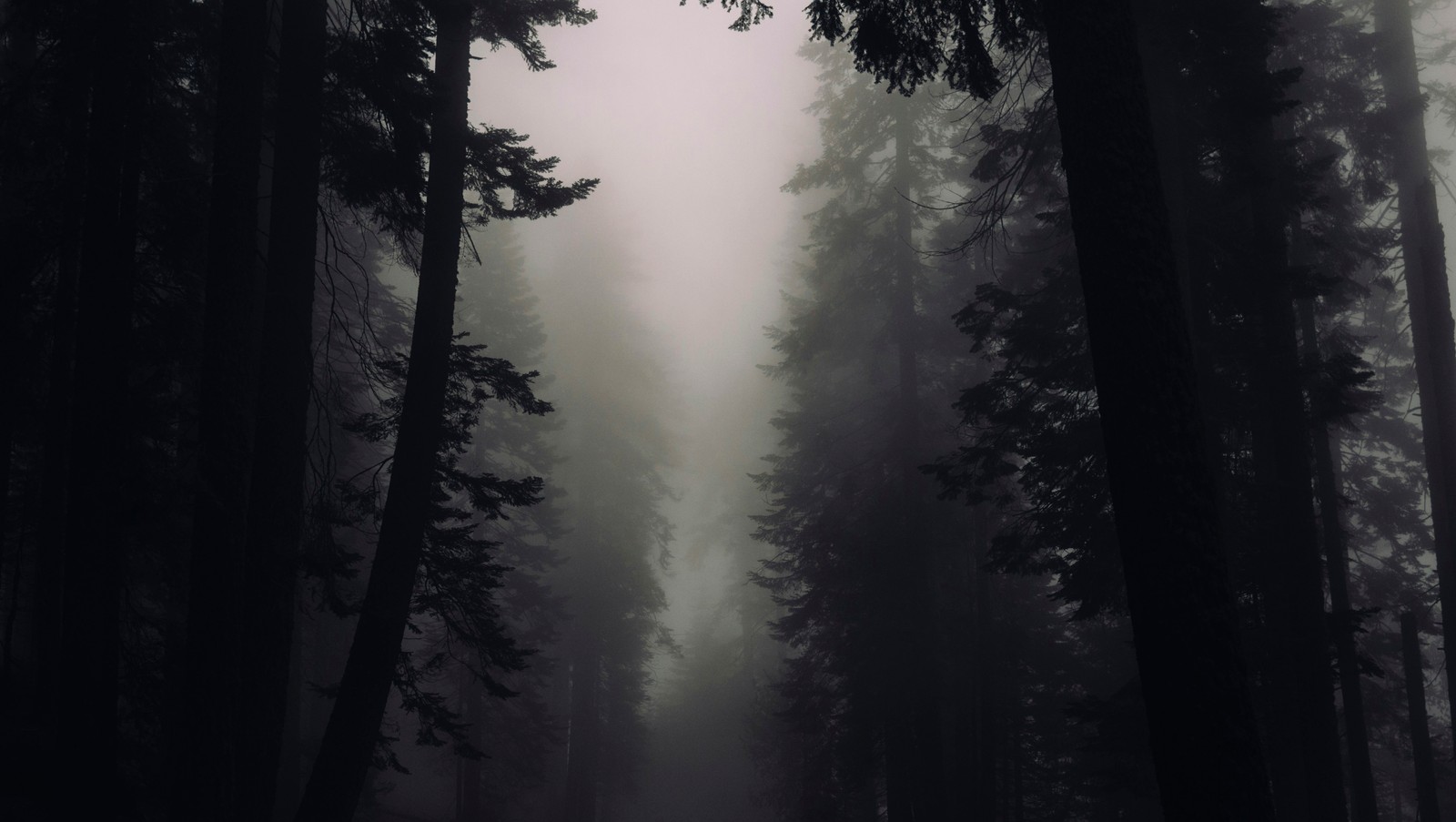
What happens when an entire town just disappears?
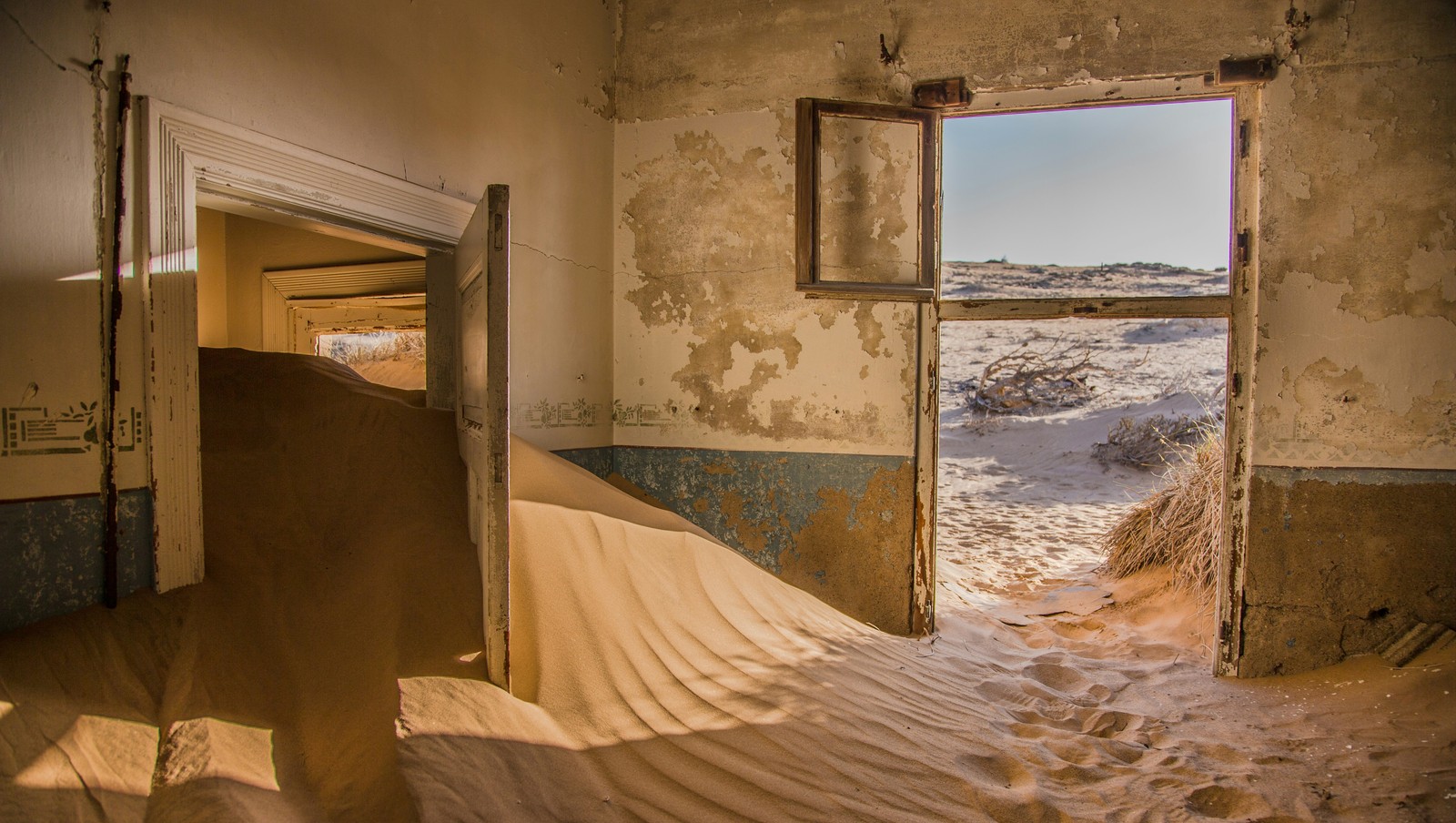
Image: jean wimmerlin

Ever wondered what happened to those Wild West towns after the gold rush ended? Or where all those miners went when the silver ran out? Across America, dozens of ghost towns sit frozen in time, waiting for curious travelers like you to explore their dusty streets . Get ready to explore ten of America's most fascinating ghost towns that are still standing and open for visitors.

1
Bodie, California
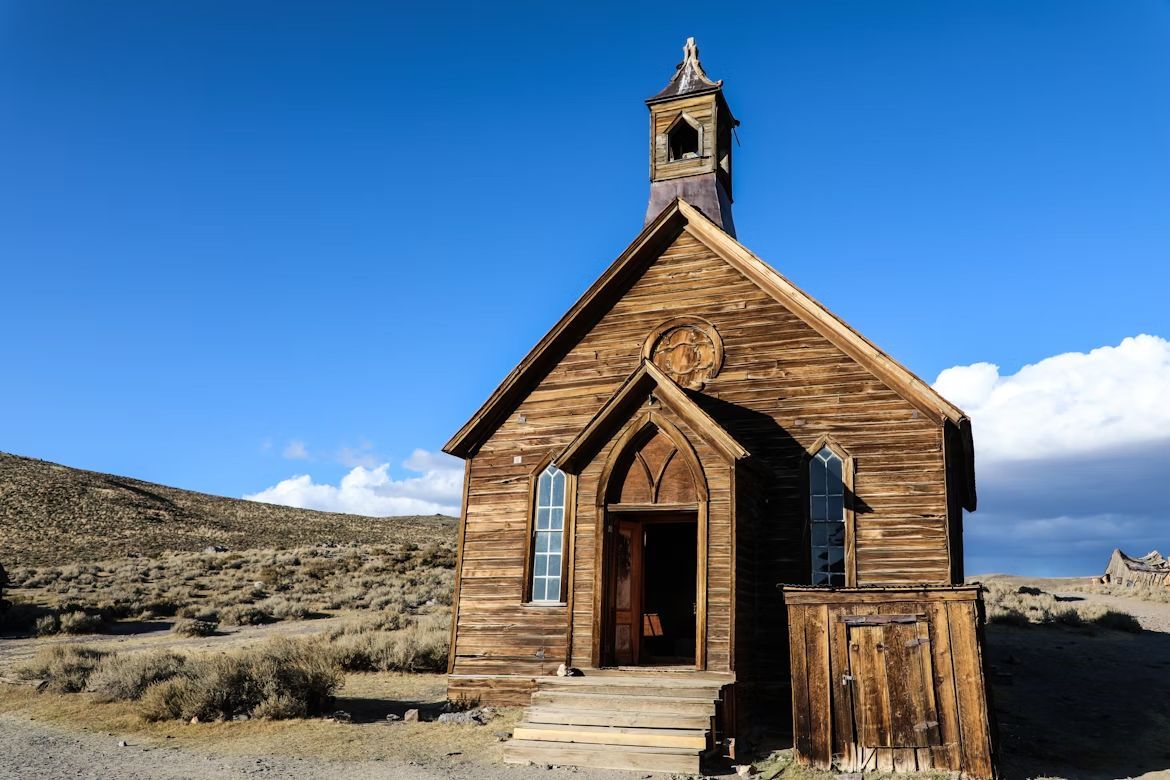
Image: Michael & Diane Weidner

This former gold-mining hub in the Sierra Nevada once boasted nearly 10,000 residents, dozens of saloons, and a reputation for being one of the wildest towns in the West. Today, it's preserved in a state of "arrested decay," meaning the buildings are maintained exactly as they were found, complete with dishes still on tables and goods still on store shelves .

The California State Parks system manages Bodie, which means it's well-maintained but authentically eerie. About 200 buildings still stand, including a church, schoolhouse, and that infamous red-light district (though considerably quieter now).

2
Jerome, Arizona
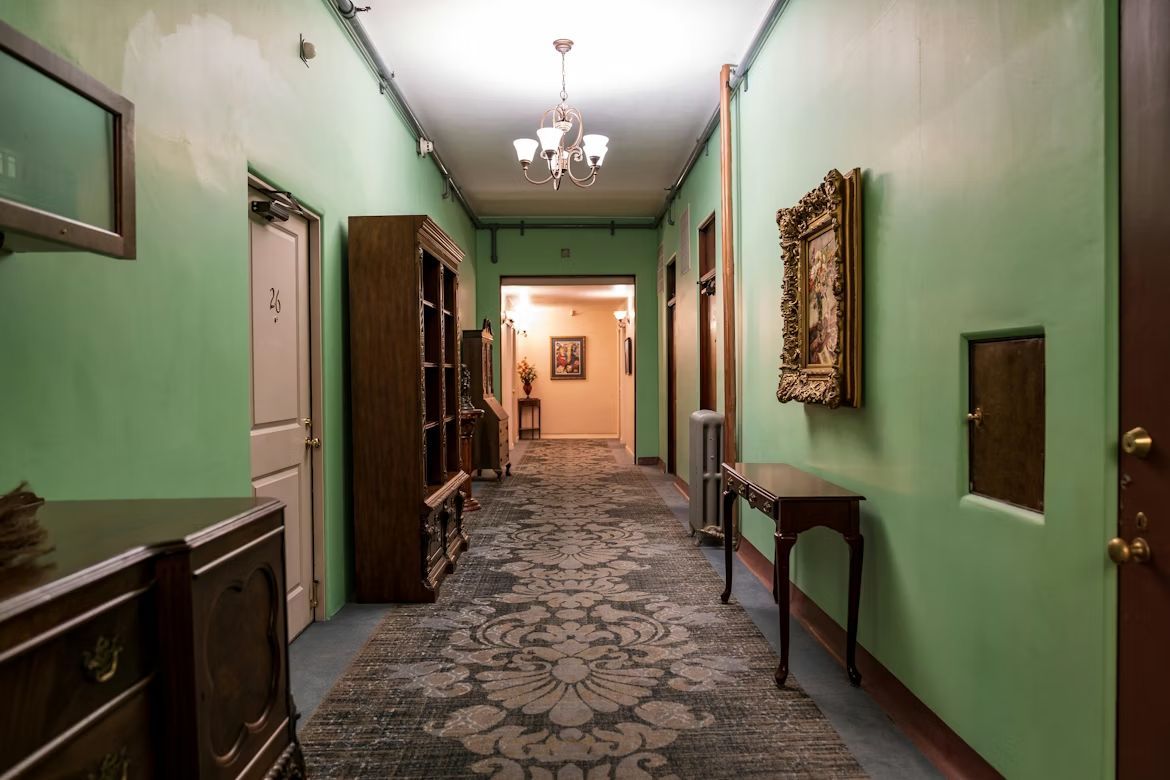
Image: Strange Happenings

Perched impossibly on Cleopatra Hill in central Arizona, Jerome has pulled off the ultimate comeback story. This former copper mining town was literally sliding down the mountain in the 1950s, but instead of becoming a pile of rubble at the bottom, it reinvented itself as an artist colony and tourist destination. Today, it's one of the few ghost towns where you can actually spend the night, grab dinner, and browse art galleries .

The town's steep streets are lined with buildings that seem to defy gravity, and many claim the place is seriously haunted: the Jerome Grand Hotel, a former hospital, supposedly has particularly active spirits. Whether you believe in ghosts or not, you'll definitely believe in the impressive engineering it took to build a town on a 30-degree slope.

3
Rhyolite, Nevada
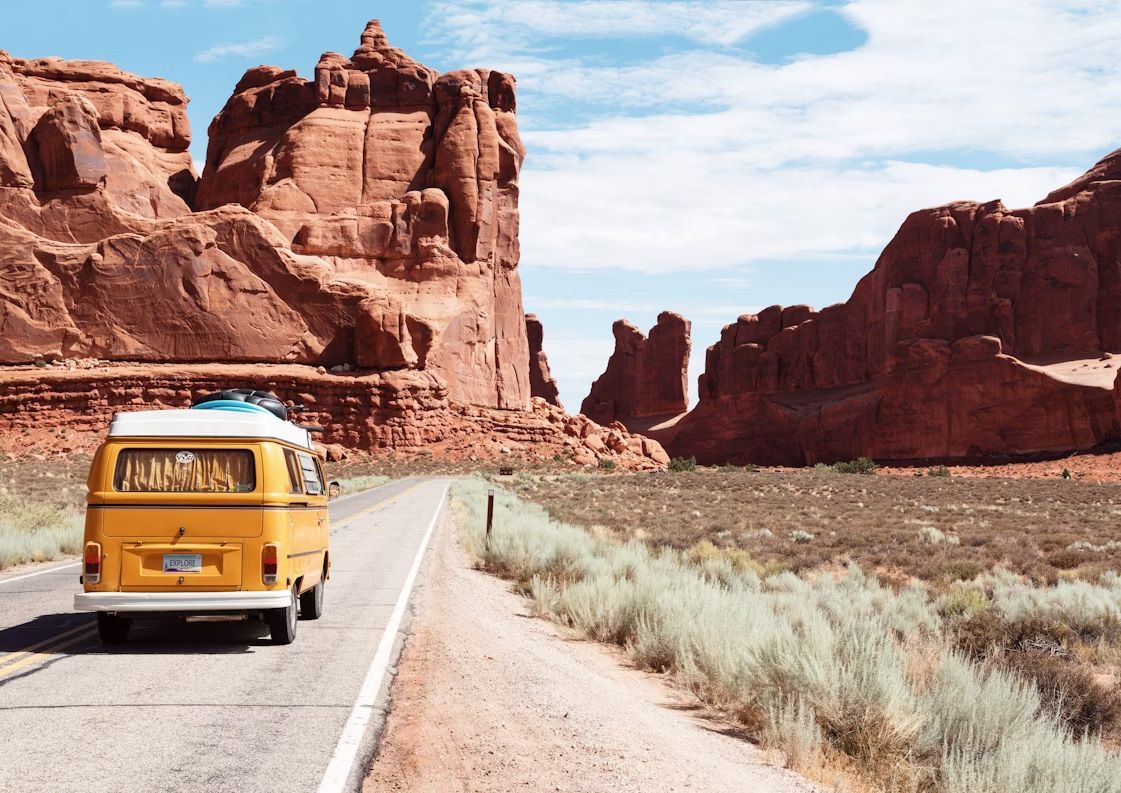
Image: Dino Reichmuth

In 1905, this place exploded from nothing to a town of 5,000 people in just two years, complete with electric lights, a stock exchange, and even an opera house. Then the financial panic of 1907 hit, the mines proved less profitable than hoped, and by 1916, the lights went out for good.

What makes Rhyolite especially photogenic are the ruins themselves—massive concrete structures and the famous Bottle House, built entirely from beer and liquor bottles . The three-story bank building and the remnants of the jail are particularly impressive, showing just how convinced everyone was that this town would last forever.

4
St. Elmo, Colorado

Image: Arturo Rivera

Tucked in the Sawatch Range at 10,000 feet, St. Elmo is Colorado's best-preserved ghost town and one of the most visited. Founded in 1880 as a mining and rail hub, it once had a population of 2,000 people and all the amenities a Victorian-era miner could want.

What really sets St. Elmo apart is accessibility and atmosphere. It's an easy drive from nearby towns, and during the summer months, a few seasonal residents actually run the general store, selling snacks and souvenirs .

5
Bannack, Montana
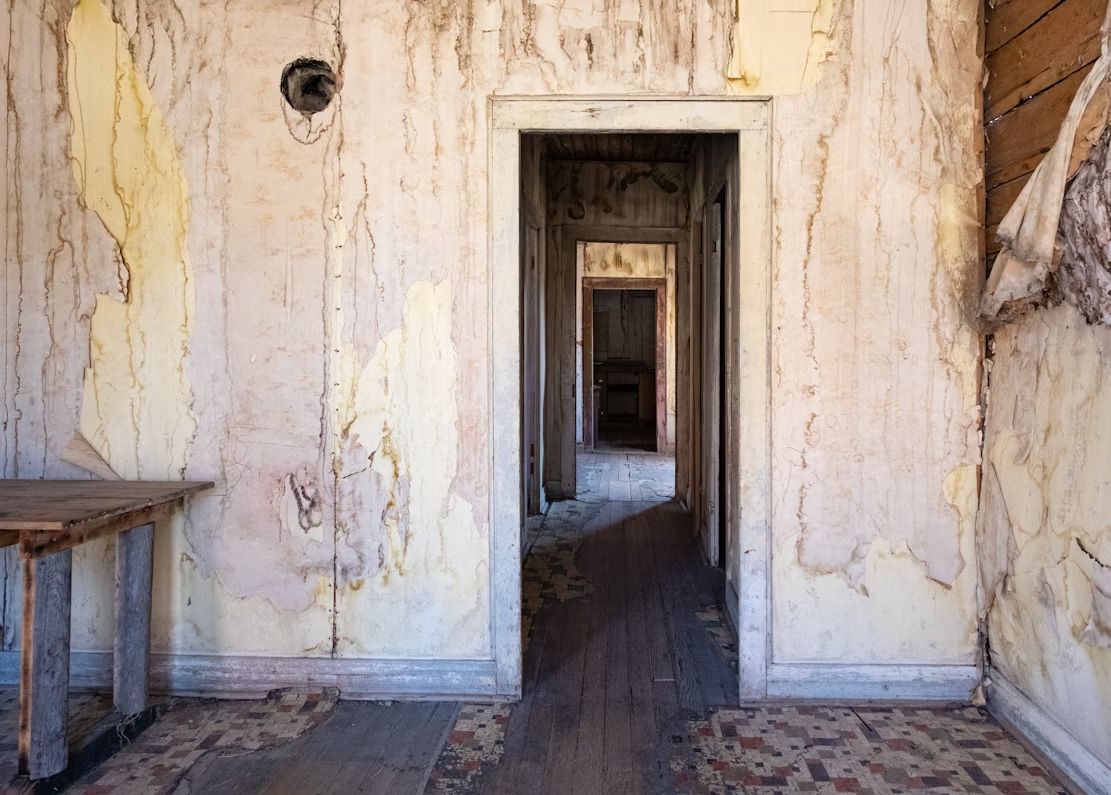
Image: Donald Merrill

Montana's first territorial capital, Bannack, sprang up in 1862 after gold was discovered in Grasshopper Creek. Within a year, it had 3,000 residents and a serious problem with road agents (fancy term for bandits). The town's sheriff, Henry Plummer, turned out to be secretly leading the gang of robbers—one of the West's great scandals. After Plummer was hanged by vigilantes in 1864, Bannack settled down, but eventually, the gold ran out, and so did the people. The last residents left in the 1970s.

Now a well-preserved state park, Bannack features over 60 structures you can explore, including the hotel, church, schoolhouse, and Plummer's old jail . They even host a popular "Bannack Days" event each July with period costumes, demonstrations, and activities.

6
Grafton, Utah
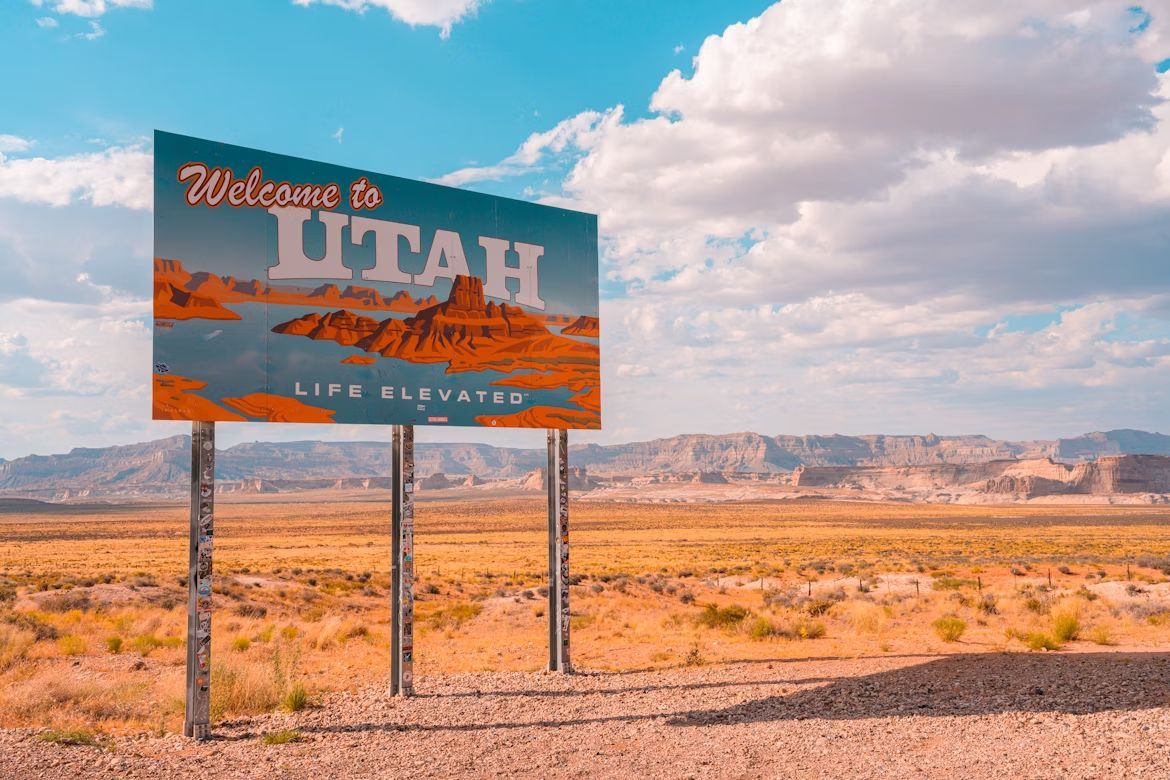
Image: Arturo Rivera

This tiny Mormon settlement near Zion National Park has been featured in dozens of movies and commercials, most famously in "Butch Cassidy and the Sundance Kid." Founded in 1859, Grafton struggled with flooding from the Virgin River, conflicts with Native Americans, and general isolation. By 1944, the last resident had left, but unlike many ghost towns, Grafton's buildings were later restored and maintained by preservation groups.

Today, only a handful of structures remain—a schoolhouse, a church, and a few cabins—but they're set against absolutely spectacular red rock canyon scenery . The Grafton Cemetery, still maintained by descendants, sits on a hill with jaw-dropping views. It's free to visit, though donations are encouraged for preservation efforts.

7
Terlingua, Texas
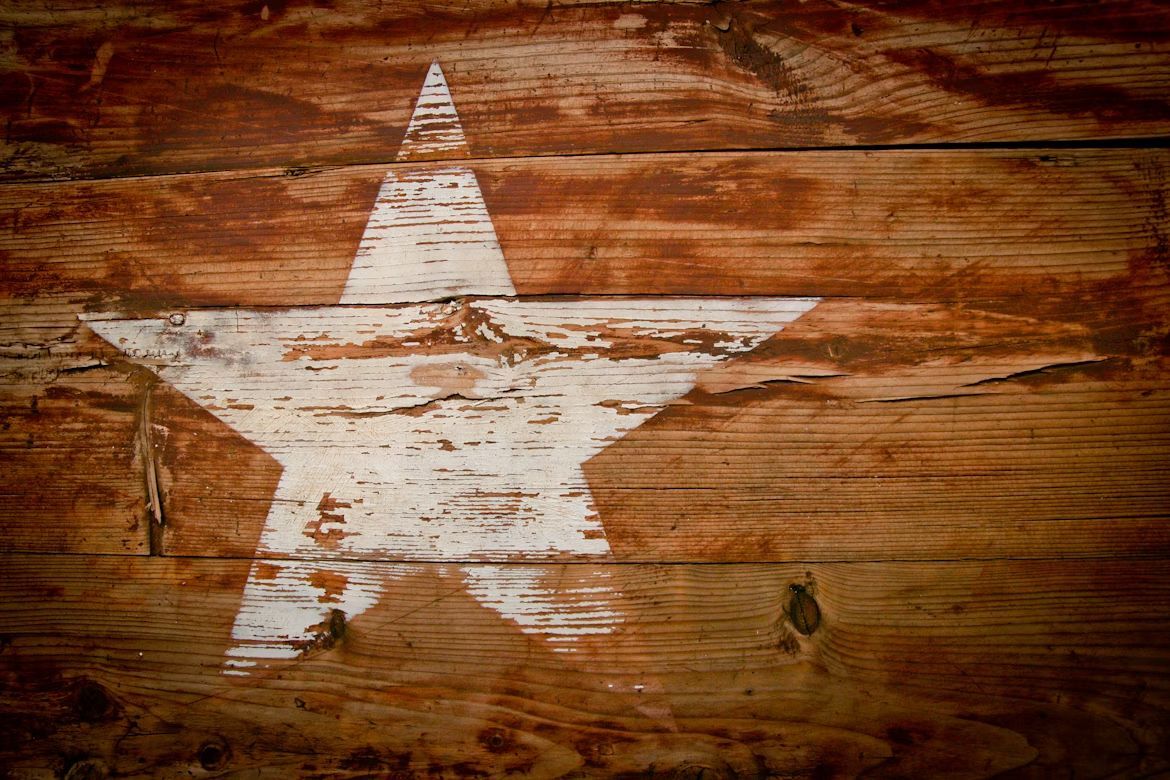
Image: Glen Carrie

Once a thriving mercury mining town with 2,000 residents, it collapsed in the 1940s when the mines closed. Today, it's home to about 60 full-time residents, plus a rotating cast of artists, wanderers, and people who just couldn't handle civilization anymore.

The original townsite features impressive ruins of the Chisos Mining Company headquarters, a crumbling movie theater, and a cemetery with elaborate Mexican grave decorations . But the real attraction is the eccentric present-day community that's grown up around the ruins. You can stay in unique lodgings, eat at the famous Starlight Theatre, and experience some of the darkest night skies in the continental US.

8
Garnet, Montana
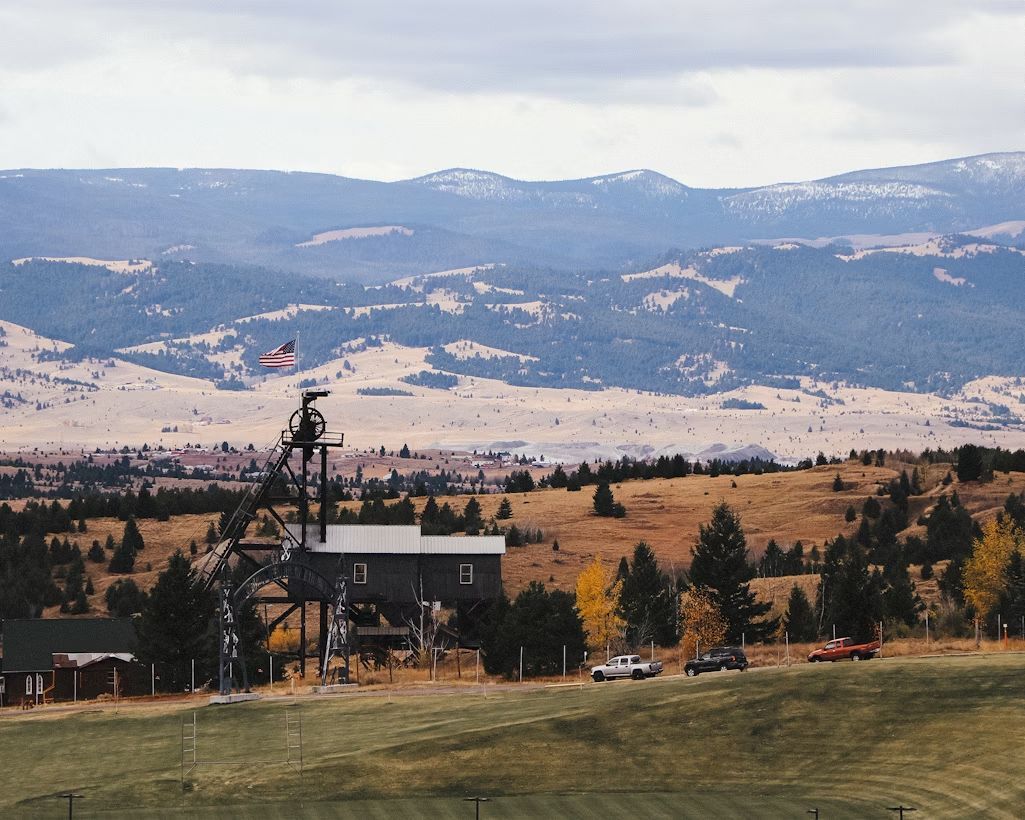
Image: Natalie Nicks

Located deep in Montana's mountains about 35 miles from Missoula, this gold mining town boomed in the 1890s with about 1,000 residents. The last 11 miles are on a rough dirt road that's impassable in winter, but that difficulty is exactly why Garnet remains so well-preserved and authentic. Casual tourists don't make the trek, which means you'll likely share the site with only serious ghost town enthusiasts.

About 30 buildings still stand, including the surprisingly intact Kelly's Saloon, complete with bar and furnishings . The Bureau of Land Management maintains the site and even offers rustic cabin rentals if you want to spend the night.

9
Centralia, Pennsylvania
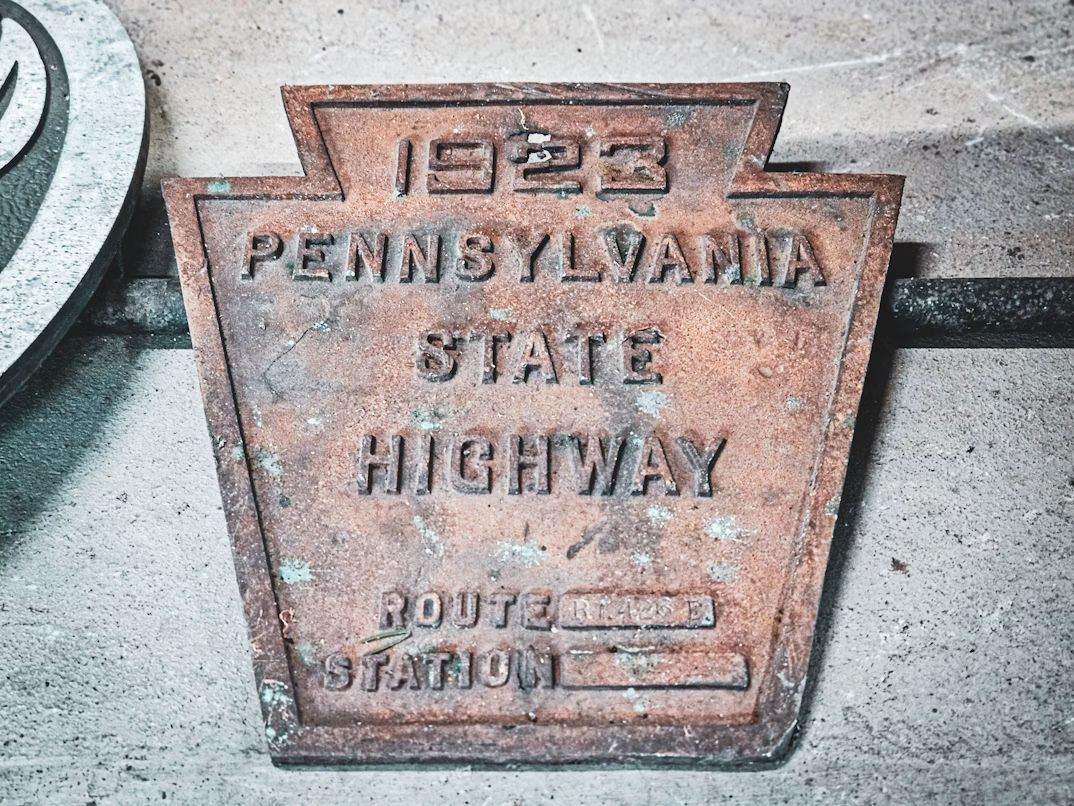
Image: Megs Harrison

This isn't a Wild West mining town—it's a modern ghost town with an underground coal fire that's been burning since 1962 and could continue for another 250 years. At its peak, Centralia had over 1,000 residents. Today, fewer than five people remain in what's become one of America's most surreal abandoned places. The fire releases toxic gases through cracks in the ground, and the heat has buckled roads into impossible angles.

The most famous feature is the graffiti-covered section of abandoned Route 61, where smoke sometimes rises through cracks in the pavement . Most buildings have been demolished, but the street grid remains, marked by empty lots and crumbling foundations. It inspired the video game and film "Silent Hill," and it's easy to see why—the place feels genuinely otherworldly. Technically, Centralia is off-limits, and Pennsylvania has tried to discourage visitors due to safety concerns about the underground fire.

10
Calico, California
Image: Volodymyr Hotsyk

Founded in 1881 after a major silver strike, it boomed to 1,200 residents before the silver price crash killed it in the 1890s. Unlike other ghost towns on this list, Calico was reconstructed and restored as a theme-park-style attraction in the 1950s by Walter Knott.

Today, Calico is a San Bernardino County park with restored buildings, shops, restaurants, and even staged gunfights on weekends . You can tour a genuine silver mine, pan for "gold" (spoiler: you'll find some), and ride a narrow-gauge railroad. About half the buildings are original, and half are reconstructions, giving you the ghost town experience without the sadness of actual decay.
History History 5 min read

What First Lady was accused of bigamy? 10 political crises

Image: EQRoy

From the founding era to the turn of the 21st century, political scandals have shaped public trust and dismantled entire careers. Looking back at ten of the most notorious political crises in American history reveals how the intersection of media and culture forces the nation to look in the mirror.

1
Rachel Jackson: A "Bigamy" scandal (1820s)

Image: L. Bernie Gallaher, Public domain, via Wikimedia Commons

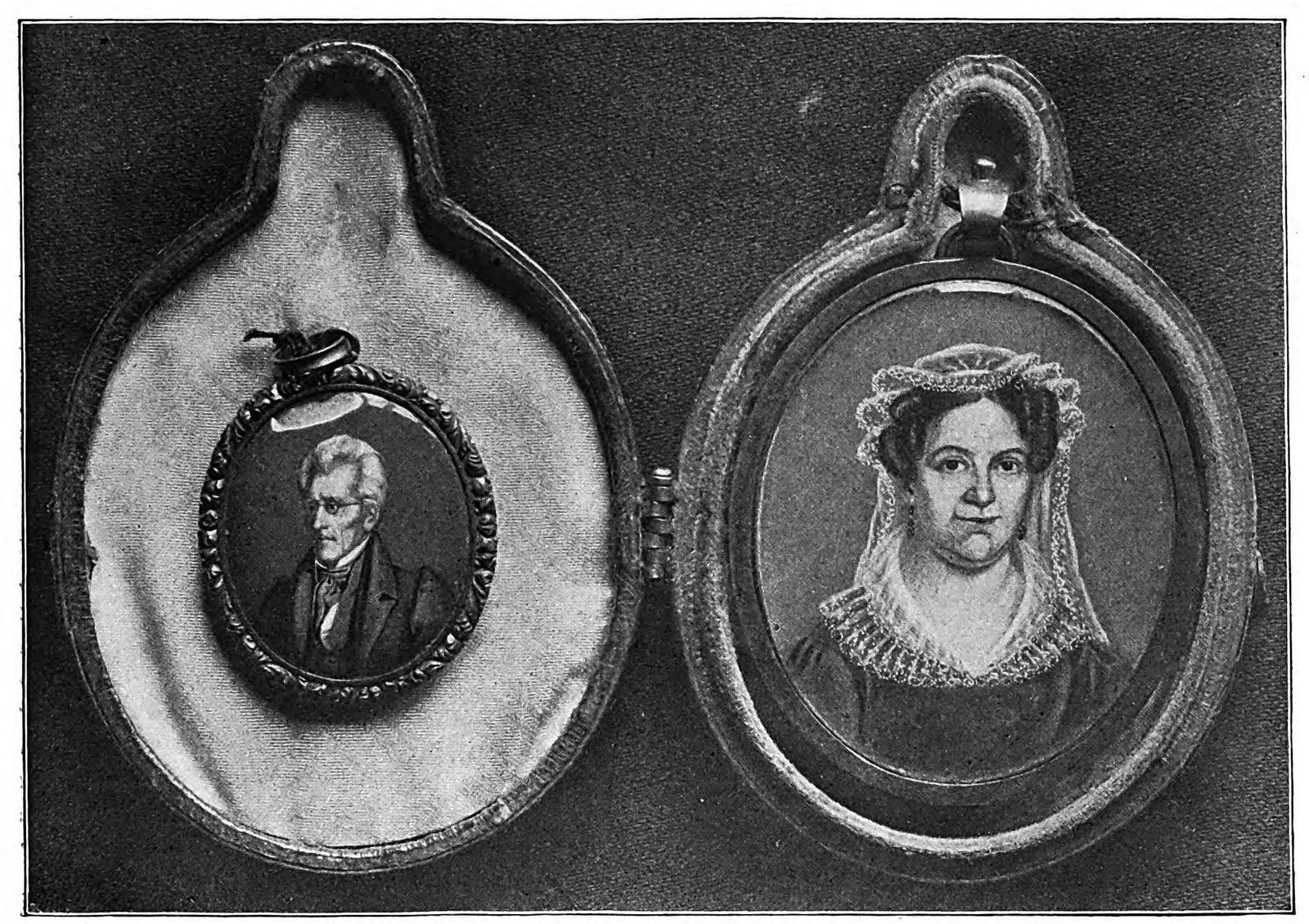
In 1791, a young Andrew Jackson married Rachel Donelson. Both believed her first husband, Captain Lewis Robards, had successfully finalized their divorce. Apparently, Robards didn’t file the petition, making her marriage to Jackson technically bigamous. Once the divorce went through in 1794, they officially remarried.

During the 1828 presidential campaign, Jackson’s political opponents used this legal mistake against him. They branded Rachel a loose woman and a bigamist in pamphlets scattered across the country. The intense public shaming broke her spirit and deteriorated her health. She suffered a fatal heart attack just days before Jackson’s inauguration, leaving the newly elected president heartbroken and extremely bitter toward his political rivals for the rest of his life.

2
Grover Cleveland’s illegitimate child (1884)

Image: Frank Beard, Public domain, via Wikimedia Commons

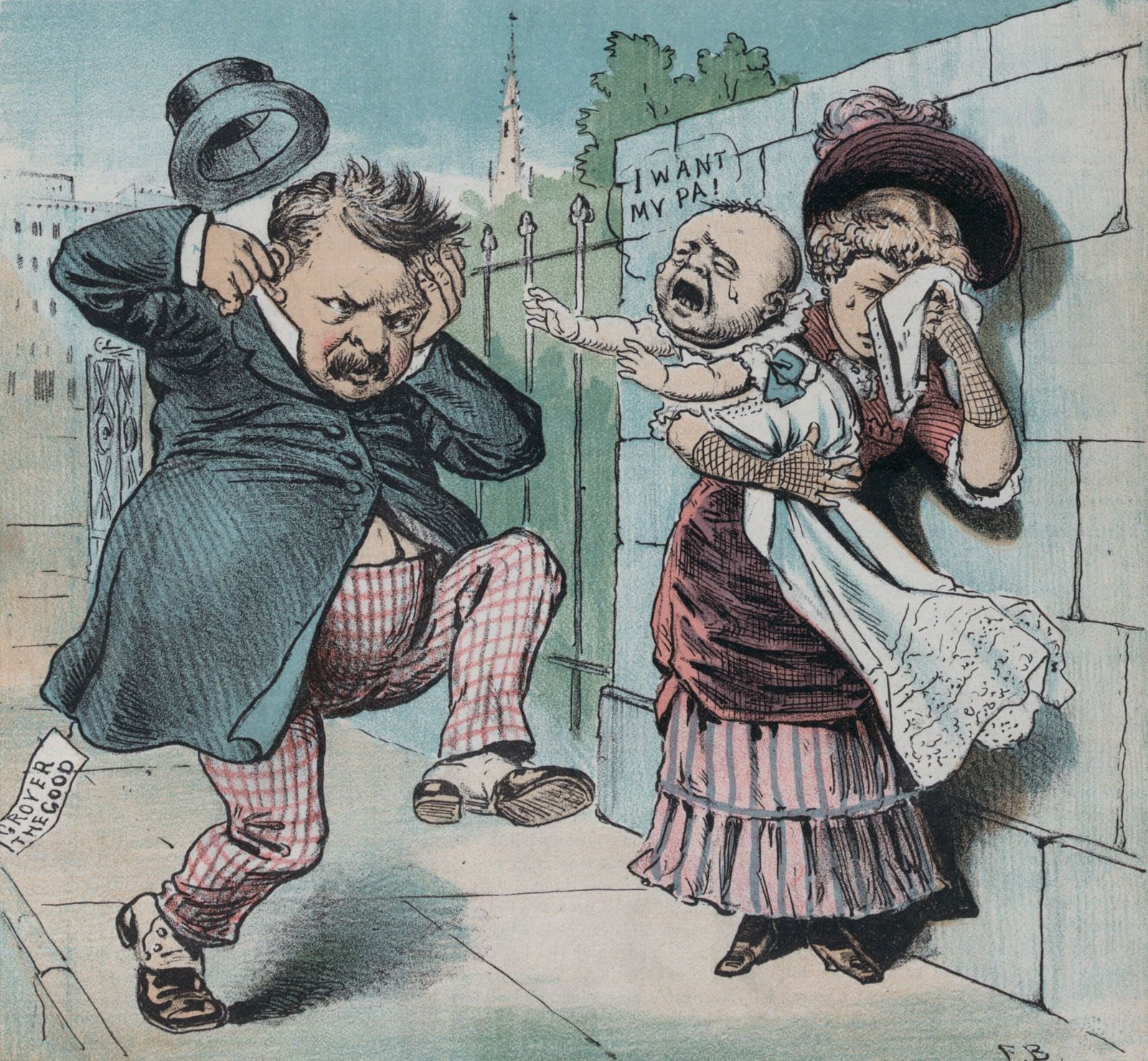
Decades later, another personal bombshell rocked another presidential race. Republican opponents revealed that Democratic nominee Grover Cleveland, a bachelor praised for his integrity, had fathered a child out of wedlock with a widow called Maria Halpin ten years before.

Republicans paraded through the streets chanting, "Ma, Ma, where’s my Pa?" Instead of denying the affair or trying to bury it, Cleveland instructed his campaign managers to do something radical: "Tell the truth." He admitted to supporting the child financially. His honesty caught his opponents off guard and won over voters who were tired of such dirty political tactics.

3
The Crédit Mobilier scandal (1872)

Image: Joseph Keppler, Public domain, via Wikimedia Commons

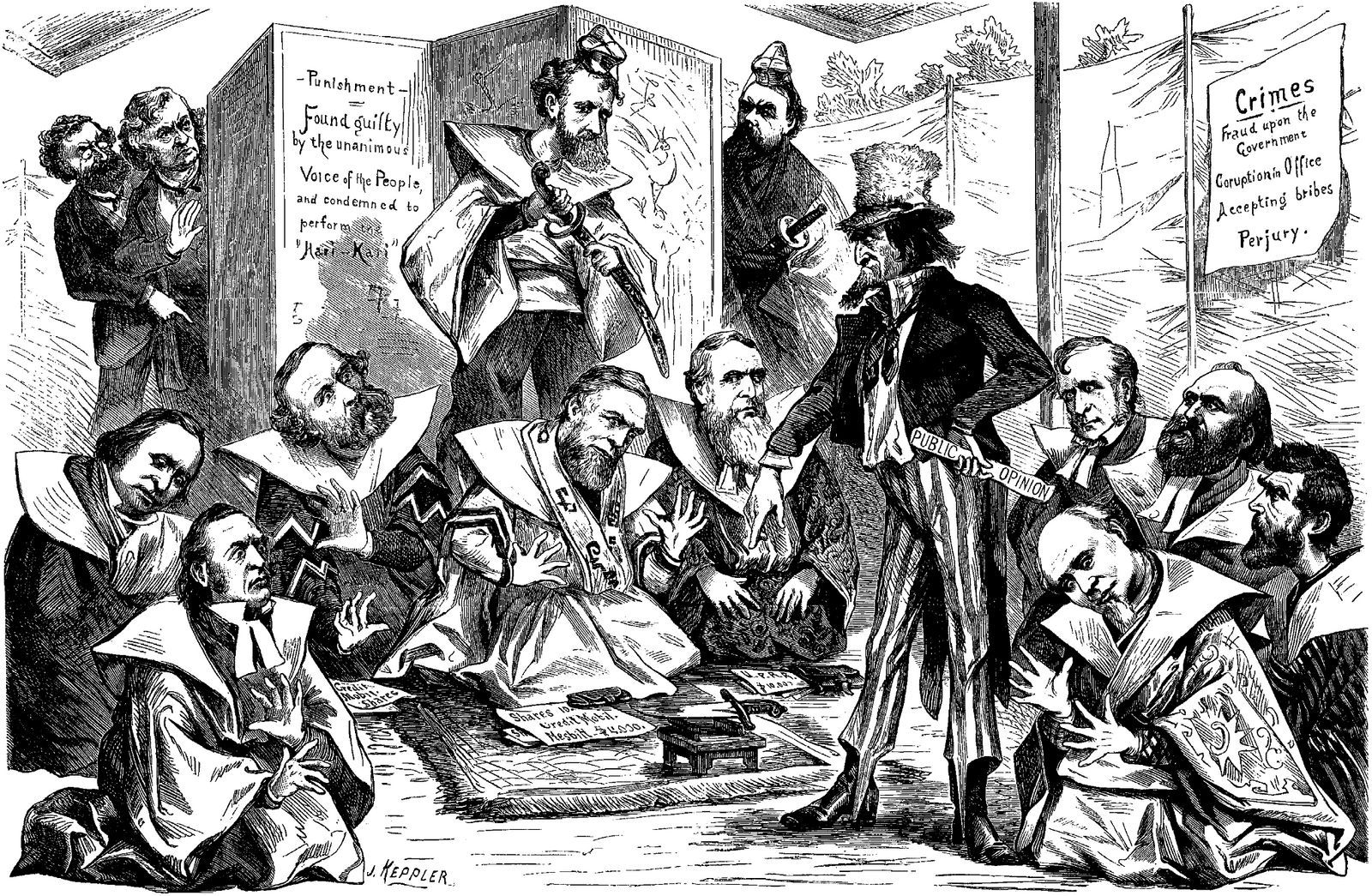
This particular scandal stands as one of the most shameless corporate schemes of the Gilded Age. Stockholders of the Union Pacific Railroad formed a fraudulent construction company called Crédit Mobilier of America . Then, they hired themselves to build the transcontinental railroad at inflated prices, pocketing tens of millions of dollars in federal subsidies.

To prevent Congress from investigating their profit margins, Congressman Oakes Ames distributed discounted shares of the company’s stock to influential politicians, including Vice President Schuyler Colfax. When the press exposed the story in 1872, the revelation that lawmakers were bribing themselves tarnished the legacy of the Ulysses S. Grant administration.

4
The Whiskey Ring scandal (1875)

Image: Cornell University Library, No restrictions, via Wikimedia Commons

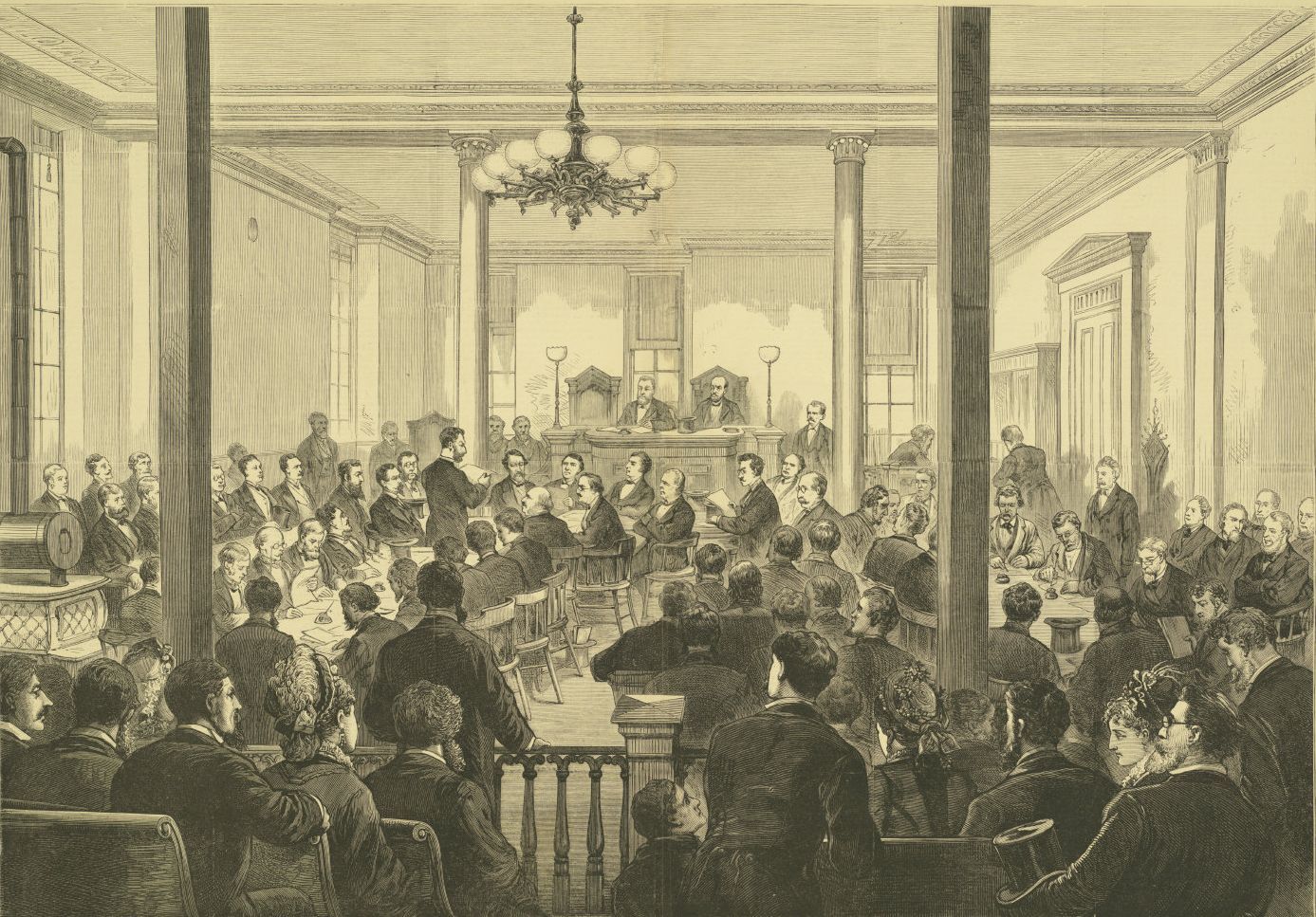
A few years later, another financial disaster hit the Grant administration. The Whiskey Ring was a widespread conspiracy involving distillers, distributors, and internal federal tax officials who stole millions of dollars in liquor taxes.

Using a complex web of bribes and falsified records, the ring defrauded the U.S. Treasury. The scandal reached the inner circle of power when President Grant’s own private secretary, Orville Babcock, was indicted as a ringleader. Grant provided a deposition in his secretary’s defense. While this saved Babcock from prison, it permanently damaged the president’s reputation.

5
The Teapot Dome scandal (1920s)

Image: Boyd Norton, Public domain, via Wikimedia Commons

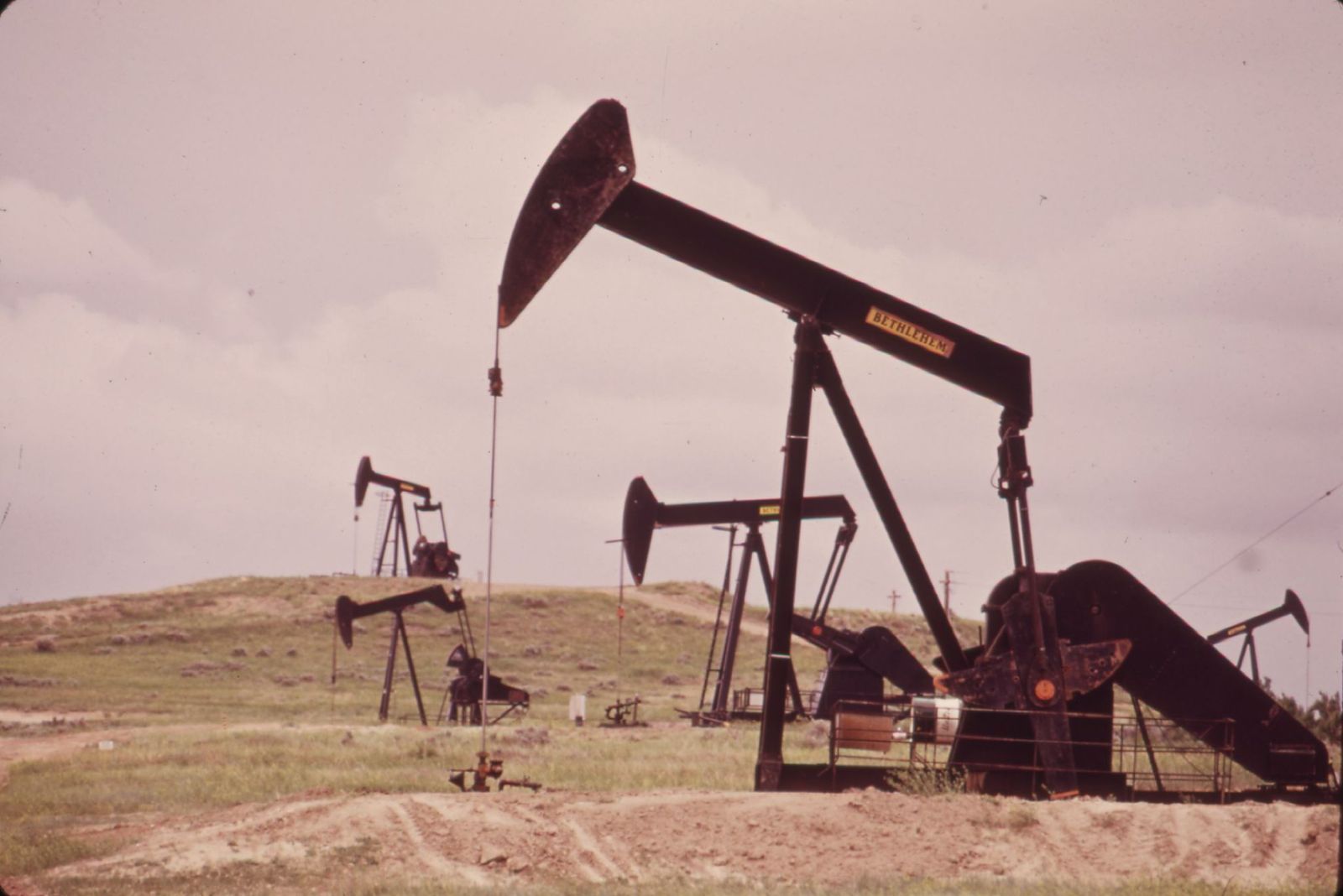
Until Watergate occurred, Teapot Dome was synonymous with political corruption. During the administration of Warren G. Harding, Secretary of the Interior Albert Fall took control of valuable federal oil reserves located at Teapot Dome, Wyoming, and Elk Hills, California.

Instead of opening these fields up for competitive bidding among energy companies, Fall secretly leased the drilling rights to private oil tycoons in exchange for more than $400,000 in bribes.

6
The Chappaquiddick incident (1969)

Image: United Press International, Public domain, via Wikimedia Commons

By the mid-20th century, the nature of political scandals shifted. Secrets began to involve personal crisis and tragic losses.

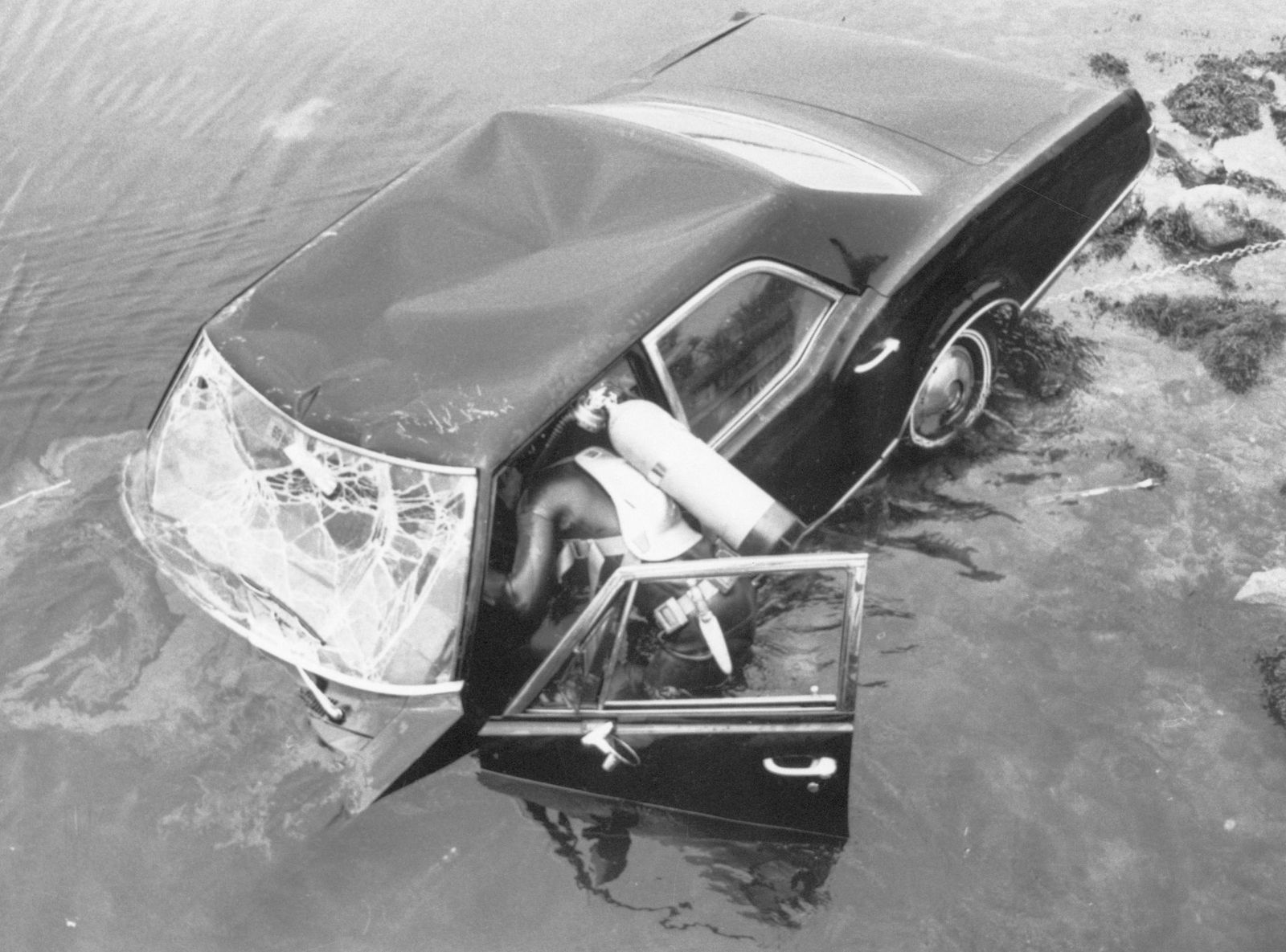
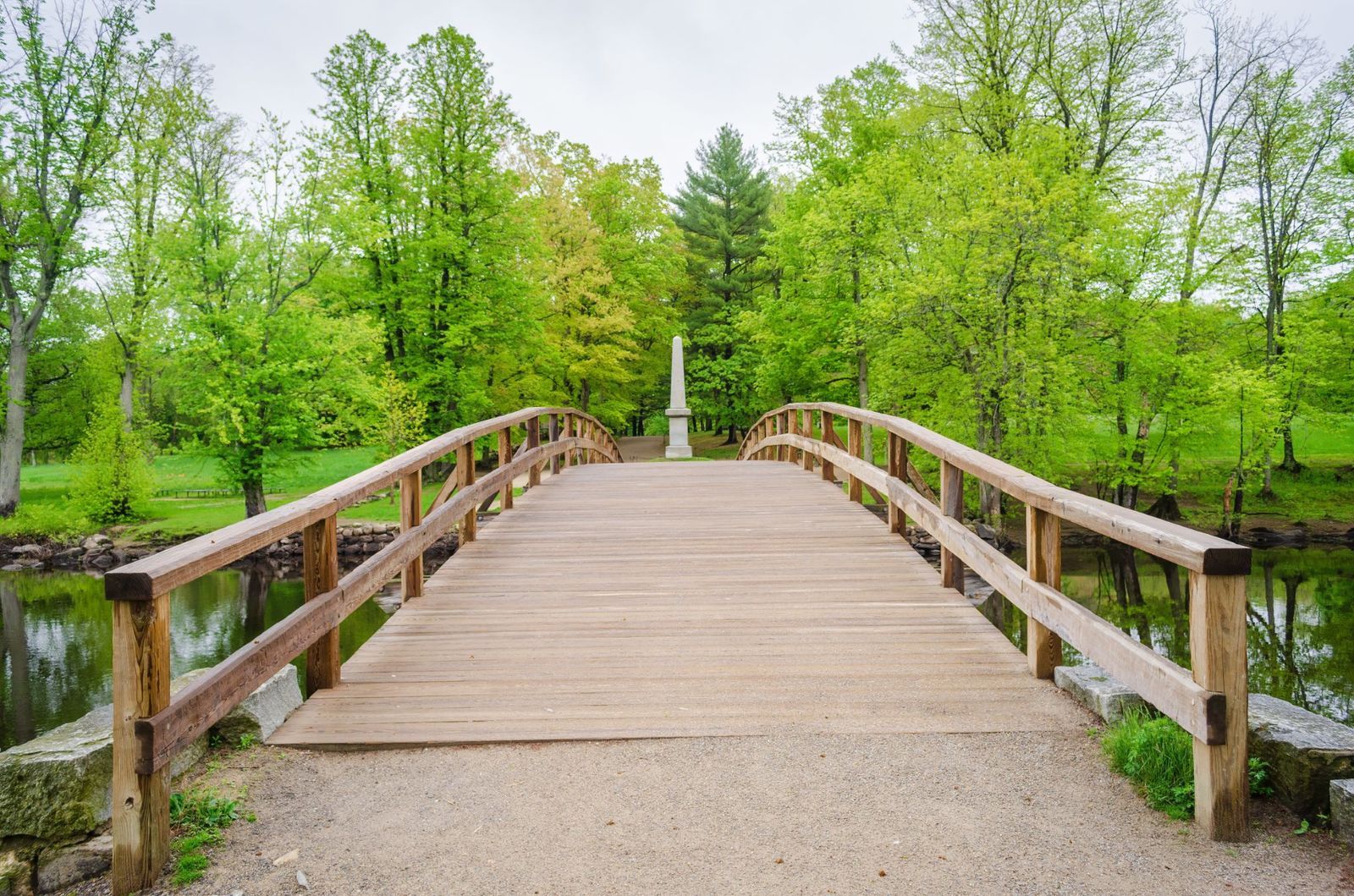
In July 1969, Senator Edward "Ted" Kennedy drove his car off a narrow wooden bridge on Chappaquiddick Island, Massachusetts. The vehicle overturned into a tidal pond, trapping and drowning his passenger, 28-year-old campaign worker Mary Jo Kopechne. Kennedy managed to escape but failed to report the fatal accident to the police for ten hours. Although he eventually pleaded guilty to leaving the scene of an accident, his delayed reaction ended his lifelong presidential ambitions.

7
The Pentagon Papers (1971)

Image: See page for author, Public domain, via Wikimedia Commons

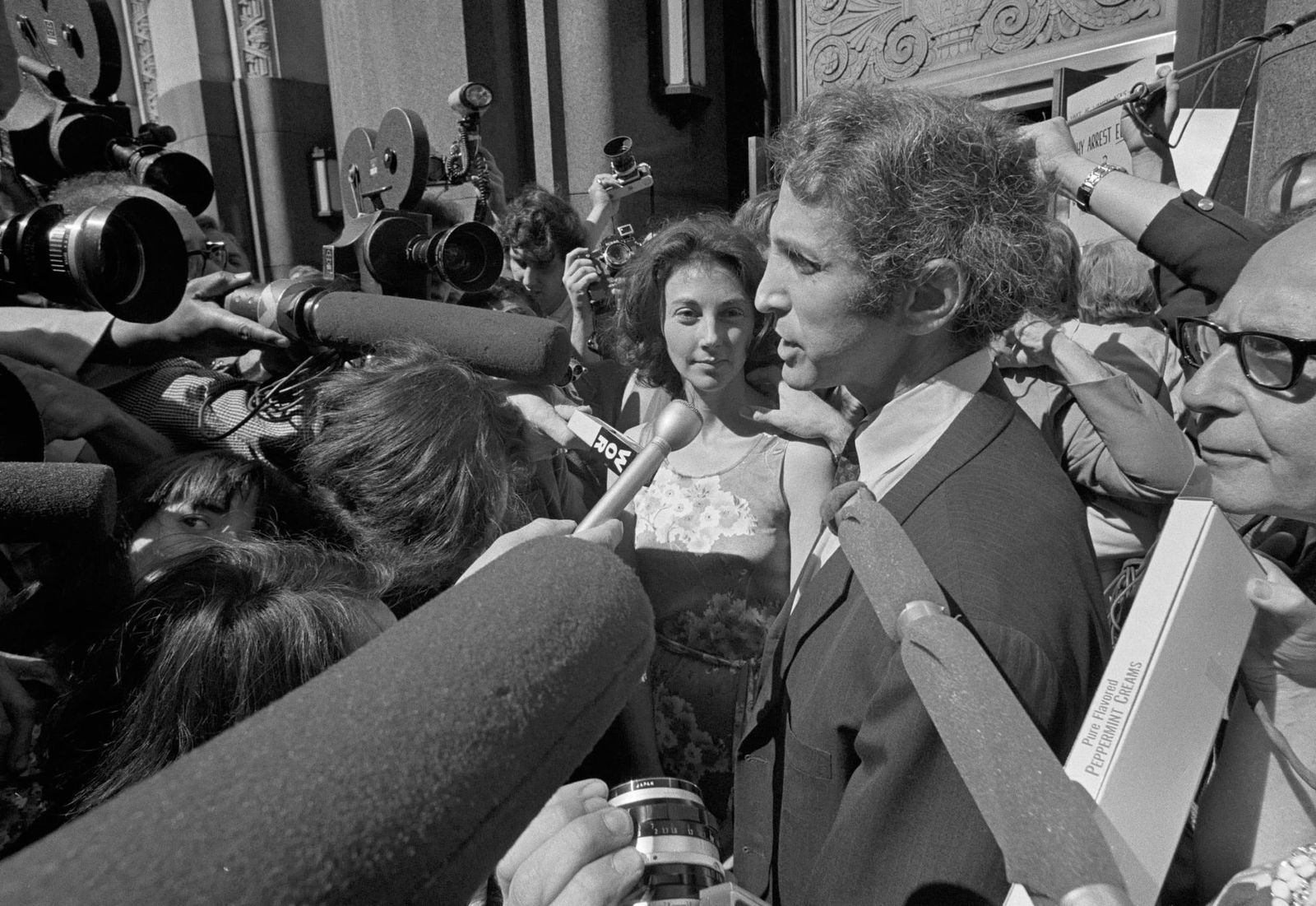
In 1971, military analyst Daniel Ellsberg felt the moral obligation to leak a top-secret 7,000-page Department of Defense study detailing U.S. political and military involvement in Vietnam from 1945 to 1967.

Published by The New York Times , the papers exposed a disturbing truth: successive administrations had systematically lied to both Congress and the American public. The documents proved that the government had expanded the war and increased troop counts while knowing that the conflict was unwinnable. The Supreme Court eventually rejected the government’s attempts to block the leaks, making a victory for freedom of the press.

8
The Watergate scandal (1972–1974)

Image: National Archives & Records Administration, Public domain, via Wikimedia Commons

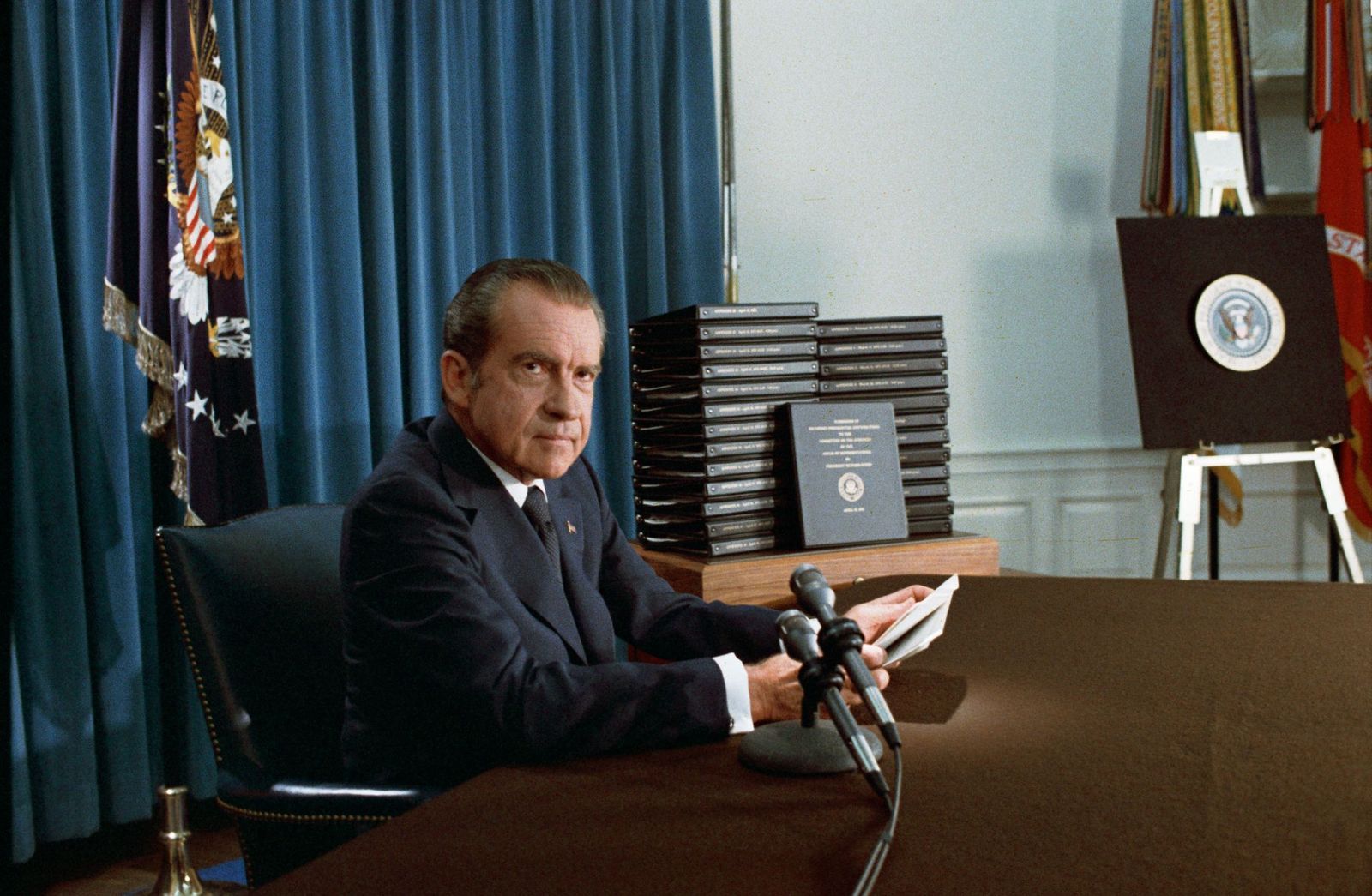
This is, probably, the ultimate American political scandal. In June 1972, five men were arrested breaking into the Democratic National Committee headquarters at the Watergate complex in Washington, D.C.

The break in itself was minor compared to the illegal cover-up orchestrated by President Richard Nixon and his collaborators. From paying hush money to instructing the CIA to block the FBI’s investigation, Nixon’s complicity was exposed via his own secret White House taping system. Facing impeachment and conviction by the Senate, Nixon became the first and only U.S. president to resign from office.

9
The "Keating Five" (Late 1980s)

Image: KonstantinChristian

During the Savings and Loan crisis of the late 1980s, five U.S. Senators—John McCain, Alan Cranston, Dennis DeConcini, John Glenn, and Donald Riegle—came under intense scrutiny.

The group was accused of intervening with federal banking regulators on behalf of Charles Keating, the chairman of Lincoln Savings and Loan, who had contributed to their political campaigns. Lincoln eventually collapsed, costing American taxpayers over $3 billion. Although the Senate Ethics Committee ultimately cleared the senators of corruption, they were publicly condemned.

10
The Bill Clinton–Monica Lewinsky affair (1998)

Image: Clinton White House, Public domain, via Wikimedia Commons

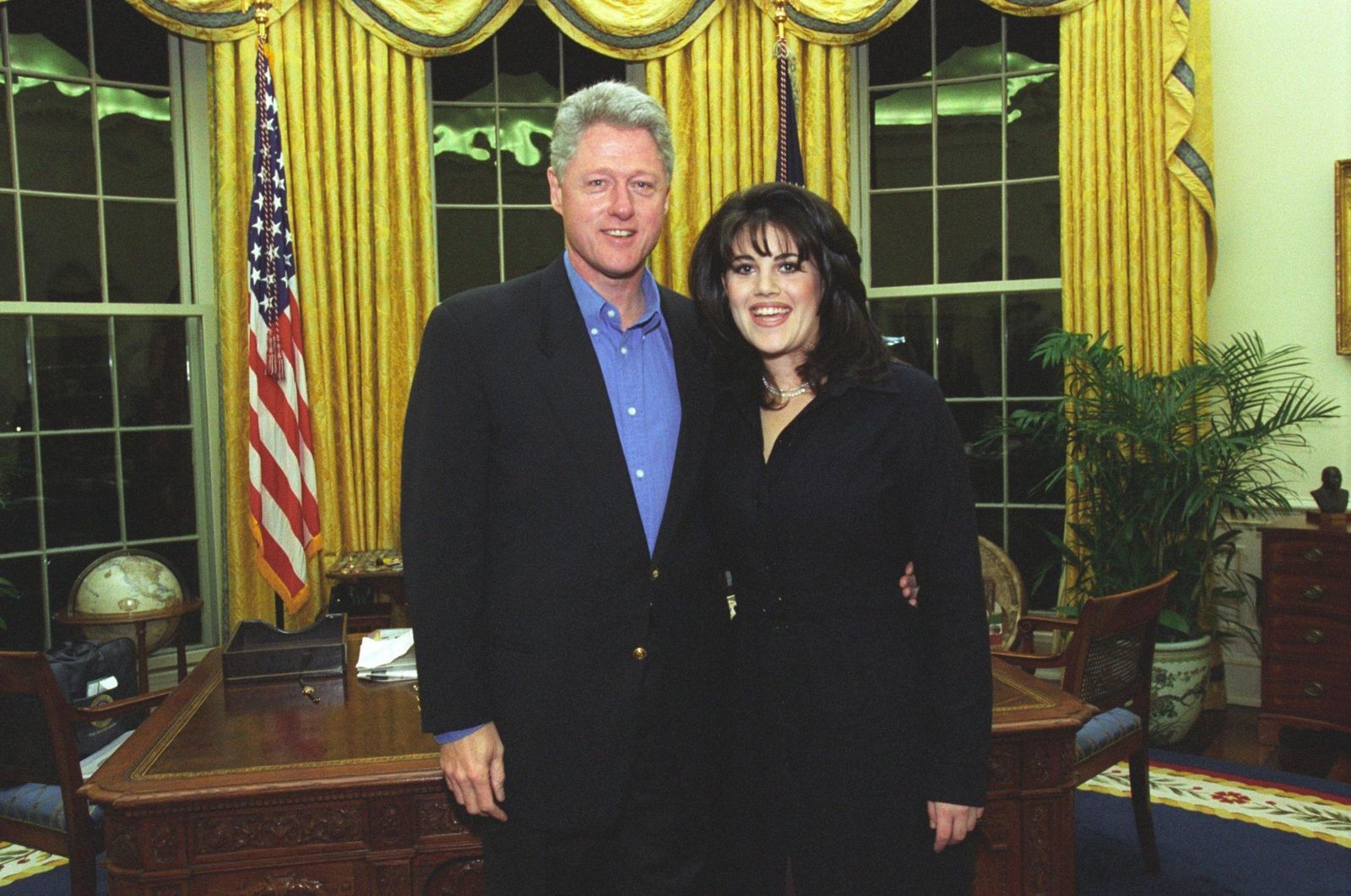
The 20th century ended with a scandal that blended personal infidelity with a constitutional crisis. In 1998, news broke that President Bill Clinton had an intimate relationship with a 21-year-old White House intern called Monica Lewinsky.

The affair turned into a legal battle when Clinton denied the relationship under oath during an unrelated sexual harassment lawsuit. The investigation led to Clinton’s impeachment by the House of Representatives on charges of perjury and obstruction of justice. The Senate ultimately acquitted him, yet he couldn’t bypass the media circus.

History History 6 min read

Who was the real Paul Revere? 10 shocking facts beyond the legend

Image: Keith J Finks

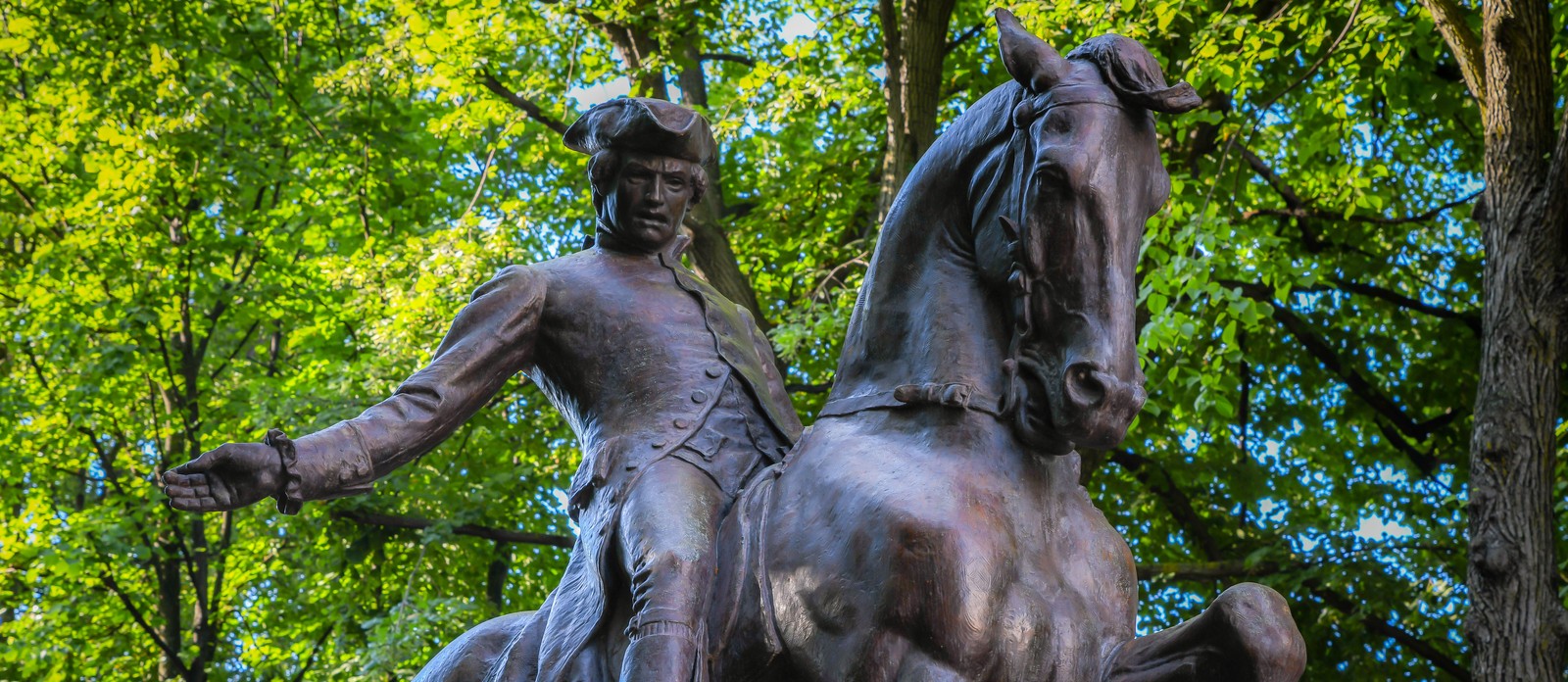
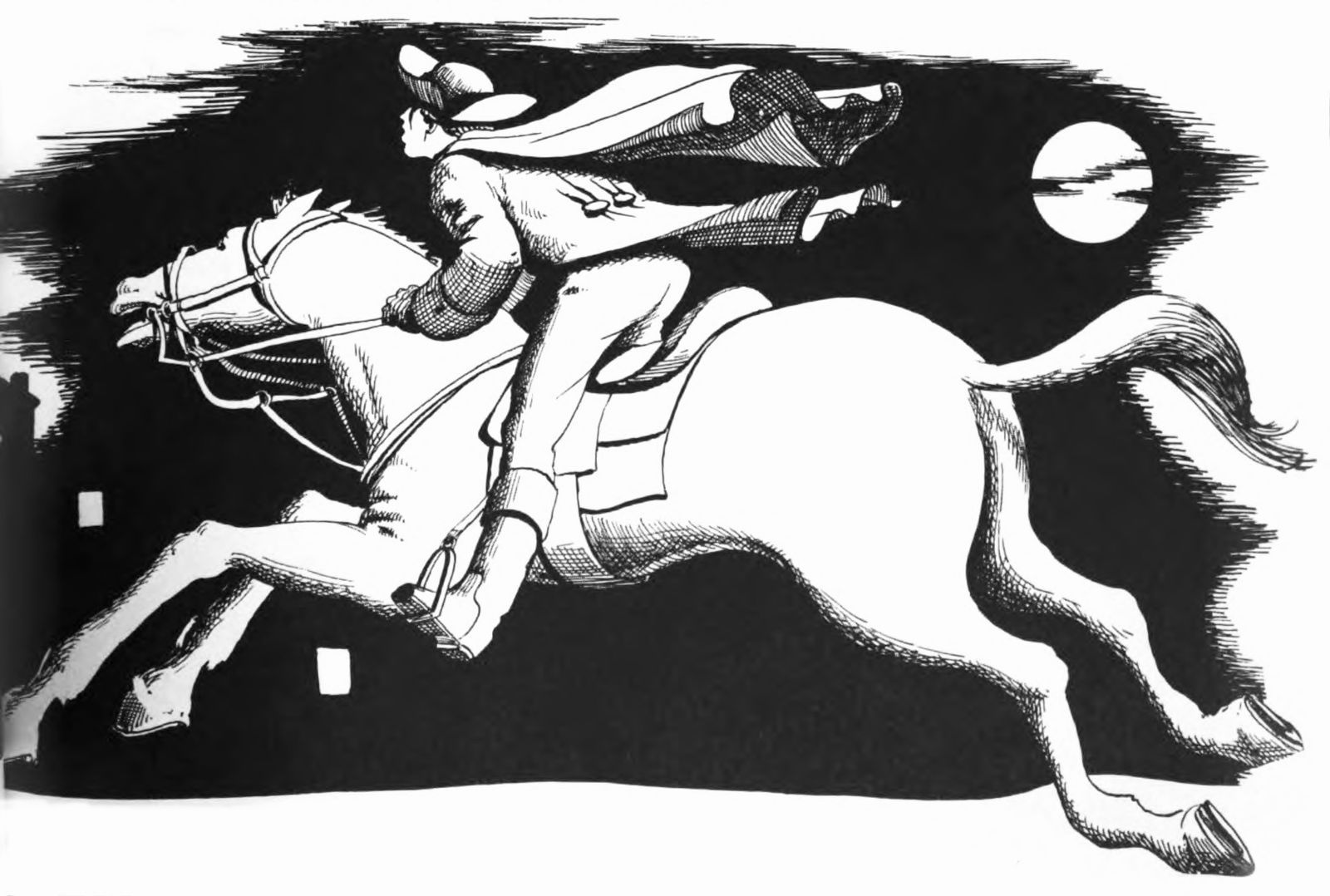
Like many stories from early American history, the myth of the heroic patriot galloping through the midnight dark, shouting a legendary warning, has completely overshadowed the man. The real Paul Revere was a fascinating human being. He was a craftsman, an innovator, and a family man. Let’s pull back the curtain on the legend and look at ten surprising facts you probably never knew about America’s favorite midnight rider.

1
He was of French descent

Image: John Singleton Copley, Public domain, via Wikimedia Commons

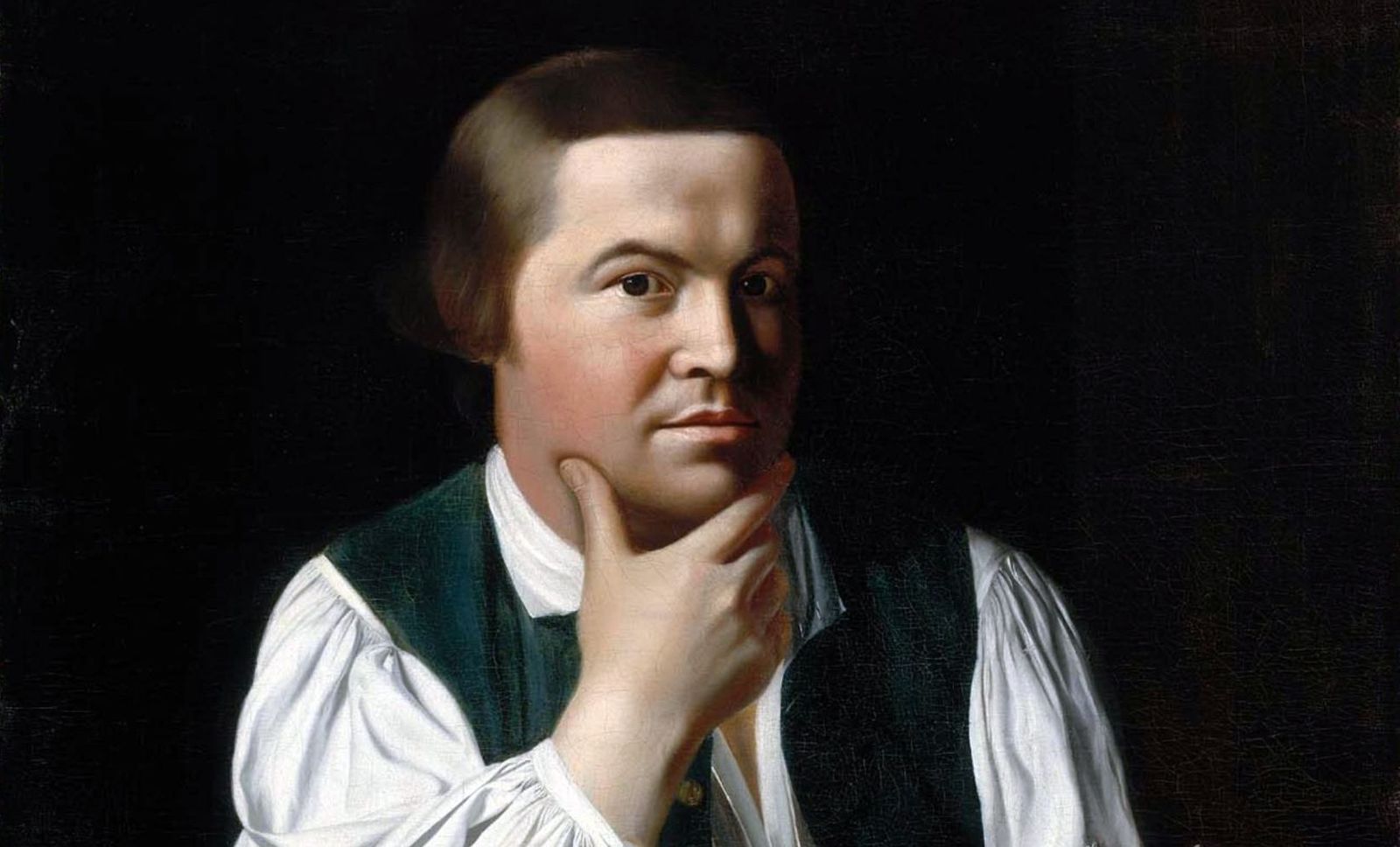
While we think of Paul Revere as an early American icon, his roots lay across the Atlantic. His father, Apollos Rivoire, was a French Huguenot (a member of the French Reformed Church) who fled religious persecution and immigrated to Boston as a teenager.

To fit in his new home, Apollos Americanized the family name to "Revere". Paul was born in late 1734 or early 1735, the son of Apollos and a Boston local called Deborah Hichborn. Apollos was so interested in blending in that he never taught his children to speak and read French. In fact, a young Paul Revere even fought against the French as part of the colonial forces during the French and Indian War.

2
He was an accomplished artisan

Image: Paul Revere, CC0, via Wikimedia Commons

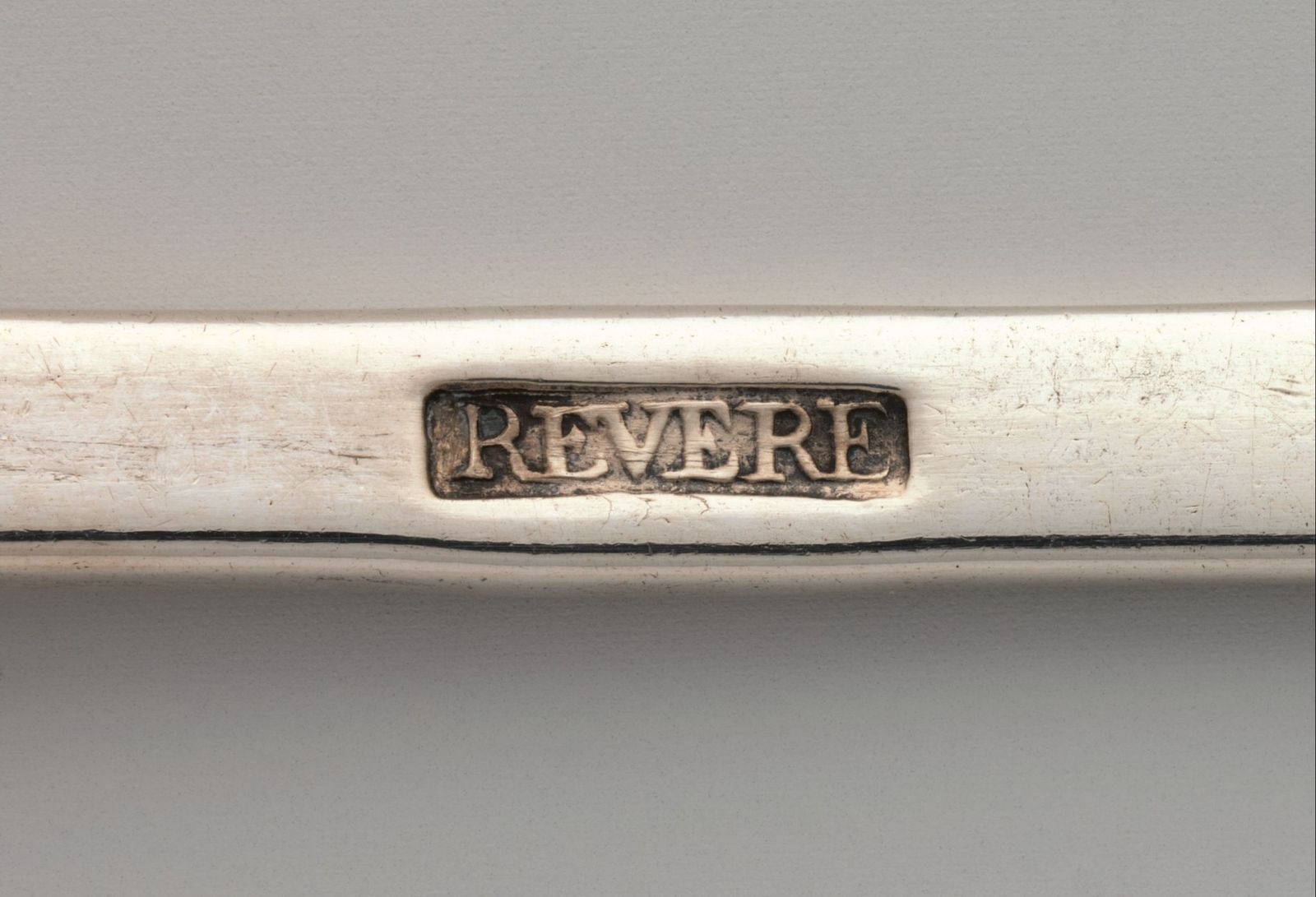
Before he was a revolutionary, Revere was a master craftsman. He learned the art of silversmithing from his father and quickly gained a reputation as an accomplished artisan. He designed seals, coats of arms, plate engravings, and silver teapots.

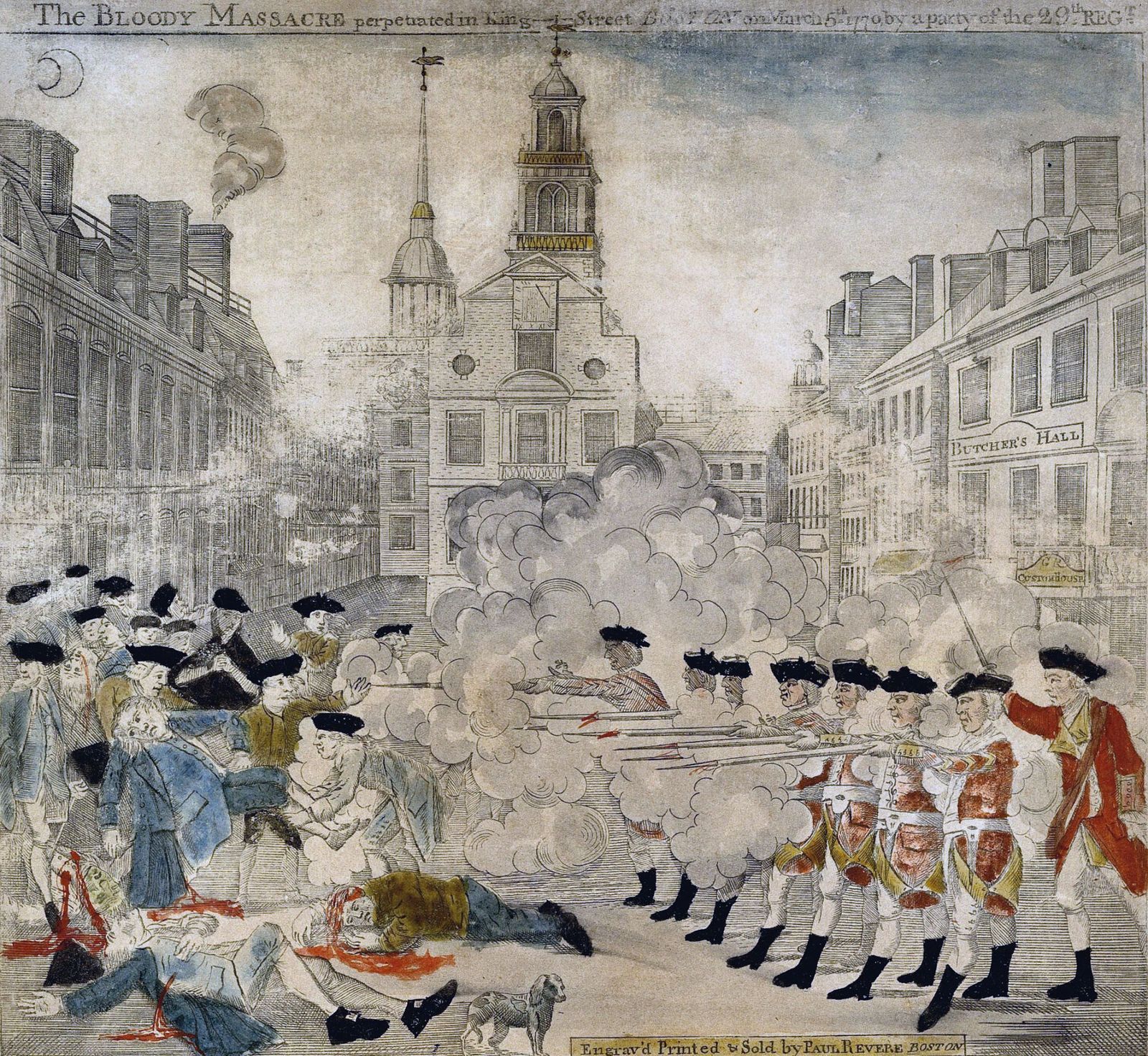
Revere also used his engraving skills to create sharp political cartoons that mocked the British. His most famous artistic work was a sensationalized engraving of the 1770 Boston Massacre. It wasn’t entirely historically accurate, but it spread through the colonies, stirring up the anti-British sentiment that laid the groundwork for the Revolution.

3
He worked as an amateur dentist

Image: See page for author, CC BY 4.0, via Wikimedia Commons

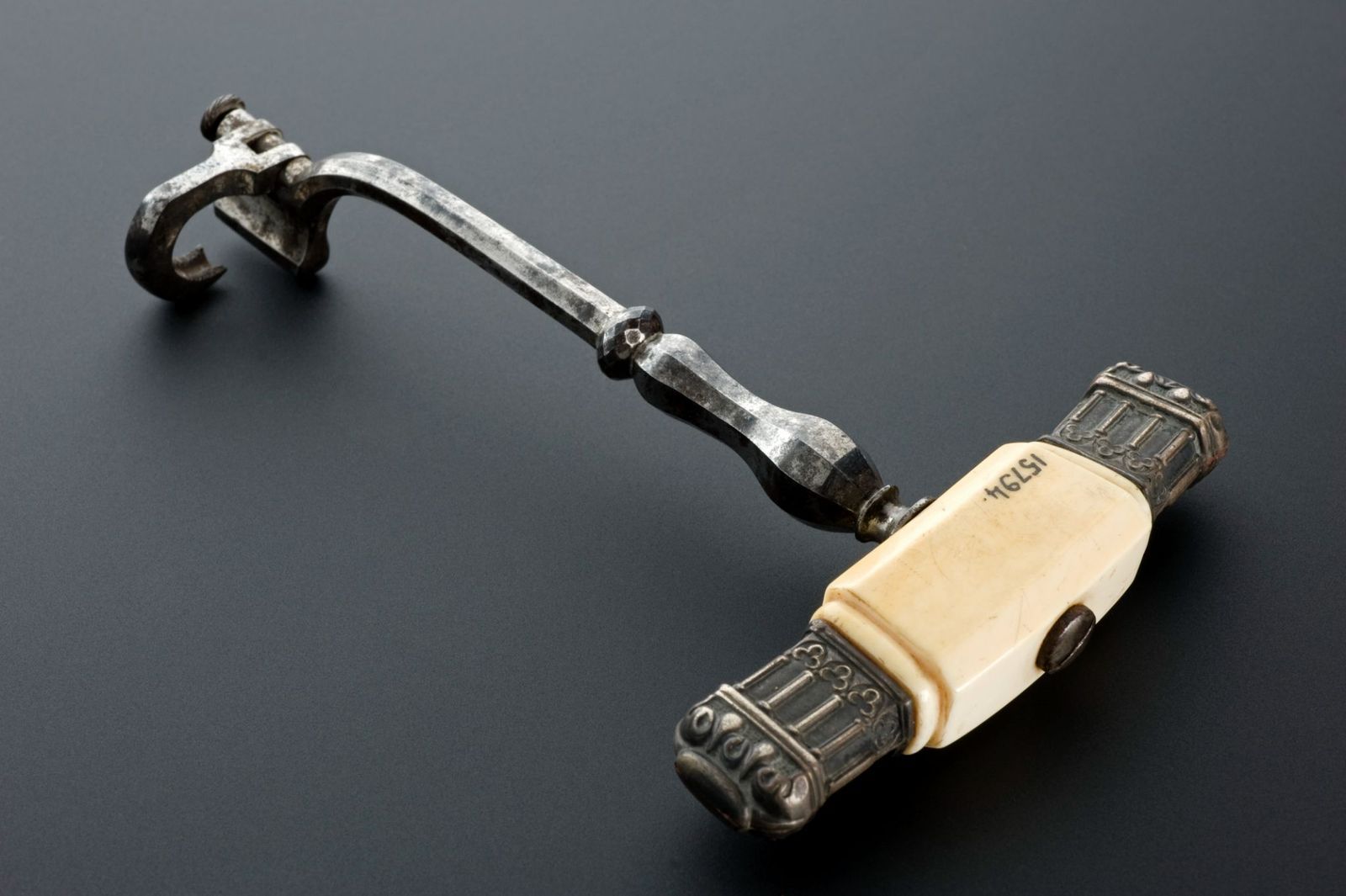
When silversmithing work ran slow, Revere picked up a side hustle: dentistry. He started cleaning teeth and crafting dental prosthetics out of animal teeth and walrus ivory for the people of Boston.

This amateur dental career actually led to a major moment in American history. In 1775, Revere’s close friend, Dr. Joseph Warren, was killed at the Battle of Bunker Hill and buried in an unmarked mass grave by British soldiers. A year later, when the bodies were exhumed, the remains were unrecognizable. Yet, Revere was able to identify Warren’s body by recognizing the specific ivory tooth and custom wire bridge he had personally crafted for his friend. It’s widely considered one of the earliest documented cases of forensic dentistry in the United States.

4
He played a key role in early intelligence efforts

Image: Zack Frank

Long before the CIA existed, Paul Revere was working as a pioneer of organized American espionage. As a member of the Sons of Liberty, Revere wanted to track British movements closely. In 1774, he helped form a spy group known as "the mechanics" or the "Liberty Boys".

These men were Bostonian blacksmiths, artisans, and laborers who used their ordinary routines to watch British troops, listening for rumors of upcoming military actions. The spies would gather at the city’s historic Green Dragon Tavern to trade secrets and map out British movements.

5
Longfellow's inaccurate poem

Image: Grant Wood, Public domain, via Wikimedia Commons

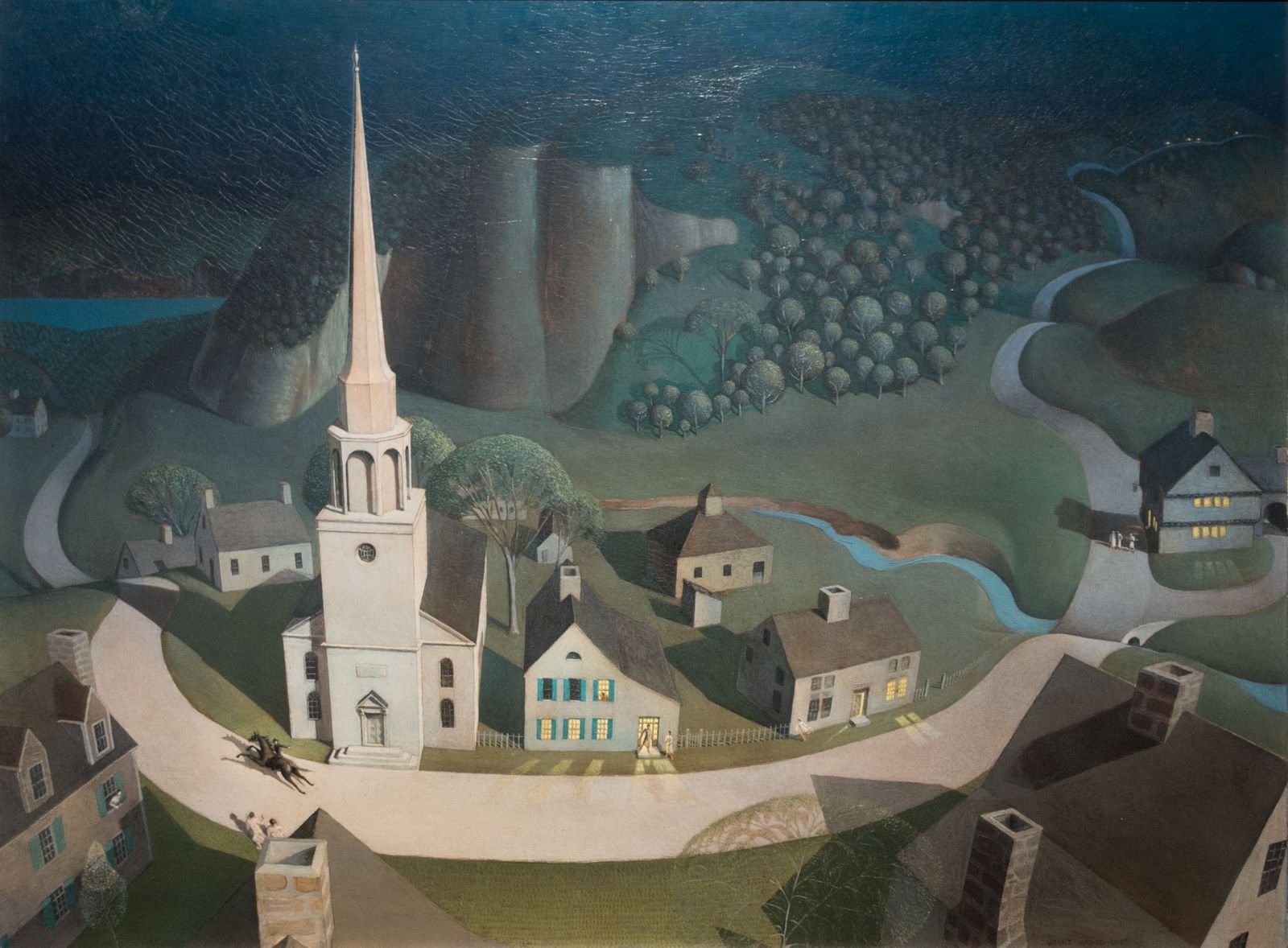
If your knowledge of Revere comes from Henry Wadsworth Longfellow’s famous 1861 poem, "Paul Revere's Ride," you’ve been given a romanticized version of history. Longfellow wrote the poem nearly a century later, on the brink of the American Civil War, to stir up national pride.

In reality, Revere wasn’t a lone rider. The night of April 18, 1775, Revere set out with two other main horsemen: William Dawes and Dr. Samuel Prescott. As they triggered local alarms, dozens of other riders joined the effort. By midnight, more than 40 people were racing across the country, spreading the word. Furthermore, Revere never actually made it to his final destination of Concord. He was captured and briefly detained by a British patrol.

6
He didn’t even own a horse for his midnight ride

Image: Tichnor Bros. Inc., Boston, Mass., Public domain, via Wikimedia Commons

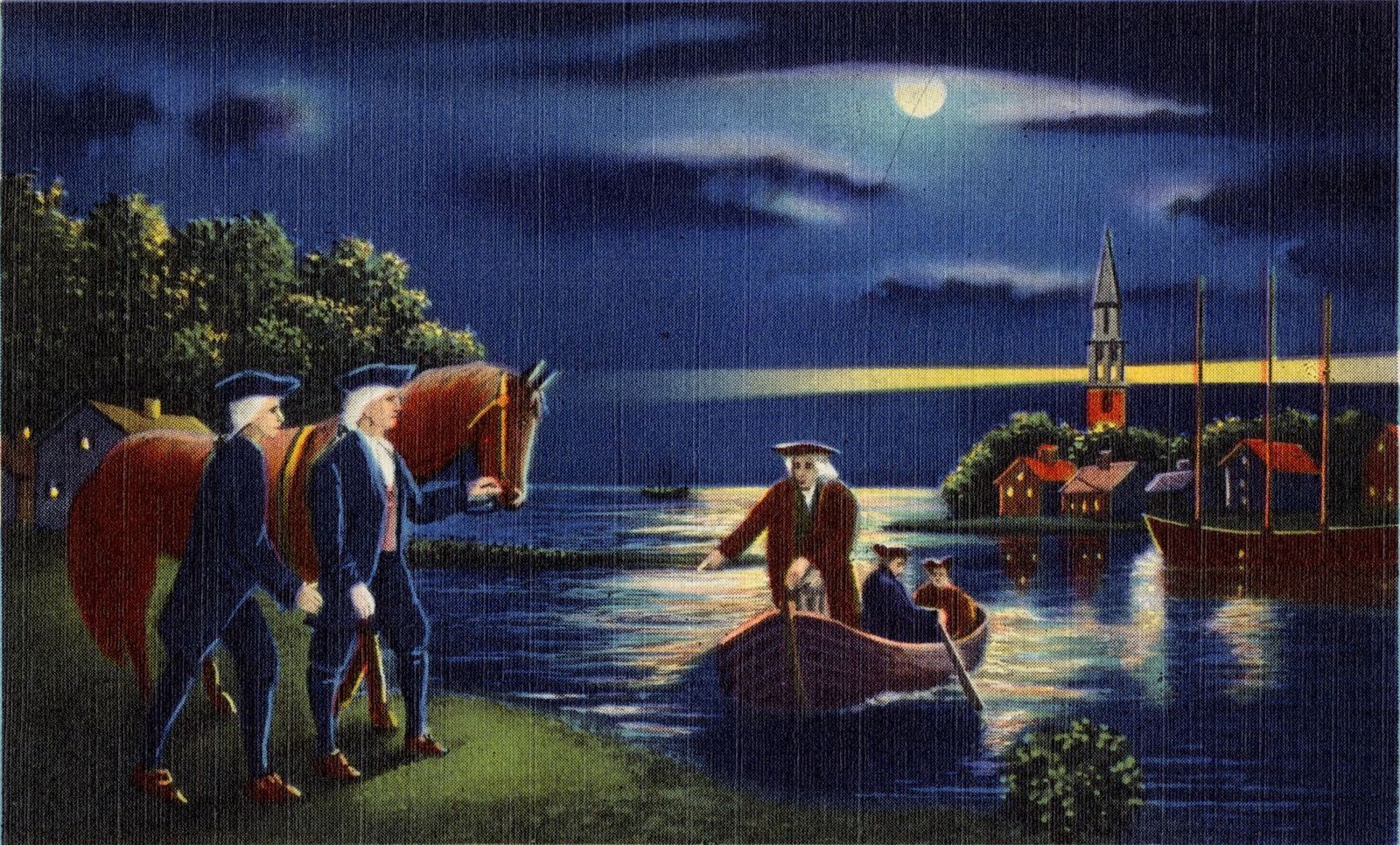
It’s hard to imagine the midnight ride without Revere’s faithful steed, but the truth is, Revere didn’t even own a horse when the fateful night arrived. Because he had to be quietly rowed across the Charles River, bringing a horse from Boston was out of the question.

Once he reached Charlestown, he had to find a ride. He ended up borrowing a horse from a sympathetic local merchant called John Larkin. Legend has it that this borrowed mare was named "Brown Beauty". Sadly, after Revere was captured later that night, the soldiers confiscated the horse, and she was never seen again.

7
He didn’t actually say THAT

Image: Leonard Everett Fisher, Public domain, via Wikimedia Commons

"The British are coming!" is one of the most famous quotes in American history, but Revere never said it. The countryside was crawling with British soldiers, so his mission had to be very quiet. Yelling at the top of his lungs would have landed him in military prison before he even left town. Instead, he went door to door delivering the warning quietly to specific patriots.

Also, the phrase wouldn’t have made sense to the colonists. At the moment in 1775, the colonists still considered themselves British citizens. Instead, historical accounts indicate that Revere used the phrase, "The Regulars are coming out!" "Regulars" was the standard colonial term for the standing British army troops.

8
His military record wasn't outstanding

Image: Public domain, via Wikimedia Commons

Although Revere was a phenomenal community organizer and courier, his transition into traditional military leadership didn’t go smoothly. During the war, he served as a major and later a lieutenant colonel in the Massachusetts State Artillery. His military career hit a disastrous low point in the summer of 1779 during the Penobscot Expedition in modern-day Maine.

The mission was a total failure for the Americans. In the aftermath, Revere was accused of cowardice, laziness, and disobedience. He faced a court-martial and spent several years fighting to clear his name. He was ultimately acquitted of all charges in 1782, but the incident permanently tarnished his dreams of military glory.

9
Fatherhood came early… and often

Image: Jeffrey M. Frank

If you think managing a household today is stressful, consider Paul Revere’s domestic life: he fathered an astonishing 16 children.

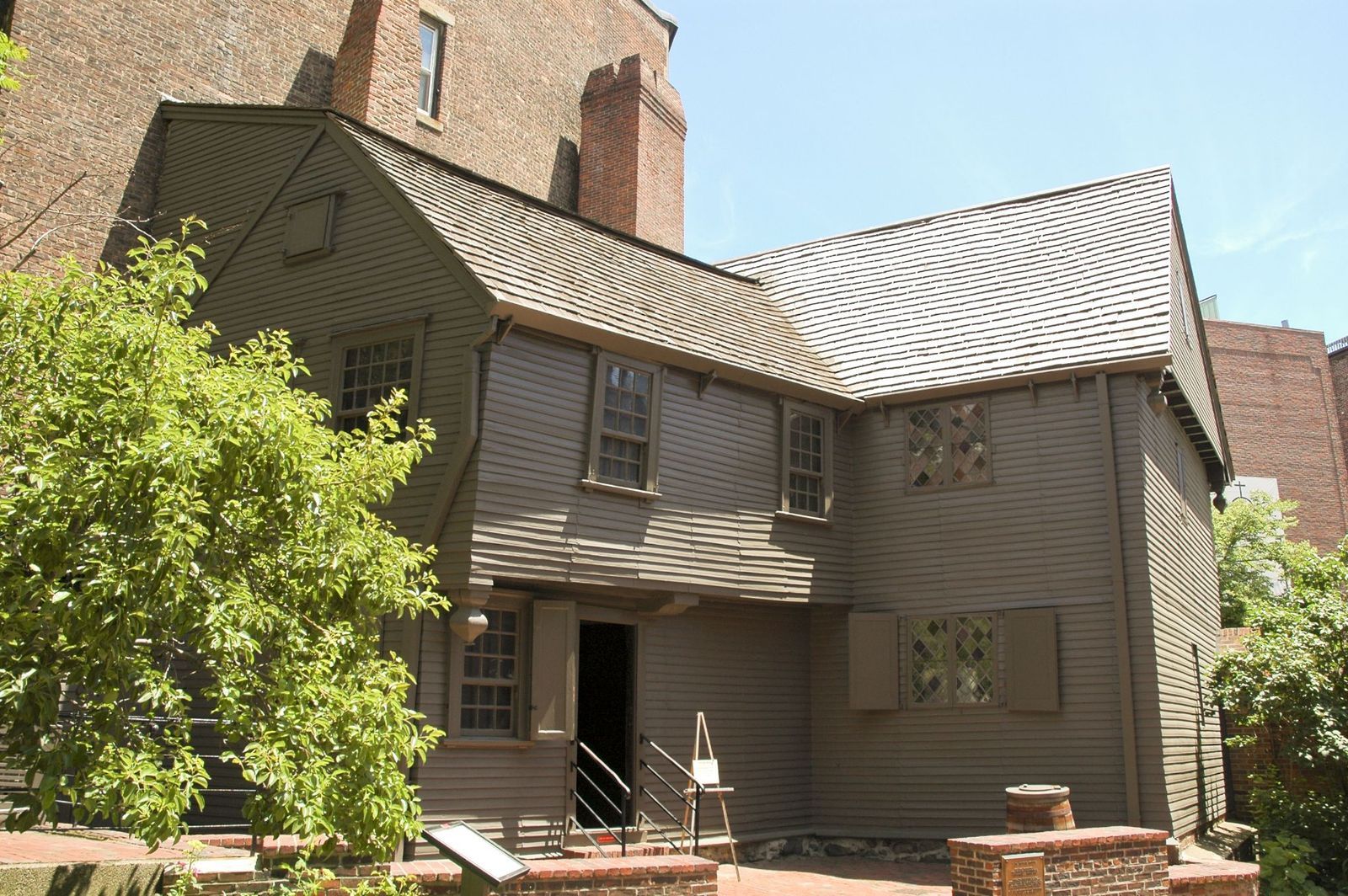
He had his first eight children with his first wife, Sarah Orne. Following her death in 1773, he remarried a woman called Rachel Walker, with whom he had another eight children. They crammed this huge family into a small townhouse at 19 North Square in downtown Boston. Amazingly for the 18th century, 11 of his 16 children survived to adulthood.

10
Revere Copper Products, Inc. is still in operation

Image: Jaclyn Vernace

After the Revolution ended, Revere left politics and went back to industry with some success. He opened a hardware store, a foundry, and the first rolling copper mill in the United States.

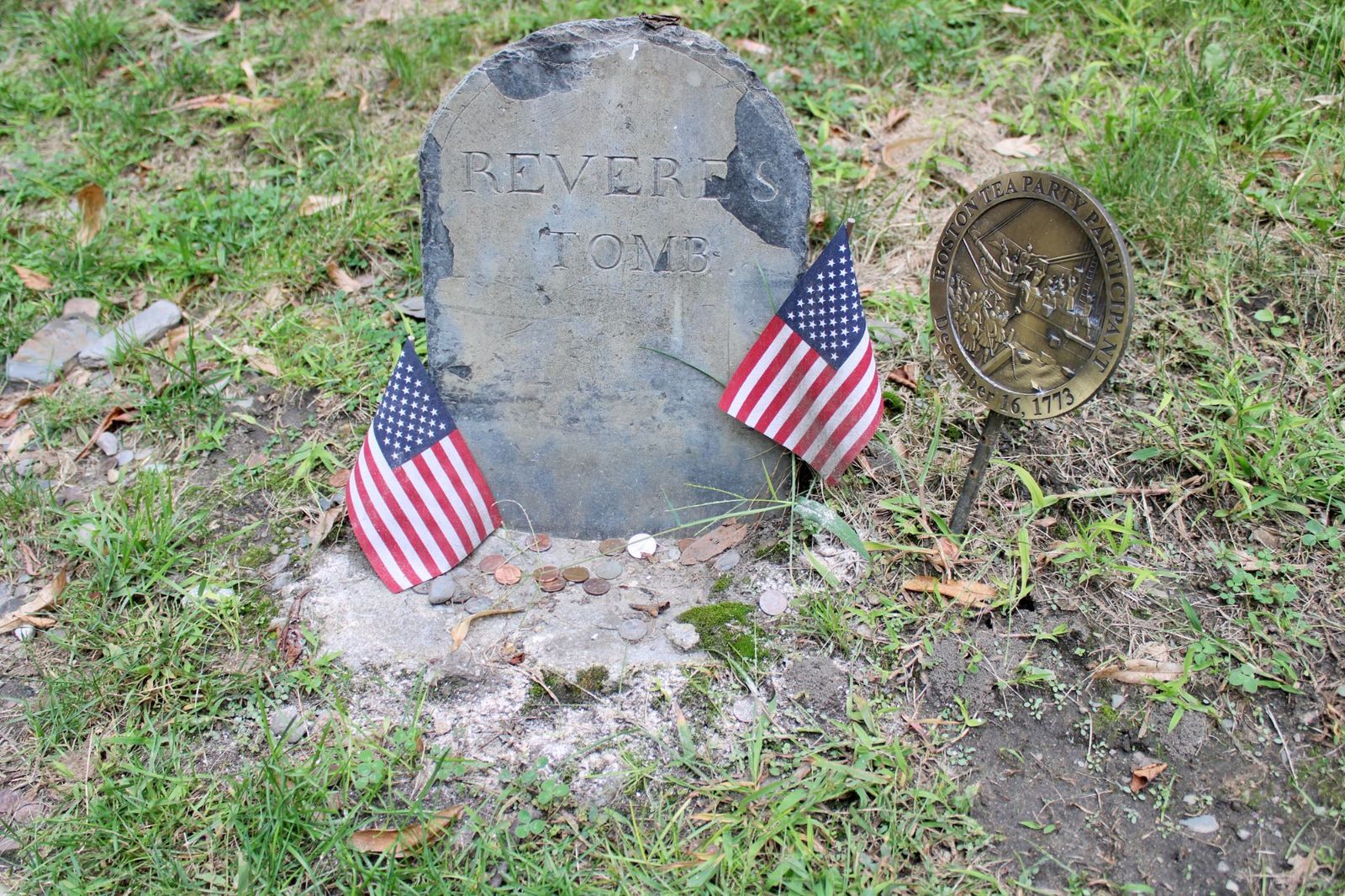
In fact, his business supplied the copper used to protect the hull of the USS Constitution. He also cast nearly 1,000 church bells, many of which still ring across New England today. Amazingly, the company he founded, Revere Copper Products, Inc., is still in business. Paul Revere passed away in 1818 at the age of 83, leaving behind a legacy more industrious than a single night’s ride.

Explore more American facts

Choose your favorite category!

General
General

As American as apple pie—the very best America has to offer!

Culture
Culture

Delve into the astounding richness of American lore.

Geography
Geography

Hop in and explore vast and diverse American landscapes.

History
History

Discover the key moments that shaped the United States.