The Supreme Law of the Land
The U.S. state that was misspelled in the Constitution
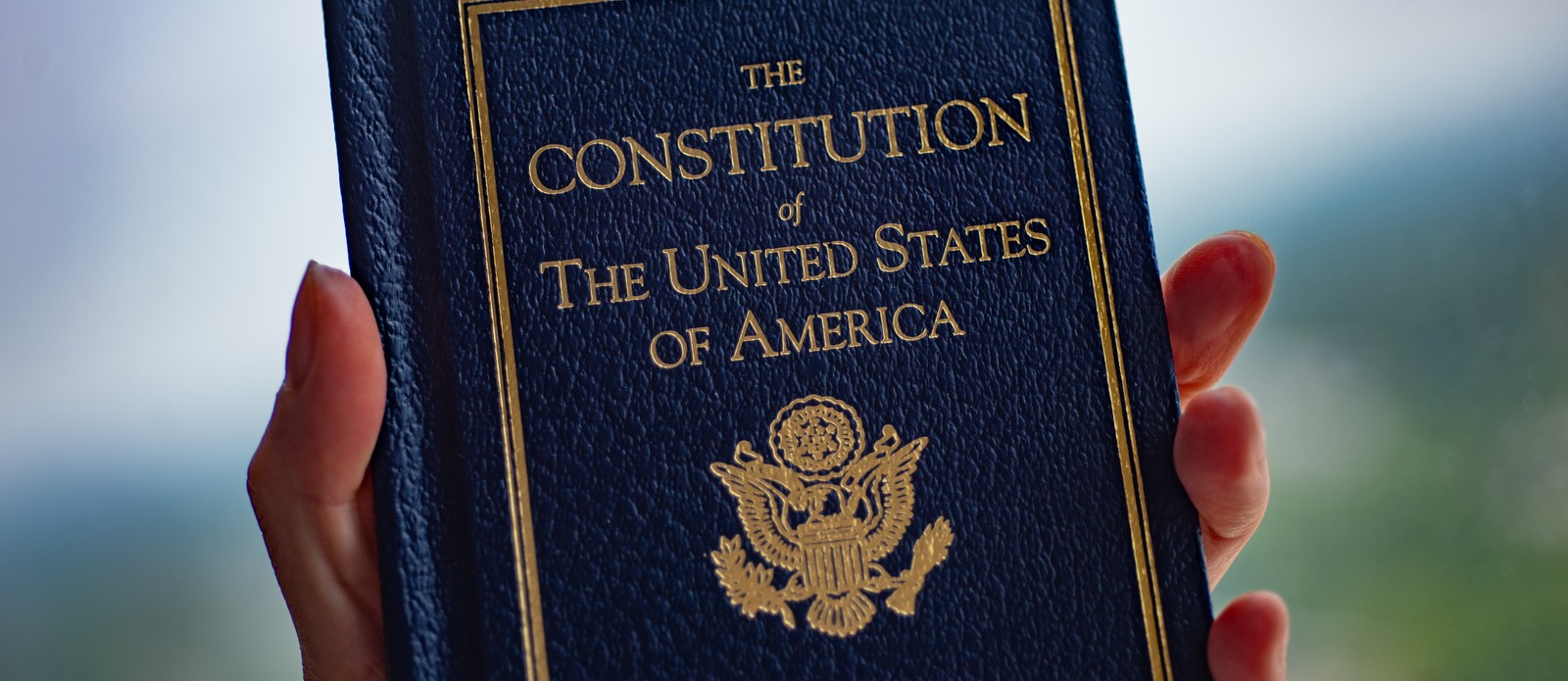
Image: Evgenia Parajanian
On March 4, 1789, the Constitution of the United States replaced the Articles of Confederation as the foundational document of the country. Drafted over several months and the subject of heated debates among the drafters, the final text outlined the basis of the federal government of the United States. But who were the minds behind it? Which points were considered controversial? Let’s have a look at some facts about our national Constitution.
1
A secret convention
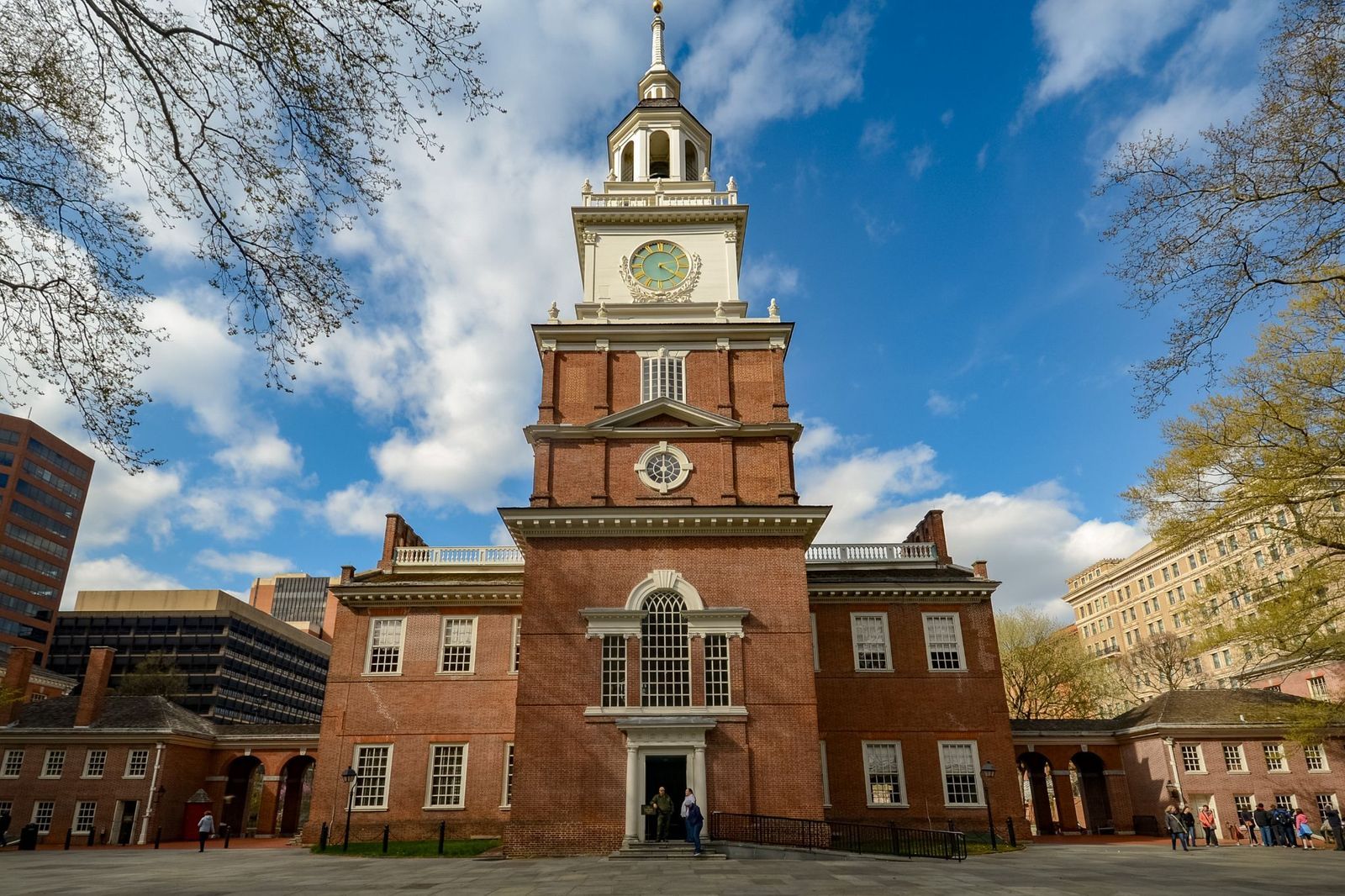
The Constitutional Convention gathered between May 25 and September 17, 1787, in Independence Hall, Philadelphia, at that moment the seat of the U.S. government. Although the initial intention had been to "fix" the government delineated in the Articles of the Confederation, the constituents, also known as the "Framers", decided to write a new document altogether. For nearly five months, delegates from 12 states (Rhode Island had refused to participate) deliberated in secret , wanting to avoid external pressure but also any leak or rumor that could lead to mass panic.
2
A controversial document
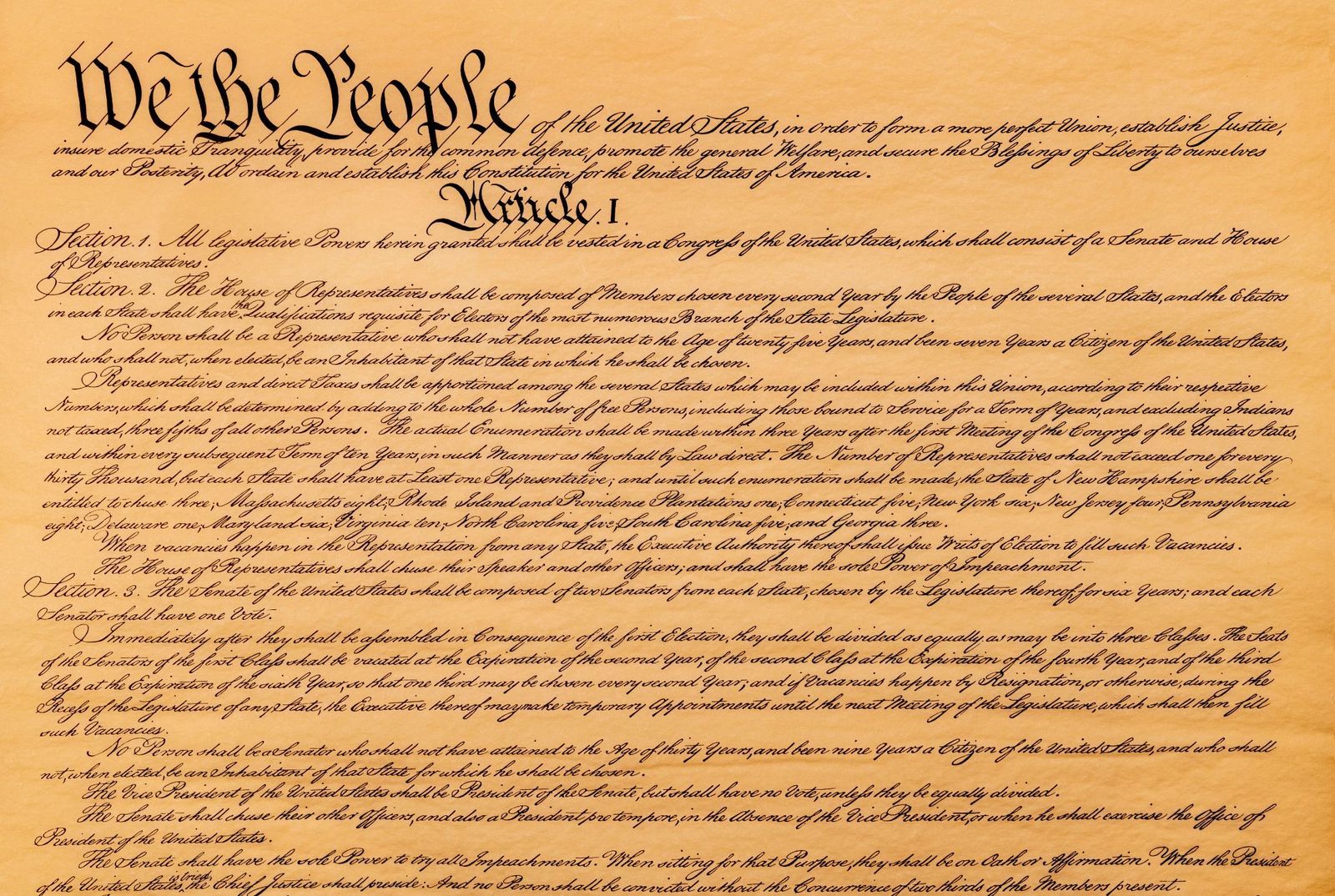
While James Madison is hailed as the "Father of the Constitution" for his role in shaping our government, the document as we know it was mainly drafted by Pennsylvania delegate Gouverneur Morris. Although the convention had reluctantly agreed on 23 points, the final draft only contained seven, plus a preamble and a closing endorsement . This result, caused by several necessary compromises, disappointed many delegates, including Benjamin Franklin, who still voted in favor because they believed that they couldn’t reach a better agreement.
3
Spelling errors
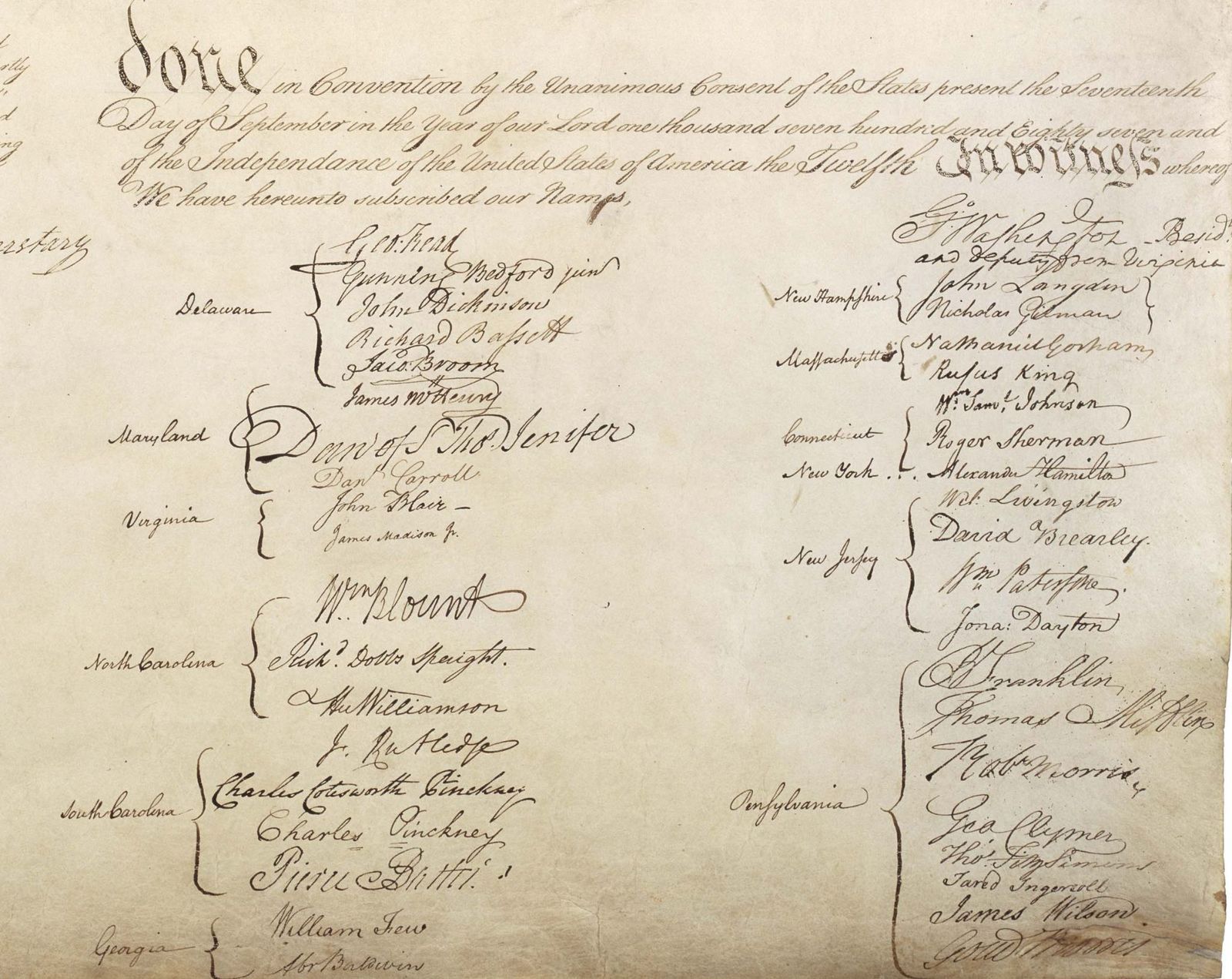
The text for the Constitution had been drafted by Gouverneur Morris, but the document to be signed was penned on five parchment pages by Jacob Shallus, an assistant clerk to the Pennsylvania General Assembly. Shallus received $30 for his work (equivalent to about $750 today). The document was written quite hastily, which led to misspellings in the text , although some of them might have been common alternative spellings at that time, such as "chuse" instead of "choose". The most famous error is "Pensylvania" in the list of signatory states, a list written by Alexander Hamilton, not by Shallus.
4
The compromises
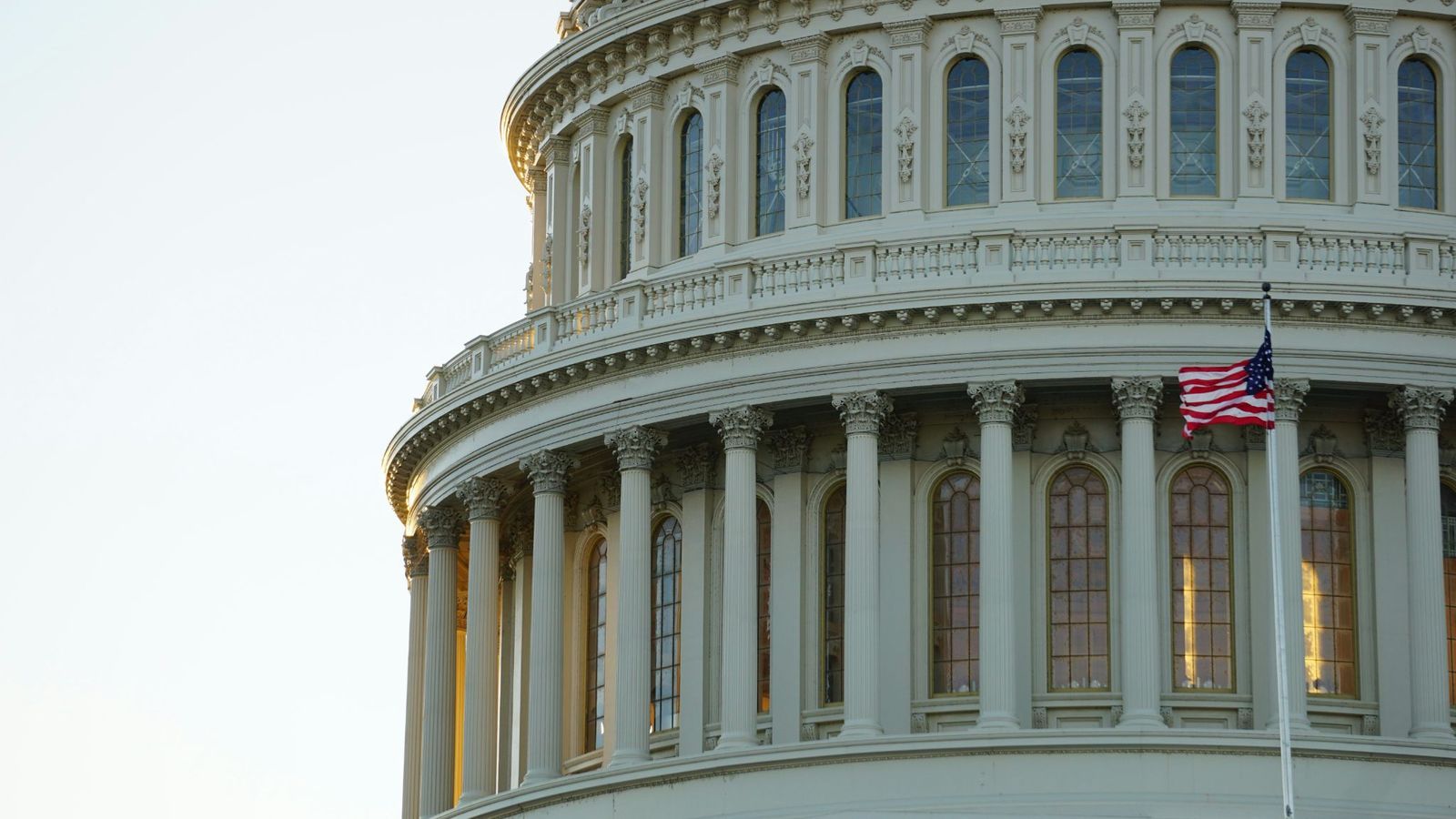
The heated debates about the new government forced the delegates to reach a series of compromises. The most significant concerned state representation (larger states wanted proportional votes, smaller states demanded equal representation), whether enslaved people counted towards state population, and the executive government’s election method. As a result, the Convention decided on a Bicameral legislature (the House of Representatives with proportional representation and the Senate with equal representation), counted three-fifths of the enslaved population towards representation and taxation, and decided on an electoral college to balance popular votes and state electors.
5
The constituents
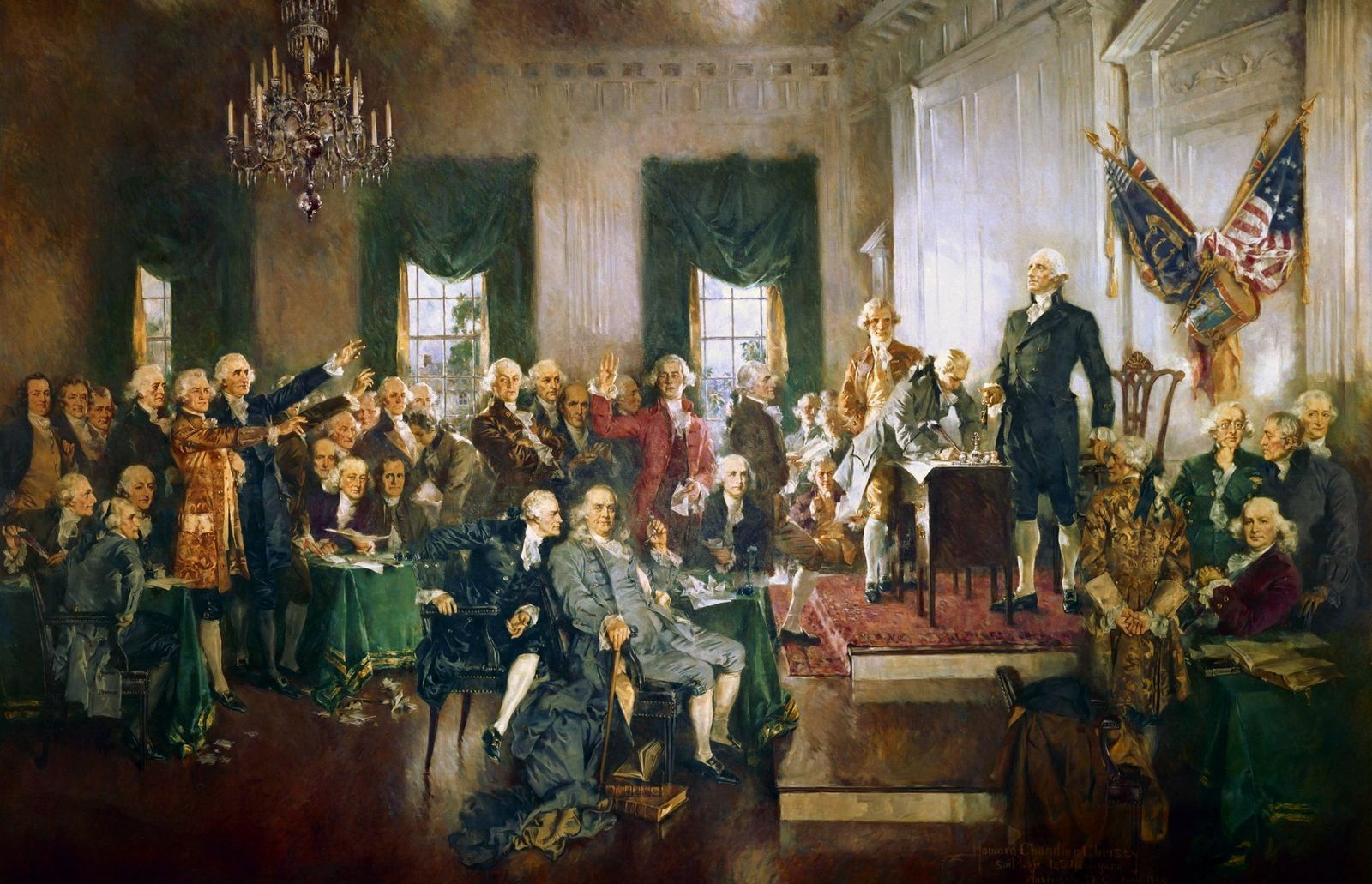
The convention, presided over by George Washington, was comprised of delegates from 12 states, a mix of lawyers, merchants, landowners, physicians, and public officials. All of them had political experience, having served in the Continental Congress, the Confederation Congress, or as signers of the Declaration of Independence , although their ages varied. New Jersey delegate Jonathan Dayton was the youngest constituent, at 26 years old, while Pennsylvania delegate Benjamin Franklin was the oldest, at 81 years old.
6
The men who refused
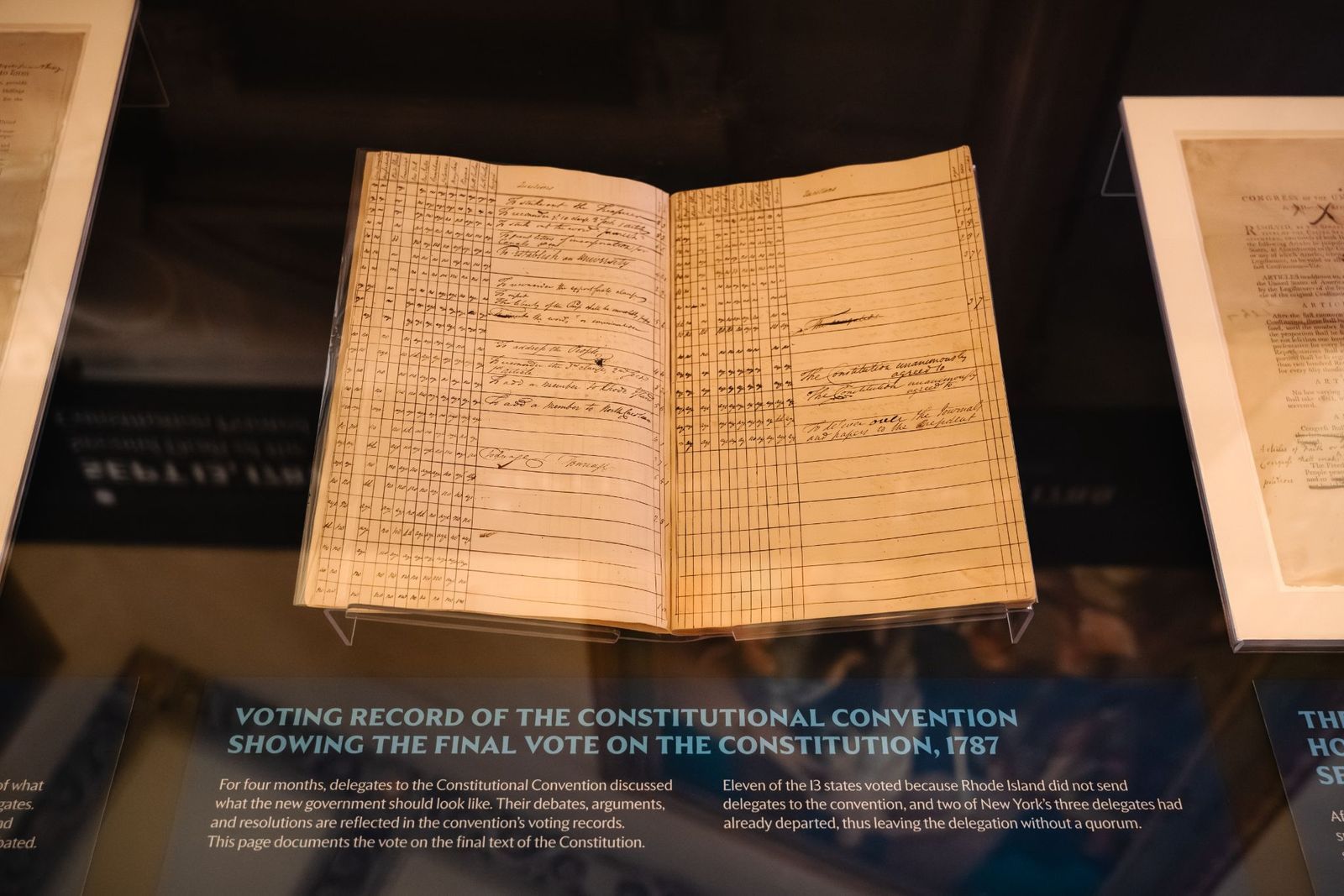
The Constitutional Convention had 55 delegates in total, but not all of them signed the Constitution or were even present at the signing. Thirteen of them had returned to their states due to professional or personal reasons, or as a form of protest. George Mason, Elbridge Gerry, and Edmund Randolph remained at the convention, but refused to sign the Constitution without a Bill of Rights. In the end, only 39 out of 55 delegates signed the final document.
7
Delaware, the First State
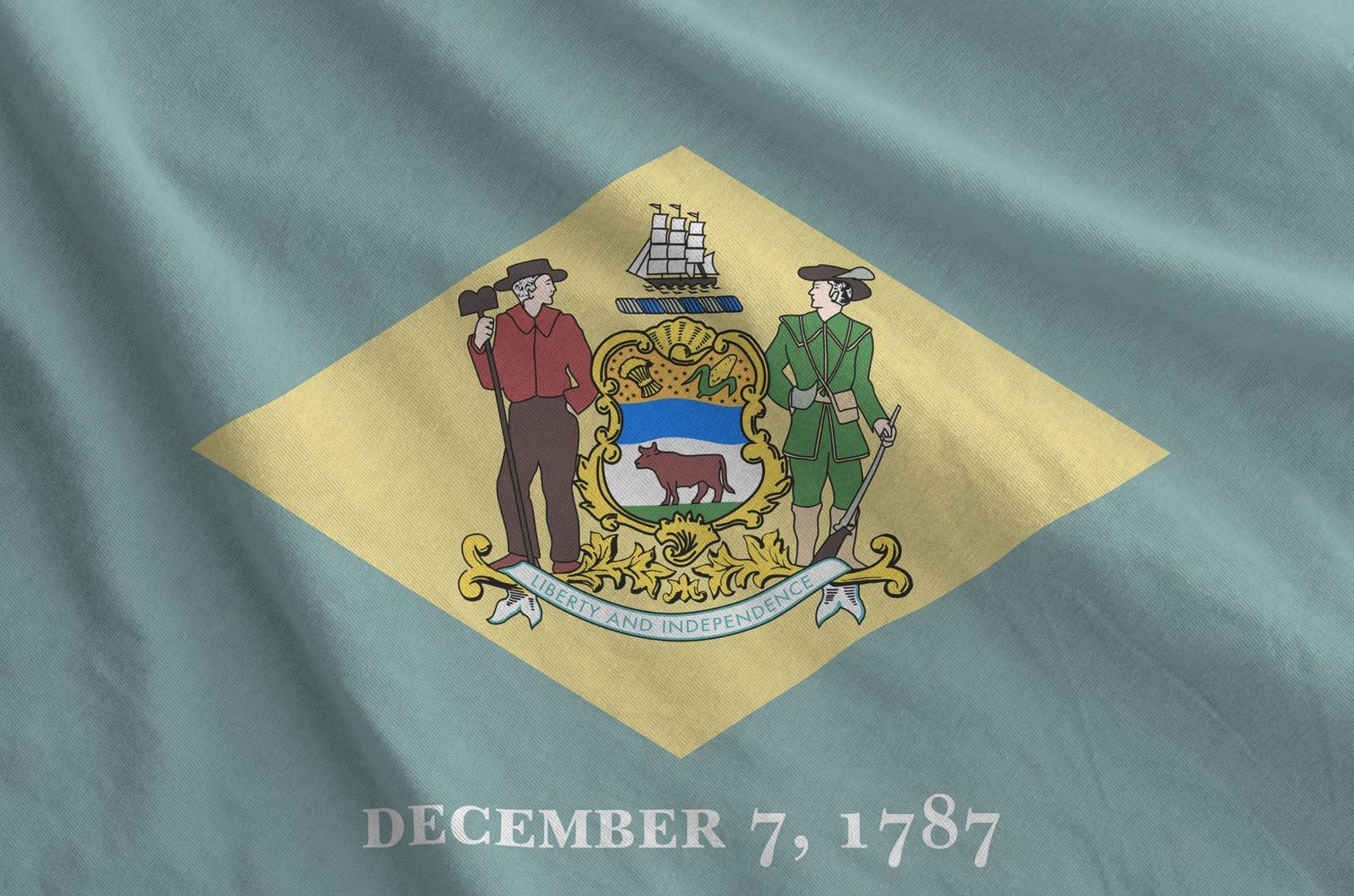
Although Delaware is traditionally regarded as the 13th colony, and it functioned as such with its own assembly, it had always been part of Pennsylvania, only becoming an independent state with the start of the Revolutionary War. The second-smallest state beside Rhode Island, Delaware was the first to unanimously ratify the new U.S. Constitution , less than three months after it was signed, making it the first state to join the Union and earning it the nickname of "The First State".
8
The Bill of Rights
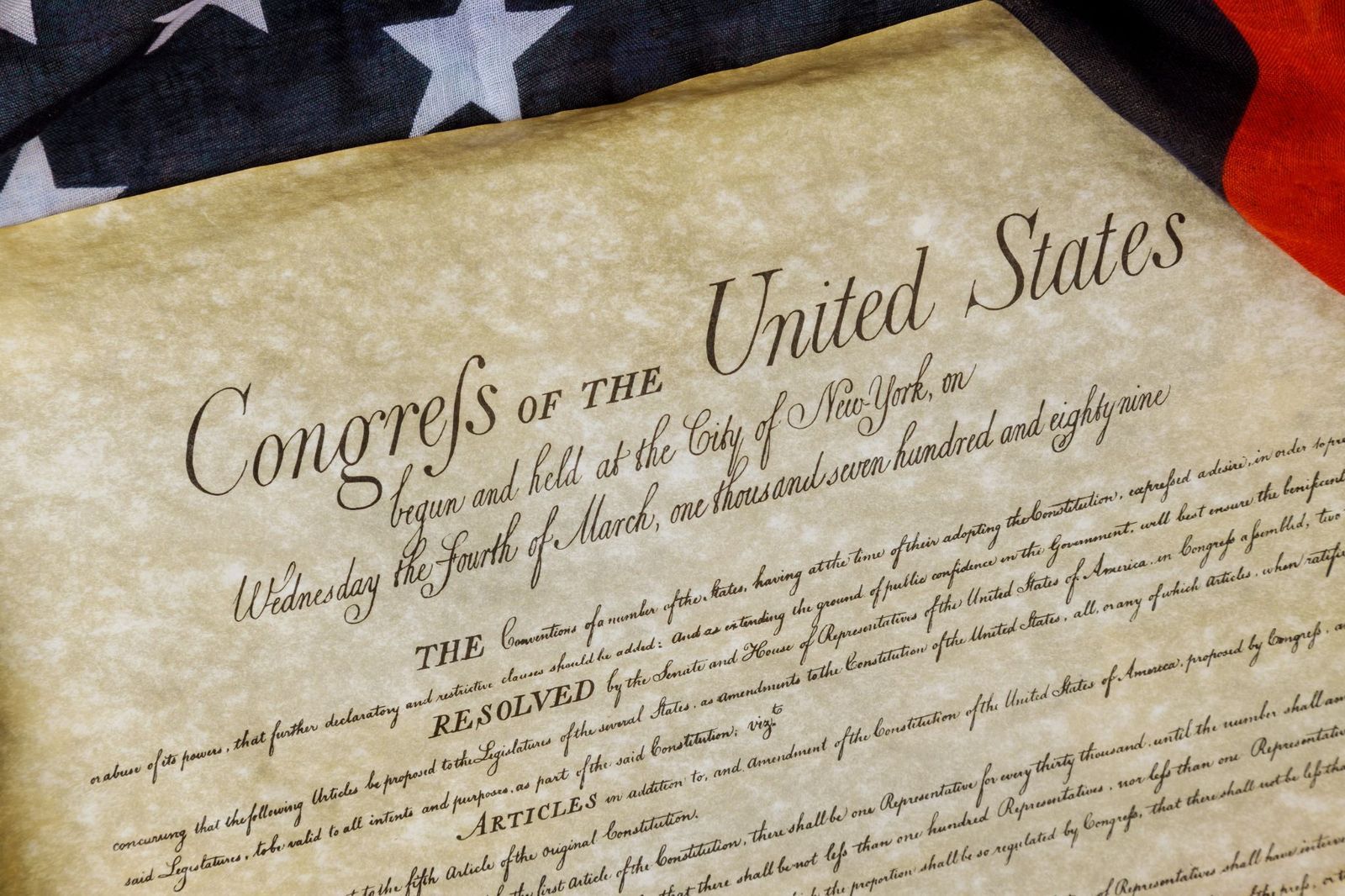
The inclusion of a Bill of Rights had been debated during the Constitutional Convention, but it had been rejected under the argument that it could imply that any right not mentioned did not exist. However, this posed a later issue, as some states flat-out refused to ratify a Constitution that lacked protection of individual rights. To ensure ratification, these states were promised that a bill of rights would be added. The Constitution was fully ratified on May 29, 1790, and the Bill of Rights, composed of ten amendments, was added on December 15, 1791.
9
What about slavery?
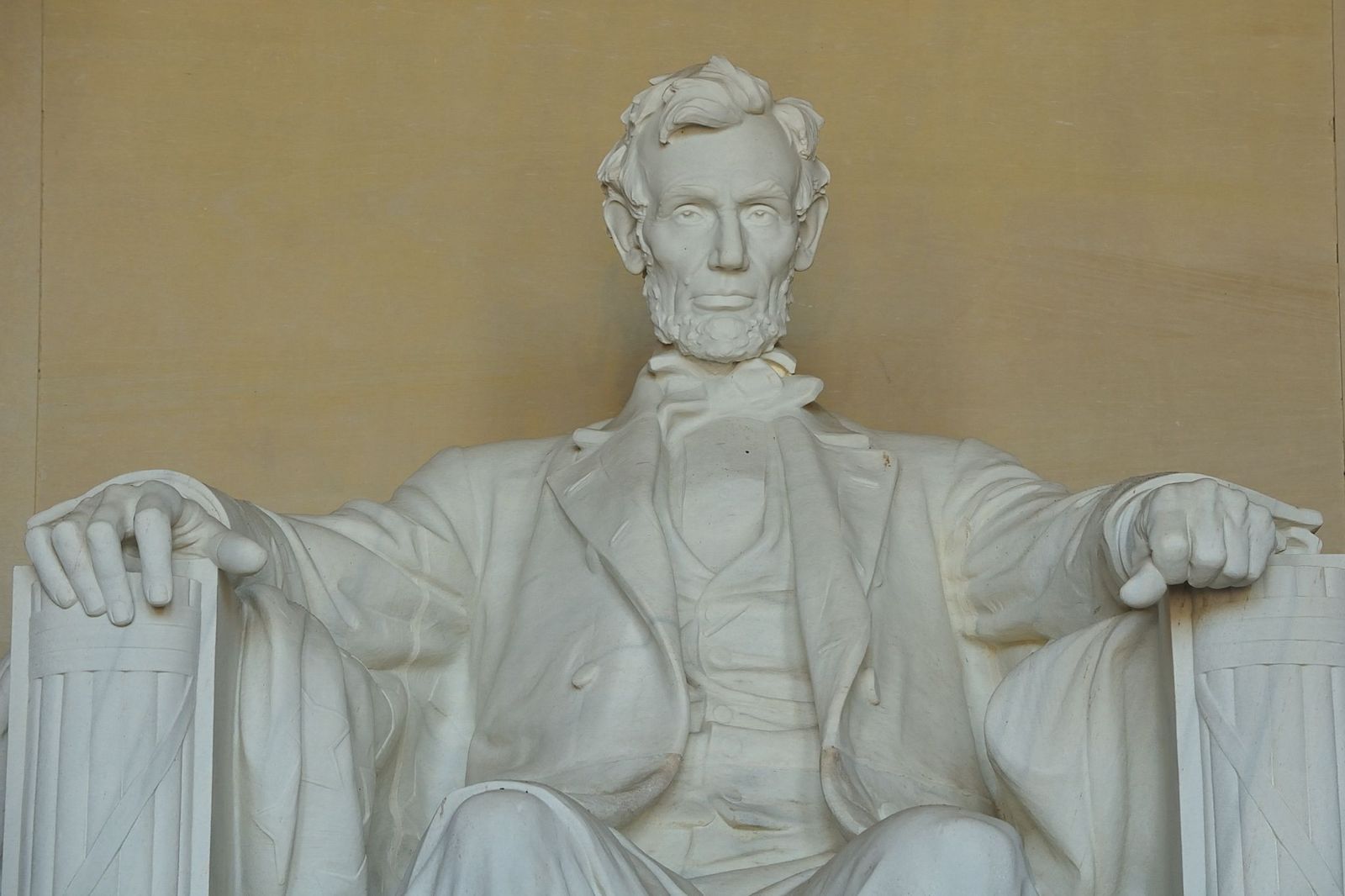
The terms "slave" or "slavery" do not appear in the original text of the Constitution, but this doesn’t mean the institution was not contemplated or protected in the document. The text spoke of people "bound to service", counted three-fifths of them towards a state’s population, prevented Congress from banning the import of enslaved people until 1808, and included a clause to return fugitives to their enslavers. It was not until 1865, with the ratification of the Thirteenth Amendment, that the text of the Constitution formally addressed slavery, abolishing it across the U.S.
10
Amendments
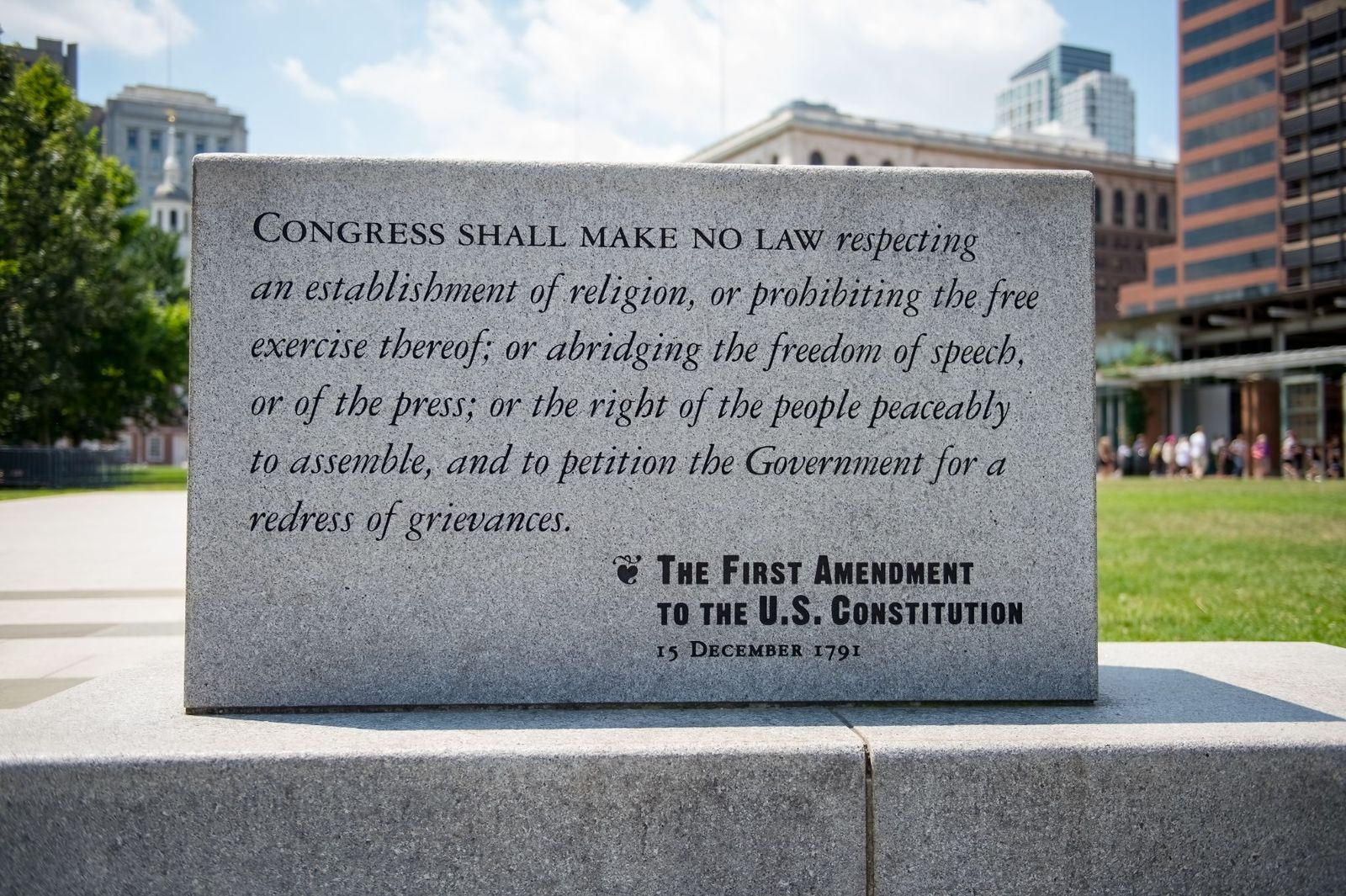
Article V of the original text delineated the mechanism to amend the Constitution, contemplating that the government should be able to change as the nation changed. Any amendment requires a majority vote (two-thirds) of both chambers of Congress, plus the ratification of three-fourths of the states. Since the inception of the Constitution, more than 11,000 amendments have been proposed to Congress, but only 33 have been approved and sent to be ratified by the states. Of those, only 27 have been effectively ratified, the last one, concerning changes in congressional pay, fully ratified in 1992.