General General 7 min read

What time has left behind

What happened to these 10 abandoned amusement parks? The true story
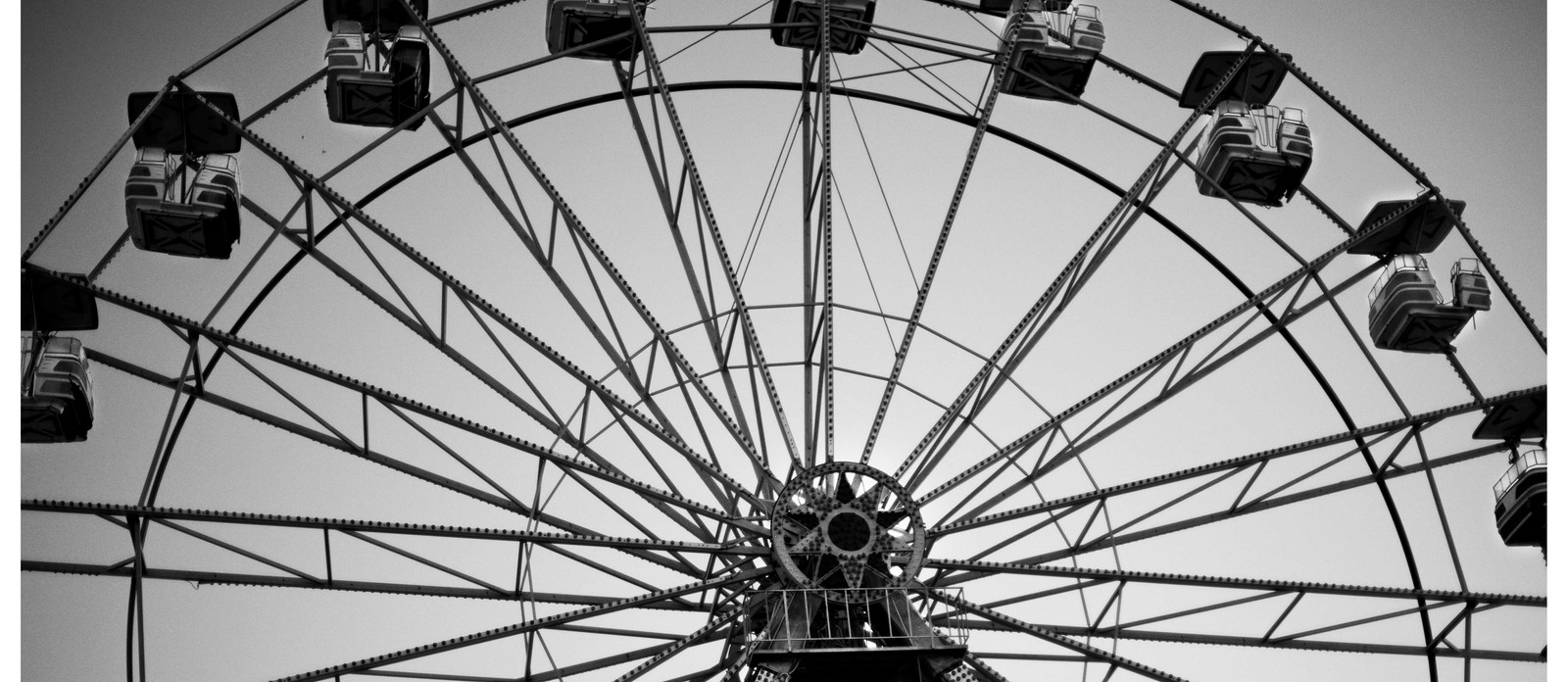
Image: Erik Jorgensen from Morrison, USA, CC BY 2.0, via Wikimedia Commons

You may remember visiting some of these places as a little kid, or seeing some of them in postcards, magazines, or old news clips. But have you ever wondered what became of them? Once-popular stops on family road trips, they now look very different. And while they may no longer be open for business, many still stand and can still be seen today. From Cypress Gardens in Winter Haven, Florida, to Six Flags in New Orleans, here are 10 abandoned US attractions and the surprising reasons they closed their doors.

1
Cypress Gardens (Winter Haven, Florida)
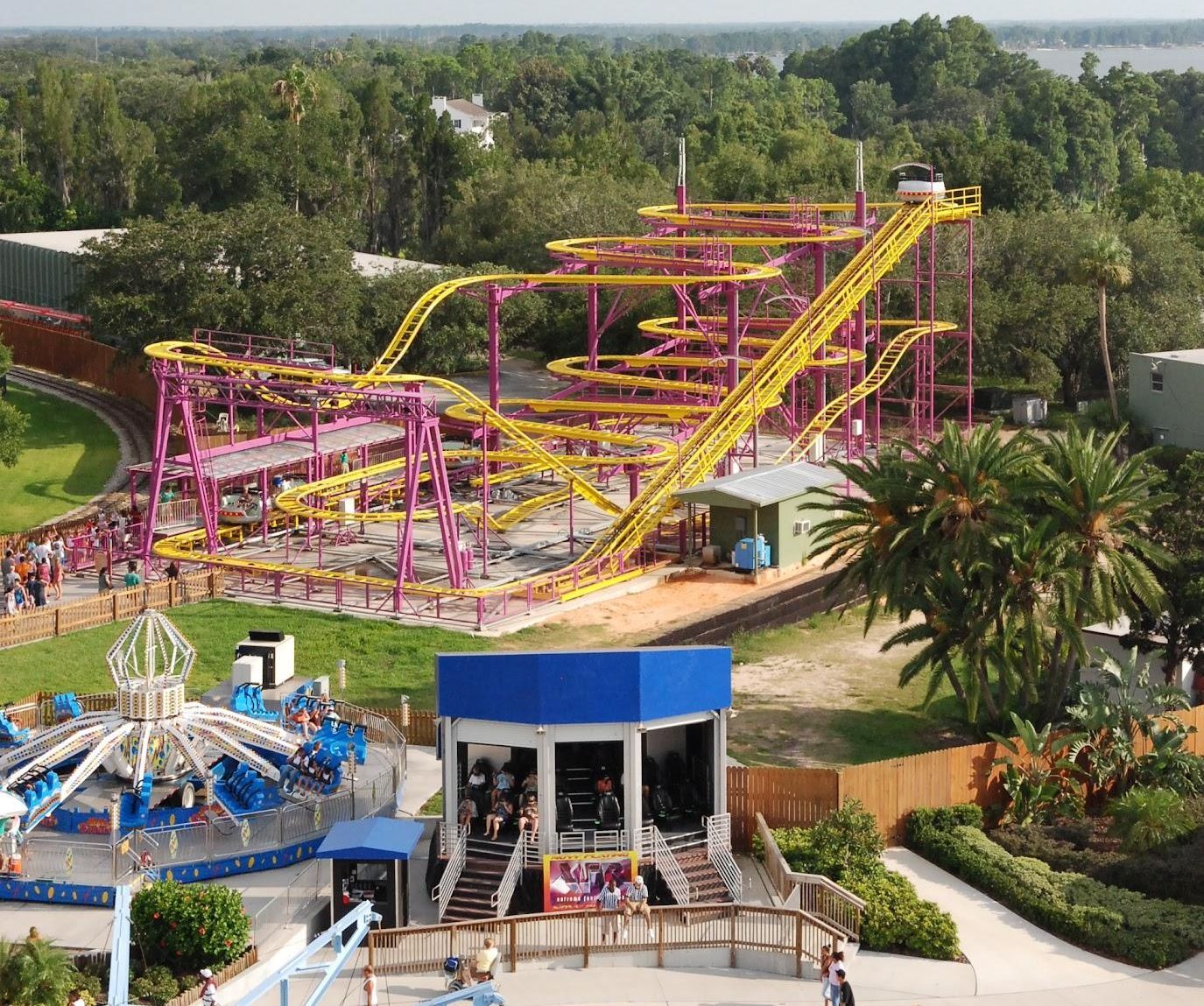
Long before the Disney parks arrived in Florida, another attraction was the most popular, drawing visitors from across the country.

It was Cypress Gardens in Winter Haven, Florida, which opened in 1936 as a botanical garden showcasing the state’s natural beauty. Over time, it became even better known for its water ski shows, something many Americans still remember from family trips in the 60s and 70s. But by the late 70s, things began to shift. The rise of the Disney parks changed tourism expectations, and Cypress Gardens slowly lost its spotlight, ultimately closing in September 2009. But it's not all bad news; parts of the original gardens still survive today, preserved inside LEGOLAND Florida.

2
New York State Pavilion (New York)
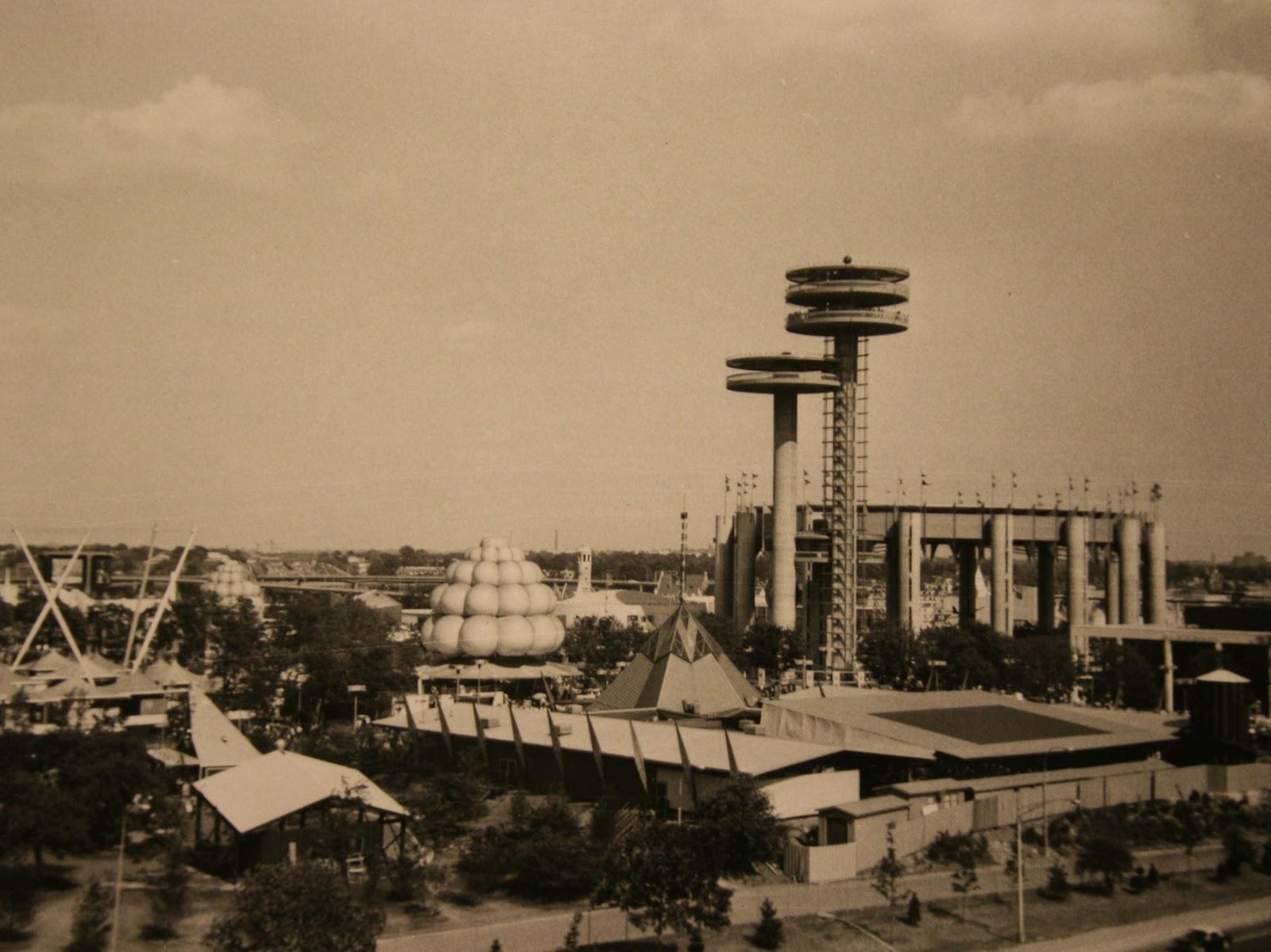
Image: Gary Lee Todd, Ph.D., CC0, via Wikimedia Commons

At the 1964 New York World’s Fair in Queens, the United States unveiled a brave vision of the future: the New York State Pavilion.

With its "Tent of Tomorrow," three towering observation structures, and a giant map of New York on the ground, it drew crowds throughout 1964 with exhibitions, shows, and concerts. But when the fair closed in 1965, the future it represented started to fade. Without a long-term plan or funding, the pavilion declined, and by 1974**,** it was permanently closed due to structural issues. Today, its rusted towers still stand over Queens, NYC, alongside the empty concrete frame. However, restoration efforts have recently begun, hinting at a possible second life for this future that never was.

3
Six Flags New Orleans (New Orleans, Louisiana)
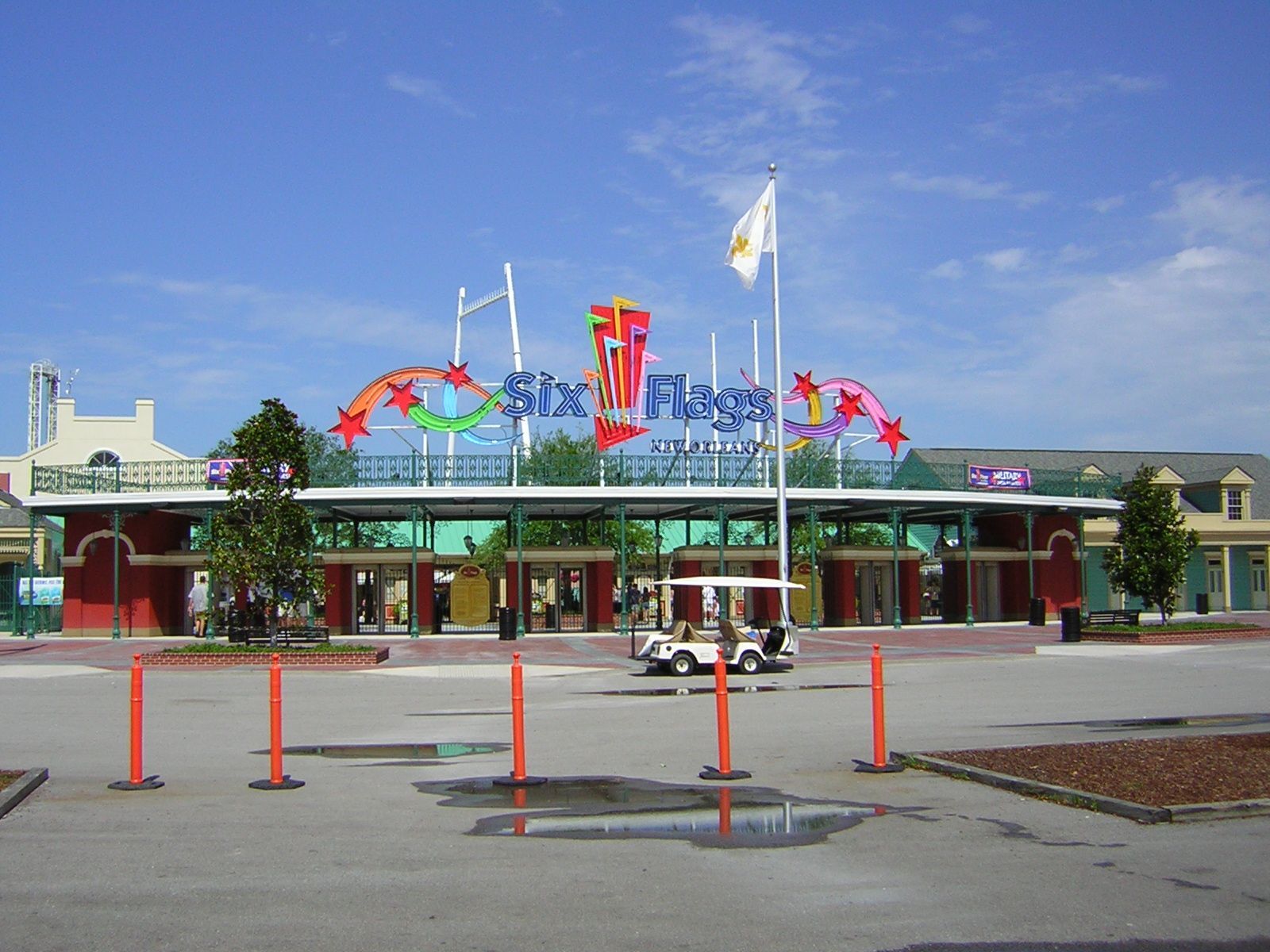
In the early 2000s, it was one of the most popular amusement parks in the region, but soon after, it was left underwater and abandoned.

We’re talking about Six Flags New Orleans, which opened in May 2000 as Jazzland Theme Park. In 2002, Six Flags took over, rebranding it and improving its roller coasters, rides, and water attractions. Its downfall wasn’t due to lack of visitors or investment; it was something far more powerful: in 2005, Hurricane Katrina flooded the park , causing irreversible damage, so it never reopened. Today, it still stands abandoned, with rusting rides and empty streets that are now a reminder of the storm. But it still gets some use: today, the now-haunting site has been transformed into a frequent filming location for movies, including Jurassic World (2015) and Dawn of the Planet of the Apes (2014).

4
Palisades Amusement Park (Bergen County, New Jersey)
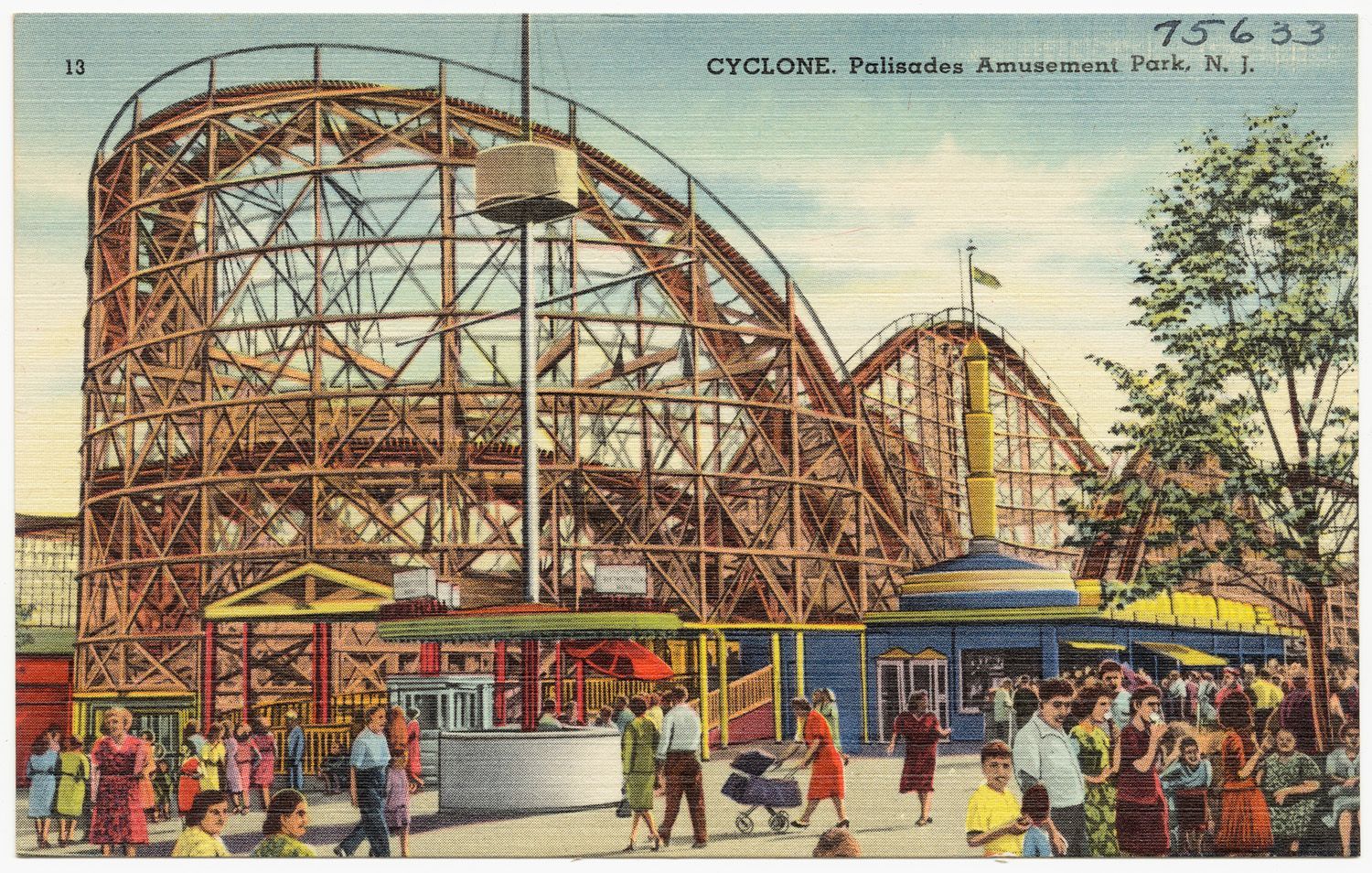
Image: Boston Public Library, CC BY 2.0, via Wikimedia Commons

For decades, especially between 1950 and 1970, it was a classic summer destination for families, but today, it’s completely gone.

Palisades Amusement Park opened in 1898 on the cliffs of the Hudson River in New Jersey. And what began as a trolley stop became one of America’s most famous amusement parks, known for its roller coasters, neon lights, and a massive saltwater pool once called "the largest in the world." However, by the 1960s, overcrowding, rising costs, and local pressure pushed it into decline, and it closed permanently on September 12, 1971. Today, high-rise apartments stand where the rides once were.

5
Disney's River Country (Lake Buena Vista, Florida)
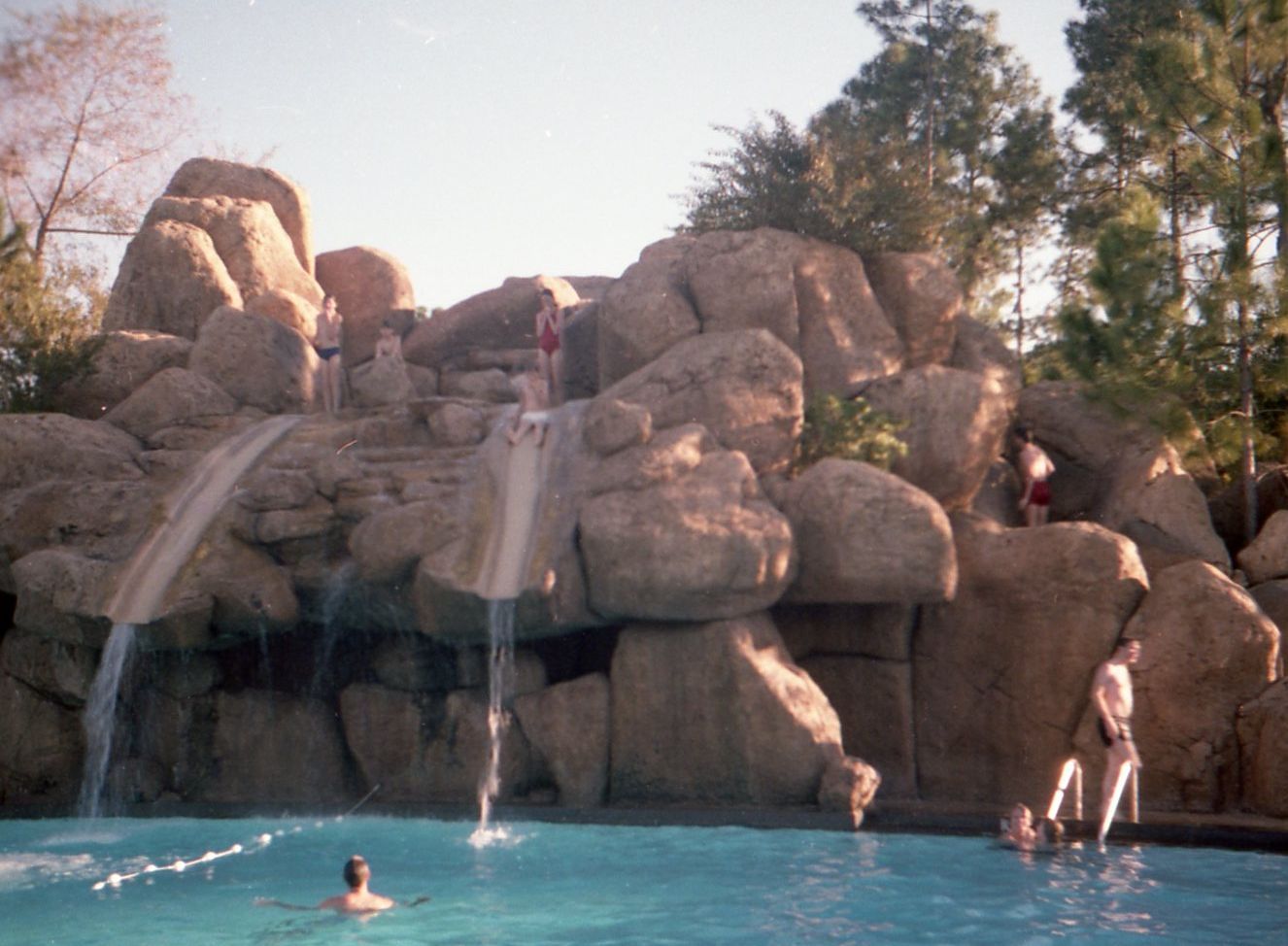
Have you heard about Disney’s abandoned park? Disney's River Country opened in 1976 in Lake Buena Vista, Florida, inspired by the vibes of classic American summer vacations. It had a rustic atmosphere, with wooden slides, rope swings, and water drawn directly from the nearby lake. It was a total success in the 1980s, but by the late 1990s, things began to change.

Newer water parks with advanced systems and stricter safety standards made River Country feel outdated, and Disney gradually shifted its attention elsewhere. The park closed "temporarily" in 2001, but it never reopened. Today, it still sits in the same place, partially reclaimed by nature, quietly overshadowed by the modern resorts around it.

6
Grossinger’s Catskill Resort Hotel (Liberty, New York)
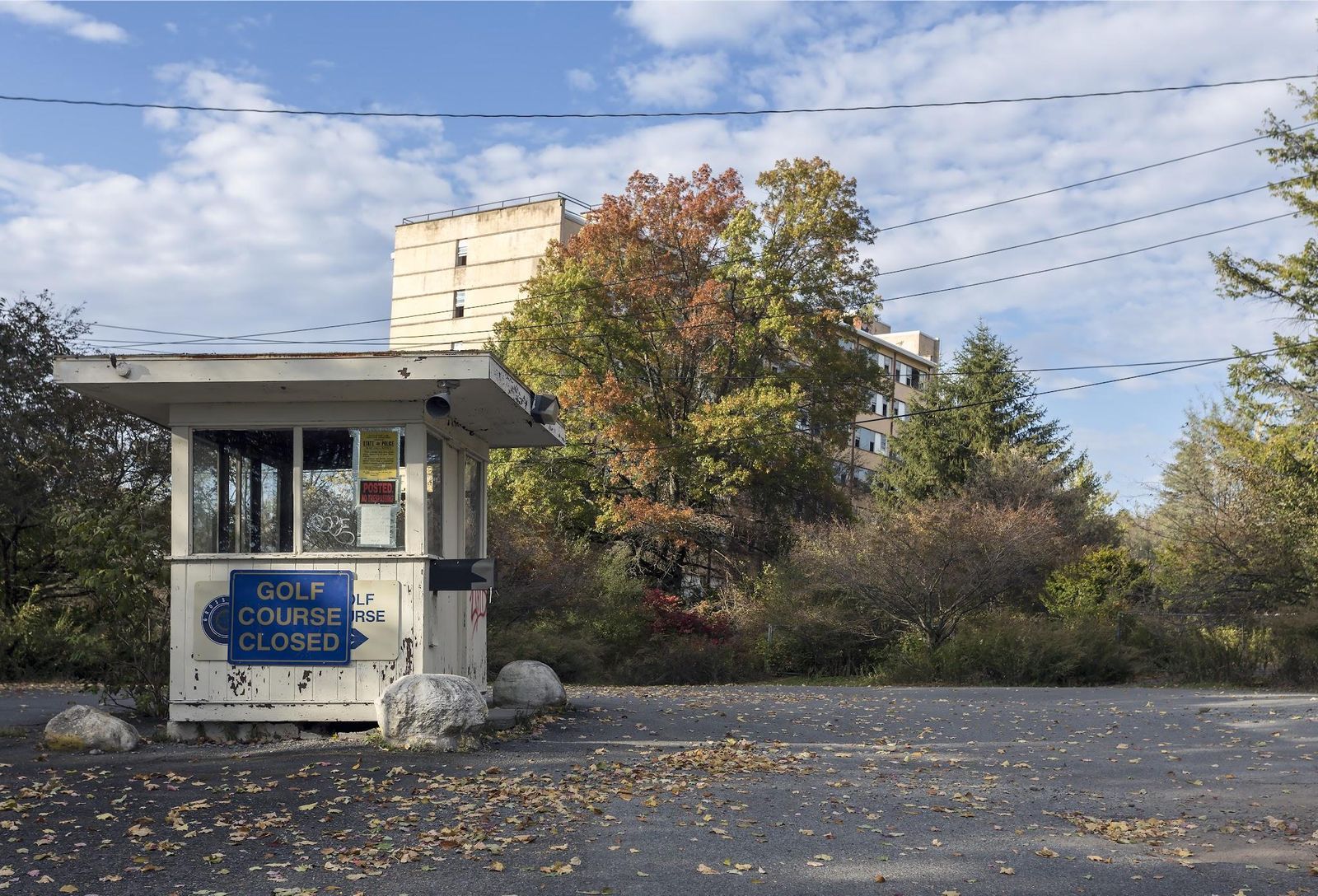
Image: Acroterion, CC BY-SA 4.0, via Wikimedia Commons

What was once one of the most popular family resorts in the country is now an extensive, decaying space with peeling wallpaper and collapsing floors.

Grossinger’s Resort Hotel began in the 1910s as a small guesthouse in the Catskill Mountains of Liberty, New York. What started modestly soon grew into one of the region’s most famous destinations, reaching its peak in the 1950s and 1960s with a golf course and both indoor and outdoor pools. It was incredibly popular with urban and suburban families in the tri-state area, and it even inspired the fictional "Kellerman's Mountain Resort" from Dirty Dancing (1987).

But in the late 1960s, American vacation habits began to change. Air travel and cruise vacations attracted families, and younger generations no longer returned to the places their parents had once loved. The resort gradually declined, leading to its permanent closure in 1986.

7
Dogpatch USA (Marble Falls, Arkansas)
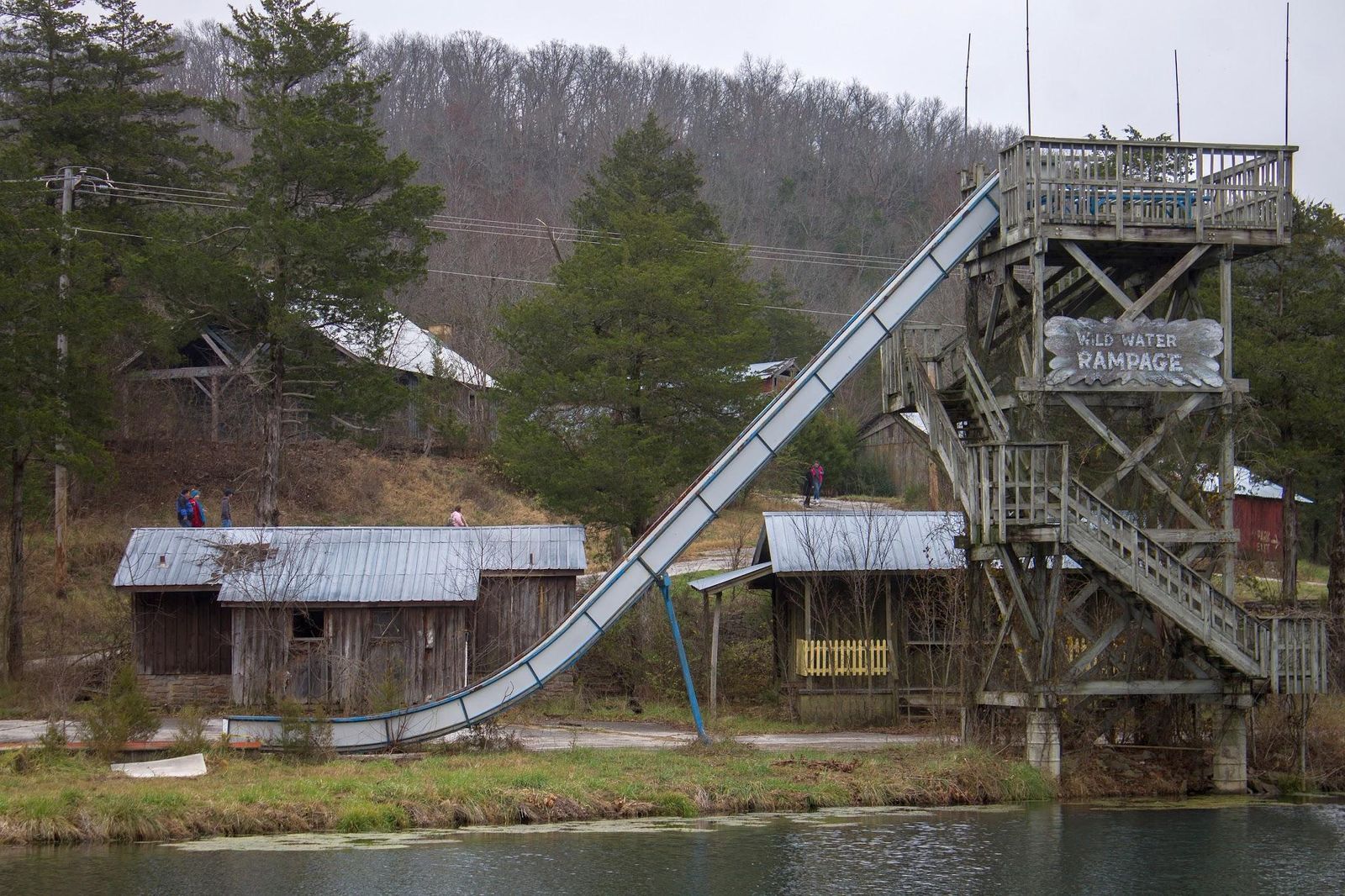
Image: kenzie campbell from springfield, mo, CC BY 2.0, via Wikimedia Commons

Dogpatch USA opened in the Ozarks of Marble Falls, Arkansas, in 1968, taking its name from the fictional town in the popular comic strip Li’l Abner by Al Capp.

Rustic buildings, rides, fishing ponds, and a small amusement area brought the comic world to life. It first attracted curiosity from local visitors, but never reached the popularity its creators had hoped for. Almost from the start, it struggled, in part due to its remote Ozarks location, which made it difficult for most tourists to reach, and its operating costs that surpassed attendance. Over time, the park gradually declined, changing ownership and shrinking in activity, before finally disappearing in the mid-1980s.

8
Ghost Town in the Sky (Maggie Valley, North Carolina)
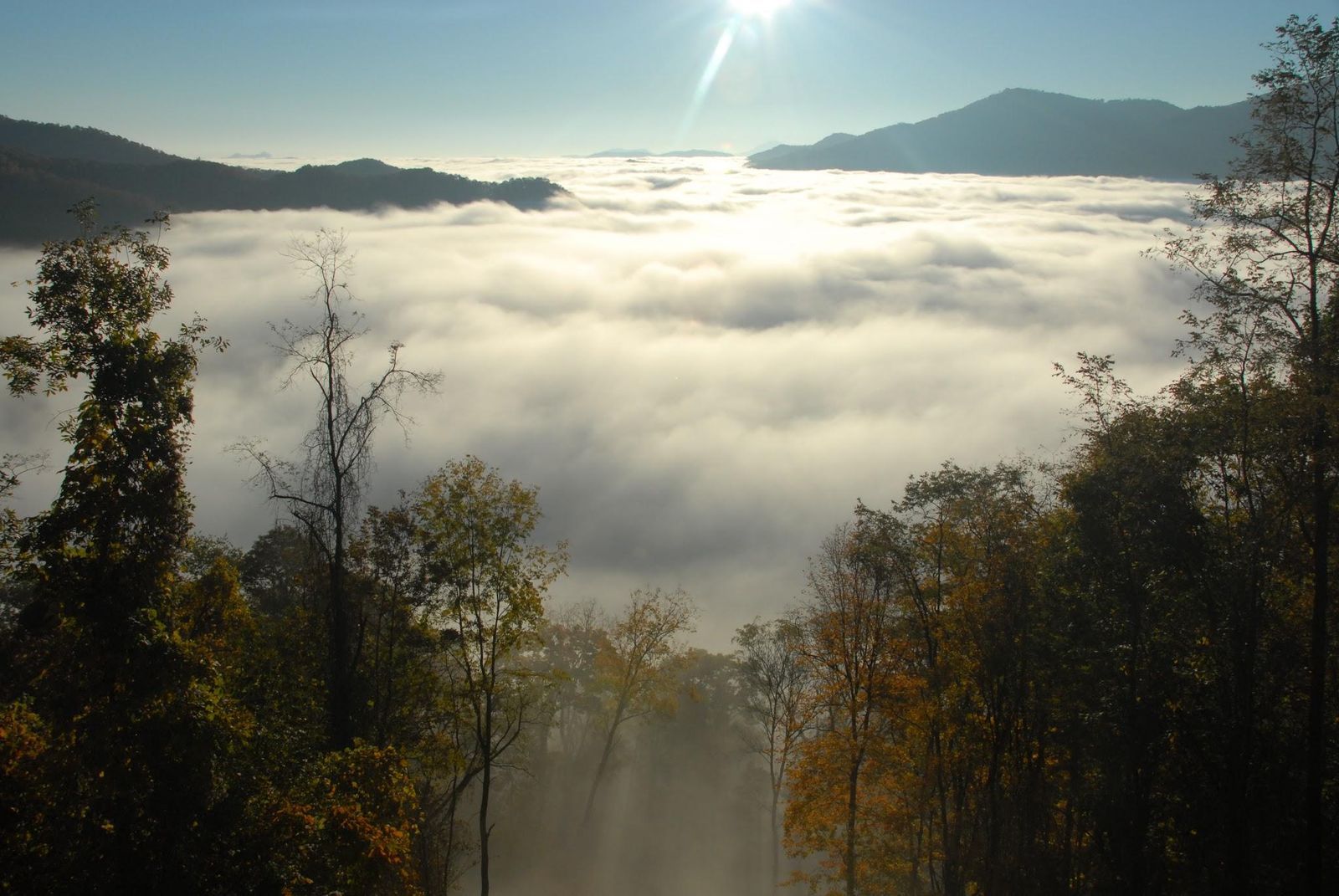
Image: Dsorrells, CC BY-SA 4.0, via Wikimedia Commons

A Wild West–themed amusement park sitting above the clouds in the Smoky Mountains sounds too good to be true, right? But it was real.

Ghost Town in the Sky opened on May 1, 1961, in Maggie Valley, North Carolina, at the top of Buck Mountain. Visitors rode a chairlift up to a full Old West town with saloons, staged gunfights, and mountain views. For its first two decades, it attracted steady crowds, but by the 1990s, it began to shrink. Rising maintenance costs, difficult access, and unstable ownership pushed it into decline. By the 2000s, the aging infrastructure became unreliable, leading to its first closure in 2002 and final closure in 2009. Today, the park still sits abandoned on the mountain.

9
Geauga Lake (Aurora, Ohio)
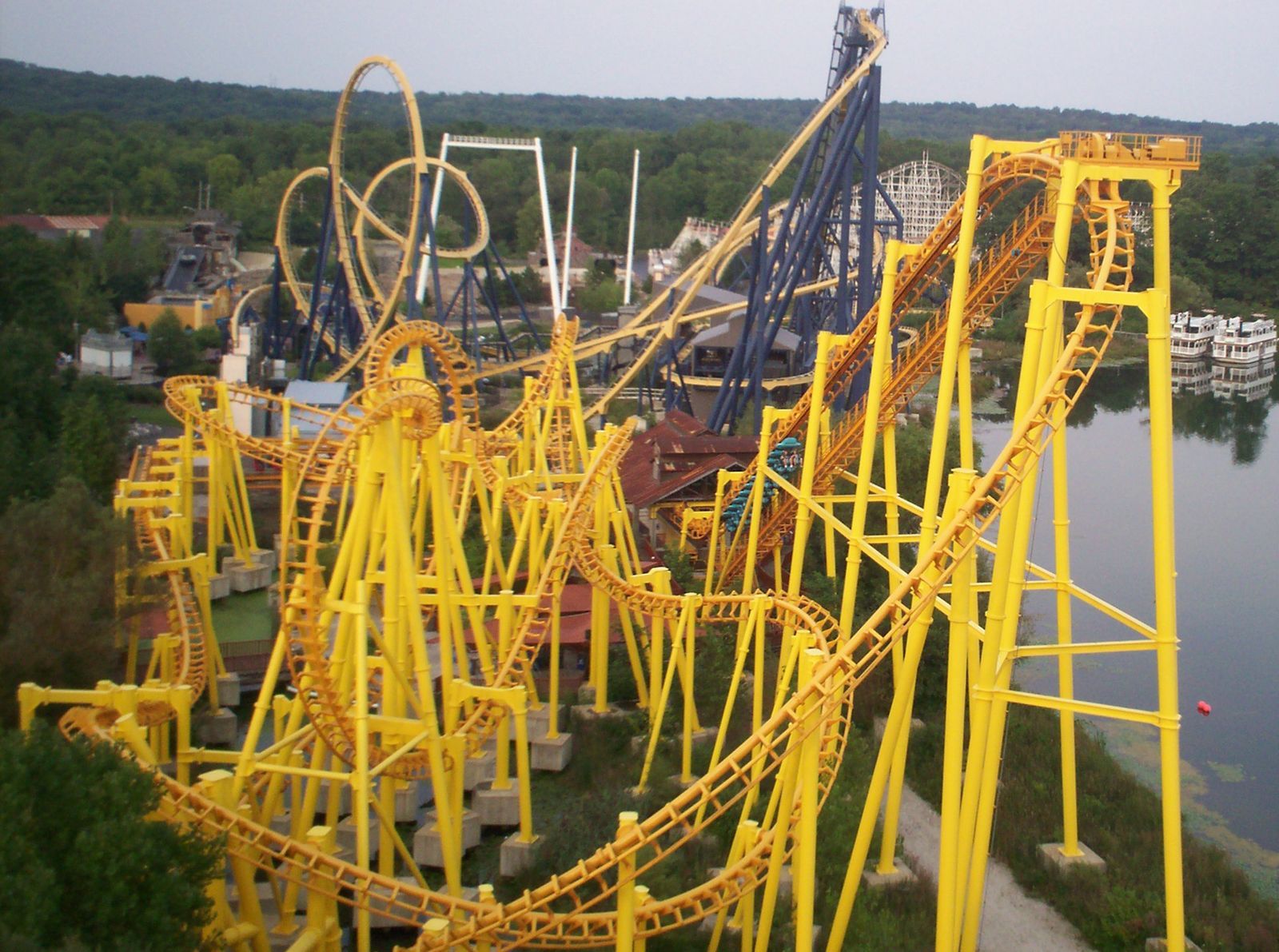
Image: JonRidinger, CC BY 3.0, via Wikimedia Commons

In the early 20th century, many Midwestern families had a go-to summer destination: Geauga Lake Park.

Geauga Lake opened in 1887 in Aurora, Ohio, as a simple lakeside resort. By the 1920s, it had grown into a full amusement park with rides, games, and roller coasters –like its classic wooden coaster, the Big Dipper– attracting thousands of visitors each year. Throughout much of the 20th century, it was a must-stop on family road trips. It reached its peak in the 1990s, after major expansions turned it into a large regional attraction, but those same upgrades also drove up costs and complexity. In the end, the expansion that improved it also sealed its fate, leading to its final closure in 2007.

10
Heritage USA (Fort Mill, South Carolina)
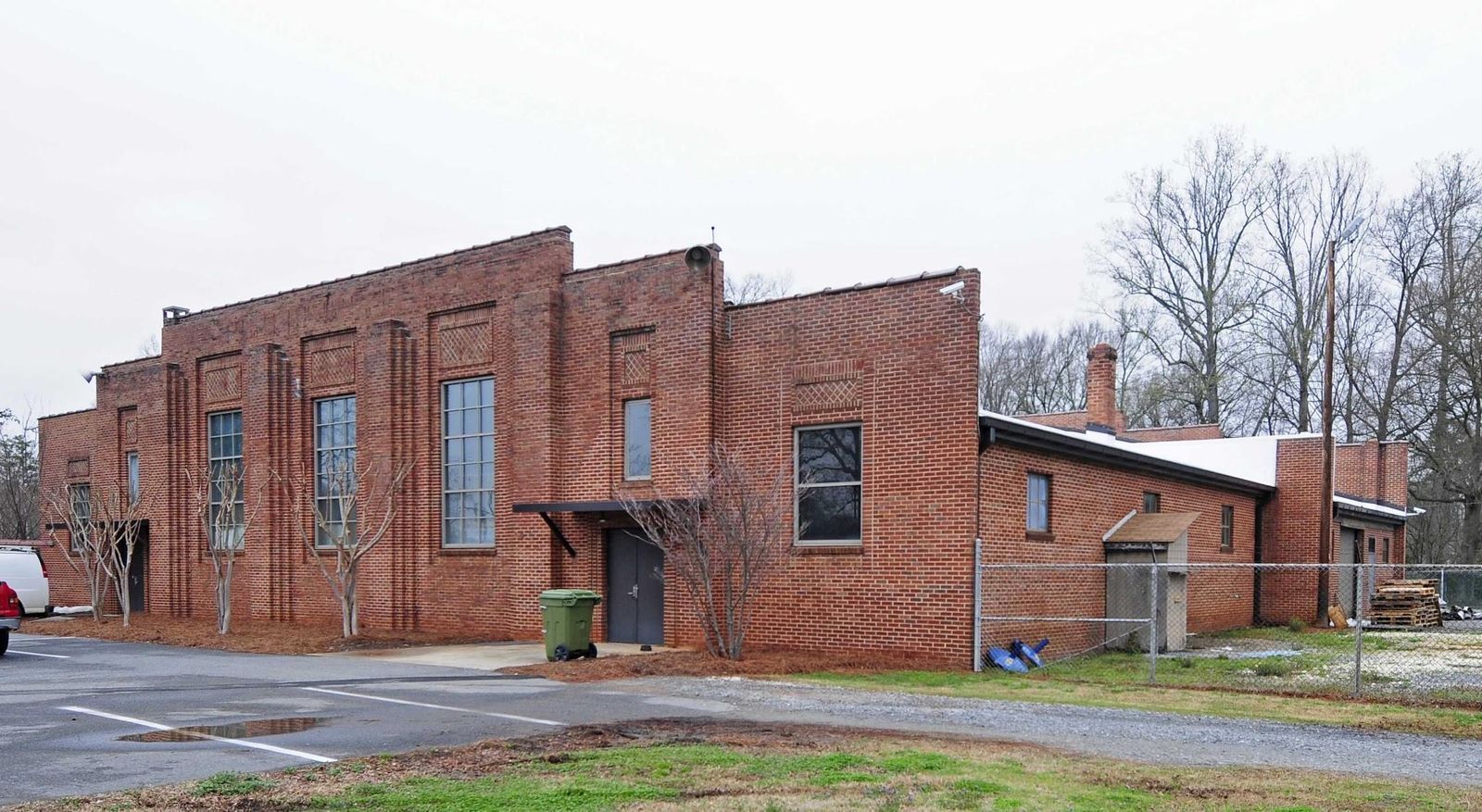
Image: Bill Fitzpatrick, CC BY-SA 3.0, via Wikimedia Commons

Sometimes called "Christian Disneyland," Heritage USA opened in 1978 in Fort Mill, South Carolina, founded by famous televangelists Jim and Tammy Bakker with the idea of building a major Christian-themed resort to rival the big amusement parks.

For a time, it was hugely popular, at one point even ranking as the third most-visited theme park in the U.S., with rides, a water park, hotels, and a large church auditorium. But in 1987, a financial scandal involving Jim Bakker shook public trust, and in 1989, Hurricane Hugo caused further damage. By the end of 1989, the park had effectively shut down, leaving its once-famous 21-story hotel as a hollow reminder of what it had been.
History History 7 min read

Hidden stories

The secret WWII project hidden beneath the White House

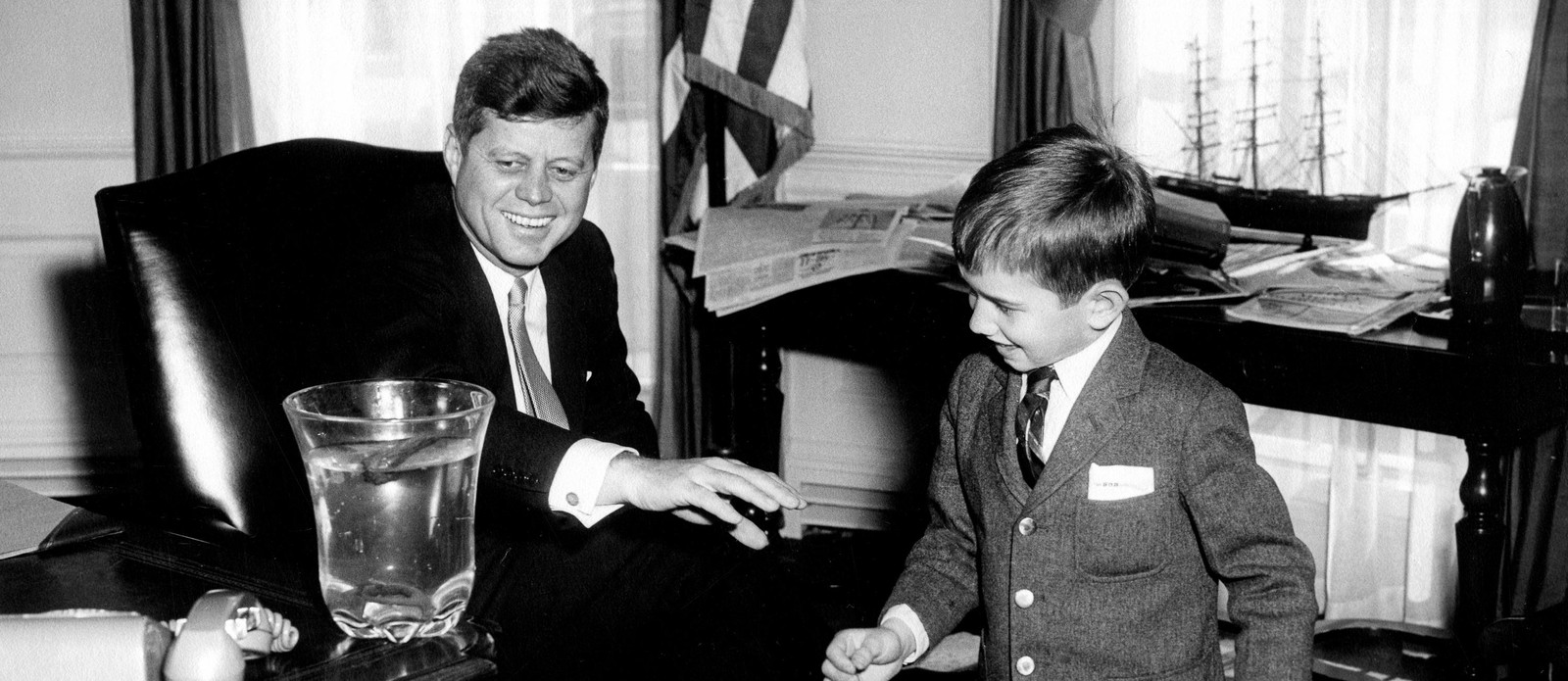
Image: Abbie Rowe. White House Photographs. John F. Kennedy Presidential Library and Museum, Boston, Public domain, via Wikimedia Commons

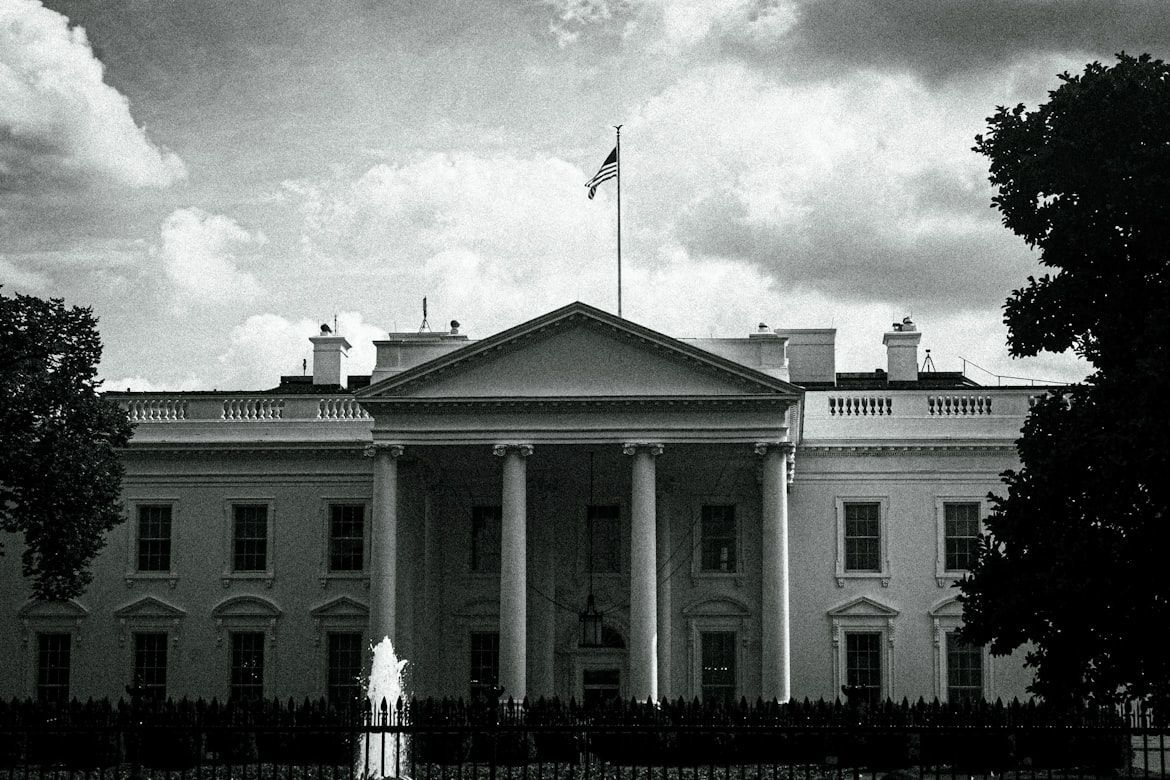
Did you know the White House wasn’t originally meant to be white? Or that hidden underground spaces were built beneath it? For more than 200 years, we have seen the White House in movies, on the news, in family photo albums from Washington trips, and during some of the biggest moments in our country’s history. But behind those famous walls are stories most have never heard. From fires and secret construction projects to strange traditions and forgotten moments, these are 10 surprising White House stories that most of us were never taught in school.

1
It was almost completely torn down

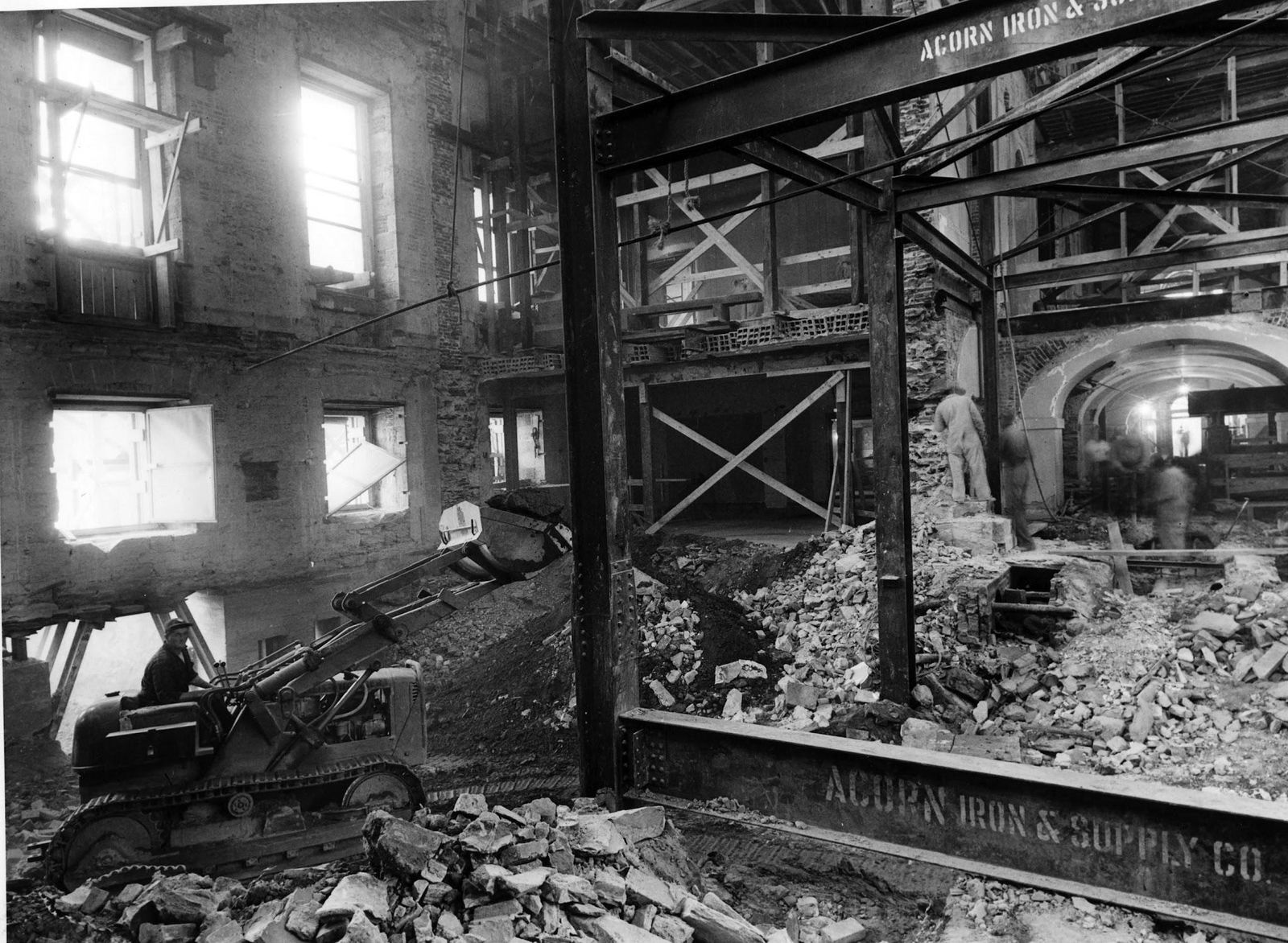
Image: Abbie Rowe, Public domain, via Wikimedia Commons

Did you know that very little of today’s White House interior is actually original? Looking at the building now, it’s hard to imagine that it was once so unstable that it was in danger of collapsing.

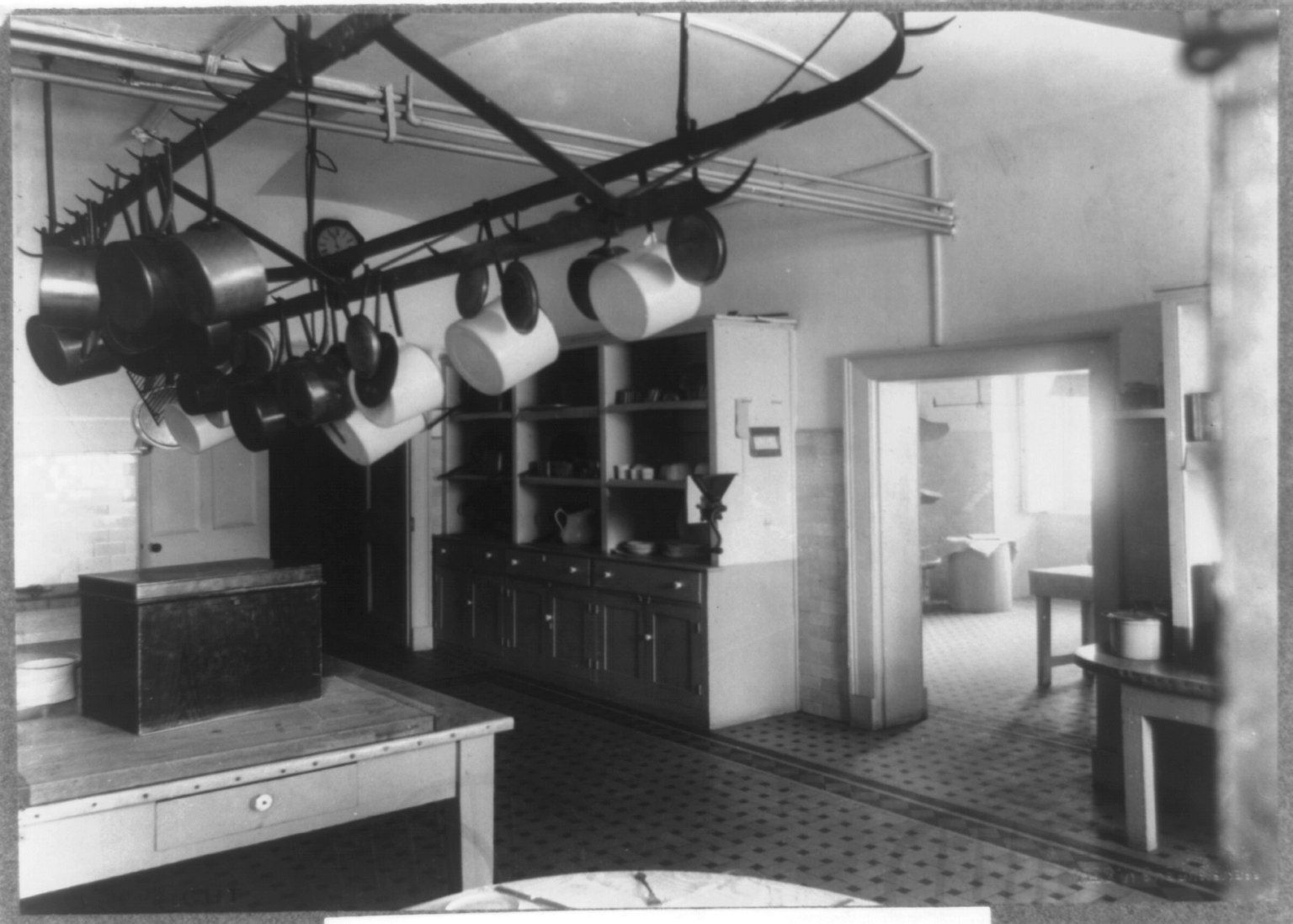
By 1948, after decades of heavy use, outdated wiring, poor structural supports, and years of renovations layered over one another, the White House had become unsafe. Floors and walls cracked, and parts of the residence were literally sinking. President Harry S. Truman even joked that the place felt haunted because it made so many strange noises. Rather than abandon it, Truman launched a massive reconstruction project with Congress. Between 1948 and 1952, nearly the entire interior was gutted and rebuilt while the original exterior walls were preserved, giving America a strong and reliable White House.

2
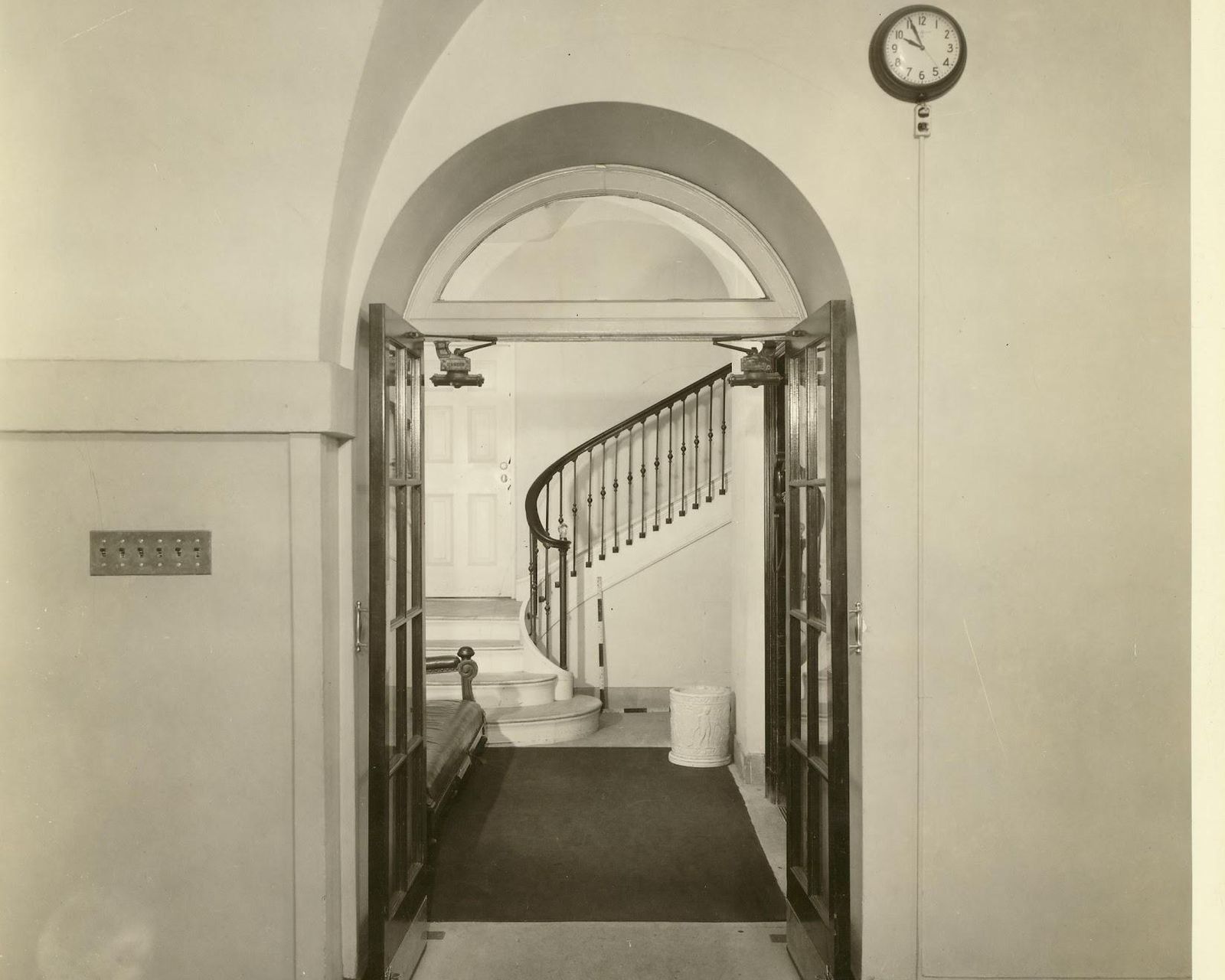
During WWII, they built an underground bunker

Image: rc.xyz NFT gallery

Did you know there’s a fortified bunker hidden beneath the White House? A couple of years before Truman’s famous renovation, another major project was quietly built beneath the presidential residence.

In 1942, during World War II, President Franklin D. Roosevelt ordered the construction of a secure underground shelter to protect government leaders in case Washington, D.C., came under attack. Built quickly and in great secrecy, the bunker was completed within months, though it was luckily never needed during the war. Today, the facility is known as the Presidential Emergency Operations Center, or PEOC, and it was famously used in 2001 by President George W. Bush and again in 2020 by Donald Trump.

3
It was not originally meant to be white

Image: Andriy Miyusov

Can you imagine if it were called "the Gray House"? Today, it’s impossible to picture America’s most famous home as anything other than bright white, but that wasn’t the original idea.

During construction in the 1790s, workers covered the exterior sandstone with a lime-based whitewash to protect it from moisture, cracking, and harsh winter weather. The coating gave the building a pale grayish appearance, not the brilliant white we recognize today. A long-standing myth claims the White House was painted white to hide the burn marks left after British troops set it on fire in 1814, but in reality, the building had already been whitewashed years earlier. Still, after the fire and reconstruction, the white exterior became permanent and eventually inspired the famous name "White House," though for many years people still called it the "President’s House."

4
10 people have died in the White House

Image: Woodrow Wilson Presidential Library Archives from Staunton, VA, No restrictions, via Wikimedia Commons

Many people have lived and worked in the White House over the centuries, but, according to the White House Historical Association, only 10 people are officially recorded as having died inside the presidential residence.

Among them were two U.S. presidents. William Henry Harrison died there at age 68 in 1841 after falling seriously ill, likely from contaminated water. Zachary Taylor died at age 65 in 1850 from a severe stomach illness after attending Fourth of July celebrations in extreme heat. Three First Ladies also passed away in the White House: Letitia Tyler in 1842, Caroline Harrison in 1892, and Ellen Axson Wilson in 1914. Other deaths included presidential relatives, aides, and staff members, among them Abraham Lincoln’s son, Willie Lincoln, whose death at the age of 11 in 1862 deeply affected the family and became one of the White House’s most heartbreaking stories.

5
Presidential whims

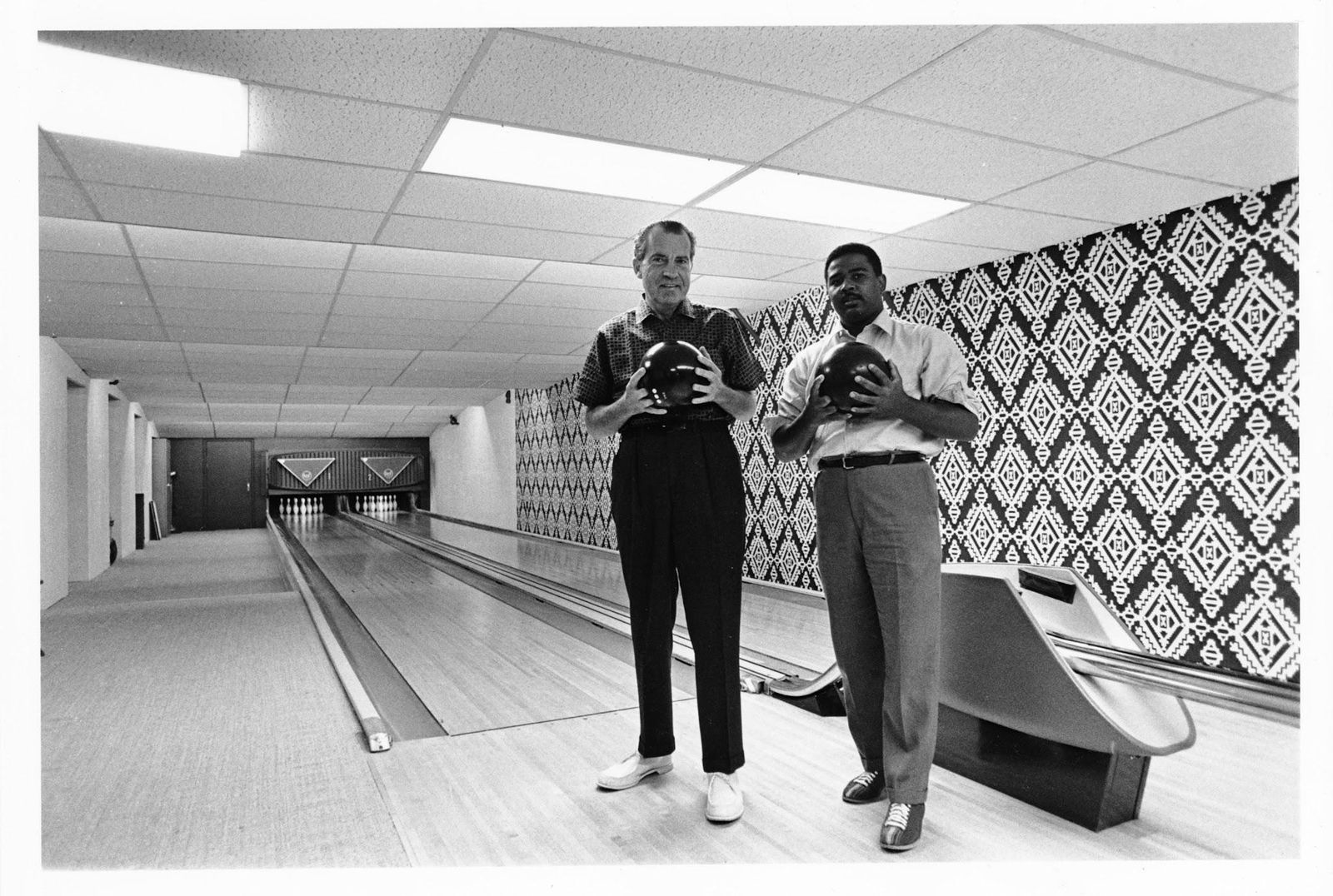
Not every White House renovation happened due to war, damage, or urgent repairs. Some changes came simply from the personal tastes and hobbies of the presidents who lived there, and over the years, there have been quite a few memorable ones.

In 1973, Richard Nixon installed a one-lane bowling alley beneath the North Portico. Years later, in 1989, George H. W. Bush added a regulation horseshoe pit near the White House grounds, where he often relaxed and challenged visitors, including Queen Elizabeth II, to games. Then, in 2009, Barack Obama had the South Lawn tennis court modified so it could also be used for basketball, one of his favorite sports.

6
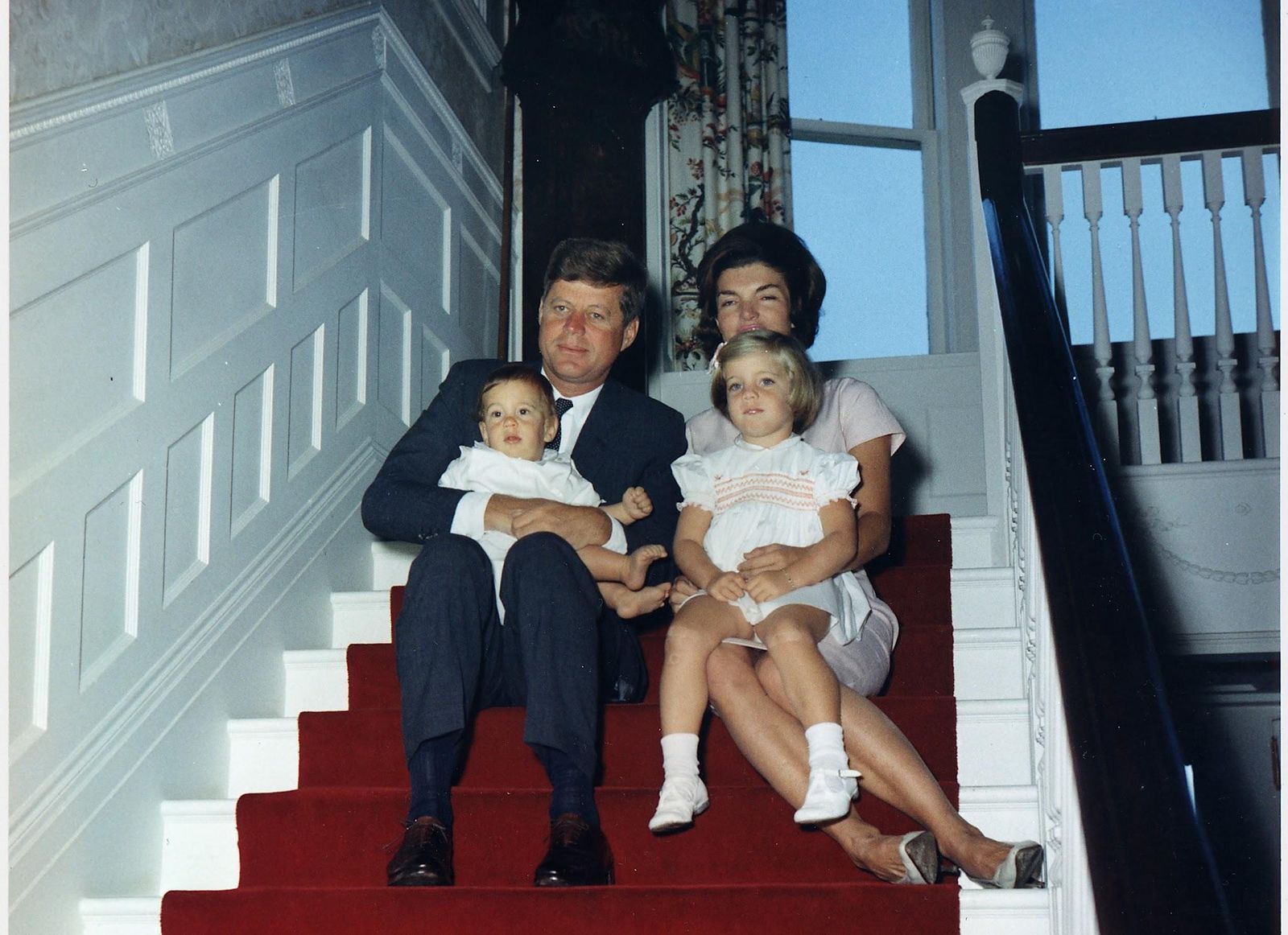
Jackie Kennedy's furniture

Image: Robert LeRoy Knudsen, Public domain, via Wikimedia Commons

When the Kennedy family entered the White House in 1961, the first lady was disappointed to find that many of the historic rooms had lost much of their original character.

Determined to restore the White House’s history and elegance, Jackie Kennedy famously launched a massive restoration effort. She helped create the White House Fine Arts Committee, brought in historians and curators, and filled the residence with genuine antiques and historical pieces tied to past presidencies. On February 14, 1962, an estimated 46 to 56 million people tuned in to watch the First Lady’s televised tour of the White House, making it one of the most-watched programs of its era. She also supported a congressional act that made many of the White House’s historic furnishings official property of the nation, so future presidents could no longer sell, replace, or discard them.

7
Official name changes

Image: Benjamin Harrison Presidential Site, Public domain, via Wikimedia Commons

As we mentioned, the building was not always white, and therefore was not always officially called the White House. For much of the 19th century, Americans usually referred to it as the "Executive Mansion" or the "President’s House." Even after its famous white exterior made the nickname popular, it still was not the building’s official name.

That finally changed in 1901, when Theodore Roosevelt began printing "The White House" on presidential stationery. According to official sources, Teddy Roosevelt preferred this name because it clearly separated the president’s residence from the many state "executive mansions" used by governors across the country.

8
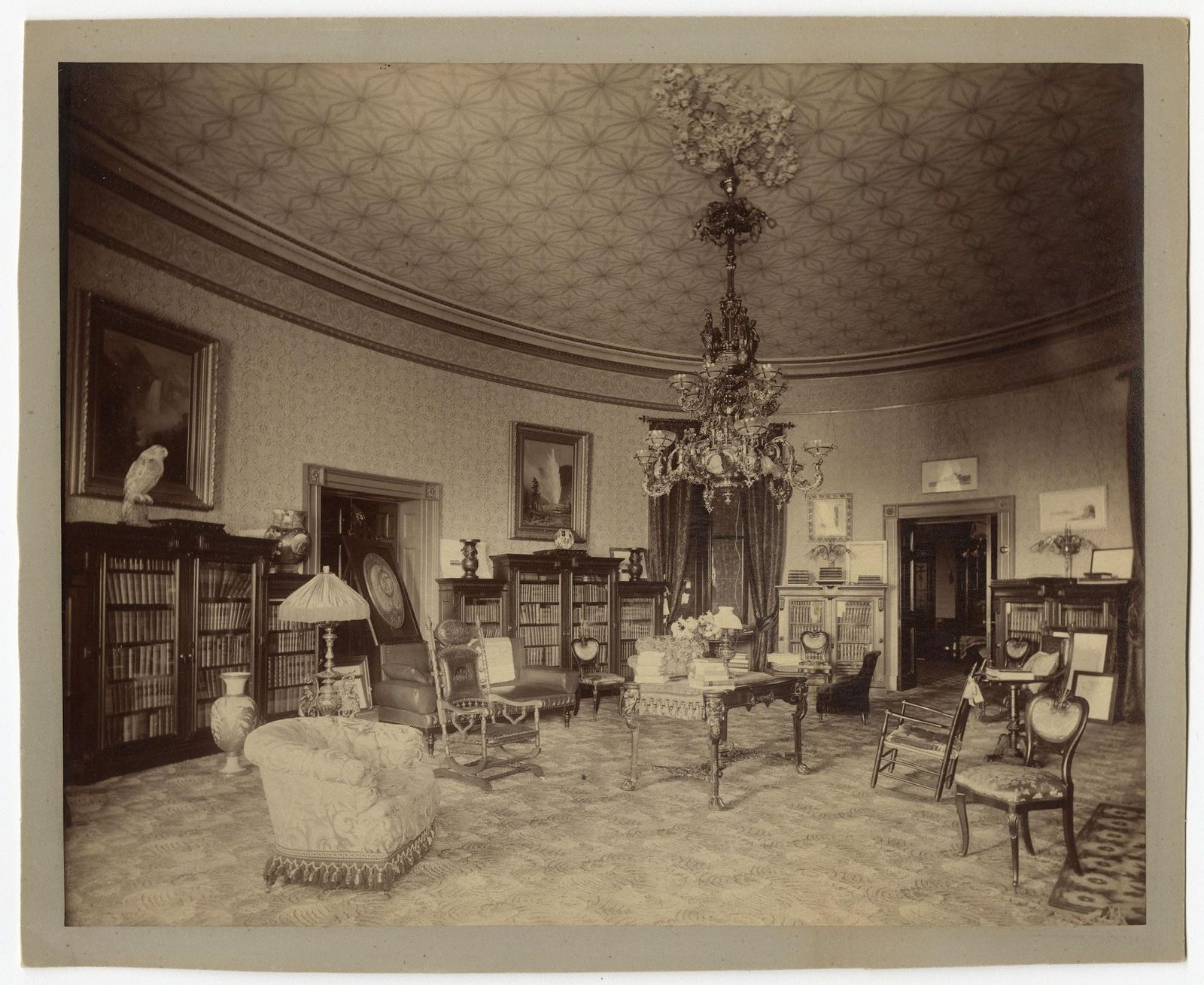
It was once America's largest house

Image: Miscellaneous Items in High Demand, PPOC, Library of Congress, Public domain, via Wikimedia Commons

There is one thing about the White House that no one can deny: it has always been huge, even in its early days.

When the White House was first occupied in 1800, it already contained more than 100 rooms spread across three floors, making it one of the grandest homes in the United States at the time. In a time when most Americans lived in modest houses or farms, the presidential residence was seen as a palace. Many historians even consider it the largest private residence in the country during its early years. Today, the White House covers about 55,000 square feet, though modern private buildings, like the Biltmore Estate in North Carolina, are now far larger.

9
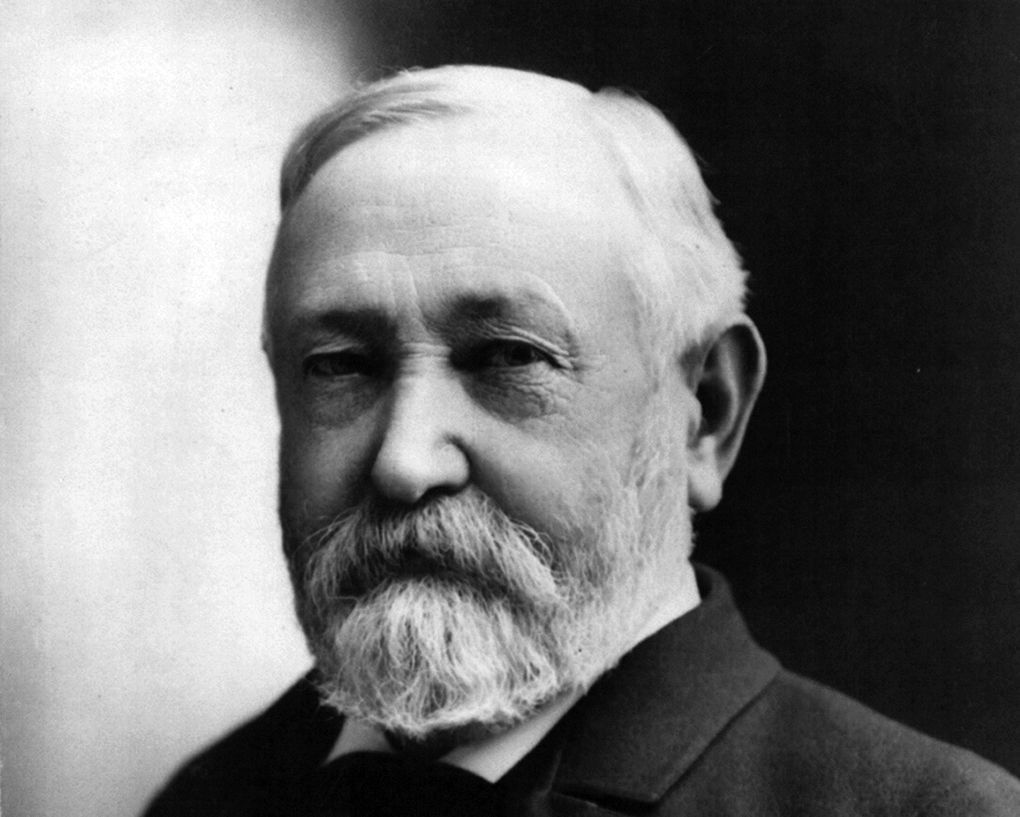
President Benjamin Harrison’s fear

Image: Joseph Gray Kitchell (1862–1945)[1], Public domain, via Wikimedia Commons

Among the many changes the White House has undergone over the years, few were as revolutionary as the arrival of electricity.

For nearly a century after it was built, the presidential residence relied on candles, oil lamps, and gas lighting. That finally changed in 1891, when electricity was installed during the presidency of Benjamin Harrison. But, like many families in that era, the Harrisons were not exactly thrilled by this modern invention. According to White House stories passed down over the years, President Harrison and First Lady Caroline Harrison were so nervous about the possibility of electric shock that they rarely touched the light switches themselves. Instead, they often asked the house staff to turn the lights on and off for them.

10
Hillary Clinton’s special gift

Image: Ralph Alswang, Public domain, via Wikimedia Commons

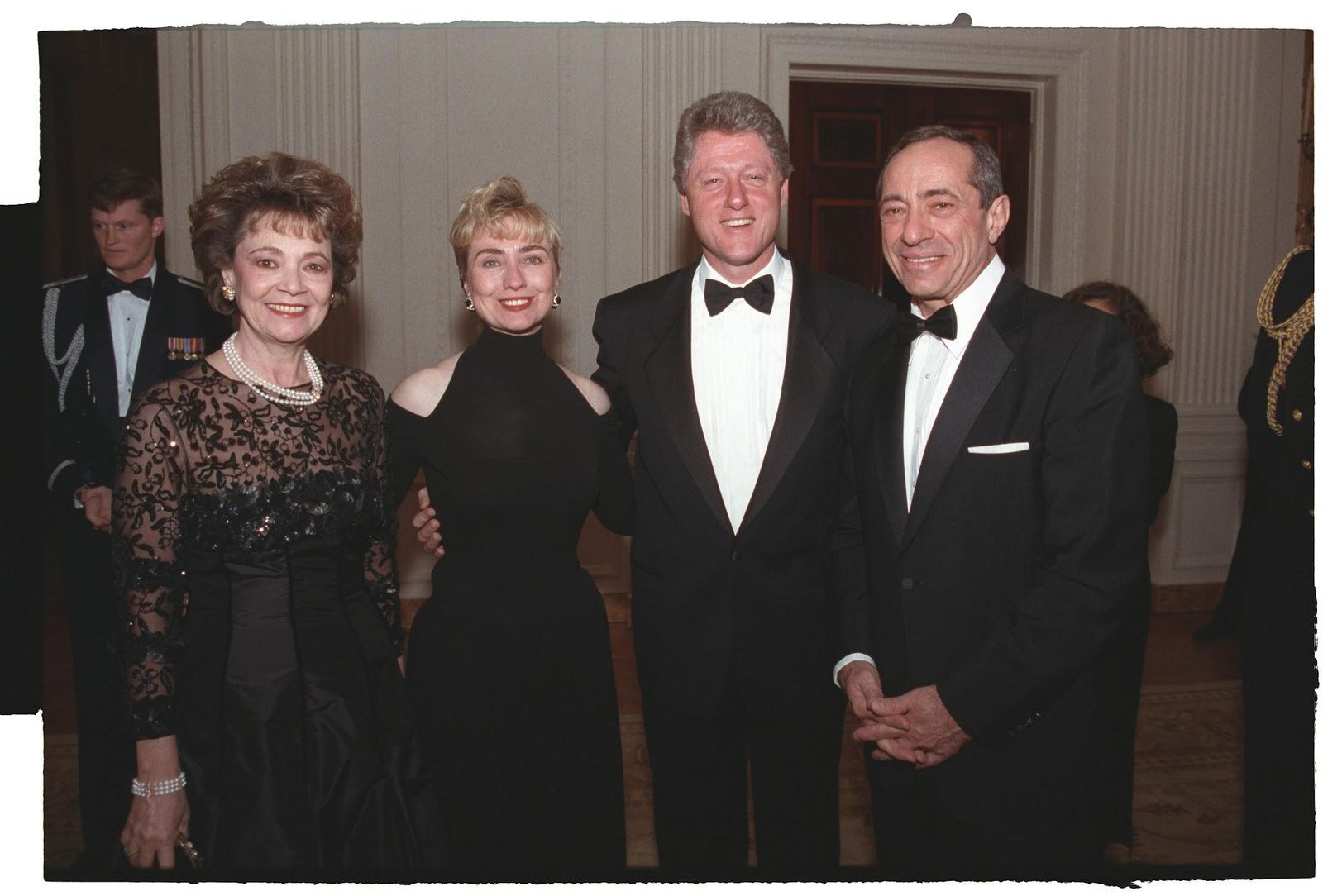
Of course, Jackie Kennedy wasn’t the only First Lady to leave her mark on the White House. Hillary Clinton added her own personal touch as well, this time as a gift for her husband.

In 1996, Hillary Clinton transformed a little-used room on the White House’s third floor into a private music room for President Bill Clinton. The gift came during the year of Bill Clinton’s 50th birthday and reflected one of his best-known passions: music. Complete with space for listening to records and playing his famous saxophone, the room gave the president a quiet retreat inside the White House.

Culture Culture 5 min read

Why does Japan eat KFC for Christmas? The answer will shock you!

Image: Nixx Photography

When you think of fast-food royalty, few figures are as universally recognizable as Colonel Harland Sanders. With his iconic white suit, black string tie, and goatee, his image is plastered across tens of thousands of Kentucky Fried Chicken (KFC) locations around the globe. Yet, behind that grandfatherly smile lies a corporate history filled with drama, secret recipes, and unusual marketing decisions. Here are 10 mindblowing facts about KFC and its legendary founder.

1
A rivalry becomes a business success

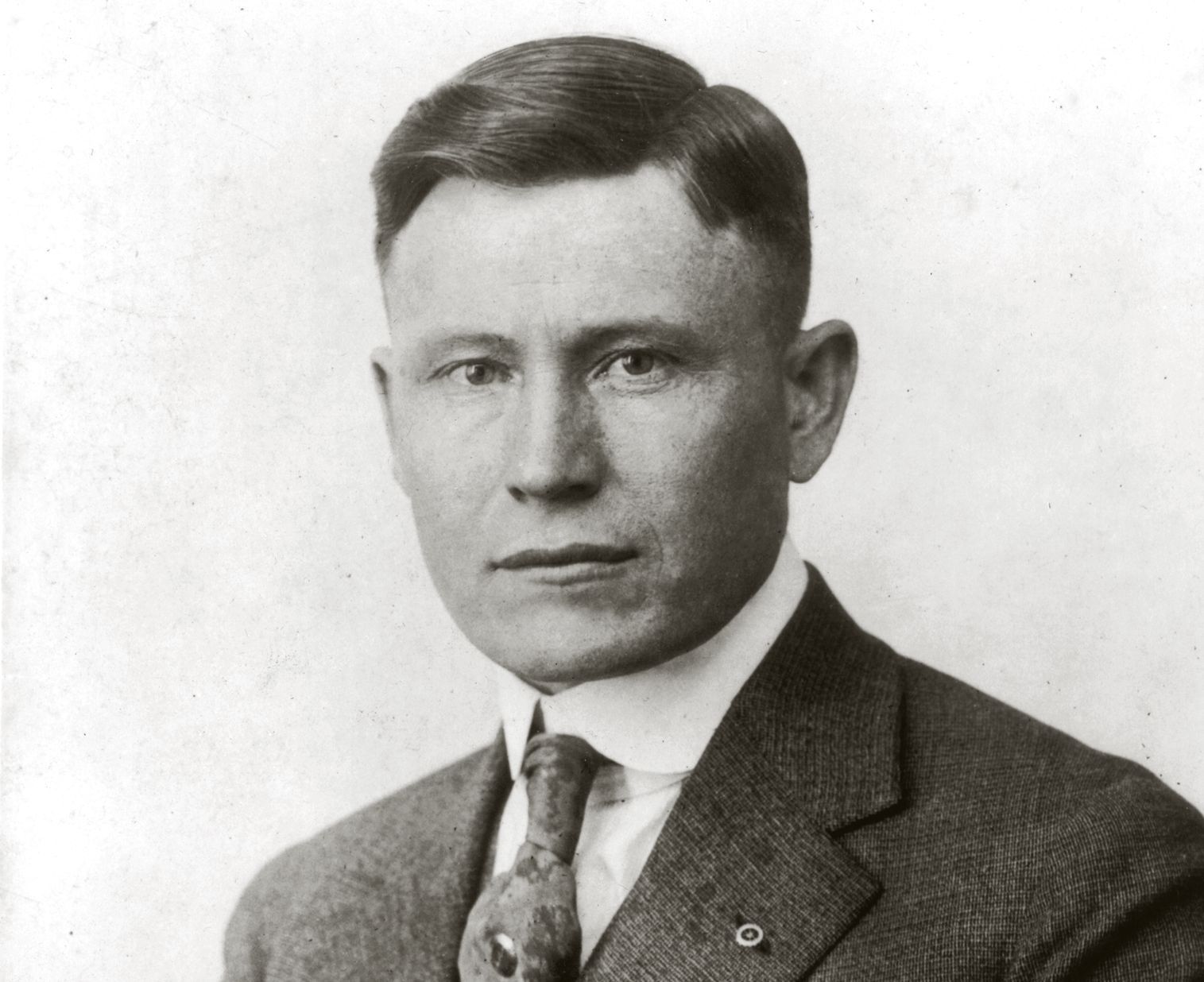
Image: Unclear, likely someone from the family of Colonel Sanders, Public domain, via Wikimedia Commons

During the Great Depression, Harland Sanders ran a humble Shell station in Corbin, Kentucky. Back then, business was cutthroat, and Sanders found himself in a bitter feud with Matt Stewart, a rival gas station owner who kept painting over Sanders’ highway signs to redirect traffic. After several warnings went unheard, Sanders marched over to confront Stewart.

When Stewart was caught in the act, a physical confrontation quickly escalated. Stewart drew a pistol and shot a Shell manager who was accompanying Sanders, killing him on the spot. Sanders retaliated by firing back and wounding Stewart, who was later arrested and sentenced to prison for murder. With his main competitor safely behind bars, Sanders was able to expand his service station, perfect his pressure-frying method, and ultimately transform his business into a massive commercial success.

2
The KFC you know today exists thanks to Wendy’s

Image: Pavlovska Yevheniia

Although you may view KFC and Wendy’s as distinct competitors, the reality is that the chicken giant owes its structural identity to Dave Thomas, the founder of Wendy’s. In the 1960s, Thomas worked as a head chef and regional manager for the Colonel’s franchises.

He was a marketing whiz who personally convinced Colonel Sanders to star in his own television commercials, cementing his status as a living mascot. Furthermore, Thomas created the iconic red and white striped bucket design. He became so wealthy from his shares and success at KFC that he used his payout to establish his own burger empire, Wendy’s, in 1969.

3
The secret recipe's security

Image: Patcharaporn Puttipon4289

The legendary blend of "11 herbs and spices" is one of the most famously guarded secrets. Did you know KFC keeps the recipe locked inside a top-secret vault at the corporate headquarters in Louisville, Kentucky?

The vault, encased in thick layers of concrete, is protected by motion sensors, security cameras, and 24/7 guards. To ensure the formula is never leaked, KFC splits the production pipeline: two different companies are hired to mix separate halves of the spice blend. Neither company knows the other's ingredients, and a computer system automatically combines the two halves before the seasoning is shipped out to individual franchises.

4
KFC for Christmas in Japan

Image: Tricky_Shark

In the United States, a Christmas dinner consists of roasted turkey or ham. In Japan, however, Nativity food comes in a cardboard bucket. This wild tradition dates back to 1974, sparked by Takeshi Okawara, the manager of the country's first KFC branch.

After overhearing homesick Western expats lamenting how difficult it was to source a holiday turkey in Japan, Okawara launched the national "Kentucky for Christmas" campaign, which exploded into a cultural phenomenon. Today, an estimated 3.6 million Japanese families celebrate Christmas Eve with KFC, with patrons placing their orders months in advance to avoid long lines.

5
Colonel Sanders hated KFC

Image: WayneRay, CC BY-SA 4.0, via Wikimedia Commons

By 1964, 73-year-old Colonel Snaders felt he was no longer cut out for the pace of corporate life. He sold the Kentucky Fried Chicken company to a group of investors for $2 million, under a contract that allowed the brand to continue using his likeness.

As executives changed the original recipes to cut costs, Sanders grew to hate the food KFC was serving. He began travelling the country, showing up unannounced at franchises to taste the food, throw public tantrums, and openly tell the media that the new gravy tasted like "wallpaper paste" or "sludge". He even attempted to open a rival restaurant and sued KFC for using his image, leading the company to counter-sue him. Eventually, KFC paid him an additional million dollars just to stop making public scenes.

6
KFC Double Down

Image: Boyloso

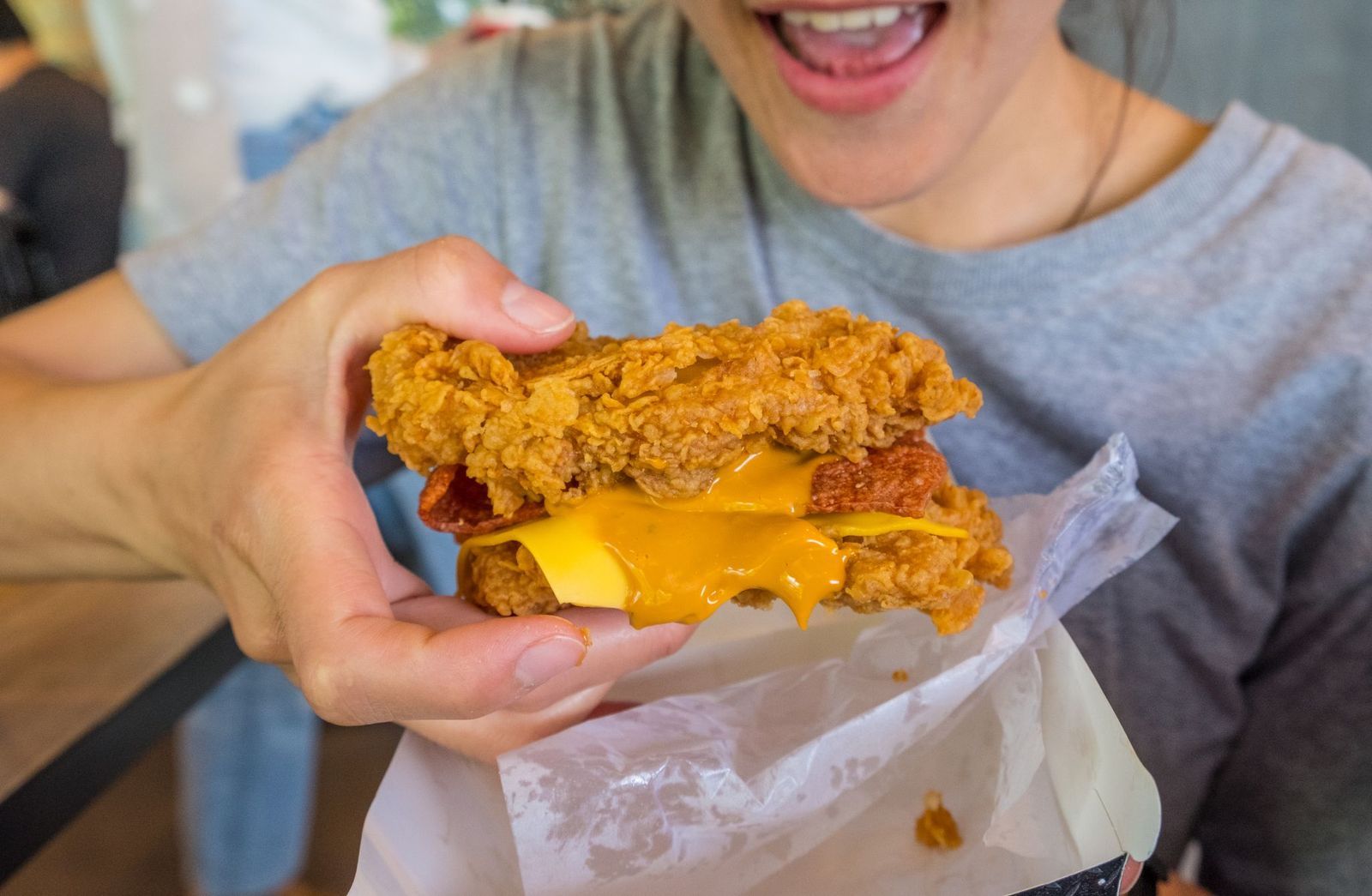
KFC has never been afraid of pushing nutritional boundaries, but in 2010 they certainly hit another level. The Double Down features bacon, Monterey Jack cheese, and a Colonel's special sauce encased between two seasoned, crispy slabs of fried chicken breast instead of bread buns.

The item sparked a media frenzy, with health advocates calling it a dietary disaster and foodies treating it as a dare. Ultimately, it proved to be a commercial hit. As it turns out, when it comes to extreme fast food, consumers are more than willing to ignore the carbs in favor of deliciousness.

7
That time KFC ran out of chicken

Image: richardjohnson

A fried chicken restaurant running out of its main ingredient sounds like a nightmare, but in 2018, it became real for KFC in the United Kingdom. In an effort to optimize logistics and save money, management switched its delivery contract to DHL. The transition went completely wrong, resulting in a supply chain jam that left over 900 UK locations with no chicken to fry.

Hundreds of stores were forced to shut down temporarily, sparking nationwide outrage, with desperate citizens even calling the police to complain. KFC managed to restore its reputation by leaning into self-deprecating humor, purchasing newspaper advertisements that featured an empty bucket rearranged to read "FCK".

8
The problem with the slogan in Chinese

Image: Patcharaporn Puttipon4289

When international fast food brands began expanding into foreign territories in the late 1980s, errors were very common. KFC experienced this firsthand when it opened its first store in Beijing, China, in 1987. The company wanted to proudly display its world-famous catchphrase, "Finger-Lickin' Good", to tempt local diners.

Unfortunately, due to an oversight in Mandarin translation, the slogan was literally translated to "Eat Your Fingers Off". While the phrase initially startled and amused local consumers, the brand quickly corrected the translation mishap to something more culturally appropriate and appetizing.

9
KFC's video game

Image: Ratana21

Decades after the Colonel’s passing, KFC’s marketing division decided to lean into modern internet subcultures. In 2019, the brand shocked the gaming community by releasing an official, anime-style video game titled I Love You, Colonel Sanders! A Finger Lickin’ Good Dating Simulator.

Developed as a visual novel, the free game places the player in a culinary school alongside a young and handsome romanticized version of Colonel Sanders. The goal of the game is to successfully navigate cooking school battles while attempting to woo the chicken chef. Against all odds, the game became a viral sensation.

10
KFC releases its own console

Image: Pixel-Shot

Following the unexpected success of their video game, KFC’s marketing team announced the KFConsole in 2020. Many assumed it was an April Fool’s joke, but it turned out to be a genuine gaming PC.

The most bizarre feature of the console is its custom "Chicken Chamber". This specialized compartment uses the heat generated by the computer’s internal components to keep pieces of fried chicken warm and crispy while you play video games.

Explore more American facts

Choose your favorite category!

General
General

As American as apple pie—the very best America has to offer!

Culture
Culture

Delve into the astounding richness of American lore.

Geography
Geography

Hop in and explore vast and diverse American landscapes.

History
History

Discover the key moments that shaped the United States.