Culture Culture 5 min read

Obsolete occupations

12 forgotten jobs that once existed and became obsolete
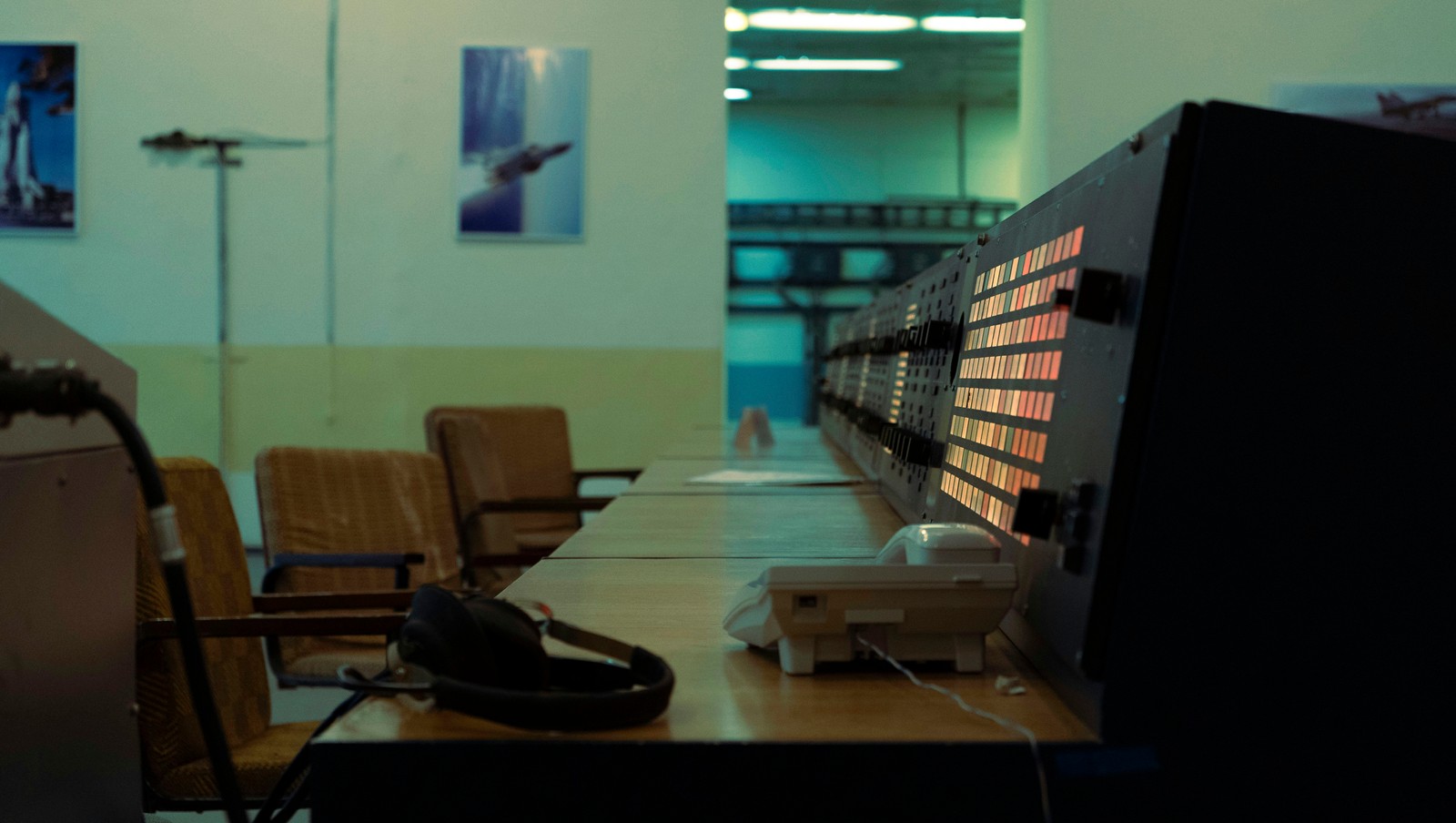
Image: Igor Saikin

At various points in history, people earned a living performing jobs that sound downright strange today. Folks once knocked on windows to wake strangers for work. Others spent their days resetting bowling pins by hand, lighting streetlamps at dusk, or harvesting ice from frozen rivers. Machines have certainly made life easier in many ways, but they have replaced the livelihood of many. Here’s a small handful of some forgotten jobs that were once fundamental to everyday life in America and elsewhere in the world.

1
Town crier
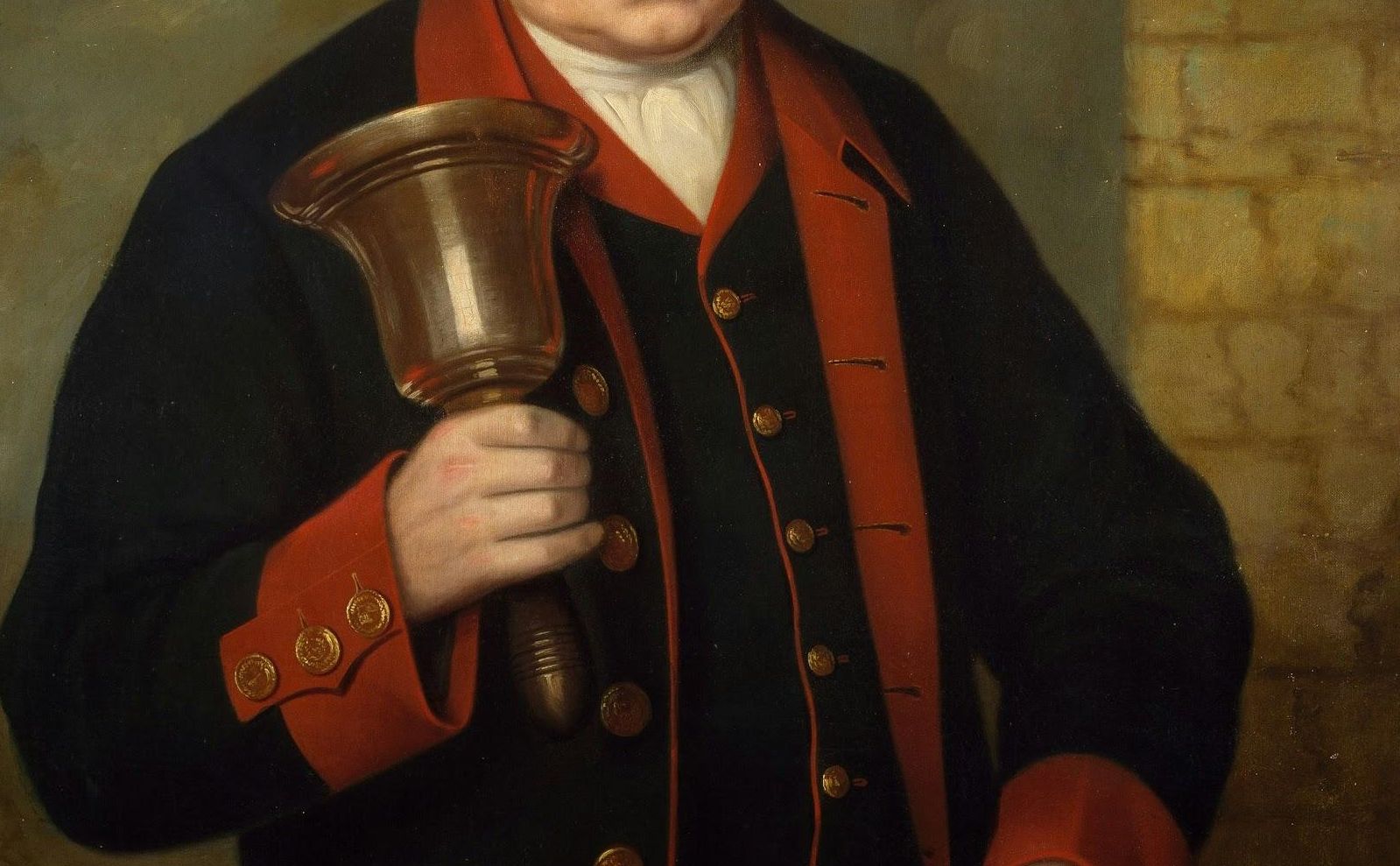
Image: Birmingham Museums Trust

In early American towns (and elsewhere in the world), before printed media and mass communication were the norm, news didn’t arrive through newspapers or broadcasts: it arrived by voice. Town criers walked streets ringing bells and loudly announcing public notices, laws, and important events . They were essential in communities where literacy was limited, and information traveled slowly.

2
Factory lectors
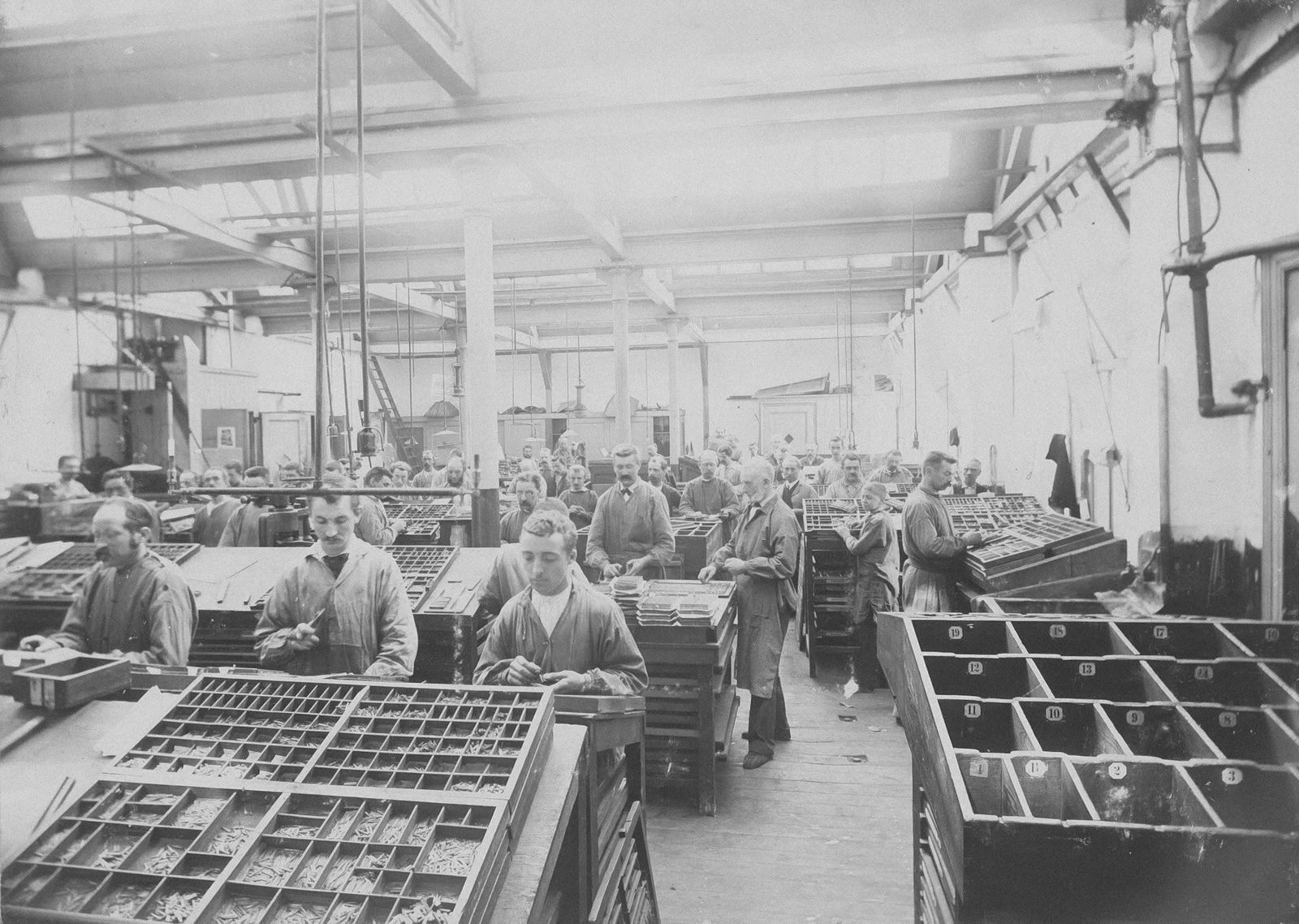
Image: Amsterdam City Archives

Nowadays, when you have some manual, boring labor to do, you can turn on the radio, listen to some music, or a podcast. Of course, that wasn’t an option once upon a time. In some factories, workers hired a lector to read aloud while they worked .

Starting in the mid 1800s and into the beginning of the 1900s, lectors in factories shared newspapers, novels, and political texts, keeping workers informed and entertained during long hours.

3
Elevator operator
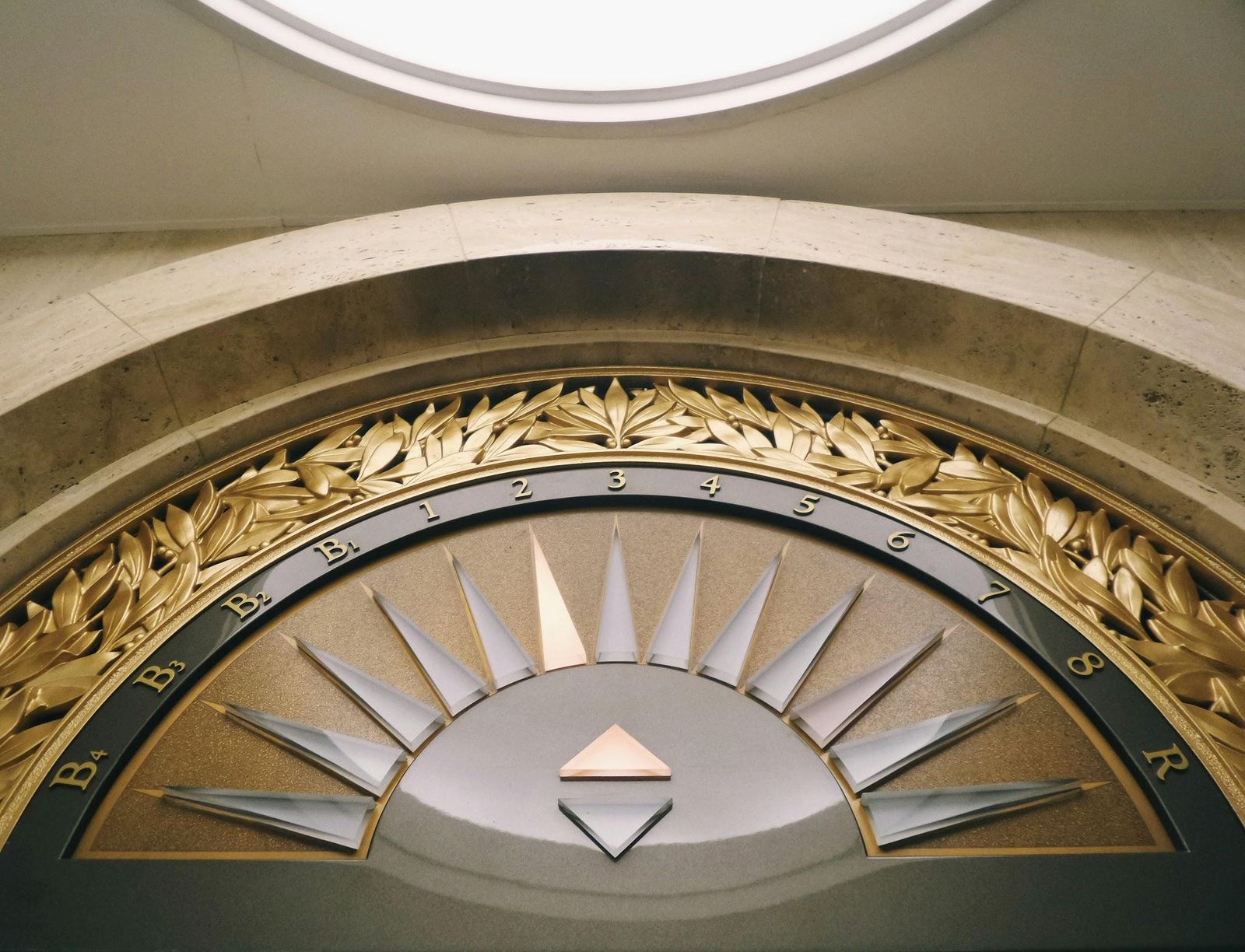
Image: Possessed Photography

Using an elevator seems easy enough today, but for decades, elevators didn’t run themselves. Operators manually controlled speed, direction, and stopping points using levers and switches , while also greeting passengers and announcing floors.

In luxury hotels and department stores, a skilled, often uniformed operator was part of the experience, expected to be polite, precise, and calm under pressure. The job peaked in the early 20th century, especially in big cities like New York and Chicago.

4
Switchboard operator
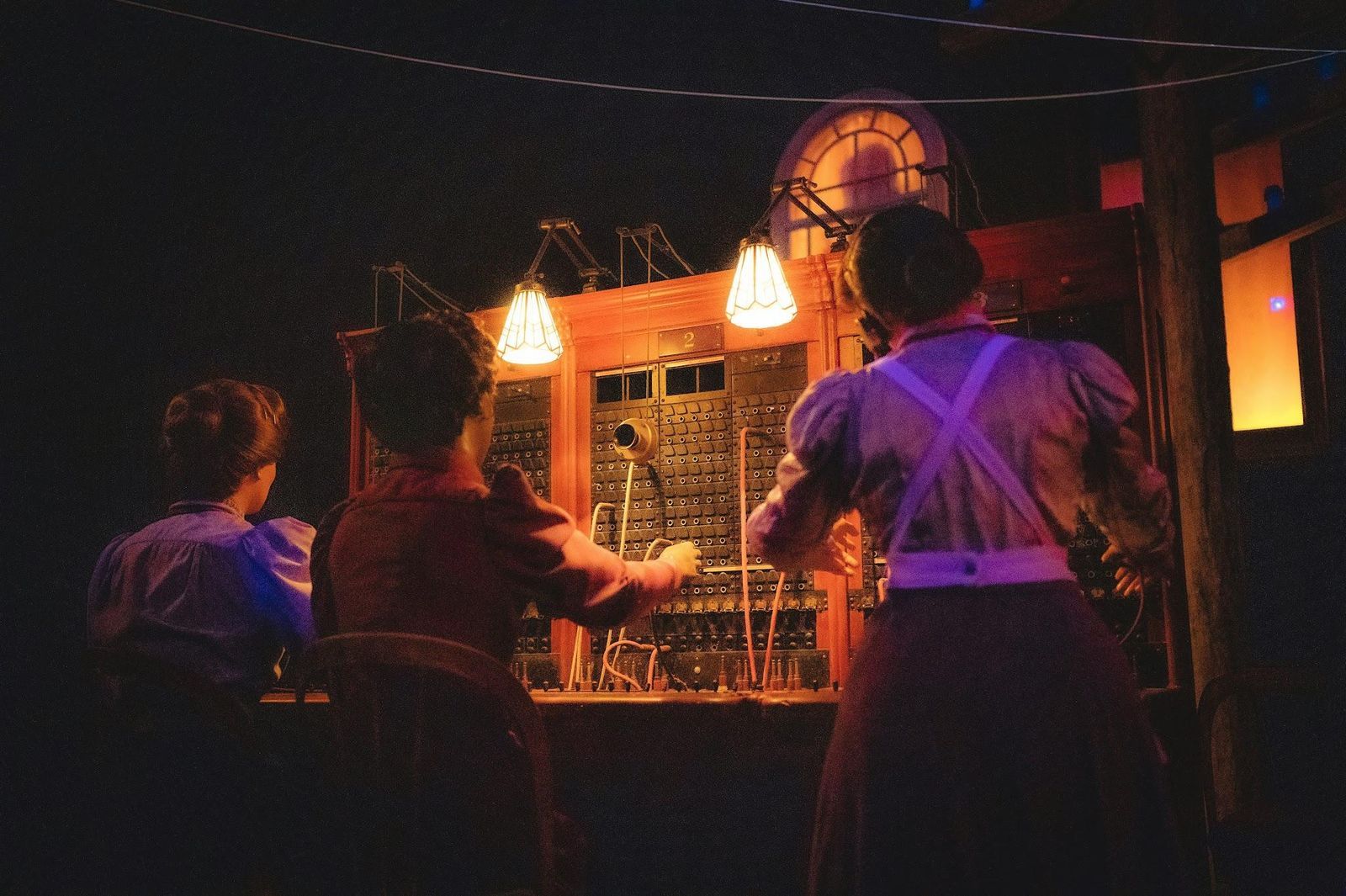
Image: Matt Benson

For early telephone calls, switchboard operators had to manually plug cords into panels to link callers together . The occupation rose shortly after Alexander Graham Bell patented the telephone in the 1870s, and became a fundamental job until the middle of the following century, when direct dialing was introduced.

Most operators were women, chosen for their calm voices, speed, and courtesy. They often memorized local names, numbers, and even callers’ personal habits and routines.

5
Bowling pinsetter
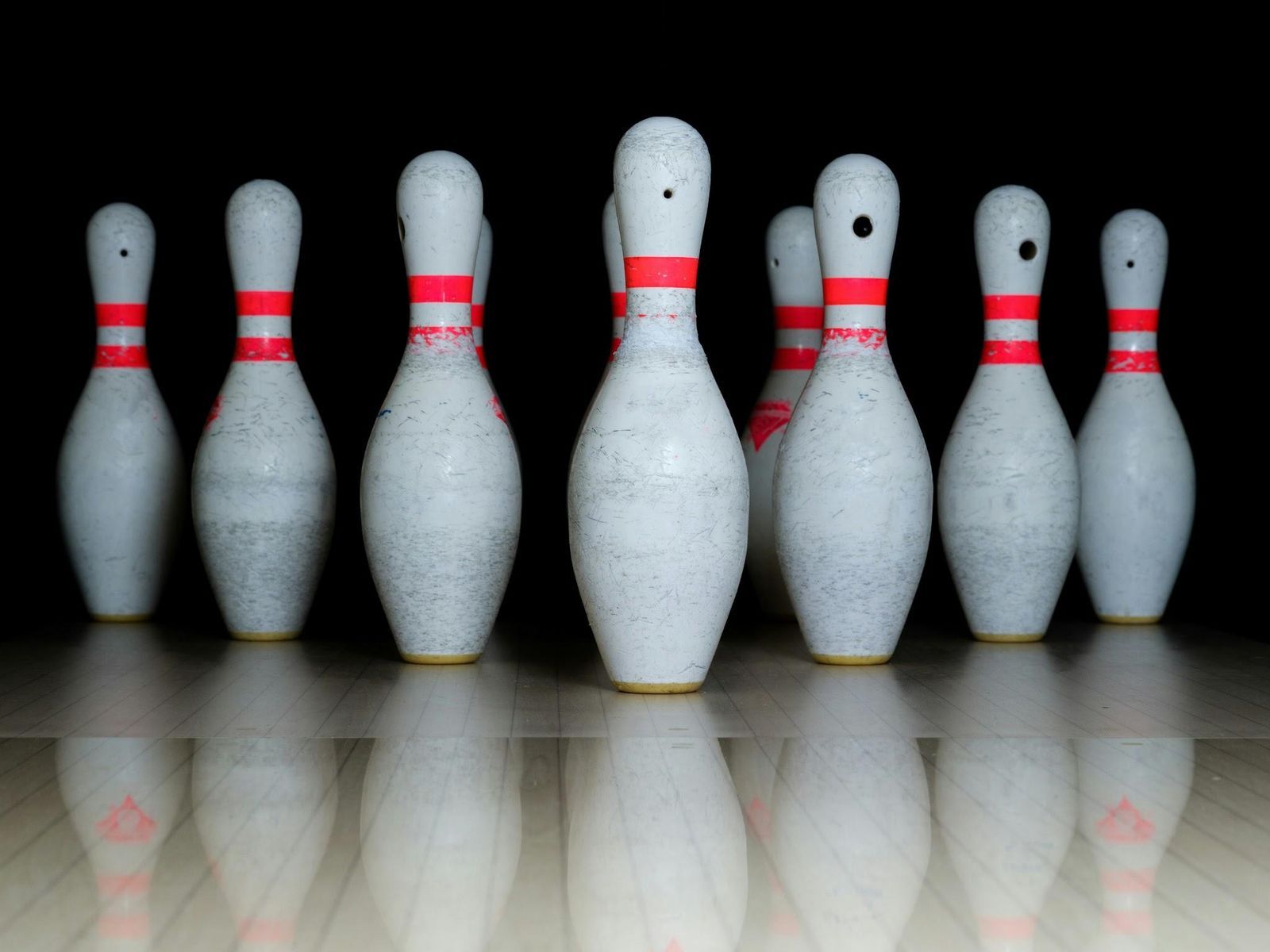
Image: engin akyurt

In early bowling alleys, pins did not magically reset themselves via machines. Pinsetters stood behind the lanes, manually rearranging pins after every roll.

It was noisy, repetitive, and sometimes dangerous work, often done by teenagers . It was only in the 1950s that automatic pinsetting machines were introduced.

6
Lamplighter
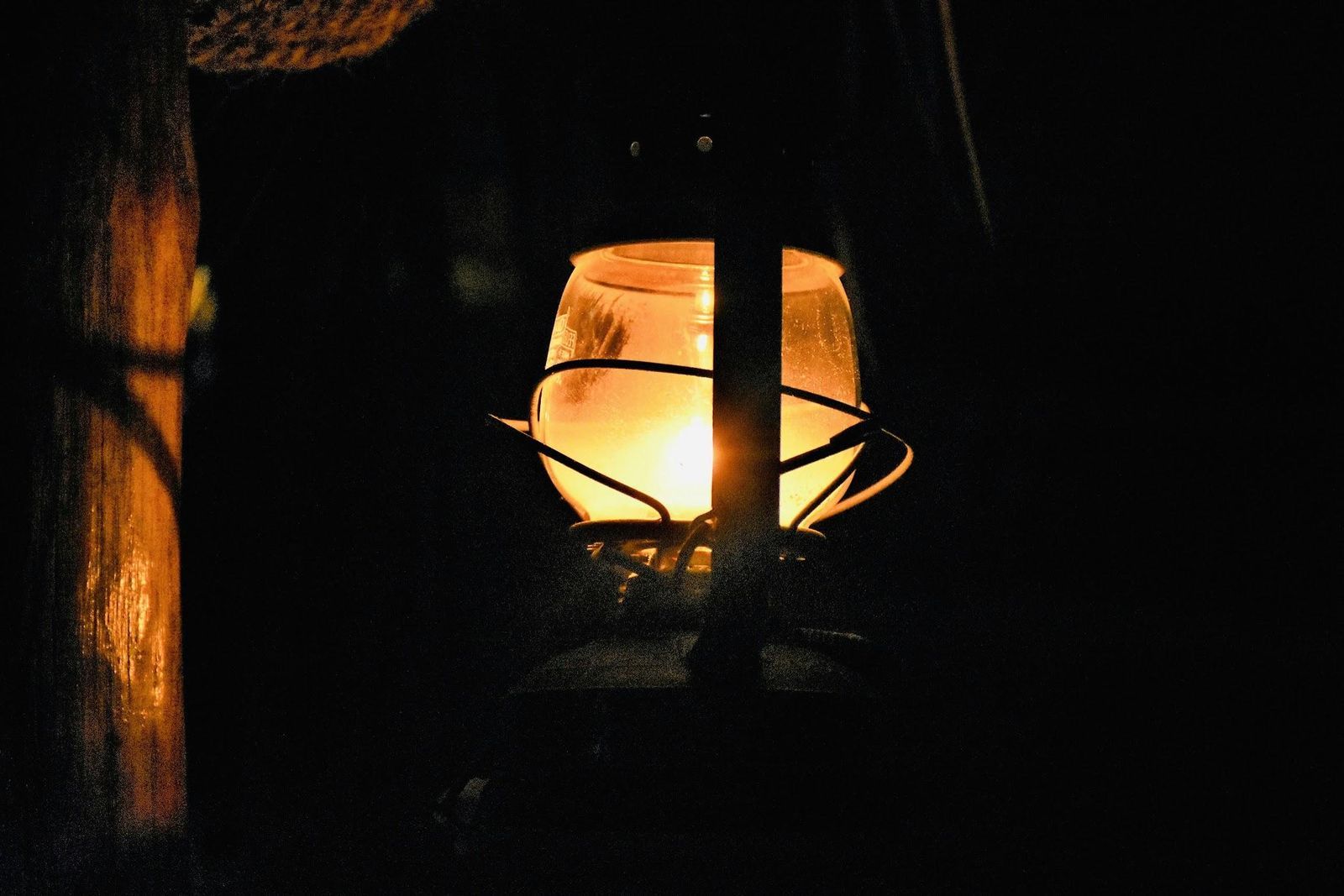
Image: Jason Peter

Since the beginning of the 19th century, every evening, lamplighters walked city blocks, lighting gas lamps one by one . At dawn, they returned to extinguish them. This job was vital for public safety because the lights helped prevent crime and accidents in dark streets.

It wasn’t until the 1880s that the first electric streetlights were introduced in some cities, but they weren’t the norm until the 1950s. At that point, the cost of maintaining gas pipes had become too high compared to electricity, so the last gas lamps were removed.

7
Milkman
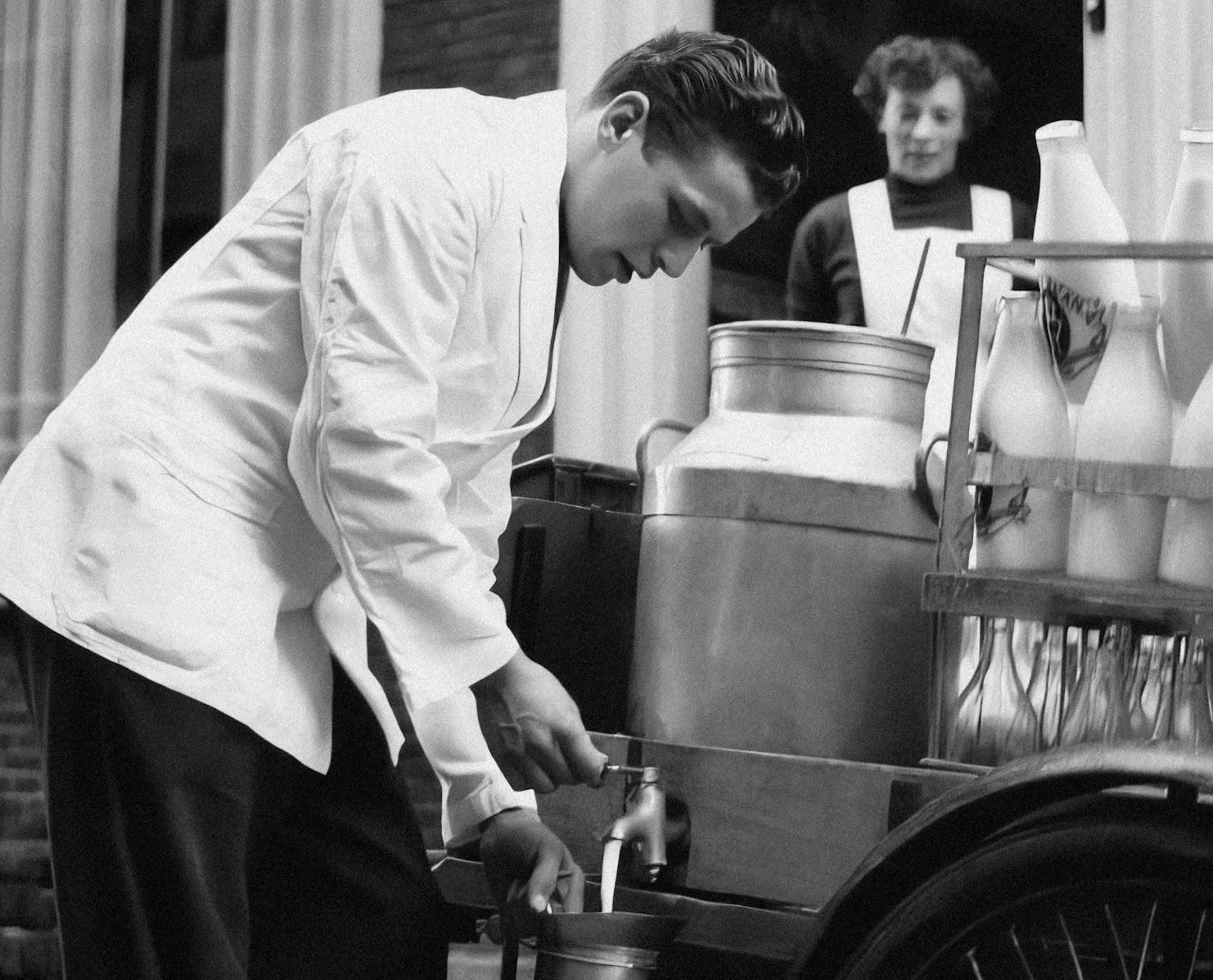
Image: Nationaal Archief

For the first half of the 20th century, the milkman was a familiar sight on American streets. He delivered fresh milk in glass bottles, leaving them in insulated boxes by the door. Many families depended on daily or near-daily deliveries, since refrigeration was limited or unreliable. By the 1940s, however, most American homes owned a refrigerator and the role of milkmen slowly faded.

8
Typist
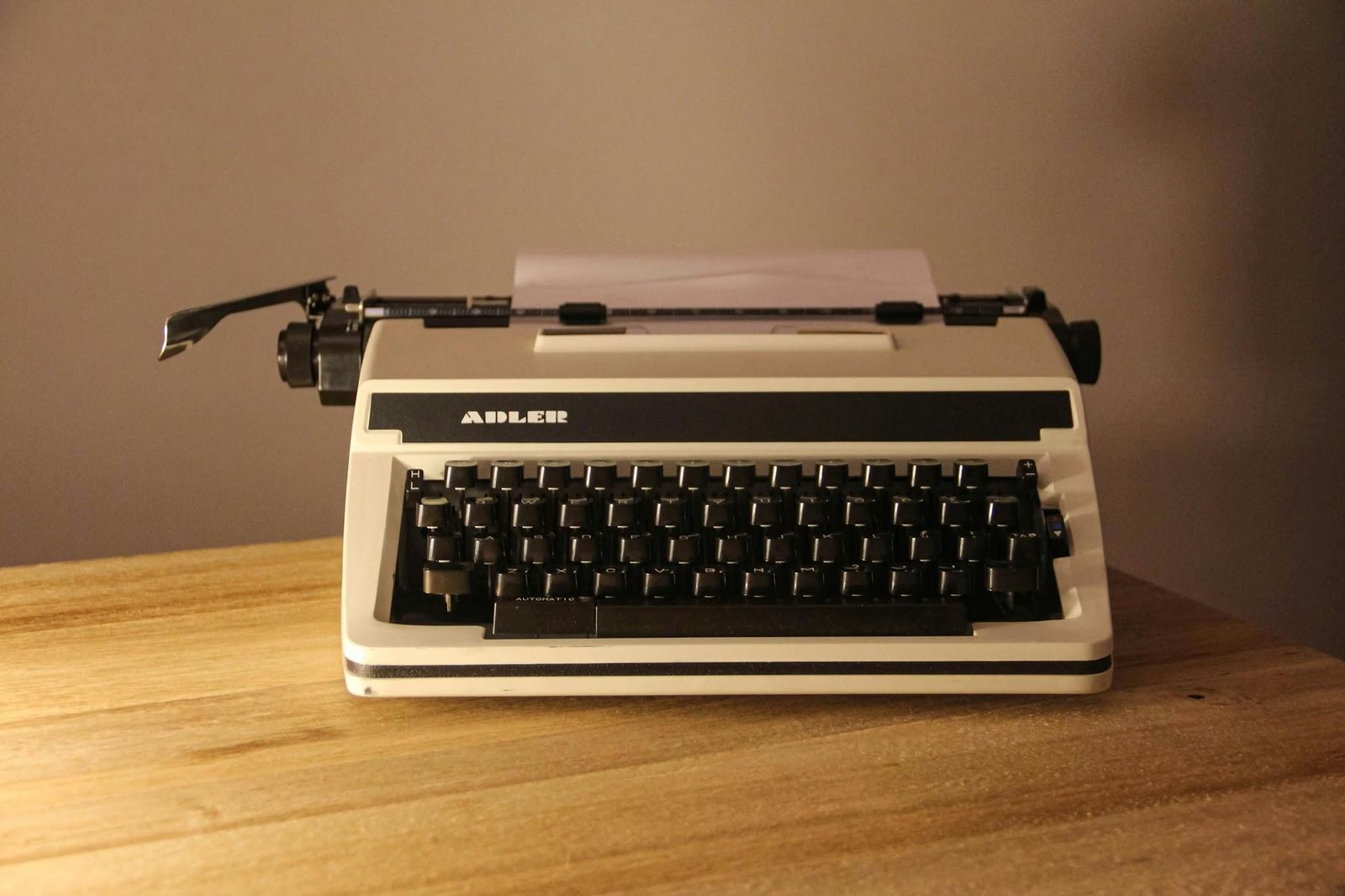
Image: Denise Jans

There was a time, before computers, autocorrect, and AI, when offices relied on professional typists to produce everything from letters to legal documents. Many large companies employed entire "typing pools," rooms filled with workers trained to type quickly and accurately on typewriters. Precision mattered more than you may think; unlike today, mistakes on paper (rather than the screen) sometimes meant starting the document over.

9
Human computer
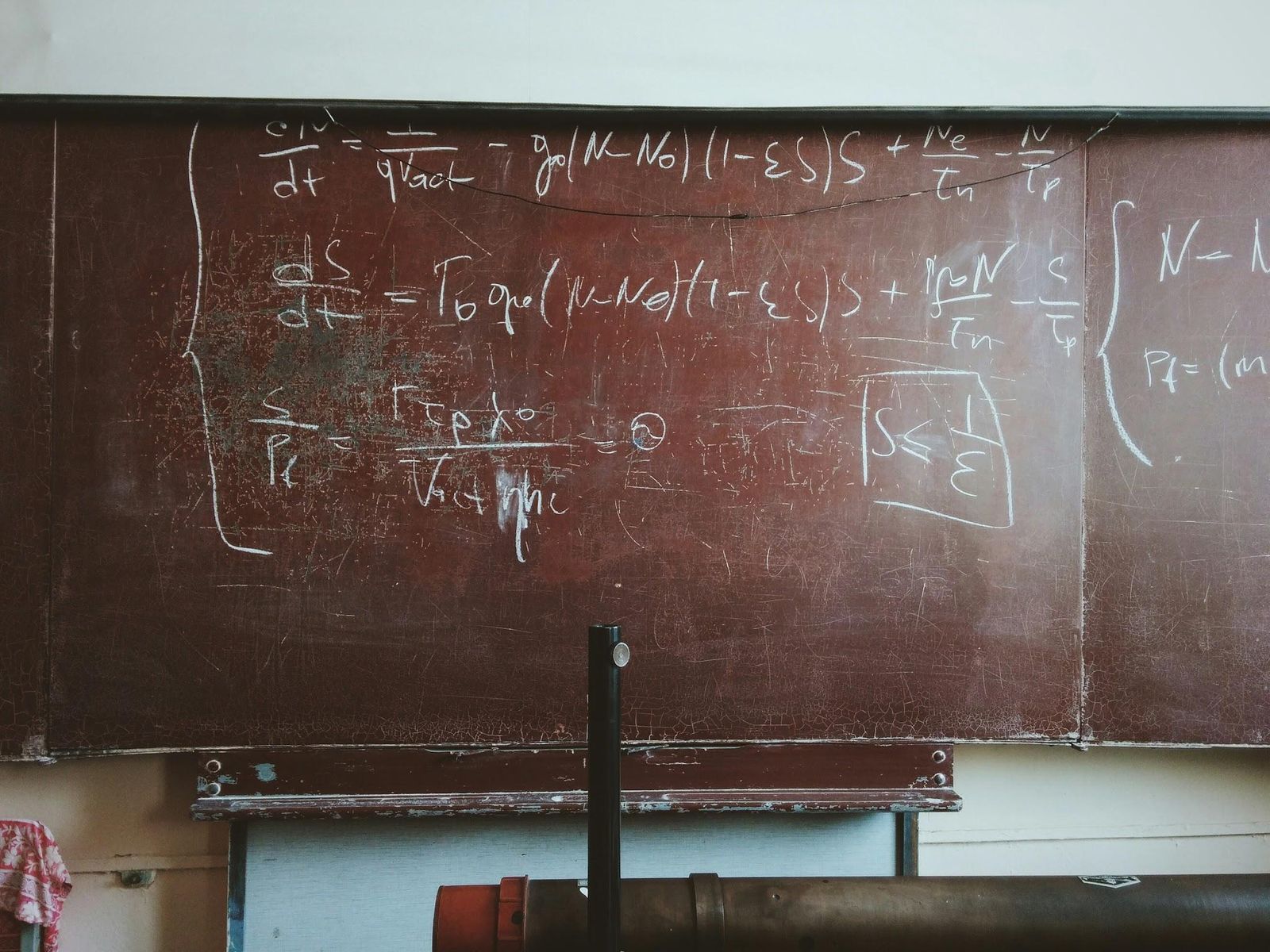
Image: Roman Mager

There was also a time when "computers" were people; their occupation was first mentioned in texts from 1613. Their role was to develop complex mathematical calculations by hand for scientific research, engineering projects, and more. Astronomers during the Renaissance, navigators during the Age of Exploration, and NASA space missions all relied on human computing for their operations.

Imagine that: teams worked through equations for hours or days, checking each other’s math for accuracy. During World War II and the early Cold War, this work was vital to national defense.

10
Knocker-upper
Image: Annie Spratt

Before the Industrial Revolution, most people woke up with the sun. However, by the early 1800s, when factory systems took hold of big cities, being even five minutes late ceased to be an option for workers. To avoid oversleeping, which could mean lost wages, they paid a person to wake them up.

Knocker-uppers walked neighborhoods early in the morning, tapping on windows with long poles or shooting dried peas through blowpipes . Eventually, alarm clocks were introduced in the late 1800s, and the need for this occupation started declining.

11
Telegraph operator
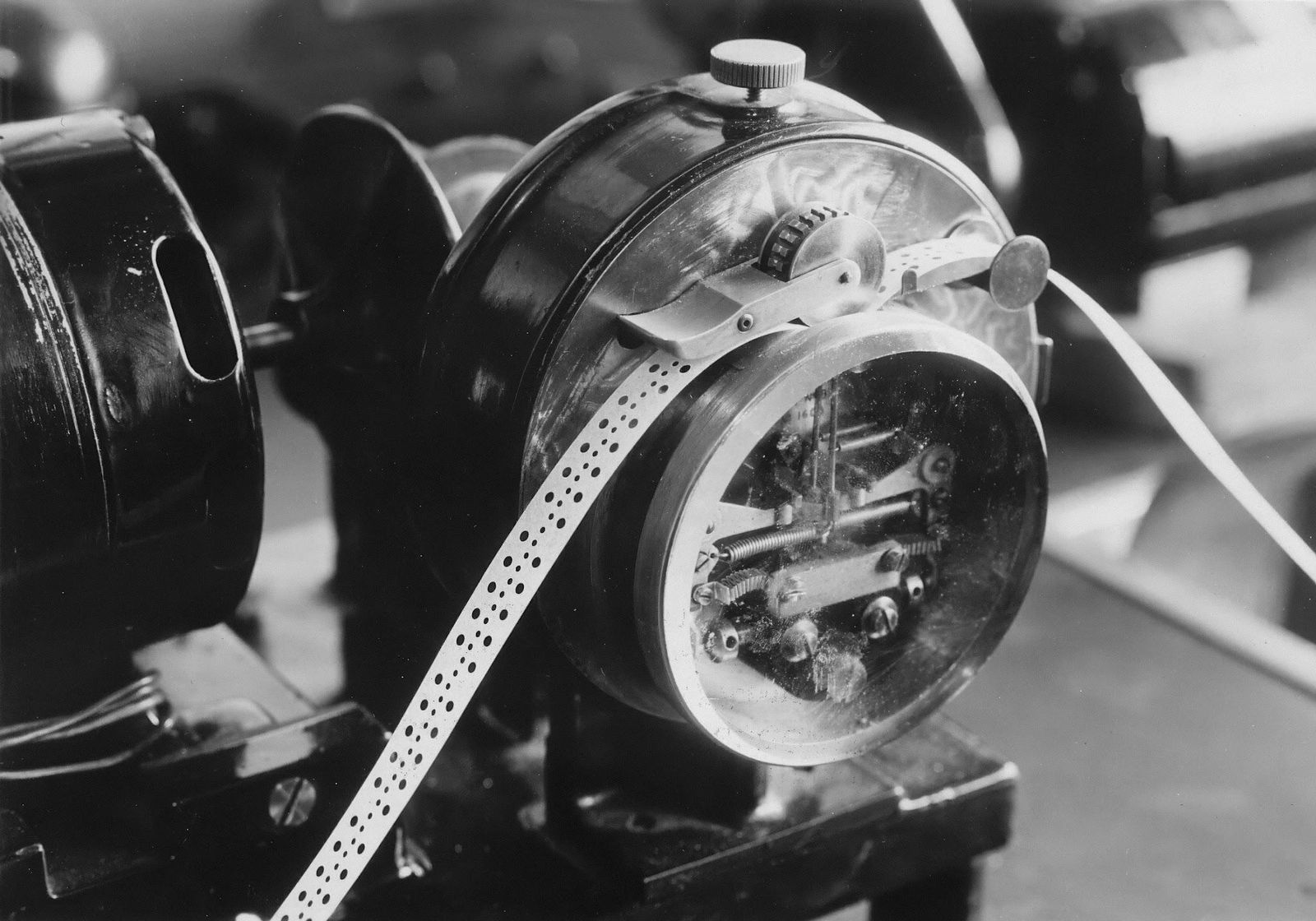
Image: Amsterdam City Archives

A case in which the occupation disappeared along with the technology. Before phones and instant messaging, the telegraph, which was invented in 1837, was the fastest way to send information across long distances.

Telegraph operators translated messages into Morse code , sending dots and dashes through wires that spanned the country. Speed and accuracy were critical, especially for news, business, and wartime communication. With the introduction of radio transmissions and telephones in the late 1800s, the service became more and more obsolete, although Western Union, the major telegraph service in the US, continued to operate until 2006.

12
Iceman
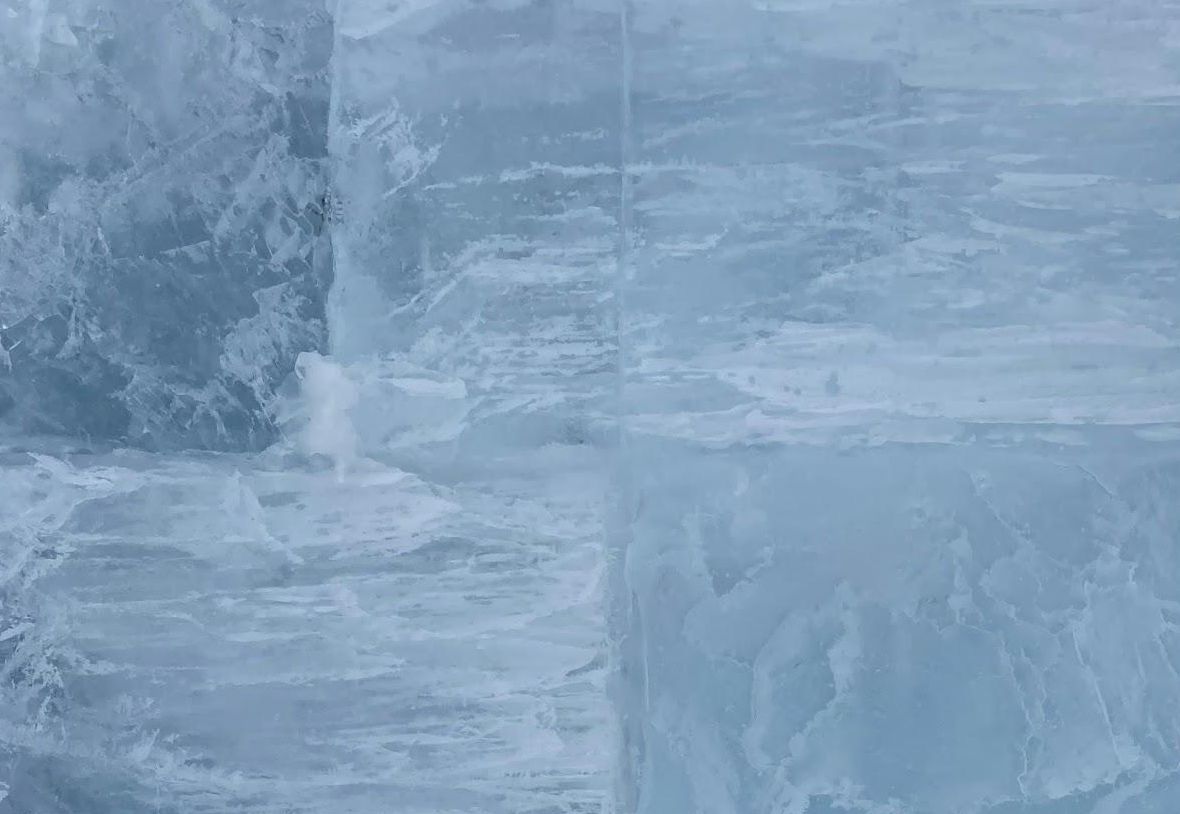
Image: Joy Ru

Finally, there were the icemen. Before refrigerators became household staples, the iceman was an essential figure in American daily life. He delivered massive blocks of ice straight to people’s homes .

These blocks kept food fresh and milk cold in an era before electric cooling. Ice was harvested from frozen lakes in winter, stored in insulated warehouses, and rationed carefully during warmer months.
History History 7 min read

Hidden stories

The secret WWII project hidden beneath the White House

Image: Abbie Rowe. White House Photographs. John F. Kennedy Presidential Library and Museum, Boston, Public domain, via Wikimedia Commons

Did you know the White House wasn’t originally meant to be white? Or that hidden underground spaces were built beneath it? For more than 200 years, we have seen the White House in movies, on the news, in family photo albums from Washington trips, and during some of the biggest moments in our country’s history. But behind those famous walls are stories most have never heard. From fires and secret construction projects to strange traditions and forgotten moments, these are 10 surprising White House stories that most of us were never taught in school.

1
It was almost completely torn down

Image: Abbie Rowe, Public domain, via Wikimedia Commons

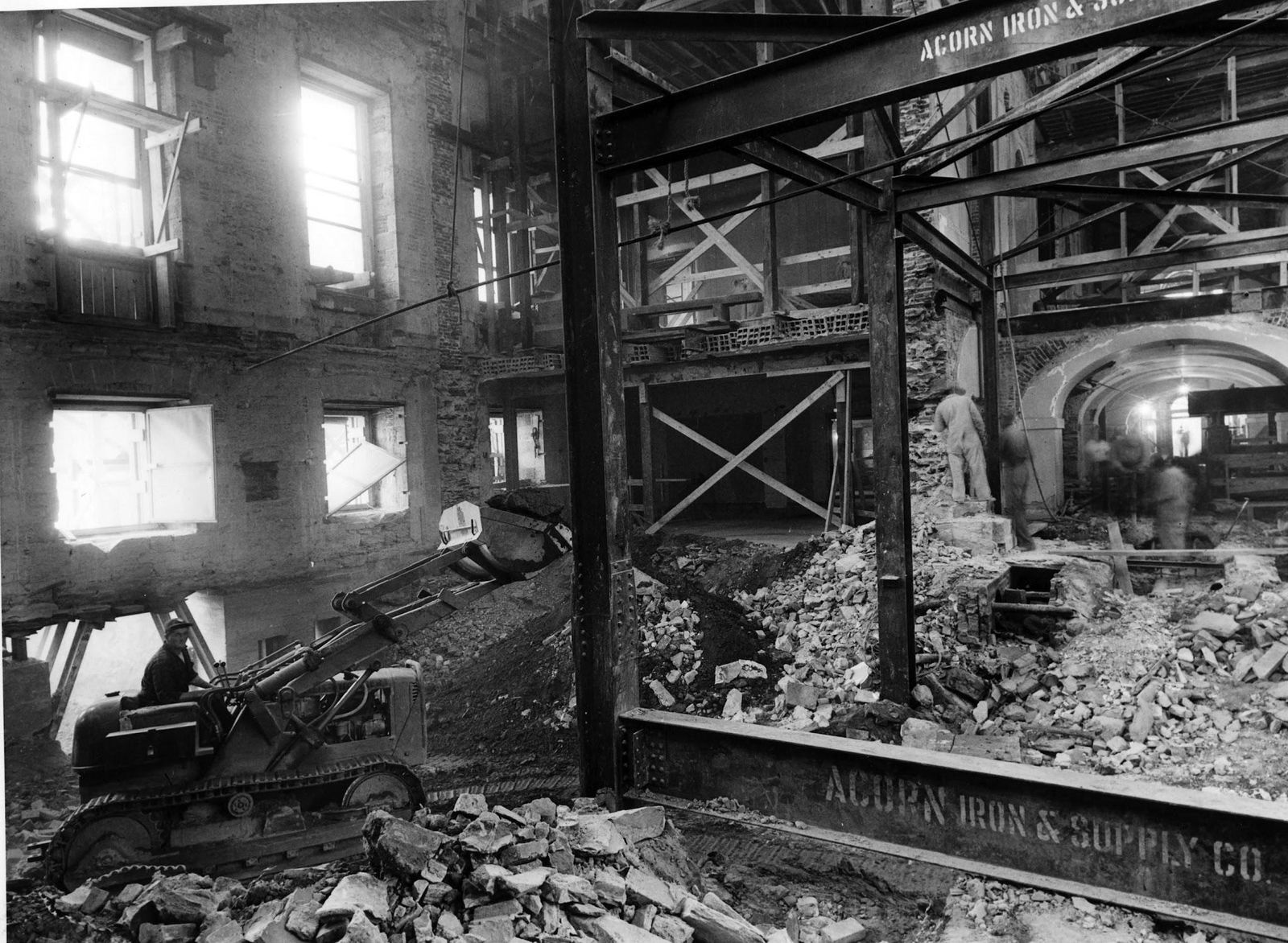
Did you know that very little of today’s White House interior is actually original? Looking at the building now, it’s hard to imagine that it was once so unstable that it was in danger of collapsing.

By 1948, after decades of heavy use, outdated wiring, poor structural supports, and years of renovations layered over one another, the White House had become unsafe. Floors and walls cracked, and parts of the residence were literally sinking. President Harry S. Truman even joked that the place felt haunted because it made so many strange noises. Rather than abandon it, Truman launched a massive reconstruction project with Congress. Between 1948 and 1952, nearly the entire interior was gutted and rebuilt while the original exterior walls were preserved, giving America a strong and reliable White House.

2
During WWII, they built an underground bunker

Image: rc.xyz NFT gallery

Did you know there’s a fortified bunker hidden beneath the White House? A couple of years before Truman’s famous renovation, another major project was quietly built beneath the presidential residence.

In 1942, during World War II, President Franklin D. Roosevelt ordered the construction of a secure underground shelter to protect government leaders in case Washington, D.C., came under attack. Built quickly and in great secrecy, the bunker was completed within months, though it was luckily never needed during the war. Today, the facility is known as the Presidential Emergency Operations Center, or PEOC, and it was famously used in 2001 by President George W. Bush and again in 2020 by Donald Trump.

3
It was not originally meant to be white

Image: Andriy Miyusov

Can you imagine if it were called "the Gray House"? Today, it’s impossible to picture America’s most famous home as anything other than bright white, but that wasn’t the original idea.

During construction in the 1790s, workers covered the exterior sandstone with a lime-based whitewash to protect it from moisture, cracking, and harsh winter weather. The coating gave the building a pale grayish appearance, not the brilliant white we recognize today. A long-standing myth claims the White House was painted white to hide the burn marks left after British troops set it on fire in 1814, but in reality, the building had already been whitewashed years earlier. Still, after the fire and reconstruction, the white exterior became permanent and eventually inspired the famous name "White House," though for many years people still called it the "President’s House."

4
10 people have died in the White House

Image: Woodrow Wilson Presidential Library Archives from Staunton, VA, No restrictions, via Wikimedia Commons

Many people have lived and worked in the White House over the centuries, but, according to the White House Historical Association, only 10 people are officially recorded as having died inside the presidential residence.

Among them were two U.S. presidents. William Henry Harrison died there at age 68 in 1841 after falling seriously ill, likely from contaminated water. Zachary Taylor died at age 65 in 1850 from a severe stomach illness after attending Fourth of July celebrations in extreme heat. Three First Ladies also passed away in the White House: Letitia Tyler in 1842, Caroline Harrison in 1892, and Ellen Axson Wilson in 1914. Other deaths included presidential relatives, aides, and staff members, among them Abraham Lincoln’s son, Willie Lincoln, whose death at the age of 11 in 1862 deeply affected the family and became one of the White House’s most heartbreaking stories.

5
Presidential whims

Not every White House renovation happened due to war, damage, or urgent repairs. Some changes came simply from the personal tastes and hobbies of the presidents who lived there, and over the years, there have been quite a few memorable ones.

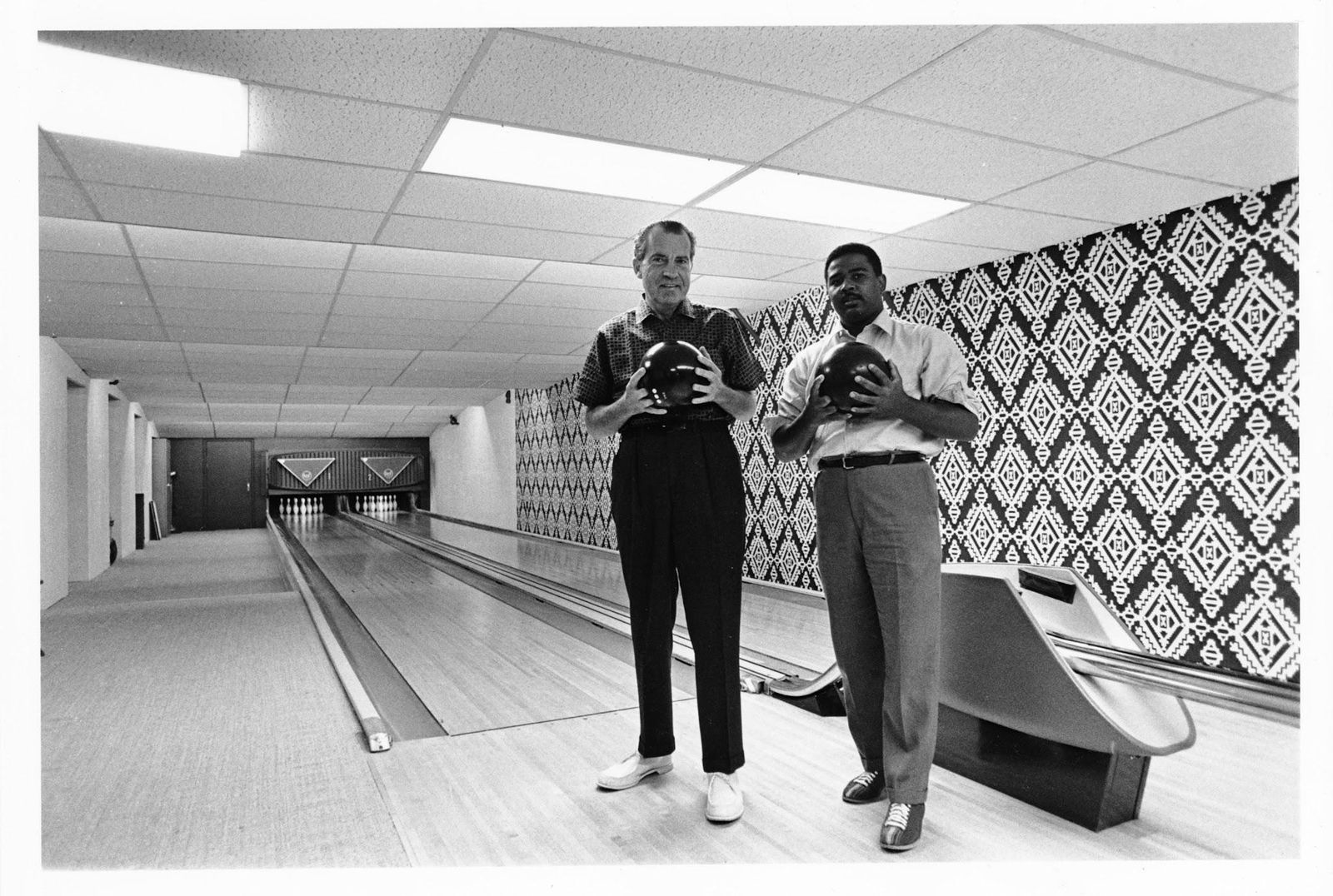
In 1973, Richard Nixon installed a one-lane bowling alley beneath the North Portico. Years later, in 1989, George H. W. Bush added a regulation horseshoe pit near the White House grounds, where he often relaxed and challenged visitors, including Queen Elizabeth II, to games. Then, in 2009, Barack Obama had the South Lawn tennis court modified so it could also be used for basketball, one of his favorite sports.

6
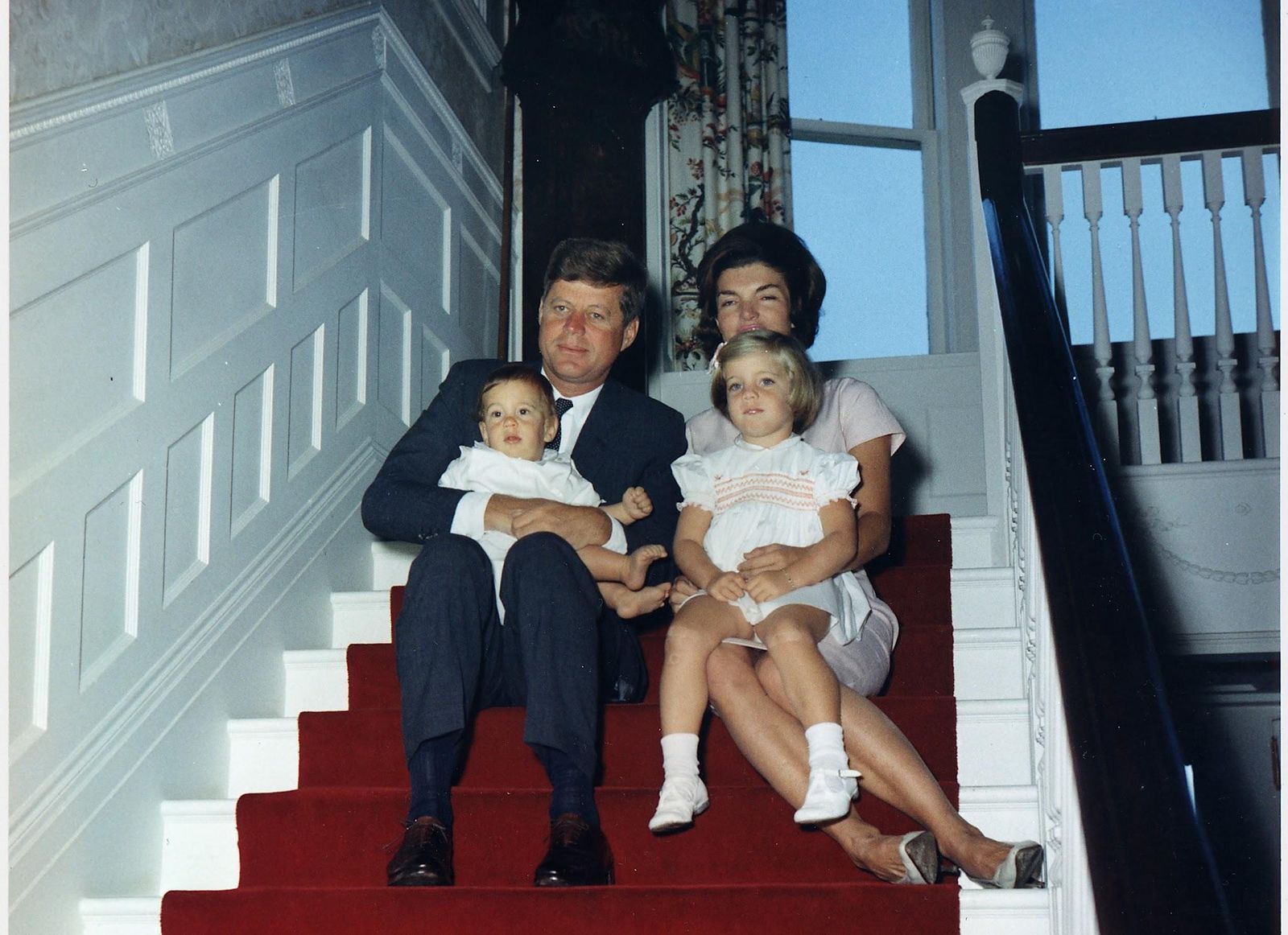
Jackie Kennedy's furniture

Image: Robert LeRoy Knudsen, Public domain, via Wikimedia Commons

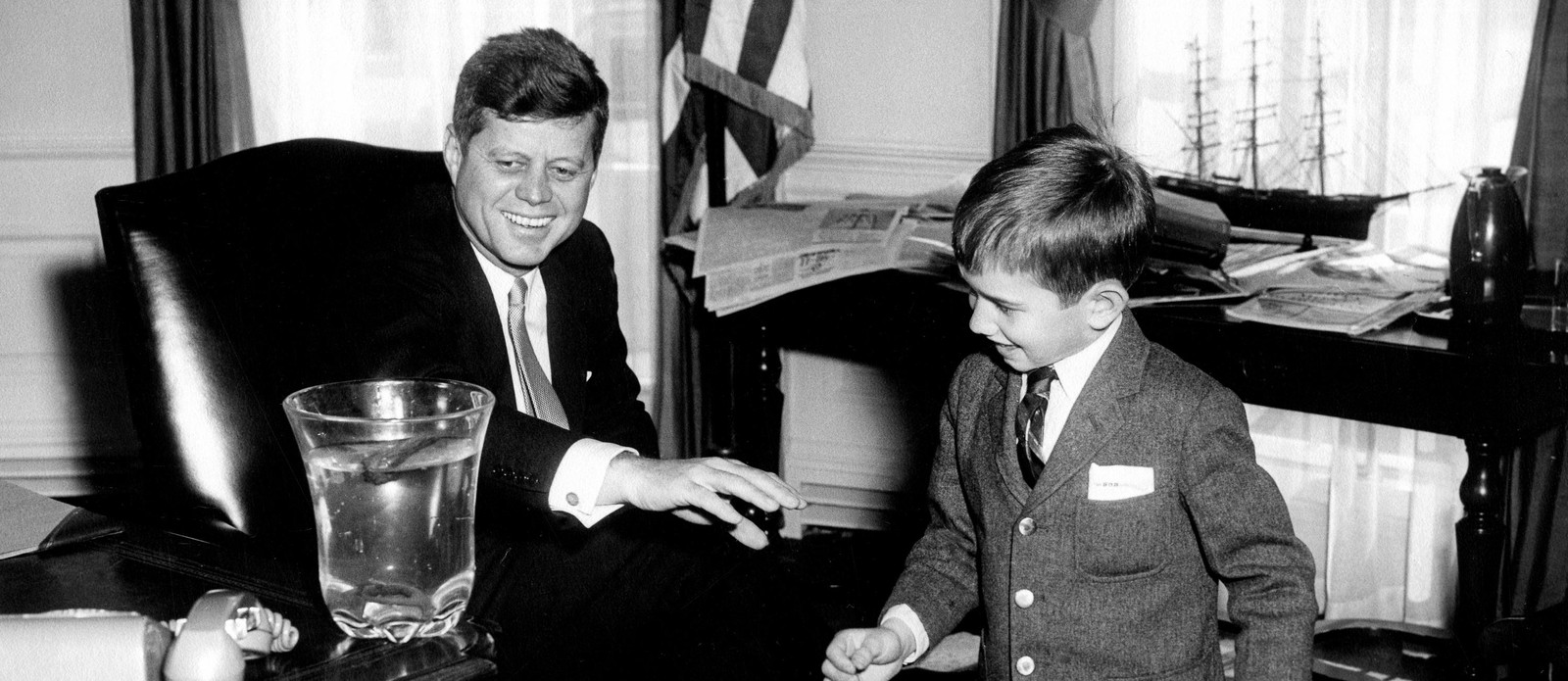
When the Kennedy family entered the White House in 1961, the first lady was disappointed to find that many of the historic rooms had lost much of their original character.

Determined to restore the White House’s history and elegance, Jackie Kennedy famously launched a massive restoration effort. She helped create the White House Fine Arts Committee, brought in historians and curators, and filled the residence with genuine antiques and historical pieces tied to past presidencies. On February 14, 1962, an estimated 46 to 56 million people tuned in to watch the First Lady’s televised tour of the White House, making it one of the most-watched programs of its era. She also supported a congressional act that made many of the White House’s historic furnishings official property of the nation, so future presidents could no longer sell, replace, or discard them.

7
Official name changes

Image: Benjamin Harrison Presidential Site, Public domain, via Wikimedia Commons

As we mentioned, the building was not always white, and therefore was not always officially called the White House. For much of the 19th century, Americans usually referred to it as the "Executive Mansion" or the "President’s House." Even after its famous white exterior made the nickname popular, it still was not the building’s official name.

That finally changed in 1901, when Theodore Roosevelt began printing "The White House" on presidential stationery. According to official sources, Teddy Roosevelt preferred this name because it clearly separated the president’s residence from the many state "executive mansions" used by governors across the country.

8
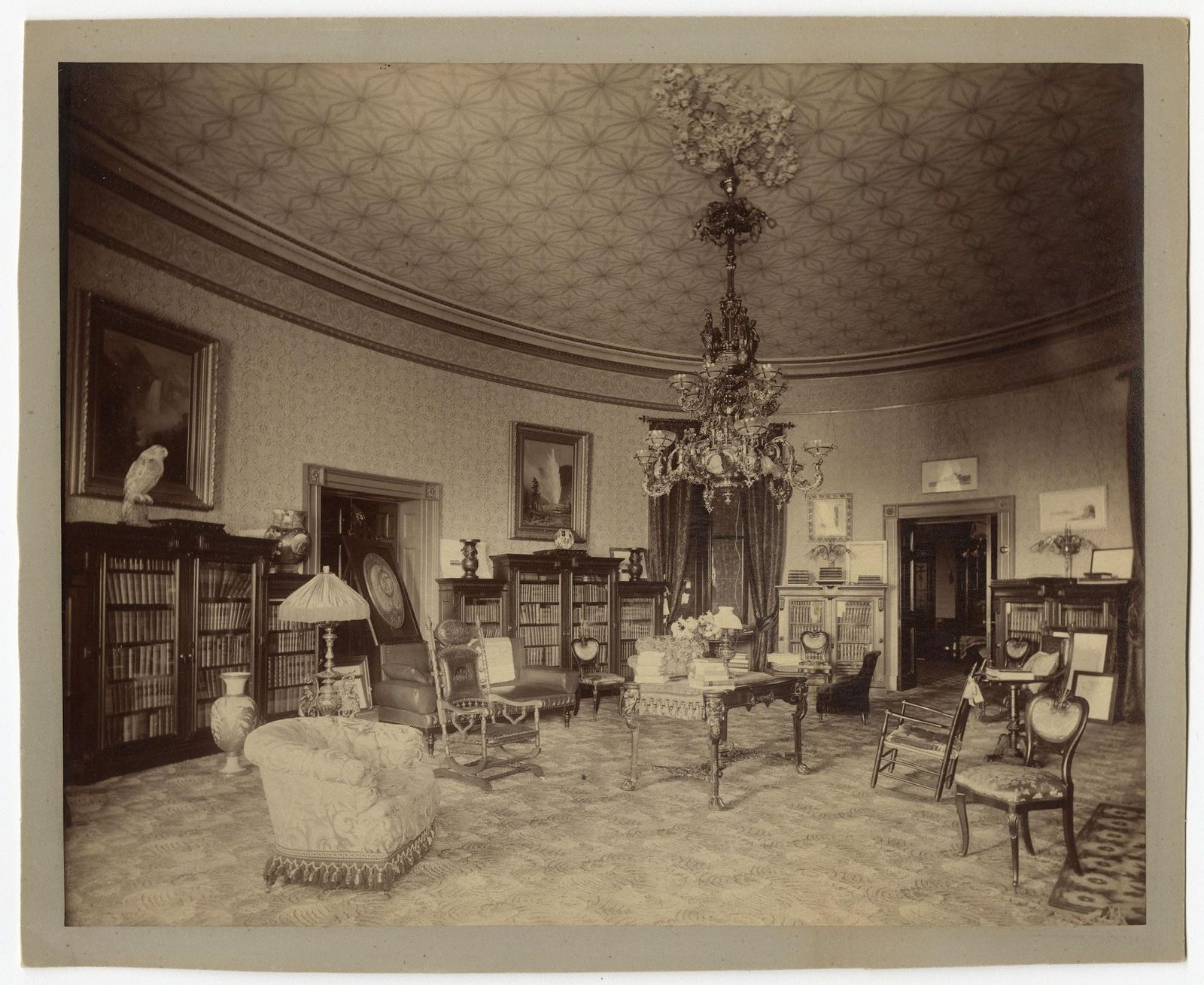
It was once America's largest house

Image: Miscellaneous Items in High Demand, PPOC, Library of Congress, Public domain, via Wikimedia Commons

There is one thing about the White House that no one can deny: it has always been huge, even in its early days.

When the White House was first occupied in 1800, it already contained more than 100 rooms spread across three floors, making it one of the grandest homes in the United States at the time. In a time when most Americans lived in modest houses or farms, the presidential residence was seen as a palace. Many historians even consider it the largest private residence in the country during its early years. Today, the White House covers about 55,000 square feet, though modern private buildings, like the Biltmore Estate in North Carolina, are now far larger.

9
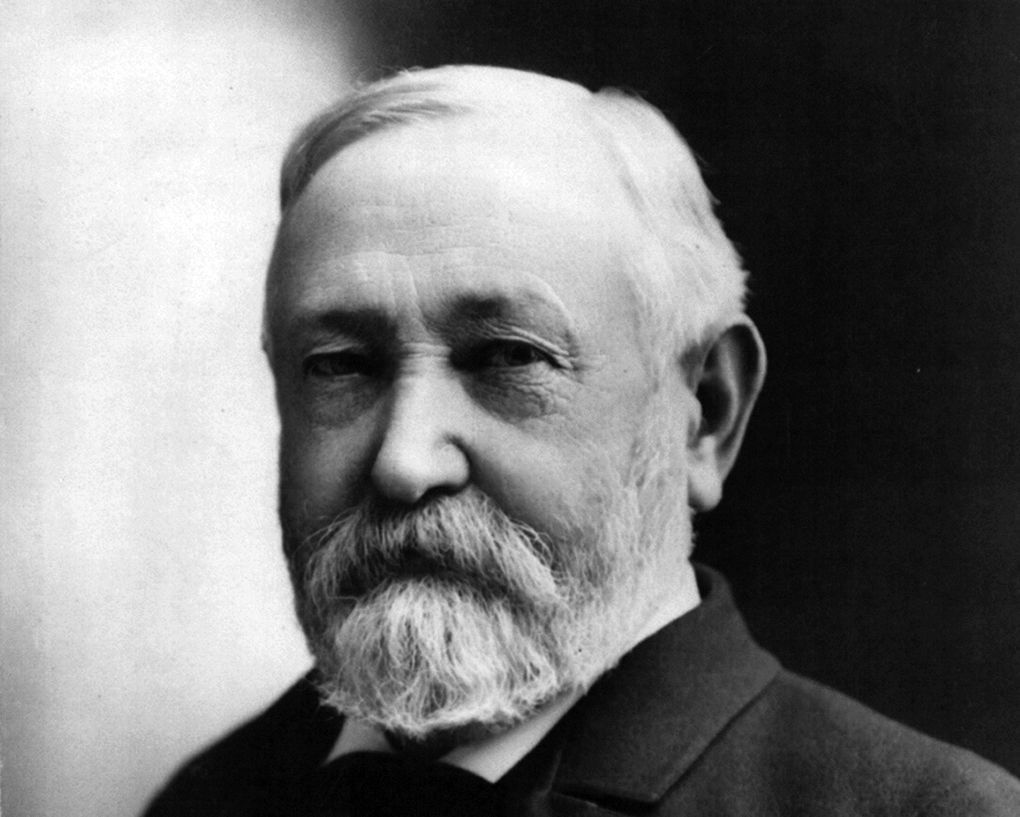
President Benjamin Harrison’s fear

Image: Joseph Gray Kitchell (1862–1945)[1], Public domain, via Wikimedia Commons

Among the many changes the White House has undergone over the years, few were as revolutionary as the arrival of electricity.

For nearly a century after it was built, the presidential residence relied on candles, oil lamps, and gas lighting. That finally changed in 1891, when electricity was installed during the presidency of Benjamin Harrison. But, like many families in that era, the Harrisons were not exactly thrilled by this modern invention. According to White House stories passed down over the years, President Harrison and First Lady Caroline Harrison were so nervous about the possibility of electric shock that they rarely touched the light switches themselves. Instead, they often asked the house staff to turn the lights on and off for them.

10
Hillary Clinton’s special gift

Image: Ralph Alswang, Public domain, via Wikimedia Commons

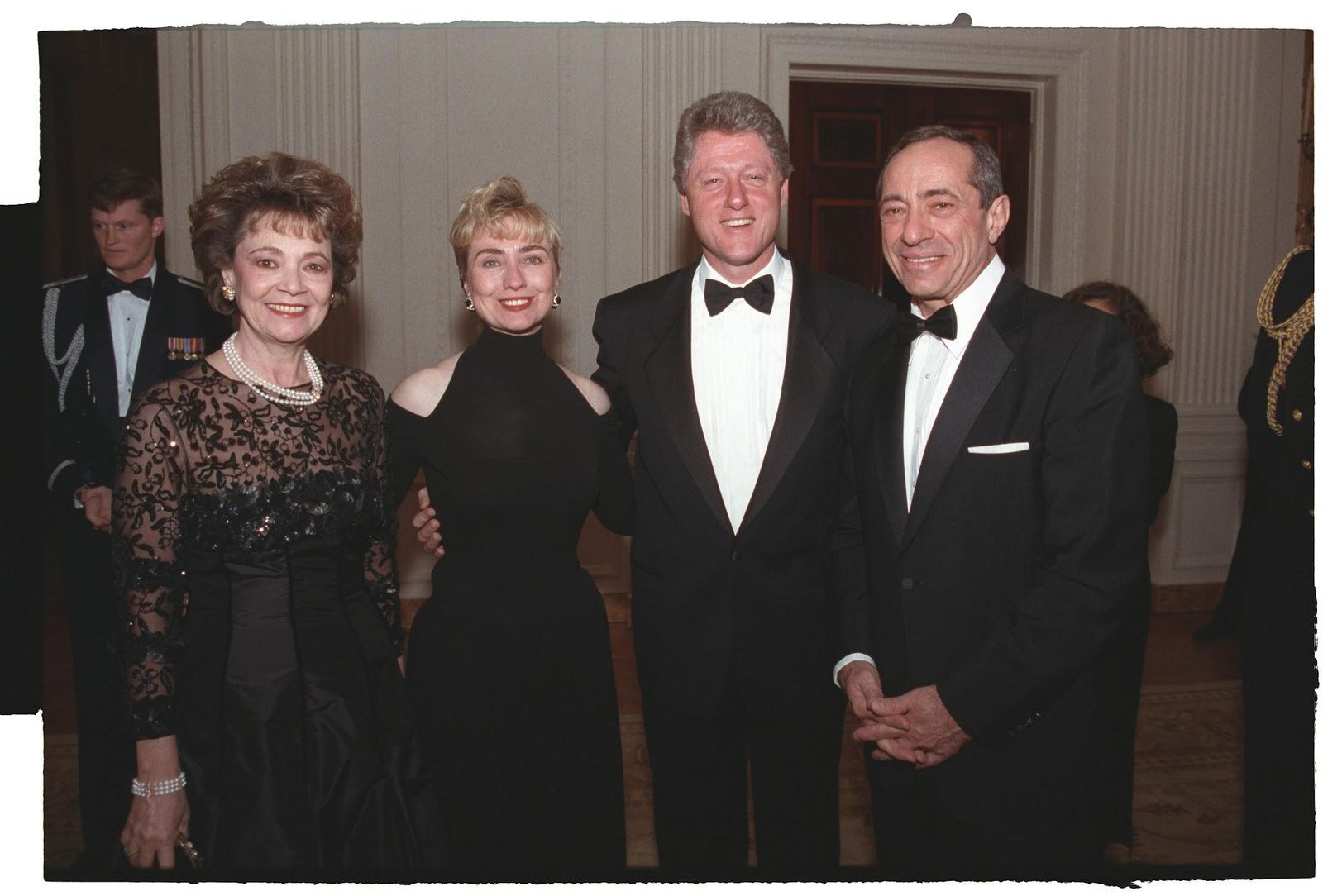
Of course, Jackie Kennedy wasn’t the only First Lady to leave her mark on the White House. Hillary Clinton added her own personal touch as well, this time as a gift for her husband.

In 1996, Hillary Clinton transformed a little-used room on the White House’s third floor into a private music room for President Bill Clinton. The gift came during the year of Bill Clinton’s 50th birthday and reflected one of his best-known passions: music. Complete with space for listening to records and playing his famous saxophone, the room gave the president a quiet retreat inside the White House.

Culture Culture 5 min read

Why does Japan eat KFC for Christmas? The answer will shock you!

Image: Nixx Photography

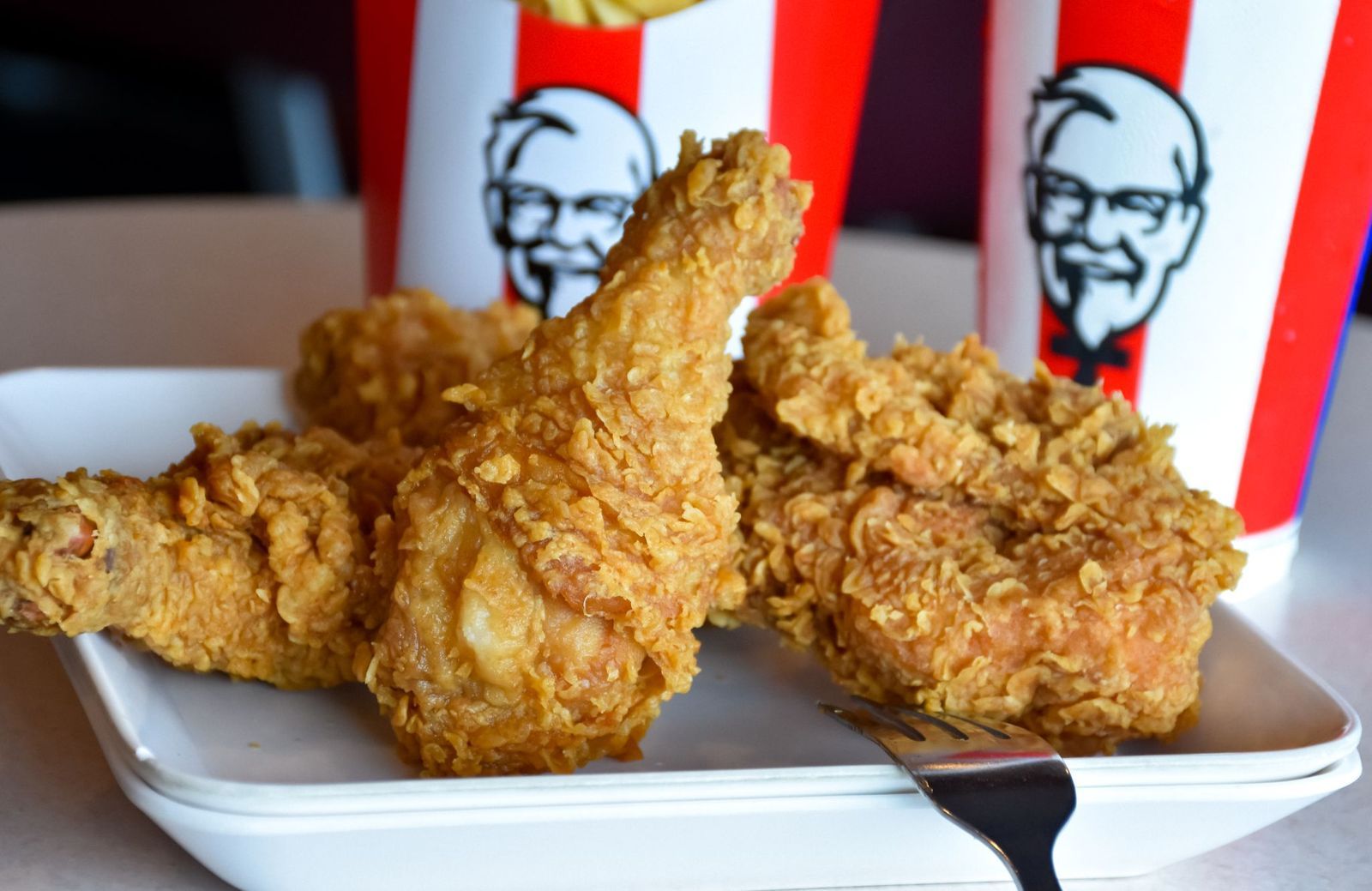
When you think of fast-food royalty, few figures are as universally recognizable as Colonel Harland Sanders. With his iconic white suit, black string tie, and goatee, his image is plastered across tens of thousands of Kentucky Fried Chicken (KFC) locations around the globe. Yet, behind that grandfatherly smile lies a corporate history filled with drama, secret recipes, and unusual marketing decisions. Here are 10 mindblowing facts about KFC and its legendary founder.

1
A rivalry becomes a business success

Image: Unclear, likely someone from the family of Colonel Sanders, Public domain, via Wikimedia Commons

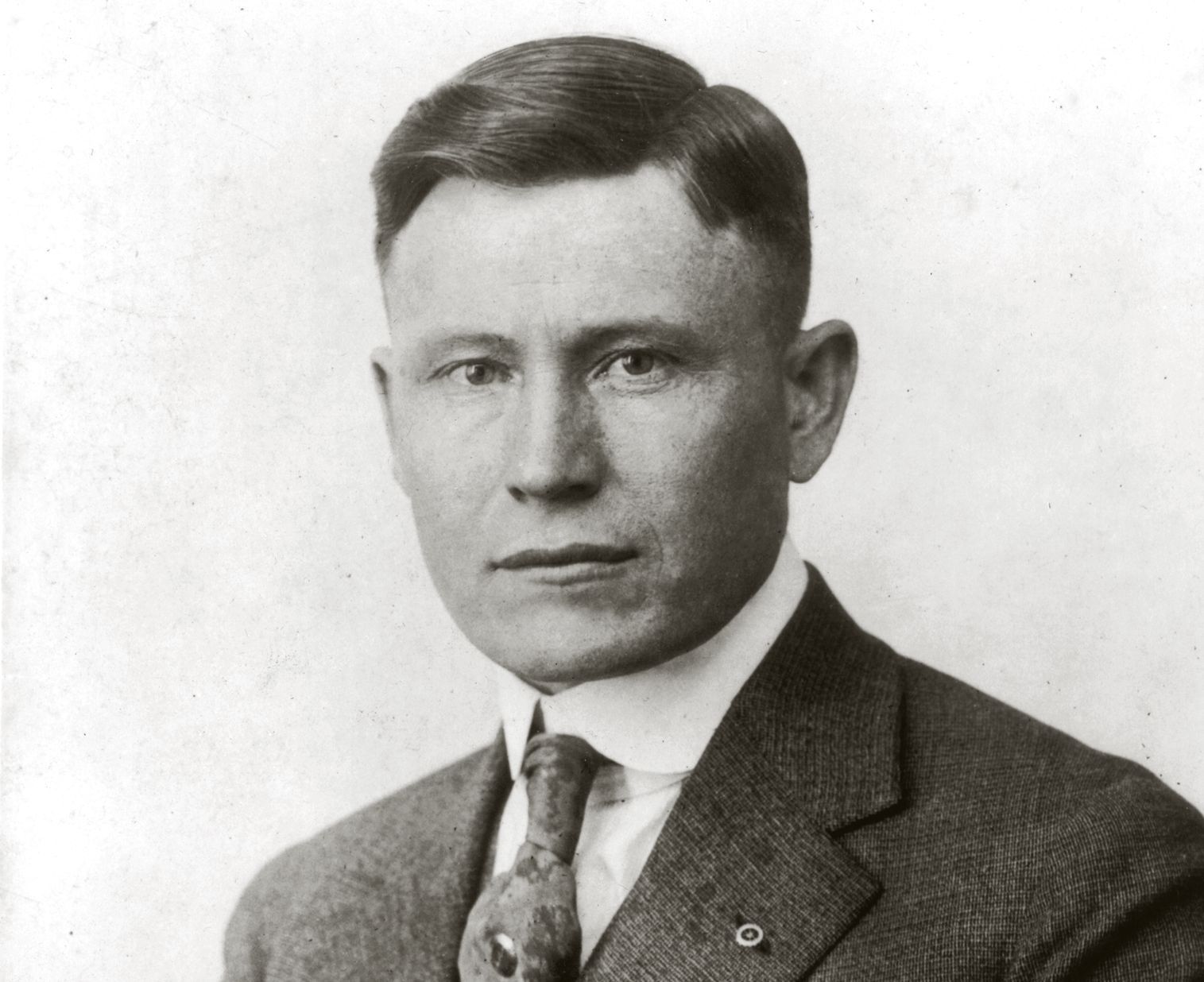
During the Great Depression, Harland Sanders ran a humble Shell station in Corbin, Kentucky. Back then, business was cutthroat, and Sanders found himself in a bitter feud with Matt Stewart, a rival gas station owner who kept painting over Sanders’ highway signs to redirect traffic. After several warnings went unheard, Sanders marched over to confront Stewart.

When Stewart was caught in the act, a physical confrontation quickly escalated. Stewart drew a pistol and shot a Shell manager who was accompanying Sanders, killing him on the spot. Sanders retaliated by firing back and wounding Stewart, who was later arrested and sentenced to prison for murder. With his main competitor safely behind bars, Sanders was able to expand his service station, perfect his pressure-frying method, and ultimately transform his business into a massive commercial success.

2
The KFC you know today exists thanks to Wendy’s

Image: Pavlovska Yevheniia

Although you may view KFC and Wendy’s as distinct competitors, the reality is that the chicken giant owes its structural identity to Dave Thomas, the founder of Wendy’s. In the 1960s, Thomas worked as a head chef and regional manager for the Colonel’s franchises.

He was a marketing whiz who personally convinced Colonel Sanders to star in his own television commercials, cementing his status as a living mascot. Furthermore, Thomas created the iconic red and white striped bucket design. He became so wealthy from his shares and success at KFC that he used his payout to establish his own burger empire, Wendy’s, in 1969.

3
The secret recipe's security

Image: Patcharaporn Puttipon4289

The legendary blend of "11 herbs and spices" is one of the most famously guarded secrets. Did you know KFC keeps the recipe locked inside a top-secret vault at the corporate headquarters in Louisville, Kentucky?

The vault, encased in thick layers of concrete, is protected by motion sensors, security cameras, and 24/7 guards. To ensure the formula is never leaked, KFC splits the production pipeline: two different companies are hired to mix separate halves of the spice blend. Neither company knows the other's ingredients, and a computer system automatically combines the two halves before the seasoning is shipped out to individual franchises.

4
KFC for Christmas in Japan

Image: Tricky_Shark

In the United States, a Christmas dinner consists of roasted turkey or ham. In Japan, however, Nativity food comes in a cardboard bucket. This wild tradition dates back to 1974, sparked by Takeshi Okawara, the manager of the country's first KFC branch.

After overhearing homesick Western expats lamenting how difficult it was to source a holiday turkey in Japan, Okawara launched the national "Kentucky for Christmas" campaign, which exploded into a cultural phenomenon. Today, an estimated 3.6 million Japanese families celebrate Christmas Eve with KFC, with patrons placing their orders months in advance to avoid long lines.

5
Colonel Sanders hated KFC

Image: WayneRay, CC BY-SA 4.0, via Wikimedia Commons

By 1964, 73-year-old Colonel Snaders felt he was no longer cut out for the pace of corporate life. He sold the Kentucky Fried Chicken company to a group of investors for $2 million, under a contract that allowed the brand to continue using his likeness.

As executives changed the original recipes to cut costs, Sanders grew to hate the food KFC was serving. He began travelling the country, showing up unannounced at franchises to taste the food, throw public tantrums, and openly tell the media that the new gravy tasted like "wallpaper paste" or "sludge". He even attempted to open a rival restaurant and sued KFC for using his image, leading the company to counter-sue him. Eventually, KFC paid him an additional million dollars just to stop making public scenes.

6
KFC Double Down

Image: Boyloso

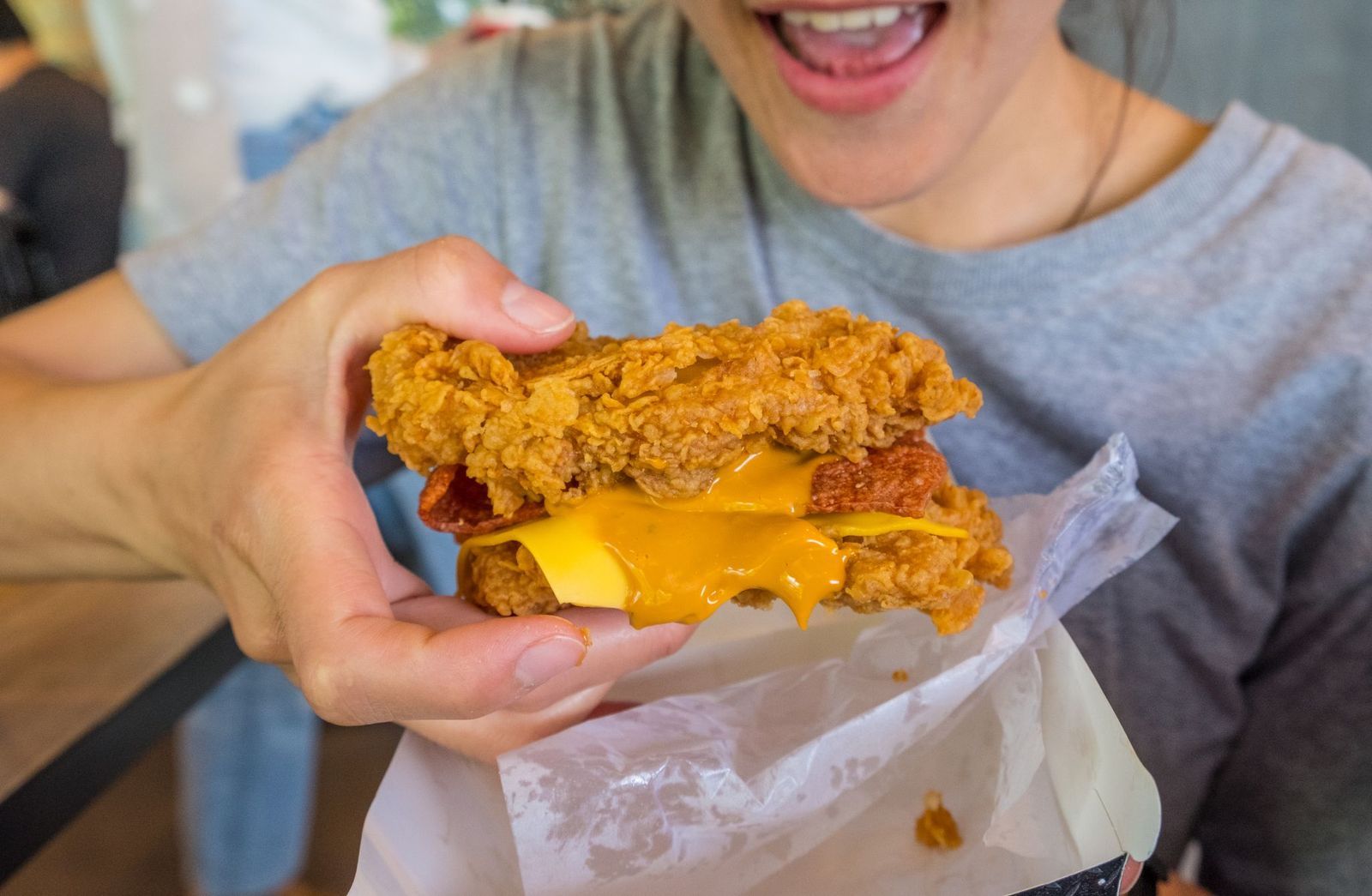
KFC has never been afraid of pushing nutritional boundaries, but in 2010 they certainly hit another level. The Double Down features bacon, Monterey Jack cheese, and a Colonel's special sauce encased between two seasoned, crispy slabs of fried chicken breast instead of bread buns.

The item sparked a media frenzy, with health advocates calling it a dietary disaster and foodies treating it as a dare. Ultimately, it proved to be a commercial hit. As it turns out, when it comes to extreme fast food, consumers are more than willing to ignore the carbs in favor of deliciousness.

7
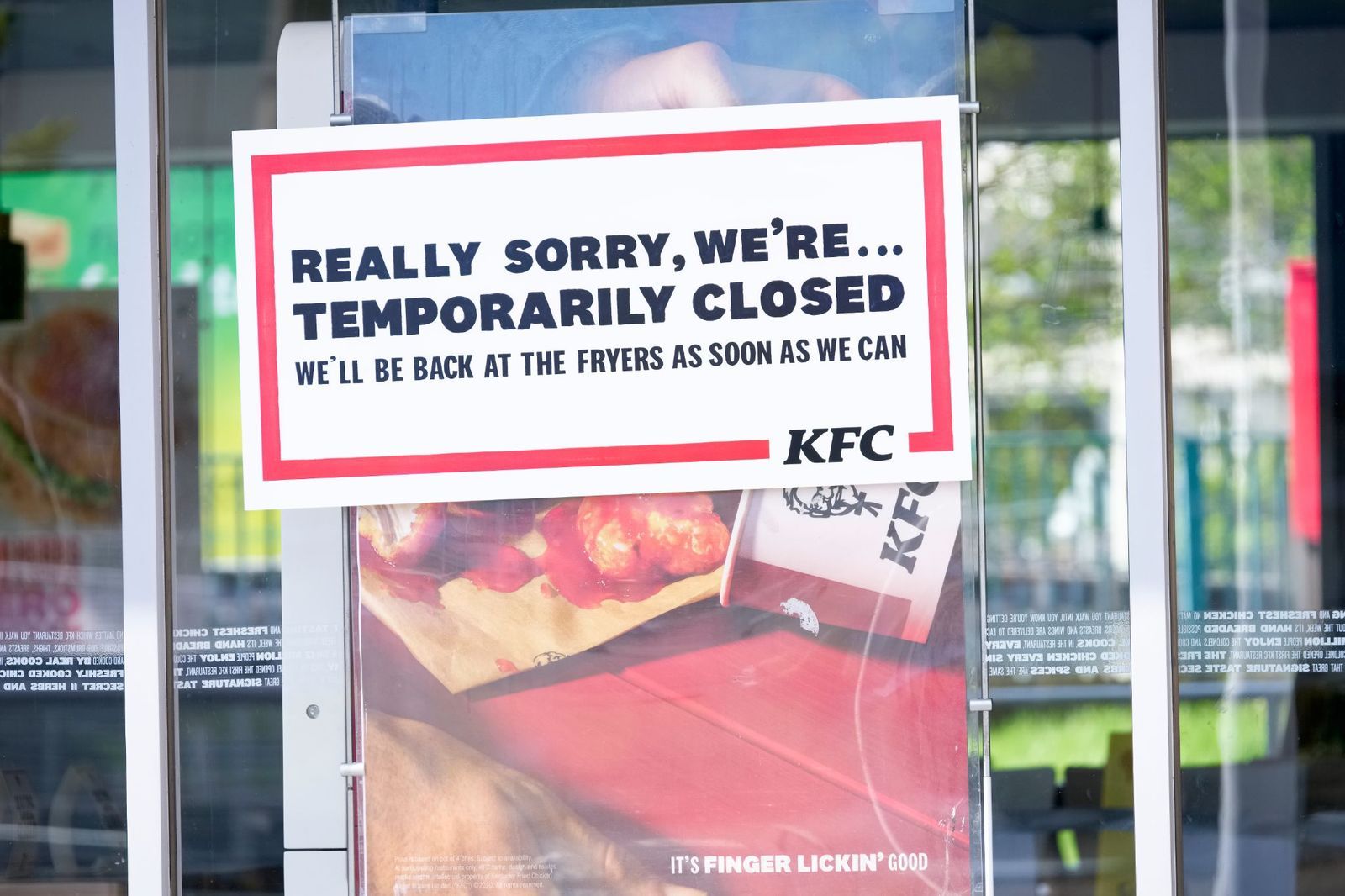
That time KFC ran out of chicken

Image: richardjohnson

A fried chicken restaurant running out of its main ingredient sounds like a nightmare, but in 2018, it became real for KFC in the United Kingdom. In an effort to optimize logistics and save money, management switched its delivery contract to DHL. The transition went completely wrong, resulting in a supply chain jam that left over 900 UK locations with no chicken to fry.

Hundreds of stores were forced to shut down temporarily, sparking nationwide outrage, with desperate citizens even calling the police to complain. KFC managed to restore its reputation by leaning into self-deprecating humor, purchasing newspaper advertisements that featured an empty bucket rearranged to read "FCK".

8
The problem with the slogan in Chinese

Image: Patcharaporn Puttipon4289

When international fast food brands began expanding into foreign territories in the late 1980s, errors were very common. KFC experienced this firsthand when it opened its first store in Beijing, China, in 1987. The company wanted to proudly display its world-famous catchphrase, "Finger-Lickin' Good", to tempt local diners.

Unfortunately, due to an oversight in Mandarin translation, the slogan was literally translated to "Eat Your Fingers Off". While the phrase initially startled and amused local consumers, the brand quickly corrected the translation mishap to something more culturally appropriate and appetizing.

9
KFC's video game

Image: Ratana21

Decades after the Colonel’s passing, KFC’s marketing division decided to lean into modern internet subcultures. In 2019, the brand shocked the gaming community by releasing an official, anime-style video game titled I Love You, Colonel Sanders! A Finger Lickin’ Good Dating Simulator.

Developed as a visual novel, the free game places the player in a culinary school alongside a young and handsome romanticized version of Colonel Sanders. The goal of the game is to successfully navigate cooking school battles while attempting to woo the chicken chef. Against all odds, the game became a viral sensation.

10
KFC releases its own console

Image: Pixel-Shot

Following the unexpected success of their video game, KFC’s marketing team announced the KFConsole in 2020. Many assumed it was an April Fool’s joke, but it turned out to be a genuine gaming PC.

The most bizarre feature of the console is its custom "Chicken Chamber". This specialized compartment uses the heat generated by the computer’s internal components to keep pieces of fried chicken warm and crispy while you play video games.

Explore more American facts

Choose your favorite category!

General
General

As American as apple pie—the very best America has to offer!

Culture
Culture

Delve into the astounding richness of American lore.

Geography
Geography

Hop in and explore vast and diverse American landscapes.

History
History

Discover the key moments that shaped the United States.