General General 5 min read

How did a slogan turn a fast-food order into a promise of total control?
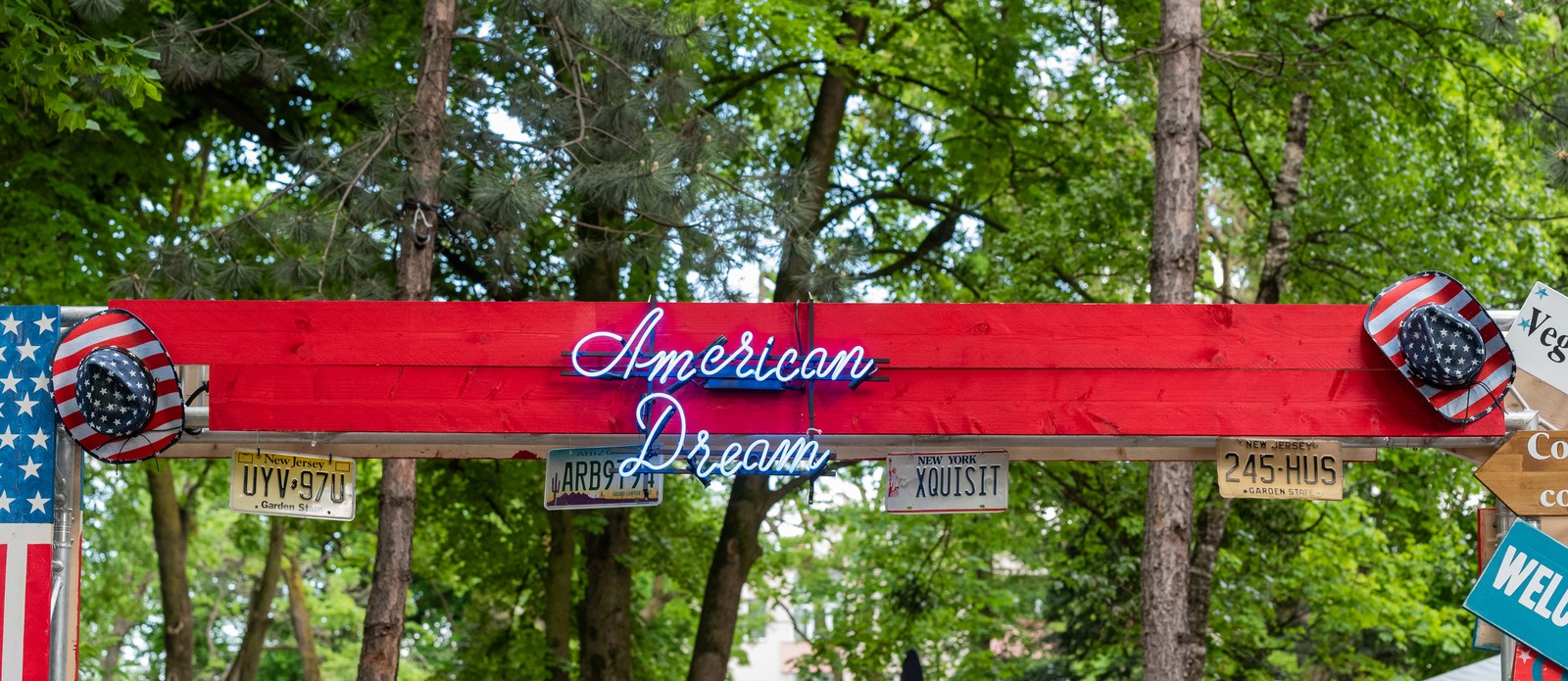
Image: Sergiu Bretea

One of the world’s most famous slogans came from a death row sentence . Another arose from observing soldiers eat chocolate that wouldn’t melt during the Spanish Civil War. And one turned a fast-food order into a promise of total control. Check out these 10 slogans and the incredible secrets behind them.

1
I’m lovin’ it
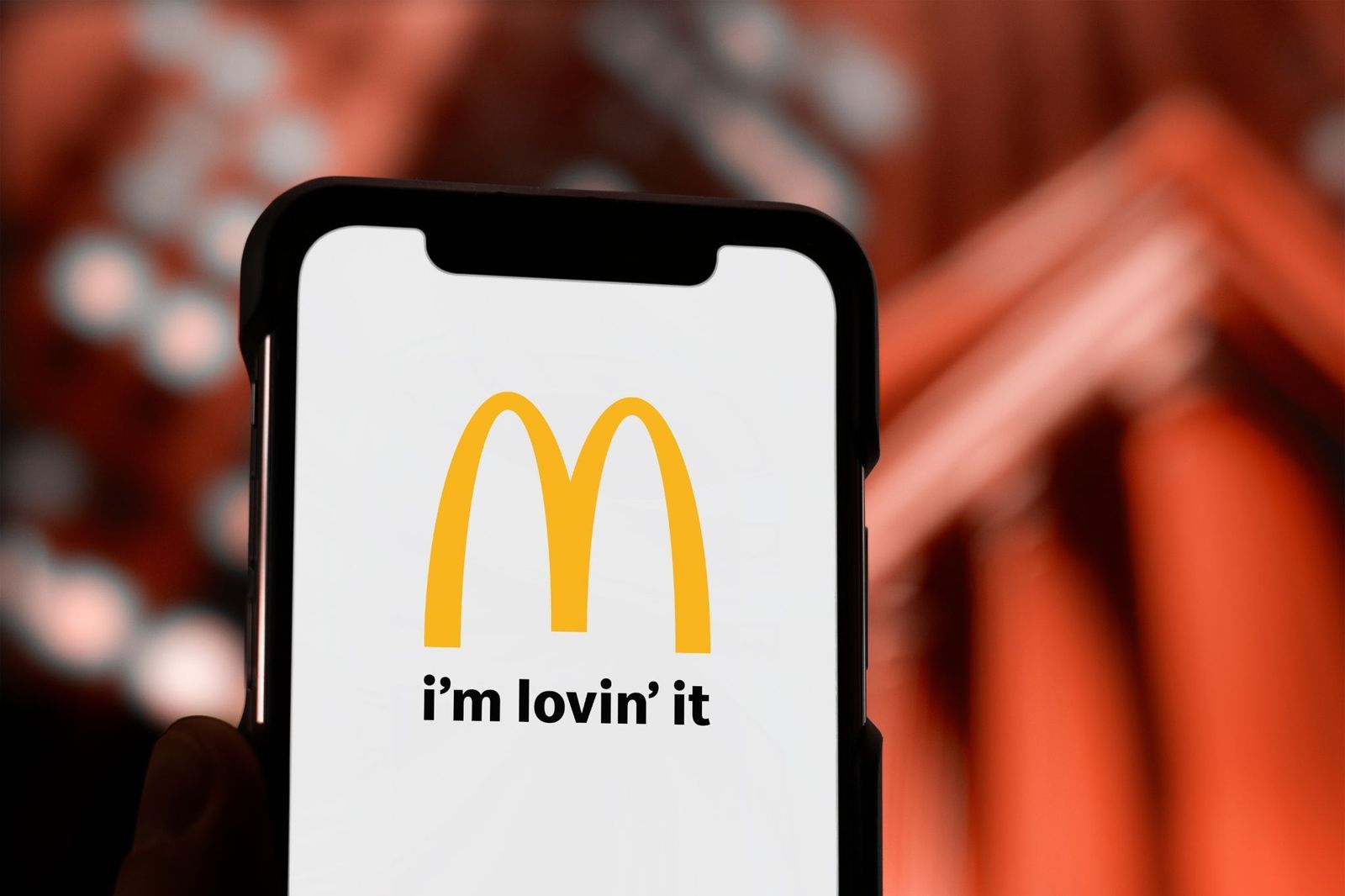
Image: PhotoGranary02

McDonald’s tapped into the 2003 zeitgeist with its slogan "I’m lovin’ it," one of its most enduring campaigns. It also has a catchy tune originally produced by Pharrell Williams, and Justin Timberlake was paid millions to sing the first radio edit and make it cool.

The catchphrase hits home because it focuses on happy emotions we can all relate to. The active grammar of "I’m lovin it", instead of the passive "I love it", implies an ongoing pleasurable experience, not just one isolated bite .

2
Just do it
Image: Robert Way

How many times have we renewed our New Year’s resolutions, promised to start going to the gym, or get outdoors as soon as spring arrives? But actualizing our ambitions isn't as easy as it sounds.

That’s exactly what Nike captured so well in its iconic slogan, "Just do it", because it motivates action, inspiring a resilient and go-getter attitude. But the origin story is darker than most people know. It was Gary Gilmore, a convicted murderer, who uttered the words "Let’s do it" before his execution in 1977 . Advertising executive Dan Weiden later said that that blunt line inspired the slogan.

3
Maybe she's born with it, maybe it's Maybelline
Image: Mustday

It’s natural to wonder about the beauty secrets of celebs or people we know. They could be genetics, a healthy lifestyle, or a skin-care routine. Whatever it may be, when we admire someone’s look, we want to find out how they do it.

That’s why this slogan, introduced in the 1990s by the cosmetic brand, works so well. It cleverly leaves room for doubt: maybe it’s natural beauty, or maybe it’s the product . Either way, it connects directly to the desire for effortless, flawless beauty.

4
Think different

Image: Hadrian

Who hasn’t felt different at some point? And being different is often perceived as a negative. Apple flipped the idea, asserting that those who don’t fit in are the ones who change the world ; they are the true visionaries, the rebels and the geniuses.

This two-word slogan, "Think different", used by Apple from 2002 to 2007 and created by art director Craig Tanimoto, appeals not just to what you buy, but to who you become by buying it . The audacious campaign even invoked such history-making icons as Albert Einstein and Martin Luther King Jr. It’s also believed to be a response to IBM’s "Think," adding boldness by even breaking grammar rules (since "Think differently" would be technically correct).

5
Like a good neighbor, State Farm is there
Image: JHVEPhoto

Have you ever run out of sugar and knocked on your neighbor's door? Or has a neighbor fed your cat when you’re away? At the end of the day, everyone wants a good neighbor .

State Farm, one of the largest insurance companies in the U.S., turned a faceless corporation into a helpful friend next door through this jingle, created by Barry Manilow in 1971. It is still widely used today, alongside the "Jake from State Farm" character.

6
Have it your way
Image: Sorbis

Wanting things our way is one of the most universal human desires. But from a young age, we’re taught the opposite: that not everything can go our way and we need to adapt.

Burger King promises the opposite: at this eatery, you can "Have it your way" . Introduced in 1974, it emphasizes customization by letting customers choose their toppings and make the burger their own; turning it into a promise of choice, like no pickles or extra sauce. Here, at least, buyers are the boss.

7
Built Ford Tough
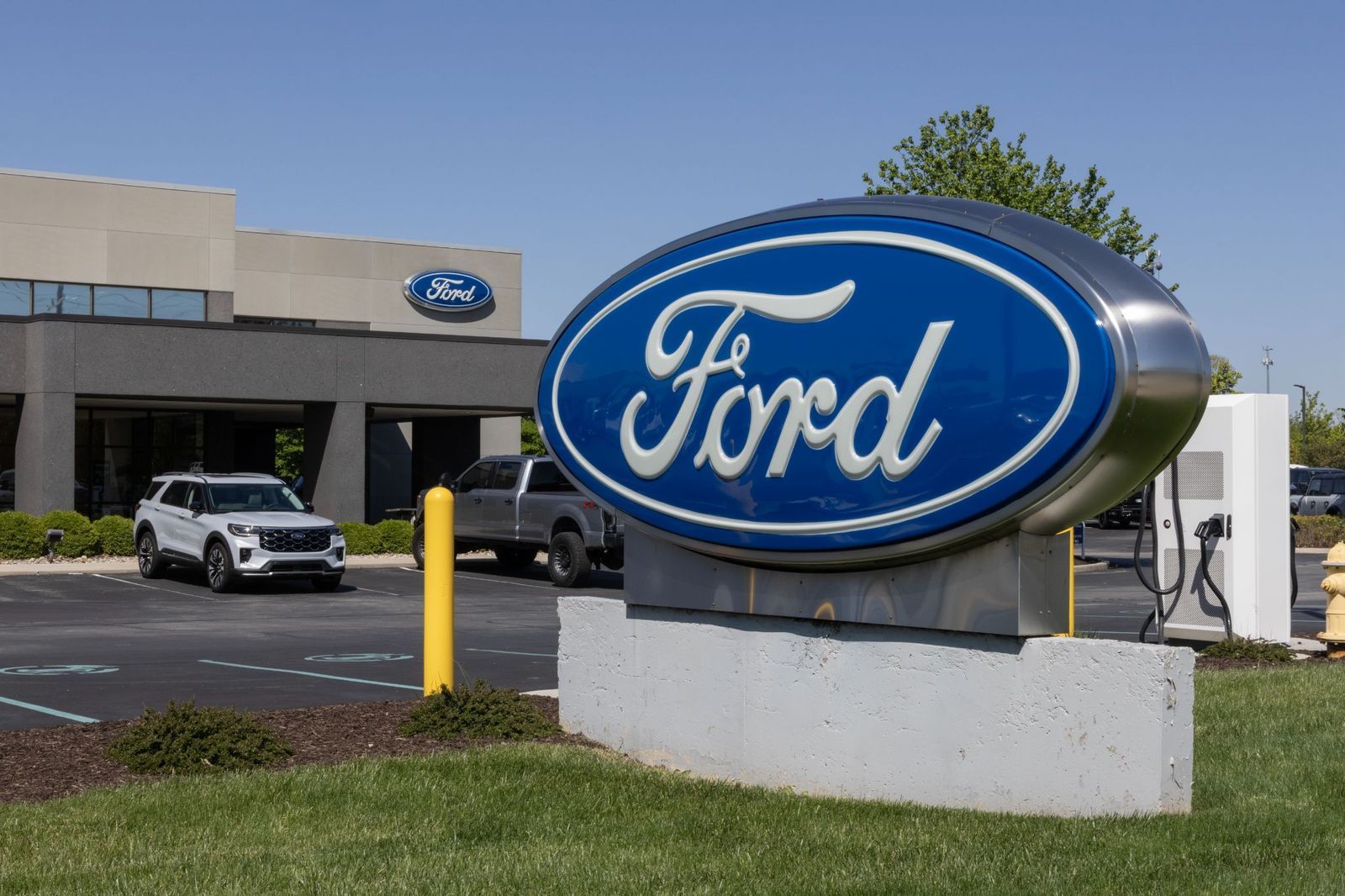
Image: Jonathan Weiss

When it comes to vehicles, durability matters, especially over long distances, in tough conditions, and through unpredictable weather.

That’s why this slogan, introduced in 1979 for the Ford F-series, was so effective. It highlights endurance and reliability, while elevating the brand to a whole new level of toughness , asserting that Ford stands out from the rest.

8
Melts in your mouth, not in your hands
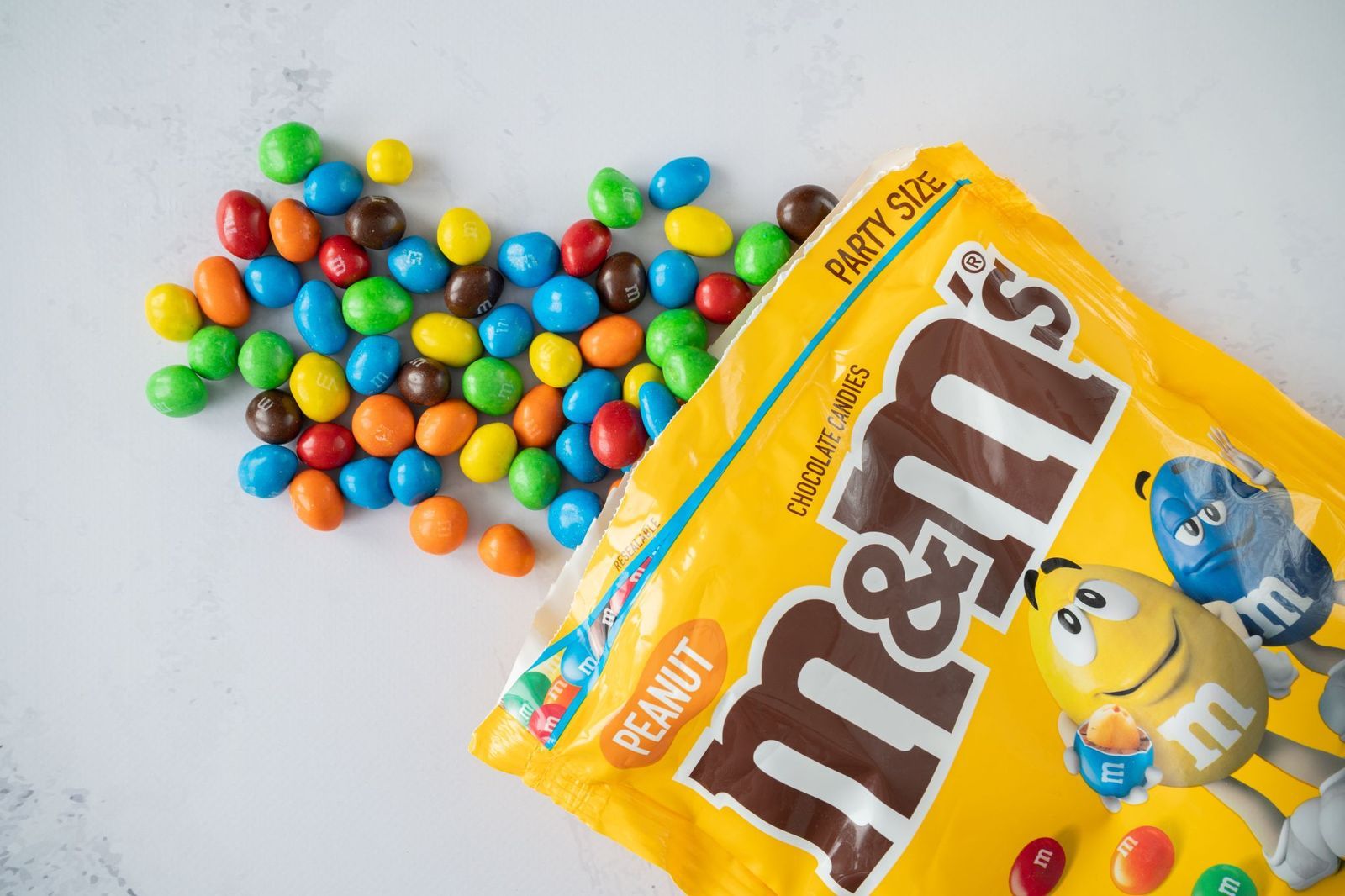
Image: Longfin Media

Even if we’re not that hungry, thinking of our favorite treats can make our mouths water. This slogan is a good play on this reaction, although its origin is unexpected.

"Melts in your mouth, not in your hands" is the 1954 catchphrase promoting M&M’s candy-coated chocolates. The outer shell is what keeps it from melting, letting you enjoy it without the sticky mess. Reportedly, it was during the Spanish Civil War (1936 -1939) that the creator, Forrest Mars, saw soldiers eating a chocolate pellet that wouldn’t melt in the heat. In fact, during World War II, M&M’s were sold exclusively to the US military for this reason .

9
Don't leave home without it

Image: kevin brine

Getting ready to head out the door is no simple task. Even today, we double-check essentials like keys, wallets, and more.

American Express made a fantastic play on this in its 1975 slogan, first coined by advertising legend David Ogilvy for traveler's checks. Although at first glance it’s simple travel advice, it subtly suggests worldliness, wealth, safety, and security; ultimately making people feel that traveling without the card is simply a bad idea .

10
Can you hear me now?

Image: PJ McDonnell

How many times have you asked this during a call, a Zoom, or a FaceTime? A bad connection leads to poor communication, and Verizon turned that frustration into a memorable message.

Launched in 2002, "Can you hear me now?" reminds us of all the times we’ve asked this question when trying to talk with someone, highlighting signal reliability over cheaper plans. The actor Paul Marcarelli was featured in various locations across the country yelling the question and, after a pause, saying, "Good" . The catchphrase and Marcarelli became so well known that people would shout it at him in real life, and, allegedly, even at his grandmother's funeral.


General General 4 min read

American uniqueness

10 things America does differently from the rest of the world

Image: Shamblen Studios

The U.S. is a unique country in many ways , but some of these might shock tourists and foreigners because they differ from how they are done in other parts of the world. From etiquette rules to cooking styles to how to record a date, America has its own way of doing certain things . Let’s have a look at some of them!

1
Measuring

Image: Annie Spratt

This is a difference most Americans are aware of: most countries use the metric system rather than U.S. customary units, and most use Celsius instead of Fahrenheit. Countries such as the UK and Canada still use some imperial units in everyday life, but they mainly use the metric system. Another measure that confuses foreigners is the particular way ingredients are measured in American recipes, which often use cups, tablespoons, and teaspoons rather than measurements by weight.

Fun fact: The only other countries that use the Imperial system officially are Liberia and Myanmar.

2
Sales tax

Image: Zoshua Colah

Do you find having to calculate sales taxes annoying? That’s a unique American experience. In the majority of the world, the price you see is the price you pay , because it has the sales tax already added.

Why is it different in America? Sales taxes vary across states , so retailers find it easier to showcase the base price and then calculate the total at checkout.

3
Cutlery use

Image: Anna Kumpan

Many Americans abroad are surprised by the realization that not everyone uses a knife and fork in the same way they do . In fact, no one else does. While most Americans have learned the American style —also called the zig-zag or fork switching method— that involves using the fork in the left hand for cutting and then changing it to the right to pick up the food, European and Latin American countries don’t do this . It might seem like a small difference, but it completely changes the way you eat.

4
Iced drinks

Image: Battlecreek Coffee Roasters

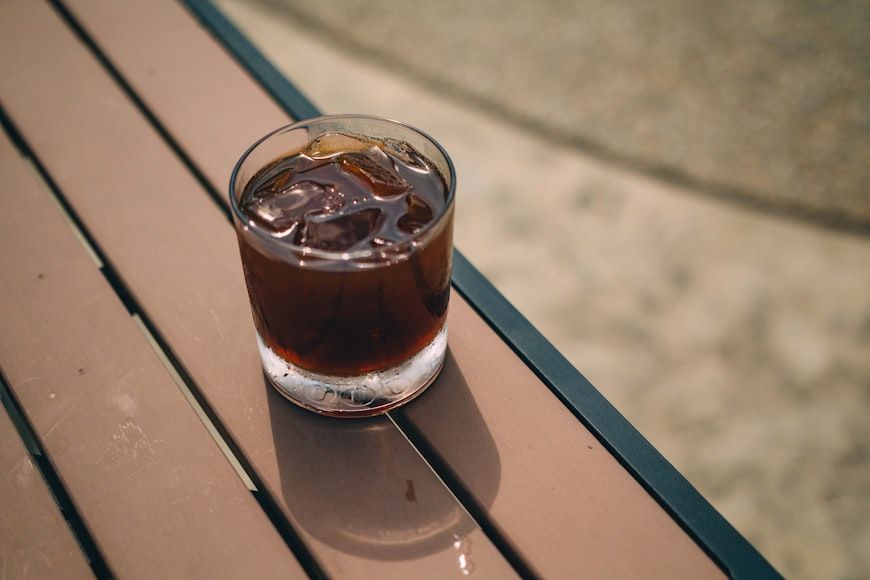
Do other countries not have ice? They do, but they don’t necessarily assume everyone will want it. While serving water and other beverages with ice is customary in America, in many other countries, you need to request it —even during the hottest of summers.

But even if you get ice, many times you will need to specify the amount : the same drink that would be filled with ice cubes in America might come to you with just two or three cubes elsewhere.

5
Date formatting

Image: Waldemar

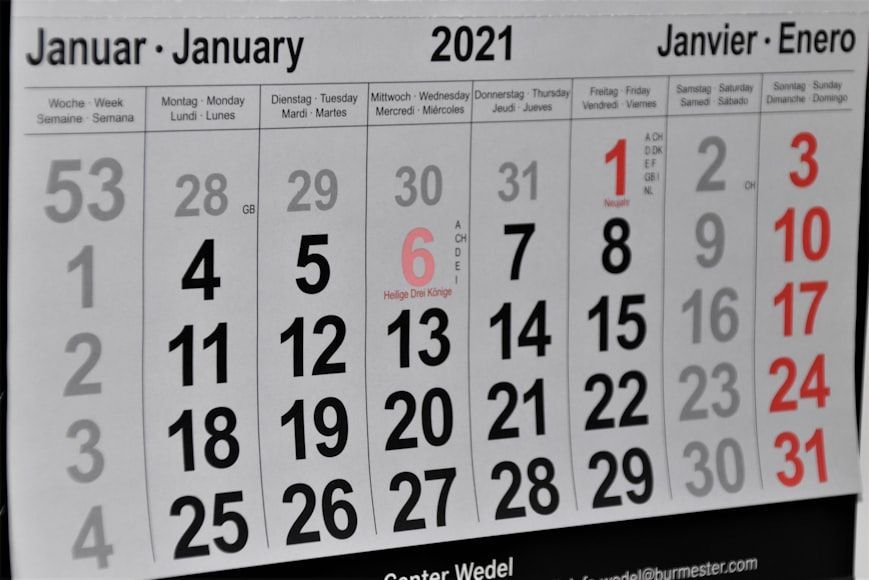
The U.S. is not completely alone on this one, but there’s a difference big enough to be worth mentioning. The standardized way of recording the date in America is month-day-year , a convention also followed by some Caribbean and Asian countries. But in the rest of the Western world, the conventional format is day-month-year , which can lead to confusion for Americans. In most Asian countries , the most commonly used format is year-month-day .

6
The word ‘American’

Image: frank mckenna

In the English language, ‘American’ is the only way to refer to people with U.S. citizenship . Other words, such as ‘Usian’ or ‘Unitedstatian’ have been proposed, but never stuck. This is why many Americans are surprised when other countries —Latin American countries in particular— use ‘American’ for anyone in the American continent , or continents, another big difference. In most European and Latin American countries, there is a different word for U.S. citizens, such as the Spanish ‘estadounidense’ or the Portuguese ‘estadunidense’ .

7
Moving out at 18 years old

Image: Dina Badamshina

This one is not so black and white, but more like a general tendency. Compared with most of Europe, Latin America, and Asia, Americans give serious consideration to the possibility of moving out after high school. Not everyone does, and not everyone can afford it, but it's fairly common.

In other countries, young adults generally move out if their job or education requires it , but they tend to stay at home a few more years if they can.

8
Driving a car as a teenager

Image: Dan Gold

America is quite car-centric , especially if you live outside of the big cities. While not everyone can afford to have a personal car —even a second-hand one—, it is common for 16 and 17-year-olds to legally drive their parents’ car, or save for their own.

In the rest of the world, the chances of high schoolers driving themselves to school are much lower, as most countries don’t allow underage kids to get a driving license .

9
Solo cups

Image: Artem Beliaikin

Do plastic cups exist outside of the U.S.? They do, but they are not as iconic or as widely used as Solo cups, introduced in the 1970s as a disposable but sturdy cup for parties and events. Many foreigners visiting America are surprised when they realize that solo cups are a real thing , and not something that just happens in movies.

10
Filing taxes

Image: Olga DeLawrence

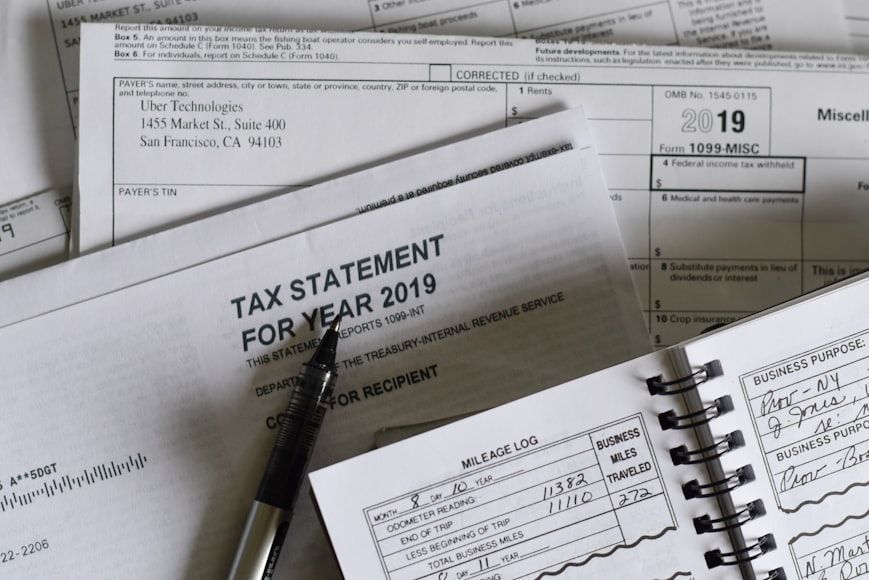
Taxes in the U.S. are not that different from taxes in other countries, except for how they are filed . During tax filing season, thousands of Americans direct their efforts to ensure they have properly reported their income and that their return will match the IRS’s data.

In other parts of the world, however, the one responsible for calculating and filing taxes is the government , while citizens merely corroborate that everything is in order.

Culture Culture 5 min read

Why do these 10 magnificent American estates now stand in ruins?

Image: Tama66

Beyond the manicured lawns of modern suburbs and the gleaming glass of city centers lie the skeletal remains of America’s Gilded Age and eccentric architectural dreams. These abandoned mansions, once symbols of immense wealth or unbridled ambition, now serve as monuments to the passage of time. Whether they were built for defense, ego, or artistic expression, these 10 sites stand as beautiful reminders of the people who once dared to dream about eternity. Would you like to know more? Continue reading!

1
Dundas Castle, Roscoe, New York

Image: Annie Spratt

Also known as Craig-e-Clair, this castle was built by Ralph Dundas in the early 20th century. It is an architectural marvel of stone and copper.

Dundas died before the castle was completed, and his wife was reportedly committed to a sanitarium shortly after. Consequently, no member of the Dundas family ever actually lived in the mansion. This has led to the "Ghost of Dundas Castle" legends, with locals claiming to see a woman in white wandering the unfinished halls, waiting for a housewarming party that never happened.

2
Rockwell House, Milledgeville, Georgia

Image: Clem Geiss

Built in 1838, the Rockwell House is a stunning example of Federal-style architecture, but its beauty is shadowed by a dark past. It was originally built for Colonel Samuel Rockwell, a prominent lawyer.

Local lore whispers about the "Rockwell Ghost," believed to be a young girl who died during a yellow fever outbreak. However, the house’s most tangible secret lies in its survival; it has endured multiple fires and periods of extreme neglect. In recent years, it has become a focal point for preservationists who uncovered hidden structural reinforcements that suggest the house was built to be an impenetrable fortress of its era.

3
Elda Castle, Ossining, New York

Image: Nitrogel

If the name David Abercrombie sounds familiar, it’s because he co-founded the clothing company Abercrombie & Fitch . But in the 1920s, he also built this granite castle, named Elda (an acronym of his children’s names), as a secluded retreat.

The castle features a network of spiral staircases and open-air porches designed to blend the indoors with the rugged wild. Its abandonment, however, is a sheer tragedy. After the family moved out, the castle was used as a research facility and later fell victim to vandals. Legend has it that a fire in the 1940s was started by squatters, leaving behind a charred stone husk that resembles a medieval ruin more than a 20th-century home.

4
Mongo's Castle, Memphis, Tennessee

Image: Denny Müller

A stark contrast to the classical mansions of the South, Mongo’s Castle was the passion project of Mongo Bebe, a man who built his home out of scrap stone, Ashlar blocks, and found materials.

The house is a maze of folk-art eccentricity. The builder intended it to be a community center and a symbol of African-American heritage and self-reliance. It stands today as a decaying puzzle, with many neighbors still unsure of the structural logic behind its towering, uneven walls.

5
Bannerman's Castle, Pollepel Island, New York

Image: Leonard G., Public domain, via Wikimedia Commons

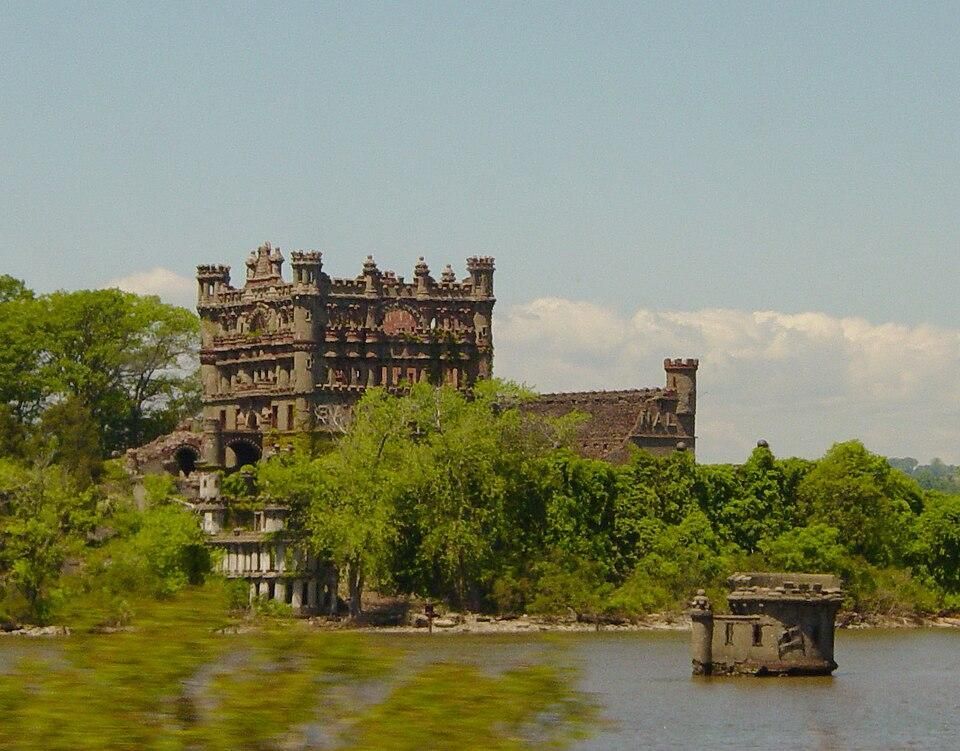
Rising from the Hudson River, this castle was never intended to be a home; it was a giant advertisement and warehouse for Francis Bannerman VI’s military surplus empire.

In 1920, 200 tons of gunpowder and shells exploded in the castle’s powder house, blowing out a significant portion of the walls. The ground is still considered unstable due to the remnants of military munitions, and the inscriptions on the walls are actually warnings and advertisements for the Bannerman business. Do you dare visit this mansion?

6
Castle Mont Rouge, Rougemont, North Carolina

Image: Florian Delée

This whimsical, onion-domed castle looks like it belongs in the Russian countryside rather than the North Carolina woods. It was designed by sculptor Robert Mihaly, but he ended up abandoning the project in the early 2000s following a personal tragedy and financial hurdles.

The castle remains an "empty sculpture," filled with intricate marble work and unfinished turrets. The bizarre architectural fusion lacks a standard floor plan, making it nearly impossible to convert into a functional residence without destroying its artistic integrity.

7
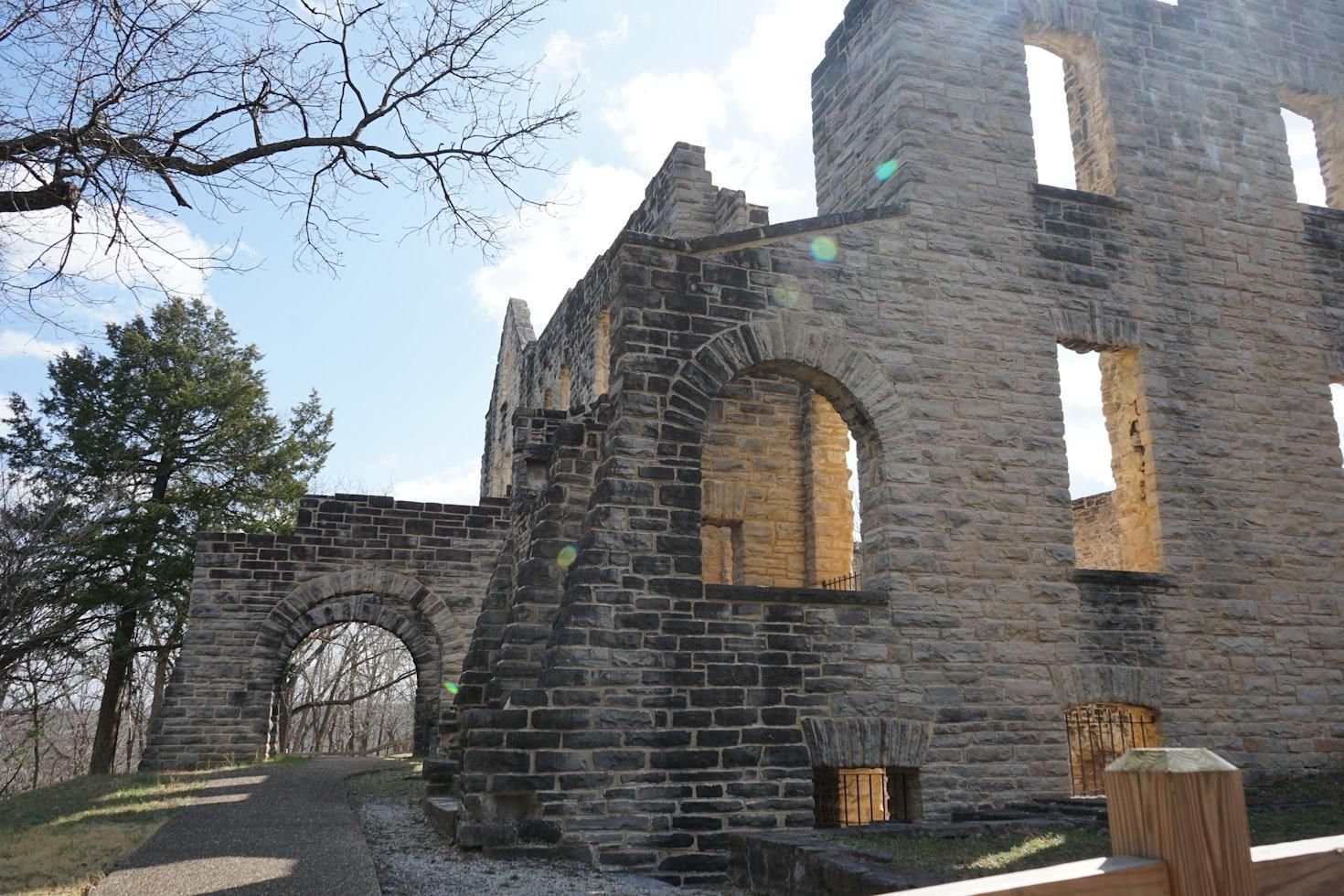
Ha Ha Tonka Castle, Camdenton, Missouri

Image: Hannah McBride

Robert Snyder, a wealthy Kansas City businessman, began building this European-style castle in 1905. He wanted a retreat that overlooked the breathtaking Ha Ha Tonka Spring.

Yet, Snyder never got to see his dream finished; he was killed in one of Missouri’s first recorded automobile accidents just a year after construction began. His sons finished the castle, but it was gutted by a fire in 1942. There’s a hidden network of caves beneath the castle, which were rumored to be used by outlaws and later as a natural "refrigerator" for the estate’s kitchen.

8
Carleton Island Villa, Cape Vincent, New York

Image: Tama66

This once-magnificent villa was built for William Wyckoff, who made a fortune with the Remington Typewriter Company.

The Secret: Wyckoff’s dream turned into a nightmare on the very first night he stayed in the house. He suffered a massive heart attack and died in his sleep. His wife had passed away a month prior, leaving the villa to a son who had no interest in it. The house has stood empty for over 70 years, its secret being the tragic "cursed" timing that prevented it from ever functioning as a family home.

9
Dicksonia Plantation, Lowndesboro, Alabama

Image: Theo Bickel

Dicksonia was a quintessential antebellum mansion, featuring the massive columns and wrap-around porches synonymous with the Old South.

Unlike many plantations that were destroyed during the Civil War, Dicksonia survived the conflict only to be destroyed by a mysterious fire in 1939. Its "ghost pillars," however, remained standing long after the wooden house burned away. These towering brick columns became a haunting landmark , representing the structural skeletons of a forgotten social order.

10
Wyndcliffe, Rhinebeck, New York

Image: Peter Herrmann

This house is the literal origin of the phrase "Keeping up with the Joneses." Though often referred to as a "Mystery Mansion" by urban explorers, this is the ruin of Wyndcliffe, the estate of Elizabeth Schermerhorn Jones.

Elizabeth’s mansion was so grand and intimidating that it prompted her neighbors—including the Astors—to build even larger homes to compete. The secret of Wyndcliffe is the psychological impact of its architecture; it was built to inspire envy, and its current state of absolute decay is a poetic commentary on the fleeting nature of social status.

Explore more American facts

Choose your favorite category!

General
General

As American as apple pie—the very best America has to offer!

Culture
Culture

Delve into the astounding richness of American lore.

Geography
Geography

Hop in and explore vast and diverse American landscapes.

History
History

Discover the key moments that shaped the United States.