Culture Culture 7 min read

The Crossroads of the World

From "Satan's Circus" to 50 million visitors: 10 Times Square secrets
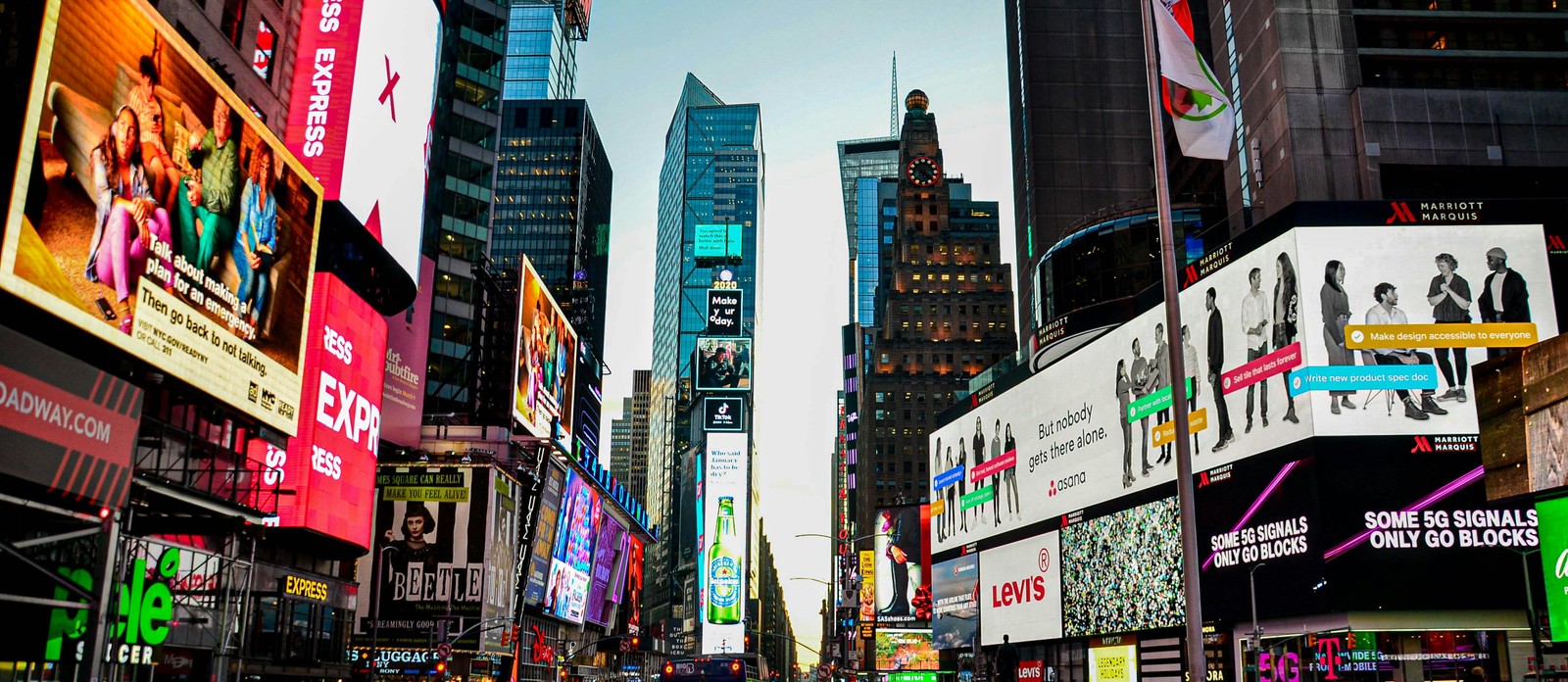
Image: Roberto M.

You've seen Times Square on TV a thousand times. You may have even stood there. But there are plenty of secrets about the site that most people don’t know. For example, the building that the world watches every New Year's Eve is almost empty inside. The red stairs everyone poses on are actually a roof. The ball only exists because the city banned fireworks in 1907. And before any of that, the neighborhood was so vice-ridden that locals called it "Satan's Circus." Here are 10 facts about the most visited place in America.

1
The ball drop only exists because the city banned fireworks
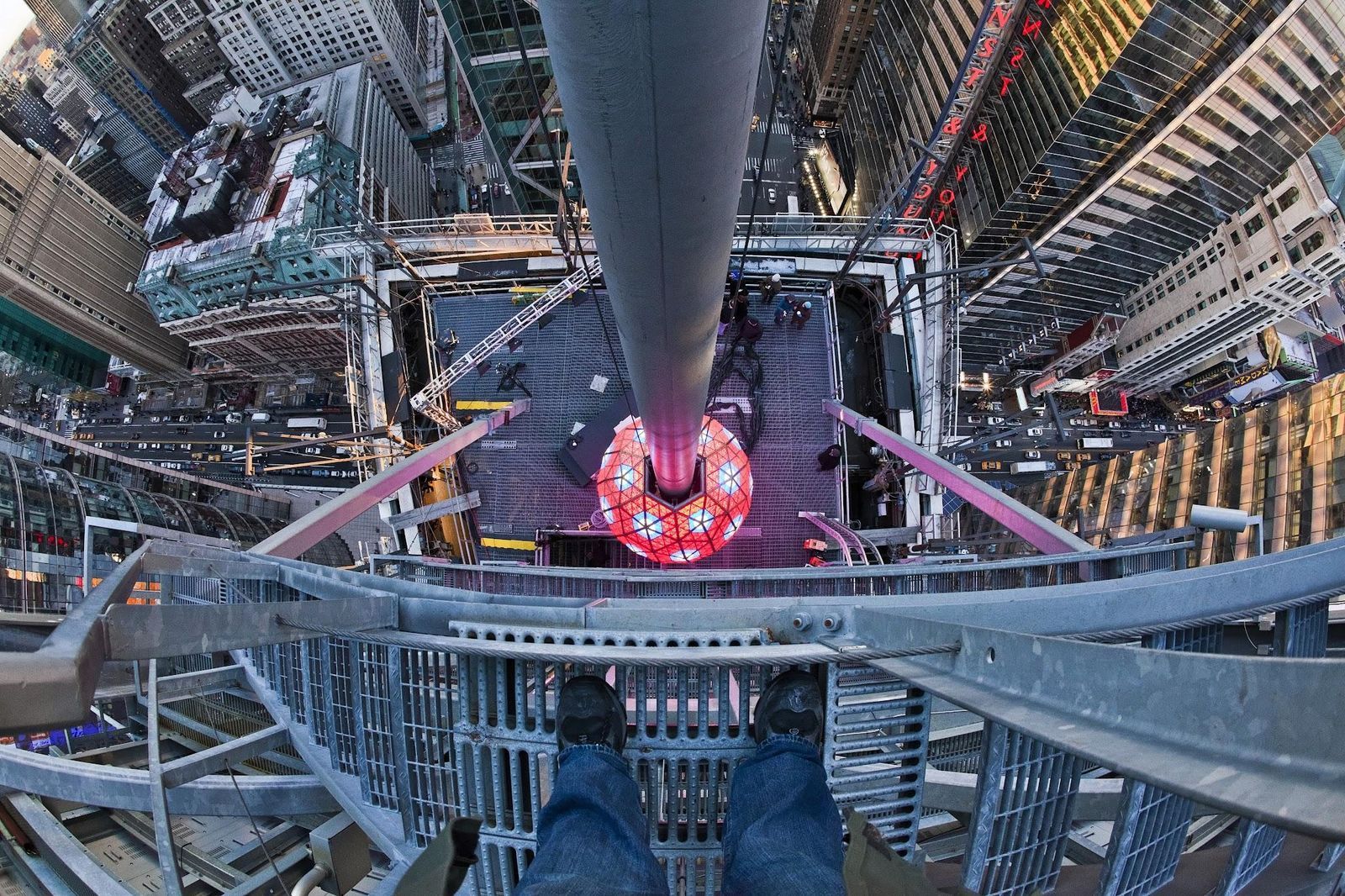
Image: Anthony Quintano, CC BY 2.0, via Wikimedia Commons

New Year’s Eve celebrations began in Times Square as early as 1904. That year, New York Times owner Adolph Ochs threw an extravagant fireworks party to christen the paper’s new headquarters.

Two years later, the city banned fireworks over fire hazard concerns. Ochs’ chief electrician, Walter Palmer, proposed a "time-ball" to replace the pyrotechnics. This would imitate a navigational device used by ships. So, on December 31, 1907, a 700-pound iron-and-wood ball, five feet in diameter, lit by 100 twenty-five-watt bulbs, made its first descent from the flagpole atop One Times Square.

The tradition has continued every year since, except in the wartime dimouts of 1942 and 1943. Today’s ball is the ninth version and is the largest ever: 12.5 feet wide, weighing 12,350 pounds, and covered in 5,280 handcrafted Waterford crystal discs.

2
It used to be called "Satan’s Circus"
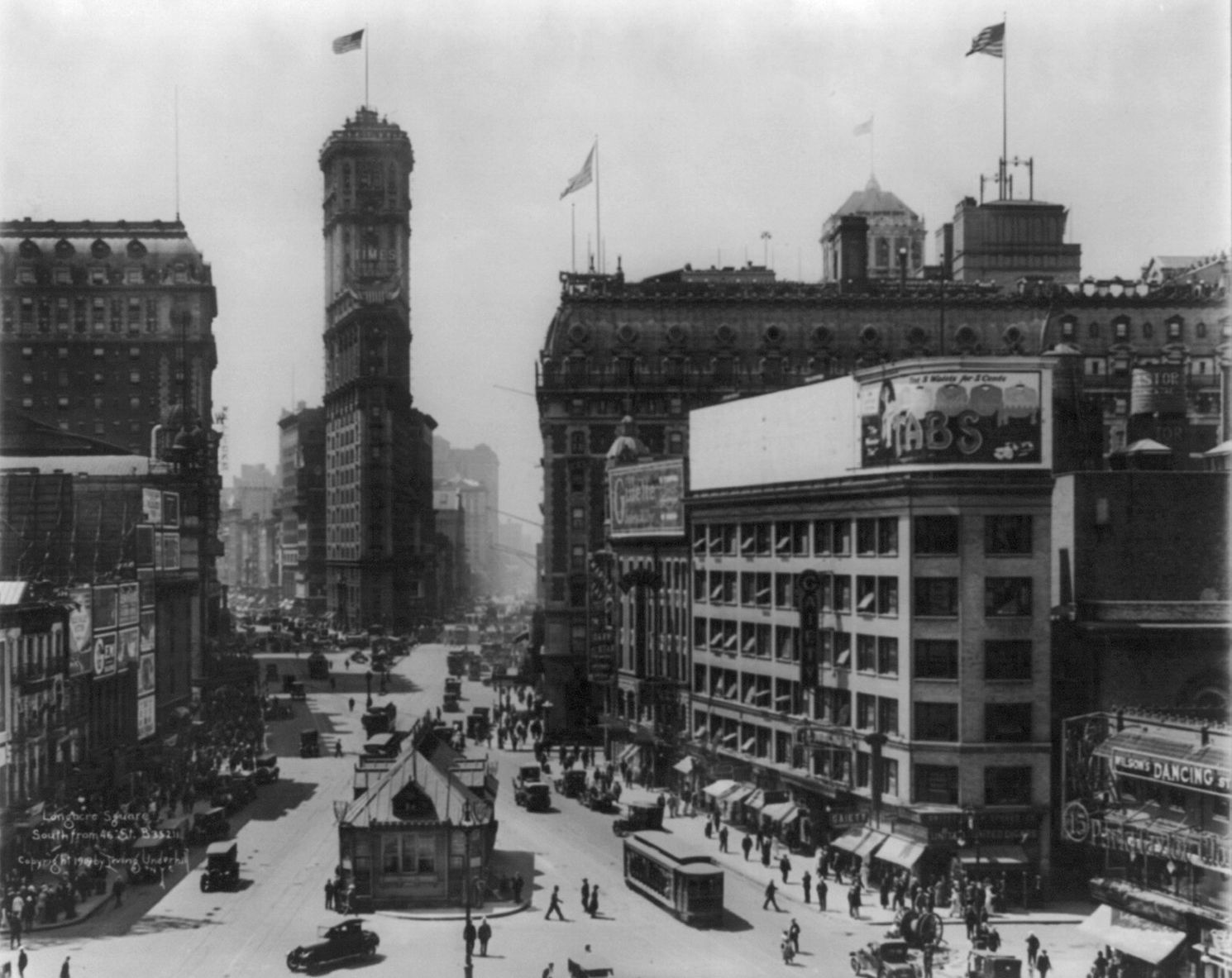
Image: Miscellaneous Items in High Demand, PPOC, Library of Congress, Public domain, via Wikimedia Commons

The area was once called Longacre Square, named after London’s carriage district, because the neighborhood was the center of New York City’s horse carriage industry. It was also one of the most vice-ridden corners of Manhattan. In 1901, the surrounding blocks contained 132 brothels and at least as many saloons. Police called the area "the Tenderloin." Locals called it "Satan’s Circus."

The transformation began when the New York Times decided to build its new headquarters there, betting on the city’s first subway line, which was already planned to run beneath the block. In 1904, the area was officially renamed Times Square in a public ceremony. Later that year, the newspaper moved into its gleaming new tower, then the city’s second-tallest building. The Times only stayed there for 9 years before relocating to larger offices on West 43rd Street. But the name it left behind proved permanent.

3
It was once one of the most dangerous blocks in America
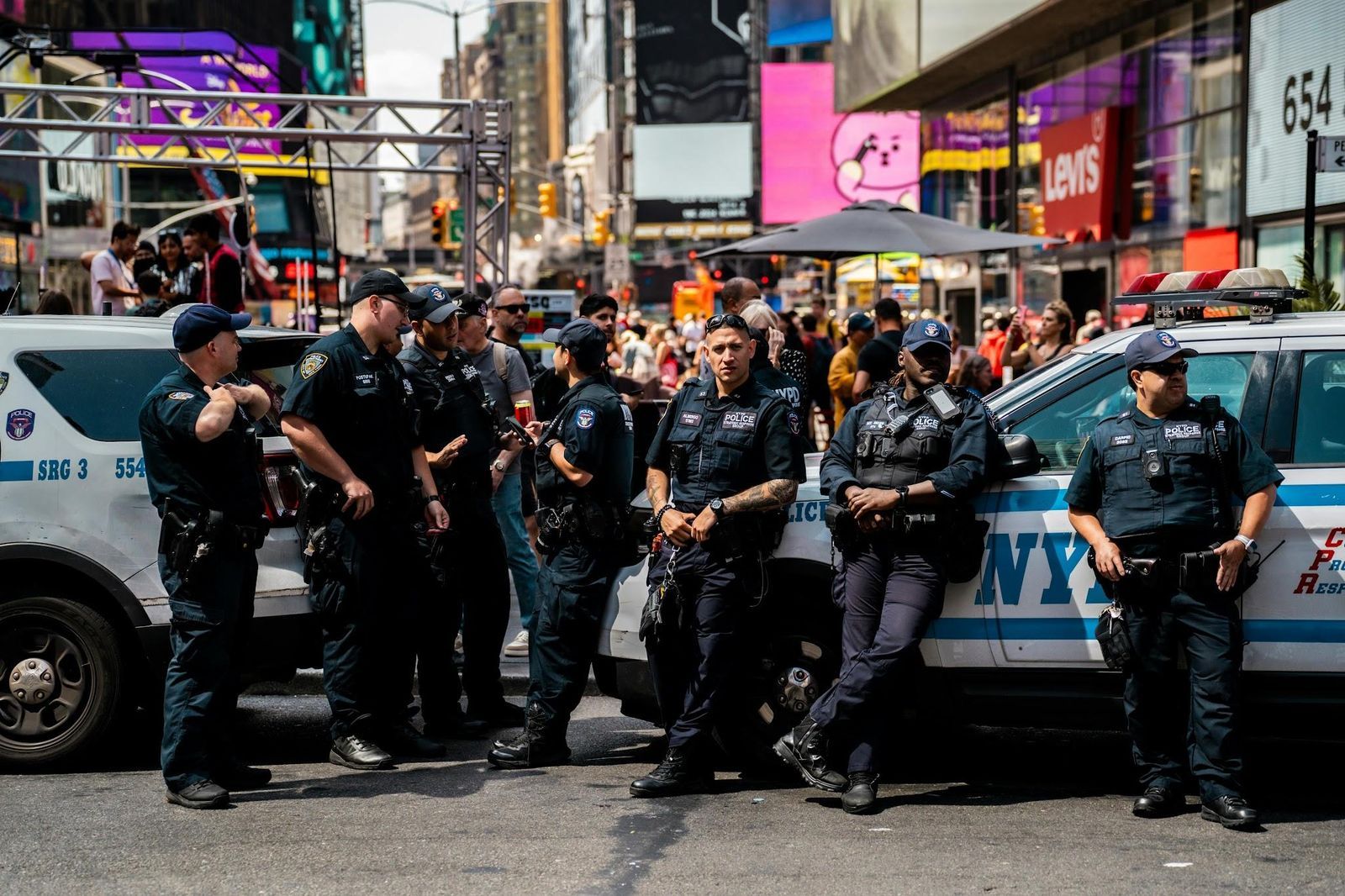
Image: Charles A. Pickup

While it lost its "Satan’s Circus" nickname long ago, the tourist-friendly Times Square most visitors know today is almost unrecognizable from what it was just four decades ago. By 1984, more than 2,300 crimes were being committed every year within a single-block radius.

The streets were dominated by drug dealers, street crime, porn and peep show theaters, and open prostitution. The TKTS discount theater ticket booth, opened in 1973, was conceived as an emergency measure, an attempt to pull foot traffic back into a neighborhood that businesses had abandoned. The City of New York and the State of New York, as well as private investors and the non-profit Times Square Alliance, collaborated to reduce the crime rate and welcome the commerce and brands that eventually turned Times Square into a tourist hub.

By 2001, major felony offenses had fallen 62.3% from their 1993 peak. Today, Times Square is one of the most policed and most surveilled public spaces in the United States, with a dedicated NYPD substation on the premises. The same block that was America’s most notorious danger zone now draws 50 million visitors a year.

4
The TKTS red stairs are actually a roof
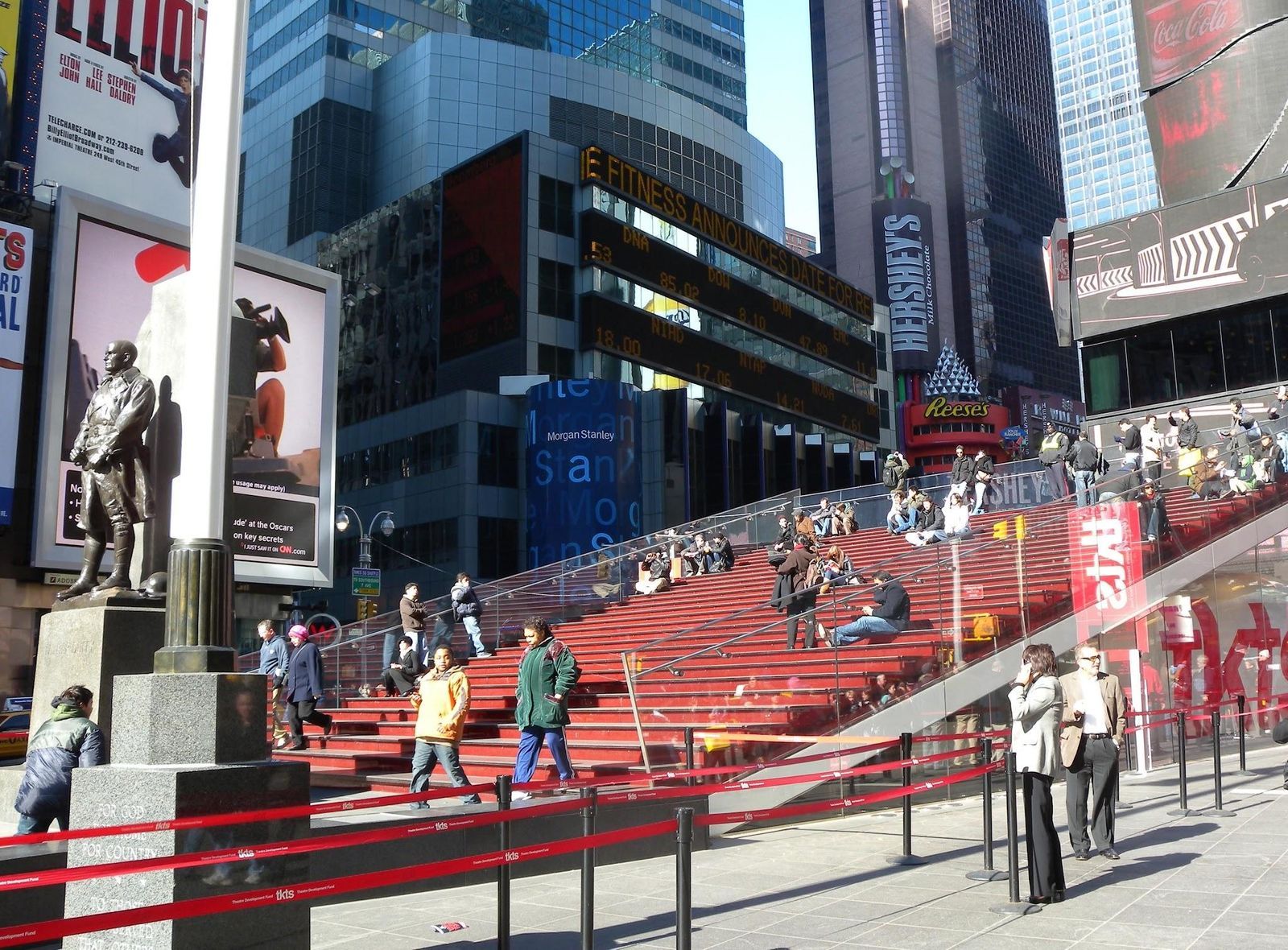
Image: Jim.henderson, Public domain, via Wikimedia Commons

Most of the millions of tourists who climb the famous ruby-red stairs in Times Square assume they’re just a viewing platform. In fact, they’re a roof. Underneath the 27 steps sits the TKTS booth, operated by the Theatre Development Fund, where theatergoers can buy same-day Broadway and off-Broadway tickets at discounts of up to 50%.

In 1999, a design competition was held for a permanent replacement. The winning concept proposed building the new booth’s roof as a public staircase. It would be a bleacher-style ascent that would give visitors an elevated vantage point over the square. The structure was completed in October 2008. It glows red at night because it is lit entirely from below. About 13,000 people walk past it every day.

5
New York City law requires the lights to stay on
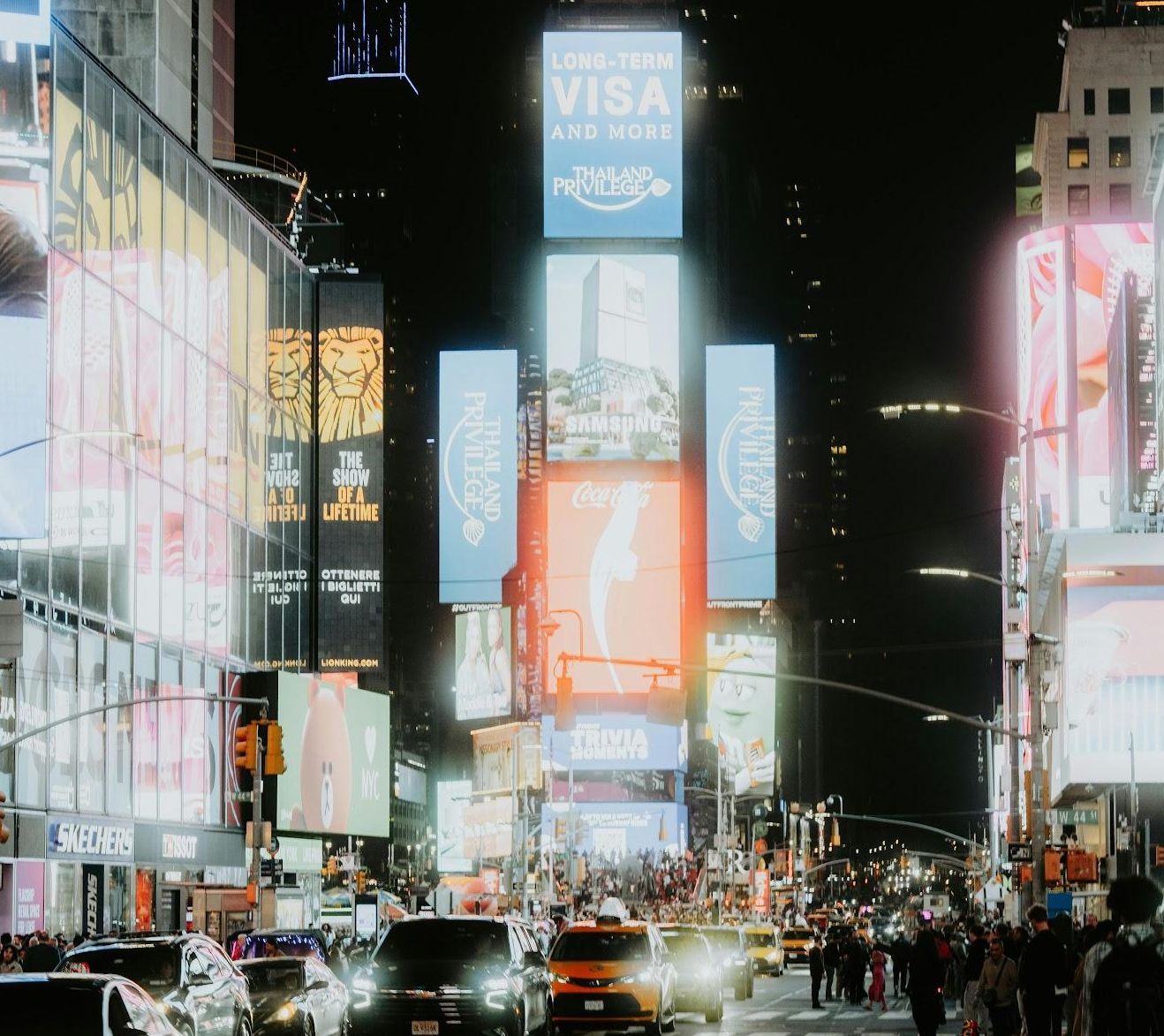
Image: Luke Miller

Did you know that Times Square stays aglow by law? A 1987 New York City zoning ordinance requires all new developments and major enlargements on blocks in the area, with frontage on Seventh Avenue or Broadway, to include large-scale illuminated signage.

The regulation was introduced to protect the district’s visual character after years of blank-faced modernist towers had dulled its energy. Buildings are legally required to display a minimum illuminated surface area, and signage must remain lit during designated hours.

6
The most famous building there is almost empty
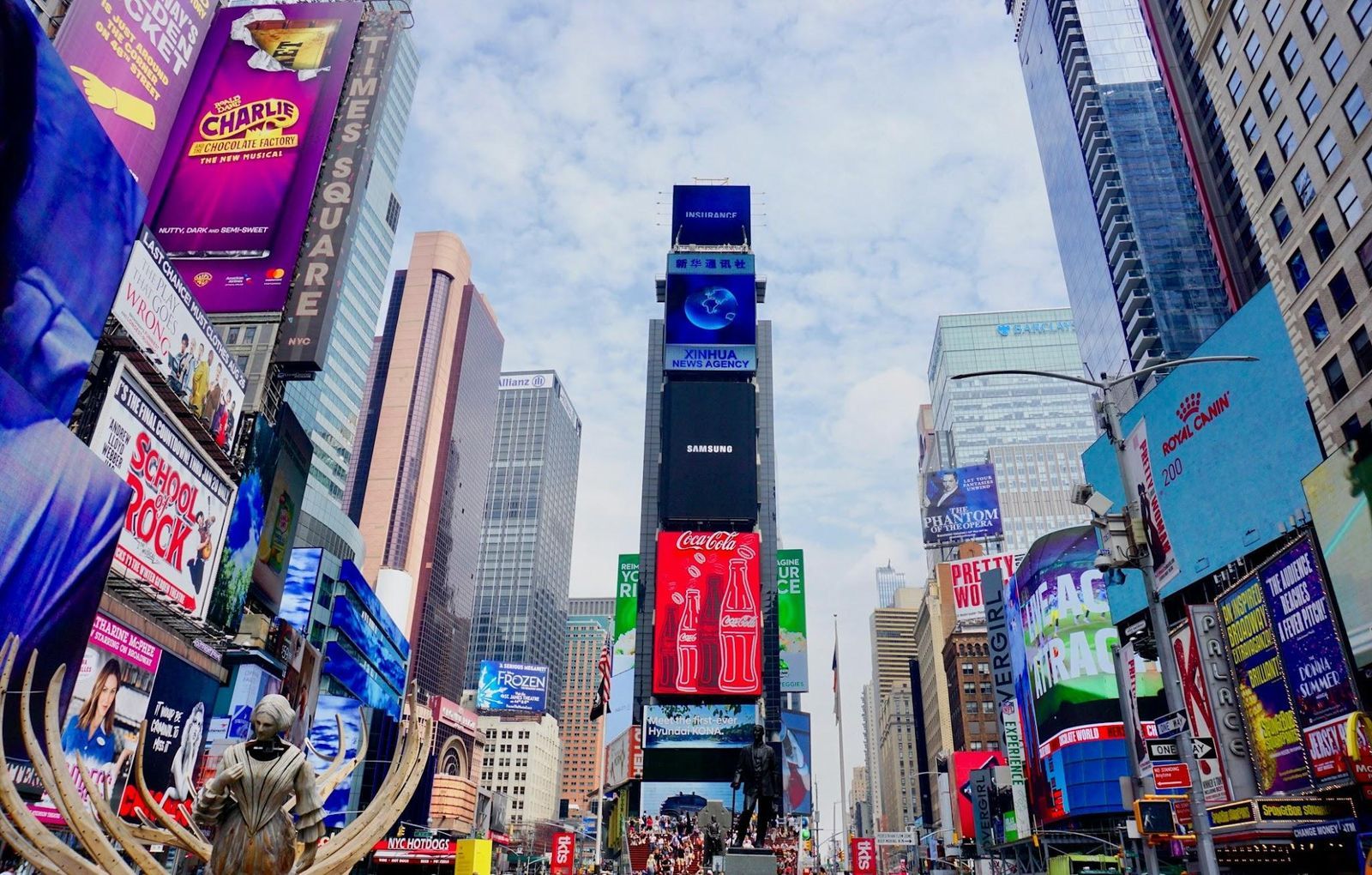
Image: Quick PS

One Times Square building is famous; the whole world watches the ball drop from it every New Year's Eve. But few people know that it’s all but empty inside. It has no regular office tenants. Its upper floors are largely unused.

When the New York Times vacated in 1913, the building passed through several owners and eventually became what it is today: a structure whose primary economic purpose is its skin. Still, the billboard faces on its exterior generate millions of dollars per year — a single advertising slot can command upwards of $4 million annually. In effect, One Times Square is a 25-story billboard dressed as a skyscraper.

7
50 million people visit every year, more than all Disney Parks combined
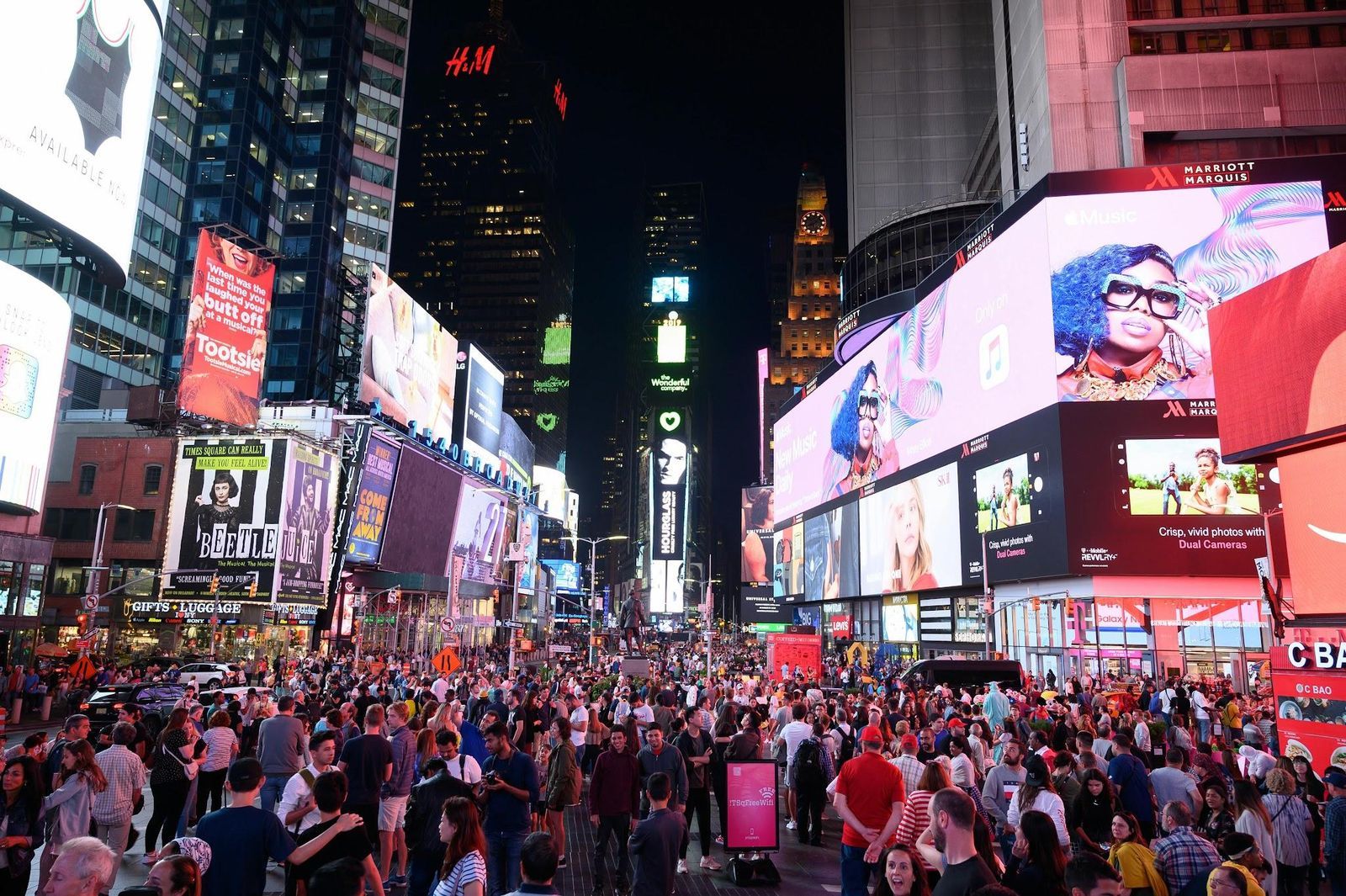
Image: Benoit Dujardin

Times Square draws an estimated 50 million visitors annually —more than all Disney theme parks worldwide combined. On a typical day, approximately 330,000 people pass through. On peak days, that number exceeds 460,000.

Its official website notes that more people walk through Times Square each year than live in the entire country of Iceland. Visitor spending totals roughly $4.8 billion per year, and for every dollar a tourist spends anywhere in New York City, approximately 22 cents are spent within Times Square’s few blocks.

After a dip during the pandemic, tourism to New York City has rebounded strongly, with the city welcoming over 65 million visitors in 2025 and projecting 67 million in 2027. Times Square remains the single biggest draw within the city, accounting for a disproportionate share of that spending.

8
It’s not actually a square; it’s two triangles
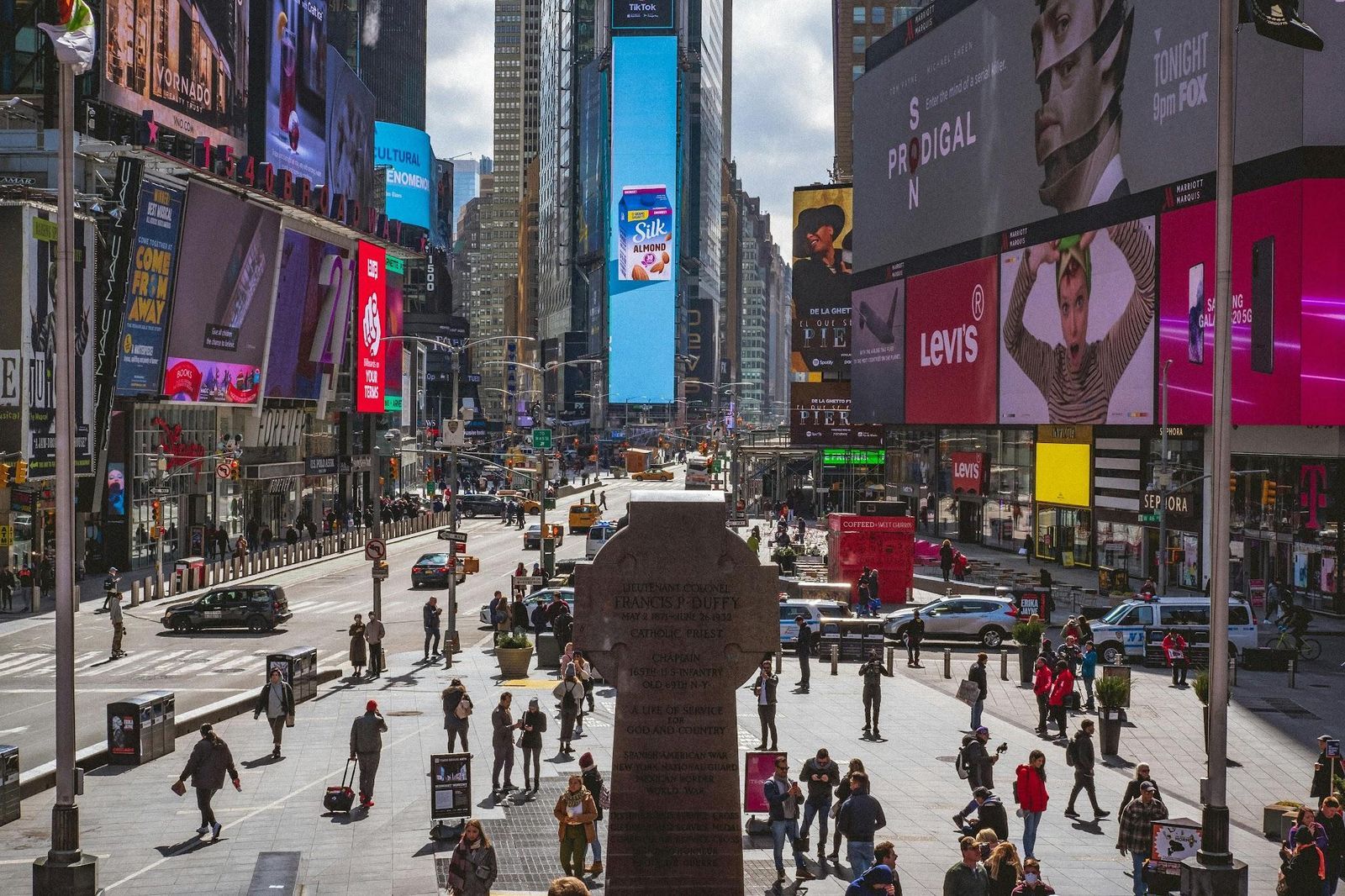
Image: Cesar Done

Geometrically speaking, Times Square is not a square. It’s more like a bowtie; two elongated triangles formed where Broadway, a diagonal road that predates the Manhattan street grid by centuries, cuts across Seventh Avenue.

The city’s famous grid was laid out by the Commissioners’ Plan of 1811. Broadway, an ancient Indigenous trade route that became a colonial road, was already there and simply too important to straighten. Every point where it crosses a major avenue creates an irregular intersection, and Times Square is the most famous of them.

9
It has witnessed incredible moments in American history
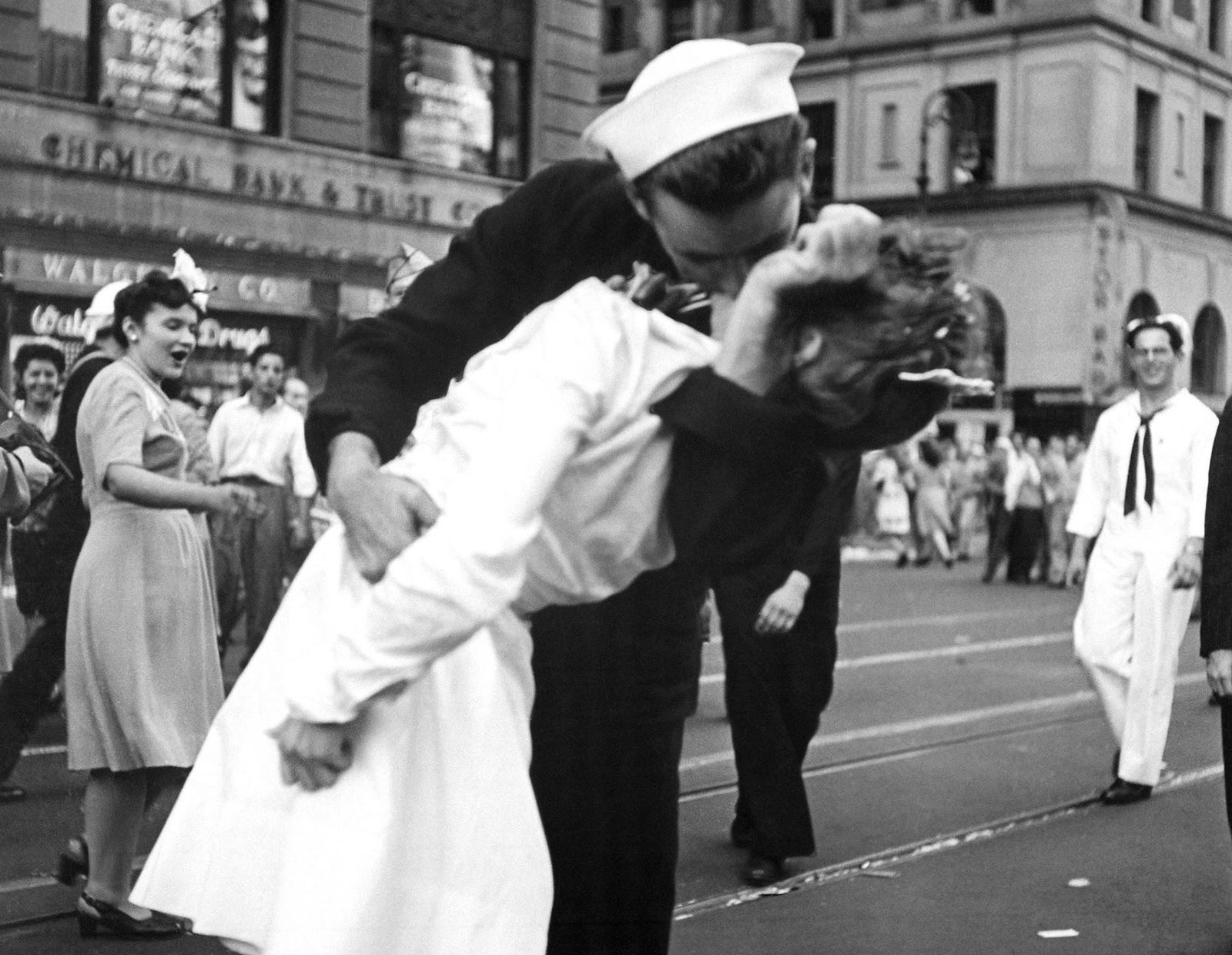
Image: Victor Jorgensen, Public domain, via Wikimedia Commons

Times Square has functioned, again and again, as the place where Americans gather when history breaks. On May 8, 1945, a.k.a. V-E Day, crowds flooded the streets to celebrate the end of the war in Europe. Three months later, on August 14, 1945, a.k.a. V-J Day, the moment Japan’s surrender was announced, ending World War II entirely, the square erupted again.

Life magazine photographer Alfred Eisenstaedt was in the crowd and photographed a sailor spontaneously grabbing a nurse in white uniform and kissing her, an image published in the magazine. Also, on December 31, 1999, the world watched Times Square’s ball drop as the year 2000 arrived and Y2K fears proved unfounded.

10
Buildings are required by law to display bright signage
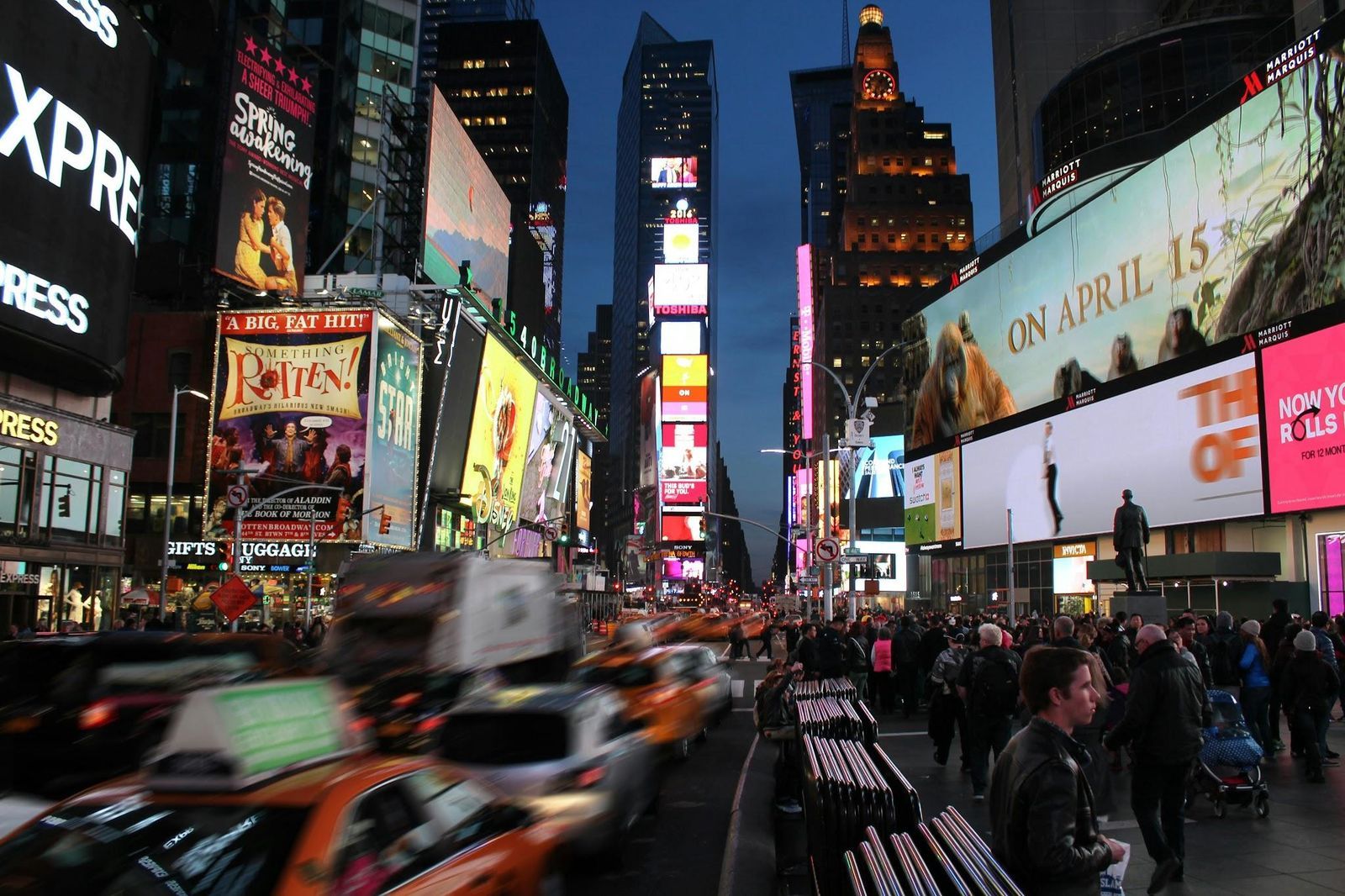
Image: Owen Barker

The exterior of a Times Square building generates more revenue per square foot than almost any interior use could. Running a single billboard requires no HVAC, no tenant improvements, no elevator maintenance, no building management. It requires a screen and electricity. The result is a district where the most valuable real estate in America is literally the surface of things.

Building owners sometimes spend tens of millions of dollars on facade renovations not to improve the building but to improve the view of the building.
General General 4 min read

American uniqueness

10 things America does differently from the rest of the world

Image: Shamblen Studios

The U.S. is a unique country in many ways , but some of these might shock tourists and foreigners because they differ from how they are done in other parts of the world. From etiquette rules to cooking styles to how to record a date, America has its own way of doing certain things . Let’s have a look at some of them!

1
Measuring

Image: Annie Spratt

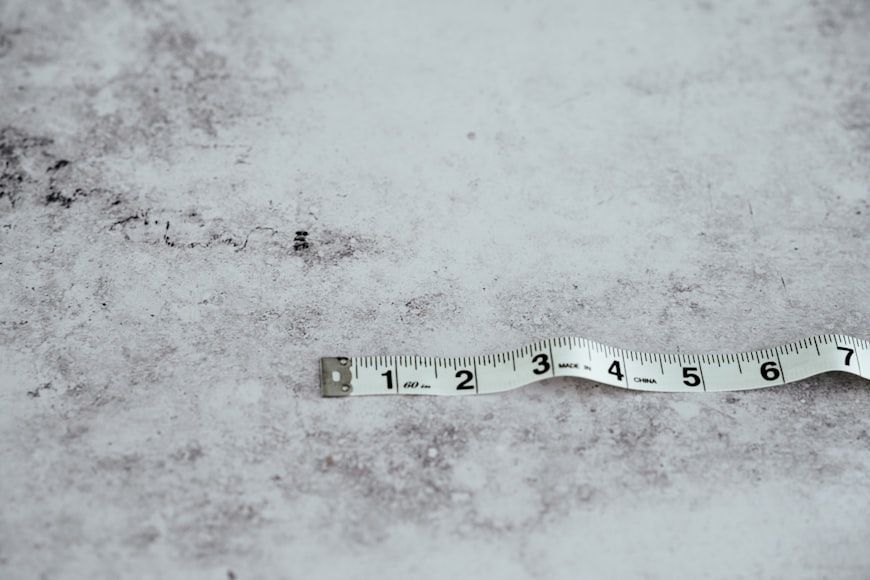
This is a difference most Americans are aware of: most countries use the metric system rather than U.S. customary units, and most use Celsius instead of Fahrenheit. Countries such as the UK and Canada still use some imperial units in everyday life, but they mainly use the metric system. Another measure that confuses foreigners is the particular way ingredients are measured in American recipes, which often use cups, tablespoons, and teaspoons rather than measurements by weight.

Fun fact: The only other countries that use the Imperial system officially are Liberia and Myanmar.

2
Sales tax

Image: Zoshua Colah

Do you find having to calculate sales taxes annoying? That’s a unique American experience. In the majority of the world, the price you see is the price you pay , because it has the sales tax already added.

Why is it different in America? Sales taxes vary across states , so retailers find it easier to showcase the base price and then calculate the total at checkout.

3
Cutlery use

Image: Anna Kumpan

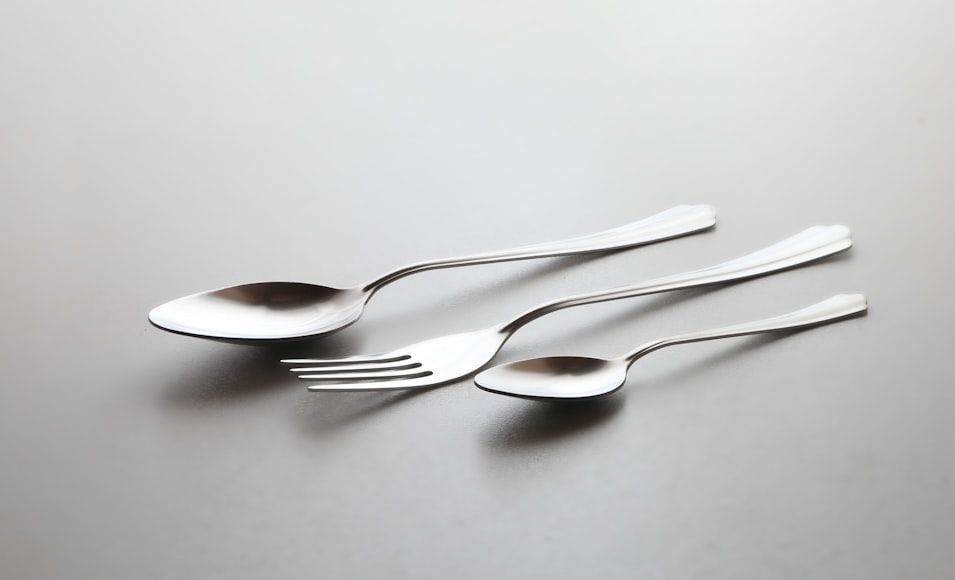
Many Americans abroad are surprised by the realization that not everyone uses a knife and fork in the same way they do . In fact, no one else does. While most Americans have learned the American style —also called the zig-zag or fork switching method— that involves using the fork in the left hand for cutting and then changing it to the right to pick up the food, European and Latin American countries don’t do this . It might seem like a small difference, but it completely changes the way you eat.

4
Iced drinks

Image: Battlecreek Coffee Roasters

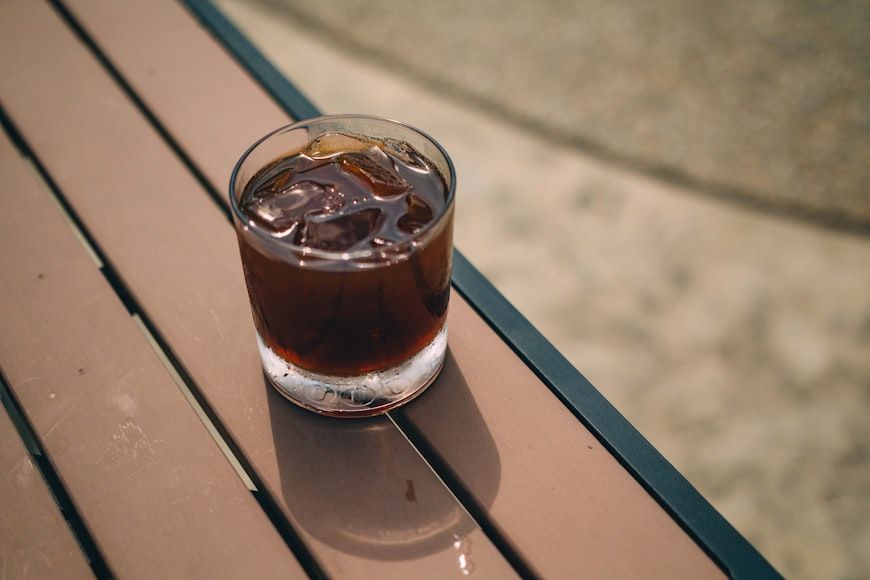
Do other countries not have ice? They do, but they don’t necessarily assume everyone will want it. While serving water and other beverages with ice is customary in America, in many other countries, you need to request it —even during the hottest of summers.

But even if you get ice, many times you will need to specify the amount : the same drink that would be filled with ice cubes in America might come to you with just two or three cubes elsewhere.

5
Date formatting

Image: Waldemar

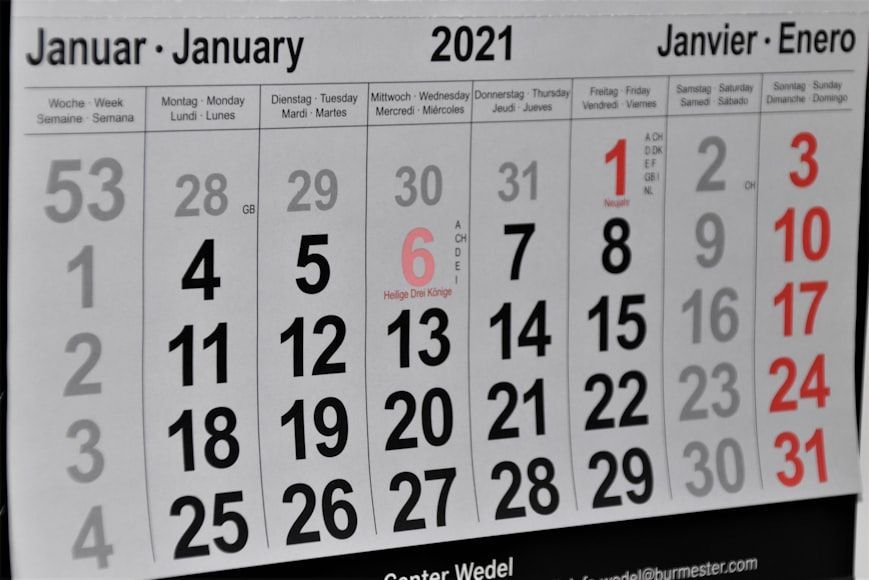
The U.S. is not completely alone on this one, but there’s a difference big enough to be worth mentioning. The standardized way of recording the date in America is month-day-year , a convention also followed by some Caribbean and Asian countries. But in the rest of the Western world, the conventional format is day-month-year , which can lead to confusion for Americans. In most Asian countries , the most commonly used format is year-month-day .

6
The word ‘American’

Image: frank mckenna

In the English language, ‘American’ is the only way to refer to people with U.S. citizenship . Other words, such as ‘Usian’ or ‘Unitedstatian’ have been proposed, but never stuck. This is why many Americans are surprised when other countries —Latin American countries in particular— use ‘American’ for anyone in the American continent , or continents, another big difference. In most European and Latin American countries, there is a different word for U.S. citizens, such as the Spanish ‘estadounidense’ or the Portuguese ‘estadunidense’ .

7
Moving out at 18 years old

Image: Dina Badamshina

This one is not so black and white, but more like a general tendency. Compared with most of Europe, Latin America, and Asia, Americans give serious consideration to the possibility of moving out after high school. Not everyone does, and not everyone can afford it, but it's fairly common.

In other countries, young adults generally move out if their job or education requires it , but they tend to stay at home a few more years if they can.

8
Driving a car as a teenager

Image: Dan Gold

America is quite car-centric , especially if you live outside of the big cities. While not everyone can afford to have a personal car —even a second-hand one—, it is common for 16 and 17-year-olds to legally drive their parents’ car, or save for their own.

In the rest of the world, the chances of high schoolers driving themselves to school are much lower, as most countries don’t allow underage kids to get a driving license .

9
Solo cups

Image: Artem Beliaikin

Do plastic cups exist outside of the U.S.? They do, but they are not as iconic or as widely used as Solo cups, introduced in the 1970s as a disposable but sturdy cup for parties and events. Many foreigners visiting America are surprised when they realize that solo cups are a real thing , and not something that just happens in movies.

10
Filing taxes

Image: Olga DeLawrence

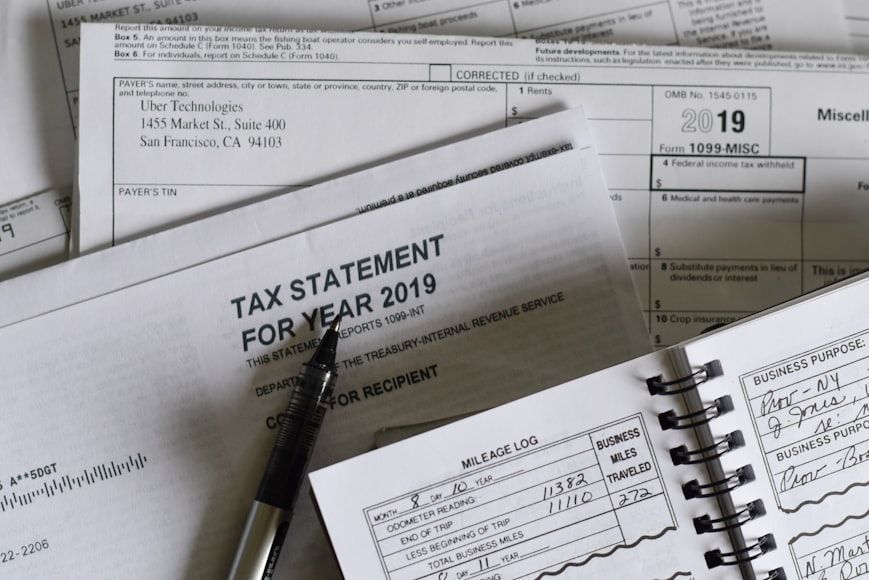
Taxes in the U.S. are not that different from taxes in other countries, except for how they are filed . During tax filing season, thousands of Americans direct their efforts to ensure they have properly reported their income and that their return will match the IRS’s data.

In other parts of the world, however, the one responsible for calculating and filing taxes is the government , while citizens merely corroborate that everything is in order.

Culture Culture 3 min read

I want to believe

11 famous hoaxes in American history that fooled everyone

Image: Hartono Creative Studio

The fact that not every little thing in our world can yet be explained makes life a bit more interesting for many of us. And that urge to believe in certain things has fostered many myths and hoaxes that continue to fool people to this day. How many of the following 11 do you know?

1
The Cardiff Giant

Image: Anton Ivanov

In 1869, workers digging a well in Cardiff, New York, uncovered what appeared to be a 10-foot-tall petrified man. Locals rushed to see the "giant," paying admission to witness history in the soil.

But, as it turned out, it wasn’t ancient at all. A man named George Hull had buried the statue as a prank and made some quick money from the curious crowd.

2
War of the Worlds Broadcast

Image: Michal Balog

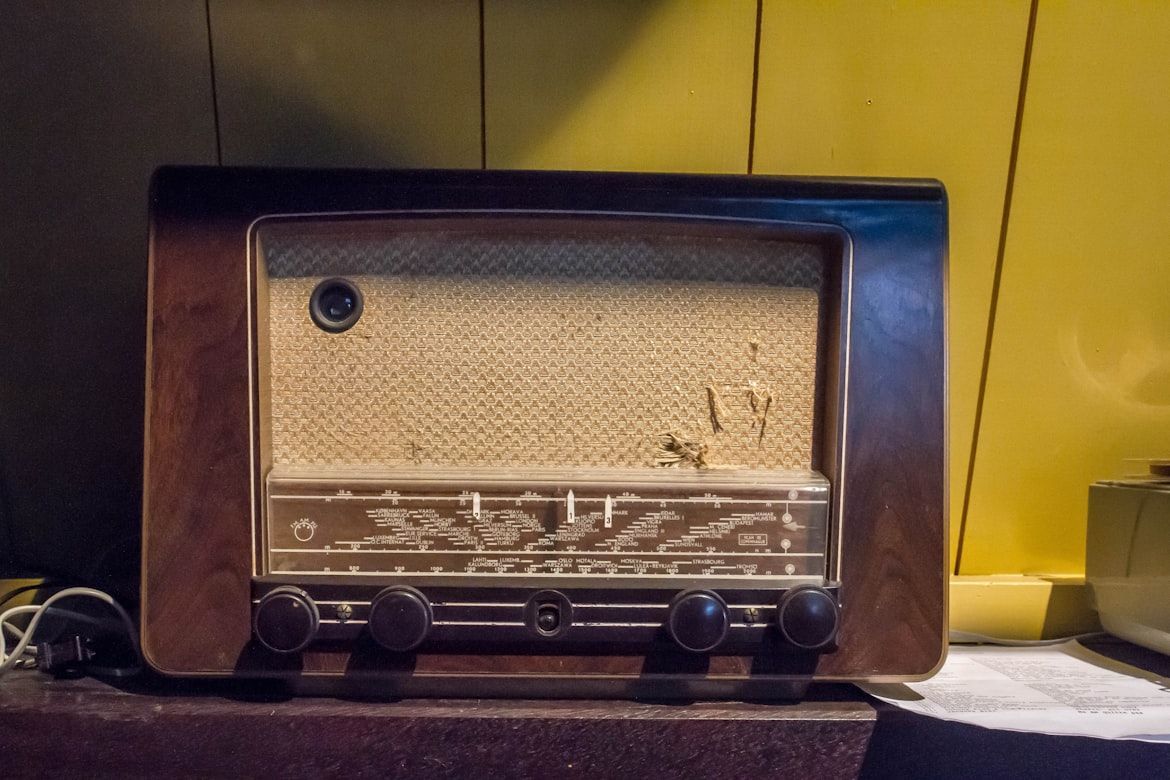
This very famous hoax took place on the eve of Halloween 1938. Orson Welles’s radio adaptation of The War of the Worlds aired as if it were breaking news . Many listeners tuning in late thought Martians had really landed in New Jersey.

Some packed up their cars or called the police in panic. Though no invasion occurred, the broadcast became a legend in media history.

3
The Balloon Boy

Image: Ankush Minda

In 2009, Americans watched live TV coverage of a silver balloon drifting across the skies of Colorado , fearing that a six-year-old boy was trapped inside . The story gripped the nation for hours.

When the balloon finally landed empty, police discovered the child hiding safely at home. His parents later admitted it was a publicity stunt gone wrong.

4
The Feejee Mermaid

Image: Nsey Benajah

In 1842, showman P. T. Barnum unveiled a marvel: a preserved "mermaid" supposedly from the South Seas . Crowds lined up to see the half-fish, half-woman curiosity.

The truth was stranger still. It was the upper body of a monkey sewn onto a fish tail and covered in papier-mâché.

5
The Great Moon Hoax

Image: Ganapathy Kumar

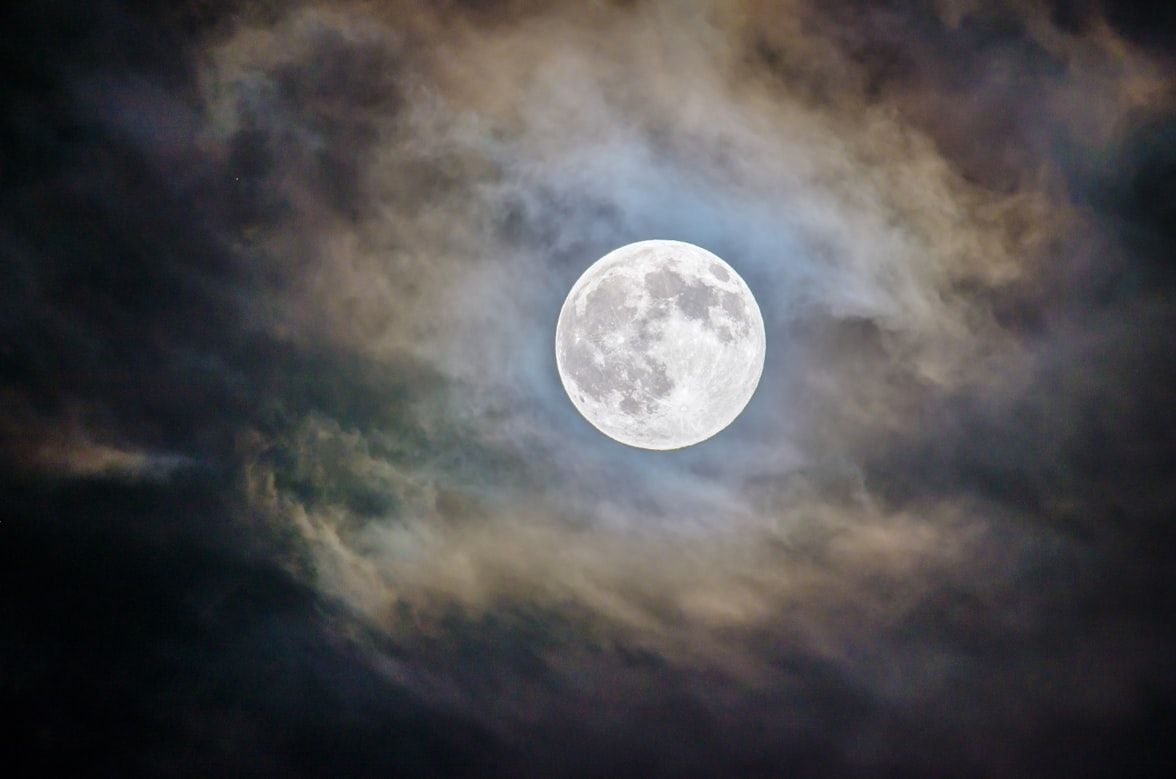
Readers of The New York Sun in 1835 were astonished by reports claiming that scientists had spotted bat-like people and crystal palaces on the Moon through a powerful new telescope.

The story was pure invention, but circulation went up. By the time the truth came out, the paper’s readership had reportedly increased dramatically.

6
The Crop Circles Craze

Image: Agent J

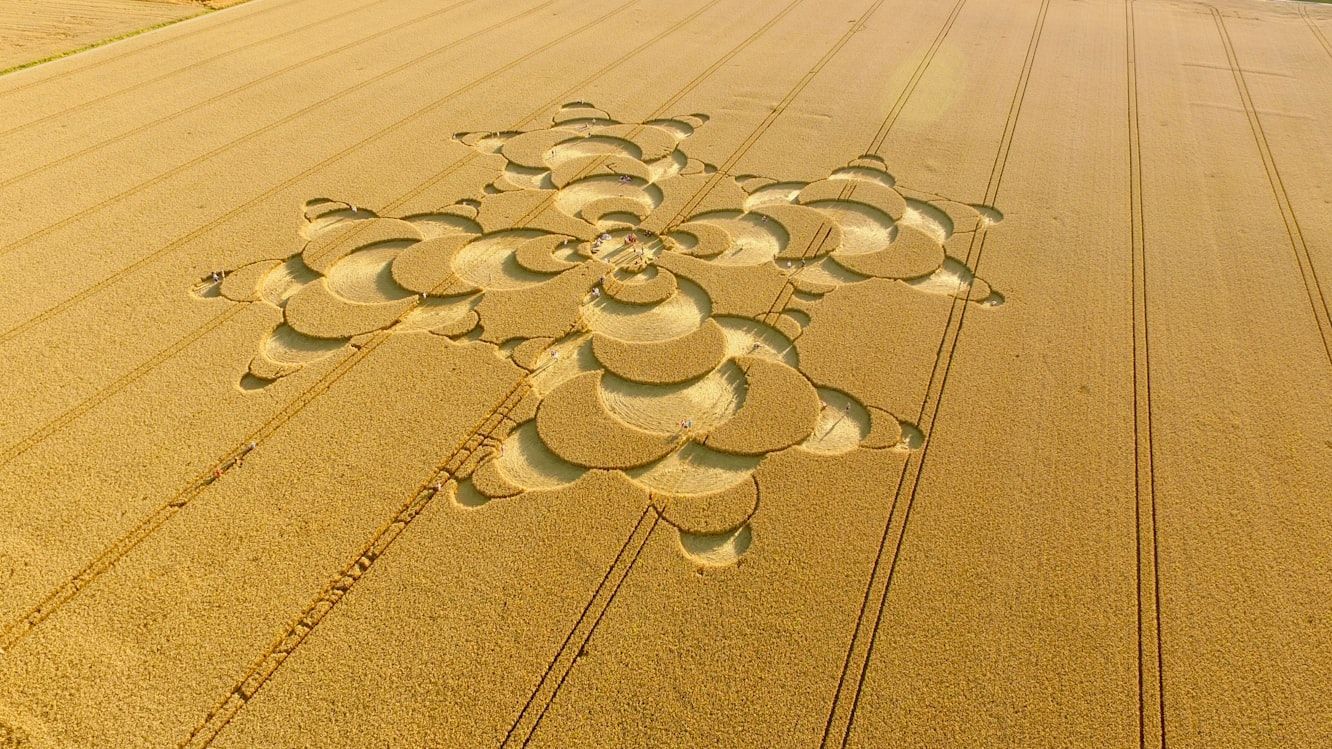
When perfect circles began appearing overnight in wheat fields , people talked about UFO landings. The shapes seemed too precise to have been made by human hands.

But, in 1991, two Englishmen confessed they’d used boards and ropes to flatten the crops. While this revelation explained many of the formations, the mystery lives on in popular imagination.

7
Alien Autopsy Film

Image: Leo_Visions

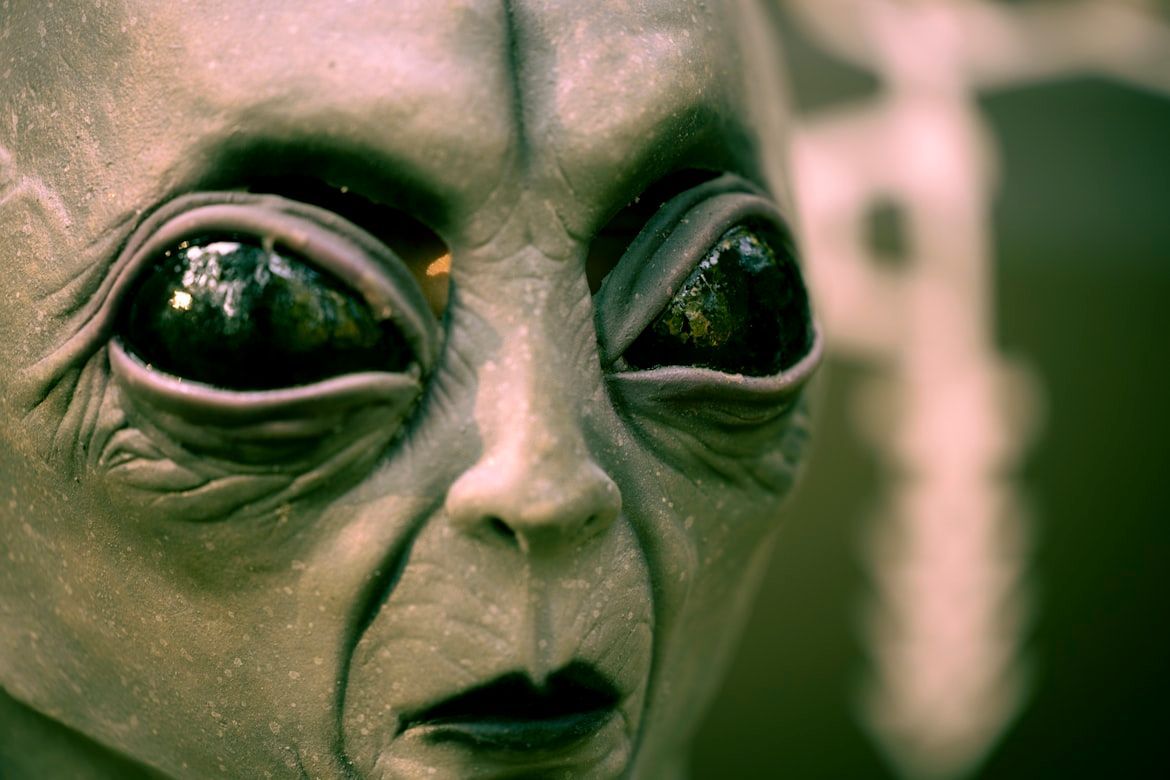
In 1995, a grainy black-and-white video surfaced, showing doctors dissecting what seemed to be an alien recovered from the 1947 Roswell crash. The footage spread quickly worldwide.

Years later, the filmmaker admitted that the film was staged, using latex models and fake organs.

8
The Manti Te’o girlfriend hoax

Image: Kaleb Becker

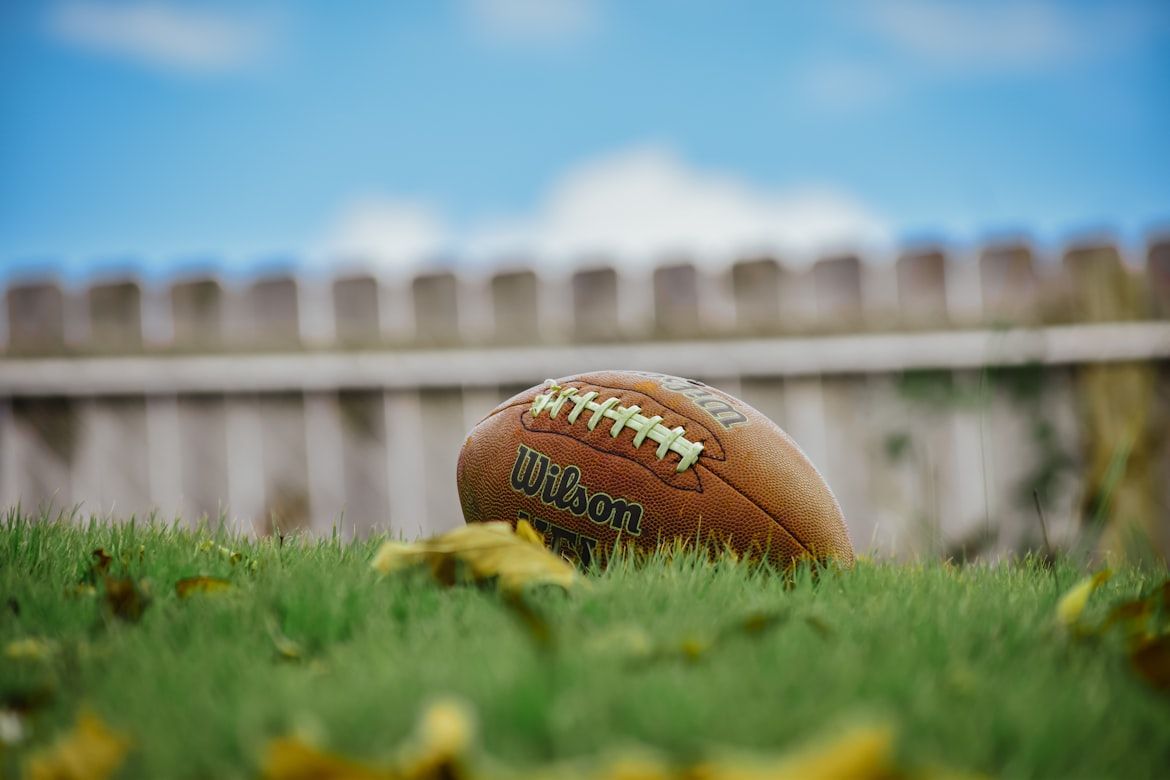
Notre Dame football star Manti Te’o captured hearts when he revealed that his girlfriend had died of leukemia . Sports fans wept over the tragic love story.

But reporters later learned that the woman never existed. It was an elaborate online catfishing scheme.

9
The Patterson–Gimlin Bigfoot film

Image: Jon Sailer

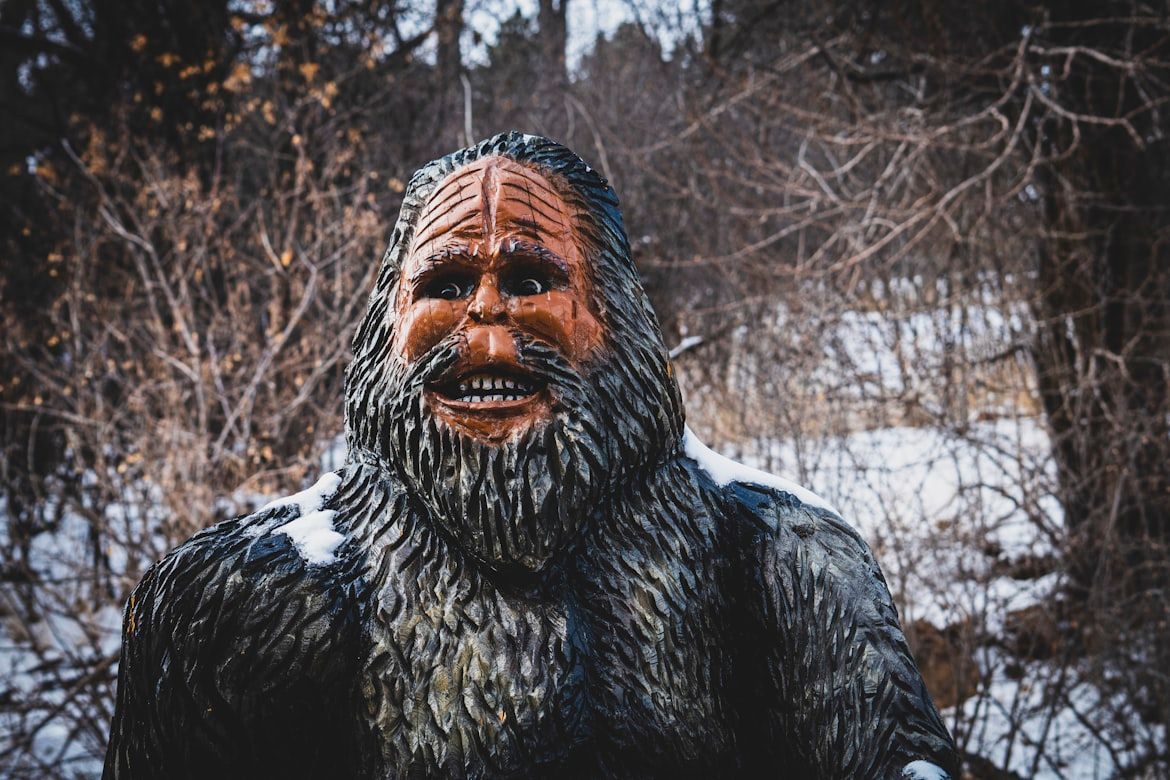
In 1967, a short film shot in California showed a large, hairy creature striding through the woods . Many viewers thought this was real proof of Bigfoot´s existence.

Decades later, one participant claimed it was a man in a gorilla suit, but that claim failed to convince many people who prefer to believe in the existence of this creature.

10
The Drake’s Plate of Brass

Image: David Dibert

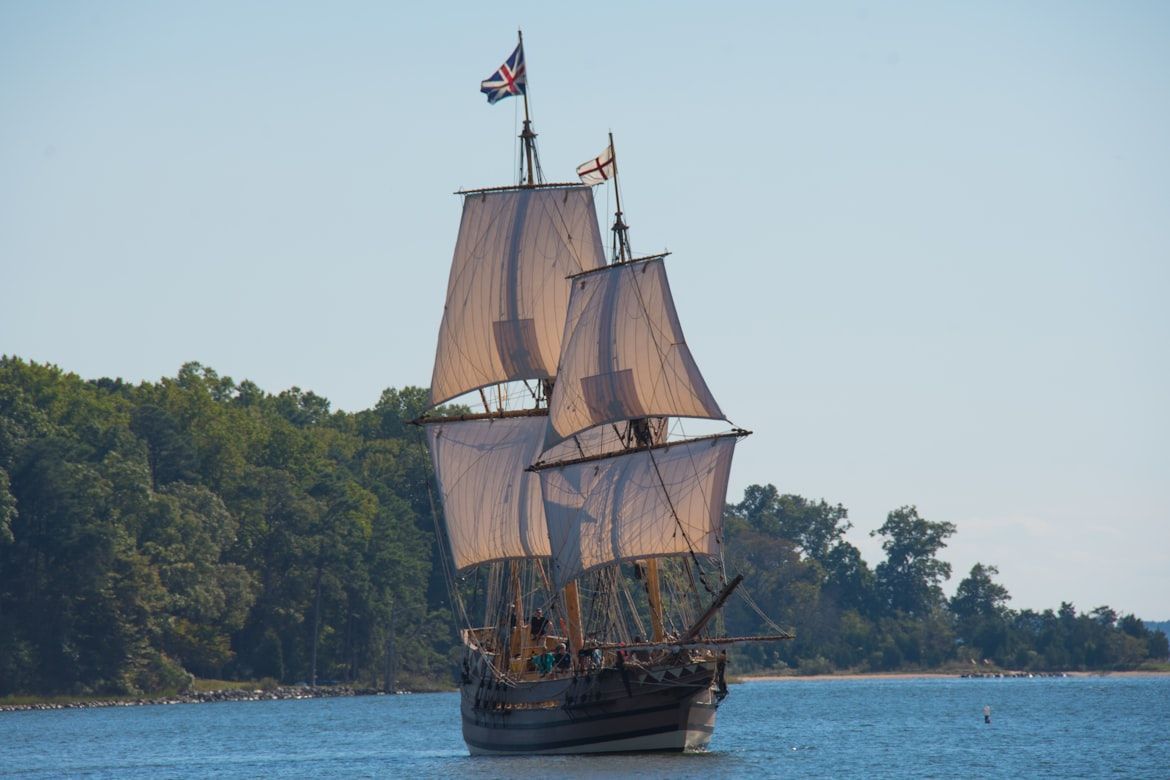
In 1936, a shiny brass plate found in California seemed to confirm that explorer Sir Francis Drake had landed there in 1579. Historians called it a priceless relic.

For decades, the plate was displayed proudly, until metallurgical tests in 1977 proved it was modern . It had been made as a practical joke among historians that went too far.

11
Paul Is Dead

Image: Jiamin Huang

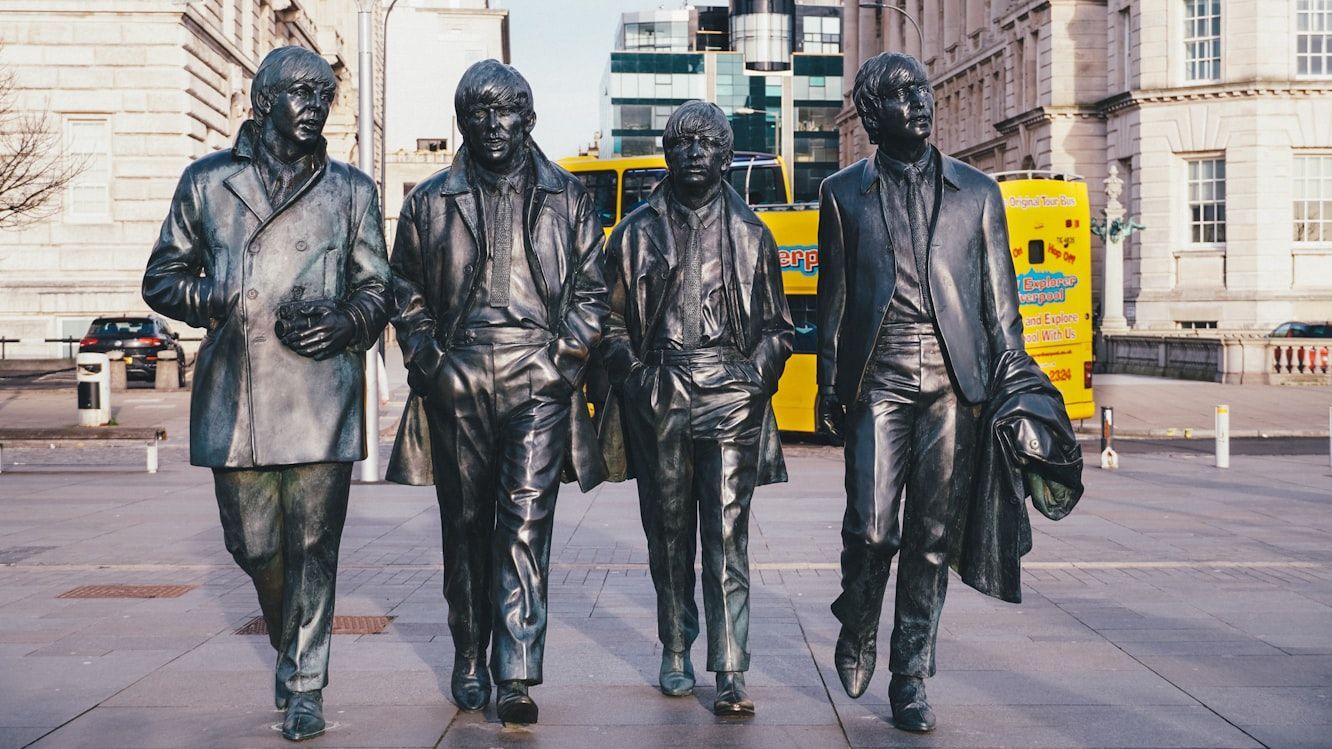
The final entry on our list might not be American per se, but it drew much attention on these shores. In 1969, rumors spread that Beatle Paul McCartney had died and been secretly replaced by a double . Fans scoured album covers for "clues" like hidden messages and backward songs.

Paul, very much alive, later joked about it. The bizarre theory became a lasting pop-culture phenomenon.

Explore more American facts

Choose your favorite category!

General
General

As American as apple pie—the very best America has to offer!

Culture
Culture

Delve into the astounding richness of American lore.

Geography
Geography

Hop in and explore vast and diverse American landscapes.

History
History

Discover the key moments that shaped the United States.