History History 5 min read

Thankfully, it never rained men

No umbrella can save you from a meat rain: Discover 12 very unusual rains
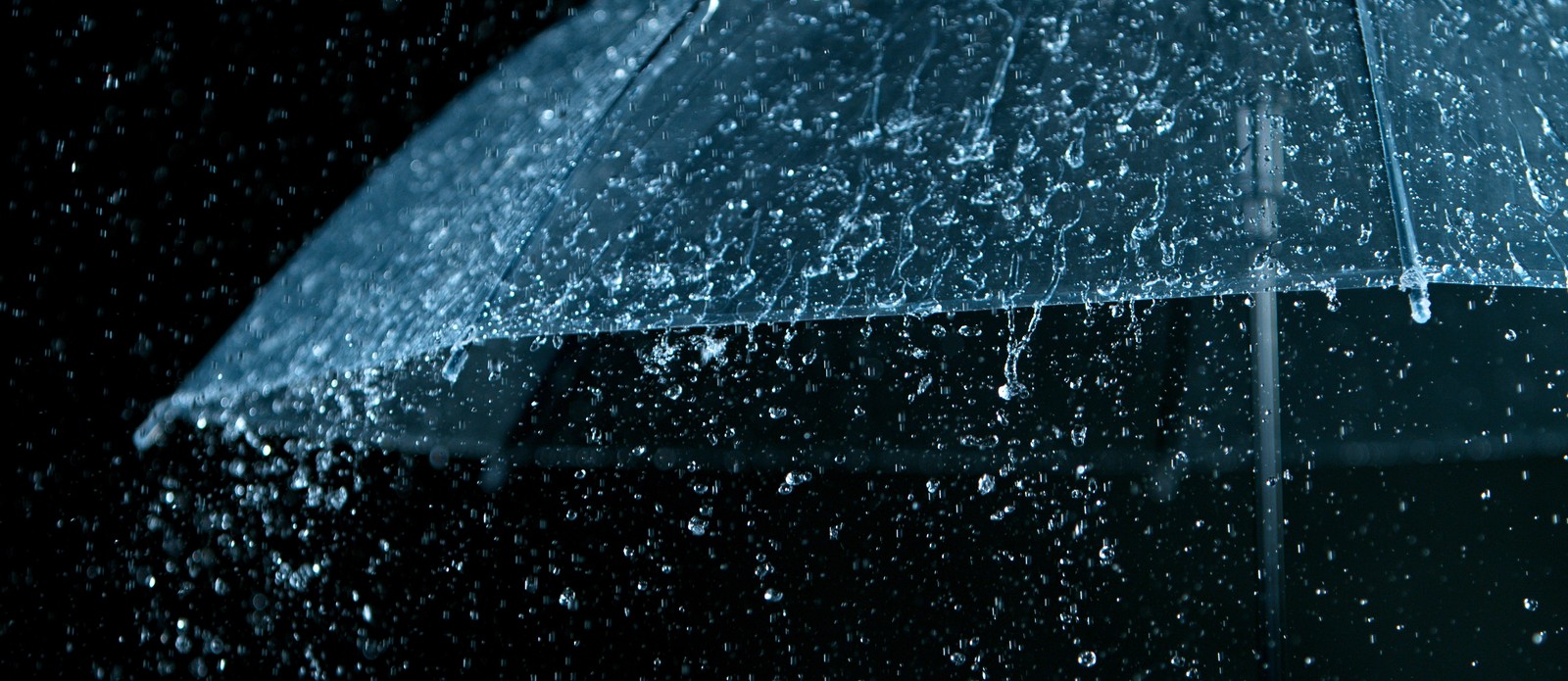
Image: Lukas Gojda

Most of us have heard the saying "it’s raining cats and dogs," but the U.S. has produced weather stories that are far stranger than any expression. Over the centuries, people across the country have reported meat falling from the clear sky, frogs bouncing onto streets after storms, fish landing in neighborhoods miles from water, and many other unusual things. While some cases remain unsolved, scientists have found surprisingly reasonable explanations for many of them. Did you ever know about these 12 incredible rains?

1
The Kentucky meat shower

Image: PeopleImages

On March 3, 1876, residents near Olympia Springs in Bath County, Kentucky, witnessed one of the strangest events in American history. Chunks of meat suddenly fell from an apparently clear sky, covering an area estimated at 100 by 50 yards. One of the witnesses, Mrs. Allen Crouch, was making soap outdoors when the bizarre shower began.

Scientists examined samples and argued over whether the meat came from horses, sheep, or other mammals. The leading modern explanation is far less supernatural: a flock of vultures likely regurgitated partially digested meat while flying overhead, a defensive behavior the birds still exhibit today . Tasty, right? The incident remains so famous that Kentucky now celebrates it with an annual Meat Shower Festival.

2
A frog rain
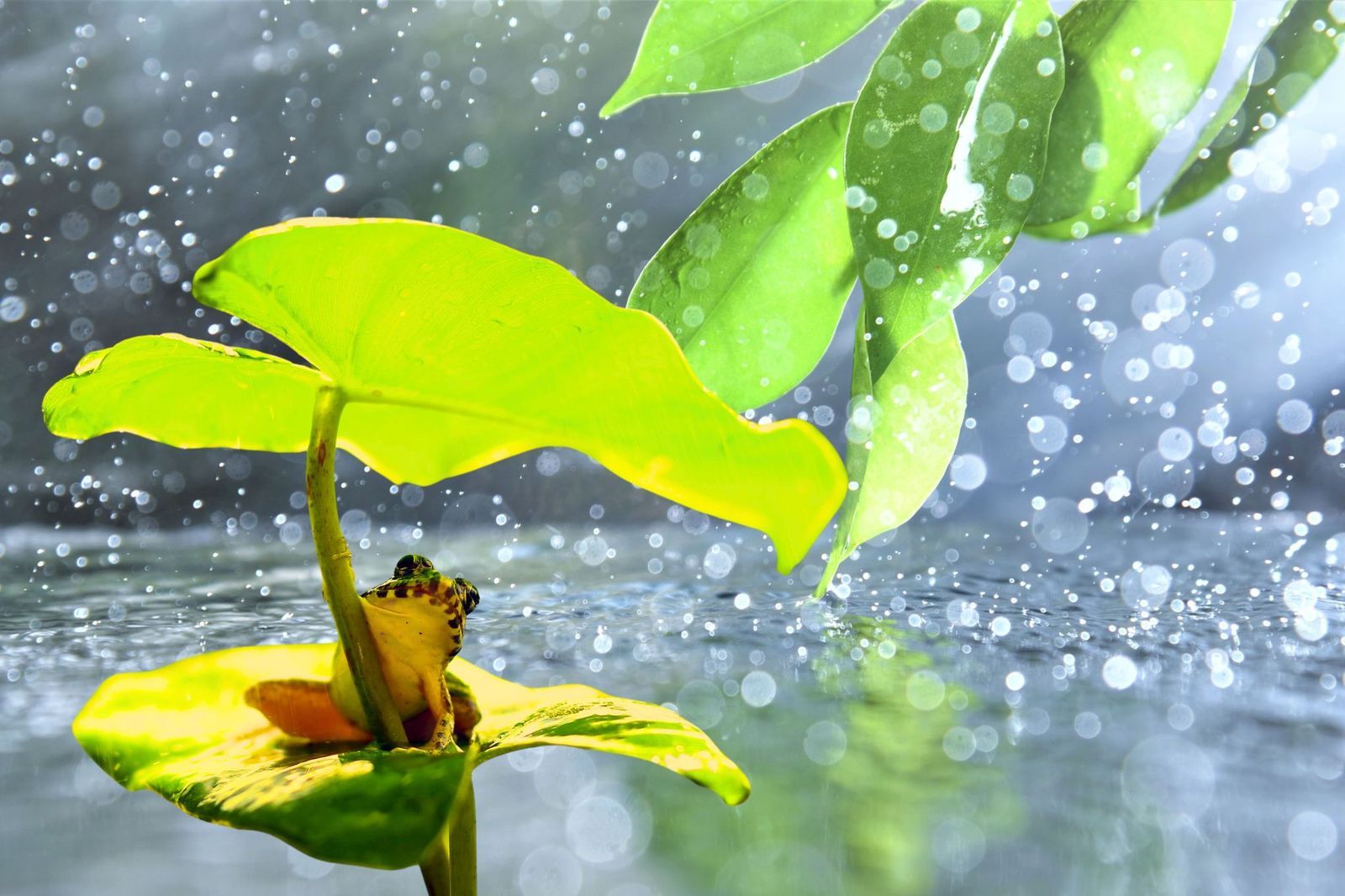
Image: Bigman26

Reports of frogs raining from the sky have appeared across the country for well over a century. Although they sound impossible, meteorologists consider them entirely plausible under the right weather conditions.

The usual explanation involves waterspouts or tornadoes passing over ponds or marshes . These powerful rotating columns of air can lift small frogs into the atmosphere before carrying them several miles away. When the storm weakens, the animals fall back to Earth, sometimes astonishing entire neighborhoods as tiny frogs suddenly cover roads, sidewalks, and backyards.

3
Louisiana’s fish storm
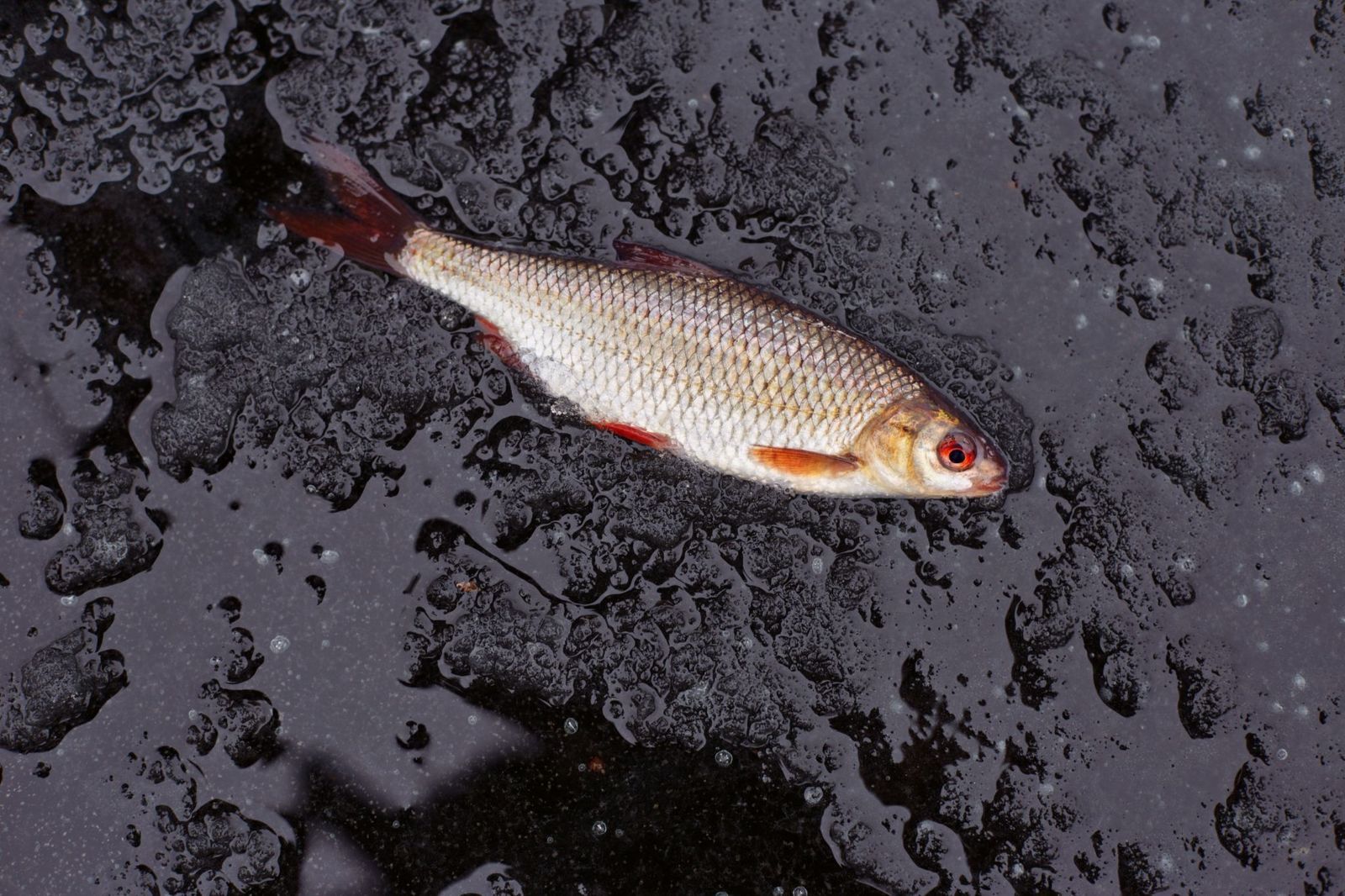
Image: g_tech

Residents of Marksville, Louisiana, experienced one of this country’s best-known fish rains on October 23, 1947. During a storm, dozens of small fish reportedly began falling from the sky, surprising everyone who witnessed the event.

Scientists quickly pointed toward nearby lakes and bayous as the likely source. A waterspout probably sucked up the fish before releasing them inland once the storm lost strength . Cases like Marksville have become classic examples used by meteorologists when explaining how unusual "animal rain" can occur without breaking the laws of physics.

4
The red rain
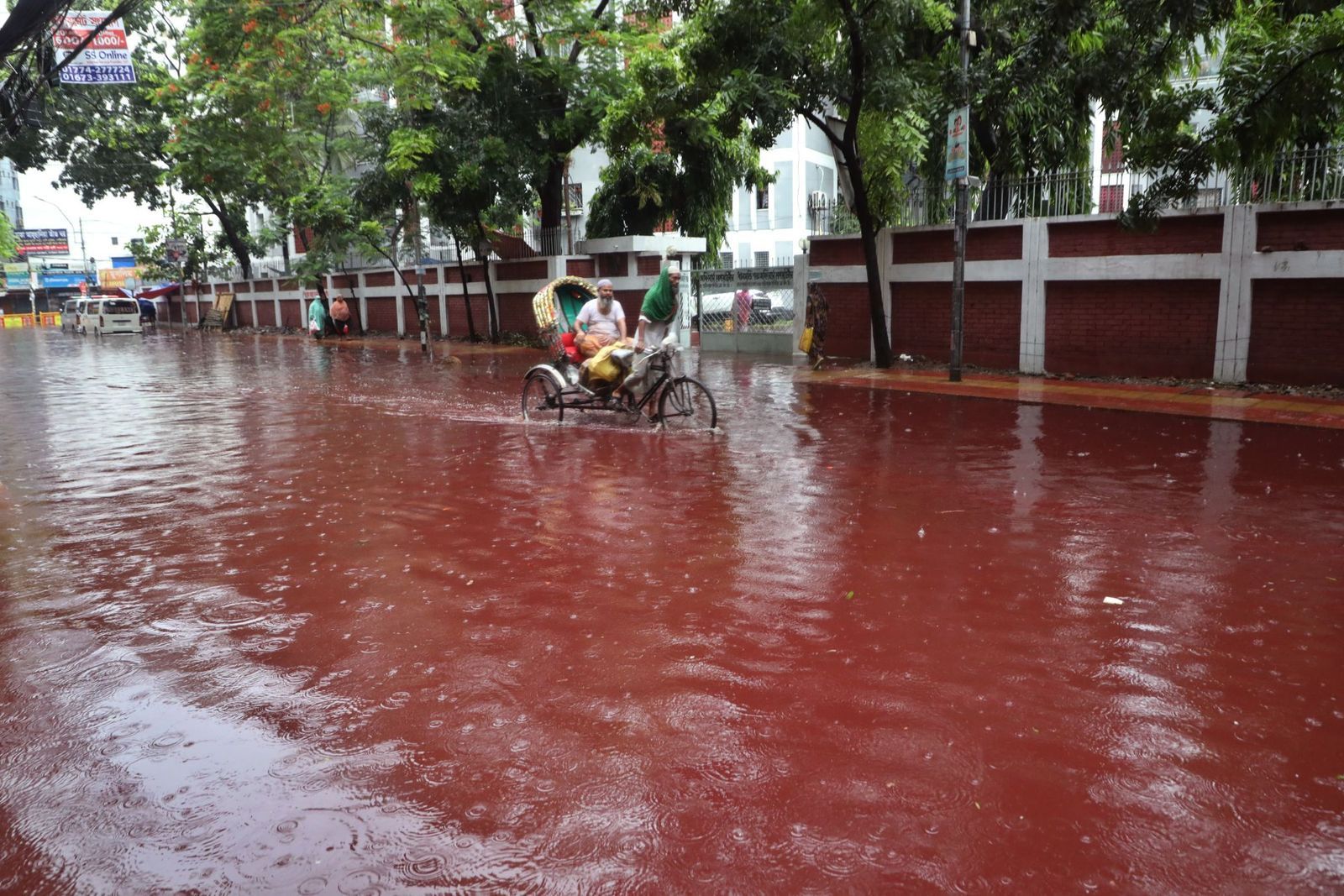
Image: Sk Hasan Ali

Few things are more unsettling than seeing rainwater that looks like blood, right? Throughout American history, scattered reports of reddish rainfall have sparked fears, newspaper headlines, and plenty of speculation.

Modern science offers much less frightening explanations. Fine dust rich in iron oxide can tint rain a rusty red after traveling hundreds or even thousands of miles through the atmosphere . Certain airborne microorganisms may also contribute to unusual coloration. While dramatic, these events have repeatedly turned out to be natural rather than supernatural.

5
A worm shower in Louisiana
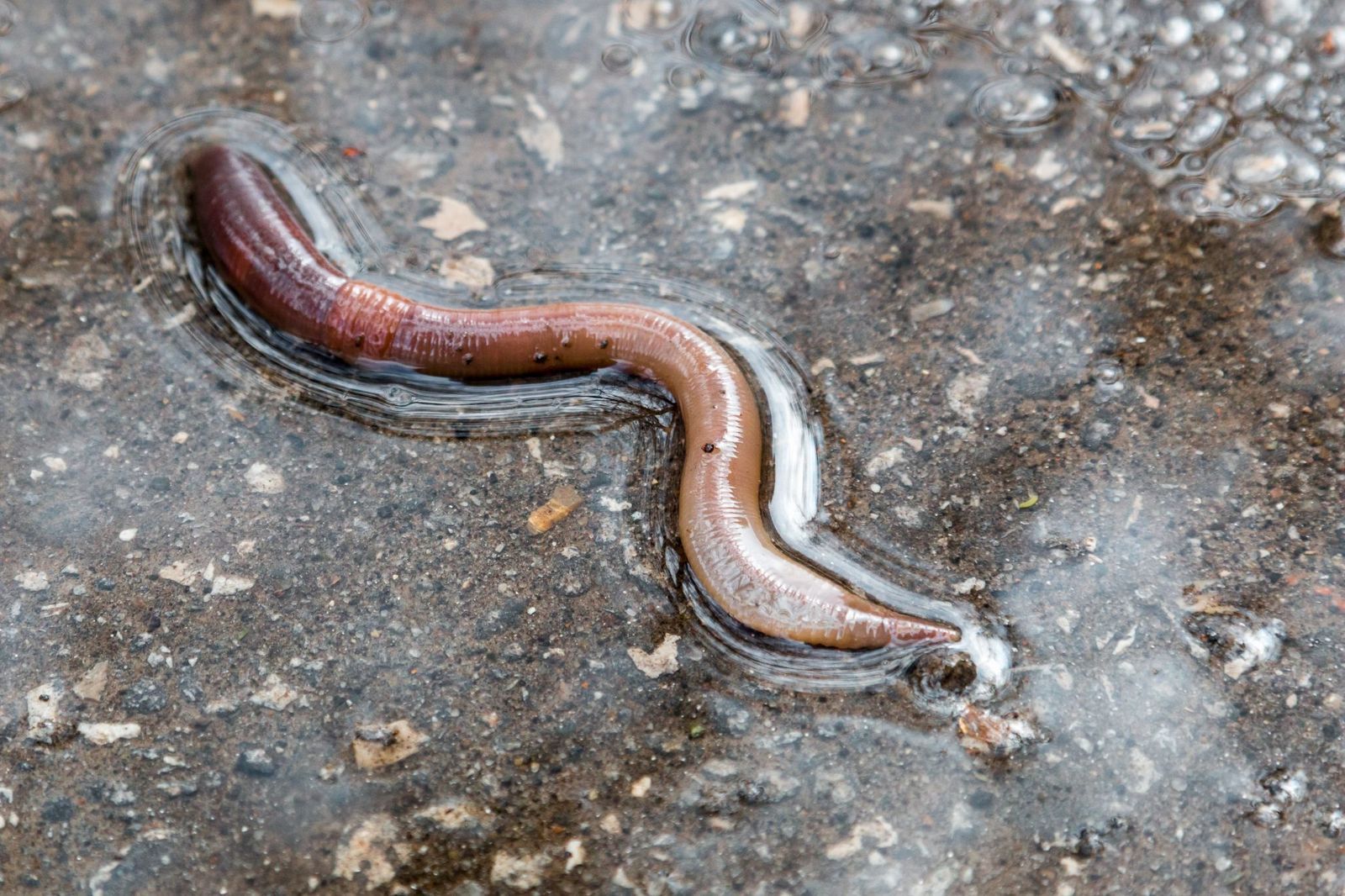
Image: RomanovRV

In 2007, residents of Jennings, Louisiana, reported seeing worms apparently falling after severe weather. The strange event attracted widespread attention because the ground seemed to become covered almost overnight.

Meteorologists note that intense storms are capable of lifting lightweight organisms from flooded fields or shallow water . At the same time, heavy rain naturally forces many earthworms to the surface, making it difficult to determine exactly how they arrived. Whatever the explanation, the Jennings incident remains one of America's best-known modern worm rains.

6
Sea snails from above
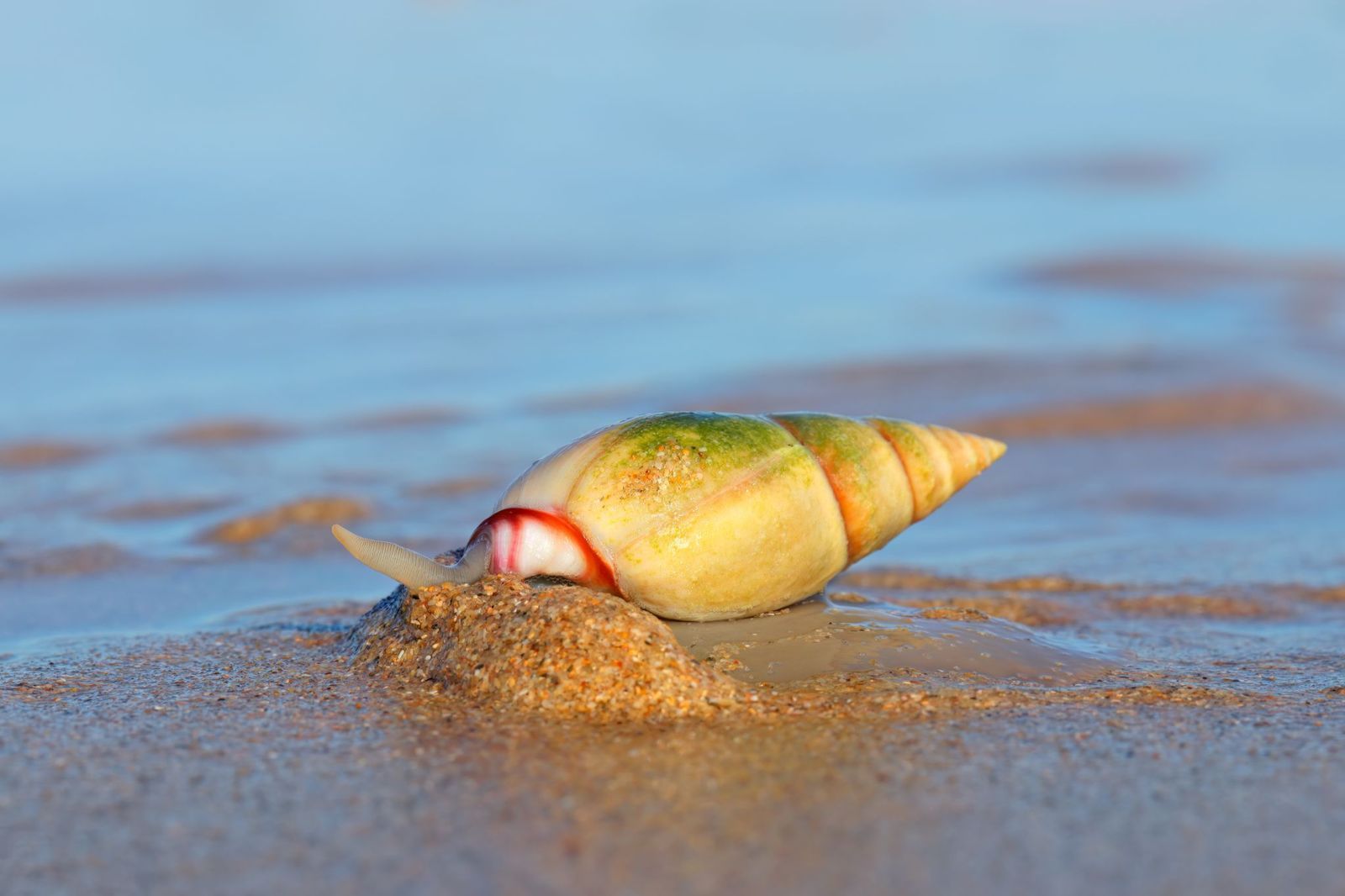
Image: EcoPrint

Along parts of the Atlantic Coast, powerful coastal storms have occasionally been followed by reports of periwinkles, a type of small sea snails, appearing well away from the shoreline.

Scientists believe waterspouts or hurricane-force winds can lift lightweight marine creatures from shallow coastal waters before dropping them inland . While such reports are uncommon and often difficult to document completely, they fit the same weather processes believed to produce fish and frog rains.

7
Crab rain in Chesapeake Bay
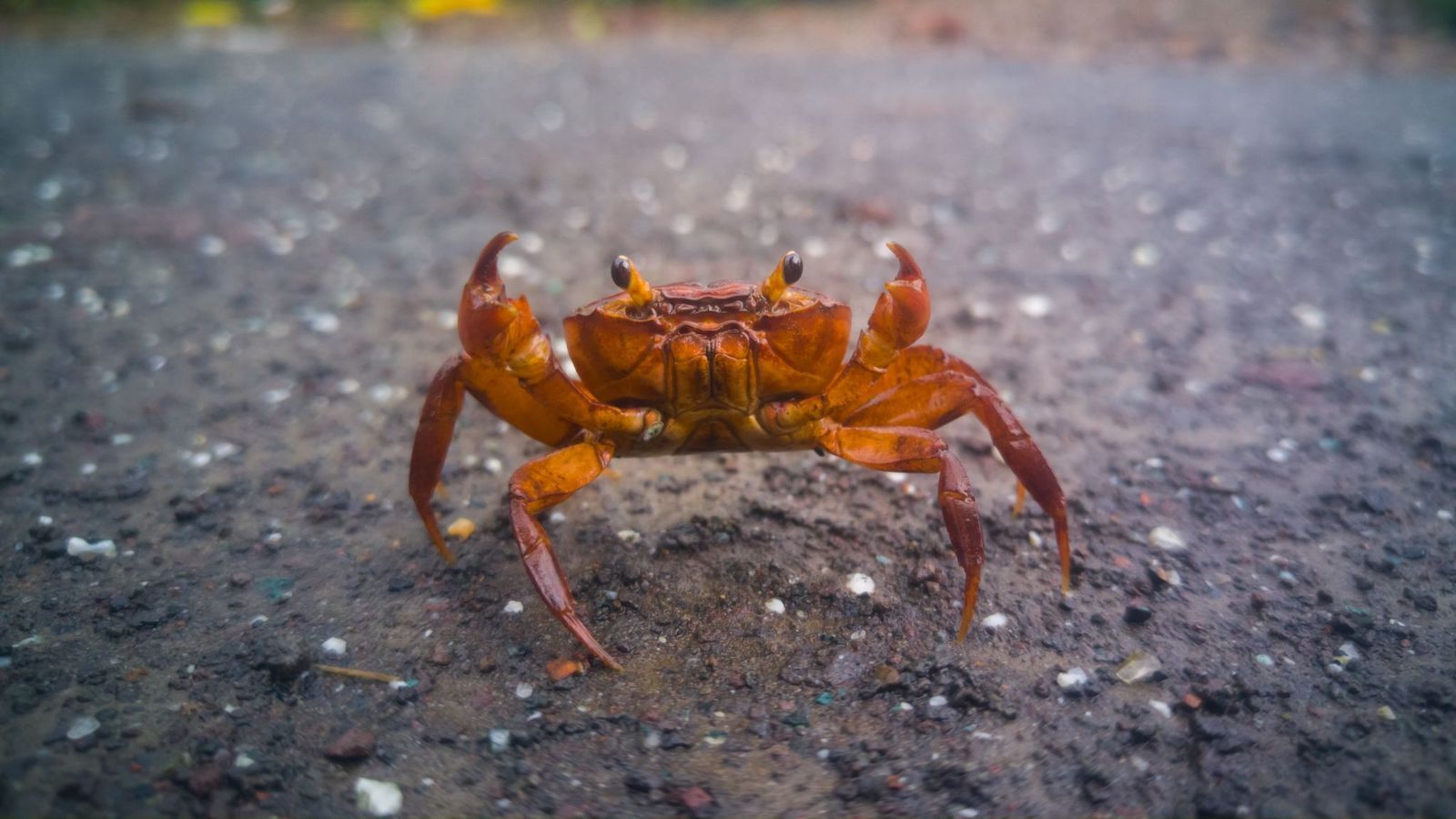
Image: Shahid Gire

Communities near Chesapeake Bay have periodically reported finding small crabs scattered across roads and fields after severe storms. Discovering shellfish where there was no flooding certainly makes for an unforgettable morning.

Meteorologists consider these reports believable because the bay regularly experiences waterspouts and strong thunderstorms. Small juvenile crabs are light enough to be carried short distances by powerful updrafts before falling back to the ground once the storm weakens .

8
Tadpoles after the storm
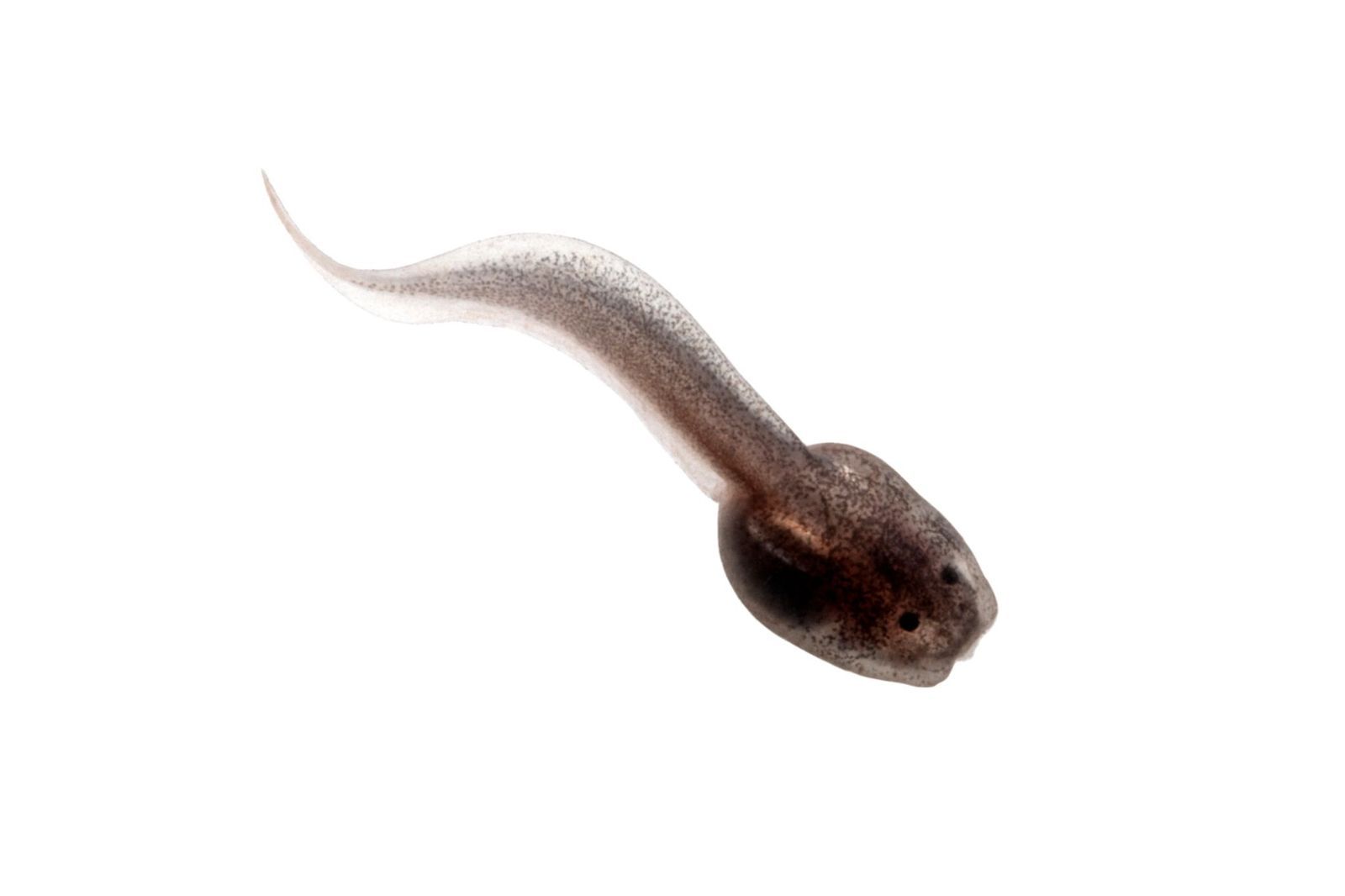
Image: Kurit afshen

Several Midwestern communities have reported storms that seemed to leave roads covered with tiny tadpoles. Unlike adult frogs, these young amphibians are incredibly light, making them easier for violent weather to transport .

Spring is the most likely time for such events because shallow ponds contain enormous numbers of developing tadpoles. If a storm passes directly over one of these breeding areas, the rotating winds may lift thousands of them into the air before dropping them elsewhere in surprisingly concentrated patches.

9
The star jelly rain
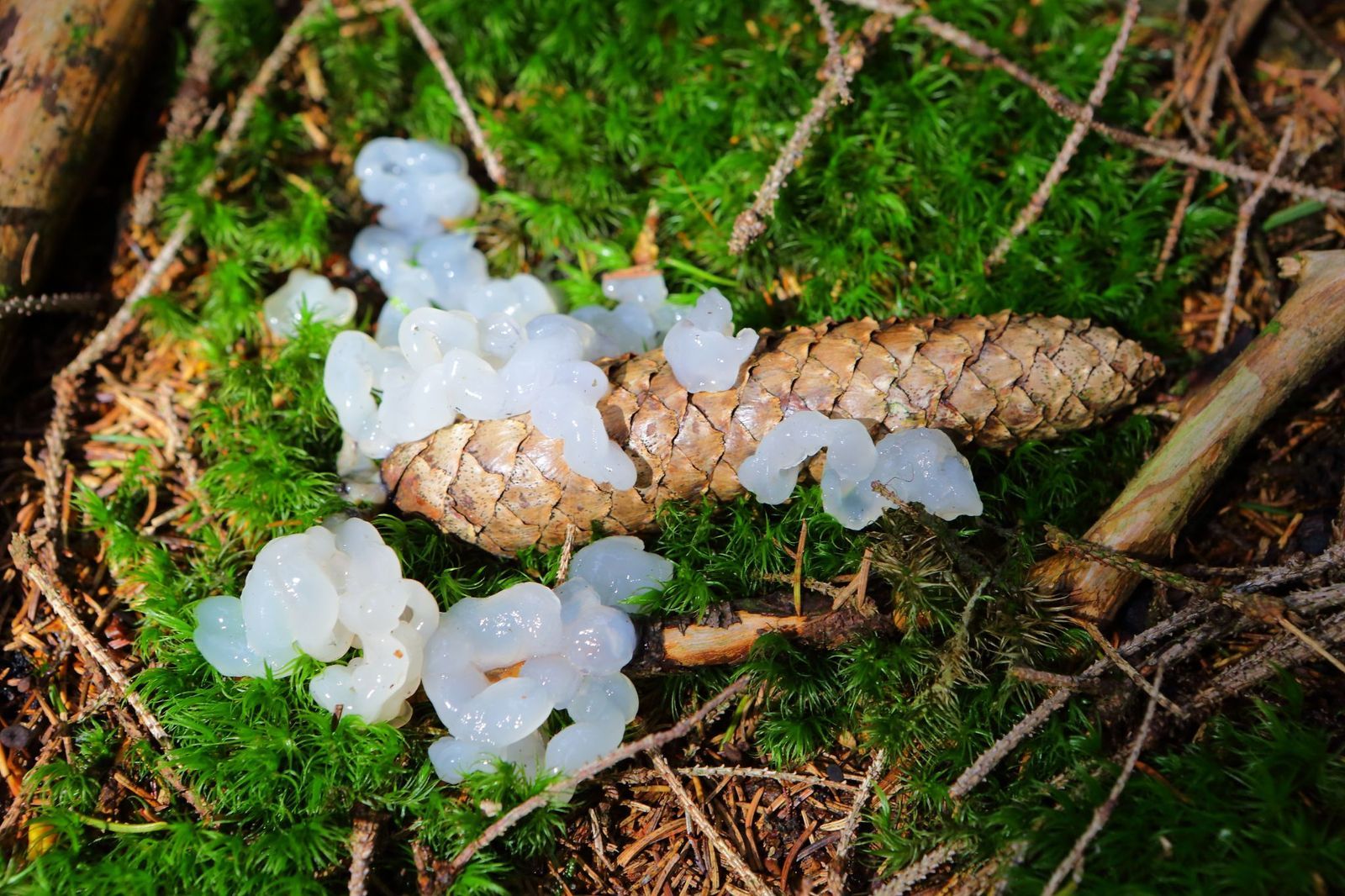
Image: emka74

For centuries, people across the country have occasionally discovered mysterious transparent blobs lying on the ground after storms. Known as "star jelly," the gooey substance has inspired countless legends claiming it literally fell from the heavens.

Scientists have proposed several possible explanations, including slime molds, cyanobacteria, amphibian reproductive tissue, or biological material left behind by predators . None explains every reported case, leaving star jelly as one of nature's longest-running mysteries.

10
A haystorm on the Great Plains
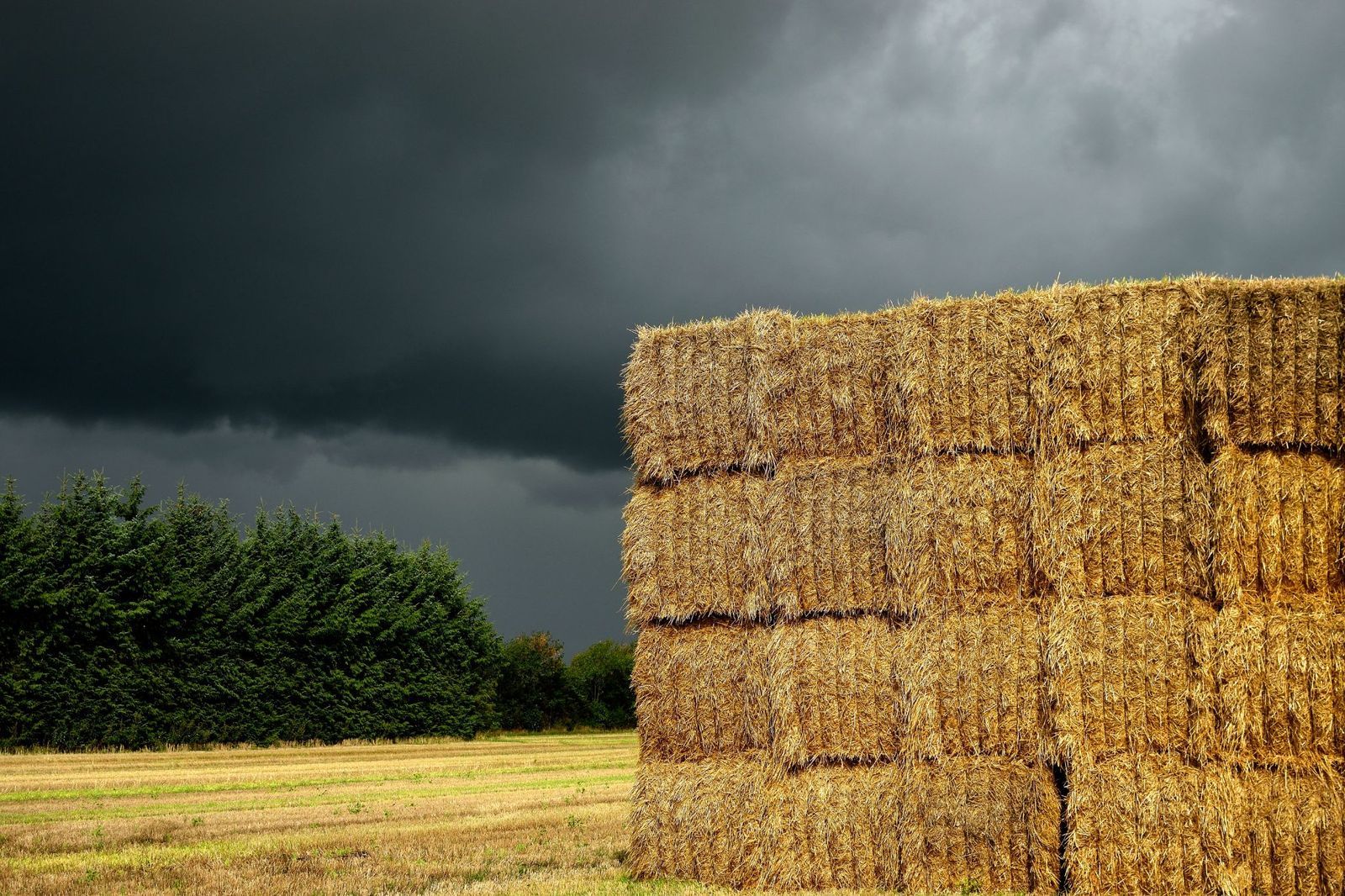
Image: DonChenaro

Not every strange rain involves animals. Across the Great Plains, tornadoes have repeatedly lifted hay, straw, and other lightweight farm materials into the atmosphere before dropping them miles away .

Farmers occasionally discover freshly fallen hay that clearly came from another property entirely. These events demonstrate just how powerful severe storms can be, transporting ordinary agricultural materials across remarkable distances before gravity finally takes over.

11
Storms that drop insects
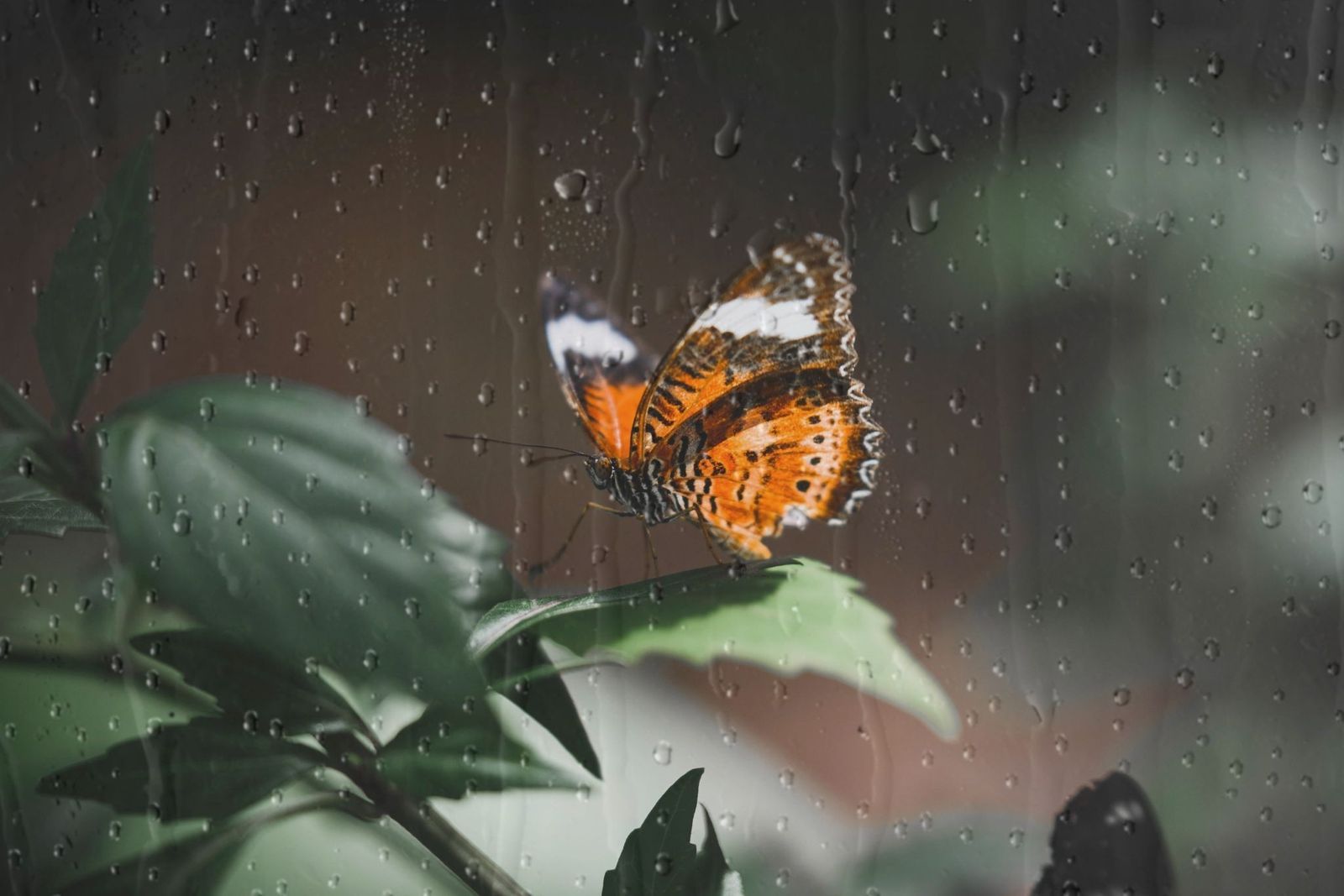
Image: Rawpixel.com

Thunderstorms can also seem to rain insects. Swarms of flying ants, termites, aphids, and other tiny creatures have occasionally appeared immediately after powerful storms , leaving the impression that they fell directly from the clouds.

In reality, strong updrafts can sweep huge numbers of lightweight insects into the air and carry them well beyond their original location. When the winds weaken, the insects settle back to the ground, sometimes creating spectacular and slightly unsettling natural displays.

12
It’s raining golf balls
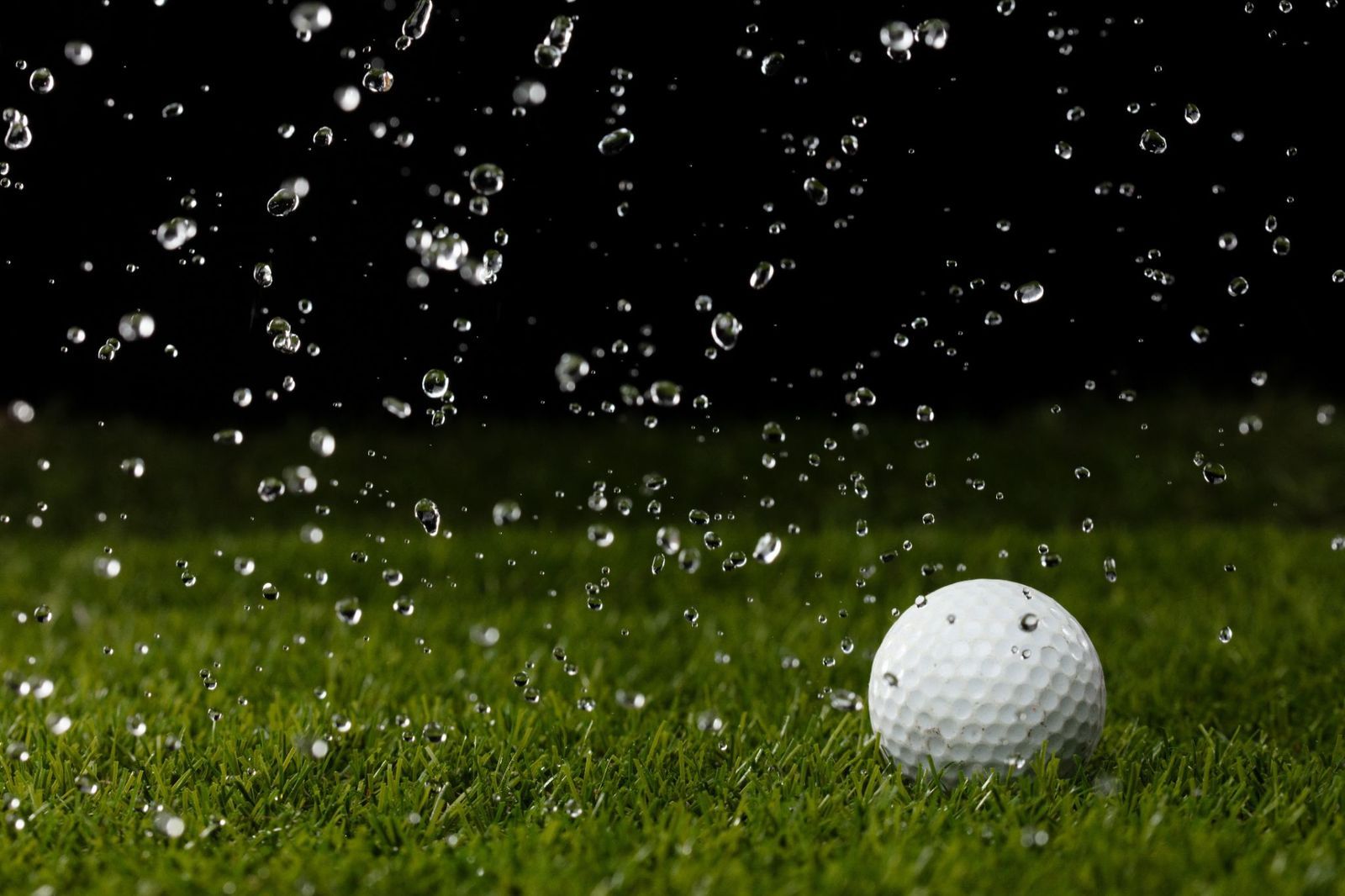
Image: Jade ThaiCatwalk

Florida's violent thunderstorms have produced reports of golf balls suddenly pelting neighborhoods near golf courses and driving ranges . Unlike hail, these were actual golf balls launched by nature's incredible force.

Powerful wind gusts, tornadoes, and hurricanes are capable of lifting and scattering thousands of golf balls across nearby communities. While they aren't technically falling from the upper atmosphere, they certainly create the unforgettable impression that the sky itself has started playing a round of golf.
Culture Culture 6 min read

The Five-Sided Puzzle Palace

A man lived there secretly? Stunning facts about the Pentagon

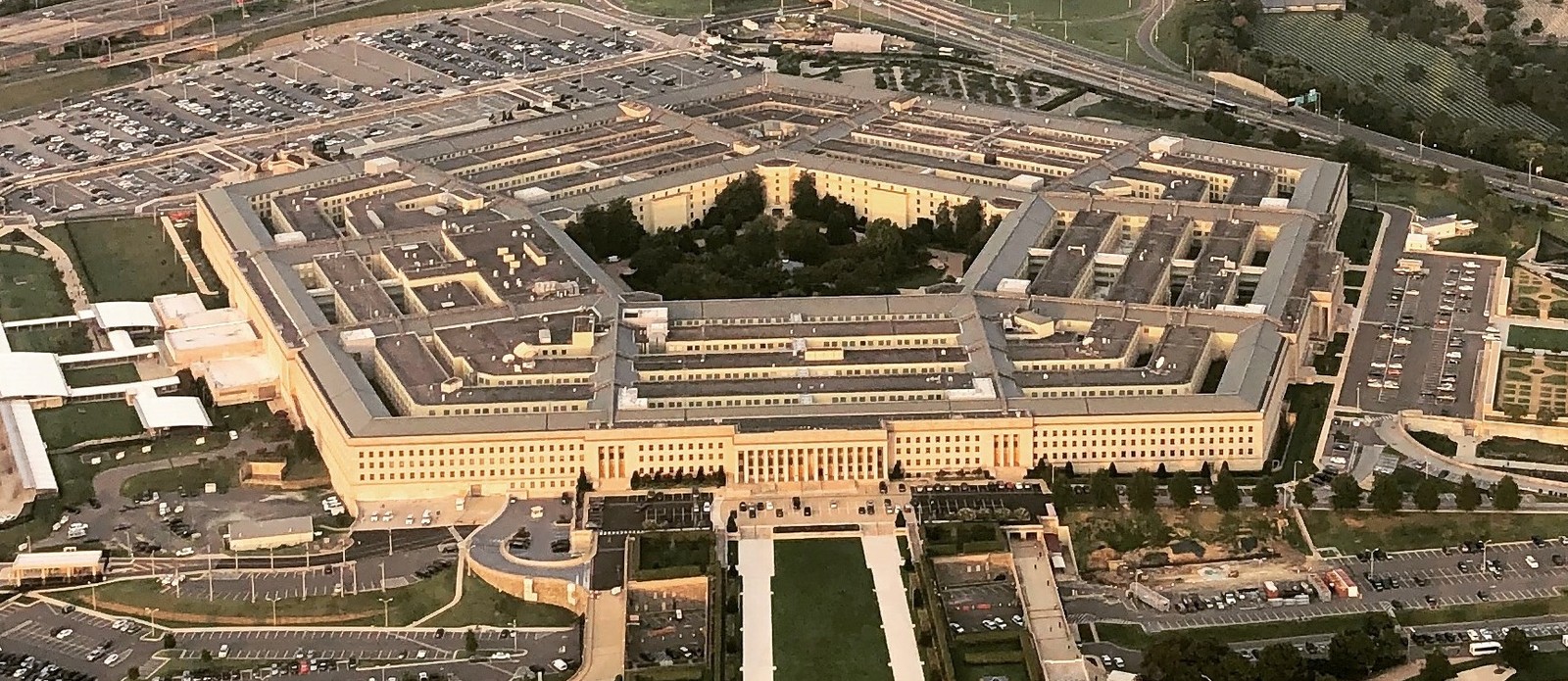
Image: Touch Of Light, CC BY-SA 4.0, via Wikimedia Commons

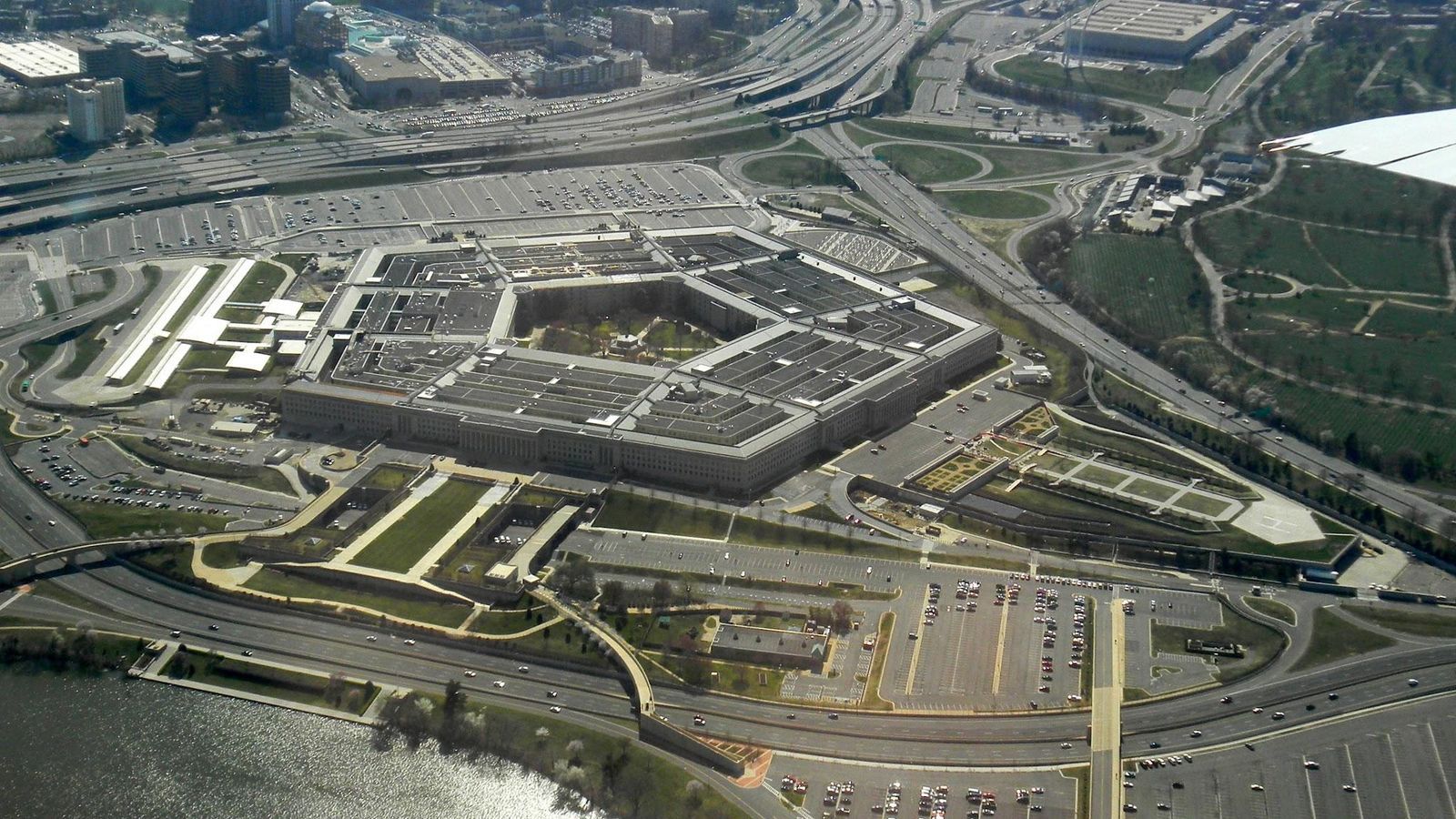
Did you know that construction on the Pentagon building began on September 11, 1941, exactly 60 years before it was attacked? The home of the US Department of Defense has stood for more than 80 years. Although its iconic shape is intriguing in itself, it hides deeper secrets that many Americans have never heard of. Did you know it feeds 26,000 people a day—at a McDonald's, a Five Guys, a Taco Bell, and over 30 other restaurants? Or that a man secretly lived inside its walls for years? Let’s dive into the Pentagon building’s secrets.

1
A renovation project saved thousands of lives on 9/11

Image: Office of the Secretary of Defense - Public Affair, Public domain, via Wikimedia Commons

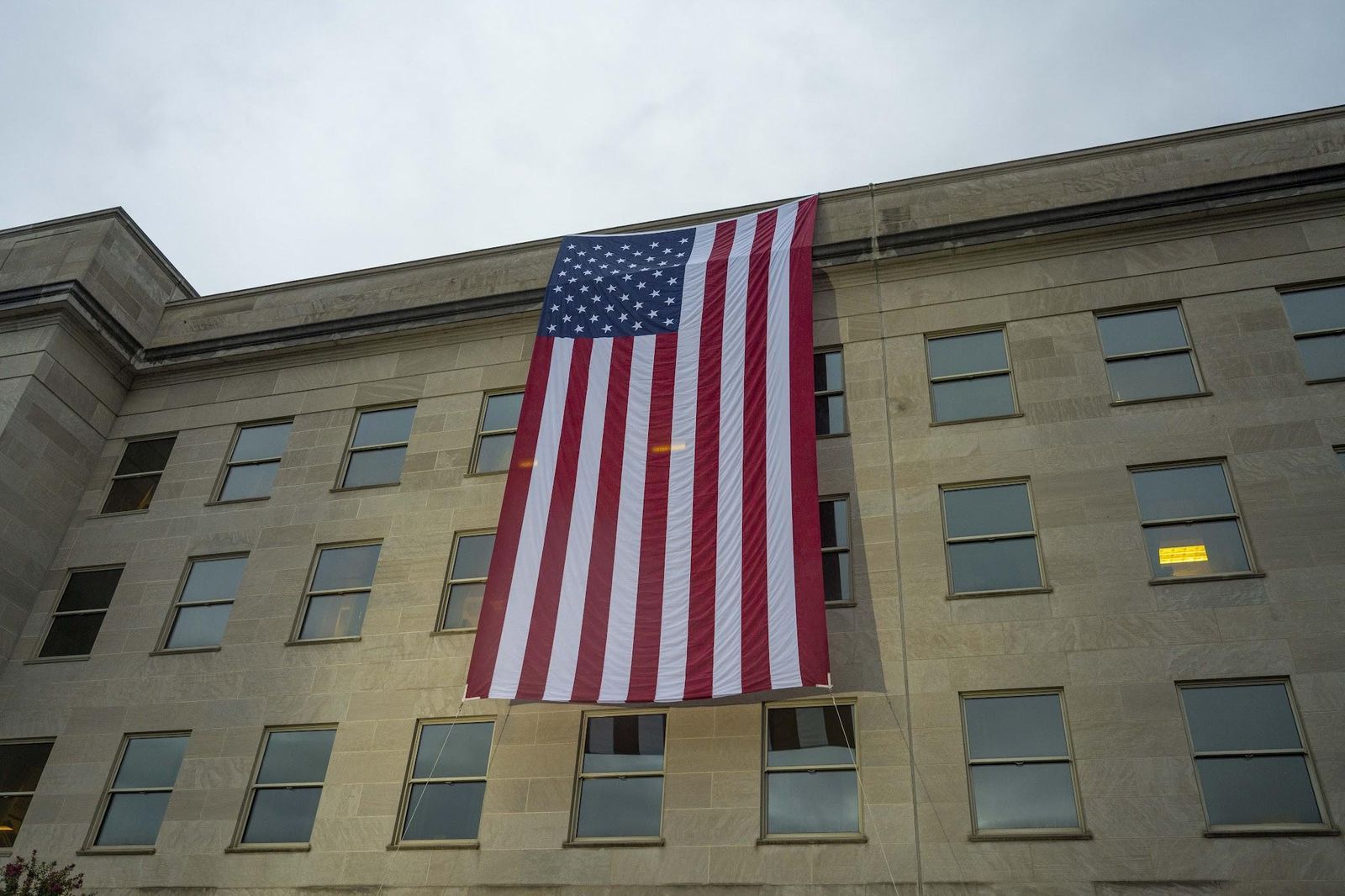
On September 11, 2001, American Airlines Flight 77 struck the Pentagon at 9:37 a.m., killing 189 people. Few people know this part: the death toll could have been much higher. But there was a renovation project underway at the time of the attacks.

The Pentagon’s five-sided structure is divided into five "wedges," and workers had been renovating them one at a time. Flight 77 struck the wedge that had just been completed. Of the 4,500 people who normally worked in that section, only about 800 had moved back in. Without the reinforced construction and the incomplete occupancy, experts believe the casualties would have been catastrophically higher.

2
The Cold War and the hot dog stand

Image: Anete Lusina

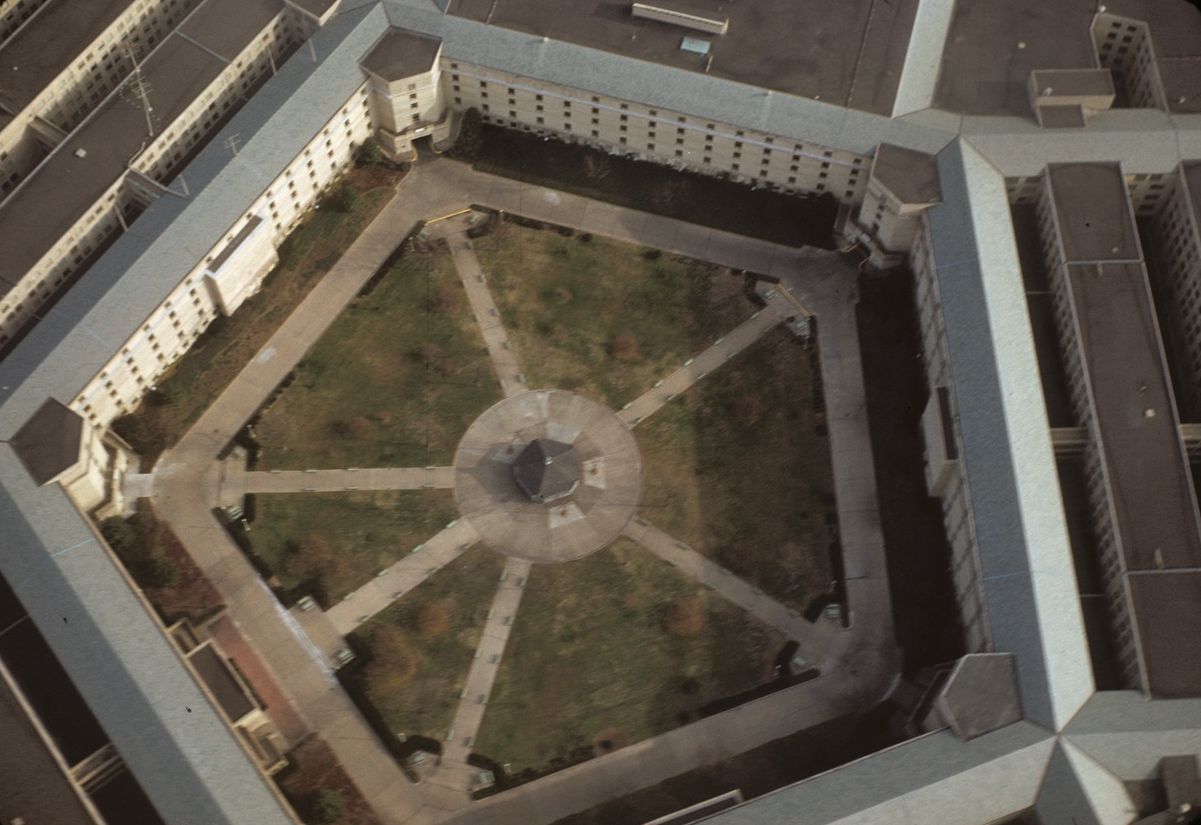
In the middle of the Pentagon’s five-acre center courtyard once stood a modest hot dog stand. According to a Cold War legend (one still retold by official Pentagon tour guides on every public tour), between the 60s and the 80s, Soviet satellite images tracked large groups of high-ranking military officials converging on that small building at the same time every day.

Soviet intelligence reportedly concluded the structure must be the entrance to some underground bunker in America. In reality, all it did was sell lunch. In 2006, the original stand was torn down, and a sandwich shop was built in its place.

3
Its construction began on September 11th, exactly 60 years before the attack

Image: Aber, Marilyn K., Public domain, via Wikimedia Commons

Builders broke ground on the Pentagon on September 11, 1941. That was exactly 60 years to the day before the September 11, 2001, terrorist attacks that would strike the same building.

Construction had been ordered by Army Brigadier General Brehon Somervell, who wanted a permanent headquarters for the Defense Department to replace its then-17 scattered offices across Washington, D.C.

The project was extraordinarily ambitious: plans called for the world’s largest office building to be completed in just 16 months. In the end, the conception, design, and construction of the entire Pentagon building took a total of 15 months.

4
The same person oversaw its construction and the Manhattan Project

Image: U.S. Army, Public domain, via Wikimedia Commons

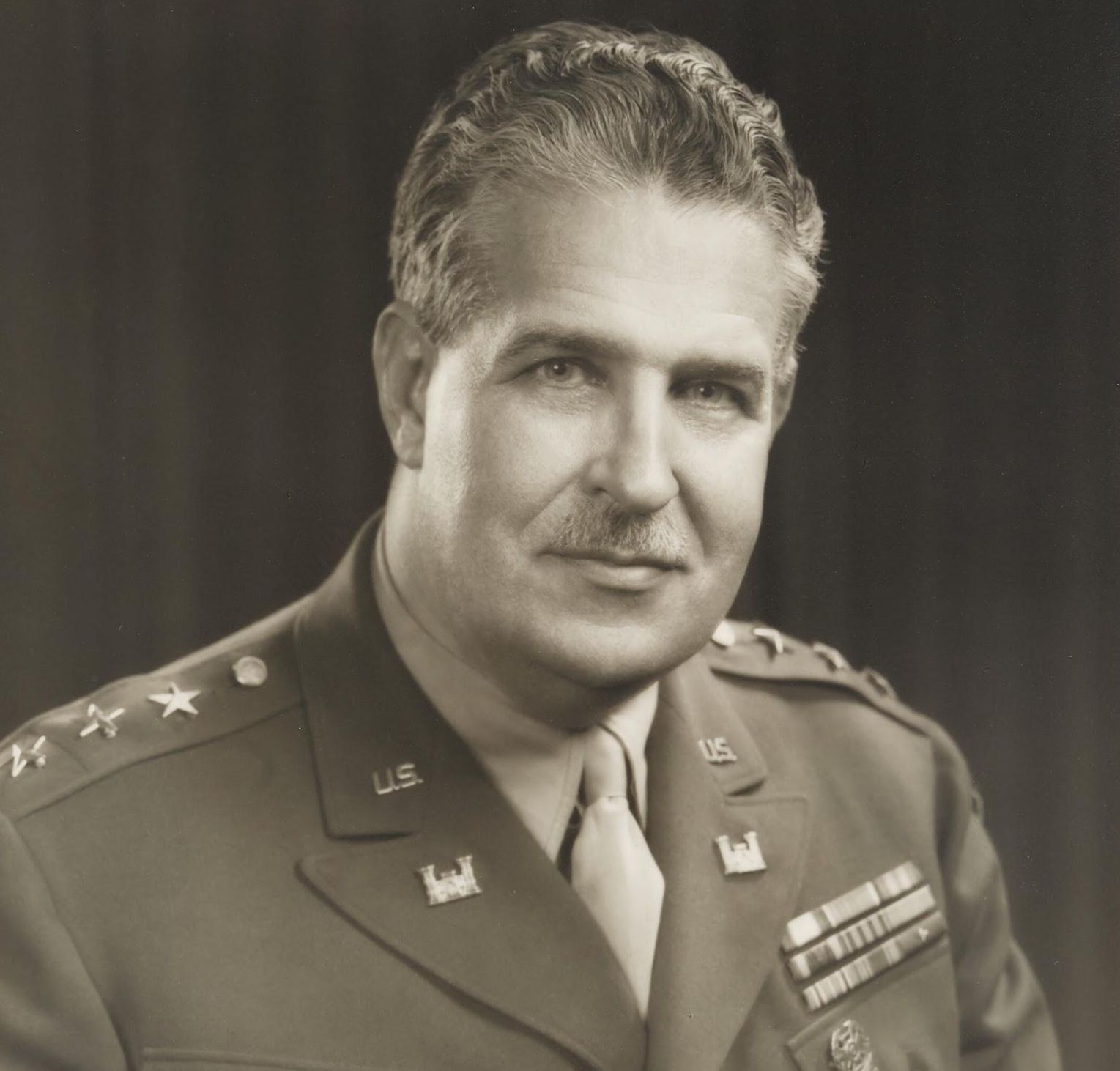
Colonel Leslie Groves of the Army Corps of Engineers took charge of Pentagon construction in August 1941. He worked six days a week and drove his team relentlessly, at one point employing more than 15,000 workers around the clock.

When the Pentagon was finished in January 1943, Groves was assigned to lead the Manhattan Project, America’s secret program to build the atomic bomb . His deputy, Captain Robert Furman, followed him into the Manhattan Project as chief of foreign intelligence. Together, the men who built the world’s largest office building went on to produce the weapon that ended World War II.

5
Why is it shaped like that?

Image: Boston Public Library, CC BY 2.0, via Wikimedia Commons

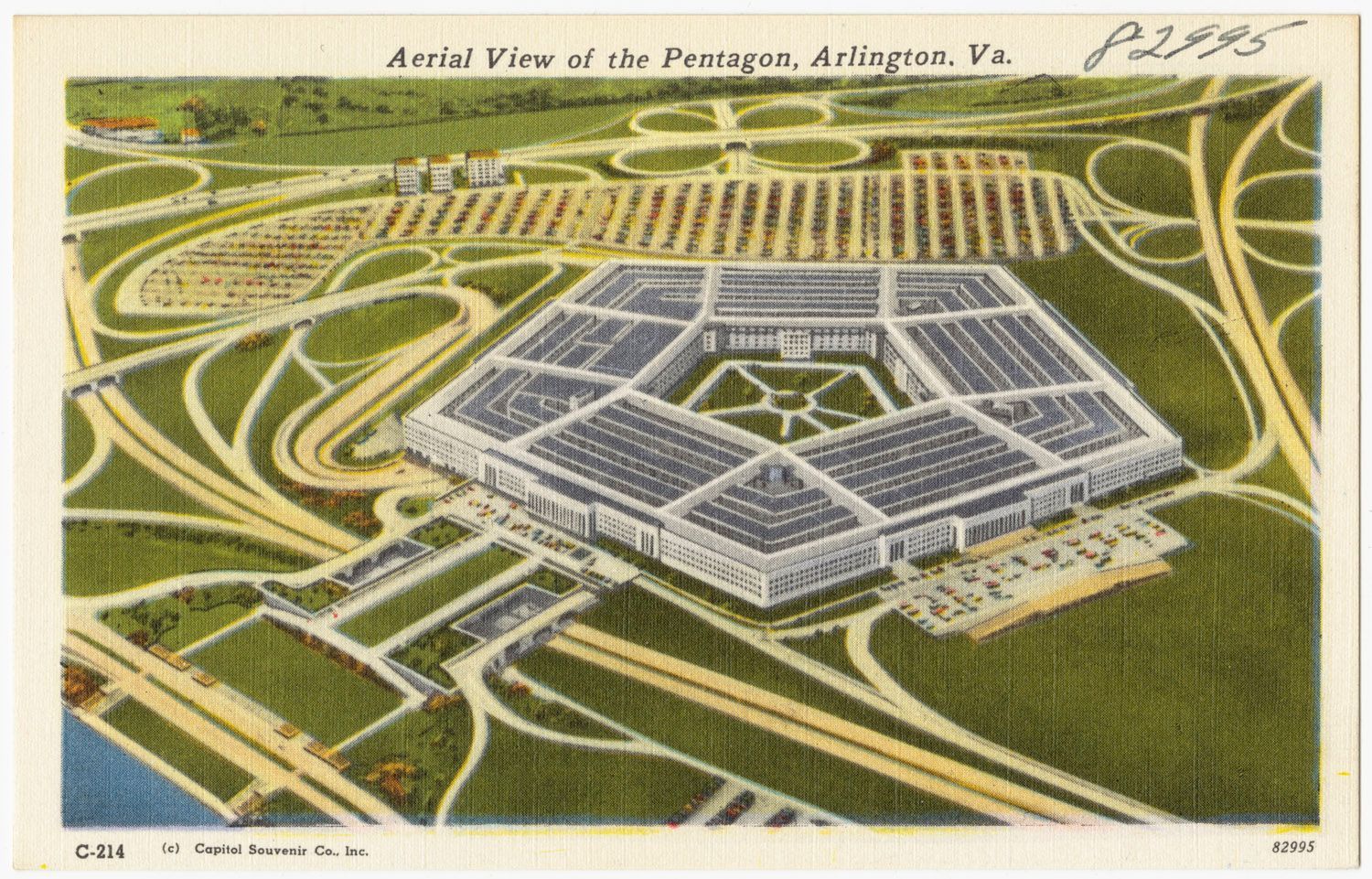
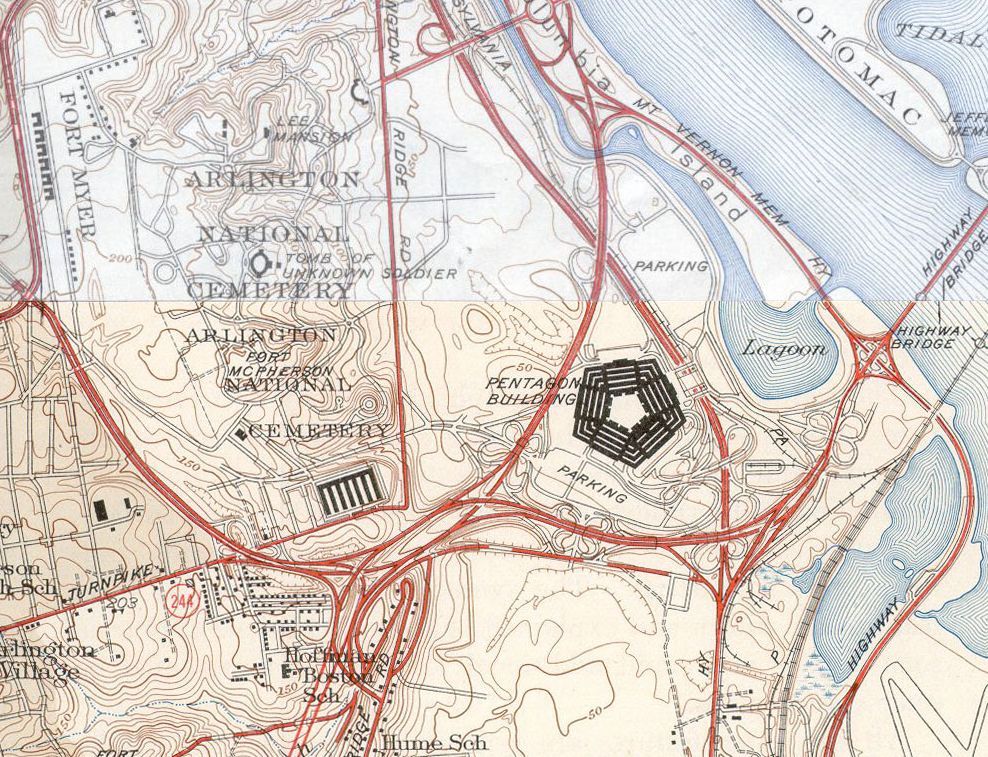
The Pentagon’s iconic five-sided shape was the consequence of a geographic accident. The original site selected for the building, near Arlington Cemetery, **happened to be bordered on five sides by roads. **Architects designed the structure to fit those boundaries, producing a pentagonal floor plan. Then President Franklin D. Roosevelt intervened: worried the massive building would obstruct the view of Washington, D.C. from Arlington, he ordered the site moved to its current location along the Potomac River. But the five-sided design had already been drawn up, and nobody changed it.

6
It was the first desegregated building in Virginia

Image: https://ddotlibrary.omeka.net/items/show/100, Public domain, via Wikimedia Commons

When the Pentagon was designed in 1941, segregation was the law in Virginia. Original plans called for doubled bathroom facilities: separate ones for Black and white employees, as required by Virginia statute. But President Roosevelt had signed Executive Order 8802 in June 1941, prohibiting racial discrimination in federal employment and government contracting.

As a federal building, the Pentagon was exempt from Virginia law. It became the only building in the state where segregation was not enforced. A fully desegregated federal workplace that opened in 1943. The doubled bathrooms were built anyway, as the plans were too far along to revise, but were never used as separately designated spaces.

7
Its construction was surprisingly frugal and incredibly fast

Image: See page for author, Public domain, via Wikimedia Commons

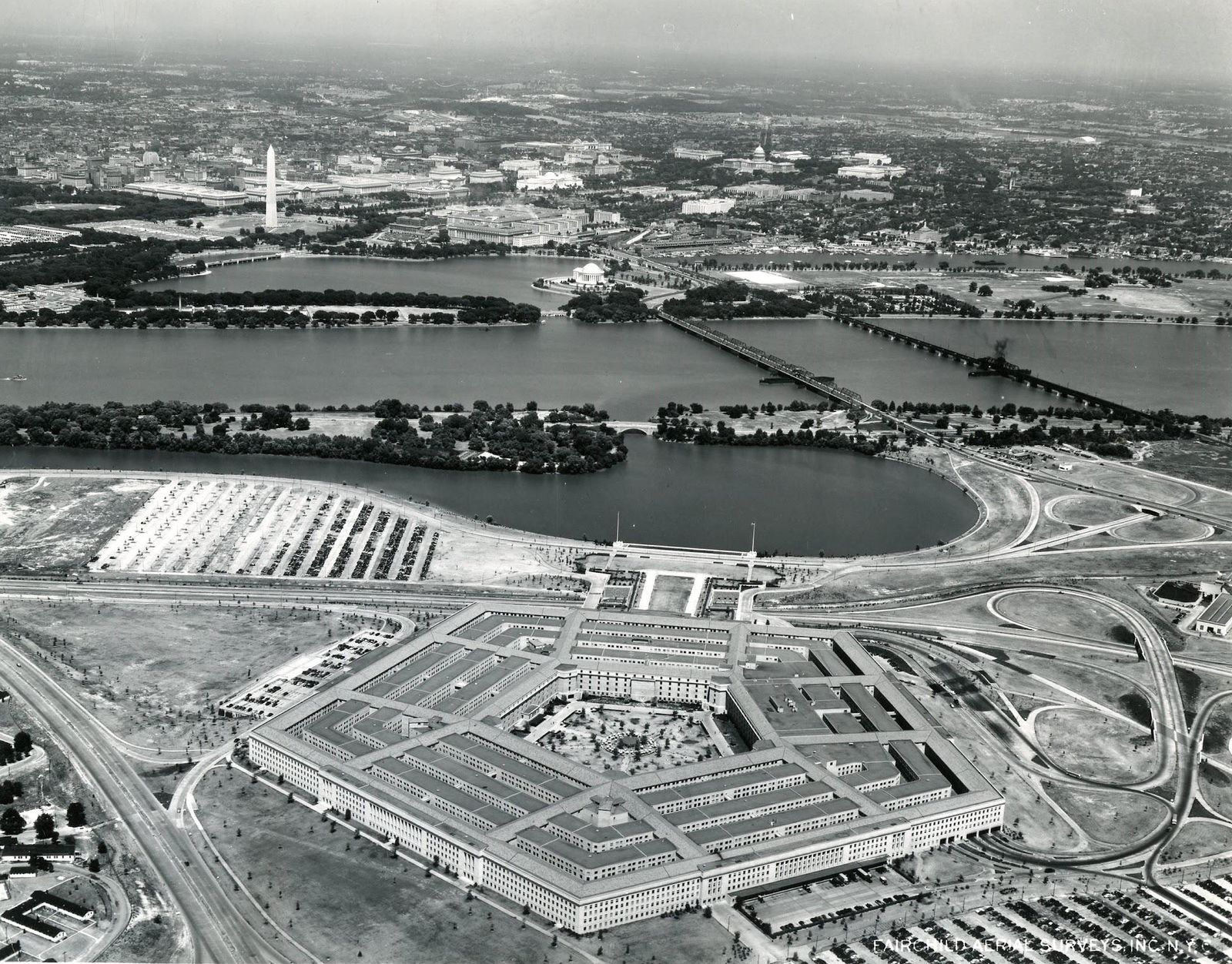
Ground broke on September 11, 1941, and construction finished on January 15, 1943, just 16 months later. More than 15,000 workers were on site around the clock. Wartime office shortages were so severe that employees moved into completed wings before the rest of the building was finished. Steel was too scarce to use extensively, so builders relied almost entirely on reinforced concrete. The 689,000 tons of sand and gravel required came directly from the nearby Potomac River, cutting transportation costs. The project was budgeted at $35 million, but the final bill was $63 million, which would translate to over $900 million in today’s dollars.

8
You can walk between its farthest points in only 7 minutes

Image: Bea A Carson, CC0, via Wikimedia Commons

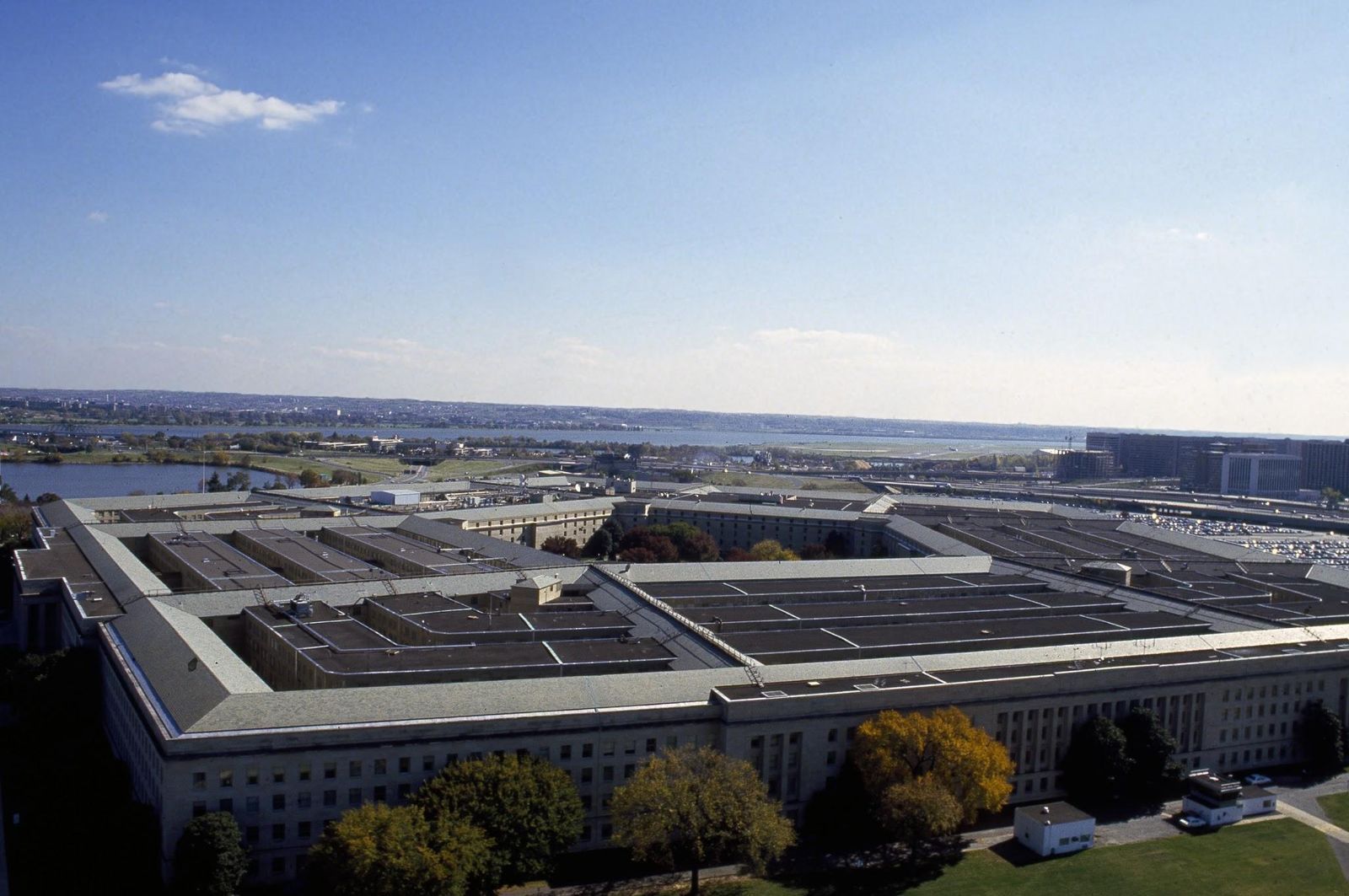
The Pentagon is the world’s largest low-rise office building: 6.5 million square feet of space, which is three times the total floor area of the Empire State Building. Each of its five outer walls is 921 feet long. It has 7,754 windows and 17.5 miles of corridors. Approximately 26,000 military and civilian employees report for work there every day.

Despite that scale, the building’s concentric ring design is so efficient that it takes only about seven minutes to walk between its two farthest points.

9
The man who secretly lived inside its walls

Image: Carol M. Highsmith, Public domain, via Wikimedia Commons

During construction, Colonel Groves drove his deputy, Captain Robert Furman, so relentlessly that Furman rarely left the building. To cope, Furman had contractors build him a small, windowless apartment hidden inside the walls of the Army’s Ordnance Division. In this private room, he could sleep and shower without leaving the premises.

When construction ended and personnel dispersed, knowledge of the hidden room was never passed on to building management. Months later, when Furman returned to Washington on Manhattan Project intelligence business, he found the apartment undiscovered and exactly as he’d left it.

For over a year, he would slip back to the Pentagon, pop open a wall panel, spend the night, and emerge in the morning with his suitcase. He was finally caught in 1943 and forced to surrender the keys. It was never disclosed whether the secret apartment was maintained or eventually absorbed back into the official floor plans.

10
It houses over 30 restaurants, including everyone's favorite chains

Image: Harrison Keely, CC BY 4.0, via Wikimedia Commons

The Pentagon feeds roughly 26,000 people a day, and its dining options read less like a military headquarters and more like a mall food court. The main Concourse Food Court, which opened in September 2009 and seats 875 people, is the largest of several dining areas.

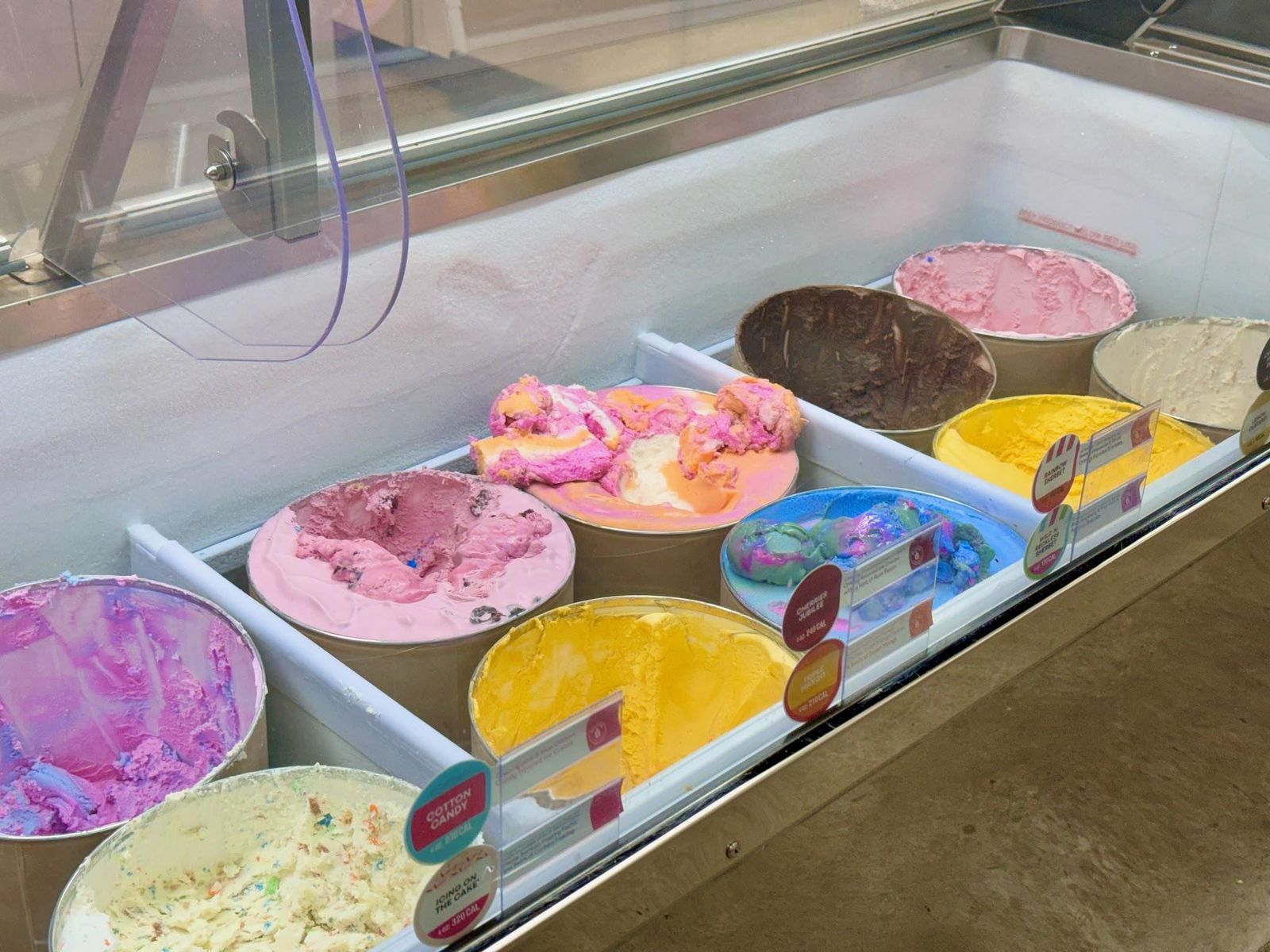
Confirmed chains currently inside the building include McDonald’s, Five Guys, Subway, Popeyes, Starbucks (multiple locations), Dunkin’ (two locations), Panera Bread, Taco Bell, Panda Express, Baskin-Robbins, Potbelly, Jamba Juice, and Moe’s Southwest Grill, among others. The building also houses a CVS pharmacy, a florist, a jeweler, and a dry cleaner. In the summer of 2024, Potbelly became the first restaurant to open in the center courtyard. Yes, the very spot where the legendary Cold War hot dog stand once stood.

General General 4 min read

American uniqueness

10 things America does differently from the rest of the world

Image: Shamblen Studios

The U.S. is a unique country in many ways , but some of these might shock tourists and foreigners because they differ from how they are done in other parts of the world. From etiquette rules to cooking styles to how to record a date, America has its own way of doing certain things . Let’s have a look at some of them!

1
Measuring

Image: Annie Spratt

This is a difference most Americans are aware of: most countries use the metric system rather than U.S. customary units, and most use Celsius instead of Fahrenheit. Countries such as the UK and Canada still use some imperial units in everyday life, but they mainly use the metric system. Another measure that confuses foreigners is the particular way ingredients are measured in American recipes, which often use cups, tablespoons, and teaspoons rather than measurements by weight.

Fun fact: The only other countries that use the Imperial system officially are Liberia and Myanmar.

2
Sales tax

Image: Zoshua Colah

Do you find having to calculate sales taxes annoying? That’s a unique American experience. In the majority of the world, the price you see is the price you pay , because it has the sales tax already added.

Why is it different in America? Sales taxes vary across states , so retailers find it easier to showcase the base price and then calculate the total at checkout.

3
Cutlery use

Image: Anna Kumpan

Many Americans abroad are surprised by the realization that not everyone uses a knife and fork in the same way they do . In fact, no one else does. While most Americans have learned the American style —also called the zig-zag or fork switching method— that involves using the fork in the left hand for cutting and then changing it to the right to pick up the food, European and Latin American countries don’t do this . It might seem like a small difference, but it completely changes the way you eat.

4
Iced drinks

Image: Battlecreek Coffee Roasters

Do other countries not have ice? They do, but they don’t necessarily assume everyone will want it. While serving water and other beverages with ice is customary in America, in many other countries, you need to request it —even during the hottest of summers.

But even if you get ice, many times you will need to specify the amount : the same drink that would be filled with ice cubes in America might come to you with just two or three cubes elsewhere.

5
Date formatting

Image: Waldemar

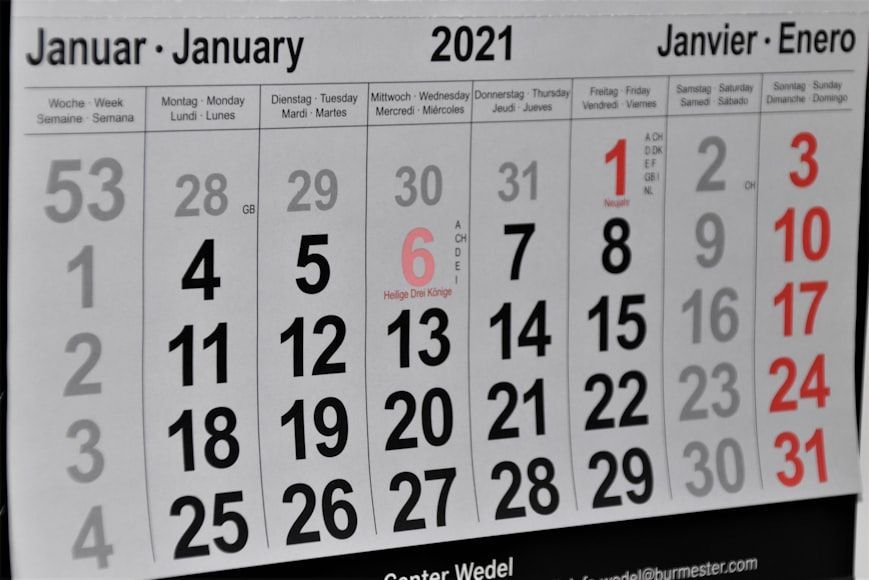
The U.S. is not completely alone on this one, but there’s a difference big enough to be worth mentioning. The standardized way of recording the date in America is month-day-year , a convention also followed by some Caribbean and Asian countries. But in the rest of the Western world, the conventional format is day-month-year , which can lead to confusion for Americans. In most Asian countries , the most commonly used format is year-month-day .

6
The word ‘American’

Image: frank mckenna

In the English language, ‘American’ is the only way to refer to people with U.S. citizenship . Other words, such as ‘Usian’ or ‘Unitedstatian’ have been proposed, but never stuck. This is why many Americans are surprised when other countries —Latin American countries in particular— use ‘American’ for anyone in the American continent , or continents, another big difference. In most European and Latin American countries, there is a different word for U.S. citizens, such as the Spanish ‘estadounidense’ or the Portuguese ‘estadunidense’ .

7
Moving out at 18 years old

Image: Dina Badamshina

This one is not so black and white, but more like a general tendency. Compared with most of Europe, Latin America, and Asia, Americans give serious consideration to the possibility of moving out after high school. Not everyone does, and not everyone can afford it, but it's fairly common.

In other countries, young adults generally move out if their job or education requires it , but they tend to stay at home a few more years if they can.

8
Driving a car as a teenager

Image: Dan Gold

America is quite car-centric , especially if you live outside of the big cities. While not everyone can afford to have a personal car —even a second-hand one—, it is common for 16 and 17-year-olds to legally drive their parents’ car, or save for their own.

In the rest of the world, the chances of high schoolers driving themselves to school are much lower, as most countries don’t allow underage kids to get a driving license .

9
Solo cups

Image: Artem Beliaikin

Do plastic cups exist outside of the U.S.? They do, but they are not as iconic or as widely used as Solo cups, introduced in the 1970s as a disposable but sturdy cup for parties and events. Many foreigners visiting America are surprised when they realize that solo cups are a real thing , and not something that just happens in movies.

10
Filing taxes

Image: Olga DeLawrence

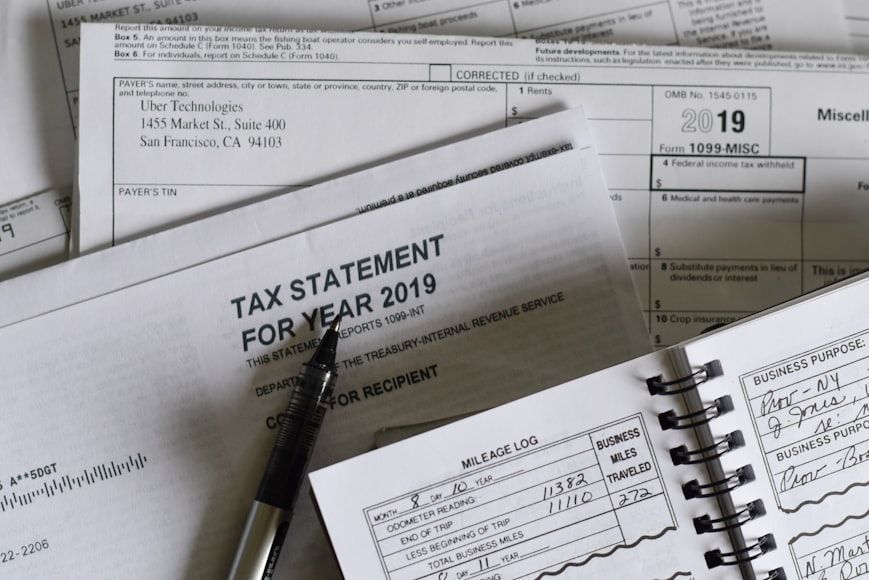
Taxes in the U.S. are not that different from taxes in other countries, except for how they are filed . During tax filing season, thousands of Americans direct their efforts to ensure they have properly reported their income and that their return will match the IRS’s data.

In other parts of the world, however, the one responsible for calculating and filing taxes is the government , while citizens merely corroborate that everything is in order.

Explore more American facts

Choose your favorite category!

General
General

As American as apple pie—the very best America has to offer!

Culture
Culture

Delve into the astounding richness of American lore.

Geography
Geography

Hop in and explore vast and diverse American landscapes.

History
History

Discover the key moments that shaped the United States.