Culture Culture 3 min read

Creative states

Do you know what was invented in your state? Be surprised by the answer!
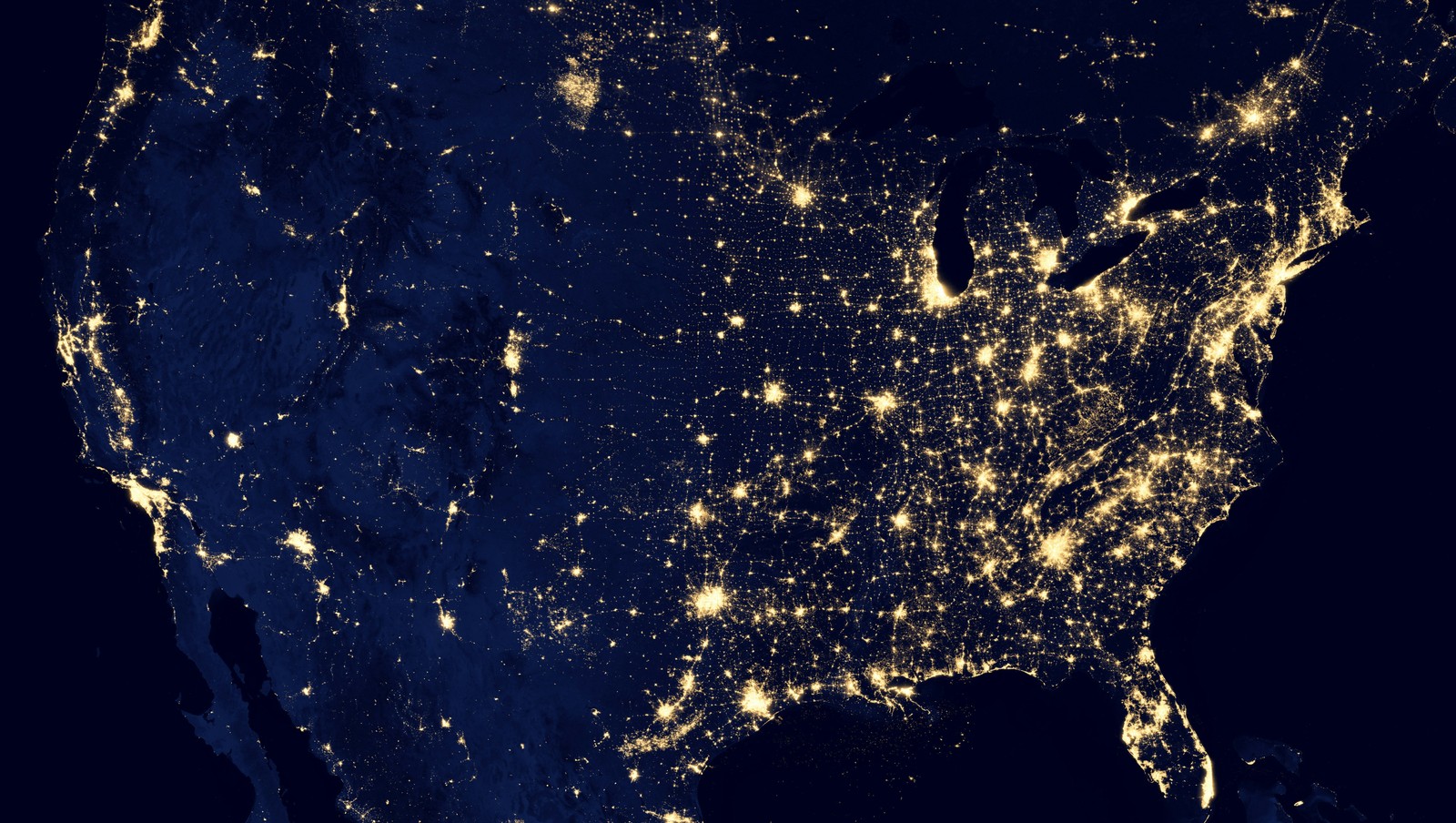
Image: NASA

Take a look around your house for a second: The lights are on, breakfast was easy, your jeans fit just right, and your nose knows exactly where that Vicks is hiding. Funny thing is, you can thank a handful of American states for these, but you may not even know it! America is great for many things, and these states have some pretty famous inventions we should thank them for! Read on and see what your state created!

1
Tennessee - Cotton candy

Image: Yarden

Cotton candy feels like pure fun, which makes its origin even better. A Nashville dentist helped invent the machine that turns sugar into fluffy clouds. It debuted at the St. Louis World’s Fair and became a carnival favorite. Genius way to get more patients on his chair, huh?

2
Georgia - Coca-Cola
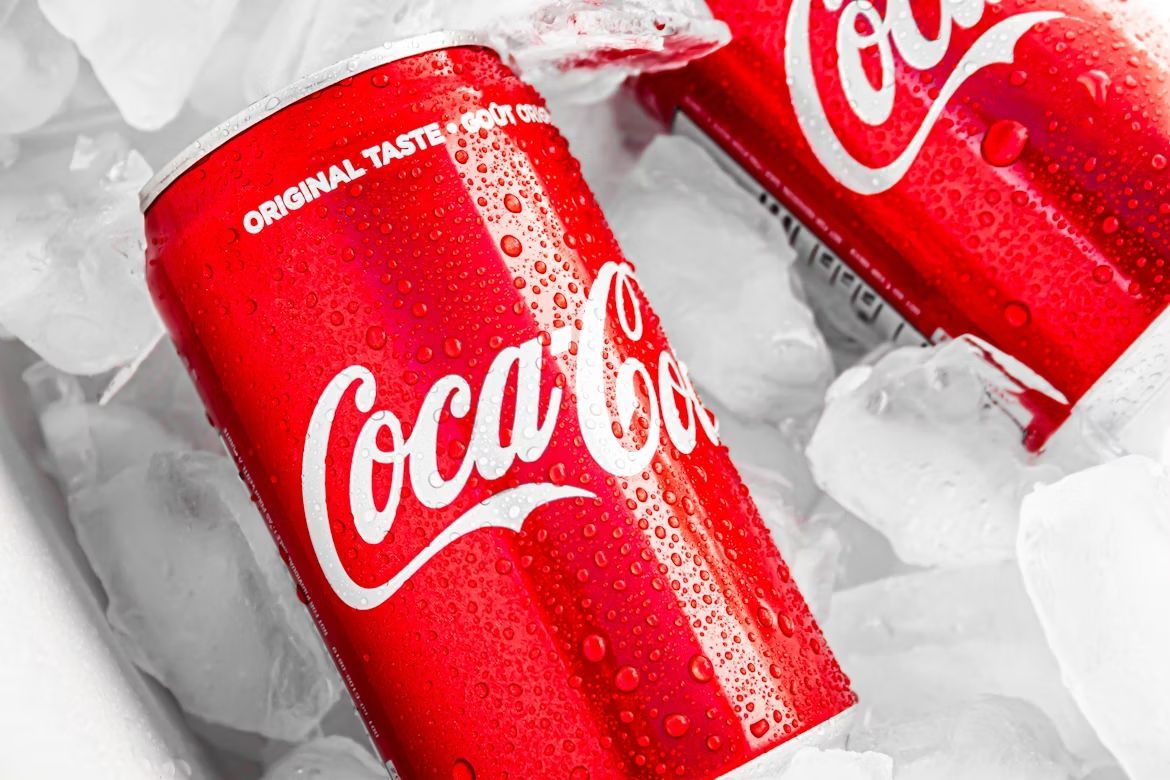
Image: James Yarema

In an Atlanta pharmacy in 1886, John Pemberton mixed up a syrup meant to be medicinal. It included coca leaf extract and kola nuts and was sold as a tonic. The drink evolved quickly, lost its medical claims, and became Coca-Cola. The rest is simply history!

3
New Jersey - Light bulb

Image: Luis Tosta

This one is a classic! In Menlo Park, Thomas Edison built a laboratory that became an invention factory. There, a commercially viable incandescent light bulb was developed. While this gets most of the applause, that same New Jersey workspace also helped shape recorded sound and motion pictures.

Image: NAM CZ

4
Indiana - Rearview mirror

At the very first Indianapolis 500, one driver decided he did not need someone sitting behind him to watch traffic. Can you imagine how uncomfortable a job that was? Ray Harroun instead attached a mirror to his dashboard. That simple choice helped him win the race and changed driving for everyone.

5
California - Jeans
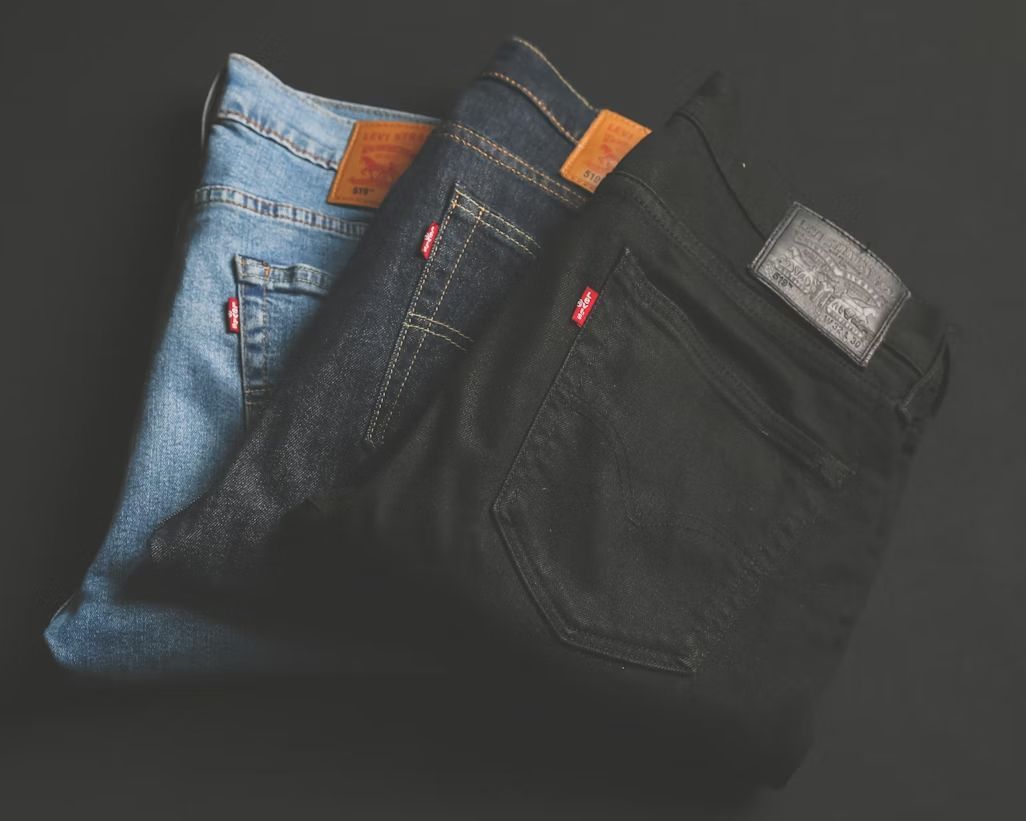
Image: Mnz

Rugged work pants were falling apart under hard labor until rivets entered the picture. A tailor named Jacob Davis teamed up with Levi Strauss in San Francisco to reinforce trousers for miners . Denim soon followed, and jeans became a global staple. From gold fields to casual Fridays, the look never left.

6
Ohio - Traffic light

Image: CARTER SAUNDERS

Cleveland inventor Garrett Morgan noticed a deadly problem at busy intersections . His improved traffic signal added a pause that stopped all directions before letting cars move again. That brief moment of calm saved lives and brought order to chaos.

7
Missouri - Ready mix

Image: Land O'Lakes, Inc.

Pancakes once meant measuring flour, salt, and patience. In 1889, Missouri innovators created one of the first commercially successful ready mixes under the Aunt Jemima name . Pour, add liquid, and cook. It reshaped home kitchens and paved the way for countless boxed mixes.

8
North Carolina - Vicks VapoRub

Image: Kelly Sikkema

A Greensboro pharmacist created dozens of remedies, but one stood out. His menthol ointment eased breathing and comforted countless families. Rebranded as Vicks VapoRub, it became a staple in every medicine cabinet.

9
Wisconsin - Blender
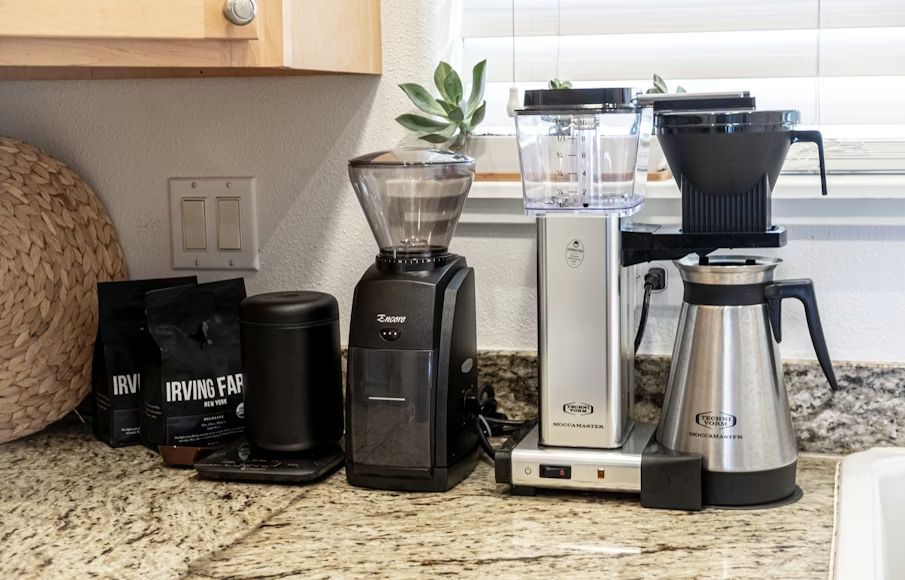
Image: Daniel Norris

The first motor-powered blenders came from Wisconsin, even if they needed a little help to work properly. Once refined, they became the Waring Blendor and found their way into diners, homes, and smoothie shops. Nowadays, they are a household essential; even kids know how to work one!

10
Oklahoma - Parking meter

Image: chris robert

Crowded streets needed turnover, so Oklahoma City tried something new. The parking meter encouraged drivers to move along and freed up spaces for shoppers. Love them or hate them, parking meters changed how cities function.

11
New York - Toilet paper
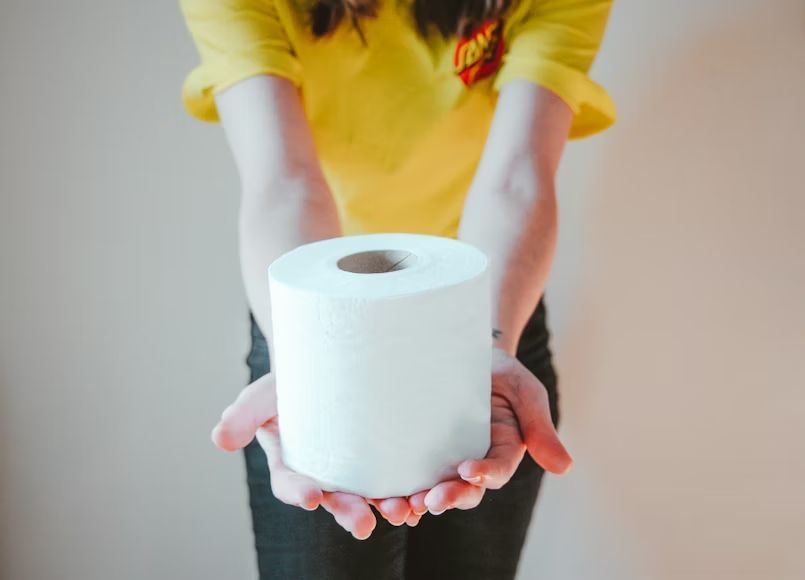
Image: Nik

Toilet paper feels like it has always been around, but it hasn’t. In 1857, a New Yorker named Joseph Gayetty introduced paper designed specifically for bathroom use . His marketing was not so effective, but the idea stuck. Before that, people relied on catalogs and newspapers. Thank you, New York!
General General 3 min read

You are using one of these now.

From microwaves to bug spray: 12 items originally made for the military

Image: Everyday basics

You might be surprised to learn how many everyday items in your home started as military inventions. From your kitchen to your closet, many tools and technologies first created for soldiers have since marched their way into civilian life. Take a look at 12 of these army-born innovations you probably use every day without even realizing it.

1
Duct tape

Image: Lucas van Oort

One of the most useful things to have around is, without a doubt, duct tape. This product can help fix an endless number of everyday problems in virtually any environment.

This adhesive tape was invented during World War II by a division of Johnson & Johnson called Revolite. It was initially used to seal ammunition cases because of its water-resistant properties.

2
GPS

Image: henry perks

The GPS technology we all use daily on our smartphones to navigate from point A to point B was originally developed by the U.S. military. It was designed to track the position of military units and help them find their way efficiently across any terrain —much like how we use it today for civilian purposes.

3
Internet

Image: Glenn Carstens-Peters

Few technologies have become such a big part of our lives in just a couple of decades as the Internet. Its origins trace back to the 1970s, when the Defense Advanced Research Projects Agency (DARPA) created an interconnected network linking military centers to enable resource sharing.

The connection of commercial networks and enterprises by the early 1990s, along with the advent of the World Wide Web, marked the beginning of the transition to the modern Internet.

4
Walkie-talkie

Image: garrett parker

From children’s toys to invaluable communication devices used in critical situations, walkie-talkies are a common fixture in modern life. Their development during World War II has been variously credited to Donald Hings, radio engineer Alfred J. Gross, Henryk Magnuski, and engineering teams at Motorola.

Initially used by infantry, similar designs were created for field artillery and tank units. After the war, walkie-talkies spread to public safety and eventually commercial use.

5
Microwave oven

Image: Erik Mclean

Believe it or not, microwave cooking was accidentally discovered during a military-related project just after World War II.

In 1946, Percy Spencer, a scientist working on a magnetron at Raytheon, noticed that a peanut cluster candy bar in his pocket had melted from the magnetron’s microwave radiation. Curious to experiment further, he brought in some kernels of corn and made the first-ever microwave popcorn—leading to the invention of the microwave oven.

6
Super glue

Image: Scott Sanker

In 1942, a research chemist working for a defense contractor was developing a high-precision targeting sight for weapons. Although the project didn’t produce the expected results, the resulting product was incredibly sticky , leading to the creation of the now-famous Super Glue.

7
Aviator sunglasses

Image: Griffin Wooldridge

Aviator sunglasses were developed in the 1930s as a lighter alternative to the bulky goggles worn by pilots during the early years of aviation. Those goggles were heavy, uncomfortable to wear, and prone to fogging up mid-flight.

Colonel John Macready of the U.S. Army Air Corps helped develop the first set of aviator sunglasses, which became known as Ray-Bans—named for their purpose: banning the sun’s rays from a pilot’s eyes.

8
Packaged salad mixes

Image: Nathenia Landers

The bags of packaged salad mixes found at any local supermarket use "modified atmosphere packaging" to delay ripening and spoilage.

This technology was developed in the 1960s through a collaboration between Whirlpool Corp. and the U.S. Navy to send fresh lettuce and celery to troops in Vietnam .

9
Bug spray

Image: Wolfgang Hasselmann

The active ingredient in most insect repellents, known as DEET, was developed by the U.S. Army in 1946 for use by military personnel operating in insect-infested areas . The product’s success led to its commercial release.

10
Disposable sanitary pads

Image: Annika Gordon

During World War I, Kimberly-Clark invented Cellucotton, a wood pulp–based material designed to be more absorbent and cost-effective for use in bandages.

After the war, the company discovered that Army nurses had repurposed Cellucotton as sanitary napkins , which inspired the creation of Kotex—the first disposable sanitary pads.

11
Frozen juice concentrate

Image: Fotografía de Alimentos

In 1942, USDA scientists developed frozen concentrated orange juice during World War II to help provide soldiers with sufficient Vitamin C . Although it was never distributed to the military, the product was later introduced to consumers by Minute Maid.

12
WD-40

Image: Daniel Campbell

WD-40, now a common household product, was originally developed in 1953 to prevent rust and corrosion on the outer shell of the Atlas missile . Created by the Rocket Chemical Company, the name WD-40 stands for "water displacement," with the "40" representing the number of attempts it took to perfect the formula.

General General 5 min read

WHAT ARE WE ORDERING TONIGHT?

10 Foreign Foods That America Embraced

Image: Önder Örtel

There are many ways of exploring the world and food is a great way to do it. While it would be great to experience each dish in its place of origin, these days it is possible to take a culinary trip around the world without ever leaving your home town.

America is a nation of immigrants and, as such, it has embraced many different types of food from all over the globe. Some of these dishes have proven to be quite popular and widespread, while others have remained within their own communities. Which of these have you tried?

1
Pizza (Italy)

Image: Kelvin T

Let us get the obvious out of the way first. Pizza and America were a love at first bite. This delicious food was brought to America by Italian immigrants in the late 19th century. In 1905, Gennaro Lombardi applied to the New York City government for the first license to make and sell pizza in this country, at his grocery store on Spring Street in what was then a thriving Italian-American neighborhood.

These days, from New York to Chicago to California, Americans consume more than three billion pizzas a year.

2
Sushi (Japan)

Image: Vinicius Benedit

A Japanese dish that has been a hit for a couple of decades now is, of course, sushi . This elaborate meal arrived in the U.S. somewhere between the 1950s and 1960s, and it was popularized with the opening of Kawafuku Restaurant in Los Angeles’ Little Tokyo.

Sushi restaurants began to open outside the confines of Little Tokyo, and the cuisine gained popularity, especially with Hollywood celebrities. Cosmopolitan cities like New York and Chicago soon followed suit with sushi restaurants of their own, and by the late 1980s, sushi was a full-on craze.

3
Burritos (Mexico)

Image: Kashish Lamba

Being a traditional dish from a neighboring country, it is no wonder that burritos are such a popular food in the United States. These Mexican delicacies first appeared on American restaurant menus at the El Cholo Spanish Cafe in Los Angeles during the 1930s.

North of the border, the burrito evolved to include a wider variety of fillings, such as rice, cheese, sour cream, and salsa, and it became a popular and customizable fast-food item.

4
General Tso’s Chicken (China)

Image: Sunday 133

As ubiquitous as Chinese food is in America, General Tso’s Chicken is an ubiquitous item in its menus. The dish as most Americans know it today was invented by Peng Chang-kuei, a chef from the Hunan province.

During the 1950s, Taiwan became a haven for classical Chinese cuisine. Peng opened a restaurant in the capital of Taipei and for years served food inspired by traditional Hunanese cooking, including the now-famous General Tso’s Chicken.

5
Gyros (Greece)

Image: irws

A beloved street food, Greek gyros have always been popular in the Mediterranean countries but gained popularity in the United States in the early 20th century when Greek immigrants began emigrating to the U.S. shortly after World War II.

A traditional Greek gyro is a dish made from thinly sliced meat baked on a vertical spit and served with a tangy sauce called tzatziki. It is most commonly made with lamb, but beef and pork are also available. In Greece, gyros are a popular meal choice.

6
Pad Thai (Thailand)

Image: Alyssa Kowalski

Pad Thai was born in Thailand during the time of World War II. The Prime Minister made this popular dish at the time because he was concerned about the country’s high rice consumption. So, to lower rice consumption, he encouraged citizens to eat more noodles—which Chinese merchants were selling at the time. The combination of Chinese rice noodles and native Thai flavors used for this dish eventually paved the way to creating what we call Pad Thai these days.

However, the delicious Pad Thai you might be familiar with from Thai restaurants in the U.S. is not a traditional Thai dish. Instead, it’s a nod to the American palate, introduced to the United States by Chinese immigrants who used "pad" as a catch-all term for any stir-fried noodle dish.

7
Coq Au Vin (France)

Image: Katherine Chase

Always associated with high cuisine, the iconic coq au vin was featured by Julia Child in her breakthrough 1961 cookbook Mastering the Art of French Cooking. And she must have liked it because it was a recurrent dish on her PBS cooking show The French Chef.

This media exposure helped increase the visibility and popularity of the dish in the United States, and coq au vin was seen as one of Child’s signature dishes.

8
Ceviche (Peru)

Image: Pirata Studio Film

Ceviche is a Peruvian seafood dish that made its way onto American plates in the 1980s when Caribbean flavors came from Florida. In its classic form iced cubes of raw fish, marinated in a lemon or lime juice mixture, react with the citrus juices to cure the fish protein and cause it to become opaque and firm while absorbing flavor.

The essential ingredients of any ceviche are raw fish, citrus juices, and seasonings. So, it could be said that, while not a deal-breaker, being a fish enthusiast will definitely help you enjoy this delicious meal.

9
K-BBQ (Korea)

Image: Daniel Lee

Korean BBQ as we know it today began to develop in the 1940s and 1950s, following the Korean War when the US military introduced new grilling techniques and equipment to Korean food culture. In the following decades, Korean BBQ spread throughout Korea and eventually around the world.

During the past decades, Korean BBQ went from being something consumed by Korean immigrants and their descendants exclusively to something that can be found and is beloved in nearly all American cities.

10
Ropa Vieja (Spain)

Image: Medamedia

A strange name for such a tasty meal, Ropa Vieja is Spanish for "old clothes". The origin of the name comes from the legend of a poor man who shredded his clothes to feed his family, magically transforming the rags into a slice of beef and vegetables. Legends aside, this is a delicious meal that became famous in Cuba but can be traced back to Spain.

Cooking the meat is a labor-intensive process, but it’s very rewarding when done right. The dish is made the night before so the juices really seep into the beef, giving it an amazing flavor and texture. Ropa Vieja made its way through Florida and into the country.

Explore more American facts

Choose your favorite category!

General
General

As American as apple pie—the very best America has to offer!

Culture
Culture

Delve into the astounding richness of American lore.

Geography
Geography

Hop in and explore vast and diverse American landscapes.

History
History

Discover the key moments that shaped the United States.