Geography Geography 3 min read

Natural wonders

These are the 10 most visited national parks in America
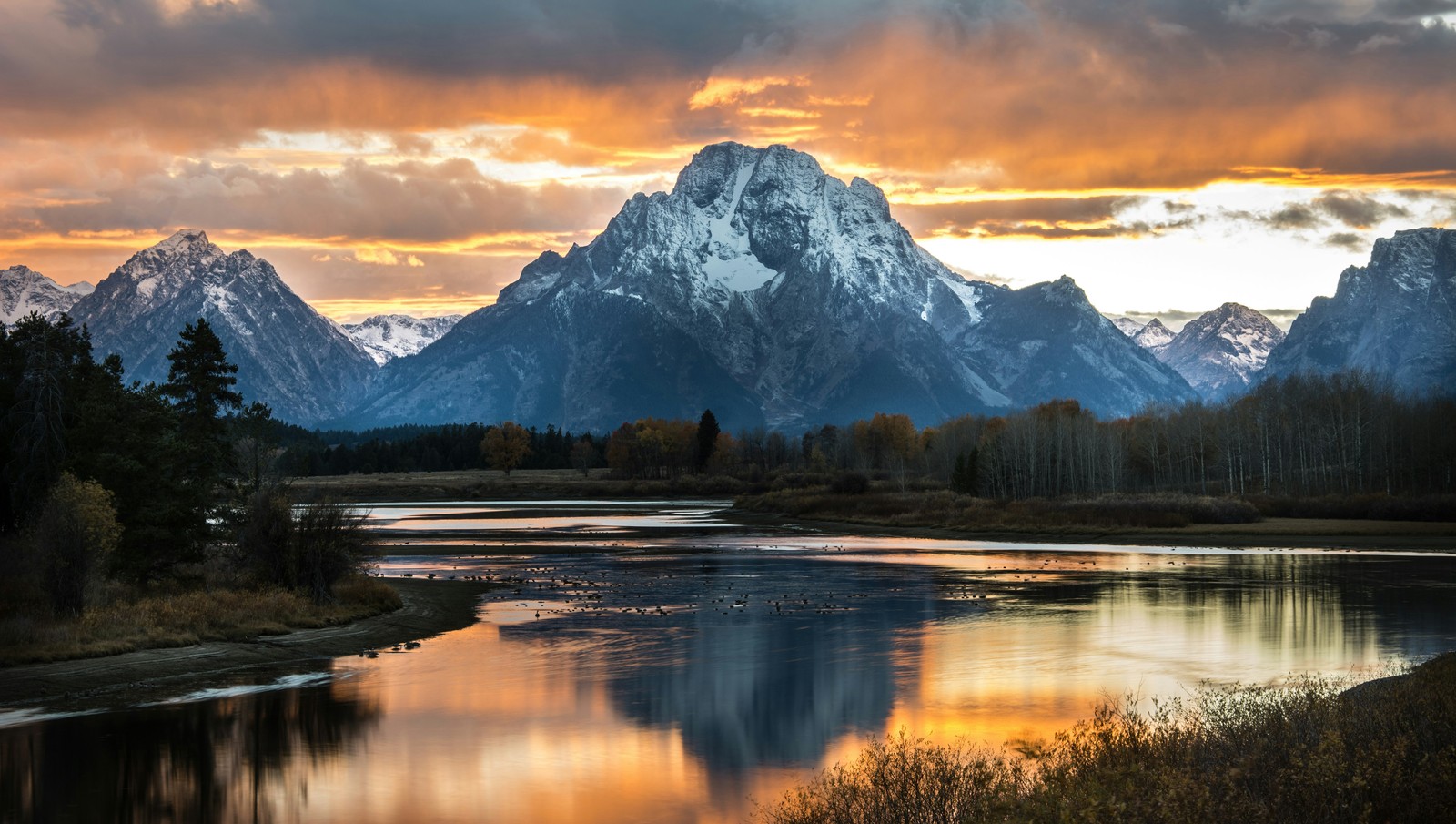
Image: Nate Foong

America’s first national park, Yellowstone, was created in 1872 with the intention of protecting the unique landscape and all its environment for future generations. Nowadays, the National Park System includes 63 officially designated national parks among its 433 units (which include recreation areas, monuments, and historic sites as well).

National parks are a popular choice for those who want to enjoy nature, interact with wildlife, and enjoy recreational activities such as hiking, skiing, or kayaking. Let’s have a look at the top ten national parks by the yearly number of visitors.

1
Olympic National Park, Washington (2.9 million visitors)
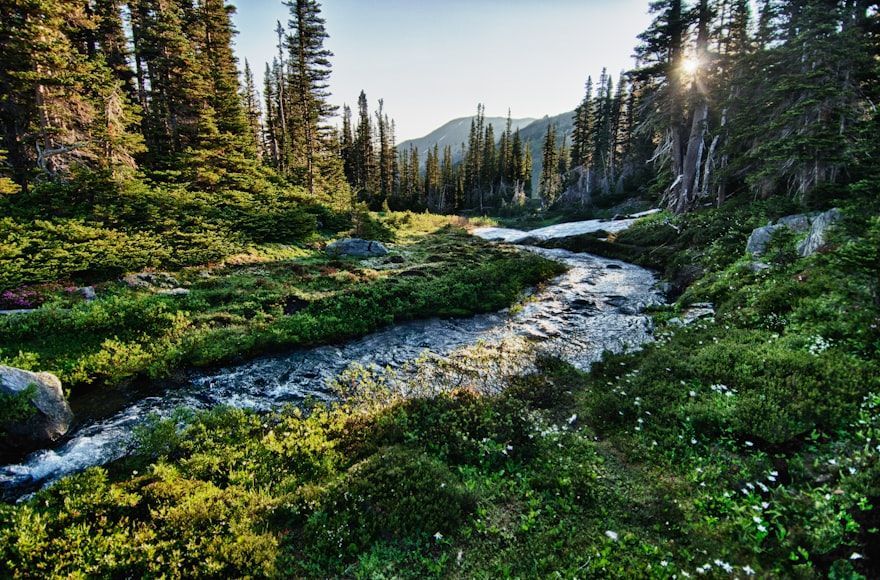
Image: Jachan DeVol

Located in Washington state, in the Pacific Northwest, this park offers a mix of glaciated mountains, lush rainforests, lakes, rivers, and more than 70 miles of coastline . Established as a national monument in 1909, it was designated a national park in 1938 by President Franklin D. Roosevelt.

2
Joshua Tree National Park, California (3.2 million visitors)
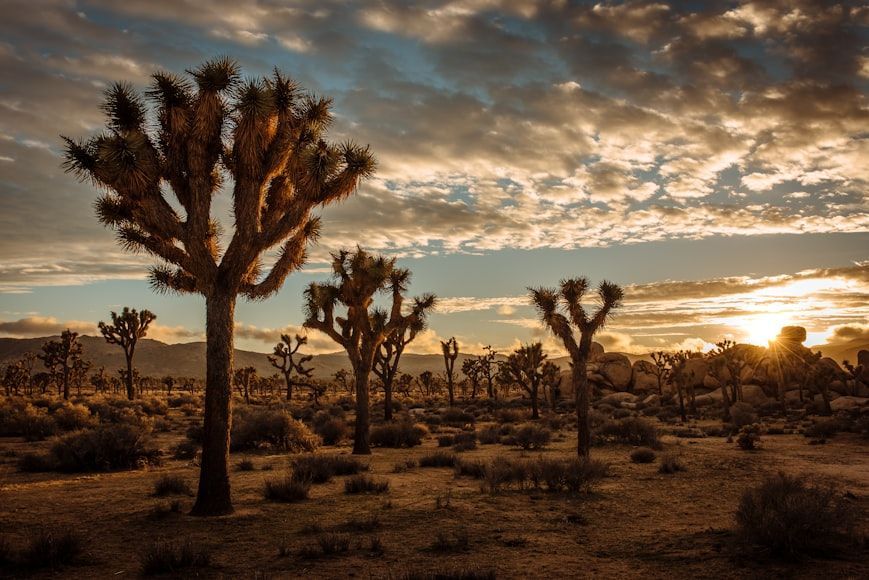
Image: Cedric Letsch

Famous for the Joshua trees that give it its name, this area was designated a national monument in 1936 and a national park in 1994. The park encompasses part of two California deserts —the Mojave and Colorado deserts—and is lined by the Little San Bernardino Mountains in the southwest.

3
Grand Teton National Park, Wyoming (3.4 million visitors)
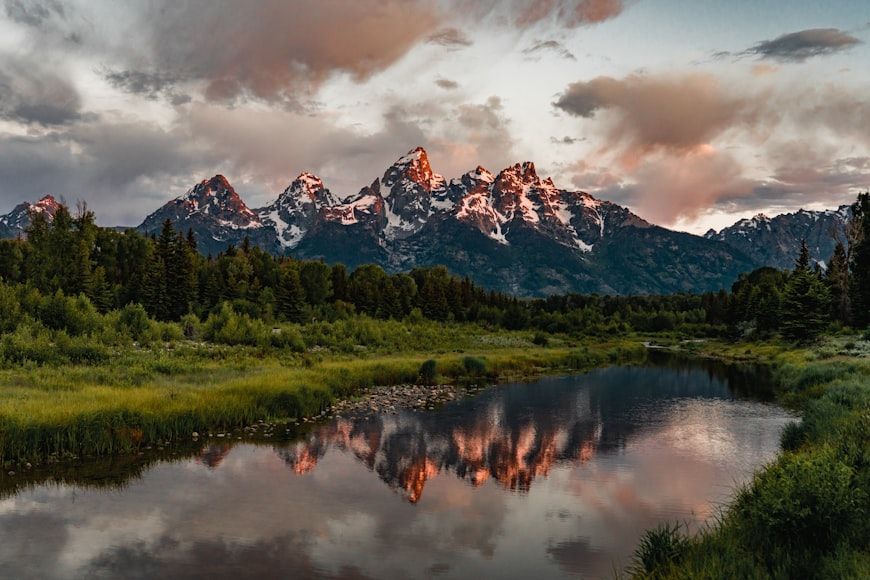
Image: Toan Chu

Did you know that most of this national park exists thanks to an oil magnate? The park was established in 1929, but it was enlarged when John D. Rockefeller Jr. —who also contributed to many other national parks— secretly purchased surrounding land to be established as a monument. The park gets its name from the tallest peak of the Teton mountain range , and it's famous for its pristine lakes and abundant wildlife.

4
Acadia National Park, Maine (3.8 million visitors)
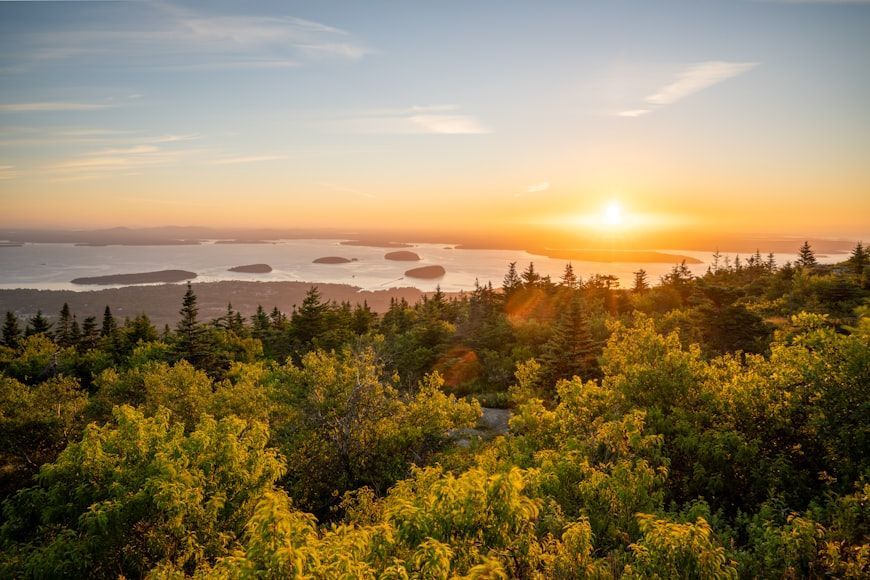
Image: Ran Ding

Located on the Maine coast, this park was established as a national monument in 1916 and a national park in 1919. Besides the beautiful Atlantic shoreline, Acadia National Park offers granite mountain peaks, forests, lakes, and islands .

5
Yosemite National Park, California (3.8 million visitors)
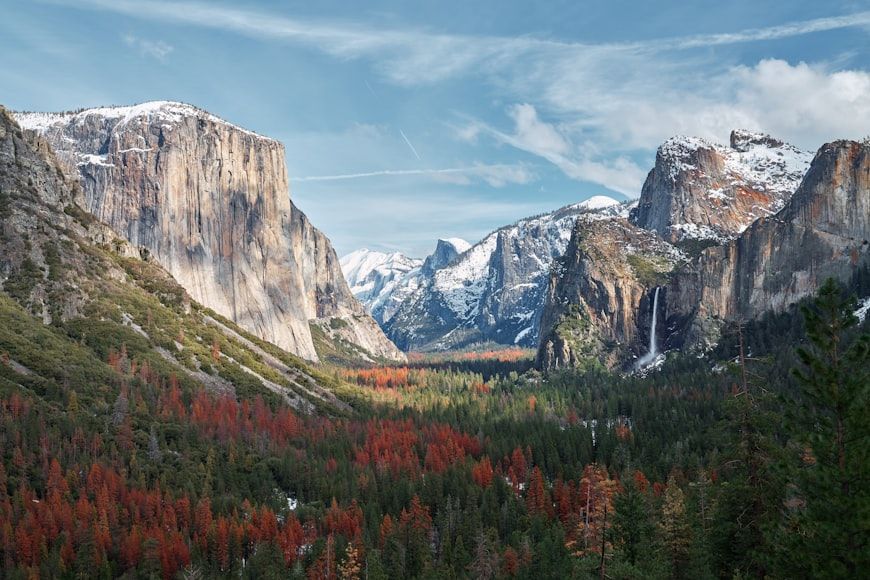
Image: Aniket Deole

Famous for both its granite peaks and its tall sequoias, Yosemite National Park is located in the Sierra Nevada range in California . Established in 1890, some of its popular features are the El Capitan —a tall rock formation— the Cathedral Peak, and the Sentinel dome.

6
Rocky Mountain National Park, Colorado (4.1 million visitors)
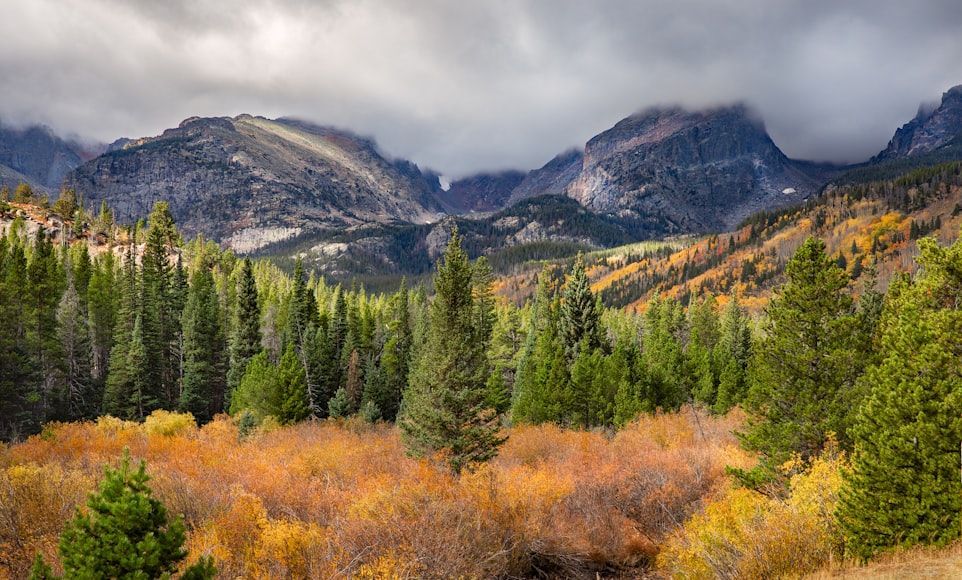
Image: Sonja Wilkinson

Located within the Front Range of the Rocky Mountains, it was established in 1915 by President Woodrow Wilson. Besides its stunning mountain views and alpine lakes, the park is home to the Trail Ridge Road , one of the highest paved routes in the country.

7
Yellowstone National Park, Wyoming, Montana, and Idaho (4.5 million visitors)
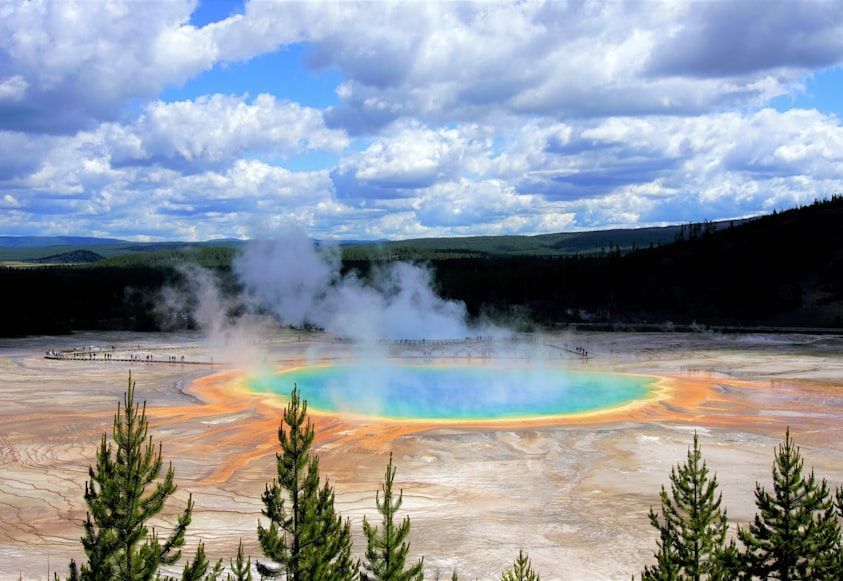
Image: Meina Yin

Considered to be the first national park in the world, Yellowstone was established in 1872 and covers part of three different states —Wyoming, Montana, and Idaho. Besides its wildlife and mountain scenery, it is famous for being located in a volcanic caldera and having many geothermal features. The most famous among them is the Old Faithful geyser.

8
Zion National Park, Utah (4.6 million visitors)
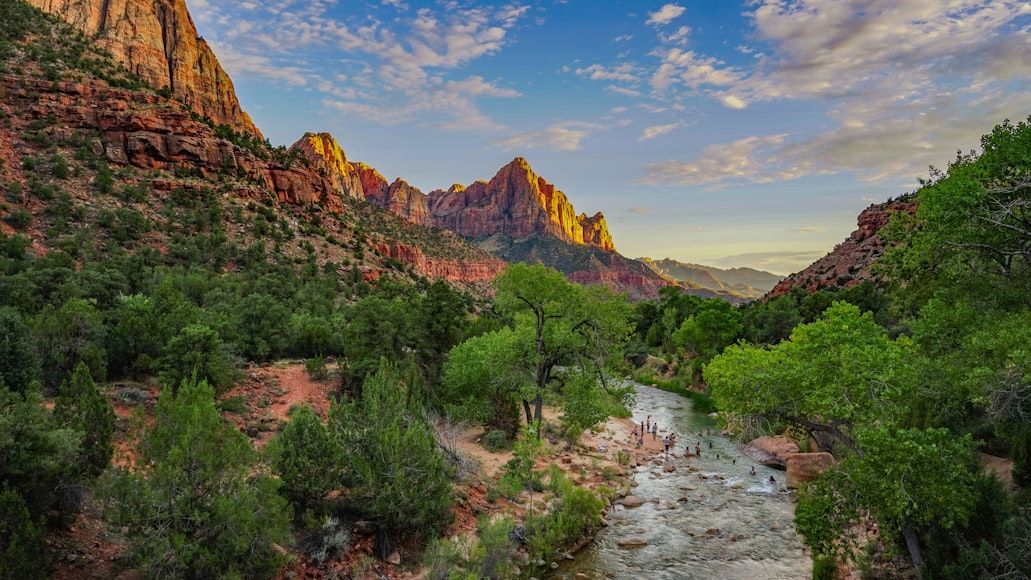
Image: Rich Martello

Located in Utah, where the Colorado Plateau, the Great Basin, and the Mojave Desert meet, this national park boasts a hugely diverse ecosystem , with varied plants and animals. Its geography includes mountains, canyons, buttes, mesas, and monoliths, including the famous Zion Canyon. The park was established in 1919.

9
Grand Canyon National Park, Arizona (4.7 million visitors)
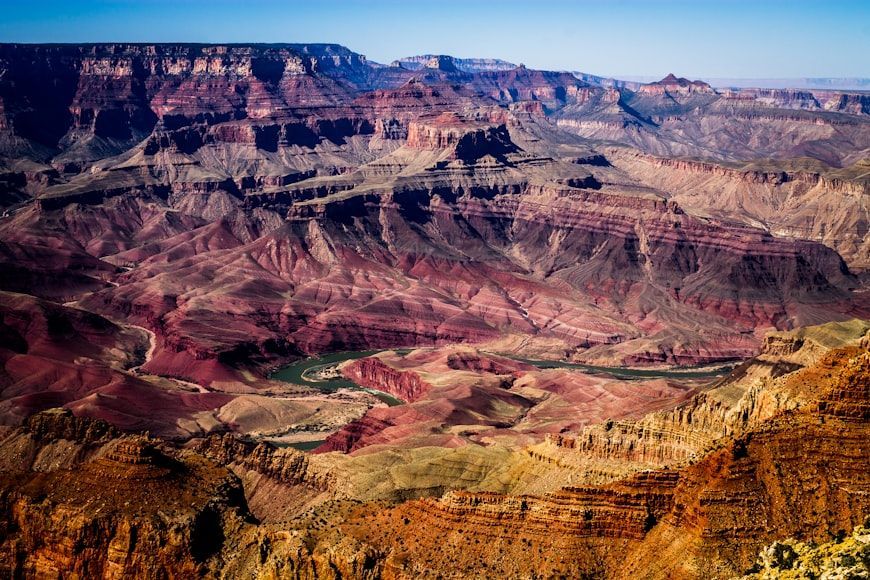
Image: Quinn Nietfeld

Centered around one of the most famous landmarks in America , this national park was established in 1908 as a national monument and designated a national park in 1919. The Grand Canyon, carved by the Colorado River in the Arizona desert, was designated a World Heritage Site by UNESCO.

10
Great Smoky Mountains National Park, North Carolina and Tennessee (13.2 million visitors)
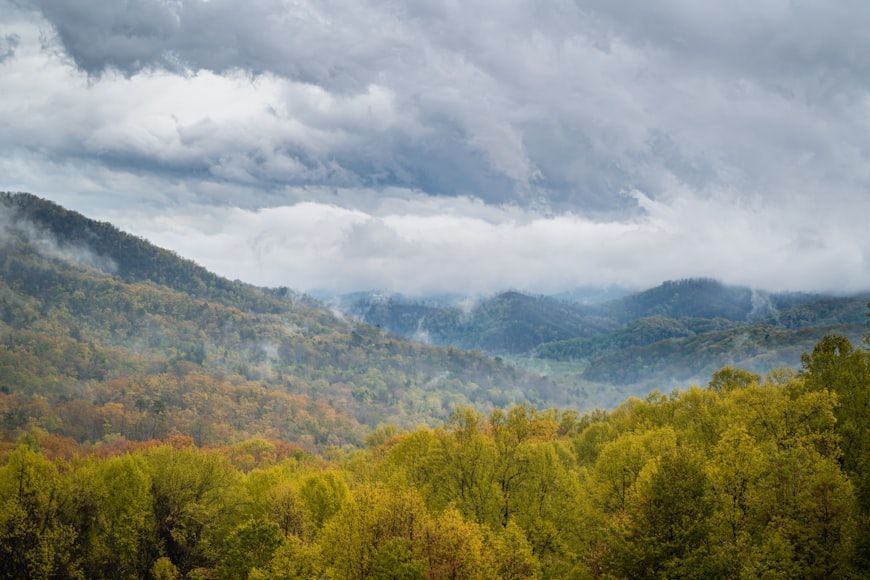
Image: A n v e s h

Straddling the North Carolina-Tennessee border, this national park not only includes part of the Great Smoky Mountain range, but also the Blue Ridge Mountains and the Appalachian rainforest. Established in 1934 by Franklin D. Roosevelt, this park is the home of some of the tallest mountains of eastern North America , such as Kuwohi or Mount Guyot.


Culture Culture 3 min read

No Empire State on this list

It is hard to believe, but these architectural gems are often overlooked

Image: Kyoshi Reyes

When most people think of American architecture, famous structures like the Chrysler Building or the Golden Gate usually come to mind. But tucked away in quiet towns and unexpected corners are some truly stunning, lesser-known architectural gems. Let’s take a tour of 11 of these under-the-radar buildings that deserve a second look.

1
Forestiere Underground Gardens

Image: Francesco Ungaro

Baldassare Forestiere, a Scicilan immigrant built a series of subterranean structures over a period of 40 years in Fresno, California.

Initially created as a small cellar to escape the summer heat, Baldassare carved a series of attached rooms, with underground trees , creating an incredible structure that can be visited today.

2
Swaminarayan Akshardham

Image: Usha Kiran

A structure that most people would associate with a very different part of the world was built between 2015 and 2023 in Robbinsville, New Jersey: a large Hindu temple . It is the largest building of this kind in the United States and the second largest in the world.

3
Cathedral of Learning

Image: henry perks

A 42-story skyscraper that looks like an Art Deco cathedral, the Cathedral of Learning is part of the University of Pittsburgh’s main campus in Pittsburgh, Pennsylvania.

Standing at 535 feet, this Late Gothic Revival structure is the tallest educational building in the Western Hemisphere and the second-tallest university building in the world. It is also the second-tallest gothic-style building in the world, after the Woolworth Building in Manhattan.

4
Hammond Castle

Image: Ted Gracz

An impressive feature of the Atlantic coast in the Magnolia area of Gloucester, Massachusetts, the Hammond Castle was the home, laboratory, and museum of John Hays Hammond Jr., an inventor and pioneer in the study of remote control .

The building is composed of modern and 15th-, 16th-, and 18th-century architectural elements, and operates as the Hammond Castle Museum, displaying Hammond's collection of Roman, medieval, and Renaissance artifacts as well as exhibits about his life and inventions.

5
San Antonio Japanese Tea Garden

Image: Annie Spratt

Imagine a Japanese Tea Garden set in an abandoned limestone rock quarry, and you will be picturing the San Antonio Japanese Tea Garden, or Sunken Gardens in Brackenridge Park, San Antonio, Texas.

After several years working as a quarry, the area was redeveloped as the tea garden that it is today, with walkways, stone arch bridges, an island, a Japanese pagoda, and, of course, a tea room .

6
Ashbel Smith Building

Image: Mario La Pergola

The huge Romanesque Revival building in Galveston, Texas, familiarly known as Old Red, was built in 1891 with red brick and sandstone . The Ashbel Smith Building, as it is officially named, was the first University of Texas Medical Branch edifice.

7
Mission San Xavier del Bac

Image: Sean Benesh

The oldest European structure in Arizona is the Mission San Xavier del Balc. This historical Spanish Catholic mission is 10 miles south of Tucson and was founded in 1692. It is an outstanding example of Spanish Colonial architecture in the United States and it is a well-known pilgrimage site, with thousands visiting each year on foot and on horseback, some among ceremonial cavalcades or cabalgatas.

8
New River Gorge Bridge

Image: Ashley Knedler

The New River Gorge Bridge is a steel arch bridge 3,030 feet long over the New River Gorge near Fayetteville, West Virginia, in the Appalachian Mountains. With an arch 1,700 feet long, the New River Gorge Bridge was t he world's longest single-span arch bridge when completed in 1977.

9
National Park Seminary

Image: Charles Marleau

National Park Seminary was a private girls' school open from 1894 to 1942 , located in Forest Glen Park, Maryland. Its name refers to the nearby Rock Creek Park. The historic campus boasts a massive building dating from the late 1800s.

10
Mercer Museum

Image: Camila Credidio

The incredible Mercer Museum is a poured-in-place concrete structure built by the museum's founder, archeologist Henry Chapman Mercer, originally meant as his private residence. It is located in Doylestown, Pennsylvania.

11
Annunciation Greek Orthodox Church

Image: Charles Marleau

The Annunciation Greek Orthodox Church in Wauwatosa, Wisconsin, United States, was designed by architect Frank Lloyd Wright in 1956, and completed in 1961.

Created according to traditional Byzantine architectural forms , but reinterpreted by Wright to suit the modern context, this building offers a striking view to its visitors.

Geography Geography 5 min read

Southern charm

Howdy y’all! 10 fascinating facts about the American South

Image: Blake Emge

It would be impossible to capture the essence of American culture without considering its Southern states. With a rich history and breathtaking landscapes, the South is a cornerstone of America’s identity , no matter where you call home. And, as the birthplace of some of the most influential trends in American music, as well as the setting for many historical milestones, few regions have contributed this much to our nation’s heritage. Join us on a fun road trip as we explore 10 intriguing facts about the American South —from blues music to rocket science!

1
Musical roots

Image: Ahmed Rizkhaan

The American South is the birthplace of some of the most influential music genres in history, including blues and jazz. The blues, which originated in the Mississippi Delta in the late 19th century, captured the deep emotional and social experiences of African Americans in the post-Reconstruction South.

As the blues spread throughout the country, its rhythms and melodies laid the groundwork for jazz, which emerged in the vibrant streets of New Orleans in the early 20th century. These new sounds created a new musical language that favored improvisation and complex rhythms. By the 1920s, jazz had become a defining feature of American culture, solidifying the South's role as a cradle of American music.

2
The Lone Star state

Image: Perry Merrity II

Before joining the United States, Texas was an independent nation known as the Republic of Texas. After winning its independence from Mexico in 1836, Texas existed as a sovereign state for nearly a decade, with its own president, currency, and military.

The Lone Star flag, first adopted during this period, symbolized Texas's independent spirit and remains a proud emblem of the state today. Although the Republic of Texas was short-lived, with Texas officially becoming the 28th state of the Union in 1845, its legacy endures in the fierce yet friendly spirit of its inhabitants.

3
First successful powered flight

Image: History in HD

Although the Wright brothers were native Ohioans, the first successful powered flight took place in North Carolina on December 17, 1903. The historic flight occurred in the sand dunes of Kitty Hawk, where the Wright brothers chose to test their aircraft due to the area's steady winds and soft landing surfaces.

The achievement marked a pivotal moment in aviation history, proving that controlled, powered flight was possible. The site of this groundbreaking event is now commemorated by the Wright Brothers National Memorial.

4
Southern hospitality

Image: Aleks Marinkovic

Southern hospitality is more than just a stereotype—it's a deeply rooted tradition that has shaped the culture of the American South for centuries. This ethos of politeness, generosity, and warmth towards guests can be traced back to the region’s agrarian past, where communities were often isolated and people relied on one another for support.

This tradition was further reinforced over time by particular social customs, such as the importance of entertaining visitors with elaborate meals and ensuring that guests feel like part of the family. Southern hospitality is so integral to the region's identity that it’s become a hallmark of the South.

5
Mississippi River

Image: Mathew Benoit

Spanning over 2,300 miles, the Mississippi River is the second-longest river in the United States and plays a critical role in the nation’s geography and economy. Flowing from its source in Minnesota to the Gulf of Mexico, it traverses ten states, including several Southern states like Louisiana, Mississippi, and Arkansas.

A vital artery for transportation and commerce since the early days of American history, the Mississippi also played a crucial role during the Civil War, with control of the river being a strategic priority for both Union and Confederate forces. To this day, the river continues to be a key waterway, supporting local industries and remaining a central part of the cultural and ecological identity of the region.

6
Oldest city in America

Image: Michael J. Vega

St. Augustine, Florida, holds the title of the oldest continuously occupied city of European origin in the United States. Founded in 1565 by Spanish explorer Pedro Menéndez de Avilés, St. Augustine predates the founding of Jamestown and Plymouth by several decades.

As a strategic outpost for the Spanish Empire, the city played a crucial role in defending Spain’s claims to the New World, particularly against British and French incursions. The Castillo de San Marcos, a massive stone fortress completed in 1695, still stands as a testament to the region's rich history.

7
Southern delights

Image: Alex Haney

Southern cuisine, known for dishes like fried chicken, barbecue, and biscuits, is considered a cornerstone of American food culture. In fact, the popularity of Southern food has spread nationwide, with restaurants and festivals celebrating these flavors from coast to coast.

A true melting pot of cultures, the region’s beloved cuisine has a rich history with roots that can be traced back to Native American, African, and European influences. The ingredients reflect the region’s agricultural history, with many recipes using corn or corn-derived products. Southern cuisine also includes iconic dishes like jambalaya and gumbo from Louisiana, which highlight the region’s French and Creole influences.

8
Space pioneers

Image: Brian McGowan

NASA’s southern centers have been pivotal in shaping the U.S. space program. The Marshall Space Flight Center in Huntsville, Alabama, was crucial in developing the Saturn V rocket that made the moon landing possible. The Johnson Space Center in Houston, Texas, is the hub for astronaut training and mission control, and the Kennedy Space Center in Florida has been the launch site for every manned mission since 1968.

To this day, the South’s importance in space and scientific endeavors remains uncontested: NASA centers in the region lead astronaut training and are essential for rocket launches, maintaining their status as pioneers of space exploration.

9
Bourbon & Moonshine

Image: Jeff Frank

Bourbon, often considered America's native spirit, has deep roots in the South, particularly in Kentucky, where it is produced under stringent guidelines. To be classified as bourbon, the whiskey must be made from a mash bill of at least 51% corn and aged in new charred oak barrels. This specific process, along with Kentucky’s unique limestone water, gives bourbon its distinctive flavor and character.

But the tradition extends way beyond just bourbon. The craft of homebrewing various types of alcoholic beverages has long been a vital part of the region’s cultural heritage. For example, during Prohibition, the South became notorious for its moonshine —illegally brewed, high-proof spirits (essentially clear, unaged whiskey)—which were smuggled across the country.

10
Southern Drawl

Image: Joe Lavigne

The Southern accent, often referred to as the "Southern drawl," is one of the most recognizable in the United States. This unique dialect evolved from a mix of British, Irish, and African influences during the early settlement of the region.

The drawl's elongated vowels and slow cadence might even reflect the South's agricultural origins, where life moved at a more leisurely pace. The accent has evolved over centuries and is now recognized as a defining feature of Southern identity, often evoking a sense of charm and regional pride.

Explore more American facts

Choose your favorite category!

General
General

As American as apple pie—the very best America has to offer!

Culture
Culture

Delve into the astounding richness of American lore.

Geography
Geography

Hop in and explore vast and diverse American landscapes.

History
History

Discover the key moments that shaped the United States.