History History 7 min read

The true stories behind the myths

The Boston Tea Party wasn't about high taxes: The real story behind it
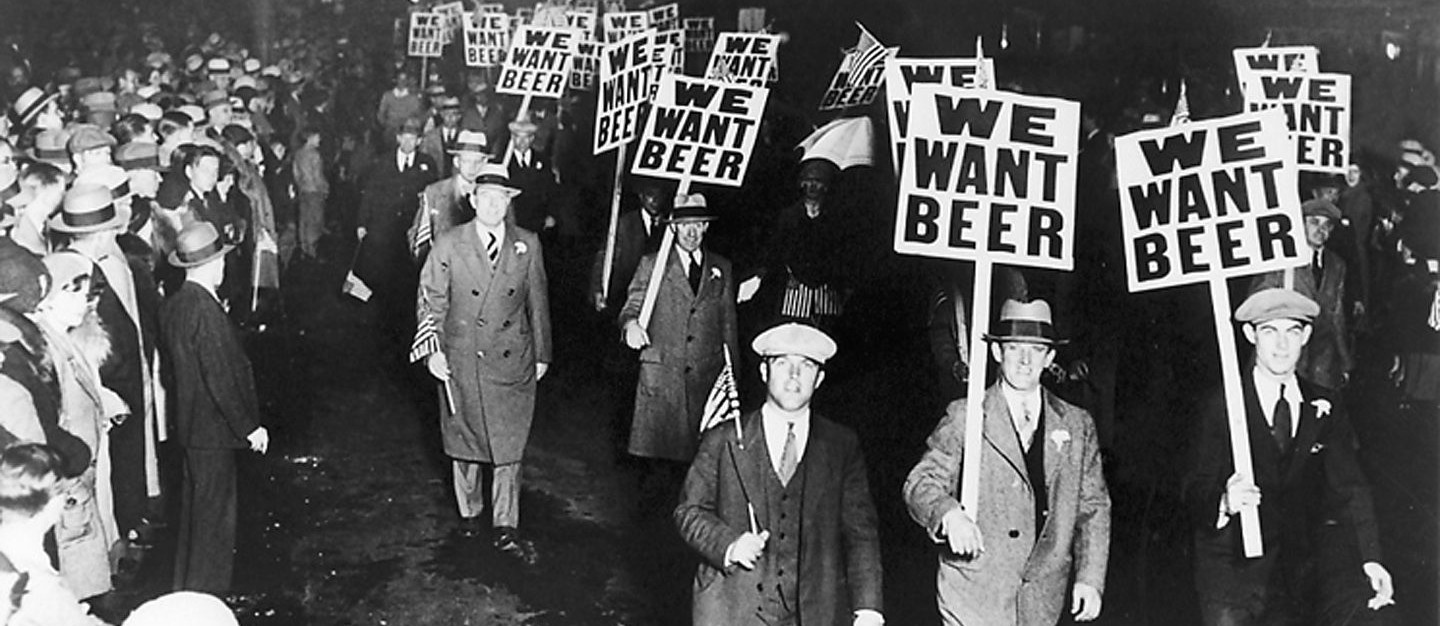
Image: https://www.loc.gov/item/99405158/, Public domain, via Wikimedia Commons

Was the Declaration of Independence really signed on July 4? Did Paul Revere actually shout, "The British are coming"? Was the Wild West truly a lawless frontier where everyone carried a gun? We all grew up learning about American history, but certain details have been greatly distorted and exaggerated over time. From George Washington’s "wooden teeth" to the truth about executions during the Salem witch trials , these are 10 famous moments in American history that aren’t quite what we were taught.

1
George Washington had wooden teeth
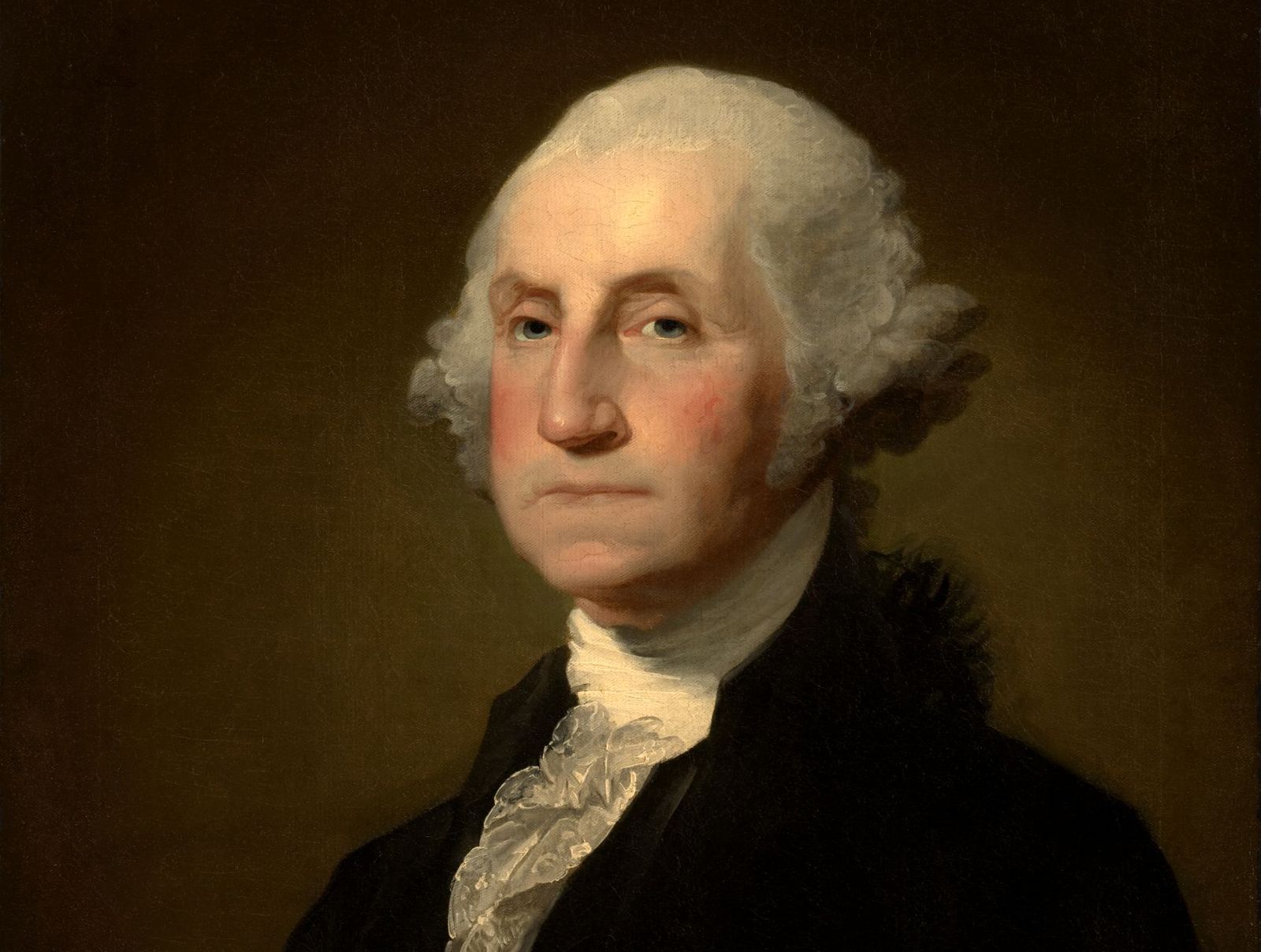
Image: Gilbert Stuart, Public domain, via Wikimedia Commons

It’s hard to find a citizen who hasn’t heard about George Washington’s "wooden teeth." But although it’s one of the most repeated stories in U.S. history, it’s actually a myth.

Washington did have serious dental problems. He began losing his teeth in his twenties, around 1752–1755, and by his 1789 inauguration, he had only one natural tooth left. But he wasn’t walking around toothless. Washington wore several sets of dentures made from many materials available at the time. His four documented sets included hippopotamus and elephant ivory, brass screws, gold wire, lead, and real human teeth, but never wood. So where did the myth come from? Historians believe dark wines such as port or Madeira stained the hairline cracks in his ivory dentures over time, giving them a darker, wood-like appearance.

2
Paul Revere rode alone, shouting "The British are coming!"
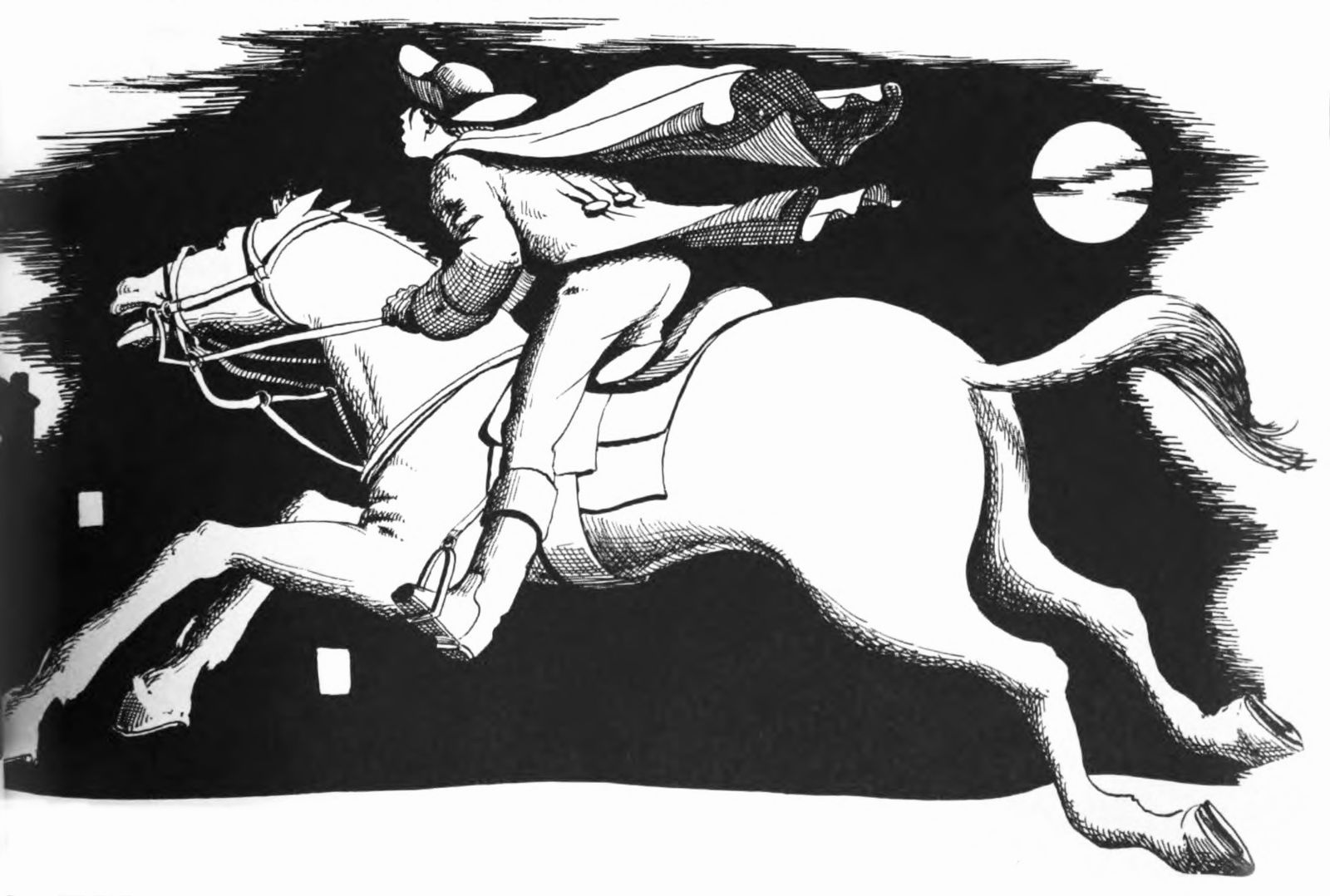
Image: Leonard Everett Fisher, Public domain, via Wikimedia Commons

"The British are coming!" is so ubiquitous that we rarely stop to question how much of the story actually happened.

Much of the version we know comes from Henry Wadsworth Longfellow’s 1860 poem, Paul Revere’s Ride . But the real events of April 18, 1775 were different. First, Revere didn’t shout the warning from horseback. He quietly knocked on doors to avoid British patrols and warned that "the Regulars are coming out," referring to British Army regulars, as recounted in a 1798 letter to Jeremy Belknap, the corresponding secretary of the Massachusetts Historical Society. "The British are coming" would have been confusing because many colonists still considered themselves British. Revere also didn’t ride alone; he rode with William Dawes and later Dr. Samuel Prescott, while at least 40 riders spread the alarm. In addition, Revere was eventually captured outside Lexington, Mass., but Prescott escaped and continued to Concord.

3
George Washington chopped down a cherry tree
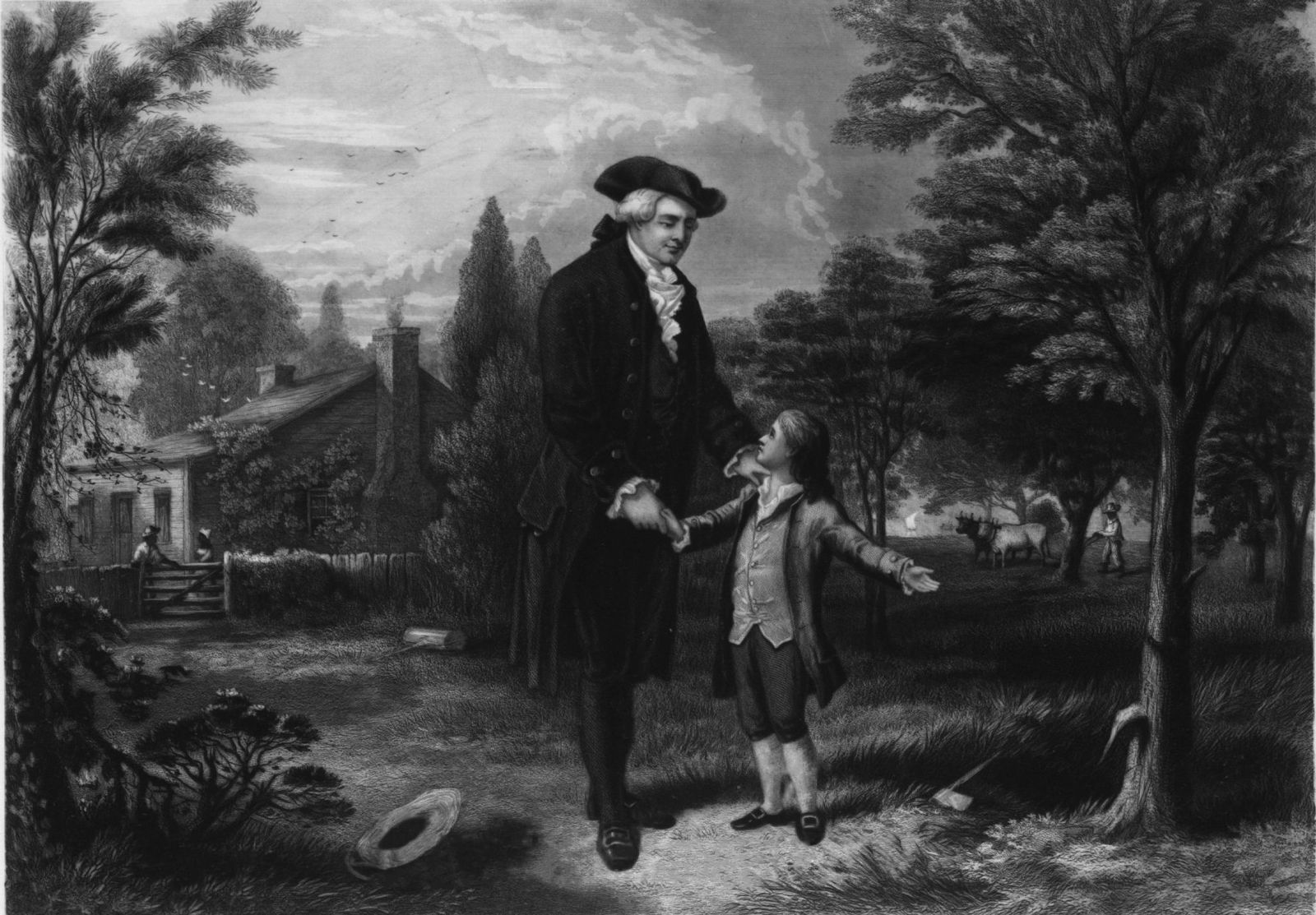
Image: John C. McRae after a painting by G. G. White, Public domain, via Wikimedia Commons

One of the most universally repeated stories about George Washington’s childhood is actually fiction.

Mason Locke "Parson" Weems, an early Washington biographer and traveling bookseller, published The Life and Memorable Actions of George Washington in 1800, less than a year after Washington’s death. But in the fifth edition, published in 1806, Weems added a new story: At about six years old, Washington damaged his father’s prized cherry tree with a hatchet. When confronted, he reportedly confessed, "I cannot tell a lie. I did cut it with my hatchet." However, there’s no evidence the incident ever happened. No letters, diaries, or family accounts mention it; not even earlier editions of Weems’ biography. But the story stuck, and by the early 1830s, it was already being taught in schools.

4
The Declaration of Independence was signed on July 4, 1776
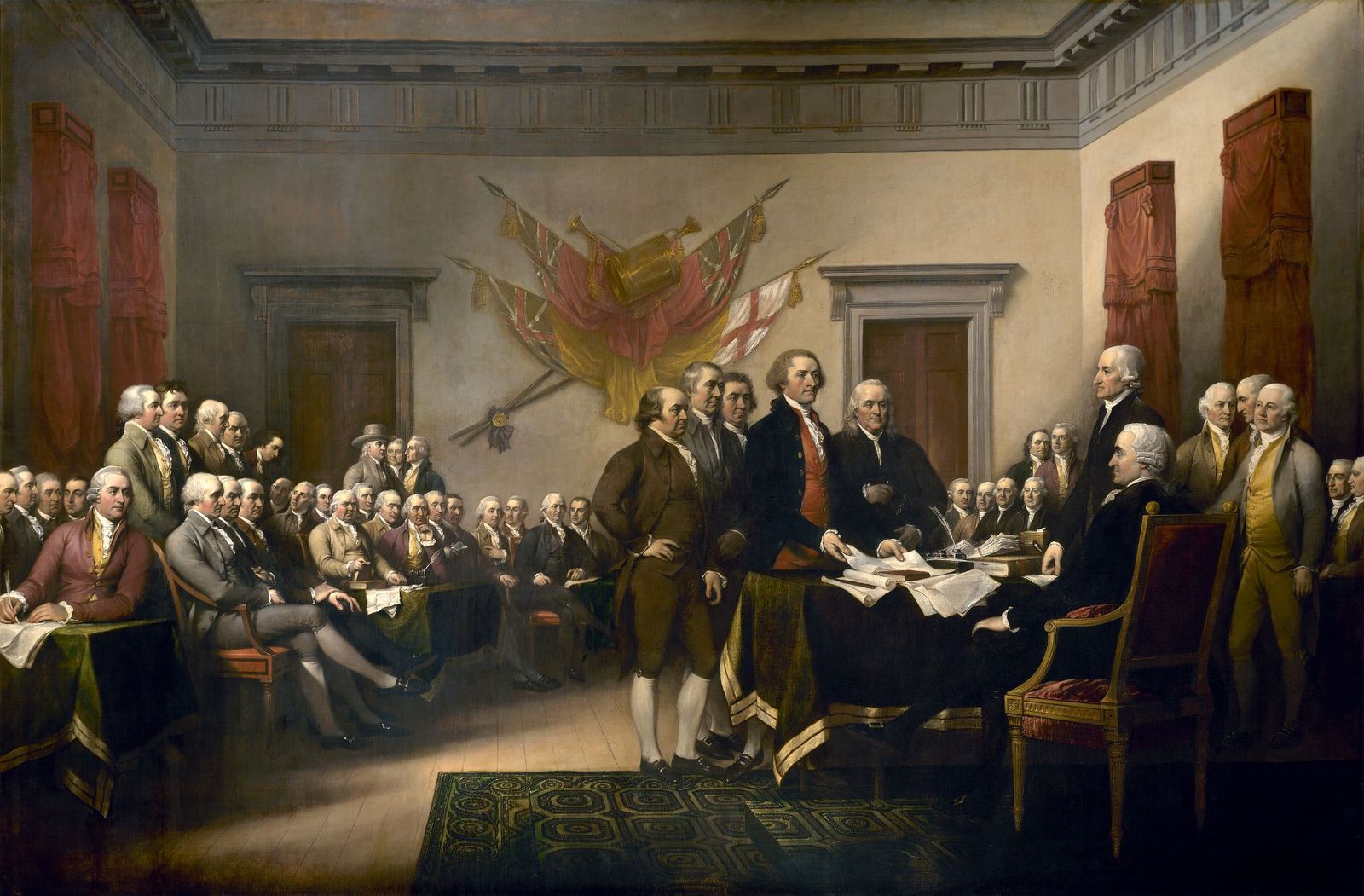
Image: John Trumbull, Public domain, via Wikimedia Commons

We tend to think the Declaration of Independence was voted and signed once and for all on July 4, 1776, but the truth is a little more complicated.

On July 2, the Continental Congress voted for independence, prompting John Adams to believe that the date would be celebrated forever. Two days later, on July 4, Congress formally adopted the Declaration’s final text, but none of them signed that day. The first printed broadside was signed only by Congress President John Hancock and Secretary Charles Thomson on July 5. On July 19, Congress ordered the Declaration to be handwritten on parchment so the delegates could sign it. I t wasn’t until August 2 that 56 delegates began signing the official document, and some signed even later.

5
People were burned at the stake in Salem
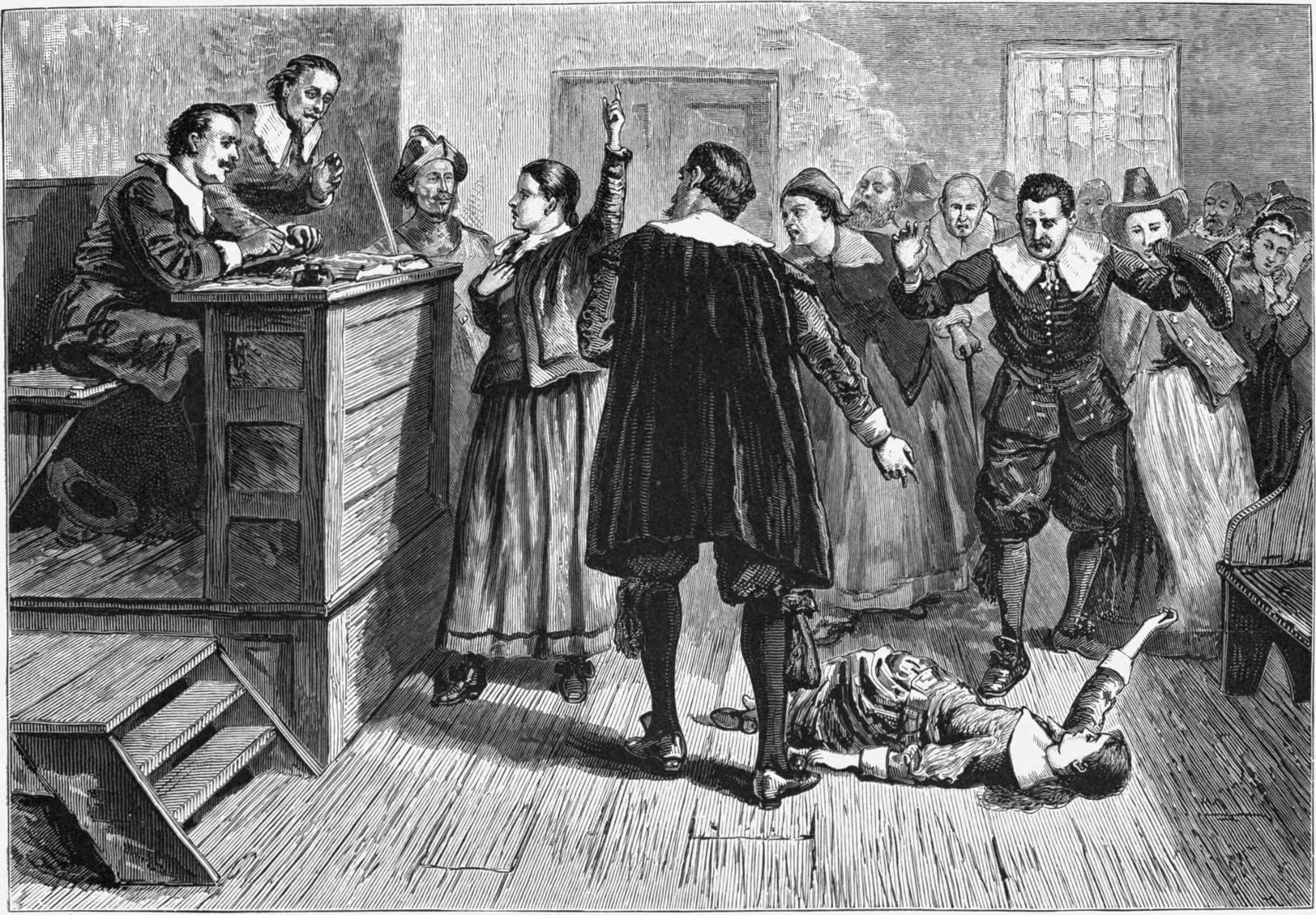
Image: unattributed, Public domain, via Wikimedia Commons

The infamous Salem witch trials are one of the most notorious and tragic events in American history. But one key detail many people believe about them is inaccurate.

Colonial Massachusetts followed English law, under which witchcraft was considered a serious crime and an offense against God. Between 1692 and 1693, the infamous witch trials took place in Salem, where a total of 21 people, 14 of them women, were executed by hanging. But none were burned at the stake. That part of the story comes from medieval Europe, where thousands of people accused of witchcraft, including Joan of Arc, were indeed burned at the stake.

6
Immigrants' names were changed at Ellis Island
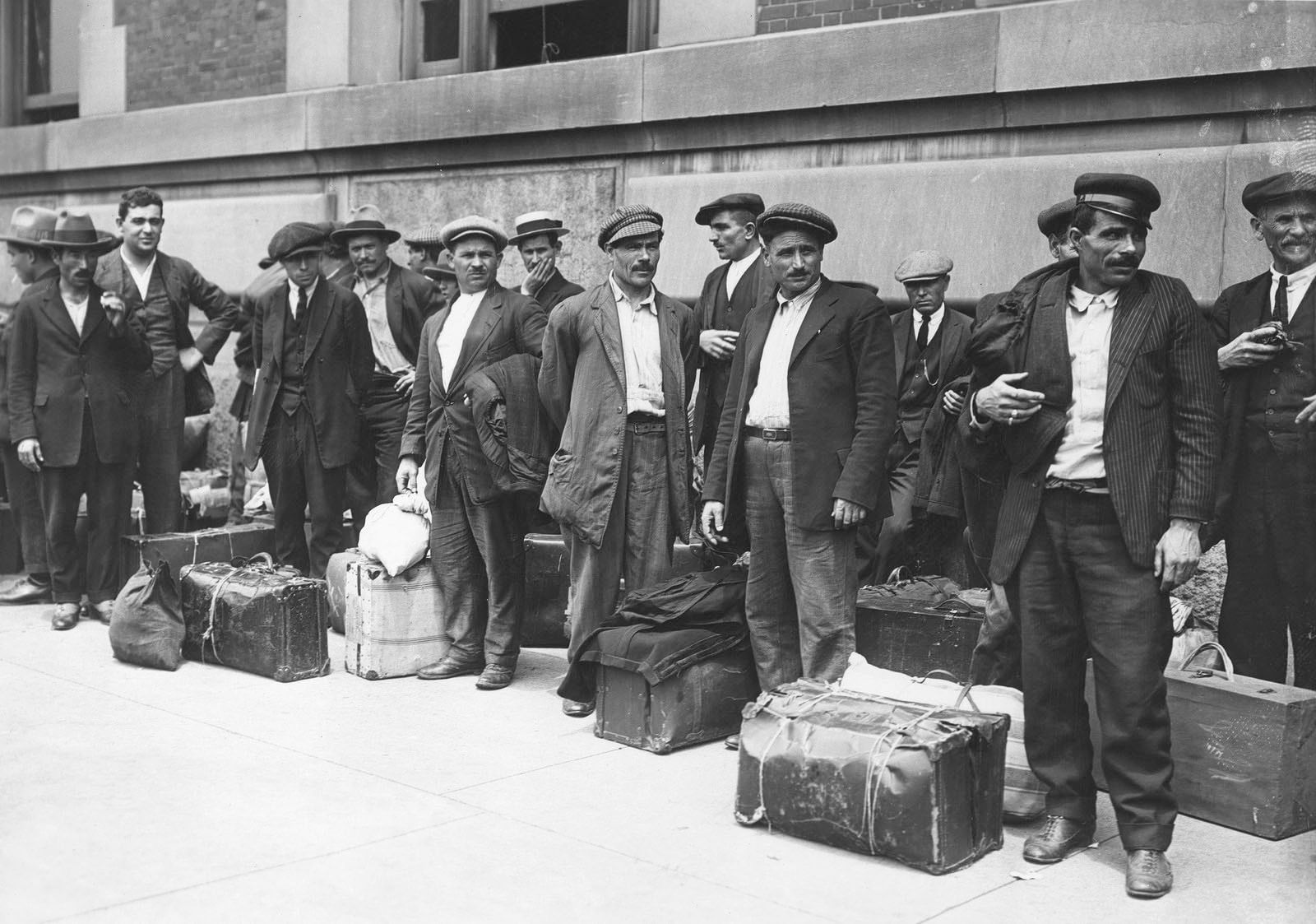
Image: mákvirágok, Public domain, via Wikimedia Commons

Changes, differences, or unusual spellings in some foreign surnames are often blamed on alleged mistakes made by inspectors at Ellis Island in New York Harbor. But that’s not actually what happened.

From its opening on January 1, 1892, through 1924, Ellis Island received millions of immigrants from around the world, many fleeing wars or coming to America in search of a new life. But immigrants’ names weren’t changed when they arrived at the island. Inspectors didn’t write down or assign immigrants’ names. Instead, they checked each person against ship manifests, passenger lists that had already been prepared at the port of departure in Europe. In fact, roughly one-third of the inspectors were immigrants themselves, and translators were available for about 60 languages. Official name changes usually happened later, during the naturalization process, when immigrants became U.S. citizens. These changes were carefully documented beginning with the Naturalization Act of 1906.

7
The Wild West was a lawless gun-slinging frontier
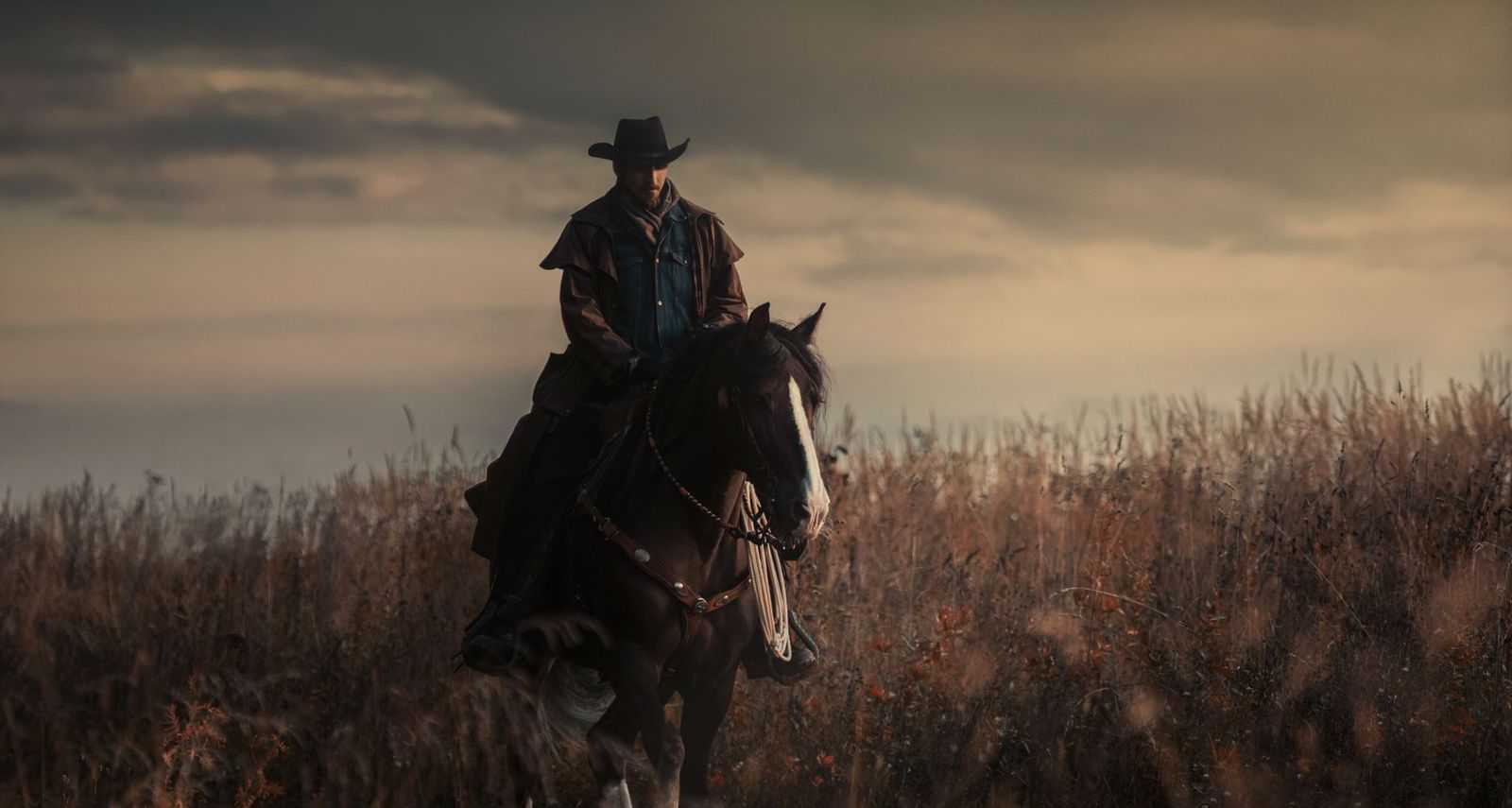
Image: Alla-V

The evocative idea that the Wild West was a lawless place where everyone carried guns, and chaos reigned, is one shaped by 19th-century pulp fiction and later cemented by Hollywood.

In reality, the American frontier was often more orderly and community-driven than we tend to assume today. In fact, many famous frontier towns had strict gun laws. Dodge City, Deadwood, and Tombstone, for example, required visitors and residents to surrender their firearms to the local sheriff or a hotel upon entering town. During its most notorious decade, 1876–1885, Dodge City averaged just 1.5 murders per year.

8
Prohibition banned alcohol completely
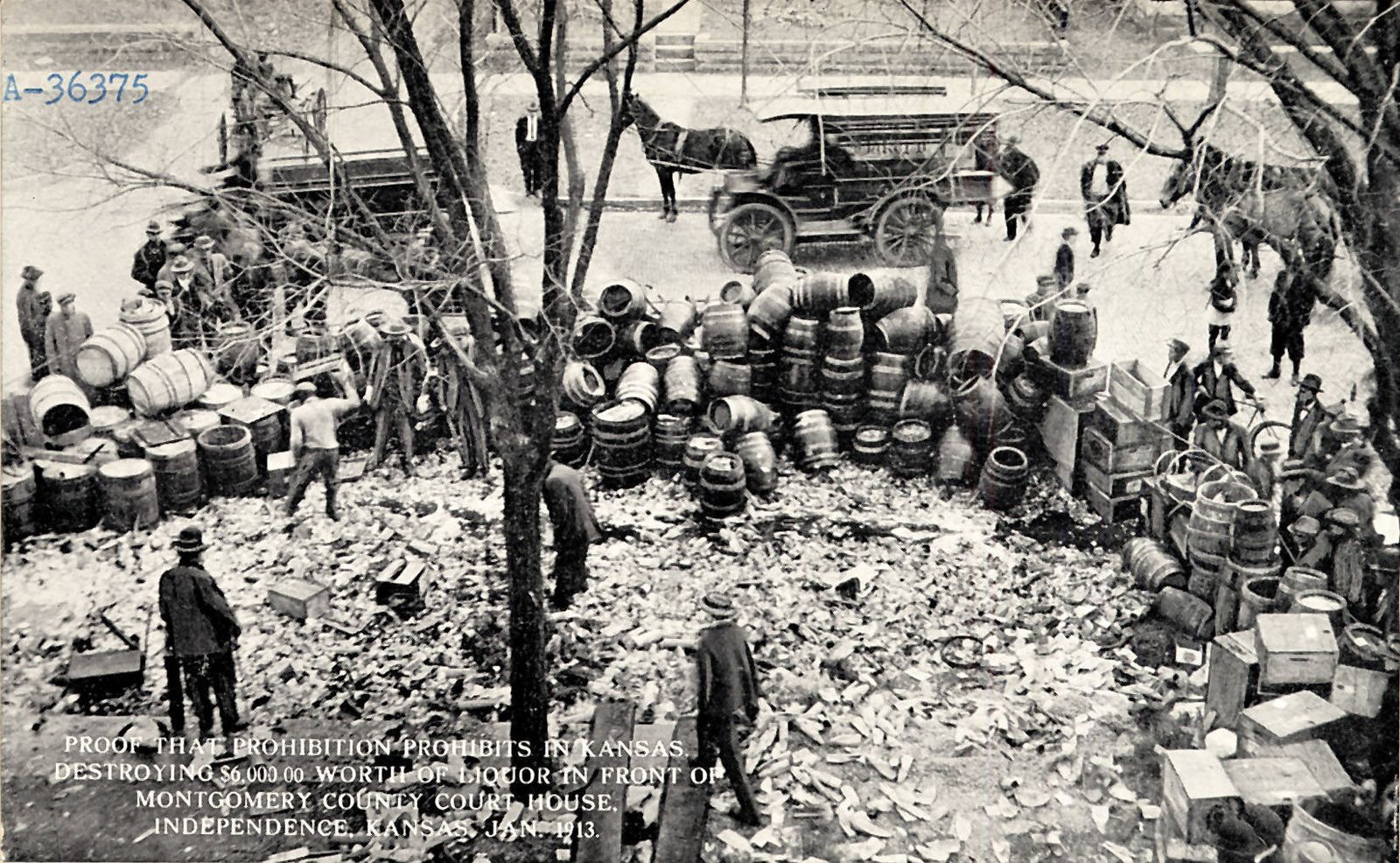
Image: See page for author, Public domain, via Wikimedia Commons

Many people still believe that Prohibition completely banned alcohol in the United States, but that wasn’t the case.

The Volstead Act, passed in 1919, and the 18th Amendment, which took effect in 1920, were intended to put an end to alcohol across the nation, but they also contained major exceptions and loopholes that people quickly learned to exploit. The law prohibited the manufacture, sale, and transportation of alcoholic beverages, but it didn’t ban the possession, purchase, or consumption of alcohol. In addition, doctors could legally prescribe liquor for certain medical conditions, including anxiety, the flu, and depression. As a result, millions of gallons of "medicinal" whiskey were prescribed each year until Prohibition ended in 1933 with the 21st Amendment.

9
Betsy Ross designed and sewed the first American flag
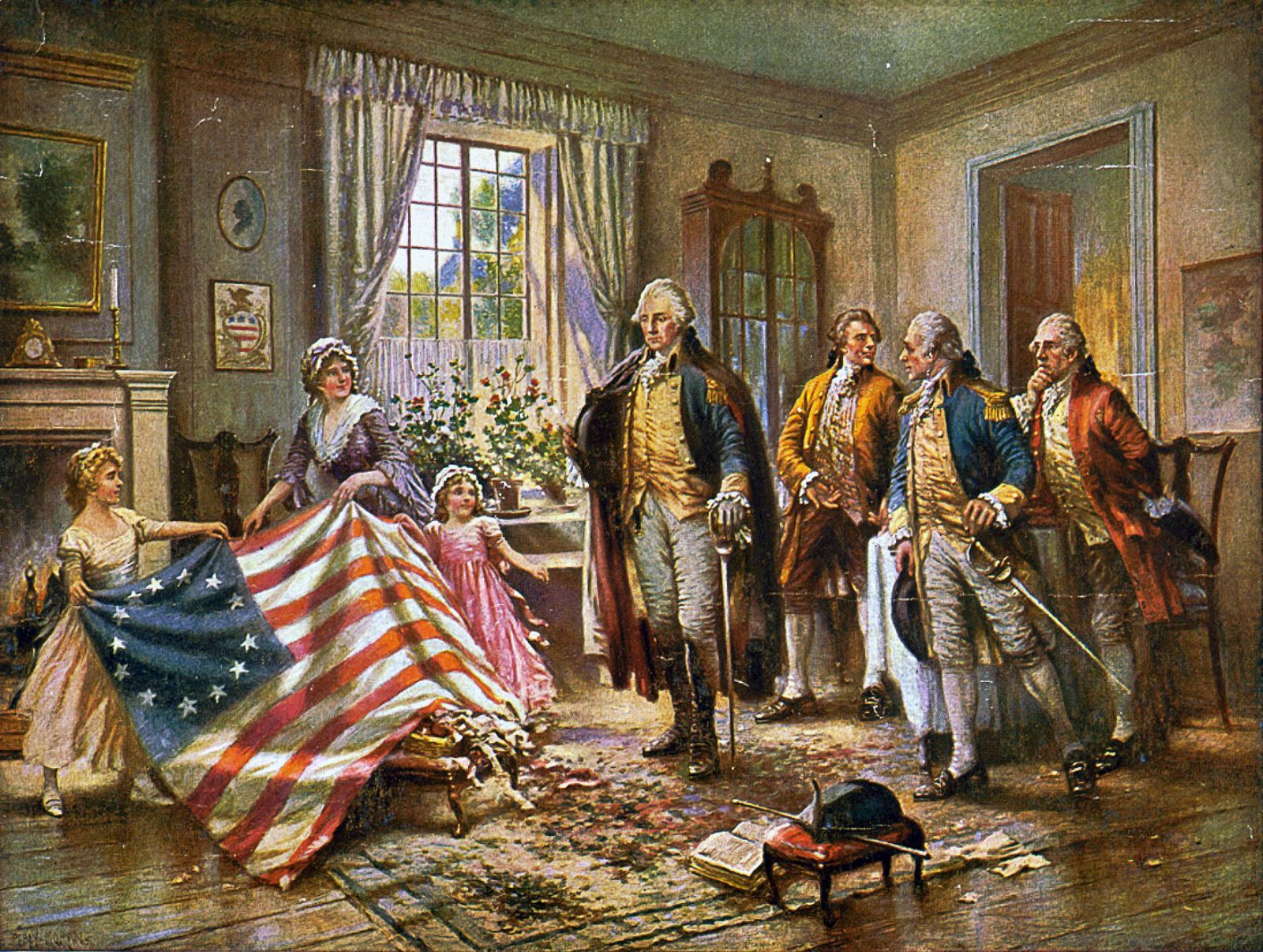
Image: Edward Percy Moran, Public domain, via Wikimedia Commons

The Betsy Ross legend claims that in 1776, a committee that included George Washington visited her and asked her to sew the first U.S. flag from a rough design featuring 13 red and white stripes and 13 six-pointed stars. But that’s not exactly how it happened.

Betsy Ross, born Elizabeth Griscom, was a Philadelphia upholsterer, flagmaker, and business owner who lived during the American Revolution. She did make flags for the government, making her a perfect historical figure for the story. But historians have found no diaries, letters, or official documents from the 1770s mentioning a meeting between Ross and Washington. The story didn’t appear until 1870, nearly a century after the American Revolution, when her grandson, William J. Canby, presented it to the Historical Society of Pennsylvania. Official records instead point to Francis Hopkinson, a Continental Congress delegate and signer of the Declaration of Independence, as the more likely designer of an early U.S. flag.

10
The Boston Tea Party was a spontaneous protest against high taxes
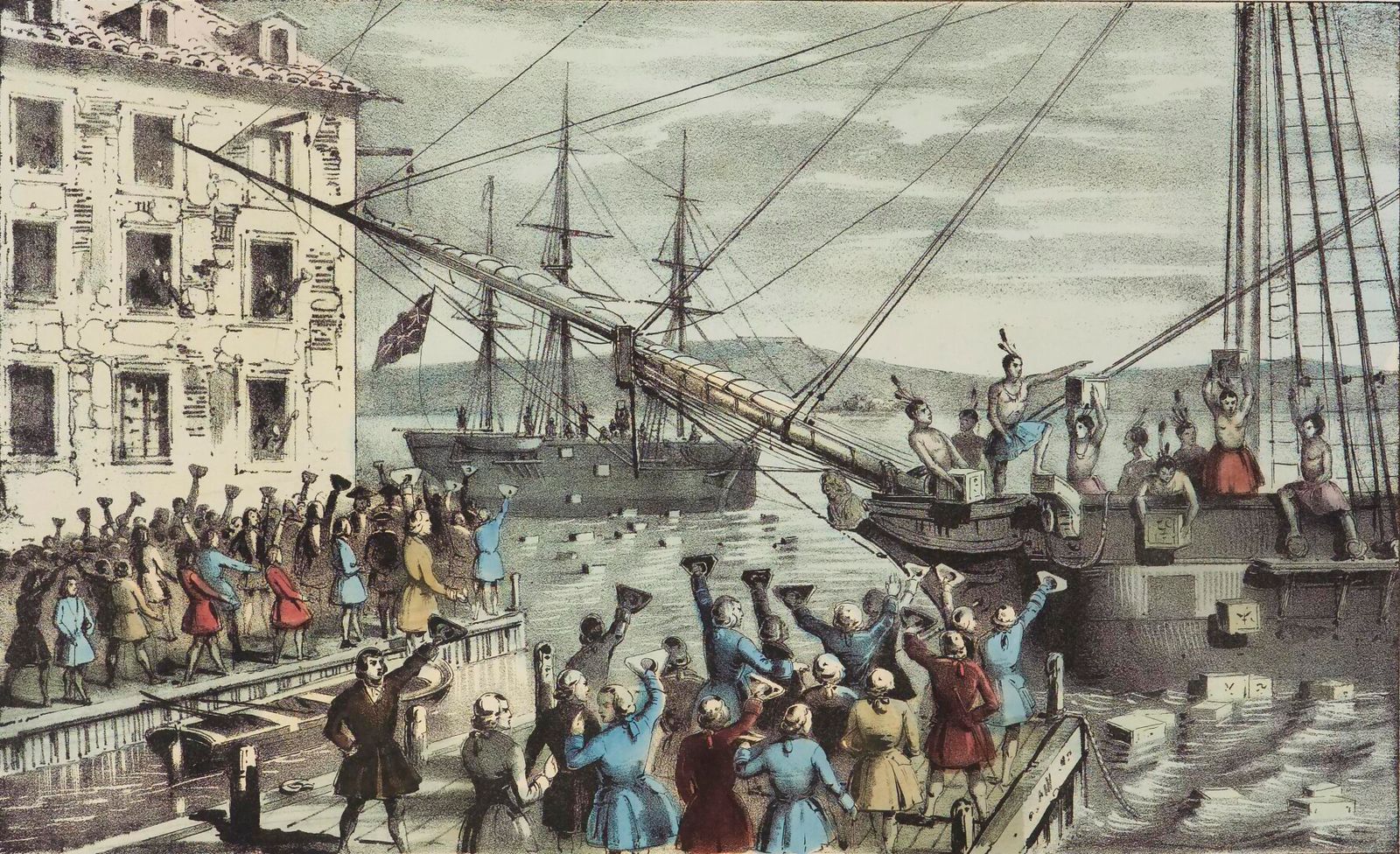
Image: Nathaniel Currier, Public domain, via Wikimedia Commons

Popular myth portrays the Boston Tea Party of 1773 as a sudden, spontaneous outburst by angry colonists protesting high taxes on tea. But it was actually quite the opposite.

In fact, the Tea Act of 1773 lowered the price of legal tea by giving the British East India Company a tax exemption. Tea sold through the company could be cheaper than ever before. The protest was driven not by a tax increase, but by anger over the special privileges given to a powerful British corporation. Colonial merchants, including wealthy smugglers like John Hancock, feared the company’s advantage would hurt their businesses. Additionally, the December 16 protest was anything but spontaneous. It was a carefully organized political action led by the Sons of Liberty, an activist group associated with figures such as Samuel Adams, one of the most influential Founding Fathers.
General General 4 min read

American uniqueness

10 things America does differently from the rest of the world

Image: Shamblen Studios

The U.S. is a unique country in many ways , but some of these might shock tourists and foreigners because they differ from how they are done in other parts of the world. From etiquette rules to cooking styles to how to record a date, America has its own way of doing certain things . Let’s have a look at some of them!

1
Measuring

Image: Annie Spratt

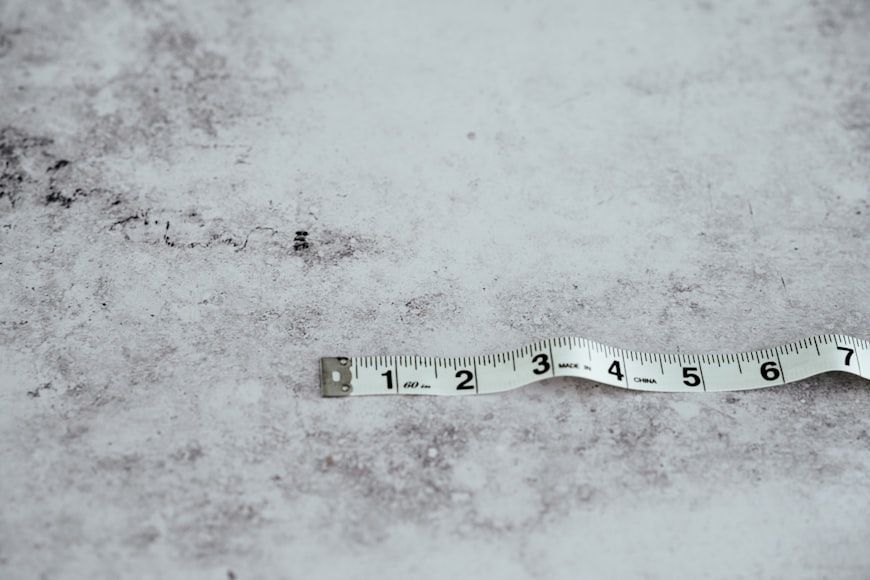
This is a difference most Americans are aware of: most countries use the metric system rather than U.S. customary units, and most use Celsius instead of Fahrenheit. Countries such as the UK and Canada still use some imperial units in everyday life, but they mainly use the metric system. Another measure that confuses foreigners is the particular way ingredients are measured in American recipes, which often use cups, tablespoons, and teaspoons rather than measurements by weight.

Fun fact: The only other countries that use the Imperial system officially are Liberia and Myanmar.

2
Sales tax

Image: Zoshua Colah

Do you find having to calculate sales taxes annoying? That’s a unique American experience. In the majority of the world, the price you see is the price you pay , because it has the sales tax already added.

Why is it different in America? Sales taxes vary across states , so retailers find it easier to showcase the base price and then calculate the total at checkout.

3
Cutlery use

Image: Anna Kumpan

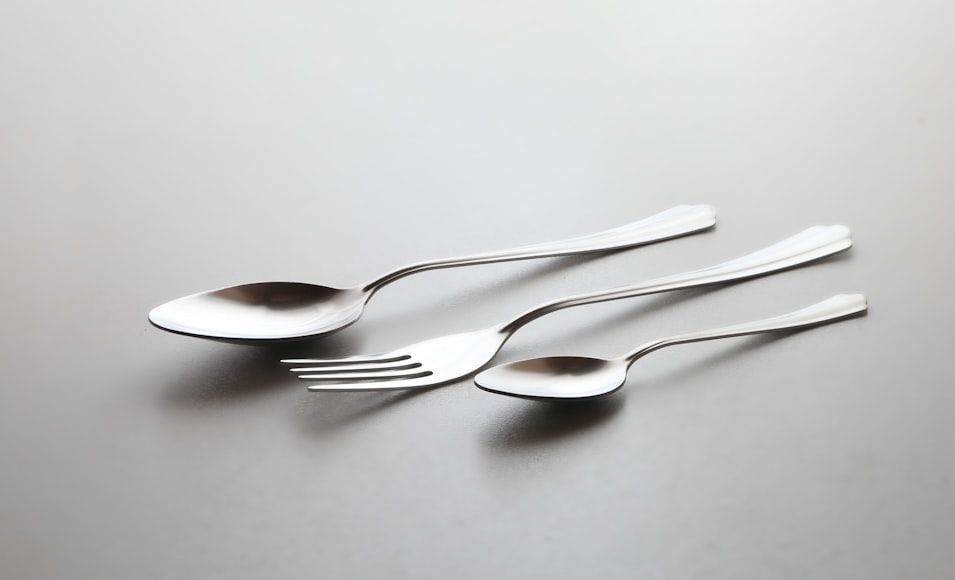
Many Americans abroad are surprised by the realization that not everyone uses a knife and fork in the same way they do . In fact, no one else does. While most Americans have learned the American style —also called the zig-zag or fork switching method— that involves using the fork in the left hand for cutting and then changing it to the right to pick up the food, European and Latin American countries don’t do this . It might seem like a small difference, but it completely changes the way you eat.

4
Iced drinks

Image: Battlecreek Coffee Roasters

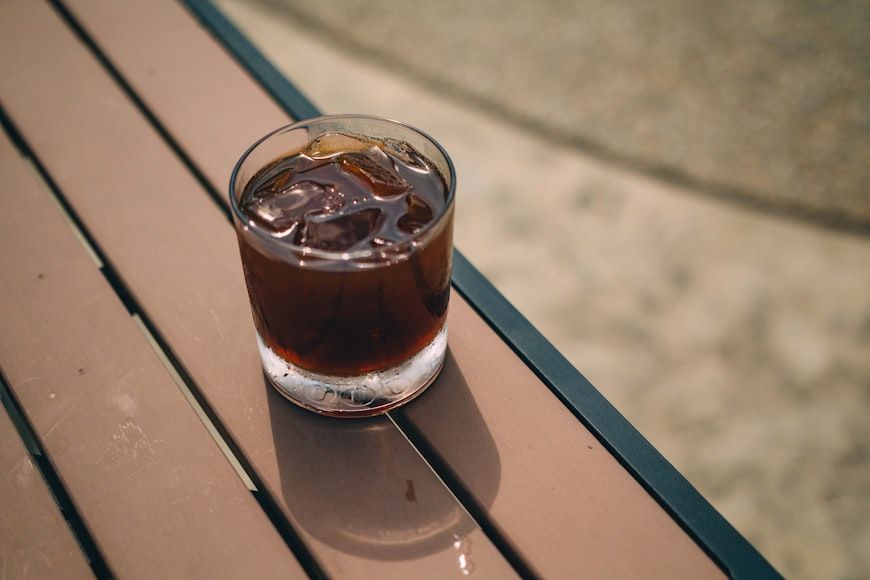
Do other countries not have ice? They do, but they don’t necessarily assume everyone will want it. While serving water and other beverages with ice is customary in America, in many other countries, you need to request it —even during the hottest of summers.

But even if you get ice, many times you will need to specify the amount : the same drink that would be filled with ice cubes in America might come to you with just two or three cubes elsewhere.

5
Date formatting

Image: Waldemar

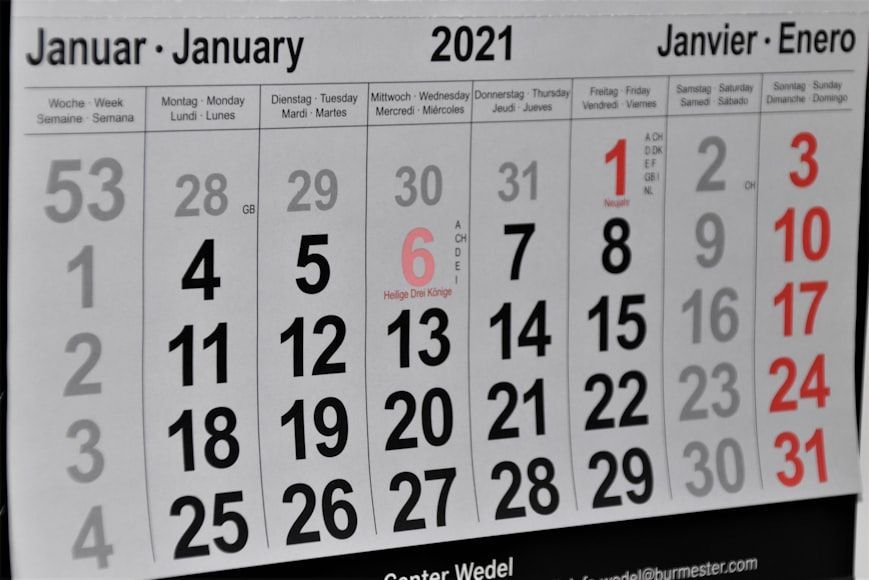
The U.S. is not completely alone on this one, but there’s a difference big enough to be worth mentioning. The standardized way of recording the date in America is month-day-year , a convention also followed by some Caribbean and Asian countries. But in the rest of the Western world, the conventional format is day-month-year , which can lead to confusion for Americans. In most Asian countries , the most commonly used format is year-month-day .

6
The word ‘American’

Image: frank mckenna

In the English language, ‘American’ is the only way to refer to people with U.S. citizenship . Other words, such as ‘Usian’ or ‘Unitedstatian’ have been proposed, but never stuck. This is why many Americans are surprised when other countries —Latin American countries in particular— use ‘American’ for anyone in the American continent , or continents, another big difference. In most European and Latin American countries, there is a different word for U.S. citizens, such as the Spanish ‘estadounidense’ or the Portuguese ‘estadunidense’ .

7
Moving out at 18 years old

Image: Dina Badamshina

This one is not so black and white, but more like a general tendency. Compared with most of Europe, Latin America, and Asia, Americans give serious consideration to the possibility of moving out after high school. Not everyone does, and not everyone can afford it, but it's fairly common.

In other countries, young adults generally move out if their job or education requires it , but they tend to stay at home a few more years if they can.

8
Driving a car as a teenager

Image: Dan Gold

America is quite car-centric , especially if you live outside of the big cities. While not everyone can afford to have a personal car —even a second-hand one—, it is common for 16 and 17-year-olds to legally drive their parents’ car, or save for their own.

In the rest of the world, the chances of high schoolers driving themselves to school are much lower, as most countries don’t allow underage kids to get a driving license .

9
Solo cups

Image: Artem Beliaikin

Do plastic cups exist outside of the U.S.? They do, but they are not as iconic or as widely used as Solo cups, introduced in the 1970s as a disposable but sturdy cup for parties and events. Many foreigners visiting America are surprised when they realize that solo cups are a real thing , and not something that just happens in movies.

10
Filing taxes

Image: Olga DeLawrence

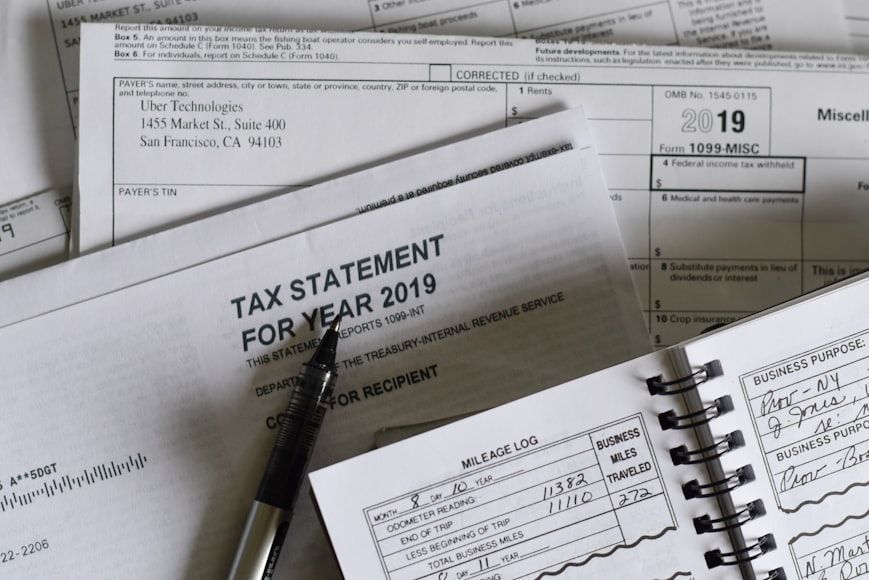
Taxes in the U.S. are not that different from taxes in other countries, except for how they are filed . During tax filing season, thousands of Americans direct their efforts to ensure they have properly reported their income and that their return will match the IRS’s data.

In other parts of the world, however, the one responsible for calculating and filing taxes is the government , while citizens merely corroborate that everything is in order.

Culture Culture 3 min read

I want to believe

11 famous hoaxes in American history that fooled everyone

Image: Hartono Creative Studio

The fact that not every little thing in our world can yet be explained makes life a bit more interesting for many of us. And that urge to believe in certain things has fostered many myths and hoaxes that continue to fool people to this day. How many of the following 11 do you know?

1
The Cardiff Giant

Image: Anton Ivanov

In 1869, workers digging a well in Cardiff, New York, uncovered what appeared to be a 10-foot-tall petrified man. Locals rushed to see the "giant," paying admission to witness history in the soil.

But, as it turned out, it wasn’t ancient at all. A man named George Hull had buried the statue as a prank and made some quick money from the curious crowd.

2
War of the Worlds Broadcast

Image: Michal Balog

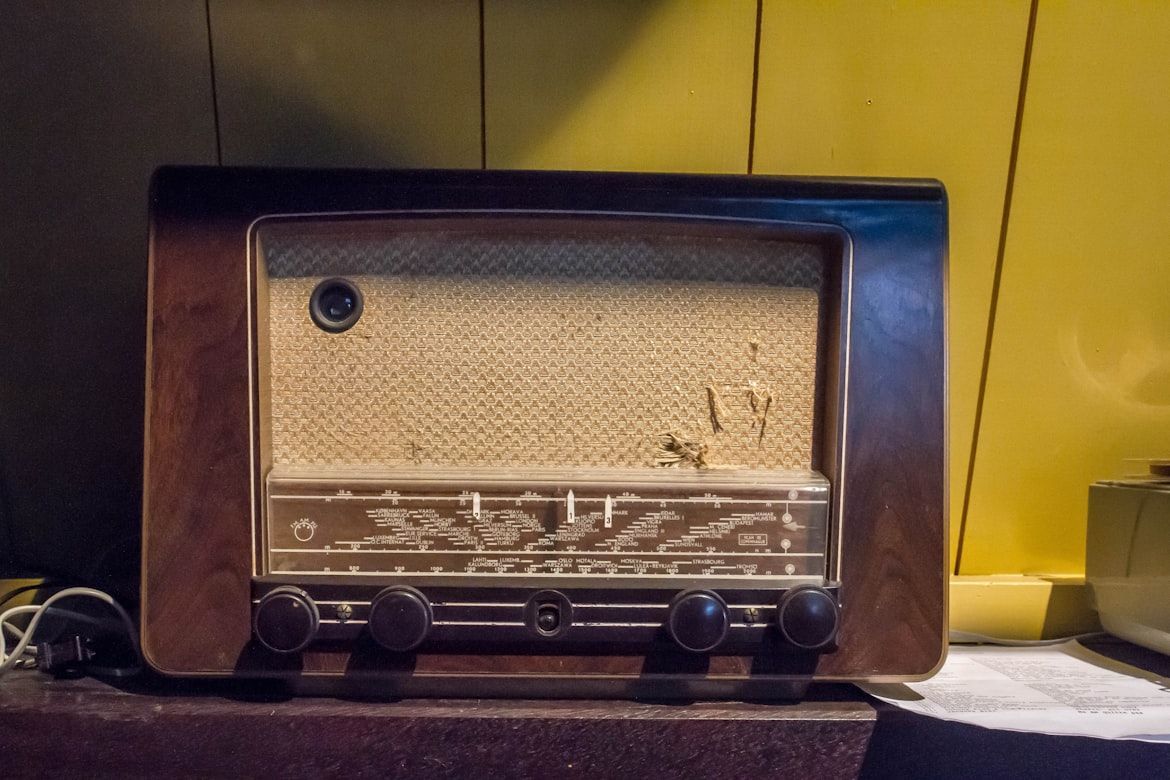
This very famous hoax took place on the eve of Halloween 1938. Orson Welles’s radio adaptation of The War of the Worlds aired as if it were breaking news . Many listeners tuning in late thought Martians had really landed in New Jersey.

Some packed up their cars or called the police in panic. Though no invasion occurred, the broadcast became a legend in media history.

3
The Balloon Boy

Image: Ankush Minda

In 2009, Americans watched live TV coverage of a silver balloon drifting across the skies of Colorado , fearing that a six-year-old boy was trapped inside . The story gripped the nation for hours.

When the balloon finally landed empty, police discovered the child hiding safely at home. His parents later admitted it was a publicity stunt gone wrong.

4
The Feejee Mermaid

Image: Nsey Benajah

In 1842, showman P. T. Barnum unveiled a marvel: a preserved "mermaid" supposedly from the South Seas . Crowds lined up to see the half-fish, half-woman curiosity.

The truth was stranger still. It was the upper body of a monkey sewn onto a fish tail and covered in papier-mâché.

5
The Great Moon Hoax

Image: Ganapathy Kumar

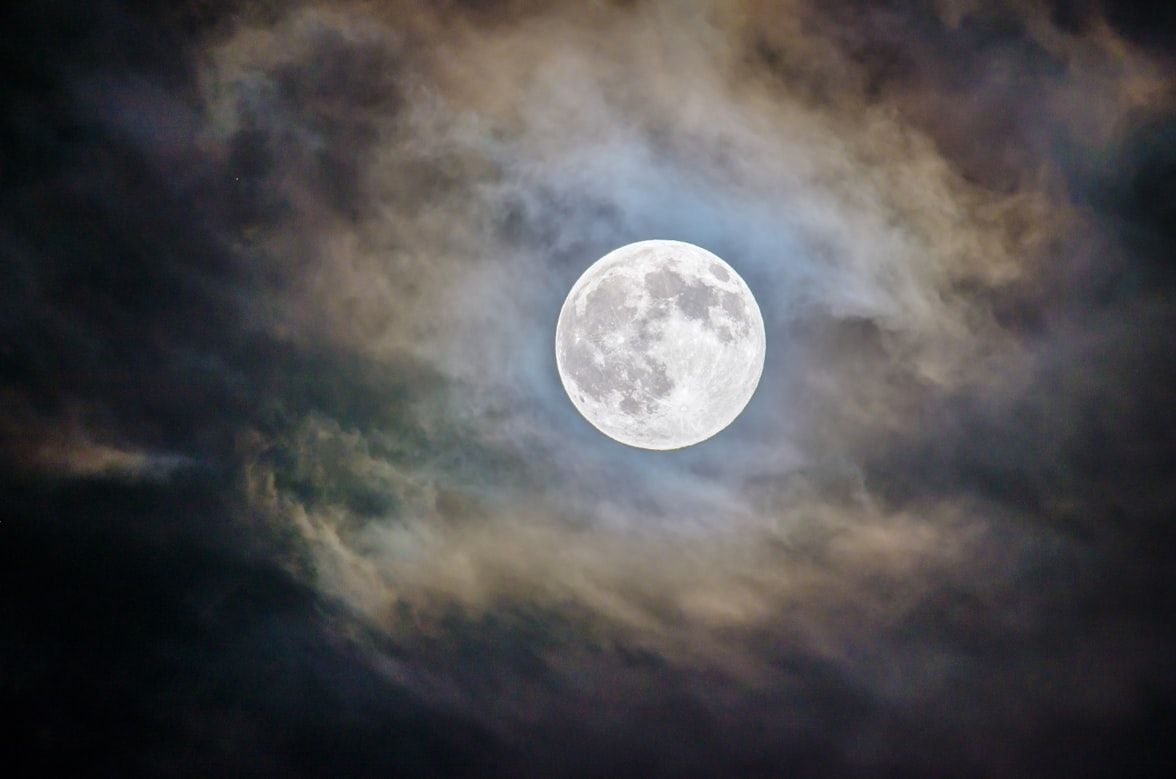
Readers of The New York Sun in 1835 were astonished by reports claiming that scientists had spotted bat-like people and crystal palaces on the Moon through a powerful new telescope.

The story was pure invention, but circulation went up. By the time the truth came out, the paper’s readership had reportedly increased dramatically.

6
The Crop Circles Craze

Image: Agent J

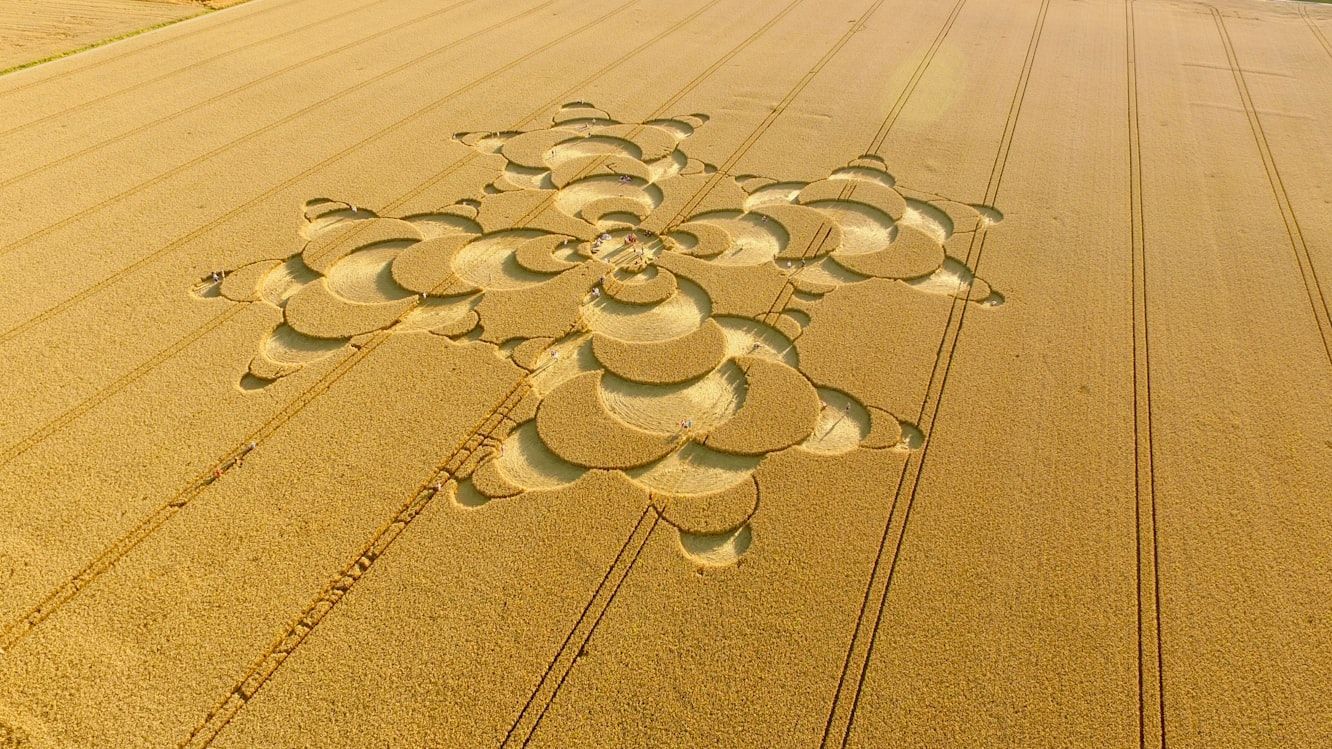
When perfect circles began appearing overnight in wheat fields , people talked about UFO landings. The shapes seemed too precise to have been made by human hands.

But, in 1991, two Englishmen confessed they’d used boards and ropes to flatten the crops. While this revelation explained many of the formations, the mystery lives on in popular imagination.

7
Alien Autopsy Film

Image: Leo_Visions

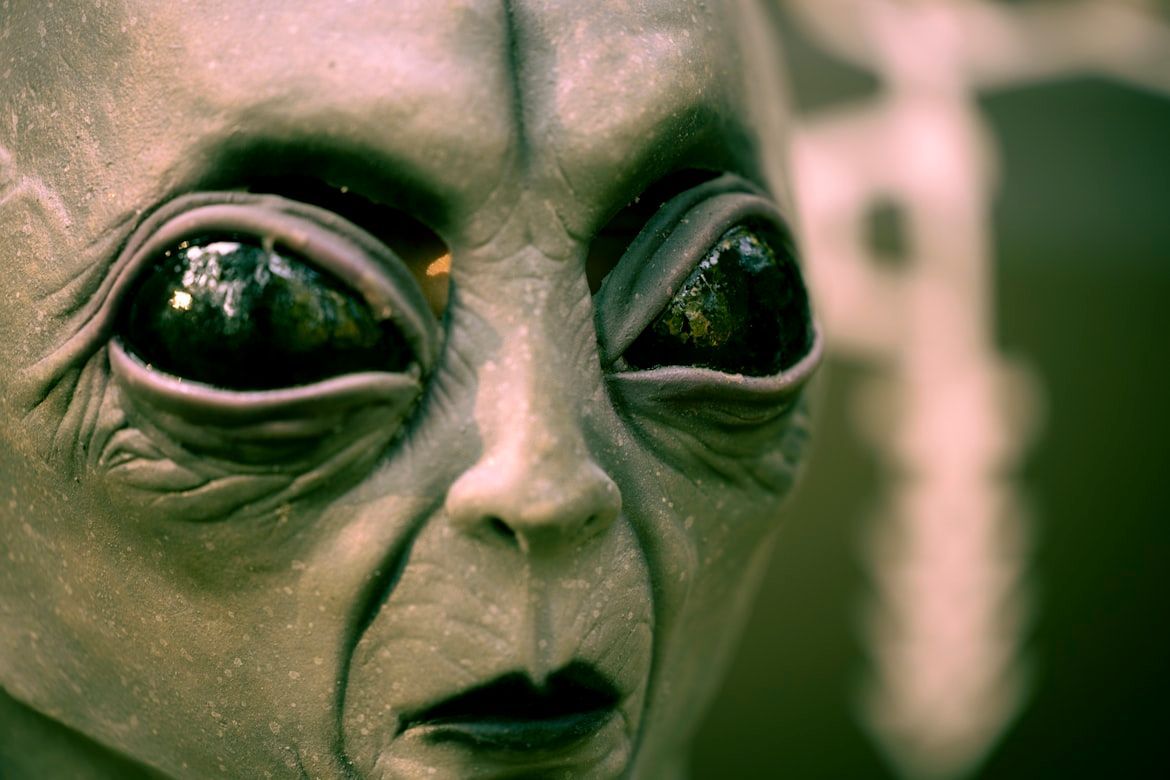
In 1995, a grainy black-and-white video surfaced, showing doctors dissecting what seemed to be an alien recovered from the 1947 Roswell crash. The footage spread quickly worldwide.

Years later, the filmmaker admitted that the film was staged, using latex models and fake organs.

8
The Manti Te’o girlfriend hoax

Image: Kaleb Becker

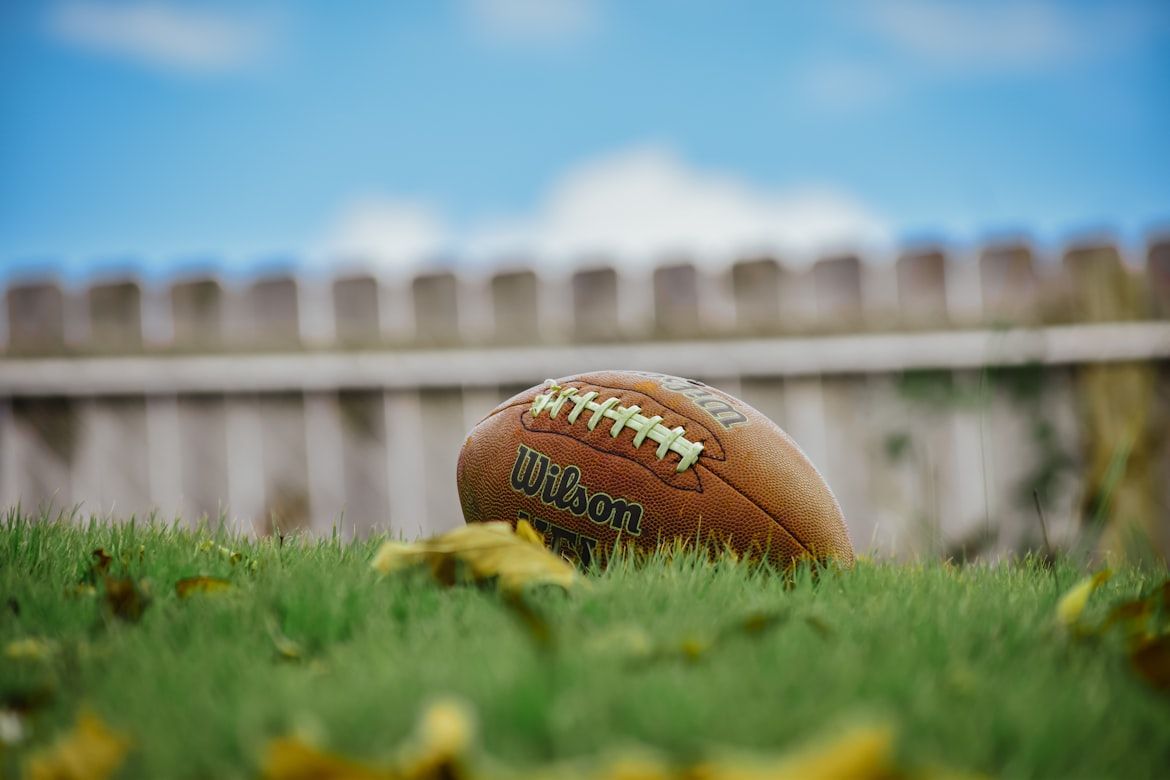
Notre Dame football star Manti Te’o captured hearts when he revealed that his girlfriend had died of leukemia . Sports fans wept over the tragic love story.

But reporters later learned that the woman never existed. It was an elaborate online catfishing scheme.

9
The Patterson–Gimlin Bigfoot film

Image: Jon Sailer

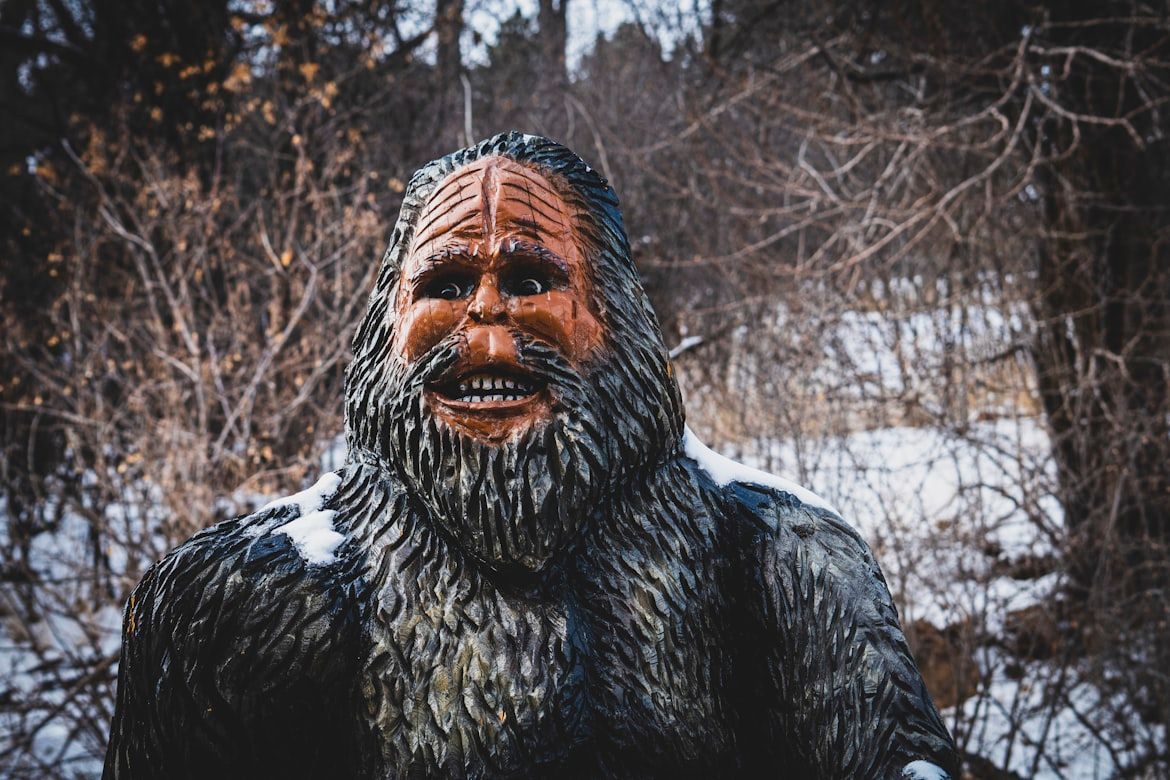
In 1967, a short film shot in California showed a large, hairy creature striding through the woods . Many viewers thought this was real proof of Bigfoot´s existence.

Decades later, one participant claimed it was a man in a gorilla suit, but that claim failed to convince many people who prefer to believe in the existence of this creature.

10
The Drake’s Plate of Brass

Image: David Dibert

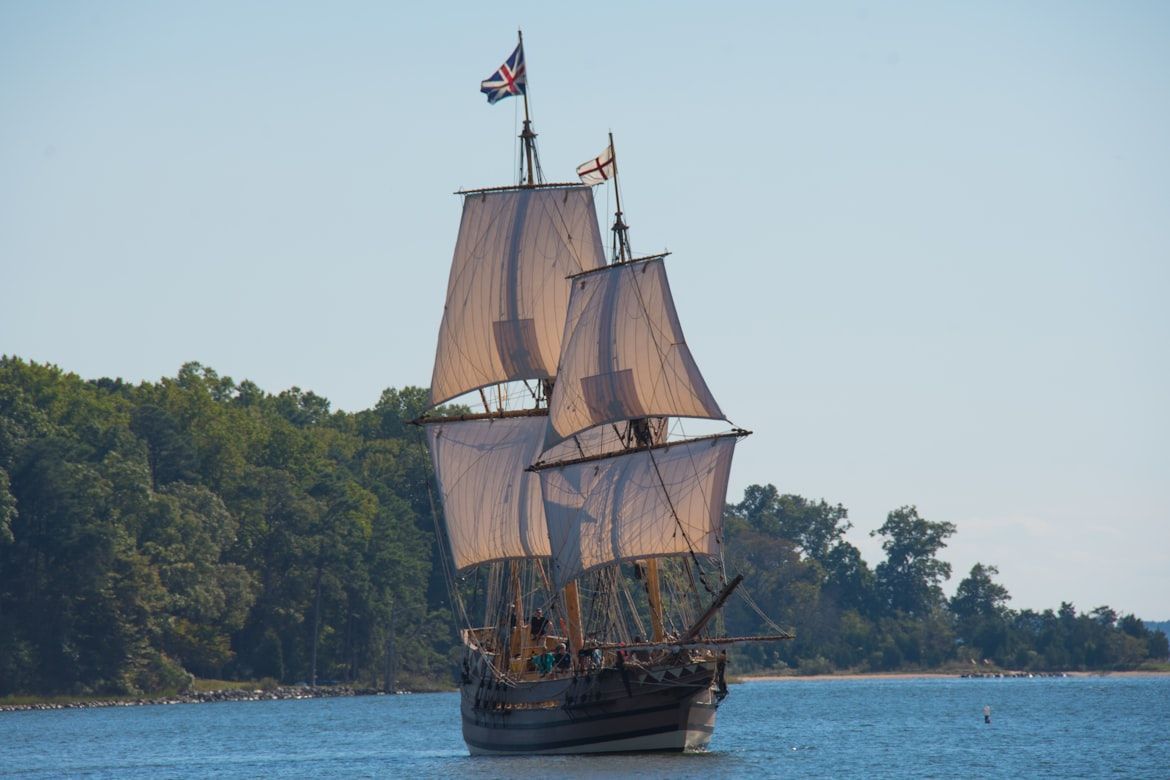
In 1936, a shiny brass plate found in California seemed to confirm that explorer Sir Francis Drake had landed there in 1579. Historians called it a priceless relic.

For decades, the plate was displayed proudly, until metallurgical tests in 1977 proved it was modern . It had been made as a practical joke among historians that went too far.

11
Paul Is Dead

Image: Jiamin Huang

The final entry on our list might not be American per se, but it drew much attention on these shores. In 1969, rumors spread that Beatle Paul McCartney had died and been secretly replaced by a double . Fans scoured album covers for "clues" like hidden messages and backward songs.

Paul, very much alive, later joked about it. The bizarre theory became a lasting pop-culture phenomenon.

Explore more American facts

Choose your favorite category!

General
General

As American as apple pie—the very best America has to offer!

Culture
Culture

Delve into the astounding richness of American lore.

Geography
Geography

Hop in and explore vast and diverse American landscapes.

History
History

Discover the key moments that shaped the United States.