Culture Culture 5 min read

10 unforgettable times patriotism conquered pop culture
Image: STILLFX

Pop culture has always been a mirror of society, but few forces shape it as much as patriotism. From the birth of a new nation to the geopolitical tensions of the Cold War and the grief of a post-9/11 world, our national identity has spilled over into fashion, film, music, and television. Here is a look at 10 iconic moments when patriotism both captured and influenced the pop culture landscape.

1
Rocky IV
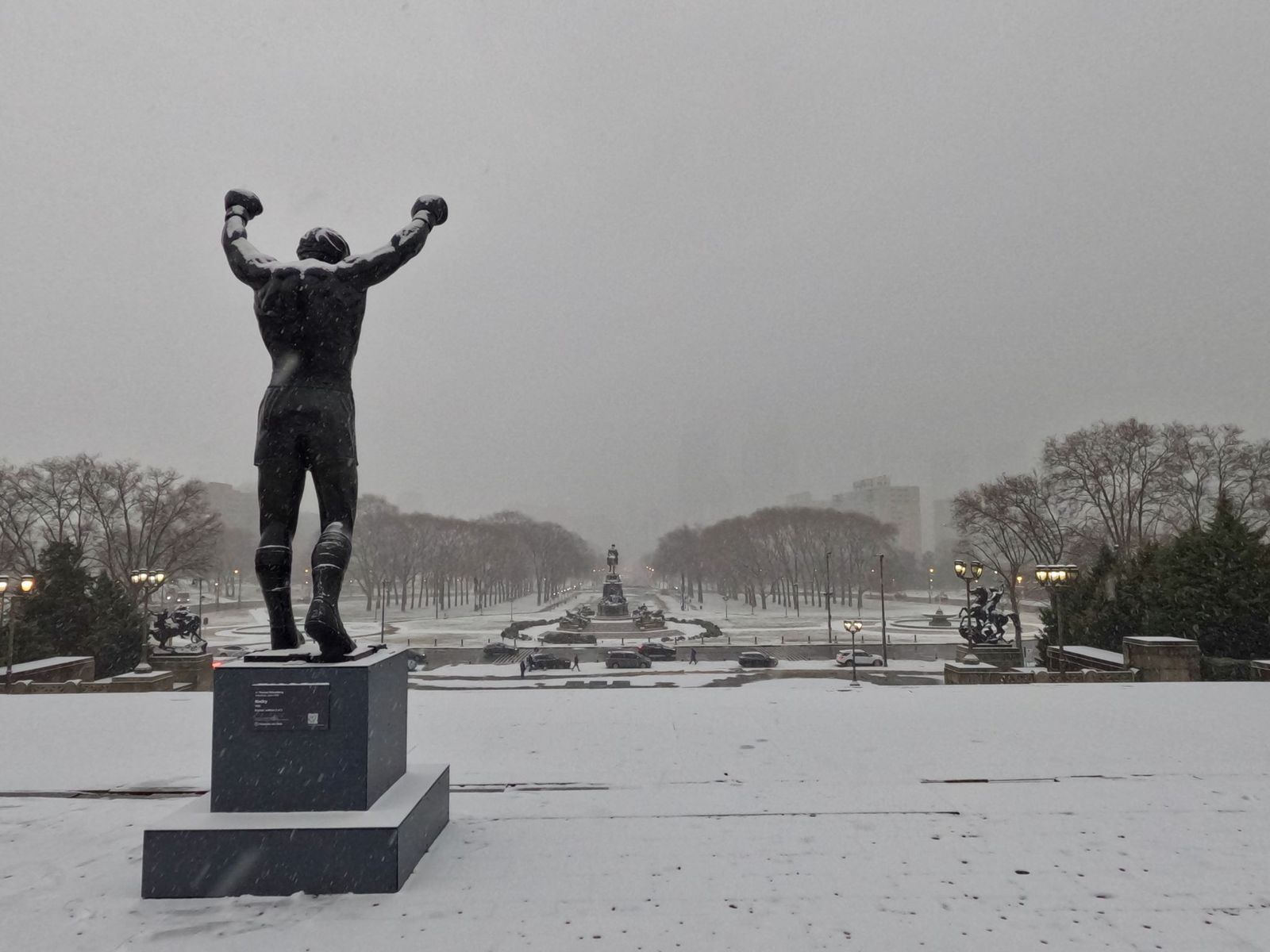
Image: Bryan Littel

If you want to see late Cold War patriotism condensed into a two-hour blockbuster, look no further than Rocky IV . Written, directed by, and starring Sylvester Stallone, the 1985 sequel details the rivalry between self-made American underdog Rocky Balboa and Ivan Drago (Dolph Lundgren), a state-sponsored Soviet boxer.

The film serves as an allegory for the geopolitical tensions between the USA and the USSR. With Rocky stepping into the Moscow ring wearing the late Apollo Creed's iconic stars-and-stripes trunks, his eventual victory symbolizes a triumphant win of Western individualism over Soviet collectivism.

2
Neil Diamond's "America"
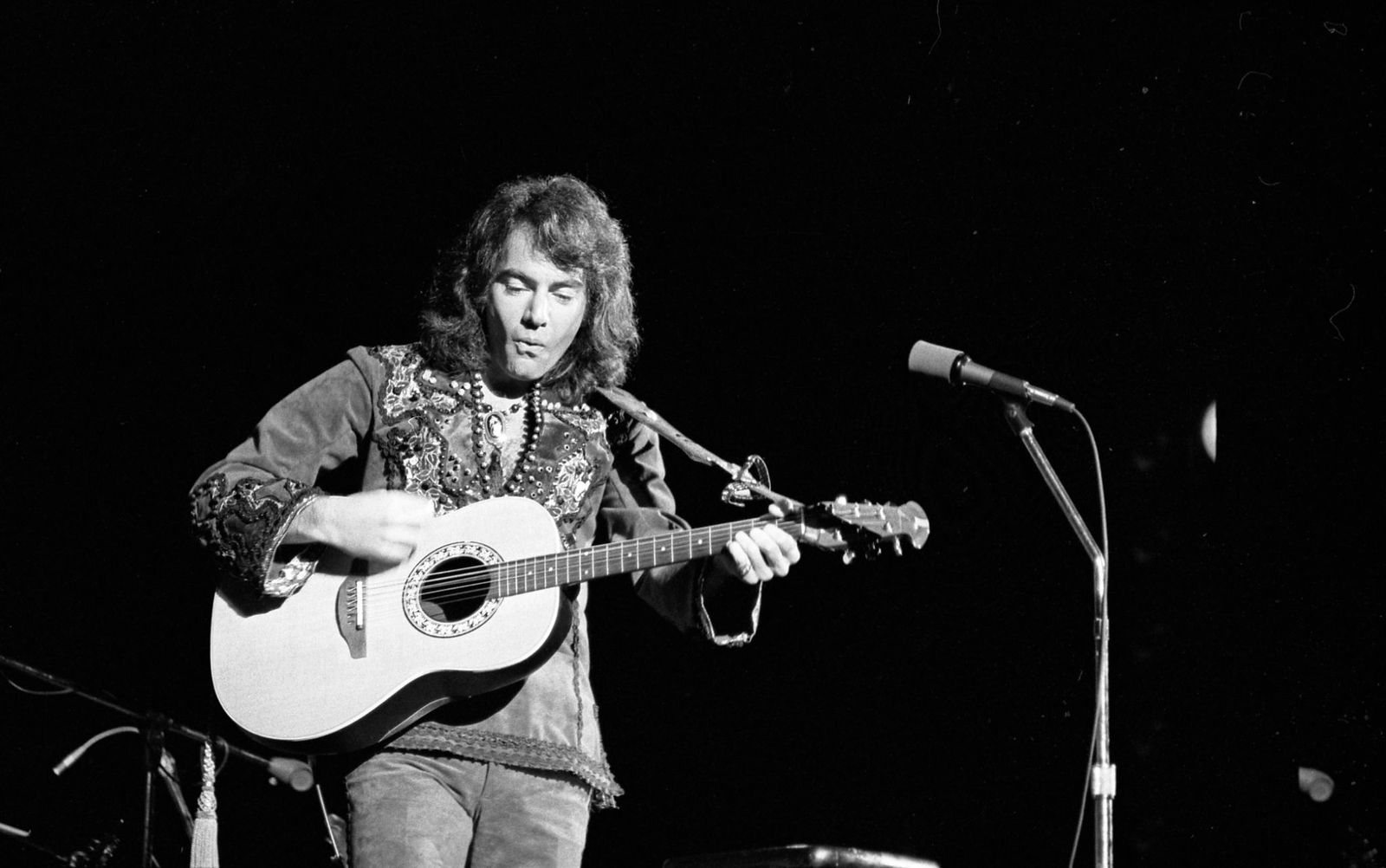
Image: Larry Bessel, Los Angeles Times, CC BY 4.0, via Wikimedia Commons

Patriotism is not just about defending borders, it’s also about celebrating our country’s diverse mosaic of people. Neil Diamond proved it with his 1980 hit "America", written for The Jazz Singer soundtrack.

With its optimistic beat and soaring chorus, the track serves as an anthem celebrating the immigrant experience. Diamond's lyrics honor the millions of people who braved the seas to find freedom and opportunity, and has become a constant at political rallies, naturalization ceremonies, and sporting events.

3
George Washington’s suit
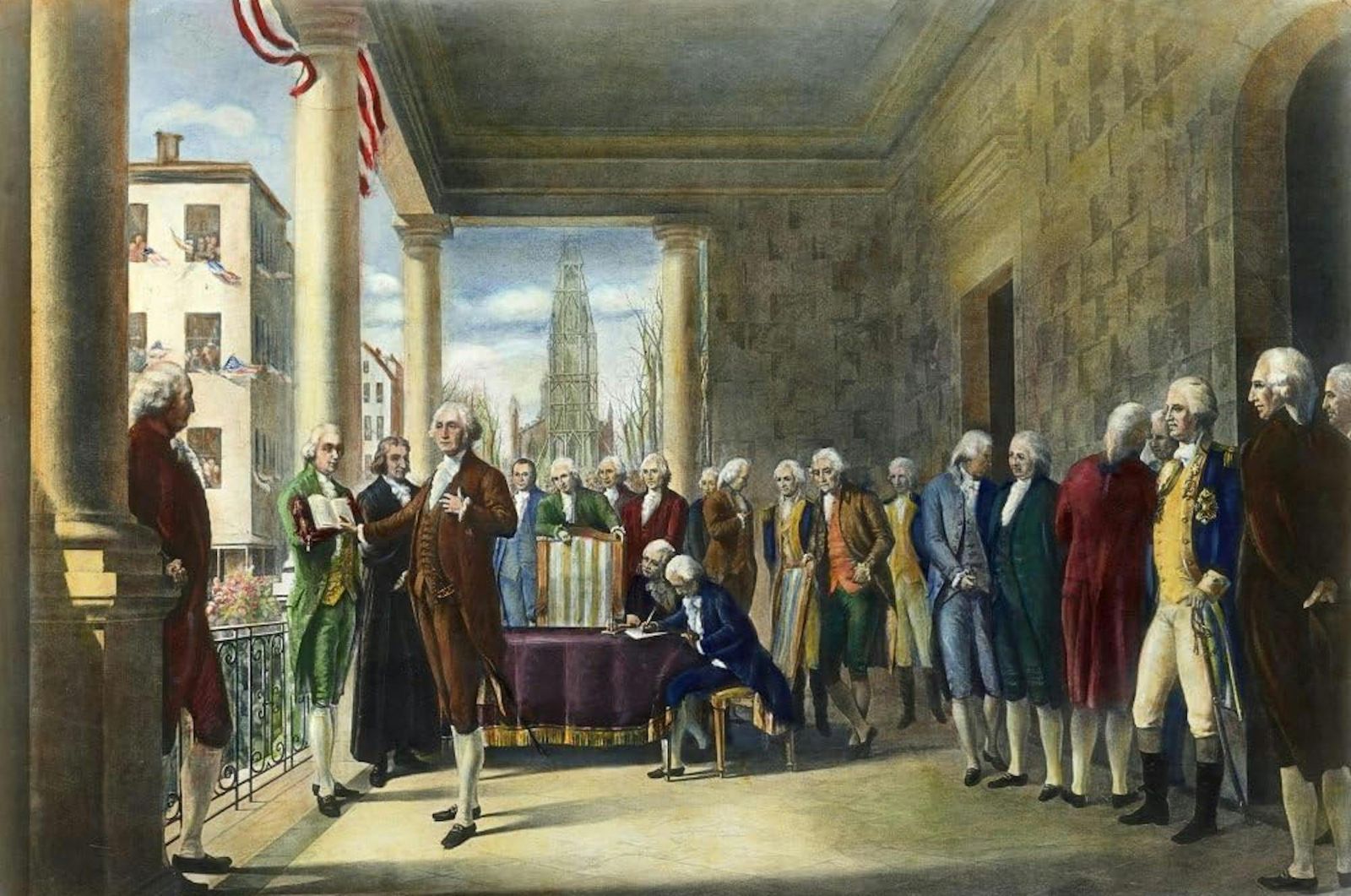
Image: Ramon Elorriaga, Public domain, via Wikimedia Commons

Did you know America’s very first president used his attire to send a message of national independence? For his 1789 inauguration, George Washington rejected the luxurious, imported silks favored by the European aristocracy. Instead, he arrived wearing a simple, American-made brown broadcloth suit crafted from wool produced at the Hartford Woolen Manufactory in Connecticut.

Featuring custom metal buttons engraved with the Great Seal of the United States, Washington's suit was an intentional statement meant to promote domestic industry, reject European economic dominance, and symbolize democratic equality.

4
Captain America
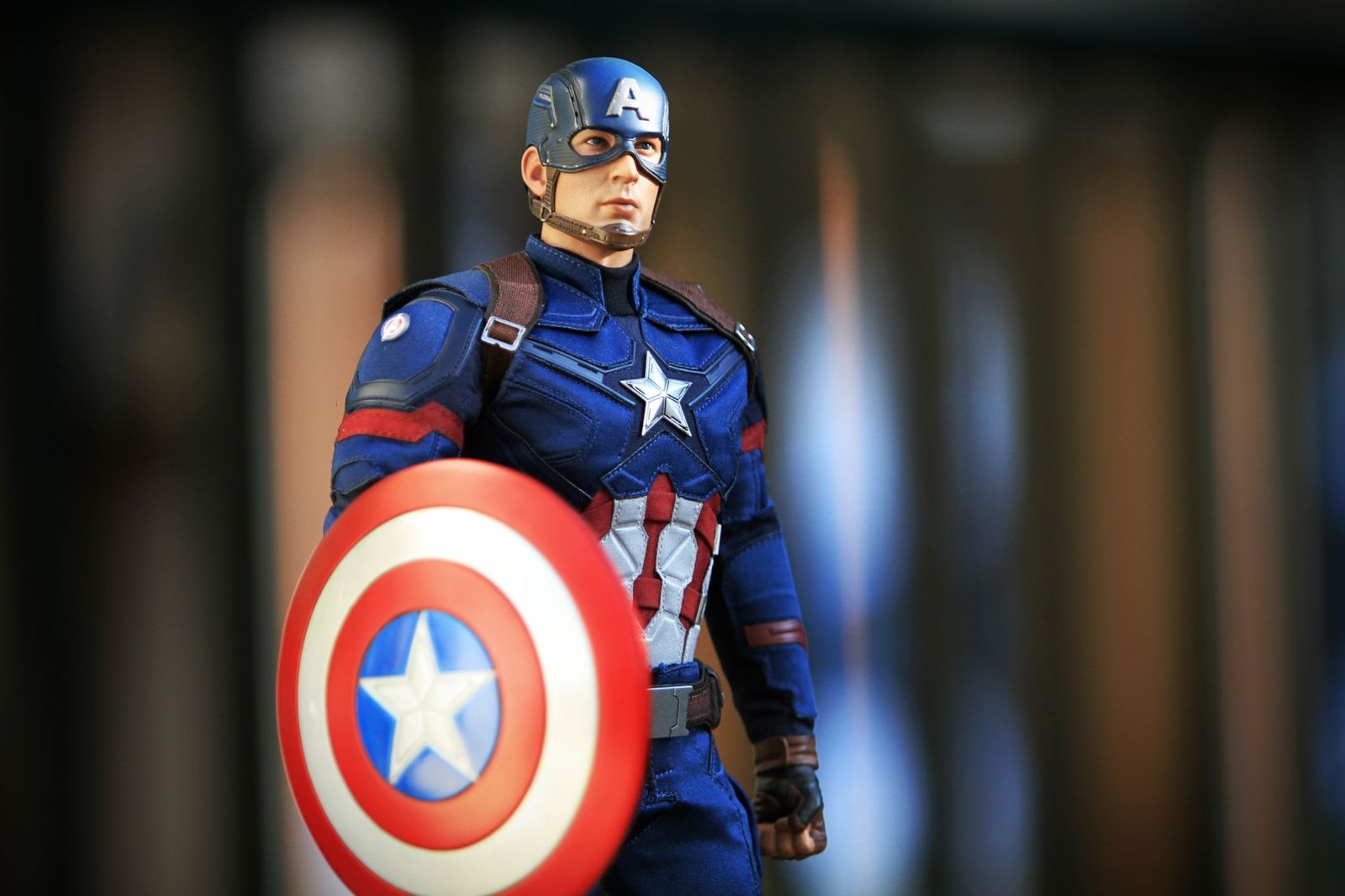
Image: phol_66

Comic books have long relied on patriotic superheroes to protect the innocent, but none achieved the legendary status of Steve Rogers. Created by Joe Simon and Jack Kirby, Captain America made his debut in March 1941, nearly a year before the United States officially entered World War II.

The iconic cover of Captain America Comics #1 featured the star-spangled hero delivering a right hook straight to Adolf Hitler’s jaw. Representing the ultimate underdog story, Captain America became an enduring symbol of anti-fascist determination that remains a multi-billion-dollar cinematic powerhouse today.

5
Catherine Malandrino's "Stars and Stripes" dress
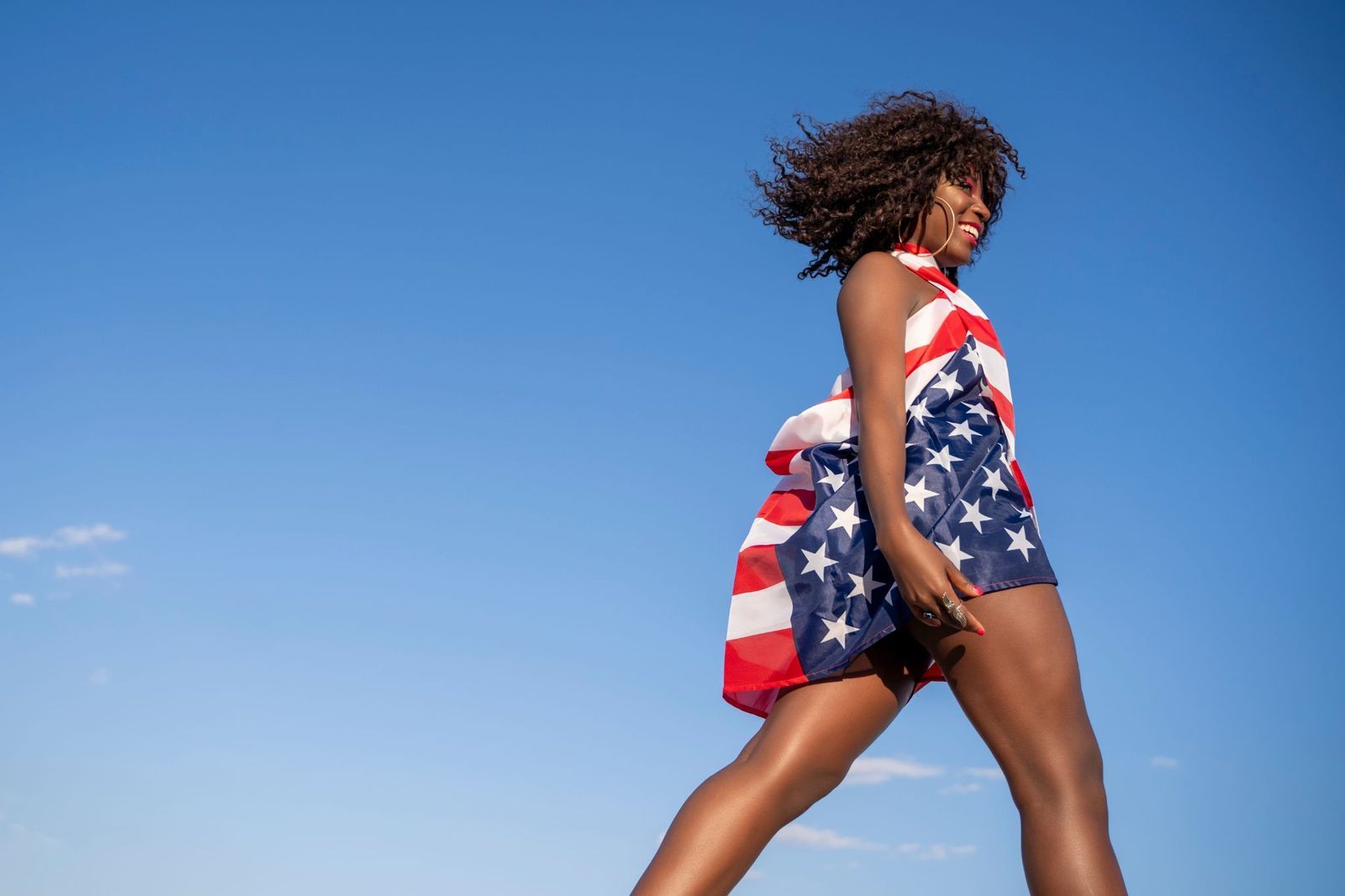
Image: Carrastock

Fashion and patriotism collided at the dawn of the 21st century. Following the tragic events of September 11, 2001, the American flag evolved from a standard national symbol into an emblem of resilience and unity. French designer Catherine Malandrino captured this cultural shift perfectly with her flag-print chiffon shirtdress.

Originally debuted by Halle Berry just days before 9/11 at a movie premiere, the "Stars and Stripes Dress" quickly became a post-tragedy uniform for Hollywood's elite. It was worn by icons like Julia Roberts, Sharon Stone, and Madonna to signal solidarity, hope, and patriotism on the red carpet.

6
Kid Rock's "Born Free"
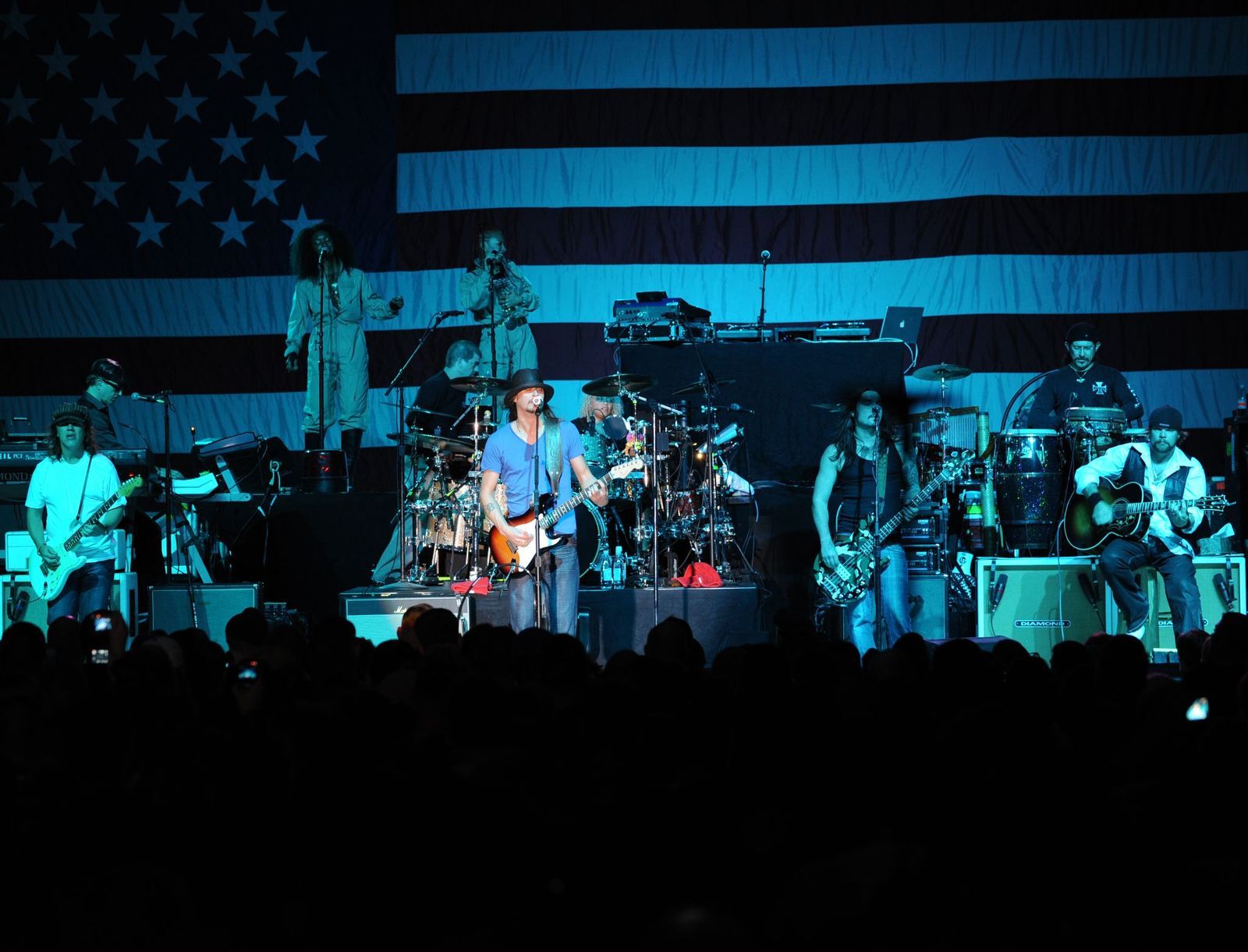
Image: U.S. Air Force photo by Airman 1st Class Caleb Pierce, Public domain, via Wikimedia Commons

Kid Rock’s 2010 single "Born Free" brought a raw energy to patriotic music. Blending elements of southern rock, country, and blues, the track was inspired by Kid Rock’s travels playing for American troops stationed overseas.

The musician has said that he penned the song as a tribute to liberty and personal freedom. The tune has been played at major sporting events, auto commercials, and has been adopted as a political campaign anthem.

7
The Americans
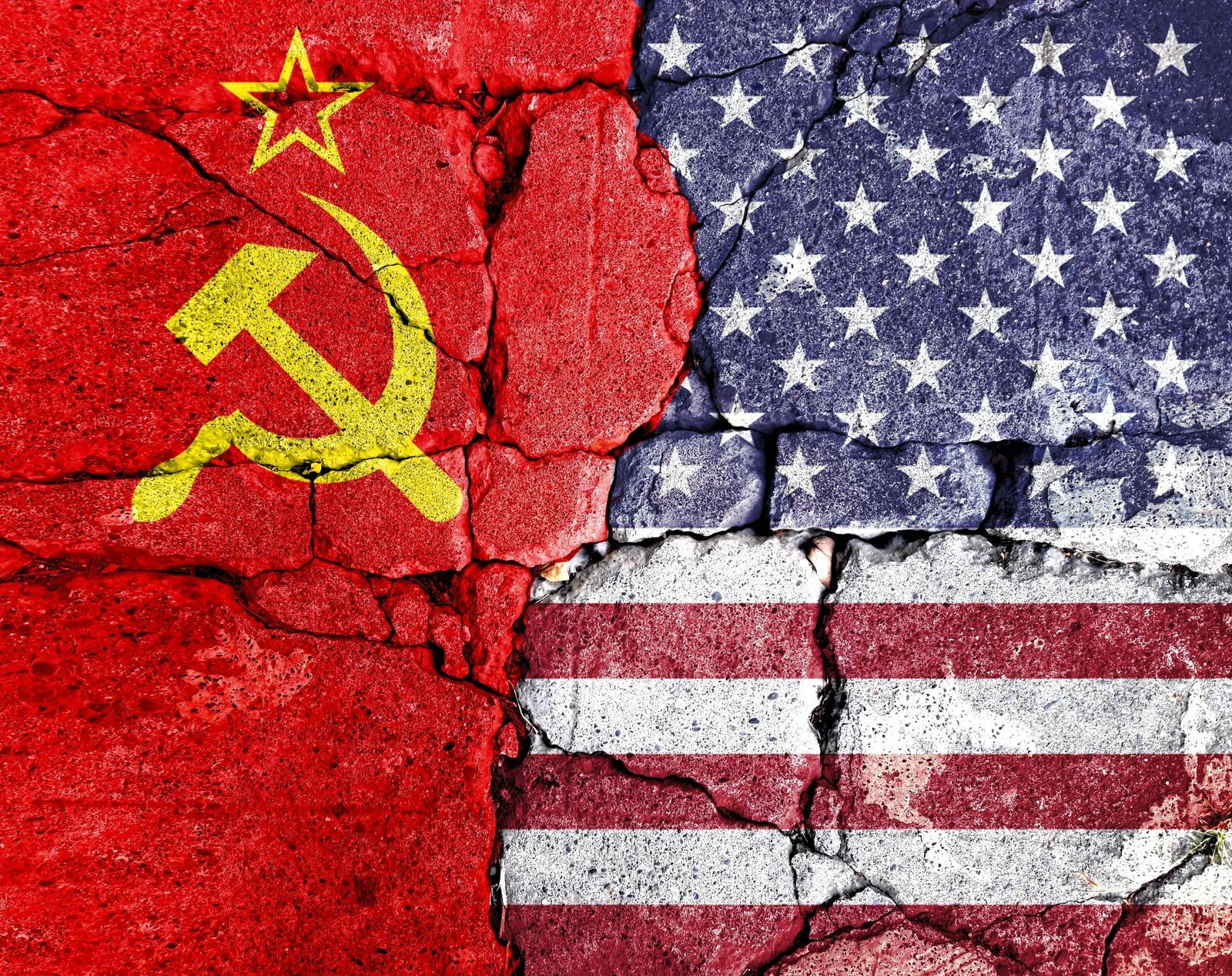
Image: Andy.LIU

Instead of waving the flag openly, the critically acclaimed drama The Americans (2013-2018) examined American patriotism from a different perspective. The series follows Philip (Matthew Rhys) and Elizabeth Jennings (Keri Russell), two undercover KGB spies living as a typical American family in suburban Virginia during the 1980s. As Philip increasingly finds himself seduced by the genuine freedom and lifestyle of the "American way", the series serves as an endorsement of democratic values.

8
Patton
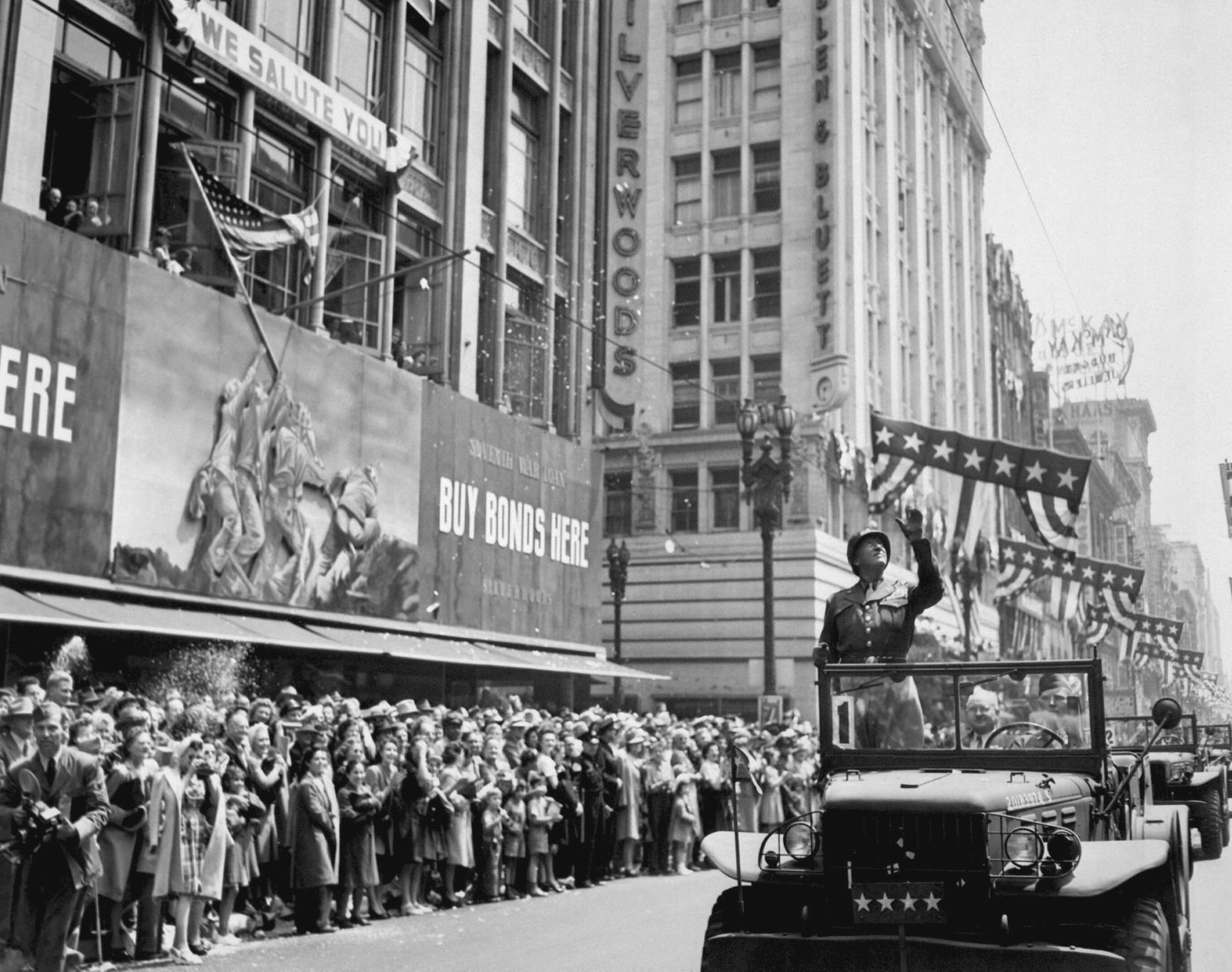
Image: Office of War Information, Public domain, via Wikimedia Commons

Biographical films often examine patriotism through a complex lens, and the 1970 masterpiece Patton is proof. Starring George C. Scott as General George S. Patton, the film opens with a legendary, six-minute monologue delivered in front of a colossal American flag.

The film, directed by Franklin J. Schaffner and written by Francis Ford Coppola and Edmund H. North, perfectly captures Patton's fierce love for his country alongside his military genius. Released during the height of the divisive Vietnam War, Patton managed to resonate across the entire political spectrum, even becoming a favorite of President Richard Nixon, who watched it repeatedly before making critical military decisions.

9
Toby Keith's "Courtesy of the Red, White and Blue"
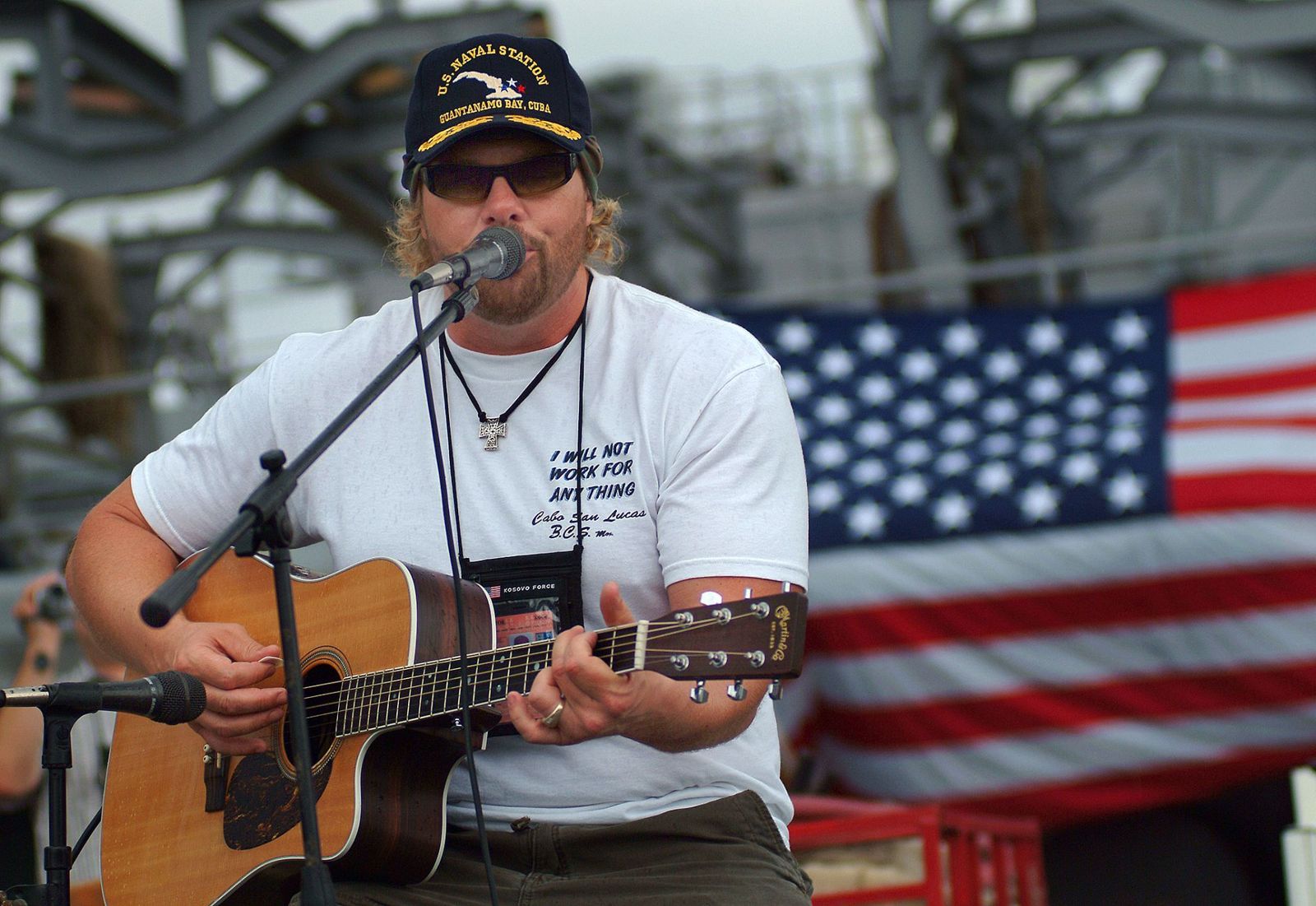
Image: U.S. Navy photo by Journalist 2nd Class Brandan W. Schulze, Public domain, via Wikimedia Commons

In 2002, Toby Keith aptly captured the raw emotion of the post-9/11 era with his "Courtesy of the Red, White and Blue." Written in a burst of intense emotion following the terrorist attacks and the recent passing of his military veteran father, the song became a patriotic anthem.

With its lines promising that America would "put a boot in your ass," the song resonated deeply with a grieving public. It dominated the country charts, fueled troops overseas, and cemented its place as one of the most defining musical examples of early 2000s nationalism.

10
Yankee Doodle Dandy
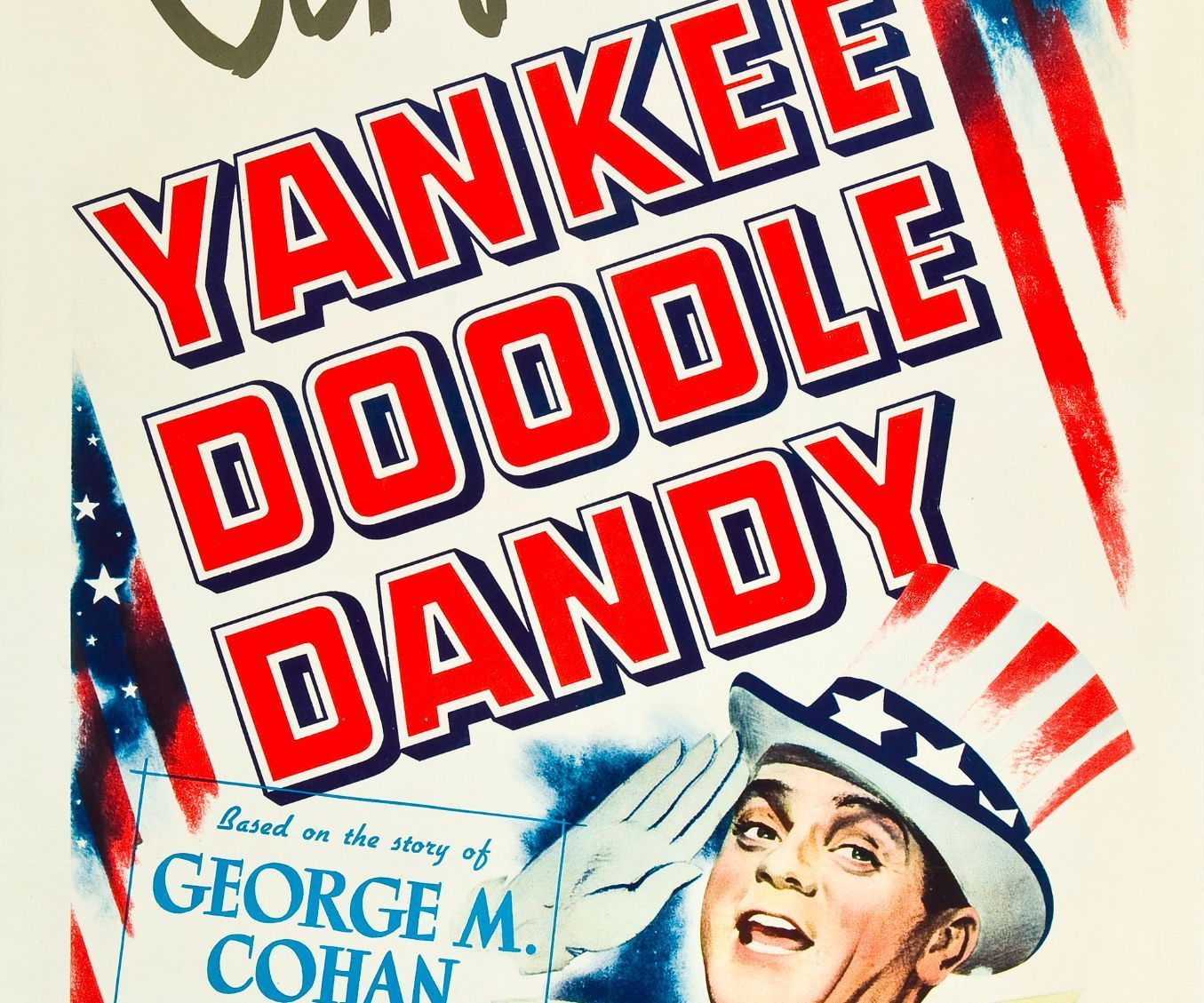
Image: Bill Gold, Public domain, via Wikimedia Commons

During the uncertain early days of World War II, Hollywood became a critical tool for boosting national morale. No film captured this era's patriotic fervor quite like Yankee Doodle Dandy , a 1942 biographical musical drama directed by Michael Curtiz.

Starring James Cagney in his Oscar-winning role as vaudeville legend George M. Cohan, the film celebrates the life of the patriotic showman who penned iconic wartime anthems like "Over There" and "The Yankee Doodle Boy". Released just months after the attack on Pearl Harbor, the film's tunes and celebration of American resilience served as a perfect cinematic cry for a nation entering a massive global conflict.
Culture Culture 3 min read

I want to believe

11 famous hoaxes in American history that fooled everyone

Image: Hartono Creative Studio

The fact that not every little thing in our world can yet be explained makes life a bit more interesting for many of us. And that urge to believe in certain things has fostered many myths and hoaxes that continue to fool people to this day. How many of the following 11 do you know?

1
The Cardiff Giant

Image: Anton Ivanov

In 1869, workers digging a well in Cardiff, New York, uncovered what appeared to be a 10-foot-tall petrified man. Locals rushed to see the "giant," paying admission to witness history in the soil.

But, as it turned out, it wasn’t ancient at all. A man named George Hull had buried the statue as a prank and made some quick money from the curious crowd.

2
War of the Worlds Broadcast

Image: Michal Balog

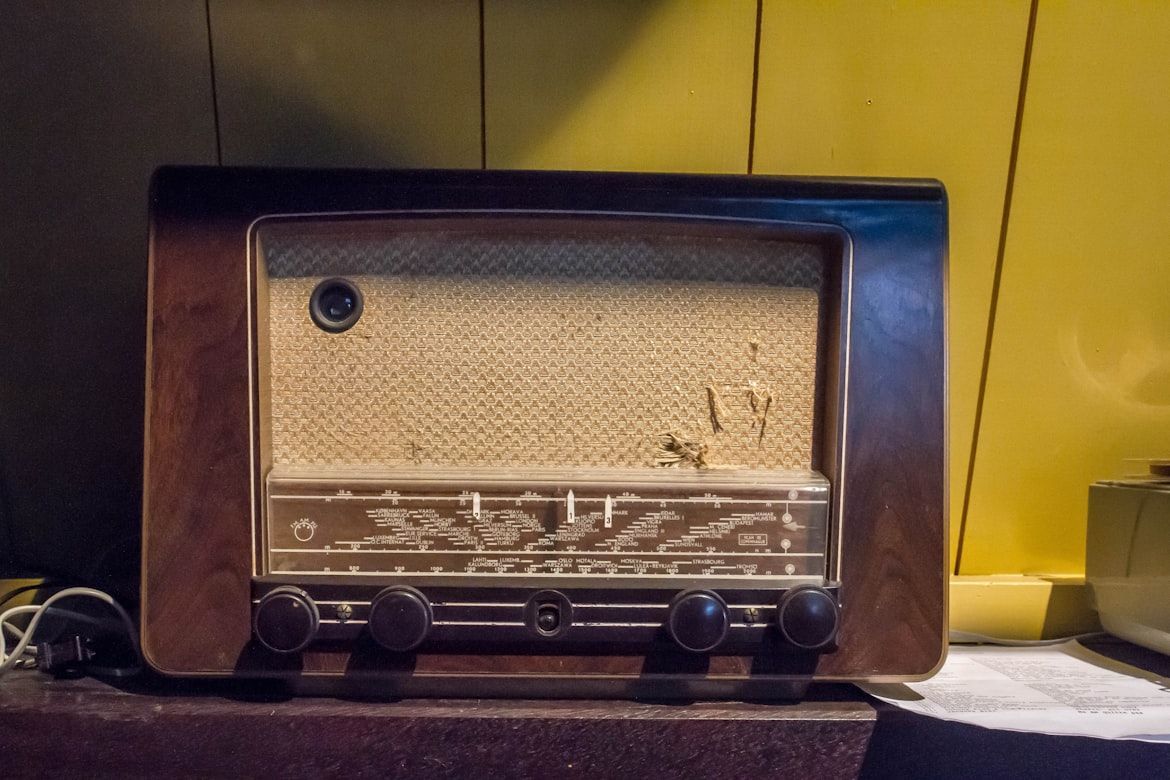
This very famous hoax took place on the eve of Halloween 1938. Orson Welles’s radio adaptation of The War of the Worlds aired as if it were breaking news . Many listeners tuning in late thought Martians had really landed in New Jersey.

Some packed up their cars or called the police in panic. Though no invasion occurred, the broadcast became a legend in media history.

3
The Balloon Boy

Image: Ankush Minda

In 2009, Americans watched live TV coverage of a silver balloon drifting across the skies of Colorado , fearing that a six-year-old boy was trapped inside . The story gripped the nation for hours.

When the balloon finally landed empty, police discovered the child hiding safely at home. His parents later admitted it was a publicity stunt gone wrong.

4
The Feejee Mermaid

Image: Nsey Benajah

In 1842, showman P. T. Barnum unveiled a marvel: a preserved "mermaid" supposedly from the South Seas . Crowds lined up to see the half-fish, half-woman curiosity.

The truth was stranger still. It was the upper body of a monkey sewn onto a fish tail and covered in papier-mâché.

5
The Great Moon Hoax

Image: Ganapathy Kumar

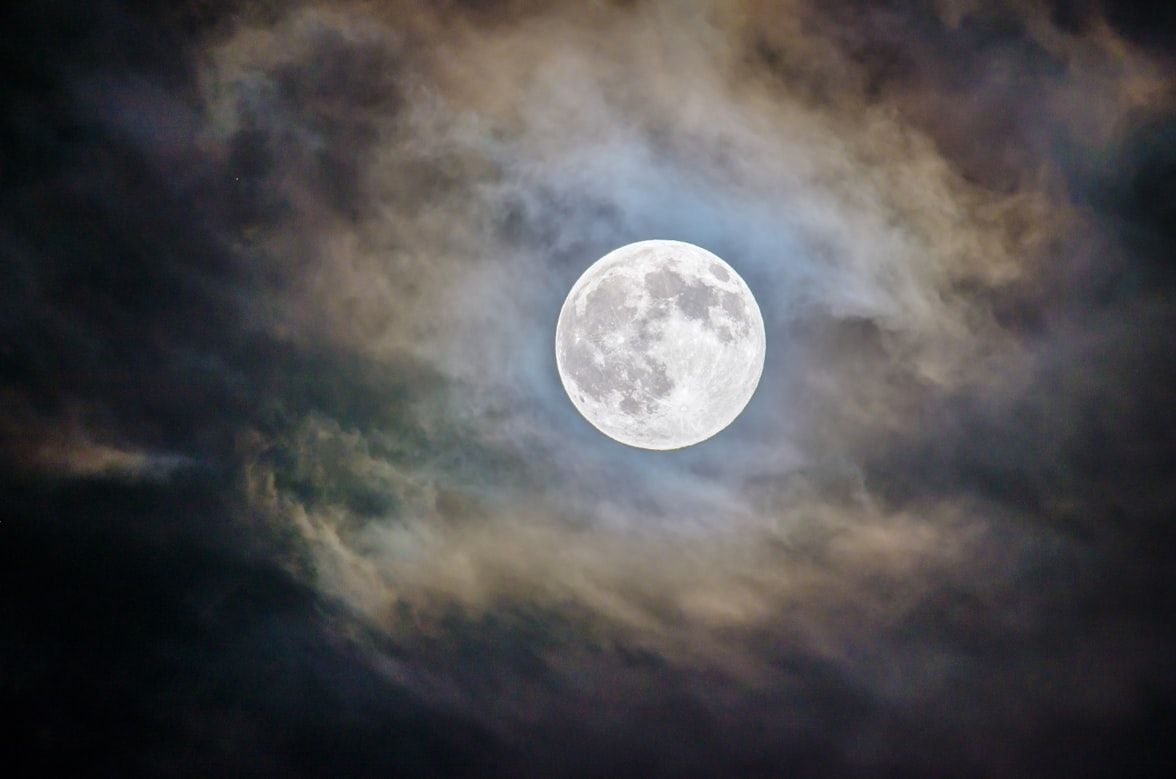
Readers of The New York Sun in 1835 were astonished by reports claiming that scientists had spotted bat-like people and crystal palaces on the Moon through a powerful new telescope.

The story was pure invention, but circulation went up. By the time the truth came out, the paper’s readership had reportedly increased dramatically.

6
The Crop Circles Craze

Image: Agent J

When perfect circles began appearing overnight in wheat fields , people talked about UFO landings. The shapes seemed too precise to have been made by human hands.

But, in 1991, two Englishmen confessed they’d used boards and ropes to flatten the crops. While this revelation explained many of the formations, the mystery lives on in popular imagination.

7
Alien Autopsy Film

Image: Leo_Visions

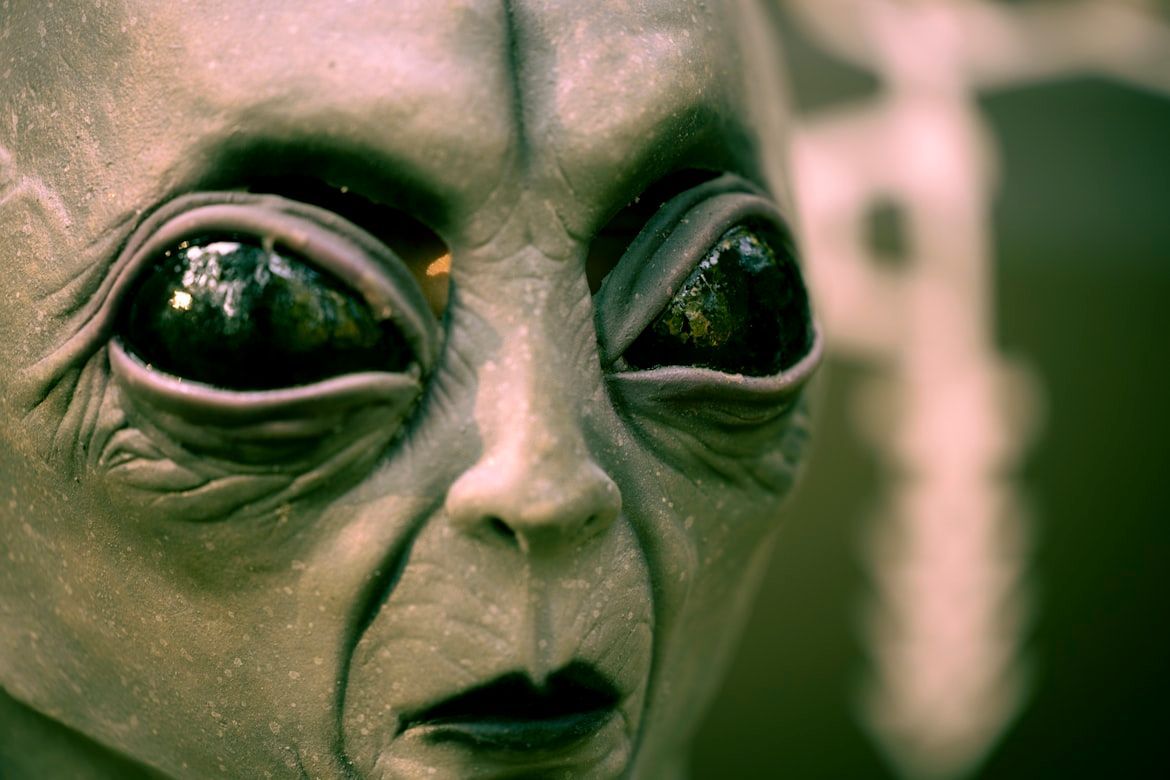
In 1995, a grainy black-and-white video surfaced, showing doctors dissecting what seemed to be an alien recovered from the 1947 Roswell crash. The footage spread quickly worldwide.

Years later, the filmmaker admitted that the film was staged, using latex models and fake organs.

8
The Manti Te’o girlfriend hoax

Image: Kaleb Becker

Notre Dame football star Manti Te’o captured hearts when he revealed that his girlfriend had died of leukemia . Sports fans wept over the tragic love story.

But reporters later learned that the woman never existed. It was an elaborate online catfishing scheme.

9
The Patterson–Gimlin Bigfoot film

Image: Jon Sailer

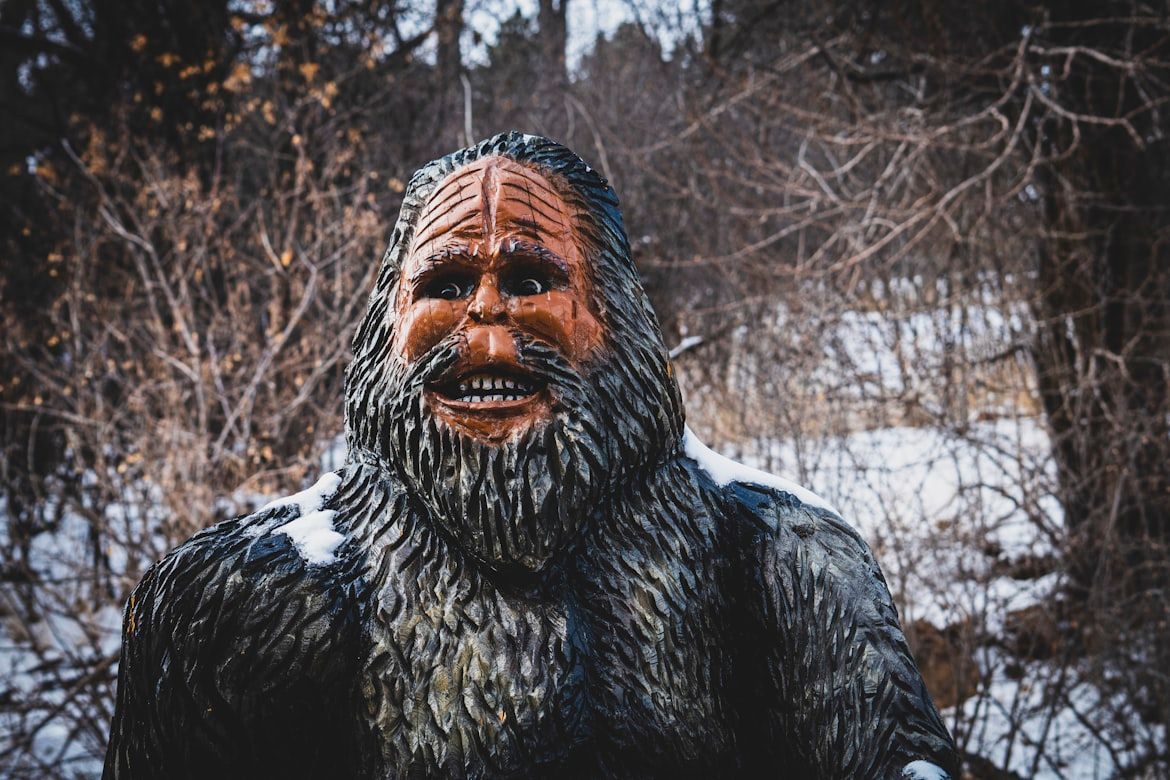
In 1967, a short film shot in California showed a large, hairy creature striding through the woods . Many viewers thought this was real proof of Bigfoot´s existence.

Decades later, one participant claimed it was a man in a gorilla suit, but that claim failed to convince many people who prefer to believe in the existence of this creature.

10
The Drake’s Plate of Brass

Image: David Dibert

In 1936, a shiny brass plate found in California seemed to confirm that explorer Sir Francis Drake had landed there in 1579. Historians called it a priceless relic.

For decades, the plate was displayed proudly, until metallurgical tests in 1977 proved it was modern . It had been made as a practical joke among historians that went too far.

11
Paul Is Dead

Image: Jiamin Huang

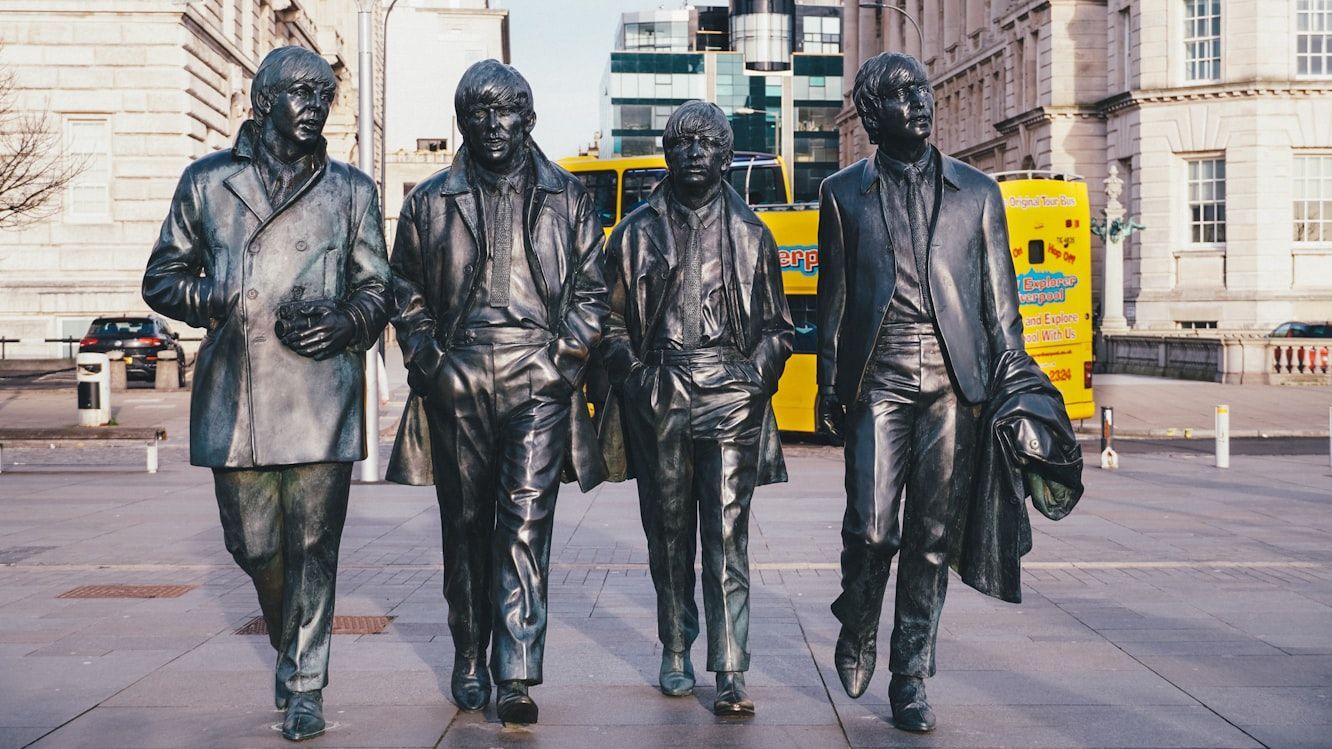
The final entry on our list might not be American per se, but it drew much attention on these shores. In 1969, rumors spread that Beatle Paul McCartney had died and been secretly replaced by a double . Fans scoured album covers for "clues" like hidden messages and backward songs.

Paul, very much alive, later joked about it. The bizarre theory became a lasting pop-culture phenomenon.

Culture Culture 5 min read

Why does Japan eat KFC for Christmas? The answer will shock you!

Image: Nixx Photography

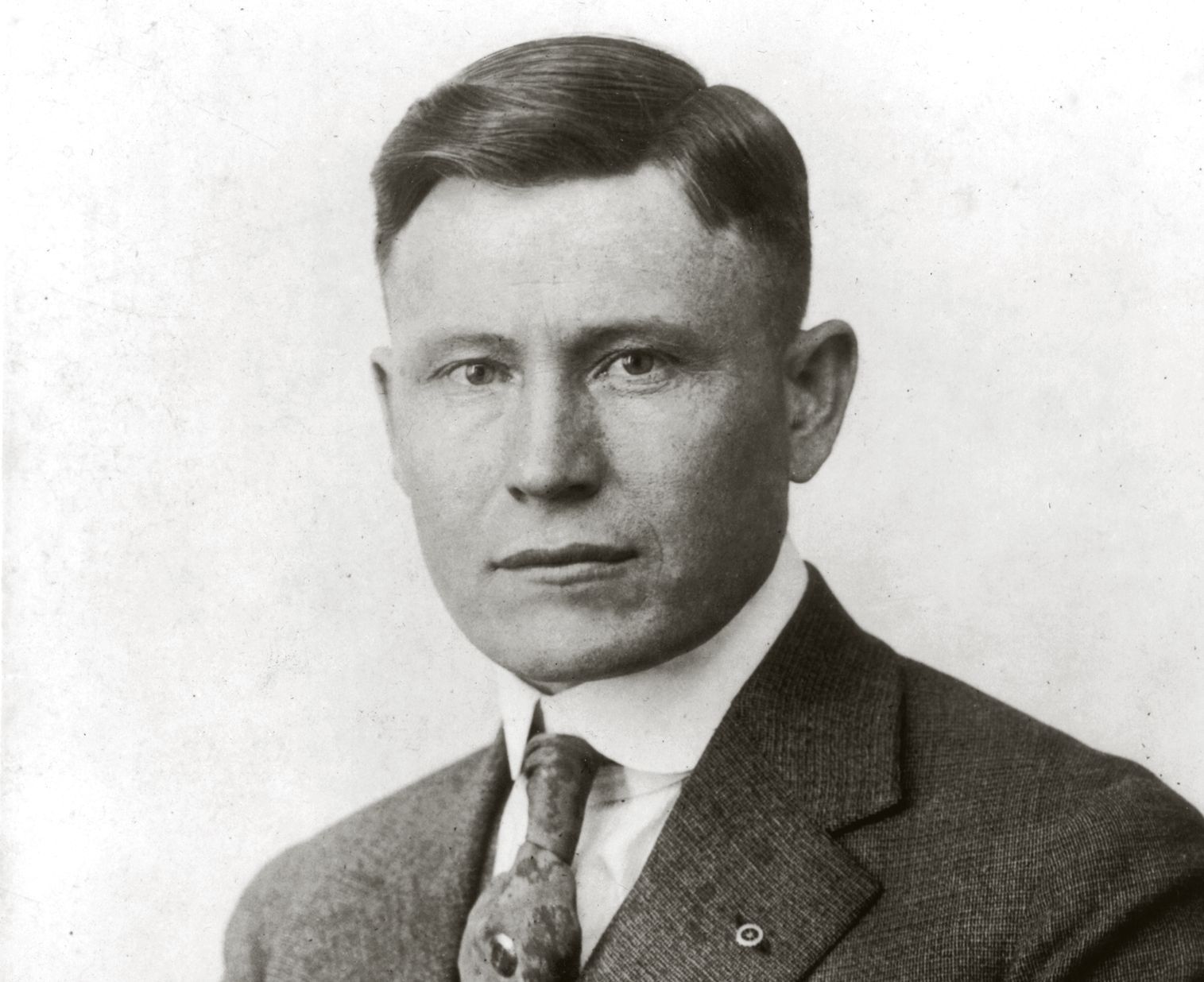
When you think of fast-food royalty, few figures are as universally recognizable as Colonel Harland Sanders. With his iconic white suit, black string tie, and goatee, his image is plastered across tens of thousands of Kentucky Fried Chicken (KFC) locations around the globe. Yet, behind that grandfatherly smile lies a corporate history filled with drama, secret recipes, and unusual marketing decisions. Here are 10 mindblowing facts about KFC and its legendary founder.

1
A rivalry becomes a business success

Image: Unclear, likely someone from the family of Colonel Sanders, Public domain, via Wikimedia Commons

During the Great Depression, Harland Sanders ran a humble Shell station in Corbin, Kentucky. Back then, business was cutthroat, and Sanders found himself in a bitter feud with Matt Stewart, a rival gas station owner who kept painting over Sanders’ highway signs to redirect traffic. After several warnings went unheard, Sanders marched over to confront Stewart.

When Stewart was caught in the act, a physical confrontation quickly escalated. Stewart drew a pistol and shot a Shell manager who was accompanying Sanders, killing him on the spot. Sanders retaliated by firing back and wounding Stewart, who was later arrested and sentenced to prison for murder. With his main competitor safely behind bars, Sanders was able to expand his service station, perfect his pressure-frying method, and ultimately transform his business into a massive commercial success.

2
The KFC you know today exists thanks to Wendy’s

Image: Pavlovska Yevheniia

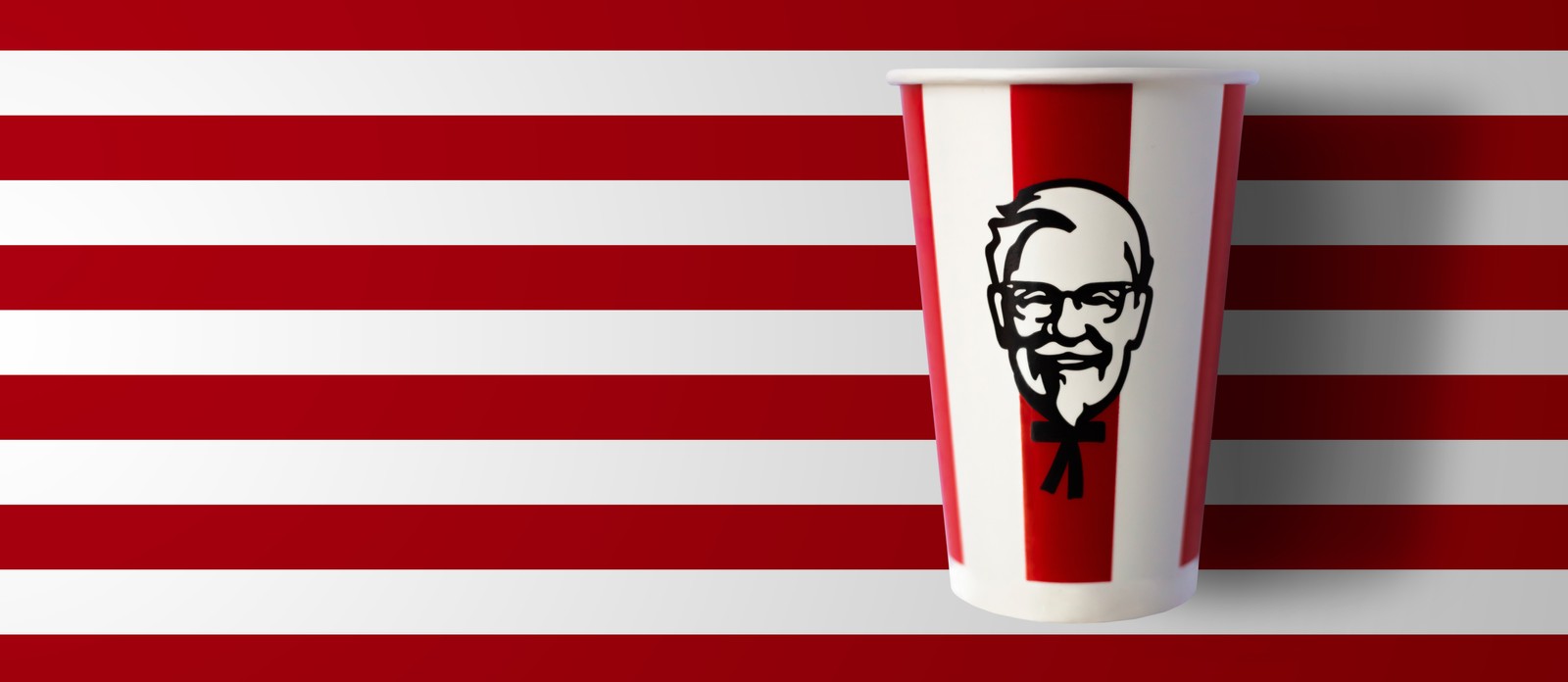
Although you may view KFC and Wendy’s as distinct competitors, the reality is that the chicken giant owes its structural identity to Dave Thomas, the founder of Wendy’s. In the 1960s, Thomas worked as a head chef and regional manager for the Colonel’s franchises.

He was a marketing whiz who personally convinced Colonel Sanders to star in his own television commercials, cementing his status as a living mascot. Furthermore, Thomas created the iconic red and white striped bucket design. He became so wealthy from his shares and success at KFC that he used his payout to establish his own burger empire, Wendy’s, in 1969.

3
The secret recipe's security

Image: Patcharaporn Puttipon4289

The legendary blend of "11 herbs and spices" is one of the most famously guarded secrets. Did you know KFC keeps the recipe locked inside a top-secret vault at the corporate headquarters in Louisville, Kentucky?

The vault, encased in thick layers of concrete, is protected by motion sensors, security cameras, and 24/7 guards. To ensure the formula is never leaked, KFC splits the production pipeline: two different companies are hired to mix separate halves of the spice blend. Neither company knows the other's ingredients, and a computer system automatically combines the two halves before the seasoning is shipped out to individual franchises.

4
KFC for Christmas in Japan

Image: Tricky_Shark

In the United States, a Christmas dinner consists of roasted turkey or ham. In Japan, however, Nativity food comes in a cardboard bucket. This wild tradition dates back to 1974, sparked by Takeshi Okawara, the manager of the country's first KFC branch.

After overhearing homesick Western expats lamenting how difficult it was to source a holiday turkey in Japan, Okawara launched the national "Kentucky for Christmas" campaign, which exploded into a cultural phenomenon. Today, an estimated 3.6 million Japanese families celebrate Christmas Eve with KFC, with patrons placing their orders months in advance to avoid long lines.

5
Colonel Sanders hated KFC

Image: WayneRay, CC BY-SA 4.0, via Wikimedia Commons

By 1964, 73-year-old Colonel Snaders felt he was no longer cut out for the pace of corporate life. He sold the Kentucky Fried Chicken company to a group of investors for $2 million, under a contract that allowed the brand to continue using his likeness.

As executives changed the original recipes to cut costs, Sanders grew to hate the food KFC was serving. He began travelling the country, showing up unannounced at franchises to taste the food, throw public tantrums, and openly tell the media that the new gravy tasted like "wallpaper paste" or "sludge". He even attempted to open a rival restaurant and sued KFC for using his image, leading the company to counter-sue him. Eventually, KFC paid him an additional million dollars just to stop making public scenes.

6
KFC Double Down

Image: Boyloso

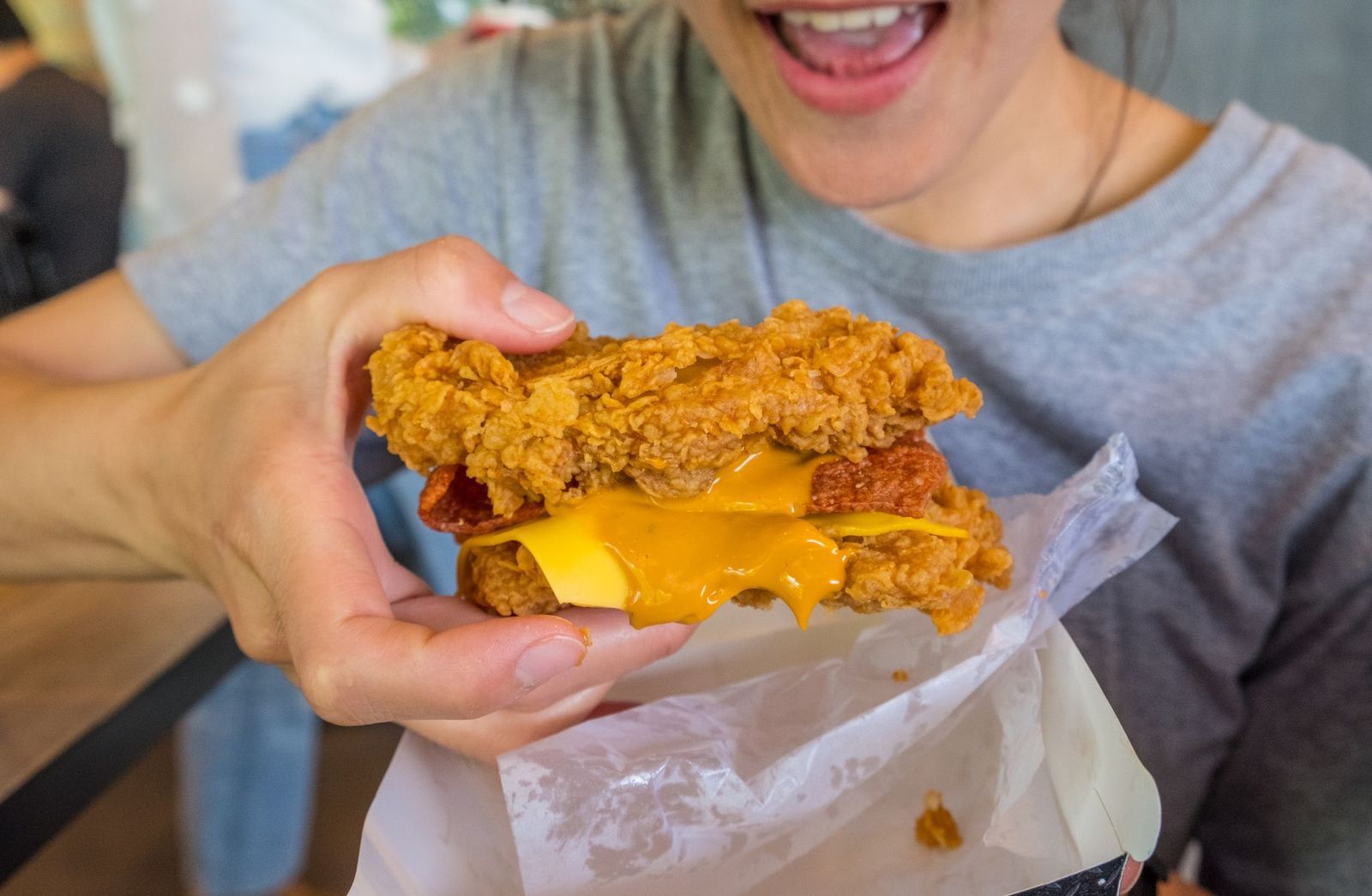
KFC has never been afraid of pushing nutritional boundaries, but in 2010 they certainly hit another level. The Double Down features bacon, Monterey Jack cheese, and a Colonel's special sauce encased between two seasoned, crispy slabs of fried chicken breast instead of bread buns.

The item sparked a media frenzy, with health advocates calling it a dietary disaster and foodies treating it as a dare. Ultimately, it proved to be a commercial hit. As it turns out, when it comes to extreme fast food, consumers are more than willing to ignore the carbs in favor of deliciousness.

7
That time KFC ran out of chicken

Image: richardjohnson

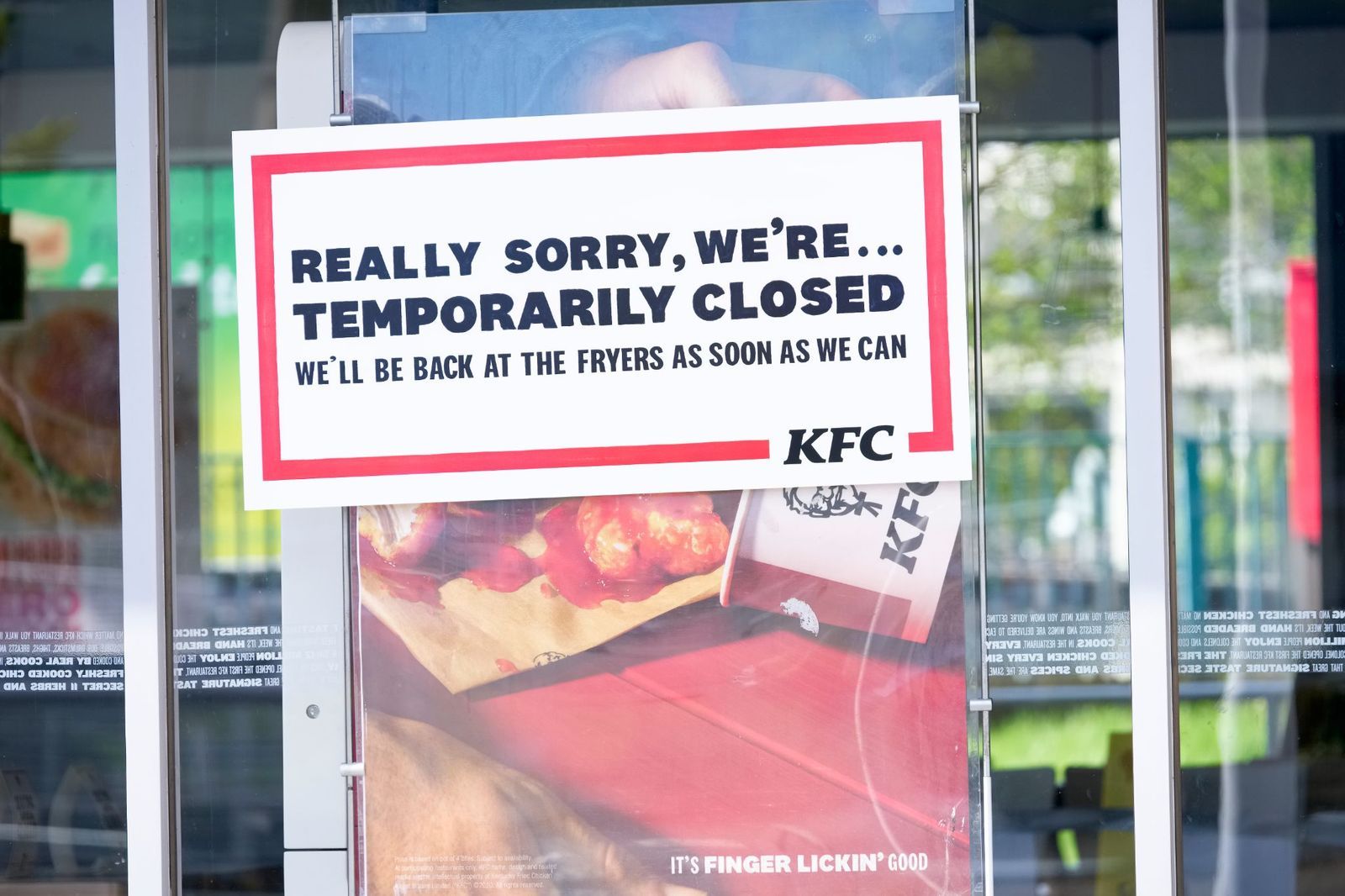
A fried chicken restaurant running out of its main ingredient sounds like a nightmare, but in 2018, it became real for KFC in the United Kingdom. In an effort to optimize logistics and save money, management switched its delivery contract to DHL. The transition went completely wrong, resulting in a supply chain jam that left over 900 UK locations with no chicken to fry.

Hundreds of stores were forced to shut down temporarily, sparking nationwide outrage, with desperate citizens even calling the police to complain. KFC managed to restore its reputation by leaning into self-deprecating humor, purchasing newspaper advertisements that featured an empty bucket rearranged to read "FCK".

8
The problem with the slogan in Chinese

Image: Patcharaporn Puttipon4289

When international fast food brands began expanding into foreign territories in the late 1980s, errors were very common. KFC experienced this firsthand when it opened its first store in Beijing, China, in 1987. The company wanted to proudly display its world-famous catchphrase, "Finger-Lickin' Good", to tempt local diners.

Unfortunately, due to an oversight in Mandarin translation, the slogan was literally translated to "Eat Your Fingers Off". While the phrase initially startled and amused local consumers, the brand quickly corrected the translation mishap to something more culturally appropriate and appetizing.

9
KFC's video game

Image: Ratana21

Decades after the Colonel’s passing, KFC’s marketing division decided to lean into modern internet subcultures. In 2019, the brand shocked the gaming community by releasing an official, anime-style video game titled I Love You, Colonel Sanders! A Finger Lickin’ Good Dating Simulator.

Developed as a visual novel, the free game places the player in a culinary school alongside a young and handsome romanticized version of Colonel Sanders. The goal of the game is to successfully navigate cooking school battles while attempting to woo the chicken chef. Against all odds, the game became a viral sensation.

10
KFC releases its own console

Image: Pixel-Shot

Following the unexpected success of their video game, KFC’s marketing team announced the KFConsole in 2020. Many assumed it was an April Fool’s joke, but it turned out to be a genuine gaming PC.

The most bizarre feature of the console is its custom "Chicken Chamber". This specialized compartment uses the heat generated by the computer’s internal components to keep pieces of fried chicken warm and crispy while you play video games.

Explore more American facts

Choose your favorite category!

General
General

As American as apple pie—the very best America has to offer!

Culture
Culture

Delve into the astounding richness of American lore.

Geography
Geography

Hop in and explore vast and diverse American landscapes.

History
History

Discover the key moments that shaped the United States.