We all have secrets
10 historical figures with secrets very few knew about
Image: Adam Nir
Some of America’s most famous figures led lives far more surprising than the history books suggest. Behind the public image of authors, athletes, inventors, and activists were hidden careers, secret missions, and little-known accomplishments. Some worked for intelligence agencies, others concealed entire identities, and a few quietly changed history without telling anyone.
1
Harriet Tubman secretly worked as a Union spy
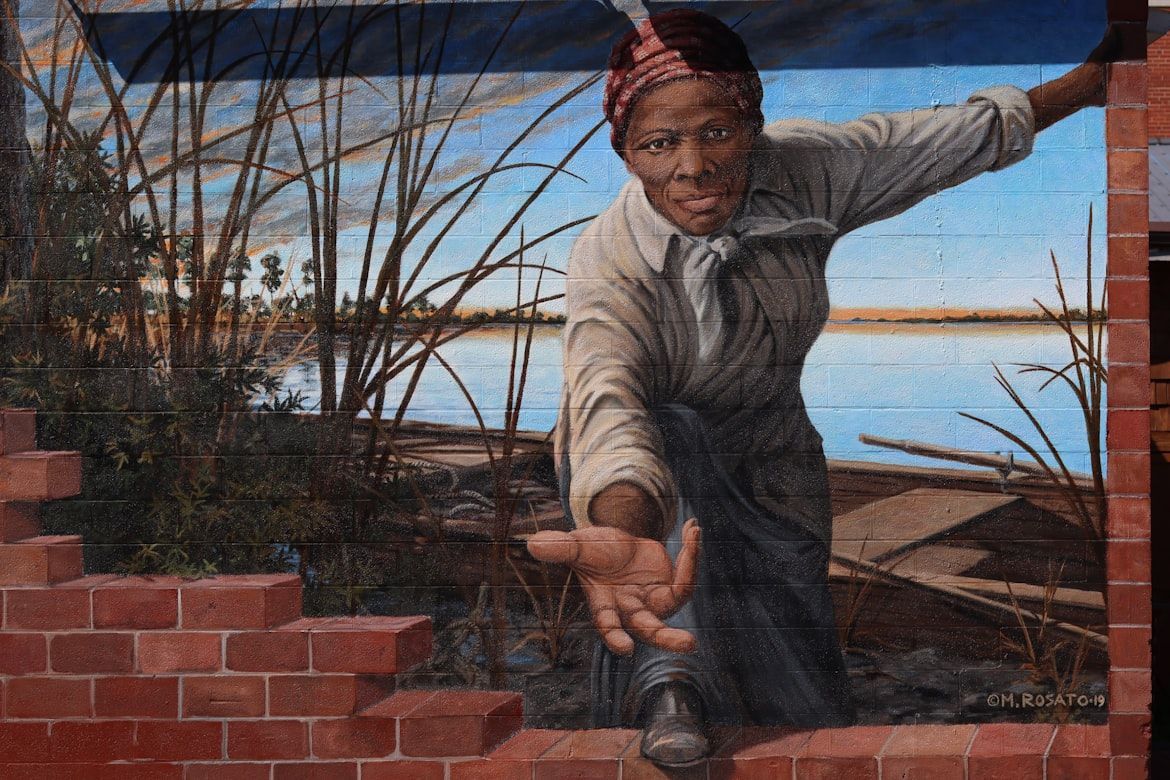
Most Americans know Harriet Tubman for her leadership of the Underground Railroad, but during the Civil War, she also became a Union scout and spy in South Carolina. Working with Colonel James Montgomery, Tubman gathered intelligence from enslaved people living behind Confederate lines near the Combahee River .
In June 1863, Tubman helped lead the Combahee River Raid, guiding Union gunboats through Confederate waters filled with hidden mines. The operation freed more than 700 enslaved people and made Tubman the first woman known to lead a major U.S. military mission.
2
Julia Child worked for the U.S. intelligence agency
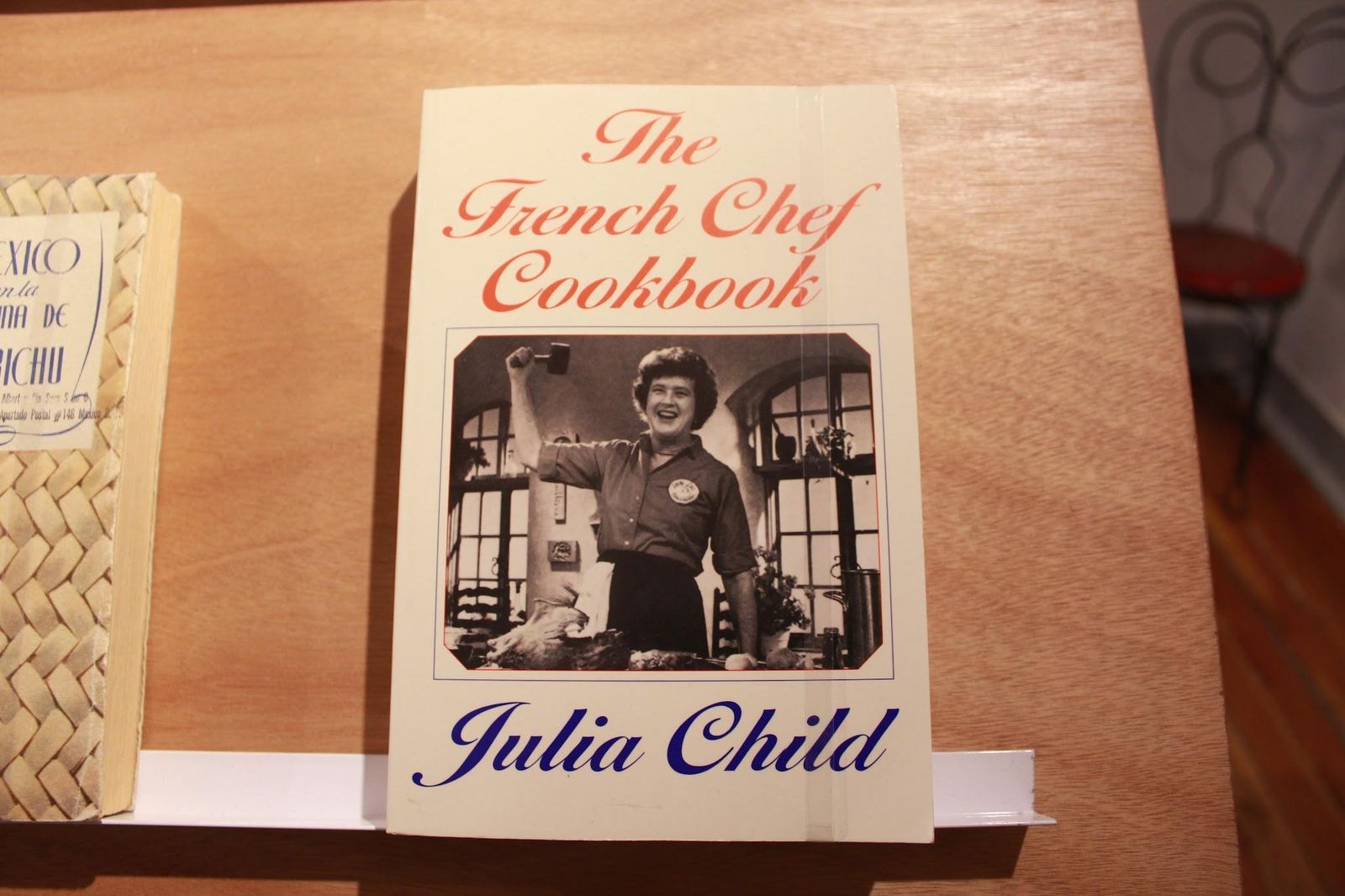
Before becoming television’s most famous chef, Julia Child joined the Office of Strategic Services, or OSS, in 1942 during World War II. The OSS later evolved into the CIA. Too tall to enlist in the Women’s Army Corps, Child instead classified files and overseas communications in Asia.
One of her strangest assignments involved helping researchers develop shark repellent for Navy explosives and emergency rescue kits . The repellent used copper acetate and black dye to create an odor similar to a dead shark.
3
Benjamin Franklin conducted unofficial spy work in Europe
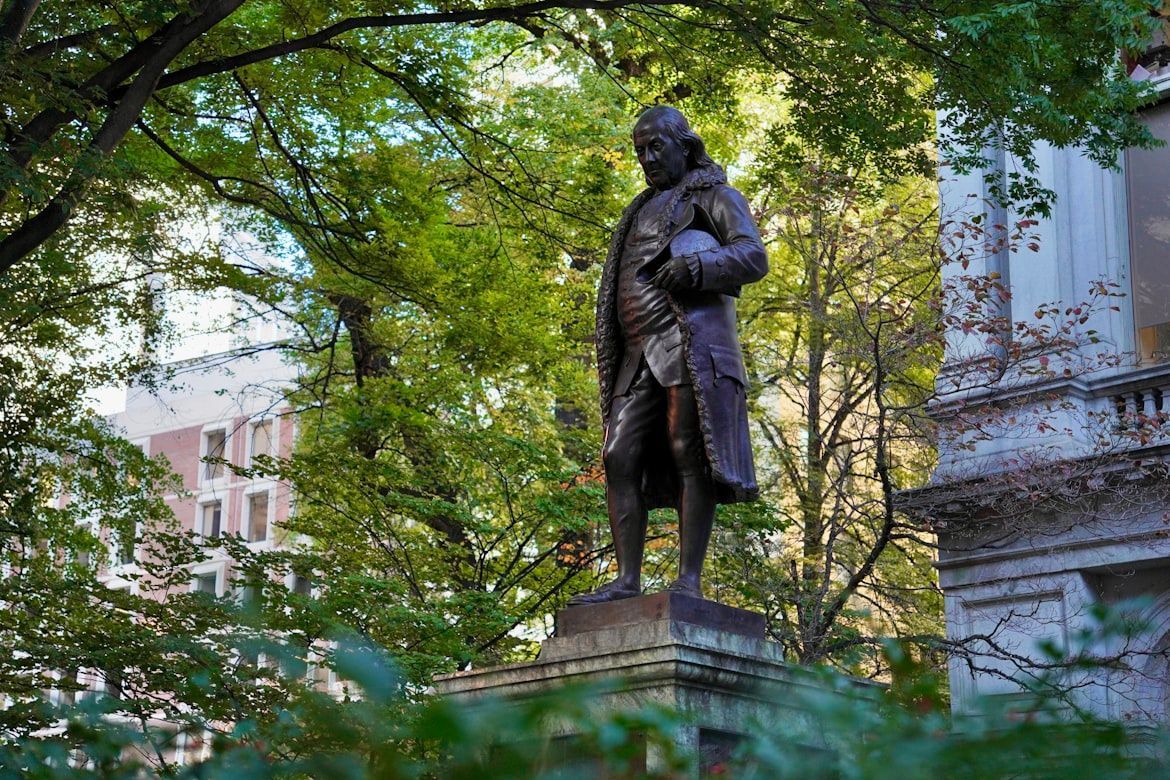
Benjamin Franklin was more than a scientist and Founding Father. During the American Revolution, he quietly acted as an intelligence organizer while serving as ambassador to France beginning in 1776 . Franklin cultivated secret alliances, intercepted information, and used coded correspondence to support the colonies’ fight against Britain.
Operating from Paris, Franklin built relationships with French officials and helped persuade France to support the American cause with money, troops, and naval power. Historians consider his diplomatic intelligence efforts essential to the American victory at Yorktown in 1781 and eventual independence.
4
Louisa May Alcott published thrillers under another name
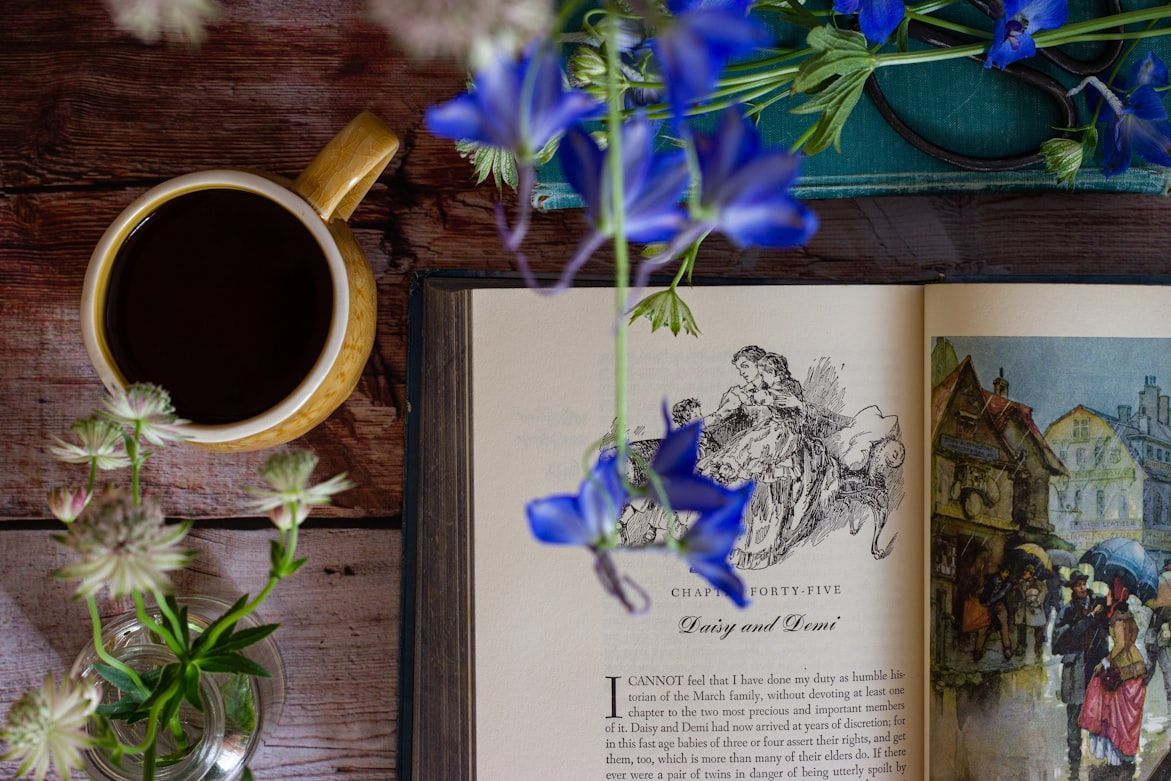
Louisa May Alcott became a literary icon after publishing Little Women in 1868, but few readers knew that she had already written sensational thrillers under the pen name "A.M. Barnard." These stories featured revenge, hidden identities, forbidden romance, and dramatic crime plots that shocked Victorian audiences.
Alcott used a pseudonym because publishers often expected women writers to produce respectable domestic fiction. Many of her darker stories remained forgotten until scholars rediscovered them in the 1940s. Today, titles like Behind a Mask reveal a far more rebellious side of the beloved author.
5
Maya Angelou worked as San Francisco’s first black female cable car conductor
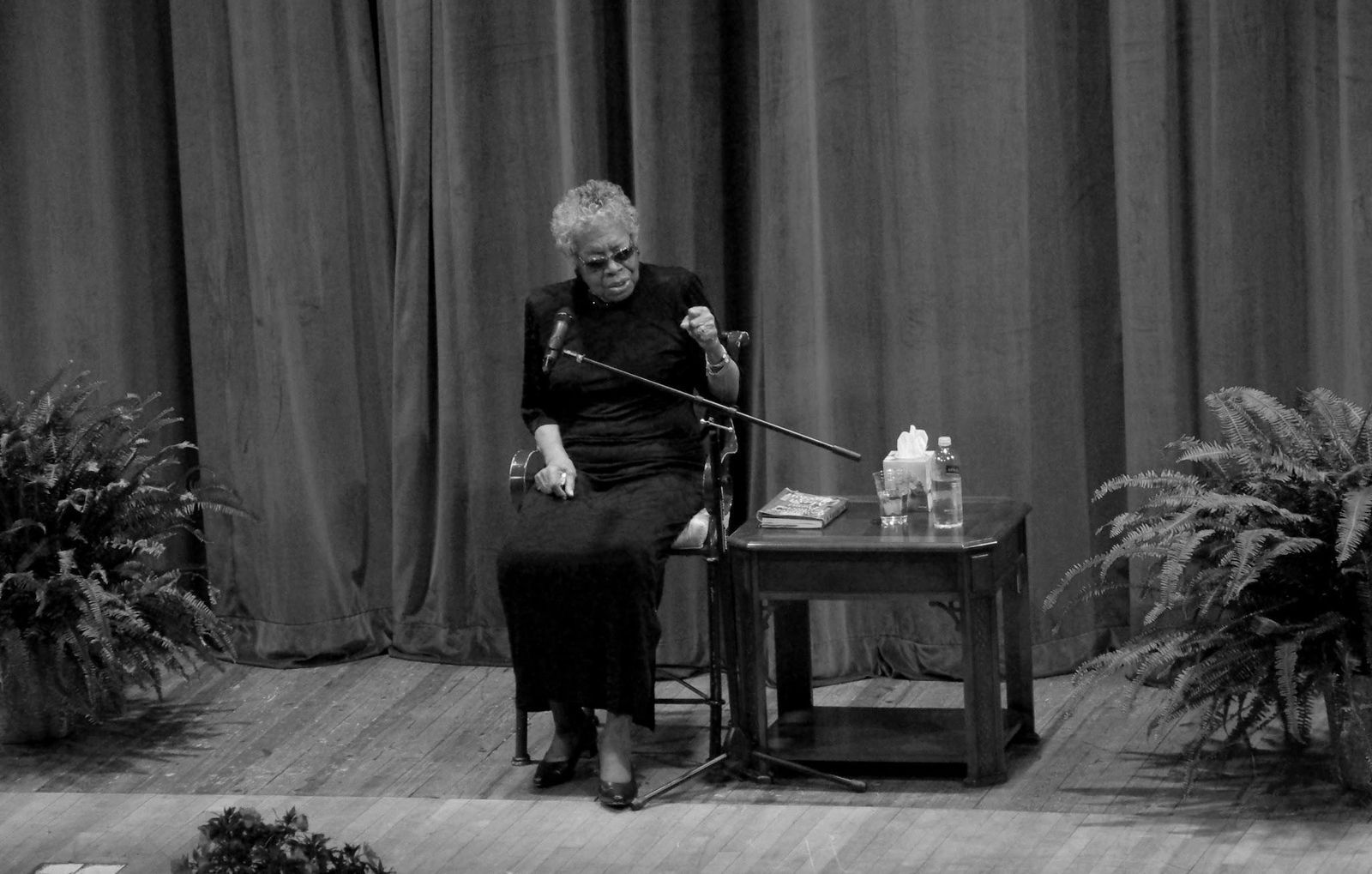
Long before becoming a celebrated poet and author, Maya Angelou made history in San Francisco during the 1940s. At only 16 years old, she applied repeatedly for a conductor job on the city’s cable cars after seeing an advertisement that excluded Black applicants .
Angelou refused to give up despite repeated rejection. She eventually became San Francisco’s first Black female cable car conductor in 1944. Years later, she described proudly wearing the blue uniform while working long shifts across the city before launching her writing and civil rights careers.
6
Dr. Seuss created classified wartime propaganda films
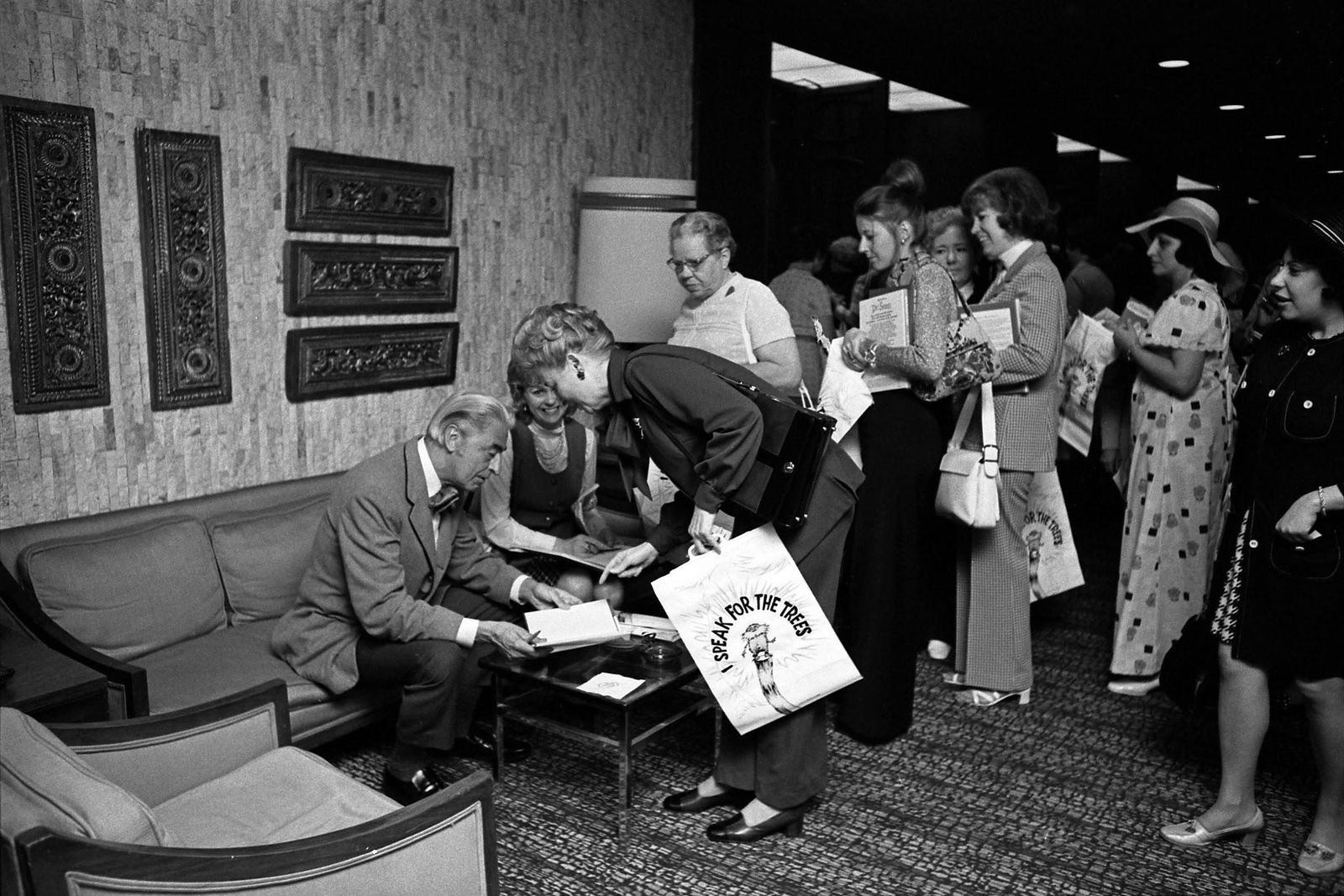
Before writing Green Eggs and Ham and The Cat in the Hat , Theodor Geisel, better known as Dr. Seuss, worked on wartime propaganda during World War II. Between 1943 and 1945, he joined director Frank Capra’s Signal Corps unit to produce military training films for American soldiers .
Geisel also drew political cartoons supporting the Allied war effort and criticizing fascism. Some of his films were classified during the war because they contained military training material. His animated work helped explain battlefield strategy and morale issues to thousands of U.S. troops overseas.
7
Babe Ruth once played an entire game with a fever over 102 degrees
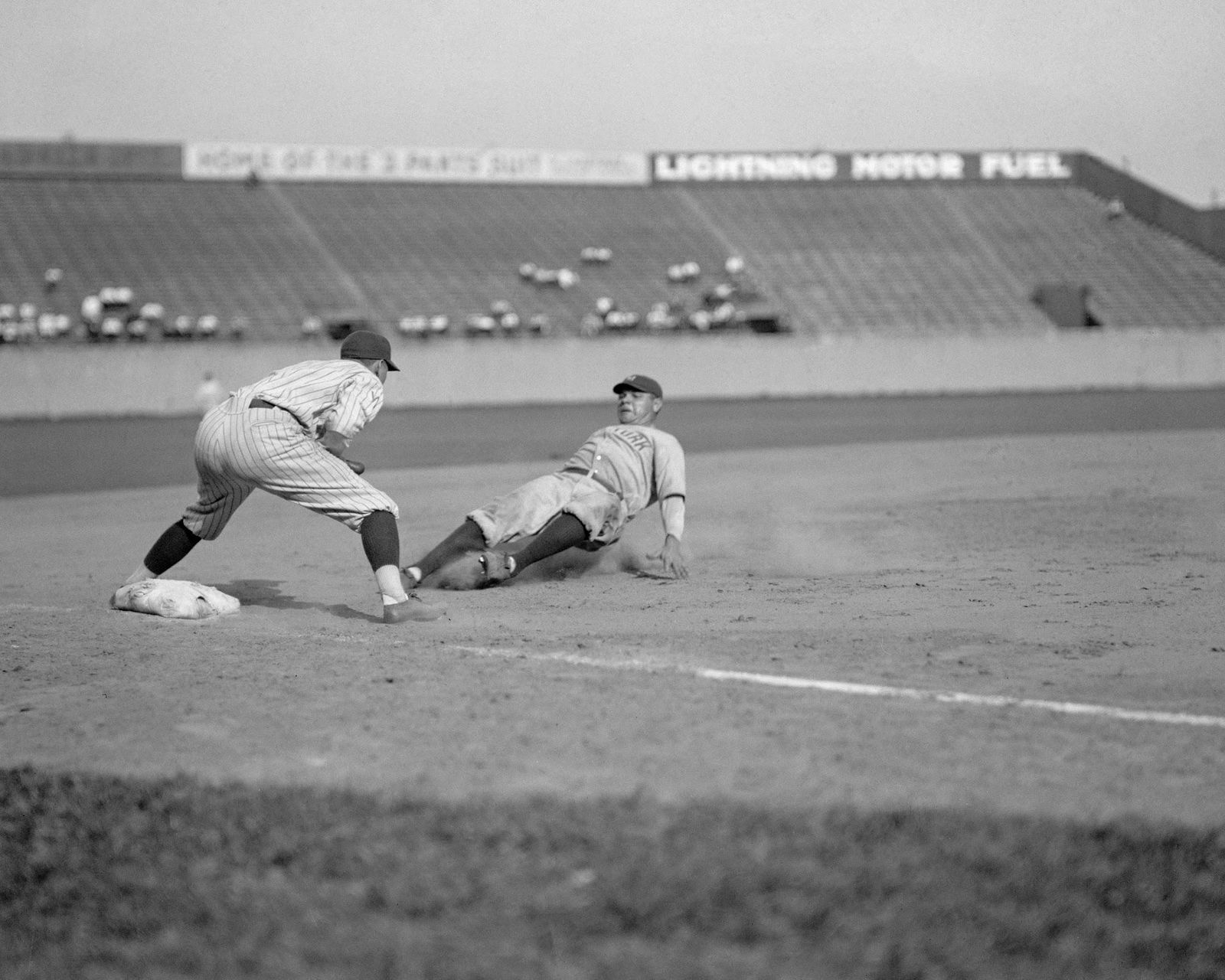
In 1925, Babe Ruth became seriously ill during spring training and collapsed while traveling by train . Newspapers nicknamed the incident "the bellyache heard around the world." Reports from the time described Ruth suffering from a fever above 102 degrees while still insisting on returning to baseball activities.
Despite his condition, Ruth’s determination became part of baseball legend. The illness hurt his performance during the 1925 season, when the New York Yankees finished seventh in the American League. Even so, Ruth rebounded quickly and helped lead the Yankees to championships in later years.
8
Harry Houdini worked with police departments
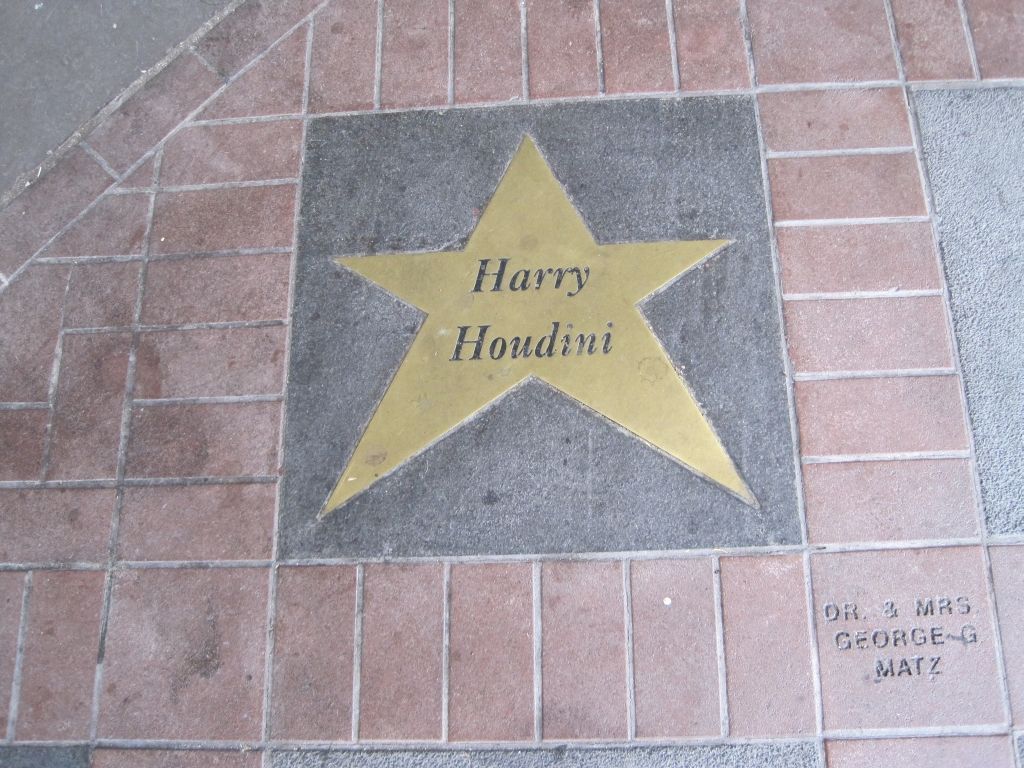
Harry Houdini’s famous escape acts fascinated police departments across America and Europe in the early 1900s. Officers regularly challenged him to escape from handcuffs, prison wagons, and locked jail cells. Houdini often invited local police to inspect restraints before his performances began.
Beyond entertainment, Houdini also worked closely with law enforcement to expose fraudulent mediums and fake spiritualists during the 1920s . Using his knowledge of locks, hidden compartments, and deception, he publicly demonstrated how many supposed supernatural tricks were actually carefully staged illusions.
9
Frank Lloyd Wright hid a private apartment inside one of his buildings
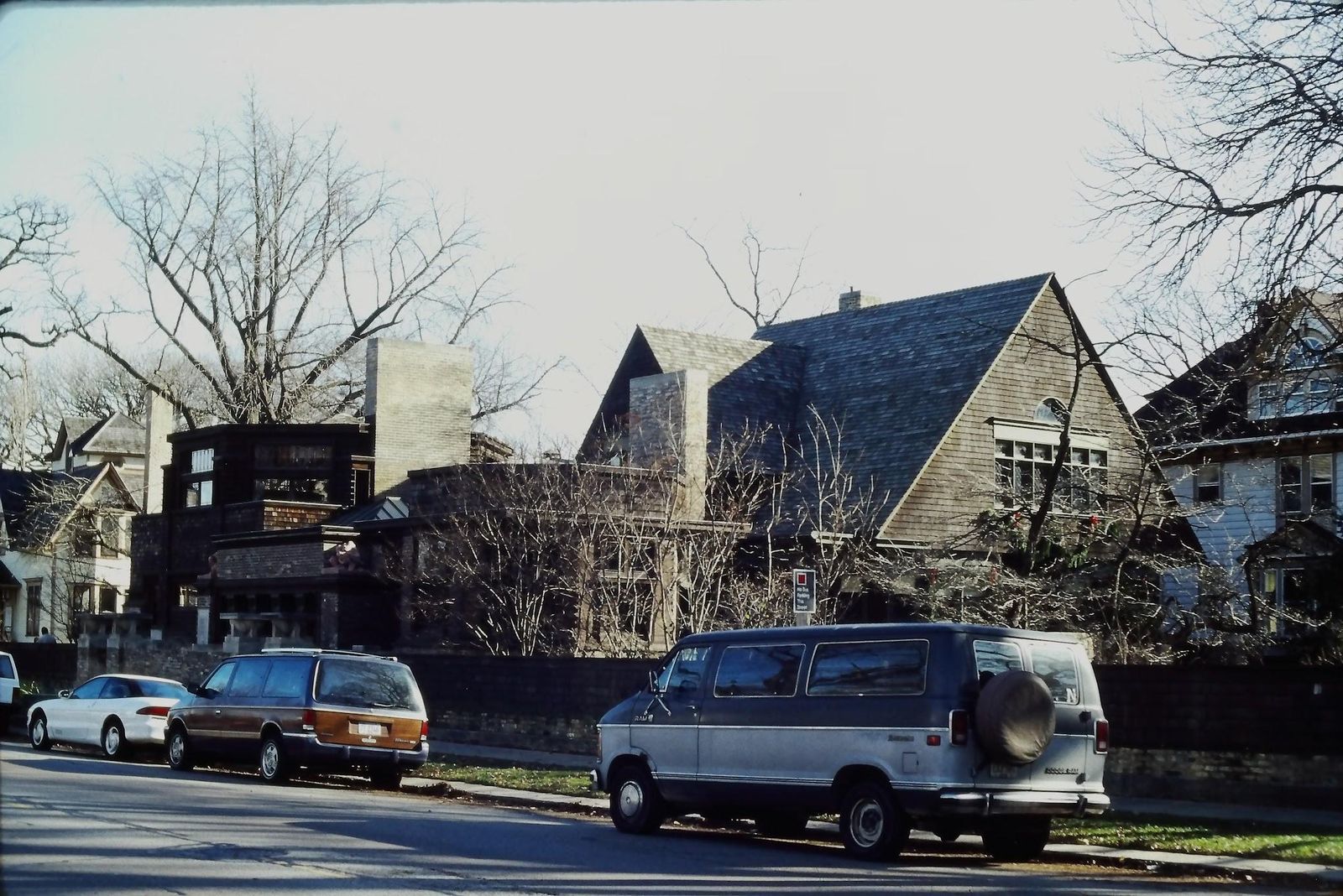
Architect Frank Lloyd Wright secretly maintained a private apartment inside his famous Oak Park Studio near Chicago, Illinois. Built in the 1890s, the studio served as both his workplace and personal retreat while he designed many of his early Prairie-style homes across the Midwest.
The hidden living quarters allowed Wright to work late into the night and host select guests away from public attention. The building itself became one of the most important centers of American architecture, producing groundbreaking residential designs that influenced modern architecture around the world.
10
Muhammad Ali quietly funded humanitarian causes for years
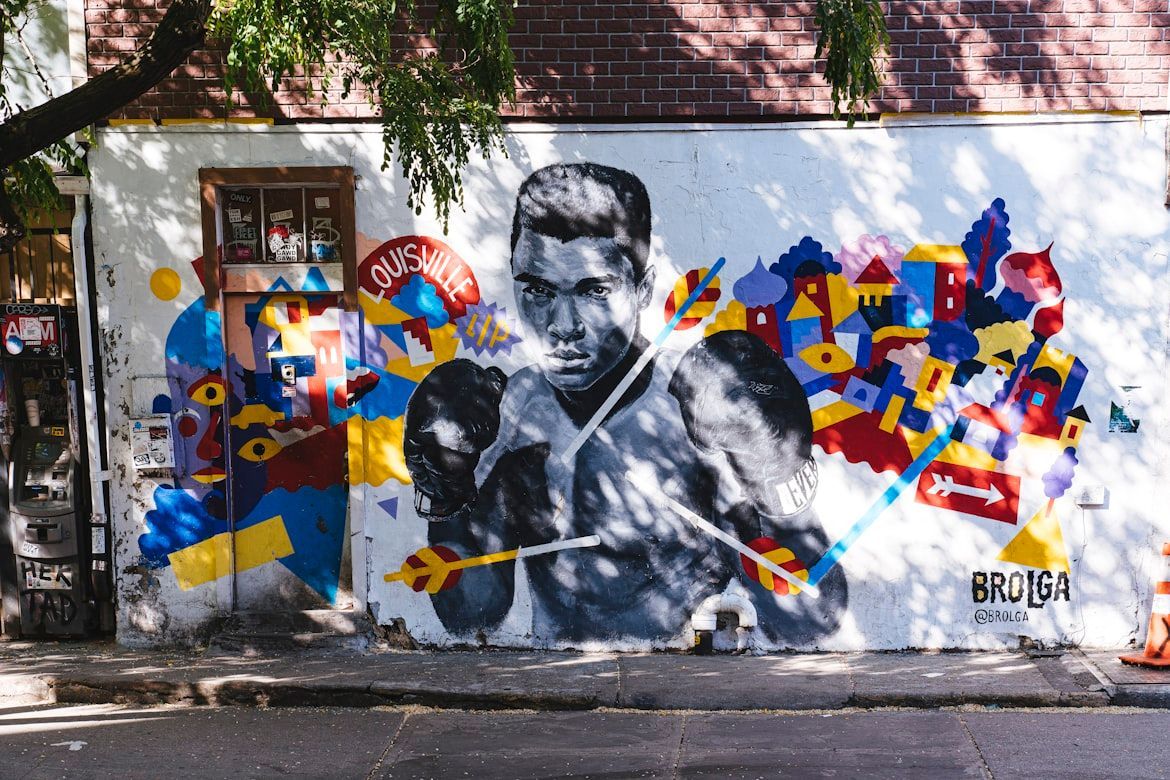
Muhammad Ali’s boxing fame often overshadowed his enormous charitable work. For decades, Ali quietly donated money to hospitals, food programs, children’s charities, and international humanitarian efforts . Friends and family later revealed that many of his contributions were intentionally kept private.
In 1990, Ali traveled to Iraq during tensions leading up to the Gulf War and helped secure the release of 15 American hostages. He also supported global relief organizations and Parkinson’s disease research after his own diagnosis. In 2005, President George W. Bush awarded Ali the Presidential Medal of Freedom.