General General 5 min read

Think America is divided? These 10 moments say otherwise

Image: Studio Romantic

No matter who you are, these iconic days have marked all our lives. Chances are, you have some meaningful memories attached to at least one of them. Let’s look back at these 10 incredible moments that unite people across America from coast to coast and try not to get too emotional along the way.

1
Super Bowl - The biggest party in America
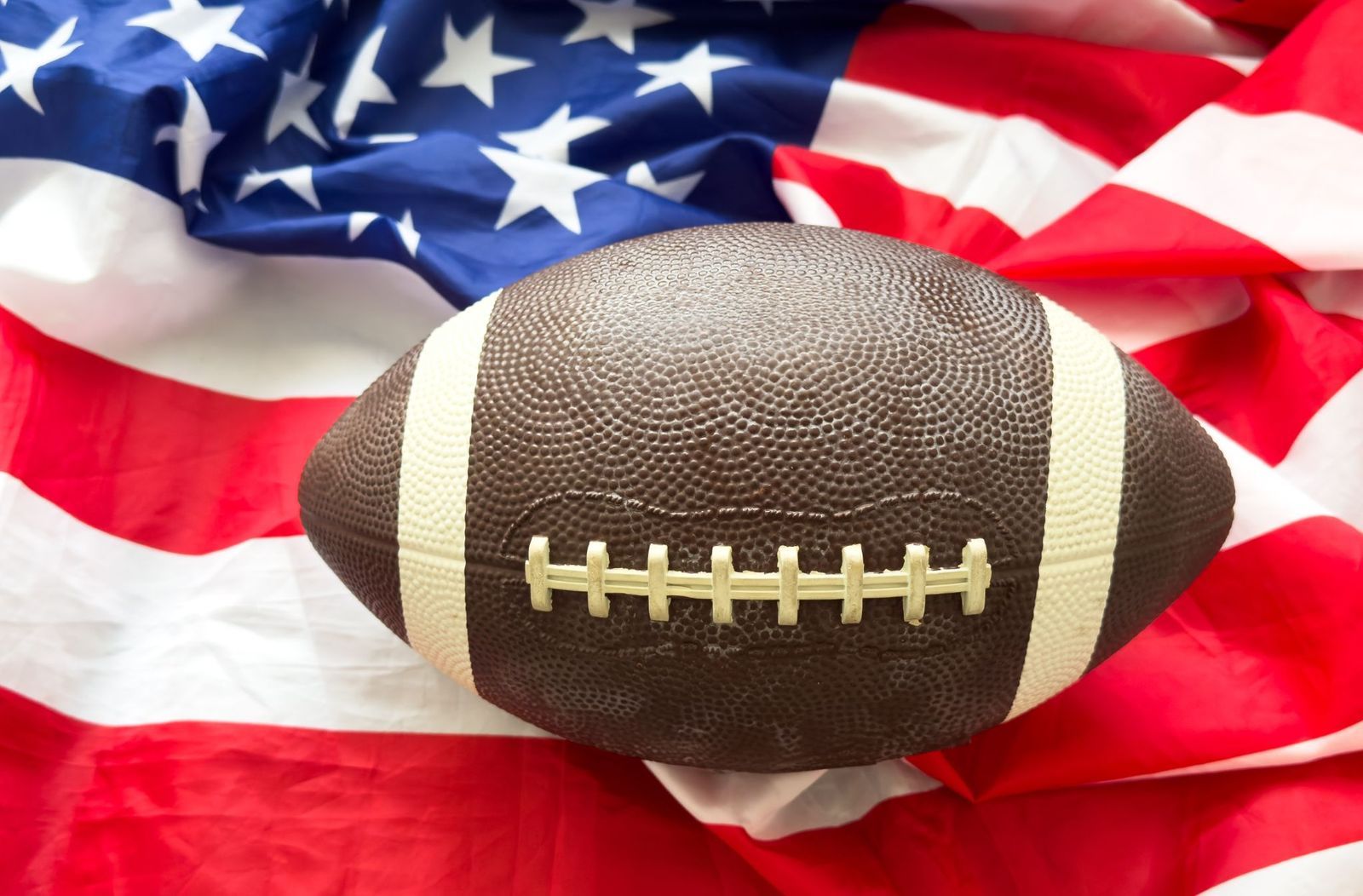
Image: Andrew Angelov

Where were you when you first watched the Super Bowl? Do you have an all-time favorite game you’ll never forget? The Super Bowl is the biggest, most-watched single event in the United States . It has become an unofficial national holiday that unites millions of Americans through a shared love of football.

The Super Bowl halftime show brings people together for a massive cultural performance featuring iconic artists. The commercials are also highly anticipated, with some of the biggest-budget campaigns talked about as much as the game itself. The shared experience, alongside incredible moments like miracle comebacks, is often paired with classic game-day foods such as chicken wings, nachos, and pizza.

2
Independence Day - Red, white, and boom
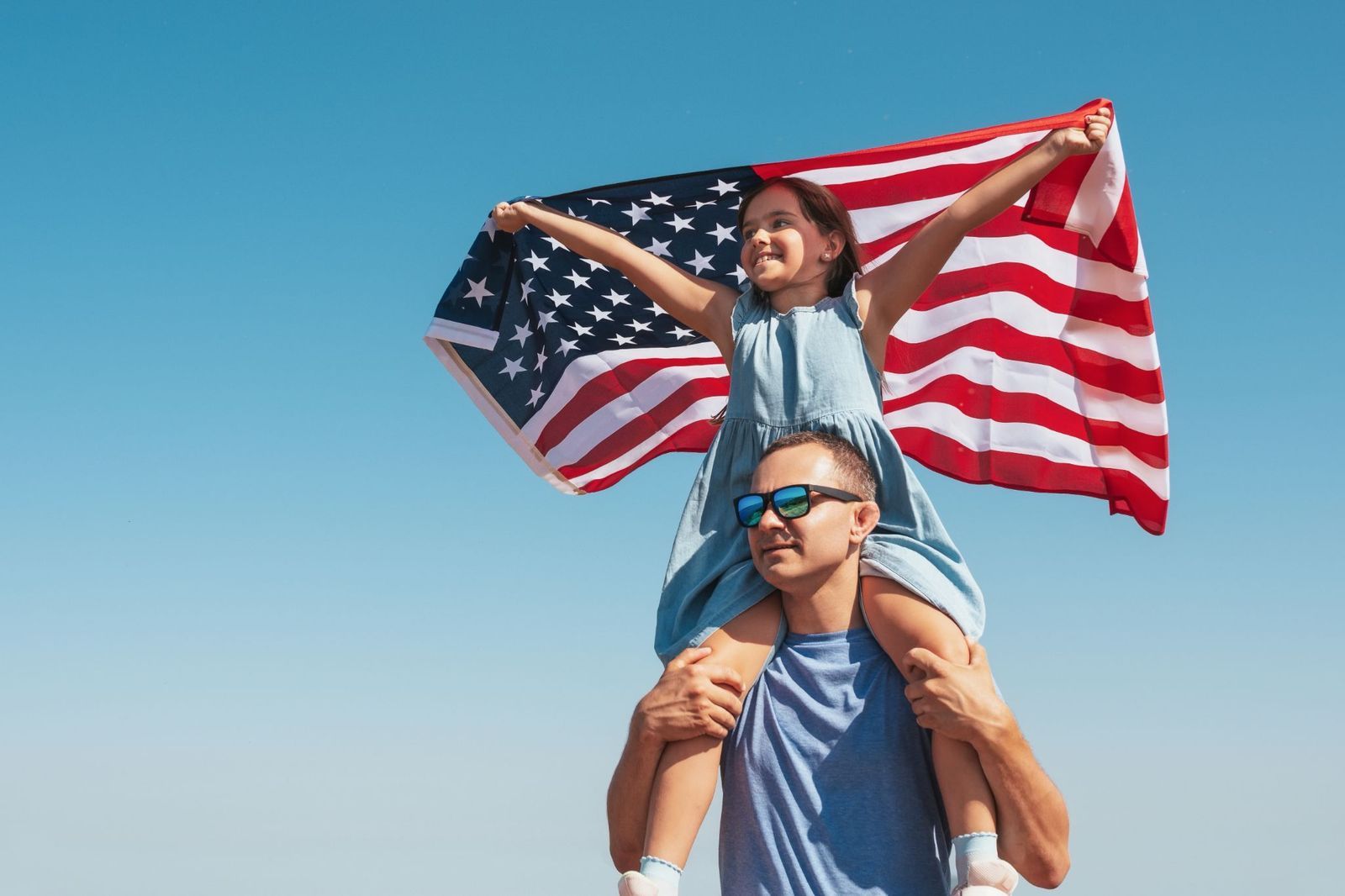
Image: shablovskyistock

Independence Day marks the birth of the United States as a free nation. On July 4, 1776, the Founding Fathers adopted the Declaration of Independence, cutting ties with Great Britain. This holiday unites the country through traditions, patriotic reflection, and celebration.

It brings friends and family together from coast to coast to enjoy parades with marching bands, classic cars, and community floats; spectacular fireworks lighting up the skies across the country ; and cookouts with barbecues, picnics, and backyard games. Red, white, and blue fill the scene, alongside the national anthem, "The Star-Spangled Banner," reinforcing a shared sense of pride.

3
Thanksgiving - The ultimate family feast

Image: Yuganov Konstantin

Do you love inviting everyone for Thanksgiving and preparing the ultimate feast? Or do you prefer visiting loved ones you haven’t seen in a while? Thanksgiving unites Americans through gratitude, food, and tradition.

It began in 1621, when early English settlers and Native Americans celebrated the autumn harvest. In 1863, during the Civil War, President Abraham Lincoln made it a national holiday to heal and unite a divided country. With traditions ranging from turkey and stuffing to the Macy’s Thanksgiving Day Parade, NFL games, and volunteering at shelters, the holiday centers on gratitude and togetherness .

4
Christmas - A season of giving

Image: PeopleImages

Is Christmas your ultimate holiday? Do you look forward to it all year long? Even for those who don’t celebrate it religiously, it’s an occasion that blends diverse cultural backgrounds into a shared spirit of peace and goodwill . Traditions include the lighting of the National Christmas Tree in Washington, D.C., and large public celebrations in cities like New York.

President Ulysses S. Grant made Christmas a federal holiday in 1870 to help heal a divided nation after the Civil War. Today, that spirit lives on through neighborhoods turned into winter wonderlands with dazzling light displays, and comforting foods from turkey to apple pie, along with carols, gift-giving, and acts of charity.

5
New Year’s Eve Times Square Ball Drop - The countdown everyone shares
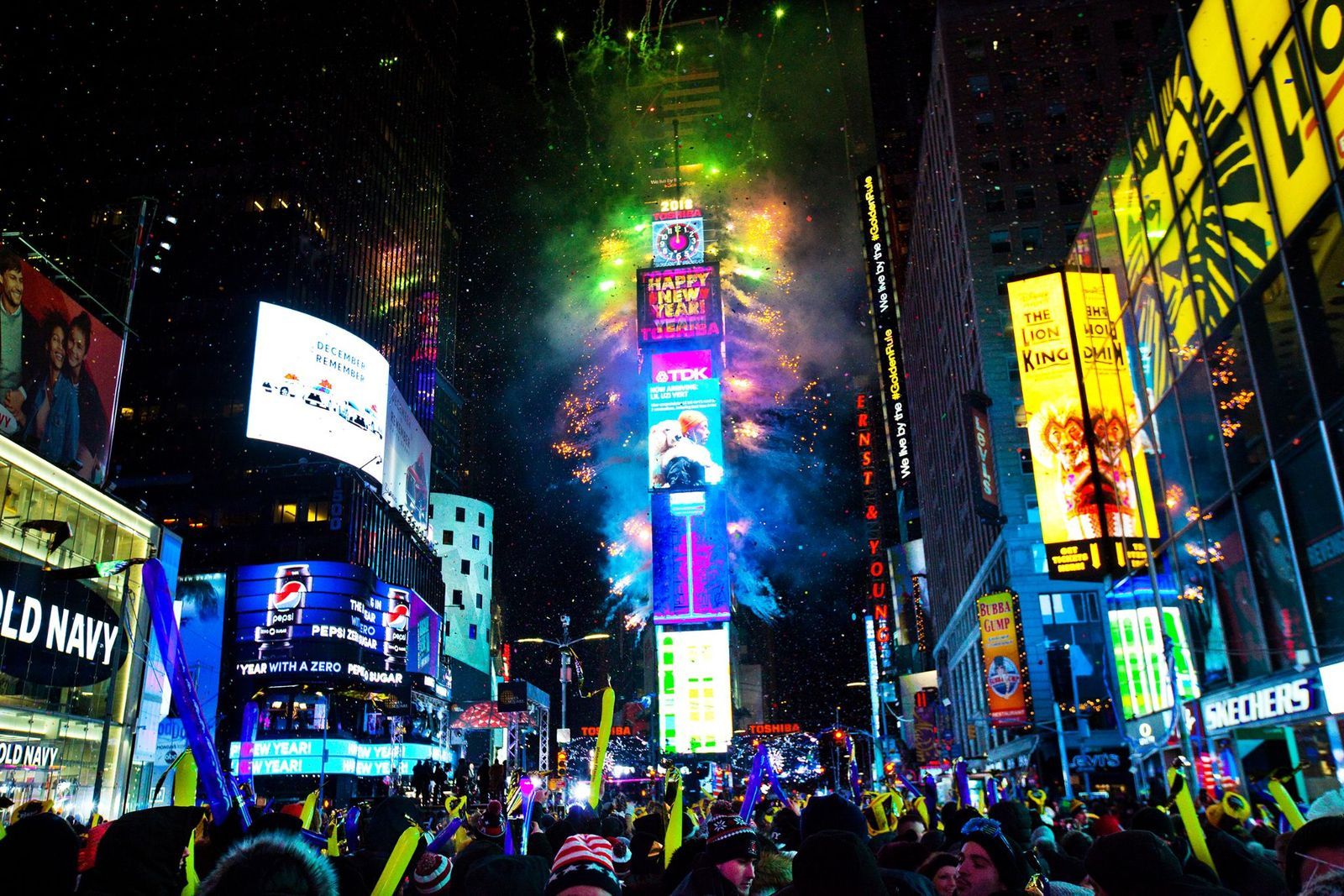
Image: MNAphotography

How important are your New Year's resolutions? Or are you just there for the midnight kiss? Either way, the New Year’s Eve Times Square Ball Drop is an iconic moment of unity.

Every December 31 at 11:59 p.m., the nation pauses to watch the countdown welcoming a fresh start. This tradition draws nearly one million people to New York City each year and reaches over one billion people worldwide through television and live broadcasts.

6
March Madness - Brackets, buzzer-beaters & cinderella stories

Image: Retouch man

How much do you enjoy competition and surprises? That’s exactly what March Madness is all about: the annual NCAA college basketball tournament known for its chaotic and thrilling unpredictability.

From casual viewers picking teams based on the mascot that catches their eye to die-hard fans with a long family history supporting the teams, this three-week-long sporting event captivates Americans. Filling out "brackets" before the championship begins and watching underdog "Cinderella" teams rise through the one-and-done format are all part of the excitement, culminating in the iconic "One Shining Moment" montage.

7
Election Day - Democracy in action
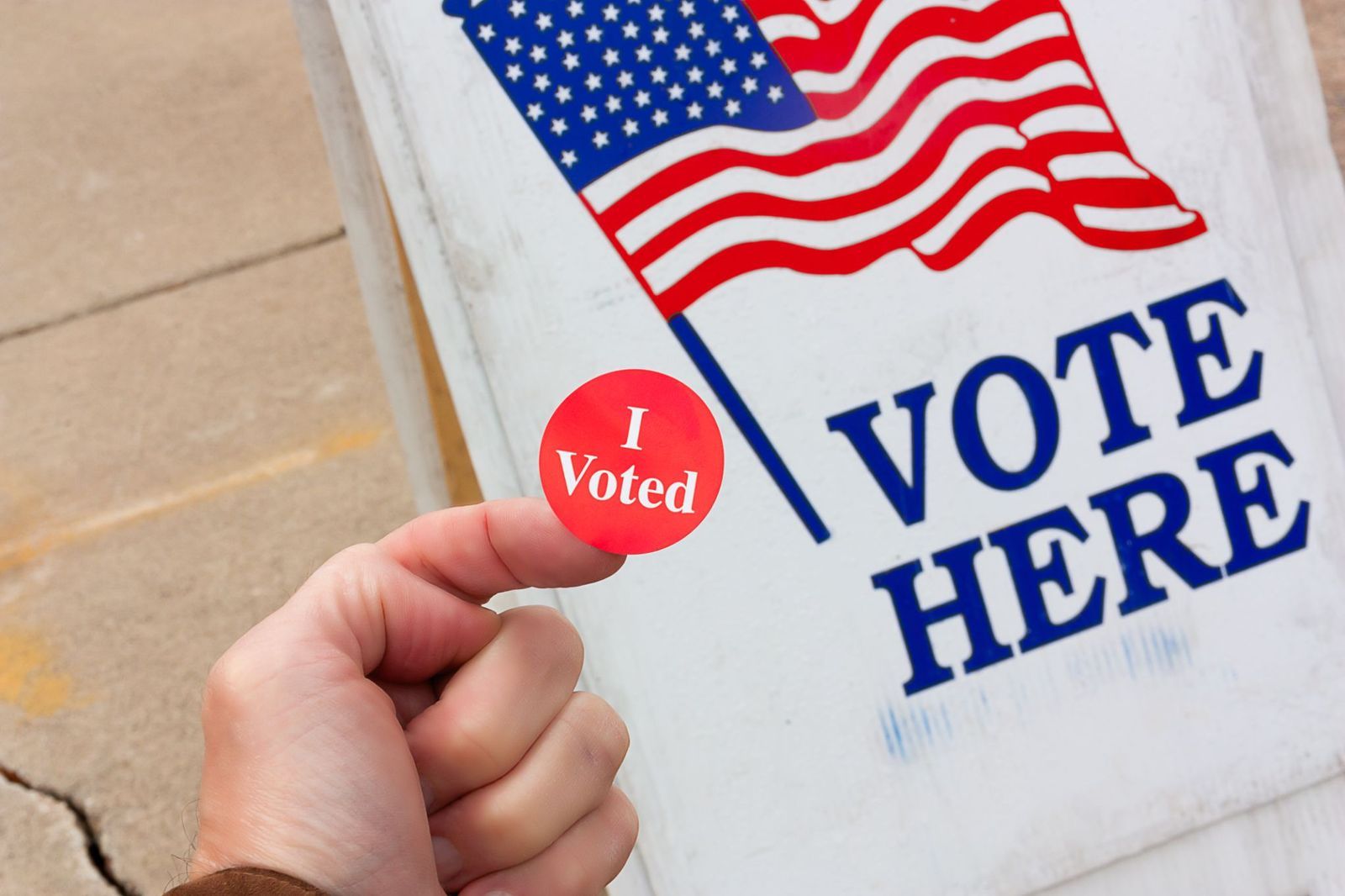
Image: Ken Wolter

Do you remember being little, knowing it was Election Day, and watching your parents head out to vote? Or the first time your children voted? Despite intense political differences, there are nationwide traditions that millions of American families share.

Standing in line side by side represents equal access to democracy . The "I Voted " stickers are badges of civic pride that often spark conversation. Similarly, the "I Voted selfie" has become a modern way to share the moment and encourage others to do the same. As the day comes to a close, "watch parties" bring people together, while concession and victory speeches symbolize the peaceful transition of power after the race is called.

8
Presidential Inauguration - A peaceful transfer of power
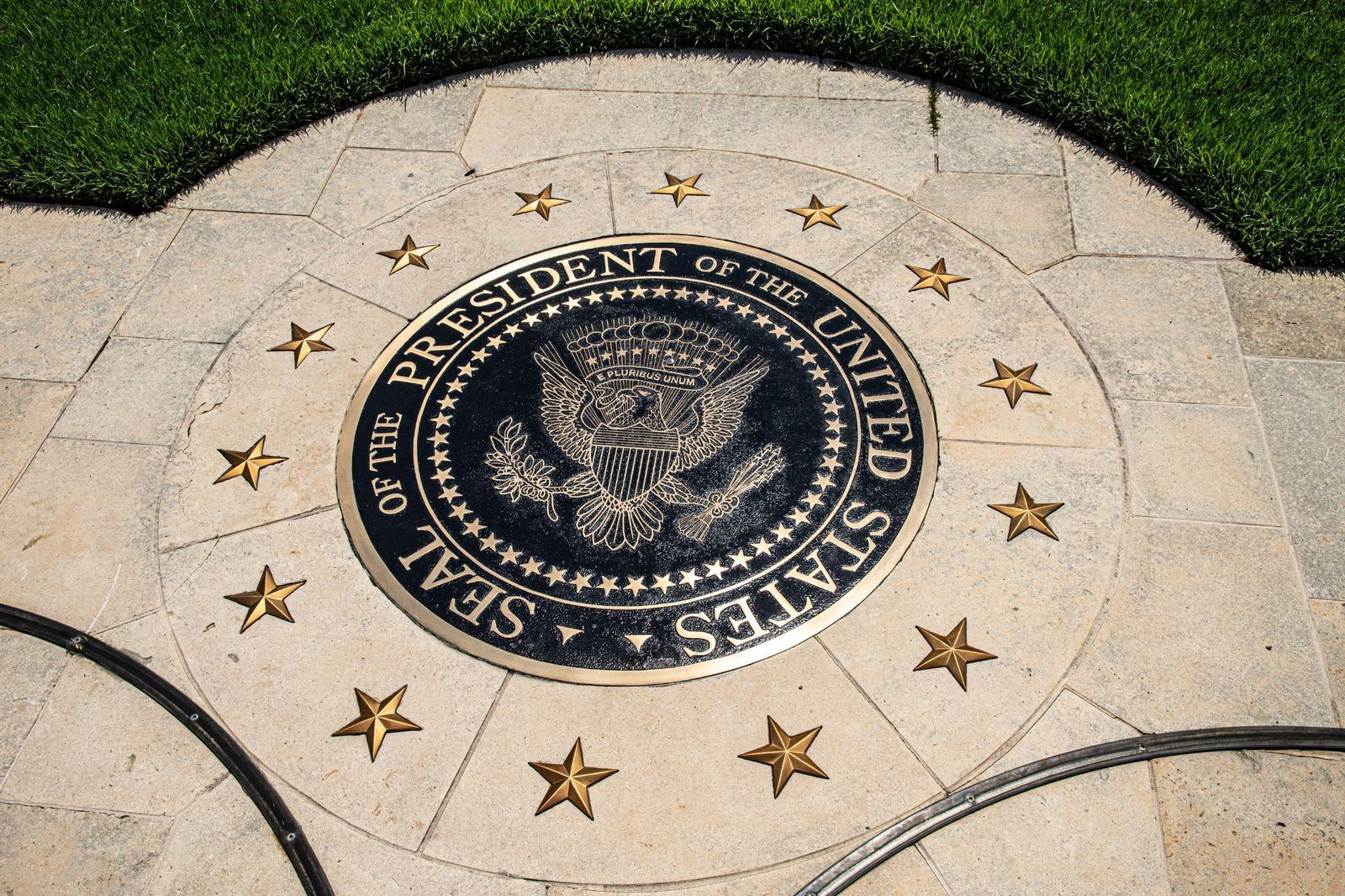
Image: Casey Fredette Media

Presidential inaugurations are a symbol of American democracy, emphasizing the peaceful transition of power, respect for the Constitution, and hope for the future.

The first inauguration took place on April 30, 1789, when George Washington took the oath of office, reportedly adding the now-famous words "So help me God" . The first outdoor speech was given by Thomas Jefferson in 1801, reinforcing the idea of a government for the people. A more recent tradition is that the outgoing president leaves a letter for the incoming president, a gesture that shows the country is bigger than any political divide.

9
Memorial Day - Honoring the fallen

Image: Grindstone Media Group

Memorial Day is a federal holiday observed in the United States on the last Monday of May. It’s a solemn day that honors the men and women who died while serving in the U.S. Armed Forces.

One of the most meaningful moments is at 3:00 p.m. local time, when people across the country pause for a moment of silence to remember the fallen . The day blends national remembrance with the unofficial start of the summer season through community events.

10
Veterans Day - A nation’s gratitude
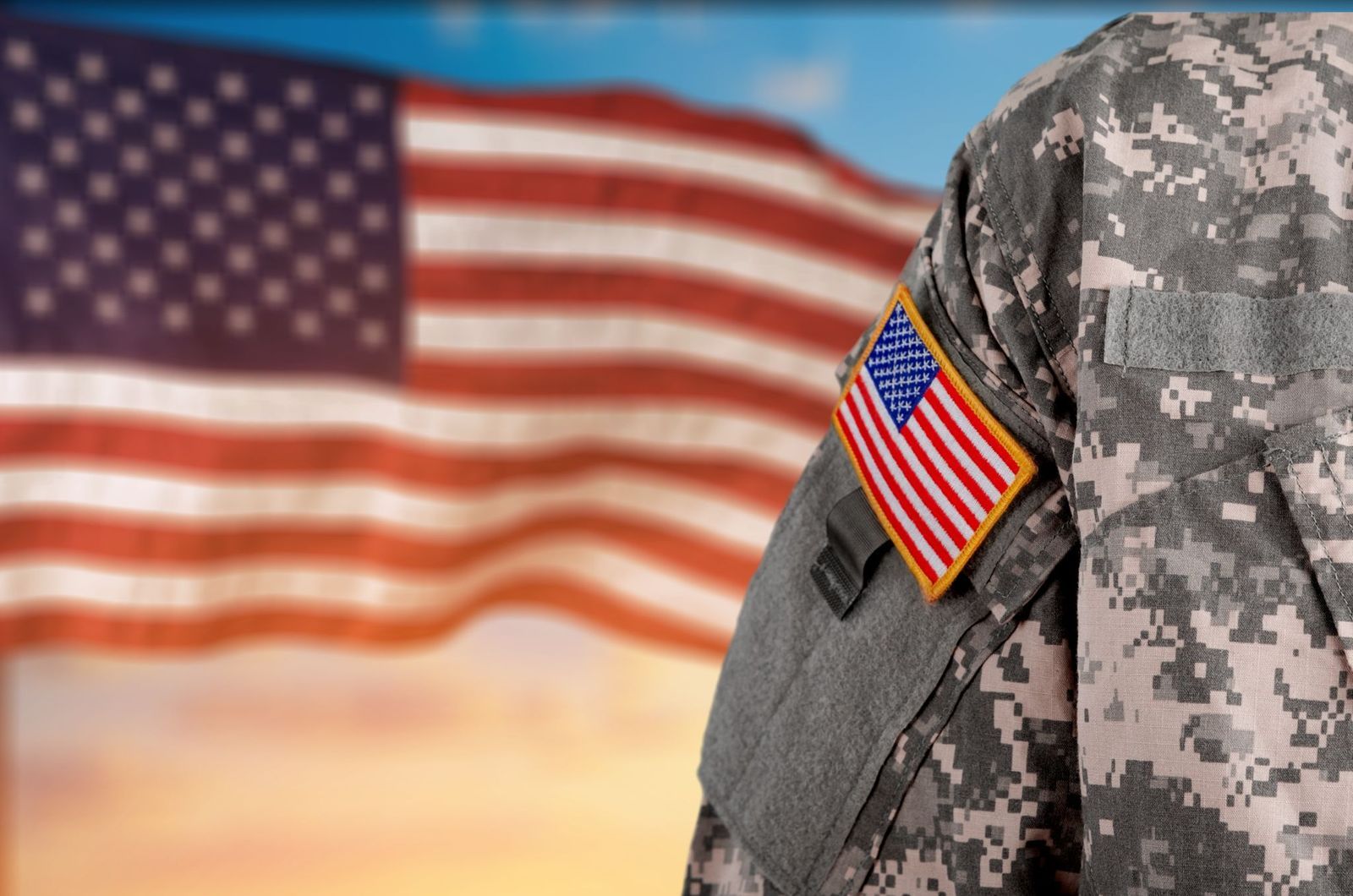
Image: Billion Photos

Whether you are closely tied to the military or not, Veterans Day is deeply meaningful across the country. Observed annually on November 11, it honors all military veterans who have served in the United States Armed Forces . This holiday bridges political and cultural divides by prioritizing shared gratitude and respect for service.

The origin of the day goes back to Armistice Day, marking the end of World War I, as major hostilities ended at the 11th hour of the 11th day of the 11th month in 1918. Today, communities pause at exactly 11:00 a.m. for a moment of silence. Parades, from the New York City Veterans Day Parade to small neighborhood celebrations, as well as the wreath-laying ceremony at the "Tomb of the Unknown Soldier" at Arlington National Cemetery, remain powerful traditions.
General General 6 min read

Hidden from the public

What's hidden beneath the National Mall? It's not what you think

Image: Sonder Quest

Cities like Washington, DC, Philadelphia, and Boston feel so famous that it’s easy to think there’s nothing left to discover in them. But with centuries of history behind them, they’re full of secrets most people never learn about. From underground tunnels linking iconic buildings to hidden rooms inside famous landmarks, today we’re uncovering 10 hidden spots and historical secrets of the cities you thought you knew.

1
National Mall’s hidden tunnel (Washington, DC)

Image: Samuel Girven

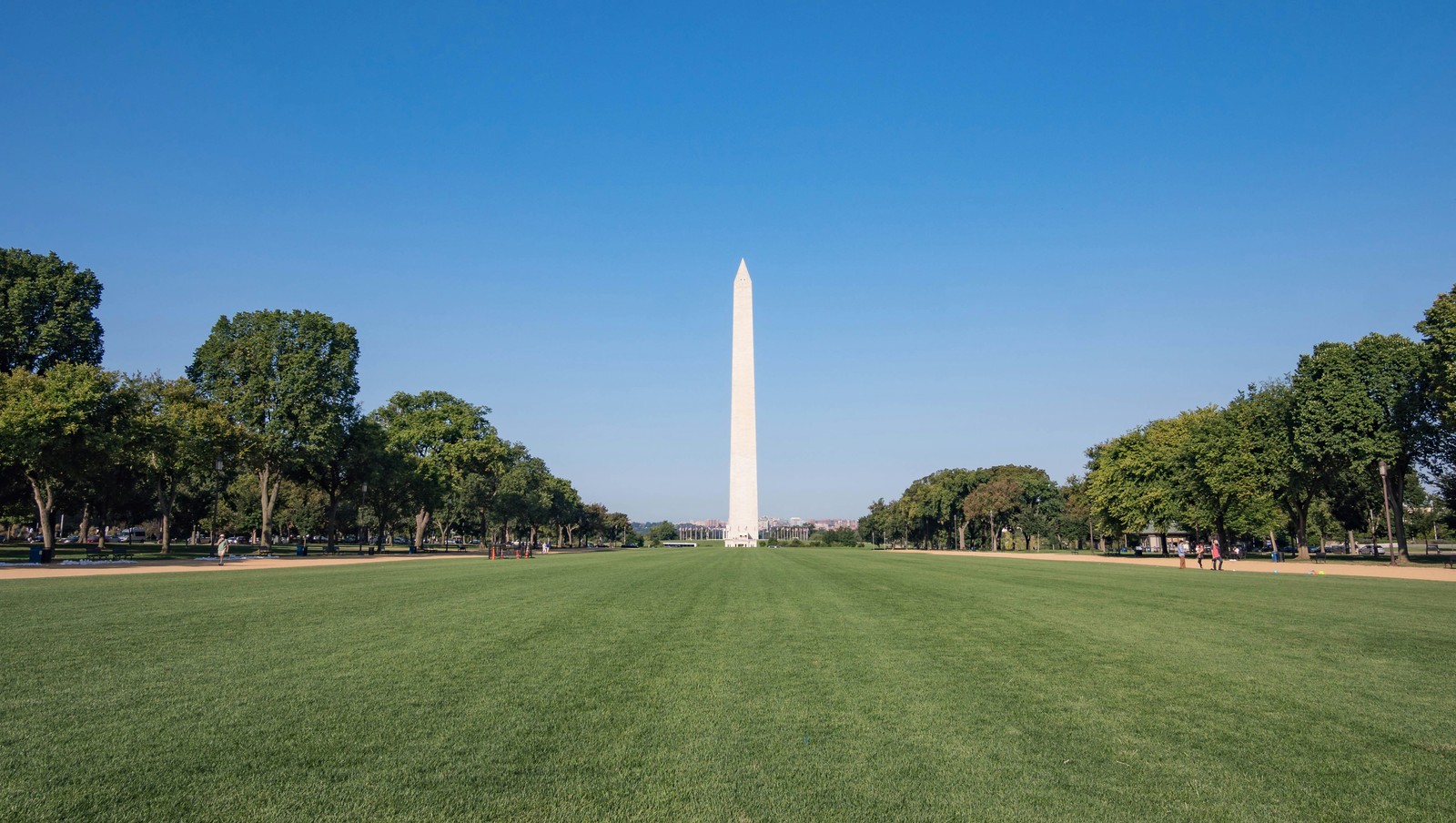
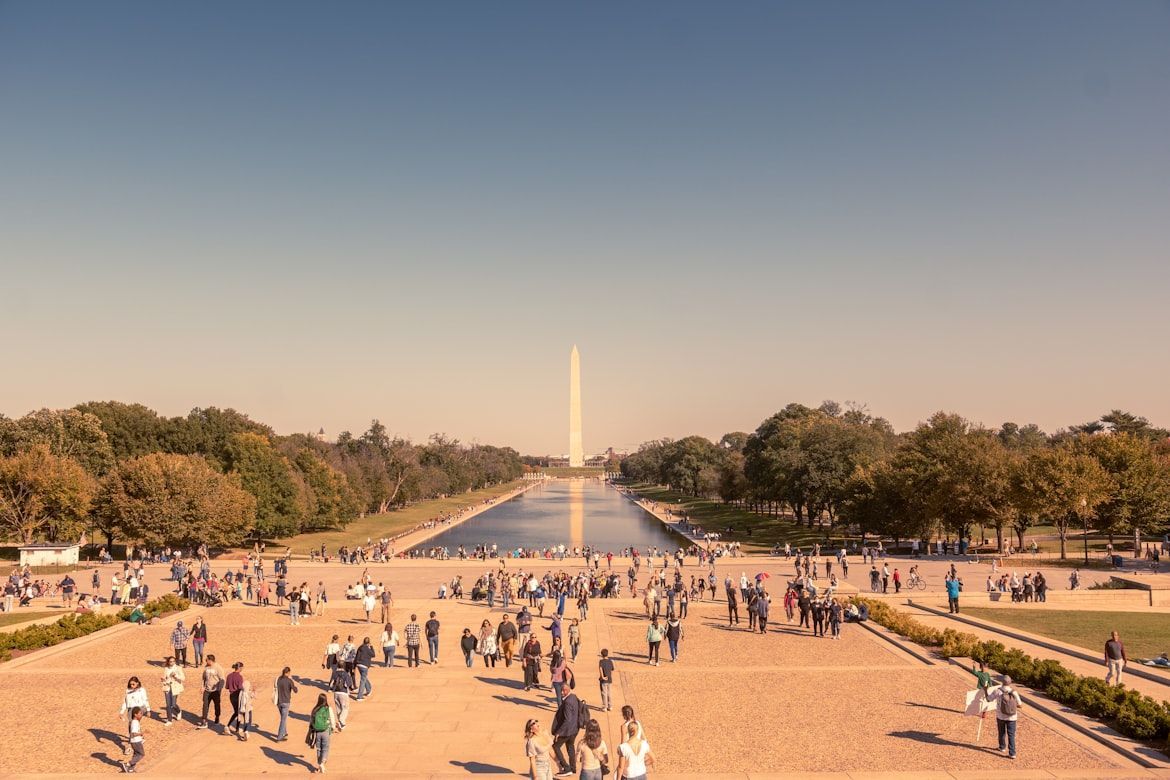
The National Mall landscape in Washington, DC, is so familiar that it’s hard to imagine anything hidden beneath it, but there is more going on below the surface than most visitors realize.

Beneath parts of the Mall, a network of underground tunnels connects buildings like the Smithsonian Institution Building, a.k.a "The Castle", with other Smithsonian facilities, including the National Museum of Natural History. They’re mainly used for utilities, secure staff access, and behind-the-scenes operations that keep the museums running smoothly.

2
Mount Rushmore’s secret chamber (Keystone, SD)

Image: Uniq Trek

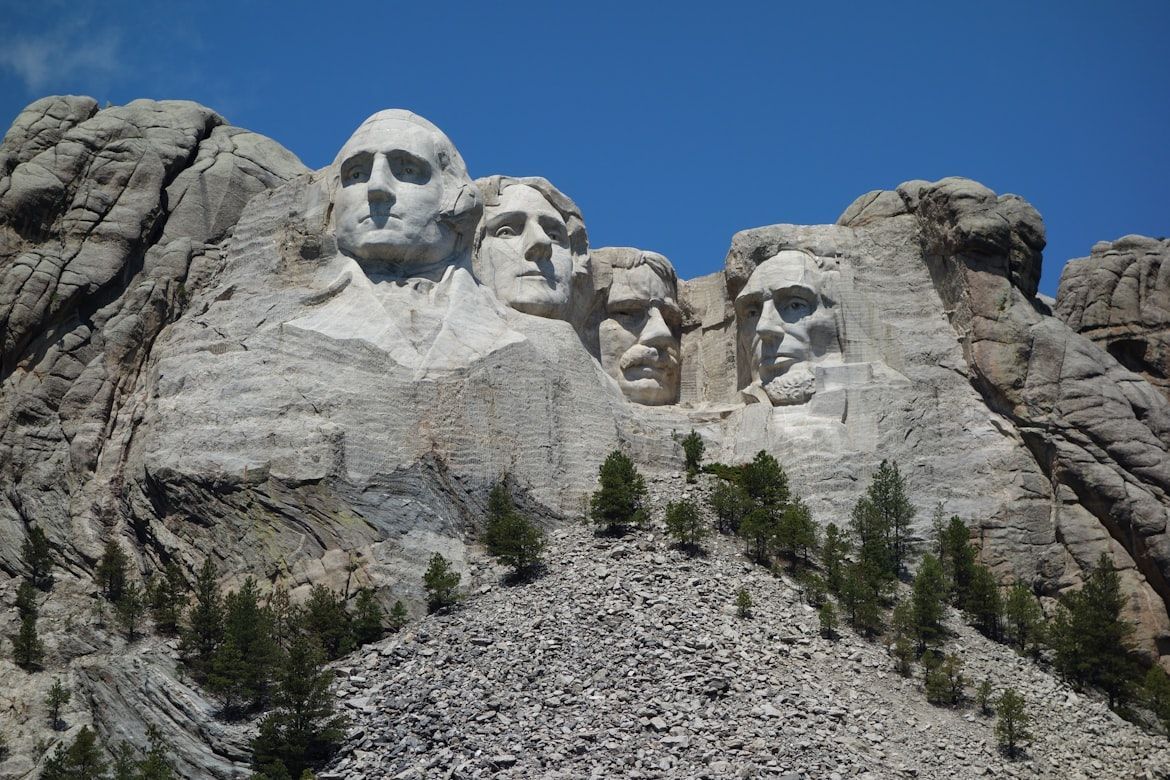
When you look at Mount Rushmore, the first thing you notice is the four faces of George Washington, Thomas Jefferson, Theodore Roosevelt, and Abraham Lincoln, but there’s more than meets the eye. Hidden behind Lincoln’s head is a secret chamber known as the "Hall of Records," a place visitors have rarely ever seen. It was the idea of sculptor Gutzon Borglum, who imagined it as a grand room to hold important US documents and tell our story as a country. Construction began with that goal, but the project was never completed. Today, the chamber remains unfinished, but it's there, waiting to be visited someday.

3
The Las Vegas sign is in another city (technically, Paradise, NV)

Image: Sung Shin

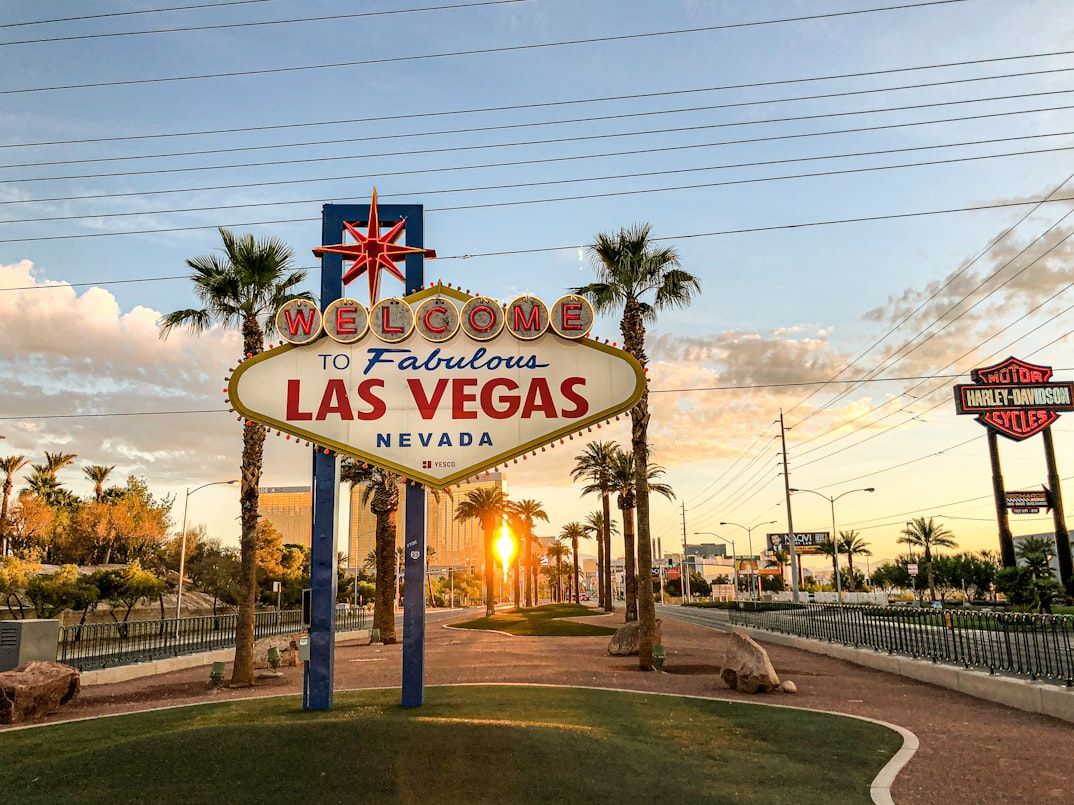
Do you have the classic picture in front of the iconic "Welcome to Fabulous Las Vegas" sign? If you snapped it and then drove to another city, we hate to break it to you, but you weren’t in Las Vegas.

The famous sign, installed in 1959, actually sits a couple of miles outside the city limits. In fact, the sign and most of the Strip are technically located in the towns of Paradise and Winchester, unincorporated communities in Clark County, Nevada, not within Las Vegas itself. And that’s no accident: much of the Strip and its casinos were originally developed outside the city in the 1950s to avoid municipal taxes and regulations.

4
Fragments of the Antarctic ice sheets (Denver, CO)

Image: Marco Bianchetti

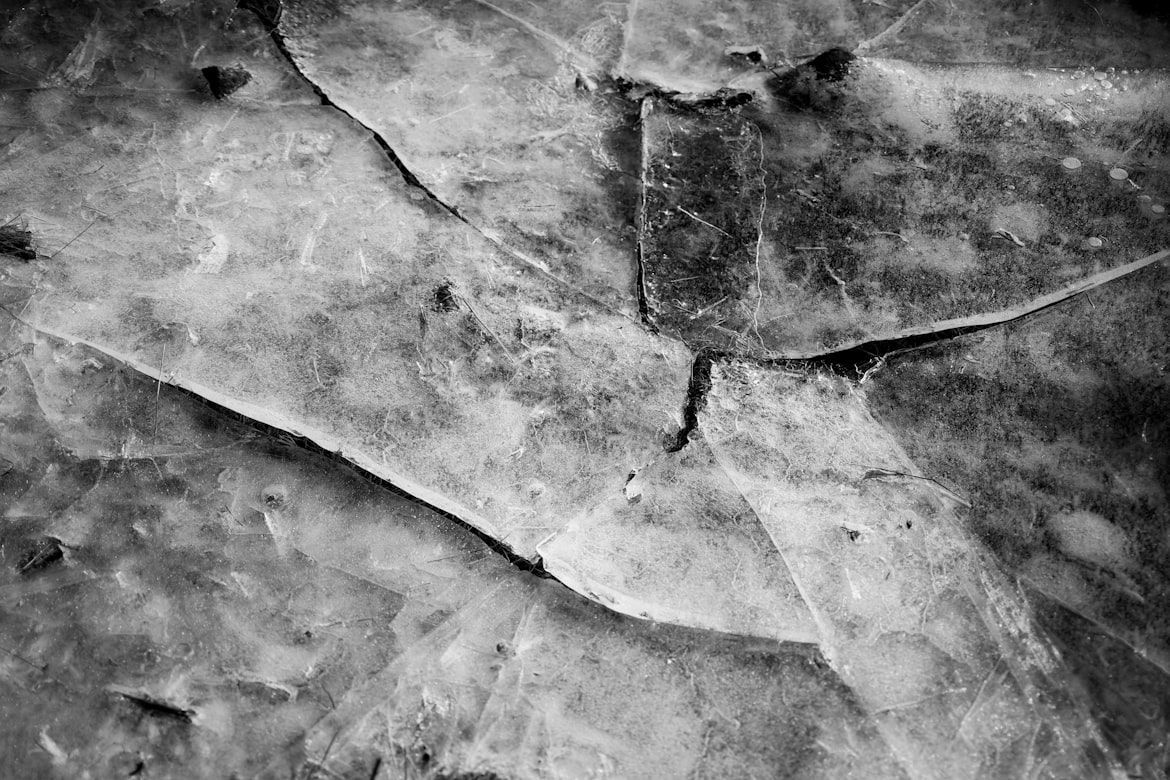
Did you know that the Mile High City stores miles of ice from Greenland and Antarctica? Ok, but how?

At Denver’s National Ice Core Laboratory, part of the Federal Science Center, the ice is kept at around -32.8°F. Researchers study it not just to understand Antarctica itself, but also to inspect Earth’s history. Some of these blocks of ice are hundreds of thousands of years old, and from them, scientists can reconstruct ancient temperatures, track greenhouse gas levels, and even identify major volcanic eruptions preserved in the layers.

5
The hatch at the top of City Hall Tower (Philadelphia, PA)

Image: Miscellaneous Items in High Demand, PPOC, Library of Congress, Public domain, via Wikimedia Commons

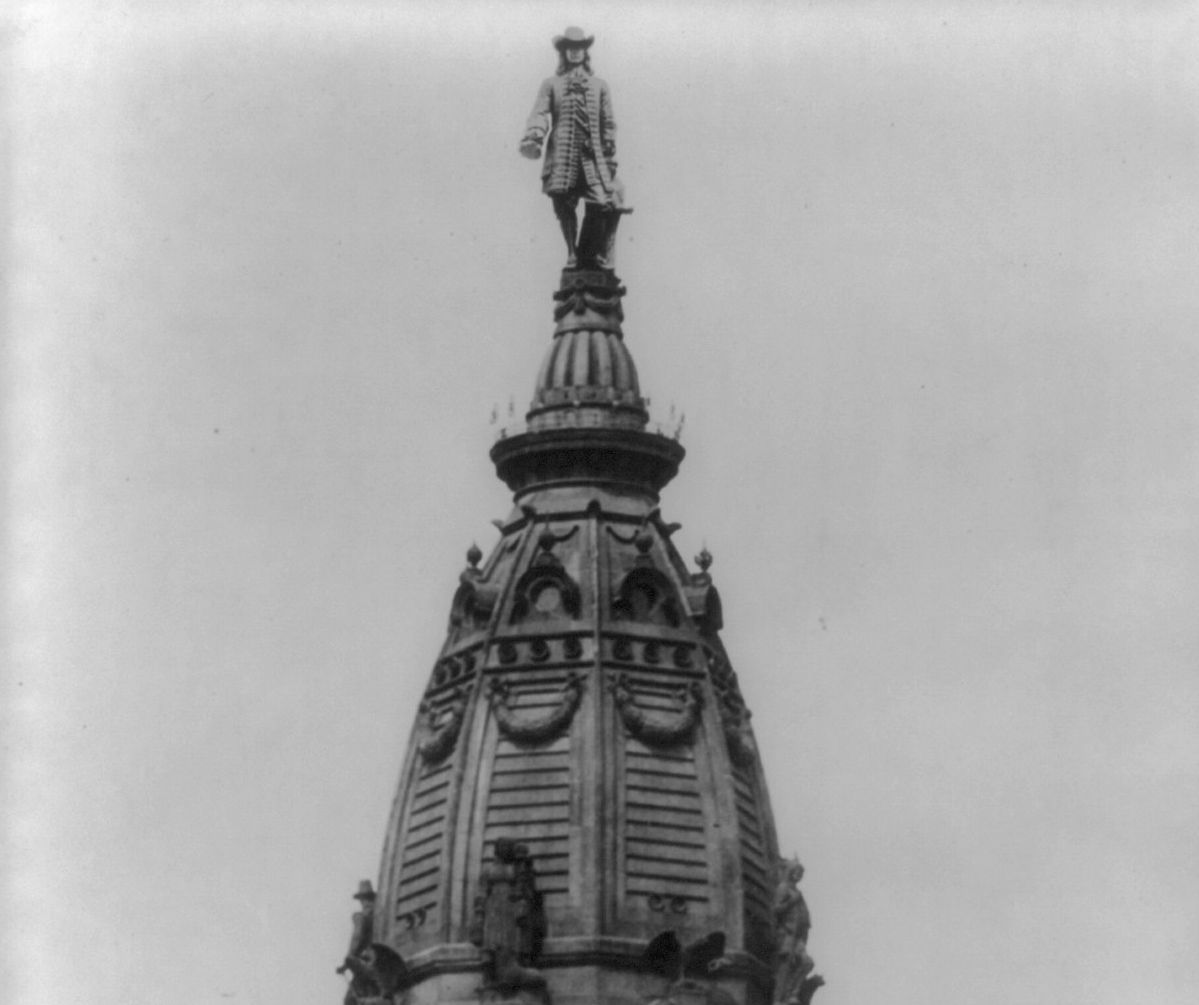
Counting the statue of William Penn at its summit, the tower of Philadelphia City Hall rises about 548 feet, making it the tallest municipal building in the United States. But hidden high above the street, the statue conceals a little-known secret.

At its base is a small hatch, originally built to give workers access for maintenance. It offers an incredible vantage point over the city, but getting there isn’t easy. To reach it, you have to climb narrow stairways and walk through tight, elevated passageways. Would you dare give it a try?

6
A 112,544 square-foot underground bunker (White Sulphur Springs, WV)

Image: Kberg115, CC BY-SA 3.0, via Wikimedia Commons

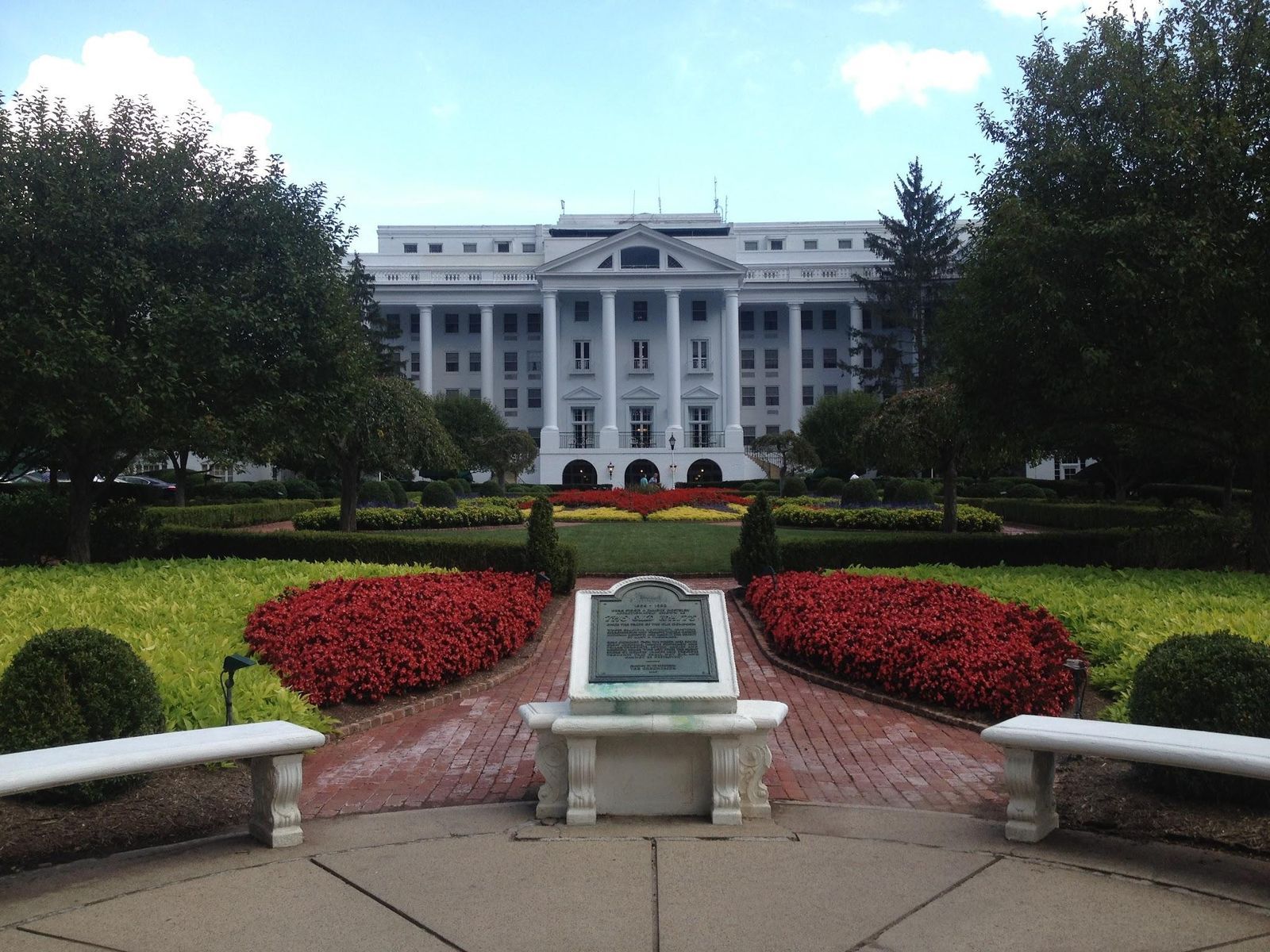
The tense atmosphere and threats of the Cold War led to the construction of thousands of underground bunkers across the US. And one of the most impressive is right beneath the Greenbrier Resort in White Sulphur Springs, West Virginia.

Buried 720 feet into the hillside, this 112,544-square-foot bunker was created to shelter all 535 members of the US Congress in the event of a nuclear attack. Built between 1958 and 1961, it was sealed behind a 25-ton blast door, and it remained a protected secret for more than 30 years.

7
Catacombs underneath City Market (Indianapolis, IN)

Image: Richie Diesterheft, CC BY-SA 2.0, via Wikimedia Commons

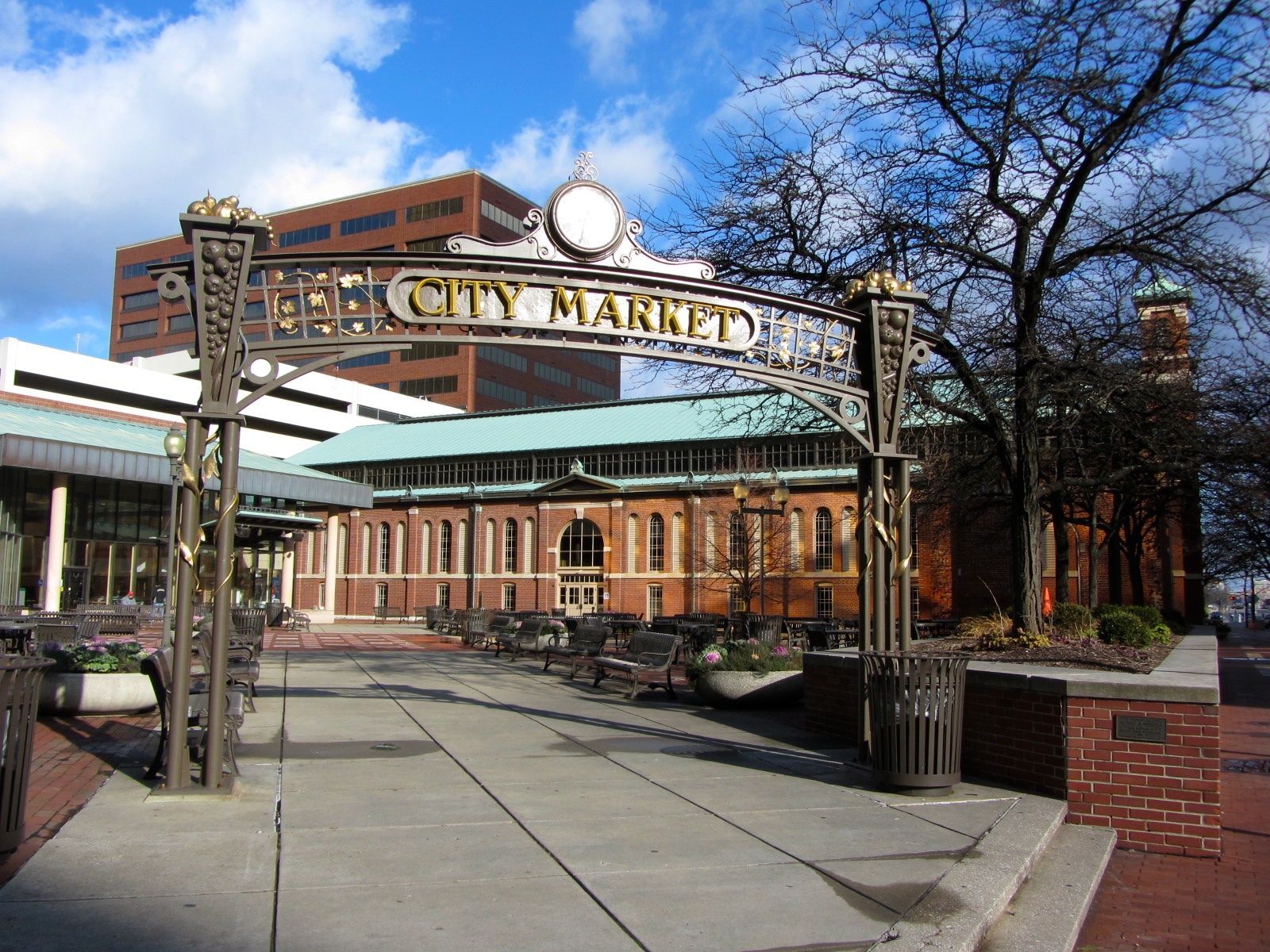
In downtown Indianapolis, the City Market has been a gathering place since 1886, filled with local vendors, cafés, and shops. But there’s more to it than what you see above ground. Beneath the market lies a network known as the City Market’s "catacombs."

Despite the name, the reality isn't quite so macabre; they’re a series of brick archways that once supported Tomlinson Hall, a huge market building demolished in the mid-20th century. Today, this underground space remains as a hidden piece of the city’s past, but unlike many places on this list, it’s occasionally open for guided tours.

8
One of history's biggest art heists (Boston, MA)

Image: King of Hearts, CC BY-SA 4.0, via Wikimedia Commons

We all know Boston as the "birthplace of the American Revolution," home to events like the Boston Massacre and the Boston Tea Party. But there’s another chapter of its history you don’t hear about as often.

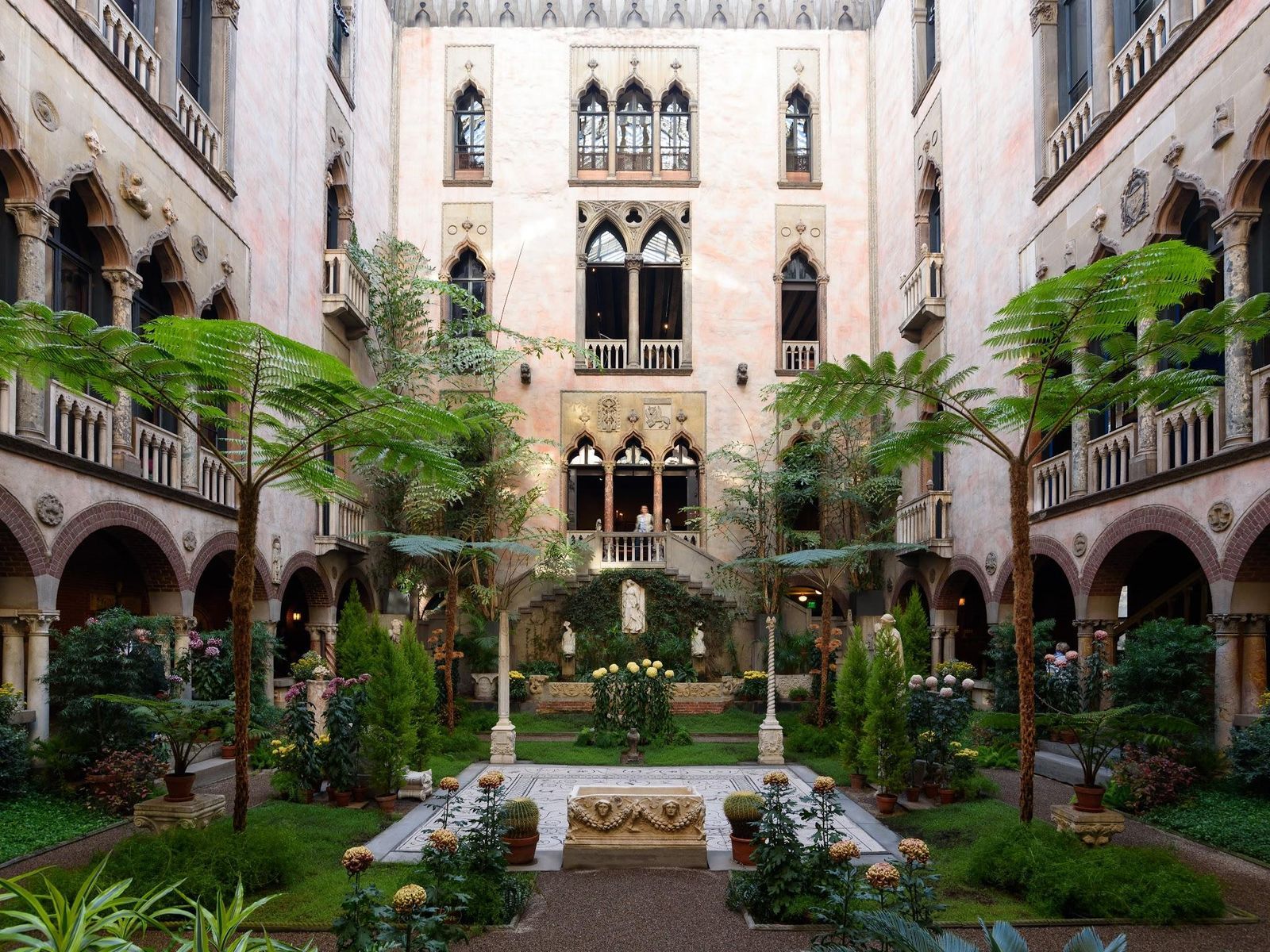
Just over 30 years ago, Boston was the scene of one of the biggest art heists in history. In the early hours of March 18, 1990, two men disguised as police officers entered the Isabella Stewart Gardner Museum, overpowered the guards, and stole 13 invaluable works of art, including pieces by Vermeer, Degas, Rembrandt, and Manet. To this day, the case remains unsolved, and a multi-million-dollar reward is still offered for information.

9
One of the quietest places on Earth (Minneapolis, MN)

Image: Togabi, CC BY-SA 4.0, via Wikimedia Commons

Where do you think the quietest places on Earth are? You might imagine remote landscapes far from civilization, but one of them is actually right in Minneapolis, Minnesota.

Inside Orfield Laboratories, there’s a room with no windows or natural light, an anechoic chamber that absorbs nearly all sound. That’s right: it blocks almost every noise, making the space even quieter than a vacuum. Visitors say the silence is so intense that you can hear your own heartbeat and even the faintest movements of your body. Simply incredible.

10
A strange law (Los Angeles, CA)

Image: Sean Krieg, CC BY 4.0, via Wikimedia Commons

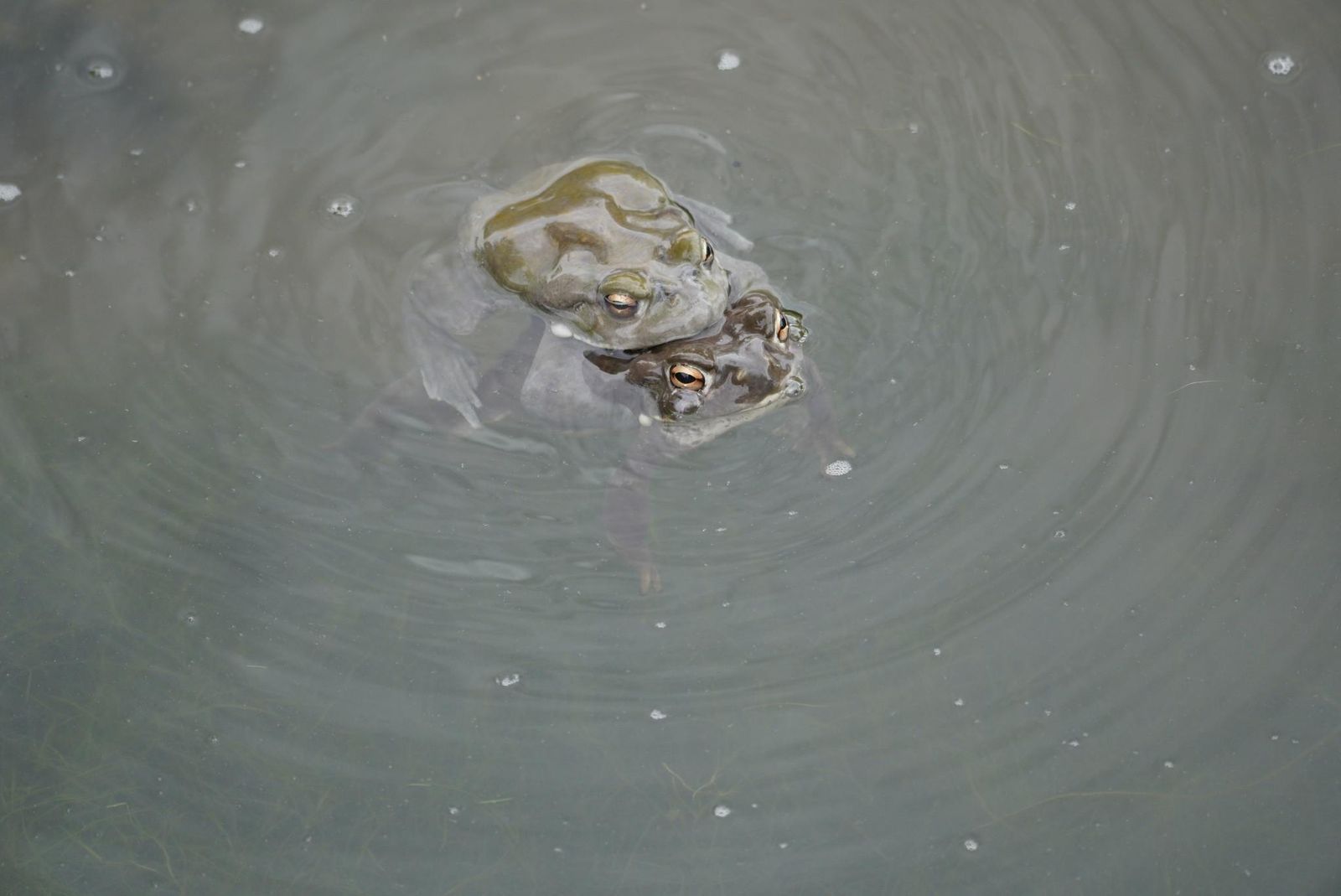
Why would a city actually pass an ordinance saying that licking toads is a bad idea? That’s Los Angeles, a place full of quirks, some charming, some downright strange. Even its laws can be unusual.

The Colorado River toad, found in parts of California, secretes chemicals that can have powerful psychoactive effects on humans. Because of the risks, both possession and use of this substance are illegal statewide. In 1994, cases occurred, including a teacher who was arrested for possessing the toad substance. But Los Angeles went a step further, passing an ordinance that specifically bans licking these amphibians. And let’s be honest, the poor toad probably doesn’t enjoy it either.

Geography Geography 6 min read

Cowboy culture

Explore the “Lone Star State” with these fun facts about Texas!

Image: Lucas Beck

A song made popular by "the Singing Cowboy" Gene Autry contains these lyrics: "The stars at night are big and bright, deep in the heart of Texas." And while it's true that the "Lone Star State" is known for that single star shining on its flag, Autry wasn’t exaggerating— a star-filled Texan night sky is truly a sight to behold. However, that’s just the tip of the iceberg of the things that make this state so wonderful. With that in mind, we have compiled 10 of our favorite facts about Texas, hoping to inspire your future trip and fill you with pride for our second-largest state. Enjoy!

1
Brisket

Image: Sergey Kotenev

We’ll begin with a Texan staple . Texas boasts a number of extraordinary culinary delicacies, and we could have easily focused on any of them for this entry. As a sign of respect, we’ll mention chili con carne, Texas’ official state dish, as well as the Texas Tommy, a delicious hotdog served with bacon and cheese. However, we must give credit where credit is due to what’s perhaps the most iconic dish in Texan cuisine— we believe that title goes to the almighty brisket.

It’s no secret that Texas barbecues are the stuff of legends, and in that sense, many believe that brisket is the undisputed crown jewel of any barbecue worth its salt. While it's true that this beef cut does take some time to cook in Texan slow-smoking barbecue, briskets are truly something special.

2
Six Flags Over Texas

Image: Zabdiel Gonzalez

Have you ever wondered why the iconic theme park is called "Six Flags?" The name comes from the popular slogan "Six Flags Over Texas," but that doesn’t clarify exactly what those flags represent. Well, the answer lies in Texas history, since it is a direct reference to the six nations that have governed Texas in the past.

Since its foundation, Texas has been governed by Spain, France, Mexico, the Confederate States, and the United States. Not only that, for a brief period Texas was its very own independent country, known as the Republic of Texas. This independent state lasted from 1836 to 1846 before it became our nation’s 28th State.

3
Size

Image: Mick Haupt

Texas might not be our largest state, but it is undeniably massive. As we mentioned earlier, for approximately 10 years the Republic of Texas was its own separate country—and it certainly had the size for it. If Texas was still a separate nation, it would be the 39th largest nation in the world. In fact, the Lone Star state could fit 10 different European nations within its borders and still have room to spare.

Speaking of which, how does Texas fare against other U.S. states? Let’s just put it into perspective: you could fit Rhode Island, our smallest state, 221 times inside Texas. Not only that, you could comfortably fit 10 different states at the same time. Impressive, isn't it?

4
Etymology

Image: Enrique Macias

We’ve referred to Texas by its "Lone Star" nickname so much in this article that you might be inclined to believe that its official slogan is "The Lone Star State." However, you might be surprised to learn that the official one is actually "The Friendly State," a moniker that comes from the etymology of the word "Texas" itself.

The name "Texas" originates from the Caddo word táy:shaʼ, which translates to "friend." It is believed that Spanish settlers called the Caddo people by this word, and eventually named the whole region Provincia de los Texas , meaning "province of the Texas people."

5
Dr. Pepper

Image: Yana Smetana

Need a tasty beverage to wash all that delicious brisket down? We've got you covered, take a trip to Waco, Texas, and visit the Dr. Pepper Museum , housed in the very first building specifically built to bottle this iconic soft drink. Not only will you get a refreshing soda in return, but you’ll also learn all about one of America’s favorite beverages.

As you might have guessed, Waco is the birthplace of Dr. Pepper, created in 1885 by pharmacist Charles Alderton. This soft drink is truly a Texan treasure, regularly enjoyed all across the state. Much like Coca-Cola and other sodas, its recipe is a well-guarded secret, allegedly kept in halves and guarded in two separate safe deposit boxes.

6
Rodeo

Image: Vinny O'Hare

Few things are as synonymous with Texas as rodeo . Cowboy culture is a huge part of what makes this state so special, so if you have a chance, attending at least one rodeo during your visit is a must.

For many Texans, rodeos are more than just a spectacle—they are a way of life that showcases both the daring nature and passionate identity that defines the Lone Star State. There are literally too many rodeos to recommend, but rest assured, the spirit of the Old West still lives in all of them.

7
Lyndon B. Johnson Space Center

Image: History in HD

What’s the first thing that comes to mind whenever someone mentions the 1993 blockbuster Apollo 13 ? You don’t have to answer—we all know it’s Tom Hanks’ iconic delivery of the classic line, "Houston, we have a problem." It’s only natural that this phrase is forever associated with space exploration; after all, the city of Houston has been home to one of NASA’s main facilities for over 60 years.

The Lyndon B. Johnson Space Center is perhaps NASA’s most renowned facility. It’s where manned spaceflight research, training, and flight control are conducted. The center has grown so much in popularity that, in 1967, the city of Houston was given the official nickname "Space City."

8
Weird laws

Image: Tingey Injury Law Firm

Let’s take a small detour to talk about Texas’ wackier side . While the state’s constitution strives to guarantee the happiness and safety of millions of Texans, it also contains its fair share of wacky and weird laws that still exist in our days.

We don’t really have the time or space to deal with every weird Texas law, so here are some of our favorites. For starters, carrying wire cutters is forbidden in Austin, a rule that dates back to whenever cattle owners would settle a dispute by cutting their neighbors’ barbed wire. You should also refrain yourself from walking barefoot on the streets of certain Texan cities, and, thanks to a particularly outdated law, from buying cheese on a Sunday.

9
Texas Eiffel Tower

Image: Estevão Teixeira

Want to experience the majesty of the Eiffel Tower but don’t feel like leaving the country? Don’t worry, Texas has your back. All you need to do is visit the city of Paris (not the French capital, but rather its Texan counterpart) to marvel at a replica of this engineering wonder. While it is significantly smaller than the original, the Texas Eiffel Tower showcases this state’s spirit by sporting a red cowboy hat at its top.

Curiously, Texas's Eiffel Tower was built the same year as another American replica of the Parisian monument. In 1993, both Paris, Texas, and Paris, Tennessee unveiled their replicas. The cowboy hat was added to the Texas Tower in 1998 in a bit of friendly competition since the added height made this tower slightly taller than the one in Tennessee.

10
Presidents born in Texas

Image: History in HD

We’ll end this article by paying homage to some of Texas’ favorite sons. Did you know that Texas is the only state with three different presidential libraries ? What’s curious is that only two U.S. presidents were born in Texas, Lyndon B. Johnson and Dwight D. Eisenhower. However, two other presidents also famously fell in love with the Lone Star State and made it their home.

George H. Bush’s love for Texas is very well-documented. Years before becoming president, he moved to this state with his family after graduating from college. President Bush passed his adoration for Texas on to his children. Years later, his older son George W. became governor of Texas and, eventually, the 43rd president of the United States.

Explore more American facts

Choose your favorite category!

General
General

As American as apple pie—the very best America has to offer!

Culture
Culture

Delve into the astounding richness of American lore.

Geography
Geography

Hop in and explore vast and diverse American landscapes.

History
History

Discover the key moments that shaped the United States.