The untold story of Teddy Roosevelt's Amazon ordeal
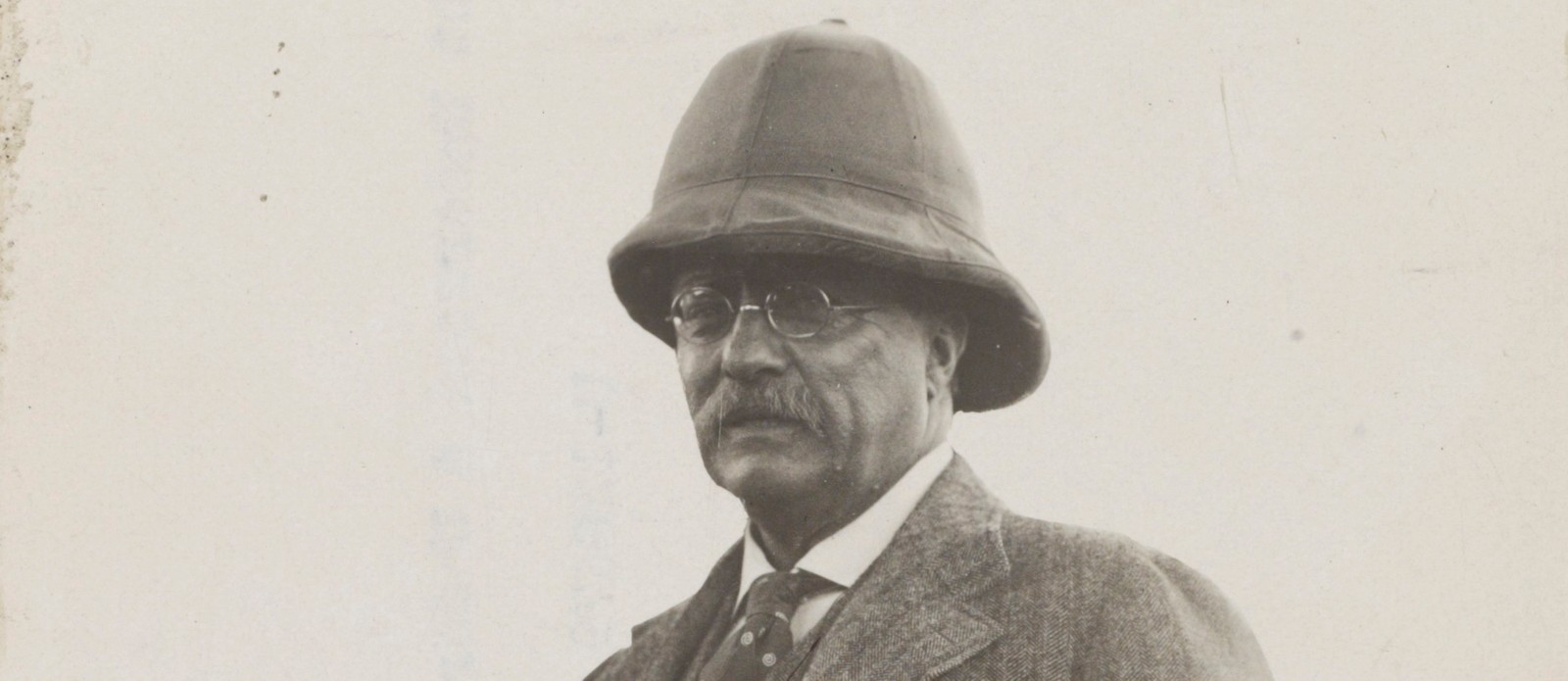
Image: Miscellaneous Items in High Demand, PPOC, Library of Congress, Public domain, via Wikimedia Commons
In 1913, after a crushing loss in the 1912 presidential election, 55-year-old former President Theodore Roosevelt embarked on what was supposed to be a leisurely speaking tour of South America. Instead, it transformed into one of the most agonizing explorations in modern history: the Roosevelt-Rondon Scientific Expedition down Brazil's uncharted "River of Doubt". Here are 10 unbelievable facts about Roosevelt’s most dangerous adventure.
1
The expedition was almost entirely unplanned
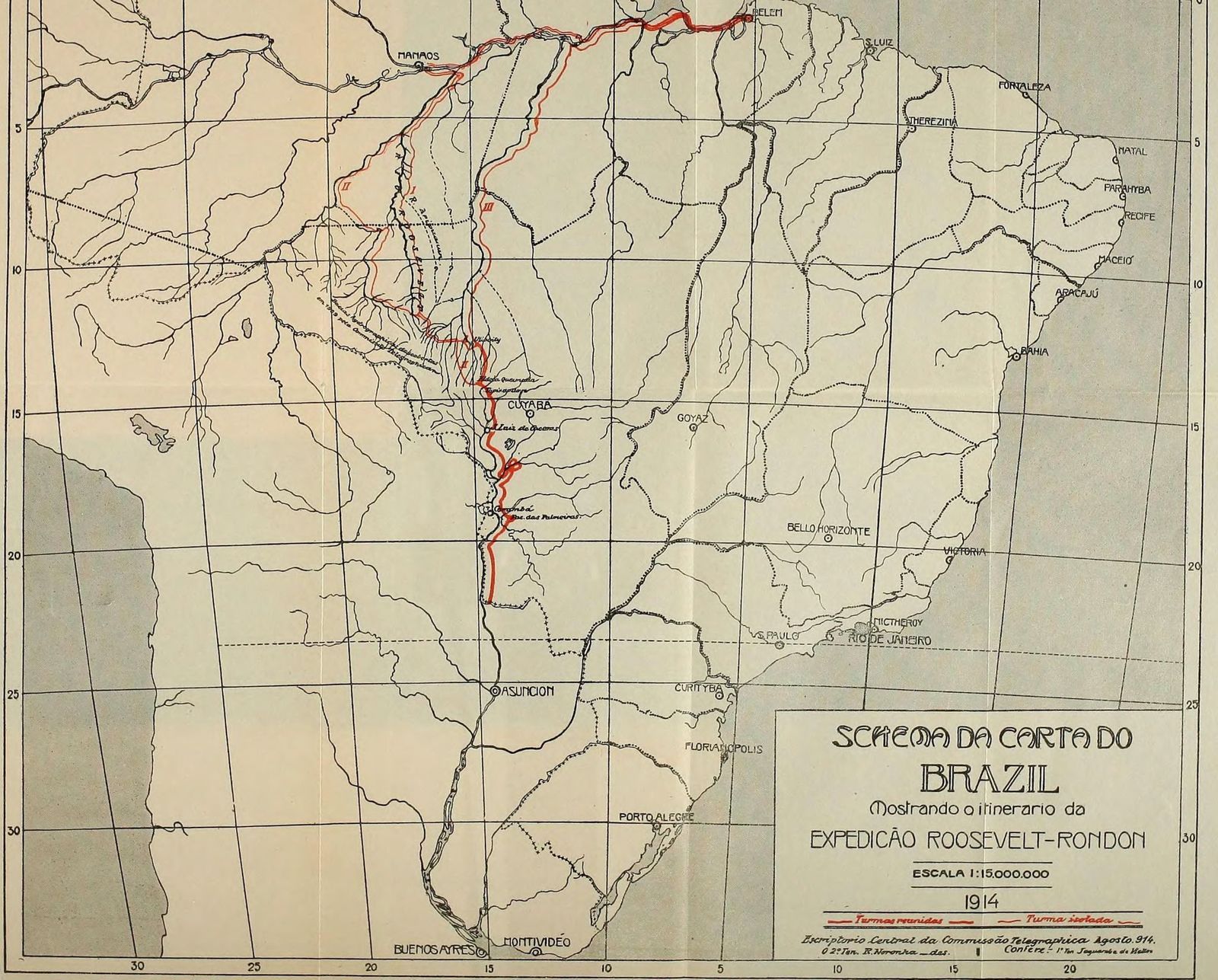
Theodore Roosevelt had originally envisioned a simple travel itinerary consisting of public lectures in Argentina and Brazil. However, when Brazilian officials offered him the chance to embark on a voyage of discovery alongside Brazilian explorer Colonel Cândido Rondon, the famously adventurous ex-president couldn’t resist. Without proper medical preparation or specialized gear, Roosevelt eagerly agreed to chart an unmapped 600-mile river.
2
The River of Doubt was unmapped and deadly
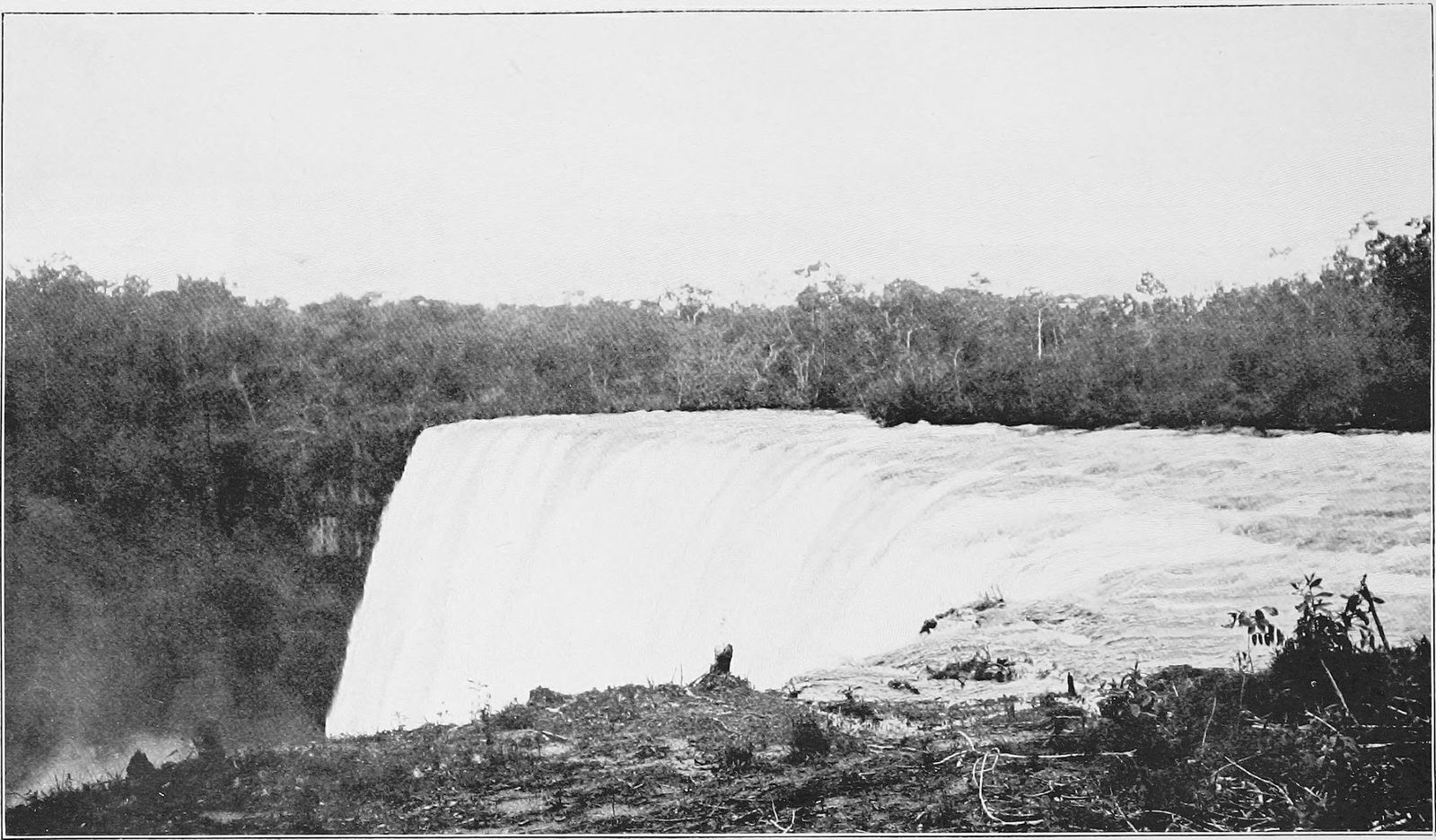
The river they sought to navigate, a tributary of the Aripuanã River in the tropical rainforest of the Amazon, was called Rio da Dúvida (River of Doubt) because no civilized mapmaker knew where it flowed or whether it was even navigable. Once the team launched their canoes onto the water in February 1914, they realized the river was a nightmare of endless rapids. Repeatedly smashed against rocks, the crew had to spend their days breaking into dense jungle canopy just to drag their heavy boats around impenetrable waterfalls.
3
Deadly insects and disease ravaged the crew
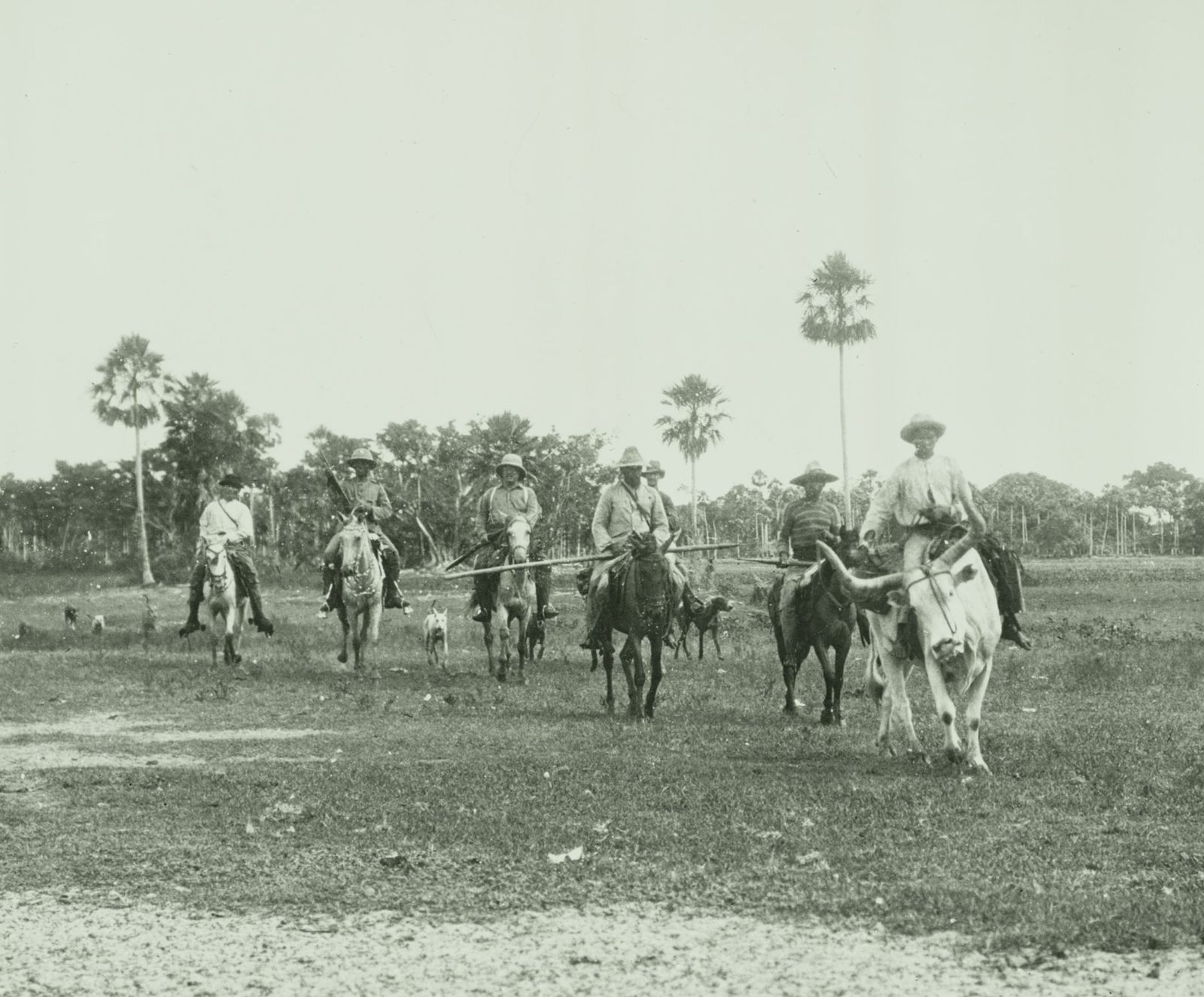
The Amazonian rainforest proved to be a relentless environment of venomous fauna and pests. Swarms of biting sandflies, bees, ticks, and mosquitoes tormented the men day and night. Malaria quickly spread through the crew, causing debilitating chills and burning fevers. Nearly every member, including Roosevelt and his son Kermit, suffered repeated bouts of severe tropical sickness that left them physically incapacitated in the damp heat.
4
Starvation was a constant threat
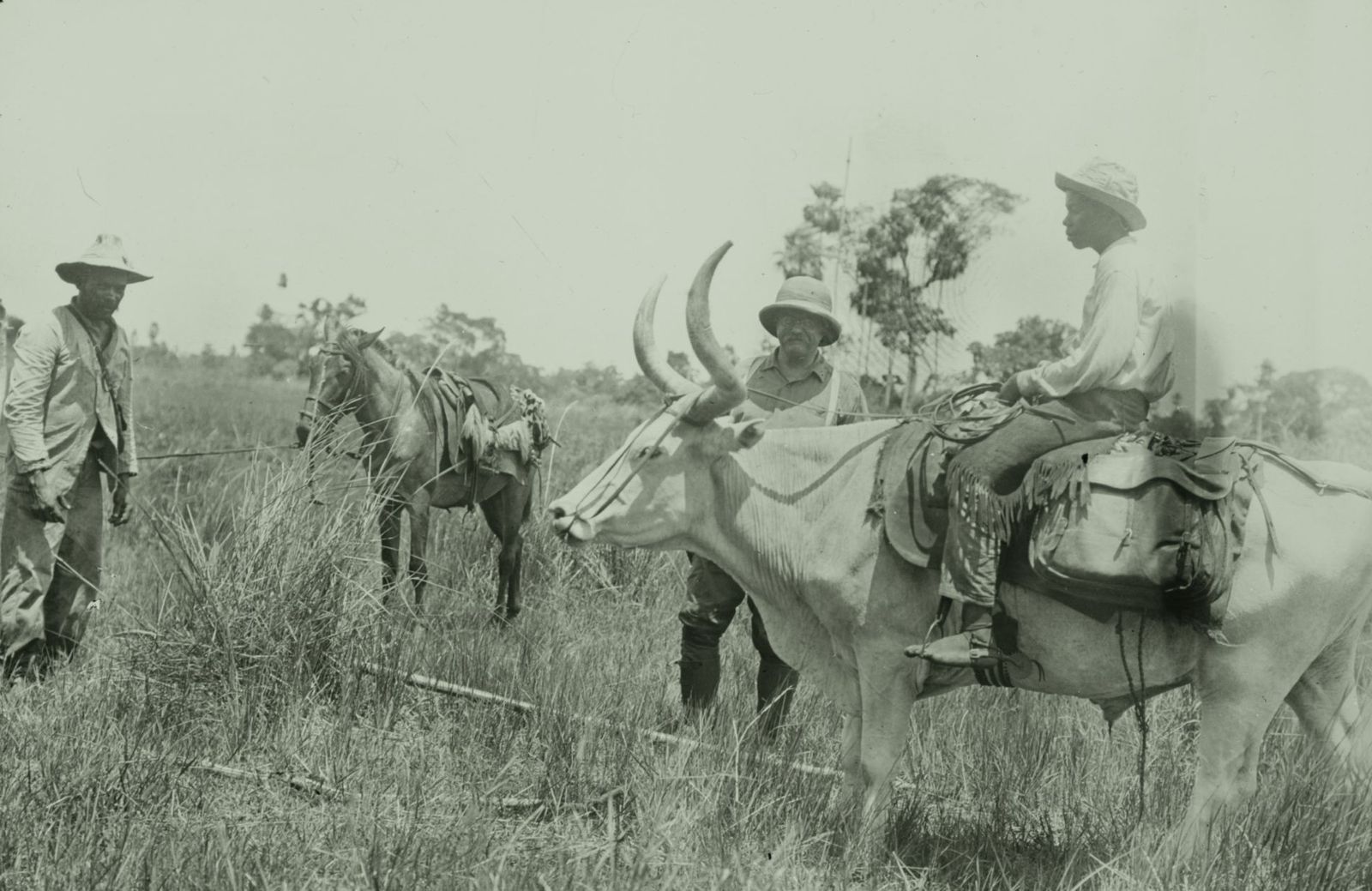
Due to the poor preparation, much of the expedition’s heavy canned food supply had to be abandoned along the trail to lighten the load. To make matters worse, as canoes overturned in violent rapids, crucial food provisions washed away downstream. Hunting in the dense rainforest wasn’t very fruitful, leaving the men on the verge. Consuming less than a fraction of the calories required for daily heavy labor, the crew was forced to forage for palm hearts, small fish, and whatever wildlife they could kill to avoid dying from starvation.
5
A murder led to a desertion
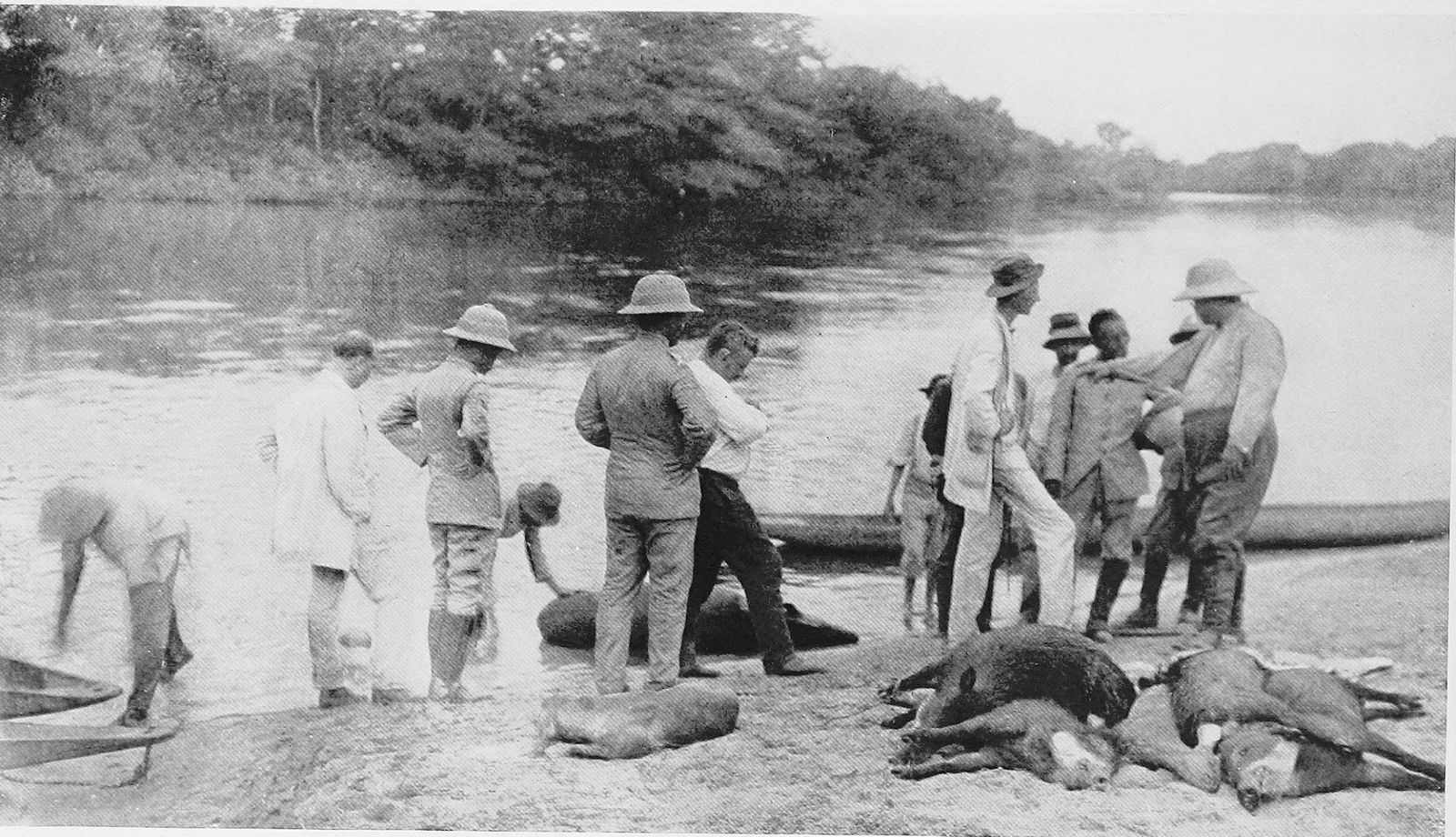
As exhaustion, heat, and hunger wore down morale, tempers within the crew flared. One irritated Brazilian porter named Julio was caught stealing food rations from his starving comrades. When another crew member, Paishon, confronted him over the theft, Julio drew a rifle and shot Paishon dead. Following the murder, Julio fled into the jungle. Knowing that hunting him down would kill more men, the expedition just left him behind.
6
Roosevelt nearly died from a wounded leg
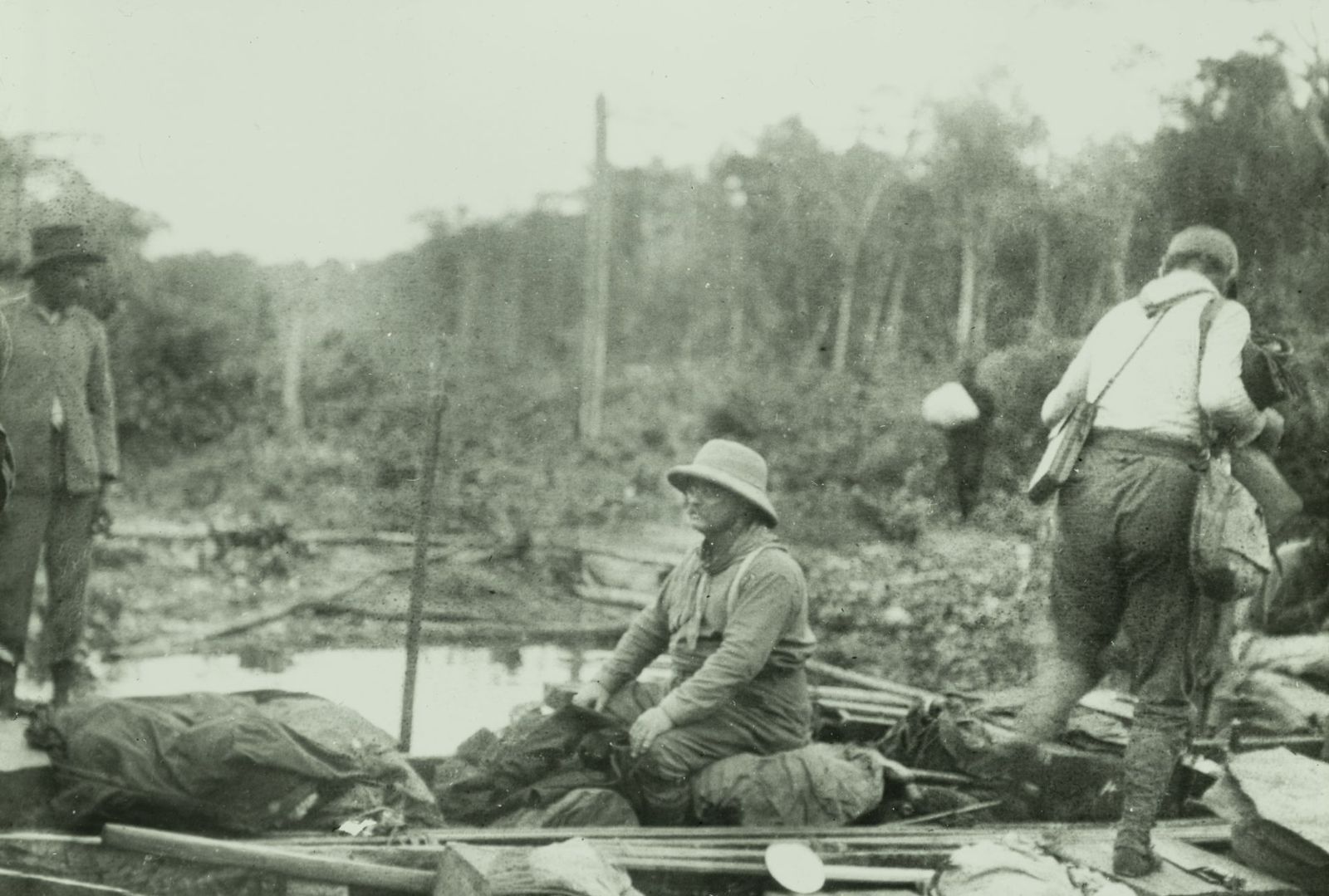
Trying to prevent two canoes from smashing against boulders, Roosevelt hit his leg against a submerged rock, slicing open his shin. In the tropical humidity, the wound became infected, resulting in tropical fever and blood poisoning. Afflicted with fevers reaching 105ºF, Roosevelt became delirious. Realizing he was slowing down his son and the team, he fetched a lethal vial of morphine he carried for emergencies and prepared to end his own life, stating "I will stop here". Kermit firmly refused to abandon his father, forcing the crew to carry the bedridden former president along.
7
Encounters with mysterious indigenous tribes
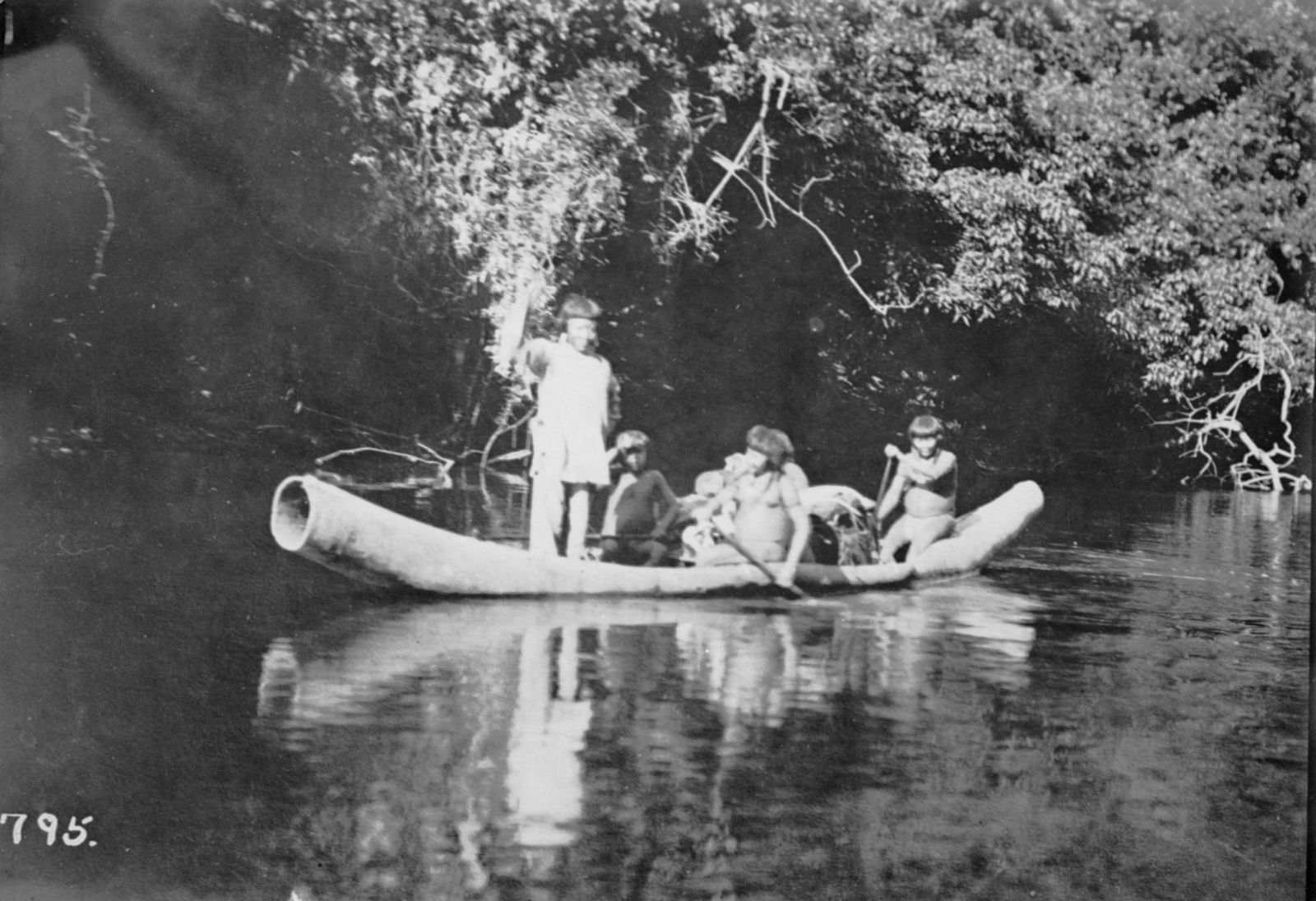
Throughout their expedition, the crew was silently tracked by the Cinta Larga, an indigenous Amazonian tribe that remained completely uncontacted by the Western world. Though they rarely saw the warriors directly, they found freshly abandoned campsites and saw warning markers along the riverbanks. Years later, oral stories from the Cinta Larga revealed that tribal warriors had shadowed Roosevelt’s party for weeks, constantly considering killing the intruders with poisoned arrows before ultimately deciding to leave them alone.
8
Roosevelt lost over 50 pounds
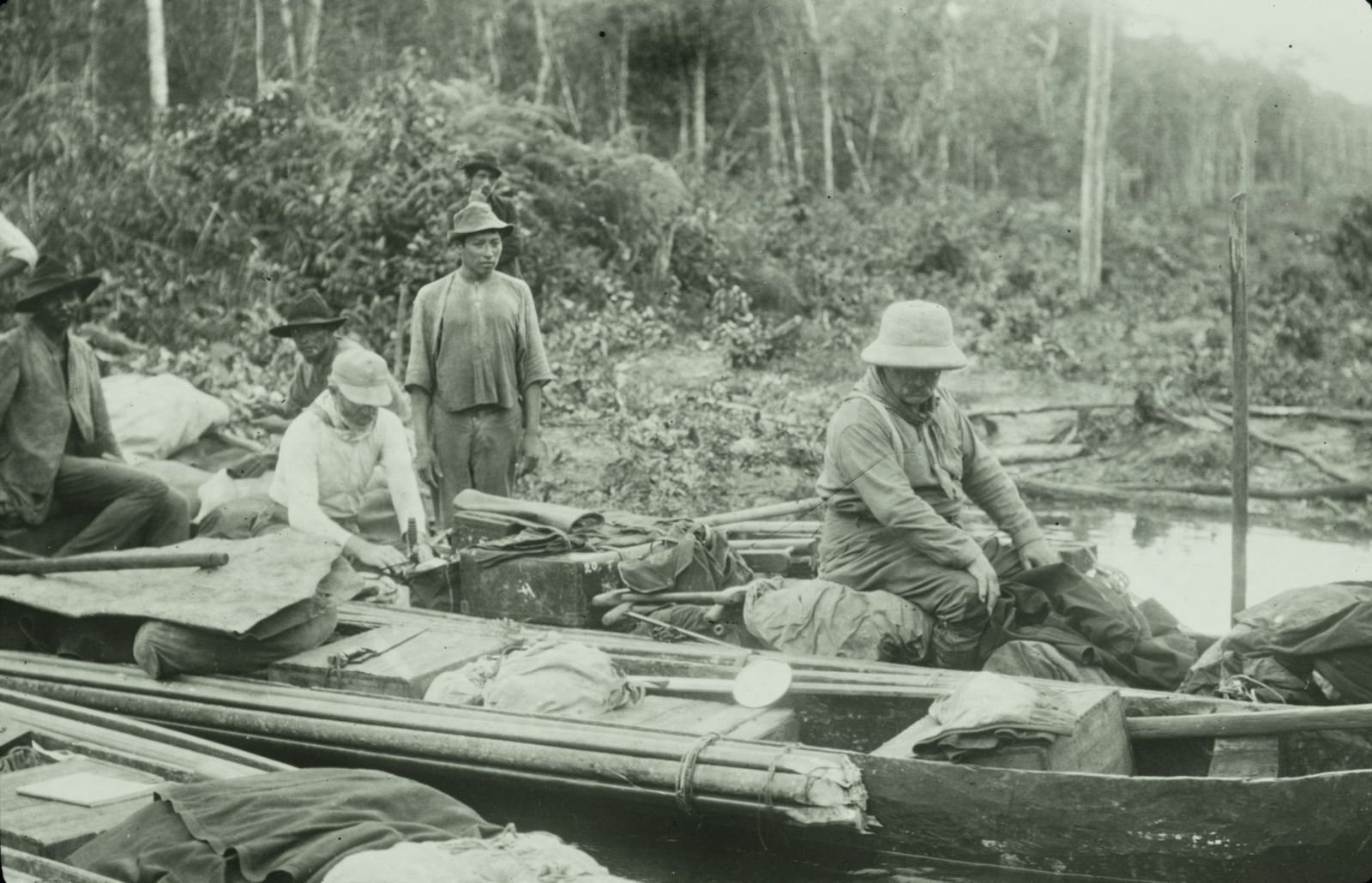
When Theodore Roosevelt left New York in late 1913, he was a robust figure weighing over 220 pounds. By the time the expedition finally reached an outpost near the mouth of the river in late April 1914, the former president was a frail shadow of his former self. Roosevelt had lost over 50 pounds, could barely stand unassisted, and required help simply getting into and out of his hammock.
9
Discovery of new species
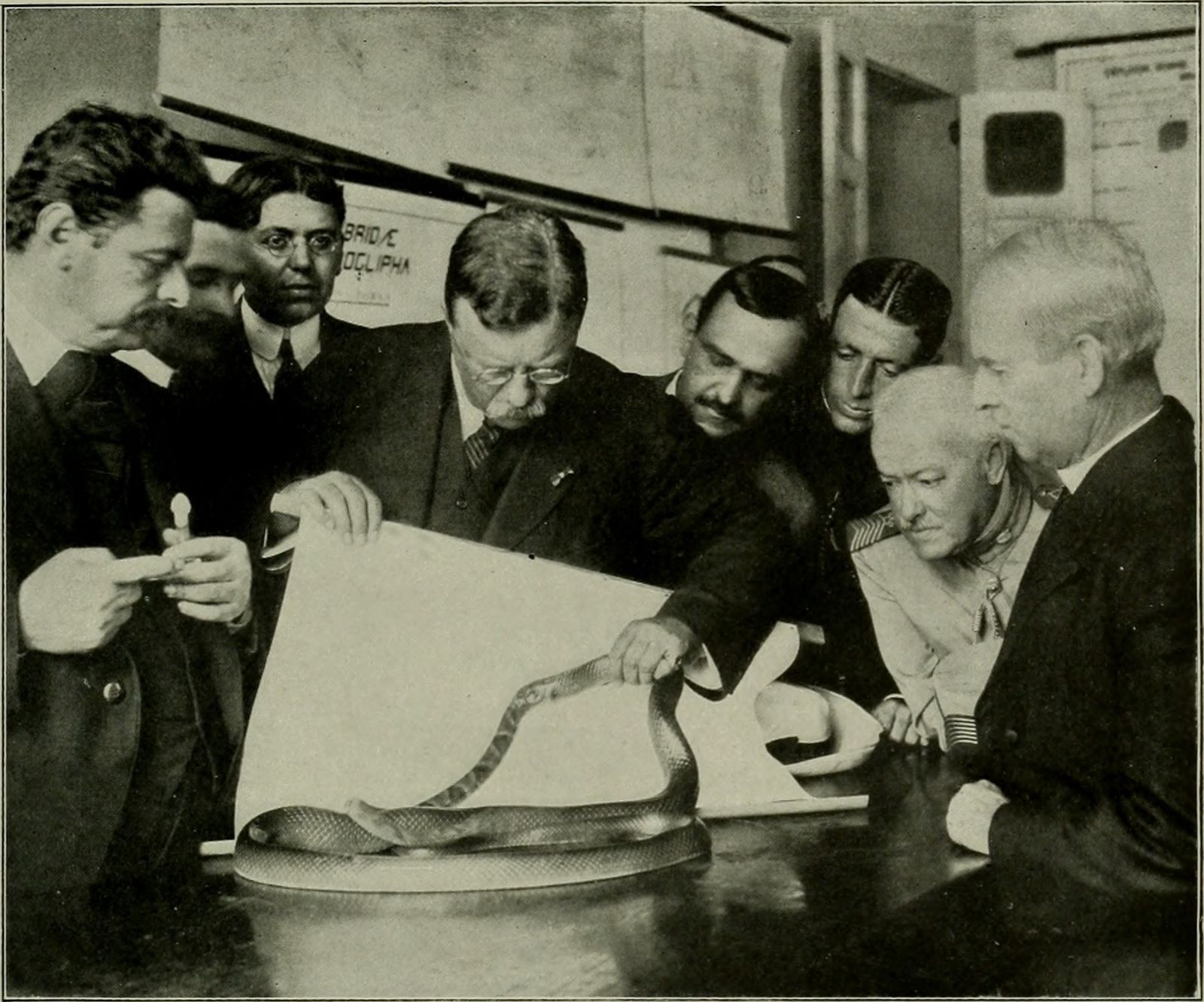
Despite the suffering, the expedition achieved remarkable scientific success. Accompanied by naturalists George Cherrie and Leo Miller from the American Museum of Natural History, the team collected and catalogued thousands of plant and animal specimens. They found over 2,500 birds, hundreds of mammals, and dozens of previously undescribed reptile and insect species, enriching the understanding of South American biodiversity.
10
Roosevelt’s Amazonian legacy
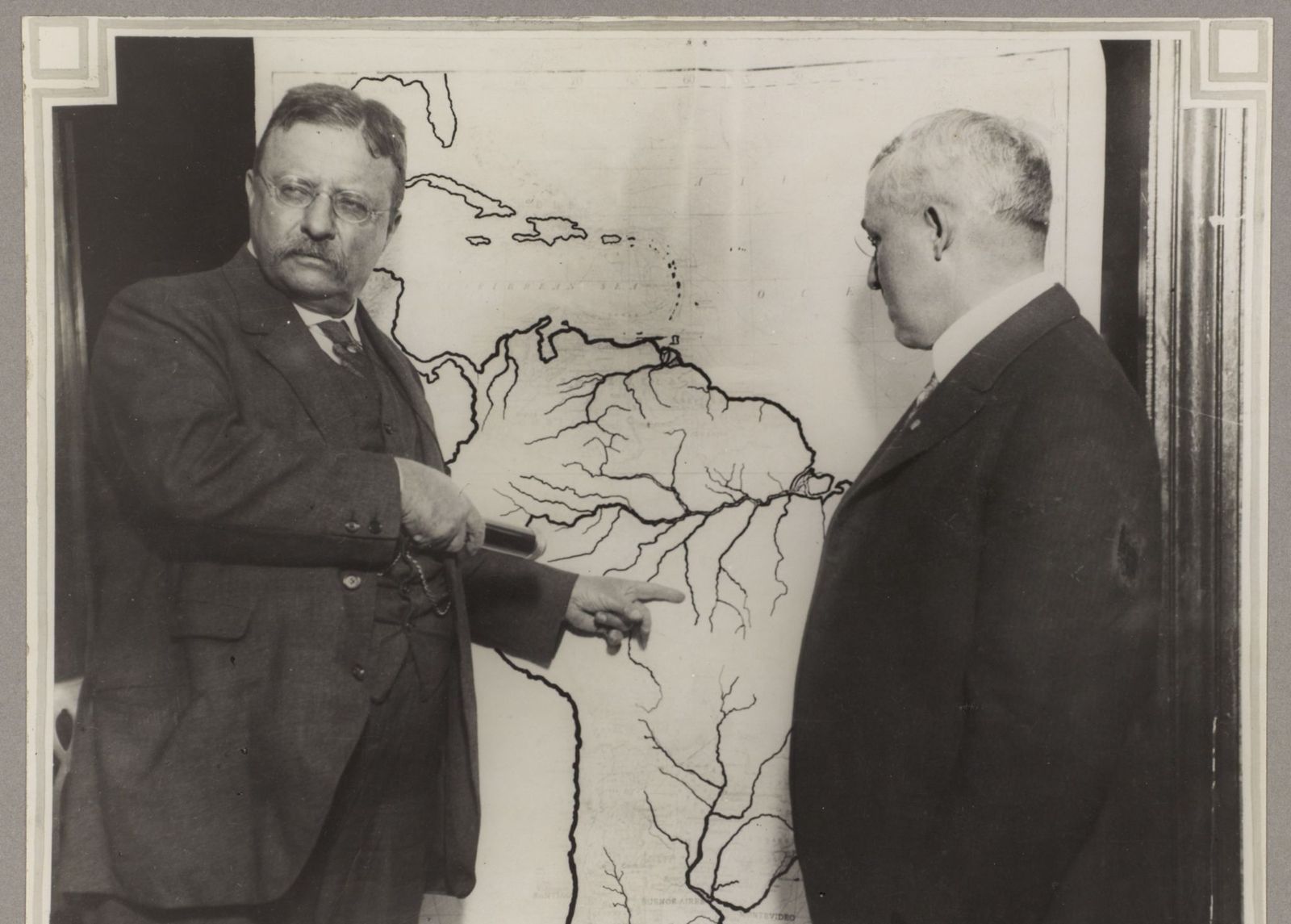
The expedition successfully put a major river on the map, which the Brazilian government officially renamed Rio Roosevelt (or Rio Teodoro ) in his honor. However, the physical toll permanently broke Roosevelt’s famous vigor. He suffered from recurring flare-ups of Malaria and inflammatory infections for the rest of his life. Historians generally agree that the severe damage sustained during his Amazonian ordeal directly contributed to his premature death just five years later in 1919 at age 60.