History History 6 min read

Space Race

The bra makers who secretly built the Apollo spacesuits
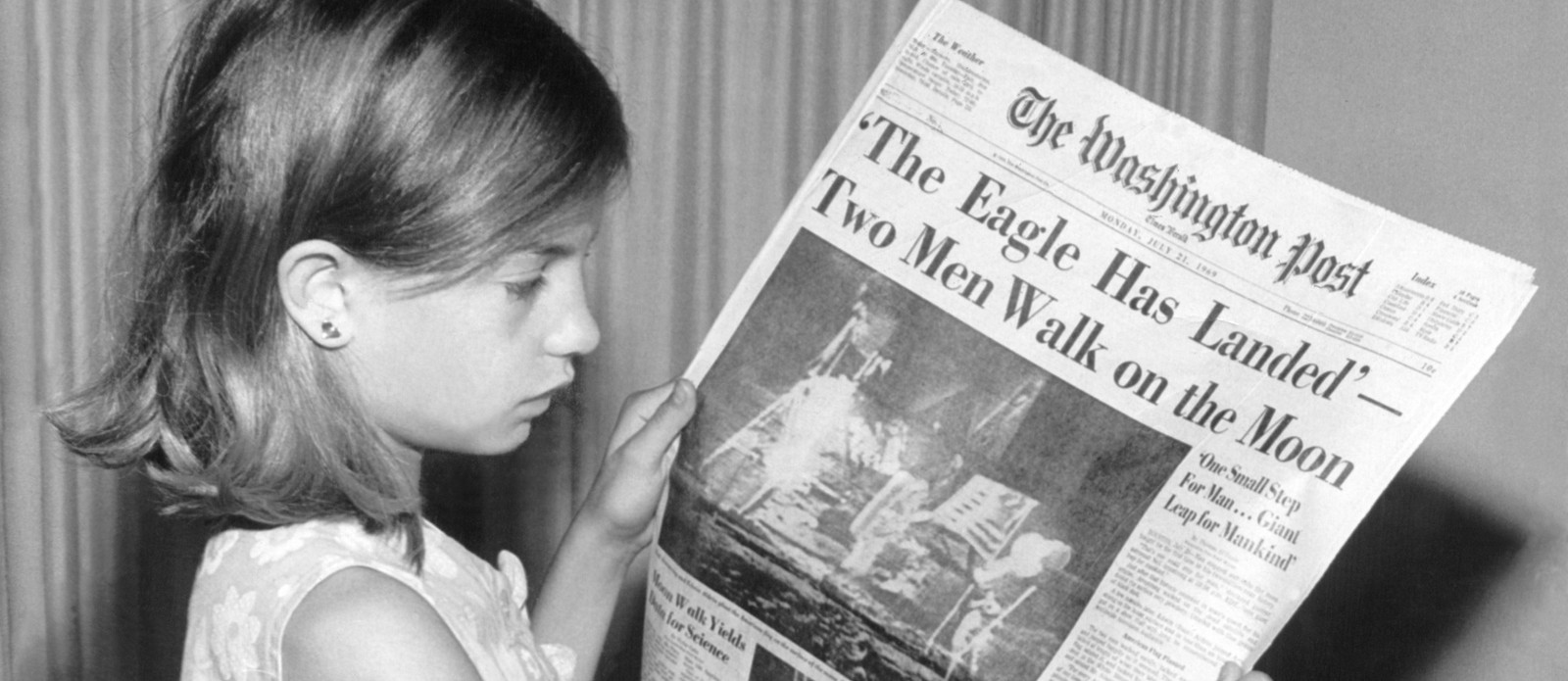
Image: Jack Weir (1928-2005), Public domain, via Wikimedia Commons

Did you know that Apollo 11 had just 25 seconds of fuel to spare when it made its historic 1969 moon landing? Or that a chimpanzee named Ham flew to space first to prove it was safe for humans? Behind the Apollo 11 flag, the spacesuits, and that giant leap sits a decade of secrets, near misses, and stories NASA never advertised. Here are 10 true stories from the Space Race that will change how you see those famous photographs.

1
Apollo 11 touched down with roughly 30 seconds of reserve fuel
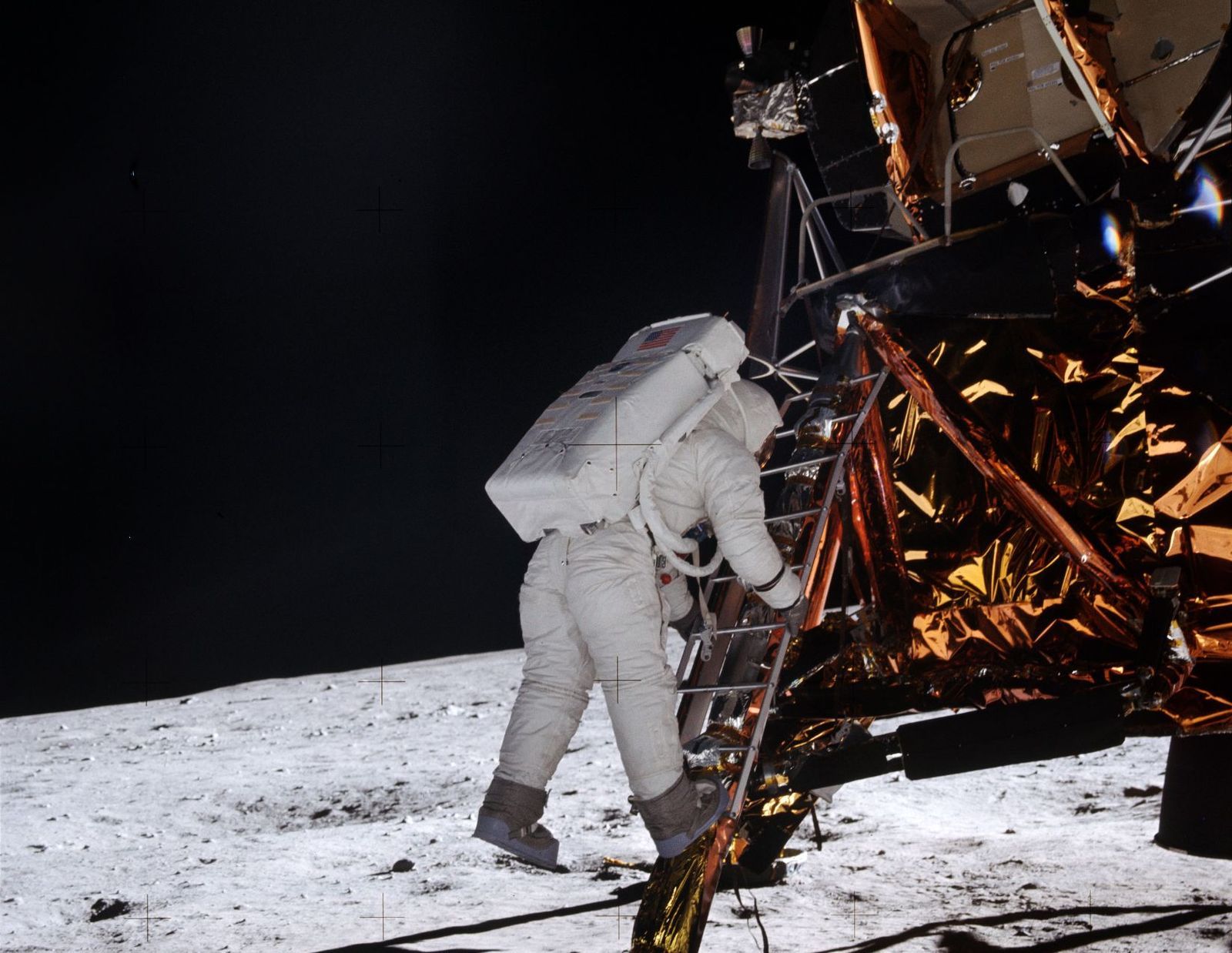
Image: Neil A. Armstrong, Public domain, via Wikimedia Commons

As Eagle descended toward the Sea of Tranquility on July 20, 1969, Neil Armstrong looked out the window and realized the computer was guiding them straight into a field of car-sized boulders.

He took semi-manual control, tilting the module forward to search for a clearer patch of ground while Mission Control in Houston counted down the remaining fuel out loud . Sixty seconds. Then 30. Buzz Aldrin called out altitude and speed as dust kicked up by the engine made it nearly impossible to judge distance. Armstrong finally set Eagle down with somewhere between 20 and 25 seconds of fuel left before an automatic abort would have kicked in, a margin thinner than most people realize watching the calm broadcast years later.

2
The iconic lunar flag was an altered five-dollar store-bought banner
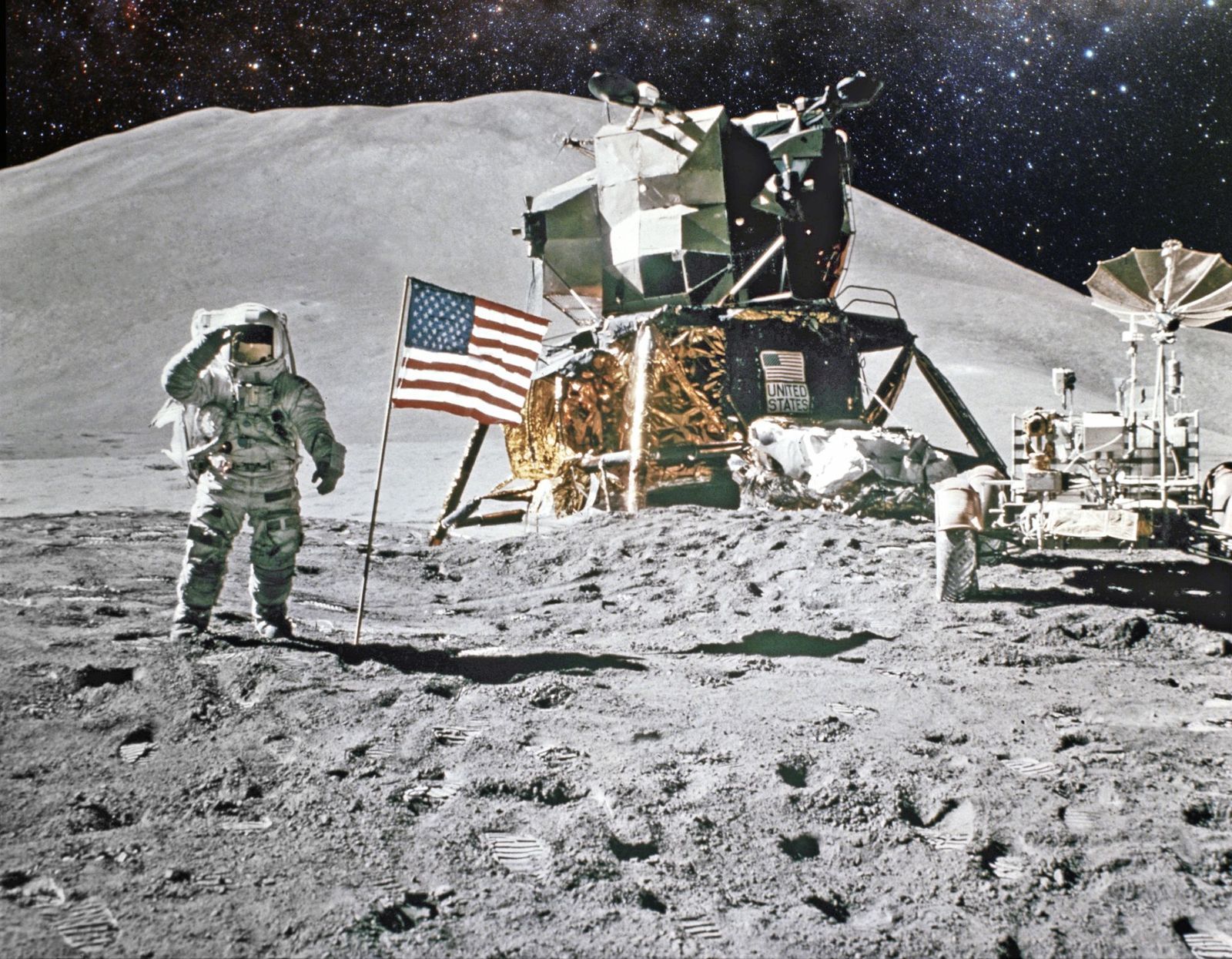
Image: Castleski

With less than three months before launch, NASA engineer Jack Kinzler was handed an unusual assignment: figure out how to make a flag look like it was flying on a world with no wind.

Kinzler, known around the Manned Spacecraft Center as Mr. Fix It, remembered watching his mother hang curtains as a child and sketched a horizontal rod that would run through the top of an ordinary nylon flag , letting it hang stiff instead of drooping.

3
Playtex seamstresses hand-stitched the Apollo spacesuits
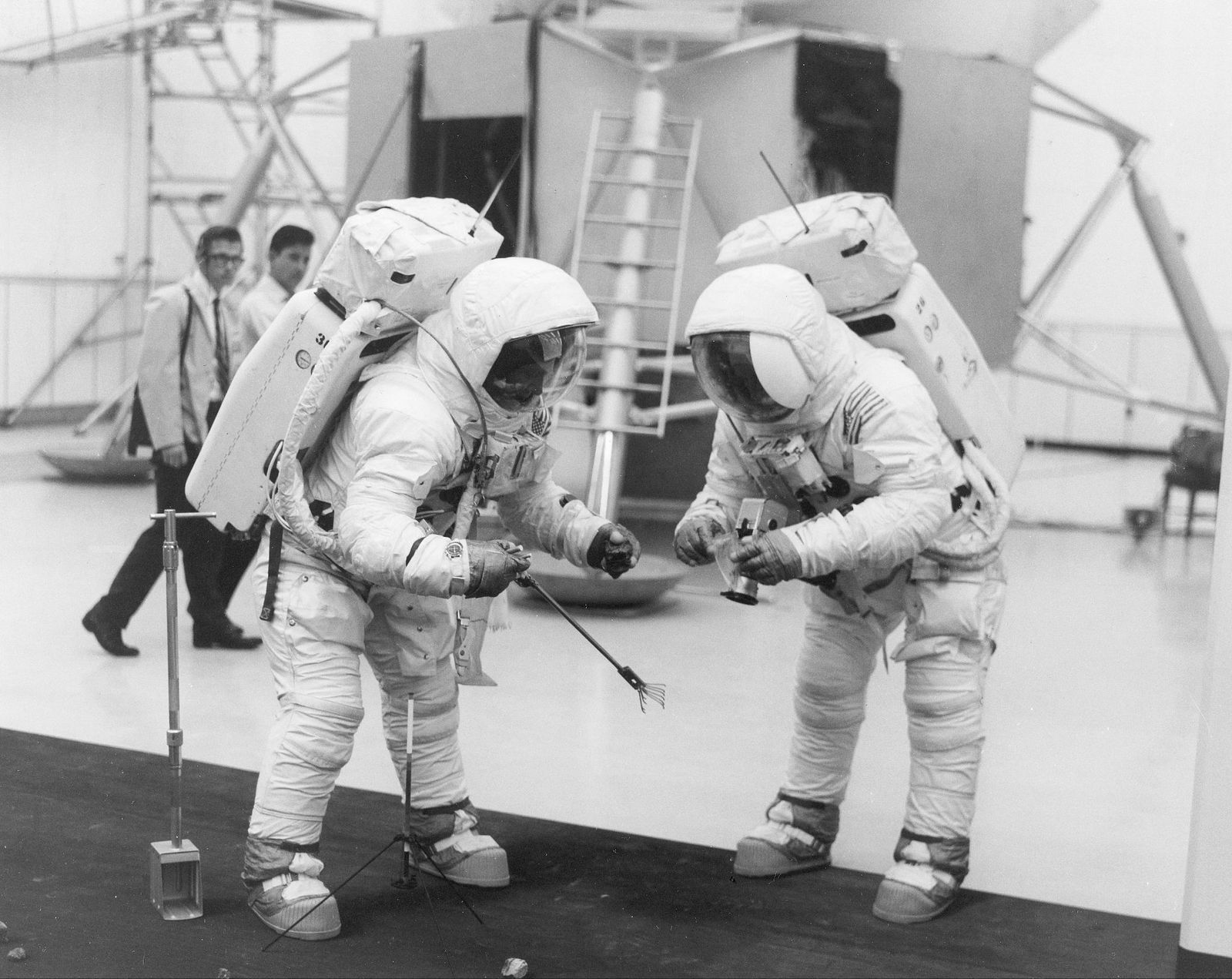
Image: Project Apollo Archive, Public domain, via Wikimedia Commons

In a former girdle factory in Dover, Delaware, women who had spent years sewing Playtex bras and girdles found themselves building the suit that would keep Neil Armstrong alive on the Moon.

NASA had tried stiff, engineered suits from aerospace contractors first, but nothing offered the mobility required for a human body. The International Latex Corporation, the company behind Playtex, won the contract instead, and its seamstresses stitched together 21 layers of nylon, Teflon-coated fabric, and rubber by hand, working to a tolerance of one 64th of an inch on ordinary Singer machines. No automated equipment could be trusted with a mistake that meant the difference between life and death in a vacuum, so the same hands that once sewed Cross Your Heart bras sewed history instead.

4
Ham the Astrochimp completed a suborbital flight in 1961
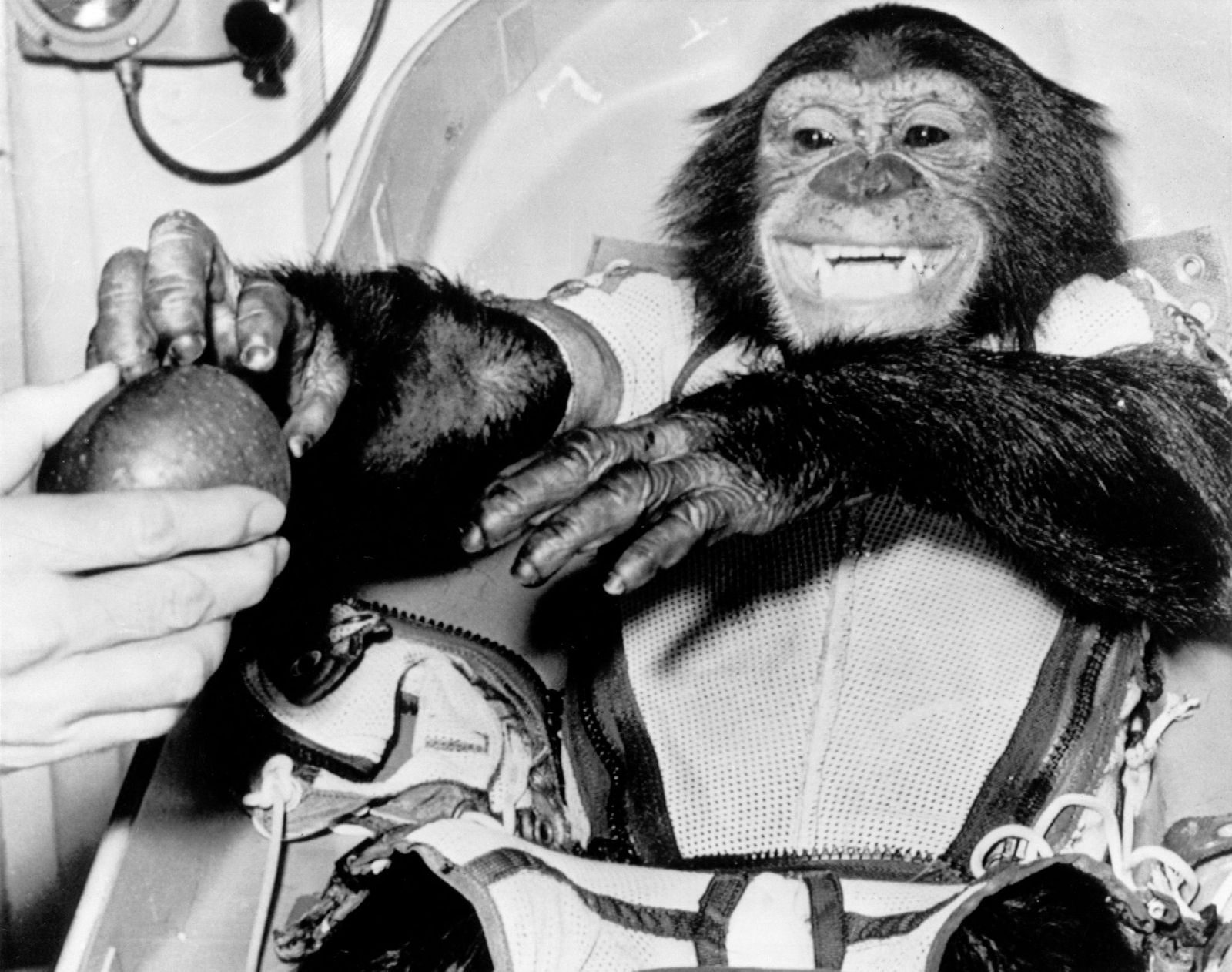
Image: NASA, Public domain, via Wikimedia Commons

Three weeks of training at Holloman Air Force Base in New Mexico came down to one morning: January 31, 1961.

A three-and-a-half-year-old chimpanzee, known to engineers simply as Number 65, was strapped into a Mercury capsule atop a Redstone rocket that launched from Cape Canaveral, Florida. His job was to pull levers in response to lights, proving an astronaut's mind could still function under the crushing forces of launch. A malfunction pushed the flight higher and faster than planned, reaching 157 miles and landing far off course in the Atlantic. He survived, tired and dehydrated but unharmed , and only afterward was given the name Ham, for the lab that trained him. Three months later, Alan Shepard became the first American in space.

5
Michael Collins became the most isolated person in human history
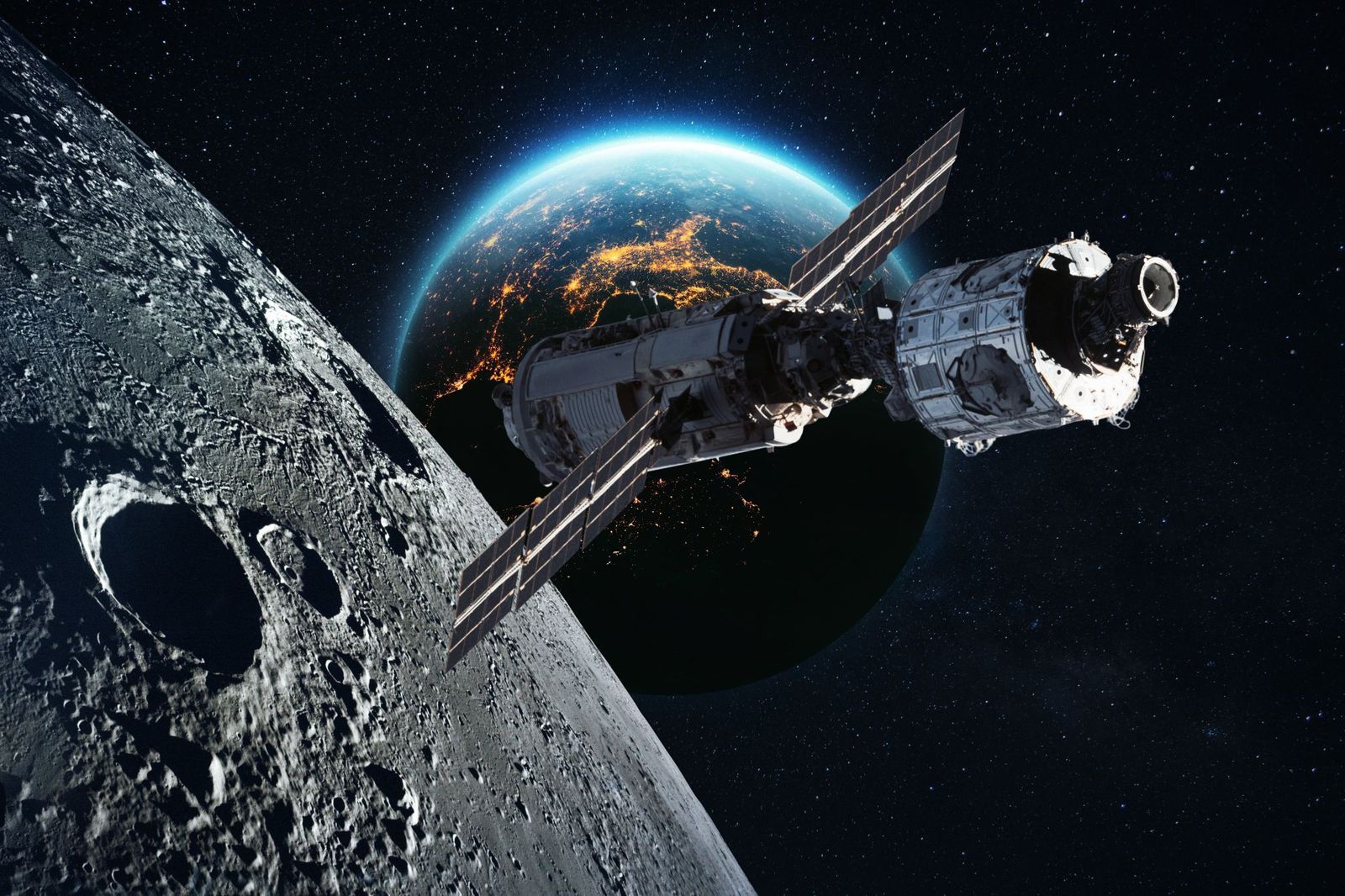
Image: Alones

While Neil Armstrong and Buzz Aldrin walked on the lunar surface, their crewmate Michael Collins circled overhead alone in the command module Columbia.

For roughly 47 minutes of every two-hour orbit, the entire body of the Moon passed between Columbia and Earth, cutting off every radio signal from Mission Control and from his two crewmates below. Flight commentator Charlie Duke described it on the air: "not since Adam has any human known such solitude." Collins later wrote that he never actually felt lonely during those blackout stretches, only quietly aware that he was, by any physical measure, the single most isolated human being who had ever lived, with three billion people on one side of the Moon and just himself on the other.

6
The Soviet Union made the first lunar impact in 1959
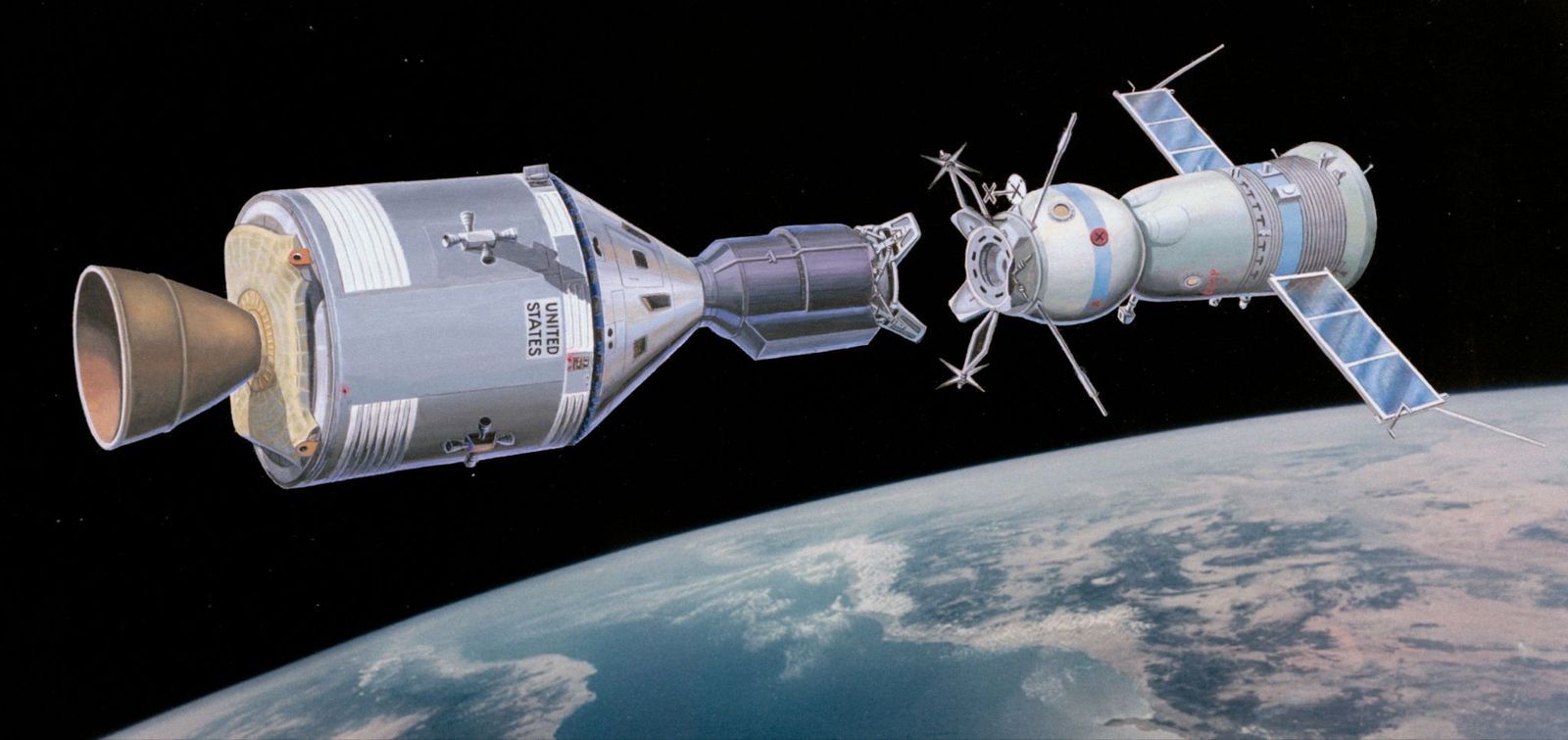
Image: R. Bruneau, Public domain, via Wikimedia Commons

On September 12, 1959, a Soviet spacecraft the size of a large beach ball lifted off from Baikonur, deep in the Kazakh steppe. Two days later, Luna 2 slammed into the Moon near the craters Aristillus and Autolycus , becoming the first human-made object to ever touch another world.

Engineers in Moscow had built in a strange detail: the probe carried small metal pennants stamped with the hammer and sickle, meant to scatter across the lunar surface on impact. The timing stung in Washington. Soviet premier Nikita Khrushchev arrived in the United States for a state visit just days later, carrying a replica pennant as a gift for President Eisenhower, a not-so-subtle reminder of who had reached the Moon first.

7
Apollo 11 concluded the initial Space Race
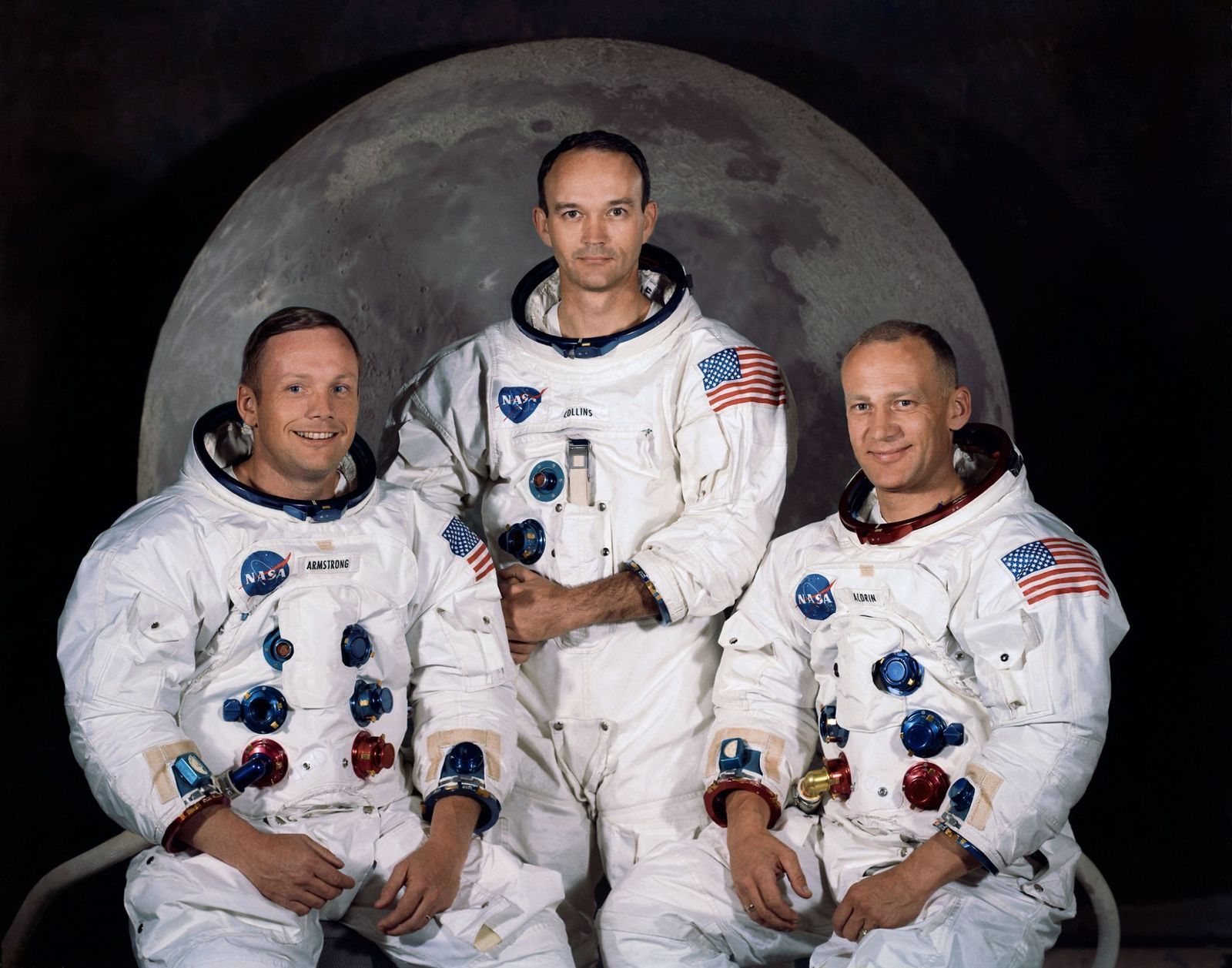
Image: NASA, Public domain, via Wikimedia Commons

In May 1961, President John F. Kennedy stood before Congress and made a promise that sounded impossible: the U.S. would land a man on the Moon and bring him home safely before the decade was out.

Eight years, several deaths, and one nearly disastrous fire later, Neil Armstrong stepped off the ladder of the lunar module Eagle on July 20, 1969 , and told millions watching on television that it was one small step for a man. Buzz Aldrin followed him down minutes later while Michael Collins orbited above in the command module. The landing settled a technological race that had begun with Sputnik in 1957, and for the United States, it closed the gap the Soviets had opened years earlier.

8
The lunar module was built without seats
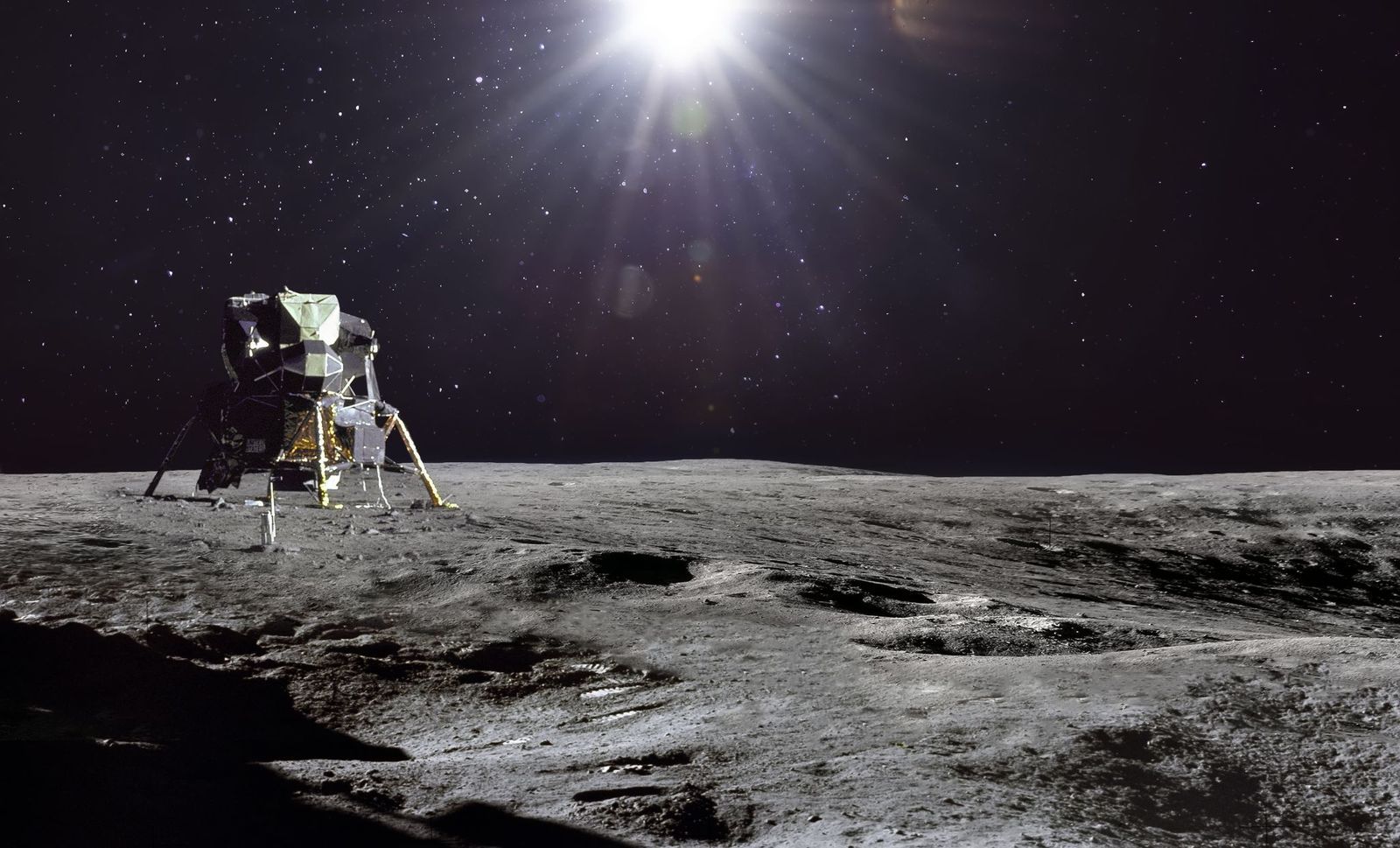
Image: Dima Zel

Every extra pound sent to the Moon meant thousands of extra pounds of fuel needed to get it there, so NASA engineers stripped the lunar module Eagle down to its bare essentials, cutting anything that was not strictly necessary for survival.

One of the first things to go was seating. Neil Armstrong and Buzz Aldrin flew their roughly 60-mile descent to the lunar surface standing up , held in place by cables and foot restraints, much like subway commuters gripping a pole during rush hour. Standing also gave the astronauts a clearer view out the small triangular windows, which mattered enormously once Armstrong realized the automatic system was steering them toward a boulder field. The decision made purely for weight savings ended up helping save the landing itself.

9
Apollo 11 astronauts signed an official customs declaration upon return

Image: Andrey_Popov

After traveling nearly half a million miles round trip, the crew of Apollo 11 still had one more piece of paperwork waiting for them back on Earth.

On July 24, 1969, the day their capsule splashed down in the Pacific near Hawaii, Neil Armstrong, Buzz Aldrin, and Michael Collins signed a standard United States Customs form filed at Honolulu Airport. Under departure point, the document read simply Moon. Arrival was listed as Honolulu, Hawaii. In the cargo section, the astronauts declared moon rock and moon dust samples, treating a piece of another world the same way any traveler might declare a bottle of duty-free perfume. The form even asked about any condition on board that could spread disease, and the honest answer at the time was simply to be determined.

10
Apollo 8 astronauts captured the "Earthrise" photograph
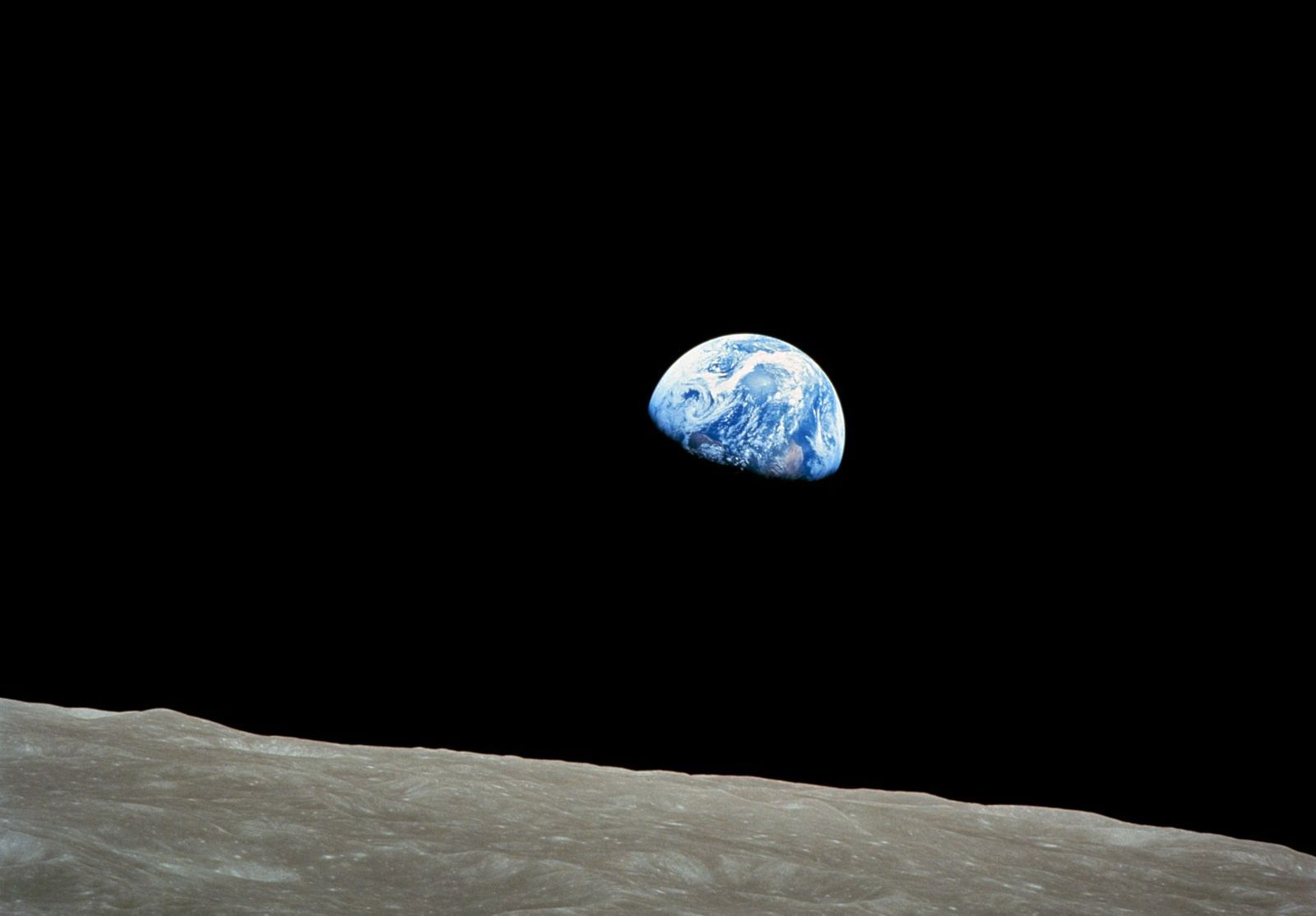
Image: National Aeronautics and Space Administration, Public domain, via Wikimedia Commons

On Christmas Eve of 1968, astronaut Bill Anders was aiming his camera at the gray, cratered surface below when something in the window caught his eye. Earth, blue and impossibly small, was rising over the lunar horizon.

Anders, Frank Borman, and Jim Lovell had just become the first humans to orbit the Moon, and none of NASA's flight plans had accounted for this moment. Anders grabbed a color film magazine and fired off the shot in a matter of seconds, later admitting the photo was never on the schedule. Back on Earth, the image ran in newspapers worldwide and is widely credited with helping launch the modern environmental movement, giving people their first real look at how fragile and alone their home planet truly is.
History History 4 min read

Don’t believe everything

From Washington’s wooden teeth to Plymouth Rock: 12 myths still around

Image: Hartono Creative Studio

American history is filled with stories that are passed down through generations, but not all of them are accurate. Some legends were invented to inspire, others simply to entertain, and many grew from misunderstandings. Let’s take a look at 12 of the most common myths from U.S. history that are still believed to be true by a lot of people.

1
George Washington had wooden teeth

Image: Jon Sailer

When one thinks about this one, it can sound quite preposterous, but many people still believe it to be true. George Washington did wear dentures, but none were made of wood. His sets were crafted from ivory, gold, lead, and even animal and human teeth. The wood myth likely spread because stained ivory took on a rough, brown look .

The story stuck because it seemed to fit the image of a rustic leader. In truth, Washington’s constant dental pain was very real, but the wooden teeth are pure fiction.

2
The Declaration of Independence was signed on July 4

Image: The New York Public Library

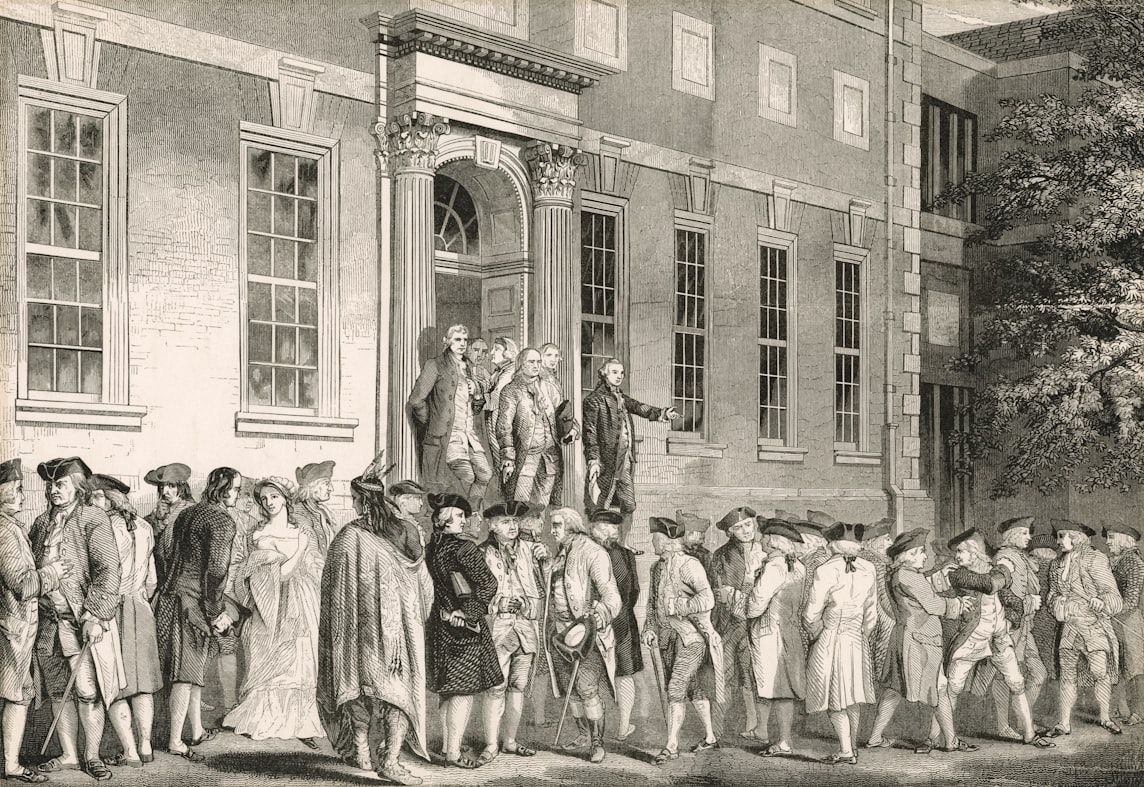
Yes, July 4, 1776, is remembered as the day America declared independence, but most delegates did not sign the document then. It was approved that day, yet the majority of signatures were added on August 2 .

Only John Hancock and perhaps a handful of others signed on the Fourth. The legend of all the Founders signing together created a more dramatic story than reality.

3
The first Thanksgiving had turkey and pie

Image: Noah Samuel Franz

The 1621 gathering in Plymouth is remembered as a feast of turkey, stuffing, and pumpkin pie. In reality, the menu was very different. Venison, fish, shellfish, corn, and nuts were likely served instead .

Turkey may have been present, but it wasn’t the centerpiece, and sweet pumpkin pie was impossible without sugar or ovens. The foods we associate today were added later by tradition.

4
The Liberty Bell cracked on July 4, 1776

Image: Dan Mall

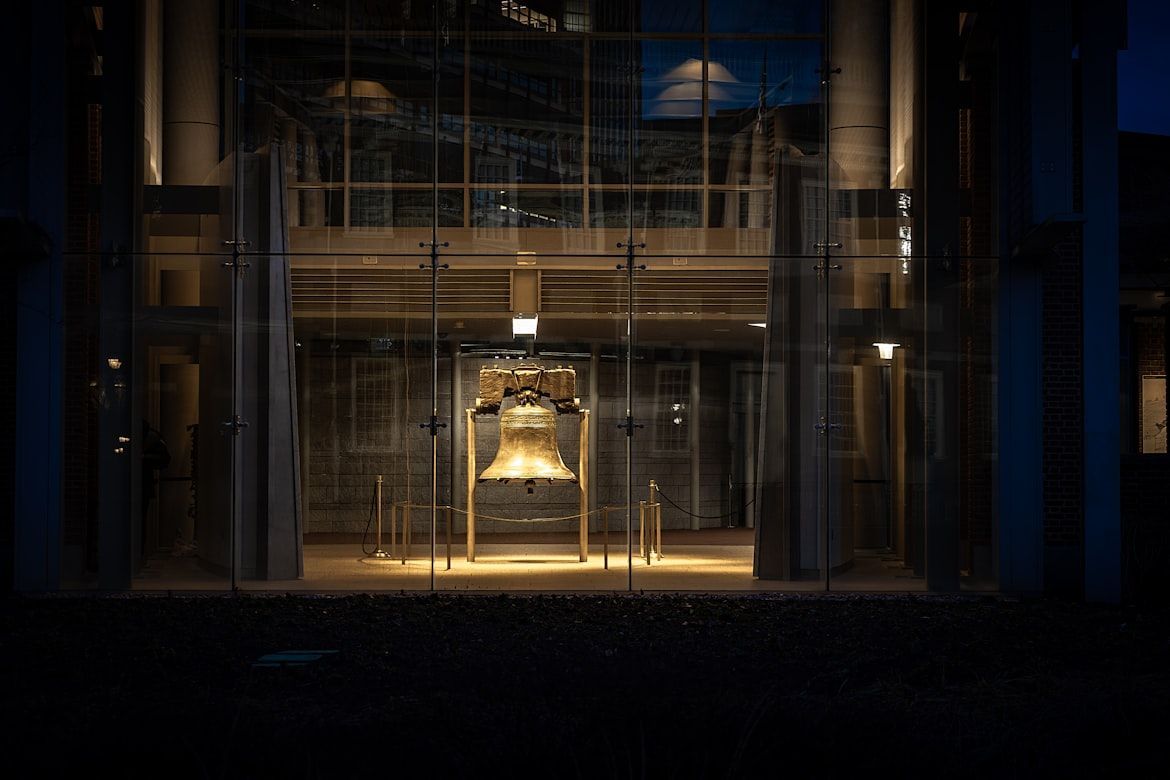
Many believe the Liberty Bell cracked while celebrating independence on July 4, 1776, but it didn’t. The bell wasn’t even rung that day, and its famous fracture appeared decades later .

Records suggest the crack happened in the 1830s or 1840s during use at civic events. The legend tied the crack to 1776 because it made for a more patriotic tale.

5
Paul Revere shouted "The British are coming!"

Image: brianfakhoury

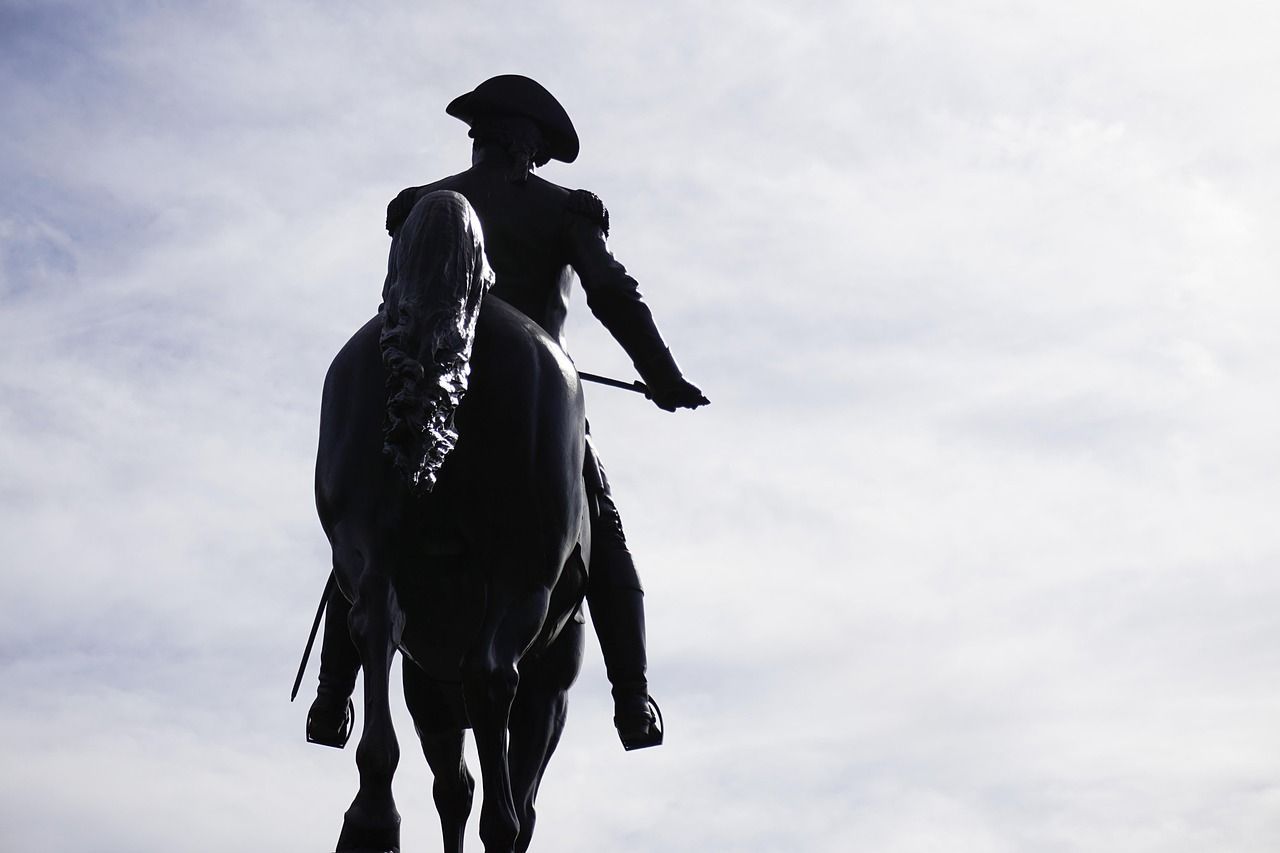
Paul Revere’s midnight ride is legendary, but the famous phrase attributed to him is not. He likely warned townspeople, "The Regulars are out," since most colonists still thought of themselves as British.

The dramatic version was added later to make the story more exciting. Revere’s actual mission was successful, but it didn’t involve shouting through the countryside.

6
Colonial Americans were short

Image: James Coleman

It’s often said that colonial Americans were much shorter than people today, but that’s an exaggeration. Skeletal evidence shows the average man in the 1700s was about 5’8", not far from modern averages .

Malnutrition was less severe in America than in Europe at the time. The myth spread from comparing old, small doorways and beds, which were not actually built for shorter people.

7
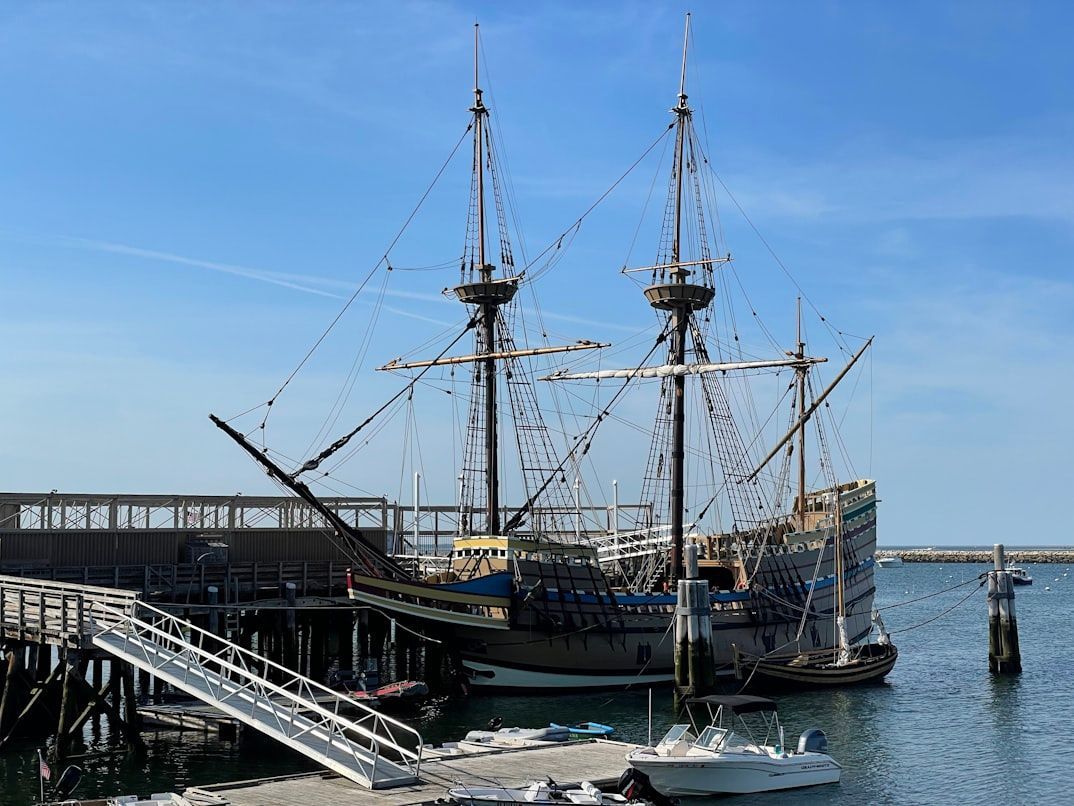
The pilgrims landed on Plymouth Rock

Image: Bernd 📷 Dittrich

The story that the Pilgrims stepped onto Plymouth Rock in 1620 has no basis in fact. No historical accounts from the time mention it.

The tale was first told more than a century later, likely to create a symbolic landmark. The rock is real, but its role in the landing is pure invention to add drama to history .

8
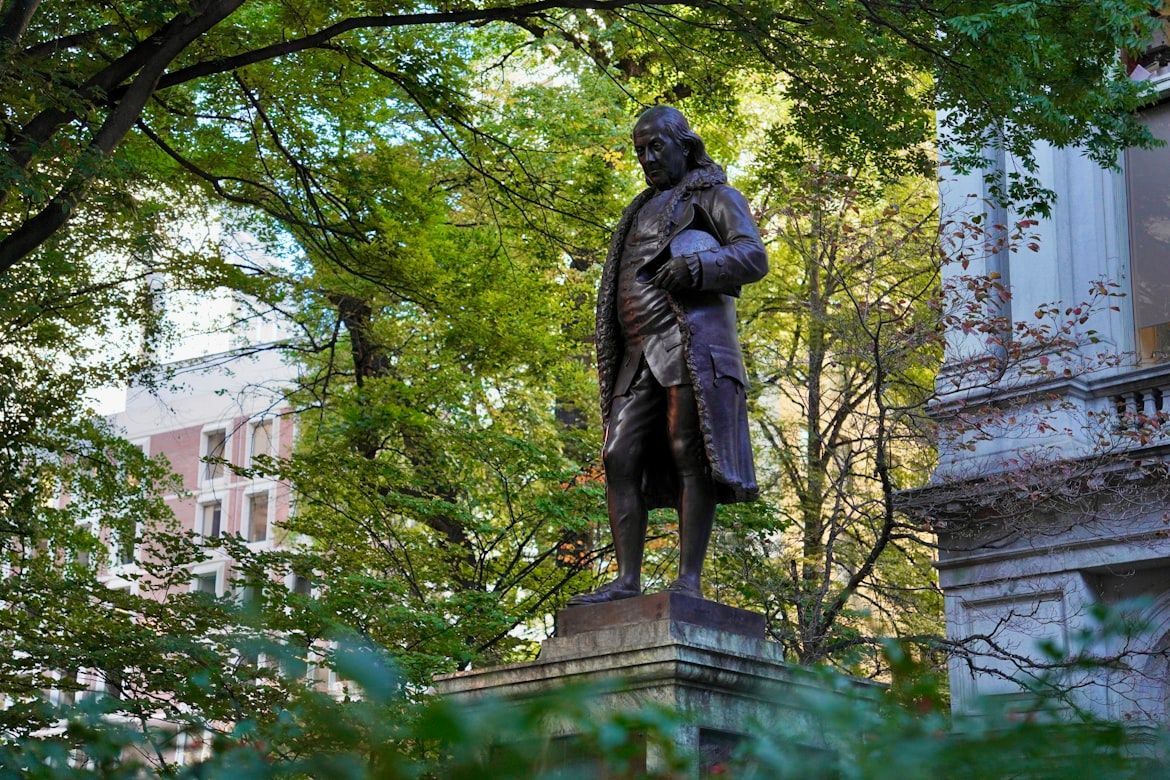
Benjamin Franklin discovered electricity with a kite

Image: Brett Wharton

Benjamin Franklin’s 1752 kite experiment is well-known, but he didn’t "discover" electricity. Scientists had known about it for years. His test demonstrated that lightning was a form of electricity . So, somewhat similar but not the same.

The story became simplified over time into a myth of sudden discovery. Franklin’s real contribution was proving a connection, not inventing the concept.

9
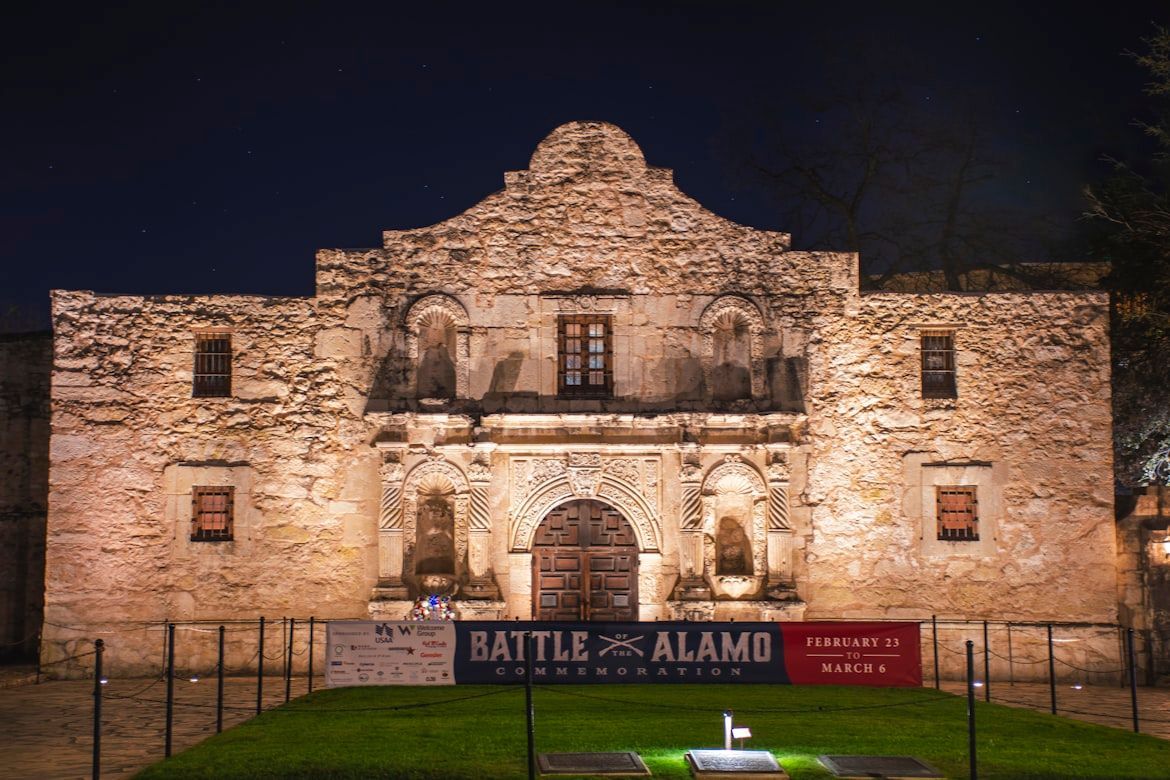
The Alamo defenders fought to the last man

Image: Gabriel Tovar

The legend of the Alamo says every defender fought to the bitter end in 1836. While most did die, accounts suggest some may have surrendered and were executed afterward .

The truth is more complicated than the heroic version. Still, the myth of total sacrifice became central to Texas identity and American lore.

10
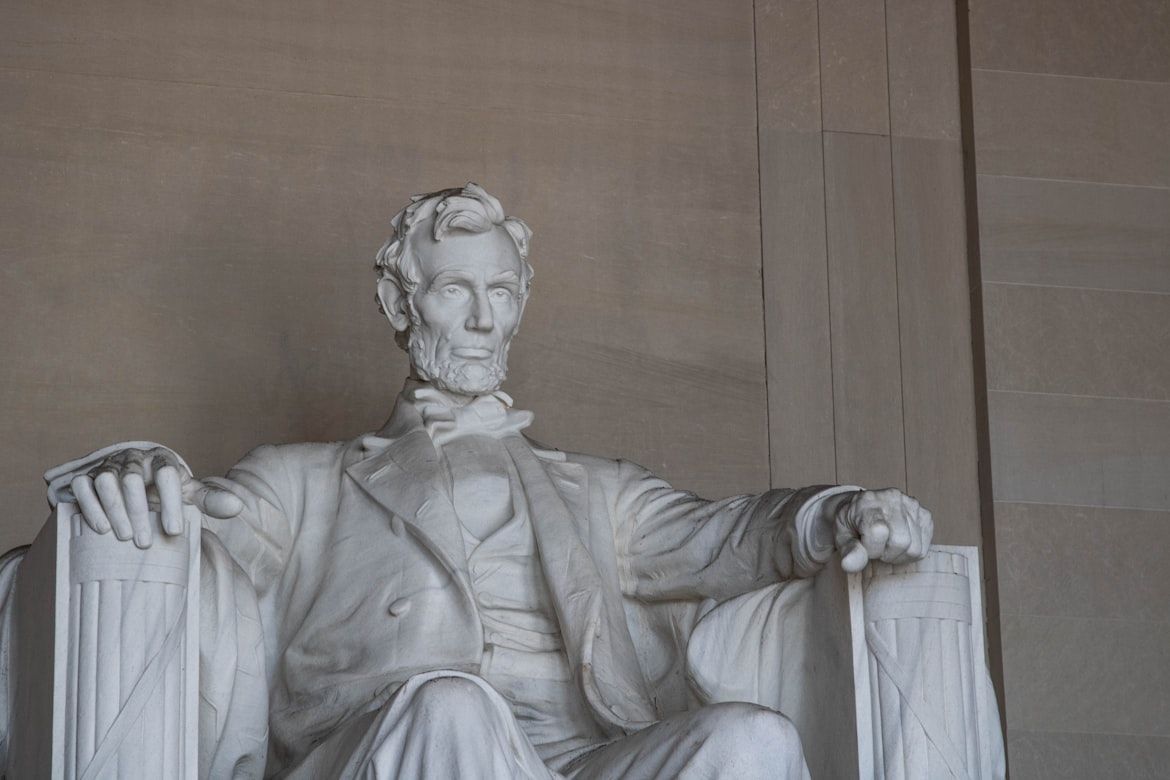
Lincoln wrote the Gettysburg Address on an envelope

Image: Forest Simon

Abraham Lincoln’s Gettysburg Address is often said to have been scribbled quickly on the back of an envelope. In reality, he drafted several careful versions of the speech in advance .

The "envelope" tale was later invented to emphasize his brilliance and spontaneity. The truth shows Lincoln was thoughtful and deliberate, not hurried.

11
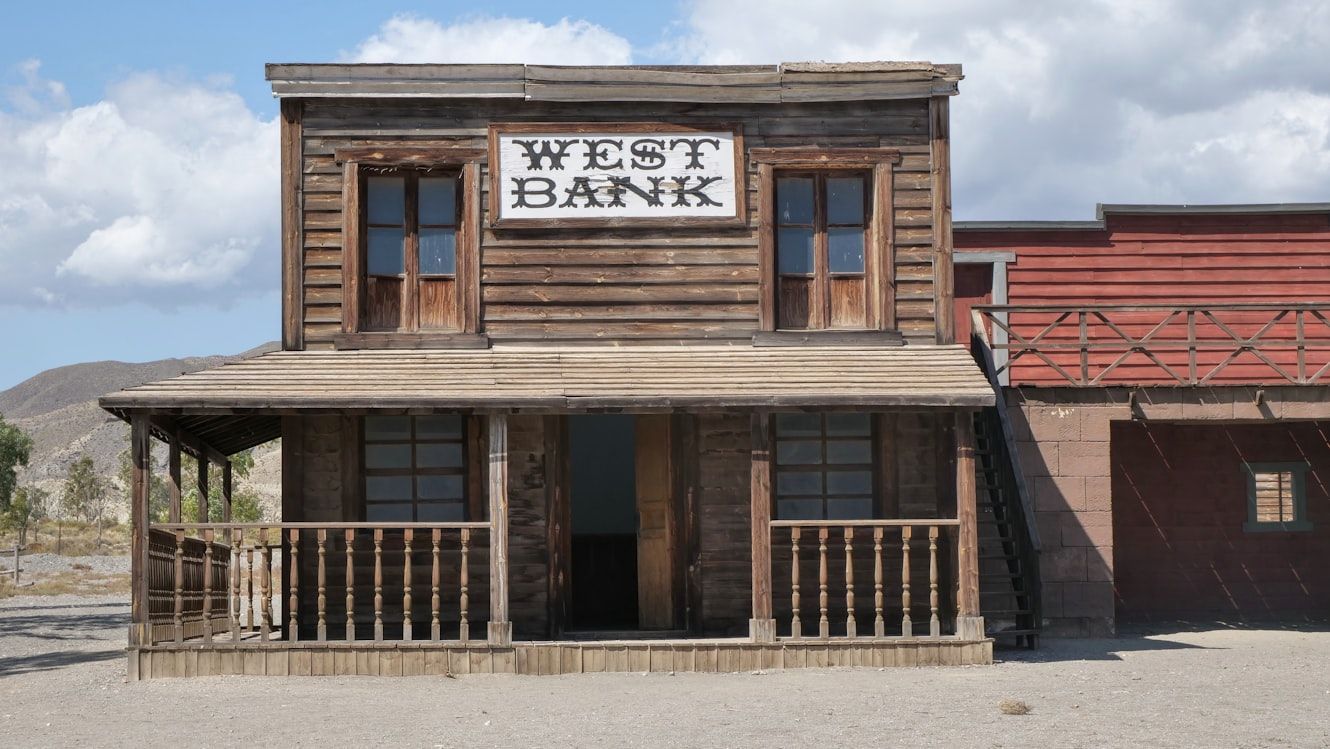
Gunfights were really common in the Wild West

Image: Stefan Münz

Popular film and TV shows depict the Wild West as lawless and violent, with constant gun duels. In fact, frontier towns often had strict laws banning guns inside city limits .

Shootouts like those in movies were rare events, not daily life. The myth grew from dime novels and later Hollywood Westerns that exaggerated violence.

12
A cow started the Chicago Fire

Image: Daniel Quiceno M

The Great Chicago Fire of 1871 was long blamed on Catherine O’Leary’s cow kicking over a lantern. This story was published in newspapers and stuck in public memory.

Historians now know the cause was never proven . The cow tale unfairly tarnished the O’Leary family (and the cow itself), but it became a convenient explanation for a devastating disaster.

History History 4 min read

The First POTUS

10 facts you might not know about George Washington

Image: Jon Sailer

It’s difficult to find a more talked-about figure in American history than George Washington. As the leader of the Continental Army and the first President of the United States of America, he was crucial in the development of our nation.

But history books sometimes overlook events that, although seemingly minor, deeply influenced Washington’s life and, in consequence, all of America. Here are some of the things you might not know about our first president.

1
Early life

Image: National Park Service Digital Image Archives, Public domain, via Wikimedia Commons

Born in Popes Creek, Virginia, George Washington was the first child of Augustine Washington and his second wife, Mary. His elder half-brothers had received a gentleman’s education in England, but the death of his father in 1743 prevented George from going to college . This was not a setback for him, though. He attended the Lower Church School in Hartfield, sought trustworthy mentors, and worked as a surveyor for Culpeper County.

2
Visit to Barbados

Image: Tom Jur

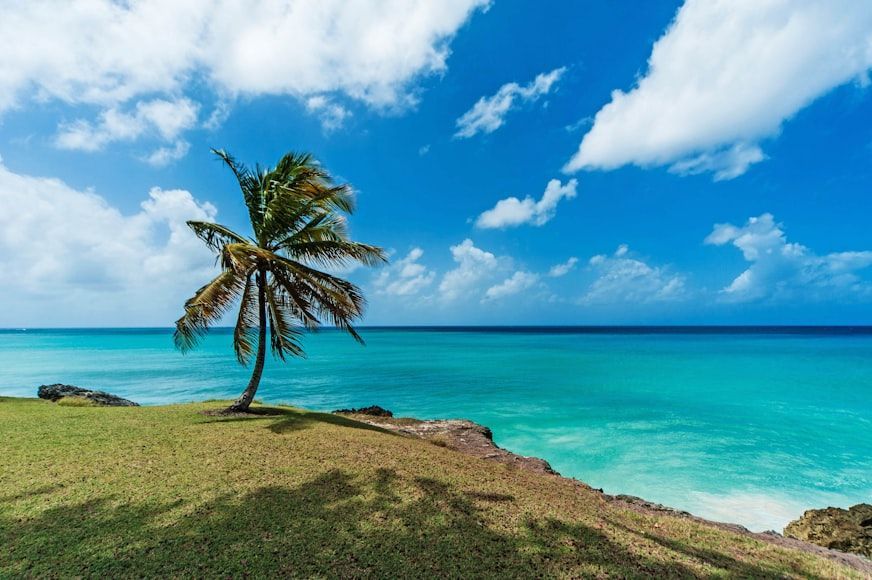
In 1751, Washington accompanied his older brother, Lawrence, on a trip to Barbados, which gave him a wider perspective of British administration beyond the New England colonies . During the voyage, Washington contracted smallpox, which left him scarred, but also provided him with immunity to the disease. Later, as the leader of the Continental Army, he ordered a mandatory inoculation against the ailment for his entire army.

3
Mount Vernon

Image: National Archives at College Park, Public domain, via Wikimedia Commons

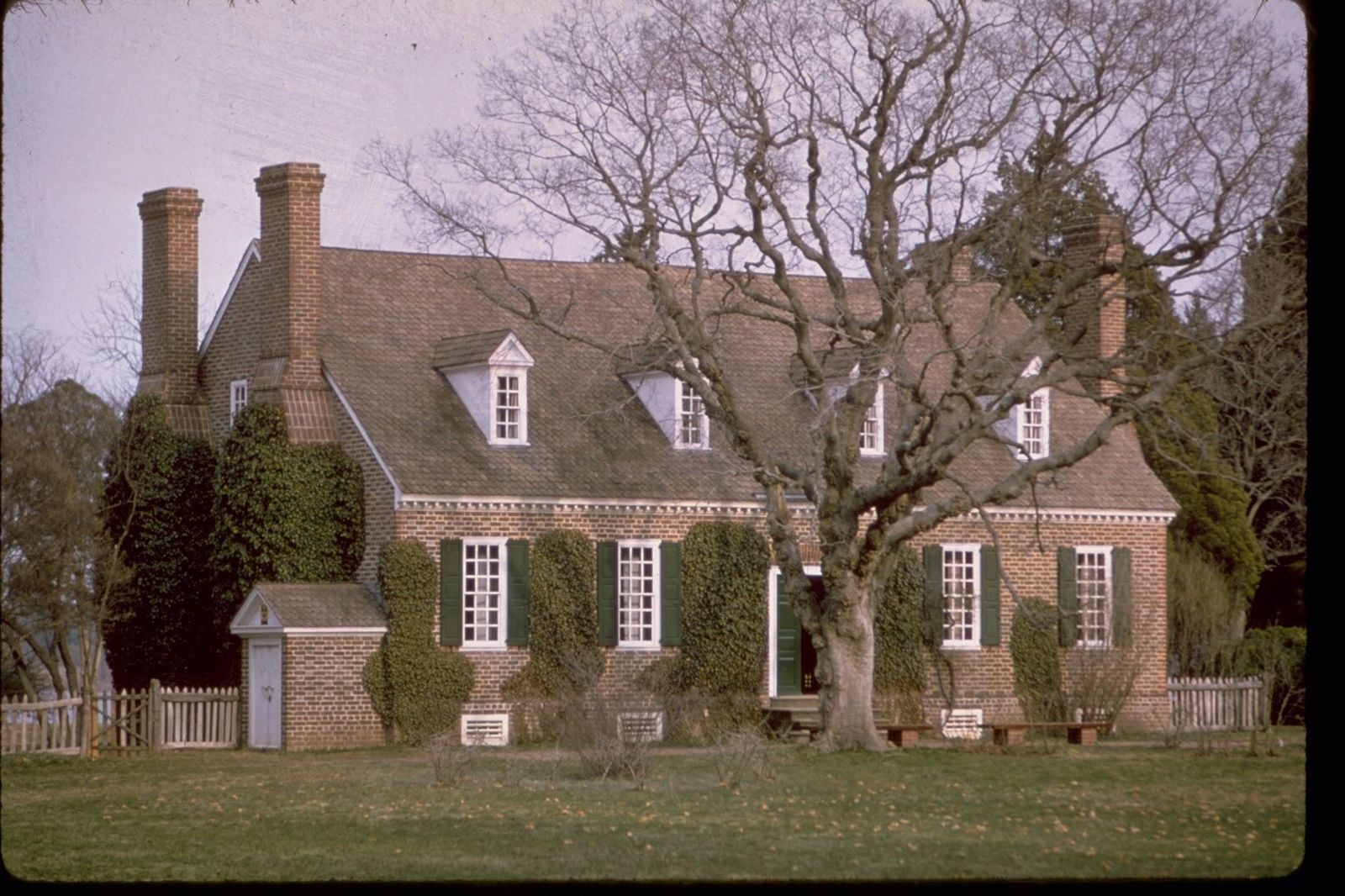
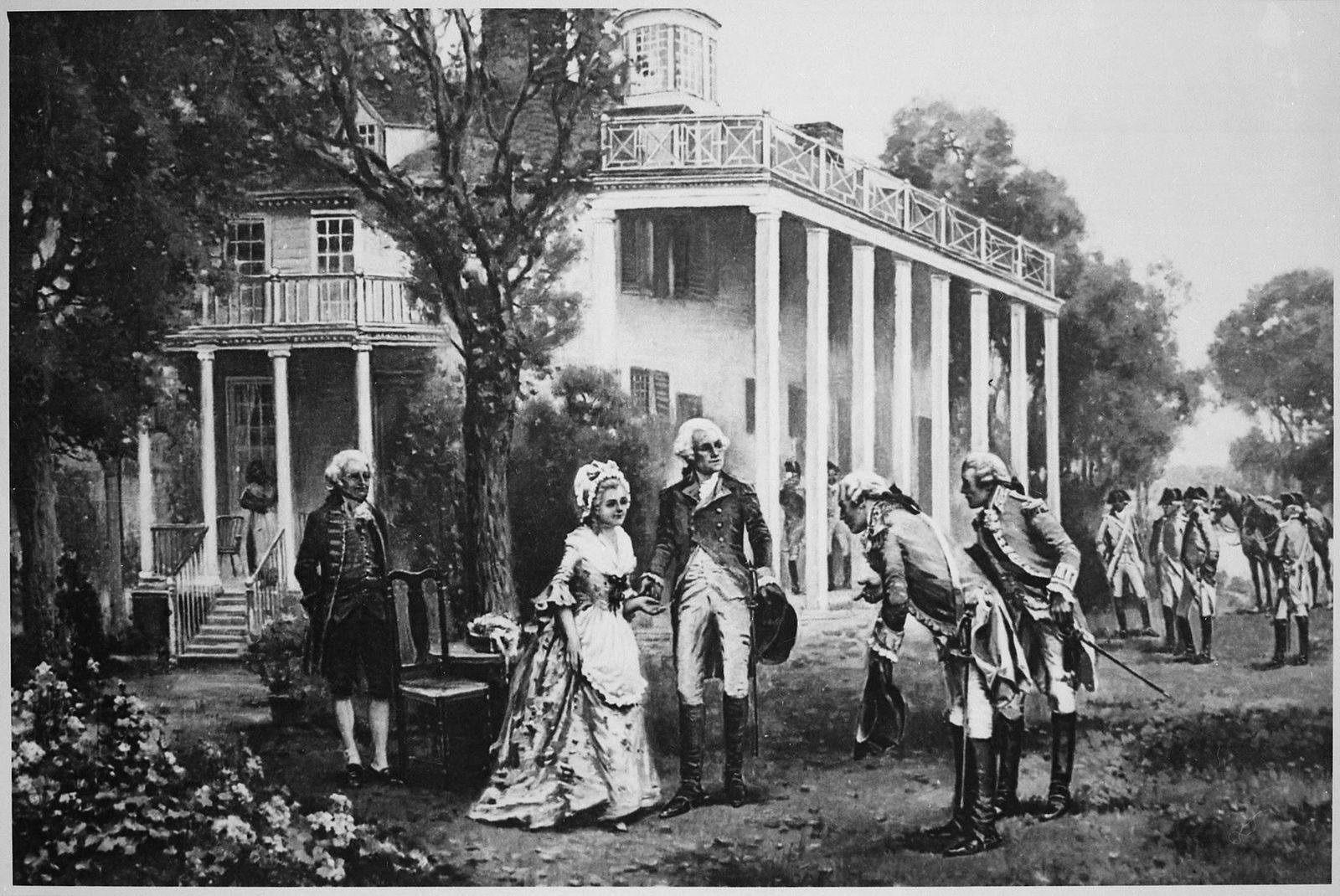
After his brother Lawrence’s death, Washington inherited his plantation, Mount Vernon, which he expanded and modernized. The house would become a refuge , a place for agricultural innovation, and where he would live in retirement after his political career. Like other founding fathers, Washington owned and employed enslaved people on his plantation. In his will, he made provisions for them to be freed after his wife’s death, though Martha Washington granted them their freedom in 1801.

4
First war experience

Image: Junius Brutus Stearns, Public domain, via Wikimedia Commons

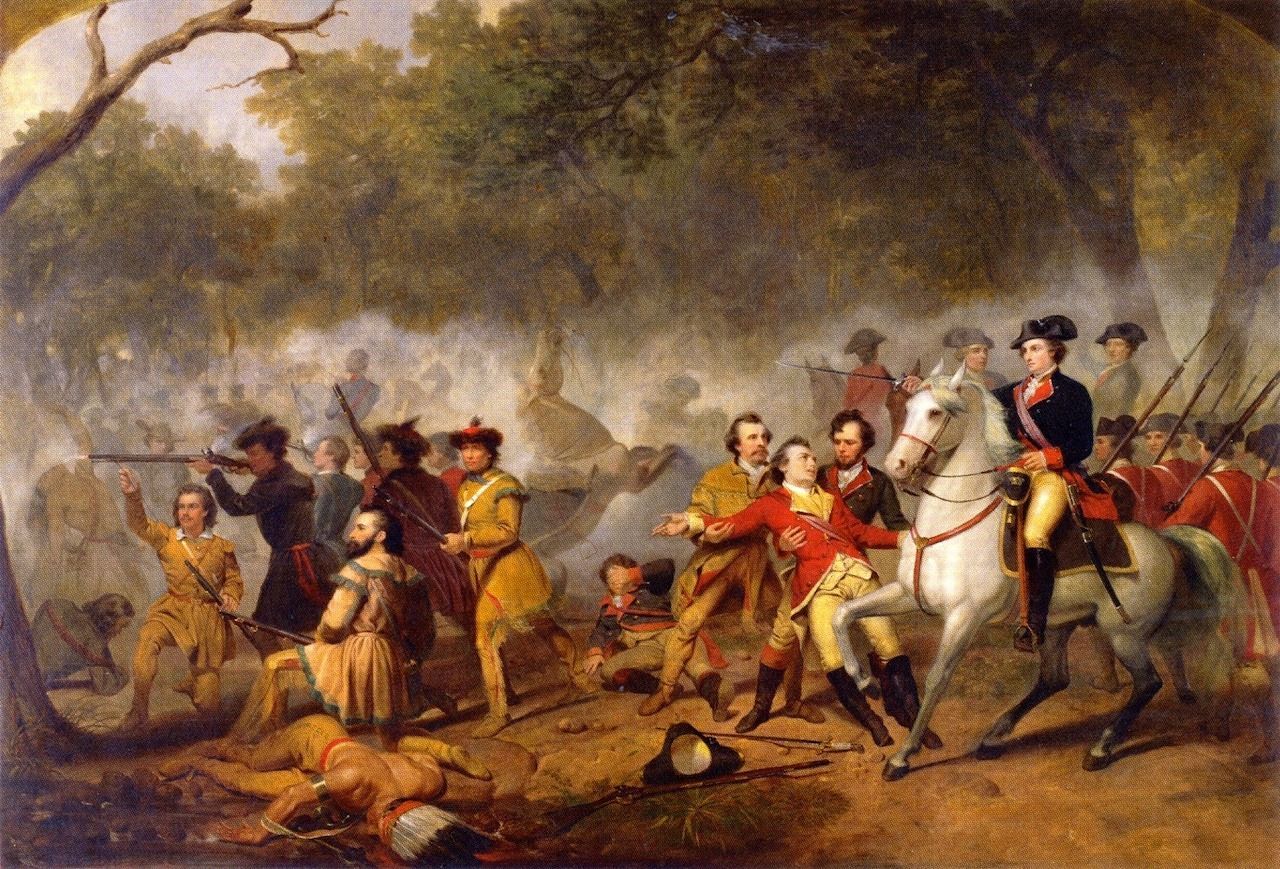
During the 1754–1763 French and Indian War, Washington served as a militia commander. He was tasked with delivering an ultimatum to the French to abandon British territory, and was later involved in one of the confrontations that sparked the war. During the conflict, he became known for his bravery and leadership skills, and he acquired knowledge and experience that would be crucial for his role in the American Revolutionary War.

5
Marriage

Image: The New York Public Library

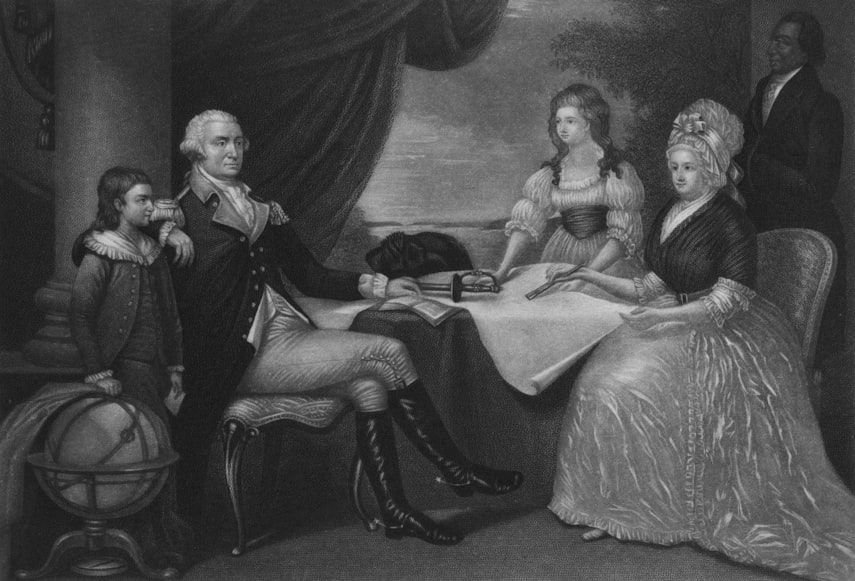
In 1759, Washington married Martha Dandridge Custis, a wealthy widow with two children . This marriage made Washington one of Virginia’s wealthiest men and also cemented his social status, providing him with connections that would be crucial for his political career. During the Revolutionary War and Washington’s presidency, Martha would be a source of unwavering support and comfort.

6
Leader of the Continental Army

Image: Currier and Ives, CC0, via Wikimedia Commons

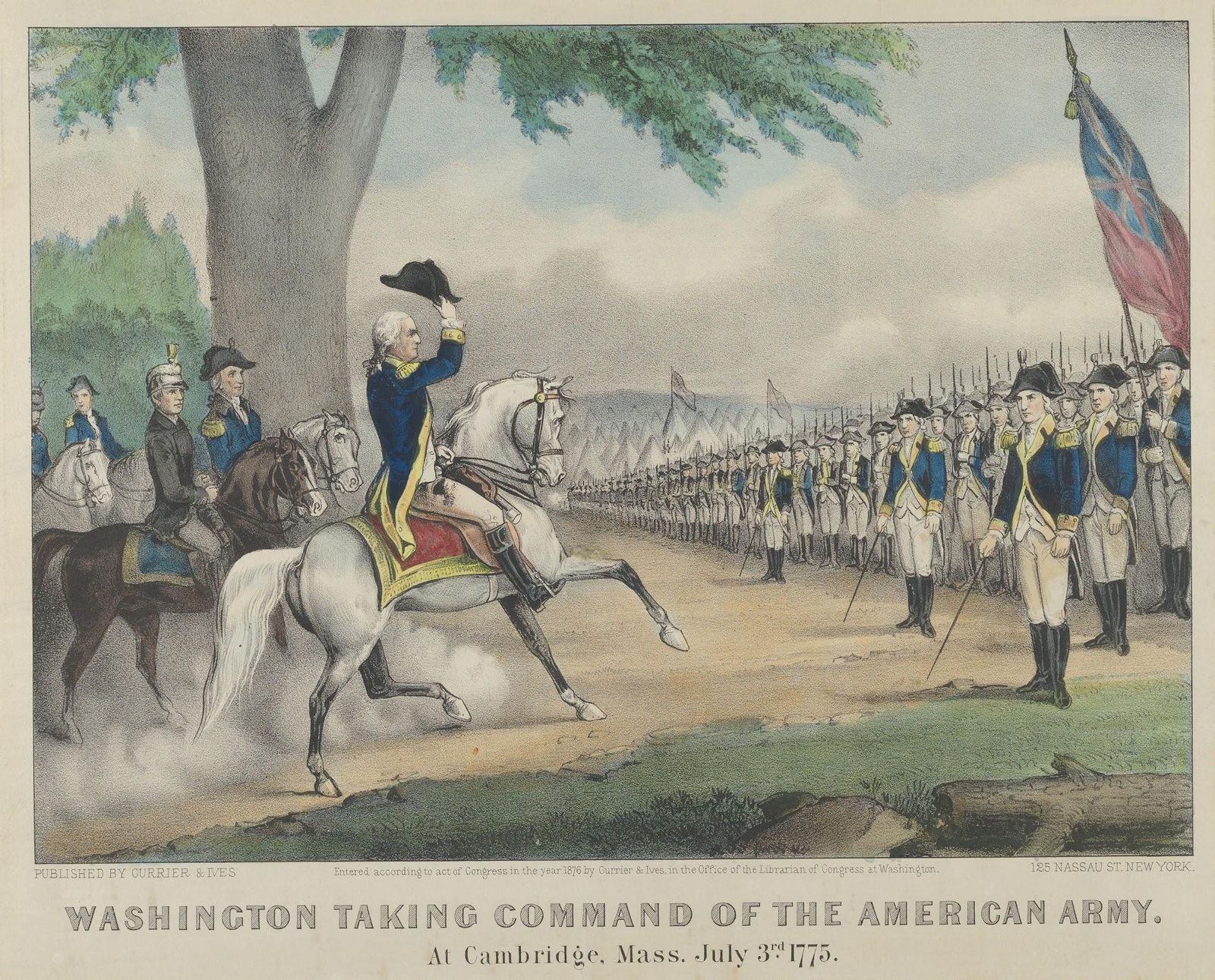
Though there were many candidates to lead the Revolutionary Army, the choice of George Washington was a deliberate move : he had proven war experience, was an influential politician and landowner in the largest southern colony, was known to be extremely brave, and had a remarkable aptitude for leadership. Washington never actively sought to be appointed commander, but his designation was key to the success of the Revolution.

7
Crossing of the Delaware

Image: Emanuel Leutze, CC0, via Wikimedia Commons

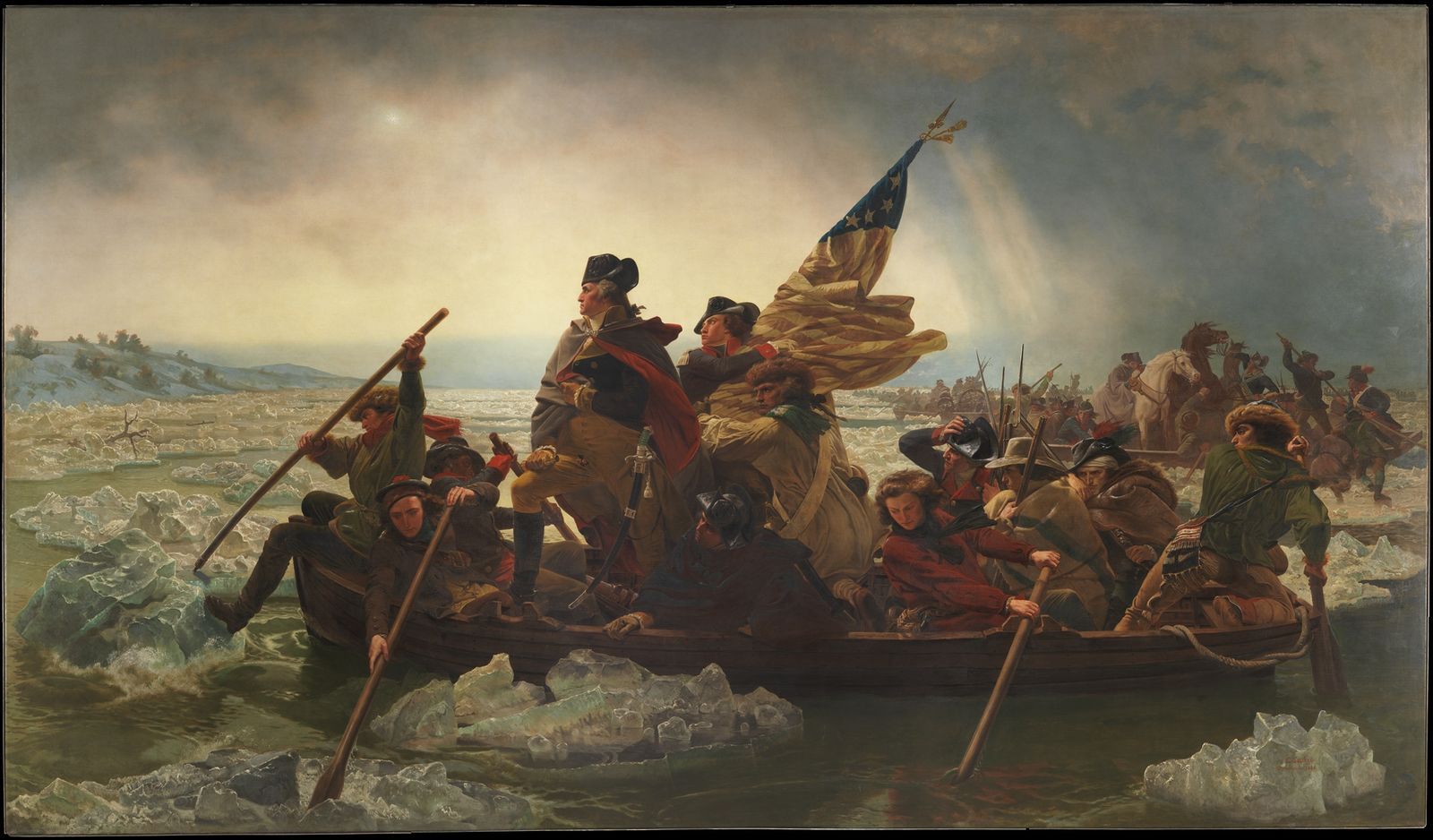
Demoralized by continued defeats at the hands of a superior British army, the Continental forces were on the brink of collapse. On Christmas night 1775, Washington set out to attack a British garrison by surprise, which meant he and his men had to cross the Delaware River at night during a harsh winter storm. By the next morning, the Continental Army defeated the enemy at the Battle of Trenton, a victory that boosted the soldiers’ morale and cemented Washington as a leader.

8
Presidential terms

Image: Currier and Ives, CC0, via Wikimedia Commons

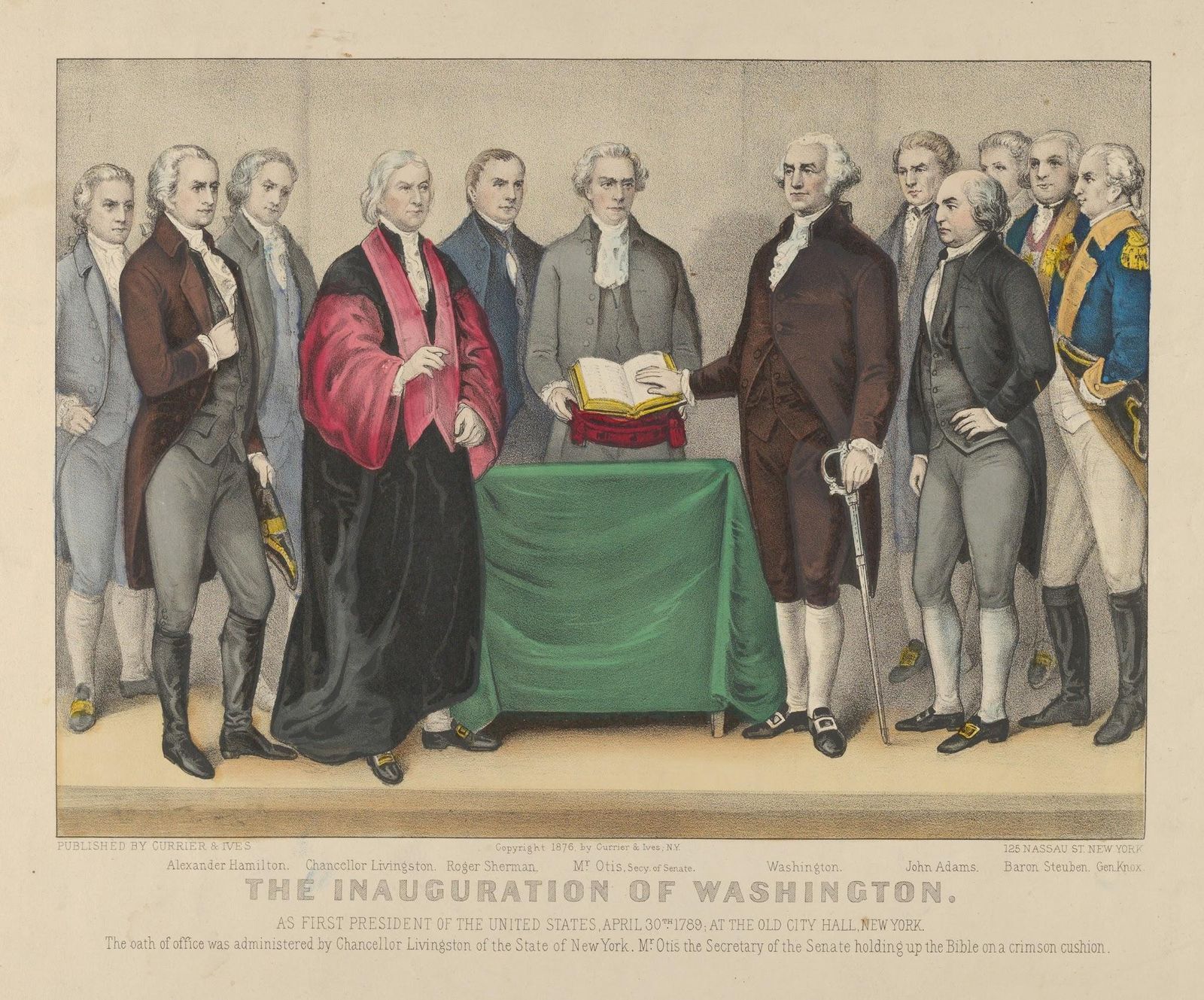
Unanimously elected by the Electoral College in both his presidential terms (1789-1797), George Washington was much more than just ‘the first American president’. His actions while in office set a precedent for the role , ensuring presidents would not be monarchs in disguise, and creating and enforcing policies that would shape the American system of government.

9
Washington, D.C.

Image: Andy He

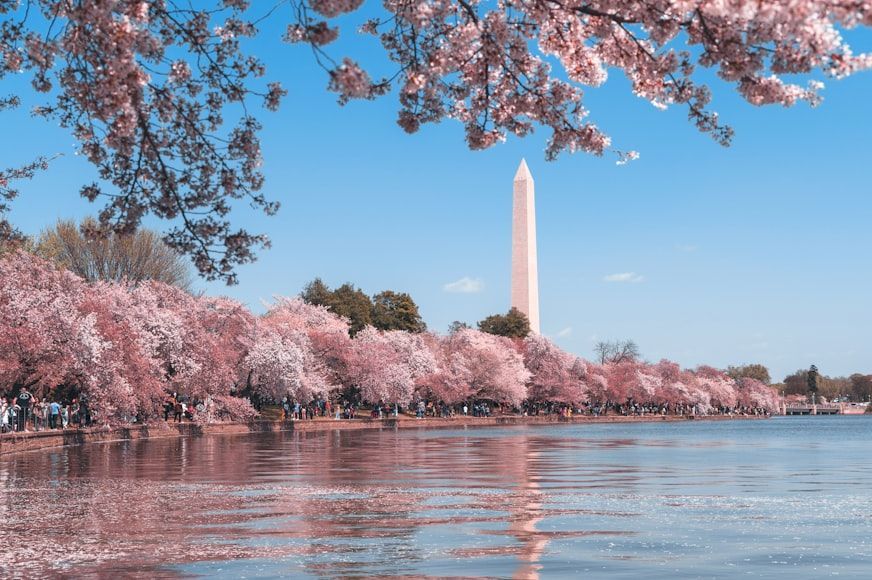
The Residence Act of 1790 established a new national capital, instead of an existing city being designated as such, to avoid tensions between the northern and southern states. While political alliances required that it be located on the Potomac River, the exact location was for Washington to decide. The chosen location was near Mount Vernon, which meant that he knew the land and its potential for a city that would not only be the seat of government but also an economic hub.

10
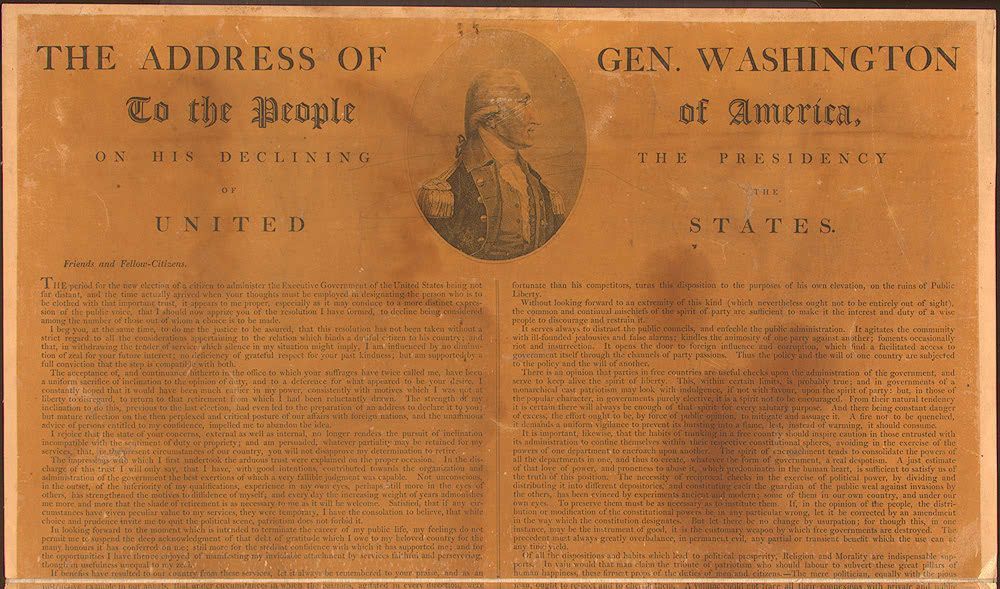
Farewell address

Image: George Washington, Public domain, via Wikimedia Commons

At the end of his first term as president (1798-1793), George Washington penned a farewell address. After his second term (1793-1797), he revisited the text and added to it with the help of Alexander Hamilton. Much more than a goodbye, it became a landmark document for America. Besides publicly declining a third term and ensuring a smooth transition of power, the letter warned Americans against the dangers of partisan politics and foreign interference, emphasizing the importance of national unity, stability, and adherence to law.

Explore more American facts

Choose your favorite category!

General
General

As American as apple pie—the very best America has to offer!

Culture
Culture

Delve into the astounding richness of American lore.

Geography
Geography

Hop in and explore vast and diverse American landscapes.

History
History

Discover the key moments that shaped the United States.