Culture Culture 7 min read

Celebrating Dolly

10 facts about the iconic life of Dolly Parton
Image: Bart Sherkow

Song by indelible song, Dolly Parton wrote and recorded the soundtrack of America for many generations — but there was far more to Dolly’s story than her music. From turning down Elvis Presley to a six-decade marriage to the resolutely private man she loved, her life was filled with stories that are just as fascinating as her catalog. Here are 10 surprising facts and unforgettable moments from the life of Dolly Parton.

1
Her parents paid for her birth with cornmeal

Image: Vinicius Benedit

Dolly Parton’s life has been filled with talent, music, art, and an adoring audience, but it wasn’t always easy for her or her family.

She was born on January 19, 1946, in a one-room log cabin in the Great Smoky Mountains of Tennessee, during a snowstorm. The fourth of 12 children, Dolly was born to Robert Lee Parton Sr. and Avie Lee Owens Parton, who were far from wealthy. According to Dolly, her parents paid the doctor who delivered her, Dr. Robert F. Thomas, with a sack of cornmeal because they couldn't afford to pay him in cash. Dolly later honored him in the song "Dr. Robert F. Thomas," which appeared on her 1973 solo studio album, My Tennessee Mountain Home.

2
She made her first guitar from an old mandolin
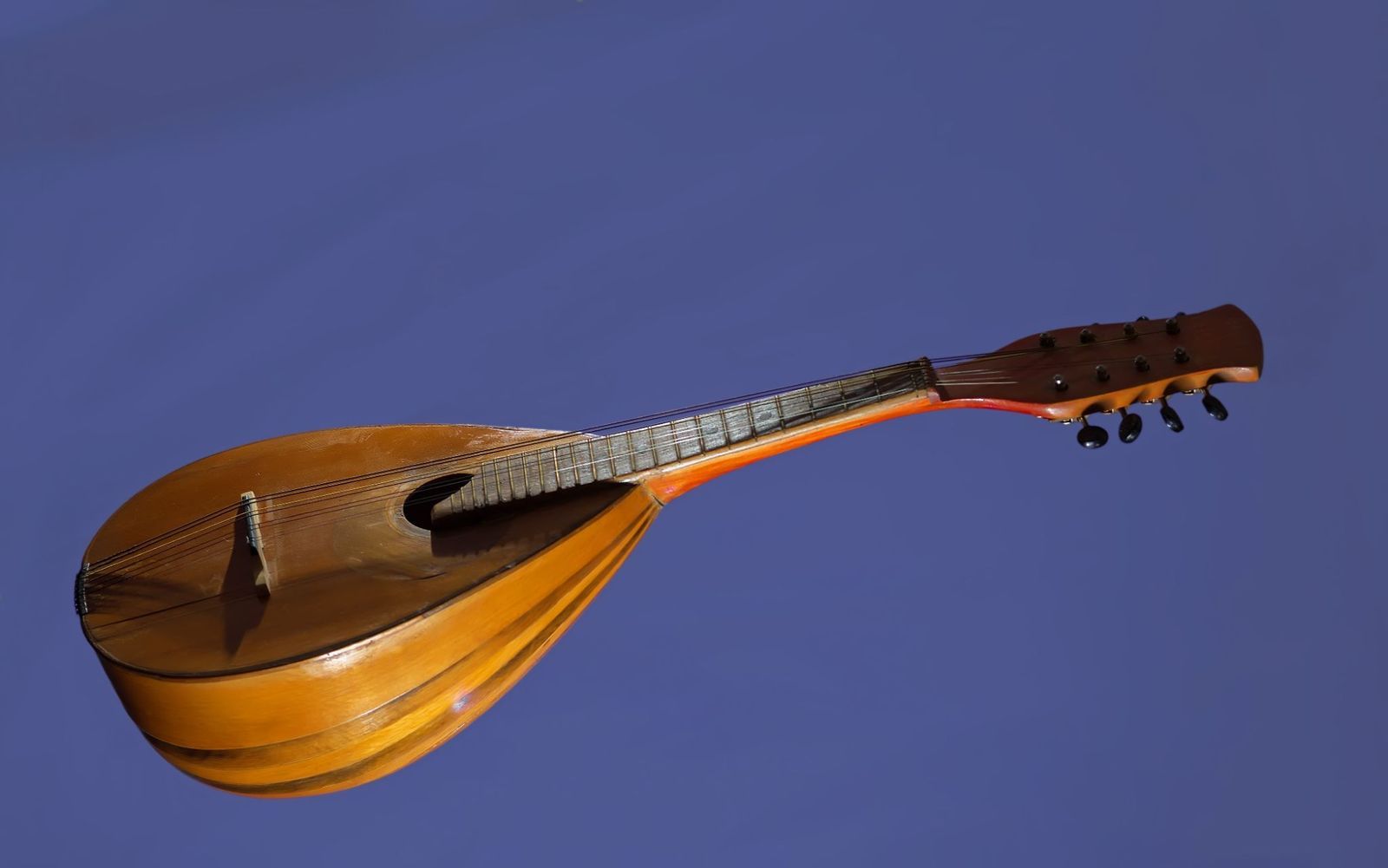
Image: VladKK

From a young age, Dolly showed that hard times wouldn’t stop her.

Around 1951, when she was about five years old, she wrote her first song, titled "Little Tiny Tasseltop," about a doll with corn-silk hair that her mother made for her. A couple of years later, Dolly got her first guitar, or rather, she made one herself. Growing up poor, buying a new instrument was impossible for her family. So she decided to turn a broken old mandolin into a makeshift guitar by adding two bass guitar strings. Not long afterward, an uncle gave her a small, proper acoustic guitar, an instrument that helped a young Dolly take her first steps toward performing professionally on local radio and television.

3
She was married to the same man for nearly 60 years
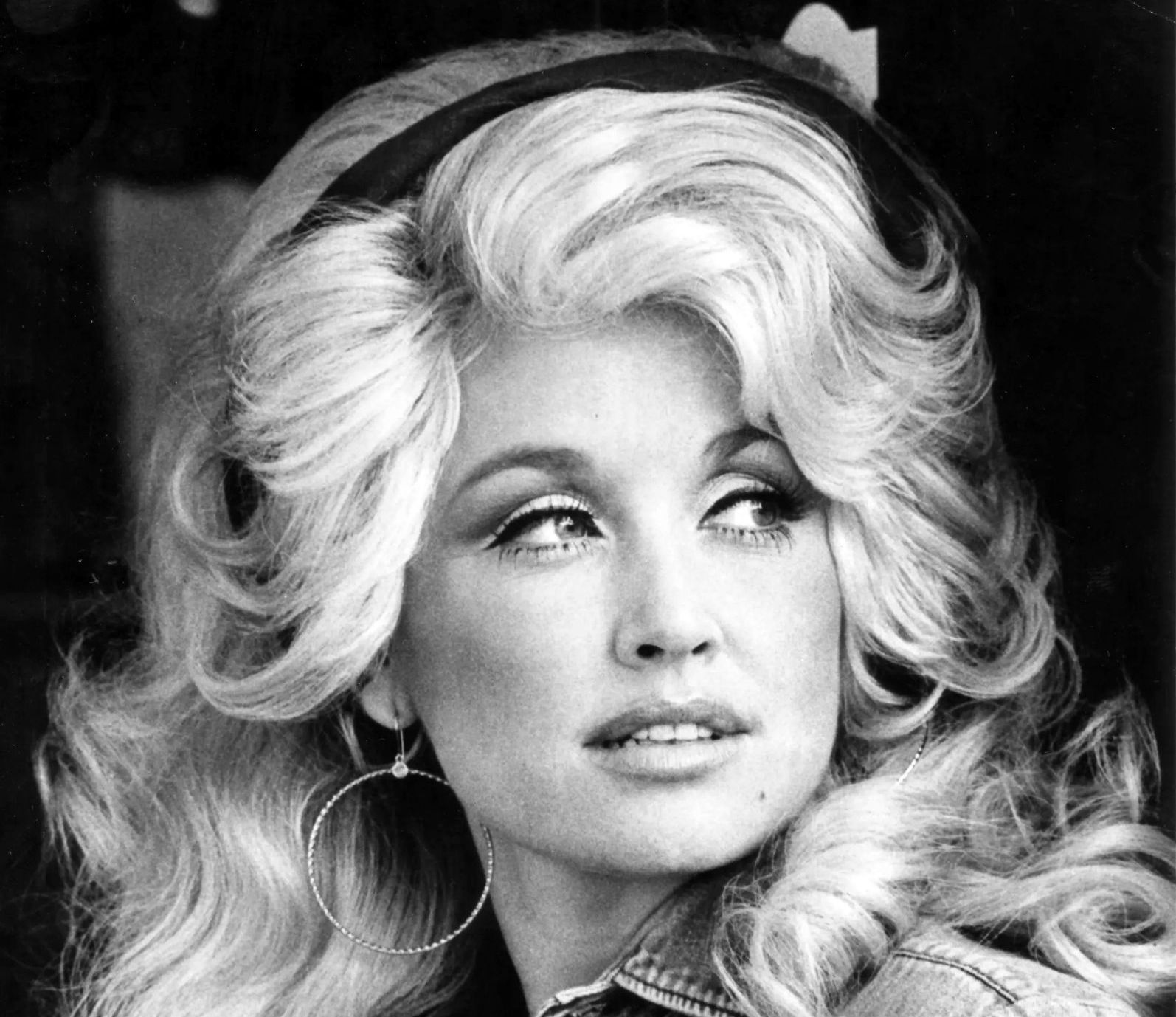
Image: RCA Records, Public domain, via Wikimedia Commons

Although they were rarely seen together in public, Dolly Parton married at 20 and spent nearly six decades with the same man.

Dolly was 18 when she arrived in Nashville in 1964, and the city had quite a surprise waiting for her. On her very first day, she went to do laundry at the Wishy Washy Laundromat, where she met Carl Dean, then 21. He spotted her outside, stopped his pickup truck, and struck up a conversation. According to Carl, his first thought was, "I’m gonna marry that girl." Dolly and Carl wed on May 30, 1966, in Ringgold, Georgia, in a small private ceremony. They remained together until Carl’s death on March 3, 2025, just shy of their 60th wedding anniversary.

4
She wrote "Jolene" and "I Will Always Love You" to launch her solo career
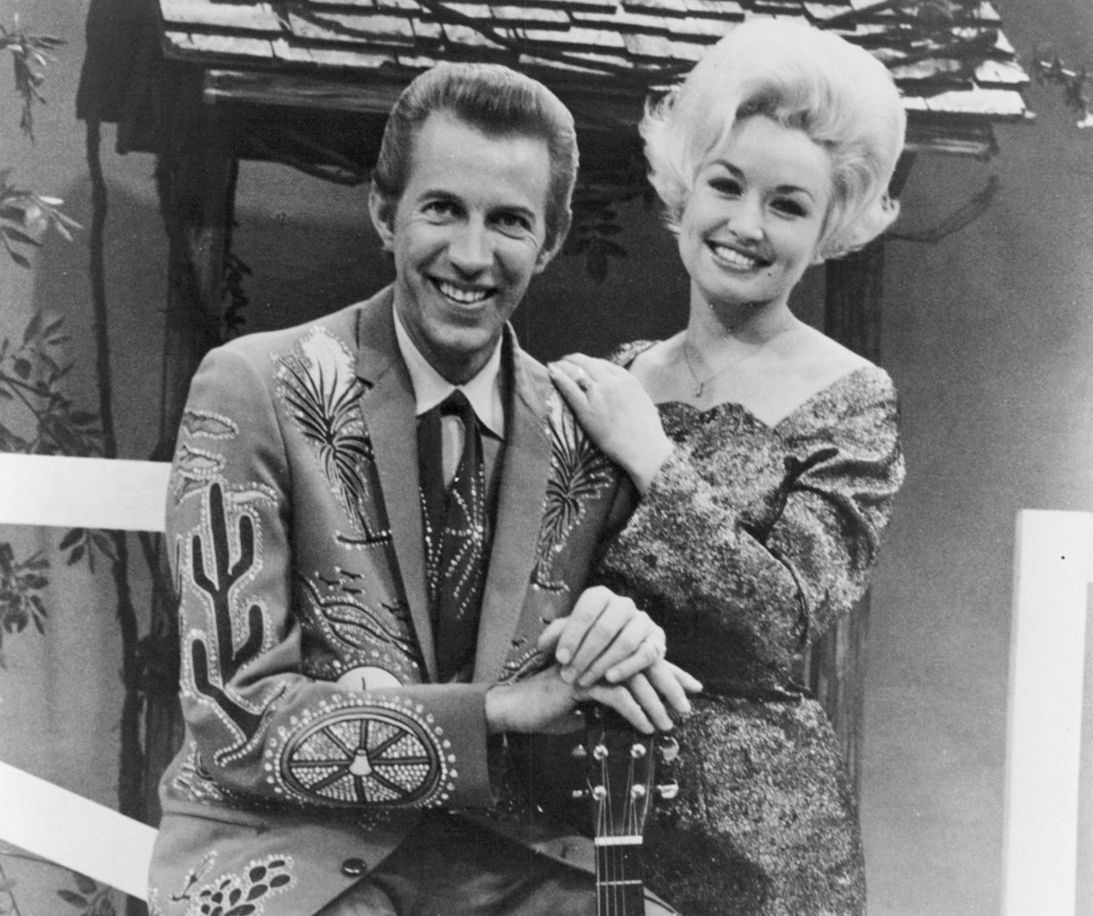
Image: Moeller Talent, Inc. Nashville (management), Public domain, via Wikimedia Commons

During the 1970s, Dolly decided to leave the famous Porter Wagoner Show and strike out on her own as a solo artist. To do it, she turned to what she did best: writing songs.

But she didn’t write just any songs; she wrote two of the most famous hits of the 20th century: "I Will Always Love You" and "Jolene." The first was an emotional farewell to her mentor and duet partner, Porter Wagoner. The other was inspired by a red-haired bank teller who caught Dolly’s attention by openly flirting with her husband at his local bank during the early years of their marriage. Some accounts say she wrote them during the same intense songwriting session in 1973, and there’s even a story that she wrote both on the same day, but Dolly herself has stated she wasn’t 100% sure about that. What is known is that the two songs appeared back-to-back on the same album, 1974’s Jolene .

5
She turned down Elvis
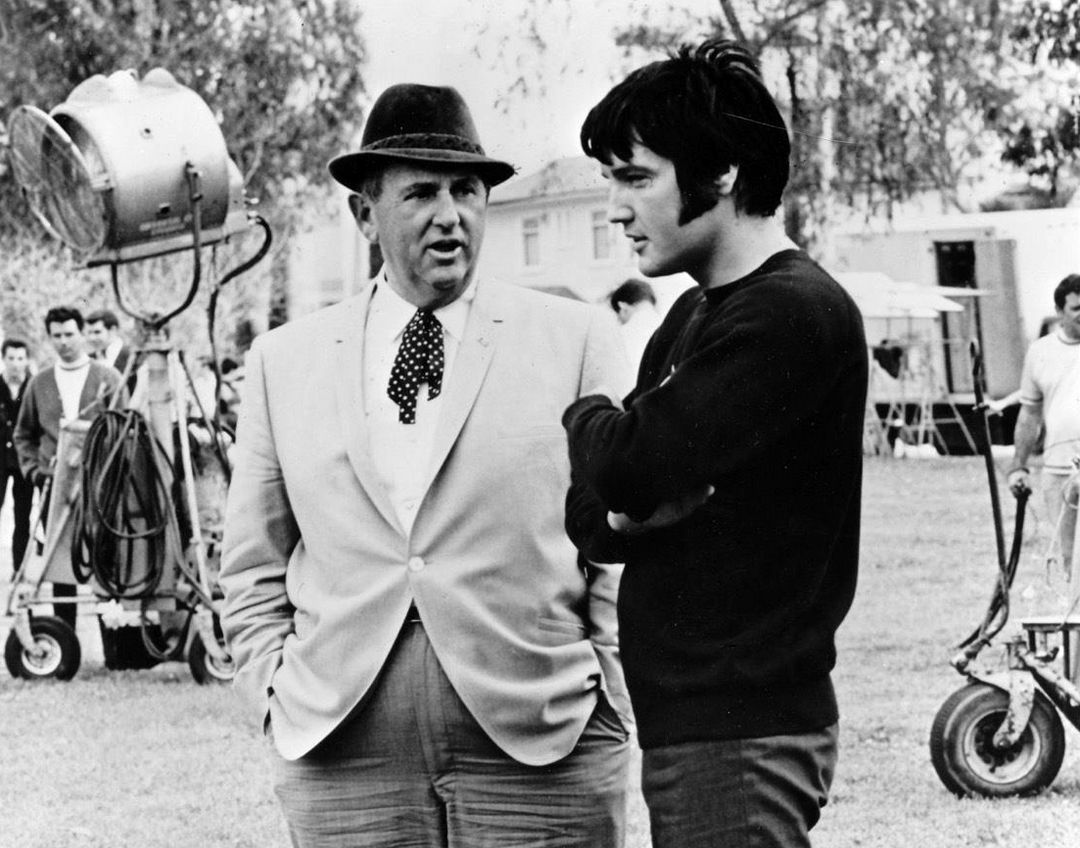
Image: eBay, Public domain, via Wikimedia Commons

In 1973, Dolly Parton was at a turning point in her career, working hard to establish herself as a solo artist and prove she could make it on her own. That process resulted in one of the most famous and beautiful songs ever recorded: "I Will Always Love You." But she had no idea what would happen just about one year later.

Someone heard the song and immediately wanted to record a cover, and it wasn’t just anyone; it was Elvis Presley himself. Dolly was thrilled by the offer, but eventually had to say no after Presley’s manager, Colonel Tom Parker, demanded that she give up 50% of the song’s publishing rights. Parton refused because she wanted to keep the publishing income for her family, but in later interviews, she openly admitted she cried all night after turning down the King.

6
She created "9 to 5" using her fingernails
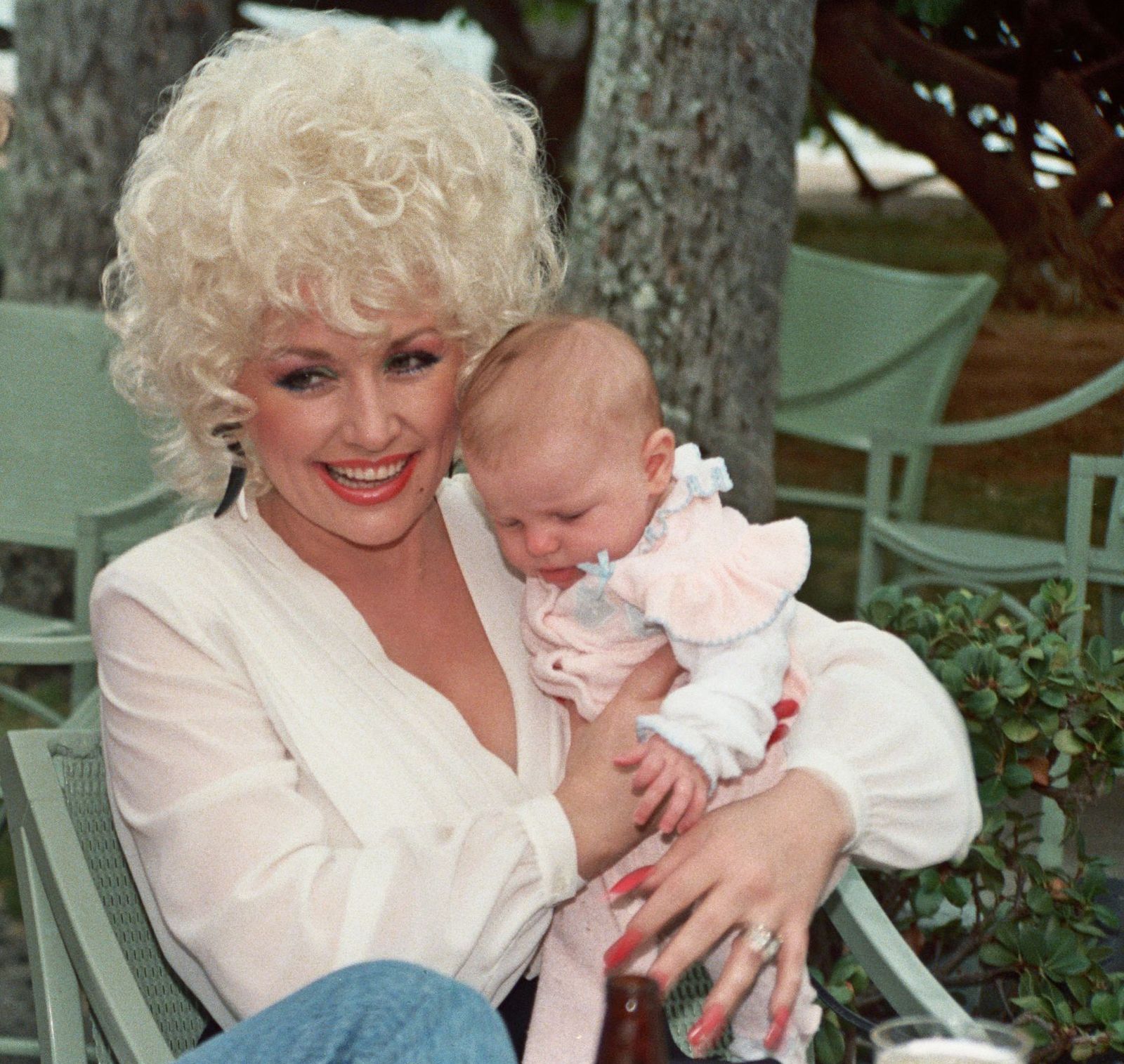
Image: Alan Light, CC BY 2.0, via Wikimedia Commons

Everything about Dolly was big: her talent, her creativity, her heart, and also her hair, makeup, and acrylic fingernails. As it turned out, those famous nails even played a part in creating the sound of one of her biggest hits.

Dolly used her nails as a percussion instrument while working on "9 to 5," the theme song for the 1980 movie of the same name. While on the set without a guitar handy, she clacked her long acrylic nails together to create the typical sound of a typewriter, giving the song its memorable rhythm. She even recreated that sound during the recording, earning an unusual credit on the album: "Nails by Dolly."

7
She entered a Dolly Parton lookalike contest... and lost

Image: Jack Fordyce

Dolly Parton always knew how to have a good time, and this story is a perfect example.

As she recalled in her 2012 memoir, Dream More: Celebrate the Dreamer in You , Dolly was in Los Angeles during Halloween when she heard about a look-alike contest at a gay bar on Santa Monica Boulevard, featuring drag queens dressed as her. She couldn’t resist, so she went all out with her hair and makeup, arrived with friends, and entered the contest without revealing who she was. The funniest part? Nobody recognized her; the judges reportedly thought she was a "cheap imitation" of the real thing. As she has said in several interviews, she didn’t win, but she definitely had a good laugh.

8
She had her own theme park
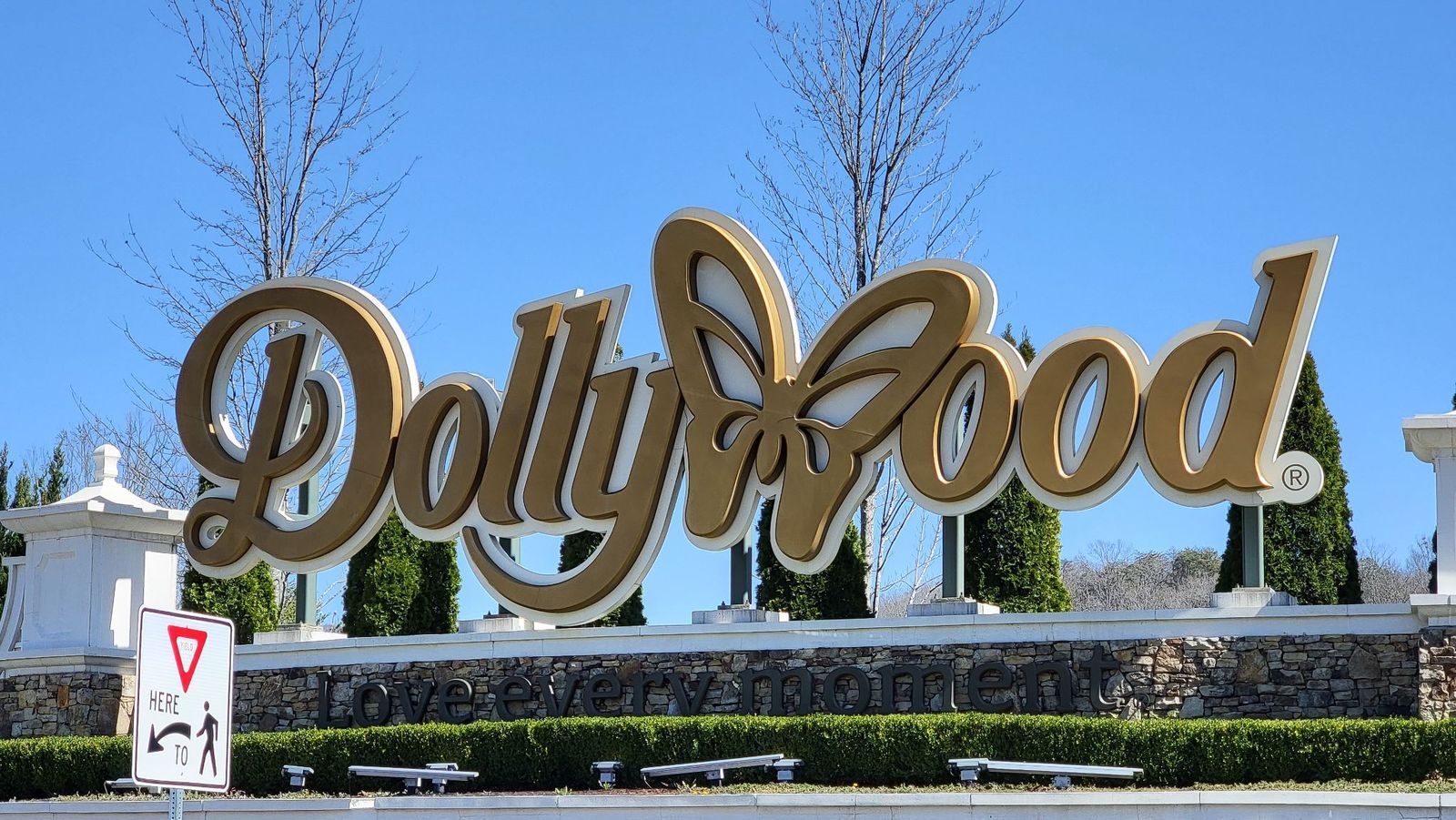
Image: Joseph Hendrickson

Music wasn’t the only thing that came out of Dolly’s imagination; she also dreamed up another ambitious project: a theme park that would bear her name.

In September 1985, Dolly announced plans to build a "fantasy mountain park" in Pigeon Forge, Tennessee, hoping to bring jobs and economic growth to her native region. Rather than competing with others or starting from scratch, her team partnered with the Herschend family, owners of Silver Dollar City park in Pigeon Forge. After a $5 million expansion, the park reopened as Dollywood on May 3, 1986. Attendance more than doubled in its first season, and the park became a major Smoky Mountains attraction. After Dolly’s passing, park officials said keeping Dollywood open had been her wish, reflecting her belief that "the show must go on."

9
The Imagination Library
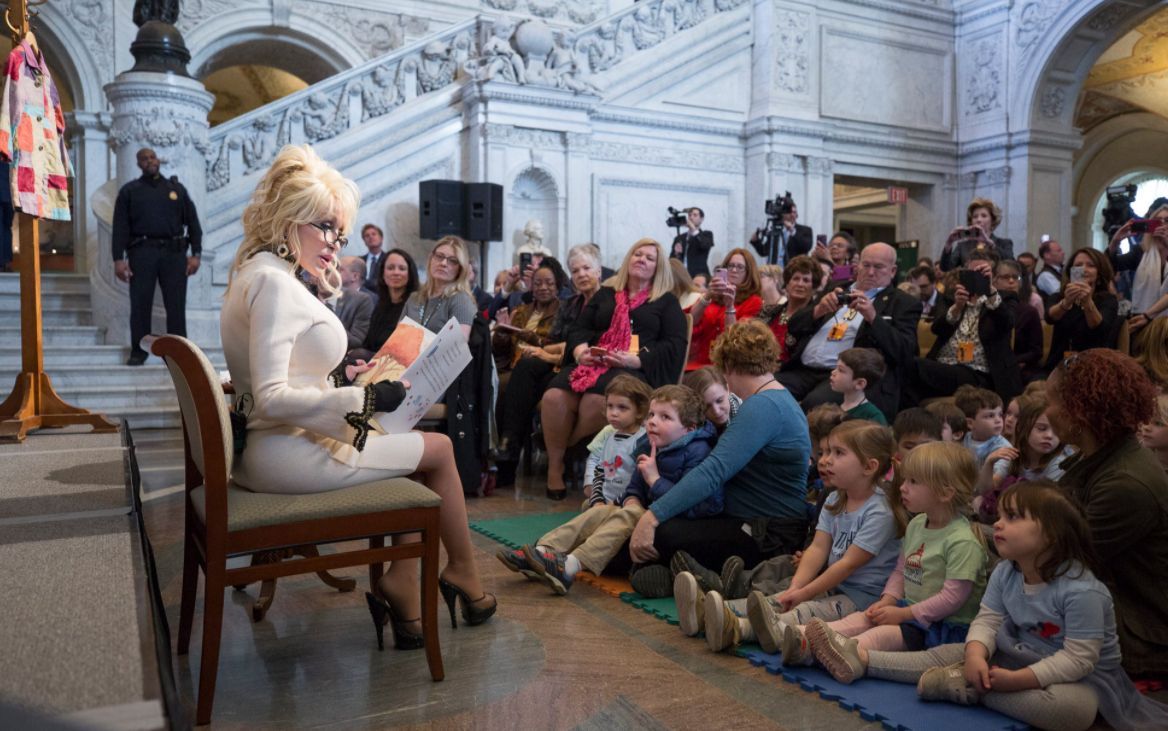
Image: Shawn Miller., Public domain, via Wikimedia Commons

In addition to thousands of songs and a successful amusement park, Dolly created something else filled with love: a program that put books into children’s hands.

Dolly Parton established the Dollywood Foundation in 1988 and launched Dolly Parton’s Imagination Library in 1995 . The program sends free books each month to children from birth until age five. It eventually expanded beyond the United States to Canada, the United Kingdom, Australia, and the Republic of Ireland, reaching millions of children, but the idea was deeply personal. Dolly often called her father, Robert Lee Parton, who she said was the smartest man she had ever known, while noting that his limited literacy had kept him from pursuing some of his dreams. She created the Imagination Library in large part to honor her father and provide children with the opportunities he never had.

10
She was a Guinness World Record holder
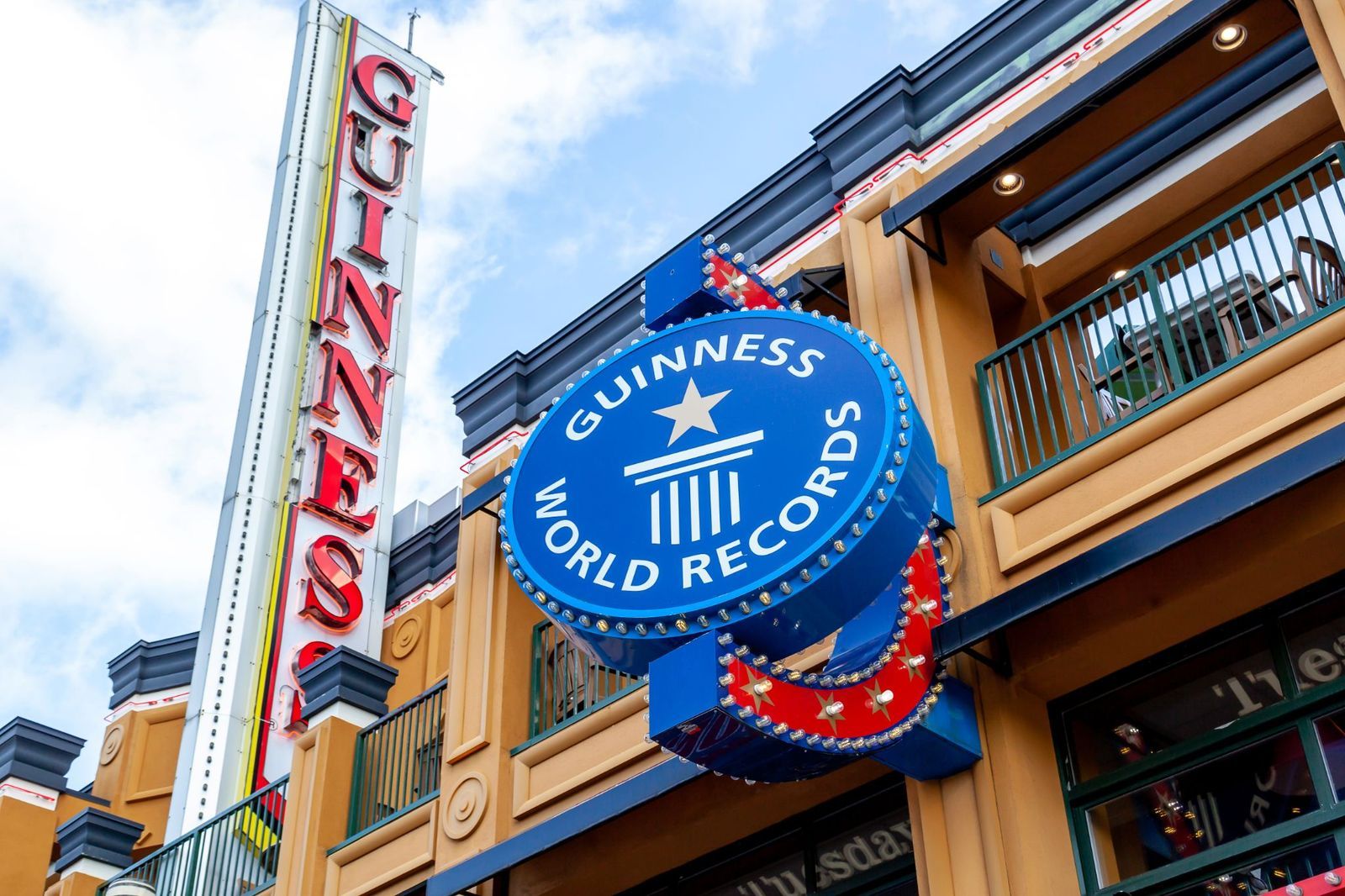
Image: JHVEPhoto

We all know how talented and prolific Dolly Parton was, so it’s no surprise that she has earned an impressive number of awards. But Dolly has done more than fill trophy cases; she’s also filled the record books.

Besides her 10 competitive GRAMMY Awards from 55 nominations, along with the GRAMMY Lifetime Achievement Award that she received in 2011, Dolly also holds 11 Guinness World Records titles, many of them recognizing the extraordinary longevity and success of her career on the country charts. Among them are the record for the longest span of No. 1 hits on the U.S. Top Country Albums chart by a female artist (46 years and 197 days) and the record for the most No. 1 hits on the U.S. Hot Country Songs chart by a female artist, with 25.

General General 5 min read

What really happened to Woolworth’s?

Image: Shutterstock AI Generator

Remember grabbing school supplies or a milkshake at Woolworth’s ? Stopping by Blockbuster to rent a movie for the weekend? Or doing your grocery shopping at A&P ? What happened to these once-ubiquitous stores we thought we couldn't live without? Keep reading to find out why these beloved chains disappeared.

1
Woolworth’s

Image: ArDanMe

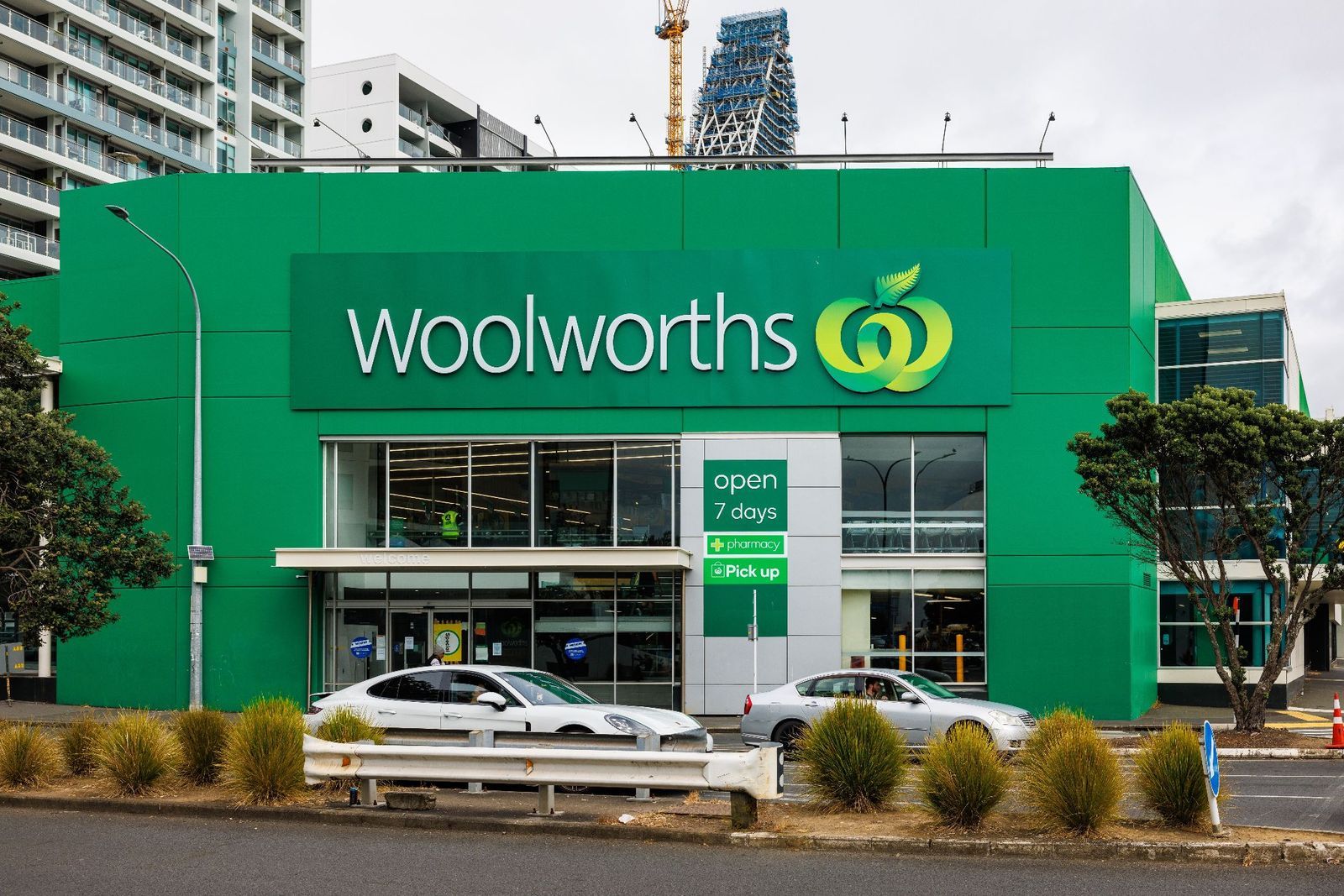
Woolworth’s was the place to buy everything from school supplies and toys to household goods and candy—or even to grab lunch. The first store opened its doors in Lancaster, Pennsylvania, in 1879. It was a five-and-dime shop, and the chain soon became one of America’s most recognizable retail names, with over 3,000 stores nationwide at its peak. So, why did it disappear?

With the steady rise of suburban shopping centers and large discount stores, Woolworth’s couldn’t keep up and began a slow decline in the 1960s that culminated in 1997, when it closed its final stores for good.

2
A&P

Image: Vladimka production

A&P used to be the spot to get everyday groceries. It began as a tea and coffee business in 1859 and later evolved into one of America’s biggest supermarkets with more than 16,000 stores in the country at its peak. But despite pioneering high-volume retailing, A&P couldn’t stick around.

Over the decades, newer competitors entered the market, and grocery shopping became more and more competitive. Walmart, Target, Aldi, Whole Foods—A&P failed to adapt and filed for bankruptcy twice, first in 2010 and again in 2015, and finally shut down in November 2015.

3
Blockbuster

Image: Jonathan Weiss

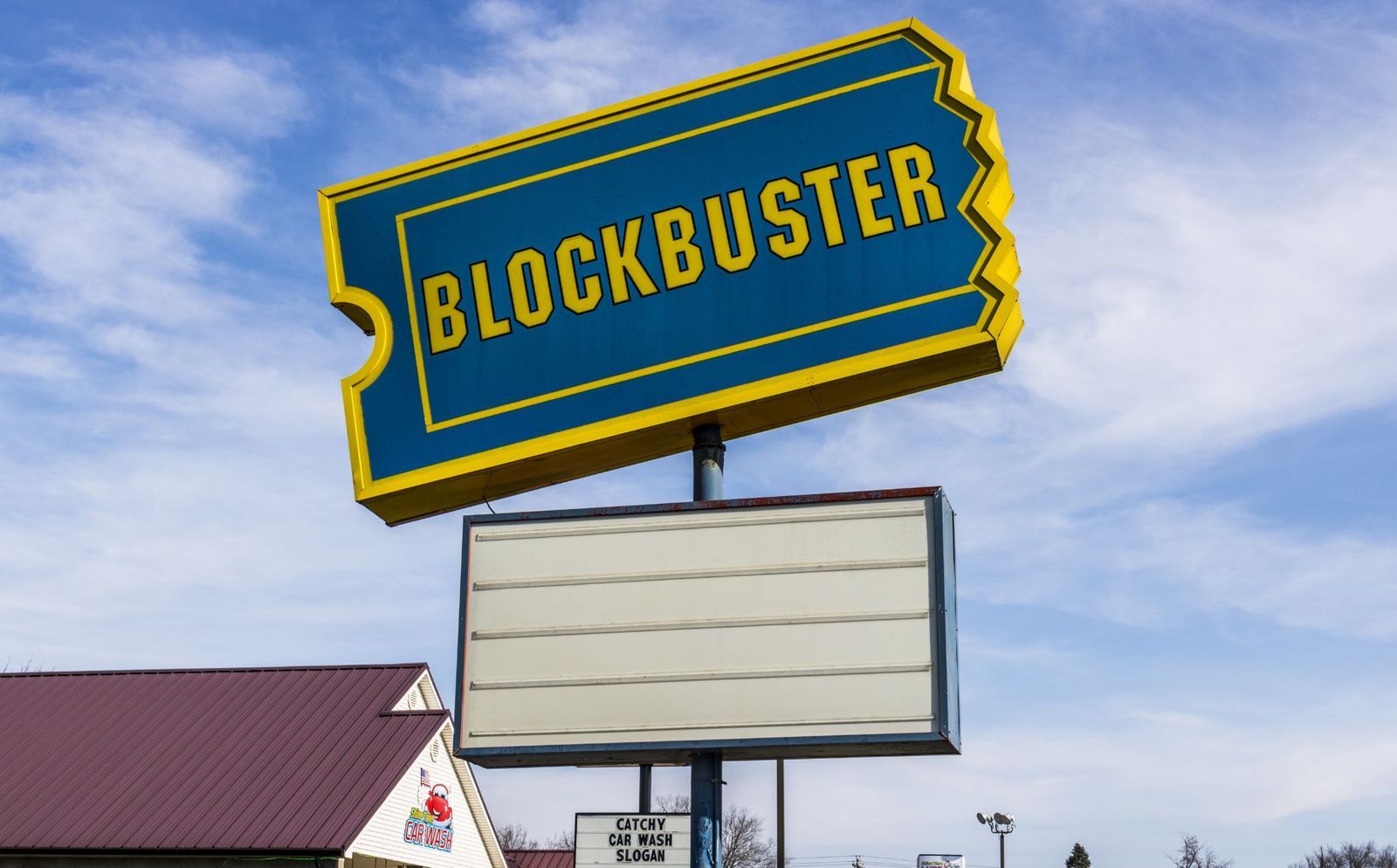
Blockbuster was the go-to for movie rentals . It dominated the market with 9,100 stores worldwide by 2004, about $6 billion in revenue, and thousands of movies to choose from—it was hard to imagine Blockbuster ever falling, but it did.

The rapid advancement of technology hit Blockbuster hard, with newer options like DVD-by-mail services, Redbox kiosks, and the final blow: streaming services like Netflix, Amazon Prime Video, Disney+, and more. All Blockbuster corporate-owned stores closed by January 2014; however, you can still visit one holdout location in Bend, Oregon.

4
Montgomery Ward

Image: Carmen K. Sisson

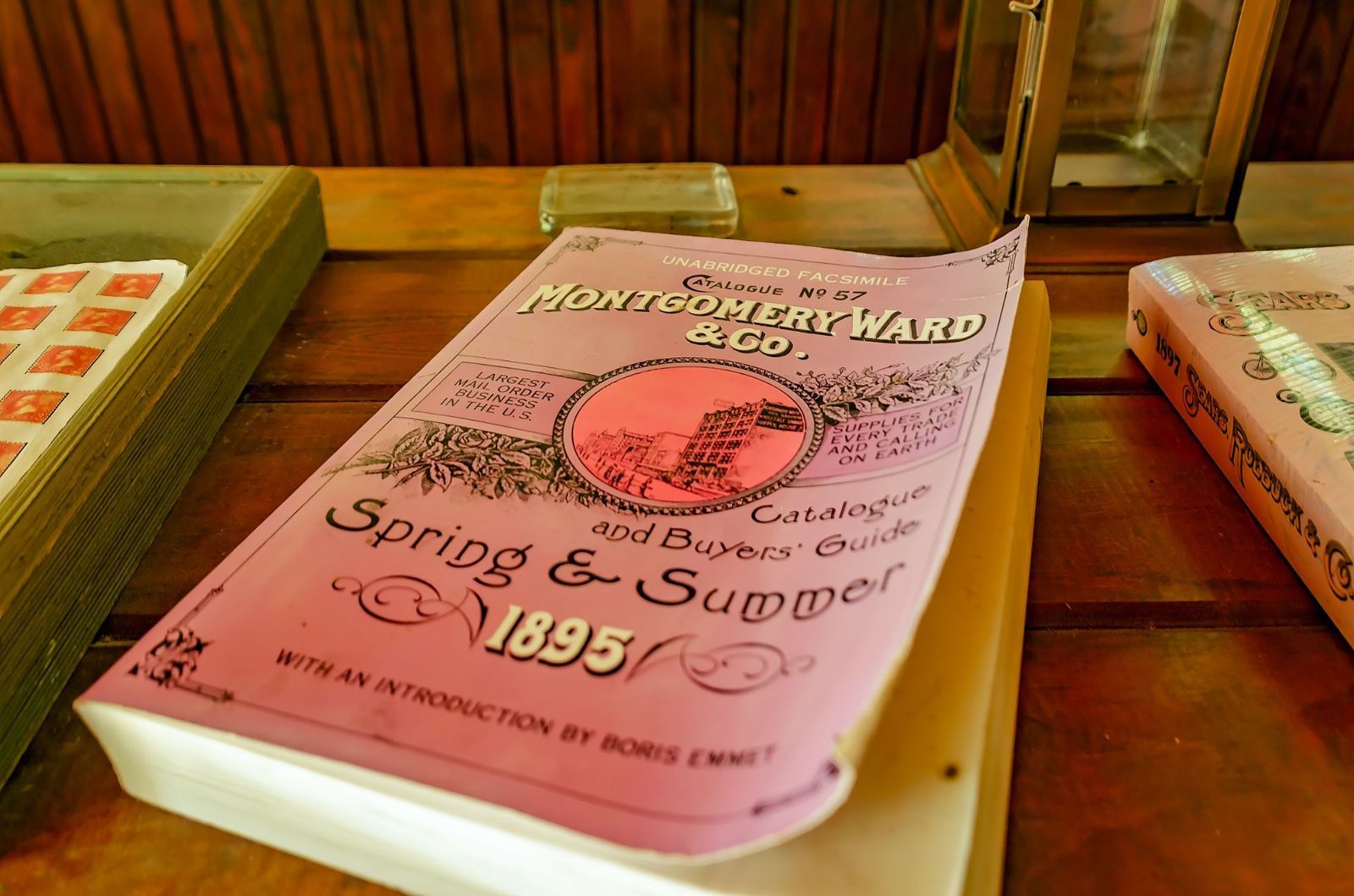
Long before Amazon, consumers could buy almost anything from Montgomery Ward from the comfort of their homes , and the company would ship it directly to them. It felt like online shopping before the internet. So why did it vanish?

To adapt to newer shopping habits, Montgomery Ward opened physical stores and started competing with brands like Sears; but once suburban malls and discount stores became widespread in the 1980s, Montgomery Ward couldn’t keep pace and eventually filed for bankruptcy in 1997 and again in 2001.

5
Circuit City

Image: LMPark Photos

Circuit City started in 1949 and quickly became the source for TVs, stereos, VCRs, video games, and just about every kind of electronics , especially during the 1980s. The company continued growing by the early 2000s, expanding to more than 600 stores, though one controversial decision made it trip and fall.

Circuit City was already struggling to compete with Best Buy and Walmart. And in 2007, it replaced its commissioned sales staff with low-paid hourly workers, damaging customer service—often considered one of Circuit City’s biggest strategic mistakes. By March 2009, the chain was gone.

6
Caldor

Image: CC: 2.0 Ian Westcott

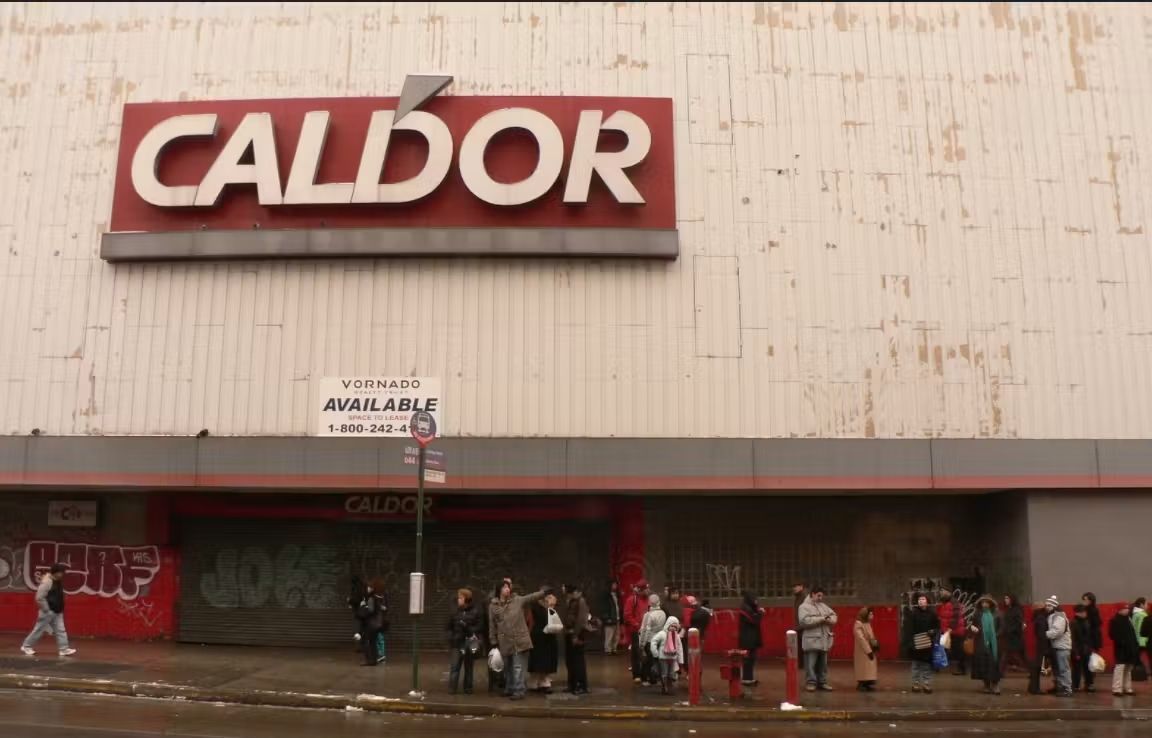
There was a time when one trip to Caldor could cover almost everything on your shopping list. Founded in 1951, it became a major one-stop discount department store . By the 1990s, it had grown to more than 150 stores across New York, Connecticut, New Jersey, and Massachusetts, but in 1995 it filed for bankruptcy. What happened in between?

Big box stores like Walmart and Target were expanding rapidly, and Caldor simply fell behind as people moved toward newer retail formats that combined department stores and supermarkets. Plus, the company took on a lot of debt in 1991, which only made things worse. Caldor finally closed for good in 1999.

7
Borders

Image: Raymond Vong Photography

Borders is a reminder of a time when buying a book was an experience, rather than just clicking a few buttons online. It opened in 1971 and set itself apart from other modern bookstores. At Borders, you could spend an entire afternoon browsing not just books, but music and DVDs or even grabbing a coffee.

Around 2003–2004, Borders had more than 1,200 stores worldwide , but it failed to adapt to an inevitable growing trend: online book sales. Amazon eventually took over, and Borders couldn’t stay in the game, closing its final location in September 2011.

8
G.C. Murphy

Image: Teresa Otto

Much like Woolworth’s, G.C. Murphy was a five-and-dime store that sold a little bit of everything and had lunch counters or snack bars where people would hang out. The company opened in 1906, and it operated more than 500 stores by 1976.

But once the traditional five-and-dime model came under pressure from discount giants, G.C. Murphy was forced to adapt. The chain did make some efforts and experimented with bigger stores and different formats, but it wasn’t enough, and G.C. Murphy filed for bankruptcy in 1985.

9
Zayre

Image: Click Americana, CC BY 2.0, via Wikimedia Commons

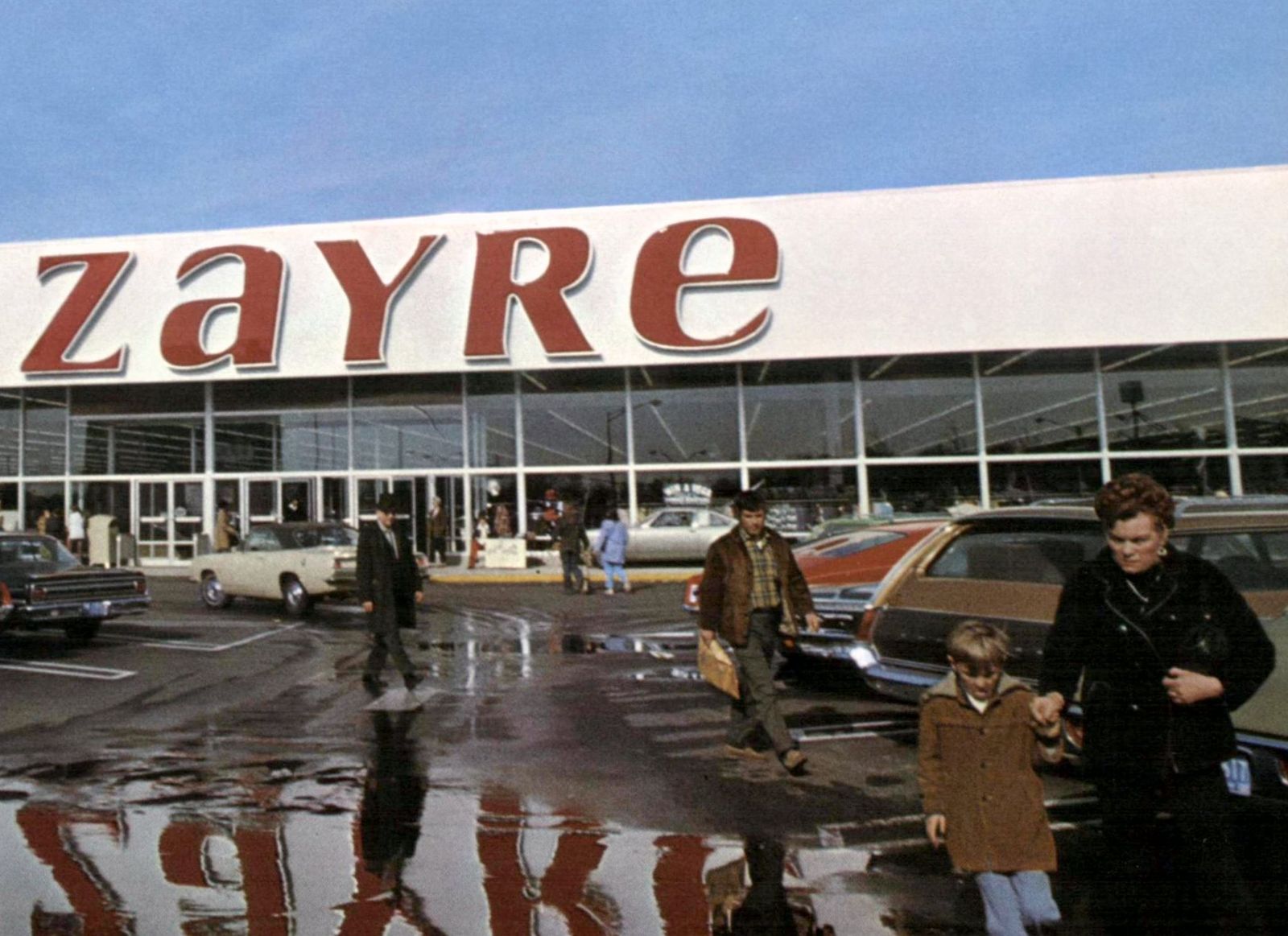
Zayre entered the market in 1956 as a classic discount department store that looked more like a warehouse . It was a no-frills, self-service shopping experience with massive stores, wide-open interiors, and exposed ceilings where you could find lots of everyday items like clothing, household goods, or appliances at low prices.

While it was pretty successful, especially across the Northeast and Midwest, Zayre struggled to keep up with giants like Target. It tried to reinvent itself by founding TJ Maxx in 1977, but eventually sold the remaining Zayre stores to Ames in 1988, and the Zayre name vanished by 1990.

10
Service Merchandise

Image: Service Merchandise, Public domain, via Wikimedia Commons

Service Merchandise was founded in 1934 and, unlike typical retail stores, it introduced a strange new concept called the " catalog showroom " in 1960, where display floors showcased single working samples of products, and the actual inventory was stored in an adjacent backroom warehouse. Customers would look at a catalog, place an order, and an employee would bring it to them.

The concept proved successful, and Service Merchandise operated more than 400 showrooms by the mid-1990s. But Service Merchandise’s model meant longer waiting times, and traditional discount stores began offering a faster and easier shopping experience. The company tried to modernize by introducing electronic inventory systems, but it didn’t work out. By 2002, Service Merchandise was gone.

General General 4 min read

American uniqueness

10 things America does differently from the rest of the world

Image: Shamblen Studios

The U.S. is a unique country in many ways , but some of these might shock tourists and foreigners because they differ from how they are done in other parts of the world. From etiquette rules to cooking styles to how to record a date, America has its own way of doing certain things . Let’s have a look at some of them!

1
Measuring

Image: Annie Spratt

This is a difference most Americans are aware of: most countries use the metric system rather than U.S. customary units, and most use Celsius instead of Fahrenheit. Countries such as the UK and Canada still use some imperial units in everyday life, but they mainly use the metric system. Another measure that confuses foreigners is the particular way ingredients are measured in American recipes, which often use cups, tablespoons, and teaspoons rather than measurements by weight.

Fun fact: The only other countries that use the Imperial system officially are Liberia and Myanmar.

2
Sales tax

Image: Zoshua Colah

Do you find having to calculate sales taxes annoying? That’s a unique American experience. In the majority of the world, the price you see is the price you pay , because it has the sales tax already added.

Why is it different in America? Sales taxes vary across states , so retailers find it easier to showcase the base price and then calculate the total at checkout.

3
Cutlery use

Image: Anna Kumpan

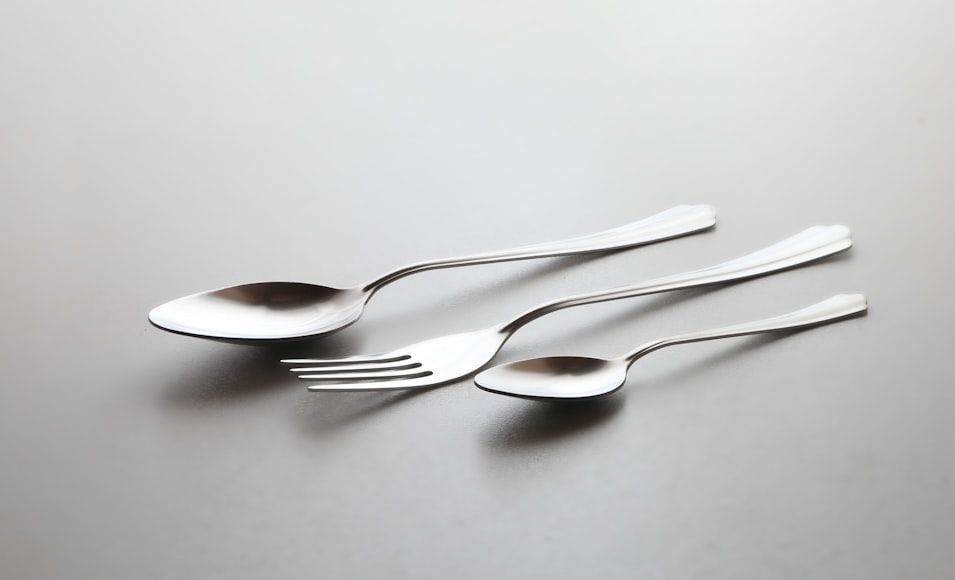
Many Americans abroad are surprised by the realization that not everyone uses a knife and fork in the same way they do . In fact, no one else does. While most Americans have learned the American style —also called the zig-zag or fork switching method— that involves using the fork in the left hand for cutting and then changing it to the right to pick up the food, European and Latin American countries don’t do this . It might seem like a small difference, but it completely changes the way you eat.

4
Iced drinks

Image: Battlecreek Coffee Roasters

Do other countries not have ice? They do, but they don’t necessarily assume everyone will want it. While serving water and other beverages with ice is customary in America, in many other countries, you need to request it —even during the hottest of summers.

But even if you get ice, many times you will need to specify the amount : the same drink that would be filled with ice cubes in America might come to you with just two or three cubes elsewhere.

5
Date formatting

Image: Waldemar

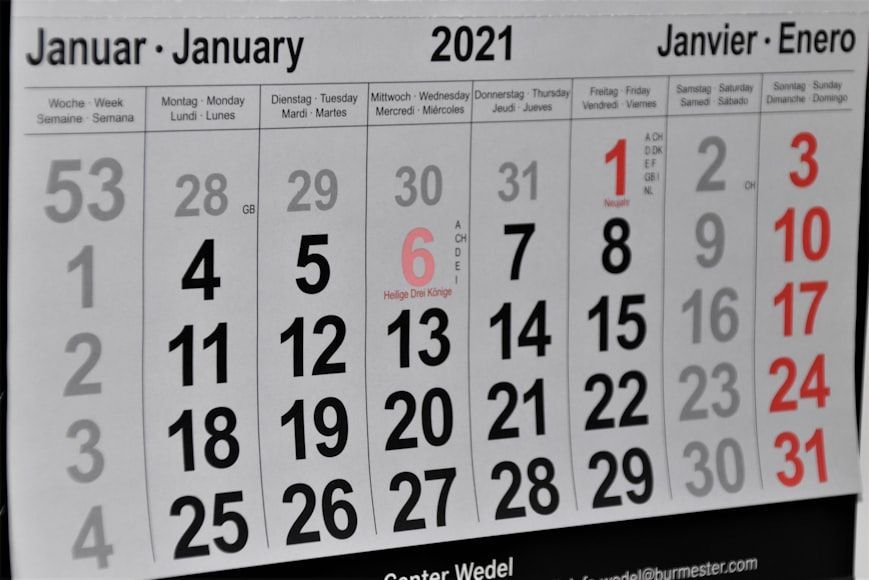
The U.S. is not completely alone on this one, but there’s a difference big enough to be worth mentioning. The standardized way of recording the date in America is month-day-year , a convention also followed by some Caribbean and Asian countries. But in the rest of the Western world, the conventional format is day-month-year , which can lead to confusion for Americans. In most Asian countries , the most commonly used format is year-month-day .

6
The word ‘American’

Image: frank mckenna

In the English language, ‘American’ is the only way to refer to people with U.S. citizenship . Other words, such as ‘Usian’ or ‘Unitedstatian’ have been proposed, but never stuck. This is why many Americans are surprised when other countries —Latin American countries in particular— use ‘American’ for anyone in the American continent , or continents, another big difference. In most European and Latin American countries, there is a different word for U.S. citizens, such as the Spanish ‘estadounidense’ or the Portuguese ‘estadunidense’ .

7
Moving out at 18 years old

Image: Dina Badamshina

This one is not so black and white, but more like a general tendency. Compared with most of Europe, Latin America, and Asia, Americans give serious consideration to the possibility of moving out after high school. Not everyone does, and not everyone can afford it, but it's fairly common.

In other countries, young adults generally move out if their job or education requires it , but they tend to stay at home a few more years if they can.

8
Driving a car as a teenager

Image: Dan Gold

America is quite car-centric , especially if you live outside of the big cities. While not everyone can afford to have a personal car —even a second-hand one—, it is common for 16 and 17-year-olds to legally drive their parents’ car, or save for their own.

In the rest of the world, the chances of high schoolers driving themselves to school are much lower, as most countries don’t allow underage kids to get a driving license .

9
Solo cups

Image: Artem Beliaikin

Do plastic cups exist outside of the U.S.? They do, but they are not as iconic or as widely used as Solo cups, introduced in the 1970s as a disposable but sturdy cup for parties and events. Many foreigners visiting America are surprised when they realize that solo cups are a real thing , and not something that just happens in movies.

10
Filing taxes

Image: Olga DeLawrence

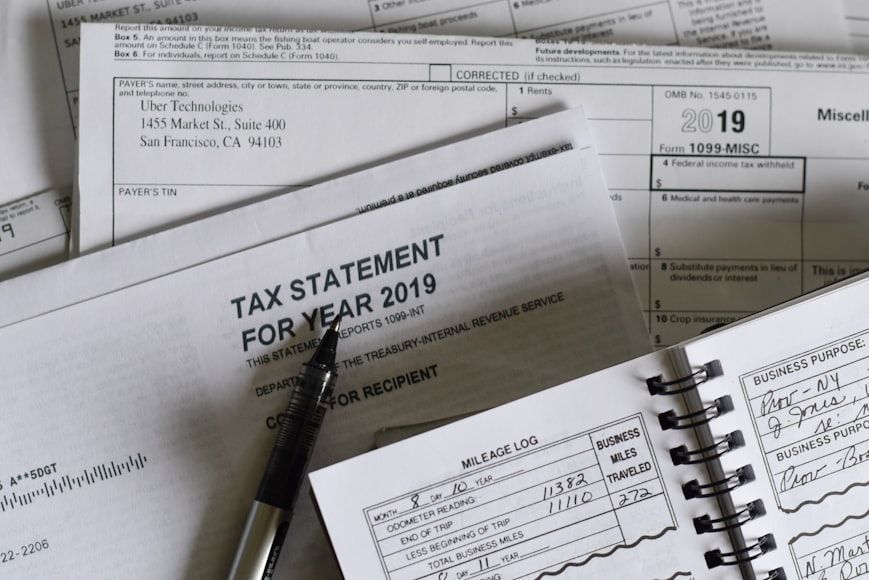
Taxes in the U.S. are not that different from taxes in other countries, except for how they are filed . During tax filing season, thousands of Americans direct their efforts to ensure they have properly reported their income and that their return will match the IRS’s data.

In other parts of the world, however, the one responsible for calculating and filing taxes is the government , while citizens merely corroborate that everything is in order.

Explore more American facts

Choose your favorite category!

General
General

As American as apple pie—the very best America has to offer!

Culture
Culture

Delve into the astounding richness of American lore.

Geography
Geography

Hop in and explore vast and diverse American landscapes.

History
History

Discover the key moments that shaped the United States.