Geography Geography 5 min read

Stories carved by the Colorado River

The Grand Canyon is bigger, older, and weirder than many people believe
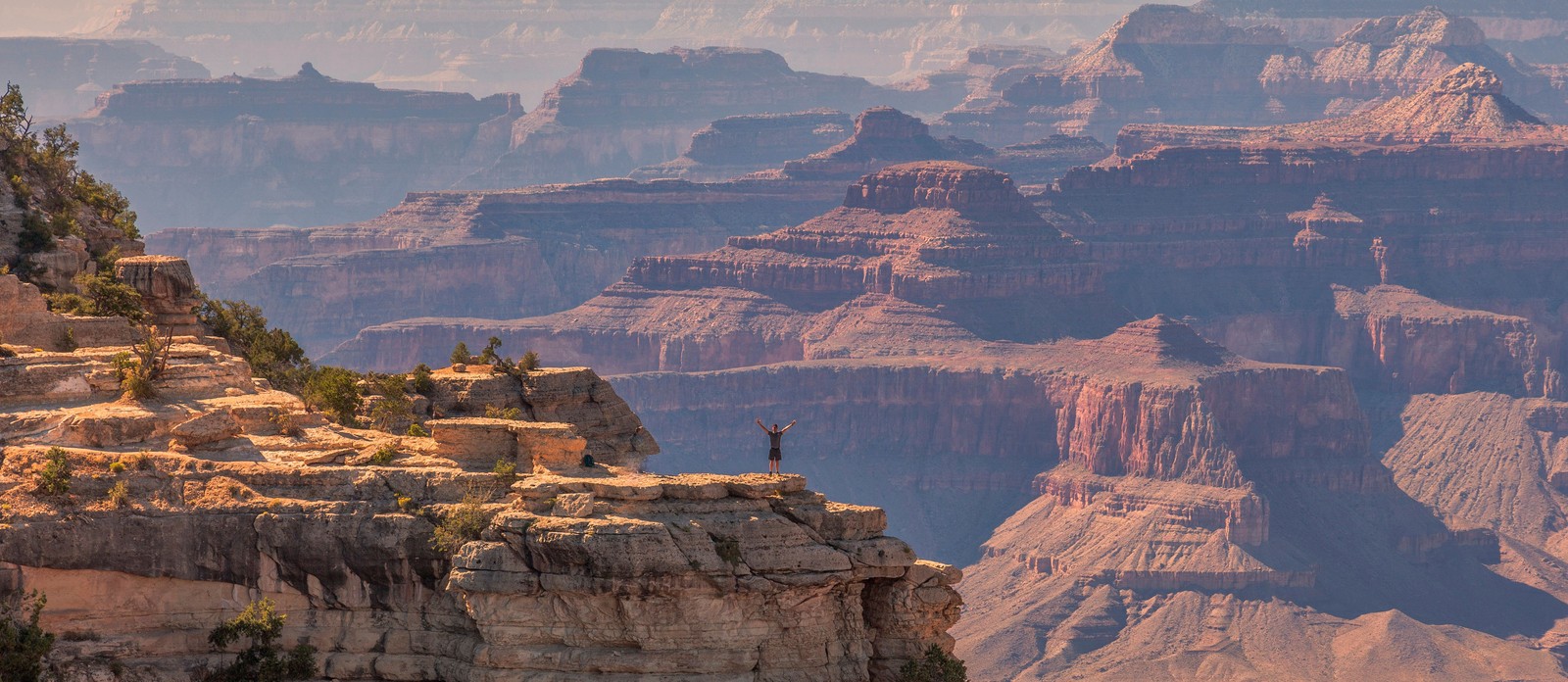
Image: jesus esteban

The Grand Canyon is bigger than Rhode Island. It's deeper than four Empire State Buildings stacked end to end. Its rocks are older than dinosaurs. But those stats alone don’t quite capture its immensity — and are hardly the most shocking. There are nuclear shelters, hidden villages, and billion-year mysteries involved. Read on to learn 10 lesser-known facts about the Grand Canyon.

1
There's an unexplained billion-year gap
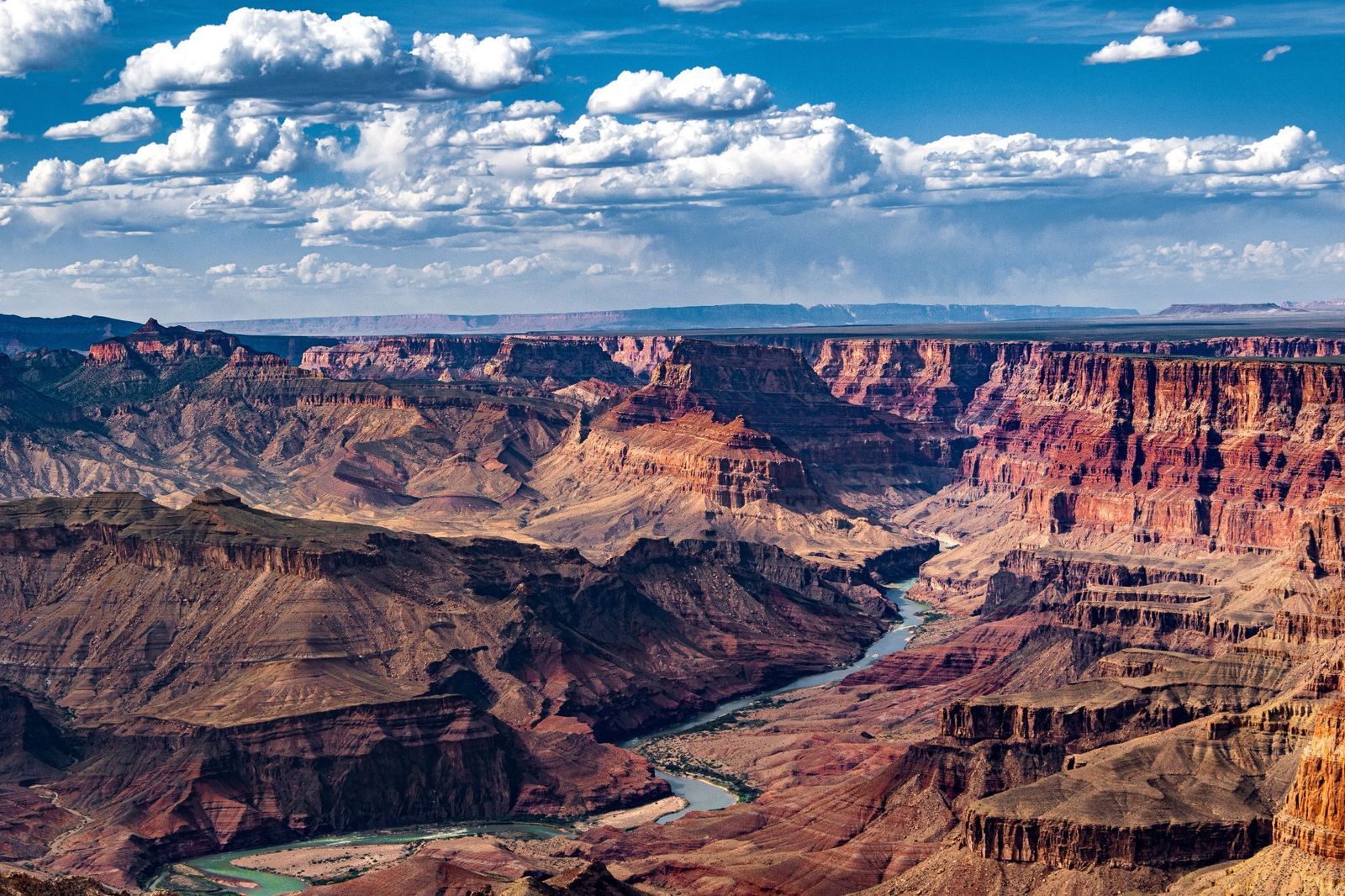
Image: John Graybosch

Look closely at the canyon walls, and you'll notice something strange: a clean, sharp line where ancient rock simply stops, and a much younger layer begins directly above it.

This geological puzzle is called the "Great Unconformity," and it represents over a billion years of rock layers that are simply absent , as though that stretch of time never happened. In some spots, rock dated 1.8 billion years old sits directly beneath rock that is only 520 million years old. Where did the missing billion years go?

The leading theory involves the violent breakup of an ancient supercontinent, but scientists are still piecing it together.

2
During the Cold War, it hid a nuclear fallout shelter
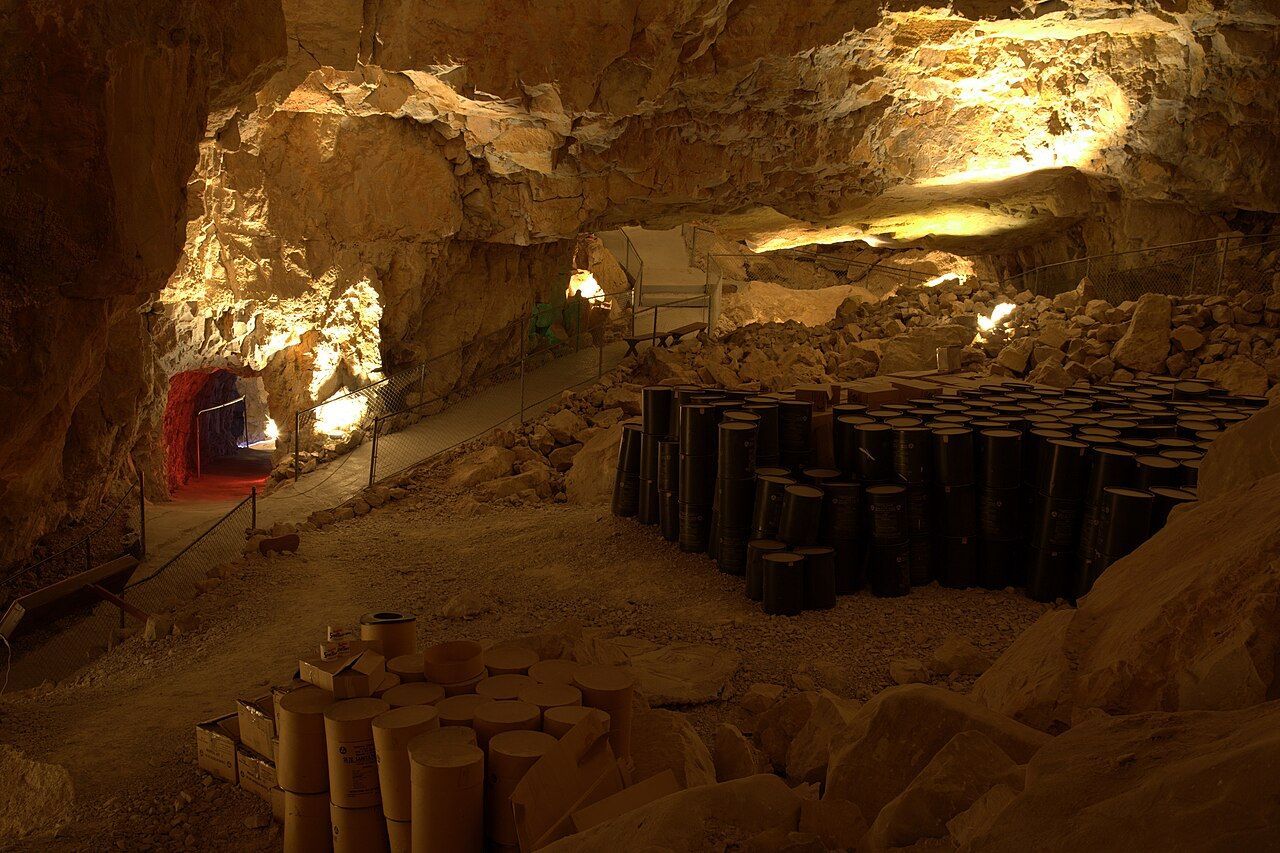
Image: Lauri Väin from Tallinn, Estonia, CC BY 2.0, via Wikimedia Commons

During the Cuban Missile Crisis in 1962, the U.S. government converted part of the Grand Canyon Caverns into a fallout shelter. This dry cave system, more than 200 feet underground, was stocked with enough food and water to sustain 2,000 people. Naturally, it was never occupied, and the supplies were never used.

The caverns have since been transformed into a tourist attraction, with organized tours winding through the same underground chambers that were once intended as a refuge from nuclear war. You can even book a night's stay there.

3
The Federal Aviation Administration was founded after a crash over the canyon
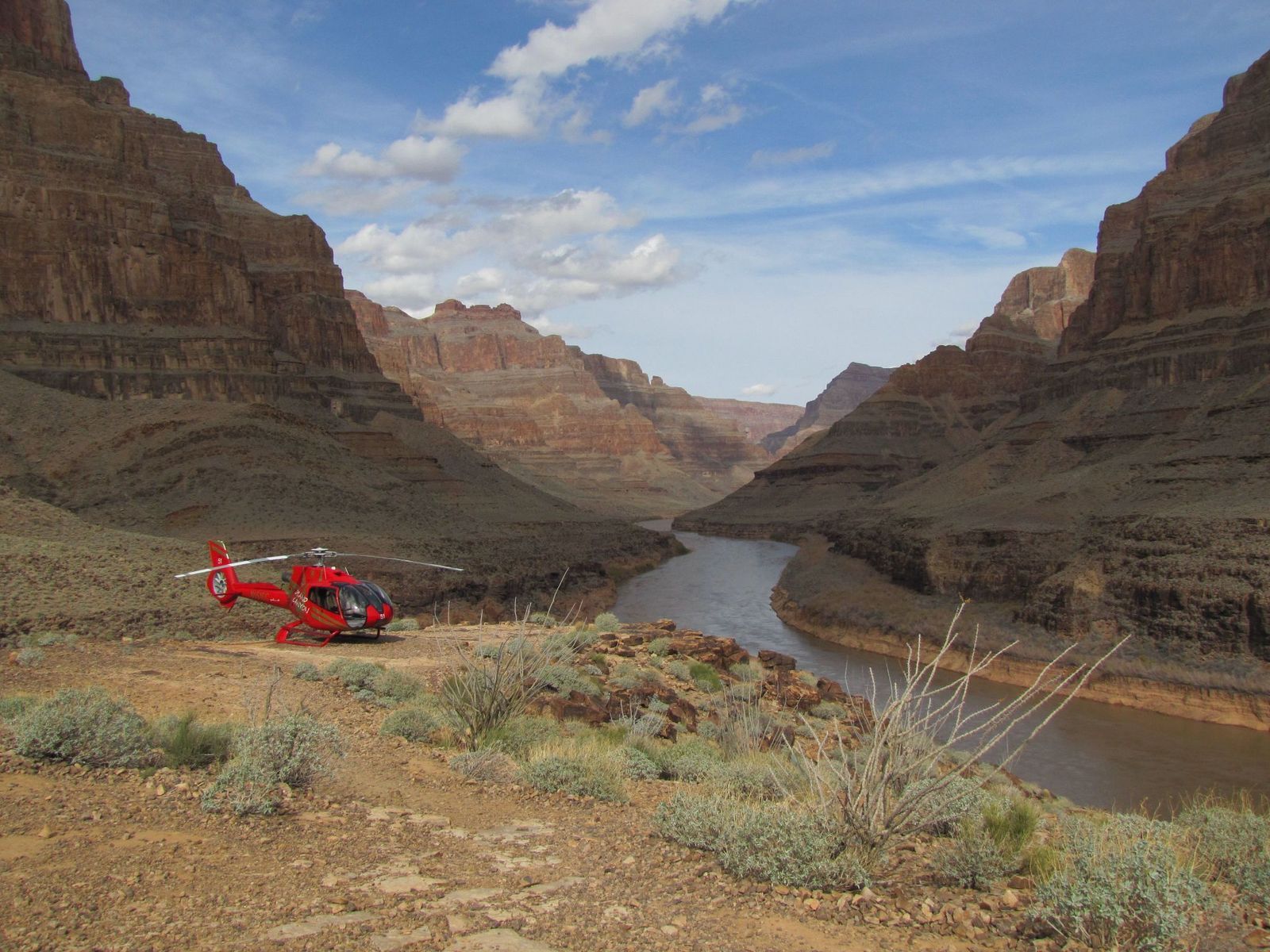
Image: Alexandre Henry Alves

In 1956, two commercial passenger planes collided in midair over the eastern Grand Canyon, killing all 128 people on board both crafts. Rescue teams struggled to reach the wreckage deep inside the canyon, and the extreme heat of the crash had caused the planes' aluminum to fuse with the bedrock. There were no survivors.

The disaster exposed a terrifying truth: the U.S. air traffic control system was dangerously outdated, relying on pilots' visual estimates and rough guesswork from controllers , with no way to separate fast-moving aircraft from slow ones, or instrument-flying planes from those navigating by sight. Congress responded by passing legislation that created both the Federal Aviation Administration (FAA) and the National Transportation Safety Board.

4
A hoax suggested that an Egyptian civilization had lived there
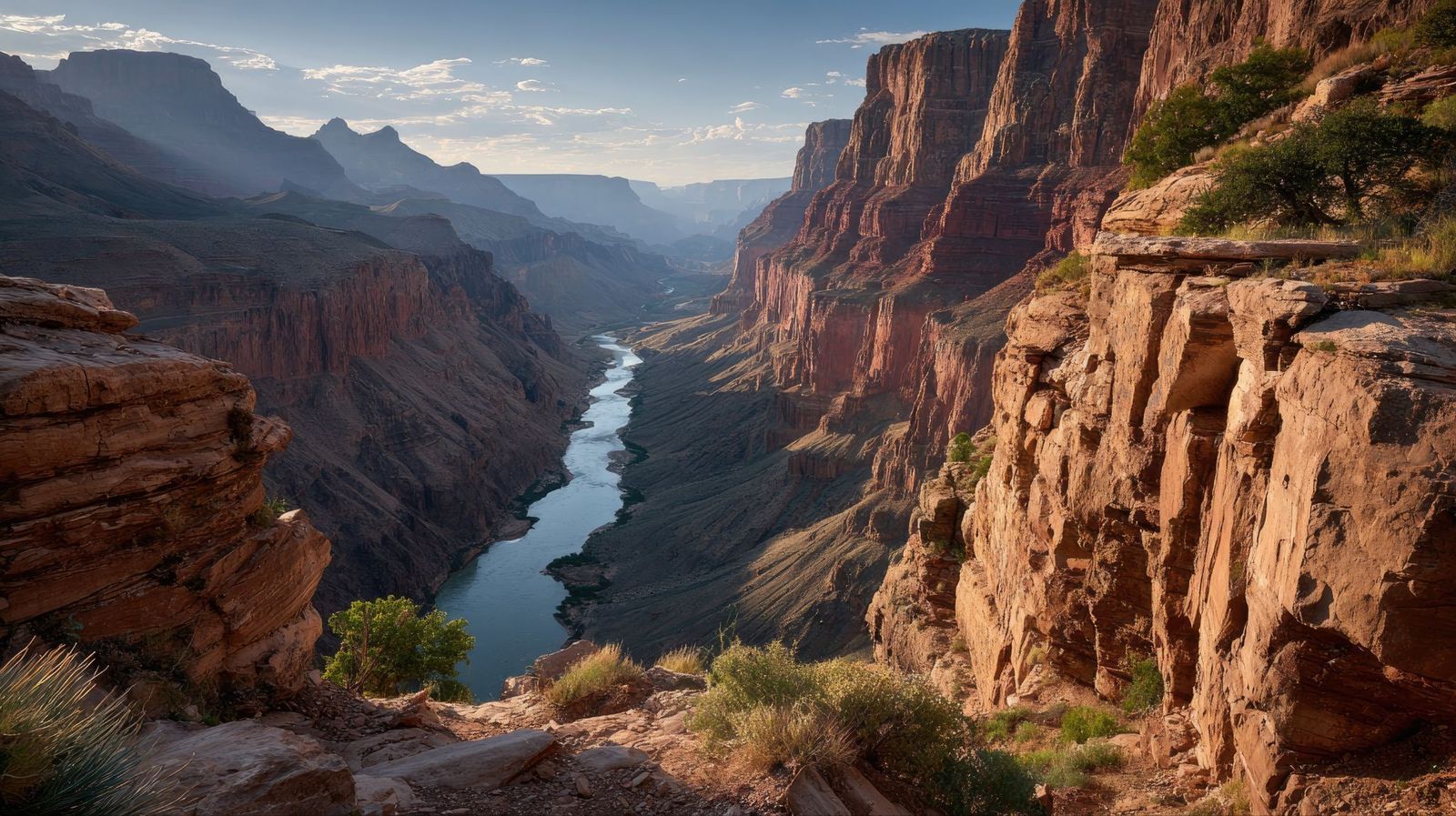
Image: abdurrohman dzar

In 1909, the Arizona Gazette reported that an explorer named G. E. Kinkaid had discovered a vast underground citadel inside the canyon, filled with artifacts linked to ancient Egyptian civilization. He even claimed the expedition had been funded by the Smithsonian.

This story described hieroglyphics on the walls, mummies in the chambers, and relics pointing to a direct connection with the Egypt of the pharaohs. It was incredibly detailed, and it was, of course, a hoax. No evidence for any of Kinkaid's claims ever surfaced.

5
Fewer than 100 people have ever hiked its full length
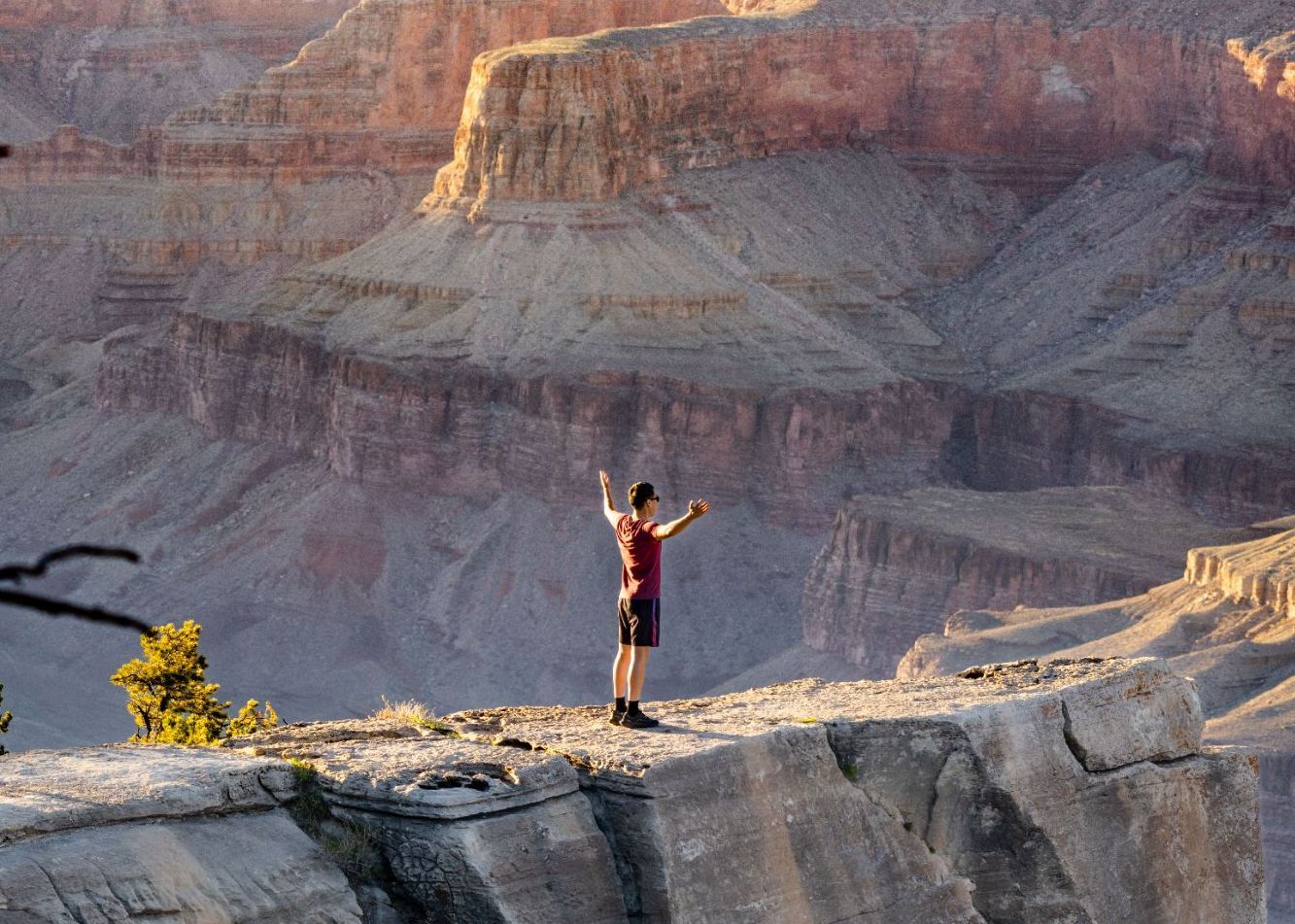
Image: Abhishek Navlakha

Among the few people who have completed the through-hike of the Grand Canyon is Jen Hogan, the first woman to accomplish it, finishing her journey in 2021–2022.

It’s a full 800-mile length below the rim. The route involves extreme heat, flash floods, near-impassable areas, and stretches with no water or trail whatsoever. Around 60 or 70 people have reportedly accomplished it. This makes it one of the most exclusive feats on Earth.

6
The Grand Canyon's rocks predate dinosaurs entirely
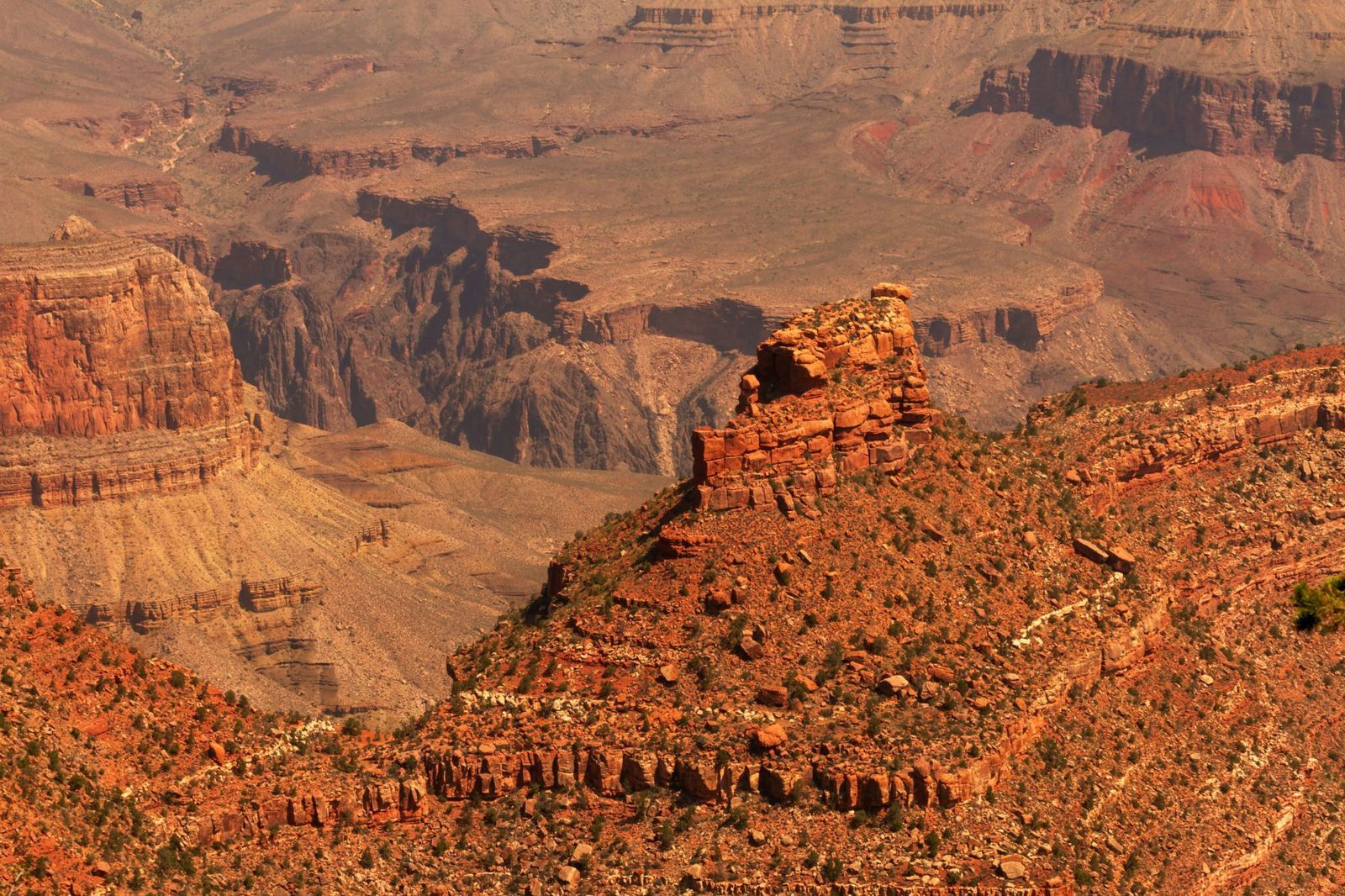
Image: MARIOLA GROBELSKA

Visitors scanning the canyon walls for fossils are often surprised to learn they won't find any dinosaur bones here. The rock layers of the Grand Canyon are simply older than dinosaurs. This fact alone can be shocking: staring at its walls means staring at marine fossils from as far back as 1.2 billion years ago. Some of its caves hold the remains of ancient mammals. The canyon is a window into a world that existed long before the dinosaurs, when the land that is now Arizona lay beneath a shallow sea.

7
The park is bigger than Rhode Island
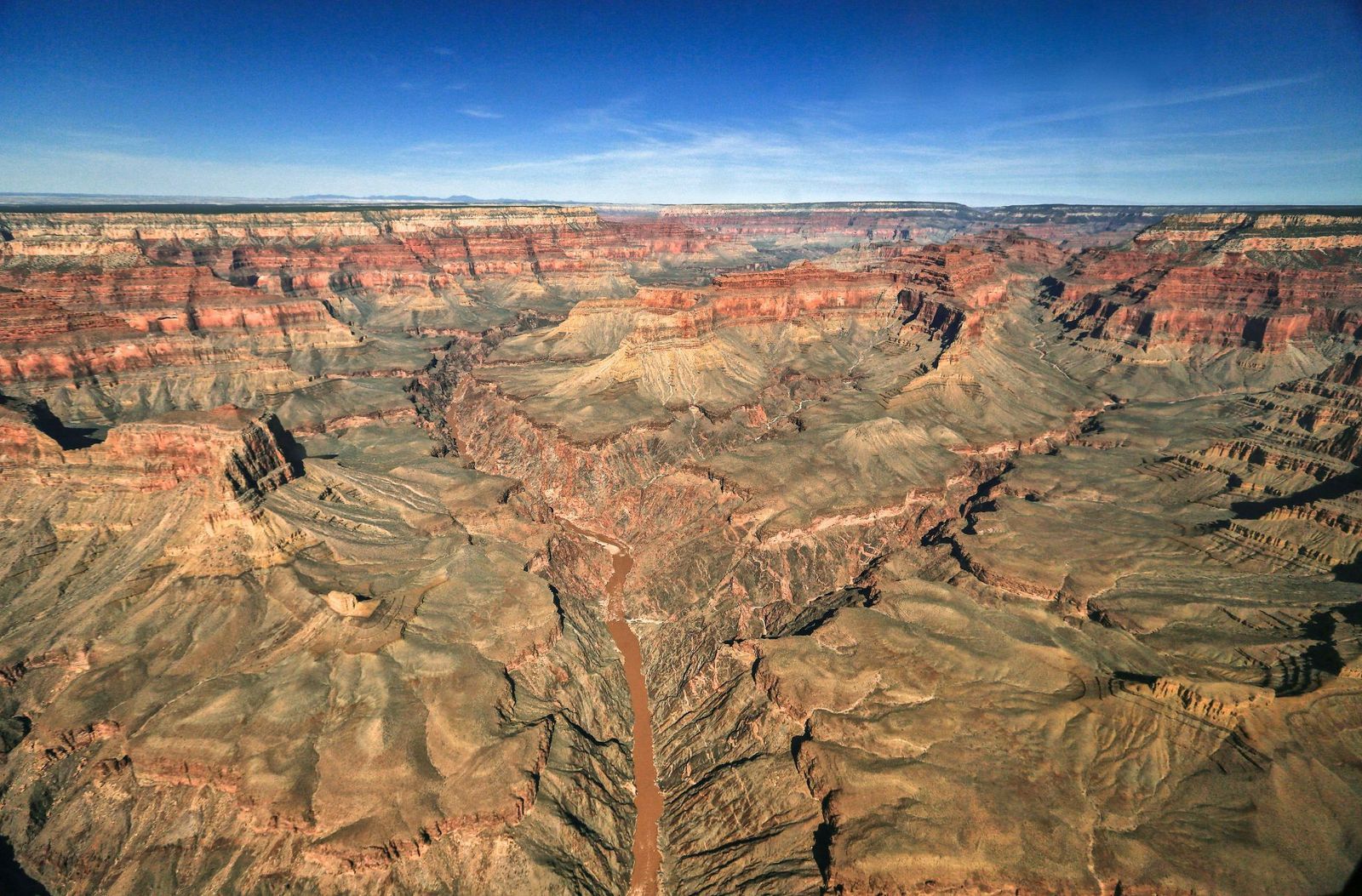
Image: AussieActive

Numbers alone rarely capture the Grand Canyon's scale, so here's a different approach. Rhode Island covers about 1,214 square miles, and the Grand Canyon National Park spans 1,904 square miles.

The canyon's depth exceeds four Empire State Buildings (which is 1,454 feet) stacked on top of one another. That’s 6,093 feet at its deepest point.

8
But it's not the deepest canyon on Earth
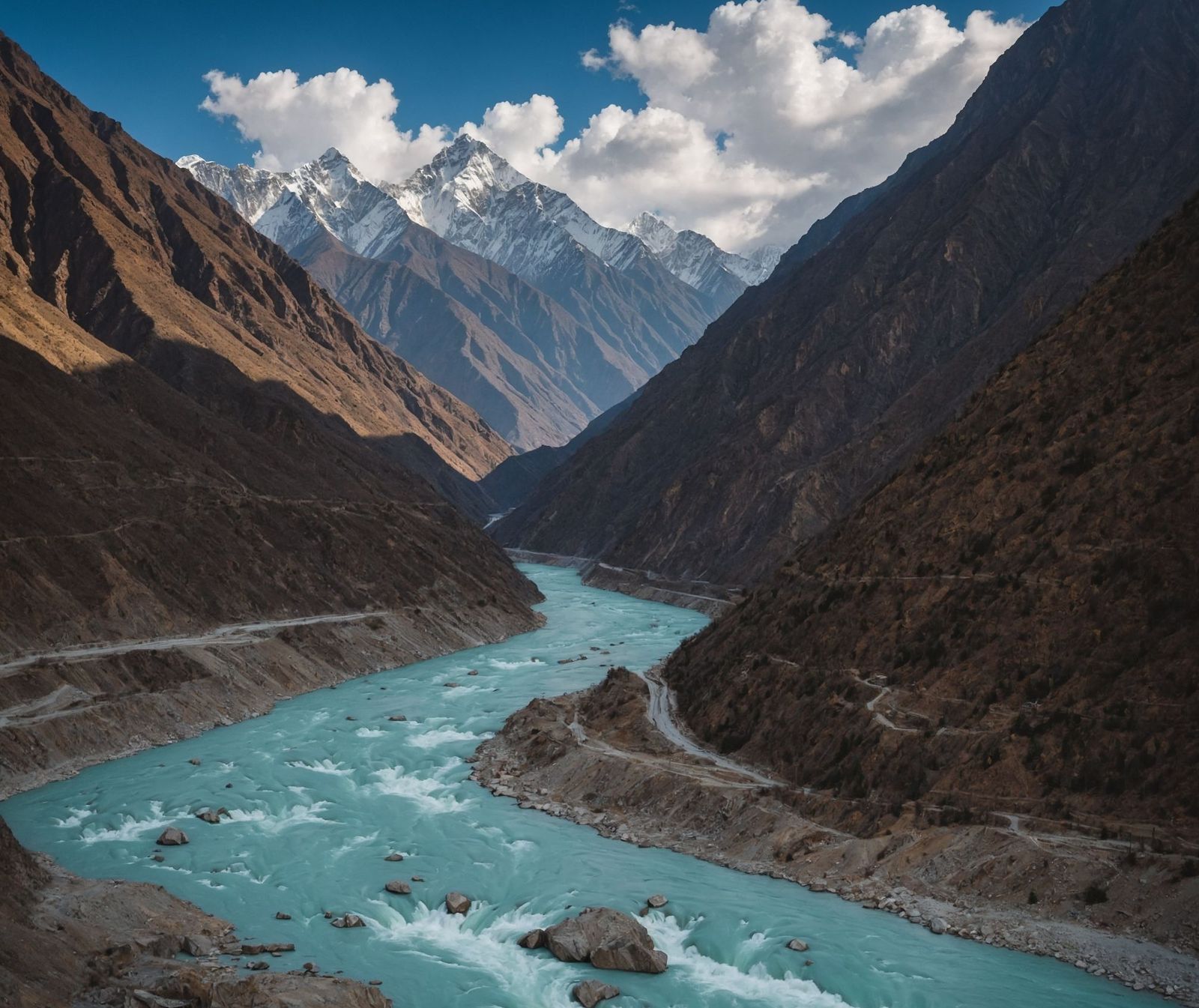
Image: Naeemphotographer2

For all its grandeur, the Grand Canyon does not hold the depth record. Pictured above, the Yarlung Tsangpo Grand Canyon in Tibet, China, plunges to 17,567 feet, which is nearly three times deeper. Carved by the Yarlung Tsangpo River as it cuts through the eastern Himalayas, that canyon is so remote and extreme that it remained largely uncharted until the late 20th century.

9
It is home to a pink rattlesnake found nowhere else on Earth
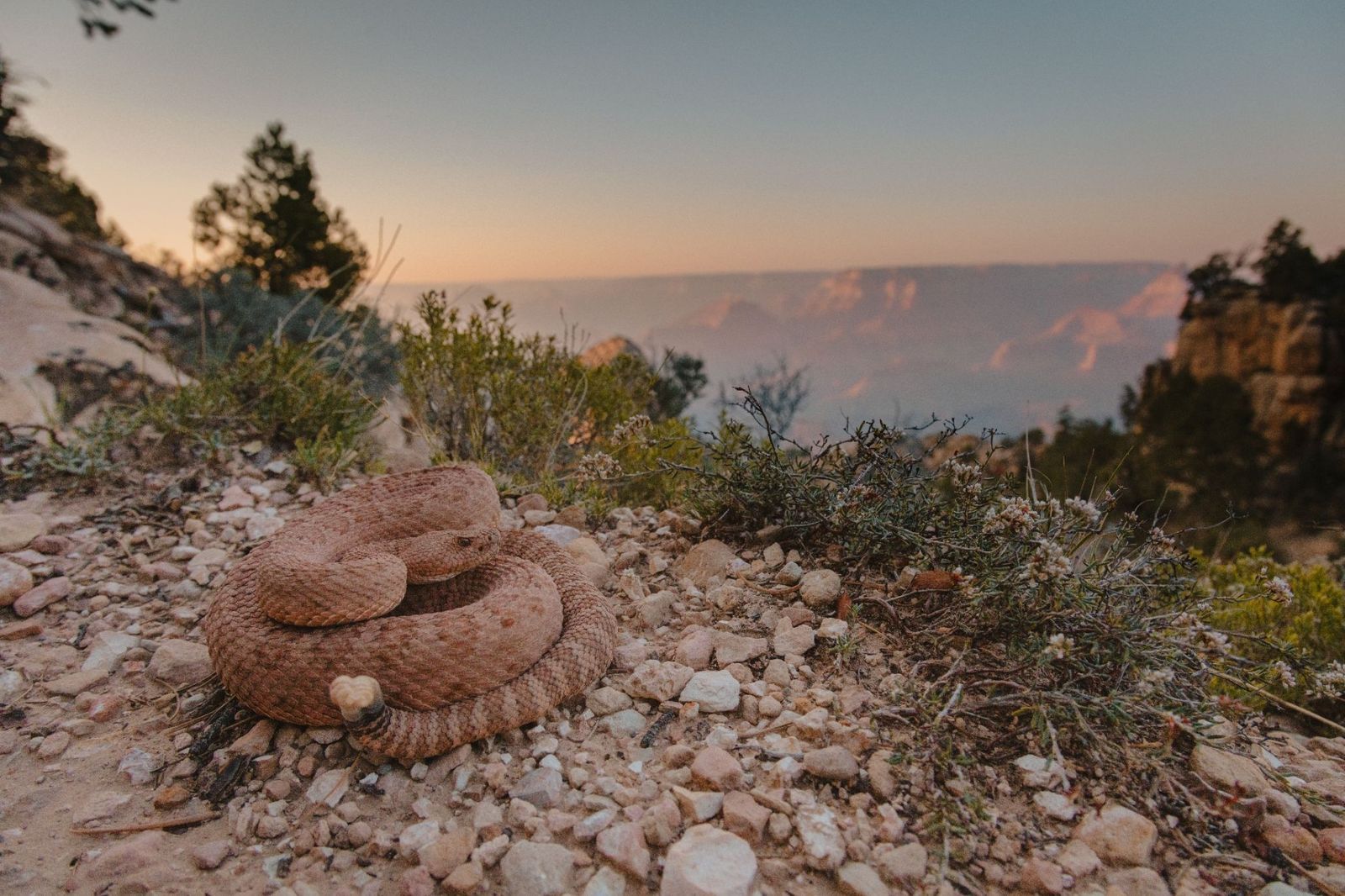
Image: Alexander Wong

The Grand Canyon Pink Rattlesnake has a pinkish-red coloring that matches the canyon's own distinctive rock walls so closely that it's nearly invisible. It is found nowhere else in the world. Officially classified as Crotalus oreganus abyssus , it has darker diamond-shaped markings along its back that deepen the camouflage further.

10
There's a village at the bottom: Supai Village
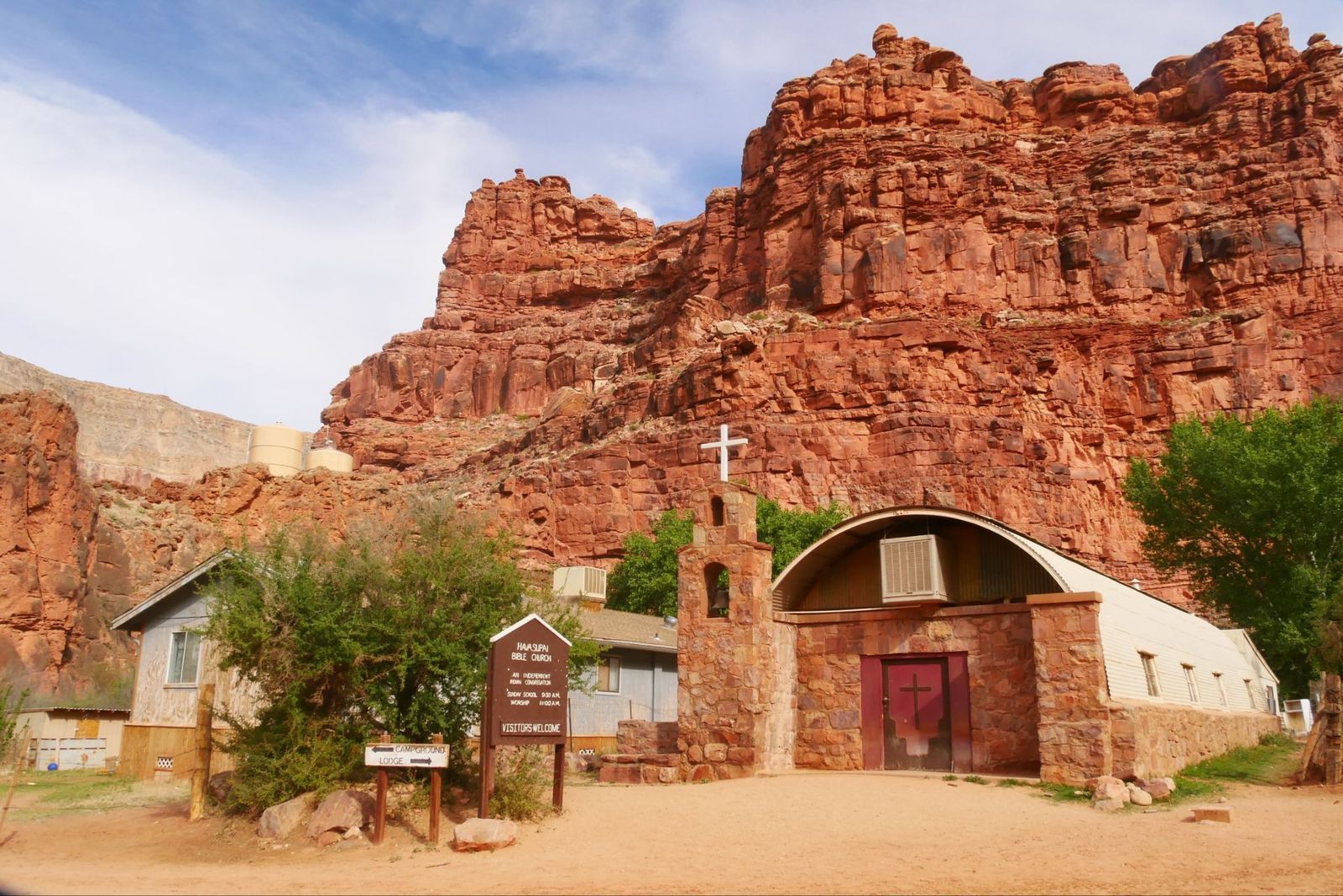
Image: joojoob27

For over 1,000 years, the remote village of Supai has been home to the Havasupai Tribe, the People of the Blue-Green Waters. It is located an eight-mile hike from the rim, but sits roughly 3,000 feet deep inside the Grand Canyon.

The U.S. Department of Agriculture has called it the most remote community in the contiguous United States, and it has no automobiles and no road access. The only ways in are on foot, by mule, or by helicopter. It is also the only place in the United States where the postal service still delivers mail by mule train.
Culture Culture 6 min read

From real life to music

Bob Dylan wrote it to save his marriage: the real people behind 10 hits

Image: Featureflash Photo Agency

You’ve sung along to these songs, danced to them, and probably heard them hundreds of times. But do you know the real stories behind them? Some of the biggest hits ever were inspired by real people, real relationships, and real moments. There were secret romances, jealousy, heartbreak, and a few surprises that sound too strange to be true. Here are the real stories behind 10 famous songs.

1
"Jolene" by Dolly Parton

Image: Bart Sherkow

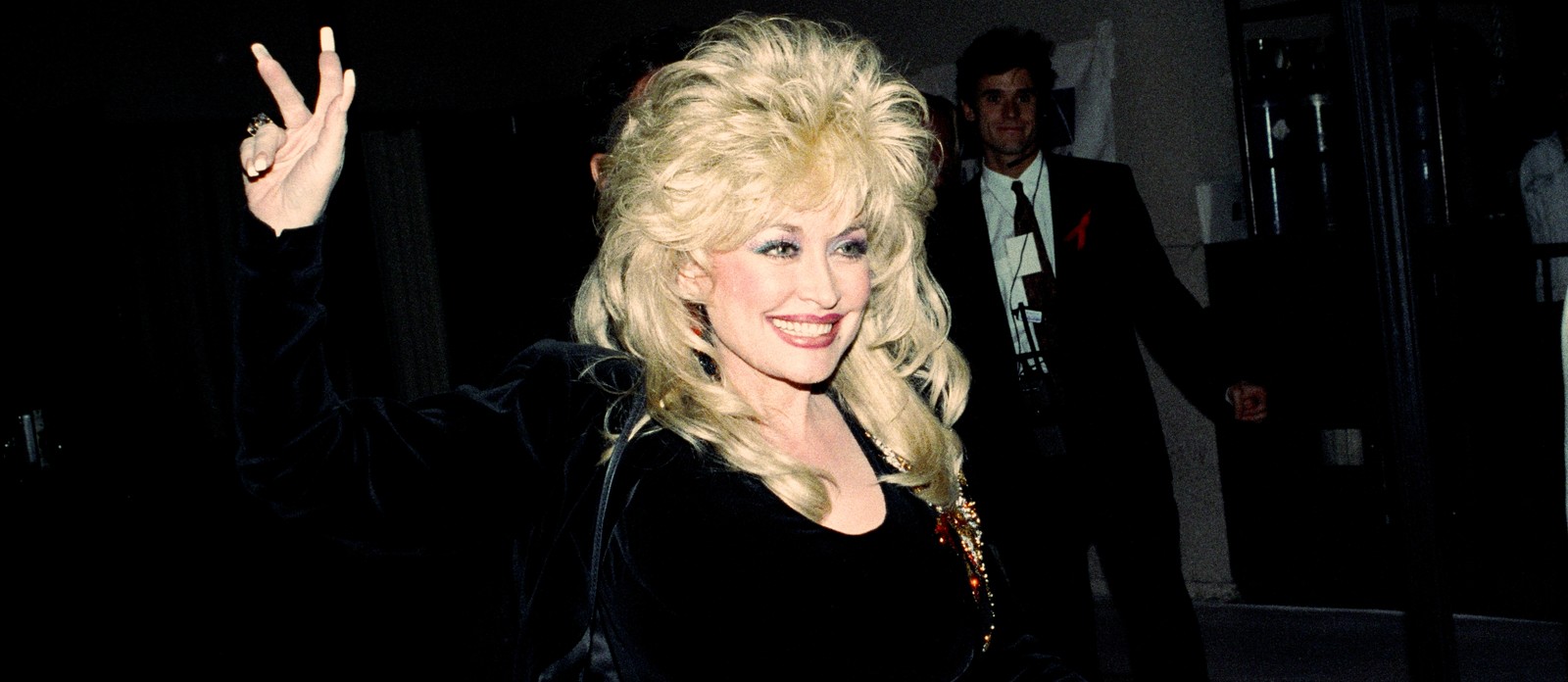
One of Dolly Parton’s most famous songs, 1973’s "Jolene," has resonated across generations because its story of jealousy feels so relatable. And it was inspired by a real experience in Dolly’s life.

As she recounted in interviews, the song was inspired by an attractive female bank teller who paid a little too much attention to her husband, Carl Dean. But while the jealousy was real, the woman wasn’t named Jolene. Dolly got that name from a young fan with beautiful red hair and green eyes who introduced herself to the singer after a concert.

2
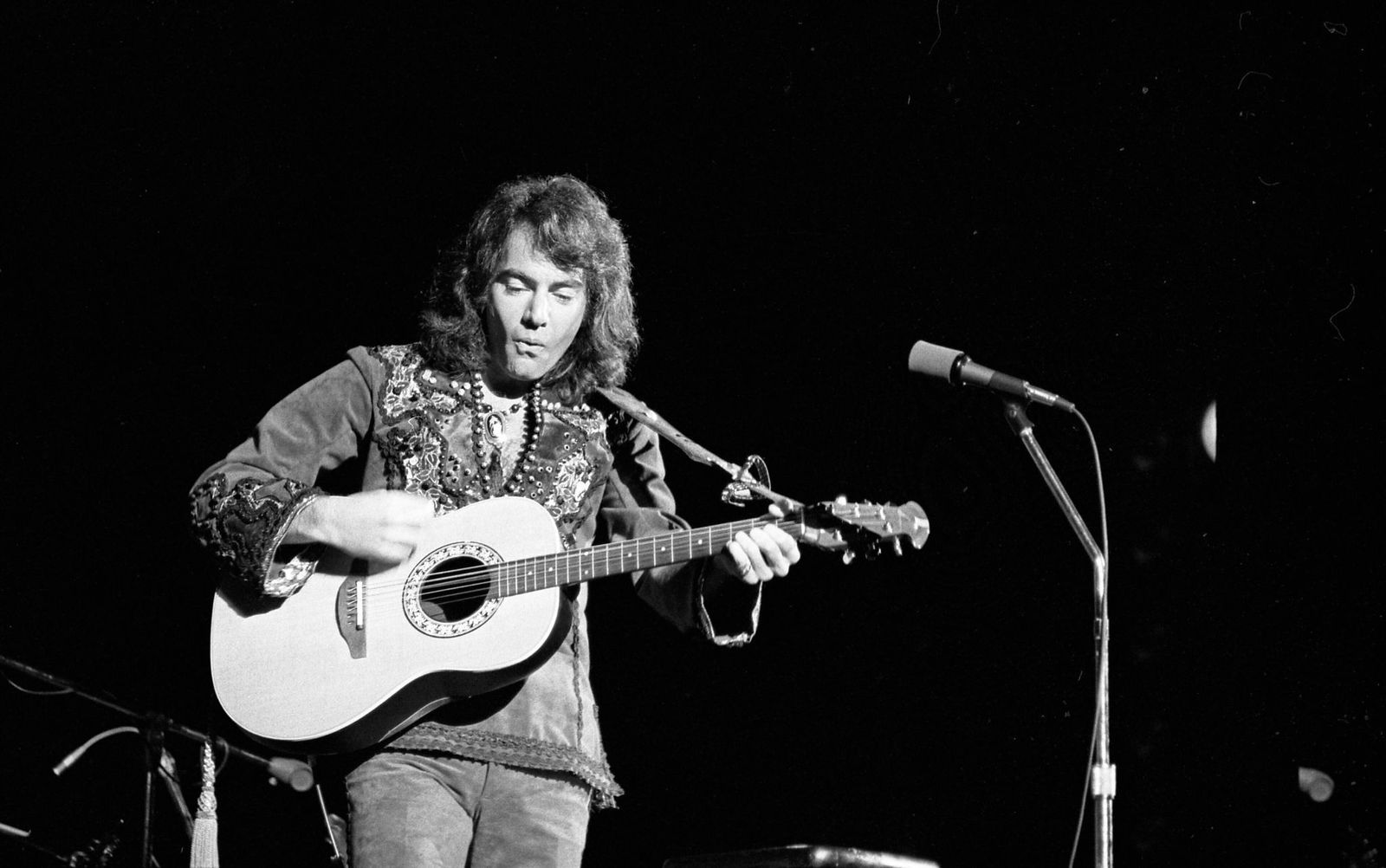
"Sweet Caroline" by Neil Diamond

Image: Larry Bessel, Los Angeles Times, CC BY 4.0, via Wikimedia Commons

Neil Diamond wrote "Sweet Caroline" in 1969, drawing on his feelings for his wife at the time, Marcia Murphey. But if it was about her, why "Caroline"?

Diamond needed a three-syllable name for the lyrics, and he remembered a photo of First Daughter Caroline Kennedy with her horse that he had seen in LIFE magazine in 1962. Diamond kept the connection to JFK’s eldest secret for nearly 40 years until 2007, when he sang the hit for Caroline at her 50th birthday and finally told her the story. She was "struck by it and really, really happy," Diamond revealed.

3
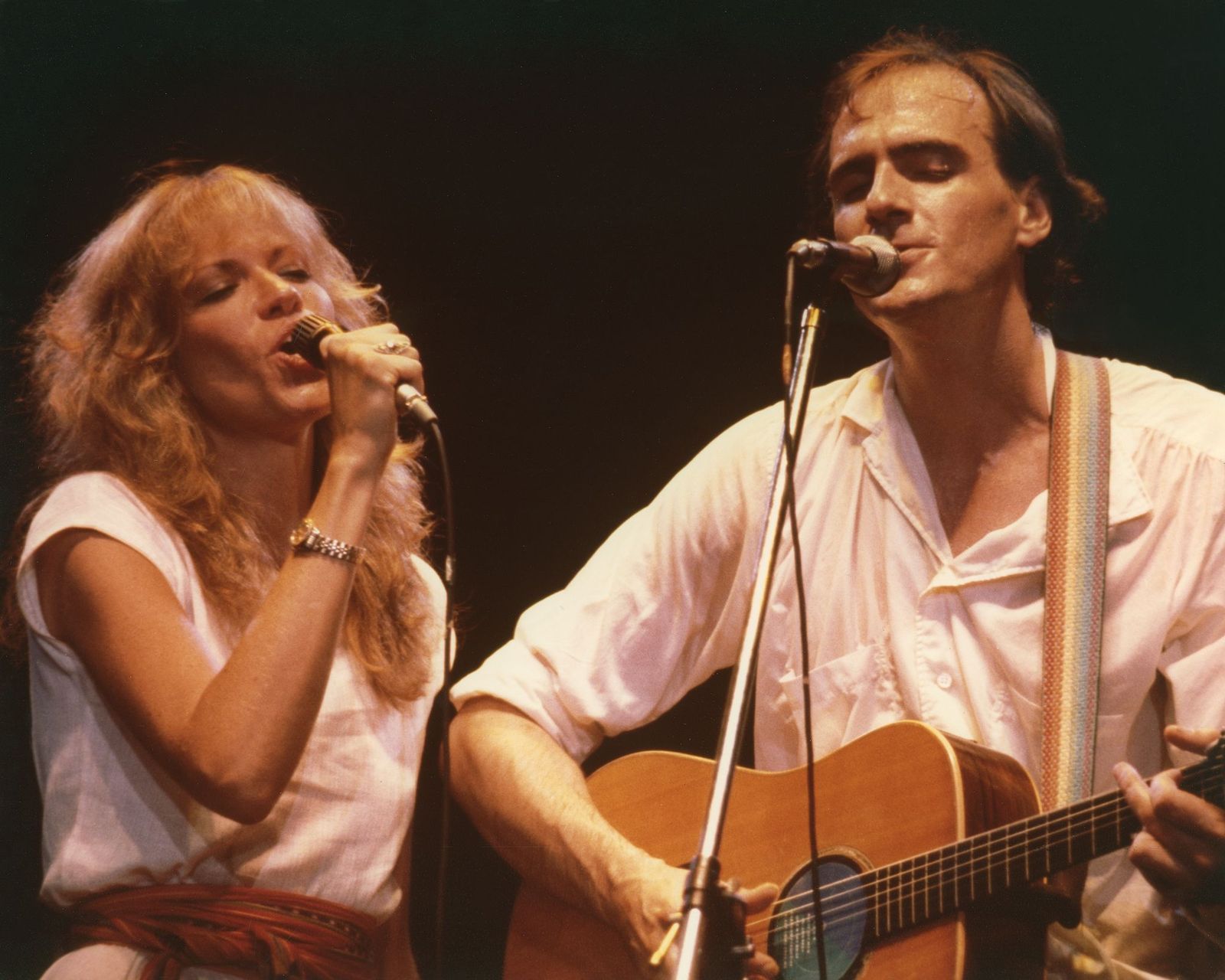
"You're So Vain" by Carly Simon

Image: Arthur D'Amario III

When a relationship ends, the inspiration can show up in unexpected ways. For Carly Simon, it became one of her biggest hits: "You’re So Vain."

As Simon herself confirmed, most of the lyrics were inspired by actor Warren Beatty, with whom she had a brief but intense relationship in the early 1970s that ended after he cheated on her. But Beatty wasn’t the only "vain" one. Although she didn’t confirm it, there’s speculation that other famous men from her past, including Mick Jagger and Jack Nicholson, also inspired parts of the song.

4
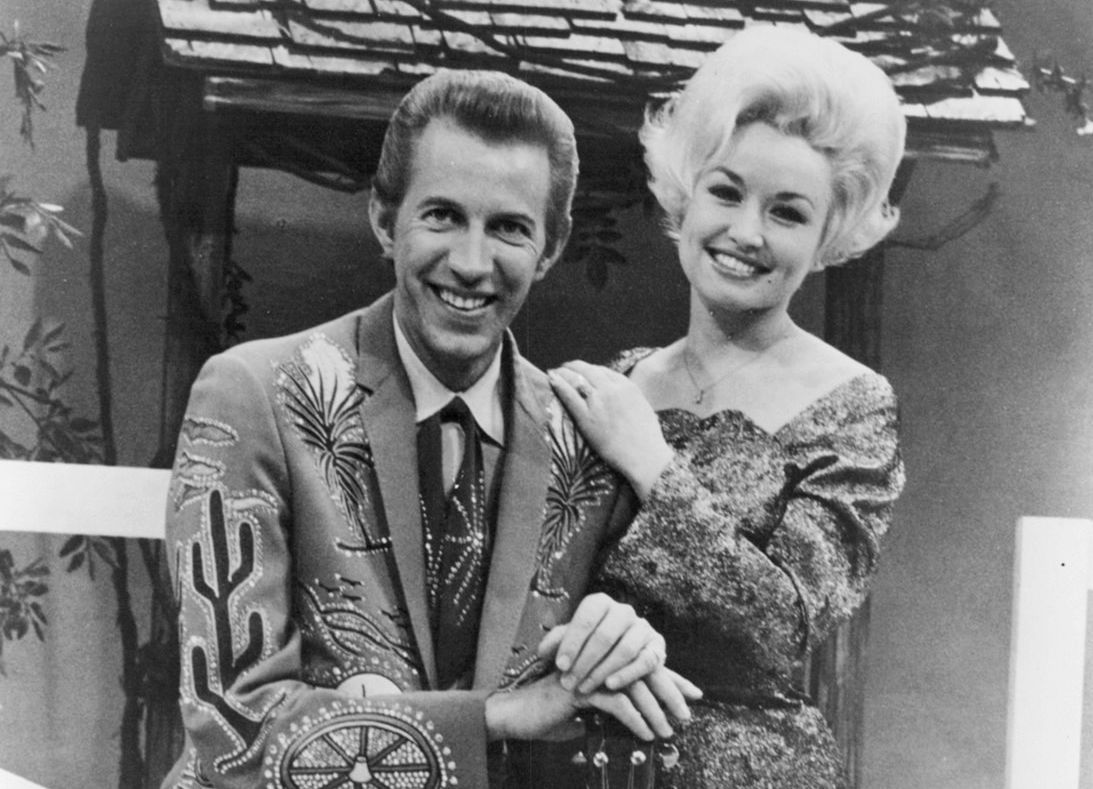
"I Will Always Love You" by Dolly Parton

Image: Moeller Talent, Inc. Nashville (management), Public domain, via Wikimedia Commons

Despite what many assume, "I Will Always Love You" wasn’t written about a romantic breakup. Dolly wrote it as a professional farewell .

After more than seven years working with her mentor and longtime duet partner, Porter Wagoner, on The Porter Wagoner Show , Dolly felt it was time to pursue a solo career. But the decision wasn’t easy, and Wagoner was reluctant to let her go. When ordinary conversations weren’t working between them, Dolly did what she knew best: she put her feelings into a song. She brought her guitar to his office, sat him down, and played it for him. Wagoner was moved to tears, called it the prettiest song he had ever heard, and finally agreed to let her leave the show.

5
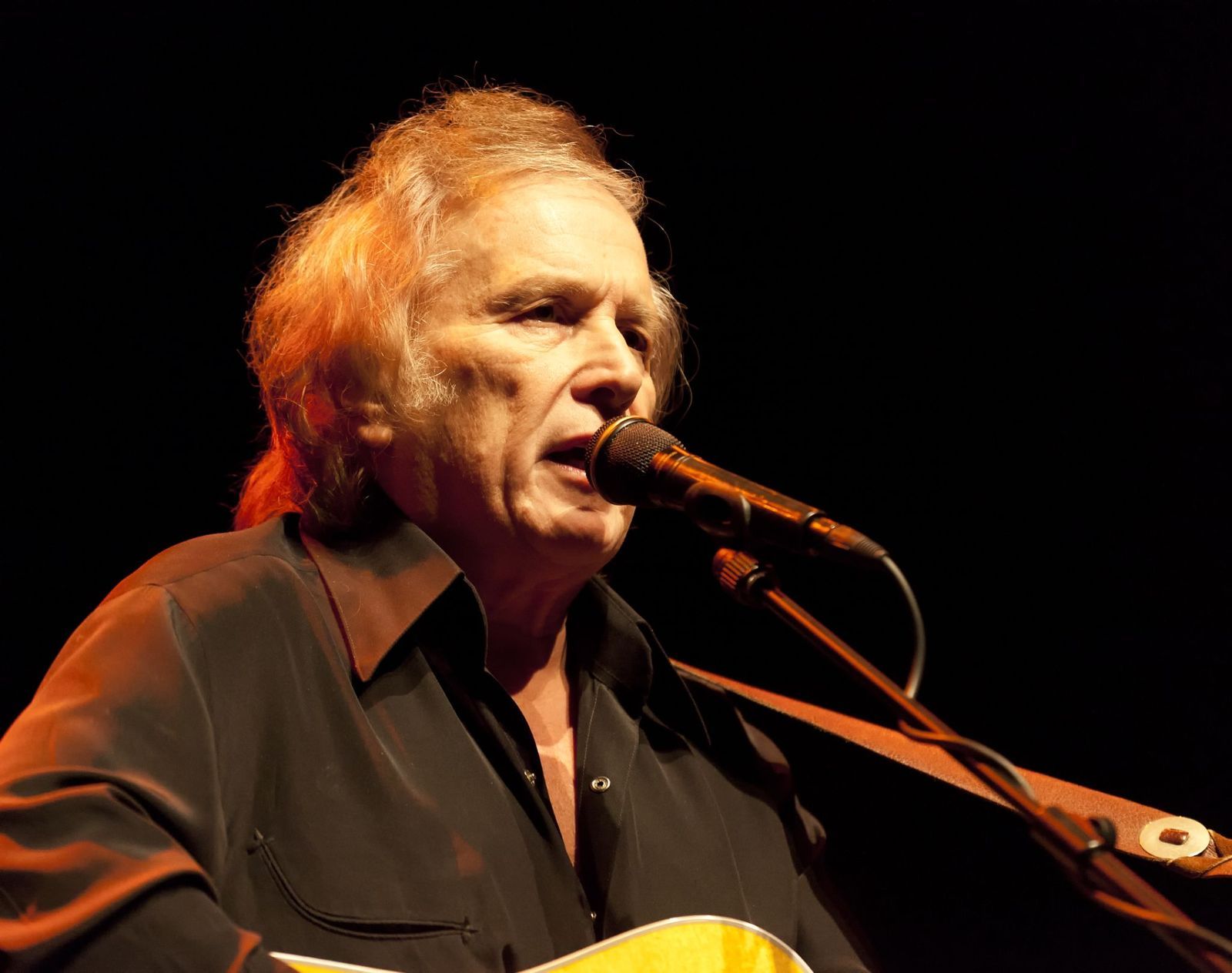
"American Pie" by Don McLean

Image: Aija Lehtonen

A song can be a farewell, a declaration of love, or a tribute born of admiration. That was the case when Don McLean wrote the beautiful yet haunting "American Pie" in 1971.

This epic folk-rock song became a memorial to "the day the music died," the tragic plane crash on February 3, 1959, that took the lives of rockers Buddy Holly, Ritchie Valens, and J.P. Richardson . McLean was just 13 at the time, but he later said the tragedy had a profound impact on him. The song didn’t come together all at once, either; he wrote it in stages over several years.

6
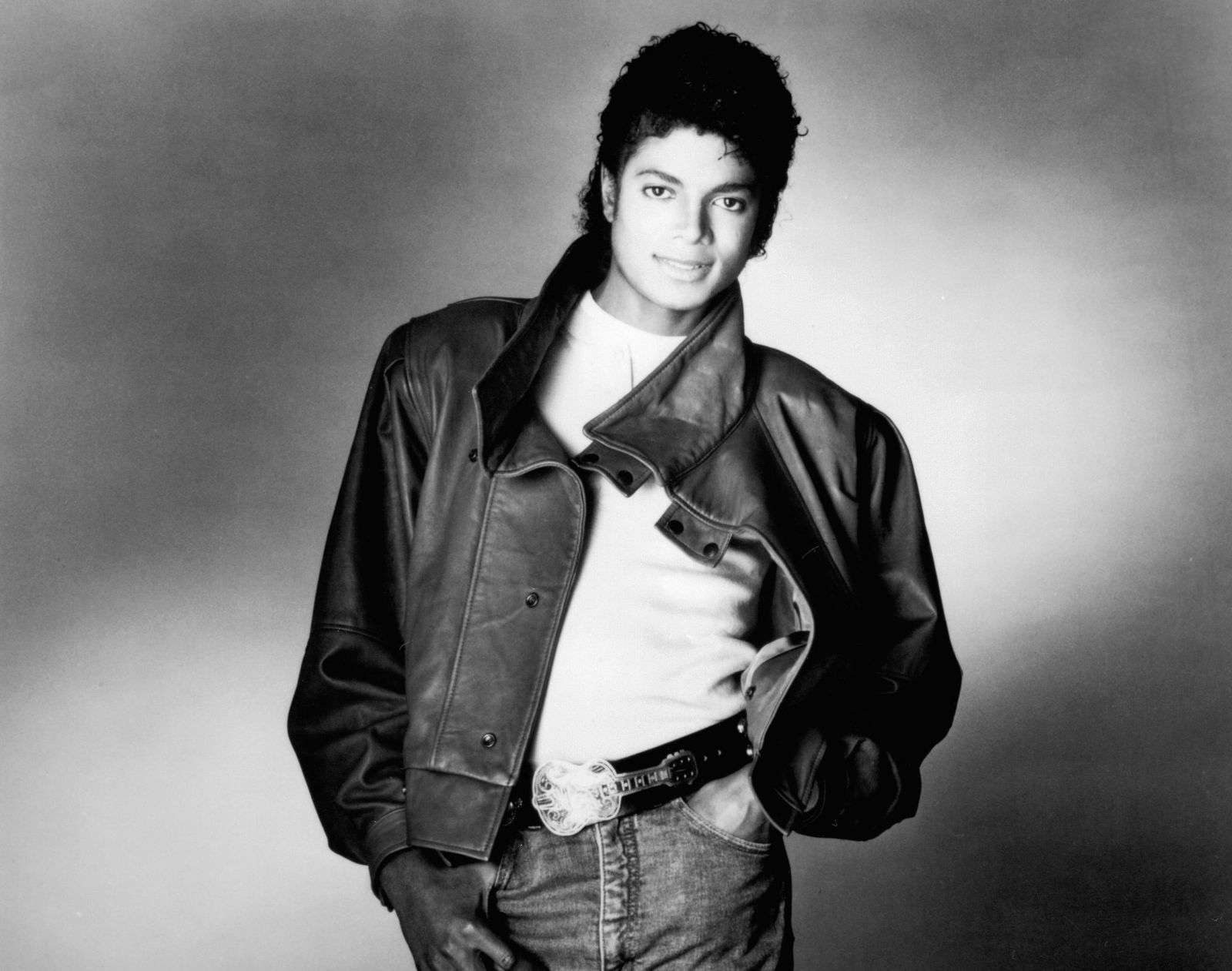
"Billie Jean" by Michael Jackson

Image: Matthew Rolston; Distributed by Epic Records, Public domain, via Wikimedia Commons

In his 1988 autobiography Moonwalk , Jackson explained that his classic "Billie Jean" was inspired partly by experiences involving women who approached his older brothers while the Jackson 5 were touring.

However, the event that really shaped the song happened in 1981, when Jackson received thousands of messages from a woman who claimed he was the father of her children. The unsettling situation stayed with him and eventually became part of the inspiration for one of his biggest hits.

7
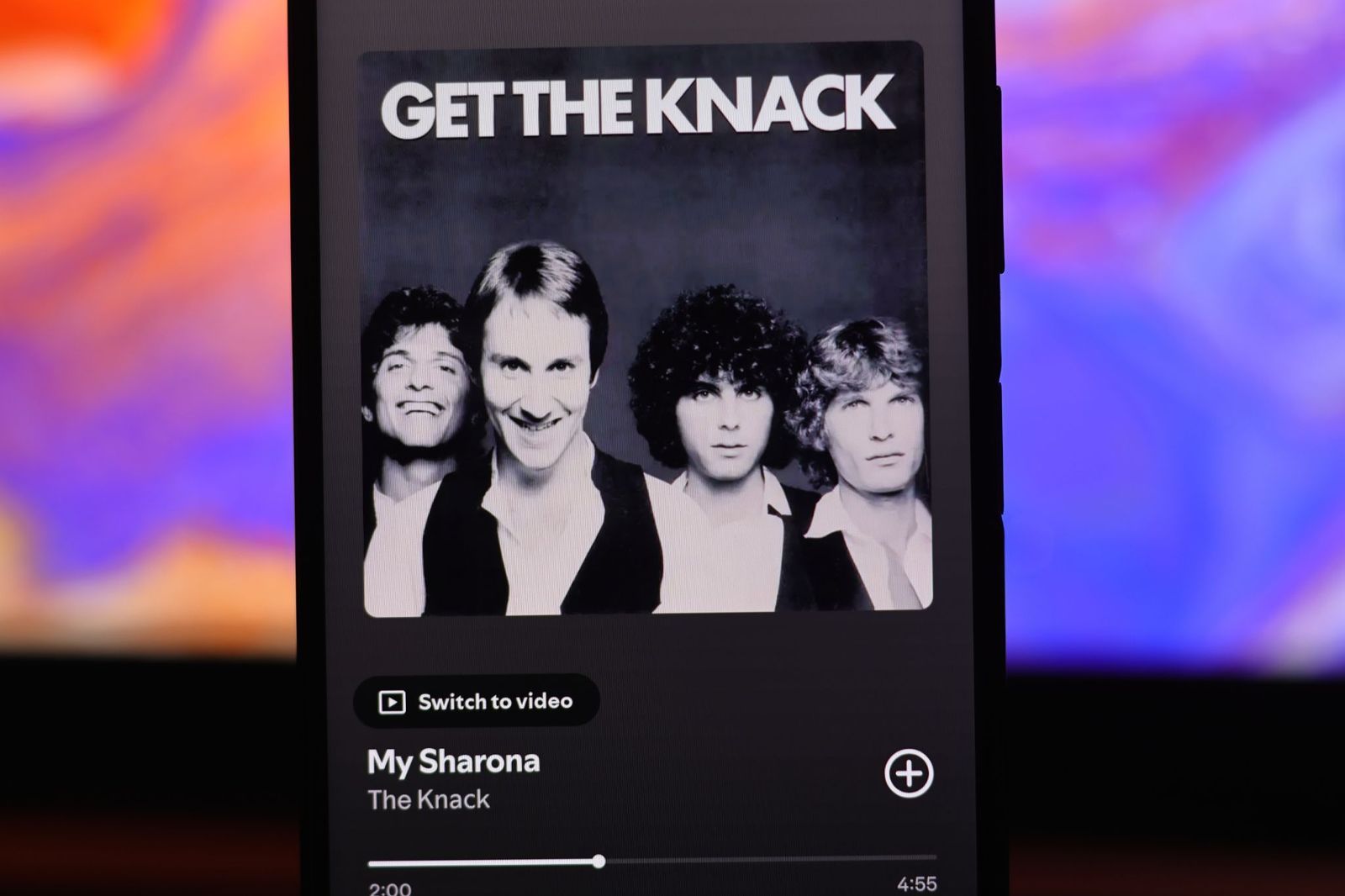
"My Sharona" by The Knack

Image: McSleepy

Have you ever wondered who "Sharona" was in The Knack’s famous hit? The answer comes from a real story involving the band’s lead singer, Doug Fieger.

In 1978, Fieger met Sharona Alperin, a clothing store clerk in Los Angeles. He was instantly attracted to her, and after breaking up with his then-girlfriend, he spent several months trying to win Sharona over before she finally agreed to a date. Their romance lasted from 1979 to 1982, and inspired one of the most danceable hits of the 20th century. Even after they broke up, Sharona and Doug remained close friends until he passed in 2010.

8
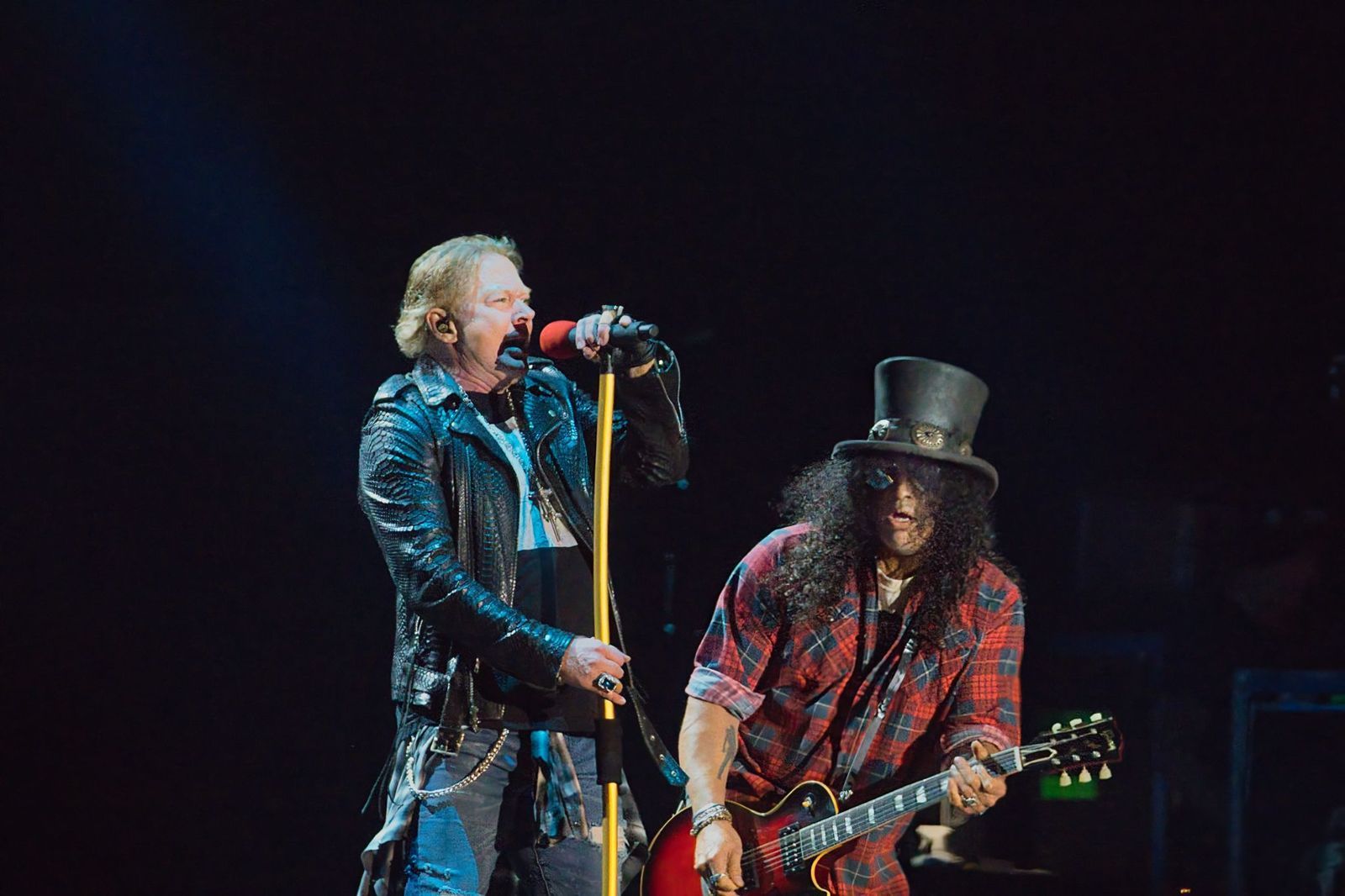
"Sweet Child O' Mine" by Guns N' Roses

Image: L Paul Mann

In 1986, Axl Rose was dating model Erin Everly, daughter of Don Everly of The Everly Brothers. He was so in love that he wrote her a love poem in just a few hours, without knowing it would eventually become one of his most famous songs.

That same year, at the band’s shared house, guitarist Slash was playing around with some chords when he came up with an interesting riff. Izzy Stradlin joined in, and when Rose heard the melody from upstairs, he brought down the poem he had written for Everly and adapted the lyrics to fit the music, resulting in the iconic "Sweet Child o’ Mine." Rose and Everly eventually married in 1990, but the marriage ended soon afterward.

9
"Walk On the Wild Side" by Lou Reed

Image: Man Alive!, CC BY 2.0, via Wikimedia Commons

Music crossed paths with other forms of art when Lou Reed wrote his 1972 classic "Walk on the Wild Side".

The song is essentially a series of portraits of real people from Andy Warhol’s circle at The Factory, his famous New York City studio and collective. In the song, "Holly" is a reference to Holly Woodlawn, a transgender actress who appeared in Warhol’s underground films such as Trash (1970). "Candy" was Candy Darling, another prominent actress who starred in Flesh (1968) and Women in Revolt (1971). "Little Joe" referred to Joe Dallesandro, the actor and model who became one of Warhol’s male muses. Other figures from the era’s counterculture are also in the song, bringing a very specific art scene of 1970s New York to a much wider audience.

10
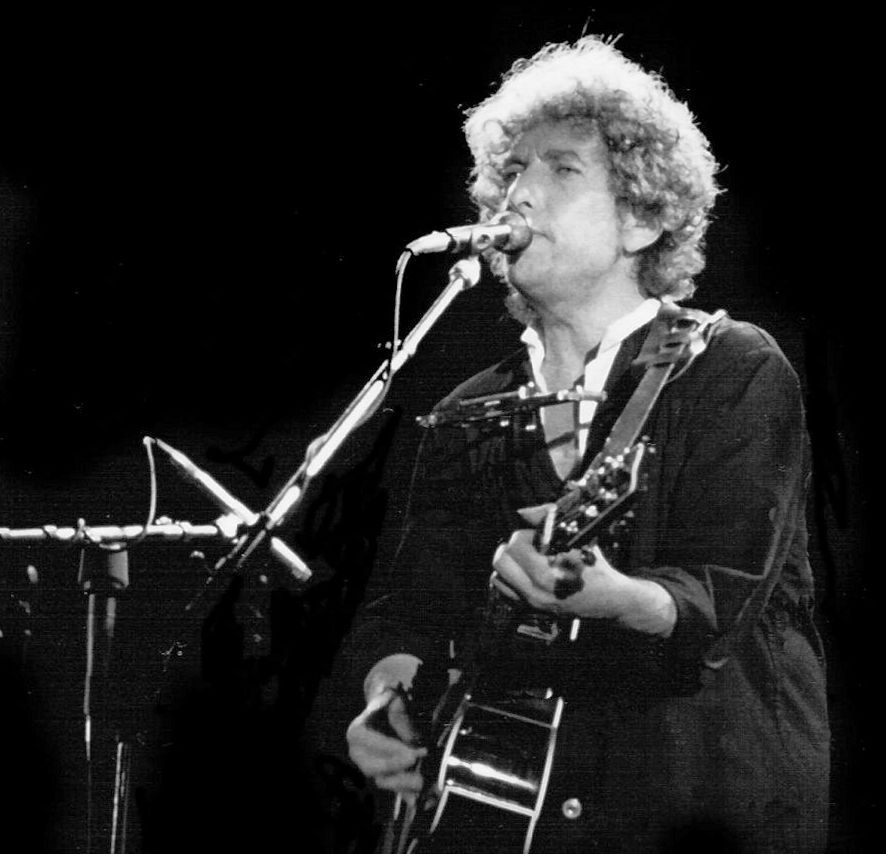
"Sara" by Bob Dylan

Image: Stoned59, CC BY 2.0, via Wikimedia Commons

In 1975, Bob Dylan was in the middle of a creative rush, writing and recording his album Desire . But while his career was going well, his marriage to Sara Lownds was falling apart. So he decided to write a love song for his wife.

"Sara," a heartfelt and personal song, was recorded in 1975 with Sara in the studio, and it became the raw, emotional closing track on the album. It helped spark a brief reconciliation, and Sara even joined Dylan on his subsequent Rolling Thunder Revue tour. However, the marriage ultimately ended in divorce in 1977.

General General 6 min read

Behind closed doors

Why couldn't Lucy say one little word on TV? Here's the surprising truth

Image: PICTOR PICTURES

I Love Lucy made America laugh , but some of its most surprising stories happened behind the scenes. Did you know CBS banned a common word from the show, two of its stars reportedly couldn't stand each other in real life, and Lucy’s fictional baby arrived on the same day as Lucille Ball’s real-life son? These little-known secrets reveal a whole new side of our beloved TV classic.

1
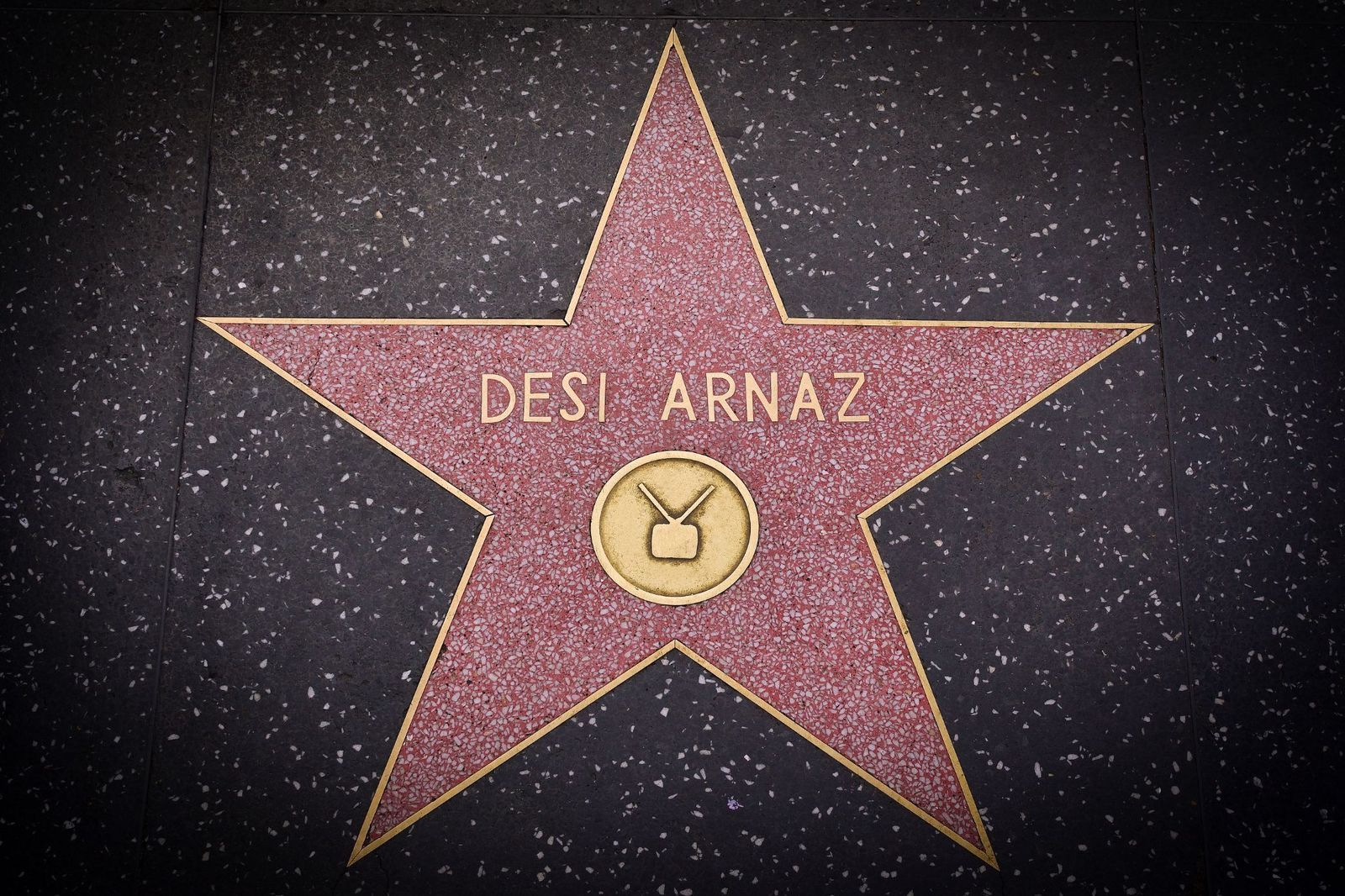
Network executives thought Desi Arnaz was "too foreign" for TV

Image: Elliott Cowand Jr

Network executives initially hesitated to cast Desi Arnaz as Ricky Ricardo, Lucille Ball’s husband on I Love Lucy (which aired on CBS from 1951 to 1957) because they doubted that viewers would accept an American woman and a Cuban man as a believable suburban pair.

To prove the concept worked, Ball and Arnaz took a live vaudeville act on the road in 1951, receiving overwhelmingly positive feedback from audiences. The public's reaction helped persuade CBS to give the show a chance with Arnaz in the starring role. And as we all know, the couple was married in real life too and eventually had two children: Lucie, born in 1951, and Desi Jr., born in 1953. It doesn’t get more "real" than that.

2
The word "pregnant" was strictly forbidden on air

Image: SNeG17

On the show, CBS banned the word "pregnant" in 1952, considering it too explicit for family living rooms . Writers therefore relied on euphemisms such as "expecting," "with child," or "having a baby."

When Lucille Ball became pregnant with her second child in 1952, Desi Arnaz pushed for her pregnancy to be written into the show's storyline, despite initial resistance from CBS and its sponsors. The resulting plot became a landmark moment in television history: although the show could portray Lucy expecting a baby, its writers still couldn't use the forbidden word. That’s why the episode in which she breaks the news to Ricky was titled "Lucy Is Enceinte," using the French word for pregnant.

3
More people watched Lucy give birth than the president’s inauguration

Image: neftali

On January 19, 1953, the episode "Lucy Goes to the Hospital", in which she gives birth to Little Ricky, drew an estimated 44 million viewers (about 72% of U.S. television households). In an extraordinary coincidence, Ball gave birth to her real-life son, Desi Arnaz Jr., by scheduled cesarean section on the same day.

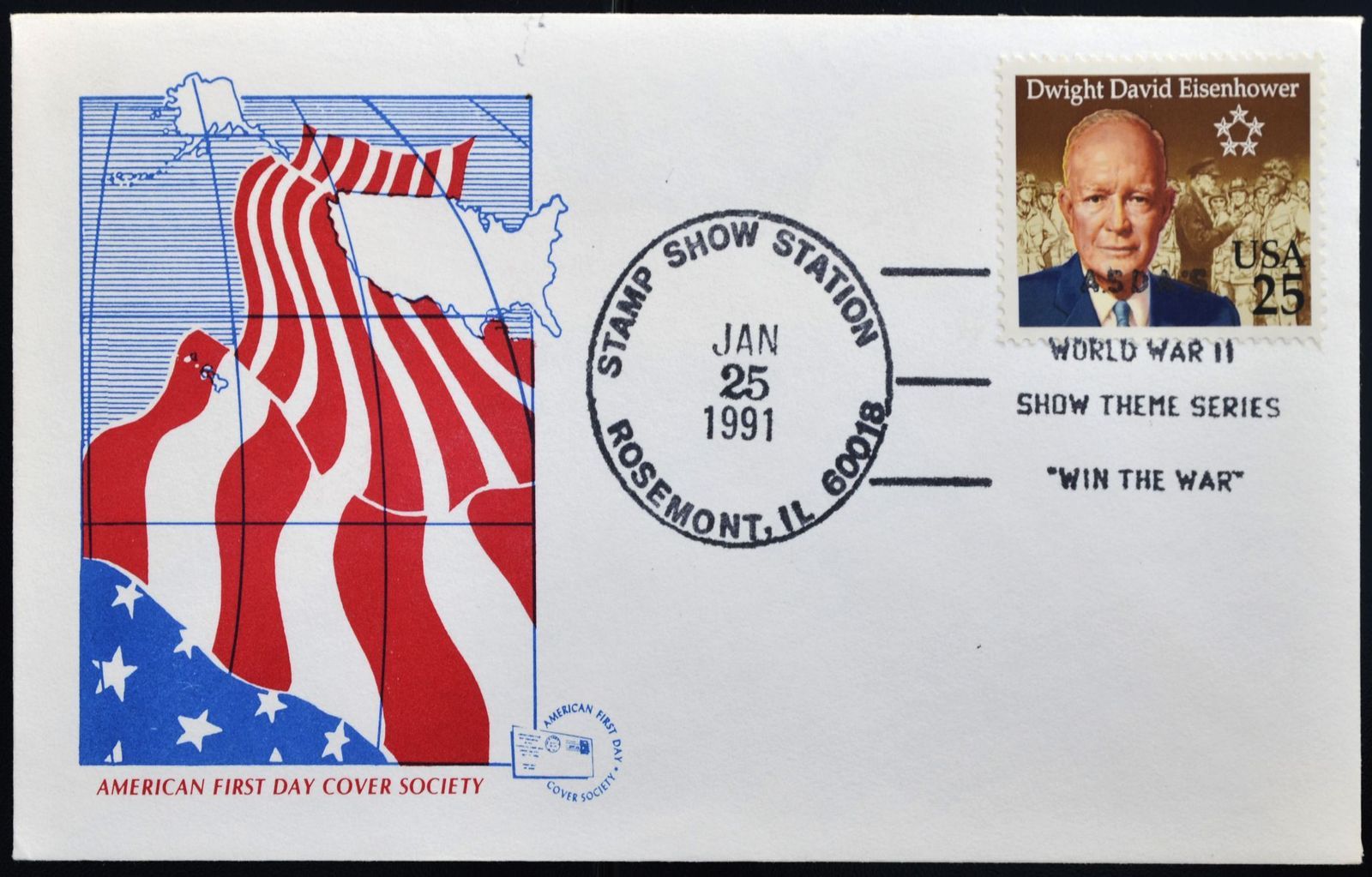
The next day, President Dwight D. Eisenhower’s inaugural address drew an estimated 29 million viewers. That means the episode attracted roughly 15 million more viewers than the president's address, according to the commonly cited estimates.

4
The candy factory episode had a real-life expert in it

Image: catwalker

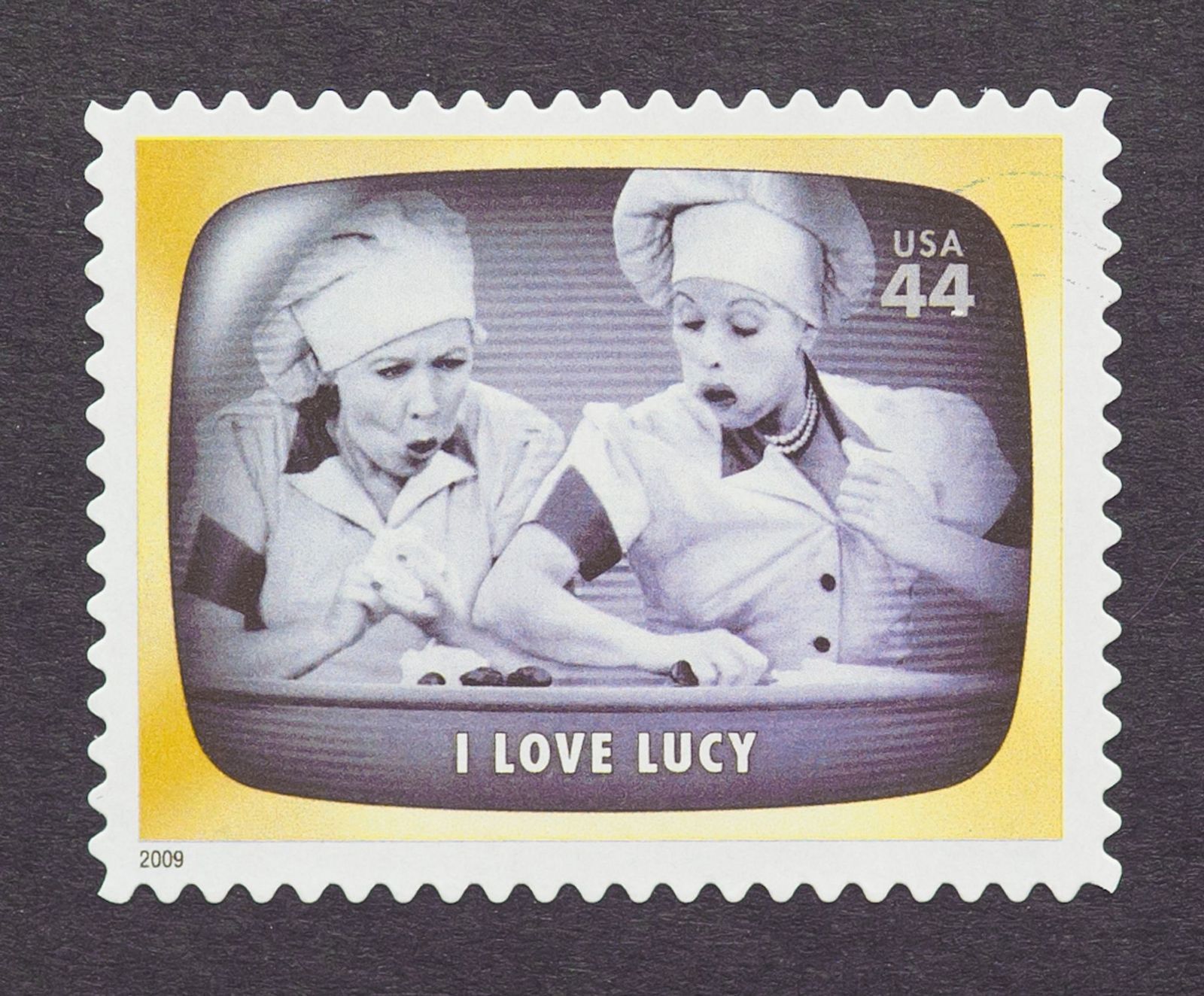
In the beloved "Job Switching" episode, the Season 2 premiere which aired on September 15, 1952, Lucy and Ethel (Vivian Vance) take jobs at Kramer’s Kandy Kitchen to prove to their husbands, Ricky and Fred (William Frawley), that they can handle the demands of working outside the home.

Assigned to wrap and dip chocolates on an assembly line, the pair fall hopelessly behind as the conveyor belt speeds up. Desperate to avoid letting any unwrapped candy pass by, they begin stuffing chocolates into their mouths, hats, and blouses. The resulting chaos became one of television's most beloved comedy scenes. But here's a fun backstage detail: to prepare for the sequence, Ball and Vance spent half a day learning to dip chocolates and work on the production line at a real See's Candies location in Los Angeles. Even more interesting, the woman working alongside Lucy in the scene was an actual See's Candies candy maker, Hazel Pierce .

5
Fred and Ethel viscerally despised each other in real life

Image: Runawayphill

Playing married couple Fred and Ethel onscreen, Frawley and Vance clashed throughout the show's six-season run. Vance was 42 and Frawley was 64 when the show started. She reportedly resented being cast opposite a man 22 years older and famously complained: "How will anyone believe I’m married to that old man?" Frawley overheard her complaints and was reportedly offended. He later made this pointed remark about Vance, "She's one of the finest girls to come out of Kansas, but I often wish she'd go back there."

Despite their bitter off-screen feud, both remained professional on set and delivered the comedic chemistry that made Fred and Ethel such a memorable couple. Vance later reportedly turned down a lucrative spin-off featuring the pair, along with a $50,000 bonus, because she didn't want to work with Frawley again.

6
Desi Arnaz’s deal that changed TV reruns forever

Image: ltdedigos

Desi Arnaz’s production decisions helped establish reruns as a profitable part of the industry. He insisted that I Love Lucy be filmed rather than broadcast live, helping shape the modern sitcom format. In the early 1950s, television shows were preserved only as low-quality kinescopes, recordings made by filming television screens.

Ball and Arnaz wanted high-quality recordings, so they were shot on 35mm film using a three-camera setup in front of a live studio audience. As part of their landmark deal with CBS, their production company, Desilu Productions, retained ownership of the film negatives, allowing the episodes to be rebroadcast. By 1955, I Love Lucy had become the first television series to be broadcast as reruns , helping pave the way for modern syndication.

7
Ricky Ricardo was almost named "Larry Lopez"

Image: MAFPHOTOART8

During the development of I Love Lucy, Ricky Ricardo was initially called Larry Lopez, but the name was changed for two main reasons.

First, the producers wanted to avoid confusion with Vincent Lopez, a well-known bandleader of the era. Second, they reportedly preferred the sound of "Lucy and Ricky" to "Lucy and Larry," since it sounded overly alliterative.

8
Lucy was not a natural redhead

Image: Pixel-Shot

Lucille Ball wasn't a natural redhead. Instead, she was a brunette who kept her brown hair during her early career, and also experimented with blonde shades before adopting the fiery red look that became her trademark.

Around 1943, she famously went red for her role in the Technicolor musical Du Barry Was a Lady. MGM hairstylist Sydney Guilaroff helped create the look , which Ball later maintained with a custom blend of henna and dye. Ultimately, her signature color was a carefully crafted Hollywood style, not her natural shade. And it worked.

9
Desi Arnaz used cushions to appear taller than Lucy

Image: Katerina Maksymenko

Desi Arnaz reportedly wore Cuban heels or other elevated footwear to help him appear taller alongside Lucille Ball. Although he stood around 5 feet 9 inches tall and Ball about 5 feet 7 inches in her stocking feet, her high heels could make her look taller than him.

The production team reportedly used another trick when the couple sat down : specially arranged cushions on the Ricardos’ couch and chairs helped maintain the desired height difference on screen and made it easier for Arnaz to stand up.

10
Lucy’s mother left her mark on the show’s soundtrack

Image: gurezende

Lucille Ball's mother, DeDe Ball, was a devoted supporter who reportedly attended the filming of almost every episode. Whenever her daughter landed in a comically awkward situation, DeDe would let out a distinctive "Uh-oh!" from her seat in the studio audience.

Sound engineer Glen Glenn reportedly liked the exclamation so much that he recorded it and incorporated it into the show's laughter track . Because the same recording was reused, DeDe's distinctive voice became part of the show's familiar soundtrack. The story even suggests that her "Uh-oh!" may have made its way into the soundtracks of other classic sitcoms over the years.

Explore more American facts

Choose your favorite category!

General
General

As American as apple pie—the very best America has to offer!

Culture
Culture

Delve into the astounding richness of American lore.

Geography
Geography

Hop in and explore vast and diverse American landscapes.

History
History

Discover the key moments that shaped the United States.