General General 5 min read

Why did the Artemis II astronauts wake up to Queen and John Legend?
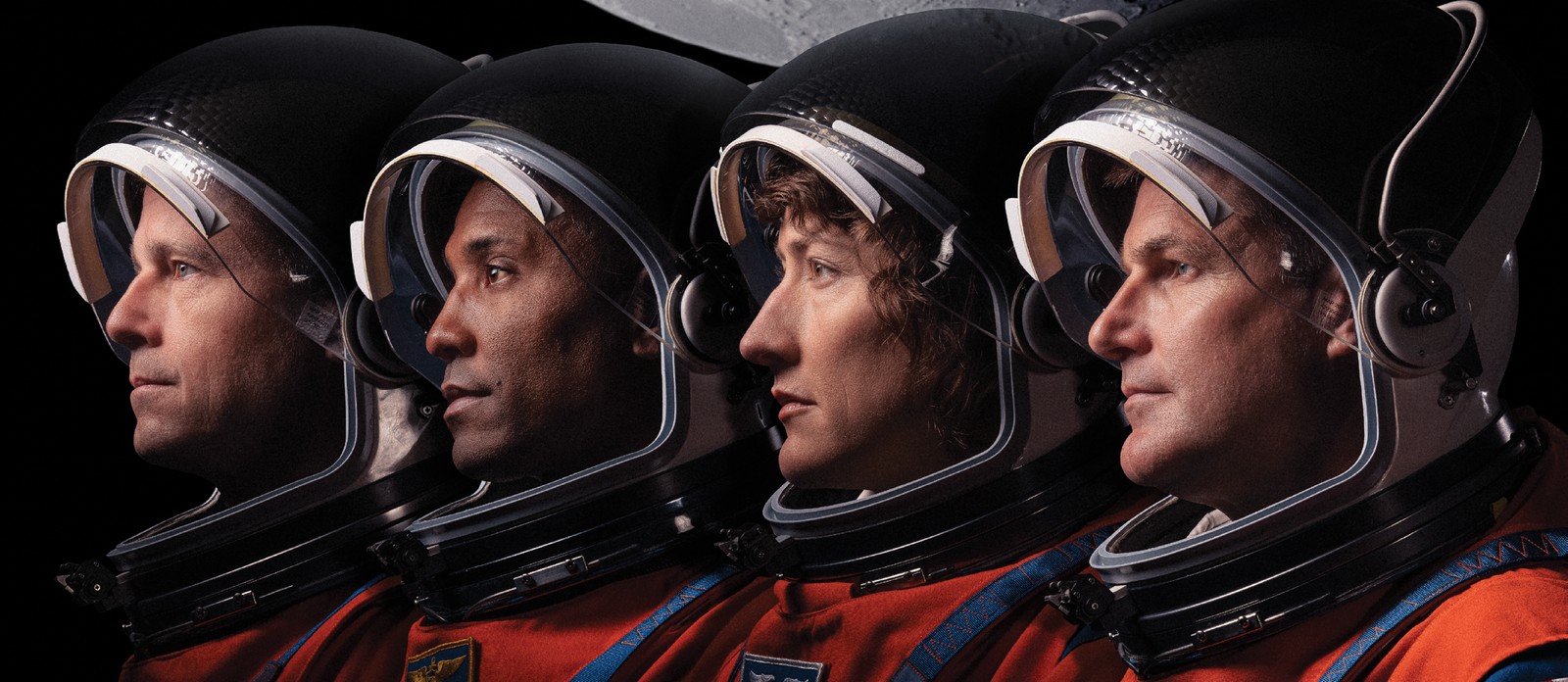
Image: NASA Headquarters / NASA/Daniel O'Neal, Public domain, via Wikimedia Commons

The tradition of the "wake-up call" is one of NASA’s most enduring legacies, stretching back to the Gemini missions of the 1960s. On April 1, 2026, NASA launched the Artemis II mission, sending four astronauts aboard the Orion spacecraft to the Moon and back. This historic flight, the first crewed lunar mission in over half a century, required a soundtrack that balanced the high-stakes precision of deep-space navigation with the sheer human wonder of seeing the Earth rise over the lunar horizon. In this article, we’ll go through the 10-track playlist the crew put together to wake up to and get moving each day.

1
Flight Day 1: "Sleepyhead" by Young & Sick

Image: NASA HQ PHOTO, Public domain, via Wikimedia Commons

The first morning in microgravity is notoriously disorienting. As the crew adjusted to the puffy face caused by fluid shifts and the novelty of floating out of their sleeping bags, "Sleepyhead" by the American band Young & Sick provided a fittingly ethereal backdrop.

The 2018 track’s swirling synths and falsetto vocals mirror the dreamlike quality of looking back at a receding Florida coastline from thousands of miles away. It’s a nice way to start a mission that is anything but gentle during the initial ascent.

2
Flight Day 2: "Green Light" by John Legend
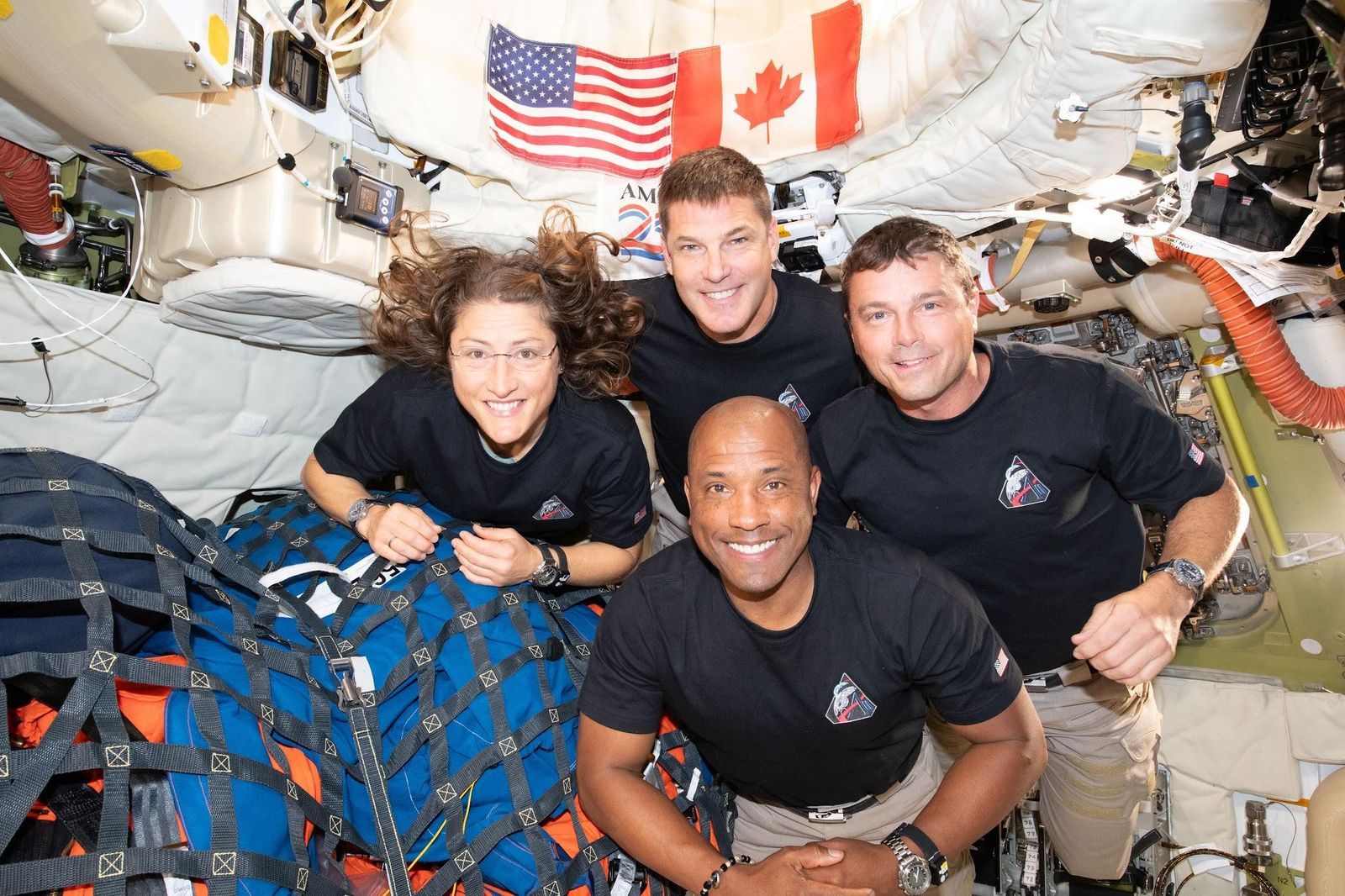
Image: NASA Johnson Space Center / NASA, Public domain, via Wikimedia Commons

By the second day, the adrenaline of launch begins to settle into the reality of the mission's objectives. "Green Light," a collaboration between John Legend and American rapper André 3000, served as the literal and figurative signal to get to work.

For the Artemis II crew, this funk-infused track, released in 2008, played as they performed the first critical proximity operations with the ICPS (Interim Cryogenic Propulsion Stage), testing Orion’s handling before the final "green light" for the Trans-Lunar Injection.

3
Flight Day 3: "In a Daydream" by Freddy Jones Band
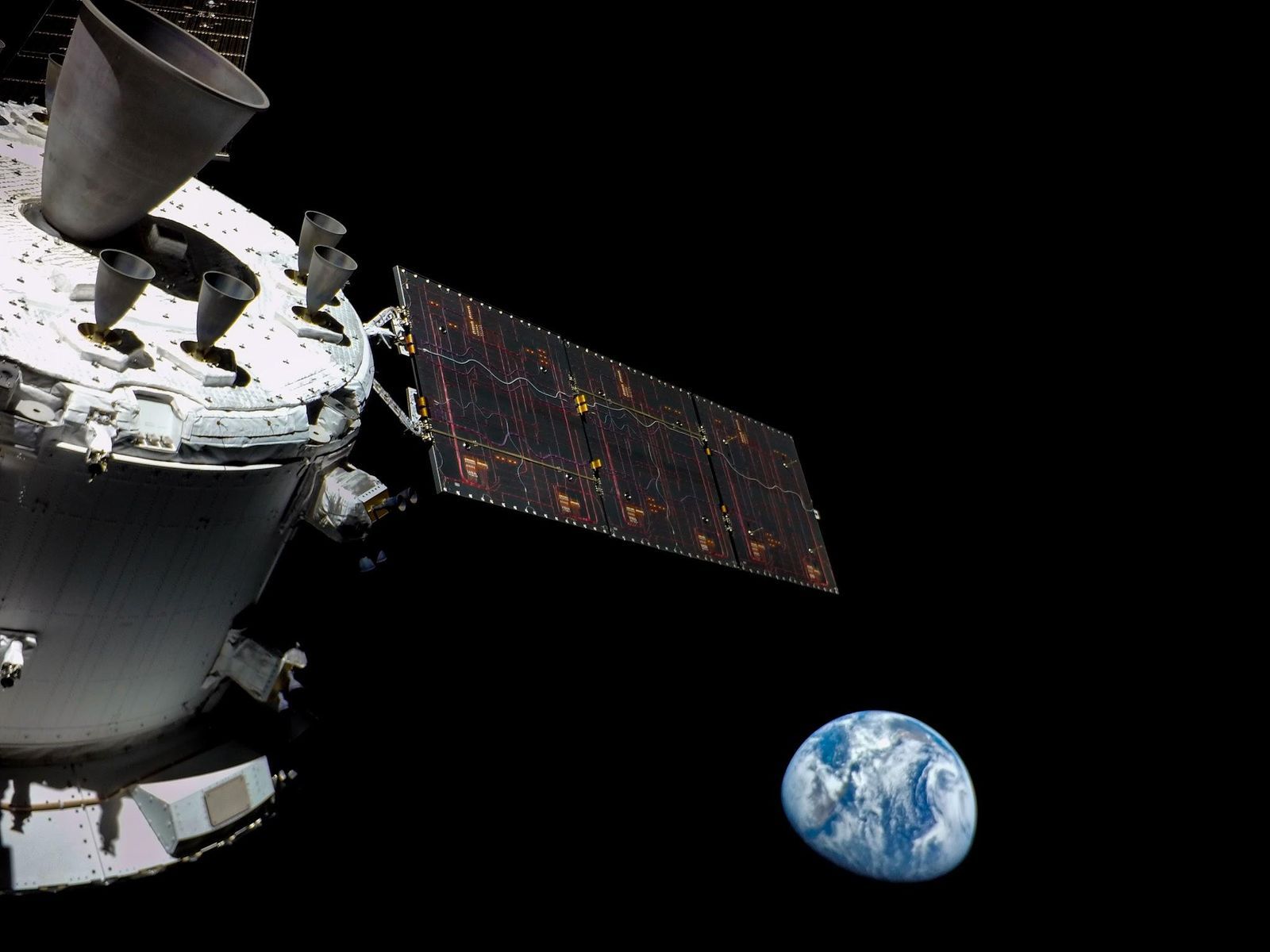
Image: Kevin M. Gill, CC BY 4.0, via Wikimedia Commons

As Orion moved further into the void, the Earth, seen through the window, began to shrink. The Freddy Jones Band’s 1993 rock hit "In a Daydream" captured the mid-transit vibe perfectly.

The song is famous for its guitar work and relaxed tempo. It evokes the feeling of being untethered—a literal reality for four humans traveling toward a destination that has remained unvisited for over 50 years.

4
Flight Day 4: "Pink Pony Club" by Chappell Roan
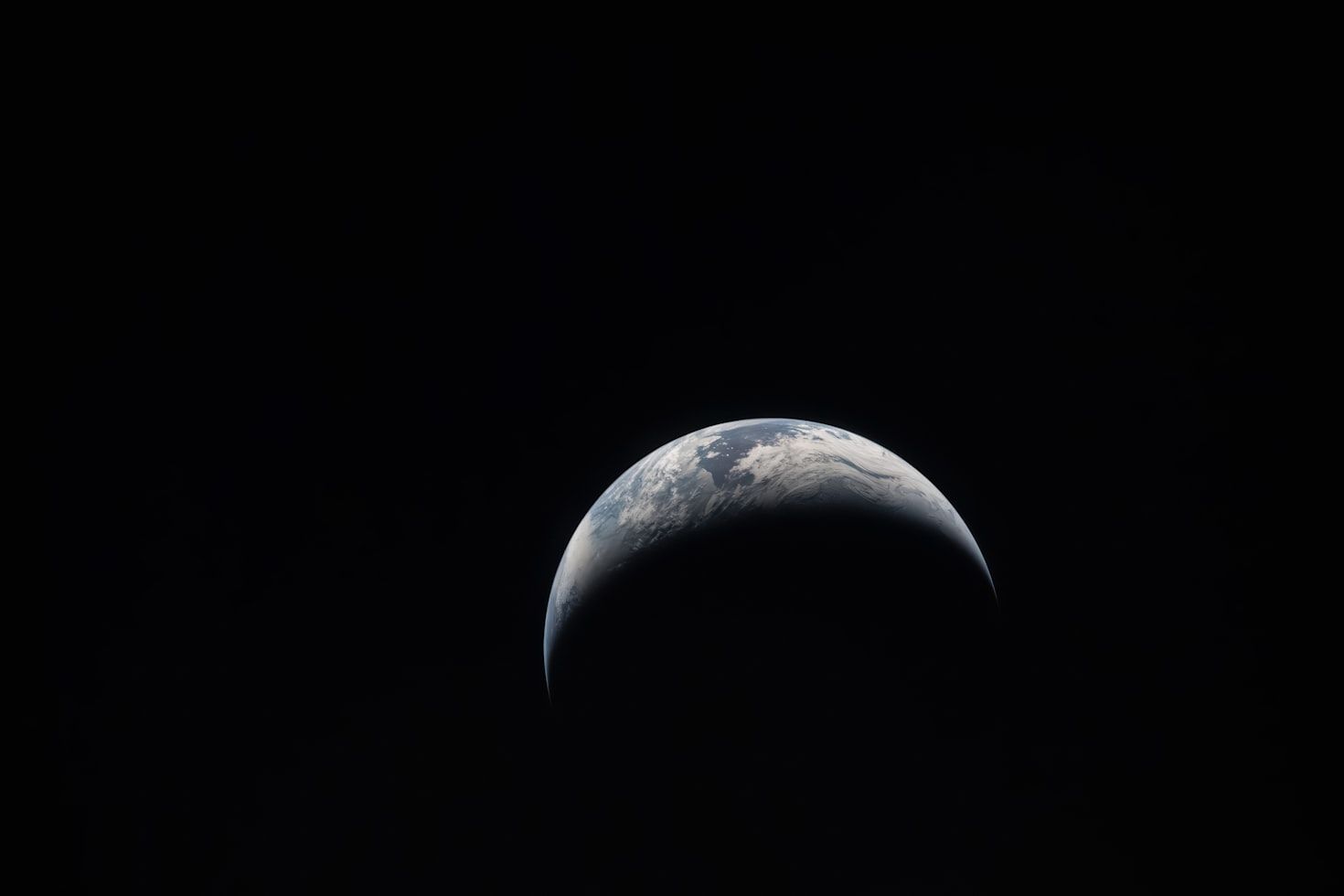
Image: NASA

In space missions, morale is a critical component. The inclusion of Chappell Roan’s 2020 cult hit "Pink Pony Club" brought a burst of high-camp energy and neon-drenched pop to the capsule.

Roan’s anthem about self-discovery and finding your place is a fan favorite on Earth, but it took on a new meaning in the stars. The contrast between the sterile, high-tech interior of Orion and the song’s lyrics about a shimmering dance floor in West Hollywood is the kind of humor and humanity that keeps a crew grounded while they are physically anything but.

5
Flight Day 5: "Working Class Heroes (Work)" by CeeLo Green
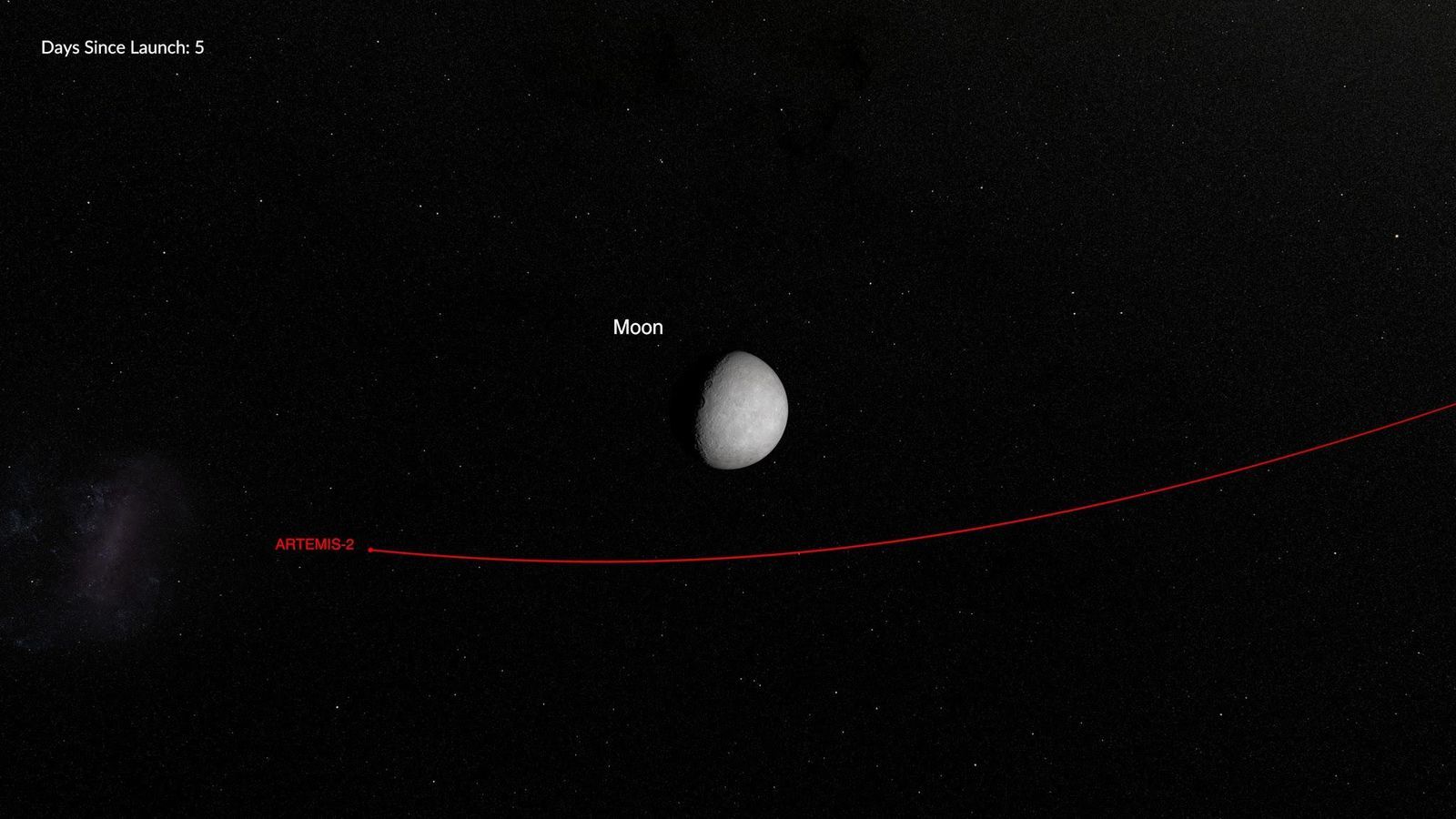
Flight Day 5 is the heart of the grind. Deep-space transit involves constant system checks, radiation monitoring, and exercise routines to prevent bone density loss. CeeLo Green’s 2015 "Working Class Heroes (Work)" served as the anthem for the mission's core. The track’s heavy beat and gospel-inflected vocals emphasize the dignity of labor; beneath the glory of the Moon mission is the hard, repetitive work of thousands of engineers on the ground and four highly trained professionals in the sky.

6
Flight Day 6: "Good Morning" by Mandisa, TobyMac
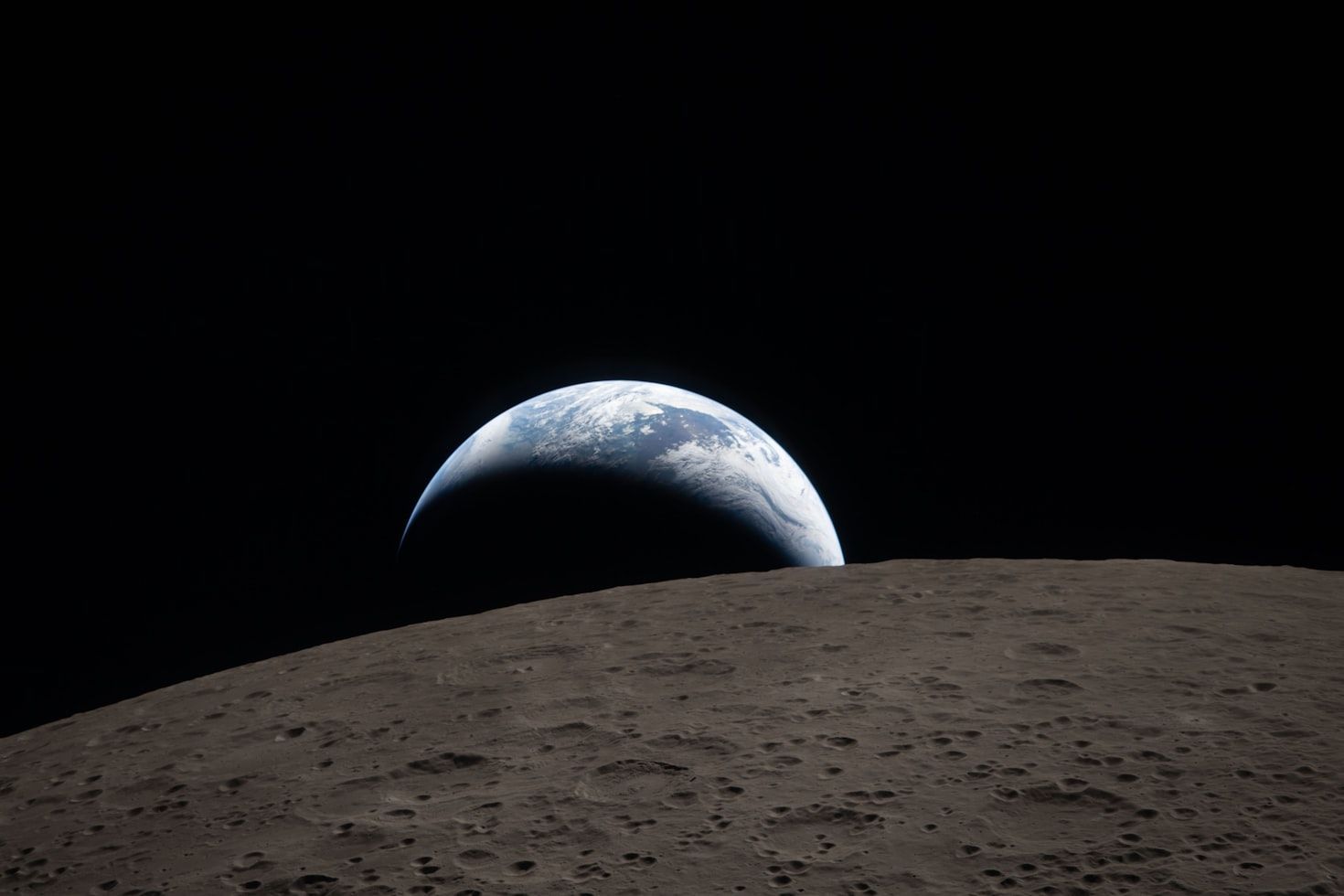
Image: NASA

As the crew prepared for the lunar flyby, they needed a jolt of pure optimism. Mandisa’s 2011 "Good Morning" is a blend of pop and gospel that is impossible to listen to without moving. Mandisa, a Grammy winner and American Idol alumna, often spoke about music as a tool for resilience, a quality the Artemis crew embodied as they crossed the threshold into the Moon’s gravitational sphere of influence.

7
Flight Day 7: "Tokyo Drifting" by Denzel Curry and Glass Animals
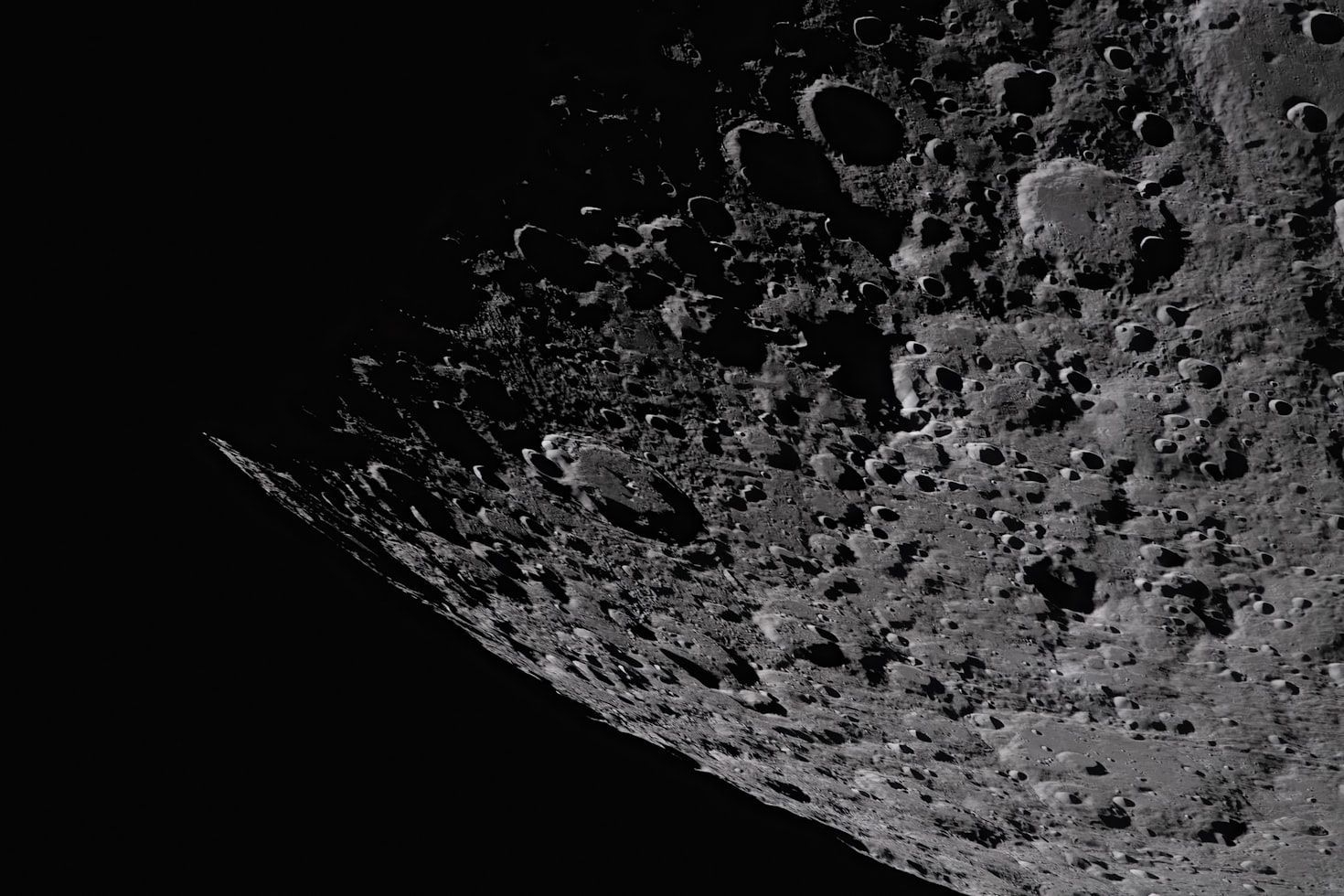
Image: NASA

The slingshot around the Moon is the fastest part of the journey. To match the velocity of a lunar gravity assist, the crew chose the frantic energy of "Tokyo Drifting." The brass fanfares and aggressive flow of the 2019 collaboration between Florida rapper Denzel Curry and British indie band Glass Animals provided the perfect sonic environment for the maneuvers as Orion whipped around the lunar far side, briefly losing communication with Earth.

8
Flight Day 8: "Under Pressure" by Queen and David Bowie
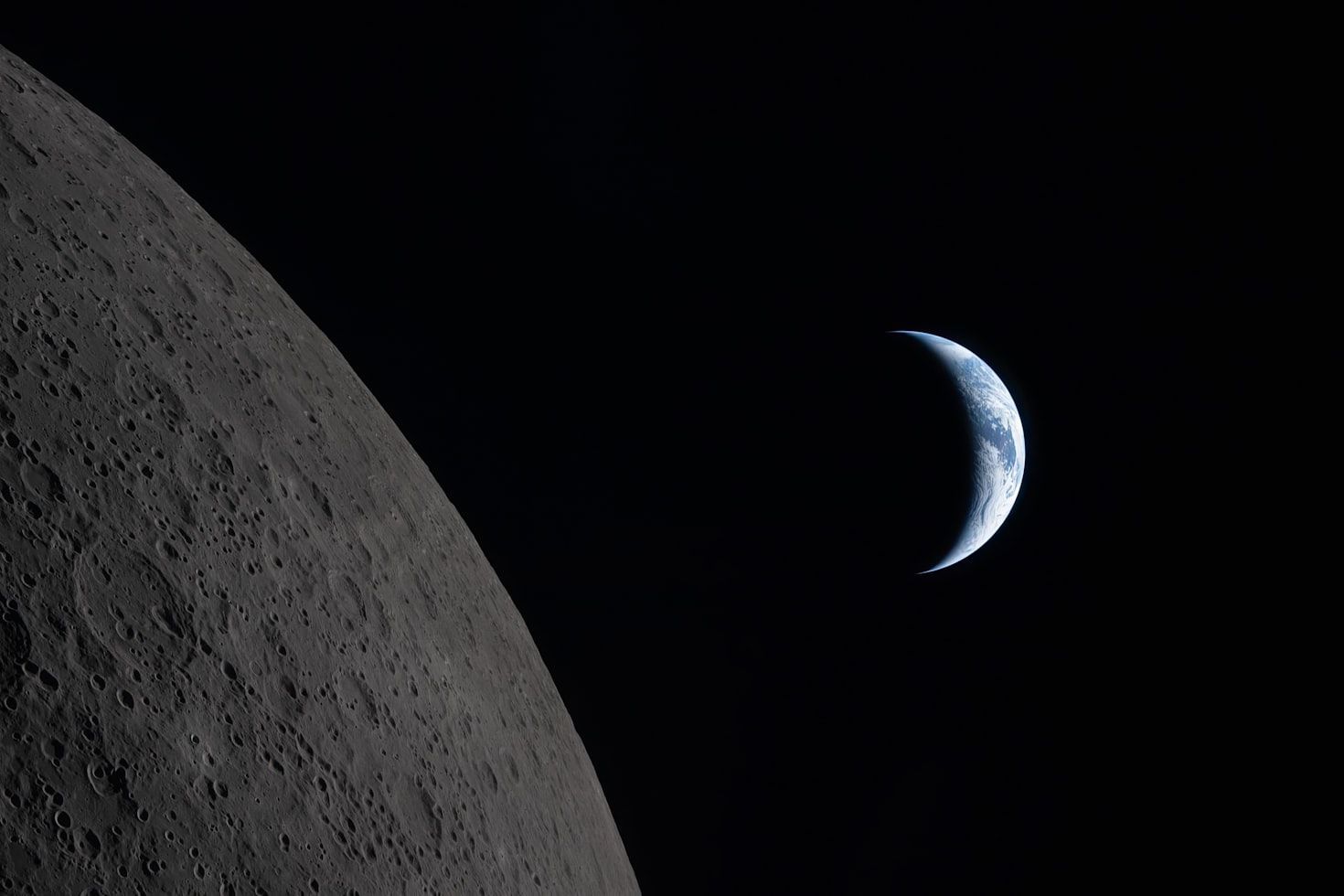
Image: NASA

As Orion turned its nose back toward home, the reality of reentry began to emerge. There’s probably no song in rock and roll history that captures the tension of high-stakes environments better than "Under Pressure" by Queen and David Bowie (1981). The song’s message of empathy and humanity in the face of immense stress is a fitting tribute to the international cooperation that made the Artemis program possible.

9
Flight Day 9: "Lonesome Drifter" by Charley Crockett
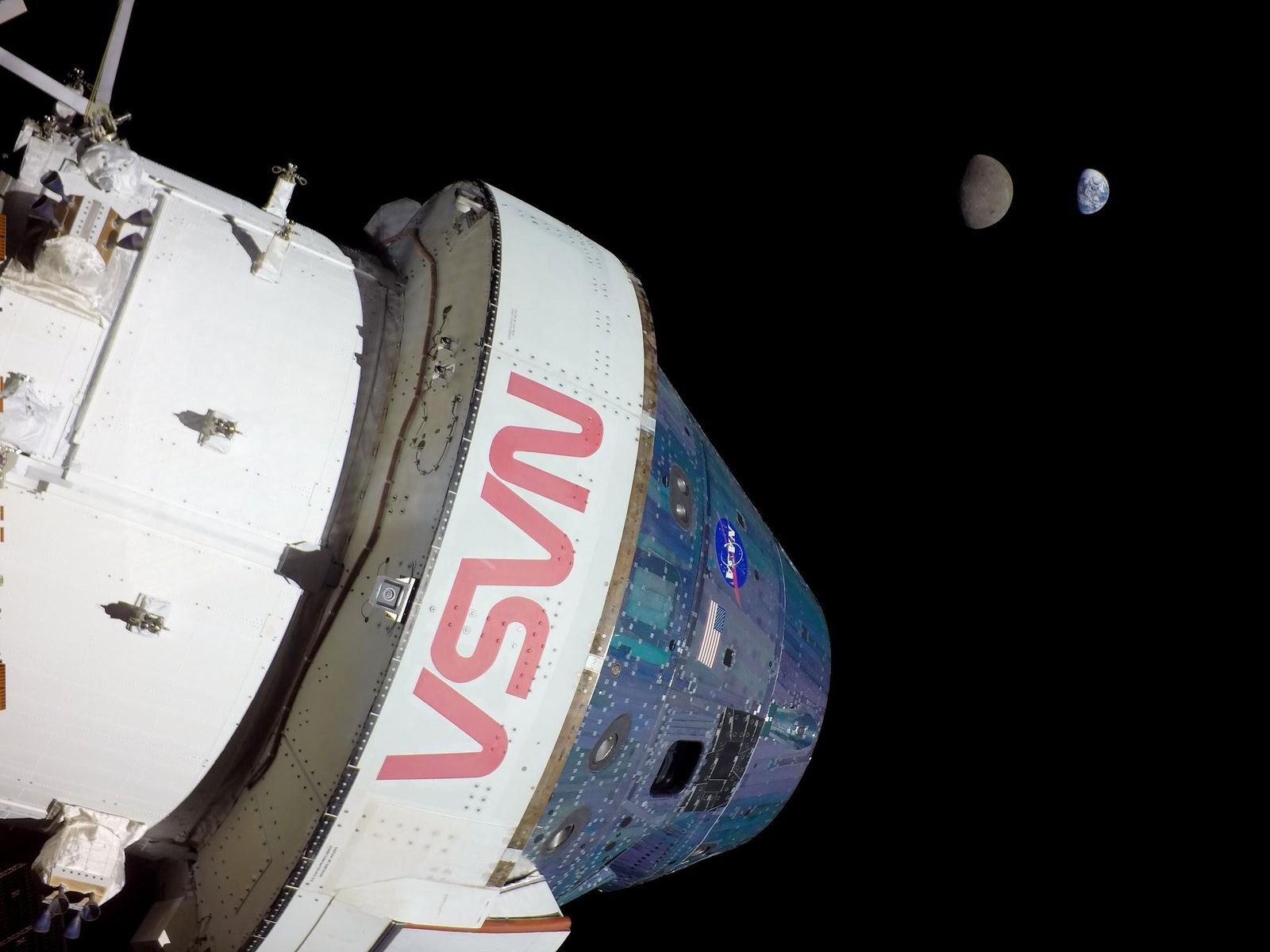
Image: Kevin M. Gill, CC BY 4.0, via Wikimedia Commons

The pen-ultimate day of the mission is often a reflective one. Looking back at the Moon while the Earth grows larger in the forward view creates a unique sense of isolation and belonging. Charley Crockett’s "Lonesome Drifter" (2025) provided the neo-country soul necessary for this moment. Crockett’s music often deals with wandering and the search for home. His deep, baritone voice echoing through the Orion cabin emphasized the lonely nature of the long trip back across the cosmos.

10
Flight Day 10: "Run to the Water" by Live

Image: NASA, Public domain, via Wikimedia Commons

The final wake-up call of the mission was a literal instruction. As Orion plummeted through the atmosphere at Mach 25, 2026, aiming for a precision splashdown in the Pacific Ocean, the 1999 hit "Run to the Water" by Live signaled the end of the journey. The song’s soaring chorus and themes of return and renewal coincided with the deployment of Orion’s eleven parachutes. After the capsules finally hit the water, the crew returned to their families, bringing a new era of lunar exploration back to Earth.
Culture Culture 6 min read

From real life to music

Bob Dylan wrote it to save his marriage: the real people behind 10 hits

Image: Featureflash Photo Agency

You’ve sung along to these songs, danced to them, and probably heard them hundreds of times. But do you know the real stories behind them? Some of the biggest hits ever were inspired by real people, real relationships, and real moments. There were secret romances, jealousy, heartbreak, and a few surprises that sound too strange to be true. Here are the real stories behind 10 famous songs.

1
"Jolene" by Dolly Parton

Image: Bart Sherkow

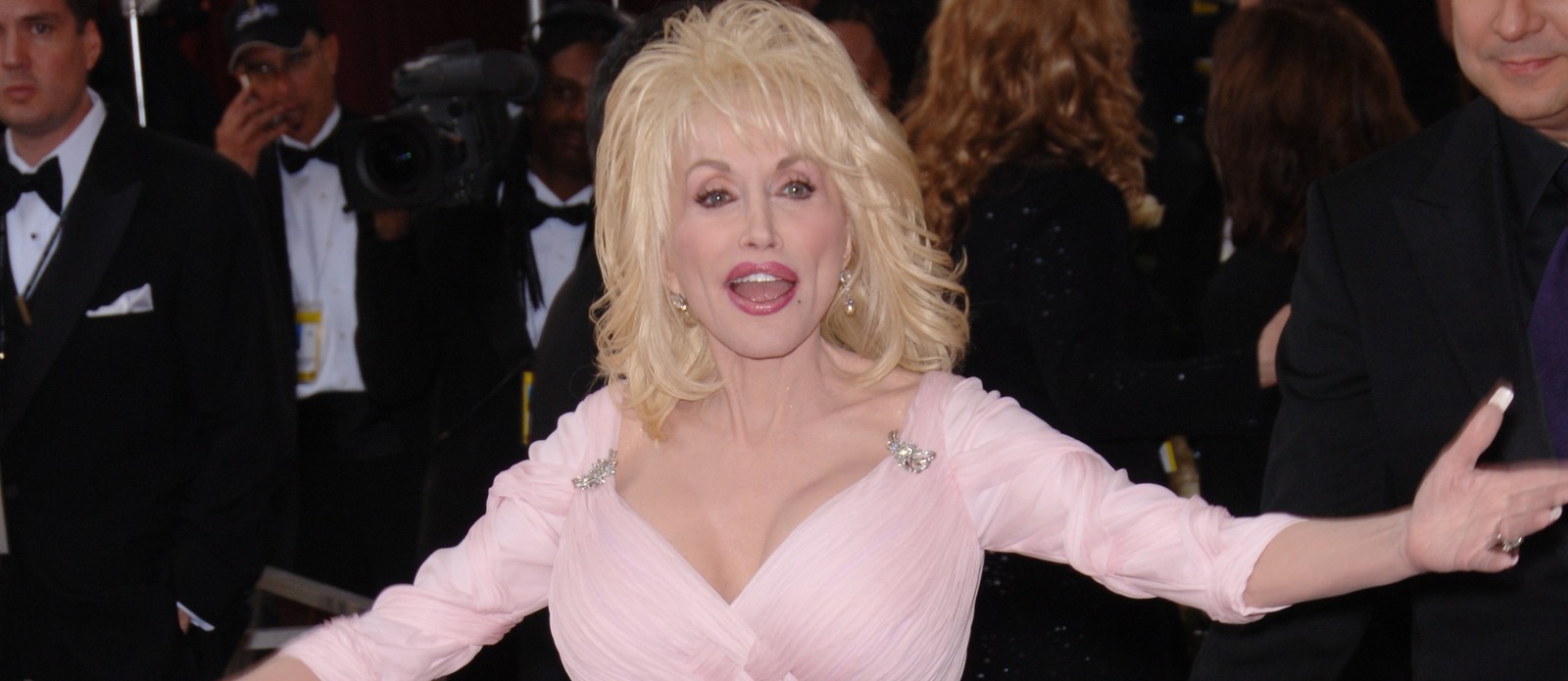
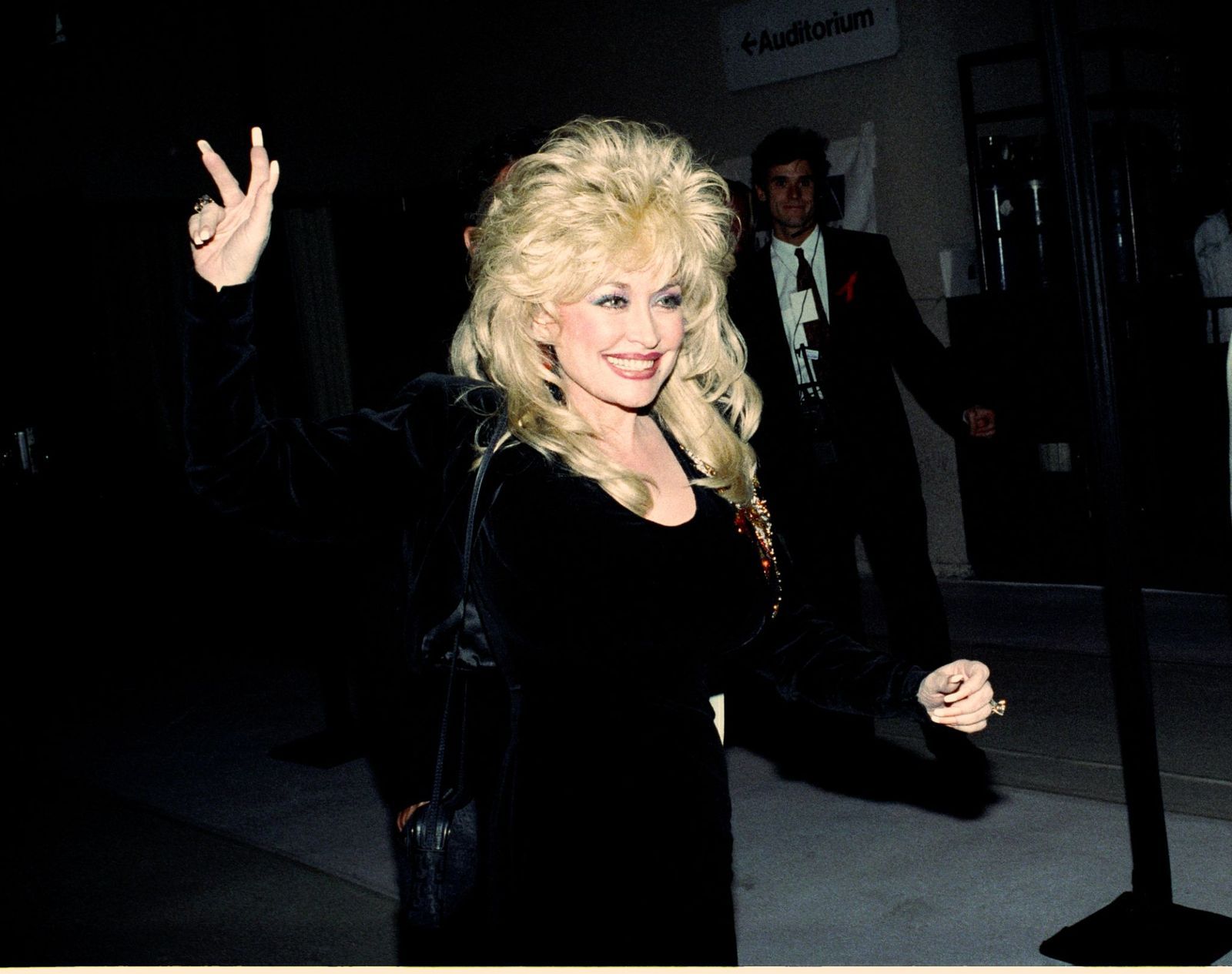
One of Dolly Parton’s most famous songs, 1973’s "Jolene," has resonated across generations because its story of jealousy feels so relatable. And it was inspired by a real experience in Dolly’s life.

As she recounted in interviews, the song was inspired by an attractive female bank teller who paid a little too much attention to her husband, Carl Dean. But while the jealousy was real, the woman wasn’t named Jolene. Dolly got that name from a young fan with beautiful red hair and green eyes who introduced herself to the singer after a concert.

2
"Sweet Caroline" by Neil Diamond

Image: Larry Bessel, Los Angeles Times, CC BY 4.0, via Wikimedia Commons

Neil Diamond wrote "Sweet Caroline" in 1969, drawing on his feelings for his wife at the time, Marcia Murphey. But if it was about her, why "Caroline"?

Diamond needed a three-syllable name for the lyrics, and he remembered a photo of First Daughter Caroline Kennedy with her horse that he had seen in LIFE magazine in 1962. Diamond kept the connection to JFK’s eldest secret for nearly 40 years until 2007, when he sang the hit for Caroline at her 50th birthday and finally told her the story. She was "struck by it and really, really happy," Diamond revealed.

3
"You're So Vain" by Carly Simon

Image: Arthur D'Amario III

When a relationship ends, the inspiration can show up in unexpected ways. For Carly Simon, it became one of her biggest hits: "You’re So Vain."

As Simon herself confirmed, most of the lyrics were inspired by actor Warren Beatty, with whom she had a brief but intense relationship in the early 1970s that ended after he cheated on her. But Beatty wasn’t the only "vain" one. Although she didn’t confirm it, there’s speculation that other famous men from her past, including Mick Jagger and Jack Nicholson, also inspired parts of the song.

4
"I Will Always Love You" by Dolly Parton

Image: Moeller Talent, Inc. Nashville (management), Public domain, via Wikimedia Commons

Despite what many assume, "I Will Always Love You" wasn’t written about a romantic breakup. Dolly wrote it as a professional farewell .

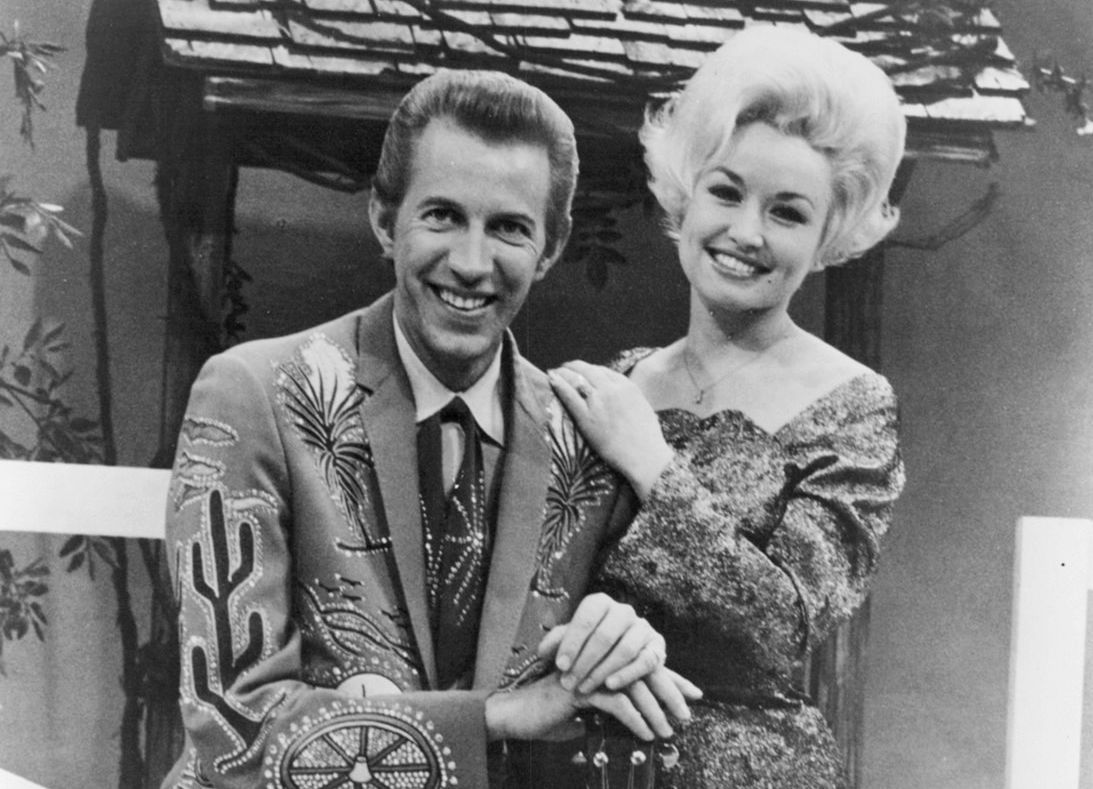
After more than seven years working with her mentor and longtime duet partner, Porter Wagoner, on The Porter Wagoner Show , Dolly felt it was time to pursue a solo career. But the decision wasn’t easy, and Wagoner was reluctant to let her go. When ordinary conversations weren’t working between them, Dolly did what she knew best: she put her feelings into a song. She brought her guitar to his office, sat him down, and played it for him. Wagoner was moved to tears, called it the prettiest song he had ever heard, and finally agreed to let her leave the show.

5
"American Pie" by Don McLean

Image: Aija Lehtonen

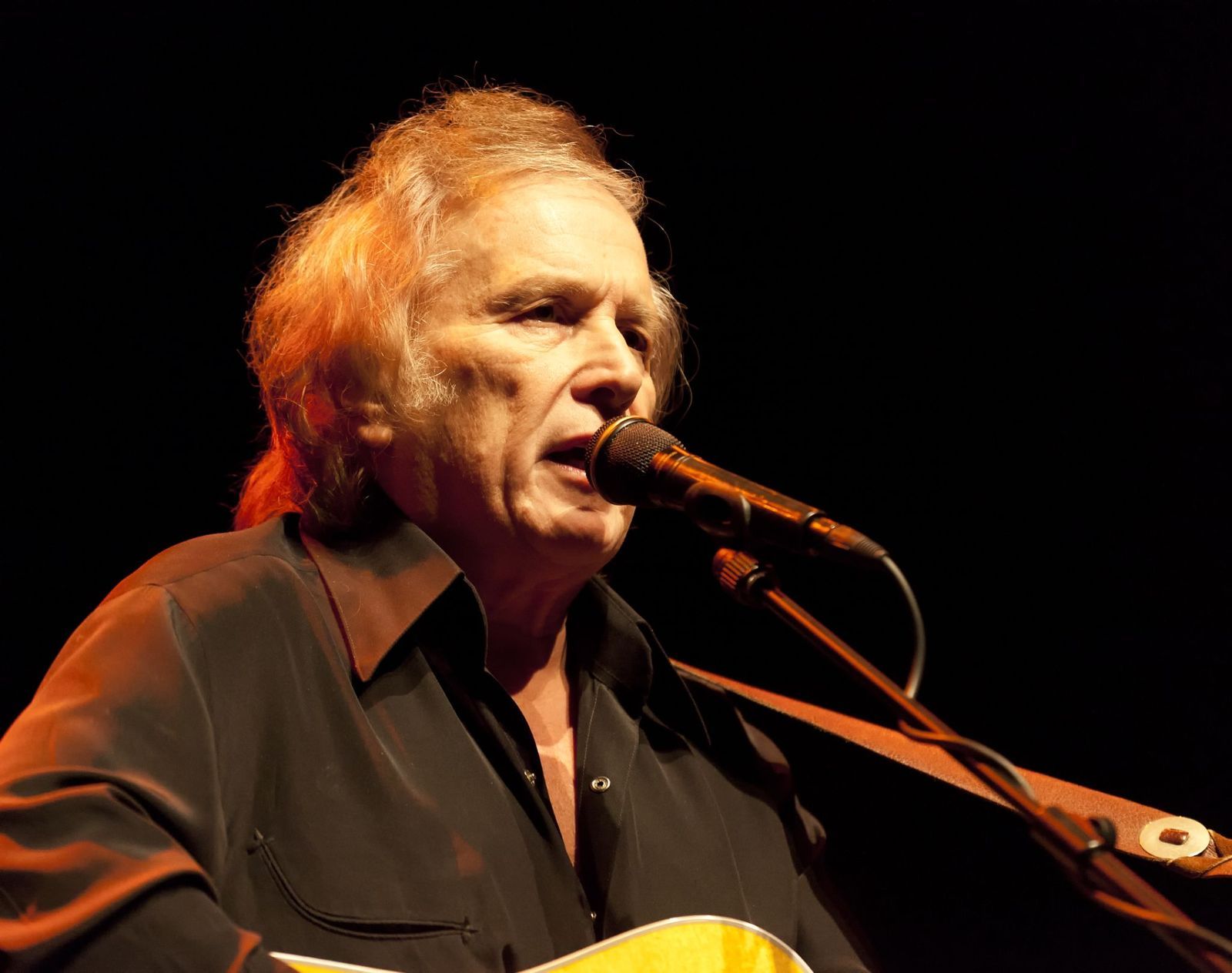
A song can be a farewell, a declaration of love, or a tribute born of admiration. That was the case when Don McLean wrote the beautiful yet haunting "American Pie" in 1971.

This epic folk-rock song became a memorial to "the day the music died," the tragic plane crash on February 3, 1959, that took the lives of rockers Buddy Holly, Ritchie Valens, and J.P. Richardson . McLean was just 13 at the time, but he later said the tragedy had a profound impact on him. The song didn’t come together all at once, either; he wrote it in stages over several years.

6
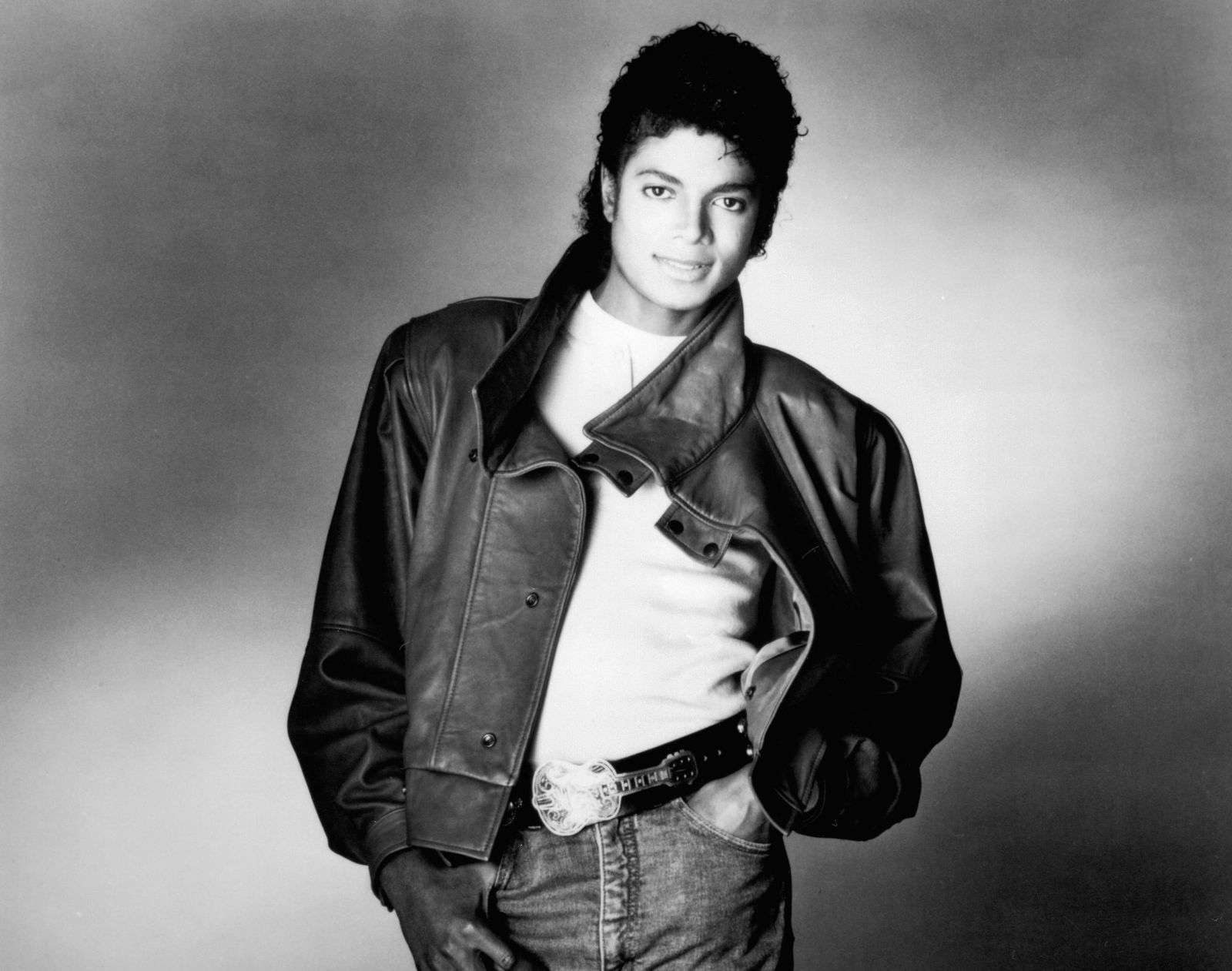
"Billie Jean" by Michael Jackson

Image: Matthew Rolston; Distributed by Epic Records, Public domain, via Wikimedia Commons

In his 1988 autobiography Moonwalk , Jackson explained that his classic "Billie Jean" was inspired partly by experiences involving women who approached his older brothers while the Jackson 5 were touring.

However, the event that really shaped the song happened in 1981, when Jackson received thousands of messages from a woman who claimed he was the father of her children. The unsettling situation stayed with him and eventually became part of the inspiration for one of his biggest hits.

7
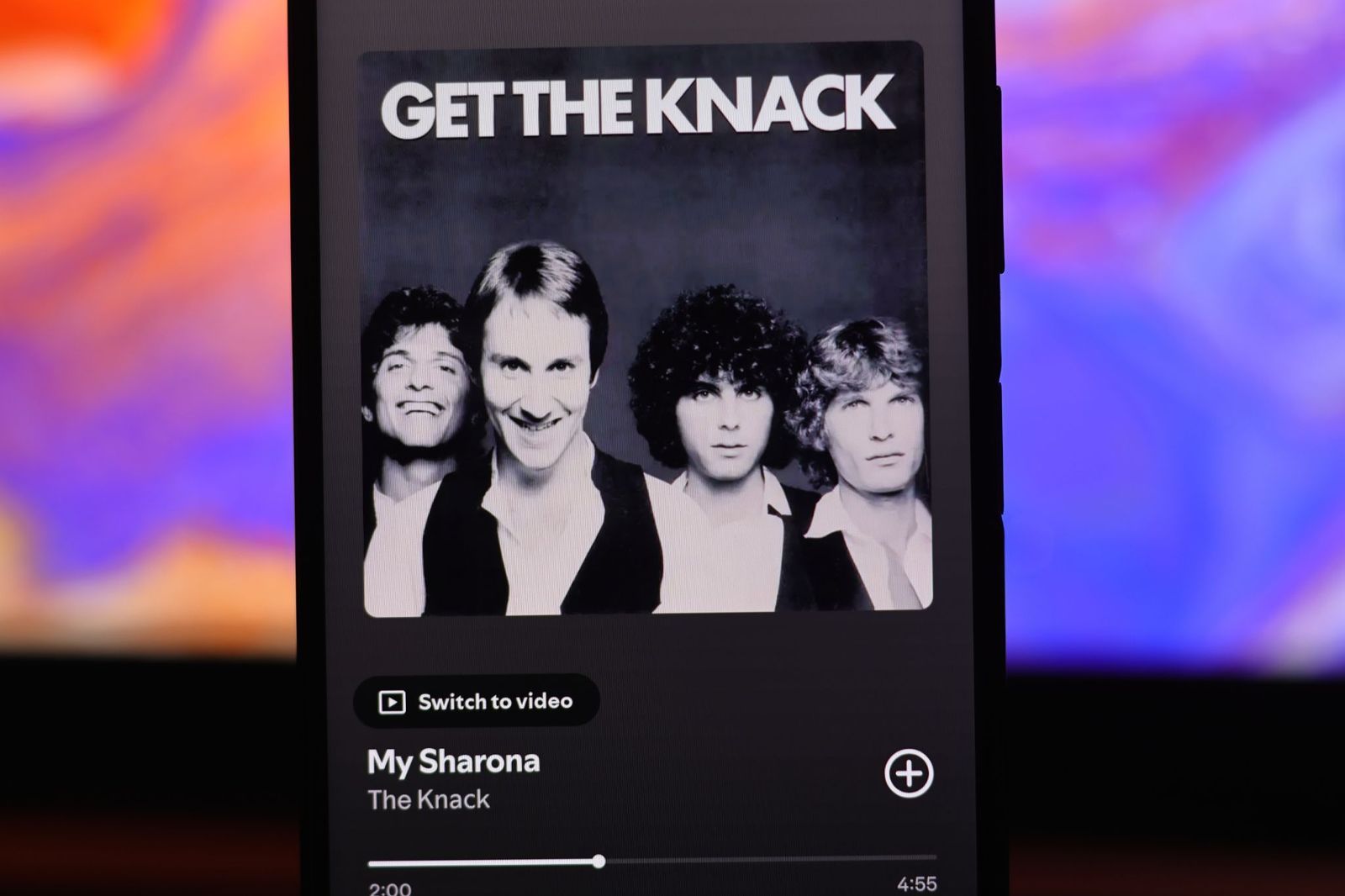
"My Sharona" by The Knack

Image: McSleepy

Have you ever wondered who "Sharona" was in The Knack’s famous hit? The answer comes from a real story involving the band’s lead singer, Doug Fieger.

In 1978, Fieger met Sharona Alperin, a clothing store clerk in Los Angeles. He was instantly attracted to her, and after breaking up with his then-girlfriend, he spent several months trying to win Sharona over before she finally agreed to a date. Their romance lasted from 1979 to 1982, and inspired one of the most danceable hits of the 20th century. Even after they broke up, Sharona and Doug remained close friends until he passed in 2010.

8
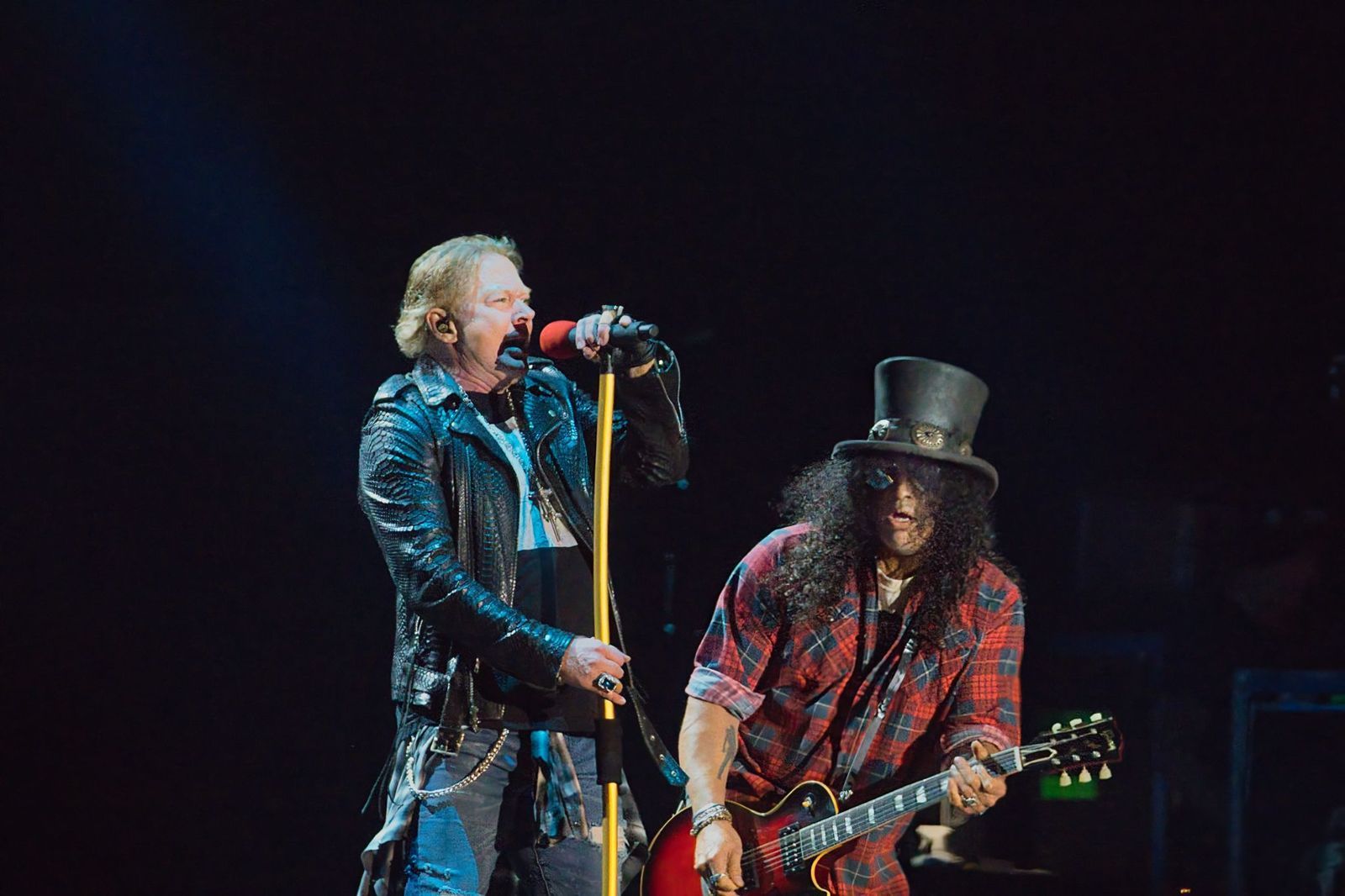
"Sweet Child O' Mine" by Guns N' Roses

Image: L Paul Mann

In 1986, Axl Rose was dating model Erin Everly, daughter of Don Everly of The Everly Brothers. He was so in love that he wrote her a love poem in just a few hours, without knowing it would eventually become one of his most famous songs.

That same year, at the band’s shared house, guitarist Slash was playing around with some chords when he came up with an interesting riff. Izzy Stradlin joined in, and when Rose heard the melody from upstairs, he brought down the poem he had written for Everly and adapted the lyrics to fit the music, resulting in the iconic "Sweet Child o’ Mine." Rose and Everly eventually married in 1990, but the marriage ended soon afterward.

9
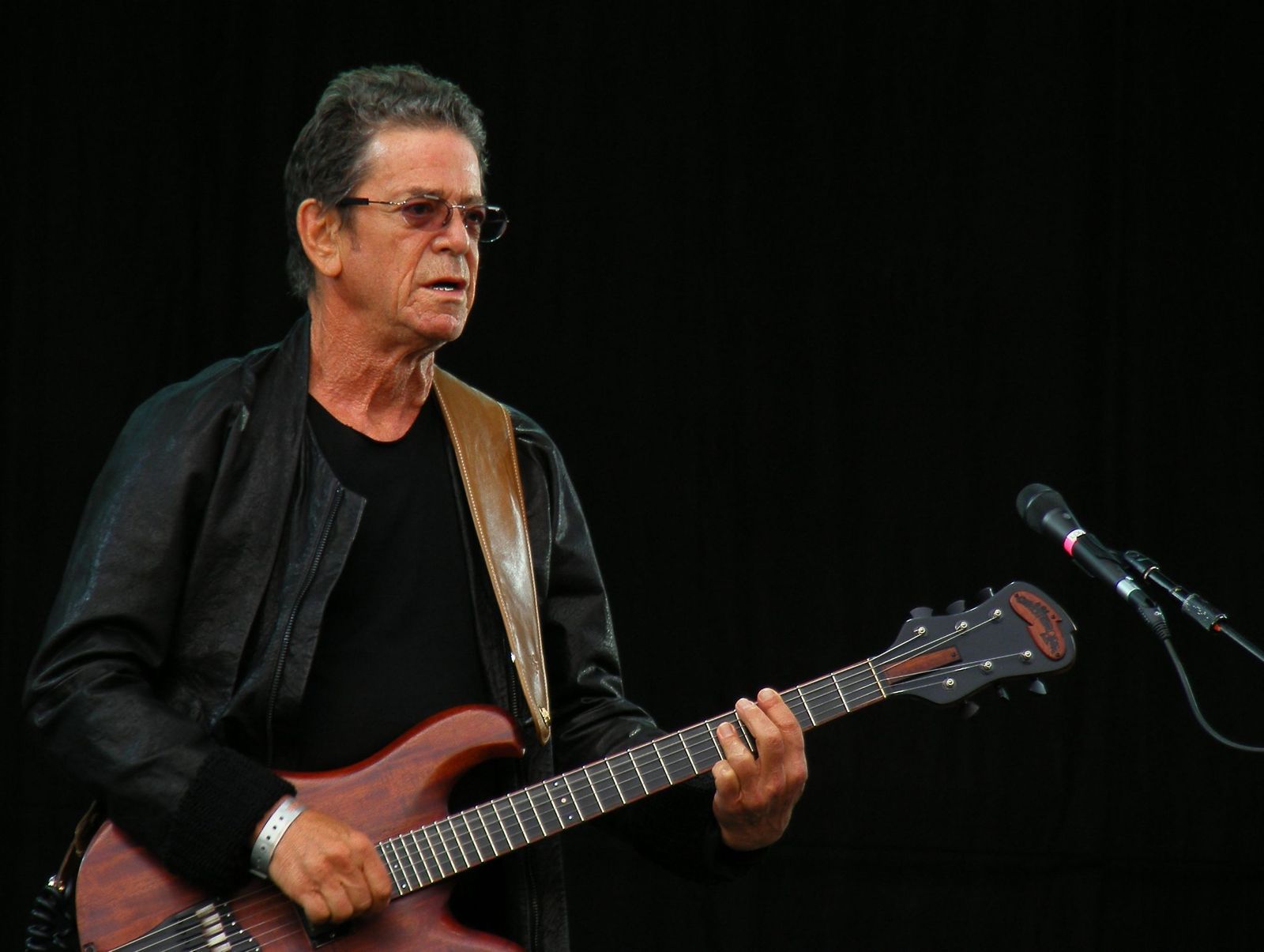
"Walk On the Wild Side" by Lou Reed

Image: Man Alive!, CC BY 2.0, via Wikimedia Commons

Music crossed paths with other forms of art when Lou Reed wrote his 1972 classic "Walk on the Wild Side".

The song is essentially a series of portraits of real people from Andy Warhol’s circle at The Factory, his famous New York City studio and collective. In the song, "Holly" is a reference to Holly Woodlawn, a transgender actress who appeared in Warhol’s underground films such as Trash (1970). "Candy" was Candy Darling, another prominent actress who starred in Flesh (1968) and Women in Revolt (1971). "Little Joe" referred to Joe Dallesandro, the actor and model who became one of Warhol’s male muses. Other figures from the era’s counterculture are also in the song, bringing a very specific art scene of 1970s New York to a much wider audience.

10
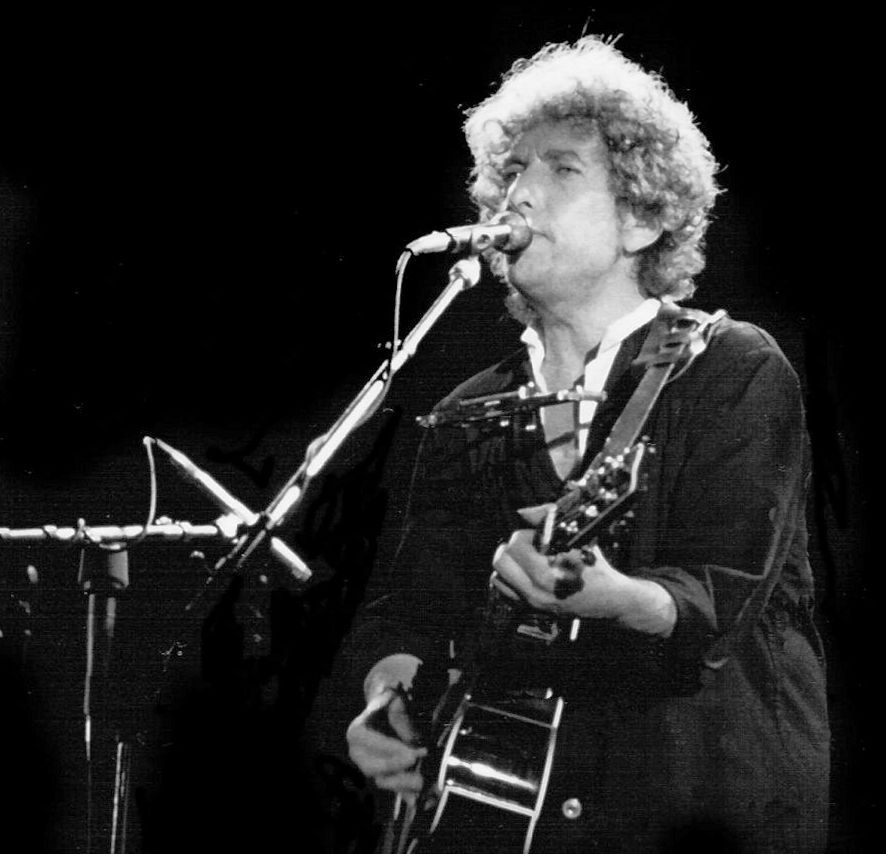
"Sara" by Bob Dylan

Image: Stoned59, CC BY 2.0, via Wikimedia Commons

In 1975, Bob Dylan was in the middle of a creative rush, writing and recording his album Desire . But while his career was going well, his marriage to Sara Lownds was falling apart. So he decided to write a love song for his wife.

"Sara," a heartfelt and personal song, was recorded in 1975 with Sara in the studio, and it became the raw, emotional closing track on the album. It helped spark a brief reconciliation, and Sara even joined Dylan on his subsequent Rolling Thunder Revue tour. However, the marriage ultimately ended in divorce in 1977.

General General 6 min read

Behind closed doors

Why couldn't Lucy say one little word on TV? Here's the surprising truth

Image: PICTOR PICTURES

I Love Lucy made America laugh , but some of its most surprising stories happened behind the scenes. Did you know CBS banned a common word from the show, two of its stars reportedly couldn't stand each other in real life, and Lucy’s fictional baby arrived on the same day as Lucille Ball’s real-life son? These little-known secrets reveal a whole new side of our beloved TV classic.

1
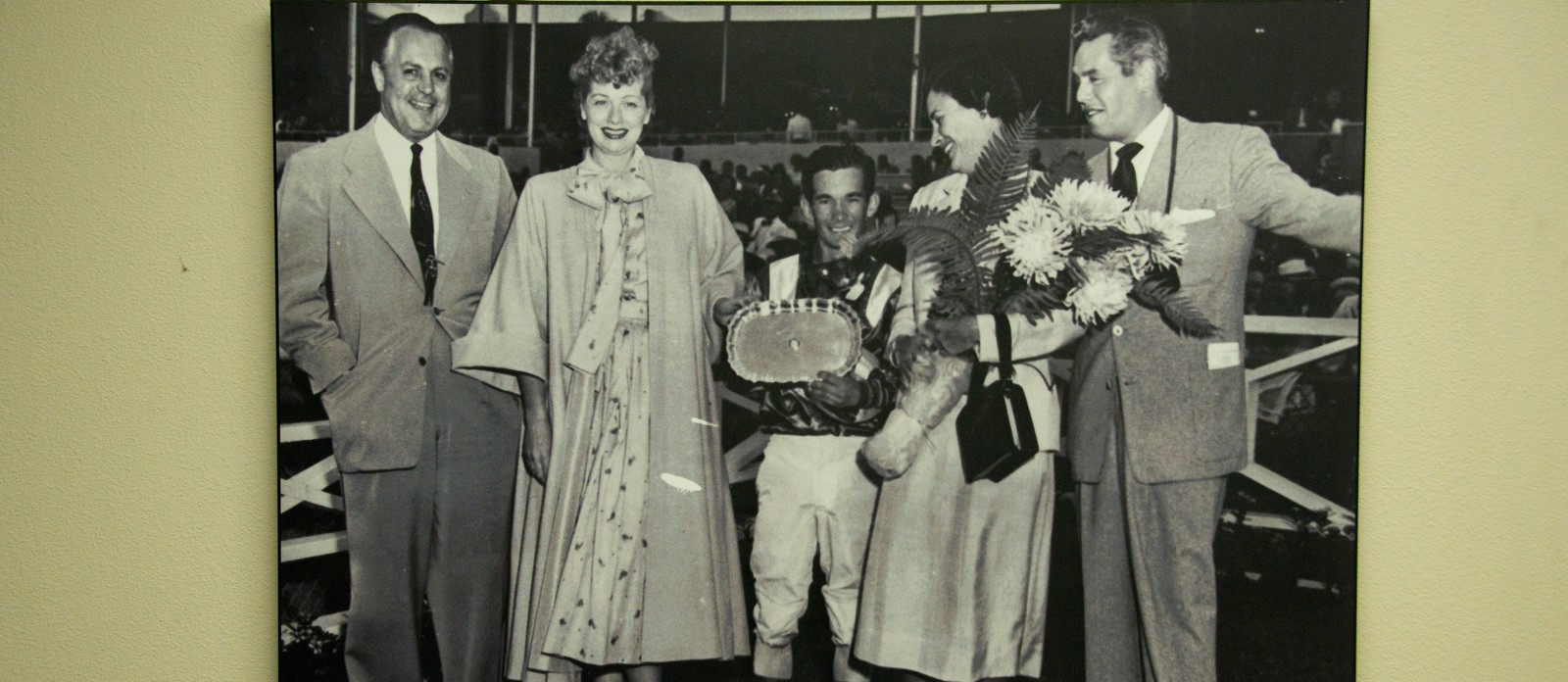
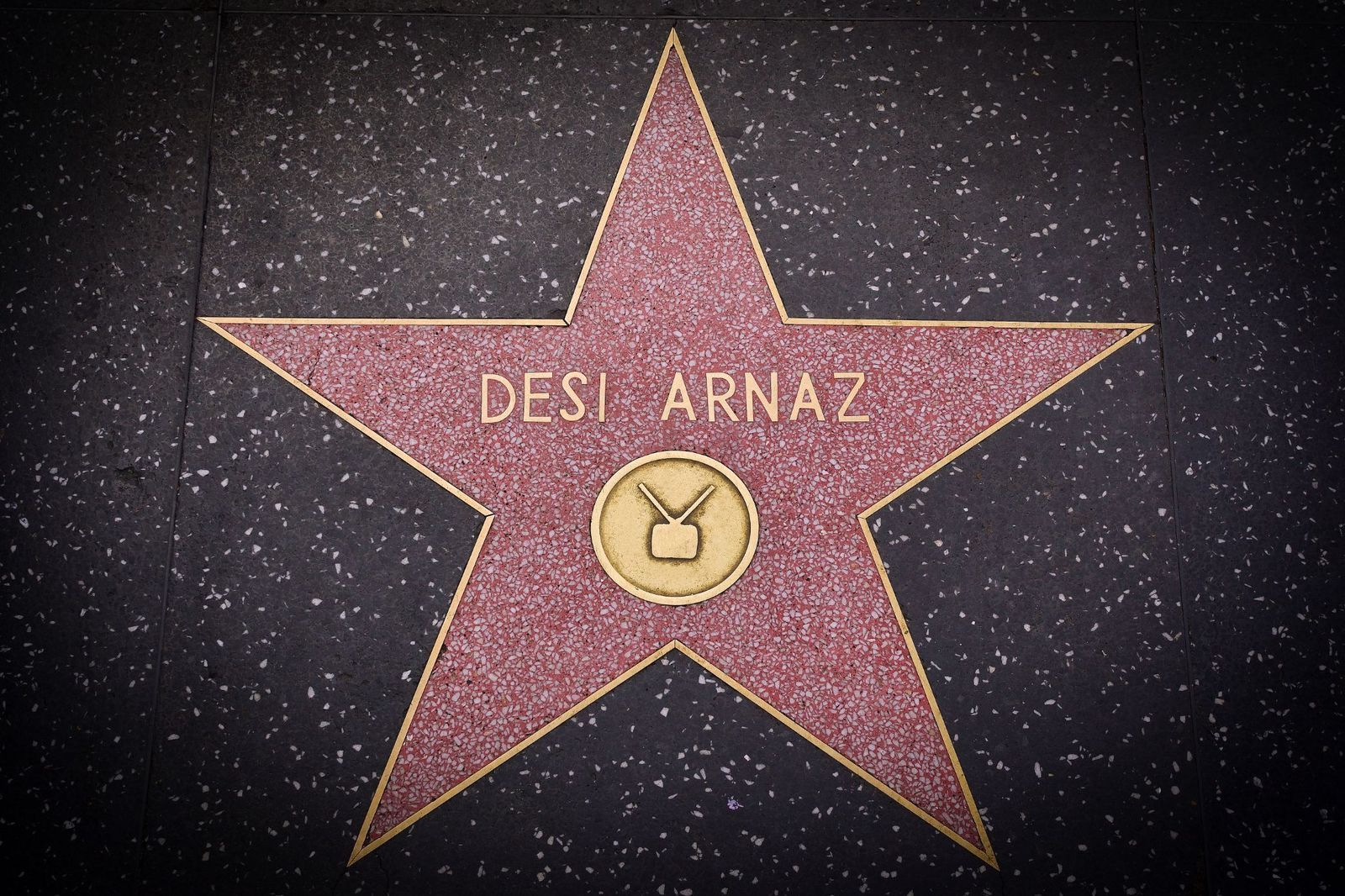
Network executives thought Desi Arnaz was "too foreign" for TV

Image: Elliott Cowand Jr

Network executives initially hesitated to cast Desi Arnaz as Ricky Ricardo, Lucille Ball’s husband on I Love Lucy (which aired on CBS from 1951 to 1957) because they doubted that viewers would accept an American woman and a Cuban man as a believable suburban pair.

To prove the concept worked, Ball and Arnaz took a live vaudeville act on the road in 1951, receiving overwhelmingly positive feedback from audiences. The public's reaction helped persuade CBS to give the show a chance with Arnaz in the starring role. And as we all know, the couple was married in real life too and eventually had two children: Lucie, born in 1951, and Desi Jr., born in 1953. It doesn’t get more "real" than that.

2
The word "pregnant" was strictly forbidden on air

Image: SNeG17

On the show, CBS banned the word "pregnant" in 1952, considering it too explicit for family living rooms . Writers therefore relied on euphemisms such as "expecting," "with child," or "having a baby."

When Lucille Ball became pregnant with her second child in 1952, Desi Arnaz pushed for her pregnancy to be written into the show's storyline, despite initial resistance from CBS and its sponsors. The resulting plot became a landmark moment in television history: although the show could portray Lucy expecting a baby, its writers still couldn't use the forbidden word. That’s why the episode in which she breaks the news to Ricky was titled "Lucy Is Enceinte," using the French word for pregnant.

3
More people watched Lucy give birth than the president’s inauguration

Image: neftali

On January 19, 1953, the episode "Lucy Goes to the Hospital", in which she gives birth to Little Ricky, drew an estimated 44 million viewers (about 72% of U.S. television households). In an extraordinary coincidence, Ball gave birth to her real-life son, Desi Arnaz Jr., by scheduled cesarean section on the same day.

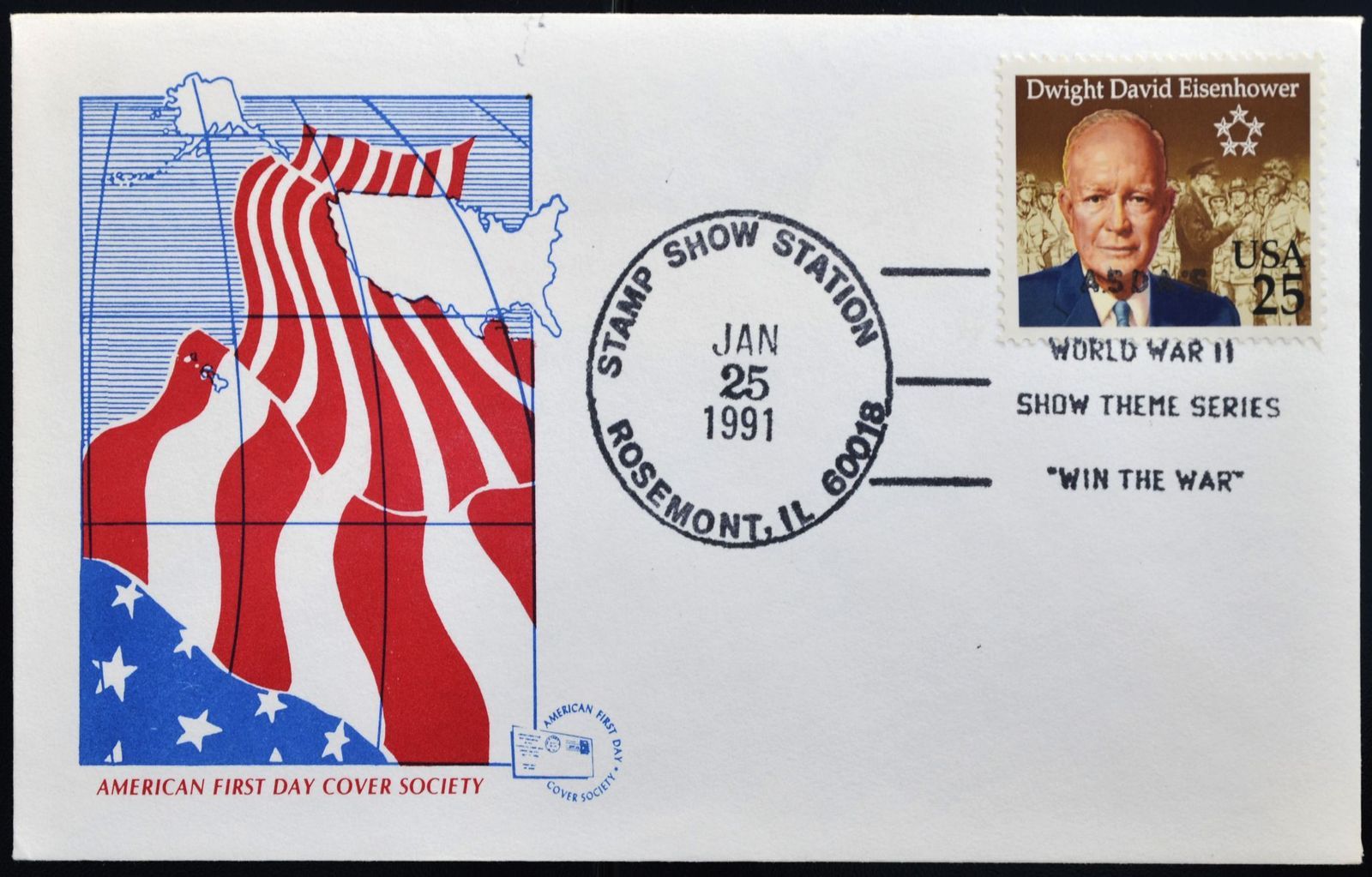
The next day, President Dwight D. Eisenhower’s inaugural address drew an estimated 29 million viewers. That means the episode attracted roughly 15 million more viewers than the president's address, according to the commonly cited estimates.

4
The candy factory episode had a real-life expert in it

Image: catwalker

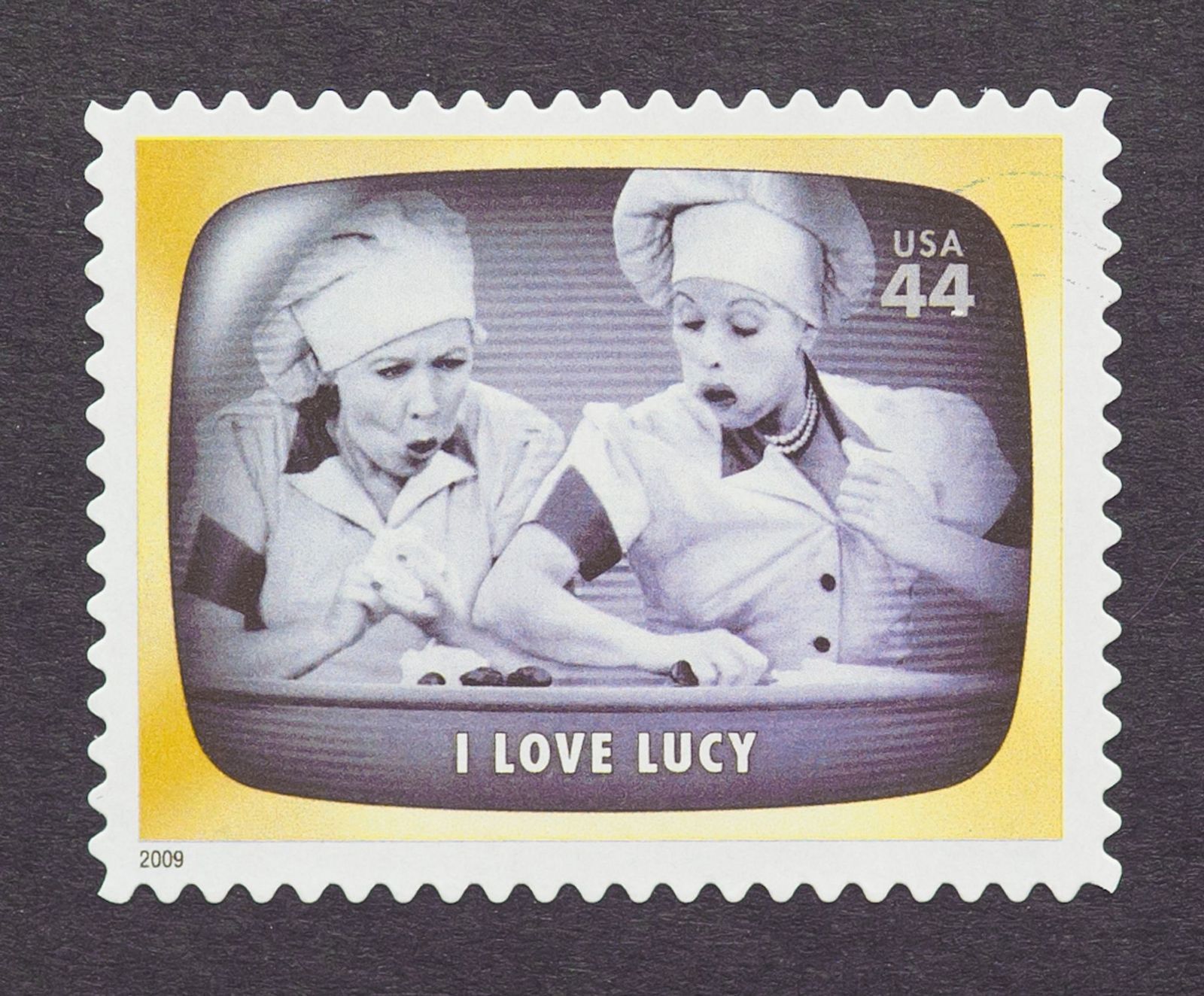
In the beloved "Job Switching" episode, the Season 2 premiere which aired on September 15, 1952, Lucy and Ethel (Vivian Vance) take jobs at Kramer’s Kandy Kitchen to prove to their husbands, Ricky and Fred (William Frawley), that they can handle the demands of working outside the home.

Assigned to wrap and dip chocolates on an assembly line, the pair fall hopelessly behind as the conveyor belt speeds up. Desperate to avoid letting any unwrapped candy pass by, they begin stuffing chocolates into their mouths, hats, and blouses. The resulting chaos became one of television's most beloved comedy scenes. But here's a fun backstage detail: to prepare for the sequence, Ball and Vance spent half a day learning to dip chocolates and work on the production line at a real See's Candies location in Los Angeles. Even more interesting, the woman working alongside Lucy in the scene was an actual See's Candies candy maker, Hazel Pierce .

5
Fred and Ethel viscerally despised each other in real life

Image: Runawayphill

Playing married couple Fred and Ethel onscreen, Frawley and Vance clashed throughout the show's six-season run. Vance was 42 and Frawley was 64 when the show started. She reportedly resented being cast opposite a man 22 years older and famously complained: "How will anyone believe I’m married to that old man?" Frawley overheard her complaints and was reportedly offended. He later made this pointed remark about Vance, "She's one of the finest girls to come out of Kansas, but I often wish she'd go back there."

Despite their bitter off-screen feud, both remained professional on set and delivered the comedic chemistry that made Fred and Ethel such a memorable couple. Vance later reportedly turned down a lucrative spin-off featuring the pair, along with a $50,000 bonus, because she didn't want to work with Frawley again.

6
Desi Arnaz’s deal that changed TV reruns forever

Image: ltdedigos

Desi Arnaz’s production decisions helped establish reruns as a profitable part of the industry. He insisted that I Love Lucy be filmed rather than broadcast live, helping shape the modern sitcom format. In the early 1950s, television shows were preserved only as low-quality kinescopes, recordings made by filming television screens.

Ball and Arnaz wanted high-quality recordings, so they were shot on 35mm film using a three-camera setup in front of a live studio audience. As part of their landmark deal with CBS, their production company, Desilu Productions, retained ownership of the film negatives, allowing the episodes to be rebroadcast. By 1955, I Love Lucy had become the first television series to be broadcast as reruns , helping pave the way for modern syndication.

7
Ricky Ricardo was almost named "Larry Lopez"

Image: MAFPHOTOART8

During the development of I Love Lucy, Ricky Ricardo was initially called Larry Lopez, but the name was changed for two main reasons.

First, the producers wanted to avoid confusion with Vincent Lopez, a well-known bandleader of the era. Second, they reportedly preferred the sound of "Lucy and Ricky" to "Lucy and Larry," since it sounded overly alliterative.

8
Lucy was not a natural redhead

Image: Pixel-Shot

Lucille Ball wasn't a natural redhead. Instead, she was a brunette who kept her brown hair during her early career, and also experimented with blonde shades before adopting the fiery red look that became her trademark.

Around 1943, she famously went red for her role in the Technicolor musical Du Barry Was a Lady. MGM hairstylist Sydney Guilaroff helped create the look , which Ball later maintained with a custom blend of henna and dye. Ultimately, her signature color was a carefully crafted Hollywood style, not her natural shade. And it worked.

9
Desi Arnaz used cushions to appear taller than Lucy

Image: Katerina Maksymenko

Desi Arnaz reportedly wore Cuban heels or other elevated footwear to help him appear taller alongside Lucille Ball. Although he stood around 5 feet 9 inches tall and Ball about 5 feet 7 inches in her stocking feet, her high heels could make her look taller than him.

The production team reportedly used another trick when the couple sat down : specially arranged cushions on the Ricardos’ couch and chairs helped maintain the desired height difference on screen and made it easier for Arnaz to stand up.

10
Lucy’s mother left her mark on the show’s soundtrack

Image: gurezende

Lucille Ball's mother, DeDe Ball, was a devoted supporter who reportedly attended the filming of almost every episode. Whenever her daughter landed in a comically awkward situation, DeDe would let out a distinctive "Uh-oh!" from her seat in the studio audience.

Sound engineer Glen Glenn reportedly liked the exclamation so much that he recorded it and incorporated it into the show's laughter track . Because the same recording was reused, DeDe's distinctive voice became part of the show's familiar soundtrack. The story even suggests that her "Uh-oh!" may have made its way into the soundtracks of other classic sitcoms over the years.

Explore more American facts

Choose your favorite category!

General
General

As American as apple pie—the very best America has to offer!

Culture
Culture

Delve into the astounding richness of American lore.

Geography
Geography

Hop in and explore vast and diverse American landscapes.

History
History

Discover the key moments that shaped the United States.