General General 7 min read

What time has left behind

What happened to these 10 abandoned amusement parks? The true story

Image: Erik Jorgensen from Morrison, USA, CC BY 2.0, via Wikimedia Commons

You may remember visiting some of these places as a little kid, or seeing some of them in postcards, magazines, or old news clips. But have you ever wondered what became of them? Once-popular stops on family road trips, they now look very different. And while they may no longer be open for business, many still stand and can still be seen today. From Cypress Gardens in Winter Haven, Florida, to Six Flags in New Orleans, here are 10 abandoned US attractions and the surprising reasons they closed their doors.

1
Cypress Gardens (Winter Haven, Florida)
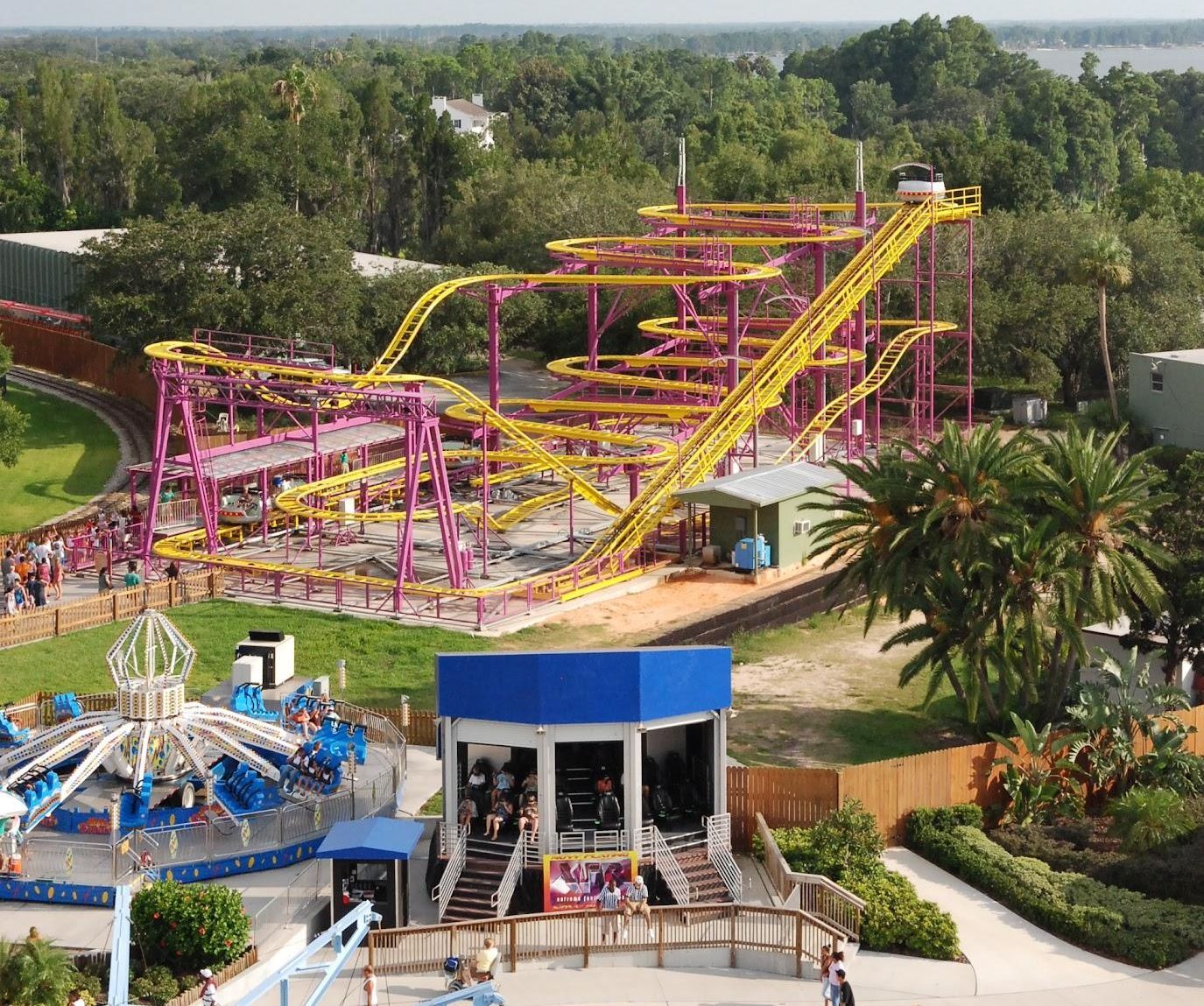
Long before the Disney parks arrived in Florida, another attraction was the most popular, drawing visitors from across the country.

It was Cypress Gardens in Winter Haven, Florida, which opened in 1936 as a botanical garden showcasing the state’s natural beauty. Over time, it became even better known for its water ski shows, something many Americans still remember from family trips in the 60s and 70s. But by the late 70s, things began to shift. The rise of the Disney parks changed tourism expectations, and Cypress Gardens slowly lost its spotlight, ultimately closing in September 2009. But it's not all bad news; parts of the original gardens still survive today, preserved inside LEGOLAND Florida.

2
New York State Pavilion (New York)
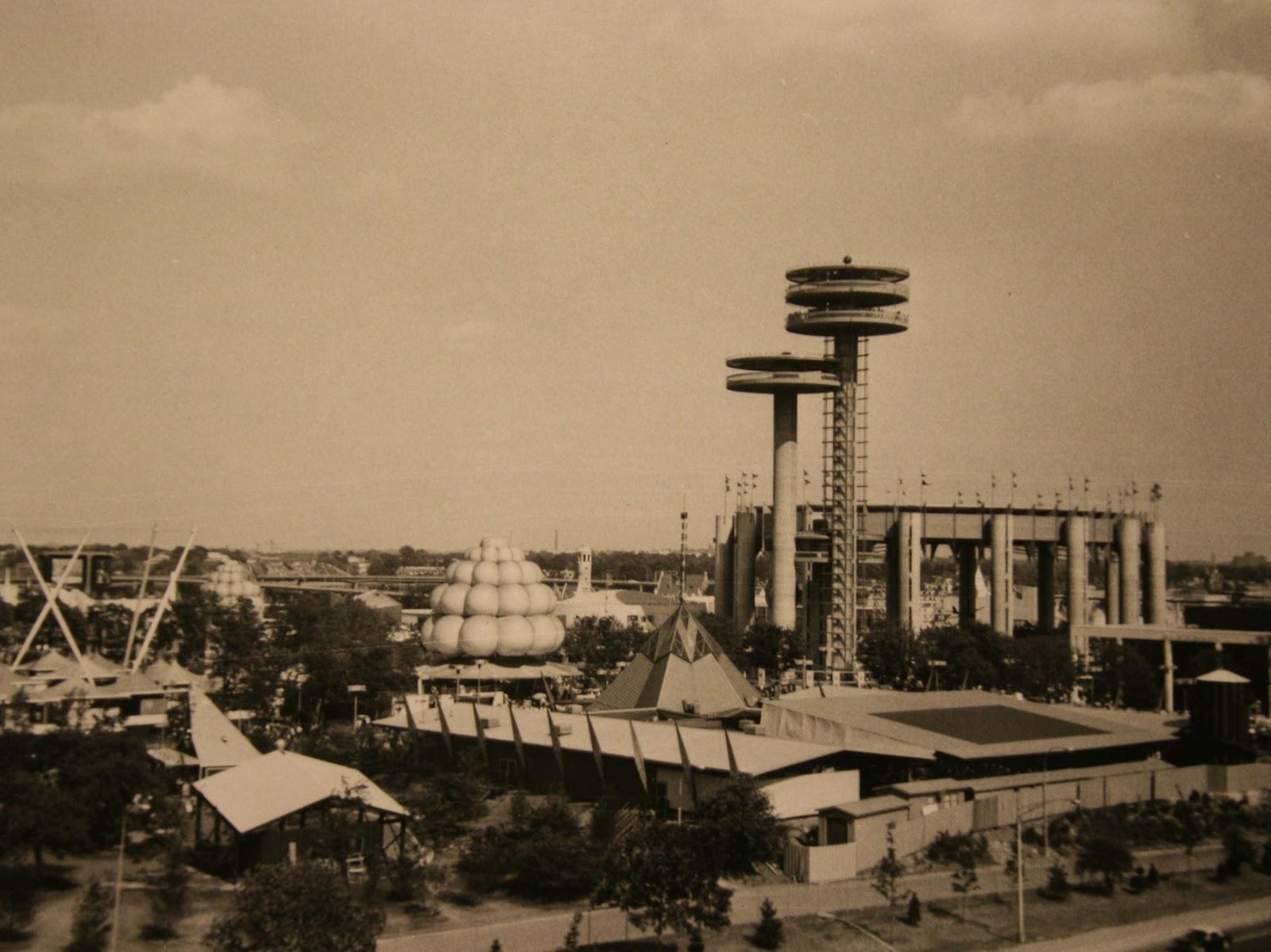
Image: Gary Lee Todd, Ph.D., CC0, via Wikimedia Commons

At the 1964 New York World’s Fair in Queens, the United States unveiled a brave vision of the future: the New York State Pavilion.

With its "Tent of Tomorrow," three towering observation structures, and a giant map of New York on the ground, it drew crowds throughout 1964 with exhibitions, shows, and concerts. But when the fair closed in 1965, the future it represented started to fade. Without a long-term plan or funding, the pavilion declined, and by 1974**,** it was permanently closed due to structural issues. Today, its rusted towers still stand over Queens, NYC, alongside the empty concrete frame. However, restoration efforts have recently begun, hinting at a possible second life for this future that never was.

3
Six Flags New Orleans (New Orleans, Louisiana)
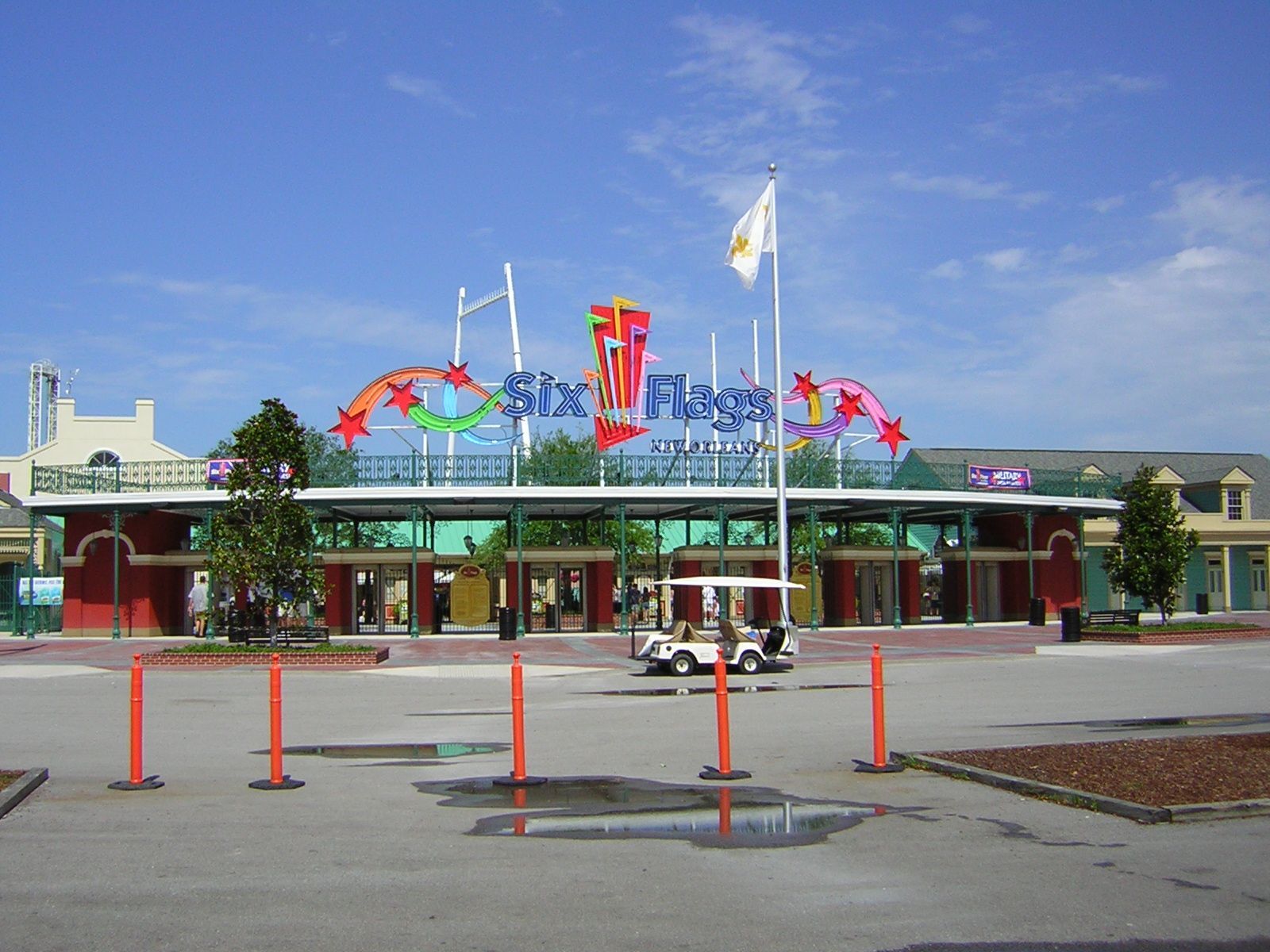
In the early 2000s, it was one of the most popular amusement parks in the region, but soon after, it was left underwater and abandoned.

We’re talking about Six Flags New Orleans, which opened in May 2000 as Jazzland Theme Park. In 2002, Six Flags took over, rebranding it and improving its roller coasters, rides, and water attractions. Its downfall wasn’t due to lack of visitors or investment; it was something far more powerful: in 2005, Hurricane Katrina flooded the park , causing irreversible damage, so it never reopened. Today, it still stands abandoned, with rusting rides and empty streets that are now a reminder of the storm. But it still gets some use: today, the now-haunting site has been transformed into a frequent filming location for movies, including Jurassic World (2015) and Dawn of the Planet of the Apes (2014).

4
Palisades Amusement Park (Bergen County, New Jersey)
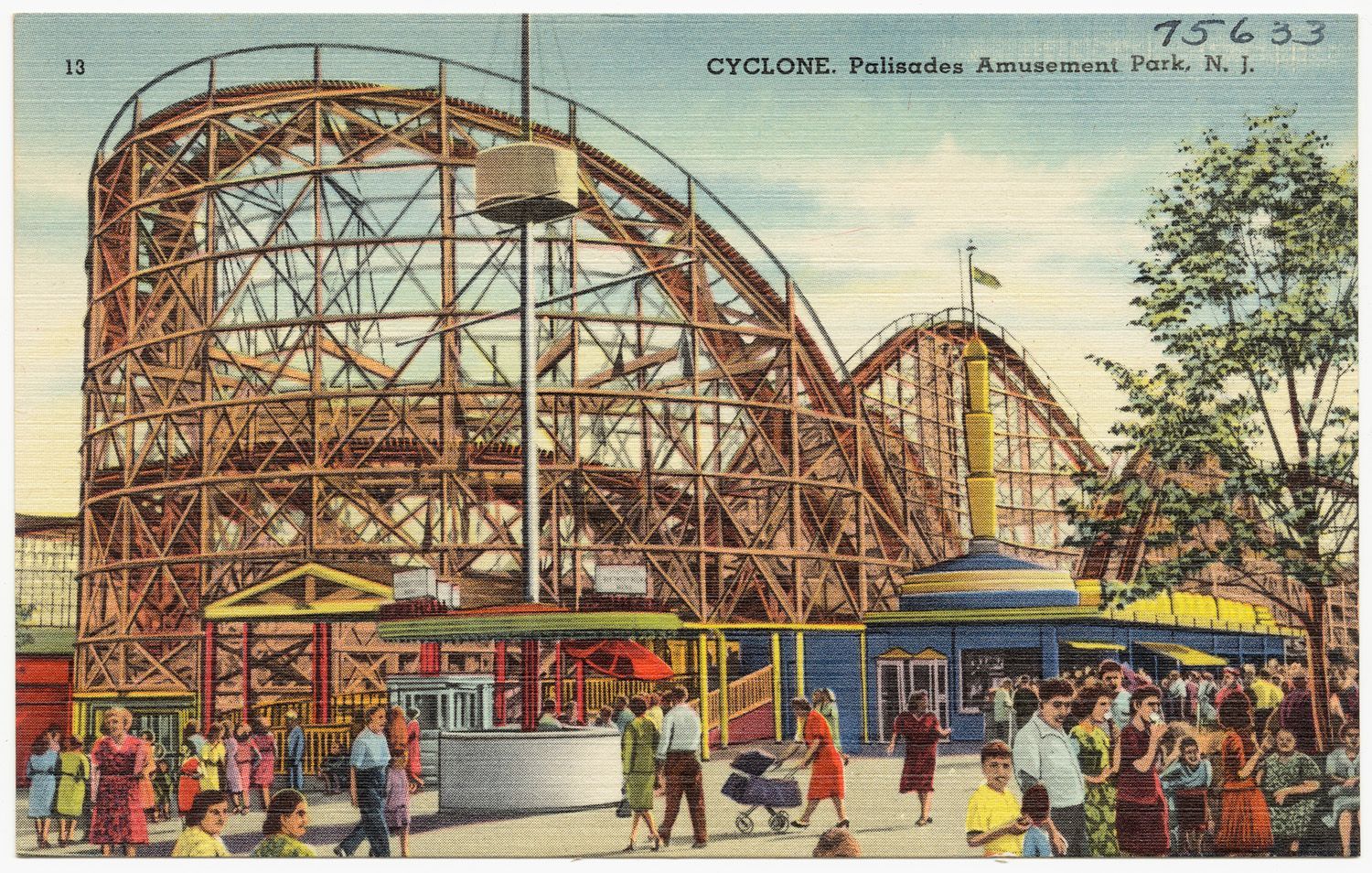
Image: Boston Public Library, CC BY 2.0, via Wikimedia Commons

For decades, especially between 1950 and 1970, it was a classic summer destination for families, but today, it’s completely gone.

Palisades Amusement Park opened in 1898 on the cliffs of the Hudson River in New Jersey. And what began as a trolley stop became one of America’s most famous amusement parks, known for its roller coasters, neon lights, and a massive saltwater pool once called "the largest in the world." However, by the 1960s, overcrowding, rising costs, and local pressure pushed it into decline, and it closed permanently on September 12, 1971. Today, high-rise apartments stand where the rides once were.

5
Disney's River Country (Lake Buena Vista, Florida)
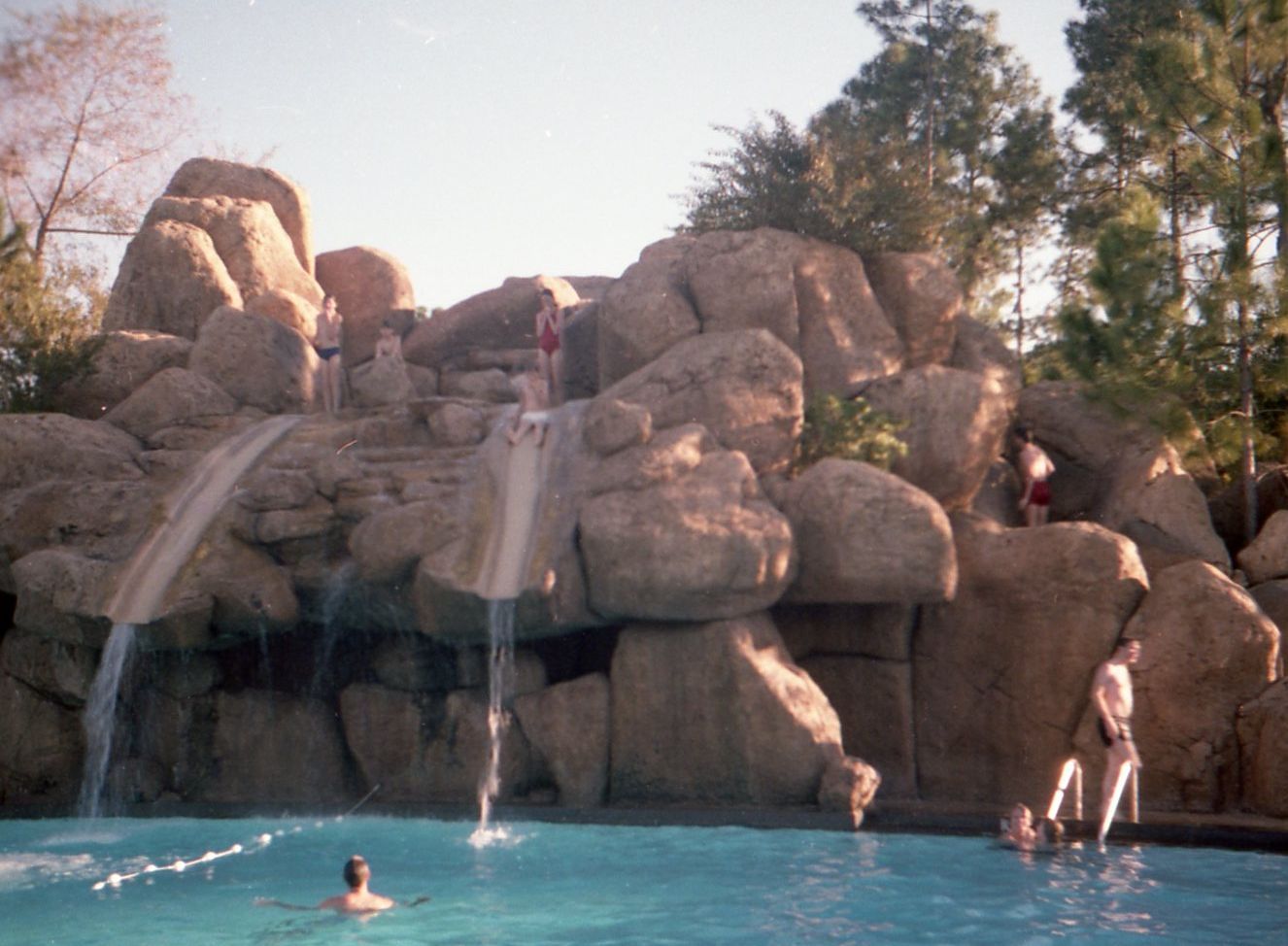
Have you heard about Disney’s abandoned park? Disney's River Country opened in 1976 in Lake Buena Vista, Florida, inspired by the vibes of classic American summer vacations. It had a rustic atmosphere, with wooden slides, rope swings, and water drawn directly from the nearby lake. It was a total success in the 1980s, but by the late 1990s, things began to change.

Newer water parks with advanced systems and stricter safety standards made River Country feel outdated, and Disney gradually shifted its attention elsewhere. The park closed "temporarily" in 2001, but it never reopened. Today, it still sits in the same place, partially reclaimed by nature, quietly overshadowed by the modern resorts around it.

6
Grossinger’s Catskill Resort Hotel (Liberty, New York)
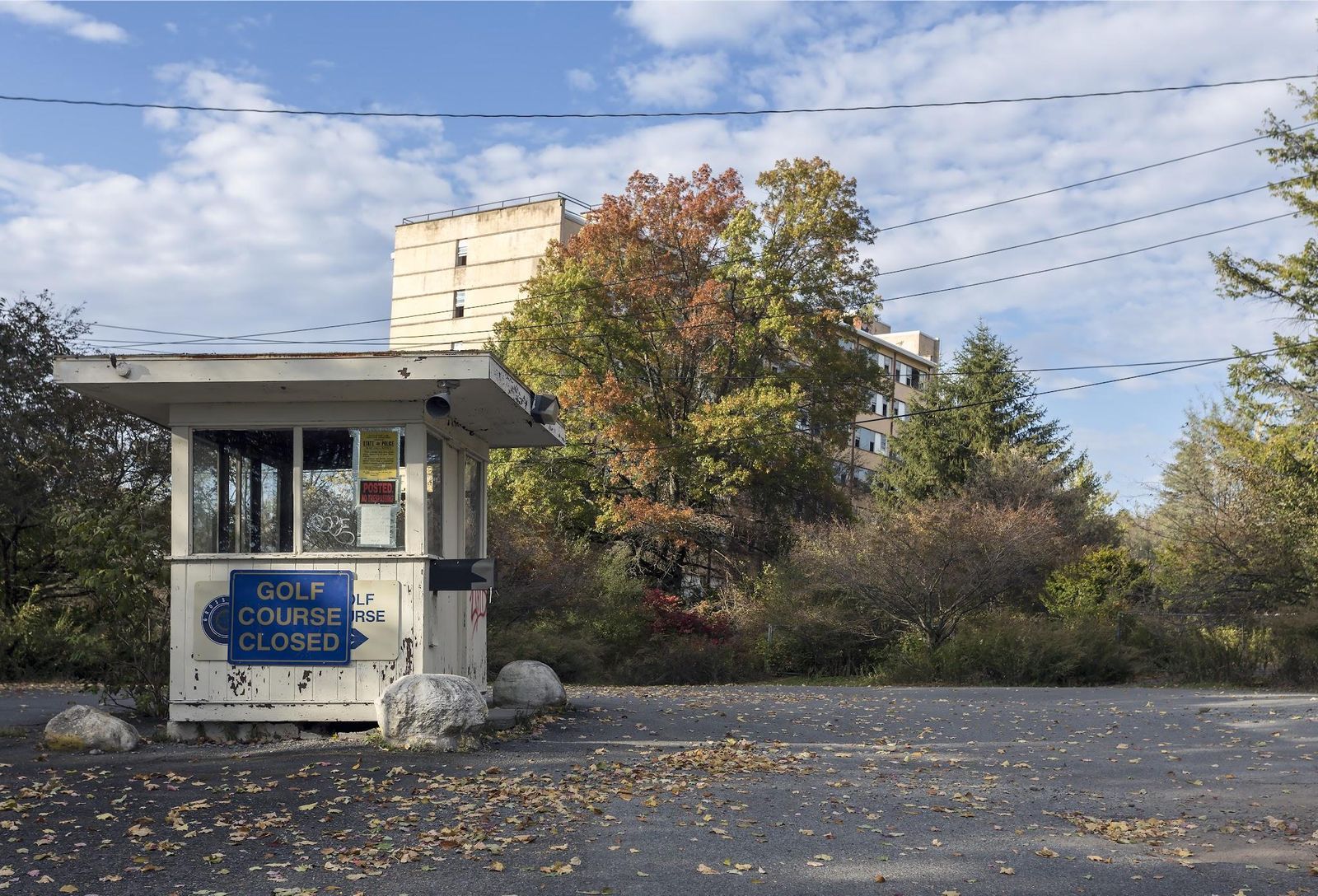
Image: Acroterion, CC BY-SA 4.0, via Wikimedia Commons

What was once one of the most popular family resorts in the country is now an extensive, decaying space with peeling wallpaper and collapsing floors.

Grossinger’s Resort Hotel began in the 1910s as a small guesthouse in the Catskill Mountains of Liberty, New York. What started modestly soon grew into one of the region’s most famous destinations, reaching its peak in the 1950s and 1960s with a golf course and both indoor and outdoor pools. It was incredibly popular with urban and suburban families in the tri-state area, and it even inspired the fictional "Kellerman's Mountain Resort" from Dirty Dancing (1987).

But in the late 1960s, American vacation habits began to change. Air travel and cruise vacations attracted families, and younger generations no longer returned to the places their parents had once loved. The resort gradually declined, leading to its permanent closure in 1986.

7
Dogpatch USA (Marble Falls, Arkansas)
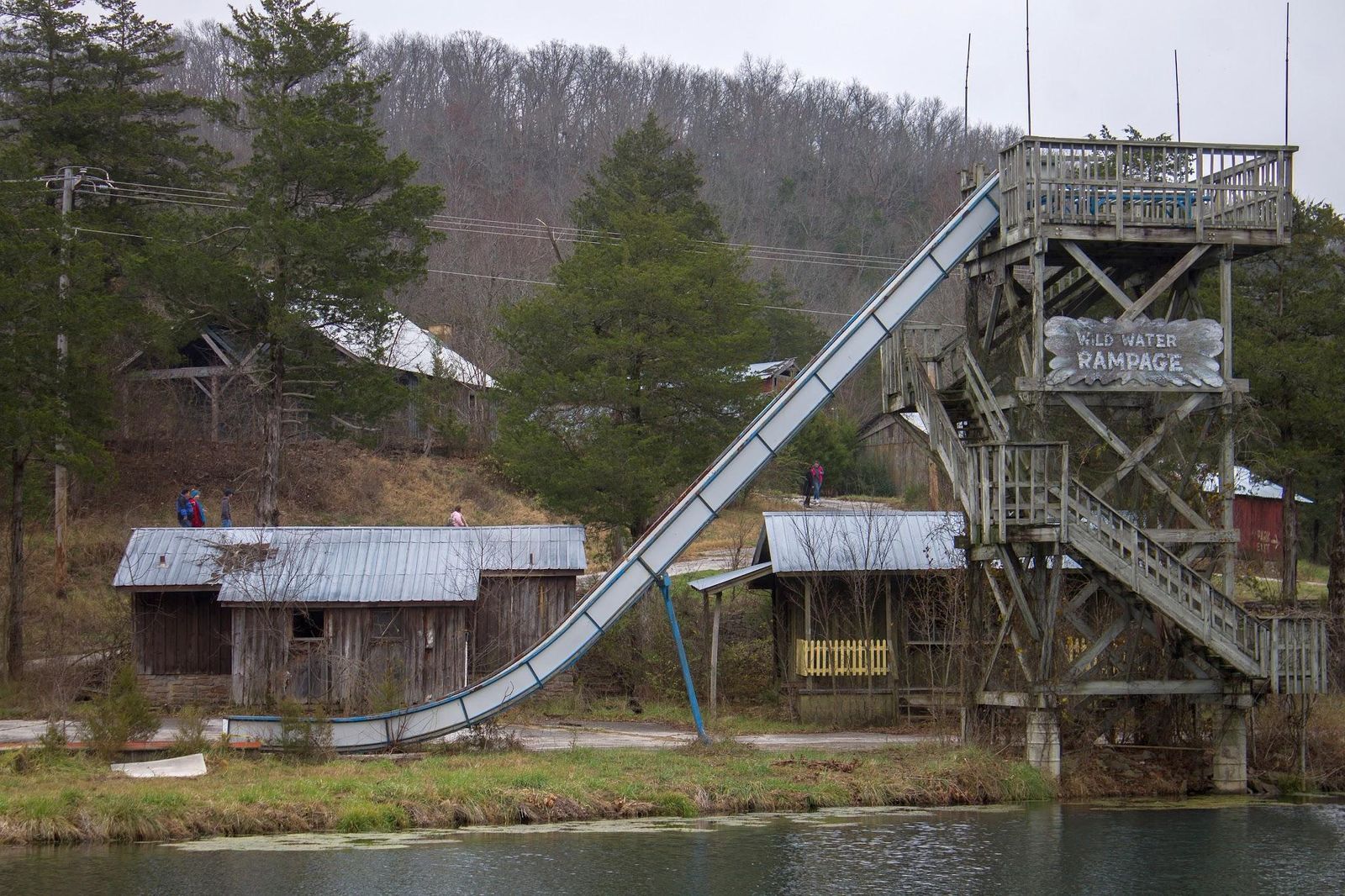
Image: kenzie campbell from springfield, mo, CC BY 2.0, via Wikimedia Commons

Dogpatch USA opened in the Ozarks of Marble Falls, Arkansas, in 1968, taking its name from the fictional town in the popular comic strip Li’l Abner by Al Capp.

Rustic buildings, rides, fishing ponds, and a small amusement area brought the comic world to life. It first attracted curiosity from local visitors, but never reached the popularity its creators had hoped for. Almost from the start, it struggled, in part due to its remote Ozarks location, which made it difficult for most tourists to reach, and its operating costs that surpassed attendance. Over time, the park gradually declined, changing ownership and shrinking in activity, before finally disappearing in the mid-1980s.

8
Ghost Town in the Sky (Maggie Valley, North Carolina)
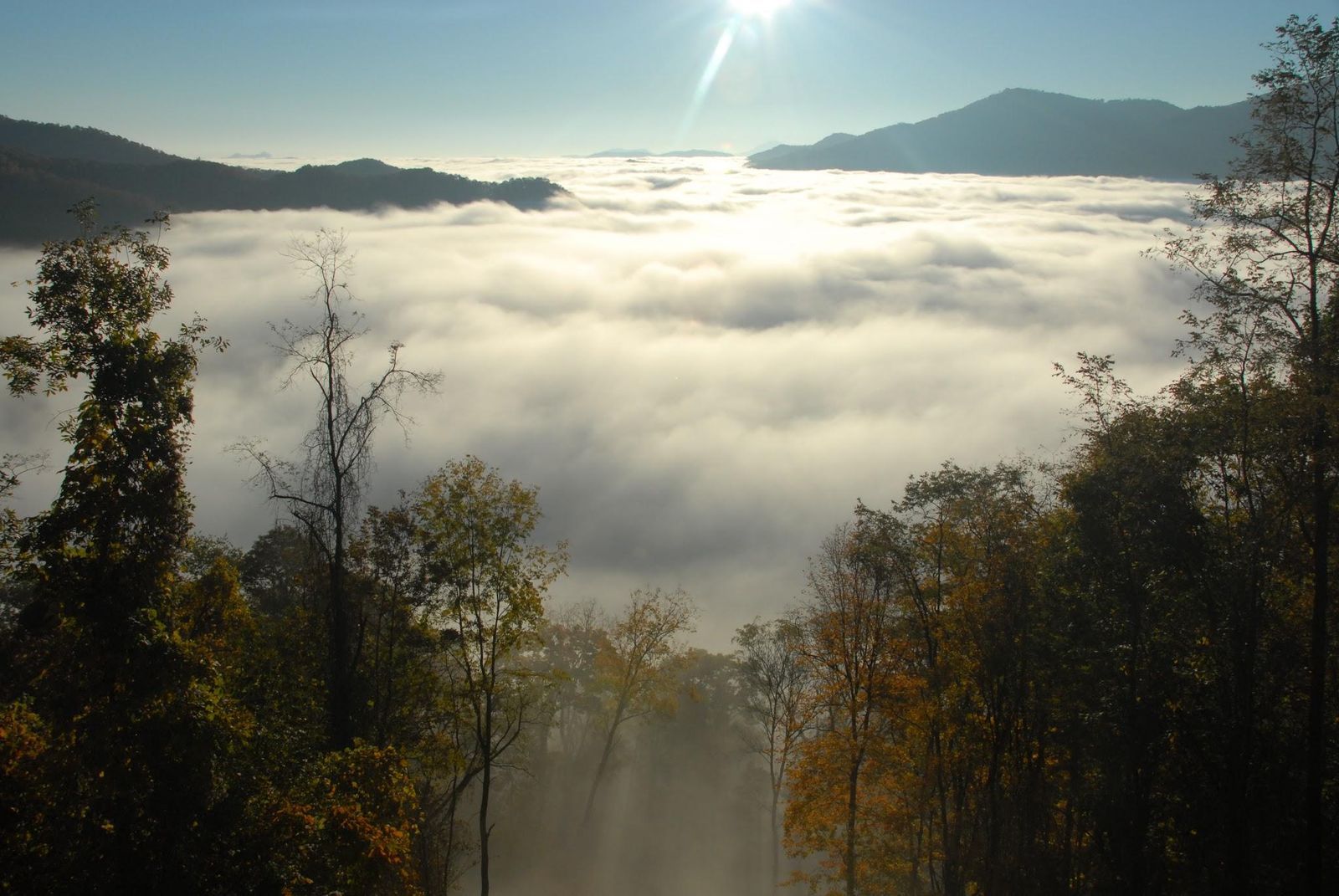
Image: Dsorrells, CC BY-SA 4.0, via Wikimedia Commons

A Wild West–themed amusement park sitting above the clouds in the Smoky Mountains sounds too good to be true, right? But it was real.

Ghost Town in the Sky opened on May 1, 1961, in Maggie Valley, North Carolina, at the top of Buck Mountain. Visitors rode a chairlift up to a full Old West town with saloons, staged gunfights, and mountain views. For its first two decades, it attracted steady crowds, but by the 1990s, it began to shrink. Rising maintenance costs, difficult access, and unstable ownership pushed it into decline. By the 2000s, the aging infrastructure became unreliable, leading to its first closure in 2002 and final closure in 2009. Today, the park still sits abandoned on the mountain.

9
Geauga Lake (Aurora, Ohio)
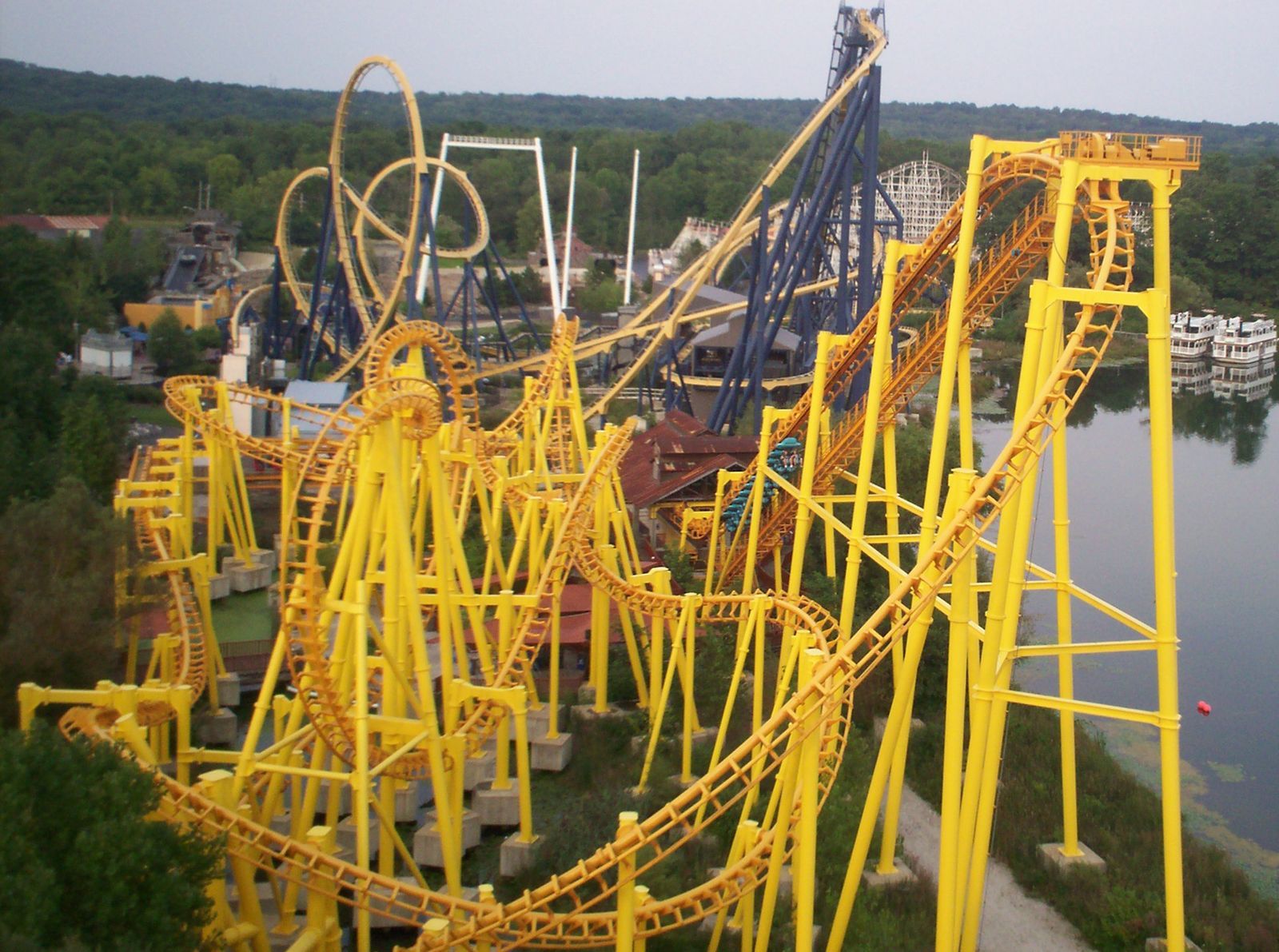
Image: JonRidinger, CC BY 3.0, via Wikimedia Commons

In the early 20th century, many Midwestern families had a go-to summer destination: Geauga Lake Park.

Geauga Lake opened in 1887 in Aurora, Ohio, as a simple lakeside resort. By the 1920s, it had grown into a full amusement park with rides, games, and roller coasters –like its classic wooden coaster, the Big Dipper– attracting thousands of visitors each year. Throughout much of the 20th century, it was a must-stop on family road trips. It reached its peak in the 1990s, after major expansions turned it into a large regional attraction, but those same upgrades also drove up costs and complexity. In the end, the expansion that improved it also sealed its fate, leading to its final closure in 2007.

10
Heritage USA (Fort Mill, South Carolina)
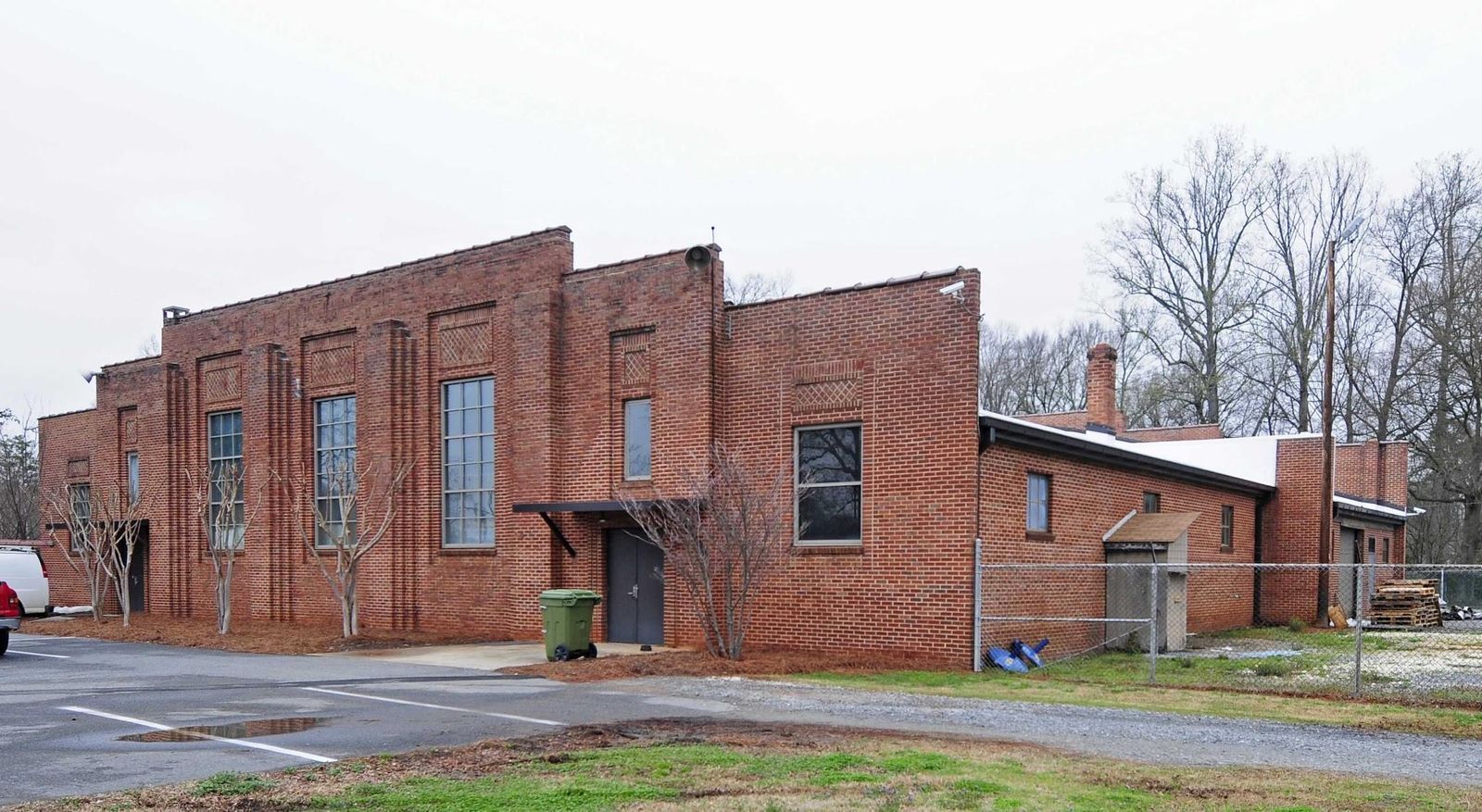
Image: Bill Fitzpatrick, CC BY-SA 3.0, via Wikimedia Commons

Sometimes called "Christian Disneyland," Heritage USA opened in 1978 in Fort Mill, South Carolina, founded by famous televangelists Jim and Tammy Bakker with the idea of building a major Christian-themed resort to rival the big amusement parks.

For a time, it was hugely popular, at one point even ranking as the third most-visited theme park in the U.S., with rides, a water park, hotels, and a large church auditorium. But in 1987, a financial scandal involving Jim Bakker shook public trust, and in 1989, Hurricane Hugo caused further damage. By the end of 1989, the park had effectively shut down, leaving its once-famous 21-story hotel as a hollow reminder of what it had been.
General General 6 min read

Beloved American brands

Why did Kodak and Woolworth's disappear? The real reason

Image: pony rojo, CC BY-SA 2.0, via Wikimedia Commons

Blockbuster, Kodak, Woolworth’s… just hearing those names can bring back many memories, even though the brands have long since gone. T hese weren’t just brands; they were part of our routines, our weekends, and our family vacations. For decades, these companies seemed unstoppable. Then, they disappeared. So what happened? Here’s the story behind 10 iconic American brands that once stood at the top, and the real reasons they faded away.

1
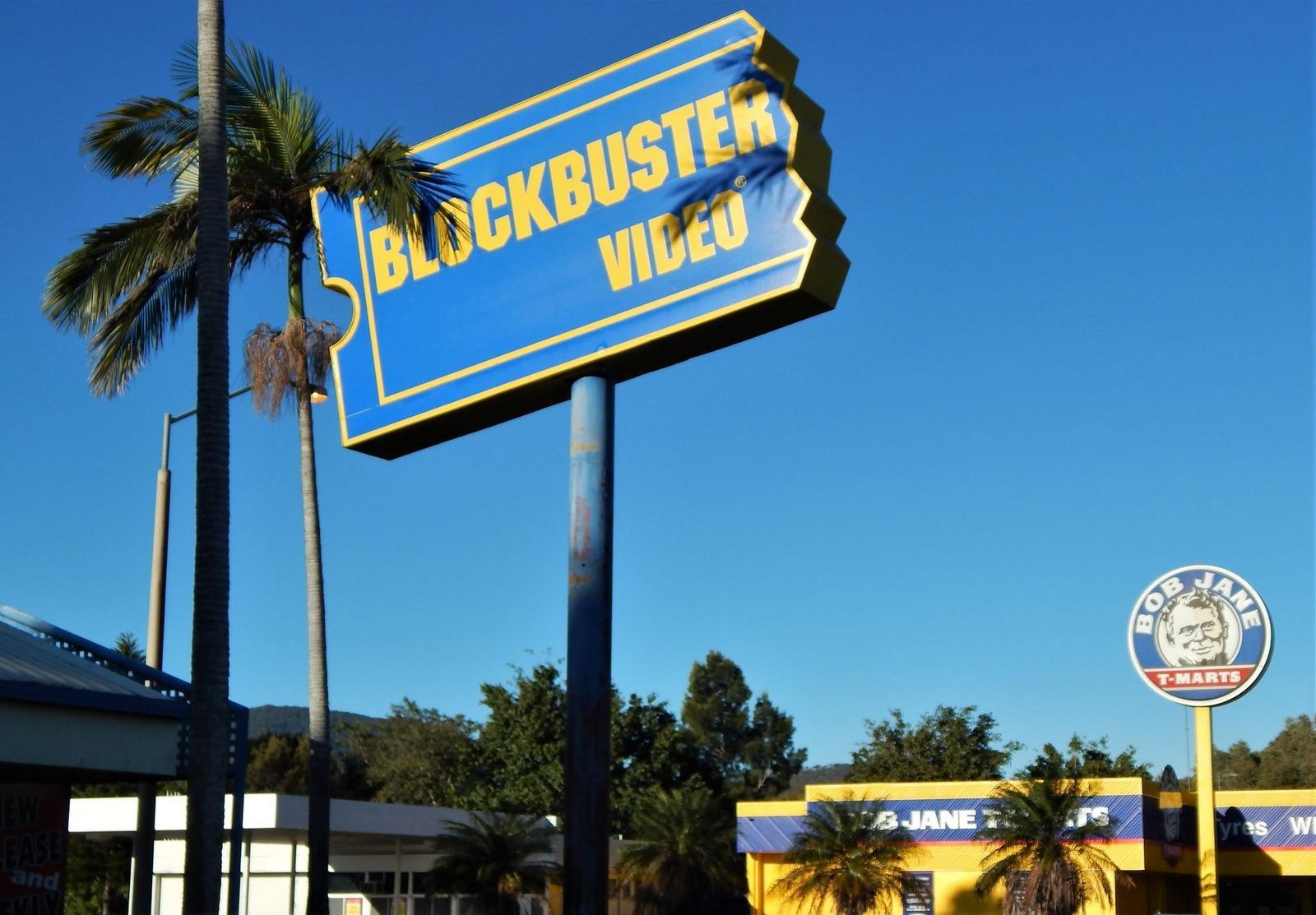
Blockbuster

Image: RegionalQueenslander, CC BY-SA 4.0, via Wikimedia Commons

During the 1980s and 1990s, Friday night often meant one thing for American families: a trip to Blockbuster. Browsing the aisles for a movie, debating what to watch, and grabbing popcorn at the counter became a weekly routine. But nothing lasts forever.

Born in 1985, Blockbuster conquered the massive home-video market with thousands of stores by the late 1990s and early 2000s, catering to families with at-home VCRs. Then technology changed everything. First came DVD-by-mail services like Netflix, followed by streaming, which left Blockbuster struggling. Late fees and inconvenience only pushed more customers away. The company filed for bankruptcy in 2010. Today, just one official store remains in Bend, Oregon, where visitors still stop by for a dose of the video-store era.

2
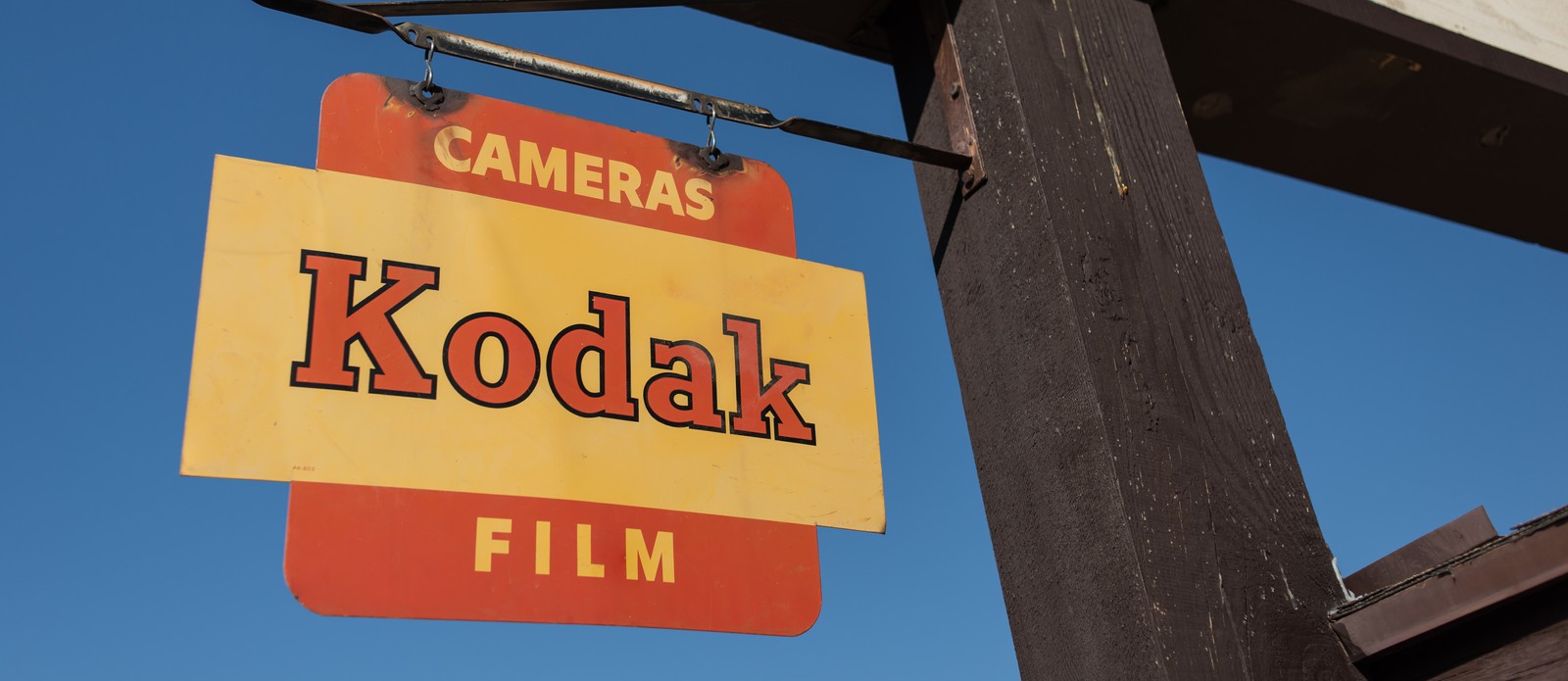
Kodak

Image: 多多123, CC BY 4.0, via Wikimedia Commons

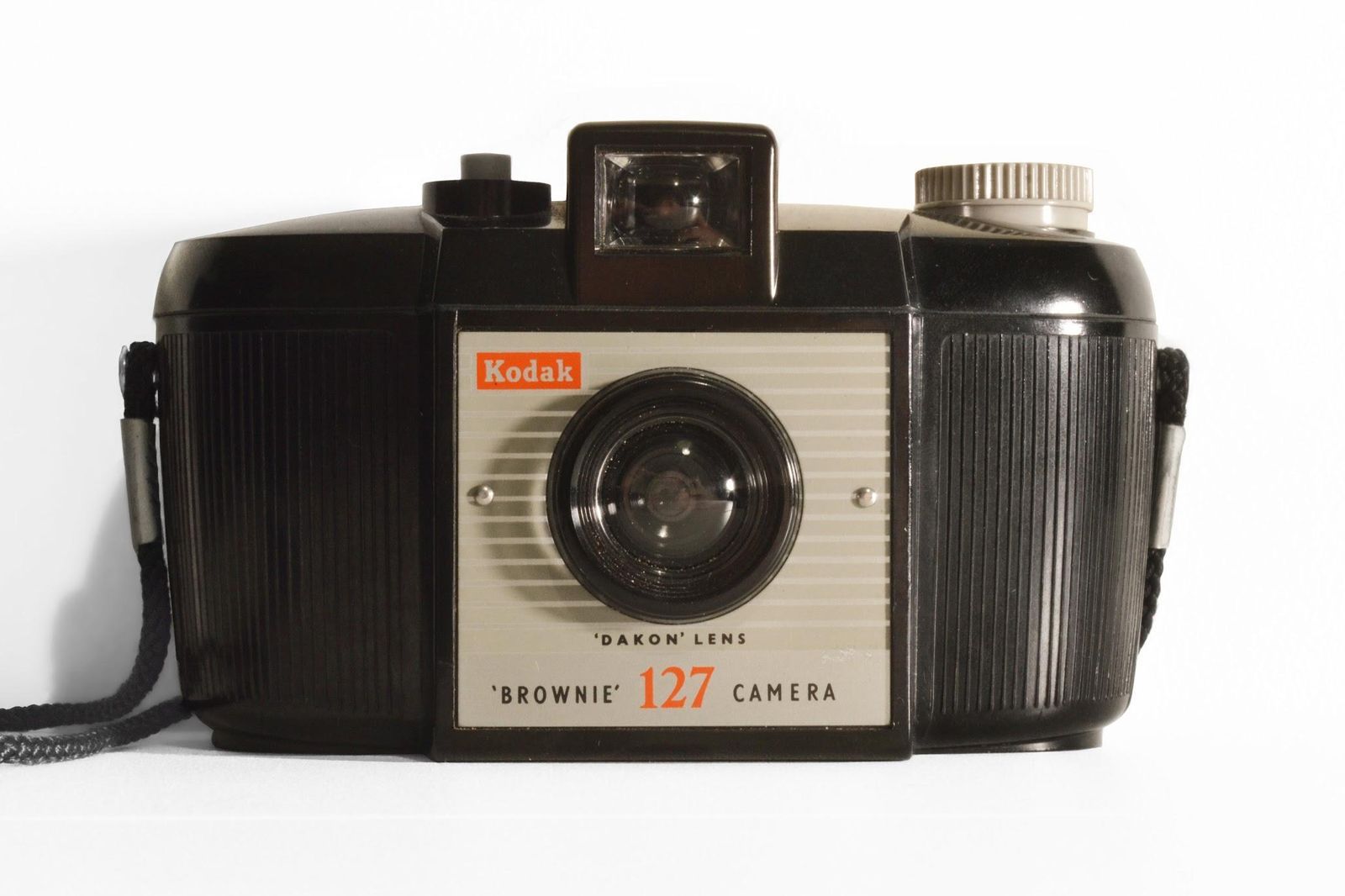
Back in the day, almost every vacation, birthday, wedding, or holiday gathering seemed to include a Kodak camera, or at least a roll of Kodak film. Founded in 1881, Kodak helped keep the moments that filled family photo albums for generations.

From the 1960s through the 1990s, Kodak dominated the world of film and photography. But that success also made the company slow to accept that technology was changing. Ironically, Kodak helped invent one of the first digital cameras in 1975, yet it hesitated to embrace the future. By the 1990s and 2000s, digital cameras (and later camera phones) quickly replaced traditional film. In 2012, the company declared bankruptcy.

3
Pan Am

Image: Felix Goetting (GFDL 1.2 or GFDL 1.2), via Wikimedia Commons

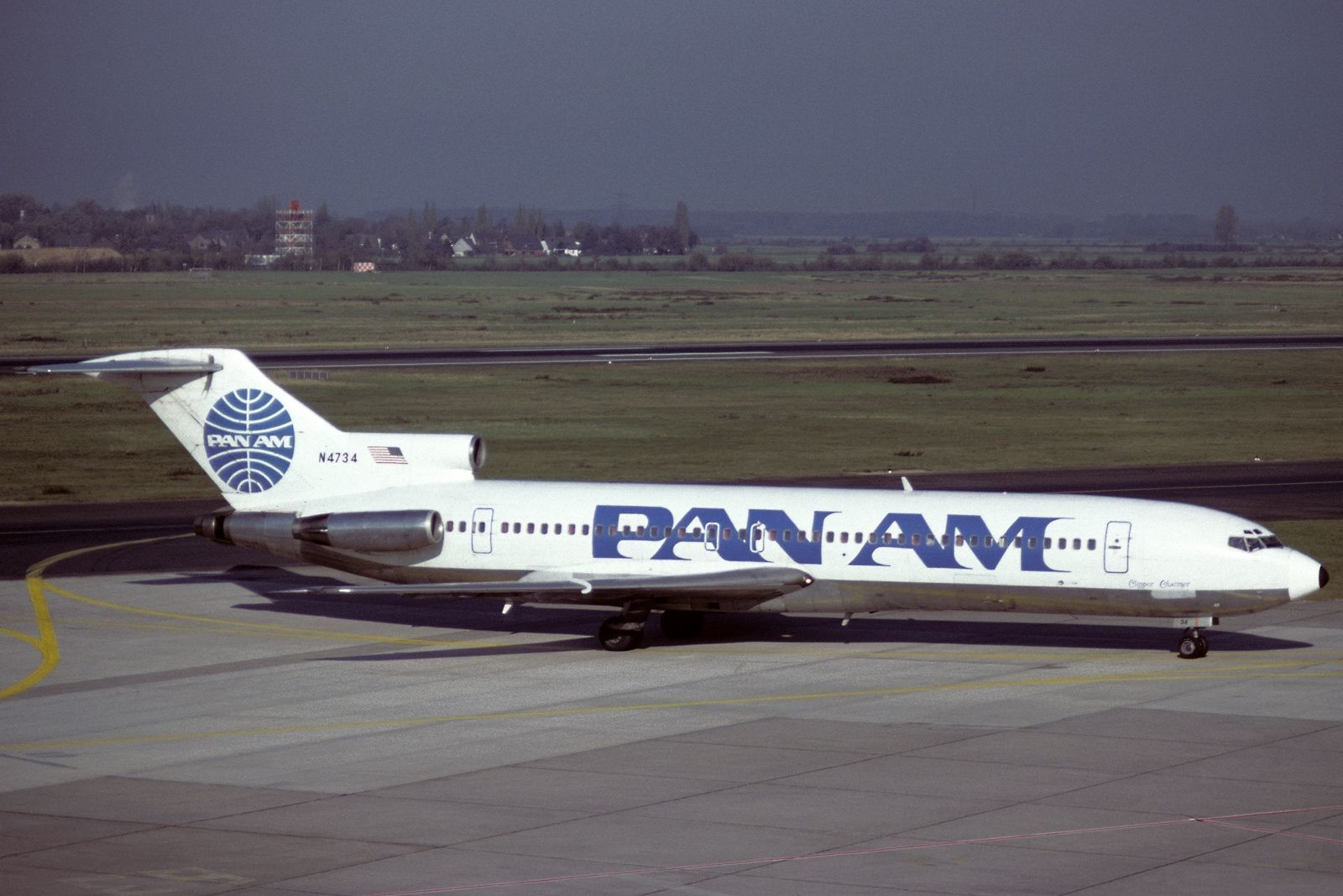
Long before flying became an everyday experience, Pan American World Airways, better known as Pan Am, was already carrying Americans across the world. It was founded in 1927, and during the 1960s and 1970s, the airline became a symbol of glamorous air travel.

Its famous blue globe logo was instantly recognizable, even to those who rarely flew. But by the late 1970s, rising competition, fuel costs, and financial troubles began weakening the company. After years of mounting losses and debt, Pan Am shut down in 1991. Even so, its fame was such that even today, more than 30 years later, we still remember it.

4
Woolworth’s

Image: Warren LeMay from Cullowhee, NC, United States, CC0, via Wikimedia Commons

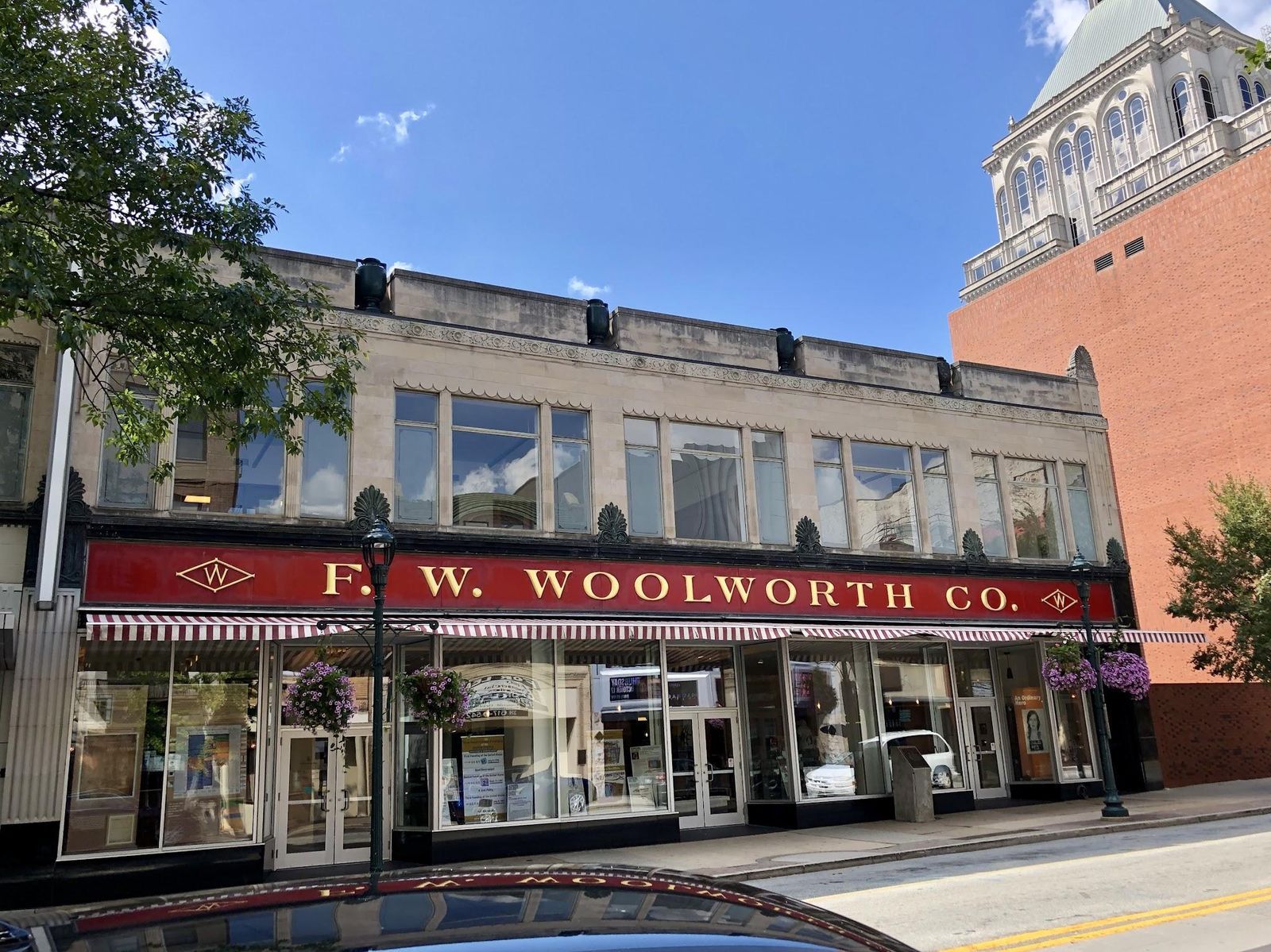
Before Woolworth's made the "five-and-dime" famous, shopping in America looked very different. For decades, Americans visited Woolworth’s for everything from toys and school supplies to household goods and everyday essentials. By the 1960s, the brand had become a familiar part of American life.

Created in 1879 by Frank Winfield Woolworth, the chain grew into one of the country’s largest retailers. But in the 1970s, malls and discount giants like Walmart changed the way Americans shopped, and Woolworth struggled to keep up. By the 1980s, the iconic chain was slowly disappearing. Most stores closed during the 1990s, and the Woolworth retail chain officially ended in 1997.

5
Circuit City

Image: kennejima, CC BY 2.0, via Wikimedia Commons

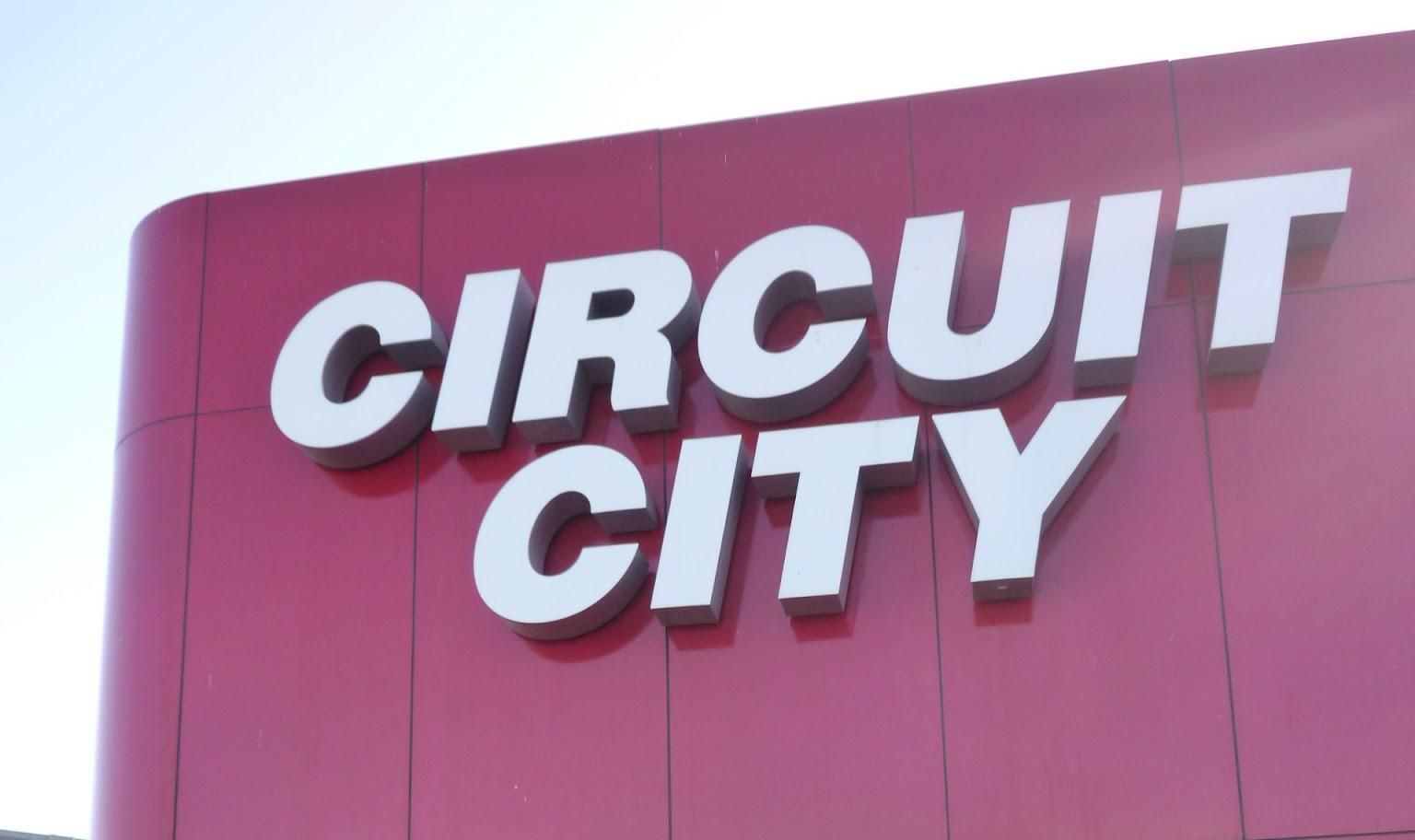
Testing giant stereo systems, browsing rows of CDs and video games, and shopping for the newest TV were all part of the experience at Circuit City, once one of America’s biggest electronics chains.

Founded in 1949 by Samuel S. Wurtzel in Richmond, Virginia, as "Wards Company," the retailer adopted the Circuit City name in 1984. During the 1980s, 1990s, and early 2000s, it became the go-to place for Americans buying a TV, stereo, computer, or any electronic device. But like many companies on this list, Circuit City struggled as shopping habits changed and online stores became more convenient. A controversial 2007 decision to lay off thousands of experienced employees further hurt the company’s reputation. Circuit City couldn’t survive mounting losses and closed all remaining stores in 2009.

6
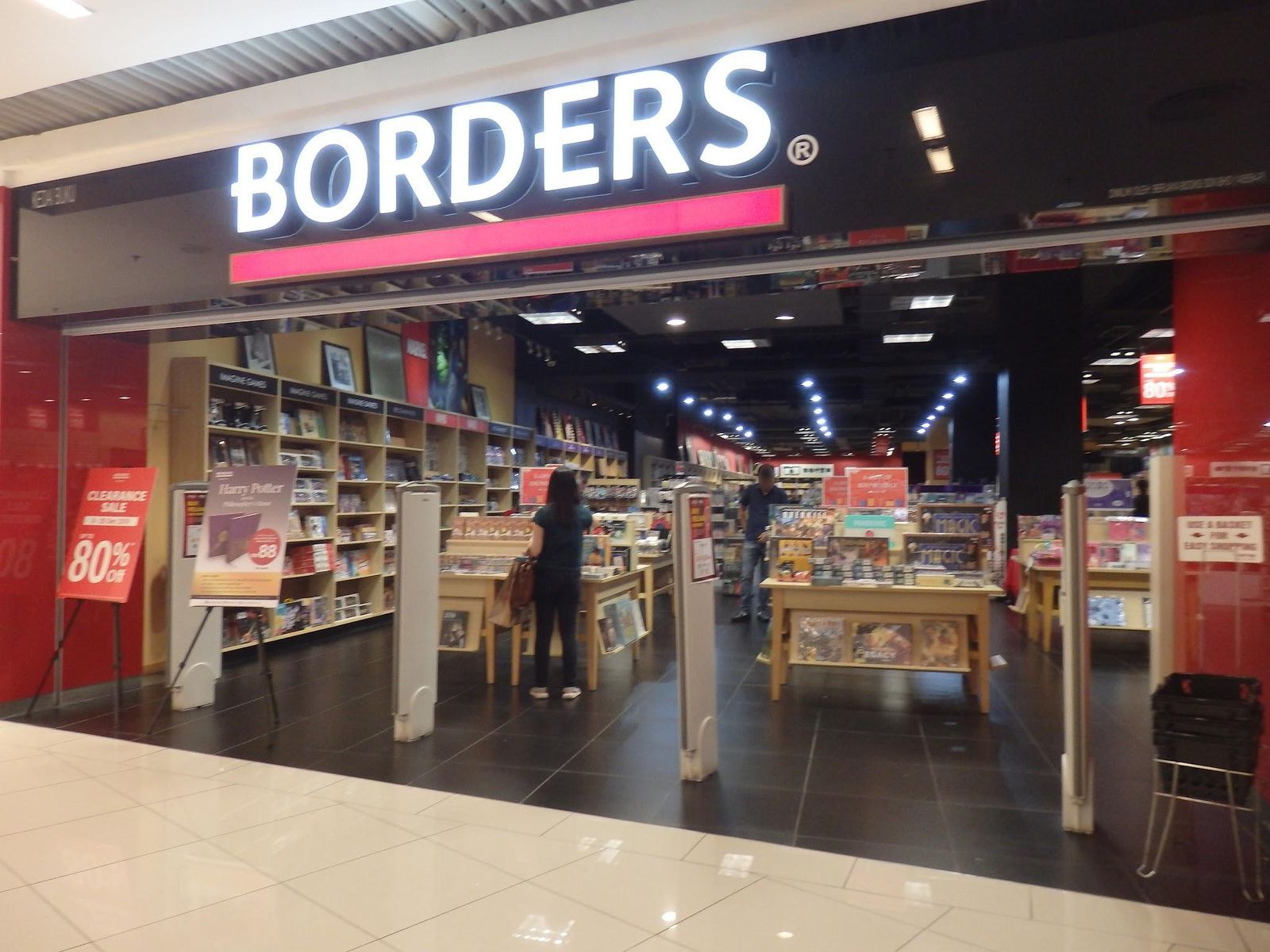
Borders

Image: Bindydad123, CC BY-SA 4.0, via Wikimedia Commons

Remember Borders? Born in 1971, its huge stores, filled with books, music, magazines, and cozy reading spaces, invited customers to spend entire afternoons there.

During the 1990s and early 2000s, the rise of large shopping malls actually helped Borders thrive, turning its bookstores into popular destinations inside malls across the US. But eventually, the company ran into a challenge it couldn’t overcome: online shopping and digital reading. Competitors like Amazon surged ahead, while Borders struggled to adapt and made costly business decisions, including outsourcing its online sales to Amazon for years. The company collapsed financially in 2011 and soon closed all remaining stores.

7
Bugle Boy

Image: Claire Abdo

In the late 1980s and early 1990s, teenage fashion became almost synonymous with Bugle Boy. Famous across the country for its casual jeans and memorable TV commercials, the brand became a major part of American mall culture and was sold in department stores nationwide.

But fashion never stands still, and brands have to constantly adapt to survive. By the late 1990s, newer youth-oriented labels had taken over with fresh styles that quickly made Bugle Boy seem outdated. Sales began to fall, and after years of struggling to keep up with changing trends, the company closed its stores in 2001.

8
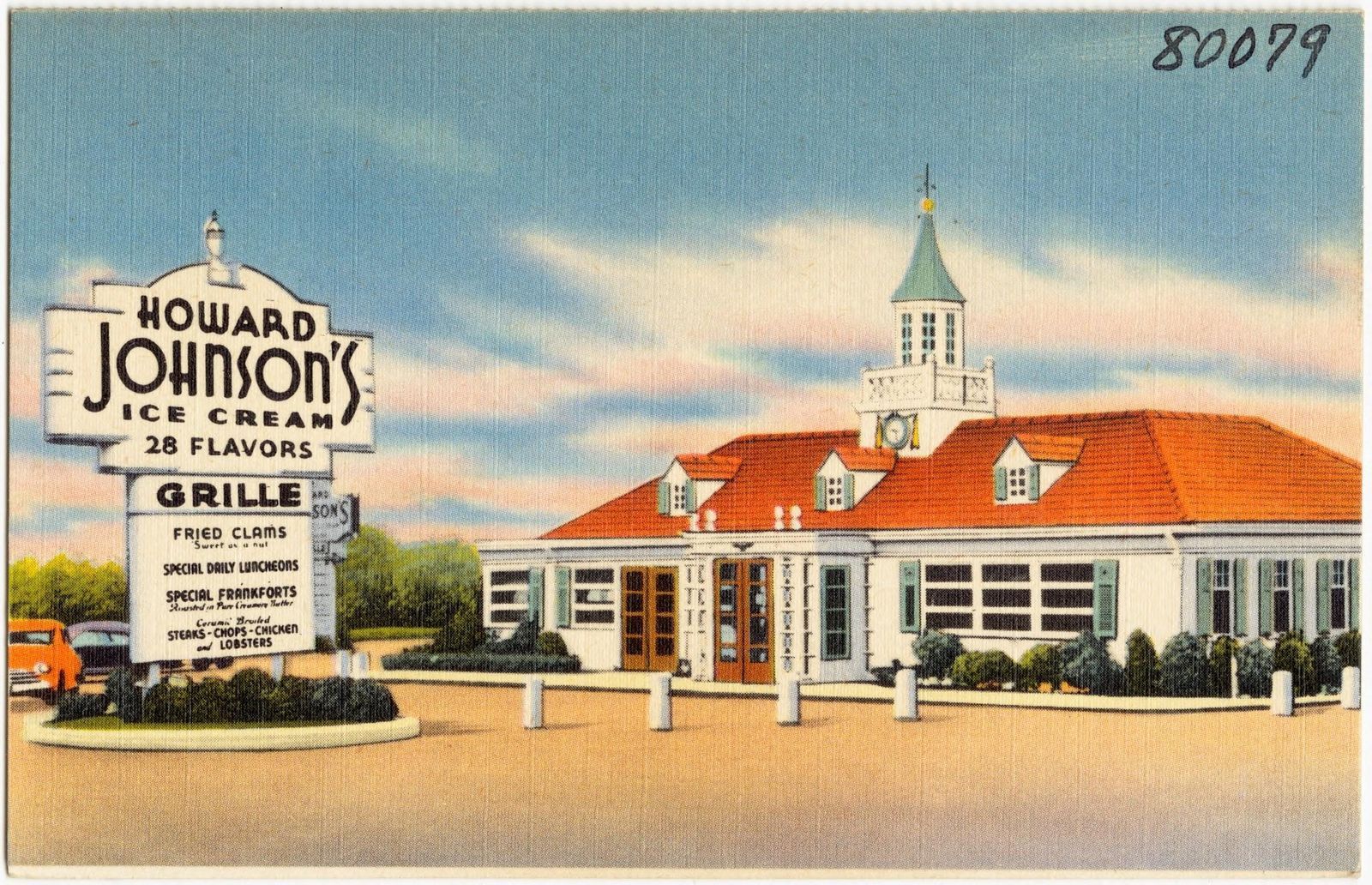
Howard Johnson’s restaurants

Image: Tichnor Quality Views, Made Only by Tichnor Bros., Inc., Boston, Mass., Public domain, via Wikimedia Commons

During the 1960s and 1970s, a stop at Howard Johnson's was part of the classic American road-trip experience for many families, and that was no accident.

Founded in 1925 in Quincy, Massachusetts, the famous orange-roofed chain reached its peak when America’s expanding highways and booming car culture made roadside travel more popular than ever. But by the late 1970s and early 1980s, the growing popularity of fast-food chains like McDonald's began changing the way Americans ate on the road. Drivers increasingly wanted meals that were faster, cheaper, and more standardized, while interstate highways also redirected traffic away from many older roadside locations. Unlike some other brands on this list, Howard Johnson’s faded away slowly over the decades. The last restaurant finally closed in 2022.

9
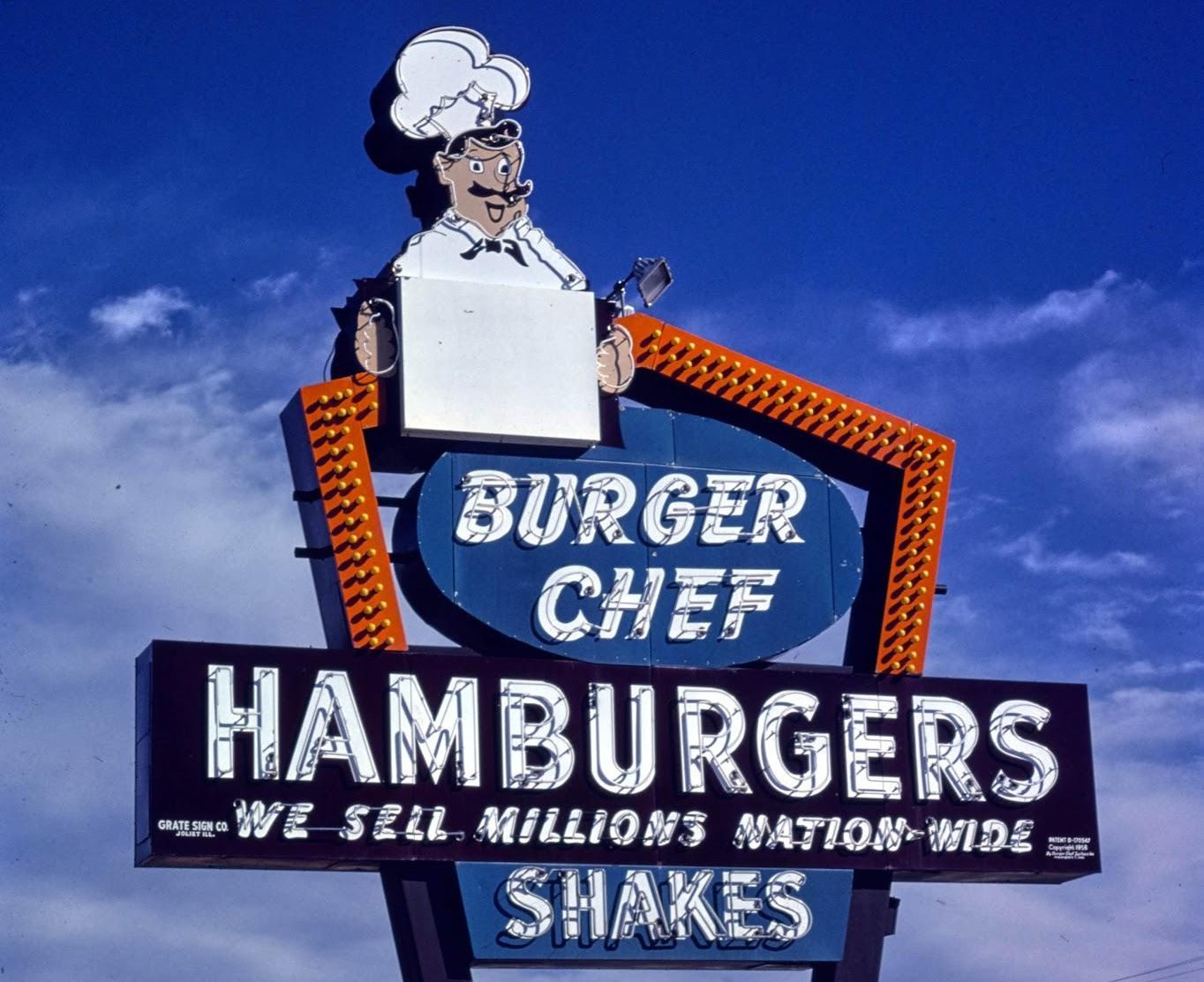
Burger Chef

Image: John Margolies, Public domain, via Wikimedia Commons

In 1958, a name emerged as one of the pioneers of America’s growing fast-food industry: Burger Chef. By the late 1960s, the chain had more than 1,000 locations across the country and had become one of McDonald's’s biggest competitors.

Long before Happy Meals became famous, Burger Chef helped popularize the idea of marketing meals directly to children with toys and themed publicity. But during the fast-food wars of the 1970s, competition became fiercer than ever. While McDonald’s and Burger King expanded by leaps and bounds, Burger Chef struggled with financial problems and changing consumer tastes. In 1982, the company was sold to Hardee's, which gradually converted most Burger Chef locations into Hardee’s restaurants.

10
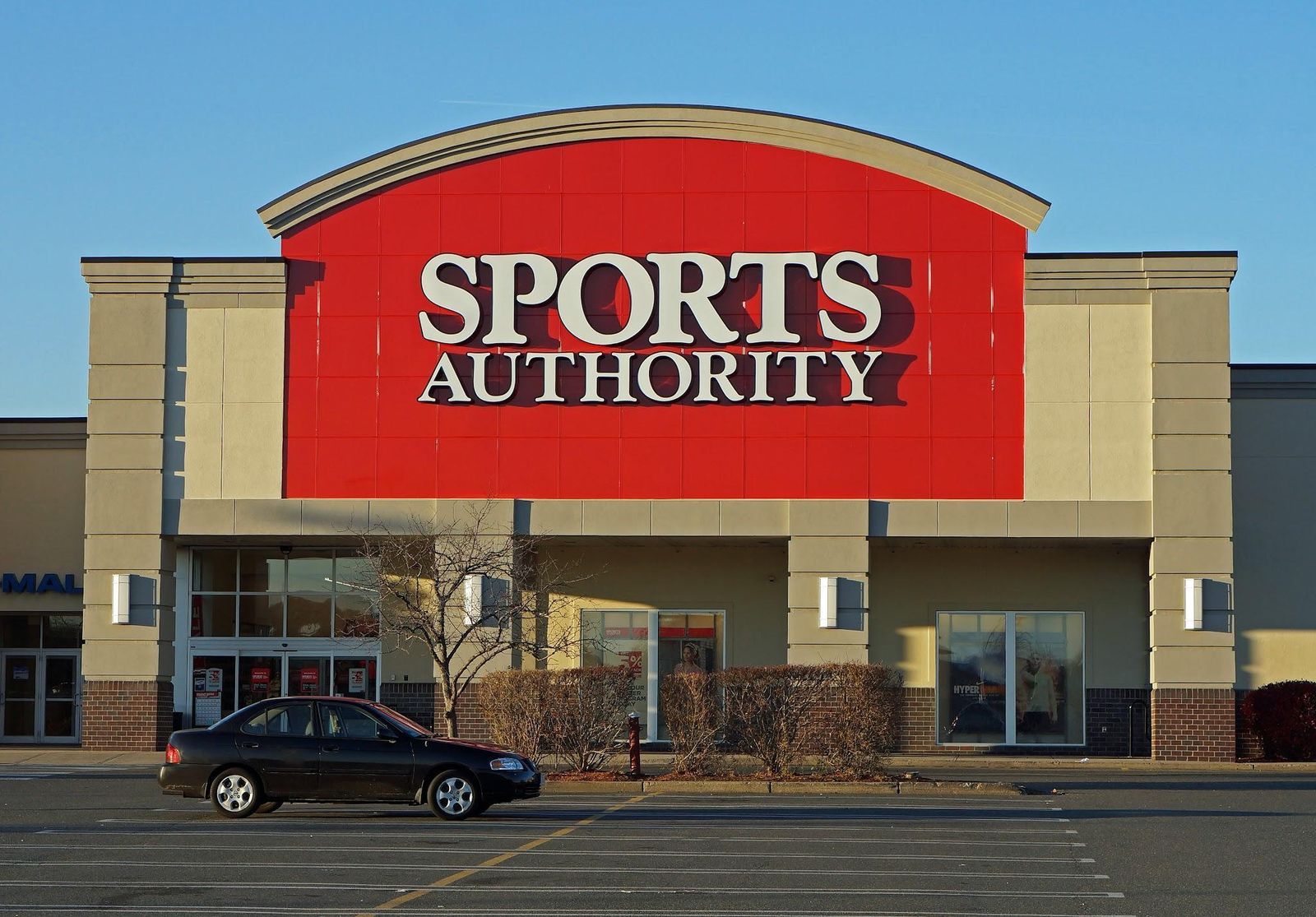
Sports Authority

Image: Anthony92931, CC BY-SA 3.0, via Wikimedia Commons

Throughout the 1990s and 2000s, many Americans looking for running shoes, gym shorts, and sports gear headed straight to Sports Authority.

Known for its huge stores packed with athletic apparel, exercise equipment, bicycles, camping gear, and team sports products, Sports Authority became the ideal shopping destination for families and athletes across the US. But as online shopping rapidly changed retail in the 2000s, the company struggled to adapt. Heavy debt from expansion efforts and a slow shift to e-commerce eventually caught up with the chain. Sports Authority declared bankruptcy in 2016 and closed all remaining stores later that year.

General General 4 min read

The secrets of the greenback

Dollar bills are green for this reason

Image: Pepi Stojanovski

The U.S. dollar is one of the most powerful and recognizable currencies in the world, but its physical form is unique for many other reasons . From its composition to its symbols, dollar bills and coins are carefully designed to combine history, security, and convenience. Let’s explore our national currency!

1
What are bills made of?

Image: Viacheslav Bublyk

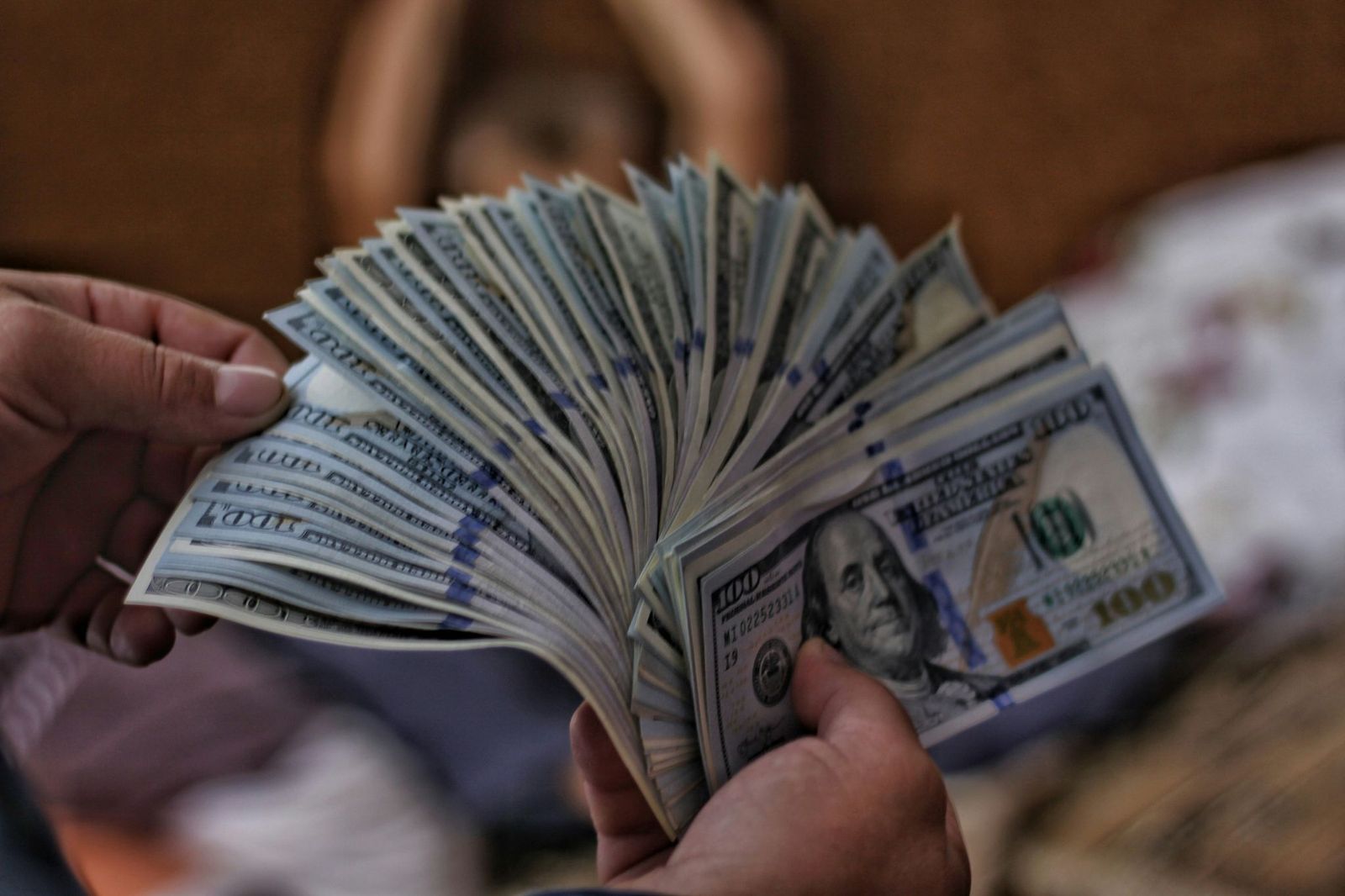
Unlike other currencies, dollar bills are not made of paper or plastic. U.S. dollar bills are made from a special fabric blend composed of 75% cotton and 25% linen. This mix makes the bills extremely durable and resistant, and they can be folded about 4000 times before tearing.

2
What bills are valid?

Image: U. S. Government, The Bureau of Engraving and Printing, Public domain, via Wikimedia Commons

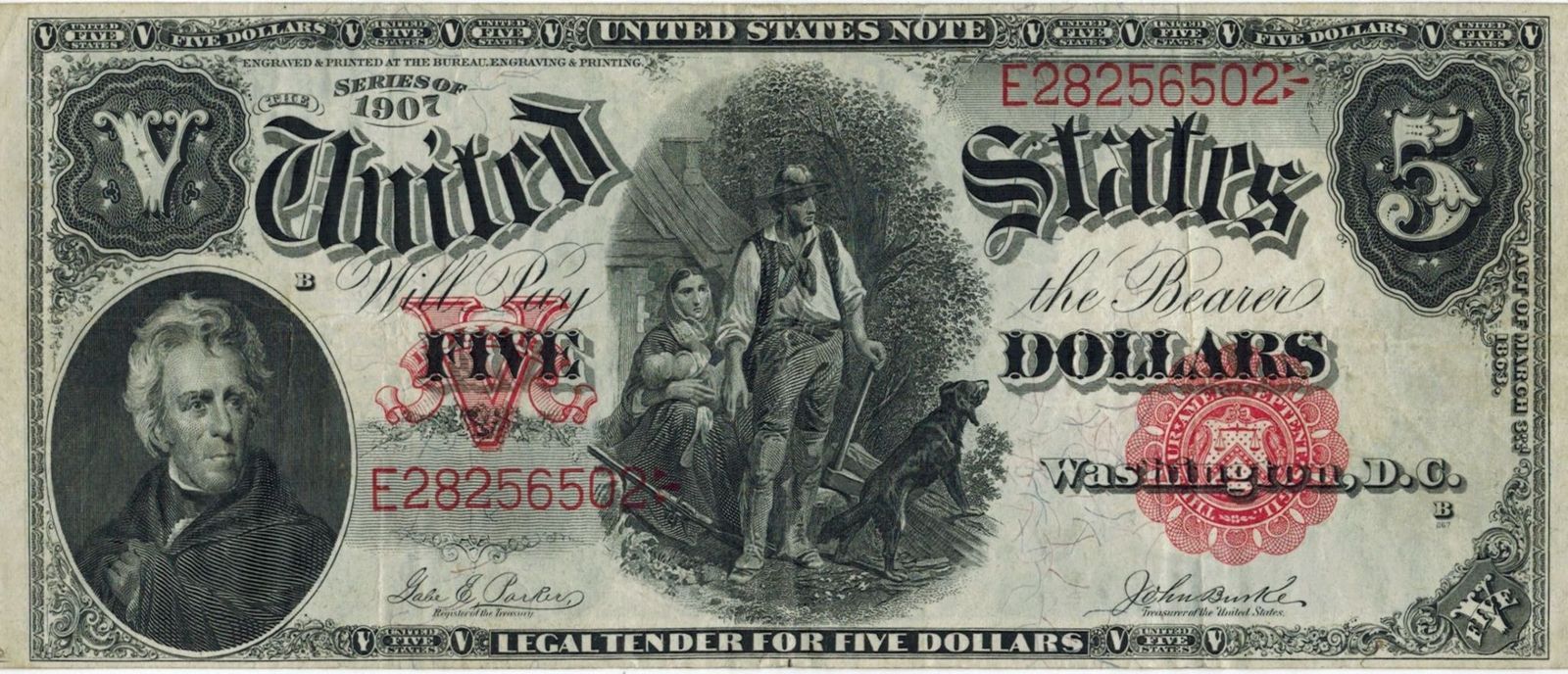
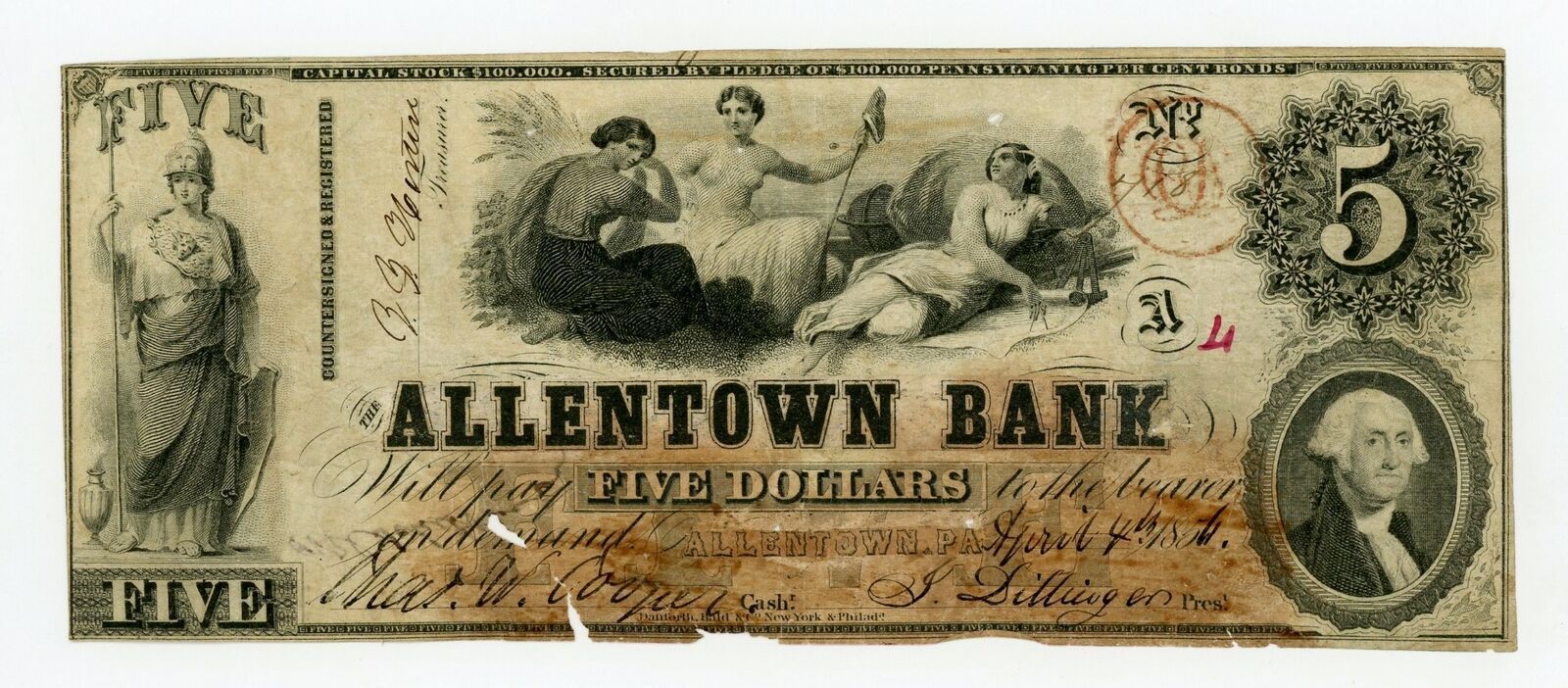
Any U.S. dollar bill that was legally printed is valid, no matter how old, as American currency does not have an expiration date. While some bills might not be accepted by businesses of foreign exchange services due to their condition or if they are a discontinued version of the bill, the bills themselves are still valid, and American banks will accept them, though they might take them out of circulation.

3
American leaders

Image: Lukasz Radziejewski

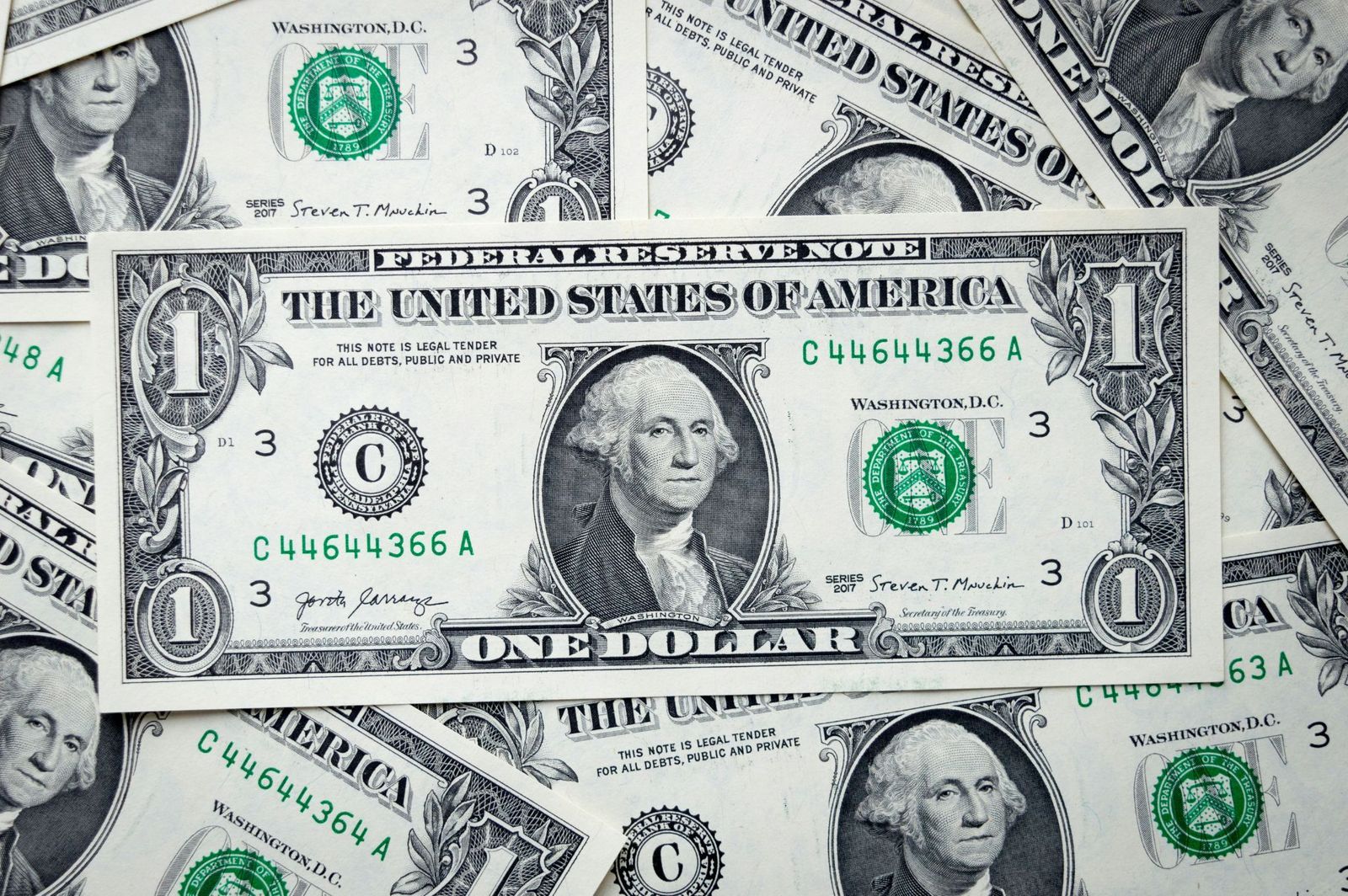
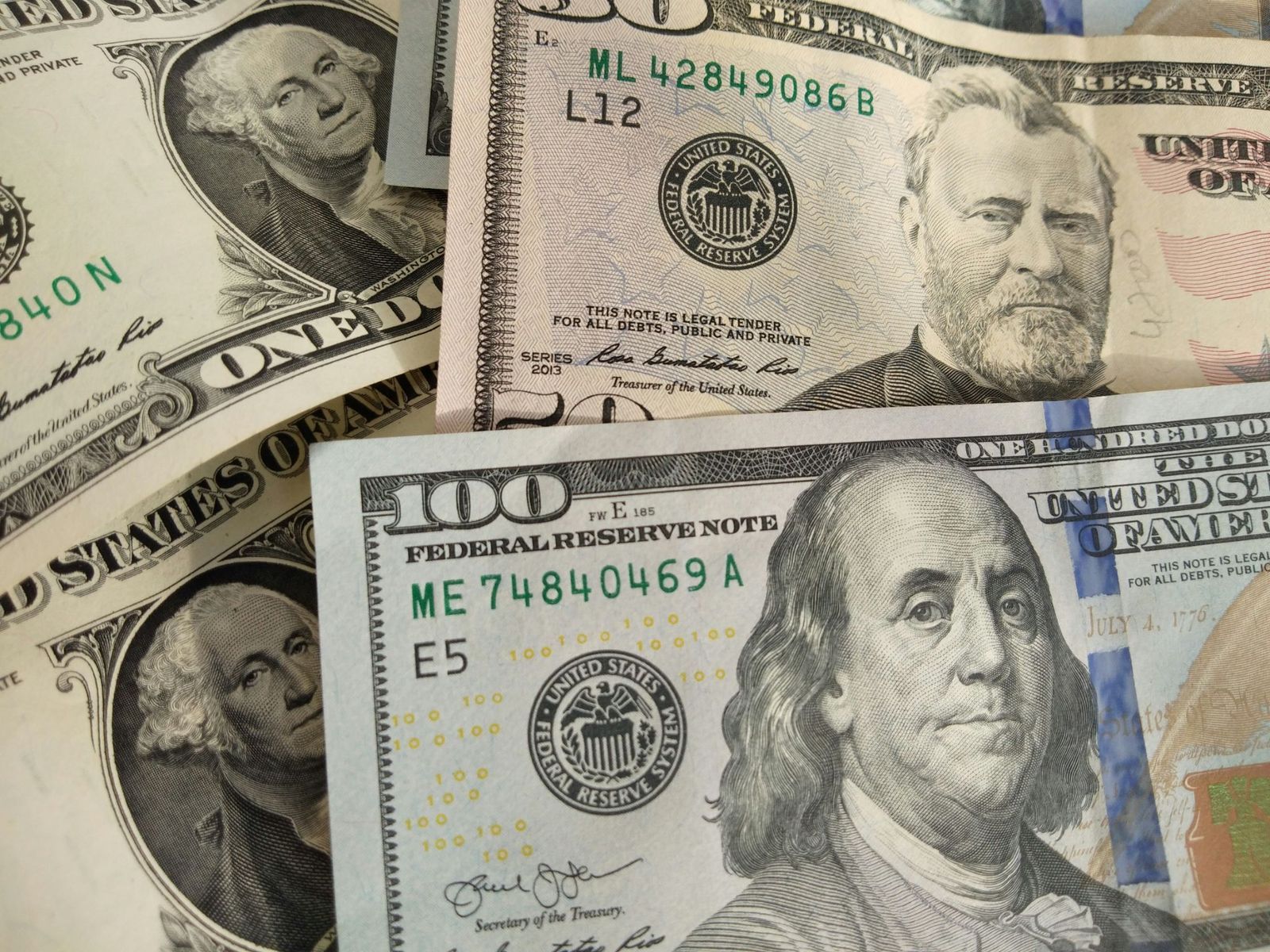
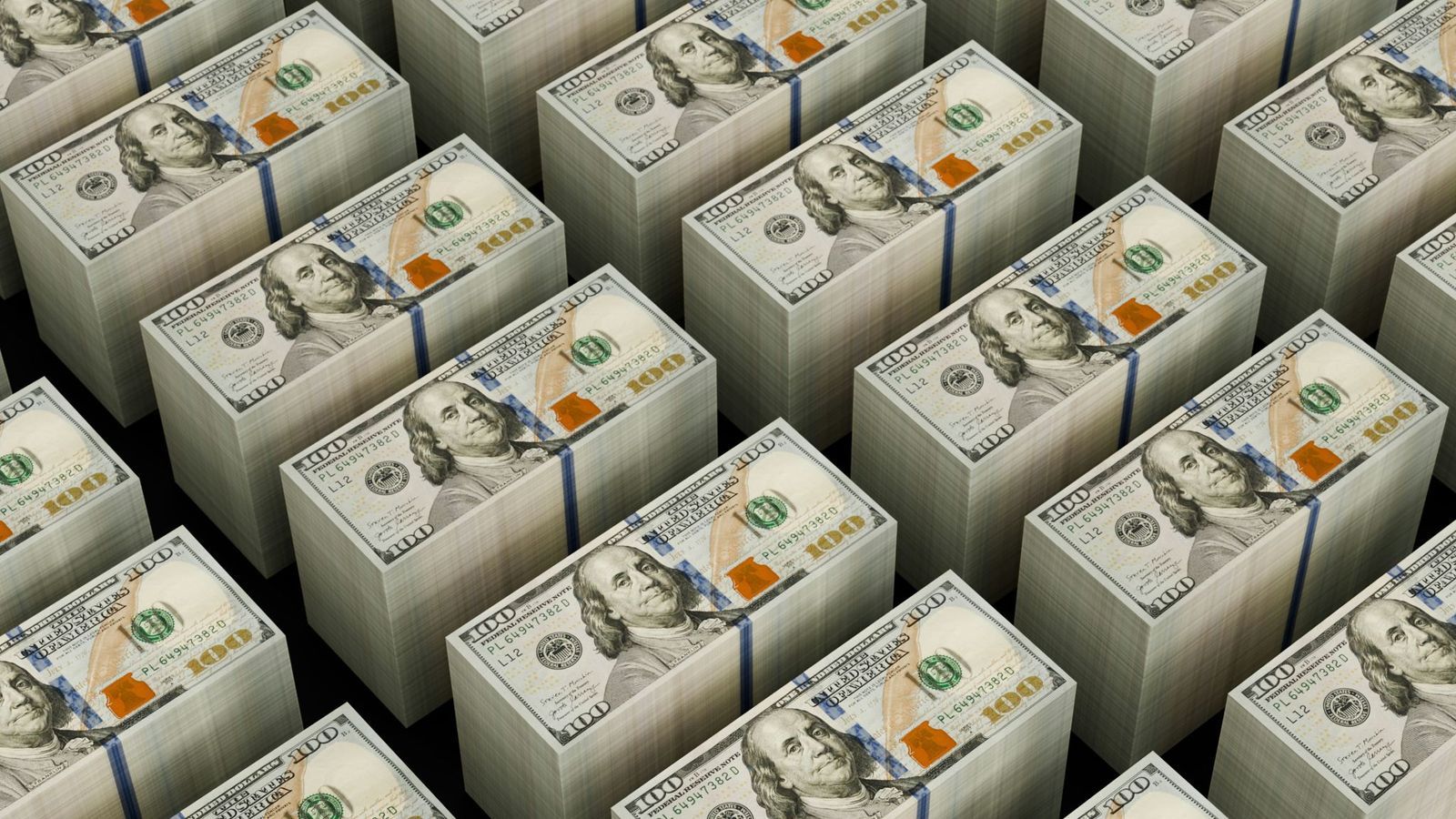
Five bills have a depiction of an American president. The exceptions are the $10 bill, with Alexander Hamilton on the front, and the $100 bill, with Benjamin Franklin. The $1 bill, depicting George Washington, is extremely symbolic: several elements are repeated 13 times as a nod to the thirteen colonies, and it showcases the Bald Eagle and the Eye of Providence as a sign of God watching over America.

4
A change in size

Did you know that dollar bills used to be so big that they were nicknamed "horse blankets"? Original dollar bills were 7.4 × 3.1 inches. In 1929, the Treasury Department reduced the size of bills to 6.14 × 2.61 inches to reduce production costs and materials. Old bills, though still valid, are worth much more as collector items.

5
Uniformity

Image: Avinash Kumar

Besides their value and design, all dollar bills have the same size (6.14 × 2.61 inches), color, and weight (1 gram) , which sets American currency apart from other countries where bills of different values are differentiated by size, color, or both. Why doesn’t the U.S. implement differences among bills? The cost of adapting vending machines, bank drawers, and ATMs to new bill sizes would cost billions of dollars.

6
Hard to copy

Image: United States Treasury Department, Public domain, via Wikimedia Commons

Originally, dollars were not green, but black. As time passed, green ink was favored, as it was cheap and did not fade as much as black. The new color also prevented people from using black-and-white cameras to create counterfeit money. Currently, dollar bills are predominantly green, but newer versions also include extra colors, such as pink, orange, or purple.

7
A $100,000 bill?

Image: The original uploader was Durova at English Wikipedia., Public domain, via Wikimedia Commons

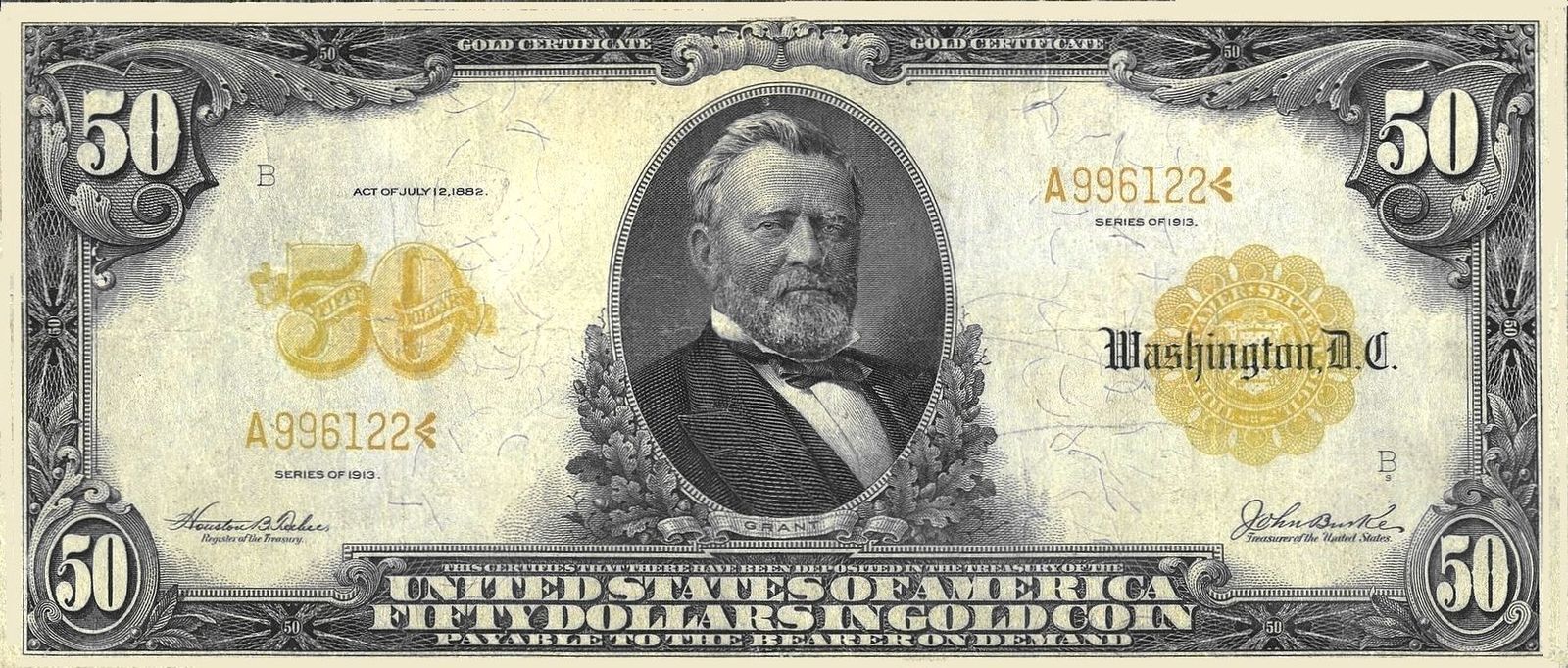
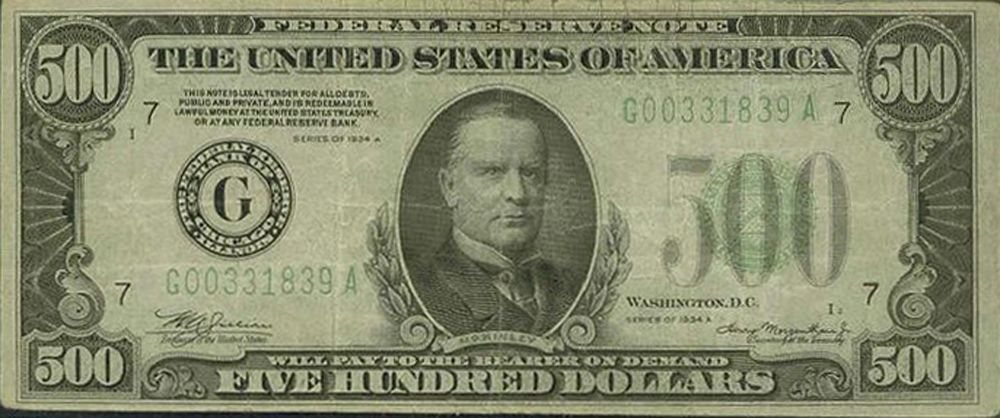
Have you ever seen a $500 or 1,000 dollar bill? What about a $100,000? Up until 1945, the U.S. Treasury printed $500, $1,000, $5,000, $10,000, and $100,000 notes , in addition to the values currently in use. These higher-value notes were mainly intended for bank and government use, but were sought by criminals as they made it easier to hide large amounts of money. Even though they were officially discontinued in 1969, these notes are still valid, though rare, and they have a high worth as collector's items.

8
No numbers

Image: Quilia

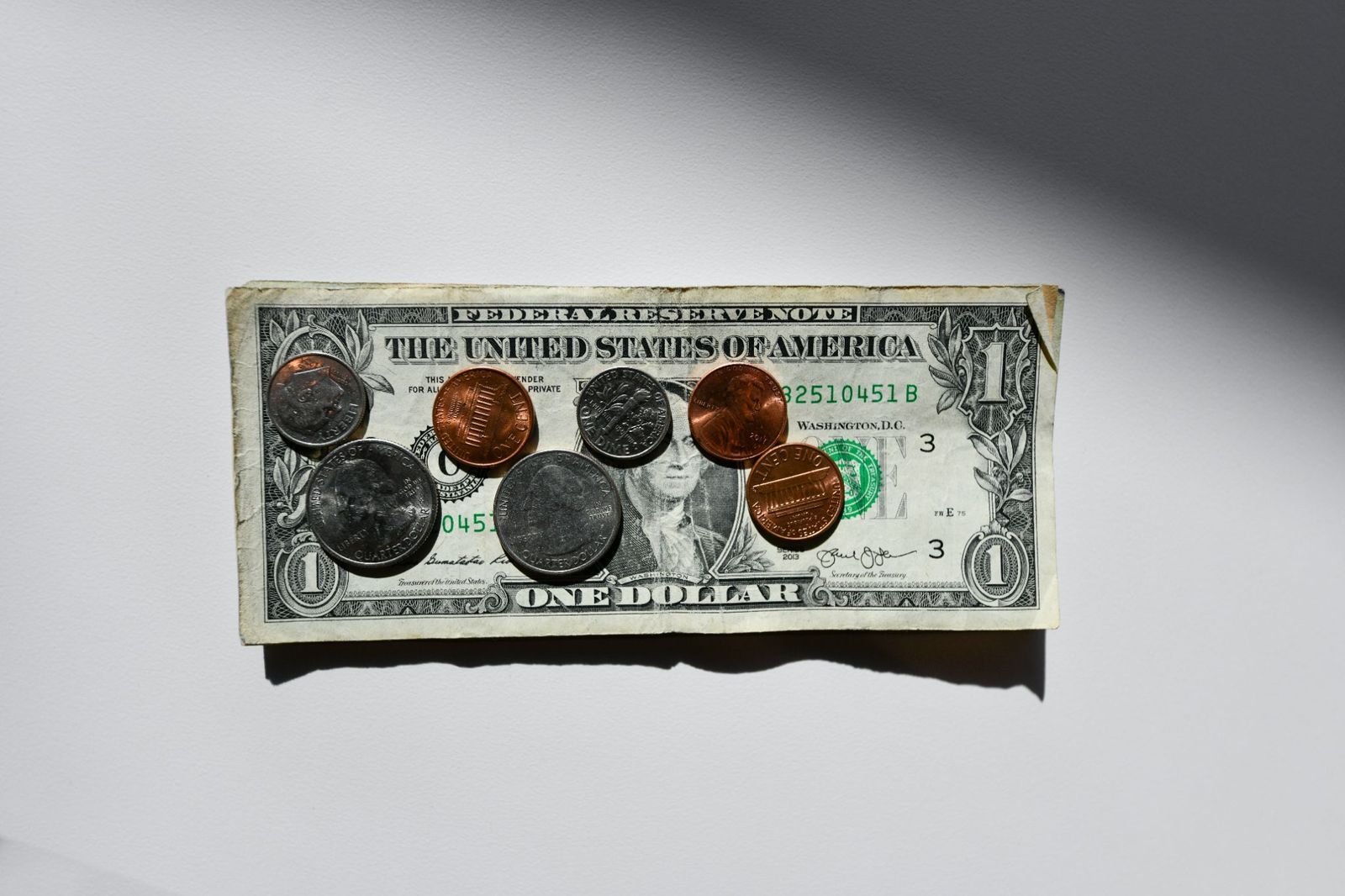
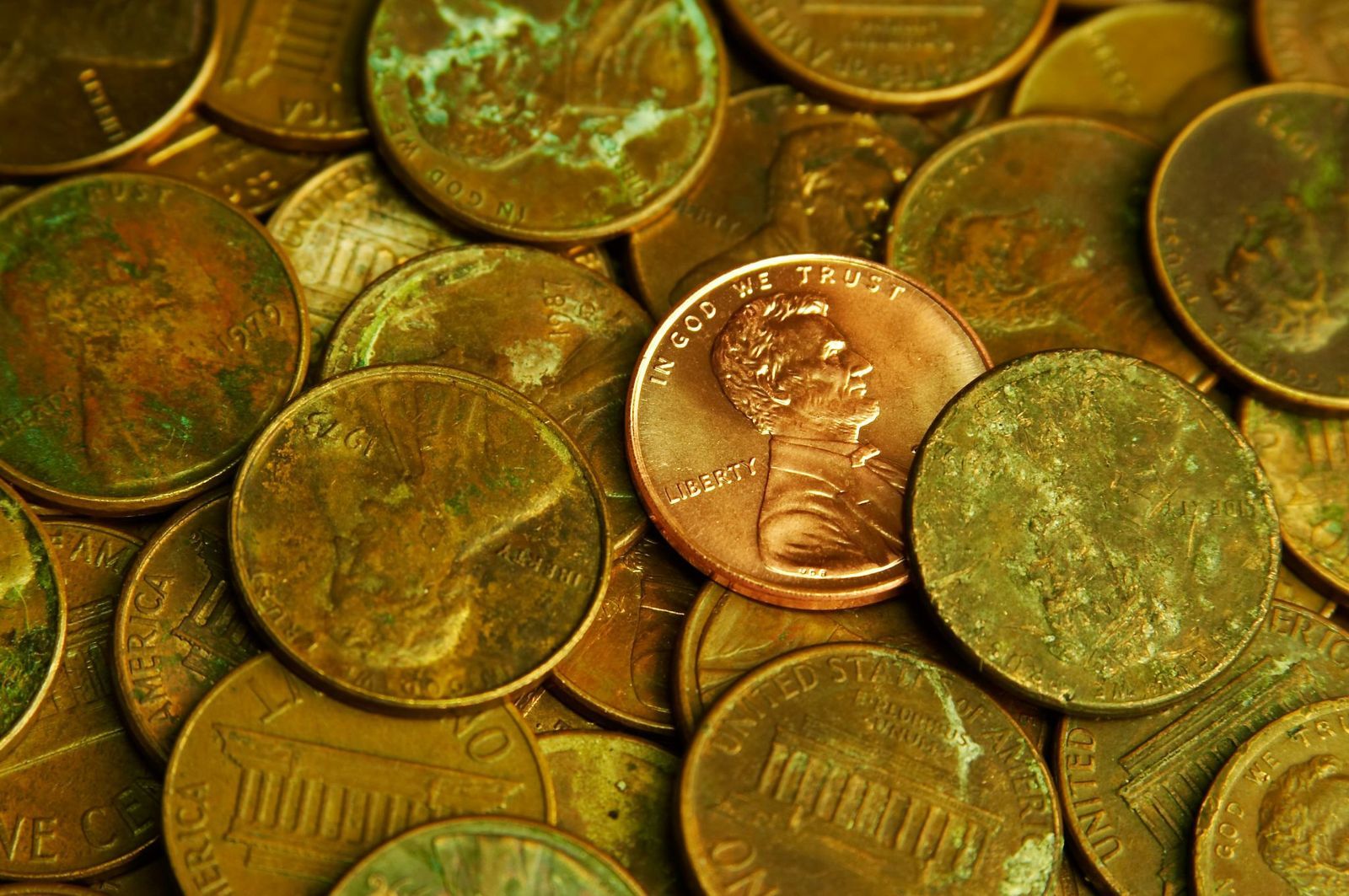
Unlike bills, American coins have different sizes and colors related to their value. Originally, gold, silver, and copper were used for coins, but modern coins are made of copper, zinc, or nickel. Besides their size and design, the value of each coin is printed in letters, not in numbers , alongside depictions of American presidents.

9
Liberty for all (the coins)

Image: Money Knack

By law, all American coins must include six specific details : the word ‘Liberty’, the name of our country, the national motto "In God We Trust", the oldest American motto "E Pluribus Unum", the value of the coin, and the year. Each coin also includes a mint mark that shows where it was made: "P" for Philadelphia, "D" for Denver, "S" for San Francisco, and "W" for West Point.

10
A global currency

Image: Logan Voss

The American dollar is one of the most powerful currencies in the world, acting as a backbone for international trade and finances. It is estimated that two-thirds of the physical dollars in circulation are outside American territory. Besides the U.S. and its territories, eight sovereign nations have the U.S. dollar as their official currency, with several more accepting it as legal tender.

Explore more American facts

Choose your favorite category!

General
General

As American as apple pie—the very best America has to offer!

Culture
Culture

Delve into the astounding richness of American lore.

Geography
Geography

Hop in and explore vast and diverse American landscapes.

History
History

Discover the key moments that shaped the United States.