History History 4 min read

"Speak easy when you order"

Did you know these facts about the Prohibition era?
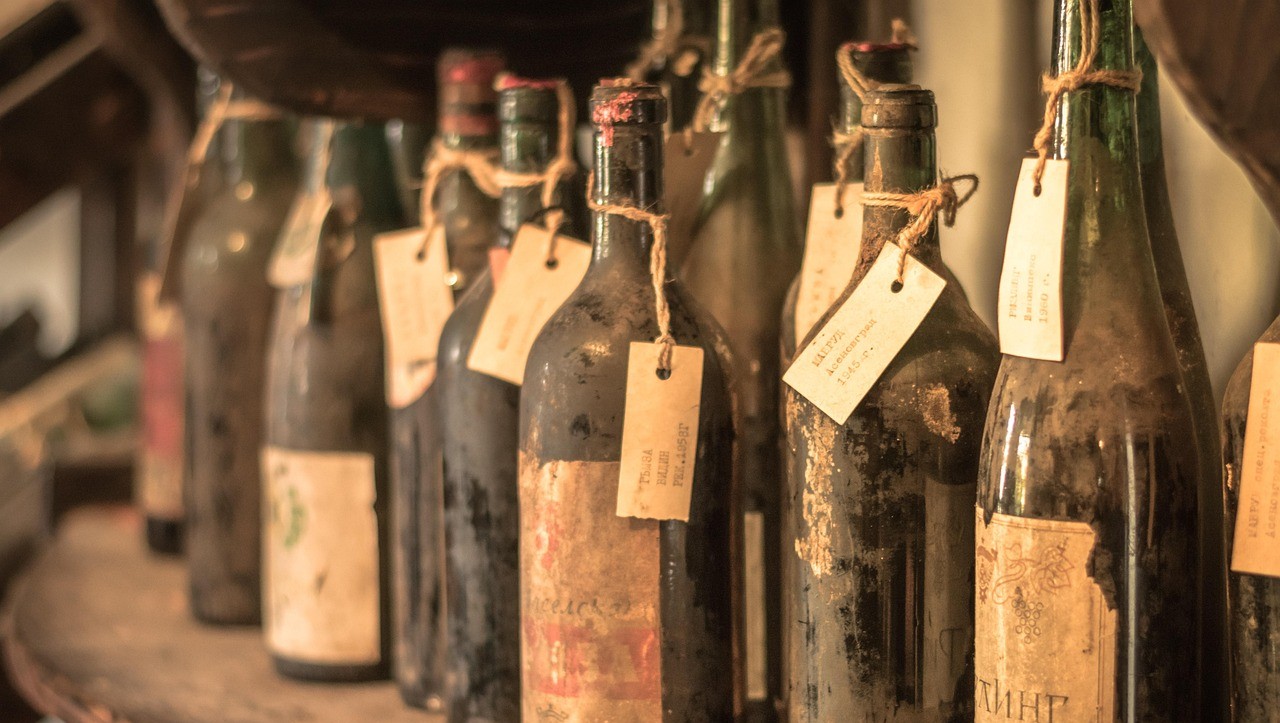
Image: DayanaLiquorNerd / maja7777

Endless myths and stories have permeated our culture about the era when alcoholic beverages were banned. Did pharmacists really get rich selling whiskey? Were all women in favour of Prohibition? In fact, were all rulers in favor of it, or did some publicly celebrate its ending? Let’s dive into some not-so-well-known facts about the Eighteenth Amendment .

1
The term "Speakeasy" came from a whispered instruction
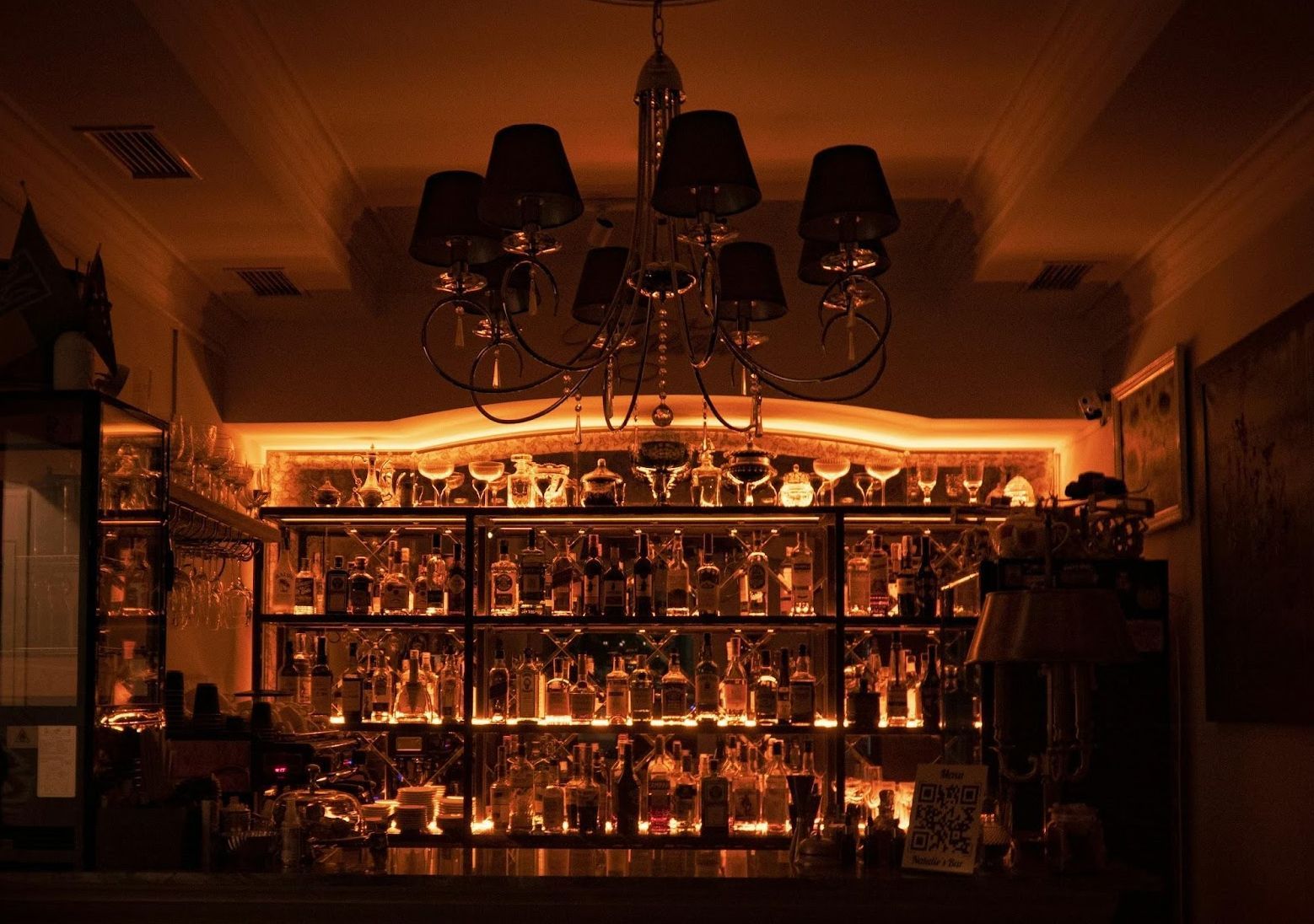
Image: Shtefan Lounge

This expression, by now forever associated with the Prohibition Era, came from bartenders quietly warning patrons to "speak easy" when ordering illegal drinks.

It is believed that the phrase was already in use in 1800s saloons, but it took off during Prohibition. Hidden behind trapdoors or fake businesses, these secret bars required passwords or knocks to enter.

2
Prohibition sparked the rise of NASCAR
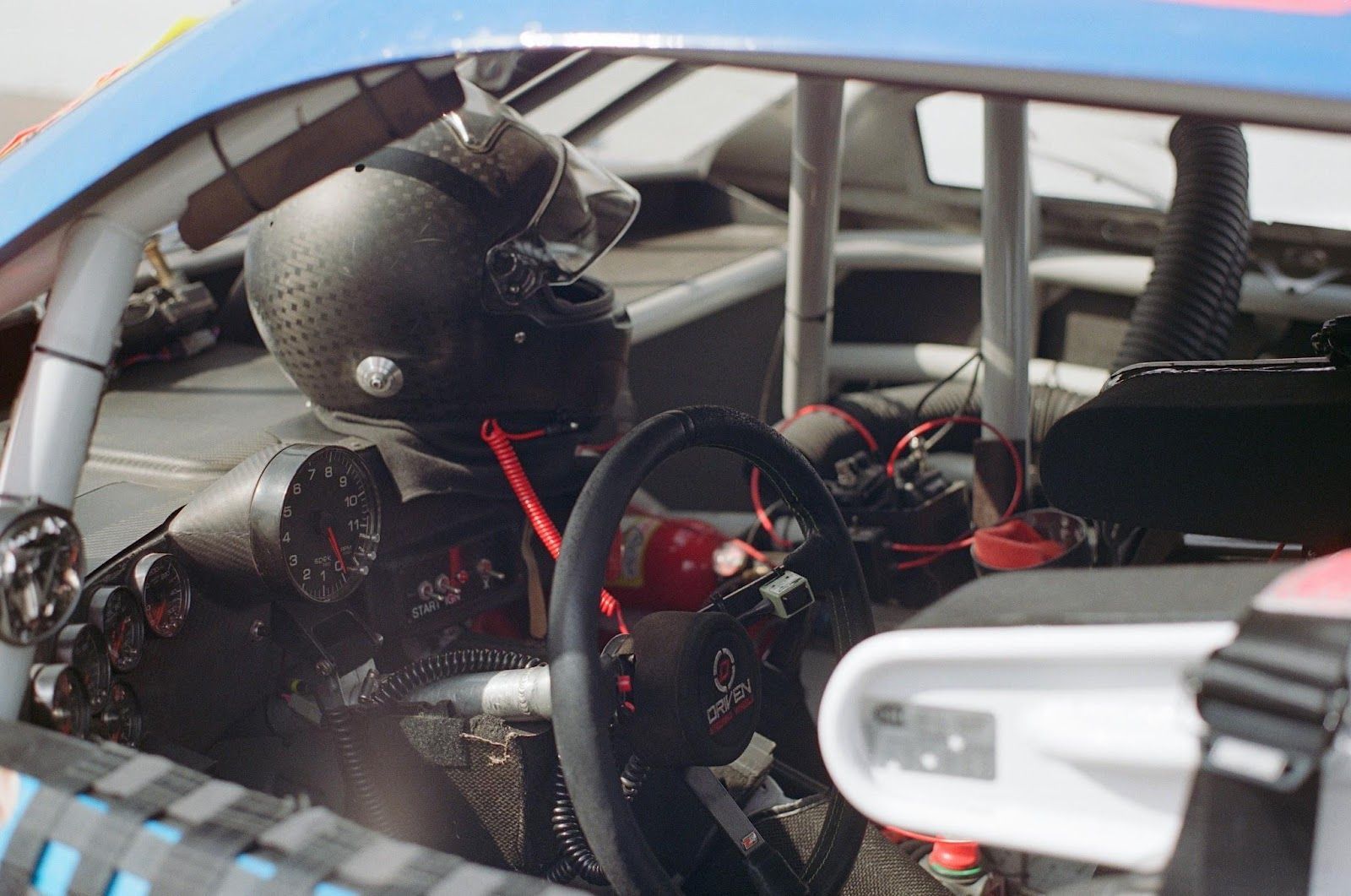
Image: Caleb Woods

Southern moonshiners during Prohibition needed to move whiskey fast. To evade federal agents, they needed to modify cars for speed and for driving through uneven terrains under the cover of the night.

What do you do with that peculiar set of skills when the Prohibition ends, then? Many of these trained drivers began racing each other for fun , and eventually for prizes. These informal competitions laid the groundwork for stock car racing, and in 1948, NASCAR was officially founded.

3
Grape bricks were a legal alternative
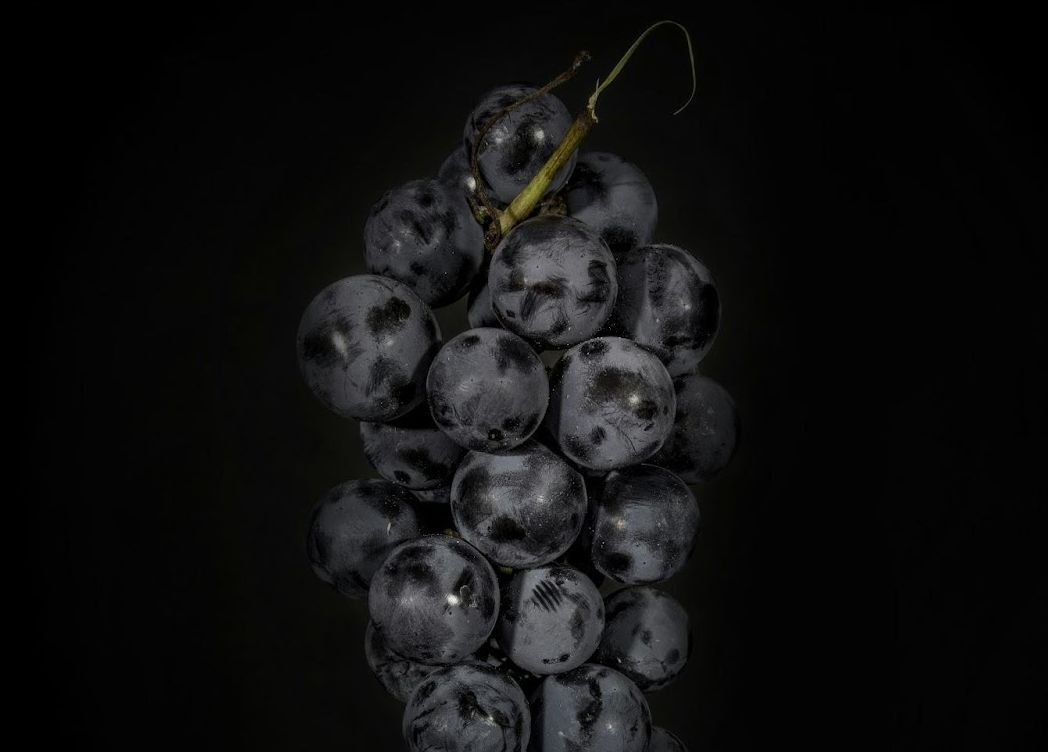
Image: Keegan Houser

Though commercial winemaking was banned, winemakers adapted quickly by selling "grape concentrate bricks" legally.

They were dense blocks that came with a cheeky warning: "Do not dissolve in water , add yeast, and let sit for 21 days, or it may ferment into wine." Of course, that’s exactly what people did.

4
Al Capone opened a soup kitchen
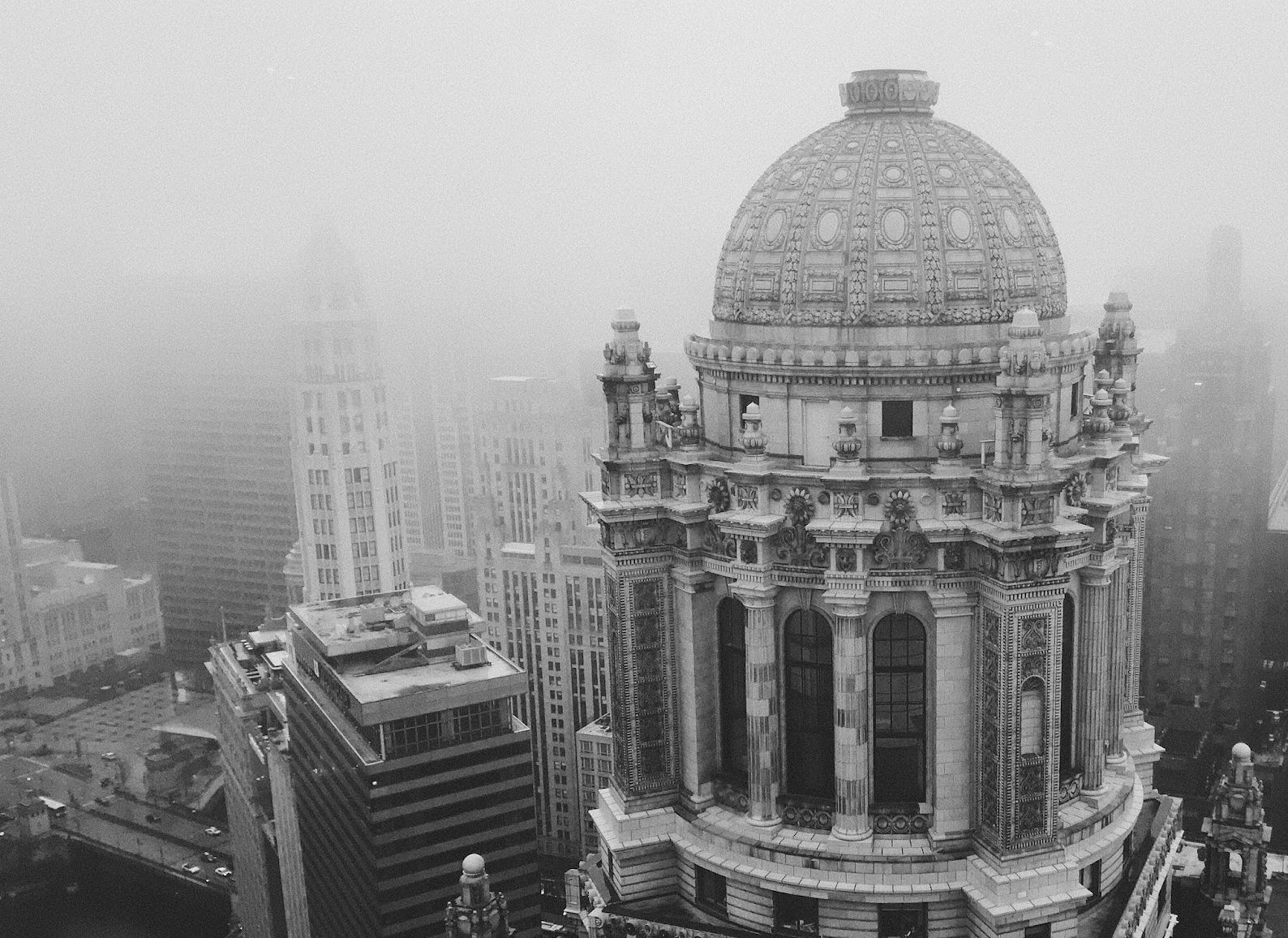
Image: Drew Gilliam

During the Great Depression, mob boss Al Capone operated a soup kitchen in Chicago, serving thousands of unemployed individuals .

The sign outside read "Free Soup, Coffee & Doughnuts for the Unemployed." It was certainly a clever PR move that helped soften his infamous image, even as he profited from illegal booze and violence.

5
There was a "whiskey prescription" loophole

Image: Anastasia Zhenina

While Prohibition outlawed alcohol sales, there was one major exception: whiskey prescribed by a doctor. The government allowed the writing of prescriptions for " medicinal liquor ," so millions were written. Patients could pick up their booze at a local pharmacy, usually in a clearly labeled bottle: "For Medicinal Use Only."

6
"Mountain Dew" meant Moonshine
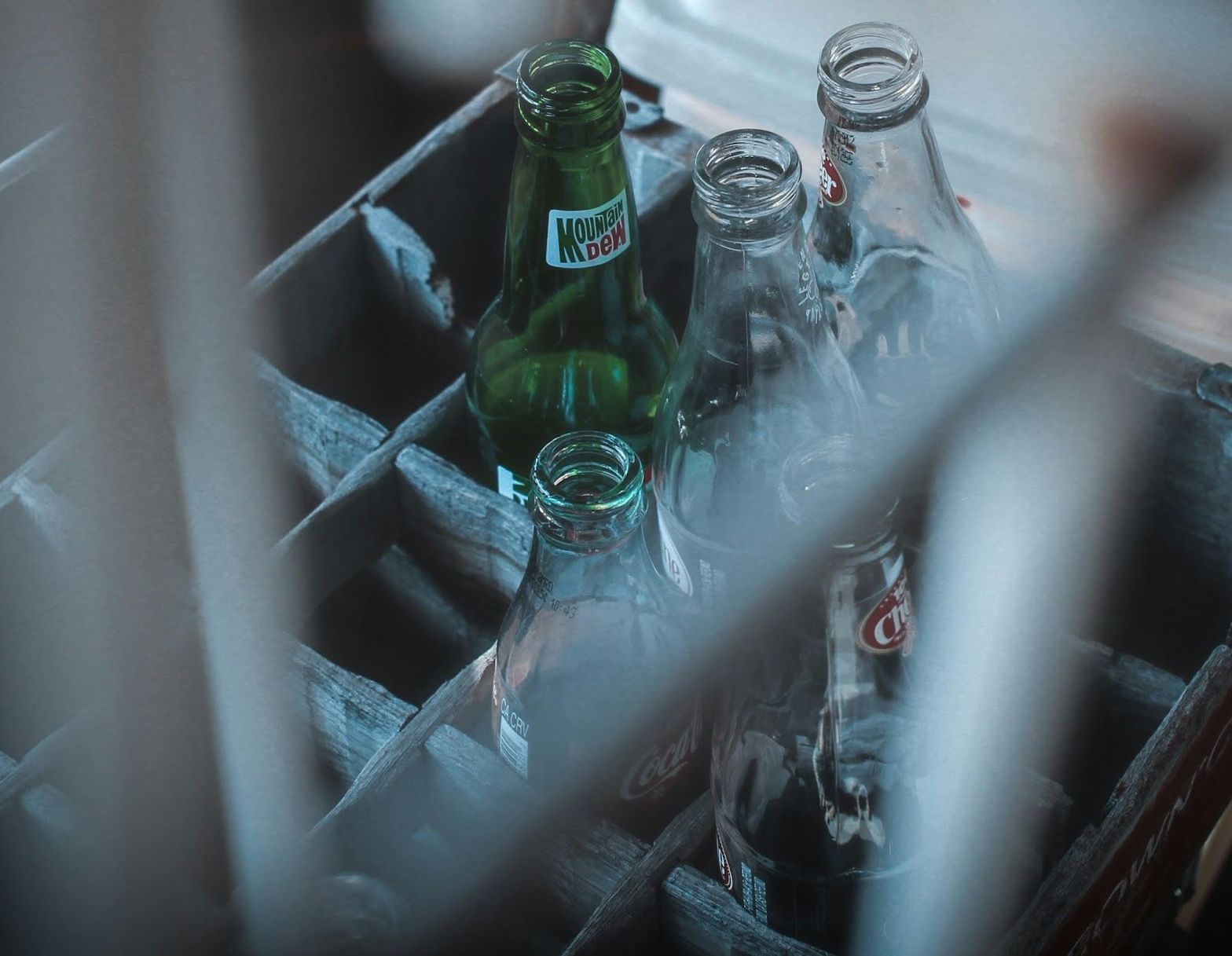
Image: Josh McLain

Long before it was a neon-green soda, "mountain dew" was slang for homemade whiskey . The term already appeared in folk songs of the Appalachian region back in the 19th century, and it became especially popular during Prohibition, as illegal distilling became widespread.

In the 1940s, the creators of the soft drink Mountain Dew originally formulated it as a mixer for whiskey. The name was a wink after the bootlegging culture it came from.

7
Women were on both sides of the front lines
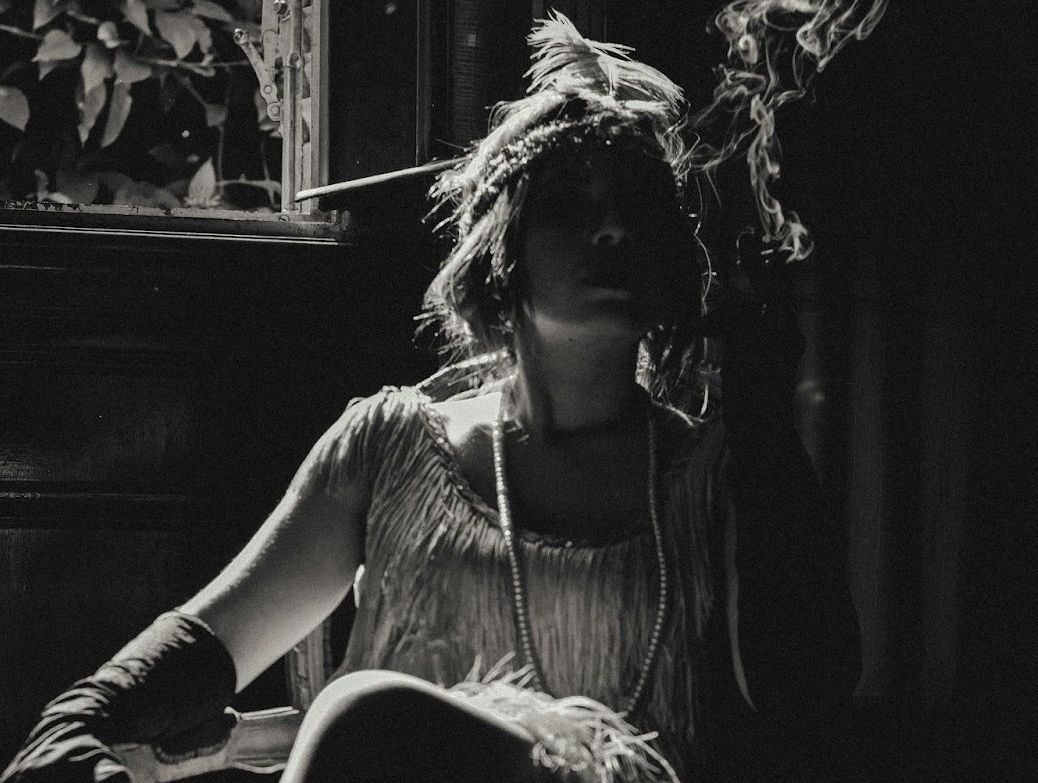
Image: Agustina Tolosa

Fierce women activists led the temperance movement, yes. For example, Carrie Nation famously stormed saloons with a hatchet. But many women also thrived in the world of illegal liquor.

Some saw Prohibition as an opportunity and became successful bootleggers, smugglers, and speakeasy owners. One of the most famous was Gertrude "Cleo" Lythgoe, nicknamed "The Queen of the Bahamas," who smuggled high-end liquor from Nassau to the U.S. East Coast and built a fortune.

8
Toothpaste and hair tonics were alcoholic
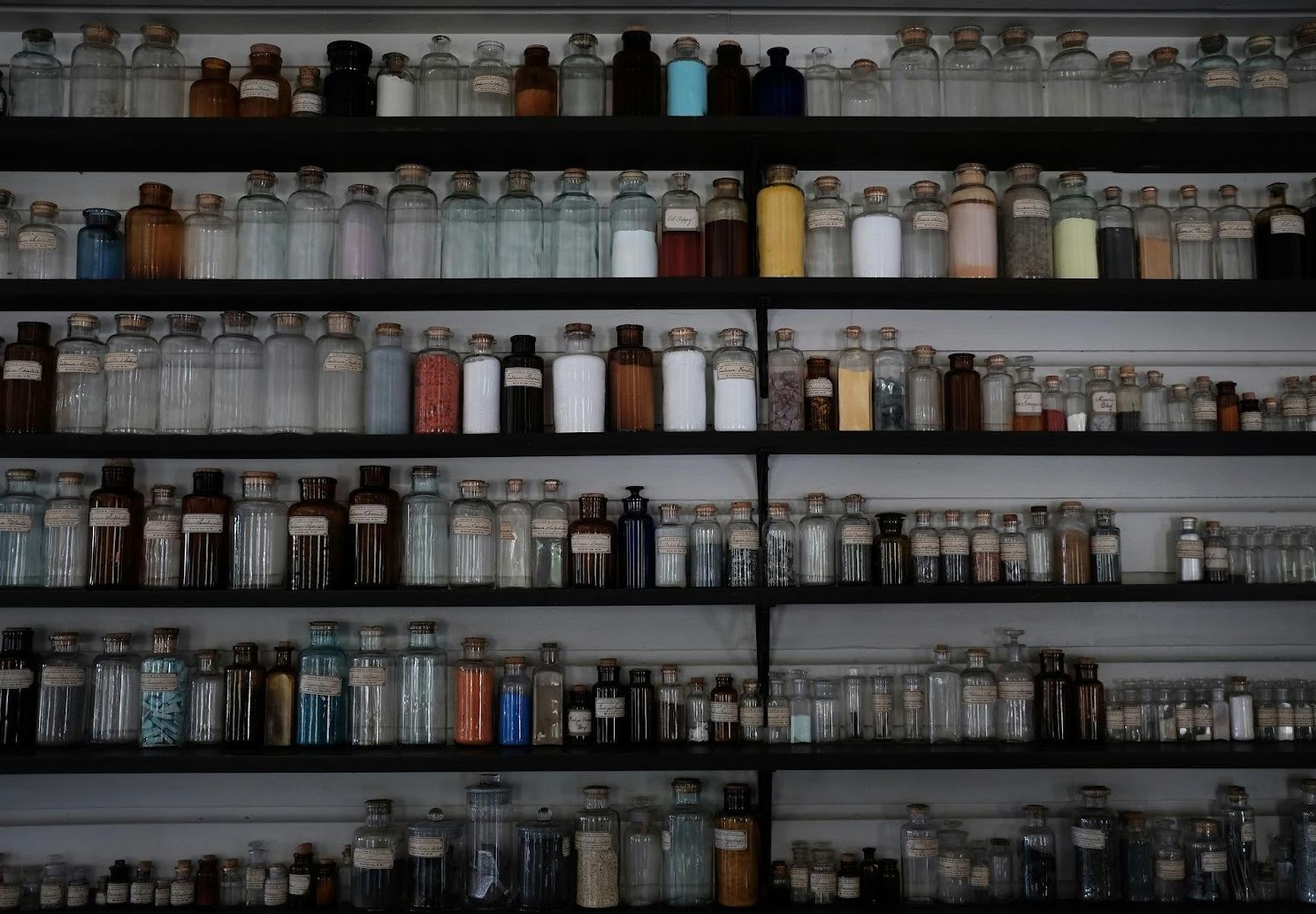
Image: Chelms Varthoumlien

With liquor banned, some people turned to unlikely products to get drunk. Items like bay rum aftershave, vanilla extract, hair tonics, and even toothache drops were legally sold and packed with high-proof alcohol. Desperate drinkers downed them despite the awful taste and potential health risks.

In New York City alone, an estimated 150,000 gallons of bay rum were consumed for intoxication in a single year.

9
Bootlegging funded jazz and nightlife
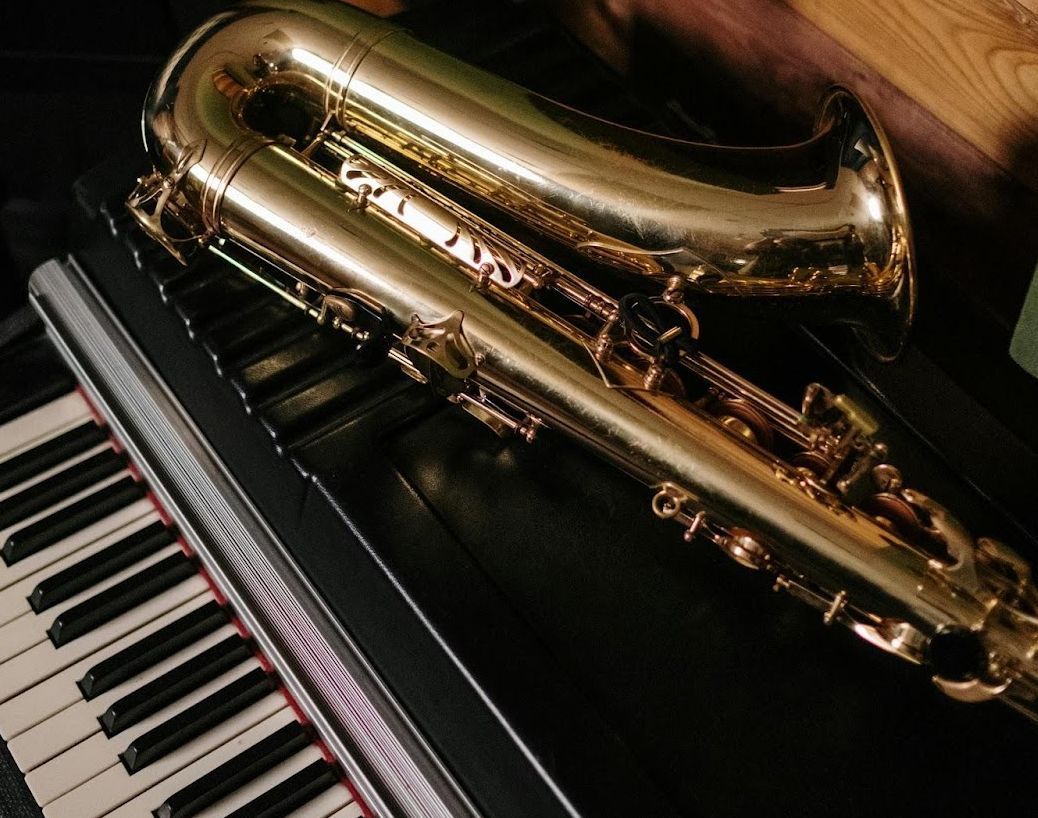
Image: cottonbro studio

Prohibition did help launch a cultural revolution . Speakeasies became centers of nightlife and music, and in places like Harlem, they gave rise to the Harlem Renaissance. Jazz greats like Duke Ellington and Billie Holiday got their start playing in these clubs.

10
New York’s mayor toasted the end with a beer… on air
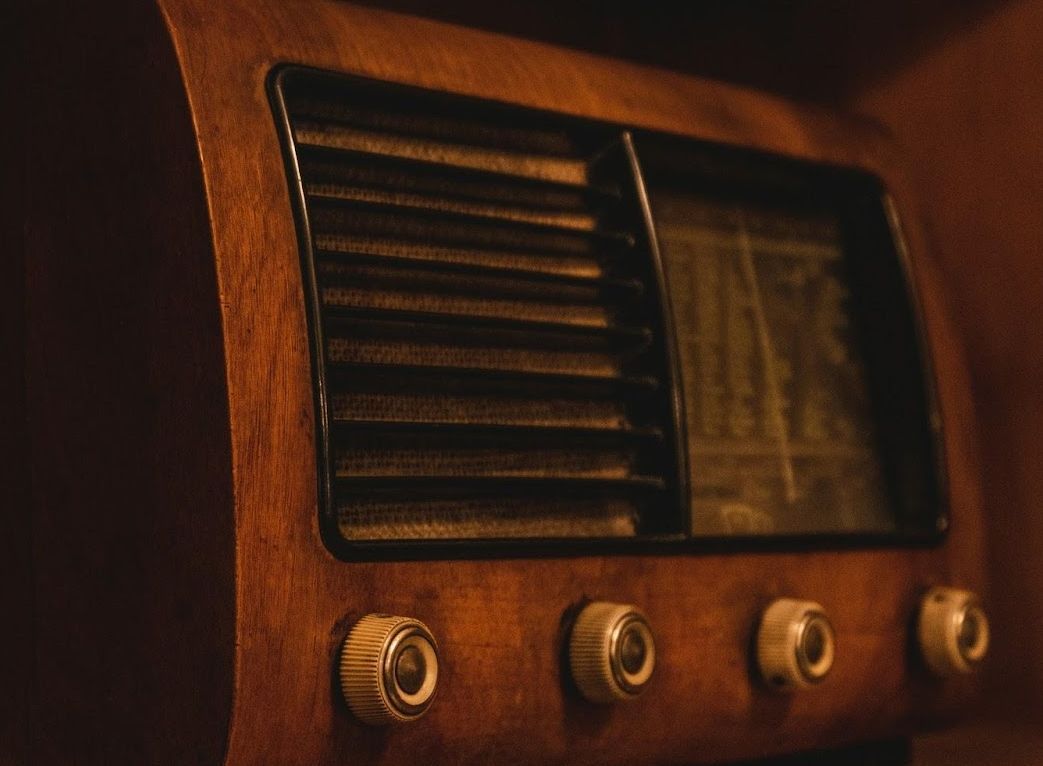
Image: Muhammed ÖÇAL

When the 21st Amendment officially ended Prohibition on December 5, 1933, New Yorkers celebrated with flair. So did their mayor. Fiorello La Guardia, a vocal critic of the alcohol ban , marked the occasion by cracking open a beer during a press conference and drinking it on live radio.

La Guardia had long argued that Prohibition bred crime and disrespect for the law, so this on-air symbolic gesture made sense and marked the beginning of instant change.

11
Some states didn’t ratify the end until the 21st century
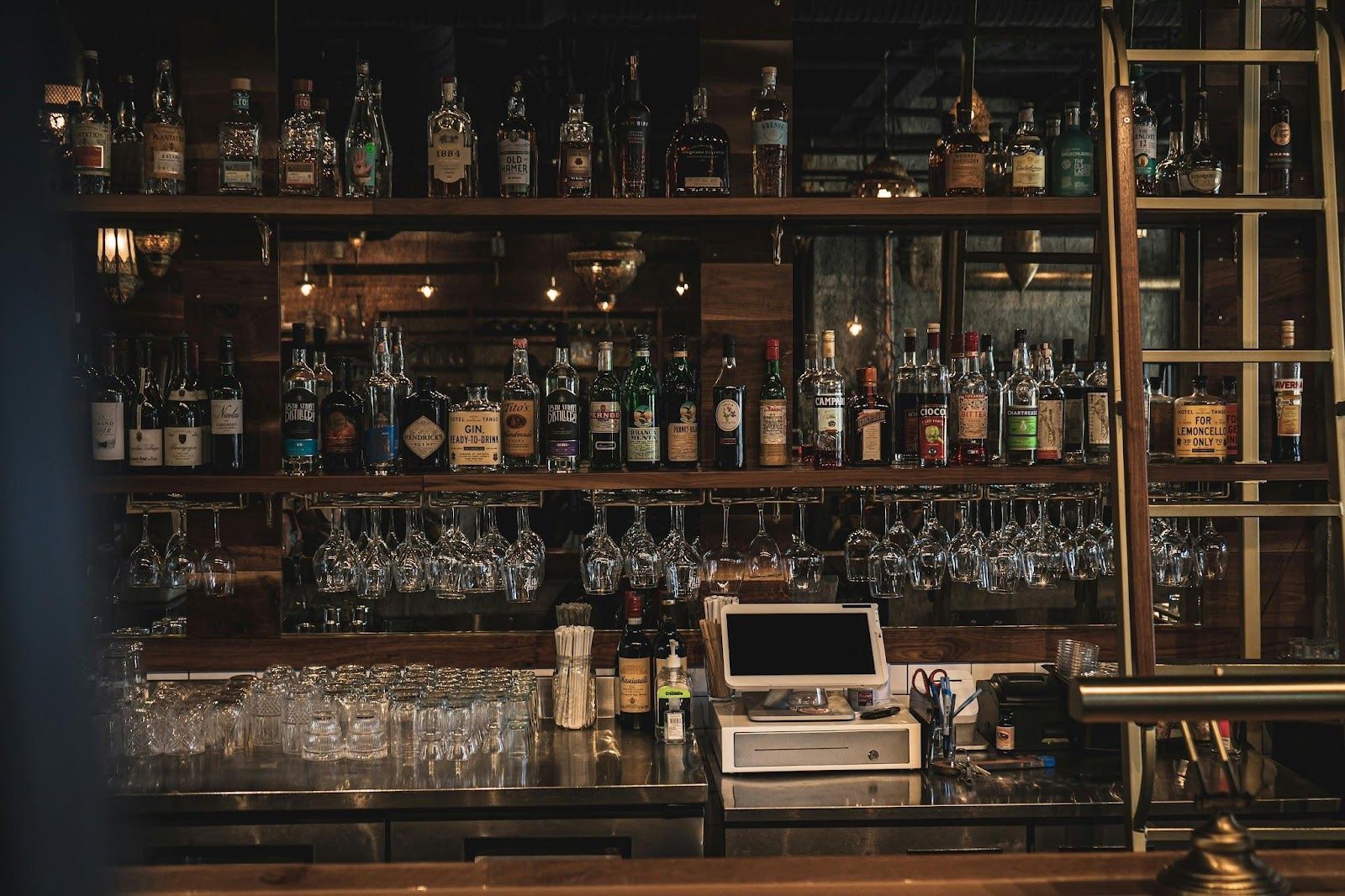
Image: Chris Hardy

Though the 21st Amendment repealed Prohibition in 1933, some states and counties held out for decades . Mississippi didn’t officially end state Prohibition laws until 1966; that’s 33 years after the national repeal. Kansas, meanwhile, banned public bars until 1987.

Even today, Prohibition echoes remain. Several U.S. counties are still "dry," meaning alcohol sales are restricted or banned outright.
History History 2 min read

Born in America

From Pickleball to Pigskin: 10 sports only America could invent

Image: Riley McCullough

America has long been a land of innovation—not just in tech and culture, but in sports too. From backyard pastimes to professional spectacles, many athletic pursuits started here and captured the imagination of millions. Join us as we explore 10 uniquely American sports.

1
Baseball

Image: Josh Hemsley

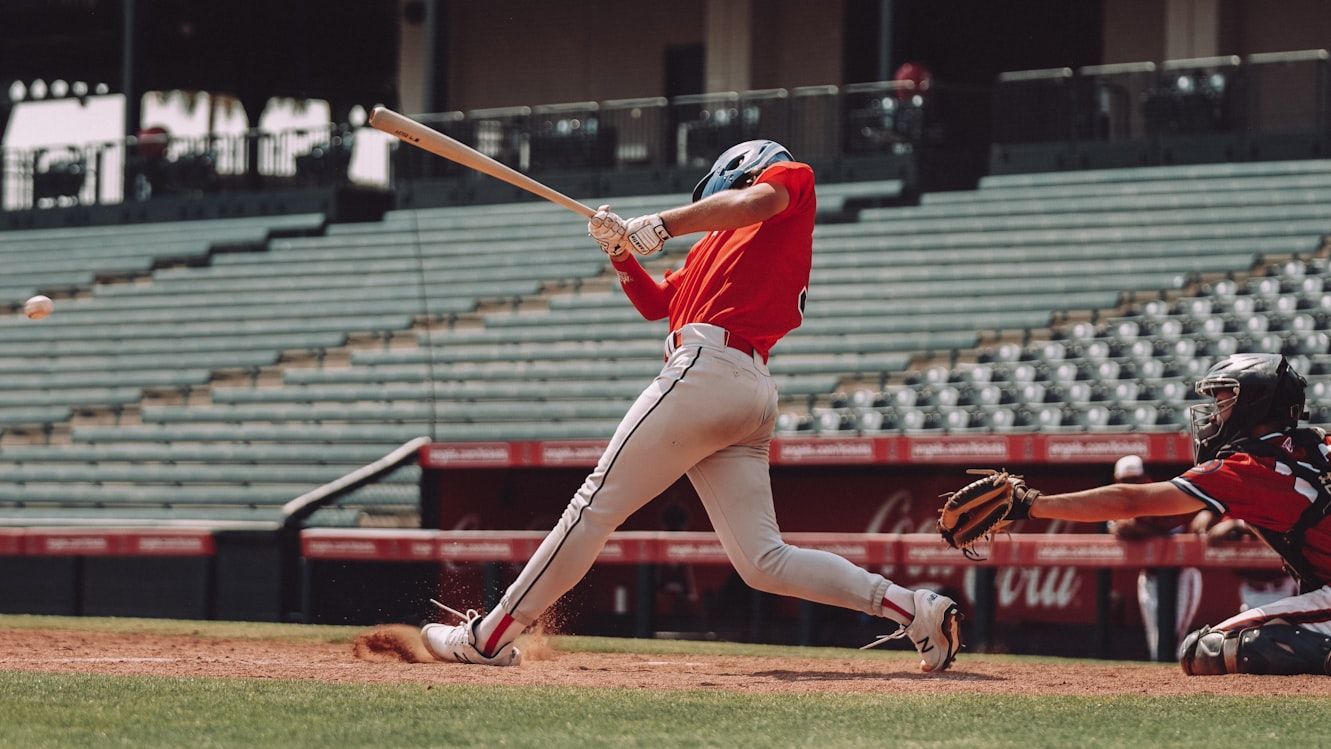
Originating in the early 19th century, baseball evolved from British bat-and-ball games like rounders. By the 1840s, it was widely played in New York and spread quickly across the country.

Professional leagues began forming in the 1870s, and by the 20th century, baseball had become a defining cultural symbol. The Major League Baseball (MLB) remains a cornerstone of American sports identity.

2
American Football

Image: Tim Mossholder

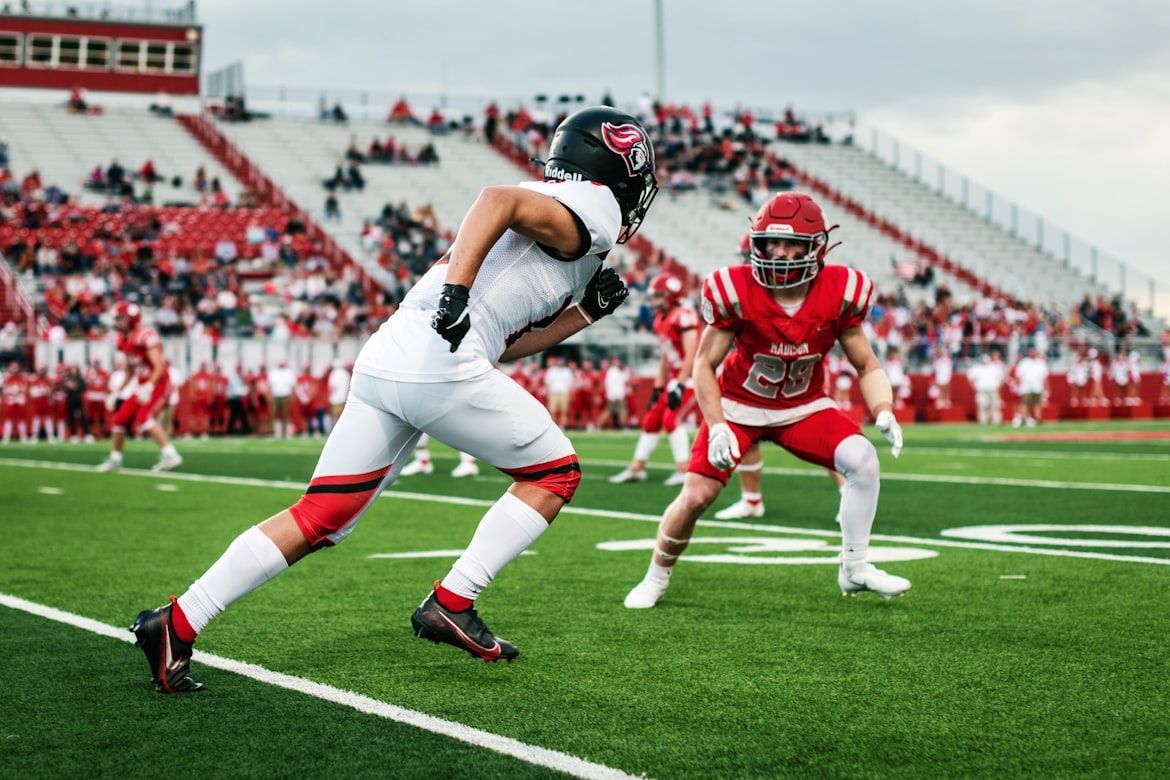
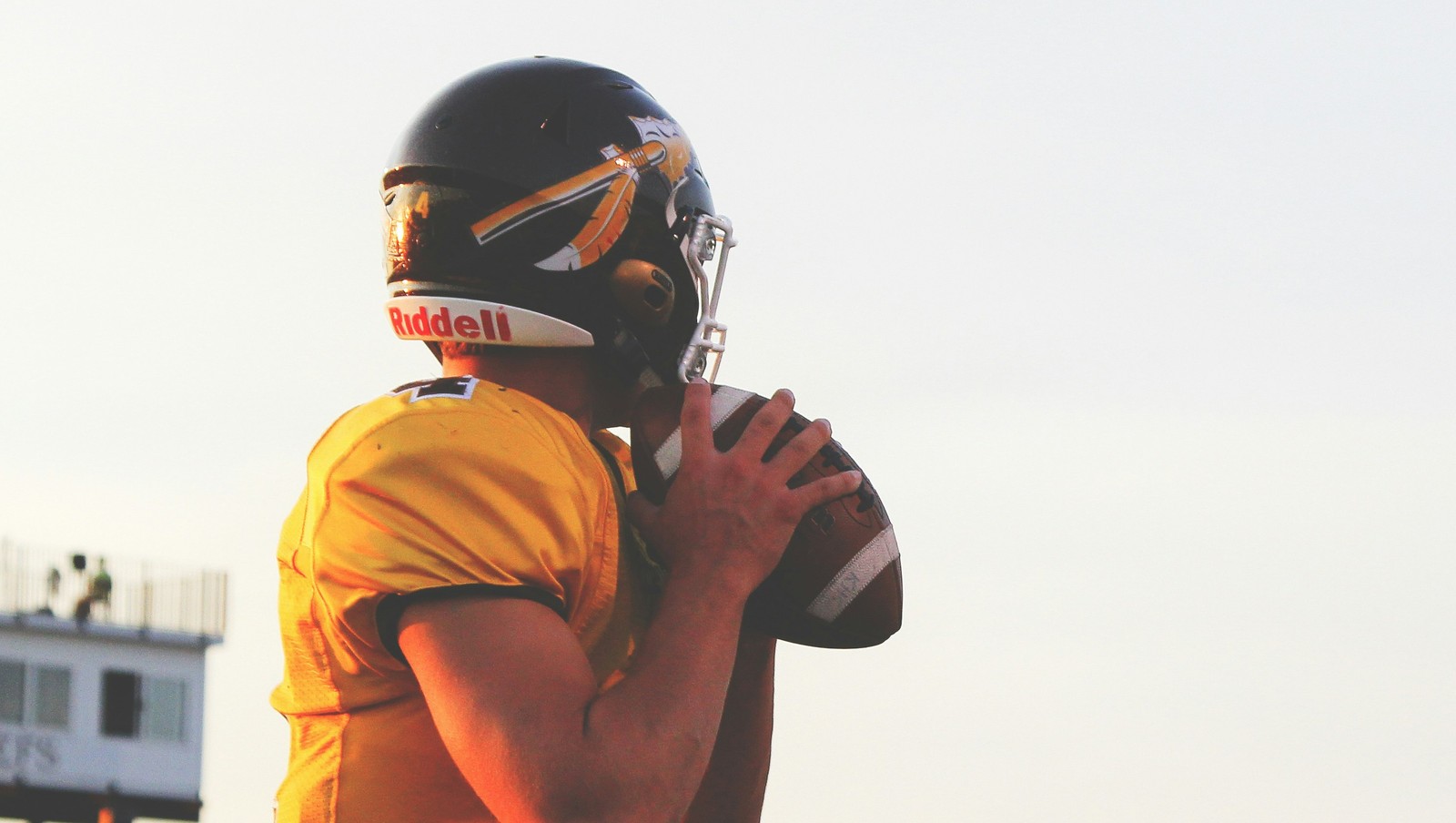
American football developed from rugby and soccer in the late 19th century, with Walter Camp shaping key rules like the line of scrimmage.

Today, the NFL is a multi-billion-dollar enterprise, with the Super Bowl considered an unofficial national holiday. Its unique strategic play sets it apart globally.

3
Basketball

Image: Markus Spiske

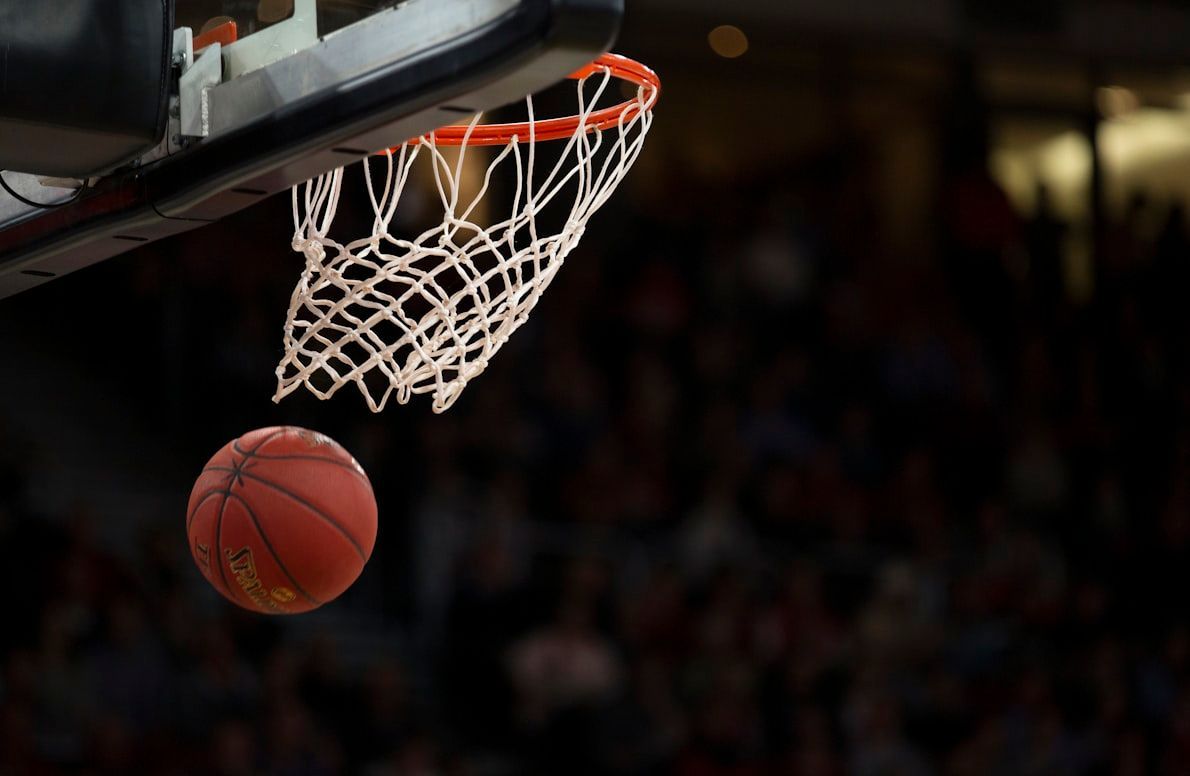
Invented in 1891 by James Naismith in Springfield, Massachusetts, basketball was created as an indoor game to keep athletes active during winter.

Basketball rapidly grew in schools and colleges, evolving into the NBA by 1946. Its fast pace and high scoring made it a uniquely American phenomenon with global influence.

4
Volleyball

Image: Jannes Glas

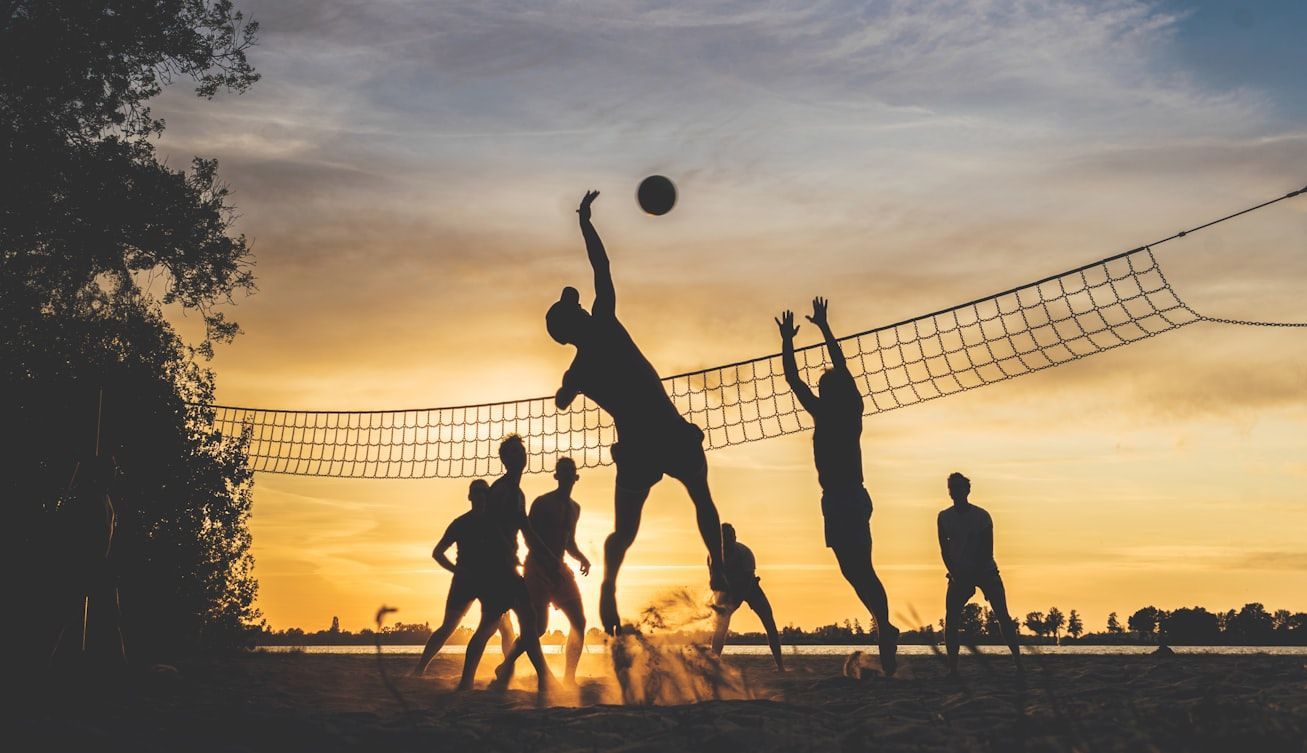
William G. Morgan invented volleyball in 1895 in Holyoke, Massachusetts, as a less strenuous alternative to basketball for older athletes.

Originally called "Mintonette," it quickly spread through YMCA programs. Today, volleyball is a staple in American schools and a popular recreational and Olympic sport.

5
Lacrosse

Image: Gene Gallin

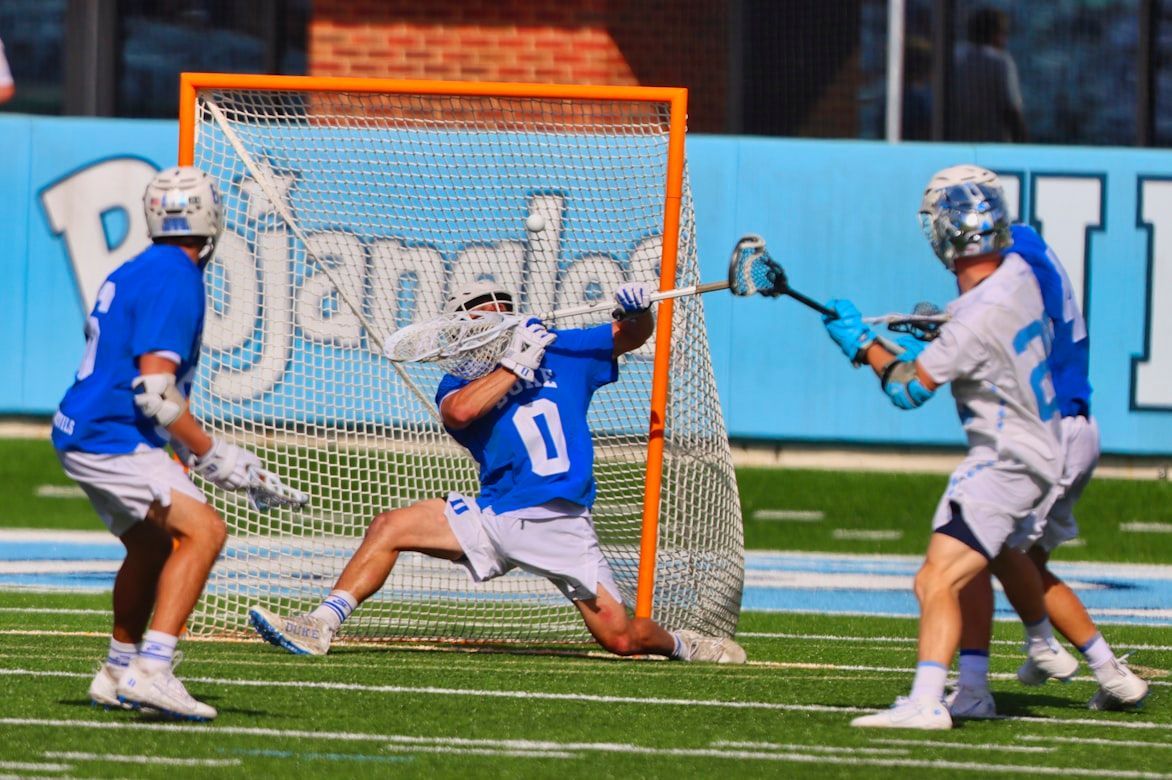
Though based on Indigenous games, the modern field version of lacrosse was codified in the U.S. in the mid-19th century, particularly in New York and Maryland.

American collegiate leagues helped popularize the sport. Its fast pace, physicality, and unique stick skills differentiate it from similar sports elsewhere.

6
Rodeo

Image: Lee Pigott

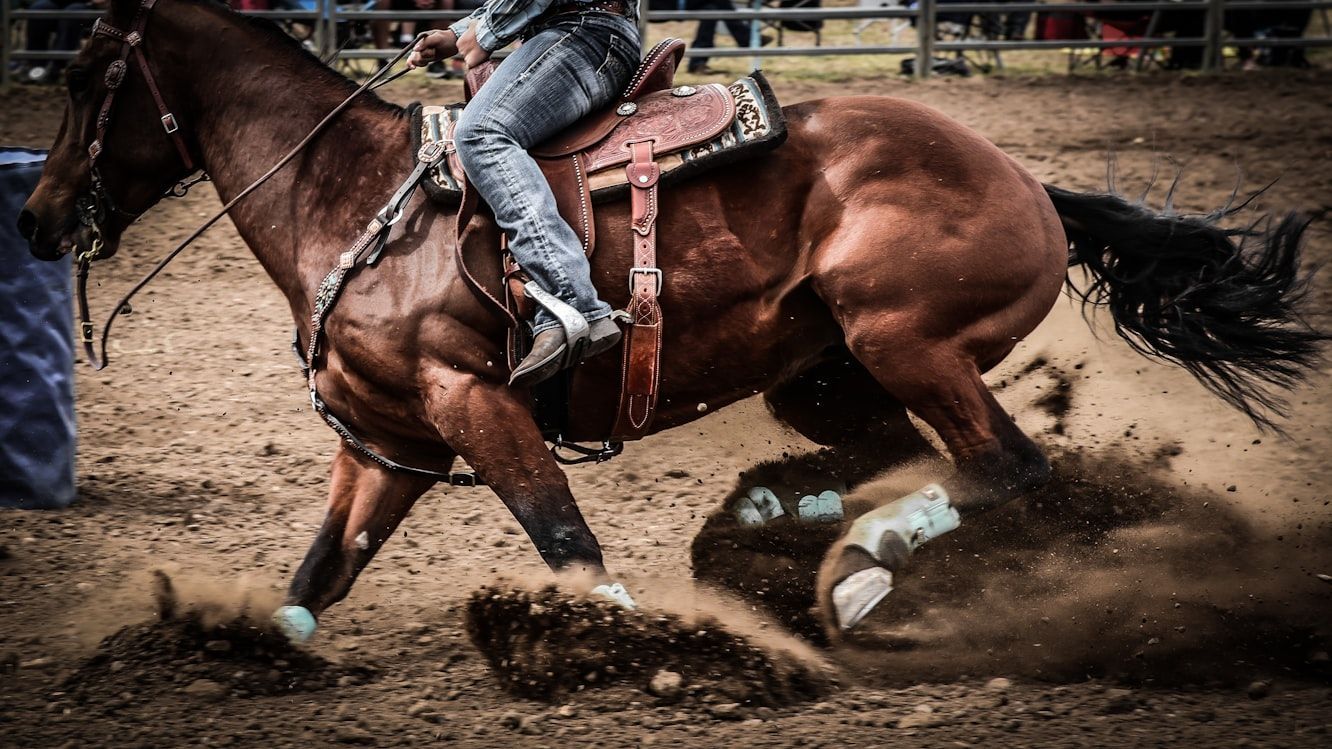
Rodeo emerged from cattle herding competitions in the American West in the late 1800s. Cowboys demonstrated skills like bronco riding, roping, and barrel racing.

Rodeo reflects frontier life and is heavily celebrated in states like Texas and Wyoming. It became an organized sport with professional circuits in the 20th century.

7
Skateboarding

Image: Rhendi Rukmana

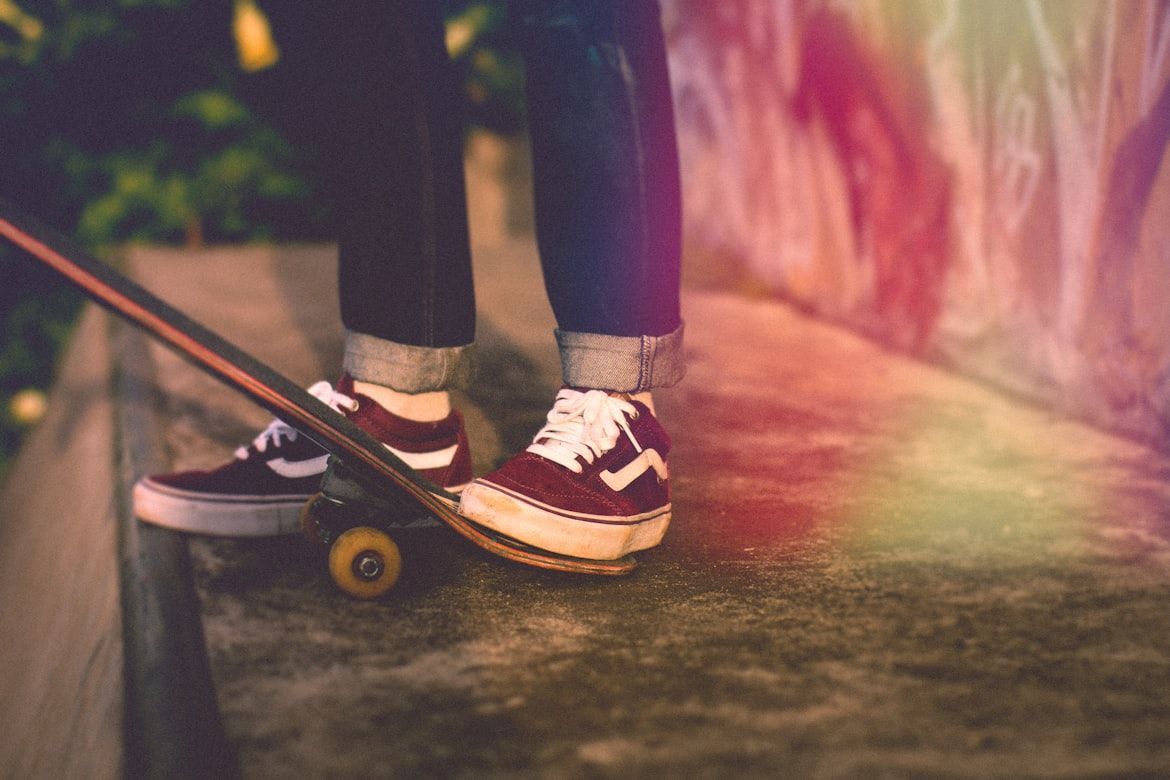
Developed in California in the 1950s as "sidewalk surfing," skateboarding transformed surfing techniques for urban environments.

The sport gained a professional scene by the 1970s, complete with skate parks and competitions. Its counterculture roots remain distinctly American.

8
Roller Derby

Image: River Fx

Emerging in the 1930s as a banked-track endurance race, roller derby evolved into a full-contact team sport.

Especially popular with women, modern roller derby combines athleticism and theatrical flair. It’s a uniquely American mix of sport and spectacle.

9
Cheerleading

Image: Rojan Maharjan

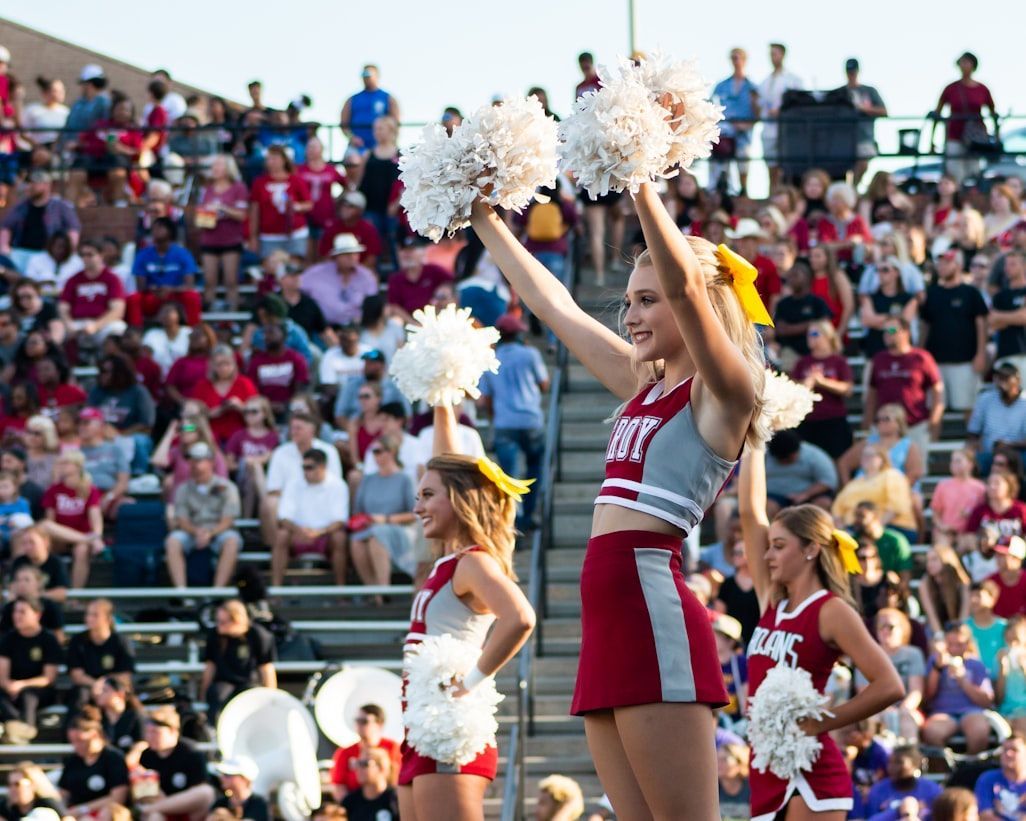
Starting at the University of Minnesota in 1898, cheerleading began as organized support for college football teams.

Over time, it developed competitive elements with complex stunts and routines. Today, cheerleading is recognized both as a sport and a cultural phenomenon in the U.S.

10
Pickleball

Image: Aleksander Saks

Invented in 1965 on Bainbridge Island, Washington, pickleball blends tennis, badminton, and ping-pong.

It gained popularity for all ages due to its accessibility and social appeal. Pickleball’s exponential growth highlights American ingenuity in casual sports.

General General 6 min read

Extraordinary winged friends

From Bald Eagles to Mockingbirds: Fun facts about North American birds

Image: Siegfried Poepperl

The animal kingdom is full of peculiar species, but undoubtedly, birds are one of the most interesting. North America is home to more than 1,100 marvelous bird species that have captured our hearts and minds. From their striking colors and pleasant tunes to their unique behaviors, birds are endlessly fascinating. These cute little flying creatures hold countless curiosities—so many that it would be impossible to gather them all in one article. Nevertheless, here is a small selection of some very interesting facts about 10 of the most compelling North American birds. Are you ready to be amazed?

1
Woodpecker

Image: Jaime Dantas

Surely, we could all recognize Woody Woodpecker's famous laugh anywhere, but have you ever wondered why this type of bird knocks on wood? Woodpeckers have larger and stronger bills than other birds. They use their beaks not only to dig holes in trees for nesting but also to drum on resonant objects like hollow logs and branches to communicate to other woodpeckers, about their territory and their availability to mate.

But is it true that they hammer away at wood at an incredible speed, as seen in the beloved cartoon? Yes! For example, the Red-headed Woodpecker, found in temperate North America, has the highest g-force (force of acceleration) experienced by a bird. When pecking wood, they hit trees with an impact force of 1,200 g’s. By comparison, astronauts on space shuttles experience 3.5 g's during takeoff, while a force of 60-100 g’s can cause a human concussion.

2
Northern Cardinal

Image: Joshua J. Cotten

Did you know most female songbirds in North America usually don't sing? Fortunately, both male and female Northern Cardinals break this trend with their beautiful songs . As a matter of fact, sometimes they even perform duets! Mated pairs usually sing back and forth to each other, sharing information about food sources and nest activity.

Another cool fact about Northern Cardinals is their tendency to fight their own reflections in windows and vehicle mirrors. Experts claim they see their image as a competing bird and attack it to defend their territory. This behavior can go on for days, even months.

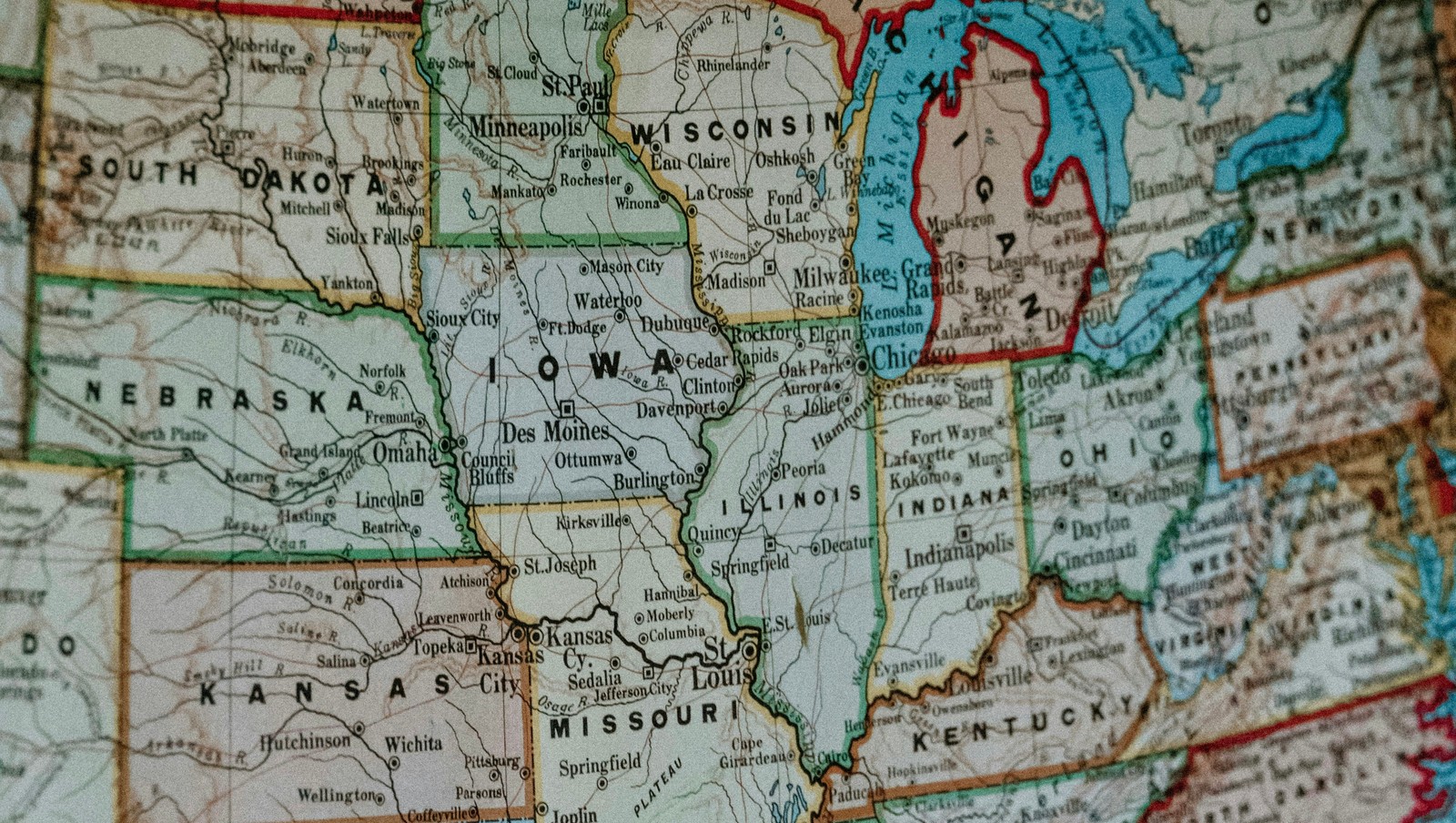
Nevertheless, despite this somewhat aggressive attitude, Northern Cardinals are one of America's favorite birds. They hold the distinction of being the state bird of seven states: Illinois, Indiana, Kentucky, North Carolina, Ohio, Virginia, and West Virginia.

3
Brown Thrasher

Image: Joshua J. Cotten

The Brown Thrasher may be an elusive, hard-to-see bird but it certainly doesn't go unnoticed. The state bird of Georgia, found throughout the eastern and central United States and southern and central Canada, is well known for its remarkable songs.

In fact, this big, foxy-red bird is not only a prolific singer but also an expert mimic, with an impressive repertoire of more than 1,100 tunes! And thrashers are so good at keeping the natural world entertained that they will repeat each phrase of a song twice before singing the next one.

4
Northern Mockingbird

Image: Patrice Bouchard

The Northern Mockingbird is another remarkable mimic. This bird listens to the songs of nearby species and learns to replicate their tunes. In fact, a male may learn around 200 songs throughout its life. The mockingbird, however, can be a bit more monotonous than the Brown Thrasher: it repeats phrases up to six times before moving on to the next one. Have you ever had one in your backyard?

Apart from its musical abilities, the Northern Mockingbird, very common in towns and cities, especially in the South, is one of the most influential birds in American culture. It serves as the state bird for five states : Arkansas, Florida, Mississippi, Tennessee, and Texas. It also appears in many books, TV shows, folk songs, and lullabies.

5
Marsh Wren

Image: Alexis LOURS

Marsh Wrens are songbirds too, but in their case, it’s all about impressing the ladies! The Marsh Wren, a tiny brown bird found all around North America, learns songs from other males and sings them nearly identically. With a repertoire of more than 100 melodies, males often engage in musical duels and sing back and forth to each other to impress the females with their musical abilities.

But singing isn’t their only strategy for winning over a mate. Male Marsh Wrens build up to 20 dummy nests made from cattails for prospective females to evaluate. The female then chooses which one she prefers to lay her eggs in. Unused nests are left as is to confuse predators or are used by adult birds to sleep during nonmating seasons.

6
Black-capped Chickadee

Image: Margaret Strickland

The Black-capped Chickadee, the state bird of both Massachusetts and Maine, is a very popular bird across the northern United States. This small black, white, and tan bird, roughly the size of a sparrow, is well known for its vocalizations and for its ability to conserve energy during the winter months.

In extremely cold weather, Black-capped Chickadees enter a state of dormancy known as torpor. At night, the birds seek shelter and become inactive, causing their core body temperature to drop slightly. As they alternate shivering with staying still, the heart rate decreases. When they reach a full state of torpor, they lose consciousness. Toward morning, the birds start shivering again to regain temperature. This way, the Black-capped Chickadee starts the day afresh, using the precious fat it saved during the night as energy.

7
Ruby-throated Hummingbird

Image: Skyler Ewing

They might be tiny but the myth that Ruby-throated Hummingbirds migrate on the backs of Canada Geese is totally false. Ruby-throated Hummingbirds, the most common hummingbirds in eastern North America, migrate south at the end of summer, traveling to temperate climates in Central and South America entirely on their own.

This iridescent red and green bird is so small that it makes the most minuscule nests. The nest of a Ruby-throated Hummingbird is around the size of half of a walnut shell—only 1½ inches wide! Also, the smaller the bird, the fewer the feathers. The Ruby-throated Hummingbird is a record holder for the fewest feathers in a bird, less than 1,000 in total. For reference, a Whistling Swan, the record holder for the most feathers, boasts about 20,000 individual feathers.

8
Owls

Image: Keith Lazarus

Owls are both cherished and mysterious creatures. In North America, there are 19 different species, each with its own curious characteristics. For example, the Elf Owl, found in the Southwestern United States and Mexico, is special because it’s the smallest owl in the world —measuring just 5 inches tall!

Night-hunting owls present in North America, such as Barn Owls, Long-eared Owls, and Boreal Owls, have the best hearing in the bird world. Many of these nocturnal owls have asymmetrical ear openings, one opening higher and one larger. This unique adaptation allows sound to enter their ears at slightly different times, helping them to accurately triangulate the position of their prey. Also, Barn Owls have a specialized middle claw called pectinate claws. This special feature is a serrated edge that serves as a built-in comb to get rid of debris or parasites.

9
Snow Goose

Image: David Dibert

Isn't it great when we get to spot those amazing V-shaped migration formations in the sky? Did you know that most of North America’s small birds don’t fly in formations? They travel alone or alongside other birds that happen to be heading in the same direction. The Snow Goose, however, is an exception, often flying in huge V formations or single-angled lines.

During migration, Snow Geese, native to North America, form some of the largest flocks in the bird world. Flocks of more than 100,000 Snow Geese are a common sight during their northward spring migration. In some areas, such as Nebraska, there are even records of flocks with millions of geese. Flying in formations allows Snow Geese to save energy during flight.

10
Bald Eagle

Image: Pixabay

If you thought that, since it’s the national symbol of the United States of America, you knew all about the Bald Eagle, these facts will probably blow your mind! Did you know that young Bald Eagles are born with brown eyes, which eventually turn yellow? And what about the fact that they have talons that can grow up to 2 inches long , helping them grasp prey tightly for a quick kill?

Furthermore, Bald Eagles make the largest nests of any bird species. The largest Bald Eagle nest ever recorded measured more than 9 feet wide and 20 feet deep and was found in St. Petersburg, Florida. What's even more impressive is that they reuse their nests for many years—sometimes even decades. A Bald Eagle nest in Vermilion, Ohio, was used for 35 years in a row—mortgage-free! Can you imagine?

Explore more American facts

Choose your favorite category!

General
General

As American as apple pie—the very best America has to offer!

Culture
Culture

Delve into the astounding richness of American lore.

Geography
Geography

Hop in and explore vast and diverse American landscapes.

History
History

Discover the key moments that shaped the United States.