General General 3 min read

What’s in a nickname?

Did you know the stories behind the nicknames of these Americans?
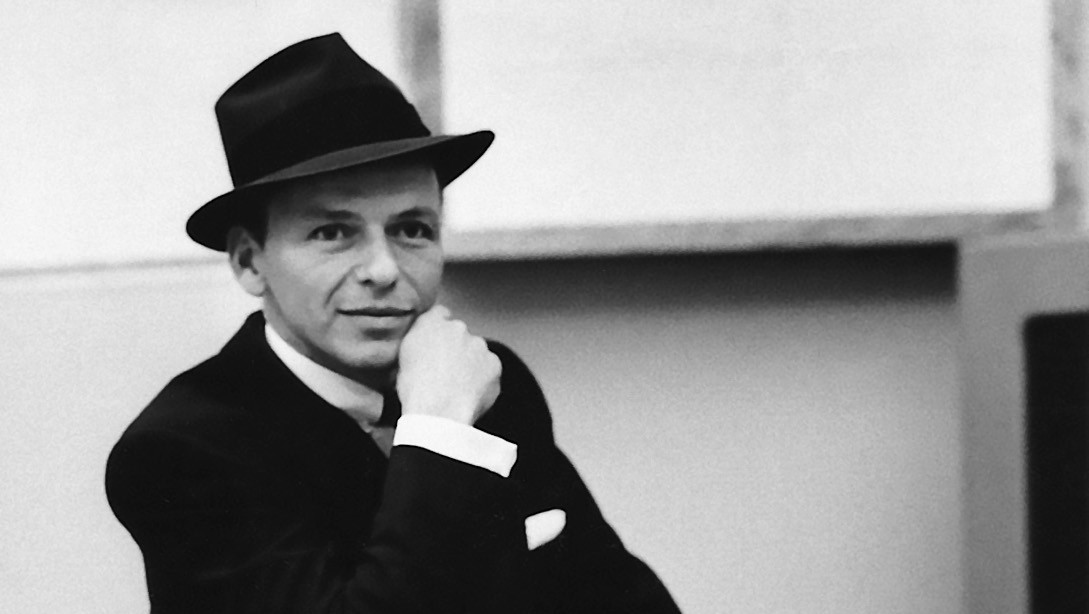
Image: Capitol Records (File No. 3860-25)

Nicknames can be affectionate, teasing, intriguing—or all of these at once. Who comes up with the labels that remarkable people end up carrying forever, and what makes them stick? Here, we explore a list of quirky stories behind some of the most colorful nicknames in American history.

1
"The Chairman of the Board" – Frank Sinatra

Image: Ethan Rougon

Frank Sinatra co-founded Reprise Records in 1960, giving him full creative control over his music. The nickname "Chairman of the Board" was first used by radio host William B. Williams and quickly caught on. Although Sinatra didn’t particularly love it, the nickname came to symbolize his power and influence in the music industry.

2
"His Accidency" – John Tyler
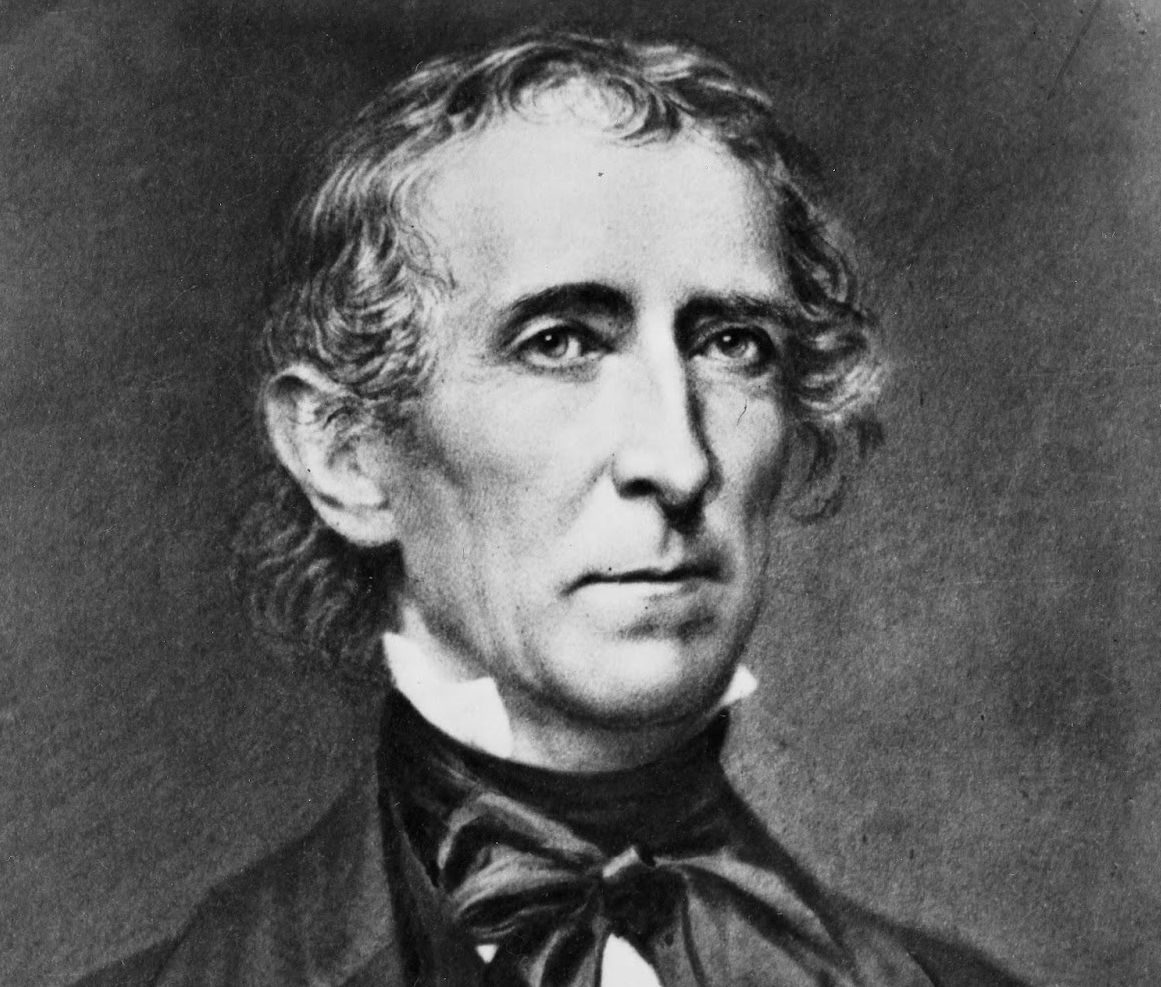
Image: Library of Congress

The 10th U.S. president earned this snarky nickname after unexpectedly taking office in 1841, when William Henry Harrison died just one month into his term.

It was the first time a vice president had assumed the presidency due to a president’s death, and many questioned the legitimacy of his authority. His critics called him "His Accidency," a somewhat unfriendly pun that stuck.

3
"The Sphinx of the Potomac" – Calvin Coolidge
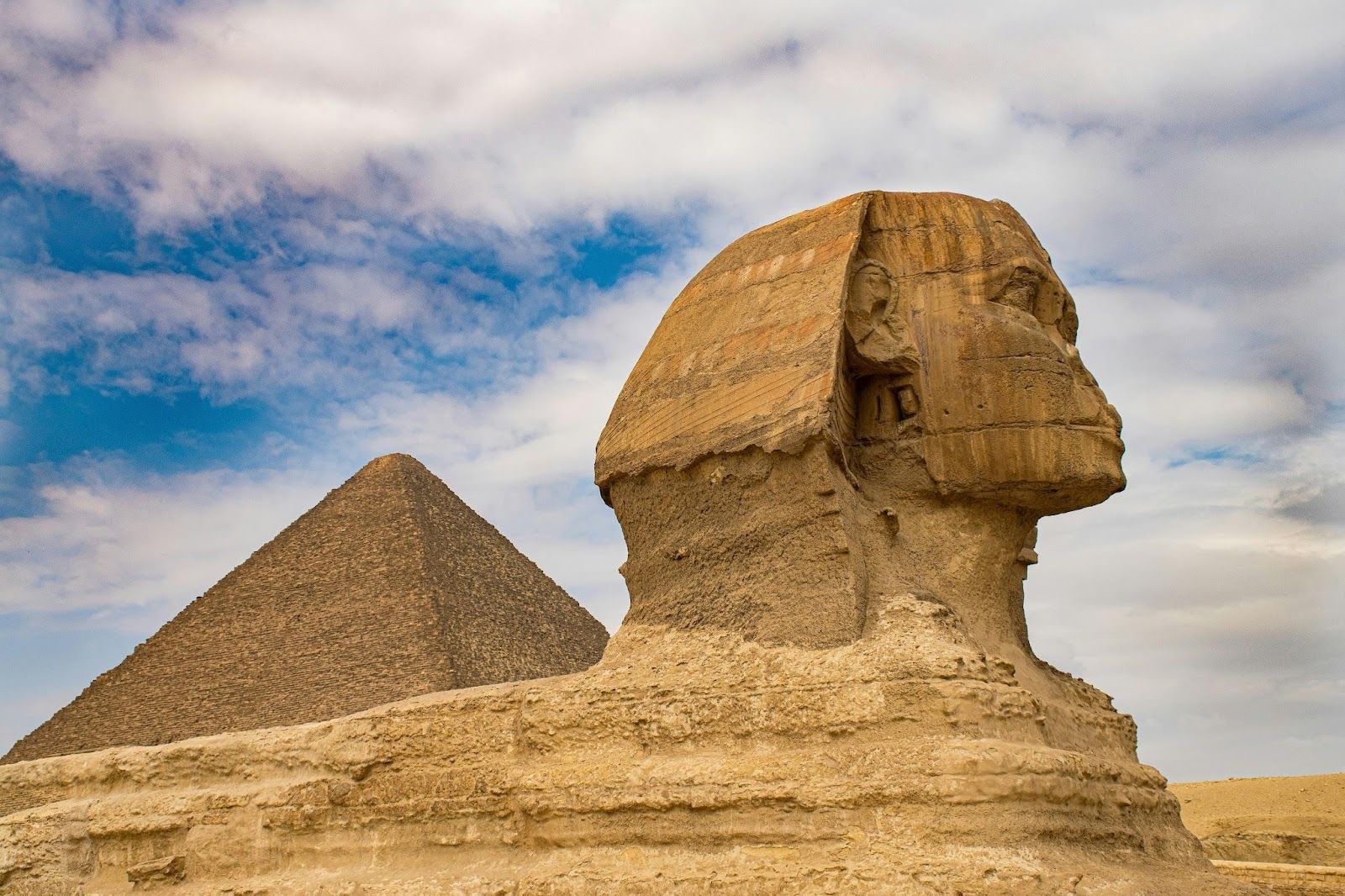
Image: Lea Kobal

President from 1923 to 1929, Coolidge was notoriously silent and stoic. His reluctance to speak in public and his poker-faced demeanor earned him the nickname "The Sphinx of the Potomac," a nod to the famous Egyptian statue and his Washington, D.C. post. One oft-repeated anecdote claims he once remarked, "I have nothing to say."

4
"The Boss" – Bruce Springsteen
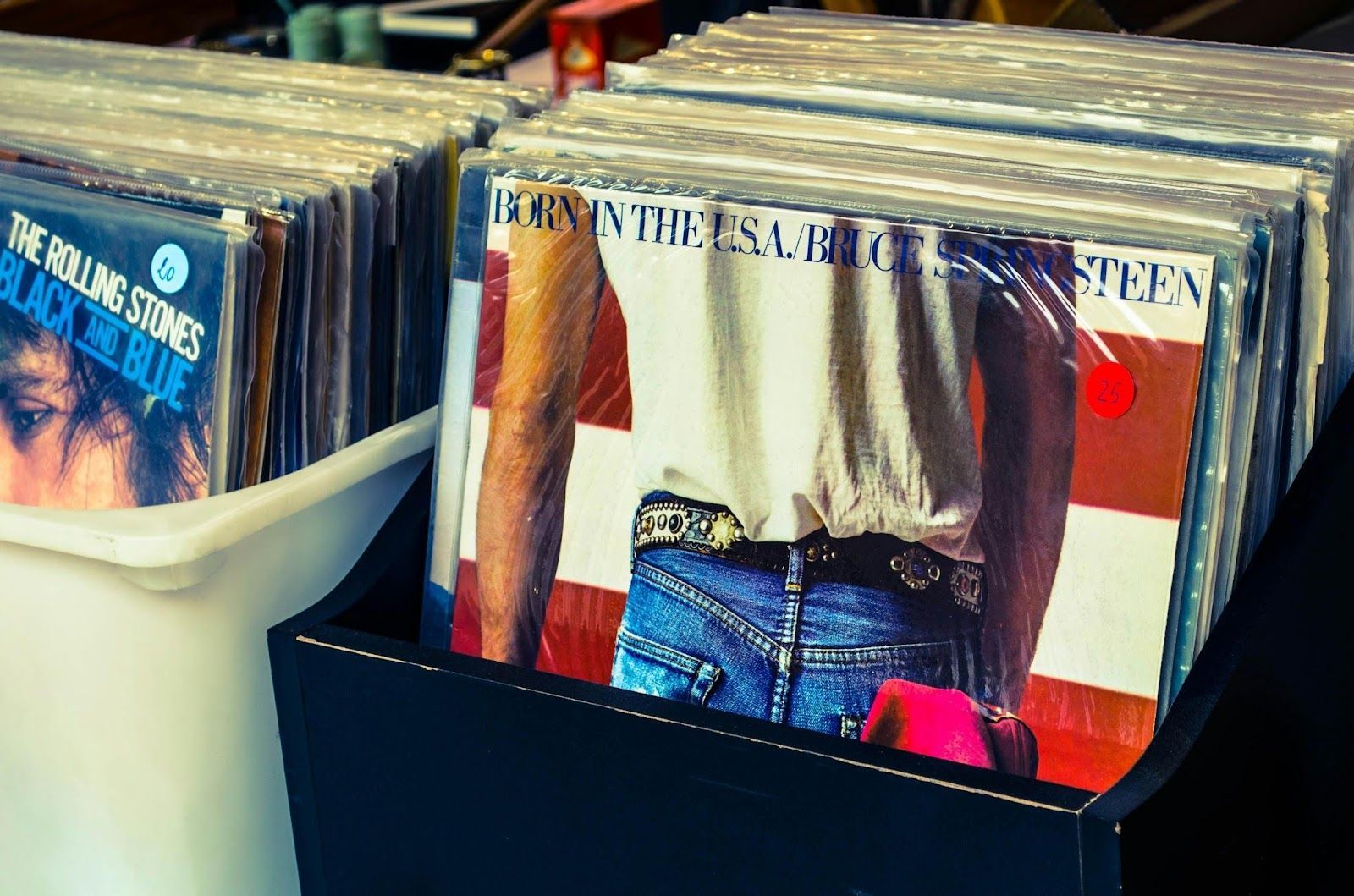
Image: Jose Antonio Gallego Vázquez

Bruce Springsteen earned this nickname in the early days of playing Jersey Shore clubs, where he was responsible for collecting and distributing gig money to his band. Originally an internal nickname within the group, it quickly caught on with the media. Ironically, Springsteen has admitted that he’s never really liked being called "The Boss."

5
"The Mad Stork" – Ted Hendricks
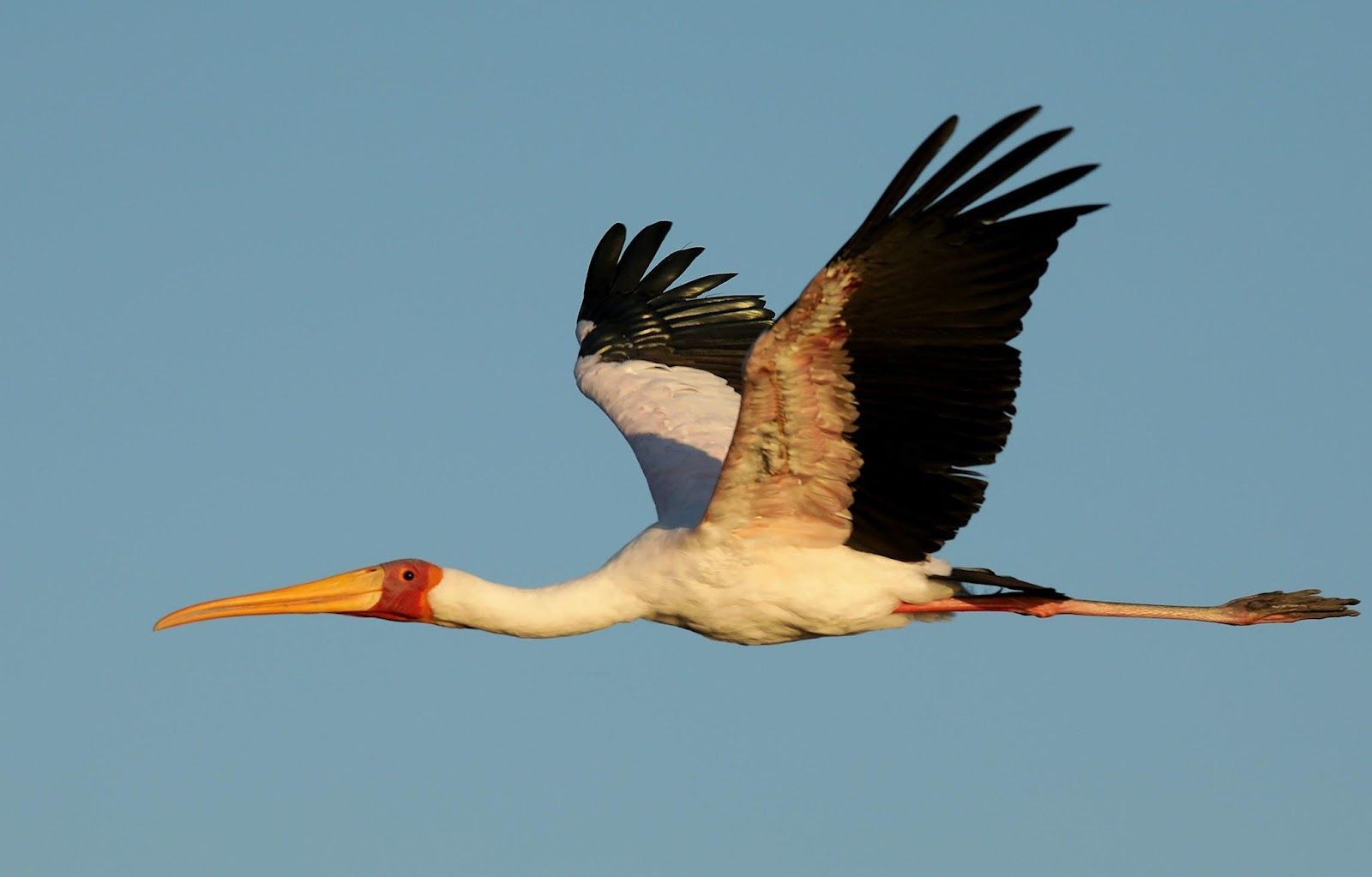
Image: Wynand Uys

This Hall of Fame linebacker for the Raiders stood 6’7" and had a long, lanky build. His towering figure and unpredictable style of play earned him the nickname "The Mad Stork." Despite the unusual moniker, he was a feared and legendary player in the NFL.

6
"The Snake" – Ken Stabler
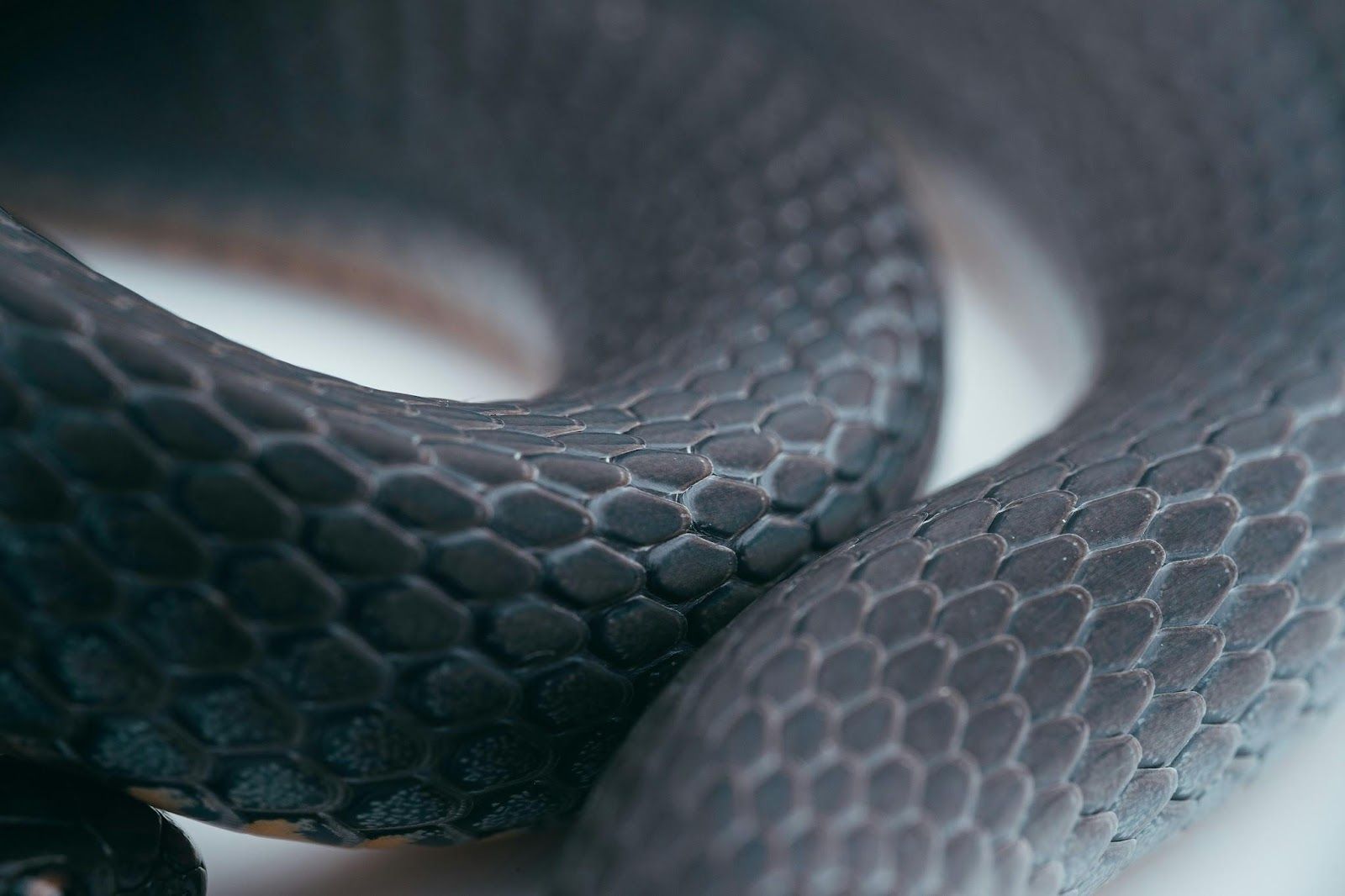
Image: Timothy Dykes

Another Raiders legend, quarterback Ken Stabler, earned the nickname "The Snake" from his college coach after a long, twisting touchdown run. The name stuck because he became known for his slippery, cool-headed play under pressure.

7
"Jane the Grabber" – Hester Jane Haskins
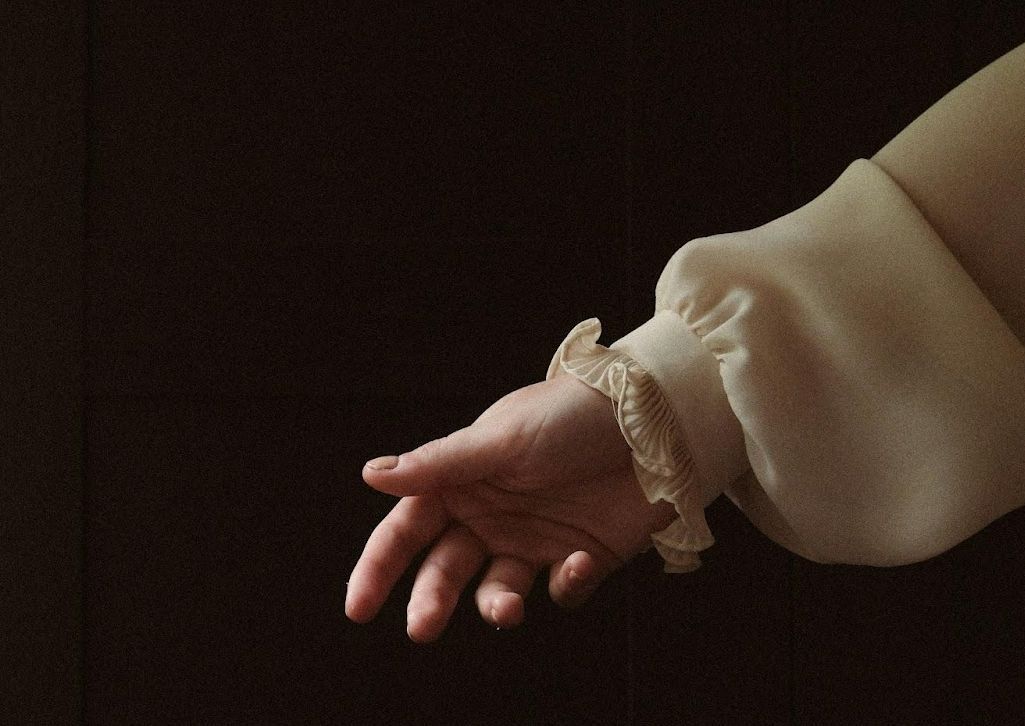
Image: sombre

A dark figure in 19th-century New York, Hester Jane Haskins was a "procuress," luring women with promises of work and then forcing them into brothels. Her nickname, "Jane the Grabber," became infamous in the press.

8
"The Black Swallow of Death" – Eugene Bullard
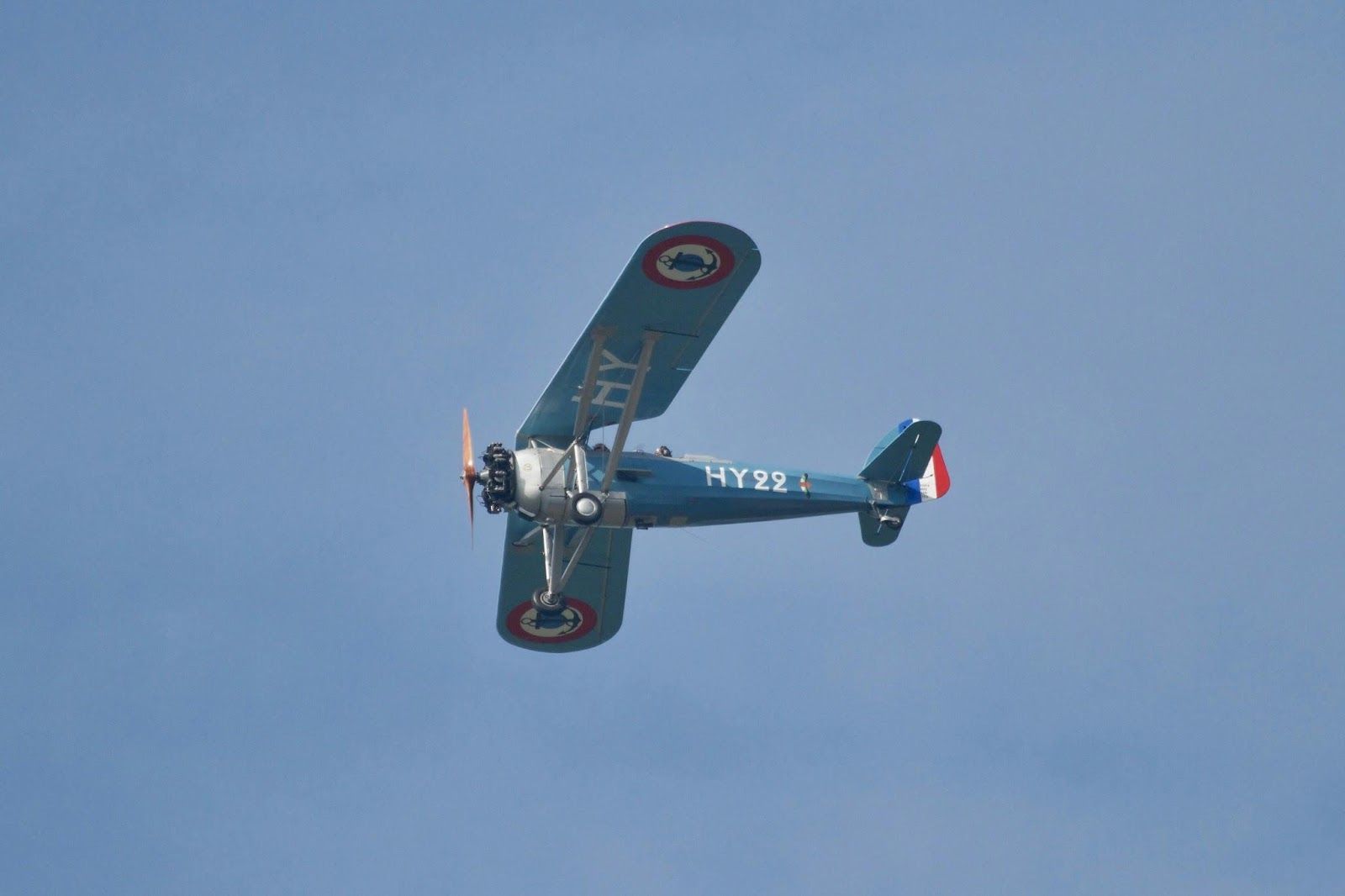
Image: Heather Wilde

Born in Georgia and later a French WWI pilot, Eugene Bullard was the first African American military pilot. He earned the nickname "The Black Swallow of Death" for his fearless flying and deadly accuracy. Despite his heroism, he still faced racial discrimination upon returning to the U.S.

9
"Little Miss Sure Shot" – Annie Oakley

Image: Jp Valery

Annie Oakley was a folk heroine and a famed sharpshooter from an early age. She earned the nickname "Little Miss Sure Shot" from the Native American leader Sitting Bull, who bestowed it after watching her flawless shooting in Buffalo Bill’s Wild West show.

10
"Kid Gloves" – Benjamin Harrison

Image: Aaron Lefler

Benjamin Harrison, the 23rd president, frequently wore soft kid-leather gloves in public due to hand ailments. Political opponents seized the opportunity to mock his stiff demeanor and perceived elitism, dubbing him "Kid Gloves." The nickname pointed not only to his physical appearance but also to his aloof attitude.
History History 4 min read

Versions to remember

Whitney's was unforgettable but so were these 10 National Anthem versions

Image: Xach Hill

Which version of The Star-Spangled Banner comes to mind when you hear the anthem mentioned? Is it the one you heard most often as a kid? The one that gave you goosebumps? Or perhaps the one that keeps showing up on social media? We decided to explore some of the most beloved versions of the National Anthem , as well as the most unforgettable performances. Let’s see if your favorite made the list!

1
Cher – Super Bowl of 1999

Image: Daniel Robert Dinu

Many consider Cher’s rendition of the "Star-Spangled Banner" at Super Bowl XXXIII in 1999 to be their favorite. Her velvety voice left some speechless—especially those who had only ever heard her sing pop!

The star brought her signature stage presence to the performance. Her deep, resonant voice filled the stadium. Dressed in a sleek, glittering gown, Cher let her vocals take center stage while elaborate choreography unfolded nearby.

2
Marvin Gaye – NBA All-Star Game (1983)

Image: Jon Tyson

Marvin Gaye’s rendition of "The Star-Spangled Banner" at the 1983 NBA All-Star Game was truly unforgettable. It remains one of the most iconic performances of the anthem. With a modern backing beat , the "Prince of Soul" infused the song with his signature smooth vocals and soulful style.

Featuring a slow, deliberate tempo and a drum machine backing track, Gaye encouraged the audience to clap along to the beat and created a unique, signature version.

3
Luther Vandross – Super Bowl of 1997

Image: Coppa Cover

The maestro of love ballads brought his signature smooth style to his version at Super Bowl XXXI in 1997 at the Louisiana Superdome.

Known for his romantic R&B hits, Luther Vandross infused the anthem with soul. Accompanied by slow drums and warm synths, he delivered a heartfelt and respectful rendition—with a distinctive ’90s twist.

4
Lady Gaga – Super Bowl of 2016

Image: Daniel Lazar

Lady Gaga was already an Academy Award nominee and multiple Grammy winner when she was invited to showcase her vocal prowess at Super Bowl 50.

She did not disappoint! Her powerful, theatrical voice delivered a vibrating version, accompanied only by a subtle piano. Dressed in glittering versions of the national colors, she moved the entire stadium.

5
Beyoncé – Presidential Inauguration of 2013

Image: Paul Weaver

"Queen Bey’s" performance of "The Star-Spangled Banner " at President Barack Obama’s second inauguration in 2013 was a moment of vocal brilliance.

Backed by a full, blaring orchestra , the global superstar showcased her impeccable voice control and a palpable sense of respect for the ceremony. While rumors swirled afterward about whether she had used a backing track—a claim she later addressed—the performance itself was undeniably impactful.

6
Diana Ross - Super Bowl of 1982

Image: Dave Adamson

What a voice! And she did it first ! Diana Ross was the first pop star to sing the national anthem at a Super Bowl. She took the mic and delivered an a cappella rendition for the entire stadium and viewers across the country—a feat that would have required courage from a less incredible singer!

The entire stadium joined in, creating an unforgettable, intimate feeling moment that ended in an uproar of cheers. Truly, a goosebump-inducing performance!

7
Jennifer Hudson – Super Bowl of 2009

Image: Ben Mater

Jennifer Hudson brought many to tears with her performance of "The Star-Spangled Banner" at Super Bowl XLIII in 2009. Already an Academy Award winner and celebrated musician, the American Idol star had firmly established herself as a force to be reckoned with.

Fans also cherished this performance as Hudson’s first public appearance following the tragic loss of three family members. Her powerful delivery was filled with chilling resilience.

8
Aretha Franklin & Aaron Neville – Super Bowl XL (2006)

Image: Ricardo IV Tamayo

The combined vocal power of Aretha Franklin and Aaron Neville at Super Bowl XL in 2006 resulted in a truly unforgettable rendition.

The undisputed Queen of Soul paired with Neville—renowned for his angelic falsetto—for a masterclass in soulful delivery . Backed by an impressive choir, the two legends crafted a unique and deeply moving performance.

9
Duke Ellington - Carnegie Hall Concerts

Image: Volodymyr Hryshchenko

Duke Ellington, the legendary composer and bandleader, graced the nation with his unique interpretation of "The Star-Spangled Banner" on multiple occasions, most notably during his Carnegie Hall concerts in the 1940s.

Renowned for his innovative big band jazz style, Ellington infused the anthem with swing and sophistication, creating a rendition that was both patriotic and unmistakably his own. His arrangement featured a dynamic brass section and lively percussion—timeless and elegant!

10
Jimi Hendrix – Woodstock in 1969

Image: Odair Faléco

Jimi Hendrix’s rendition of "The Star-Spangled Banner" at Woodstock deserves a place on the podium. It remains one of the most iconic—and controversial—performances of the anthem.

Known for his revolutionary electric guitar playing and psychedelic rock style, Hendrix reimagined the traditional melody as a powerful statement against the Vietnam War. While some found it disrespectful, others viewed it as a raw and relevant reflection of the era’s turbulence.

11
Whitney Houston – Super Bowl of 1991

Image: Roland Kay-Smith

Finally, the performance that many consider their all-time favorite: Whitney Houston’s. We should bear in mind that her rendition was so powerful that it even reached the Billboard Hot 100 faster than any of her previous hits!

Released as a single, the version raised funds for soldiers and the families of those involved in the Persian Gulf War. With one of the greatest voices of her generation and an undeniable passion for her country, Houston delivered a truly unforgettable anthem.

History History 3 min read

Is the journey really the destination?

Did you know that Lewis and Clark never reached their original goal?

Image: Sam Mgrdichian

The spirit of exploration and the drive for immortality have long driven Americans to venture into the unknown, across continents, into polar ice, and over vast oceans. But, while many achieved greatness, some of the most compelling stories come from those who did not meet their original goals.. Did you know about these 10 examples?

1
Lewis and Clark (1804–1806)

Image: Museum of New Zealand Te Papa Tongarewa

Everybody knows about Lewis and Clark and their glorious quest across the nation, but what most don’t know is that they originally set out to find a continuous water route, the fabled Northwest Passage, from the Mississippi River to the Pacific Ocean. Commissioned by President Jefferson, the journey was meant to open up western trade routes.

Although they reached the Pacific, they confirmed that no such navigable waterway existed. Their journey was a landmark of exploration, but their primary goal remained unaccomplished .

2
Lady Franklin Bay Expedition (1881–1884)

Image: David BP

The 1881 Adolphus Greely-led expedition aimed to establish a scientific research station in the high Arctic and gather meteorological and astronomical data as part of the First International Polar Year.

But two relief ships failed to reach them due to ice. Stranded for over two years, only 7 of 25 men survived. While some data was collected, the mission was a logistical and human failure .

3
Frederick A. Cook (1908)

Image: Roxanne Desgagnés

American explorer Frederick Cook claimed he reached the North Pole in 1908, beating Robert Peary by a year. His announcement stirred immediate controversy and public excitement.

However, Cook failed to provide verifiable proof, and his claim was largely discredited . He also falsely claimed the first ascent of Denali. His goals, while grand, were never validated .

4
Amelia Earhart (1937)

Image: Shaun Bell

Amelia Earhart sought to be the first woman to fly around the world along the equator. Her journey was a bold attempt to push the limits of aviation and global navigation.

Tragically, she vanished over the Pacific near Howland Island. Despite massive search efforts, neither she nor her plane was found. Her historic goal remains unfulfilled .

5
USS Jeannette Expedition (1879–1881)

Image: Hector John Periquin

The Jeannette Expedition set out to reach the North Pole via the Bering Strait, based on a theory that a warm current could carry ships through the ice.

Instead, the ship was trapped and crushed by ice. The crew made a desperate trek across Siberia, with many dying from exposure and starvation. The pole was never reached , and the voyage ended in tragedy.

6
Crocker Land Expedition (1913–1917)

Image: Annie Spratt

Backed by Robert Peary’s reports, this expedition aimed to locate "Crocker Land," a supposed Arctic landmass seen on a prior voyage.

After weeks of travel, they discovered it was a mirage. The team was stranded for years due to failed rescue attempts. Their quest failed because the land never existed .

7
American Karakoram Expedition (1953)

Image: Daniel Born

Led by Charles Houston, the expedition aimed to be the first to summit K2, the world’s second-highest mountain after Everest. The team climbed high and established advanced camps.

Trapped by a severe storm, they made a heroic retreat. One climber died, and the summit remained out of reach . Their attempt was noble, but ultimately unsuccessful.

8
Ziegler Polar Expedition (1903–1905)

Image: ArcticDesire.com Polarreisen

The abundance of Arctic expeditions on this list is not a coincidence. This area is tough to traverse, and much of it remains unknown. This particular expedition sought to reach the North Pole via Franz Josef Land. The crew wintered in the Arctic with supplies and dogs for the attempt.

Severe ice and harsh conditions thwarted their progress. They were stranded for two years and never neared the pole. Though most survived, the mission failed in its main goal .

9
Zebulon Pike (1805)

Image: Mathew Benoit

In 1805, Army officer Zebulon Pike was tasked with exploring the headwaters of the Mississippi River. The goal was to identify its true source and assert U.S. presence in the newly acquired Louisiana Territory.

Facing poor maps, freezing conditions, and supply shortages, Pike never reached the actual source . Though he gathered useful data, the mission failed to meet its primary objective.

10
American China-Everest ’82 Expedition (1982)

Image: Andreas Gäbler

Led by Lou Whittaker, this team aimed to summit Mount Everest via the remote Chinese (Tibetan) side, which was an unusual and challenging route for American climbers at the time.

Despite significant progress, they turned back just 1,500 feet from the top due to difficult conditions. The summit remained unreached .

Explore more American facts

Choose your favorite category!

General
General

As American as apple pie—the very best America has to offer!

Culture
Culture

Delve into the astounding richness of American lore.

Geography
Geography

Hop in and explore vast and diverse American landscapes.

History
History

Discover the key moments that shaped the United States.