America’s past

Grab a root and learn some interesting Civil War Lingo!
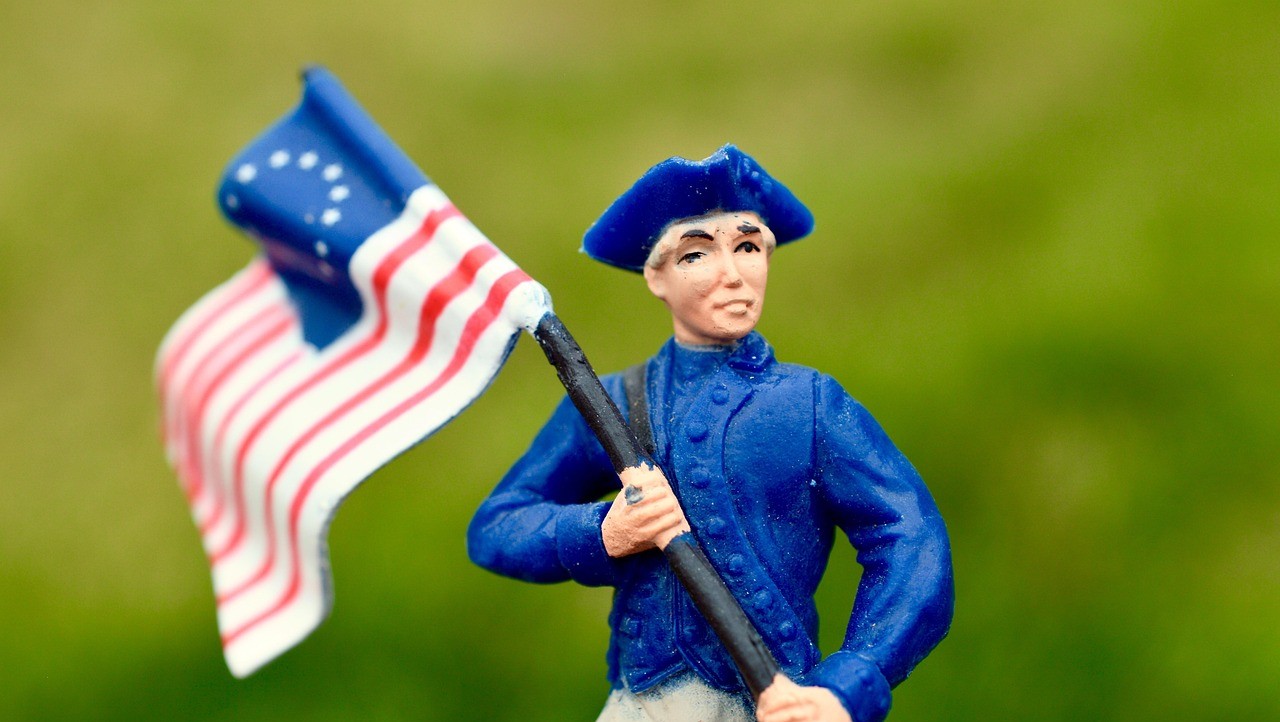
Image: Erika Wittlieb

The Civil War wasn’t just cannons and cavalry. It was also a time when soldiers invented a whole dictionary. Some terms were funny, some grim, and others quite practical. Today, we’ll peek into the soldier’s vocabulary , from "fresh fish" rookies to the itchy reality of "graybacks." So pull up a chair, maybe grab a root, and let’s take a trip through the words that marched alongside history.

1
Fresh fish
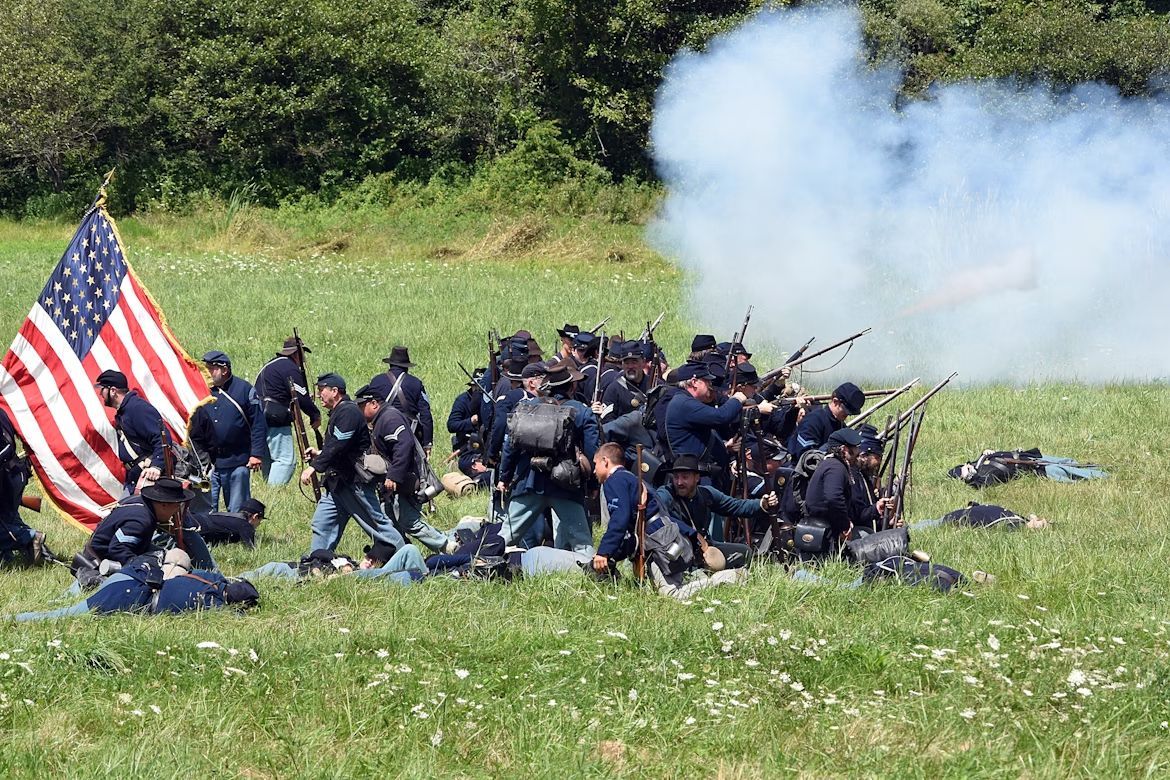
Image: Chris Chow

If you were new to the army , you were "fresh fish." Veterans spotted them a mile away, wide-eyed, uniforms still smelling like the depot, and not yet hardened by camp life. They got teased, trained, and sometimes tricked. Of course, every seasoned soldier once wore the "fresh fish" badge, so the teasing came with a knowing grin.

2
Grab a root
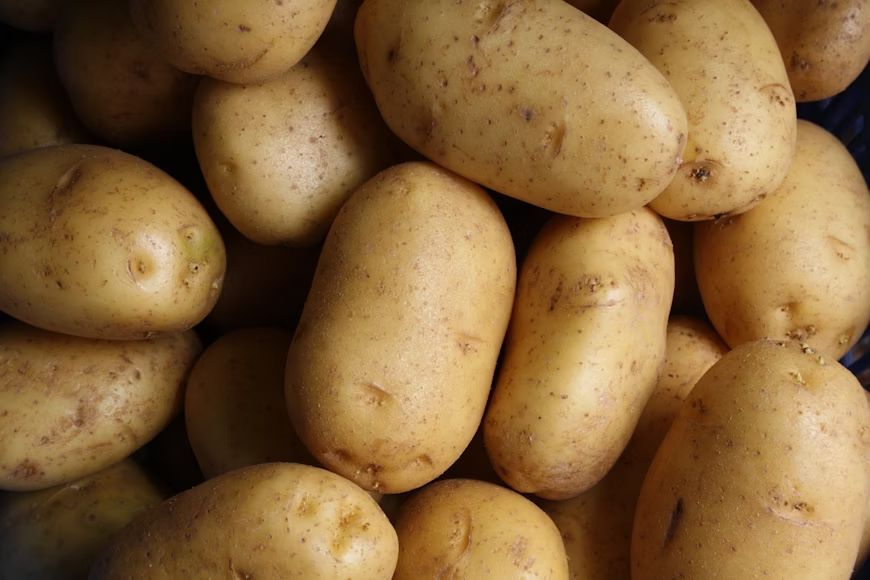
Image: Lars Blankers

Dinner time in camp could mean beans, hardtack, or, if you were lucky, a potato. Asking someone to "grab a root" was soldier shorthand for "let’s eat." Potatoes were cheap, filling, and easy to cook over a campfire.

3
Sawbones

Image: Piron Guillaume

Medical science in the 1860s wasn’t exactly what we call gentle. Army surgeons were nicknamed "sawbones," partly for their skill with amputations, a normal procedure during wartime. It wasn’t always fair, since many doctors were dedicated and resourceful, but the name stuck.

4
Graybacks
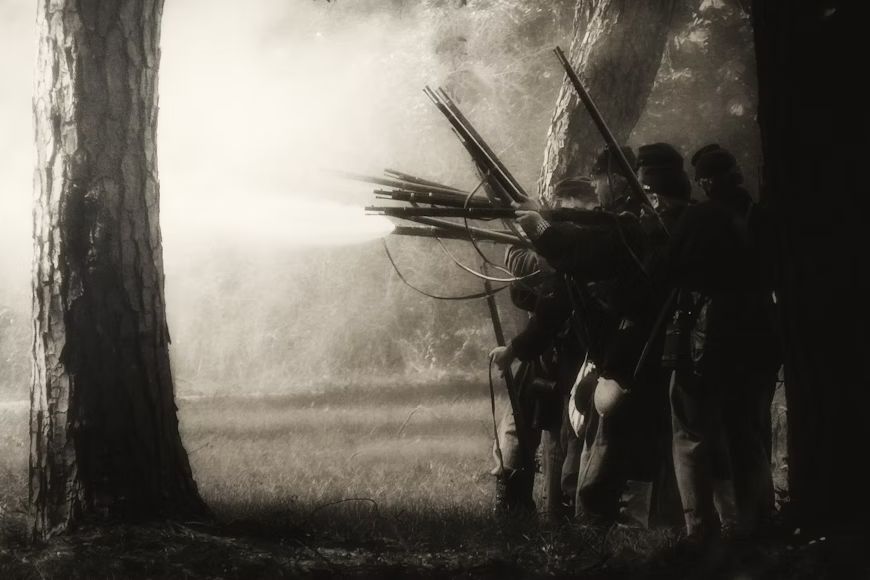
Image: Scott Umstattd

Ask a soldier about "graybacks" and you might get two very different answers. One was lice, the pest that thrived in crowded camps. The other was a nickname Union troops used for Confederate soldiers . Either way, it wasn’t a compliment.

5
Bonnie Blue Flag

This was the hit song of the Confederacy , praising the states that left the Union. The "Bonnie Blue Flag" itself showed a single white star on a blue field, the first banner of the Confederacy. The song’s lively chorus made it a favorite at rallies, campfires, and any place soldiers needed a boost of spirit.

6
Furlough
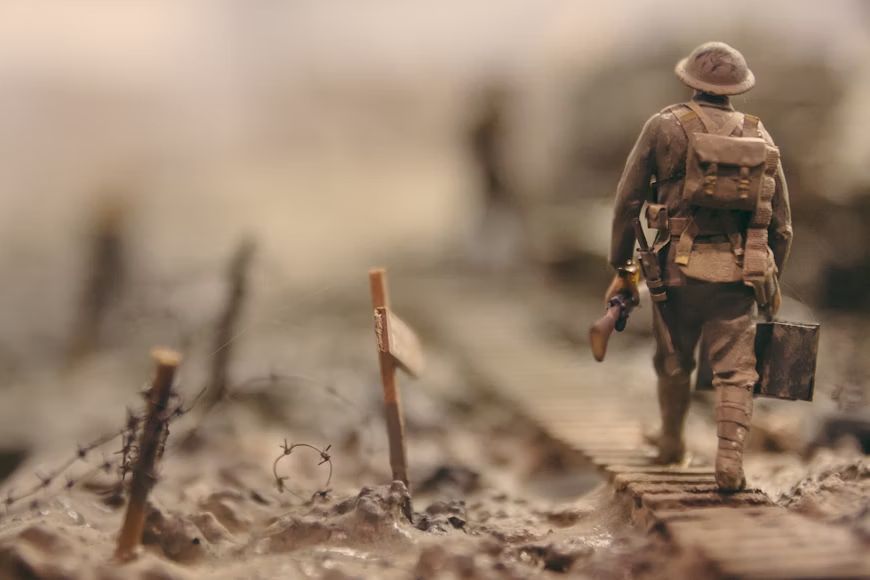
Image: Stijn Swinnen

A furlough was a soldier’s golden ticket home , even if only for a short while. The paperwork described the soldier’s looks, regiment, and exact return date, plus a stern warning about being labeled a deserter if he didn’t show up on time.

7
Housewife

Image: Annie Spratt

Every soldier carried a "housewife," though it wasn’t a person; it was a sewing kit . Packed with needles, thread, and spare buttons, it kept uniforms in one piece. With supply lines stretched thin, a quick stitch could mean the difference between looking like a soldier or a scarecrow.

8
Insult
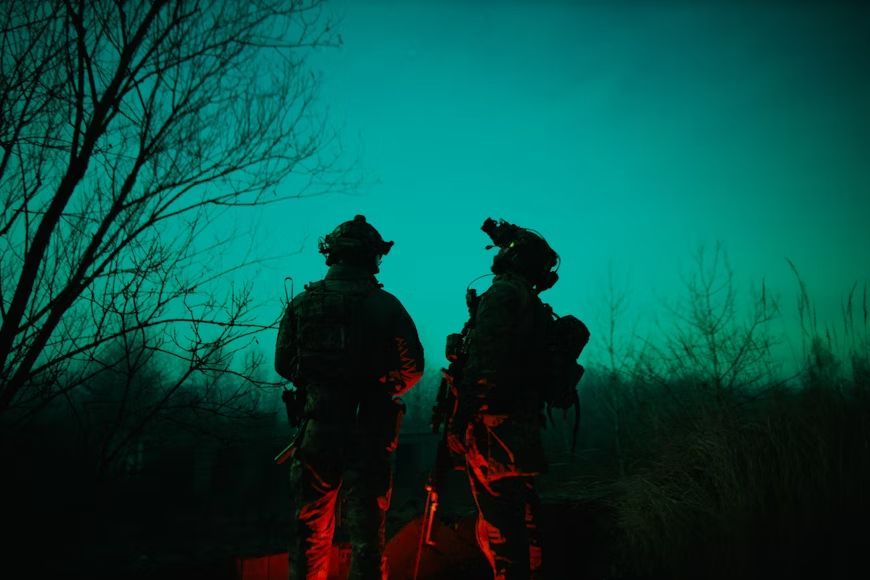
Image: Aleksey Kashmar

On a Civil War battlefield, an "insult" wasn’t words, it was a sudden attack on a fortified position. The idea was to strike before the defenders could react. Success could turn the tide of a fight, but failure usually meant heavy losses. It was risky and brutal.

9
Kepi

Image: Jen Theodore

The kepi was the go-to cap for Union soldiers, with a flat circular top and short visor . It was light, practical, and easy to make, so it became part of the classic Civil War look. Confederate soldiers sometimes wore them too, but it was a Union signature item.

10
Ordnance
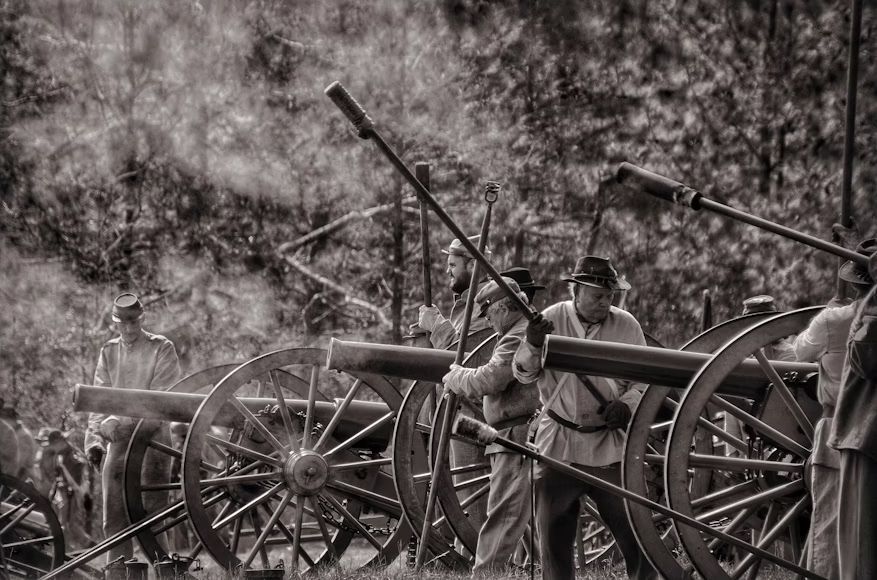
Image: Rick Lobs

If it was in any way designed to make the enemy’s day worse, it was "ordnance." This covered everything from muskets to cannonballs . Armies guarded their ordnance like gold, since running low meant fighting at a disadvantage.

11
Skirmish
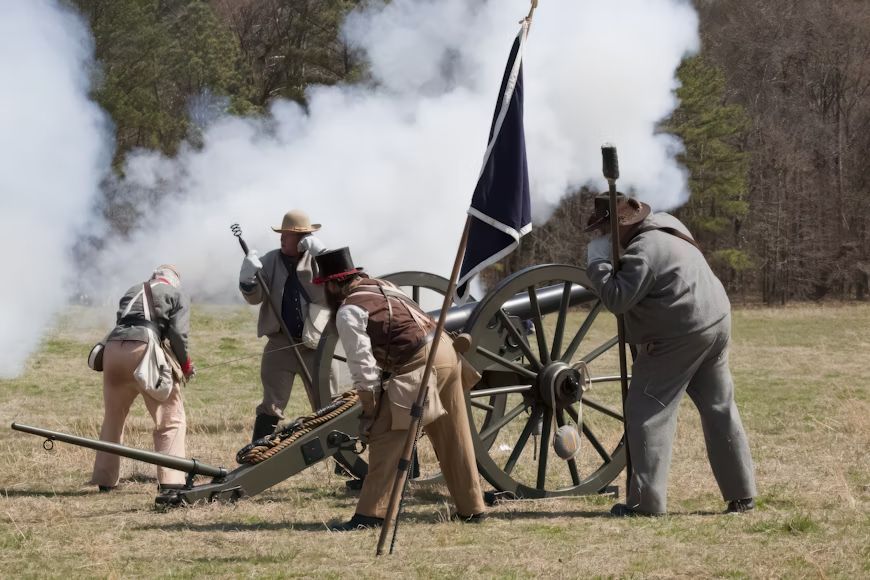
Image: Carol Highsmith's America

Not every fight was a massive battle. A "skirmish" was a smaller clash , often between scouting parties or outposts. Quick, unpredictable, and sometimes over in minutes, skirmishes kept soldiers on edge and commanders guessing what the enemy was really up to.

Music legends

Rock all night with these 10 American rockstars!

Image: Kenny Eliason

Rock music is considered by many to be the most groundbreaking genre of the 21st century. It has spawned countless iconic songs, and almost 80 years since its inception, it shows no sign of slowing down. In that sense, America has produced its fair share of iconic rockstars throughout the decades. These revolutionary musicians have helped shape the music of their time, so we decided to pay homage to 10 of the most innovative and influential American rockstars in history. With that in mind, there’s only one question left to ask: Are you ready to rock?!

1
Chuck Berry

Image: Provincial Archives of Alberta

Let’s begin with the man known as the "Father of Rock and Roll." To label Chuck Berry as a pioneer would definitively misrepresent the legacy of this amazing musician; Berry was almost solely responsible for introducing the key elements that would eventually define rock music.

Songs like "Maybellene," "Roll Over Beethoven," and "Johnny B. Goode" influenced countless musicians through the ages. Legendary artists like the Beatles and the Rolling Stones famously covered some of his songs, while Bob Dylan once defined Berry as "the Shakespeare of Rock n’ Roll."

2
Bruce Springsteen

Image: Jose Antonio Gallego Vázquez

Up next, we have a boss that anyone would love to have in their office. Bruce Springsteen is undoubtedly one of New Jersey’s favorite sons. Known as "The Boss," Springsteen has dazzled the American public since his first album in 1973, earning a myriad of awards and recognitions in the process, including the Presidential Medal of Freedom.

Known for his insane charisma and distinctive voice, Springsteen has performed with his iconic "E Street" band since 1972. Rolling Stone magazine has described him as "the embodiment of rock and roll" and included him in its list of "100 Greatest Artists of All Time."

3
Jimi Hendrix

Image: Aditya Wardhana

Can the ‘60s be summarized by one musician? Many believe they can even summarized by one performance: Jimi Hendrix’s jaw-dropping rendition of the "Star-Spangled Banner" at Woodstock. In a way, this legendary guitarist embodies the innovation and freedom that characterize this era, but make no mistake: Hendrix’s contributions to rock and roll can’t be limited to a single decade. Suffice it to say that the Rock and Roll Hall of Fame considers him to be "arguably the greatest instrumentalist in the history of rock music."

Born in Seattle, Hendrix showed interest in music from an early age. He bought his first guitar at age 15 and practiced daily, imitating the styles of blues musicians like B.B. King and Howlin’ Wolf. While he sadly passed away at age 27, his legacy continues to live on in every single one of his amazing songs.

4
Elvis Presley

Image: Clem Onojeghuo

Chuck Berry might have been the "Father of Rock and Roll," but Elvis Presley was this genre’s undisputed "King." This musician’s legacy is as timeless and eternal as his songs are, earning him a well-deserved spot among America’s most beloved pop culture icons. Just think of all the countless Elvis impersonators around the world to realize how iconic Elvis’s music and style were.

Elvis received his first guitar at the age of 7. Little did anyone know that this birthday gift would be the first step in a meteoric musical career. From his amazing dance moves to his unbelievable charisma, Elvis will forever be remembered as an American icon.

5
Tom Petty

Image: Samuel Ramos

In the 1980s, when Tom Petty joined the musical supergroup "The Traveling Wilburys," he stood shoulder to shoulder with juggernauts like Bob Dylan, George Harrison, and Roy Orbison. While Petty was relatively a newcomer when he joined what many believe to be the biggest supergroup in history, time would prove that he had what it takes to become one of the most memorable rock stars in history.

According to the man himself, Petty’s love for rock 'n' roll first started when he met Elvis Presley at age 10. This love for music would eventually lead him to form his most iconic band, "Tom Petty and the Heartbreakers," with which he performed for almost 40 years.

6
Jon Bon Jovi

Image: Simon Weisser

It takes talent to make your last name synonymous with rock 'n' roll, but John Francis Bongiovi Jr., better known as Jon Bon Jovi , was able to turn his last name into the name of one of the most groundbreaking bands of the ‘80s.

Born in Perth Amboy, New Jersey, Jon formed Bon Jovi when he was still in his teens, quickly rising to fame and becoming an undisputed rock star. While he is still very much active in music, he has also built a very successful acting career, appearing in TV shows like Sex and the City and The West Wing .

7
Jim Morrison

Image: Markus Spiske

Take it to the world of rock 'n' roll to produce a nickname like "the Lizard King" to describe one of the most emblematic vocalists of the '70s. Regardless of whether there was someone who could pull off such a strange nickname, it was Jim Morrison . In fact, this singer chose the nickname himself, as it perfectly described both his fascination with reptiles and Native American culture.

Morrison’s deep voice and magnetic persona were among the main reasons behind The Doors' rise to prominence, quickly making them the first American band to achieve eight consecutive Gold LPs. While his life was unfortunately cut short at the age of 27, his songs, poetry, and journals will forever celebrate the Lizard King’s legacy.

8
Prince

Image: DJ Johnson

Prince's first live band was called "The Revolution," and we believe that this is one of the most aptly named bands in history. After all, this Minneapolis-born musician brought forward a revolutionary and fresh take on music, fashion, and art in general. Known for his amazing falsetto voice and flamboyant persona, Prince is considered to this day one of the very best musicians in history.

You would think that such a flashy and daring musician would take a more ostentatious stage name, but Prince Rogers Nelson performed under his first name throughout his entire career. Actually, that’s not entirely true: while in the midst of a contractual dispute, he performed as " The Artist Formerly Known as Prince " for approximately a decade.

9
Steven Tyler

Image: Matt Botsford

Steven Tyler might have the nickname that every rock singer probably covets: known as "the Demon of Screamin’," Aerosmith’s frontman is recognized for his powerful voice and vast vocal range.

Tyler has been at the helm of Aerosmith since its beginning in Boston in the early ‘70s, producing such hits as "Dream On" and "Walk This Way." While the band is currently on hiatus due to Steven injuring his vocal cords, Aerosmith still hopes to return to performing soon.

10
Kurt Cobain

Image: Panos Sakalakis

The '90s introduced the world to a new take on rock music: for many, grunge was the quintessential sound of this decade, characterized by its raw and angry tone. In that sense, there’s no band that represents the '90s better than Nirvana, and this legacy is in no small part due to Kurt Cobain.

Known for his scruffy yet powerful voice, Cobain led this iconic trio since its inception in 1987. While his untimely death deprived the world of his incredible talent, his legacy still lives on in amazing songs like "Smells like Teen Spirit" and "Come as You Are."

Hidden depths

America’s lost ocean: How the Great Lakes came to be

Image: Randy Laybourne

Like legendary giants, the Great Lakes are North America's watery core, influencing commerce, climate, and culture. Stretching across the U.S. and Canada, these five immense lakes—Superior, Michigan, Huron, Erie, and Ontario—contain an astounding 84% of North America's fresh surface water. Here are 11 fascinating facts about these monumental lakes that may have flown under your radar until now.

1
Lake Superior lives up to its name

Image: Jacob Skowronek

Lake Superior is the largest, deepest, and coldest of the five. It holds more water than the other four lakes combined—enough to cover North and South America in a foot of water. At 31,700 square miles, it’s the largest freshwater lake by surface area in the world.

2
Only one is fully American

Image: Ioann-Mark Kuznietsov

Lake Michigan is the only Great Lake entirely within the jurisdiction of the United States. It touches four states—Wisconsin, Illinois, Indiana, and Michigan—and its shores are home to major cities like Chicago and Milwaukee. As if this wasn’t enough, this lake also boasts the world’s largest freshwater sand dunes.

3
They create their own weather

Image: Srikanta H. U

The Great Lakes have a powerful influence on regional weather, especially through the phenomenon of "lake-effect snow." As cold air sweeps over the warmer lakes, it picks up moisture, resulting in heavy snowfall in cities like Buffalo, Cleveland, and Chicago. The lakes also generate localized storms that can rival oceanic tempests in intensity. Yet, not all is harsh; these unique conditions help create microclimates that are perfect for agriculture, supporting a range of crops across the region.

4
A shipwreck graveyard

Image: Vlad Tchompalov

Prone to stormy and unpredictable weather, the Great Lakes are home to over 6,000 shipwrecks. The most infamous of these, the SS Edmund Fitzgerald, sank in Lake Superior during a violent storm in 1975, inspiring Gordon Lightfoot's iconic ballad. In fact, many of these wrecks are remarkably well-preserved, thanks to the cold freshwater, which slows down the decay process and keeps these sunken ships intact for decades.

5
They contain a fifth of the world’s freshwater

Image: Sime Basioli

The Great Lakes hold about 21% of the world's fresh surface water. That’s roughly six quadrillion gallons—enough to submerge the lower 48 states under about 10 feet of water. Given this staggering quantity, it's no surprise that the lakes are crucial to American drinking water, agriculture, and industry.

6
The Erie Canal’s role

Image: Lucy M

Opened in 1825, the Erie Canal linked the Great Lakes to the Atlantic Ocean via the Hudson River, transforming trade and settlement patterns. It played a pivotal role in making New York City an economic powerhouse and significantly accelerated the movement of goods between the Midwest and the East Coast. While most traffic now flows through the larger St. Lawrence Seaway, the Erie Canal remains a key chapter in U.S. history.

7
When the Niagara Falls stood still

Image: Vishwesh Jirgale

In 1969, engineers temporarily halted the flow of Niagara Falls due to concerns that erosion was progressing so rapidly the falls could disappear in a few years. After a thorough inspection by the Army Corps of Engineers, they concluded that no immediate maintenance was necessary. Despite this, the endeavor was far from futile—it provided valuable insights that would guide future preservation efforts for the iconic falls.

8
America’s forgotten "Third Coast"

Image: Richard Main

The Great Lakes coastline spans about 10,900 miles, which makes it longer than the U.S. East and West Coasts combined. This hidden "Third Coast" features sandy beaches, towering cliffs, and picturesque lighthouses, making it a popular destination for tourism and outdoor recreation.

9
Once an ancient ocean

Image: Andrzej Kryszpiniuk

Millions of years ago, the region now holding the Great Lakes was covered by an ancient sea. Over time, glaciers carved out the massive basins, which filled with meltwater after the Ice Age. The evidence of this transformation is still visible in the region’s fossils and rock formations.

10
Chicago River’s historic reversal

Image: Jake Leonard

In 1900, engineers reversed the flow of the Chicago River to prevent sewage from polluting Lake Michigan, the city’s drinking water source. Using a system of canals, the river was redirected toward the Mississippi River watershed, an astonishing feat of engineering that still works to this day.

11
Protected by an international treaty

Image: Hermes Rivera

The 1909 Boundary Waters Treaty between the U.S. and Canada governs the Great Lakes, ensuring cooperative water management. It led to the creation of the International Joint Commission, which helps both nations resolve disputes and protect this vital natural resource.

Explore more American facts

Choose your favorite category!

General
General

As American as apple pie—the very best America has to offer!

Culture
Culture

Delve into the astounding richness of American lore.

Geography
Geography

Hop in and explore vast and diverse American landscapes.

History
History

Discover the key moments that shaped the United States.