Words of wisdom

The words of these 10 Americans will forever live in history!

Image: Emmanuel Ikwuegbu

Quotes have the magical property of allowing us to learn, enjoy, and marvel at the minds of some of the greatest thinkers in our history. It doesn’t matter when or where, we can all learn a thing or two from these wonderfully crafted words. With that in mind, we have decided to celebrate the ingenuity and intelligence of some of the most prominent Americans in history by highlighting some of their best quotes. So, without further ado, enjoy the wisdom that these 10 Americans have to offer!

1
"Float like a butterfly, sting like a bee" - Muhammad Ali

Image: Johann Walter Bantz

Much like his innate and groundbreaking boxing technique, legendary boxer Muhammad Ali had a way with words: He was able to craft sharp and insightful commentary in interviews and press conferences. In that sense, Ali was able to perfectly summarize his incredible fighting style with a short and simple phrase, in what’s probably his most famous quote: In 1964, before his iconic fight with Sonny Liston, a 22-year-old Ali stated that he would "float like a butterfly, sting like a bee".

2
"America is another name for opportunity" - Ralph Waldo Emerson
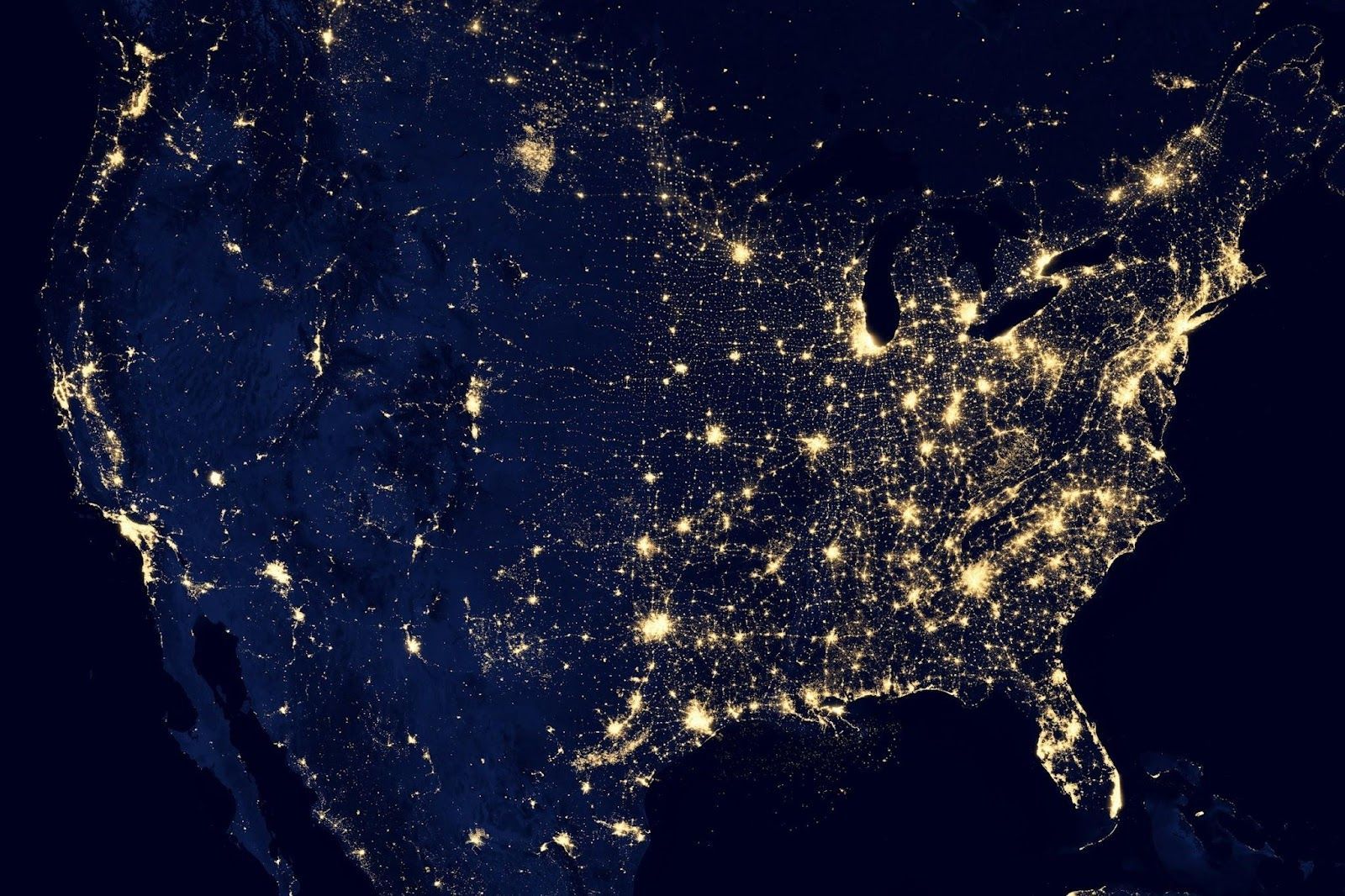
Image: NASA

Ralph Waldo Emerson was one of the most influential and groundbreaking American poets in history. It is no small praise for Walt Whitman to refer to Emerson as "his master", nor for Friedrich Nietzsche to call him "the most gifted of the Americans". Emerson’s collection of essays and writings gives us a glimpse into the quick wit and way of words this American had, so it stands to reason that the Emerson quote we chose for this article showcases his brevity and resourcefulness: "America is another name for opportunity".

3
"I have a dream" - Martin Luther King, Jr.
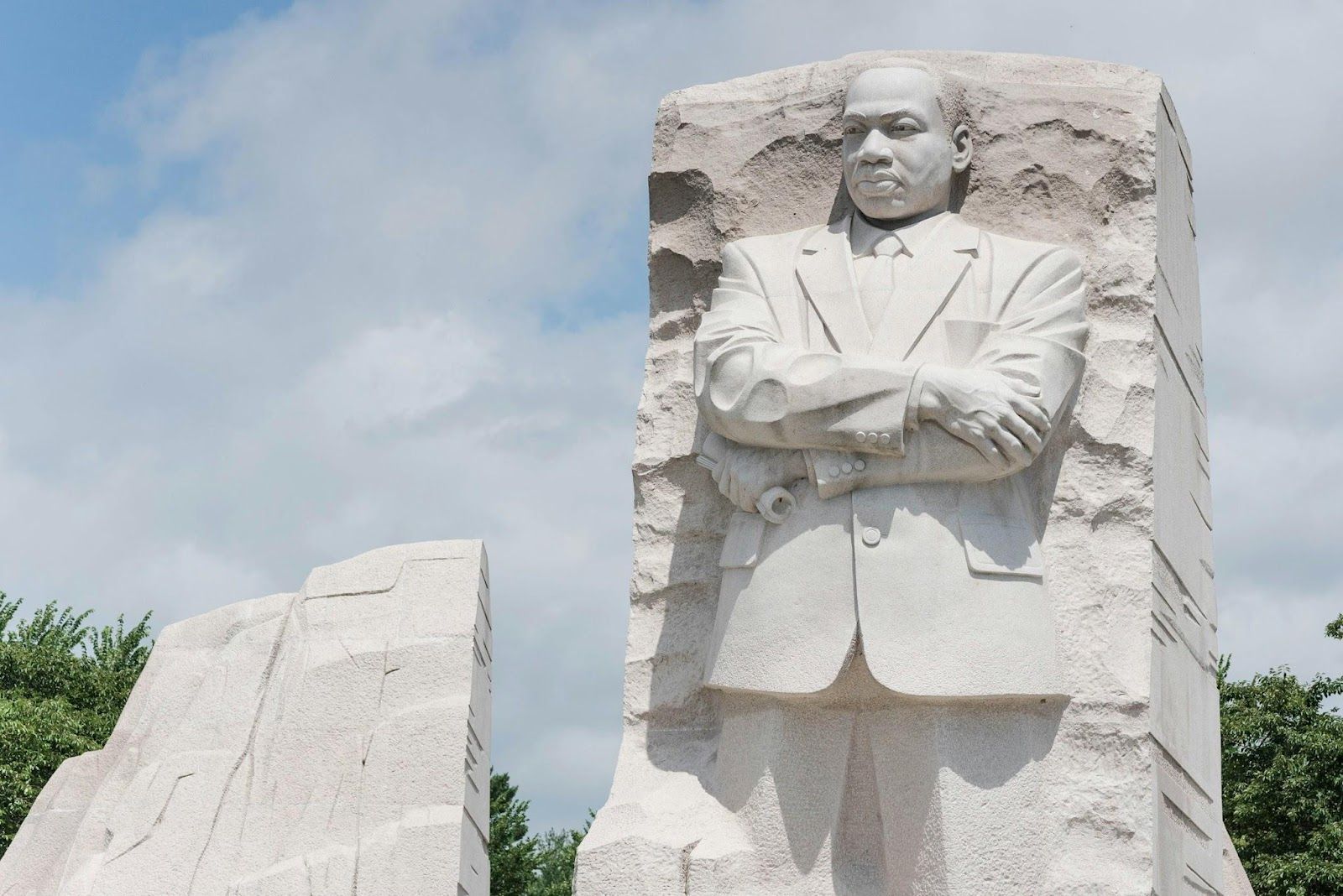
Image: Elizabeth Villalta

Not many know this, but Martin Luther King’s most famous quote came from a sudden moment of inspiration: Standing in front of over 250,000 supporters from the steps of the Lincoln Memorial, Dr. King departed from his prepared text and spoke from the heart, delivering a speech that had his now-iconic "I have a dream" phrase as its main theme. Most historians consider this speech to be a turning point in the history of the civil rights movement and a proud testament to Dr. King’s resolve and determination.

4
"Ask not what your country…" - John F. Kennedy
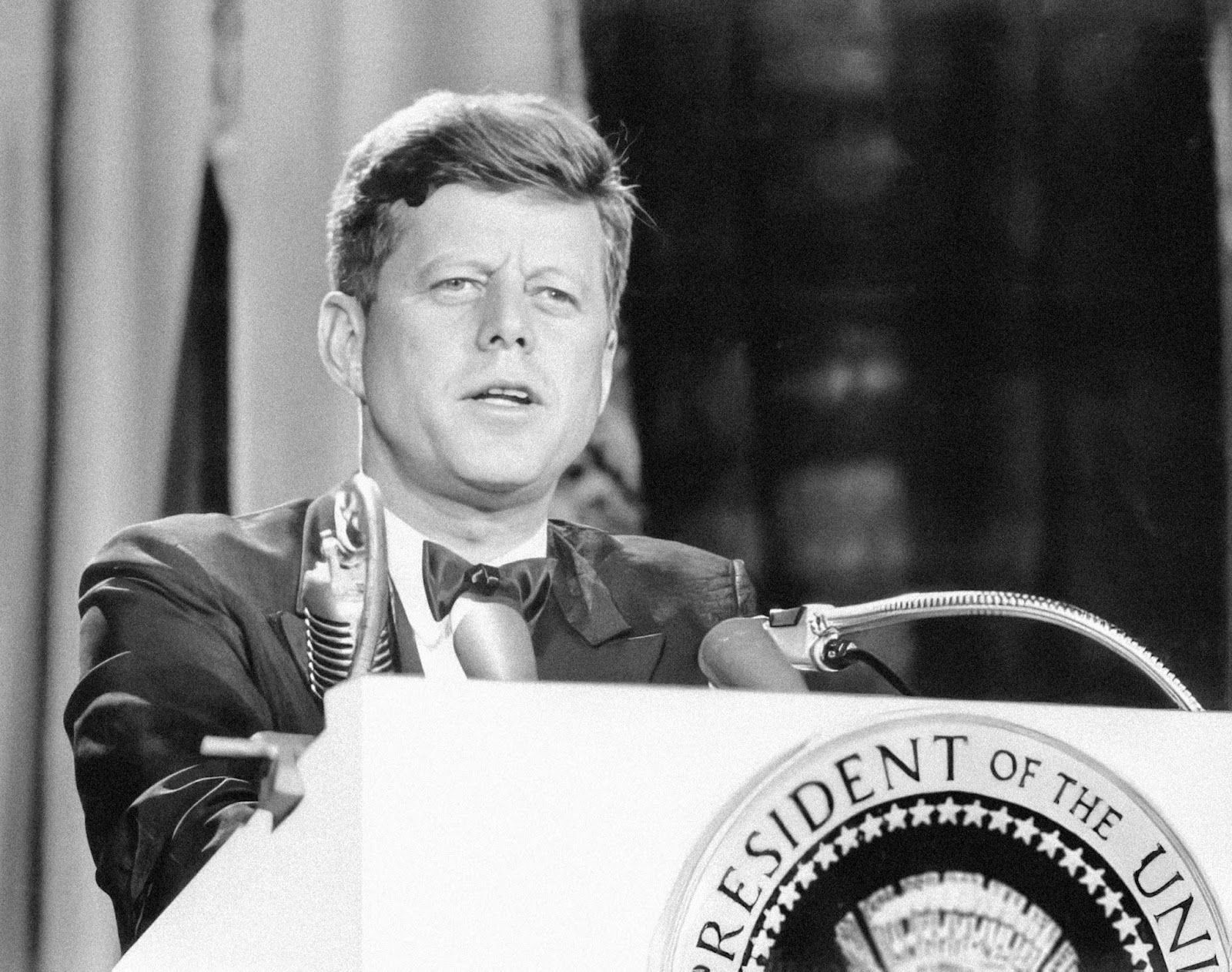
Image: Florida Memory

Civil service is definitely a big responsibility: The men and women in the government are naturally held to a high standard of scrutiny. In that sense, President Kennedy’s words during his inauguration speech truly cemented something that citizens often overlook: When our 35th President said "Ask not what your country can do for you – ask what you can do for your country" , he asked the American public to always keep the welfare of their country and fellow Americans in mind.

5
"Four score and seven years ago" - Abraham Lincoln
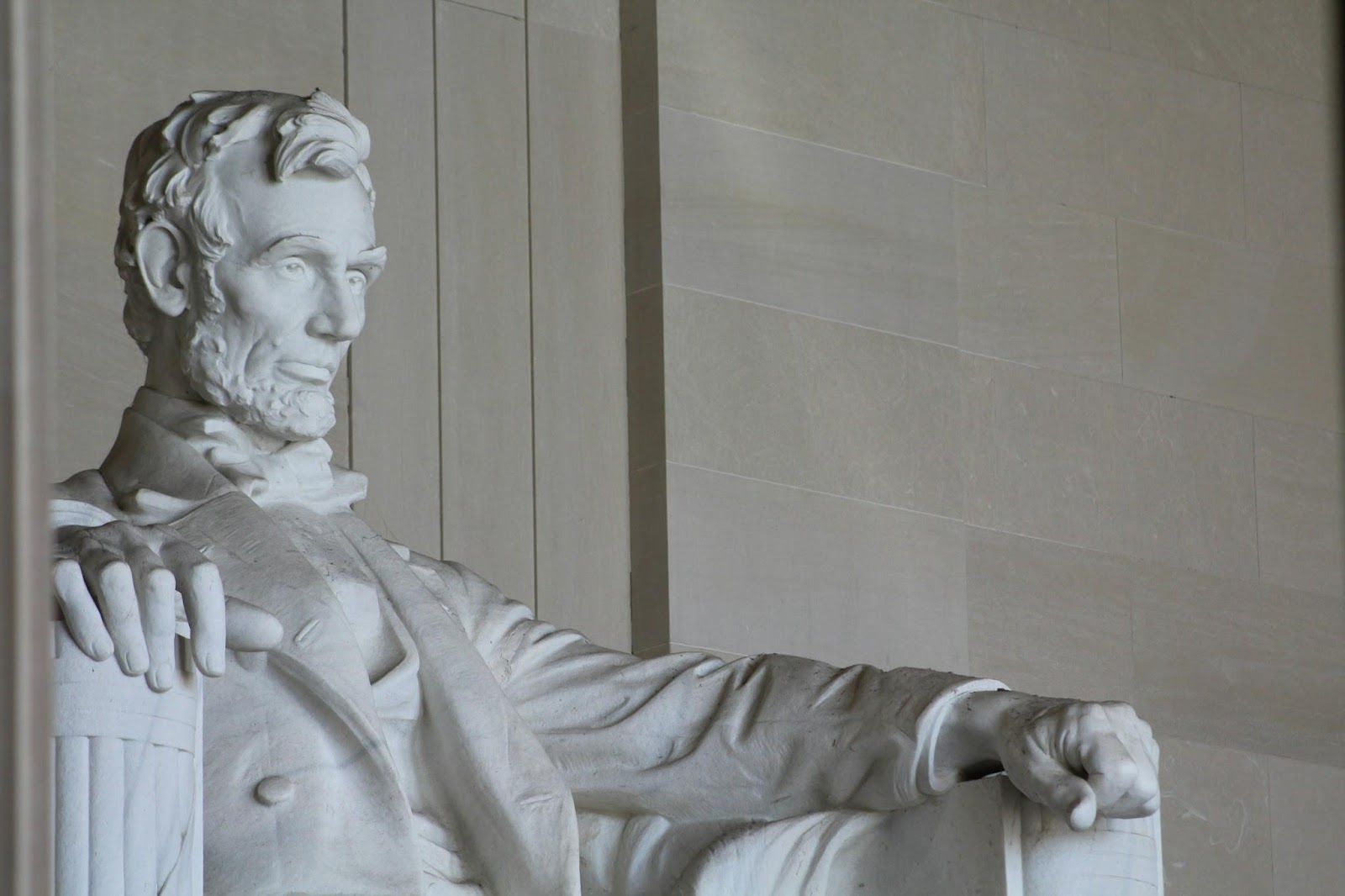
Image: Ed Fr

Granted, we couldn’t include the entire Gettysburg Address in this article, but we have instead decided to choose a phrase that’s as famous as this iconic speech. While we can’t be sure that President Lincoln knew the effect these words would have on American history, we do know that he was an exceptional writer, so it is no wonder that we still remember the opening lines of this famous speech: "Four score and seven years ago".

6
America, to me, is freedom - Willie Nelson
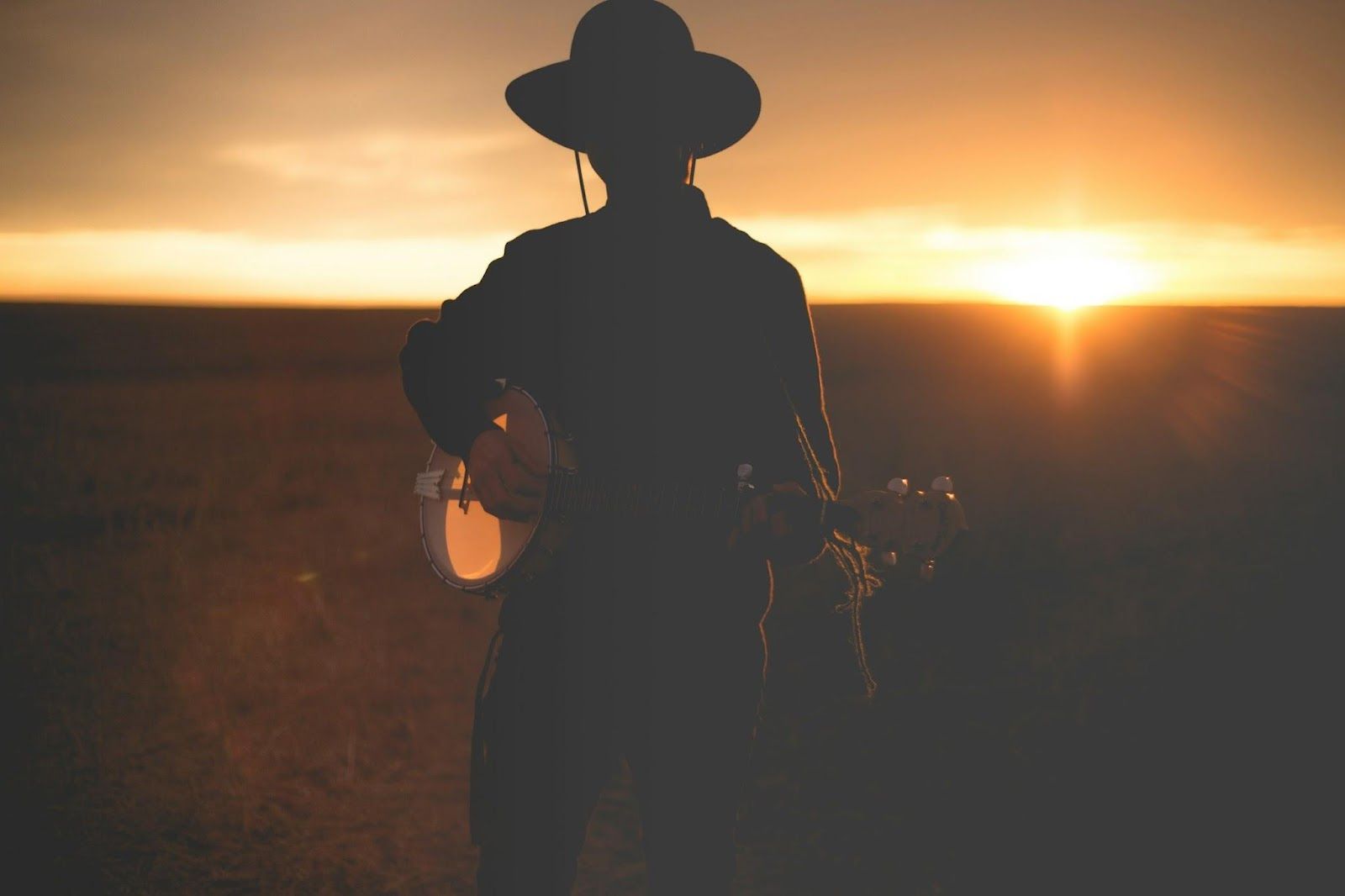
Image: Priscilla Du Preez 🇨🇦

Country music is synonymous with American culture, so it shouldn’t come as a surprise to learn that one of the most patriotic quotes in this article comes from country music legend Willie Nelson. This beloved musician once stated, "America, to me, is freedom". What’s perhaps most moving about this simple yet powerful phrase is that it effortlessly describes what many of us feel whenever we think about America.

7
"To be good, and to do good, is all we have to do" - John Adams
Image: iStrfry , Marcus

Leave it to a Founding Father to perfectly describe what patriotism is all about. John Adams once stated this powerful phrase: "To be good, and to do good, is all we have to do". Much like the JFK quote we previously mentioned, our second President encouraged us to love our country and always strive to keep it a wonderful place to live.

8
"We must be free not because we claim freedom but because we practice it" —William Faulkner

Image: Tom Hermans

There’s no denying that William Faulkner was one of the most influential writers of the 20th century: A Nobel laureate, Faulkner has written such American classics like "As I Lay Dying" and "The Sound and the Fury". Much of his work centers around the American South, and on what he felt were the values that America holds most dear. In that sense, the following quote is as insightful as what can be found in Faulkner’s many books: "We must be free not because we claim freedom but because we practice it".

9
"In the face of impossible odds, people who love this country can change it." —Barack Obama

Image: frank mckenna

Standing in the very same spot in which Martin Luther King had made his iconic "I Have a Dream" speech, President Obama spoke in front of a gathered crowd of hundreds and delivered one of his most famous quotes: "In the face of impossible odds, people who love this country can change it." Besides being a great quote by our 44th President, this phrase is also a living testament to the influence that Dr. King had on all Americans.

10
"Liberty, when it begins to take root, is a plant of rapid growth" -George Washington
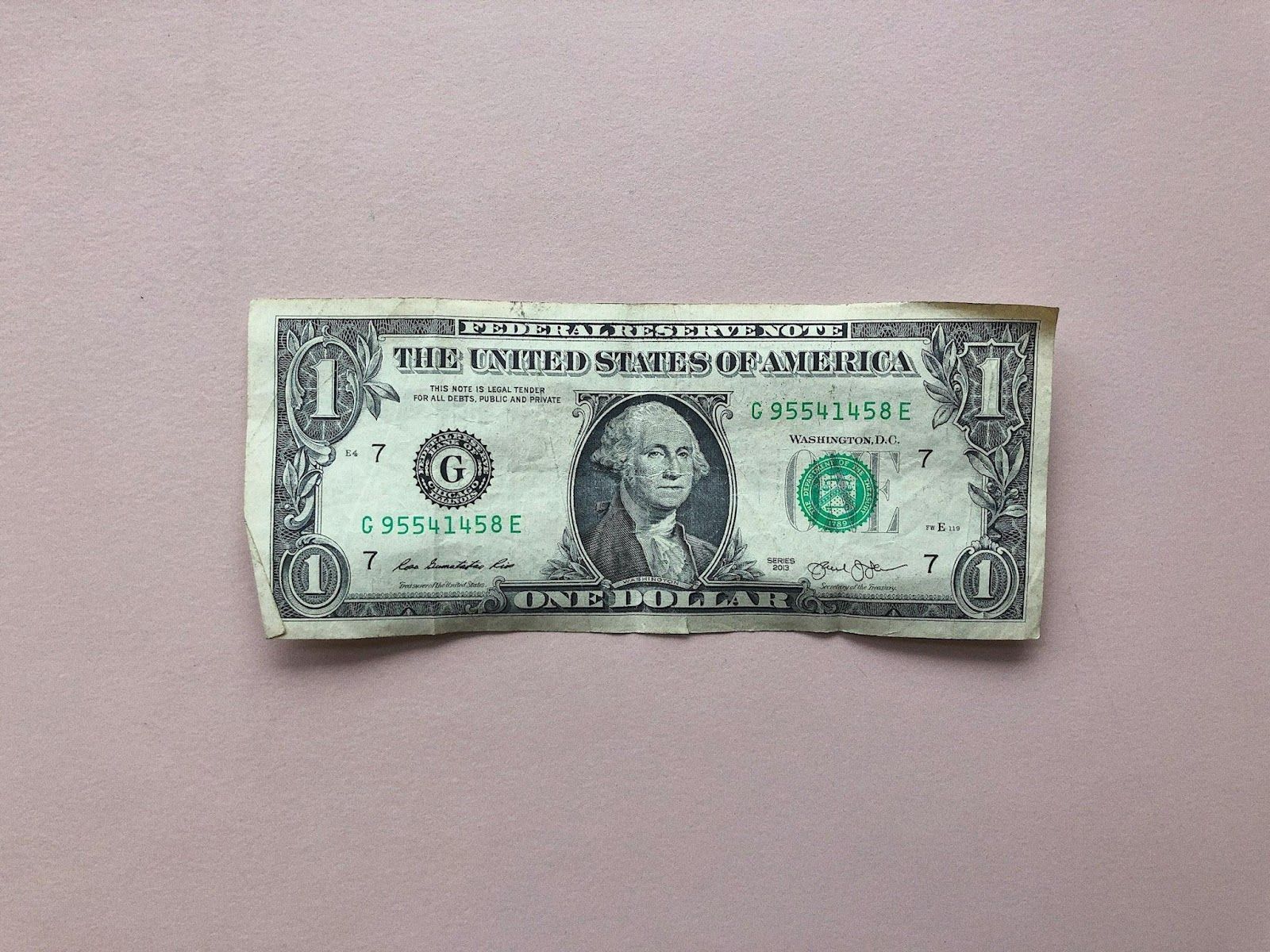
Image: Ryan Quintal

We’ll end this article with a phrase that comes straight from the mind of the Father of our country. In a letter to fellow Founding Father James Madison, George Washington wrote: "Liberty, when it begins to take root, is a plant of rapid growth". When you think about it, this phrase is an almost perfect summary of the ideas and beliefs that fueled the American Revolution, and that would eventually help build this great country of ours.

Leading the way

Can you guess who was the first US president to visit the 50 states?

Image: Mohan Nannapaneni

We all know that George Washington was the very first President of the United States. But throughout history, many other US presidents have achieved memorable "firsts." Who was the first Chief Executive to inhabit the White House? Who was the first to make a phone call from there? And who was the first Commander-in-Chief to appear on TV? If you want to know the answers to these and other exciting questions, don't miss this article on 10 iconic presidential "firsts"!

1
First president to live in the White House

Image: Raymond M.E. Aguirre

In 1790, President George Washington signed an act of Congress declaring that the government would reside in a district "not exceeding ten miles square […] on the river Potomac." Today, we all know what stands at 1600 Pennsylvania Avenue NW in Washington, DC. That's right! We're talking about the White House, an enduring symbol of the US presidency.

But it hasn't always been that way. The construction of the White House began in 1792 and only had its first resident 8 years later. He was President John Adams, who moved into the Executive Mansion with his wife Abigail in 1800.

2
First president with telephone in Office

Image: Carlos Eduardo

Nowadays, many of us can’t imagine getting anywhere without our cell phones. But in the 19th century, things were entirely different.

The landline telephone arrived at 1600 Pennsylvania Avenue in the late 1870s, during the presidency of Rutherford B. Hayes, shortly after Alexander Graham Bell had unveiled the communication device. It's said that President Hayes was interested in the technology and recognized its potential.

However, because the invention was so new, calls from the White House were rare. The first president to use the telephone frequently and regularly is considered to be William McKinley, who took office in 1897.

3
First president to serve two non-consecutive terms

Image: Josh Carter

Several men have had the honor of serving as president of the United States on more than one occasion, starting with none other than George Washington. Thomas Jefferson, James Madison, and others have served two consecutive terms.

But there was someone who, for the first time, served two non-consecutive terms as president: Grover Cleveland. That's right, Cleveland first took office in 1885 after defeating Republican candidate James G. Blaine in the election. In 1888, he lost the presidency to Benjamin Harrison. However, in 1892, Cleveland won again, assuming his second mandate in 1893.

4
First president to win the Nobel Peace Prize

Image: Sunguk Kim

Winning a Nobel Peace Prize is not something that happens every day, right? Fortunately, four US presidents have achieved this remarkable recognition.

The first was Theodore Roosevelt, who received the Nobel Peace Prize in 1906 for his role in negotiating the end of the Russo-Japanese War. The other three presidents who received the Nobel were Woodrow Wilson, Jimmy Carter (who was awarded the prize after leaving office), and Barack Obama.

5
First president born in the 20th century

Image: Florida Memory

The turn of the century is always a momentous and exciting event, and the first decades of the last century were quite... shall we say, "busy." The first president to serve during the 20th century was William McKinley, who was already in office at the turn of the century. But here’s a different question: who was the first future president born in the 20th century?

We're referring to none other than John F. Kennedy, who was born on May 29, 1917, in Brookline, Massachusetts. At the age of 29, he won a seat in the House of Representatives, and six years later, he secured a position in the Senate.

Finally, in 1961, JFK was inaugurated as the 35th president of the United States.

6
First president to light the National Christmas Tree

Image: Gaby Dyson

The lighting of the National Christmas Tree by the president of the country has become a cherished tradition that beautifully reflects the American Christmas spirit.

This tradition began on December 24, 1923, when President Calvin Coolidge became the first to light the National Christmas Tree located at the Ellipse near the White House. The imposing tree stood 48 feet tall and was decorated with over 2,500 electric lights. Beautiful!

Fortunately, the presidents who followed Coolidge have continued this delightful Christmas custom, keeping the tradition alive for generations to enjoy.

7
First president on TV

Image: Yle Archives

In the 1930s, it wasn't common to see the president's face on TV. In fact, before 1939, no president had ever appeared on television while in office.

The first American president on TV was Franklin D. Roosevelt, who made his television debut on April 30, 1939, at the New York World's Fair. Although this might not seem so revolutionary today, at the time, it marked a turning point in political communication and how leaders connected with citizens. His speech is remembered for addressing important issues, such as the future of the nation and the world.

8
First president on color TV

Image: Aleks Dorohovich

Yes, Franklin D. Roosevelt was the first US president to appear on TV, but Dwight D. Eisenhower was the first sitting US president who was lucky enough to appear on color television!

This detail, which seems trivial today, was a radical change at the time. When color TV arose, everything people watched on their living room screens began to better reflect the reality outside. Eisenhower made his color TV debut during the 1950s , delivering a speech as part of his re-election campaign—a moment that symbolized the merging of politics and modern technology.

9
First president to visit all 50 states

Image: David Lusvardi

We know that the United States of America is a big country. In fact, we're one of the largest countries in the world in terms of territory. For this reason, it can be a challenge to get to visit all 50 states that make up our nation in a short period of time. However, one president managed to accomplish this feat for the first time.

The president who achieved this milestone was Richard Nixon, the 37th president (1969-1974), when he visited Maine on October 22, 1972, marking the completion of his goal.

It’s worth noting, in fairness to all previous presidents, that Hawaii and Alaska didn’t become states until 1959.

10
First president on the internet

Image: Anthony Massaro

Although the origins of the Internet can be traced back to the 1960s, it wasn’t until the late 1980s that it became a widely popular and accessible phenomenon.

In line with global technological advances, the White House decided to incorporate the use of the Internet during the presidency of Bill Clinton, who officially became the first president to use the Internet for work purposes while in office.

But that wasn't all! Clinton also hosted an event that seemed unimaginable before —he organized a live chat from the White House. With that, Clinton was establishing the first direct communication between a US president and the public through the Internet.

INCREDIBLE AMERICA

Land of Freedom: 10 Striking Natural Landscapes Of The United States

Image: Robert Murray

Inspired by Thomas Jefferson's belief that America's wild beauty reflects our national spirit and heritage , in this article we want to celebrate the stunningly diverse and awe-inspiring landscapes that make the United States of America. We believe that the majesty of our nation’s natural wonders is as much part of our national heritage as our shared history of resilience and independence.

From the vast expanses of the Grand Canyon to the misty peaks of the Great Smoky Mountains, join us as we explore 10 breathtaking natural scenarios that embody the essence of our nation's spirit.

1
Grand Canyon, Arizona

Image: Tim Hart

A natural monument of unparalleled beauty, painstakingly carved over millions of years by the Colorado River , The Grand Canyon’s layered bands of red rock reveal more than just a part of the history of the land, but also offer a humbling window into deep time and Earth’s origins.

President Theodore Roosevelt himself was one of the foremost advocates for the preservation of the Grand Canyon area , frequently visiting to hunt and revel in its natural beauty. Before the arrival of Europeans, the area was continuously inhabited by various Native American groups, who often dug and carved their settlements directly into the ancient rock.

2
Yosemite Valley, California

Image: Robby McCullough

Located in the western Sierra Nevada mountains of Central California, Yosemite Valley’s granite cliffs, towering waterfalls, and ancient sequoias draw millions of visitors each year. Shaped by the action of glaciers during most of the last 30 million years , today its lush forests and incredibly diverse fauna are a living monument to our country’s biodiversity.

The towering granite peaks that encircle the valley, including Half Dome and El Capitan , are famed for their impressive rock walls and the breathtaking vistas they offer to hikers from above.

3
Yellowstone National Park, Wyoming

Image: Nicolasintravel

A geothermal wonderland, home to geysers, hot springs, and bubbling mud pots , Yellowstone is a wildlife haven where bison, grizzly bears, and wolves roam freely amidst its stunning natural features. Moreover, Yellowstone not only holds the distinction of being the first national park in the U.S. but also in the whole world, setting a precedent for conservation laws and standards that would be emulated worldwide.

Interestingly, the Yellowstone Caldera—the volcanic system responsible for the park’s intense geothermal activity—is the largest in North America and is considered a dormant "supervolcano." In the past, large eruptions from this region likely contributed to the extinction of many species, blanketing much of central North America in ash.

4
Denali National Park, Alaska

Image: Bryan Goff

At the heart of Alaska lies Denali, North America's tallest peak. Officially named Mount McKinley until 2015, the peak was renamed after the native word for the mountain, which fittingly means "the high one."

The region surrounding the legendary mountain became a National Park in 1917 , and since that time the rugged landscape of the park has been a haven for outdoor enthusiasts, offering unique opportunities for wildlife viewing. The pristine landscape features a diverse mix of forests, deciduous taiga, tundra, and glaciers , preserving a slice of untouched wilderness that highlights the raw, untamed beauty of Alaska.

5
Great Smoky Mountains, North Carolina/Tennessee

Image: Div Pithadia

With its mist-shrouded peaks and verdant forests, the Great Smoky Mountains are one of the most scenic and alluring landscapes of the United States.

A subrange of the Appalachian Mountains, the soothing vistas of lush forests growing above the ancient peaks are often veiled by a hazy blue-ish mist , which gives the name to the region. The mysterious fog is caused by various organic compounds emitted by the lush vegetation, which end up forming dense vapor columns.

6
Zion National Park, Utah

Image: Jamie Hagan

Zion's breathtaking sandstone formations are truly a sight to behold. The region is renowned for its towering cliffs, narrow slot canyons, expansive mesas, and captivating natural arches , each sculpted by the forces of time and nature into awe-inspiring works of art.

With a geological history that spans over 150 million years , Zion National Park is a testament to the immense geological forces that have shaped our land over millennia.

7
Niagara Falls, New York

Image: Kalen Emsley

One of the world's most famous waterfalls, Niagara Falls is an emblem of America’s diverse natural beauty. Straddling the international border between Canada and the United States, millions of gallons of water cascade over its cliffs every minute , drawing visitors from both nations to marvel at this awe-inspiring natural spectacle.

Formed by the Niagara River, which channels the waters from Lake Erie into Lake Ontario before ending up in the Atlantic, the falls experience a rate of erosion of almost a foot per year. If the erosion continues at this pace, in about 50,000 years the falls will completely erode the remaining 20 miles to Lake Erie and cease to exist.

8
Glacier National Park, Montana

Image: Justin Kauffman

One of the most pristine landscapes in the United States, Glacier National Park harbors ancient peaks and valleys that provide sanctuary to a diverse array of wildlife, home to thousands of unique species.

With more than one million acres, several glaciers, and over a hundred named lakes, this landscape offers a glimpse into the untouched beauty that greeted the first inhabitants of this land upon their arrival.

9
Acadia National Park, Maine

Image: Benjamin R.

Maine’s Atlantic coastline offers a stunning landscape of timeless beauty and rich history. From the towering Cadillac Mountain - the highest peak on the Atlantic coast - to the U-shaped valleys, and cobble beaches, Acadia's natural wonders are captivating.

Inhabited over 10,000 years ago by the Wabanaki people, Acadia's story is full of tales of exploration and resourcefulness. Amidst the harsh terrain, John D. Rockefeller Jr.'s historic carriage road system still meanders , a testament to human resilience amidst nature's raw beauty.

10
Hawaiʻi Volcanoes National Park, Hawaiʻi

Image: Cedric Letsch

If you are eager to witness the true raw power of nature in action, Hawaiʻi Volcanoes National Park is the place to go. Home to two of the world's most active volcanoes, Kilauea and Mauna Loa , the park is teeming with primeval scenes and dramatic contrasts. From lava tubes to lush rainforests and stunning beaches, the islands abound with natural wonders.

Acknowledging its unique natural attributes, the park earned the prestigious designation of International Biosphere Reserve in 1980, followed by World Heritage Site status in 1987.

Explore more American facts

Choose your favorite category!

General
General

As American as apple pie—the very best America has to offer!

Culture
Culture

Delve into the astounding richness of American lore.

Geography
Geography

Hop in and explore vast and diverse American landscapes.

History
History

Discover the key moments that shaped the United States.