Culture Culture 4 min read

Gifted people

They do what!? Discover the unusual talents of these 10 celebrities
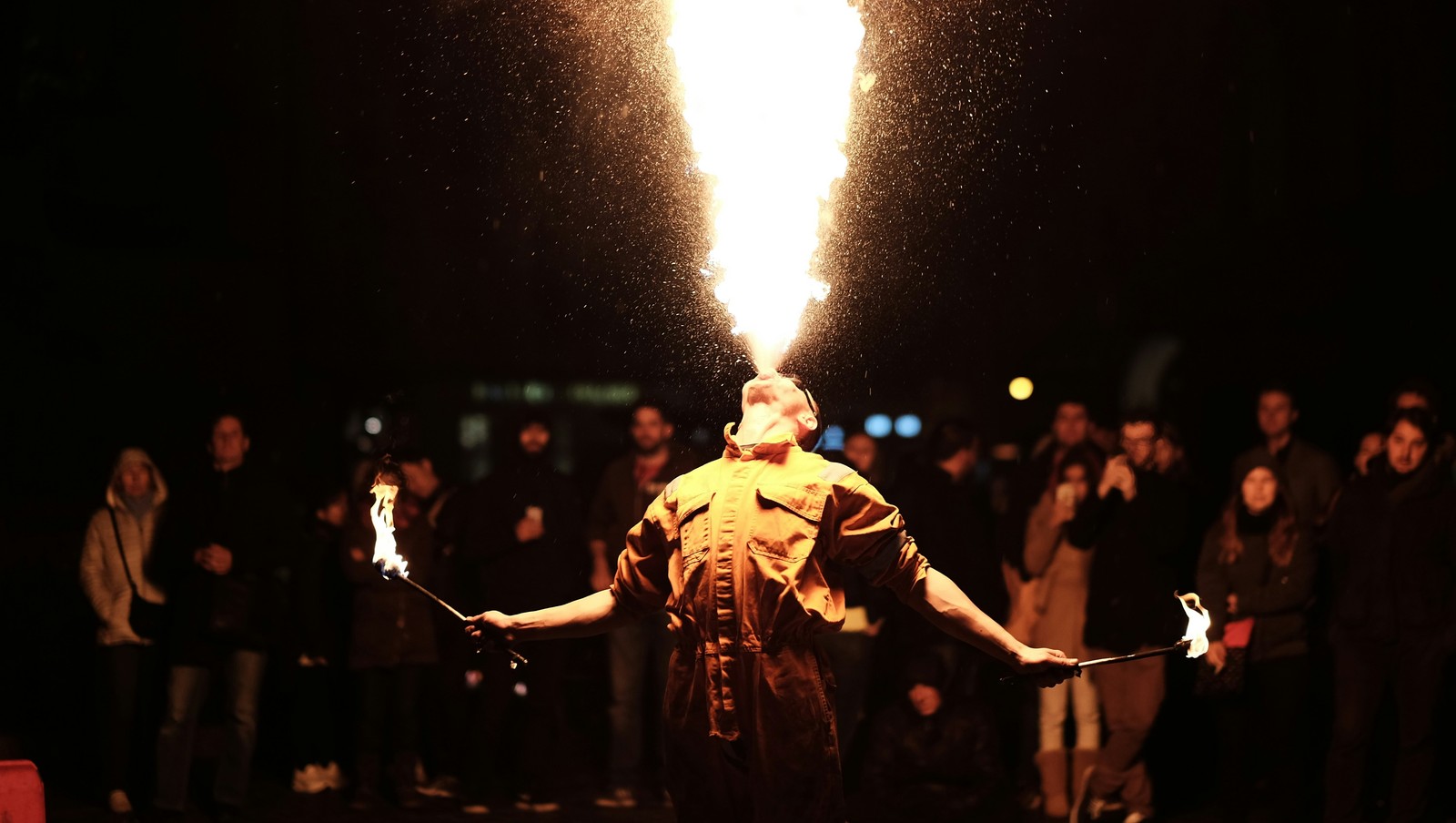
Image: Alex Alvarez

It's pretty common for movie stars to be great singers or dancers, too. But some of them have incredible abilities you'd never expect. From creating museum-worthy portraits to riding a unicycle or even taming lions, we're uncovering the hidden and extraordinary talents of 10 famous American celebrities. Let's get started!

1
Bob Dylan

Image: Rowland Scherman, Public domain, via Wikimedia Commons

As if he weren't talented enough, Bob Dylan not only captivates us with his lyrics and music but also excels in the world of visual arts . The musician is a skilled metal sculptor, creating impressive pieces from welded metal objects. Did you know it?

2
Bob Barker

Image: Rebecca Roth, Public domain, via Wikimedia Commons

Bob Barker wasn't just a beloved media personality and the unforgettable host of The Price Is Right ; he also knew how to throw a punch. It turns out that Barker was a skilled martial artist who trained for years under action star Chuck Norris and even earned a black belt in Karate.

3
Johnny Cash
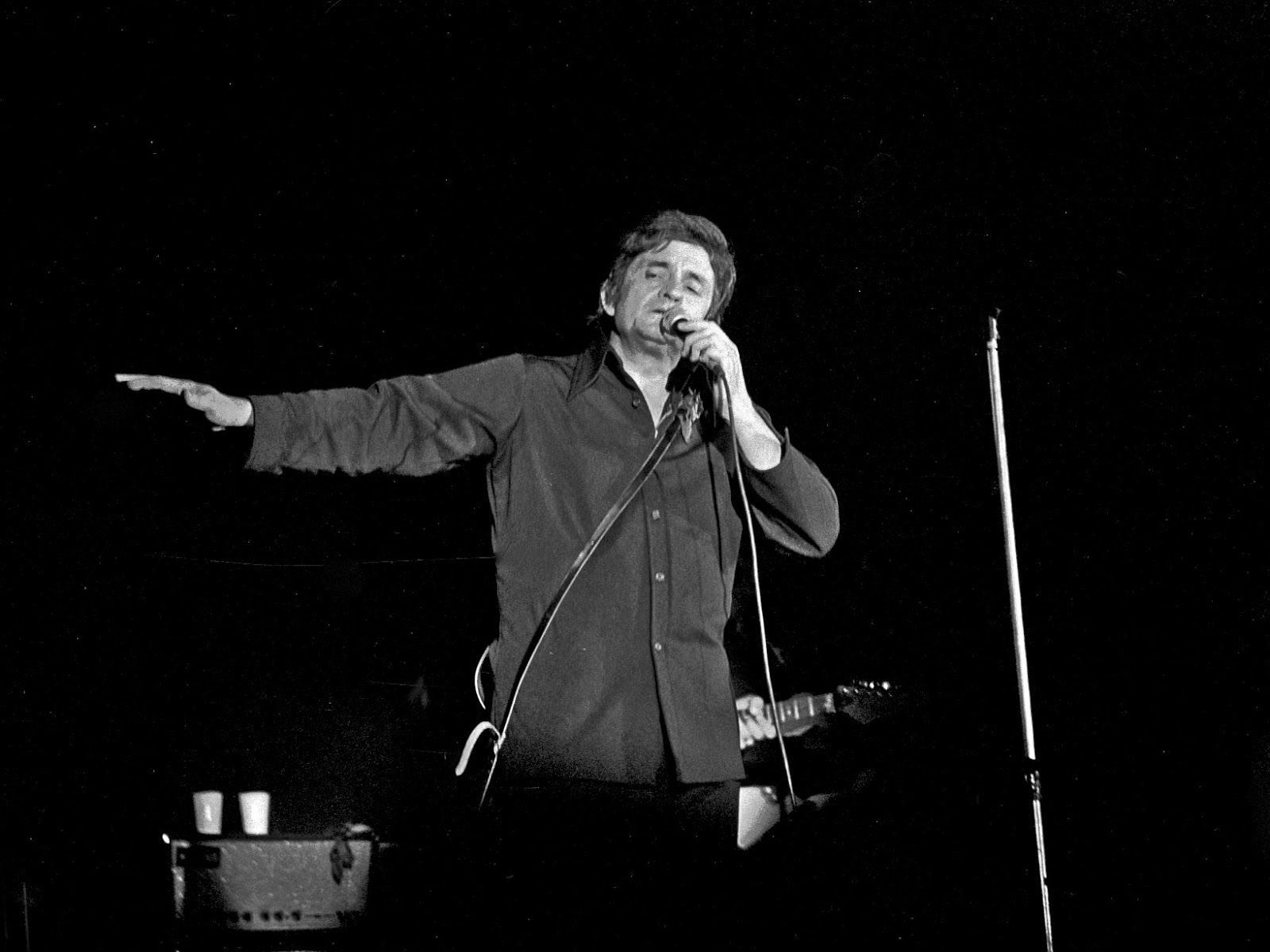
Image: Heinrich Klaffs, via Wikimedia Commons

Johnny Cash wasn't just gifted with his voice and guitar; he also had a surprising skill: Morse code. He served in the US Air Force in Germany during the Cold War, working as a radio-intercept and Morse code operator. It’s said that his decoding talent enabled him to be one of the first Americans to learn of Joseph Stalin’s death.

4
Christopher Walken

Image: By Tabercil, via Wikimedia Commons

Christopher Walken gave us iconic film roles, but it wasn't just the big screen he mastered. As a teenager, he took on a peculiar summer job: lion-taming. Believe it or not, it's true! The famous actor performed tricks with a large lioness, which, according to him, taught him stage presence, confidence, and, of course, a lifelong love for cats.

5
Geena Davis
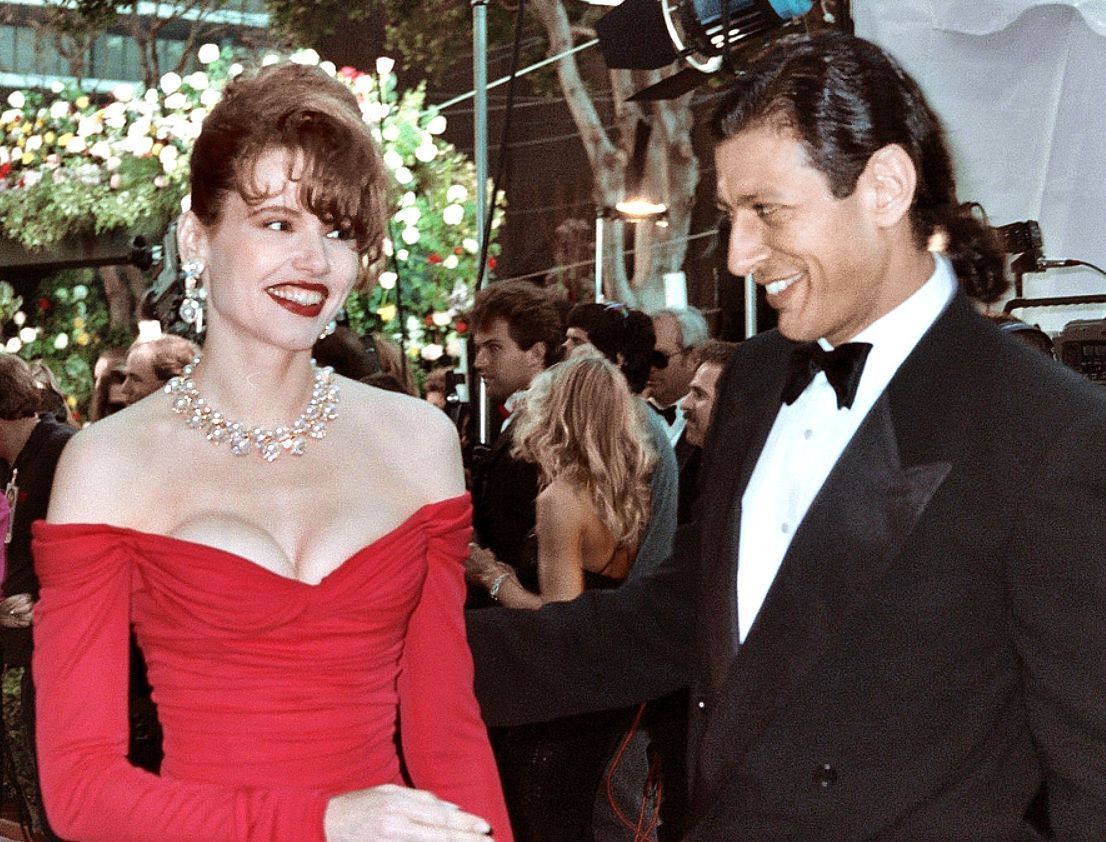
Image: Alan Light, via Wikimedia Commons

In addition to starring in blockbusters like Thelma & Louise (1991), A League of Their Own (1992), and Beetlejuice (1988), Geena Davis is also a skilled athlete. That's right! She took up archery around 1997 and performed so well that she competed in the US Olympic trials for the 2000 Sydney Games, coming very close to qualifying!

6
Mark Ruffalo

Image: Gage Skidmore, via Wikimedia Commons

Beloved Mark Ruffalo is much more than a leading man and a superhero. The actor also has a talent many would envy: he can ride a unicycle! He showcased this skill on The Graham Norton Show in 2014, riding both a standard unicycle and an extra-tall one. As he explained, he dreamed of joining the circus as a child, which inspired him to learn this unique skill.

7
Steve Carell
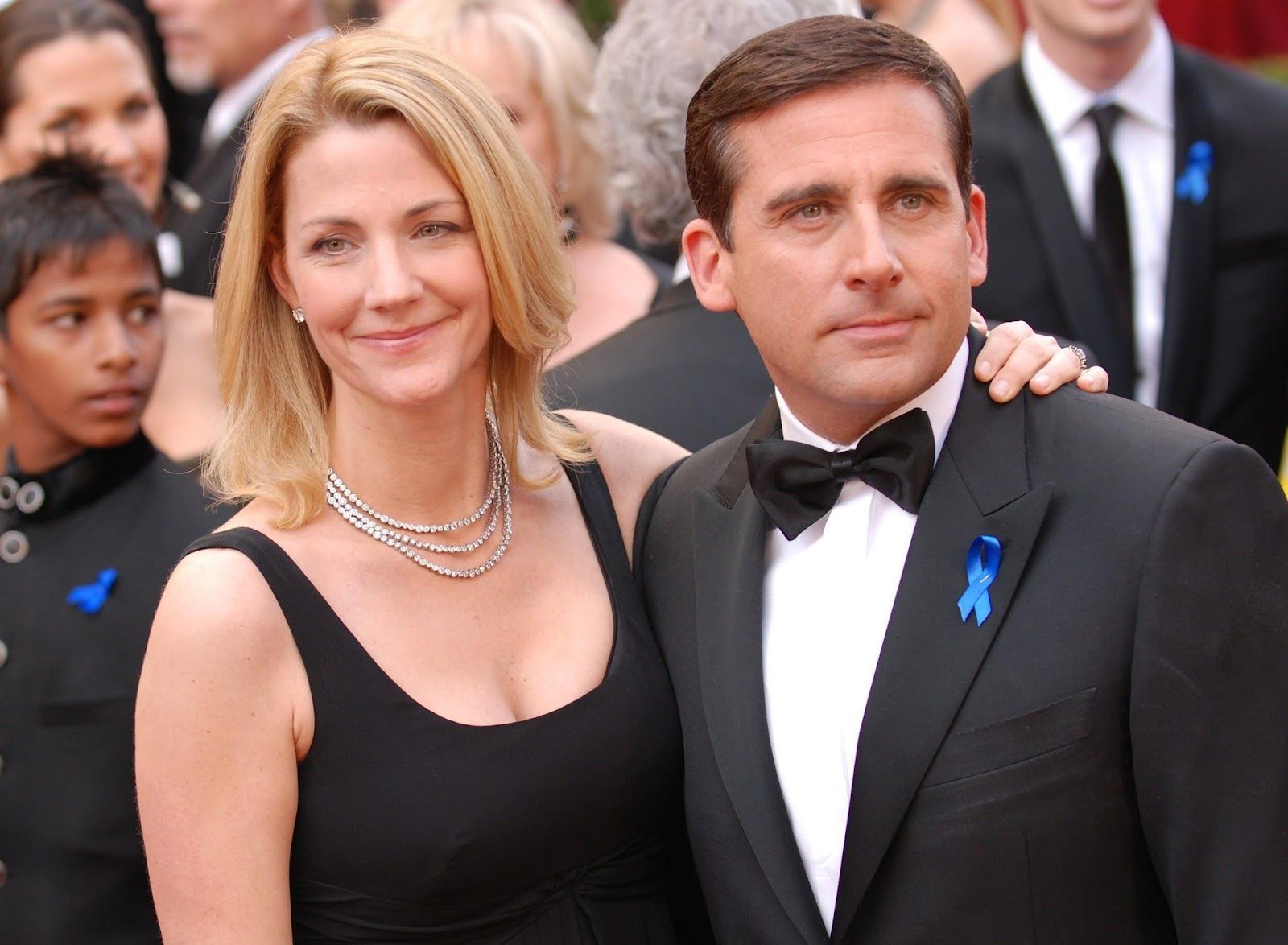
Image: Sgt. Michael Connors, Public domain, via Wikimedia Commons

Steve Carell has long proven himself as one of America's finest actors, excelling in both comedy and powerful dramas. As if that weren't enough, he’s also a skilled ice hockey player. In college at Denison University, he was a goaltender for the club hockey team, even earning the nickname "Backbone of the Defense"!

8
Terry Crews
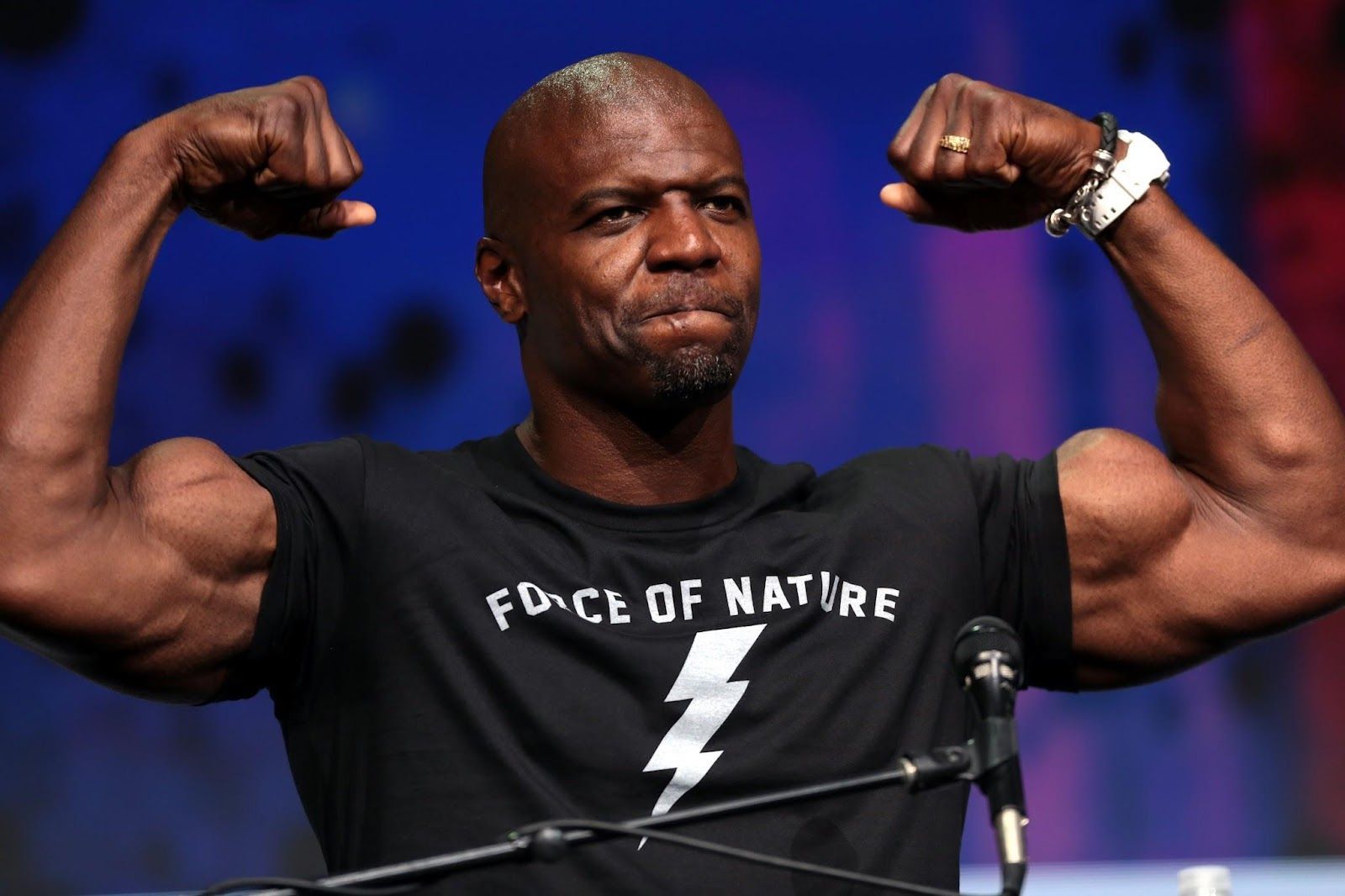
Image: Gage Skidmore, via Wikimedia Commons

While he’s delighted us countless times with comedic roles, Terry Crews is also a writer, TV host, book illustrator, furniture designer, flute player, and even a former NFL player! Yet his most remarkable talent lies in the fine arts: he earned a college art scholarship before his football scholarship, and his paintings and drawings are said to be seriously impressive. Without a doubt, Crews is pure charisma, muscle, and talent!

9
Lucy Liu

Image: Bryan Berlin, via Wikimedia Commons

The incredible Lucy Liu was born in New York in 1968 and was destined to become a star. But she is much more than one of Charlie's Angels ; Liu is also a talented and accomplished painter. And it's not just a hobby! She has a professional art studio and has exhibited her work over the years.

10
Zac Efron

Image: Ivo Duran from Brazil, via Wikimedia Commons

Over the years, Zac Efron has proven he's more than just a teen star, taking on major and diverse film roles. But that's not his only talent; Efron also masters a skill that's both sensual and challenging: pole dancing! He trained for the film The Greatest Showman , and his athleticism helped him master the strength and precision the art requires.

General General 5 min read

CONCRETE JUNGLE

Explore “The Big Apple” With These 10 Iconic New York City Landmarks!

Image: Barth Bailey

Is New York the most iconic city in America, if not the world? Countless songs and books have been written about 'The City That Never Sleeps.' From its jaw-dropping architecture to its amazing culture, New York City draws millions of tourists every year. Naturally, this magnificent metropolis can be a bit intimidating for first-time visitors. Bearing that in mind, we have selected ten of the most iconic NYC landmarks that celebrate everything that makes this city so wonderful. Enjoy!

1
Statue of Liberty

Image: Erik Lindgren

We’ll start with what’s probably this city’s most famous icon. Lady Liberty has welcomed the "huddled masses" that arrived in NYC since the 19th century. You probably know that this statue was a gift from France to the American people, but did you know Gustave Eiffel, the engineer behind the iconic Eiffel Tower, built its metalwork?

Another fun fact: While nowadays the Statue of Liberty is world-known for its green hue, this wasn’t always the case. In fact, when she was inaugurated in 1886, Lady Liberty sported a reddish-brown color more befitting of copper , the metal she is made of. However, after years of oxidation due to exposure, the statue eventually became green.

2
Empire State Building

Image: Dana Andreea Gheorghe

The state of New York’s official nickname is "The Empire State": Some credit George Washington with coming up with this term, inspired by this state’s wealth and disposition. In that sense, this magnificent skyscraper stands as a proud homage to this sentiment and is one of the most recognizable figures in NYC’s skyline.

This 102-story skyscraper is located in the Manhattan borough and was, for a while, the tallest building in the world. It has been featured in over 250 films and TV shows since one of the most iconic scenes in movie history was filmed there: 1933’s King Kong showed the titular giant ape perched on top of the tower.

3
Brooklyn Bridge

Image: Brandon Day

At the time of its inauguration in 1883, the Brooklyn Bridge was the longest suspension bridge in the world: It stood as an engineering masterwork, both for its length and its innovative and unique design. But what’s truly amazing is that the Brooklyn Bridge has continued to amaze and inspire millions of New Yorkers for over 140 years.

The bridge was designed by John A. Roebling, assisted by his son and chief engineer Washington Roebling. This NYC landmark eventually became a family affair: After John Roebling fell ill and was bedridden, his wife Emily contributed to see the project to completion.

4
Broadway

Image: Eddie Bugajewski

Looking for a night at the theatre? Then Broadway is the place to be. This street is synonymous with excellent plays and musicals, up to the point that it has become a metonym for the entire industry. Broadway offers 41 professional theaters, each with 500 seats or more, offering quality performances for thousands of people each year.

Alongside London West End’s district, Broadway is known as the highest level of theater entertainment in the English-speaking world. In that sense, Broadway represents the crème de la crème of American theater, up to the point of inspiring the name of other NYC theaters, which are known as "Off-Broadway" or "Off-off-Broadway".

5
Central Park

Image: Dana Andreea Gheorghe

Looking for a quick stroll through green scenery? Then head on to the most famous NYC park. While definitively the most iconic, you might be surprised to learn that Central Park is not the biggest park in the city: In fact, it’s only in sixth place. Having said that, this iconic location is still massive enough to fill a big part of New York City’s skyline with its lush green.

Central Park was built over a period of approximately 50 years during the 19th century, from its proposal in the 1840s to its completion in 1876. Nowadays, it features several iconic monuments and features, like the USS Maine National Monument, the Strawberry Fields Memorial, and the Central Park Zoo, which showcases over 160 different animal species.

6
New York Public Library Main Branch

Image: Chris Ladouceur

Libraries are known as "the guardians of knowledge", and New York City’s Public Library is no exception: With approximately 53 million items, this New York institution has preserved American culture and knowledge since 1895.

While the library has over 90 locations across the city, its most famous location is probably the main branch building, located in Manhattan. This location, officially known as the Stephen A. Schwarzman Building, showcases the library’s famous stone lions guarding its entrance. Fun fact: These lions were nicknamed ‘Patience’ and ‘Fortitude’ by NYC Mayor Fiorello La Guardia.

7
Brooklyn Botanic Garden

Image: Pascale Amez

Standing at the heart of Brooklyn since 1911, Brooklyn Botanic Garden houses over 14,000 plants and trees, which welcome approximately 800,000 visitors every year. Besides showcasing these lovely specimens, the Garden offers educational and conservation programs, as well as a special garden inspired by the works of William Shakespeare.

While everything in the Brooklyn Botanic Garden is certainly worth visiting, its main attraction is its 200 cherry trees, featured across its Cherry Walk and Cherry Esplanade. Thousands of tourists from all around the world gather in the garden during Spring, to watch these gorgeous trees blossom.

8
Grand Central Terminal

Image: Afif Ramdhasuma

You would think there’s not a lot of tourist value in a train station, but trust us: Grand Central Terminal is definitively worth the visit. This stationnot only showcases beautiful Beaux-Arts architecture and design, but it also perfectly encapsulates the busy and energetic everyday that New Yorkers take so much pride in.

Notably, the terminal has been featured in countless films and TV shows: Approximately 25 large-scale films are shot in the terminal each year. Most of these films have been shot on the famous 'Track 34,' which doesn’t block filming since it doesn’t have structural columns.

9
Met Museum

Image: Changqing Lu

We could have included a great number of museums in this list: After all, New York City is home to hundreds of fine art institutions. However, we ended up choosing the most visited museum in the United States, and one of the most respected cultural establishments in the world: The Metropolitan Museum of Art, also known as " the Met ".

Founded in 1870, the Met is located in located right next to the eastern edge of Central Park. The museum houses over 1.5 million objects, including Ancient Egyptian art and paintings from masters like Van Gogh, Monet, and Picasso.

10
Flatiron Building

Image: Serge Pelletier

This iconic building showcases the resilience and strength of New Yorkers. While nowadays is known as a New York institution, at the time of its opening it was sometimes called "Burnham's Folly": Many believed that the building, designed by Daniel Burnham, would eventually be knocked down by the wind due to its unique triangular shape.

And yet, this skyscraper still stands, 120 years after its inauguration. Its sleek and avant-garde design has truly cemented the Flatiron building as an architectural wonder.

History History 4 min read

After the golden spike

The driving force that built America: 12 milestones in railroad history

Image: jean52Photosstock

Today, we often take trains for granted, but that wasn’t always the case! The history of railroads is deeply intertwined with American history, shaping the nation’s growth every step of the way. Rail lines helped modern cities blossom, boosted trade across the country, and allowed Americans to explore even the most remote corners of the nation . From the first tracks to today’s massive freight industry, join us as we journey through 12 pivotal moments that defined America’s railroad legacy.

1
First tracks laid

Image: Tim Wildsmith

Date: 1827

The Baltimore and Ohio Railroad (B&O), chartered in 1827, became America’s first common carrier railroad. Construction began the following year, introducing horse-drawn carriages on iron rails. While rail lines existed before, most were privately owned or served specific industries.

2
Tom Thumb’s race

Image: K. Mitch Hodge

Date: 1830

Shortly after the establishment of the B&O’s chartered line, American industrialist and inventor Peter Cooper designed the first American steam locomotive, Tom Thumb , to convince the railroad’s owners to adopt steam power. To prove the technology’s potential, a race was organized between the locomotive and a horse. Although the horse won after Tom Thumb suffered a mechanical failure, the demonstration successfully proved the superiority of steam engines, marking a turning point in railroad history.

3
The railroad boom

Image: Museums Victoria

Date: 1840s to 1850s

With the rise of steam locomotives, railroads expanded rapidly, connecting major cities and driving unprecedented economic growth. By 1850, the U.S. had built 9,000 miles of railroad tracks . These rail lines played a crucial role in transporting goods—particularly agricultural products—to markets, revolutionizing commerce and travel across the country.

4
First transcontinental charter

Image: Alex Boyd

Date: 1862

The Pacific Railroad Act, signed by Abraham Lincoln in 1862, authorized the construction of the first transcontinental railroad, connecting the East and West coasts. The legislation empowered the Union Pacific and Central Pacific Railroads to undertake this monumental task, offering land grants and bonds to support the project. Beyond its technological significance, the act also demonstrated the federal government’s commitment to uniting the nation, fostering economic growth, and solidifying the country’s infrastructure.

5
Driving the Golden Spike

Image: Matt Benson

Date: 1869

On May 10, 1869, the Union Pacific and Central Pacific Railroads met at Promontory Summit, Utah, completing the first transcontinental railroad. During the ceremony, a 17.6-karat golden spike was ceremonially driven in —then promptly removed to prevent theft. This historic achievement connected the nation like never before, reducing cross-country travel time from months to days and forever transforming America's transportation landscape.

6
Standardized time zones

Image: Igor Savelev

Date: 1883

Another transformative effect of railroad expansion and faster travel times was the need for standardized timekeeping. To address the confusion caused by varying local times, the system of time zones was introduced. This not only revolutionized rail scheduling but also transformed travel and commerce across the country, helping synchronize operations nationwide and ensuring greater efficiency and coordination.

7
The Pullman revolution

Image: Jennifer Latuperisa-Andresen

Date: 1867

In 1867, George Pullman introduced the first luxury sleeper cars, offering passengers unmatched comfort on long-distance journeys. Pullman cars featured plush seating, fine dining, and exceptional on-board service, elevating the railroad experience to new heights. These innovations set a standard for first-class travel that extended far beyond railroads.

8
Connecting the South

Image: Oxana Melis

Date: 1870s

During the American Civil War, railroads were a strategic asset, enabling the swift movement of troops and supplies. After the war, Southern rail development played a key role in integrating the South into the broader U.S. economy, facilitating trade and mobility in the Reconstruction era. The Southern rail network expanded from 11,000 miles in 1870 to 29,000 miles by 1890, breaking the region's isolation and fostering economic growth.

9
Electric rail debuts

Image: Museums of History New South Wales

Date: 1888

Richmond, Virginia, became the site of America’s first electric streetcar system, forever revolutionizing urban transit. The system had a significant impact on the emerging electric trolley industry, with its design serving as a model adopted by many other cities. This shift marked the beginning of modern public transportation, transforming urban landscapes and mobility for generations to come.

10
The Golden Age

Image: Marco De Luca

Date: Early 20th Century

From 1900 to 1930, railroads dominated American transportation, carrying nearly all freight and passengers . During this period, innovations in track systems, signaling, and luxury amenities reinforced their status as the nation’s lifeblood. The industry thrived unchallenged until the rise of automobiles and airplanes reshaped the transportation landscape.

11
Amtrak takes over

Image: Jan Canty

Date: 1971

During the post-World War II economic boom, airlines and Interstate highways pushed many railroads out of business . As passenger rail declined, the U.S. government created Amtrak to sustain intercity travel, consolidating struggling private lines into a national service. While freight rail remained strong, Amtrak preserved passenger trains’ legacy, ensuring their continued role in America’s transportation system.

12
Modern freight titans

Image: Akshay Nanavati

Date: Present Day

Finally, we've reached the last station on our railroad journey! While the railroad landscape has drastically changed since its golden era, trains remain a vital backbone of the country’s economy. Freight railroads now dominate the industry, transporting over 1.7 billion tons of goods annually. The U.S. boasts one of the world’s largest and most efficient freight rail systems , transporting everything from coal to electronics and continuing to drive commerce and industry.

Explore more American facts

Choose your favorite category!

General
General

As American as apple pie—the very best America has to offer!

Culture
Culture

Delve into the astounding richness of American lore.

Geography
Geography

Hop in and explore vast and diverse American landscapes.

History
History

Discover the key moments that shaped the United States.