Geography Geography 5 min read

Cradles of history

America's forgotten capitals: Cities that were once their state’s main

Image: Martin Zenker

Every state has its heart: A main city that serves as the center for governance, lawmaking, and administration. But what about the cities that once held the title, only to see it moved elsewhere? Did any of them resist the change? Let’s look into towns that left indelible marks on the culture of their states, even after the halls of power packed up and moved inland.

1
San Francisco, California

Image: Belle Co

San Francisco was never officially a state capital, but there was a 9-month period during the early governance of California when the capitol stood in the city’s Merchant’s Exchange building .

The seat of California’s capital moved multiple times among cities, including Monterey, San Jose, Vallejo, and Benicia. In the mid-19th century, it settled in Sacramento, strategically situated at the confluence of major rivers –which also meant proneness to flood . Severe flooding hit the city in the 1860s, temporarily incapacitating it as a state capital.

The administration then moved to San Francisco, which had been instrumental during the Gold Rush and remained a cultural and economic powerhouse. When Sacramento had recovered, though, the legislature moved back and it has remained the state capital since.

2
Savannah, Georgia

Image: Jessica Furtney

Savannah, the beautiful city in Georgia famous for its cobblestone streets and picturesque squares, was the state’s first colonial capital. It continued to hold the capitol following the American Revolution.

In the late 1700s, however, the capital moved inland to Augusta, where the population was growing. The decision was also meant to protect the government from potential coastal attacks .

Several cities served as capitals in the decades that followed, such as Louisville and Milledgeville. It wasn’t until a constitutional convention was held in Atlanta that the city’s potential as a state capital was recognized, and later realized.

3
St. Augustine, Florida

Image: Maddie DiFilippo

Known for its well-preserved colonial architecture, like the Castillo de San Marcos fortress , St. Augustine was the capital of East Florida for hundreds of years, since Spanish rule.

When Florida became a U.S. territory, St. Augustine, on Florida's northeast coast, maintained its role as one of two capitals, alongside Pensacola, which served West Florida. However, the difficulty of travel between these two cities led to inefficiencies in governance.

A halfway point was set exactly at Tallahassee to make access easier for legislators of both sides. To this day, St. Augustine maintains many constructions and a strong heritage from its colonial past.

4
New Orleans, Louisiana

Image: Stella He

When Louisiana was admitted into the Union, vibrant New Orleans was the state capital, and it remained so for over 30 years until the government seat was changed to Baton Rouge.

New Orleans was the largest and most economically significant city in the state at the time, so it was a natural choice. Still, its location also posed challenges, like disease outbreaks that often plagued it, and the powerful political influence of the French Creole population .

Eventually, Baton Rouge became the official capital, and its new Gothic Revival-style capitol building opened in the mid-19th century. Today, New Orleans remains a cultural hub for the state and the country.

5
Lewiston, Idaho

Image: Anthony Camerlo

The original capital of Idaho was upstate Lewiston, a key shipping hub thanks to its access to river transport. But the discovery of gold in the Boise Basin meant that the population –and the riches– flew to southern Idaho.

With the majority of settlers now in the south, the capital's relocation was pushed. Lewiston residents did not take this lightly: They fiercely resisted losing the capital and went so far as to lock the territorial seal and papers in the town jail to prevent their removal.

Federal troops had to intervene to complete the relocation. Today, Lewiston still proudly proclaims itself as "Idaho's First Territorial Capital," a line displayed everywhere downtown.

6
Plymouth, Massachusetts

Image: donwhite84

Plymouth, located in southeastern Massachusetts on Plymouth Bay, was the landing site of the Pilgrims in 1620. For many decades it remained its capital until the colony merged with that in Massachusetts Bay.

After the merger, Boston, a city with a larger population and a central hub for trade and governance, was designated the new capital. But Plymouth is still considered "America's Hometown" and hosts elaborate Thanksgiving celebrations annually.

Plymouth will always retain its historical significance, such as being the home of Plymouth Rock , which commemorates the site of the disembarkation of the Mayflower Pilgrims.

7
Kingston, New York

Image: Amy Lavine, CC BY-SA 4.0

Kingston is located along the Hudson River in Ulster County, New York, with a scenic backdrop of the Catskill and Shawangunk Mountains.

It retains its Revolutionary War-era stone buildings, historic landmarks, and its title as the "birthplace" of New York State's government; It was its first capital. But when it became a center for revolutionary activities in the late 18th century, British forces burned the city in retaliation.

Kingston was rebuilt, but it never regained its capital status. Albany was later chosen as the capital for its central location and strong infrastructure.

8
Detroit, Michigan

Image: Alex Brisbey

Detroit, a.k.a. "Motor City," is not just the center of the U.S. automotive industry, but was Michigan's first capital before it moved inland to Lansing.

Michigan Territory had Detroit as its center, and it remained so even after it became a state. But there were concerns over Detroit's proximity to the Canadian border , and, as with many other capitals, a desire to fix the capitol in the state’s center.

Lansing, just a small settlement at the time, was more accessible and more secure. Detroit didn’t stay behind, though; Its role as a transportation hub during the Industrial Revolution helped it become a manufacturing powerhouse .

9
Kaskaskia, Illinois

Image: Dave Hoefler

Kaskaskia is now nearly a ghost town , a quiet community of fewer than 20 residents. This is due to Mississippi River flooding and shifting channels –but it was once its state capital.

Situated in Randolph County, Illinois, near the Mississippi River, it’s uniquely located on the western bank of the river. In the early 19th century it was a center for trade and governance and remained the capital until the legislature decided to relocate to Vandalia.

Vandalia, inland and growing, was a reasonable choice back then, but it would be replaced by Springfield eventually, largely due to the efforts of Abraham Lincoln .

10
New Castle, Delaware

Image: jakob

New Castle served as Delaware’s colonial capital during the 17th and 18th centuries. It was here, in 1776, that Delaware declared independence from both Pennsylvania and Great Britain, establishing itself as a state.

The city’s location by the Delaware River was key during colonial times, but it also made it susceptible to British naval attacks during the American Revolution. That was why the seat was moved to Dover, although it wasn’t made the permanent capital until the 1780s.

New Castle still keeps its well-preserved colonial architecture, particularly in the district surrounding its courthouse.

Culture Culture 6 min read

Presidential companions

First Pets: Discover the strangest animals that lived in the White House

Image: RDNE Stock project / Aaron Kittredge

There’s a quote attributed to Harry Truman that says, "If you want a friend in Washington, get a dog." It seems U.S. presidents took this maxim to heart, as many of them brought not only dogs but also other types of animals—even exotic ones—to live with them in the White House. Some of these pets simply provided companionship to the presidential family; others gained fame for their role in shaping the president's public image or promoting important issues. Keep reading to discover the remarkable—and often amusing—pet stories of 10 former U.S. presidents.

1
Thomas Jefferson’s mockingbird

Image: Library of Congress

Did you know that one of the first animals to live at the White House was a bird? Dick was Thomas Jefferson's mockingbird and the president loved him so much that he let him roam freely in his office. Dick would sing in the Oval, perch on Jefferson's shoulder, sit on his desk, and even take food directly from the president’s lips.

But Dick wasn’t the only curious animal to inhabit the White House in the early 19th century. In fact, Thomas Jefferson had more than thirty pets, including two grizzly bear cubs. These cubs were a gift from the Lewis and Clark expedition, delivered by explorer Zebulon Pike. However, the bears didn’t stay at the White House for long, as Jefferson decided it was best to send them to a museum in Philadelphia.

2
John Quincy Adams’ alligator

Image: Library of Congress

Jefferson wasn't the only president to own fairly unusual pets during his presidency. According to lore, John Quincy Adams kept a pet alligator in the East Room of the White House. Although there’s no way to prove it, the story goes that the alligator would slither around and even chase visitors.

While the tale of the alligator may be a myth, one thing is certain: President Adams' wife, Louisa, kept silkworms. The worms lived in mulberry trees on the White House grounds, and Louisa used to harvest their silk to feed her sewing hobby.

3
Abraham Lincoln’s goats

Image: Mathew Benjamin Brady, Public domain, via Wikimedia Commons

The Lincolns had a variety of animals, including a couple of dogs, a rabbit, a horse, and a turkey. However, perhaps the most curious pets that lived in the White House during Abraham Lincoln’s presidency (1861–1865) were two goats named Nanny and Nanko .

Lincoln let their sons, Willie and Tad, keep their pet goats in their rooms, granting the animals total freedom to roam the Executive Mansion . The Lincoln family was so fond of Nanny and Nanko that the president would even send updates on the goats’ wellbeing when his wife and children were away. In one letter, he wrote: "Tell Tad the goats and father are very well—especially the goats."

4
Rutherford B. Hayes’ Siamese cat

Image: Mathew Benjamin Brady, Public domain, via Wikimedia Commons

Like the Jefferson family, the Hayes family also received some First Pets as gifts from well-wishers, friends, and foreign officials. It was publicly known that First Lady Lucy Hayes loved animals, so the U.S. Ambassador to Siam (now Thailand) gifted her a kitten. This cat became the pet of First Daughter Fanny Hayes and holds the distinction of being the first Siamese cat to live in the United States.

Another Siamese cat, named Miss Pussy, later joined the family, becoming part of a diverse collection of animals. This included two hunting dogs, Juno and Shep; Otis, the miniature schnauzer; Dot, the cocker spaniel; a goat; a mockingbird; pedigreed Jersey cows; four canaries; and several carriage horses.

5
Teddy Roosevelt’s hyena

Image: National Portrait Gallery, CC0, via Wikimedia Commons

Teddy Roosevelt's brood brought a proper zoo to the White House at the dawn of the 20th century. His large, young family and their pets often captured substantial public attention, frequently appearing in periodicals and newspapers of the time.

The Roosevelts cared for an eclectic collection of animals, including badgers, mice, raccoons, pigs, parrots, dogs, cats, baby bears, snakes, a one-legged rooster, a kangaroo rat, a macaw, and a Shetland pony named Algonquin—who once had the pleasure of riding the White House elevator. But the top prize goes to a spotted hyena named Bill. A gift from the emperor of Ethiopia, Bill was taught tricks by Roosevelt and was even allowed to beg for scraps at the dinner table.

6
Woodrow Wilson’s sheep

Image: National Portrait Gallery, CC0, via Wikimedia Commons

Some animals that spent time at 1600 Pennsylvania Avenue had a greater purpose than just being pets. For example, some presidents kept pets for a cause or to set an example. During World War I, President Woodrow Wilson allowed a flock of 48 sheep to live on the White House grounds. The sheep not only kept the lawn trimmed, reducing maintenance costs but their wool was also sold to benefit the Red Cross .

In addition to the sheep, Wilson had a cat named Puffins, chickens, a bull terrier named Bruce, a songbird, and a ram named Old Ike, who was known for his unusual habit of chewing tobacco.

7
Calvin Coolidge’s raccoon

Image: National Photo Company Collection, Public domain, via Wikimedia Commons

President Calvin Coolidge, who served from 1923 to 1929, kept several non-traditional pets at the White House . The Coolidges had a variety of animals, including dogs, canaries, Ebenezer the donkey, and Smoky the bobcat. Even more exotic animals were gifted to them by foreign dignitaries, such as Billy the pygmy hippo, two lion cubs named Tax Reduction and Budget Bureau, a wallaby, a small antelope, and a black bear.

However, First Lady Grace's most renowned pet was a raccoon. The raccoon was initially given to the Coolidges as a contribution to their Thanksgiving meal, but Grace managed to save it. She named it Rebecca and had a special tree house built for her.

8
Franklin D. Roosevelt’s Scottish terrier

Image: Franklin D. Roosevelt Library, Public domain, via Wikimedia Commons

Perhaps one of the most famous pets to live in the White House was President Franklin D. Roosevelt's Scottish terrier, Fala. Roosevelt's presidency came during a very difficult time in history—World War II. For this reason, Fala became a faithful companion not only to the president but also to all the American people.

Fala’s original name was Big Boy, but Roosevelt renamed him "Murray the Outlaw of Falahill" after a Scottish ancestor. In the early 1940s, Fala participated in a campaign by donating his toys to promote scrap rubber collections for the war effort. He also starred in an MGM short-subject film about the war.

9
Warren G. Harding’s Airedale terrier

Image: National Photo Company Collection, Public domain, via Wikimedia Commons

Pets have played a significant role in humanizing presidents and shaping public perceptions, as seen with Franklin Roosevelt and his loyal Fala. The same holds true for Warren G. Harding’s presidency. Harding and his wife, Florence, were avid animal lovers, and during their time in the White House, they kept several canaries, dogs, and even a squirrel named Pete.

But the spotlight went to Laddie Boy, a photogenic Airedale terrier that was perceived by the public as an extension of Harding's campaign slogan, "Return to Normalcy." Laddie Boy had his own cabinet chair, attended meetings, greeted official delegations, and even participated in press conferences and news briefings. He also "hosted" the 1923 Easter Egg Roll while the Hardings were away, further endearing himself to the public.

10
George H. W. Bush’s English springer spaniel

Image: National Archives and Records Administration, Public domain, via Wikimedia Commons

As we have seen, some presidential pets were as famous as the leaders they accompanied during their time at the Executive Mansion. When George H. W. Bush was elected president in 1988, a springer spaniel named Millie became the new First Pet. The following year, Millie had six puppies and quickly won the hearts of Americans across the country.

Millie's popularity was so great that First Lady Barbara Bush appeared on the cover of Life magazine with the dog and her puppies. Barbara later published Millie's Book , a bestseller that narrates a day in the White House from Millie’s perspective. The book was a huge success, selling thousands of copies.

Culture Culture 4 min read

Unforgettable lines

These 13 TV catchphrases are still stuck in your head—admit it!

Image: Shutter speed

TV in the golden years gave us more than just entertainment—it gave us catchphrases we’ve been quoting ever since. Whether you were glued to your set in the ‘60s or rewinding VHS tapes in the ‘80s, chances are these lines are burned into your brain. They were punchy, funny, and unforgettable. And let’s be honest—sometimes they still sneak out of our mouths even now. Let’s stroll down memory lane and revisit the most iconic catchphrases from classic American TV.

1
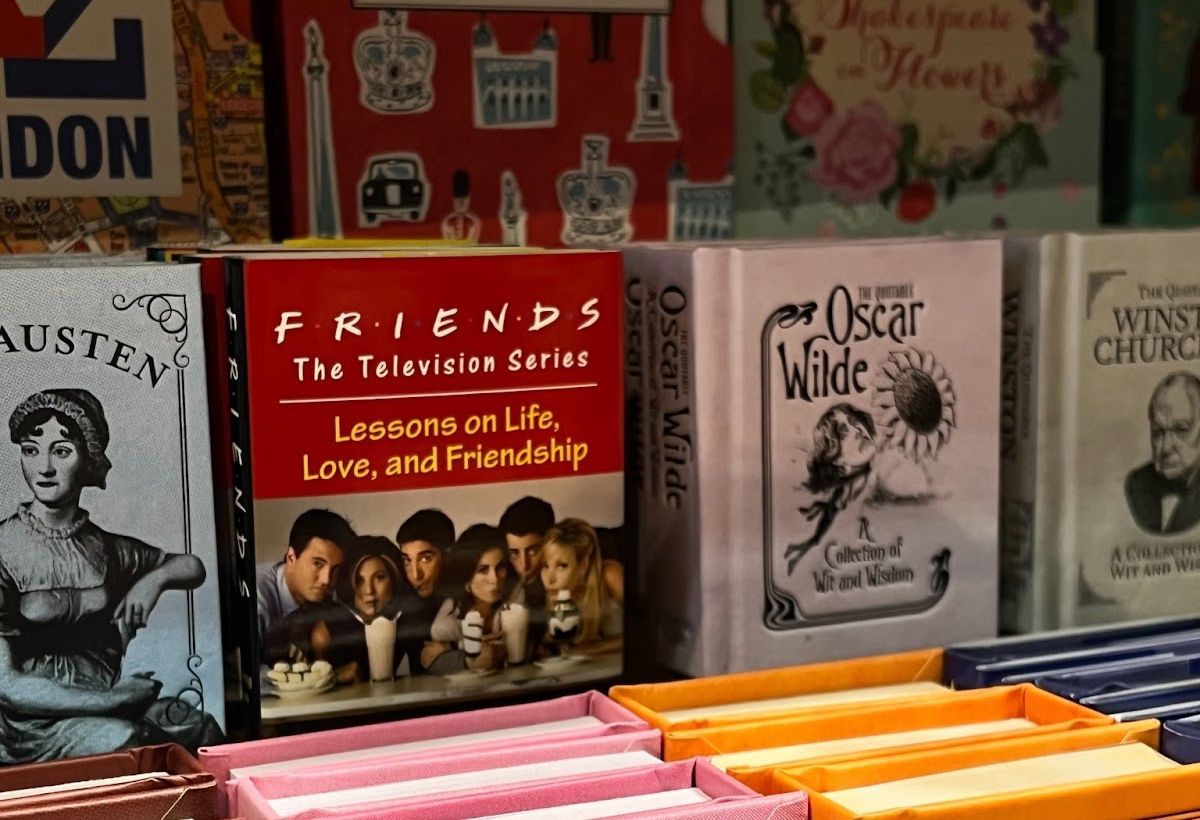
"How you doin’?" – Friends

Image: Malavika Pradeep

Friends gave us a lovable group of New Yorkers navigating life and love. But it was Joey Tribbiani’s cheesy yet charming "How you doin’?" that stole the spotlight. This flirty greeting, delivered with a confident grin, became a pop culture gem and Joey’s signature move. It’s the kind of line that can’t help but make you smile—even if you’re not on a date at Central Perk.

2
"You got it, dude", "How rude!", and "Have mercy" – Full House

Image: H031175

Full House warmed hearts with its family-centered humor and wholesome charm. Michelle Tanner, the tiny powerhouse, gave us "You got it, dude," and "How rude!"—adorable comebacks with surprising sass. Meanwhile, Uncle Jesse’s "Have mercy" was his smooth, rock ’n’ roll way of reacting to… well, just about anything worth swooning over.

3
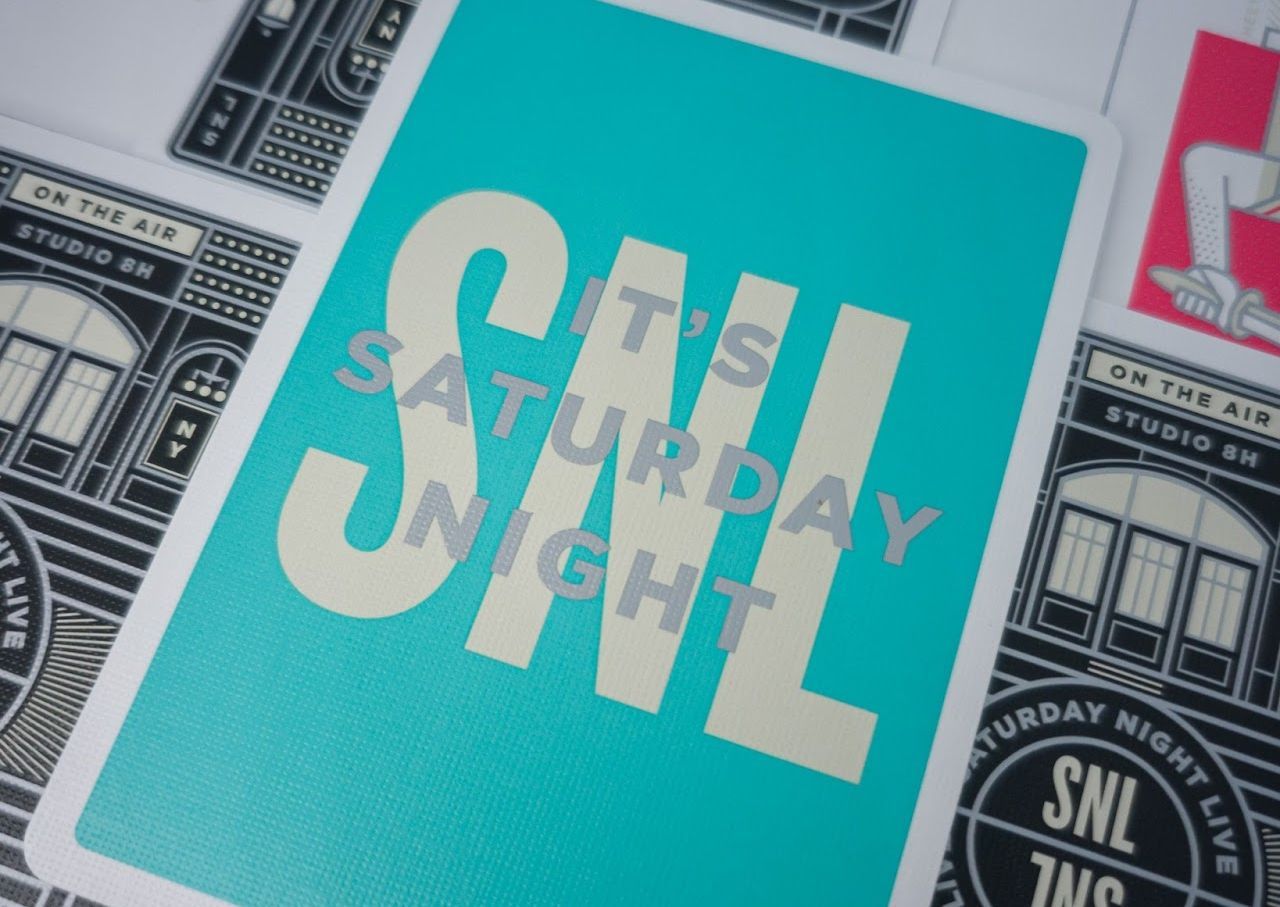
"Well, isn’t that special?" – Saturday Night Live

Image: Asit

With sketches that parodied everyone and everything, SNL gave us the ultra-judgy Church Lady. Dana Carvey’s purse-lipped creation mastered the art of sarcasm. You didn’t need to be holy to recognize that smug tone.

4
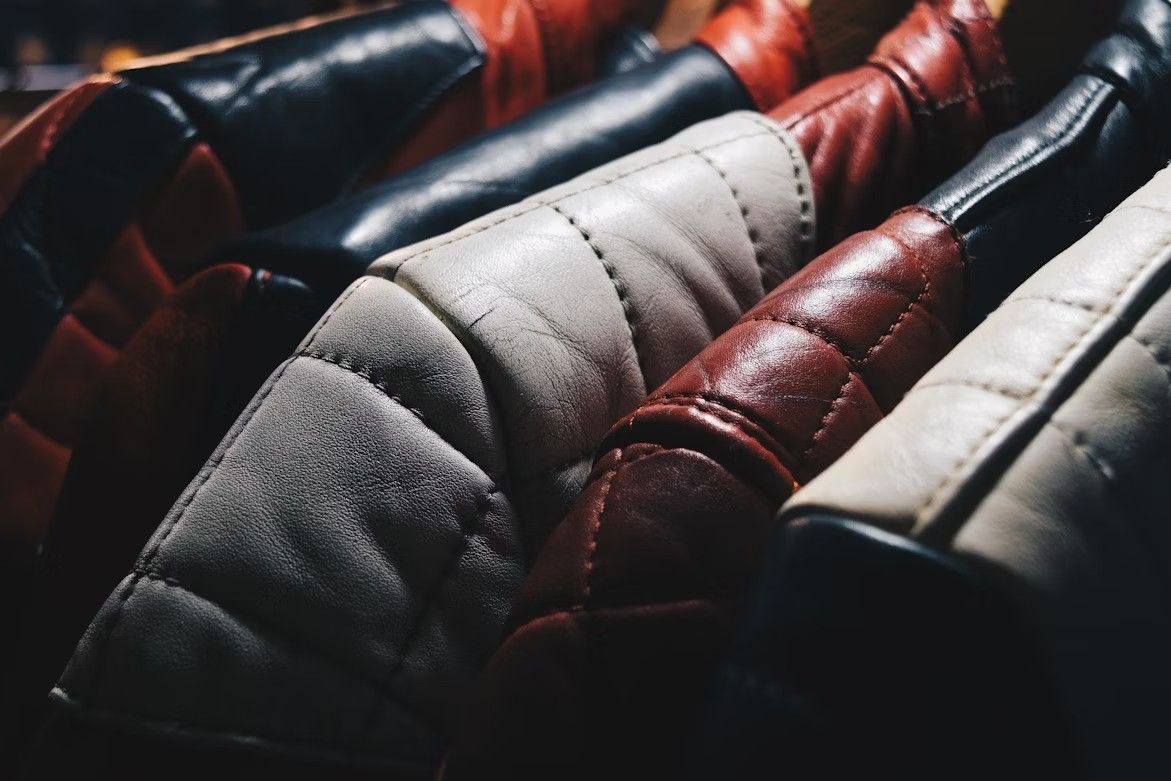
Fonzie’s "Aaaay" – Happy Days

Image: Robbie Noble

Arthur Fonzarelli, aka Fonzie from Happy Days , made leather jackets cool and jukeboxes come to life with a single punch. His signature "Aaaay," complete with thumbs-up, said it all—cool, confident, and just a little bit rebellious.

Whether he was fixing a motorbike or schooling Richie on life, Fonzie’s catchphrase became a national symbol of laid-back swagger.

5
"Did I do that?" – Family Matters

Image: White.Rainforest ™︎ ∙ 易雨白林.

Steve Urkel from Family Matters was the lovable nerd who left a trail of chaos behind him. Whenever a plan backfired—and we all know they usually did—he’d pop out with his nasal "Did I do that?" It was part apology, part mischief, and it made Urkel a household name. That clumsy charm was irresistible, even when he turned the Winslows’ house upside down.

6
"Yada, yada, yada" and "Newman" – Seinfeld

Image: Dilip Ale

Seinfeld , the "show about nothing," gave us plenty of quirky phrases. "Yada, yada, yada" became shorthand for skipping the boring parts—or hiding juicy gossip. And then there was Jerry’s exasperated, drawn-out "Newman" whenever his nemesis neighbor appeared. Both lines are still used today. Sometimes, saying very little says it all.

7
"Dy-no-mite!" – Good Times

Image: J Williams

J.J. Evans from Good Times had a big personality and an even bigger catchphrase: "Dy-no-mite!" He’d shout it with such enthusiasm that you couldn’t help but laugh. It captured his upbeat attitude in a show that balanced humor with tough realities. That one word became a rallying cry of fun and energy in every episode.

8
"And that’s the way it is" – CBS Evening News

Image: appshunter.io

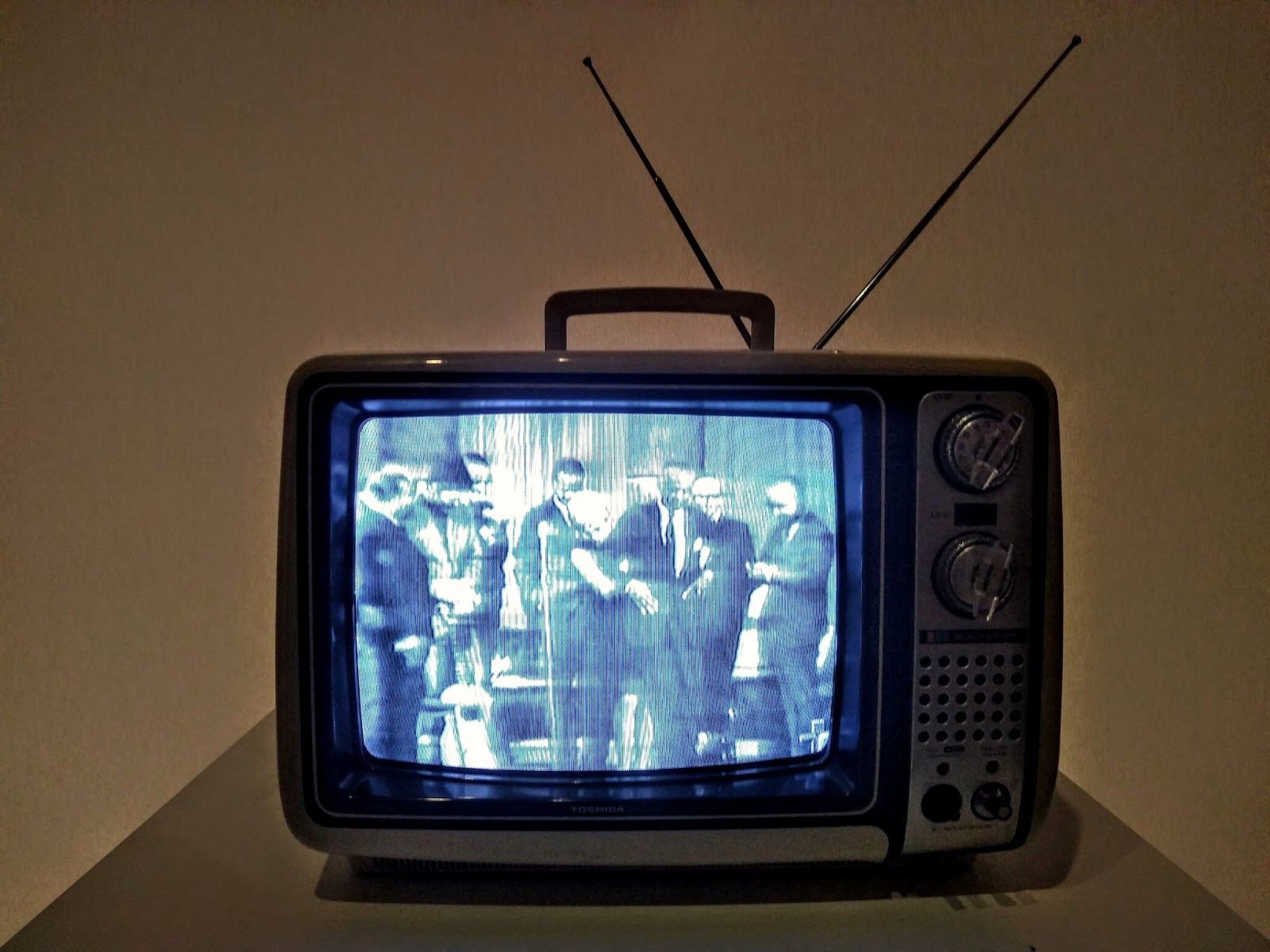
Walter Cronkite signed off each evening with calm, steady authority: "And that’s the way it is." It wasn’t flashy, but it became iconic because it felt real and trustworthy. In a time when Americans gathered around the TV for the news, that line gave a sense of closure and comfort after a long day.

9
"Come on down!" – The Price Is Right

Image: Kenny Eliason

The Price Is Right turned everyday folks into instant game show stars with four exciting words: "Come on down!" Bob Barker’s booming voice (and later Drew Carey’s) invited contestants to race down the aisle and guess the price of, well, just about everything. That line still gets hearts racing for bargain hunters and lucky guessers alike.

10
"Yabba Dabba Doo!" – The Flintstones

Image: papazachariasa

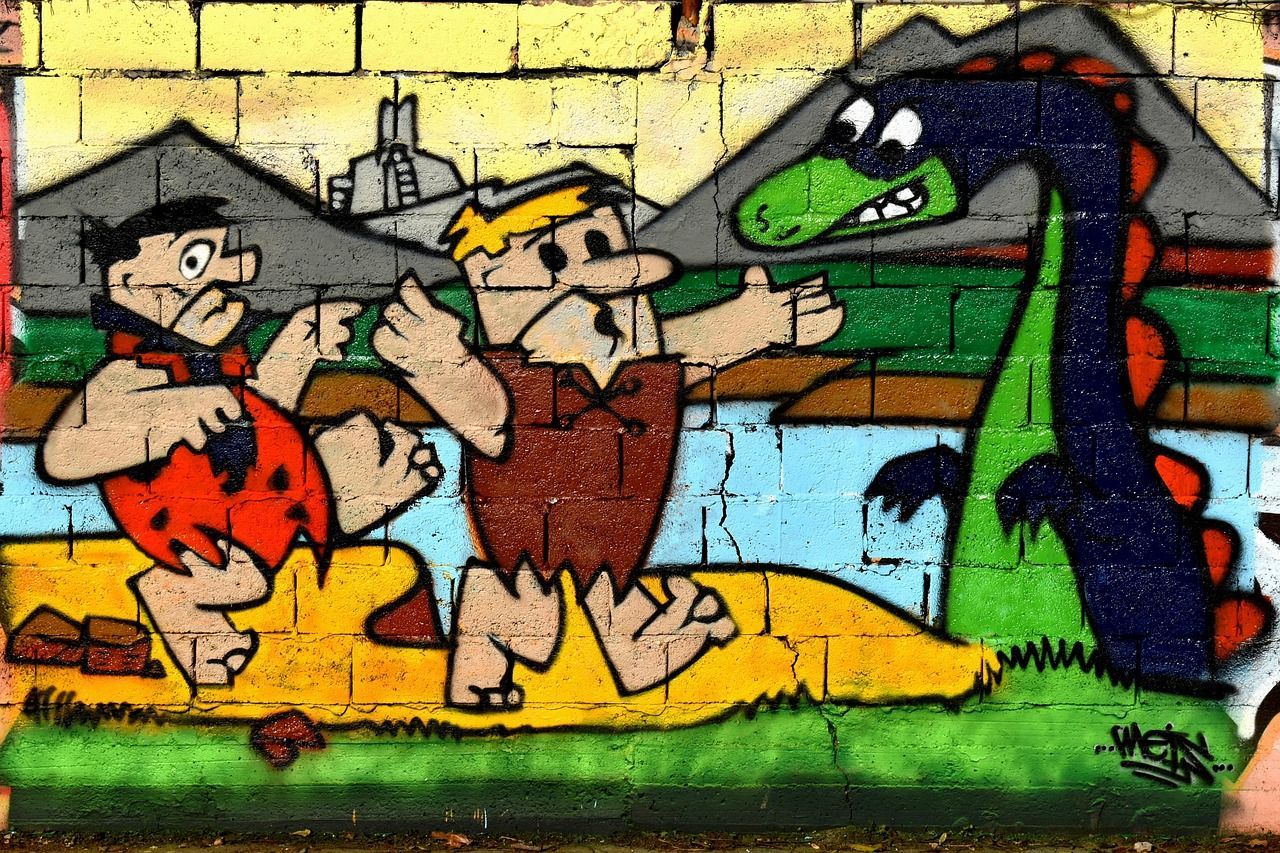
Fred Flintstone’s caveman cheer, "Yabba Dabba Doo!" from The Flintstones was pure cartoon joy. Whether he was sliding down a dinosaur’s tail after work or just in a good mood, that prehistoric phrase made everyone’s inner child want to shout it too. It was goofy, energetic, and unforgettable.

11
"Norm!" – Cheers

Image: Quan Nguyen

Whenever Norm walked into Cheers , the whole bar would greet him with a booming "Norm!" It wasn’t just a greeting; it was a welcome from friends who felt like family. That running gag captured the cozy, familiar vibe of the show, where everybody really did know your name.

12
"Nip it in the bud" – The Andy Griffith Show

Image: Glenn Carstens-Peters

Barney Fife, the overly enthusiastic deputy from The Andy Griffith Show , had his own way of handling trouble: "Nip it in the bud!" He meant to squash the problem early, though his methods were often hilariously over the top. The line became a comical mantra for over-preparing and overreacting—Barney style.

13
"Marcia, Marcia, Marcia" and "Oh, my nose!" – The Brady Bunch

Image: Bruna Araujo

The Brady Bunch gave us sibling drama in its purest form. Jan’s jealous cry of "Marcia, Marcia, Marcia" captured classic middle-child woes, while Marcia’s anguished "Oh, my nose!"—after getting hit with a football—was a dramatic moment that still gets laughs. Both quotes are etched into the memories of anyone who grew up watching the blended Brady family.

Explore more American facts

Choose your favorite category!

General
General

As American as apple pie—the very best America has to offer!

Culture
Culture

Delve into the astounding richness of American lore.

Geography
Geography

Hop in and explore vast and diverse American landscapes.

History
History

Discover the key moments that shaped the United States.