Names that stuck
This coffee giant is named after a character in Moby-Dick
Image: THANAN KONGDOUNG
Some brand names are so familiar that we rarely stop to wonder where they came from. We see them on supermarket shelves, hear them in commercials, and use them in everyday conversations. But behind names like Coca-Cola, Nike, and Walmart are stories involving clever wordplay, ancient mythology, family history, and a few happy accidents. Here’s how 12 household names got their start, and why their names have lasted for generations.
1
Coca-Cola
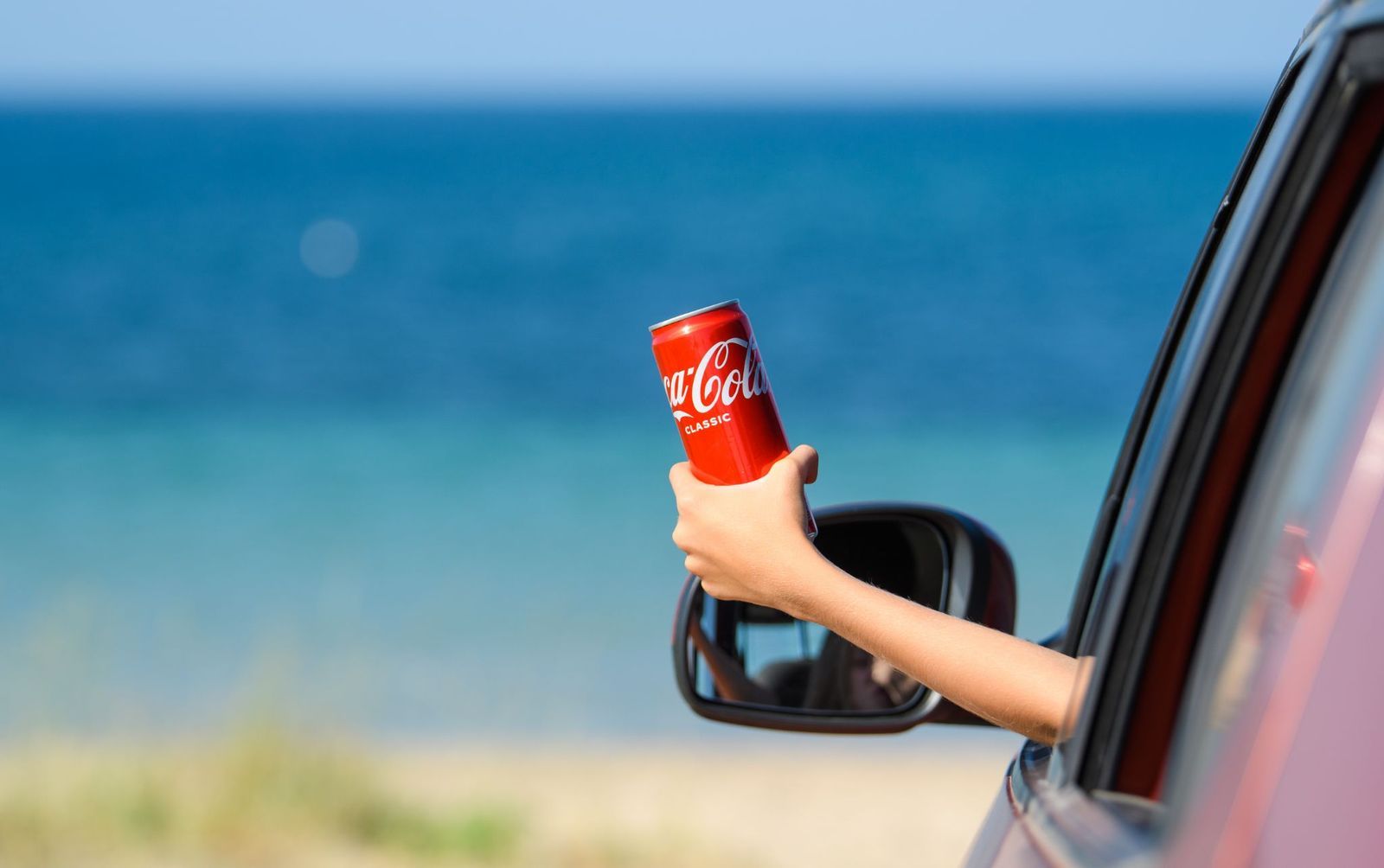
Coca-Cola's name was created by Frank M. Robinson, the bookkeeper and business partner of pharmacist John S. Pemberton, who developed the drink in 1886. Robinson chose the name because its two parts referred to ingredients in the original formula: coca leaves and kola nuts. He also believed the repeated C sounds would look appealing in advertising.
Robinson wrote the name in the distinctive flowing script that helped define the brand's visual identity. Here's a surprising twist: the original formula contained an extract of coca leaves that included cocaine, which was removed by the early 1900s. The name, however, stuck, and Coca-Cola went on to become one of the most ubiquitous brands in the world.
2
Kodak
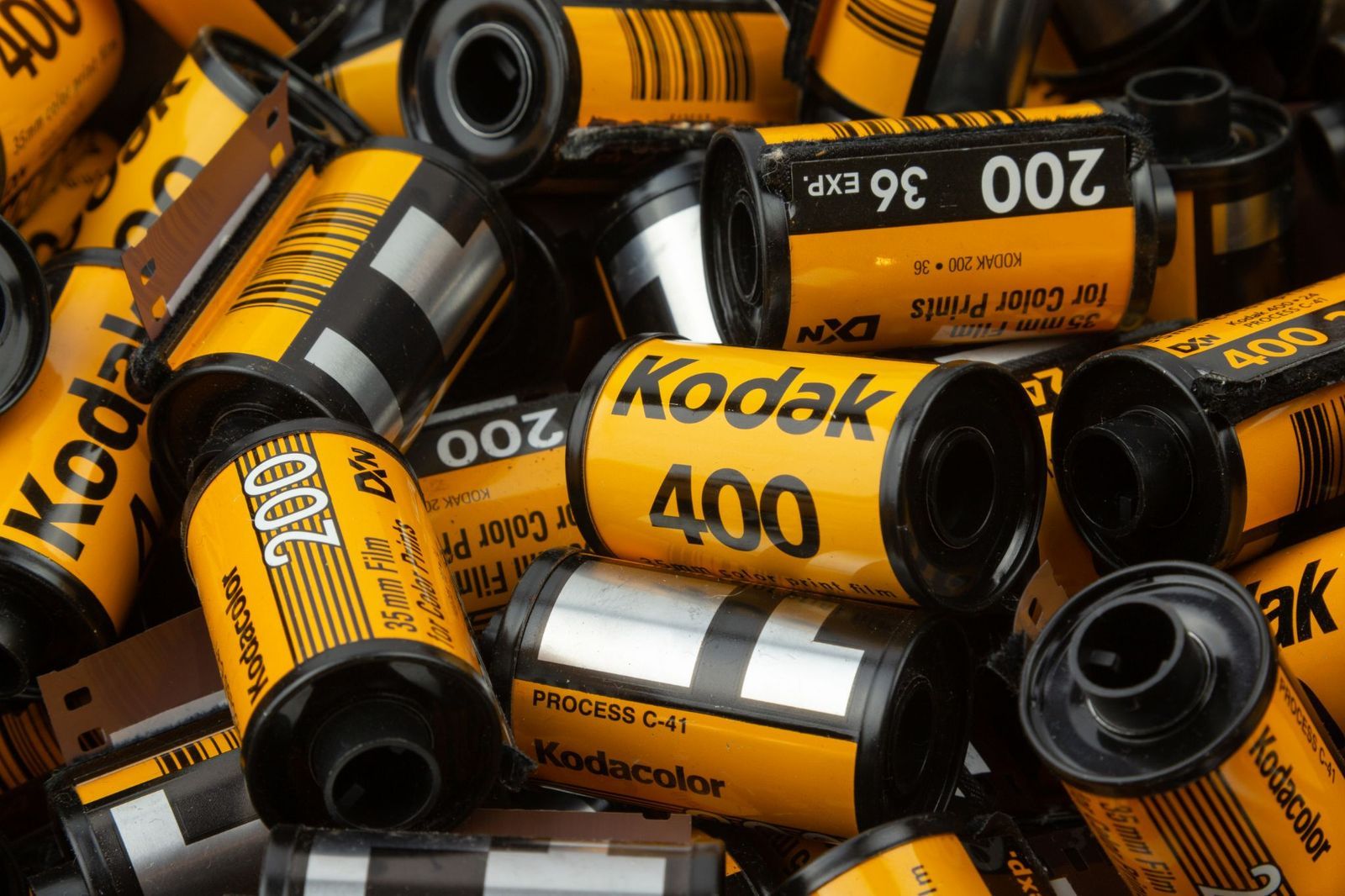
When George Eastman introduced the Kodak camera in 1888, he wanted a name that was short, distinctive, and easy to pronounce in different languages. He founded the Eastman Kodak Company in Rochester, New York, where he helped make photography more accessible to everyday Americans.
Eastman created the name from scratch, with a particular fondness for the letter K, which he considered strong and distinctive. Rather than using an existing word like "camera" or "photography," he wanted something original that people could easily remember. Over the decades, Kodak became more than a photography brand: its cameras and film helped families preserve birthdays, vacations, holidays, and countless memories. Although the company filed for bankruptcy protection in 2012 as digital photography transformed the industry, it survived and continues to produce photographic film and printing technology today.
3
Pepsi
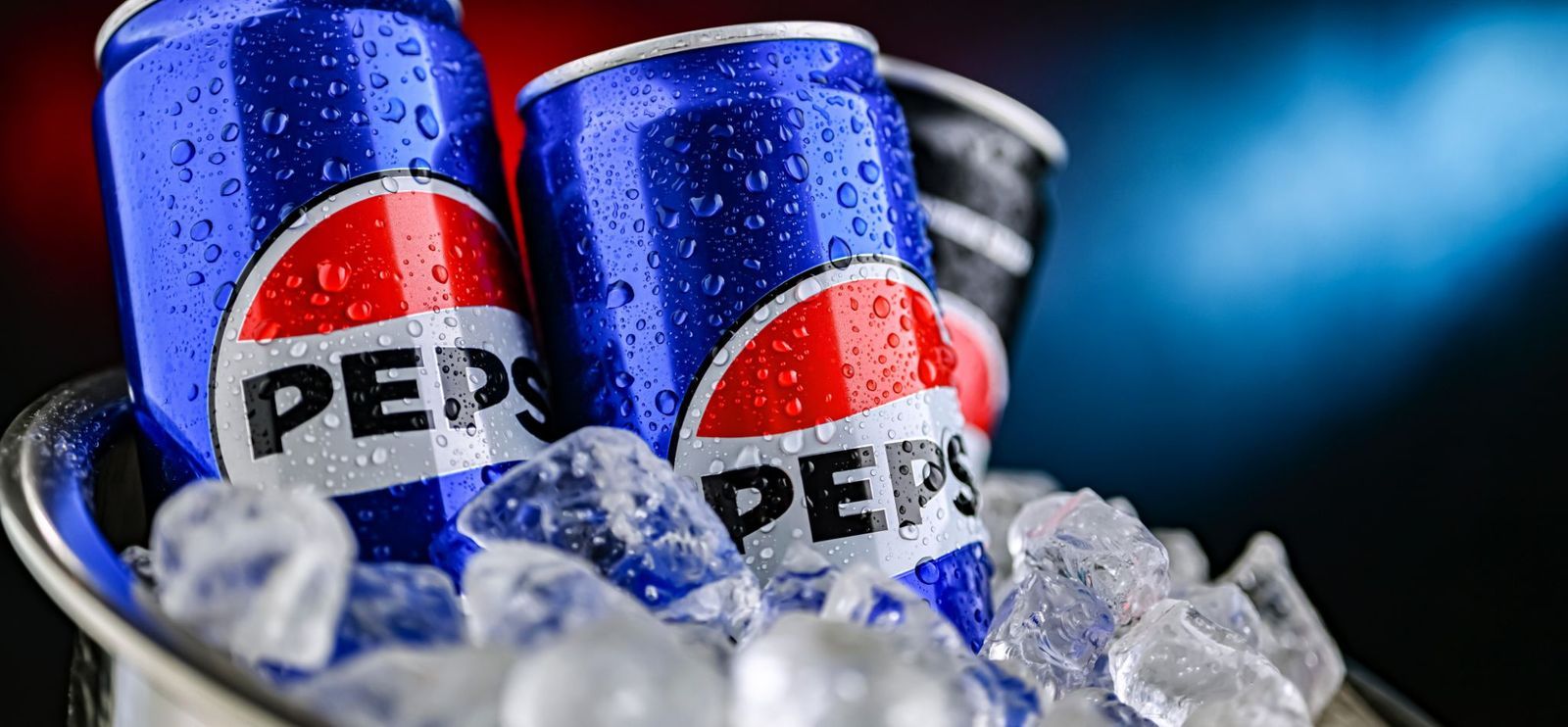
Pepsi's story began in 1893, when pharmacist Caleb Bradham created a fountain drink in New Bern, North Carolina. Originally called Brad's Drink, the beverage was renamed Pepsi-Cola in 1898. The new name was inspired by the word dyspepsia , an old medical term for indigestion , reflecting Bradham's belief that his drink could aid digestion.
The name also included "Cola," a familiar reference to the kola nut, which was associated with cola beverages. Although Pepsi eventually became known for its flavor and competition with Coca-Cola, its original name reflected the drink's early image as a refreshing beverage with potential digestive benefits.
4
Starbucks
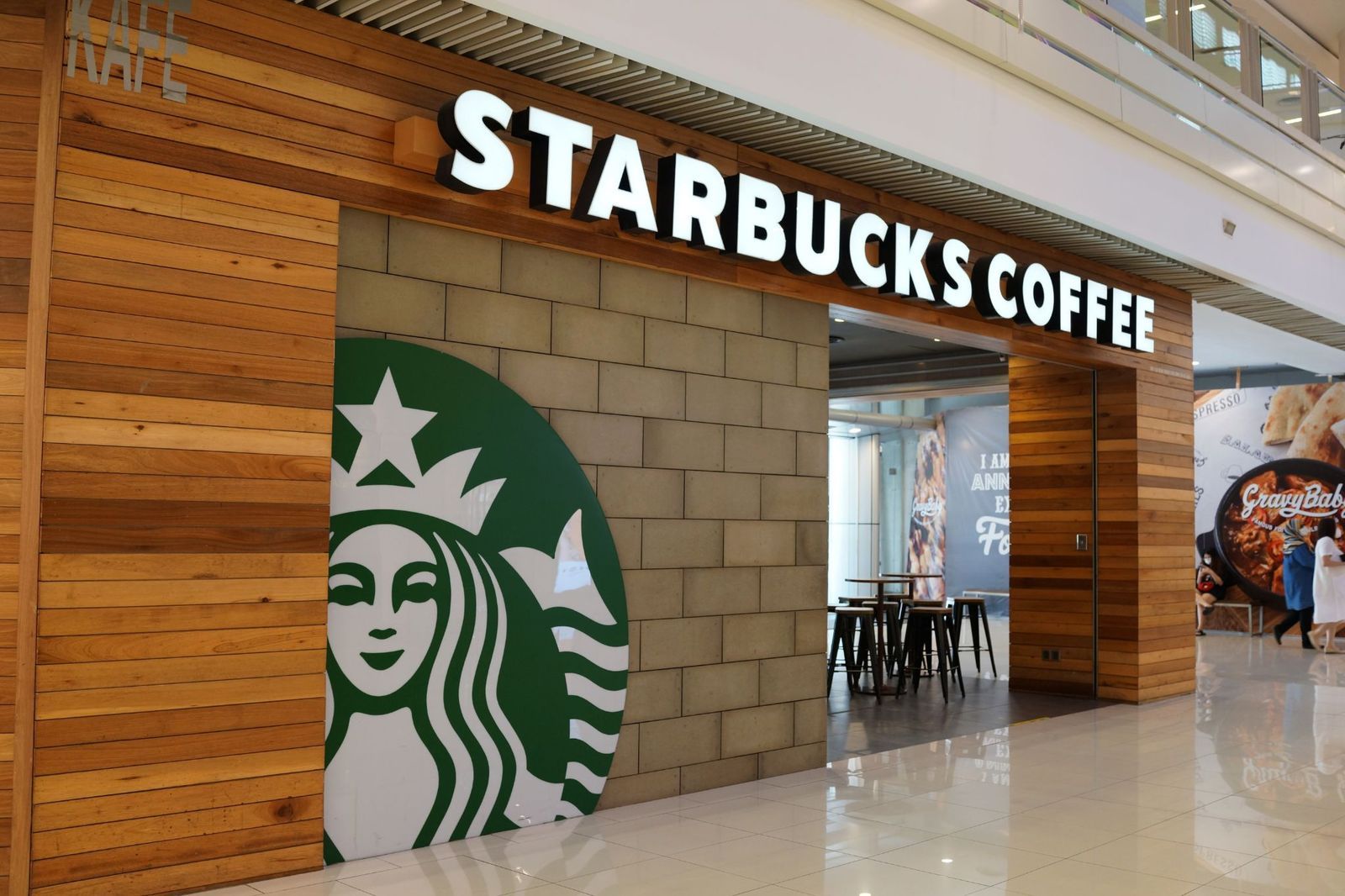
The name Starbucks comes from Moby-Dick , Herman Melville's classic 1851 American novel about a whaling voyage aboard the ship The Pequod. One of the founders of the Seattle coffee company, English teacher Gordon Bowker, liked the sound of names beginning with "St." The team eventually settled on Starbucks, the name of the Pequod’s first mate, Starbuck.
The literary connection also aligned with the founders' vision of a coffee company inspired by the Pacific Northwest's seafaring history. Since opening its first store in Seattle in 1971, Starbucks has grown into a global coffee giant. Its name remains a small nod to an American literary classic.
5
Nike
Nike takes its name from the ancient Greek goddess of victory, making it a natural fit for a company built around sports and athletic achievement. The company was founded in 1964 as Blue Ribbon Sports by Phil Knight and Bill Bowerman, initially distributing Japanese running shoes in the United States.
In 1971, the business adopted the name Nike as it prepared to launch its own footwear brand. The famous Swoosh logo, designed by Carolyn Davidson, was created around the same time. Today, both the name and the instantly recognizable Swoosh are closely associated with Nike, making the simple, elongated checkmark one of the most familiar symbols in sports.
6
Google
Google's name comes from googol , a mathematical term for the number one followed by 100 zeros . The term reflects the enormous amount of information the company's founders, Larry Page and Sergey Brin, wanted their search engine to organize and make accessible.
The company began as a research project at Stanford University before being incorporated in 1998. According to the commonly told origin story, "Google" emerged as a playful variation of "googol," reportedly following a misspelling during the naming process. The name proved memorable, and today, the verb "to Google" is widely used to describe searching for information online.
7
Amazon
When Jeff Bezos launched his online bookstore in 1995, he wanted a name that suggested enormous scale. He chose Amazon, inspired by the Amazon River, one of the largest rivers in the world. The name reflected his ambition to build a business offering an exceptionally wide selection of books and, eventually, much more.
There was also a practical advantage: names beginning with A could appear near the top of alphabetical business listings. Amazon soon expanded beyond books into electronics, clothing, household goods, and countless other products and services. Its familiar arrow-shaped logo, stretching from A to Z, reinforces the idea that customers can find almost anything there.
8
Walmart
Walmart's name is a straightforward abbreviation of its founder's name and the type of store he operated. Sam Walton opened the first Walmart Discount City in Rogers, Arkansas, in 1962. The shorter name, Walmart, eventually became the company's official brand name.
Walton built the business around a simple idea: offer customers a wide selection of products at low prices. That approach helped Walmart grow from a single discount store into one of America's largest retailers. The name may be simple, but it became closely associated with the company's promise of affordable everyday shopping.
9
McDonald's
McDonald's takes its name from Richard and Maurice McDonald , two brothers who opened a hamburger restaurant in San Bernardino, California, in 1940 . Their restaurant developed a streamlined approach to preparing and serving food, helping lay the groundwork for the modern fast-food model.
Businessman Ray Kroc later partnered with the brothers and expanded the concept into a nationwide franchise, opening his first McDonald's restaurant in Des Plaines, Illinois, in 1955. The brothers' surname became an international brand, while the Golden Arches evolved into one of the most recognizable symbols on the planet.
10
Apple
When Apple was founded in 1976, Steve Jobs reportedly wanted a name that sounded friendly, approachable, and less intimidating than the technical names common in the computer industry. He had recently returned from visiting an apple farm and suggested the name Apple Computer. According to accounts from the company's early days, he thought the name sounded appealing and memorable.
Interestingly, the name has another connection to a familiar story from science. Apple's original logo featured Isaac Newton sitting beneath an apple tree, a reference to the famous tale of how a falling apple inspired his thinking about gravity. That design was soon replaced by the now-iconic bitten-apple logo, but the company's simple name remained, and eventually became one of the most instantly recognizable anywhere.
11
Ford
Unlike many modern brand names, Ford comes directly from the surname of its founder, Henry Ford . He established the Ford Motor Company in 1903, during a period when automobiles were still expensive and largely inaccessible to ordinary Americans.
The company's Model T, introduced in 1908, helped change that by making car ownership more affordable through mass production. Over time, the Ford name became associated with American manufacturing, assembly-line innovation, and the growth of the automobile industry. The familiar blue oval logo came later, but the family name remained at the heart of the brand.
12
Kleenex
Kleenex was introduced by the paper products company Kimberly-Clark in 1924 as a disposable facial tissue. Its name drew on the word "clean," reflecting the product's hygienic purpose, while the ending gave it a distinctive commercial sound. The tissues were initially marketed as a convenient way to remove cold cream and cosmetics.
The product's role changed when customers began using the tissues as disposable handkerchiefs. That shift helped turn Kleenex into a household staple, and the brand name eventually became so familiar that many Americans use it to refer to facial tissues in general regardless of brand. It's a striking example of how a made-up product name can become part of everyday language.