Historic castles across America worth visiting

These incredible American castles are hiding in plain sight
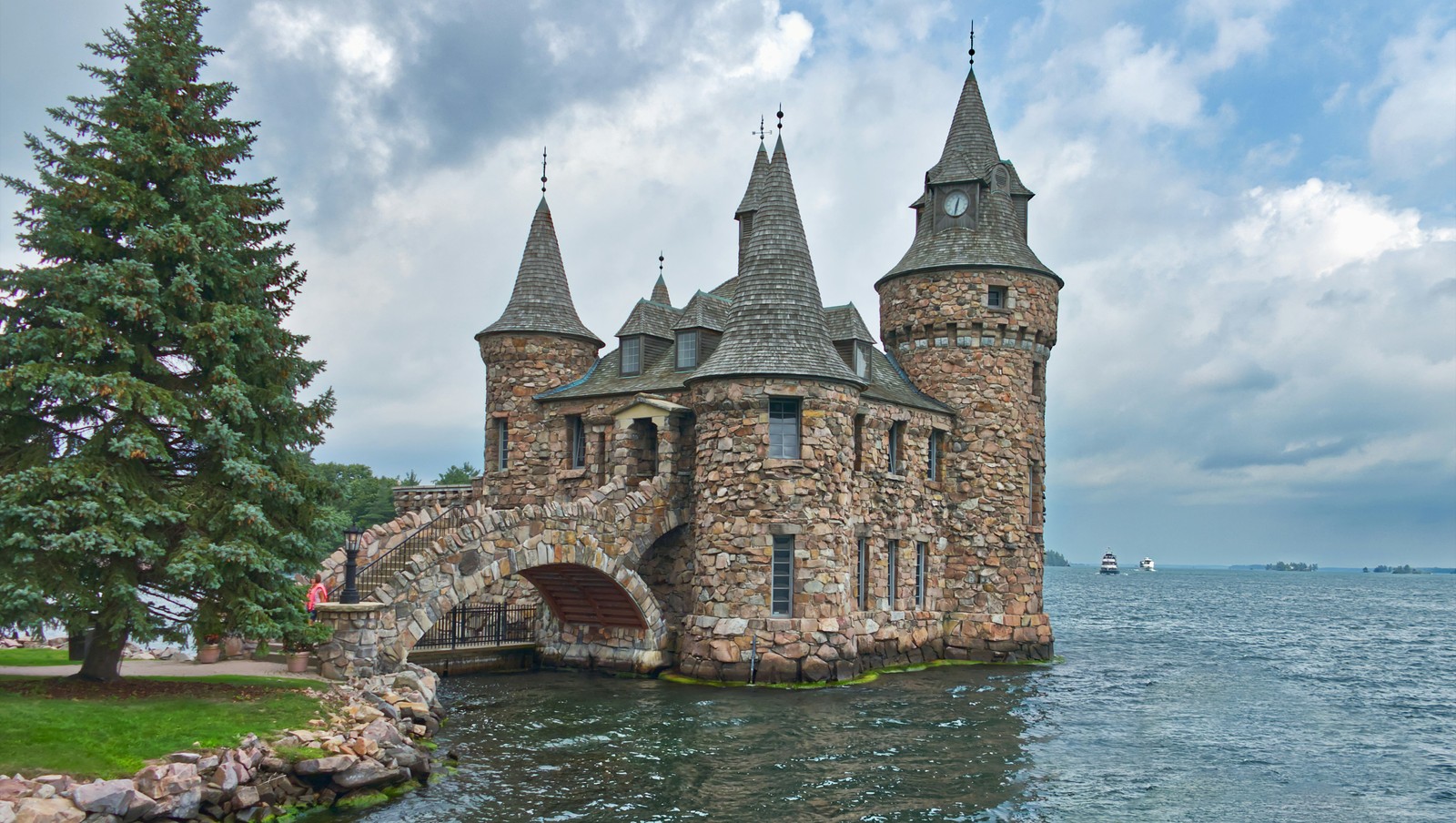
Image: Pascal Bernardon

America might not have medieval knights or dragon legends, but we've got castles—lots of them, actually . Built by eccentric millionaires, romantic dreamers, and people who apparently had too much money and not enough hobbies, these stone fortresses dot the landscape from coast to coast.

1
Bannerman Castle, New York
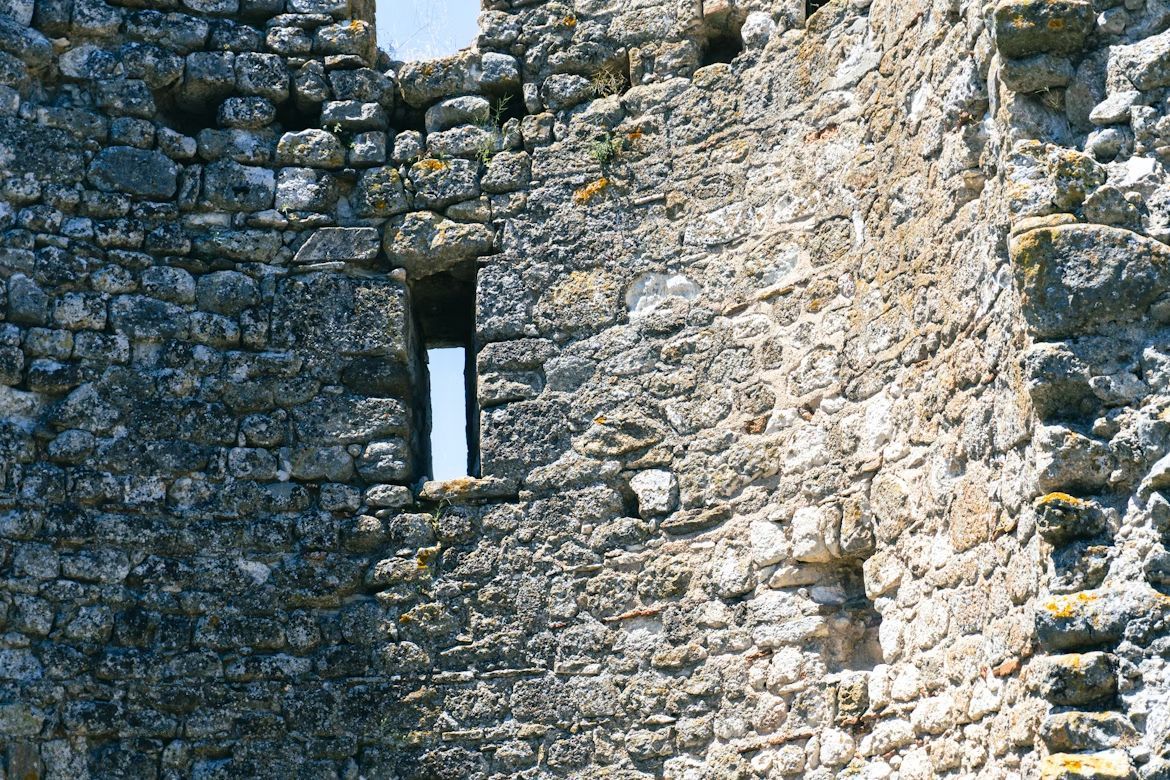
Image: Erim Berk Benli

This crumbling fortress sits on a tiny island in the Hudson River, looking like something straight out of a Gothic novel . Francis Bannerman VI built it in 1901 to store his surplus military weapons because, apparently, his wife refused to keep thousands of munitions in the basement anymore.

The castle partially exploded in 1920 when some gunpowder got a little too excited, and it's been slowly deteriorating ever since. You can kayak out to the island or take a boat tour to see the ruins up close, where nature is slowly reclaiming the stone walls in a beautiful, apocalyptic sort of way.

2
Fonthill Castle, Pennsylvania
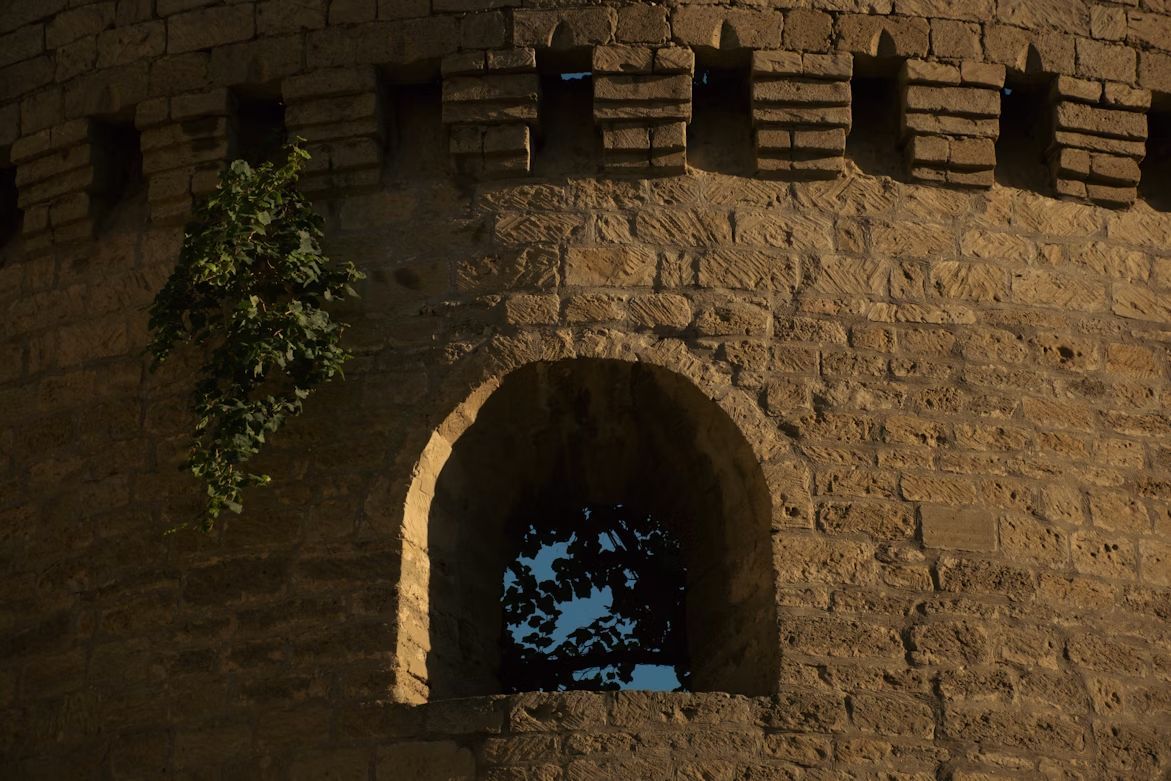
Image: Leyla M

Henry Mercer built this concrete monstrosity between 1908 and 1912. The guy was obsessed with tiles and built his castle as a showcase for his handmade ceramic collection , resulting in 44 rooms, 32 stairwells, and 18 fireplaces.

The castle has no blueprints because Mercer apparently just made it up as he went along, adding rooms and towers whenever the mood struck.

3
Gillette Castle, Connecticut
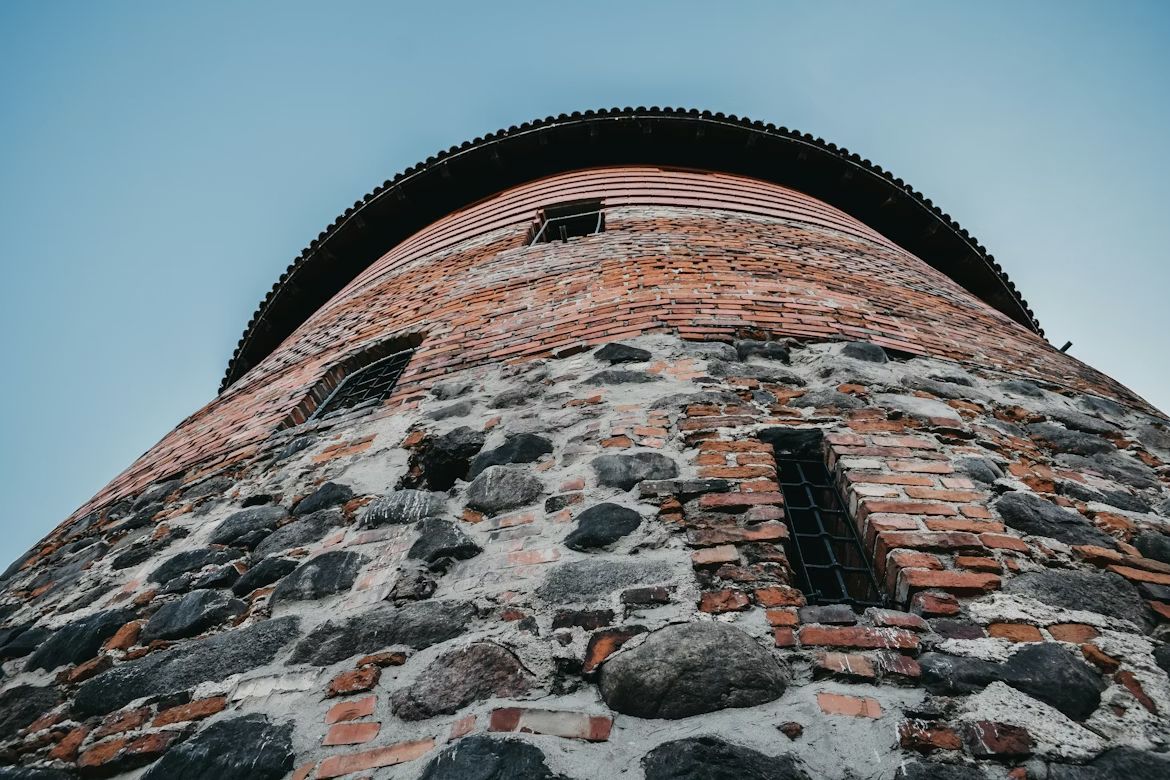
Image: Darya Tryfanava

William Gillette, famous for playing Sherlock Holmes on stage, built this eccentric castle in the 1910s and filled it with spy mirrors, secret doors, and wooden locks he carved himself . The place looks like someone dropped a medieval fortress into a blender with a detective novel.

The castle has 47 doors, none of which work like normal doors should, because Gillette apparently thought regular doorknobs were for boring people. Now it's a state park where you can wander through rooms designed by someone who clearly never met a quirk he didn't like.

4
Boldt Castle, New York
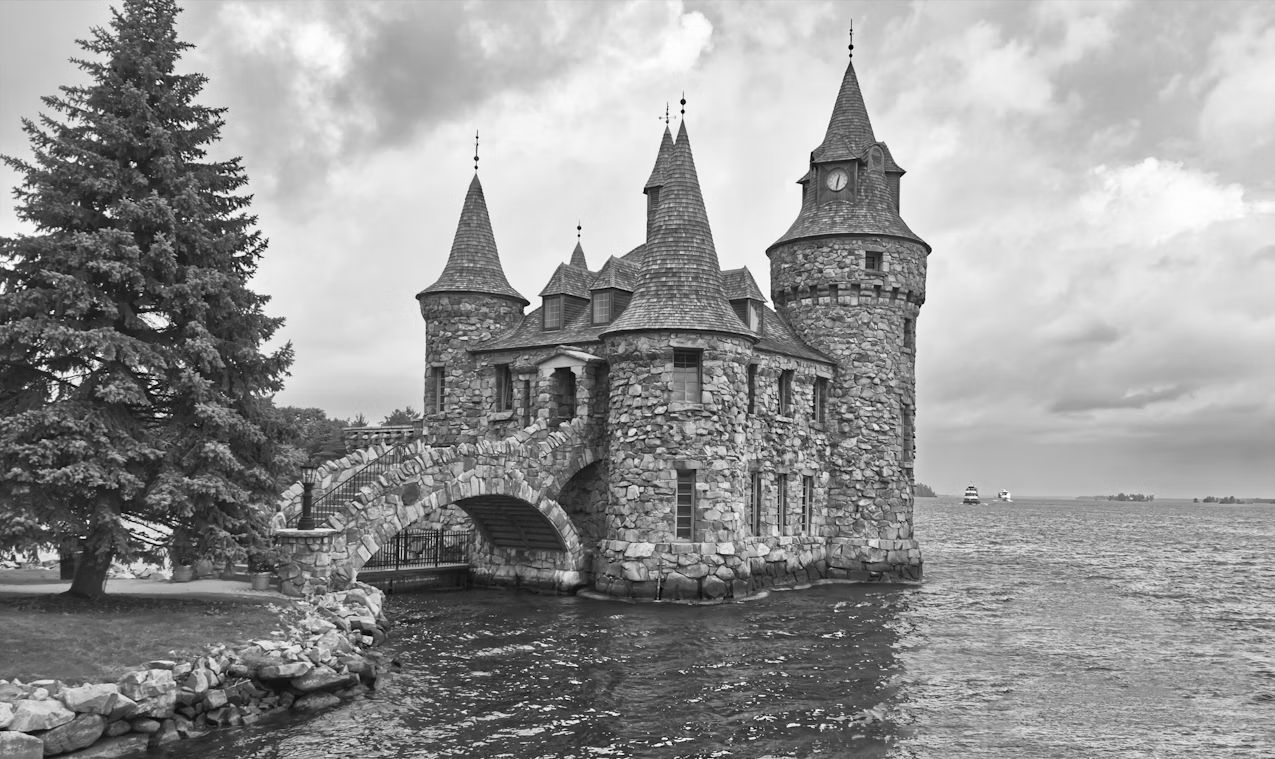
Image: Pascal Bernardon

George Boldt started building this Rhineland-style castle in 1900 as a Valentine's Day gift for his wife Louise . Then she died suddenly in 1904, and he immediately halted construction and never returned, leaving behind a monument to heartbreak on Heart Island in the Thousand Islands.

The castle sat abandoned for 73 years until the Thousand Islands Bridge Authority took it over and began restoration. Today you can visit via ferry and explore the grand halls, the powerhouse, and the perfectly intact bowling alley.

5
Castello di Amorosa, California
Image: Museum of New Zealand Te Papa Tongarewa

This one's a bit of a cheat since it was built in 2007, but it's so ridiculously authentic that it deserves a spot . Winemaker Dario Sattui spent 14 years and $40 million building a 13th-century Tuscan castle in Napa Valley, complete with a moat, drawbridge, and torture chamber, because apparently wine tastings needed more medieval flair.

The castle used 8,000 tons of hand-chiseled stone and over a million antique bricks imported from Europe. You can tour the dungeons, great hall, and of course, taste wine in a setting that makes you feel like you should be wearing chainmail instead of your Costco polo shirt.

6
Belvedere Castle, New York
Image: Birmingham Museum Trust

Perched on Vista Rock in Central Park, this miniature castle was built in 1869 as a Victorian folly —basically an expensive decoration that serves no practical purpose. It's now home to the Henry Luce Nature Observatory and offers panoramic views of the park, which is considerably more useful than its original job of just looking pretty.

The castle got a major renovation in the 1980s after decades of neglect left it looking more "haunted" than "enchanting." Today it's one of Central Park's most popular spots.

7
Bishop Castle, Colorado
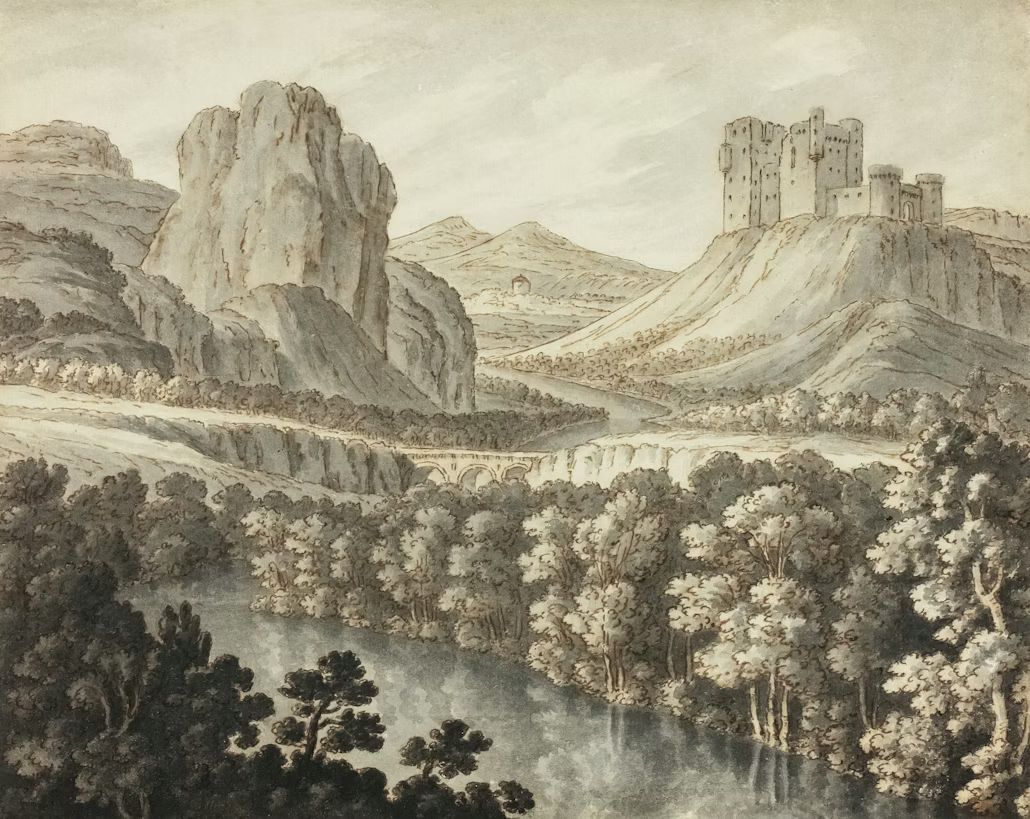
Image: Art Institute of Chicago

Jim Bishop started building this castle by himself in 1969 and worked on it for over 55 years until his death in 2024 . The hand-built stone structure rises 160 feet into the Colorado sky and includes towers, walkways, and a dragon that breathes actual fire—all constructed by one incredibly dedicated (and possibly slightly unhinged) man.

There are no railings on many of the precarious walkways because Bishop didn't believe in them. Admission is still free, though you might want to update your will before climbing to the top of the tallest tower, where the views are spectacular, and the safety regulations remain charmingly absent.

8
Searles Castle, Massachusetts
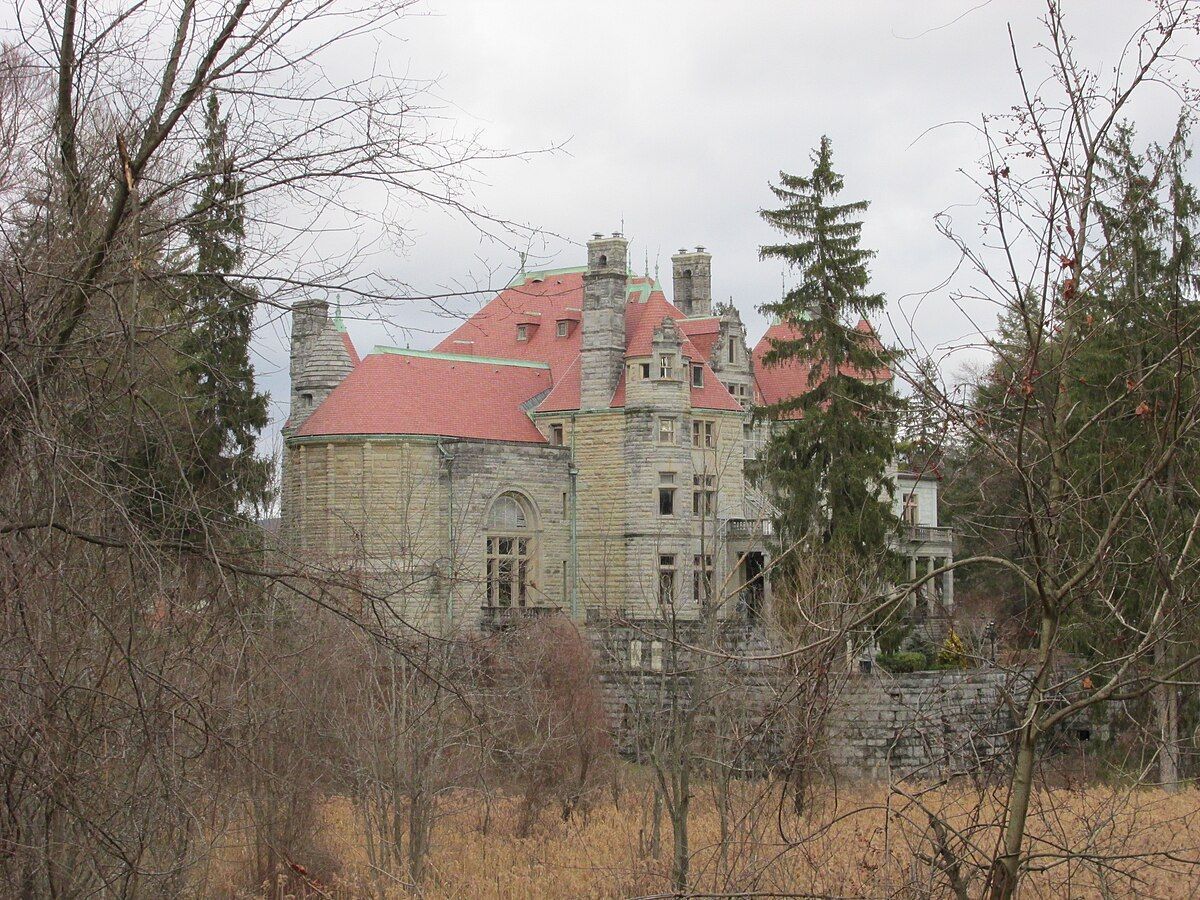
Image: John Phelan

Edward Searles built this castle in 1888 in Great Barrington, Massachusetts, creating a 40-room mansion that combined Romanesque and Gothic styles into something that can only be described as "aggressively architectural." The castle features stained glass windows, carved woodwork, and enough turrets to repel a small army.

After changing hands several times, the castle is now home to the John Dewey Academy. You can't tour the interior since it's a school, but you can admire the exterior and imagine what it's like to do algebra homework in a building that looks like it should contain dragons.

9
Kip's Castle, New Jersey
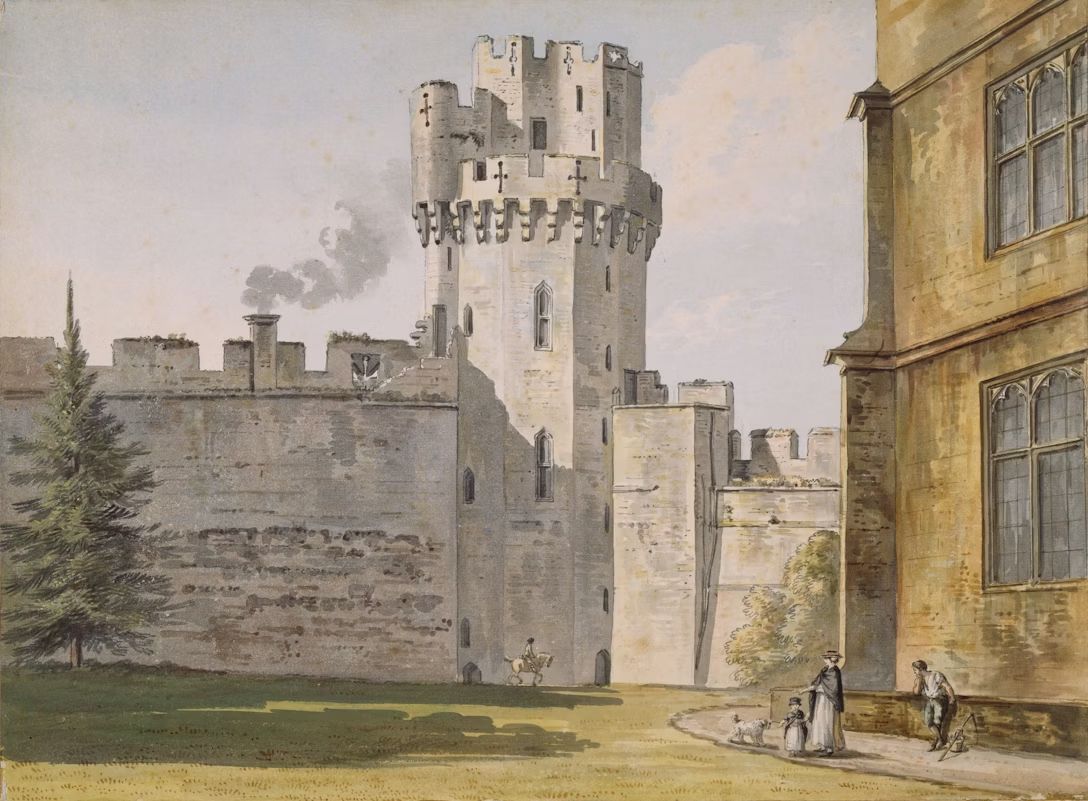
Image: Birmingham Museum Trust

This English Tudor-style castle was built in 1902 by textile businessman Frederic Kip on a mountain in Montclair . The castle features towers, battlements, and spectacular views of Manhattan, proving that even early 1900s commuters wanted homes with dramatic flair and manageable drive times.

The castle has been through various owners and purposes, including a brief stint as a Prohibition-era speakeasy, because apparently nothing says "secret illegal bar" like a castle. Today it's used for private events, but the grounds are part of a county park where you can hike around and pretend you're visiting distant relatives who happen to be slightly eccentric nobility.

10
Chateau Laroche (Loveland Castle), Ohio
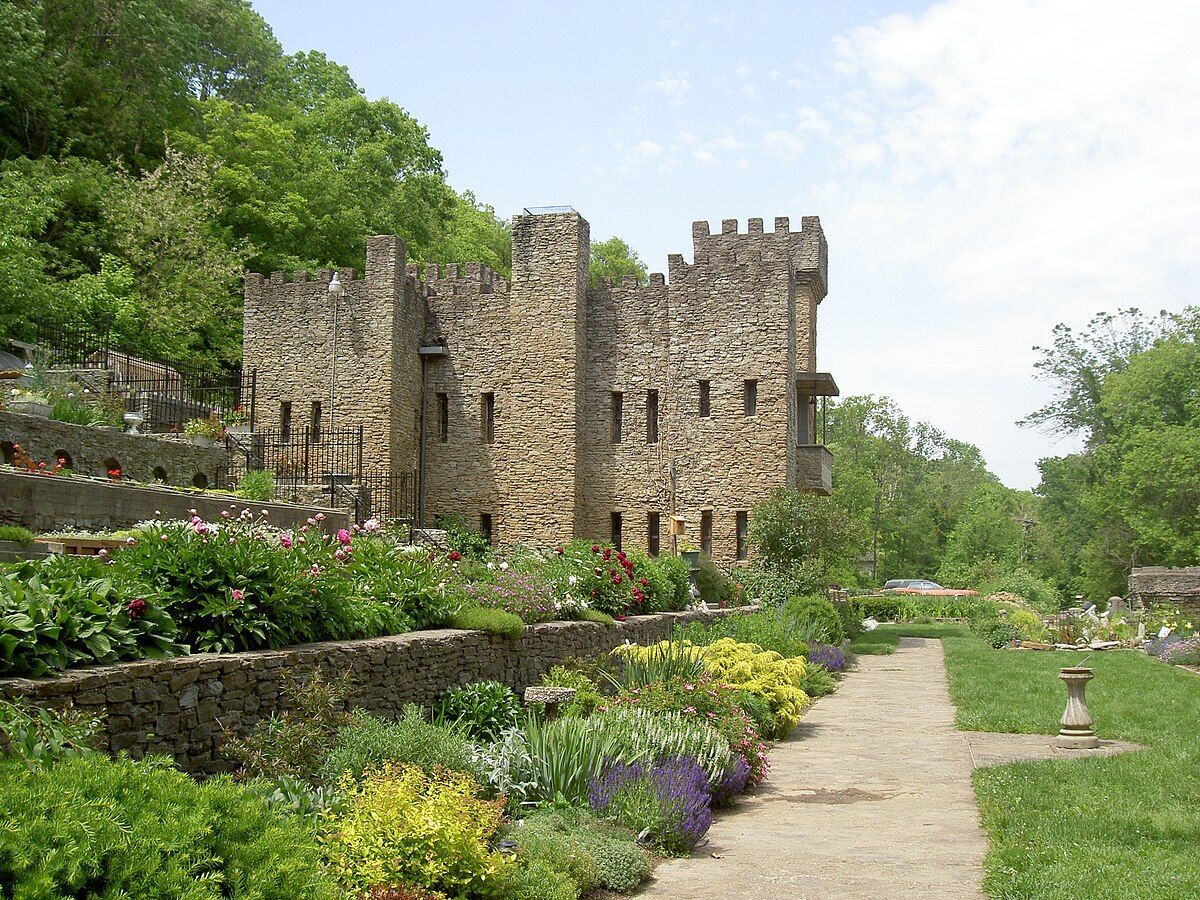
Image: ConlonTT

Harry Andrews started building this medieval castle in 1929 using stones from the Little Miami River , spending over 50 years creating his dream fortress. Andrews was inspired by his time in Europe during World War I and decided Ohio needed more castles, which is hard to argue with.

He built most of it himself using ancient techniques, including a primitive pulley system and sheer determination. Today, the castle is maintained by the Knights of the Golden Trail, a Boy Scout-like organization Andrews founded. You can tour the castle for a few bucks and marvel at what one man with too much time and enough river rocks can accomplish.
Not all fun and games

Who were the least-liked presidents in the history of the US?

Image: Sora Shimazaki

Becoming President of the United States is a tremendous honor, but it's not always a bed of roses. For one reason or another, quite a few who made it to the Oval Office weren't exactly well-liked or left office with reputations that are, at best, debatable. Historians haven’t overlooked Herbert Hoover’s inaction during the Great Depression, just as the public hasn't forgotten Nixon's role in the Watergate scandal. Join us as we take a look at 10 presidents often considered among the least popular in American history!

1
Richard Nixon (1969–1974)

Image: History in HD

One of the most controversial presidents in US history, Richard Nixon, led the country from 1969 to 1974. Although it's true that Nixon was indeed popular for his foreign policy achievements before the Watergate scandal, his involvement in that unforgettable episode forced him to resign, making him the first and only US president to step down from office.

2
Herbert Hoover (1929–1933)

Image: Tomasz Zielonka

Judging a president goes beyond assessing their decisions: a lack of empathy for the people they serve can be just as damaging. Herbert Hoover was president when the Great Depression began, following the stock market crash of October 1929. He maintained a largely hands-off approach that was harshly criticized as inadequate and led many to see the president as out of touch with the suffering of Americans.

3
Ulysses S. Grant (1869–1877)

Image: Library of Congress

Ulysses S. Grant, the 18th US President, was a polarizing figure. As a Union general, he played a crucial role in securing victory during the Civil War. However, during his presidency, there were several scandals related to corruption that affected his image negatively, both during his time in office and for many years afterward.

4
Andrew Johnson (1865-1869)

Image: Library of Congress

After Abraham Lincoln's assassination, Andrew Johnson served as the US president from 1865 to 1869, just six weeks after becoming Lincoln's vice president. It was a critical period in American history, and he is remembered for opposing many Reconstruction efforts . He even vetoed several key congressional initiatives, including the Civil Rights Act of 1866, though Congress overrode many of his vetoes. In 1868, Johnson became the first US president to be impeached.

5
James Buchanan (1857-1861)

Image: Library of Congress

Often ranked among the least popular presidents, James Buchanan led the nation during a period of deep internal division, just before Abraham Lincoln took office. Despite the growing tensions, he chose to stay out of the conflict. He's most often criticized for his inaction as Southern states began seceding from the Union and making only minimal efforts to prevent the Civil War.

6
Chester A. Arthur (1881–1885)

Image: Library of Congress

Some presidents aren't necessarily considered unpopular because of any specific scandal or failure, but rather they simply went unnoticed. One such figure is Chester A. Arthur, who served as president from 1881 to 1885 after the assassination of James A. Garfield. Although many historians view him as a capable and reform-minded leader, Arthur remains one of the most overlooked presidents in US history.

7
Warren G. Harding (1921–1923)

Image: Library of Congress

Warren G. Harding, the 29th President of the United States, is often regarded by historians as an ineffective leader. Although Harding himself wasn't directly involved, corruption scandals implicating members of his administration along with his inaction in response to them–did the most damage to his reputation and legacy.

8
Millard Fillmore (1850–1853)

Image: Pixabay

Millard Fillmore, who served as US president from 1850 to 1853, is widely criticized for decisions that deepened national divisions , most notably his signing of the Fugitive Slave Act. The law inflamed tensions in an already fractured nation, pushing the country even closer to civil conflict.

9
John Tyler (1841–1845)

Image: Joanna Kosinska

In 1841, John Tyler became the first vice president to assume the presidency following the death of a sitting president. His assumption of office was unexpected even for himself–and his frequent clashes with Whig Party leaders didn't help his image among voters. In fact, he was expelled from the party while still in office. To make matters worse, years after his presidency, Tyler sided with the Confederacy during the Civil War.

10
Zachary Taylor (1849–1850)

Image: Library of Congress

Zachary Taylor became the 12th President of the United States in 1849, but his sudden death in July 1850 meant his time in office lasted only 16 months. While he isn't necessarily disliked, he's less remembered, partly because of his short time in office.

Seudonyms for life

Behind made-up names: Stars who changed their original names and why

Image: Matt Botsford

Much like Bruce Wayne hid behind Batman, many celebrities whose careers we’ve followed through the years bear made-up names . Was it to protect their family names from stardom? Was it to wear the personas as costumes they could hang at the door? Let’s look into fake and real names of well-known icons and see, if known, why they chose to do it.

1
Stevie Wonder

Image: Osman Rana

The musical genius behind hits like "Superstition" and "Isn't She Lovely," Stevie Wonder, was born Stevland Hardaway Judkins.

Blind from infancy, he was a child prodigy, signed to Motown Records at just 11 years old. They decided to rebrand him as "Little Stevie Wonder." Isn’t that how a legend gets made?

2
Muhammad Ali

Image: engin akyurt

"The Greatest," Muhammad Ali, known for his legendary boxing career and his outspoken personality, was born Cassius Clay.

After converting to Islam, he refused to keep his birth name and rebranded himself as Muhammad Ali. He floated like a butterfly, stung like a bee, and certainly wasn't shy about making a statement!

3
Whoopi Goldberg

Image: asim alnamat

The hilarious and outspoken Whoopi Goldberg, known for her roles in films like The Color Purple and Ghost , was called Caryn Elaine Johnson at birth.

If her name reminds you of a Whoopee Cushion, here’s where you learn that that was intentional. Her friends called her that –Whoopi Cushion– and she wanted it to be her stage name, but her mom convinced her to take herself more seriously and use one of her family surnames, Goldberg.

4
Lady Gaga

Image: Hrayr Movsisyan

The queen of pop, Lady Gaga, known for her outrageous fashion style and catchy hits like "Bad Romance" and "Born This Way," was born Stefani Joanne Angelina Germanotta. Elegant, but still a mouthful when you are trying to become the next Madonna.

While designing her legendary persona, she was inspired by the Queen song "Radio Ga Ga," and she stuck with that name. It does fit her theatrical aesthetic much better than Stefani Germanotta, doesn't it?

5
Prince

Image: ROMBO

This one is less of a story than you might imagine —Prince’s first name was, indeed, Prince. The Purple One was born Prince Rogers Nelson, just like his father, a jazz musician who performed under the stage name "Prince Rogers." So, that name was taken.

He rose to fame as simply "Prince," although some remember him as "The Artist Formerly Known as Prince (TAFKAP)," which he established as his name after a dispute with Warner Bros Records.

6
Bob Dylan

Image: Samuel Ramos

The voice of a generation, Bob Dylan, known for his poetic lyrics and iconic songs like "Blowin' in the Wind," was born Robert Allen Zimmerman.

Did he choose the name after Dylan Thomas? No, the musician eventually confessed he’d never read much of the poet. Toying around with his first surname, Allen, Bob had been trying to decide whether to call himself "Bob Allen" or "Bob Allyn," until he realized "Dylan" was, in his words, stronger.

7
Meg Ryan

Image: Kit Suman

America's sweetheart, Meg Ryan, known for her roles in romantic comedies like Sleepless in Seattle and You've Got Mail , was born Margaret Mary Emily Anne Hyra.

When you have such a long name, you have to make some decisions. She first presented herself as "Margaret Hyra", but when registering for the Screen Actors Guild, Margaret became Meg, and her dad’s surname was replaced by the maiden name of her grandma, Ryan.

8
Demi Moore

Image: Bruno Mattos

Actress Demi Moore was born Demetria Gene Guynes. She shortened her first name to Demi when she began her acting career and adopted the surname Moore from her first husband, Freddy Moore.

The Moores eventually separated, but Demi decided to carry the surname on throughout her career.

9
Brad Pitt

Image: Amjith S

Did you know that Brad Pitt might easily have been known as "Bill Pitt"? Or "Willy Pitt"? We surely prefer Brad!

Hollywood’s heartthrob was born William Bradley Pitt. Early in his career, he presented himself with his full name, but eventually, he dropped the "William." He went on to become a multi-awarded and beloved movie star and producer.

10
Winona Ryder

Image: Elviss Railijs Bitāns

The quirky and talented Winona Ryder, known for her roles in films like Beetlejuice and Girl, Interrupted , was born Winona Laura Horowitz.

Why did she choose "Ryder" for her movie credits? She says that she picked the name out of a Mitch Ryder record her dad loved. Seems whimsical, but remember: She was only a teenager when she rose to fame!

11
Emma Stone

Image: Mirko Fabian

Academy Award-winning actress Emma Stone, known for her roles in films like La La Land and Easy A , was born Emily Jean Stone.

She would have signed up with her real name proudly, but when she went to register with the Screen Actors Guild, she found that Emily Stone was taken. She decided to go for the next best thing and name herself after her favorite Spice Girl, Emma Bunton.

Explore more American facts

Choose your favorite category!

General
General

As American as apple pie—the very best America has to offer!

Culture
Culture

Delve into the astounding richness of American lore.

Geography
Geography

Hop in and explore vast and diverse American landscapes.

History
History

Discover the key moments that shaped the United States.