Blast from the past

10 things from the '70s and '80s kids no longer do today
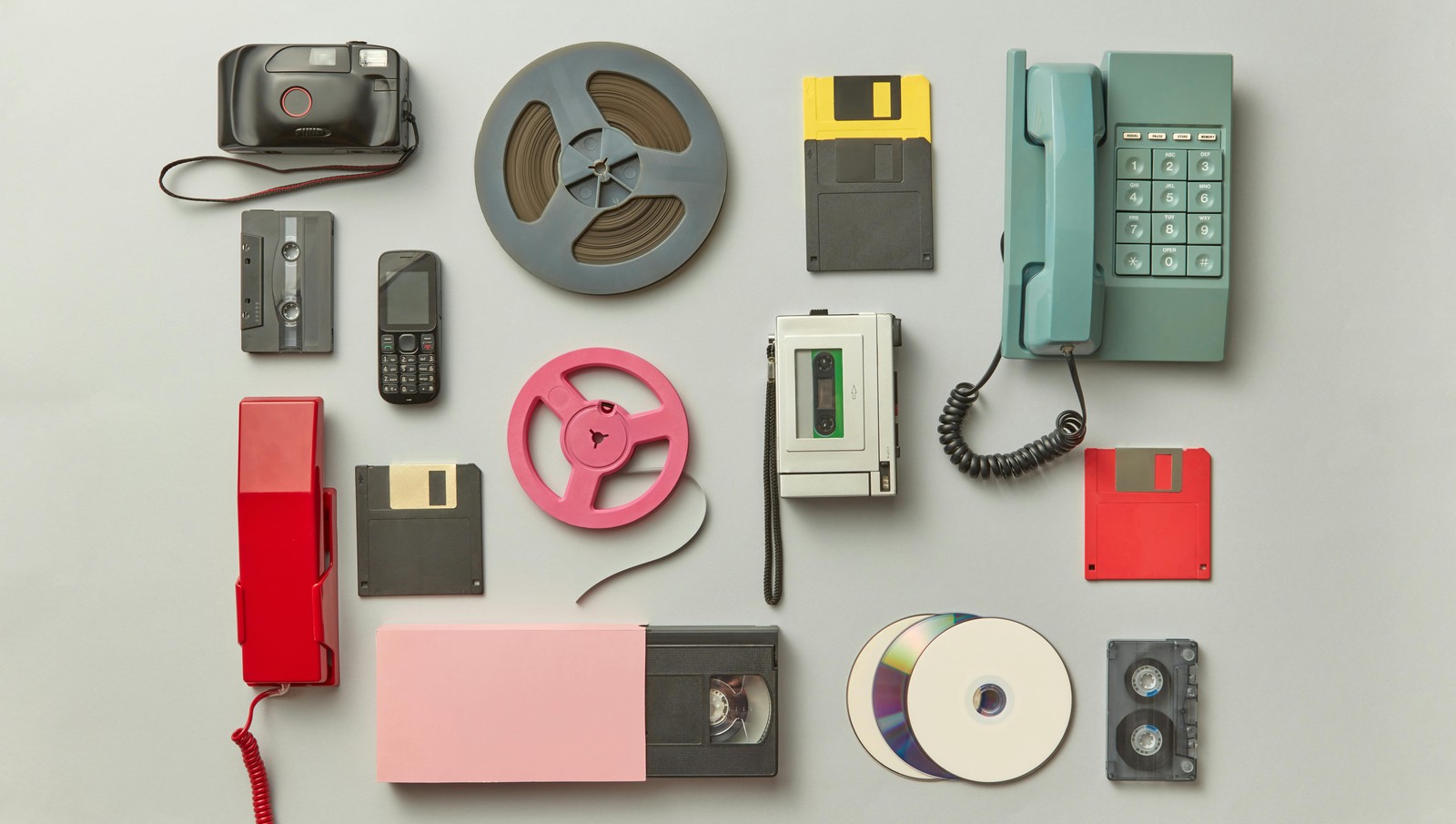
Image: DS Stories

The 1970s and 1980s were a golden era of innovation, quirky habits, and simple pleasures. However, as technology and society have evolved, many of those activities and experiences have gradually disappeared from our daily lives. While some customs are still practiced today, there are plenty of other things we used to do that we can no longer enjoy. Take a stroll down memory lane and discover 10 things that younger generations may never get to experience.

1
Calling on the go
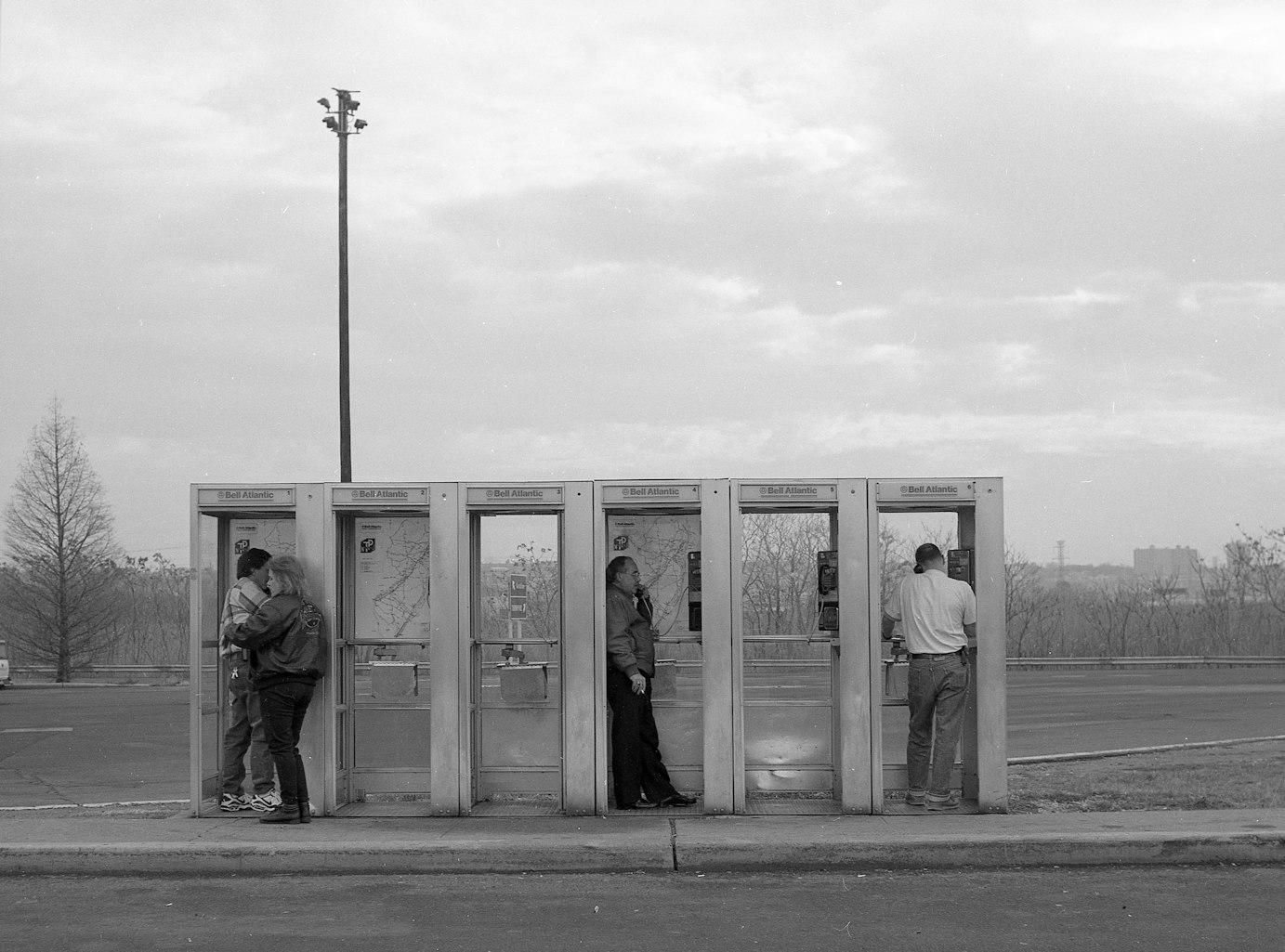
Image: Peter Conrad

Remember scrambling for a few coins just to make a call? Payphones were once the only option when we were out and about. Stepping into that narrow booth, shutting the door behind you, and enjoying a moment of privacy in the middle of a busy street—there was something almost comforting about it. It was like entering your own little world, at least for a couple of minutes. These days, all we need is a quick tap on our smartphones, and we're instantly connected, texting or calling without a second thought. It’s hard to imagine how reliant we once were on those old, clunky machines.

2
Renting movies
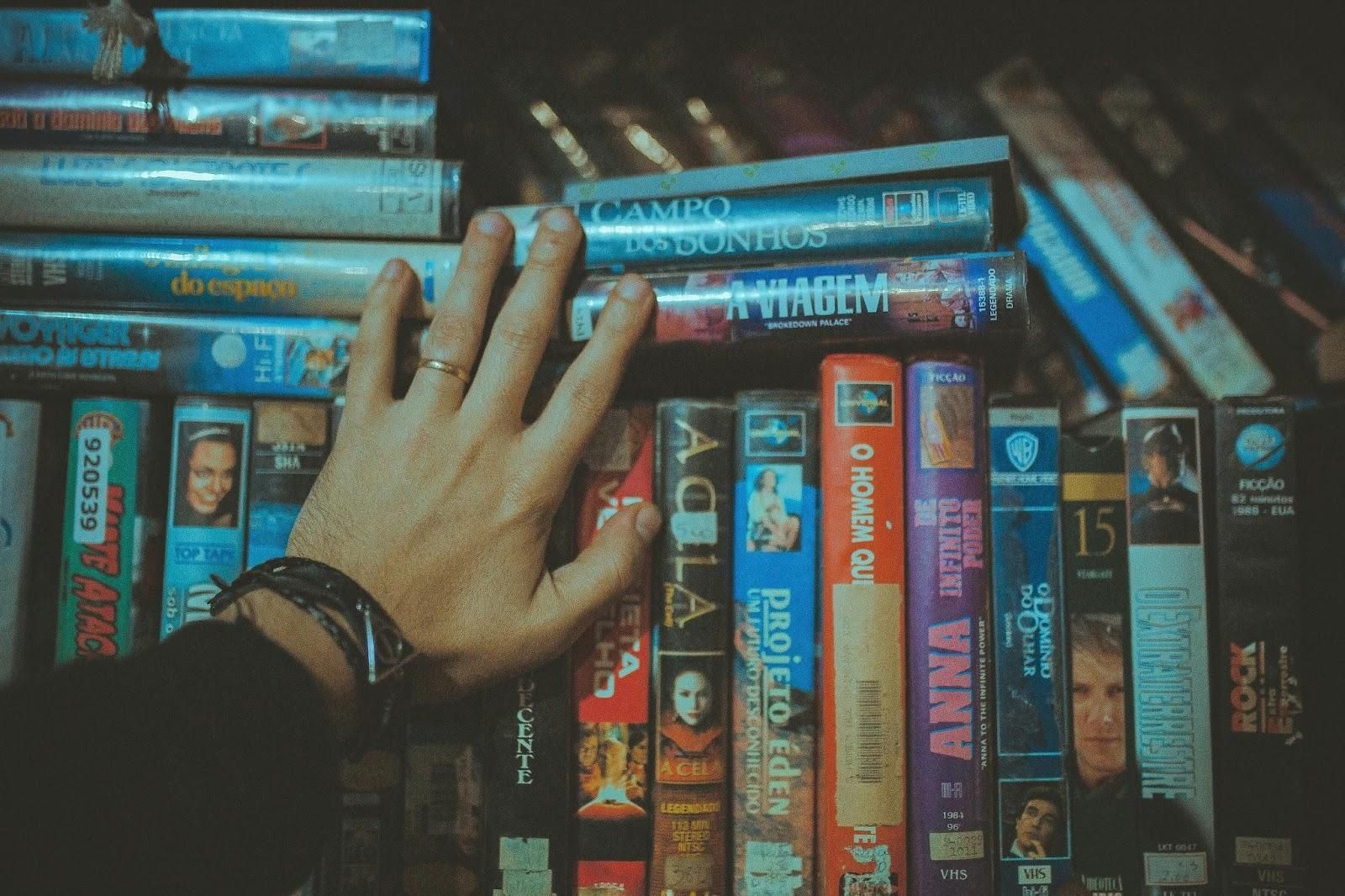
Image: Lucas Pezeta

The thrill of stepping into a bustling video store was unlike anything today’s streaming services can replicate. You’d wander down aisles packed with vividly colored VHS tapes , each promising a new adventure. Flipping over the box to study the cover art, reading the credits on the back, and debating with a friend about which one to choose was a delightful experience. Even the faint scent of plastic immediately meant you were in for a treat! That simple ritual of holding a tape in your hands created a sense of anticipation and excitement that no algorithm could ever replace.

3
Inflight smoking

Image: Willem van de Poll, CC0, via Wikimedia Commons

In the past, flying meant more than just traveling from one city to another—it also came with the freedom of lighting up a cigarette at 30,000 feet. Airplanes had designated smoking sections where passengers could relax, chat, and enjoy a puff as the clouds drifted past the windows. It wasn’t limited to a cramped bathroom stall; entire rows of seats were reserved for smokers, allowing a haze of cigarette smoke to linger in the cabin. Today, someone flicking a lighter mid-flight feels downright impossible, but back then, it was a part of air travel, blending seamlessly into the normal routines of passengers and crew alike.

4
Watching TV shows at specific times
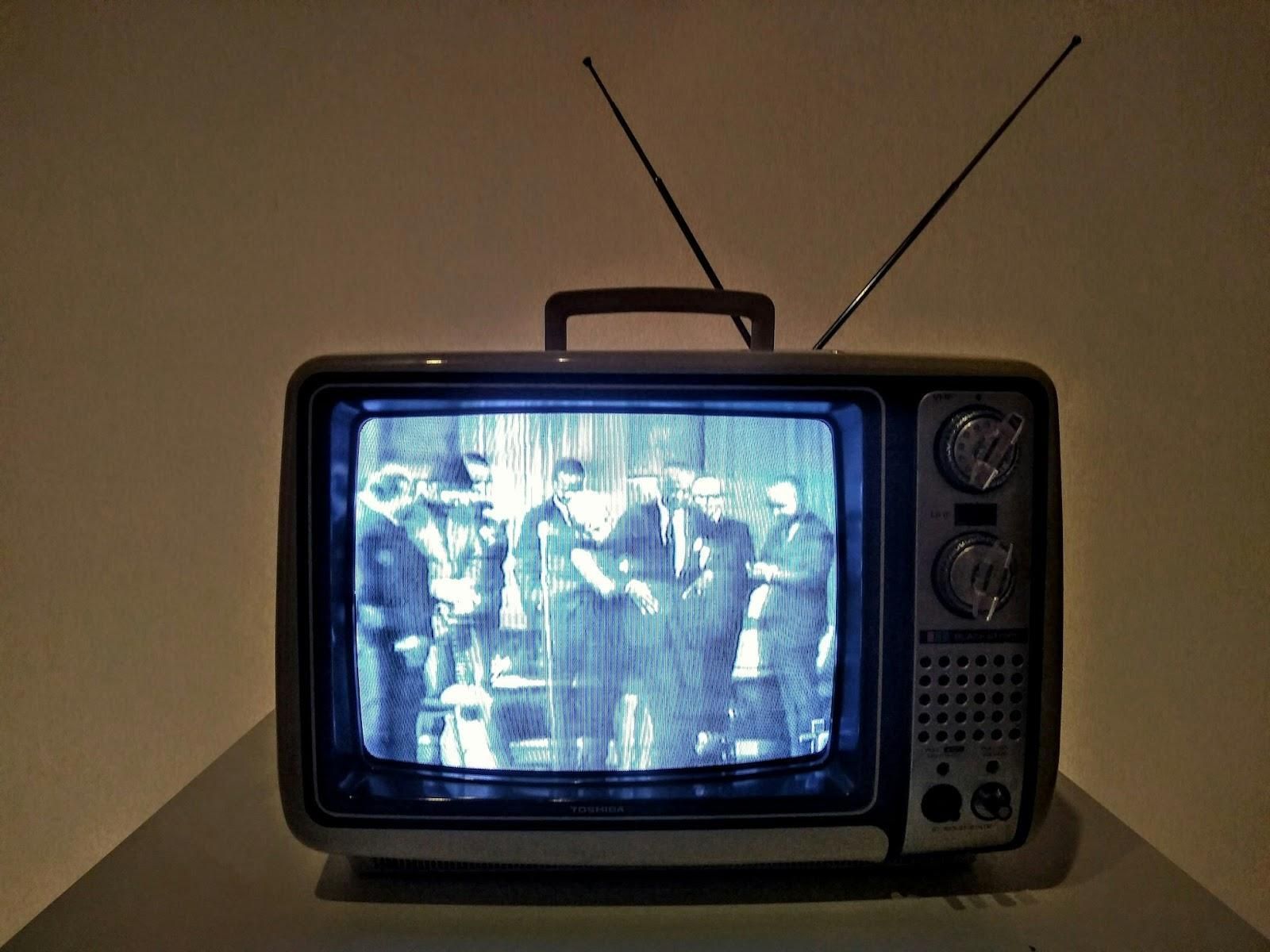
Image: Bruna Araujo

Back in the ’60s, ’70s, and ’80s, the television set was the heart of the home. Evenings were carefully planned around the networks’ schedules, with everyone rushing to grab a spot on the couch to catch their favorite shows. There were no streaming platforms, DVRs, or on-demand options—if you missed an episode of M A S H or Dallas , you had to wait for a rerun . The ritual of sitting together, passing the popcorn, and reacting in unison to every twist and punchline created shared experiences that shaped conversations at school, at work, and across society.

5
Recording songs off the radio

Image: Jon Tyson

Before iPods and Spotify playlists, listening to music was a hands-on, almost ritualistic experience. If you wanted to capture that perfect song, you had to park yourself next to the radio, finger poised over the record button, ears straining to catch the opening notes before the DJ’s voice intruded. Each recording you made became a personal treasure, a handcrafted collection of melodies carefully curated to match your mood or even remind you of your secret crush. These homemade mixtapes weren’t just recordings; they were little time capsules, unique expressions of your feelings, created with patience, care, and a touch of magic that no digital playlist could ever fully imitate.

6
Hitting up the arcade

Image: Roger Ce

During the 1980s, video arcades were the ultimate playground . Stepping inside those dark rooms meant entering a world of blinking lights, beeping machines, and the unmistakable clatter of buttons being mashed in furious competition. Dropping a token into a machine carried such a thrill! The energy—the smell of popcorn and soda, the laughter echoing across the room— created an immersive social experience. Modern home consoles and online gaming may be more convenient, but they rarely capture that electric, face-to-face camaraderie and the pure sensory joy of an arcade packed with neon lights and catchy sound effects.

7
Navigating paper maps
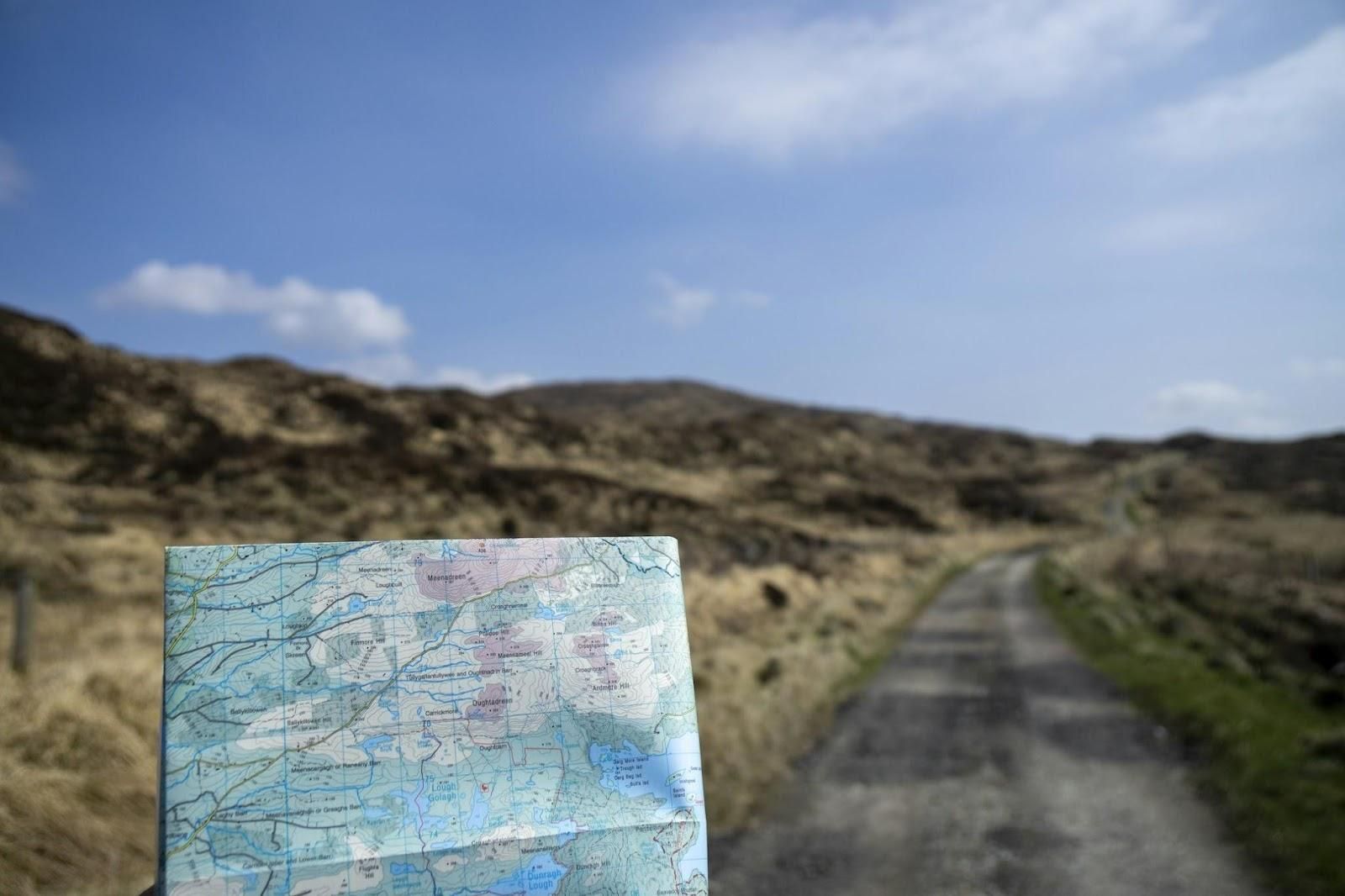
Image: Hendrik Morkel

Before the age of GPS and smartphones, road trips relied on good old-fashioned physical maps. Those oversized sheets of paper stretched across car seats and dashboards, as everyone tried to find the best route. Planning a trip meant carefully studying every road, estimating distances, and hoping you didn’t make a wrong turn. And when you inevitably did? You’d pull over, wave down a stranger, and ask for directions—sometimes discovering hidden diners, quirky roadside attractions, or scenic shortcuts along the way. Getting lost wasn’t just a misfortune; it was part of the adventure, turning every detour into a memorable story, something today’s satellite navigation could never give you.

8
Reading newspapers
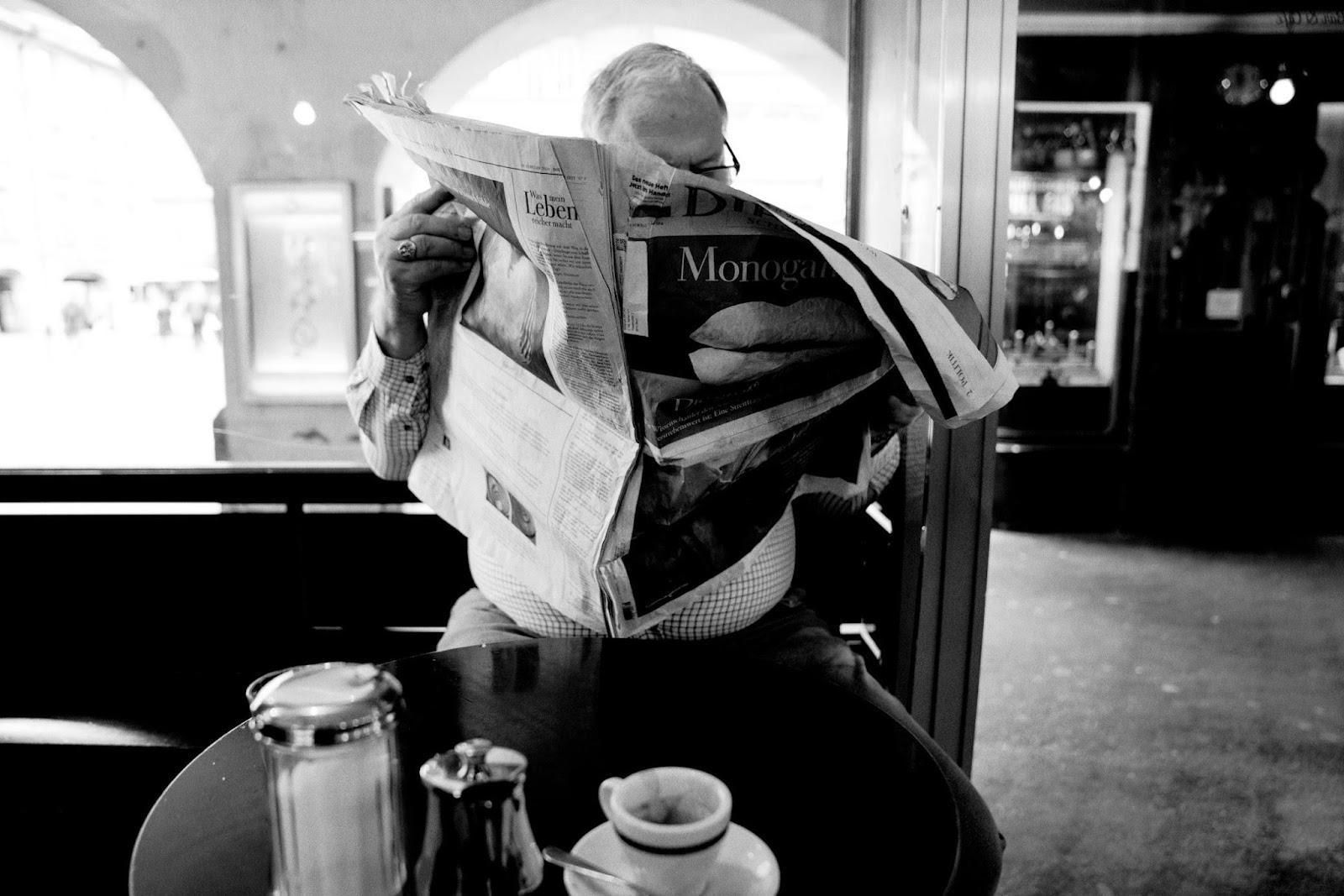
Image: Claudio Schwarz

Settling into your favorite chair with a steaming cup of coffee and unfolding the paper was the ultimate morning ritual. It wasn’t just about catching up on the news— it was about the experience itself. Turning each page carefully, scanning headlines, lingering over the sports scores, chuckling at the comics, and sometimes discussing the day’s stories with family or neighbors made it a shared tradition. Today, with news available instantly on our phones and tablets, that slow, deliberate connection—the feeling of being present with the world as it woke up—has virtually disappeared.

9
Listening to music on a Walkman

Image: cottonbro studio

Ah, the Walkman—that small rectangular marvel encapsulating the world of music right inside your pocket. You could carry an entire collection of albums with you, from Elvis to Sinatra, and listen wherever you went. Whether strolling to school, waiting for the bus, or just wandering around the neighborhood, your personal soundtrack followed you everywhere. Popping in a cassette, pressing play, and letting the songs sweep you away, drowning out the outside world and turning every ordinary moment into a private concert, was pure magic.

10
Hanging out at the mall

Image: Jeyakumaran Mayooresan

Before the internet transformed the way we shop, malls were bustling social hubs . In the ’70s and ’80s, they weren’t just places to buy things. At shopping centers, you ate pizza and spent hours wandering around, window-shopping, or trying on clothes that were probably out of your budget. The mall was the ultimate hangout spot—whether you were meeting new people, catching up with old friends, or simply enjoying the cool air conditioning on a sweltering summer day.
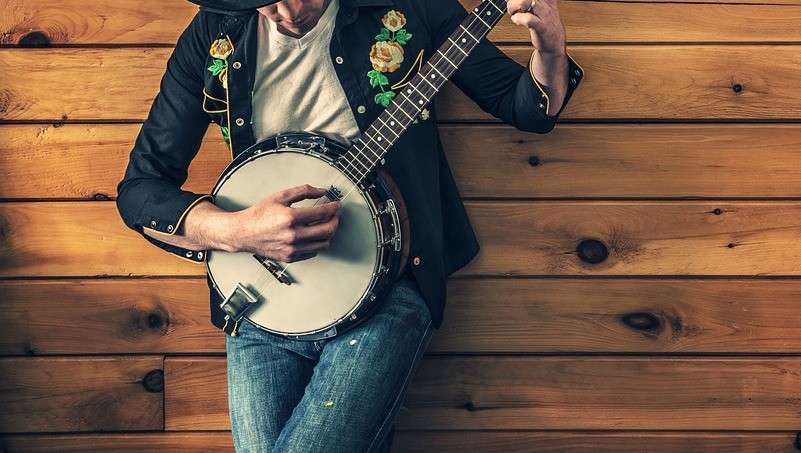
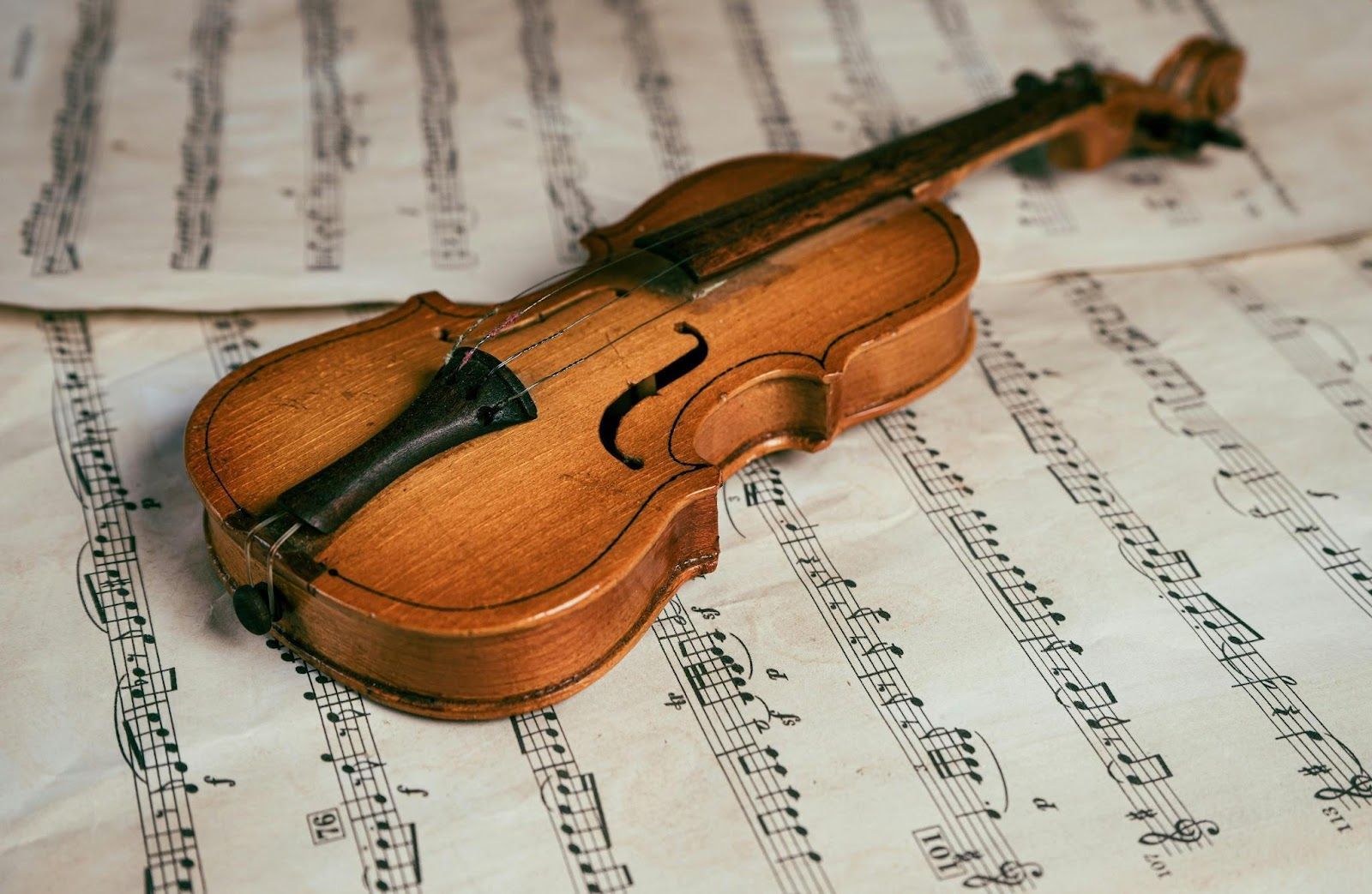
What are the most essential traditional folk songs? 10 contenders

Image: Metropolitan Museum of Art, CC0, via Wikimedia Commons

Traditional folk music, with its origins deeply rooted in American history and tradition, is a treasure that has endured through the centuries. This form of musical expression has left an indelible mark on our culture, and its legacy is evident in a wide variety of modern musical genres. In this article, we bring back 10 traditional folk songs that not only influenced great artists such as Bob Dylan but also continue to inspire listeners today.

1
John Henry

Image: Ylanite Koppens

John Henry is one of the greatest heroes of American folklore, so it is not surprising that several songs celebrate his deeds. The legend of his battle with the steam drill symbolizes humanity’s struggle against automation and technological change, inspiring countless tunes.

There are many musical versions of John Henry’s story: some are ballads, while others are "hammer songs" (a type of song related to railroad work). Whatever the genre, all of these traditional songs are so good that the best American musicians have recorded them multiple times over the years.

2
Oh My Darling, Clementine

Image: Angshu Purkait

There are multiple variations of this song, but it is believed to have been written by Percy Montrose in 1883. The melody may be older and possibly inspired by a Spanish ballad , while the lyrics likely emerged sometime after the Gold Rush era.

Over the years, several verses were added and numerous versions were recorded, such as Bing Crosby's in the 1940s and Bobby Darin's in the 1960s. Despite its age, "Clementine" remains a popular song for group singing all across America.

3
In the Pines

Image: Priscilla Du Preez

Like numerous other folk songs, the lyrics and melody of "In the Pines" were passed down orally from generation to generation, and its original author remains unknown. What we do know is that it dates back to at least the 1870s and likely originated in the Southern Appalachian region.

The structure of this unique, moody, blues-style song, as we know it today, has mutated over the years, merging with other tunes. The important thing is that "In the Pines" has become a staple of American music, being recorded by numerous artists, including Bill Monroe, Lead Belly, and even grunge band Nirvana.

4
Worried Man Blues

Image: LunarSeaArt

When hillbilly singers came into contact with African American blues, songs like "Worried Man Blues" began to emerge. The verses were likely inspired by the story of someone sentenced to work on a chain gang.

The song may have roots in a 19th-century African American spiritual , but it became widely known after the Carter Family recorded it in the 1930s, giving it a strong foothold in the country and early bluegrass repertoire. Decades later, folk revivalists adopted the tune, ensuring its place as a classic of American folk music.

5
Oh Shenandoah

Image: Matheus Ferrero

Although the exact origin of this folk song is uncertain, we know that it was sung as a river shanty in the 19th century, especially by American and Canadian fur traders traveling down the Missouri River.

The word Shenandoah is connected to the Shenandoah Valley in Virginia, though its precise meaning is debated. Some suggest it derives from an Iroquois word meaning "land of big mountains" or "daughter of the stars." Some versions of the song tell the story of a redskin chief, Shenandoah, and his beautiful daughter. According to the legend, a white trader eloped with the maiden after silencing the chief with firewater.

6
Oh! Susanna

Image: ClickerHappy

"Oh! Susanna" is often considered the first big hit in American popular music. It became especially famous among the '49ers during the California Gold Rush and became an emblem of the conquest of the West.

With influences from European polka music and earlier traditional folk songs, "Oh! Susanna" was published in 1848 by Stephen Foster, later nicknamed the "Father of American Music." Many artists recorded different versions over the years, including The Big 3, The Byrds, and James Taylor.

7
Red River Valley

Image: Priscilla Du Preez

It is common for folk songs to be adapted to different regions , and this tune is no exception. Over the years, it has been named and renamed for many different valleys and locales. Most 20th-century versions use the title "Red River Valley" and, by implication, place it along the Red River that forms part of the boundary between Texas and Oklahoma.

However, some evidence suggests that the original version actually dates to around 1870 in Canada, near the Red River that flows into Lake Winnipeg. In that version, the lyrics tell of a French-Indian maiden lamenting the departure of a soldier who had come, stayed briefly, and then left. For Americans, though, the song is most closely associated with cowboys and the Red River of the South.

8
Man of Constant Sorrow

Image: Wilawan Pantukang

The origin of this southern mountain song is somewhat obscure. It is absent from most of the major standard collections, but some experts believe it might have been inspired by the 19th-century hymn "I Am a Poor Pilgrim of Sorrow."

Although numerous versions with different names and lyrics have circulated since at least the early 20th century, "Man of Constant Sorrow" was popularized by the Stanley Brothers in the 1950s. Soon after, musicians such as Bob Dylan, Joan Baez, and Judy Collins recorded their own interpretations, helping to cement its place as a classic of American folk music.

9
Home on the Range

Image: Jeremy Bishop

One of the best-known cowboy and Western songs, "Home on the Range," has long been the subject of disputes regarding its authorship. The most widely held theory is that it was inspired by a poem called "My Western Home," written by Dr. Brewster Higley in the 1870s. The well-known American composer David W. Guion claimed to have composed the music, stating that he wrote it at the age of 16, influenced by his life in West Texas.

"Home on the Range" enjoyed great popularity in the 1930s through radio broadcasts and recordings during the cowboy-song fad. Since 1947, it has been Kansas’s official state song.

10
Michael, Row the Boat Ashore

Image: Blind Rhino Media

Folk song revivalists discovered "Michael, Row the Boat Ashore" in the Georgia Sea Islands and passed it around widely and fervently. The tune blends spiritual, calypso, and sea-song styles, and it likely originated as both a spiritual and a work song sung by enslaved crews on plantation riverboats.

The name Michael refers to the Archangel Michael, and the song was likely used when the load was heavy or the boat was going against the tide. In the 1960s, it was popularized by folk band The Highwaymen and was also recorded by other artists such as Pete Seeger, Bob Gibson, and Harry Belafonte, among others.

Take a stroll through America’s most unforgettable rivalries

Image: Tim Mossholder

Some rivalries are so woven into American life that just hearing the names brings back a memory or two. Sports, politics, soda bottles, even cartoon characters and major film studios have gone head-to-head for generations. Do you think you know them all? Keep reading and see (but no favorites over here!)

1
Yankees vs. Red Sox

Image: Chanan Greenblatt

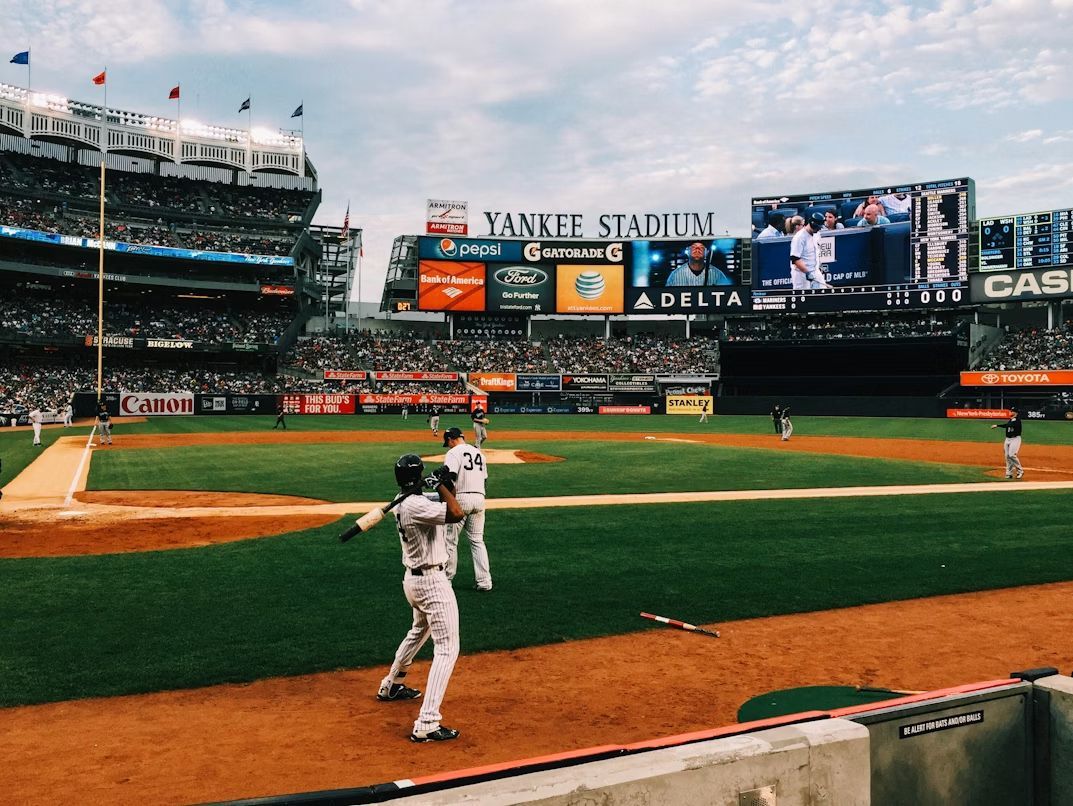
This feud has colored baseball for more than a century. The teams clashed often in the early 1900s, and the sale of Babe Ruth to New York only fanned the flames. Generations of fans have passed down the lore, and every game still feels like a chapter in a never-ending story.

2
Coca-Cola vs. Pepsi

Image: Nik A.

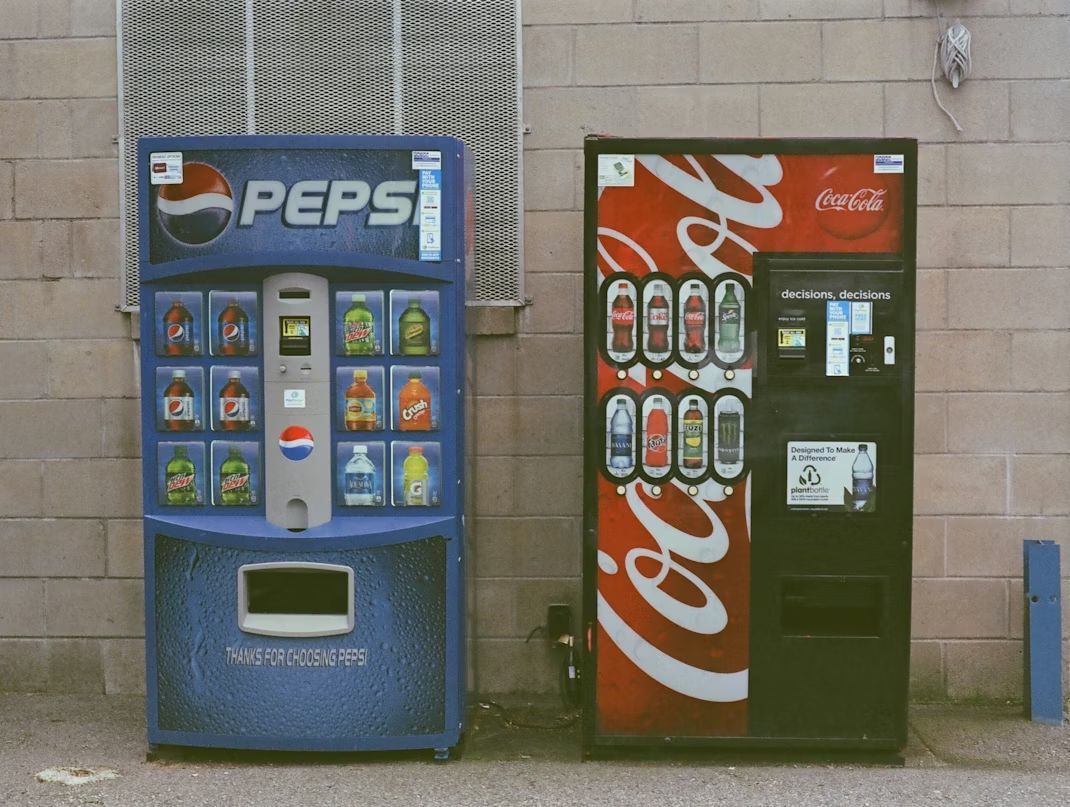
The "Cola Wars" picked up steam in the late 20th century with taste tests, jingles, and flashy commercials. Each brand tried to outdo the other in ads and sponsorships. Many households still swear one tastes better, even if most folks can barely tell the difference in a blind sip.

3
Lakers vs. Celtics

Image: Tim Hart

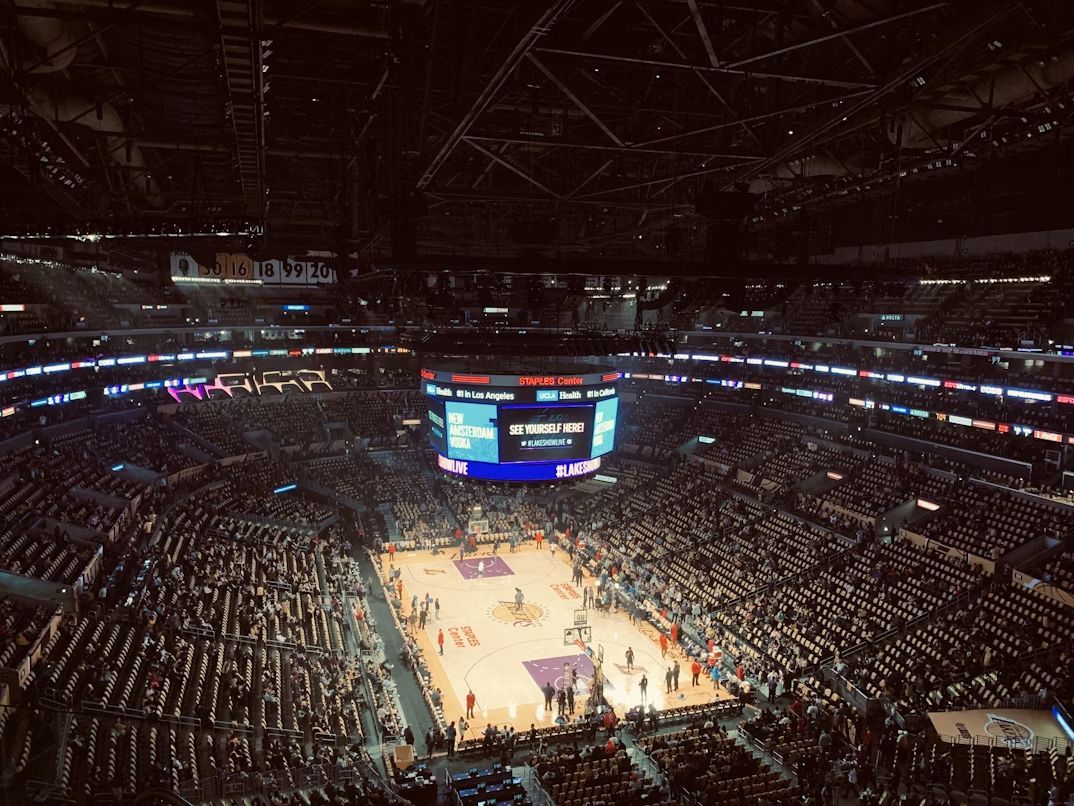
When basketball fans talk about greatness, these two names pop up right away. Their battles in the 60s, 80s, and 2000s created unforgettable moments. From Magic and Bird to Kobe and Garnett, each era brought its own flavor. Even non-fans recognize the spark between these teams.

4
Democrats vs. Republicans

Image: Bruno Ngarukiye

The nation’s two major parties have been sparring since the mid-1800s. Their disagreements shape elections, public debates, and dinner conversations across the country. While their views often pull in different directions, both sides trace their roots deep into American history.

5
Michigan vs. Ohio State

Image: Jakob Rosen

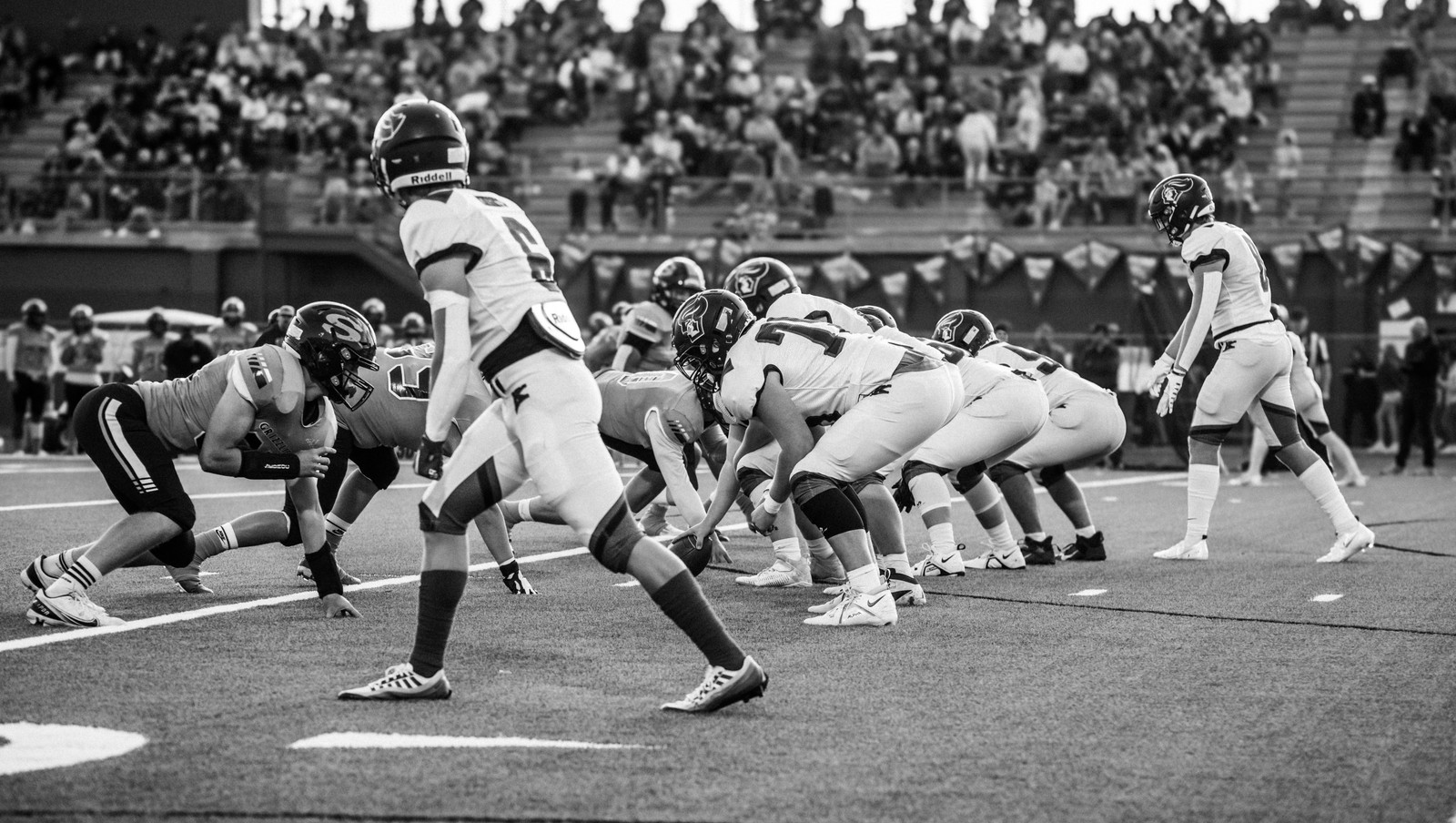
College football’s "The Game" is a yearly event that can tilt an entire season. Families in the Midwest grow up picking a side before they can spell the names. The rivalry took shape in the late 1800s and still ends with dramatic finishes, loud crowds, and plenty of bragging rights.

6
Mickey Mouse vs. Bugs Bunny

Image: steven lozano

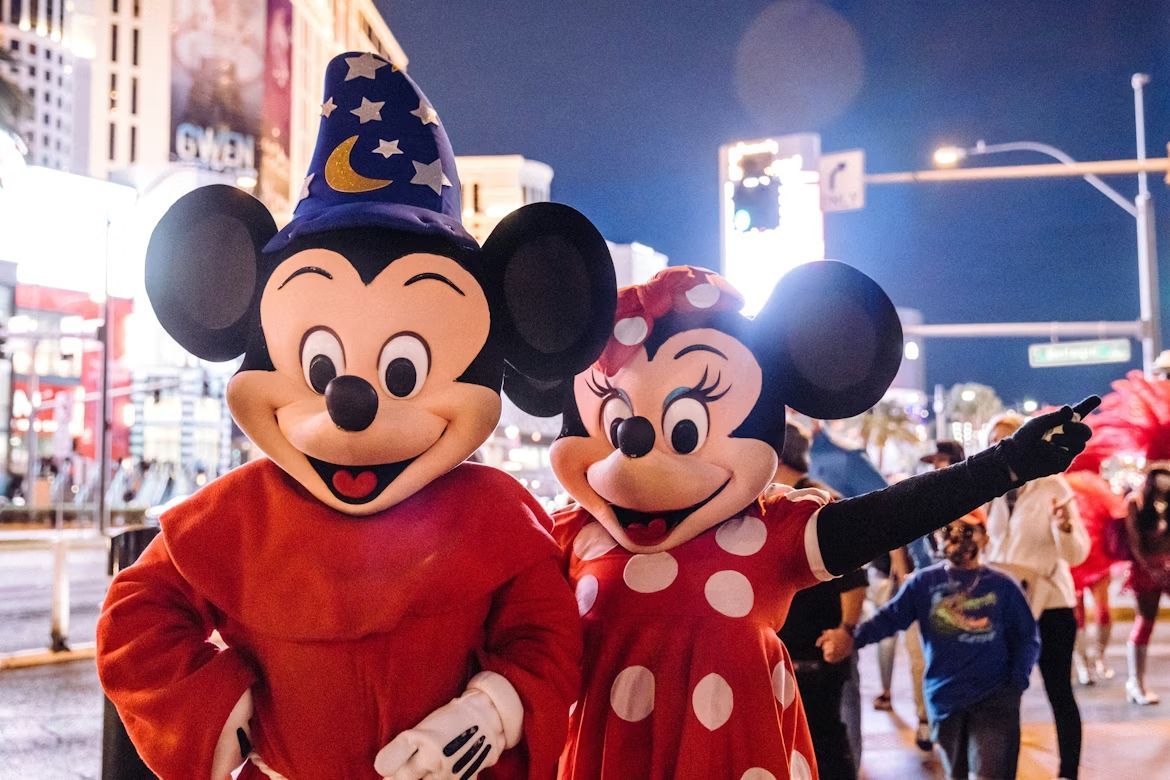
Disney and Warner Bros. shaped our childhood. Mickey brought gentle charm while Bugs introduced quick wit and a wink at the audience. Their studios battled for box office success, theme park magic, and Saturday morning loyalties, giving generations a favorite to root for.

7
Duke vs. North Carolina

Image: Markus Spiske

Just eight miles separate the schools, and that short drive holds decades of college basketball tension. Their first meeting was back in 1920, and each season brings new storylines. The noise inside their arenas can practically shake the floor when these two square off.

8
Giants vs. Dodgers

Image: Hongbin

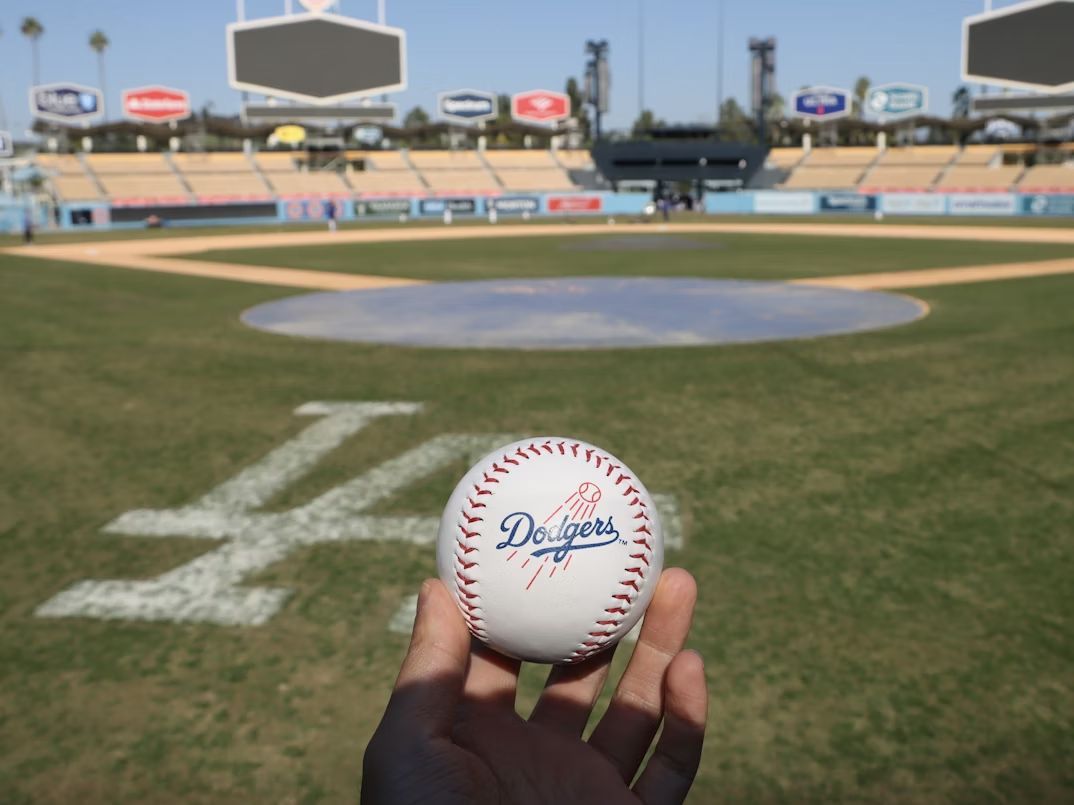
This rivalry began in New York before both teams headed west in the 1950s. The move did not cool things down one bit. Whether in Brooklyn and Manhattan or Los Angeles and San Francisco, these clubs have carried the same competitive spark for well over a hundred years.

9
Hamilton vs. Jefferson

Image: Sudan Ouyang

These two founding figures clashed over just about everything. Hamilton leaned toward strong federal power while Jefferson preferred a lighter touch from the central government. Their debates set the stage for questions that still guide the country’s political landscape.

10
Marvel vs. DC

Image: Rachit Khurana

Comic book fans have compared these two universes for generations. Marvel’s heroes often feel grounded and human, while DC characters carry mythic, larger-than-life qualities. Their films, shows, and comics compete for audiences who proudly cheer for their chosen side.

Explore more American facts

Choose your favorite category!

General
General

As American as apple pie—the very best America has to offer!

Culture
Culture

Delve into the astounding richness of American lore.

Geography
Geography

Hop in and explore vast and diverse American landscapes.

History
History

Discover the key moments that shaped the United States.