Tin-foil hat time!
From the Marshmallow Test to the Good Samaritan: 12 real experiments
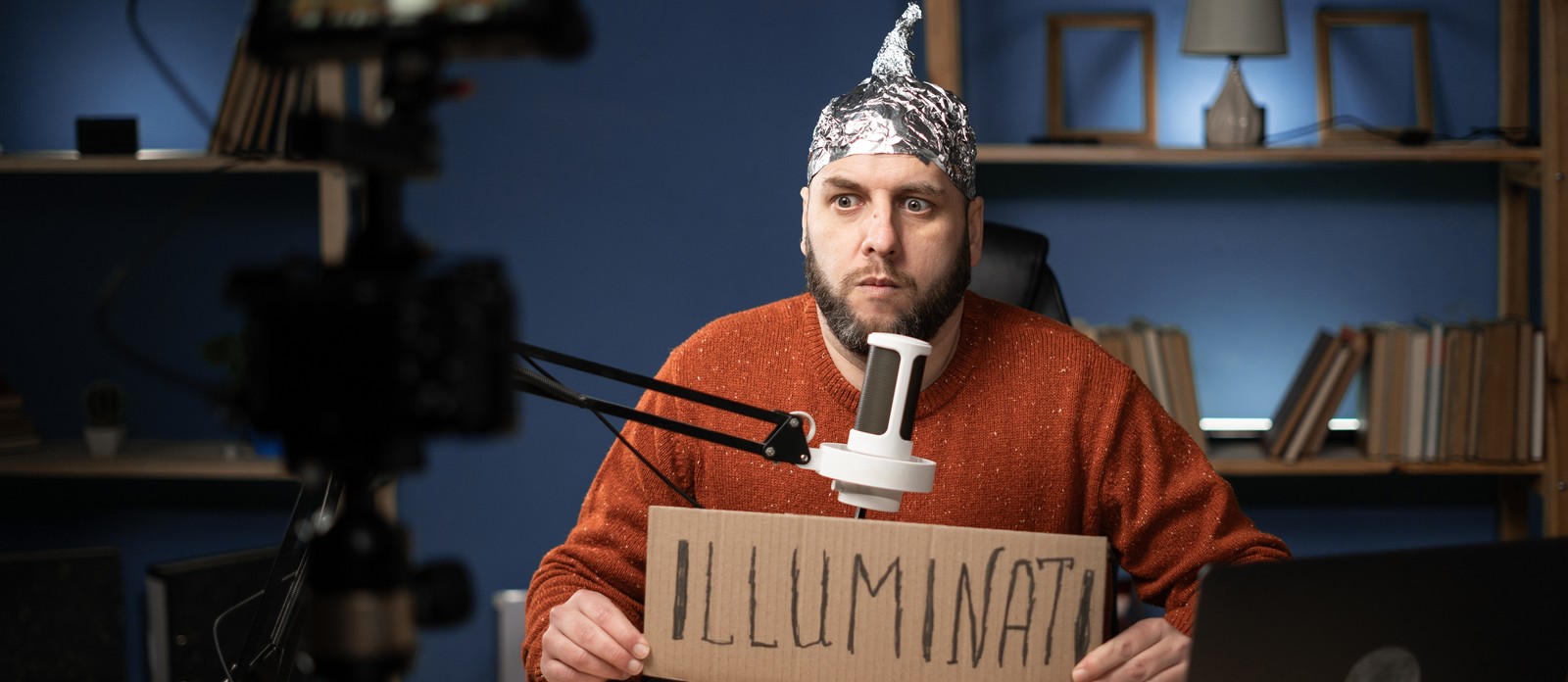
Image: Lysenko Andrii
There’s a famous, funny saying that goes, "Just because I'm paranoid doesn’t mean that I’m not being followed." In other words, sometimes, strange things do happen. Human behavior can be unpredictable, which might explain why researchers have devised some truly unusual ways to study it. But psychologists weren't the only ones experimenting. During the 20th century, U.S. military and intelligence agencies conducted tests that sound more like fiction than fact. From pigeons trained to guide missiles to children trying desperately not to eat a sweet treat, these 12 experiments and research programs really happened.
1
A city became an unwilling laboratory

In September 1950, San Franciscans went about their lives without knowing that the U.S. military was conducting a biological-warfare vulnerability test around them . During Operation Sea-Spray, bacteria were released into the city’s environment to study how an airborne biological agent might spread through a major coastal city .
The organisms included Serratia marcescens , selected because researchers at the time considered it suitable as a relatively harmless stand-in for something much more dangerous that could be actually used for biological warfare. Residents weren't informed or asked for consent, an aspect of the operation that would raise obvious ethical objections today.
2
Particles were scattered across America
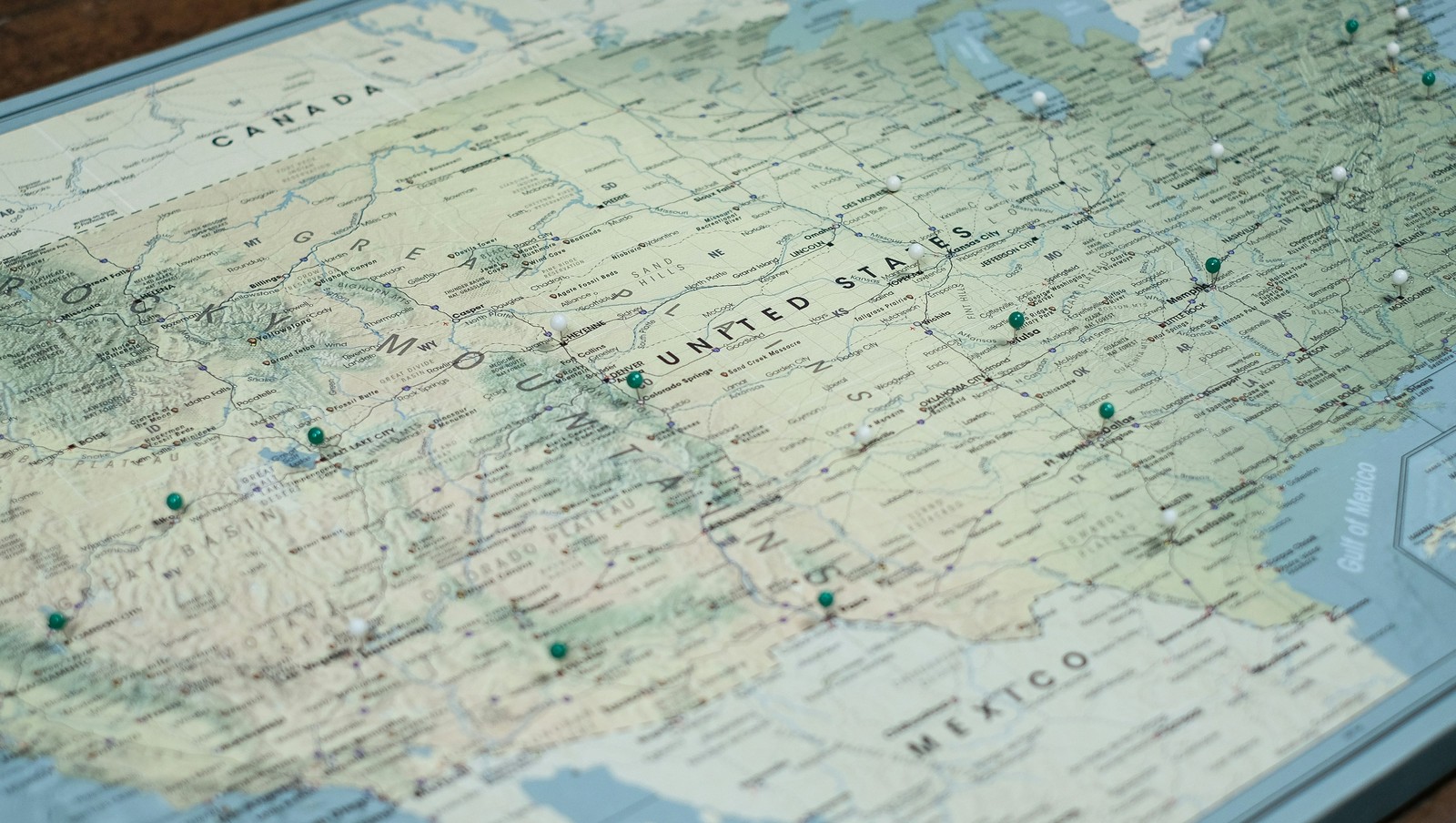
Sea-Spray wasn't the end of large-scale military dispersion experiments. During the 1950s and 1960s, the Army's Operation LAC (Large Area Coverage)used microscopic fluorescent zinc cadmium sulfide particles to investigate how biological-warfare agents might travel through the atmosphere .
The scale was astonishing. The National Research Council later described LAC as the largest test undertaken by the Army Chemical Corps, with experiments spanning an area from the Rocky Mountains toward the Atlantic and from Canada toward the Gulf of Mexico. Related tests took place in places including Minneapolis, St. Louis, Corpus Christi, and Fort Wayne.
3
What really happened at Hawthorne?

Between 1924 and 1933, researchers conducted a famous series of workplace studies at Western Electric's enormous Hawthorne Works, near Chicago. One early question sounded straightforward: Would changing factory lighting make employees more productive?
The answer proved surprisingly complicated. Researchers expanded their work to examine breaks, schedules, supervision, and social relationships. More than 21,000 employee interviews were eventually conducted. The studies helped inspire the idea known as the "Hawthorne effect": that people may behave differently when they know they're being observed.
4
Would you believe everyone else or your own eyes?

Psychologist Solomon Asch devised a wonderfully simple test of conformity in the 1950s. A participant looked at lines of obviously different lengths and had to identify which one matched a reference line. Under normal circumstances, the task was extremely easy.
There was just one catch: nearly everyone else in the room was secretly working for Asch . On selected trials, these confederates confidently gave the same obviously wrong answer before the real participant responded. Many participants went along with the group at least once, despite what they could plainly see. Even more revealingly, later variations showed that simply having someone else break the group's unanimity could dramatically weaken its influence.
5
Scientists created two rival tribes
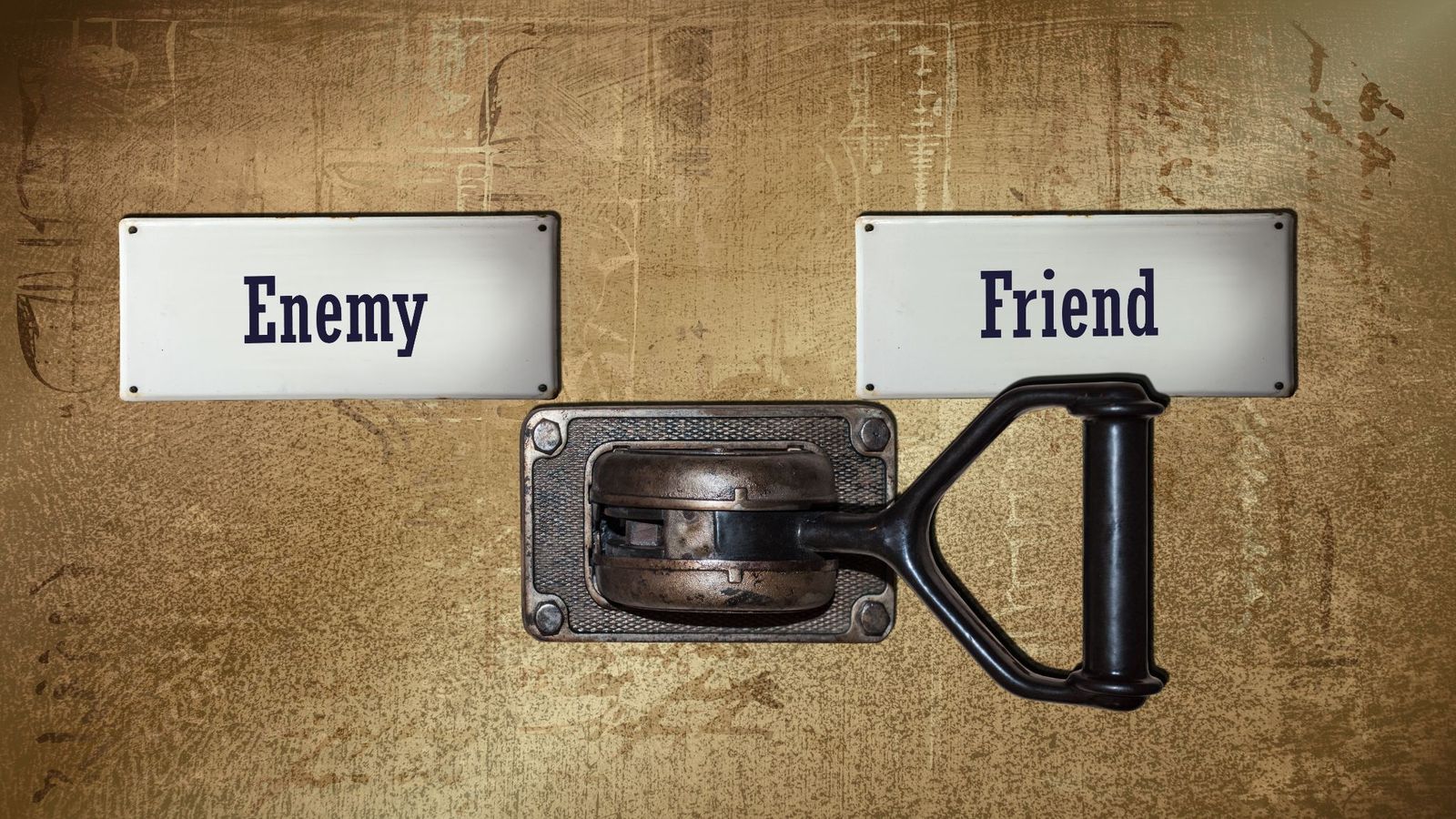
In 1954, psychologist Muzafer Sherif and his colleagues brought 22 boys, around 11 years old, to a summer camp at Oklahoma's Robbers Cave State Park. The children didn't know that they were subjects in an elaborate experiment .
Researchers separated them into two groups, which became the Rattlers and Eagles, and allowed each to develop its own identity . Then came competitions deliberately designed to encourage rivalry. Hostility escalated quickly. Researchers eventually introduced problems neither group could easily solve alone, such as difficulties involving the camp's water supply. Working toward these shared, or "superordinate", goals helped reduce the conflict.
6
How far would you go if an authority told you to?
At Yale University in the early 1960s, psychologist Stanley Milgram told volunteers they were participating in an experiment about learning. They were instructed to administer increasingly powerful electric shocks whenever another participant answered a question incorrectly .
The shocks weren't real, and the supposed victim was working with the researchers . But the person pressing the switches didn't initially know that. The machine climbed from 15 volts all the way to a menacing 450 volts, and in Milgram's famous baseline experiment, 65% of participants continued to the maximum level when prompted by the experimenter. Some showed considerable distress. Milgram conducted numerous variations with very different results, demonstrating that circumstances mattered enormously.
7
The marshmallow test wasn’t as simple as we thought

Imagine being a preschooler alone in a room with a delicious treat and an agonizing choice: enjoy a small reward now or wait and receive a bigger reward later . Psychologist Walter Mischel and his colleagues used variations of this setup at Stanford beginning in the late 1960s to study delayed gratification and self-control.
Later studies associated children's ability to wait with outcomes years afterward, and the experiment became a pop-psychology phenomenon . But there's an important twist. More recent research using larger and more diverse samples found that the relationship weakened substantially when researchers accounted for family background and childhood circumstances.
8
Facebook experimented with 689,000 news feeds

In January 2012, hundreds of thousands of people unknowingly became participants in an enormous experiment conducted through Facebook. Researchers altered the News Feeds of 689,003 English-speaking users, reducing either positive or negative emotional content and examining what those users subsequently posted .
The study, published in Proceedings of the National Academy of Sciences in 2014, found small changes consistent with "emotional contagion": altering the emotional balance of posts people encountered was associated with corresponding changes in the language they later used.
9
The military tried to build a pigeon-guided missile
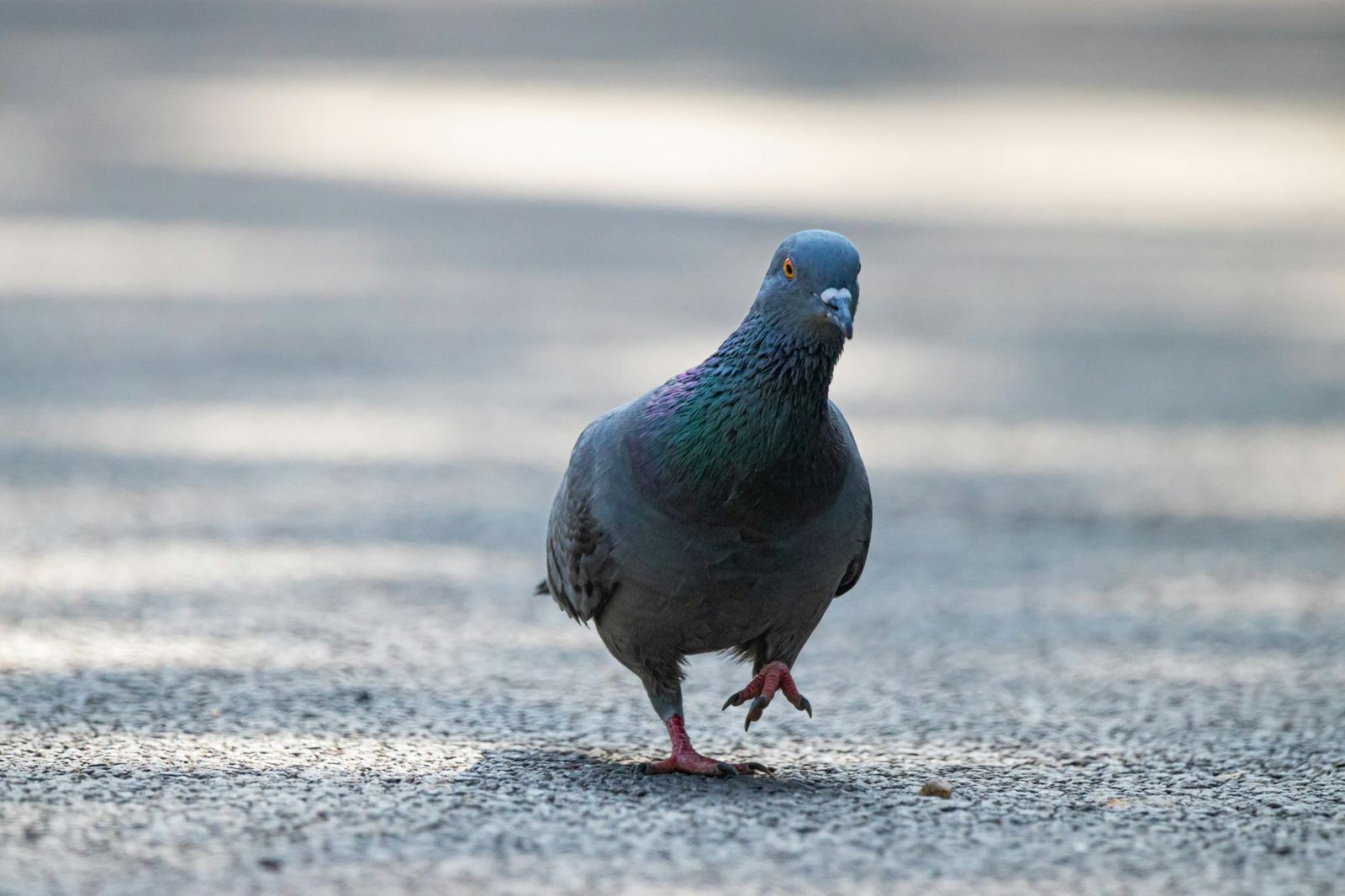
Before sophisticated computerized guidance systems, psychologist B. F. Skinner proposed an alternative with feathers. During World War II, his Project Pigeon attempted to train pigeons to help guide weapons toward targets.
The concept wasn't quite as crazy as it sounds. Pigeons could be remarkably good at recognizing visual targets . Skinner trained them to peck at an image displayed on a screen; if the weapon drifted off course, movement of the target image could produce corrective guidance signals through the bird's pecking. The National Defense Research Committee eventually provided $25,000 for the work before dropping the project in 1944. The Navy later revisited the idea as Project ORCON, short for "organic control." Electronic guidance ultimately made the avian alternative unnecessary.
10
The Government really investigated psychic spies
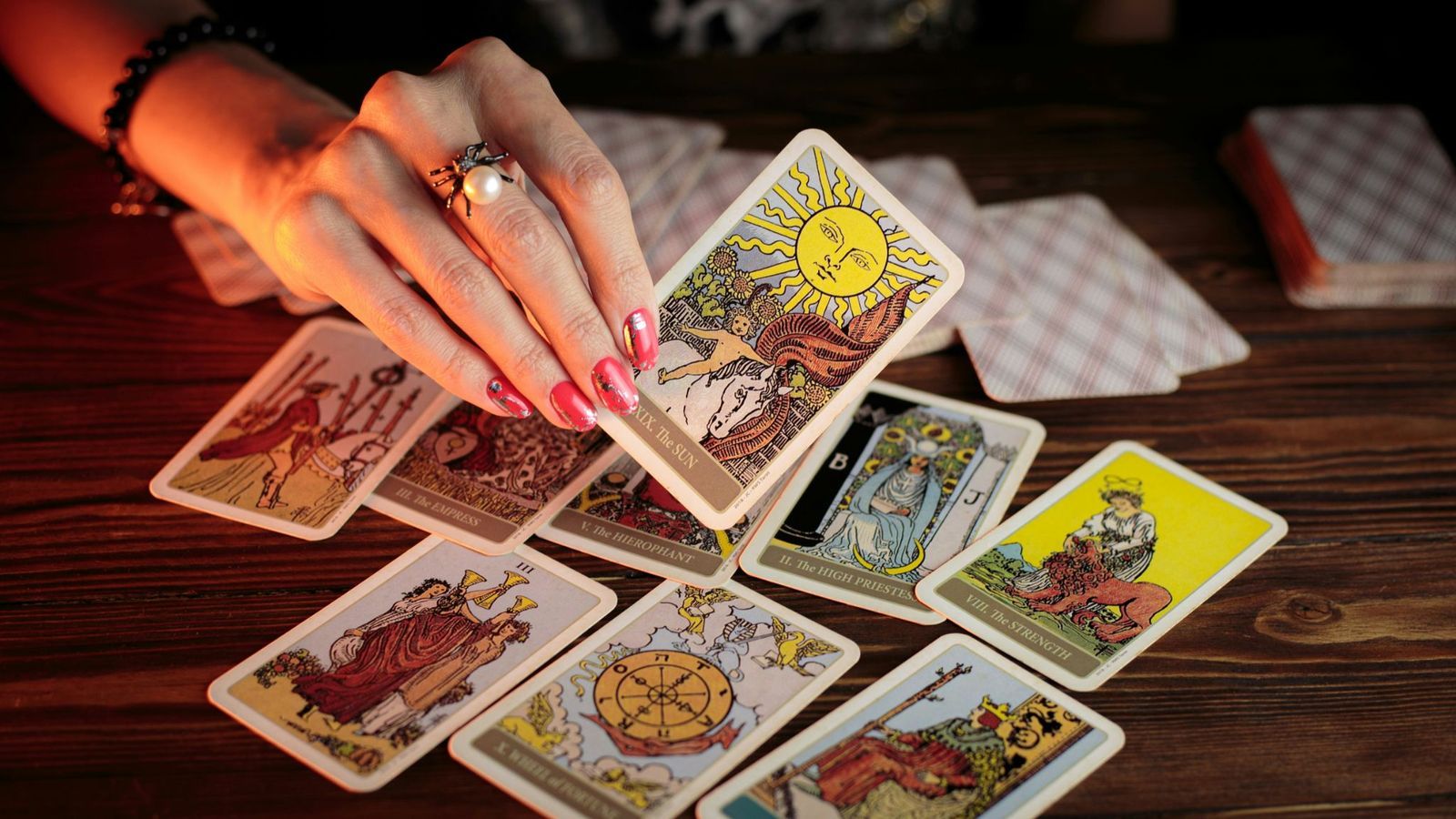
Beginning during the Cold War, U.S. intelligence and defense agencies really did spend years investigating "remote viewing", the supposed ability to describe distant or hidden objects and locations without using ordinary senses .
Various programs eventually became popularly associated with the name Stargate. In 1995, an outside evaluation reviewed roughly two decades of work and concluded that the program hadn't demonstrated sufficiently useful operational intelligence capabilities to justify continuing it. Stargate was terminated.
11
The CIA tried to make a spy cat
During the Cold War, the CIA faced a familiar espionage problem: How could an operative get close enough to secretly overhear a conversation without attracting attention? Someone came up with a decidedly unconventional answer: a cat.
The appropriately nicknamed Acoustic Kitty project investigated whether surgically implanted listening and transmitting equipment could transform an apparently ordinary feline into a mobile surveillance device . Declassified CIA records confirm the project, but officials eventually concluded that environmental and security problems made the technique impractical.
12
Would you stop to help a stranger?
In 1973, Princeton psychologists John Darley and C. Daniel Batson devised an experiment with an almost storybook setup. Seminary students were sent across campus to give a talk. On the way, each encountered a man slumped in an alley who appeared to need help .
Some students were told they had plenty of time; others were told they were already late. And in a brilliant touch, some were heading to give a talk about the biblical Good Samaritan itself. Yet the topic of their speech didn't significantly determine whether they stopped. Time pressure did. About 63% of those who weren’t in a hurry helped, compared with just 10% of those in the high-hurry condition . Some hurried participants passed the distressed stranger while literally on their way to discuss the Good Samaritan.