Culture Culture 4 min read

They said, "No Thanks."

These 10 stars did not accept their awards. And they had their reasons!
Image: Mirko Fabian

Have you ever imagined yourself winning an Oscar or an Emmy? While that might sound like a dream come true for many people, some stars have actually turned down major awards. From clashes with fellow nominees to political statements, each had their own reasons. Keep reading to discover why these 10 famous stars said "no thanks" to these recognitions.

1
Marlon Brando
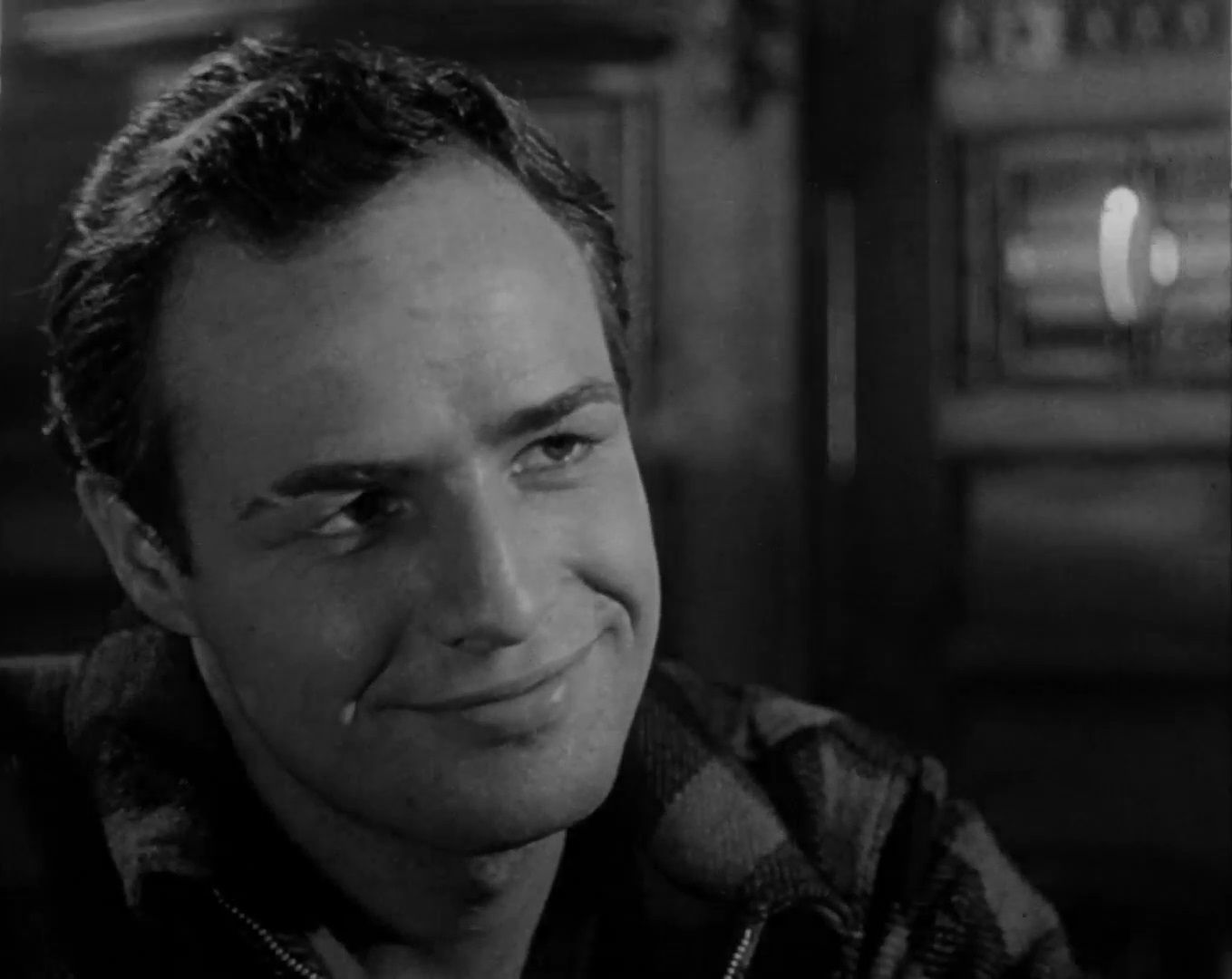
Image: Trailer screenshottrailer at IMDB, Public domain, via Wikimedia Commons

Marlon Brando was one of Hollywood’s most iconic stars, admired for his talent, charisma, and unforgettable roles. He won his first Oscar for On the Waterfront (1954), but things took a very different turn with his second win. When The Godfather earned him another Academy Award in 1972, Brando refused to attend and sent a Native American representative in his place, using the moment to protest Hollywood’s mistreatment and misrepresentation of Indigenous peoples.

2
Tom Cruise
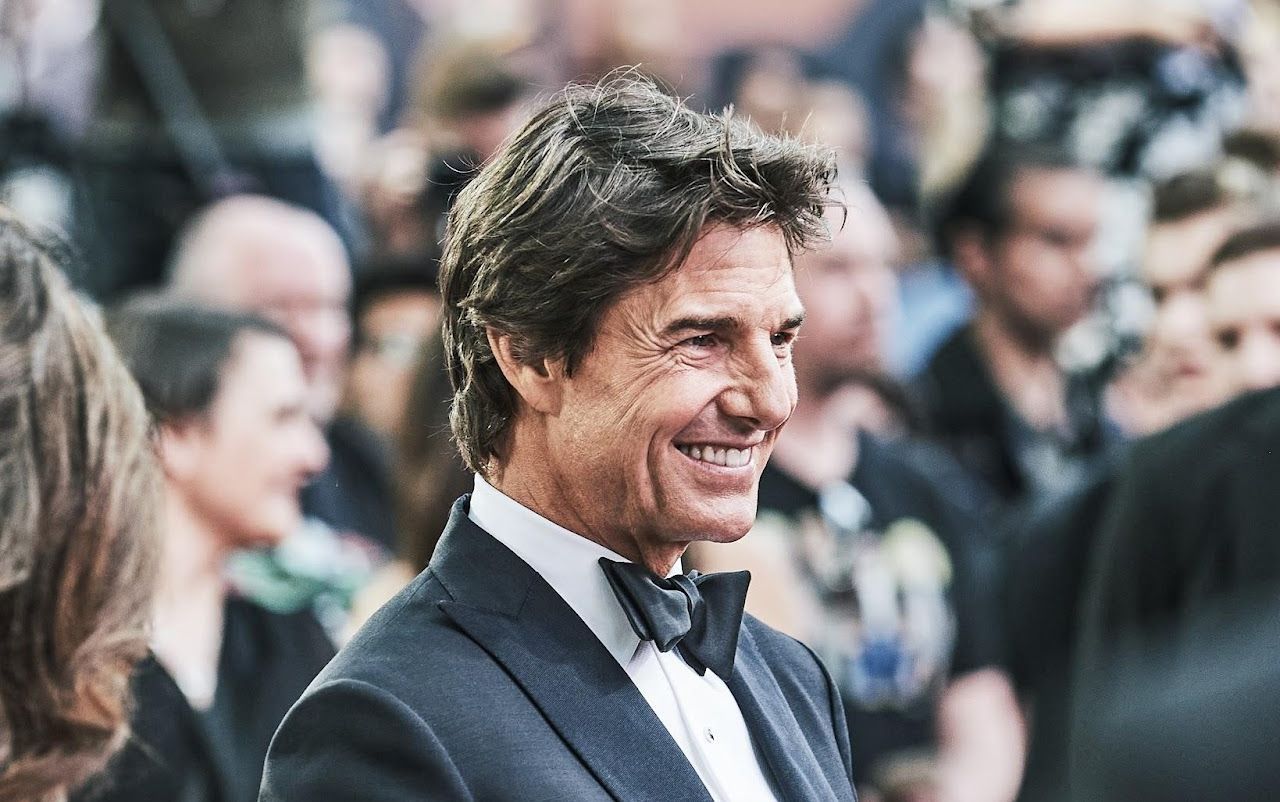
Image: Gabriel Hutchinson Photography, CC BY-SA 4.0 <https://creativecommons.org/licenses/by-sa/4.0>, via Wikimedia Commons

Like many of the actors on this list, Tom Cruise is a global icon whose career has earned him three Golden Globes: Best Actor for Jerry Maguire (1996), Best Actor for Born on the Fourth of July (1989), and Best Supporting Actor for Magnolia (1999). But in 2021, he made headlines for a very different reason: he returned all three awards. According to reports, Cruise did so as a protest against the ethics and lack of diversity within the organization behind the Globes.

3
Woody Allen
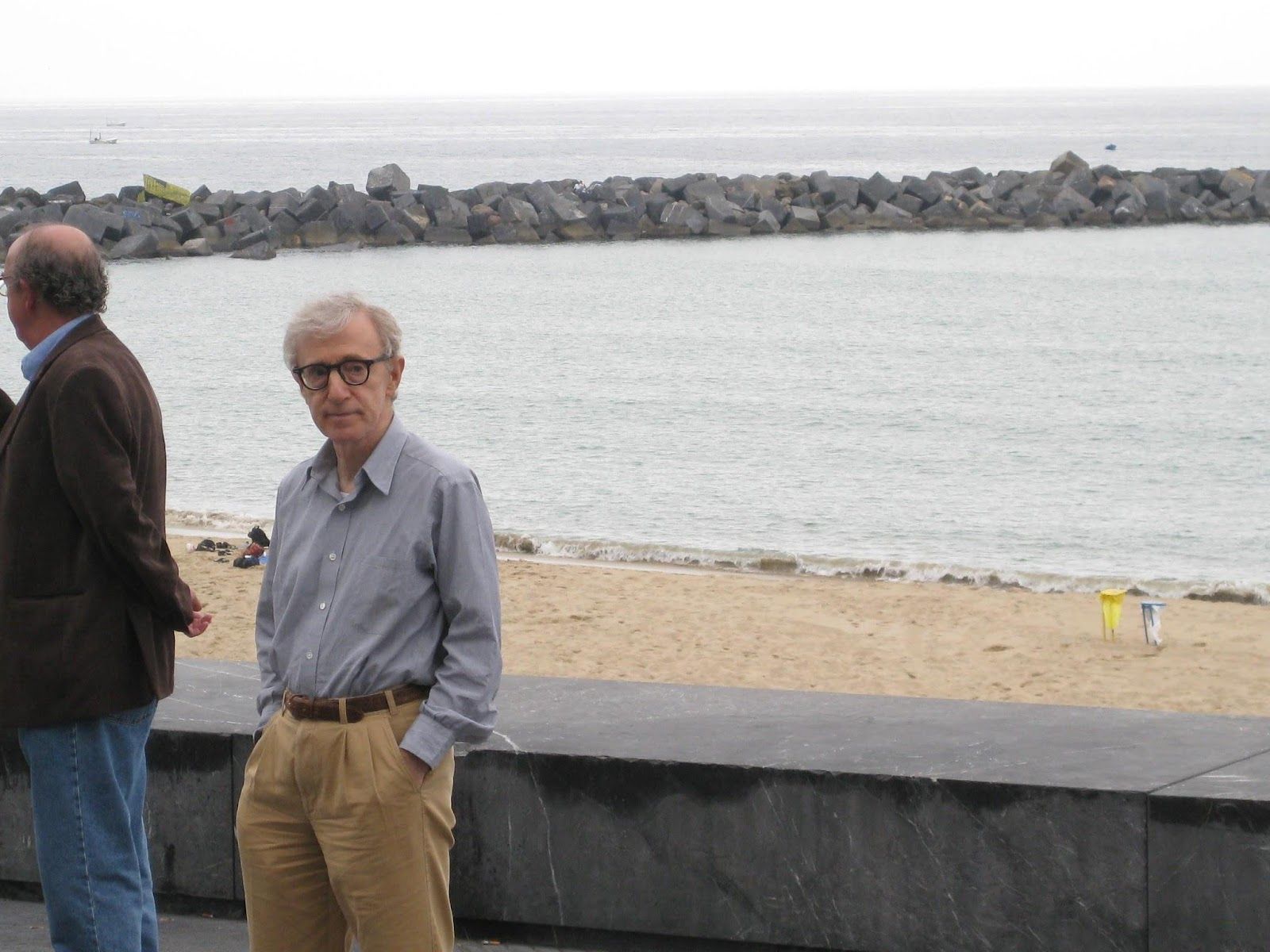
Image: Andreas Tai, CC BY-SA 3.0 <https://creativecommons.org/licenses/by-sa/3.0>, via Wikimedia Commons

Woody Allen is known for refusing to participate in awards season, despite earning many nominations throughout his career. With around 24 Academy Award nominations, he has attended virtually none of the ceremonies. He has won four Oscars, but he never went to pick them up, though he did not decline or return them. And it’s not just the Oscars: Allen rarely attends any award ceremonies, including the Golden Globes.

4
George C. Scott
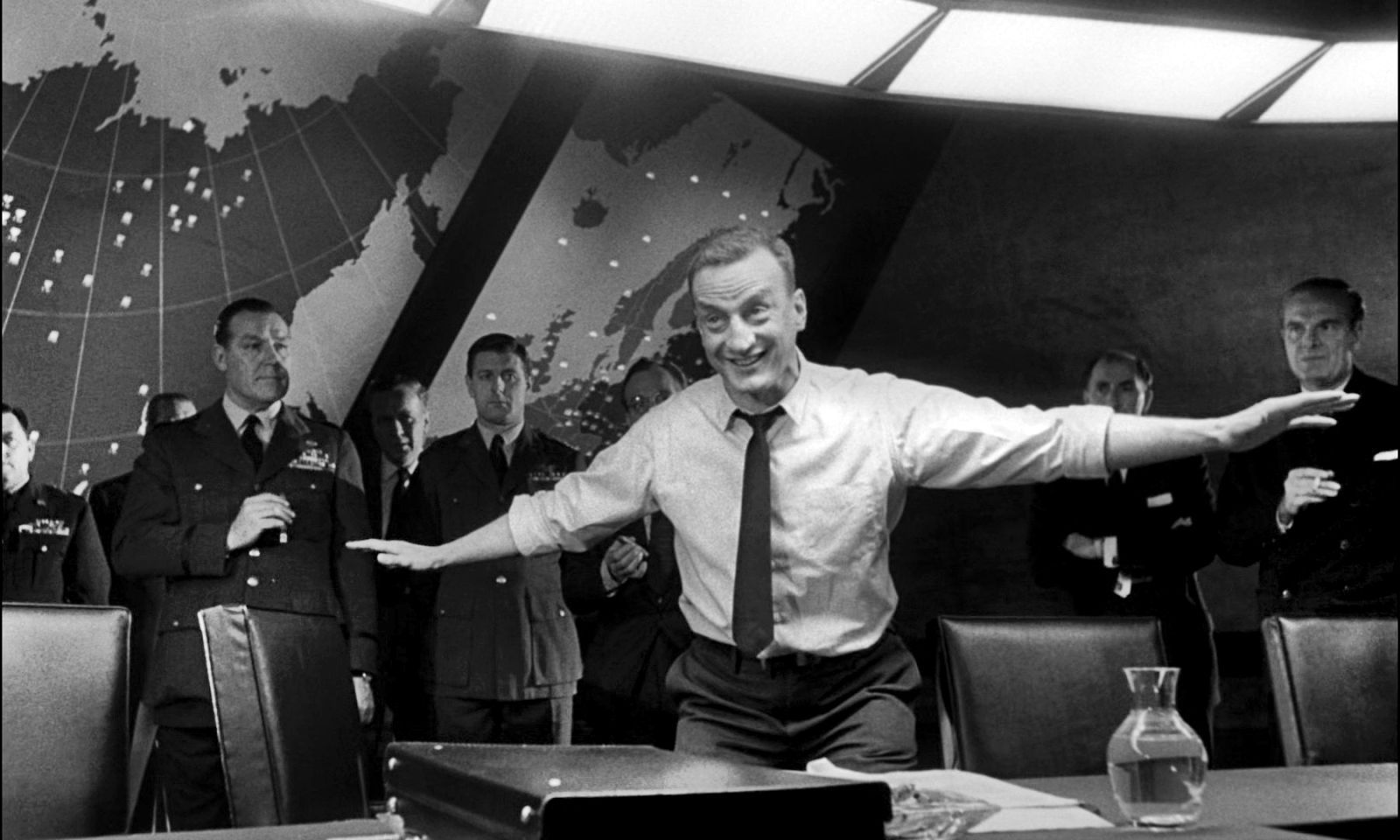
Image: Directed by Stanley Kubrick, distributed by Columbia Pictures, Public domain, via Wikimedia Commons

George C. Scott was one of Hollywood’s great classic stars, celebrated for his powerful work on both stage and screen. And he was also the first actor in history to refuse an Oscar. Not only did he decline nominations for The Hustler (1961) and The List of Adrian Messenger (1963), but he also rejected the Best Actor award he won for Patton (1970). Scott believed that each performance is too unique to be ranked against another, and that art should never be treated like a competition. What do you think?

5
Dolly Parton

Image: https://upload.wikimedia.org/wikipedia/commons/0/08/Dolly_Parton_with_guitar.jpg

Actors aren’t the only ones who turn down awards; musicians do it too. One of them is Dolly Parton, who has declined more than just music honors. She was selected three times for the Presidential Medal of Freedom and turned it down each time. The first two refusals were during the pandemic, and the third came from her concern that accepting might seem politically partisan. In addition, in 2022, she also declined a nomination to the Rock & Roll Hall of Fame, saying she hadn’t yet "earned that right."

6
Katharine Hepburn
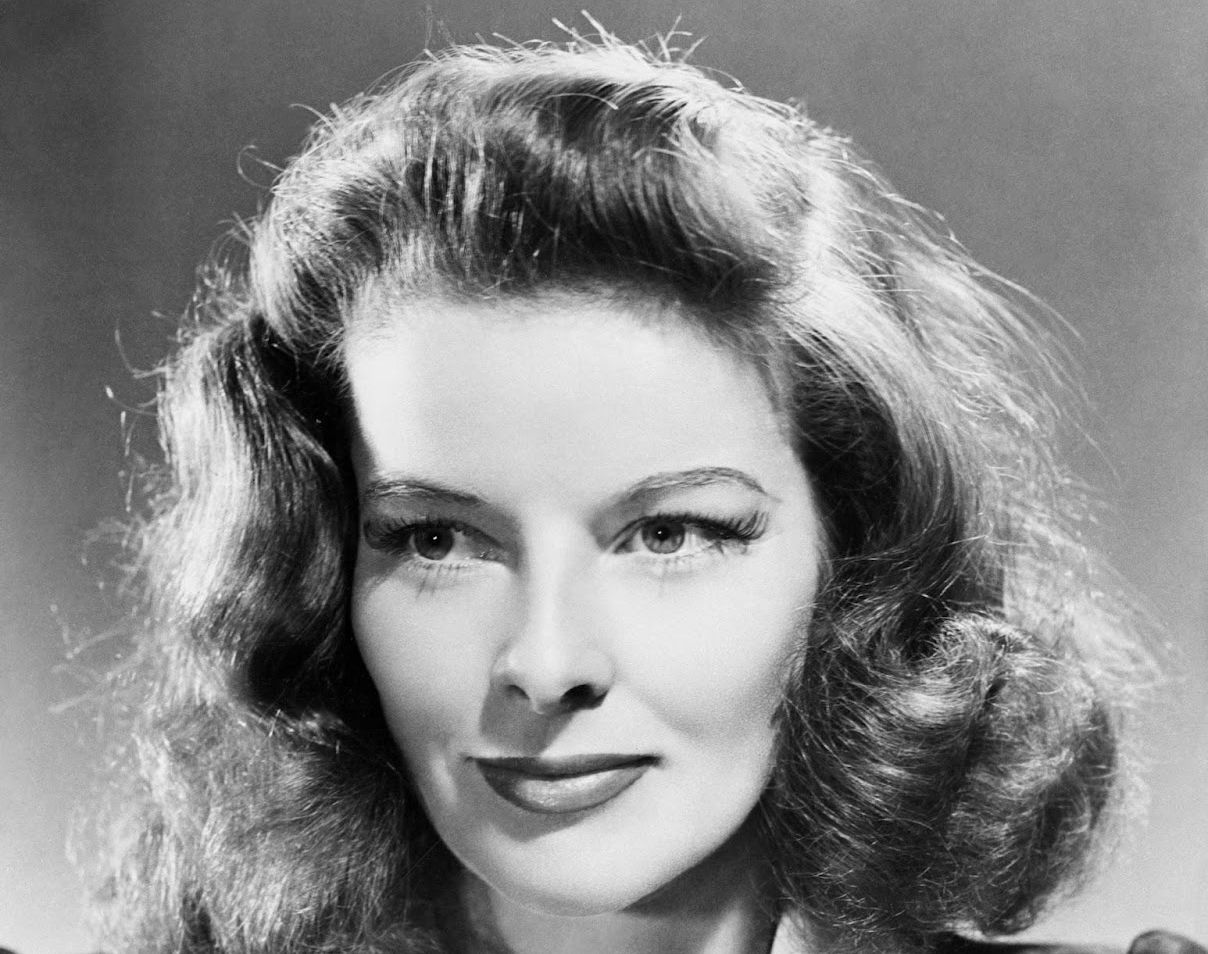
Image: Metro-Goldwyn-Mayer Studios; Restored by Adam Cuerden, Public domain, via Wikimedia Commons

The incredible Katharine Hepburn won four Oscars! But she never showed up to collect a single one. She always sent someone else to accept them on her behalf. In fact, she only attended the Oscars once, and it wasn’t to receive an award but to present one. When asked why she stayed away, she summed it up perfectly: "Awards are nothing; my reward is my work."

7
Julie Andrews
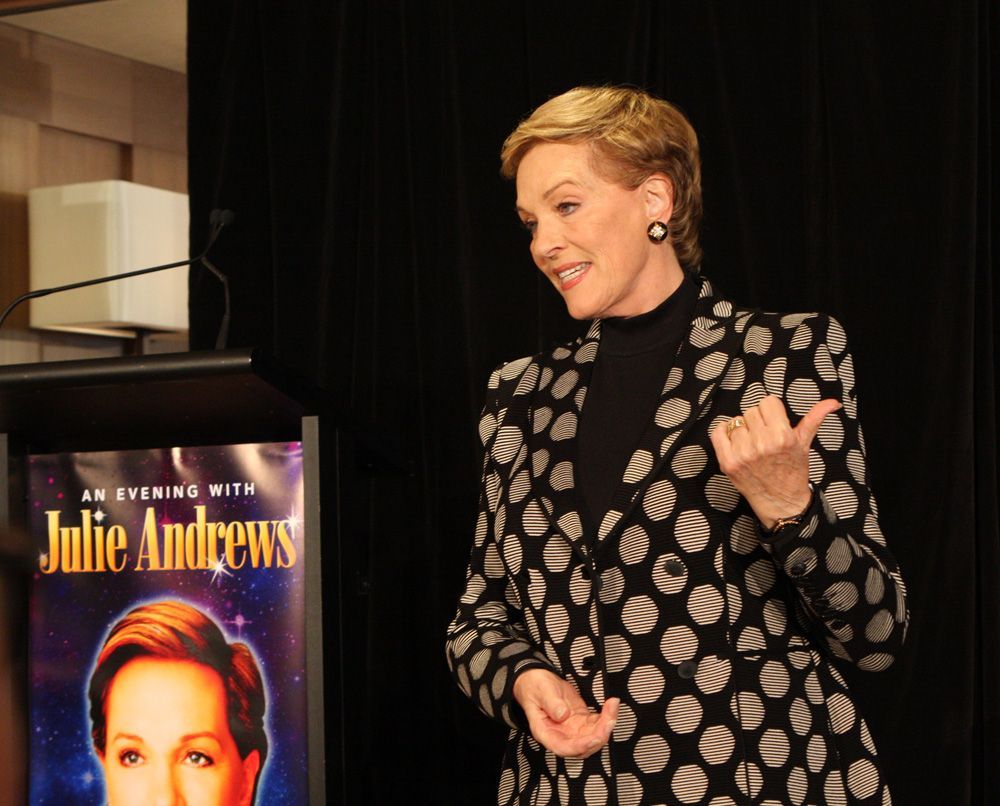
Image: Eva Rinaldi, CC BY-SA 2.0 <https://creativecommons.org/licenses/by-sa/2.0>, via Wikimedia Commons

Born in the United Kingdom, Julie Andrews is adored by Americans for many reasons, including the unforgettable films, such as Mary Poppins (1964) and The Sound of Music (1965). But beyond her cinematic gems, she also built a remarkable career in theater. In 1996, she received a Tony nomination for her role in Victor/Victoria , and chose to decline it. Why? Because she was the only member of the entire cast and production recognized, and she simply didn’t think that was fair.

8
Will Smith
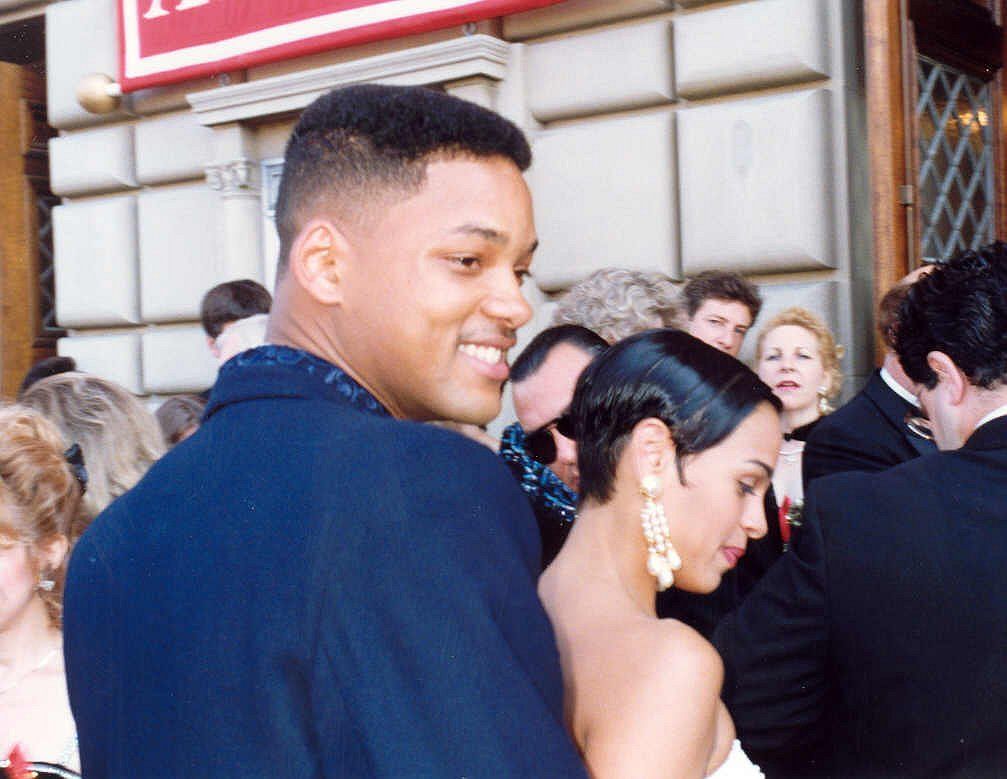
Image: photo by Alan Light, CC BY 2.0 <https://creativecommons.org/licenses/by/2.0>, via Wikimedia Commons

In the late 80s, Will Smith and DJ Jazzy Jeff won the first-ever Grammy for Best Rap Performance. But when they learned that their category wouldn’t be televised, they chose to boycott the 1989 Grammy Awards in protest. They didn’t turn down the award itself, but their stand made an impact: the following year, the rap category was broadcast on air, finally receiving the same visibility as the others.

9
Sinéad O'Connor

Image: Globe photo/Dave Shea, Public domain, via Wikimedia Commons

Sinéad O'Connor was world-famous, and in America, we remember her mainly for the unforgettable hit "Nothing Compares 2 U." As a passionate activist, she carried her convictions into her career choices, which led her to turn down her Grammy nomination. She specifically asked that her name be withdrawn, arguing that the Grammys were too commercial and rewarded popularity over ethics, artistry, and musical integrity.

10
Nick Cave
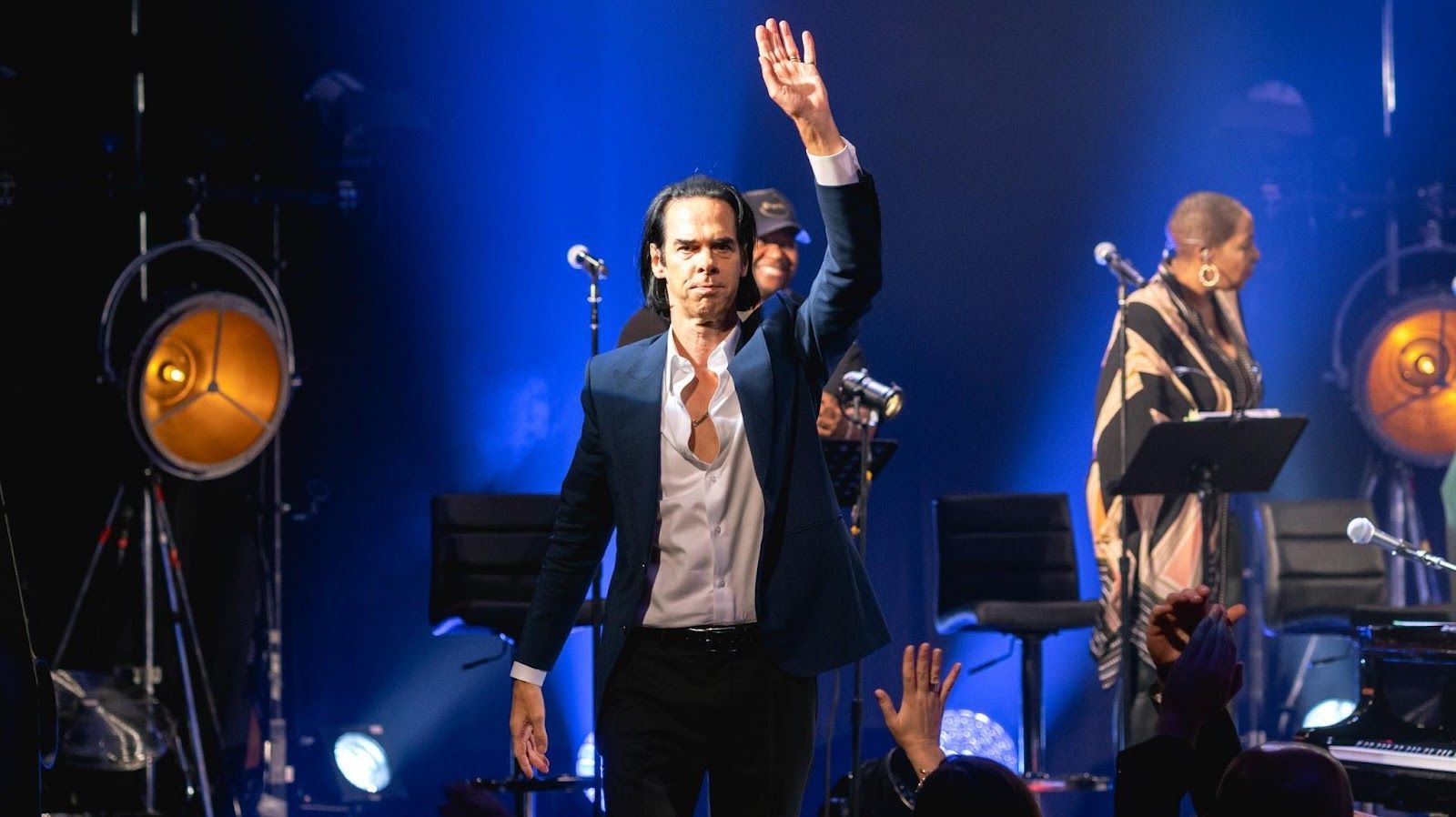
Image: Raph_PH, CC BY 2.0 <https://creativecommons.org/licenses/by/2.0>, via Wikimedia Commons

Australian artist Nick Cave declined his nomination for Best Male Artist at the 1996 MTV Video Music Awards. He even sent a formal letter asking that his name be withdrawn, famously saying: "My muse is not a horse, and I am not in any horse race."

Culture Culture 7 min read

Through thick and thin

Did you know these 12 historical figures were friends?

Image: Dimhou

Truman Capote considered friendship and love to be exactly the same thing. As in love, we never know what makes us fond of others enough to build a friendship. In fact, friendships can arise between people with very different backgrounds, beliefs, and professions. Some friendships between historical figures are as surprising as they are genuine, though not all were long-lasting. From John F. Kennedy and Frank Sinatra to Ella Fitzgerald and Marilyn Monroe, today we introduce you to the story of 12 friendships between great historical figures that you may not have known about but that offer a new perspective into the lives of influential personalities.

1
Ella Fitzgerald and Marilyn Monroe

Image: William P. Gottlieb, Public domain, via Wikimedia Commons

Strange as it may sound, Ella Fitzgerald and Marilyn Monroe developed a beautiful friendship in the 1950s. Hollywood's favorite blonde was a big fan of Fitzgerald's music and went to see her perform in Los Angeles in 1954. When they met in person they became inseparable.

Monroe helped her land a gig at the famous Mocambo nightclub in Los Angeles, which had previously turned Fitzgerald down. These performances were a turning point in the career of the Queen of Jazz. Marilyn used to say that Ella was her favorite person and that she loved her as a person and as a singer. They remained friends until Monroe's death at the age of 36.

2
Thomas Jefferson and John Adams

Image: Tholey, A. (Augustus), artist, Public domain, via Wikimedia Commons

John Adams and Thomas Jefferson are perhaps America's most famous pair of "frenemies". Their historic relationship began in 1775. Despite their very different political views, the two Founding Fathers maintained an on-and-off relationship for five decades, tinged by a mixture of mutual respect and contempt.

Their relationship began to crack when George Washington decided not to run for a third term, and Adams and Jefferson had to compete for the presidency. They stopped speaking to each other for 12 years, but finally, in 1812, they resumed contact. Perhaps as proof of their troubled but strong friendship, John Adams and Thomas Jefferson died just a few hours apart on July 4, 1826, the 50th anniversary of the adoption of the Declaration of Independence.

3
Groucho Marx and T.S. Eliot

Image: Flybynight

One was a comedian of the absurd, the other a melancholic poet and Nobel laureate. Believe it or not, Groucho Marx and T.S. Eliot were friends and admired each other. In 1961, Eliot wrote to Marx, telling him he was a fan and asking for an autographed photo. Marx agreed to the request and asked the same of Eliot. For the next three years, the two became pen pals, exchanging many letters.

According to Groucho Marx, they shared three things: an affection for good cigars, a love of cats, and a weakness for puns. However, when they finally met in person in 1964 they realized that they didn’t have that much in common after all and their relationship started to fade.

4
Ulysses S. Grant and James Longstreet

Image: Mathew Benjamin Brady, Public domain, via Wikimedia Commons

Ulysses S. Grant was the commander of the Union Army during the Civil War. James Longstreet, on the other hand, fought for the Confederate Army and became one of General Robert E. Lee's most trusted officers. That should make them enemies, right? Well, not exactly.

Grant and Longstreet became friends as young officers in the US Army and served together in the Mexican-American War. Years later they went their separate ways but were reunited after the Confederate surrender at Appomattox Court House. In fact, it was Longstreet who convinced General Lee to surrender, knowing that Grant would offer him generous terms. As soon as Grant saw Longstreet, he shook his hand warmly and asked him to play a game of cards for old time's sake.

5
Susan B. Anthony and Elizabeth Cady Stanton

Image: DawesDigital, CC0, via Wikimedia Commons

Susan B. Anthony is known for having been a tireless activist who dedicated most of her 86 years to achieving women's suffrage. In 1851, Anthony met suffragist Elizabeth Cady Stanton, with whom she developed a lifelong friendship. Together they launched a national women's suffrage movement, published a newspaper called The Revolution , and gave many lectures.

Stanton died in 1902 and Anthony in 1906. It was not until 1920 that women were allowed to vote legally for the first time in U.S. federal elections, yet the legacy of these two friends was certainly invaluable.

6
Mark Twain and Nikola Tesla

Image: Marija Zaric

Can a literary genius and a giant of science become good friends? In the case of Mark Twain and Nikola Tesla, the answer is definitely yes. Although the professions of writer and inventor seem very different, they actually have something very strong in common: creativity.

Tesla, who had been bedridden for nine months because of cholera, found in Twain's work a refuge that made him completely forget his state of despair. Meanwhile, Twain was fascinated by technological innovations and, in particular, by electricity. When the two men finally met in the 1890s, they became close friends. Over the years they maintained an assiduous correspondence and supported each other both professionally and personally.

7
Bill Gates and Warren Buffett

Image: ENERGY.GOV, Public domain, via Wikimedia Commons

Bill Gates and Warren Buffett, two of the richest men in the United States, have been friends for more than 30 years. They met in 1991 at a Fourth of July celebration, and although they thought they had nothing in common, they spent 11 hours discussing business and philanthropy.

Bill and Warren played ping-pong together, traveled the world for business and pleasure, and shared several initiatives to encourage billionaires to invest their money in social and charitable endeavors. The creator of Microsoft also claims that Warren Buffett's advice and business vision were indispensable for the growth of his company.

8
Mary Todd Lincoln and Elizabeth Keckley

Image: National Archives at College Park, Public domain, via Wikimedia Commons

In the 1860s, Elizabeth Keckley, a former slave who had managed to buy her freedom and start a sewing business, landed an important position in the White House as Mrs. Mary Todd Lincoln's personal dressmaker. Despite their different upbringings, the two women developed a close relationship. In fact, the first lady came to describe her as her best friend.

Over the years Keckley became a confidant of Mrs. Lincoln; the two women traveled and worked together to raise money for the war effort. Unfortunately, their friendship ended when Keckley published her memoirs in 1868. Keckley had wanted the book to celebrate Mrs. Lincoln's legacy, but the First Lady felt betrayed as it revealed some private conversations.

9
Dwight D. Eisenhower and Bob Hope

Image: NBC Television, Public domain, via Wikimedia Commons

Throughout his long career, comedian Bob Hope was a frequent White House visitor who had the honor of entertaining 11 different commanders-in-chief. In fact, he considered them the best possible audience. But of all the presidents who laughed at his jokes, Dwight D. Eisenhower was the one with whom he formed the most enduring relationship.

They met in Algeria in 1943 when Eisenhower was a General for the U.S. Army and Hope was performing at a United Service Organization show. They immediately hit it off. Even when Ike became president 10 years later their friendship continued. They often exchanged letters and played golf together.

10
Ben Affleck and Matt Damon

Image: Bill Ingalls, Public domain, via Wikimedia Commons

Matt Damon and Ben Affleck met in the 1980s in Cambridge, Massachusetts when they were still young children. They bonded over their passion for basketball and acting, and have been friends ever since. In fact, while in high school, they often traveled together to audition.

Damon and Affleck's partnership is arguably one of the most successful in Hollywood. They not only acted in movies together several times, but they also co-wrote the screenplay for Good Will Hunting , which earned them an Academy Award for Best Original Screenplay in 1997.

11
Truman Capote and Barbara "Babe" Paley

Image: Eric Koch for Anefo, CC0, via Wikimedia Commons

Another controversial friendship was that of author Truman Capote and New York socialite Barbara "Babe" Paley. This odd couple met in the late 1960s after Capote published In Cold Blood and became something of a celebrity. They quickly became close friends and confidants.

However, when in 1975 Capote published a preview of his forthcoming book Answered Prayers in Esquire magazine airing some of his friend’s secrets, their relationship was forever ruined. Although the writer admired Babe and considered her perfect, he could not resist the temptation to betray her.

12
John F. Kennedy and Frank Sinatra

Image: FotoshopTofs

No one knows exactly when and how they met, but it is not surprising that US President John F. Kennedy and music legend Frank Sinatra were friends. In addition to their mutual admiration, their relationship was beneficial to both. Sinatra gained access to the halls of power, while Kennedy relied on The Voice's charm and popularity to win votes in the 1960 presidential election.

When Kennedy won, the president-elect publicly thanked Sinatra for his campaign efforts. Unfortunately, the friendship fell apart after JFK entered the White House. According to lore, First Lady Jackie Kennedy didn't like the singer. And, let's be honest, Sinatra's alleged connections to organized crime weren't a good look for a head of state anyway.

Culture Culture 7 min read

Foreign gems

These 12 iconic Americans weren't actually born in the U.S.

Image: cytis

Alexander Hamilton wasn’t the only prominent American to be born abroad. Some personalities are so ingrained in American culture that we just assume they were born in the United States. However, many of the major contributors to American science, art, and politics didn’t begin life in our country. Although some iconic figures of American history were immigrants, their stories are absolutely inspirational. Continue reading to learn more about the lives of 12 great Americans you might not have realized were born outside the U.S.

1
Alexander Hamilton

Image: John Trumbull, CC0, via Wikimedia Commons

On January 11, 1757, in the remote Colony of Nevis, British Leeward Islands, a boy was born. He went from having nothing to being a key player in the history of the United States of America. Alexander Hamilton, the illegitimate son of a Scottish trader and a French-English woman, would become George Washington's right hand and one of the nation's Founding Fathers.

At the age of 16, he landed in New York, where he began to study law. But his studies were interrupted when the Revolutionary War broke out. During his lifetime, Hamilton was an influential promoter of the U.S. Constitution, as well as the founder of the nation's financial system, the Federalist Party, the U.S. Coast Guard, and The New York Post .

2
Bob Hope

Image: d

"I left England when I realized I couldn't be king," Bob Hope liked to say. Leslie Townes Hope was so American that his audience was unaware he was actually born in London. When he was five years old, however, his family emigrated to the United States and settled in Cleveland, Ohio.

He began working in show business when he finished high school, appearing in countless Broadway plays, Hollywood films, and television shows. Throughout his more than 60-year career, Hope was not only one of the most influential comedians of his time; he was also one of the most awarded actors in history, the unofficial entertainer of the American troops, and the presenter who hosted the Oscars ceremony the most times.

3
Henry Kissinger

Image: White House Photographic Office, Public domain, via Wikimedia Commons

During the 20th century, this controversial diplomat played a key role in American politics. However, Heinz Alfred Kissinger was born into a Bavarian Jewish family on May 27, 1923. Escaping Nazi Germany, he emigrated to the United States, where his name was changed to Henry.

Henry Kissinger soon obtained citizenship. He served in the Army, studied at Harvard University, and had a long and active life in our country's politics. During the Eisenhower, Kennedy, and Johnson administrations, he worked as a security consultant for various agencies. His reputation led him to be appointed National Security Advisor by President Richard Nixon in 1969, and Secretary of State in 1973, the first person in history to hold both positions simultaneously.

4
Charlie Chaplin

Image: Bain News Service, publisher.Library of Congress, Prints & Photographs Division, Public domain, via Wikimedia Commons

Charles Chaplin, one of the greatest Hollywood legends, was born in London in 1889. At the age of 20, Chaplin crossed the Atlantic to try his fortune in the United States. It was here that he came up with his signature character, Charlot, an endearing tramp who has become a universal icon.

From then on, Charlot appeared in dozens of films that allowed Chaplin to consolidate his reputation as one of the industry's most beloved actors. In 1972, the Academy of Motion Picture Arts and Sciences awarded him an Honorary Oscar for his outstanding career. The audience applauded for twelve uninterrupted minutes.

5
Alexander Graham Bell

Image: Harris & Ewing, photographer, Public domain, via Wikimedia Commons

​​Known for being the inventor of the first patented telephone, Alexander Graham Bell also worked on the development of deaf-friendly systems, was one of the founders of the National Geographic Society, and made great contributions to the U.S. telecommunications industry. Yet, he was born in 1847 in Edinburgh, Scotland.

In 1871, Bell settled in Boston, Massachusetts, where he worked as a teacher and tutor of deaf students. His influence on American science and culture was so important that on the day of his death, all telephone services in the United States stopped for one minute in his honor.

6
Samuel Goldwyn

Image: Metro-Goldwyn-Mayer, Public domain, via Wikimedia Commons

Films, perhaps the most representative industry of American culture, would not be the same without the contribution of numerous foreigners who settled in California since the beginning of the 20th century. This is the case of Samuel Goldwin, one of the most influential magnates in the history of Hollywood, born in Warsaw, Poland, in 1879.

During his more than 50 years of activity, Goldwyn founded several film studios and produced the first feature film entirely made in Hollywood. His reputation in the industry grew steadily, based on his incredible eye for finding great talent. There is a theater named after him in Beverly Hills, and he received a star on the Hollywood Walk of Fame for his invaluable contributions to cinema.

7
Joseph Pulitzer

Image: Allen & Ginter, CC0, via Wikimedia Commons

This self-made, foreign man became an American media mogul and inspired the world's most prestigious journalism award. Born in 1847 in Hungary, young Joseph Pulitzer emigrated to the United States at the age of 17 without knowing a word of English.

After fighting in the Civil War, Pulitzer began to study law. He soon discovered his talent for journalism. Within a few years, he became a leading national figure in the U.S. Democratic Party, began running the New York World newspaper, and became a pioneer of tabloid journalism.

8
Albert Einstein

Image: Archivo General de la Nación, Public domain, via Wikimedia Commons

Despite being born in Germany, the most famous scientist of the 20th century ended his days in the United States, where he was able to continue his research after Nazism took power. In 1933, Albert Einstein was visiting our country, and given the context in Europe, he decided not to return to the old continent and renounced his German citizenship.

Einstein accepted a position at the Institute for Advanced Study in Princeton, where he continued his scientific work until his death. During his stay in America, he remained active in the academic world and received multiple awards. His scientific legacy remains fundamental to modern physics and the understanding of the cosmos.

9
Madeline Albright

Image: U.S. Department of State, Public domain, via Wikimedia Commons

Madeleine Albright was the first woman in the history of the United States to serve as Secretary of State. What you may not know is that the diplomat was born in Prague, Czechoslovakia, as Marie Jana Korbelová. In 1948, Albright immigrated with her family to America and settled in Denver, Colorado.

After graduating from Wellesley College, she worked as a journalist and editor for different newspapers. She later earned her doctorate and began her political career working in the White House. She was a senior advisor to the Democratic Party, and when Bill Clinton became president, she was first appointed Ambassador to the United Nations. A few years later, she became Secretary of State.

10
Alfred Hitchcock

Image: Shamley Productions , Paramount Pictures, Public domain, via Wikimedia Commons

The great Alfred Hitchcock began his film career in England, where he was born, but it was in the United States where he was really able to display all his genius. While in Hollywood, he directed more than 30 films, some of which are considered masterpieces to this day.

Although Hitchcock was relatively successful in his country, in 1939, producer David O. Selznick convinced him to cross the pond and settle in our country. And thank goodness he did! The master of suspense is considered one of the most influential directors of all time and is regarded as one of the most important artists of the seventh art.

11
Meyer Guggenheim

Image: Joe Dudeck

The patriarch of the Guggenheim family, known for playing a decisive role in the transformation of the American mining and smelting industries, was actually born in Lengnau, Canton Aargau, Switzerland. Meyer Guggenheim emigrated to the United States in 1847, where he started working as a salesman.

After earning a considerable sum of money buying and selling stocks, he began investing in silver mines. In a short time, he amassed one of the largest fortunes of the 19th century. Meyer died in 1905 in Palm Beach, but his legacy still influences many sectors today, from industry to philanthropy.

12
Levi Strauss

Image: manusama

Is there anything more American than a pair of blue jeans? What started as a strong and durable pair of pants became the garment that revolutionized the fashion market. Worn by miners, cowboys, rock stars, presidents, and men and women all over the world, blue jeans have been a favorite for generations. However, their creator was not born in the United States.

Levi Strauss, the founder of the first jeans manufacturing company, was born in 1829 in Buttenheim, Germany, as Loeb Strauss. In 1847, he emigrated to New York, but when the California gold rush began, he decided to move to the West Coast and open a branch of the family business in San Francisco. And the rest is history!

Explore more American facts

Choose your favorite category!

General
General

As American as apple pie—the very best America has to offer!

Culture
Culture

Delve into the astounding richness of American lore.

Geography
Geography

Hop in and explore vast and diverse American landscapes.

History
History

Discover the key moments that shaped the United States.