History History 4 min read

American athletic history

Who did America defeat in "The Miracle on Ice"?

Image: Fredrick Lee

Sports have a remarkable way of keeping us on the edge of our seats during an exciting game, filling our hearts with joy when we see our country claim victory. With that in mind, the sports moments we’ve selected are among the most iconic American wins in history. However, we’re putting a twist on this: While we undoubtedly celebrate the incredible Americans behind these achievements, we’ve decided to highlight those who were defeated by the United States in these legendary contests.

Can you remember the teams and athletes who fell to America in these unforgettable moments? Let’s find out! You’ll find the answers at the end of this quiz, so keep reading!

1
The Miracle on Ice
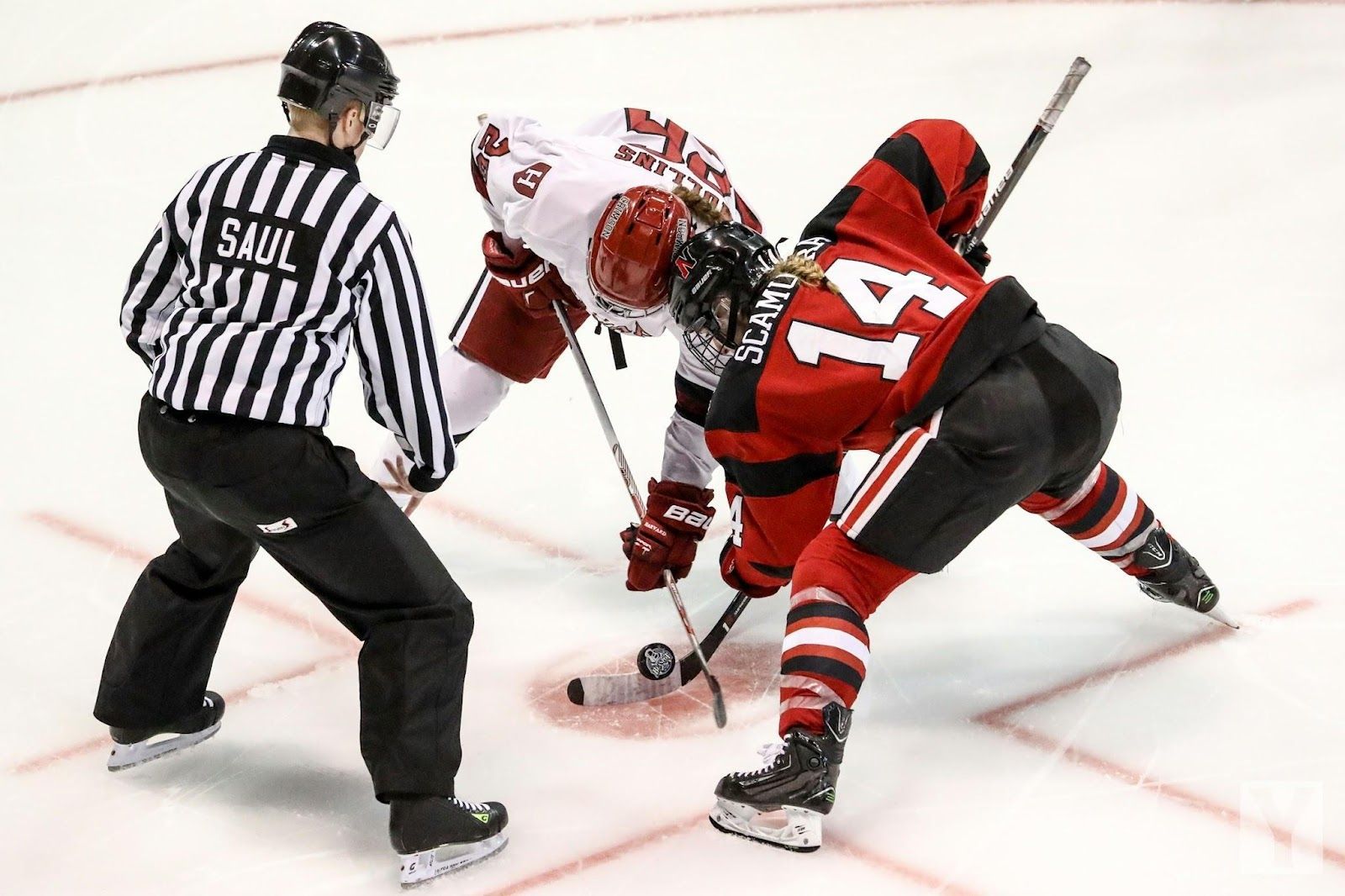
Image: Jerry Yu

We begin with an unforgettable underdog story. At the 1980 Winter Olympics in Lake Placid , New York , the United States faced what many considered a leviathan in ice hockey history. Adding to the challenge, the American team was composed mostly of 21-year-olds, making it the youngest U.S. squad in Olympic history . Yet, against all odds, these determined players triumphed over a heavily favored opponent in what became known as the " Miracle on Ice ."

Do you remember which formidable rival they defeated?

2
Rumble in the Jungle

Image: Attentie Attentie

Many sports historians consider " The Rumble in the Jungle " to be the greatest boxing match in history. Held in 1974 in what is now the Democratic Republic of the Congo, this legendary bout cemented Muhammad Ali’s place in boxing history. Even more impressively, Ali’s victory came against an undisputed and undefeated heavyweight champion, whom he knocked out in the eighth round.

Though he is not as widely remembered as "The Greatest," this American boxer is still regarded as one of the best fighters of his generation. Can you guess his name?

3
Michael Jordan’s Last Shot
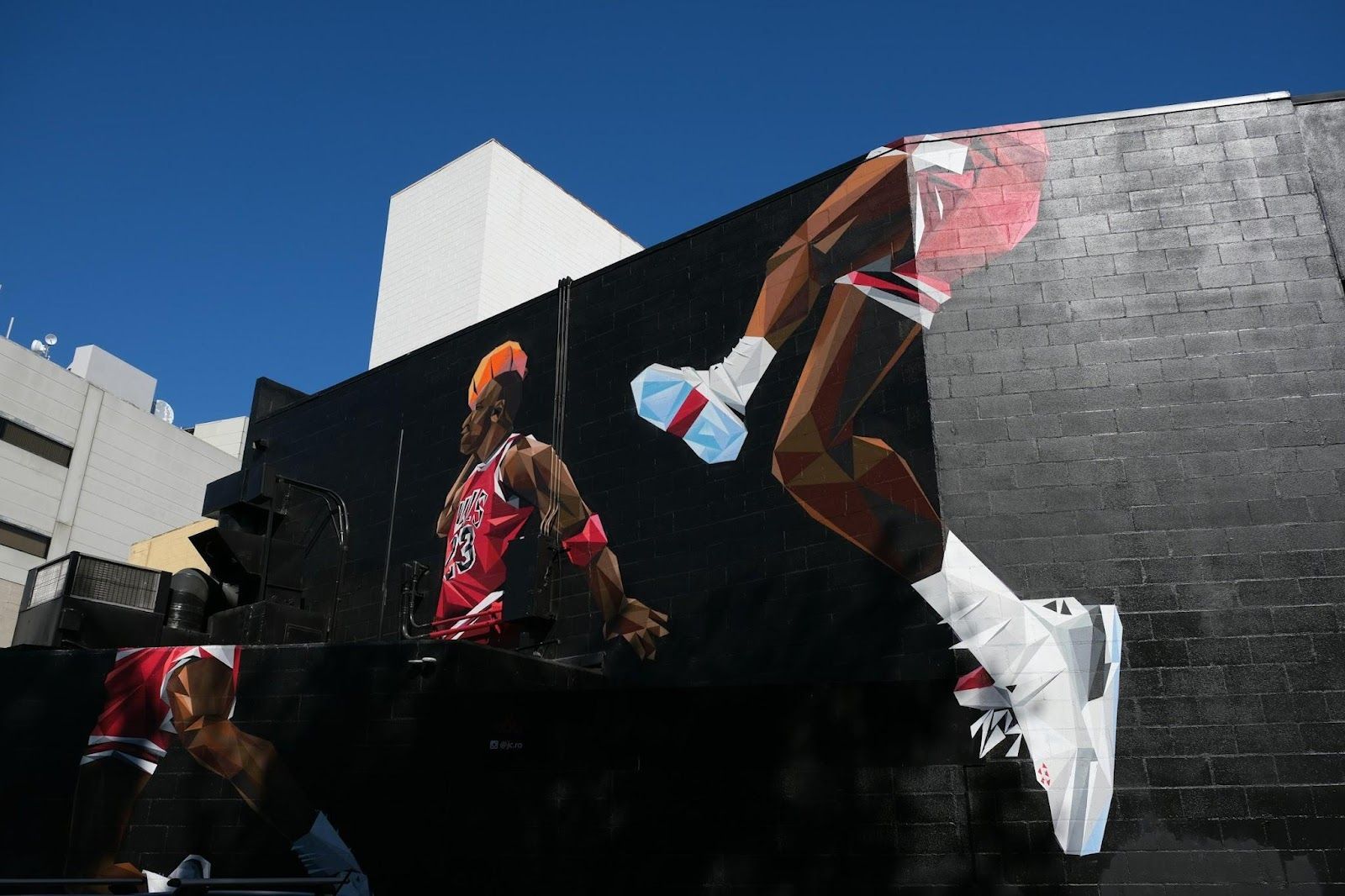
Image: Mike Von

It’s no exaggeration to say that Michael Jordan completely revolutionized basketball worldwide. Over his 15-season career , he delivered countless jaw-dropping moments. As you’d expect, choosing just one was no easy task, but we ultimately selected what is now known as Michael’s "Last Shot."

In the final seconds of the 1998 NBA Finals against the Utah Jazz , Jordan sank a game-winning shot that secured the Bulls’ victory. While you already know which team he scored against, there’s a certain player who is always featured in retellings of this iconic moment. Do you know who we’re talking about?

4
Serena Williams’ Golden Medal in London
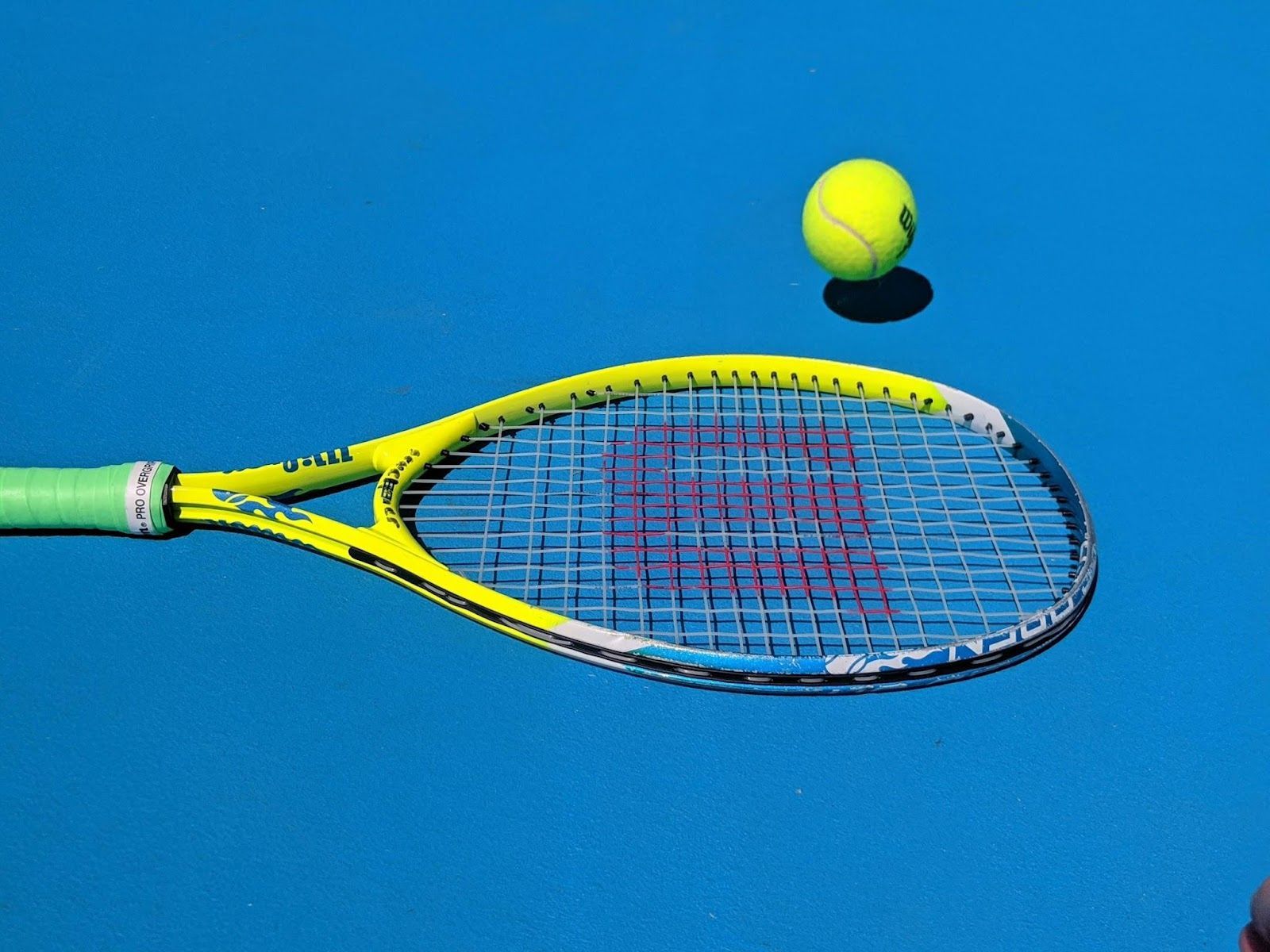
Image: Josephine Gasser

What can be said about Serena Williams that hasn’t already been said? Arguably the greatest American tennis player in history, Williams’s career is a collection of remarkable achievements. However, we’ve chosen to highlight one of her later triumphs—her dominant performance at the 2012 London Olympics , where she became only the second woman to complete a career Golden Slam in singles.

Even more impressive was the way she secured her victory, defeating her opponent 6-0, 6-1 to claim the gold medal. Do you know who she faced in that historic match?

5
Michael Phelps's record-breaking achievements in Beijing 2008
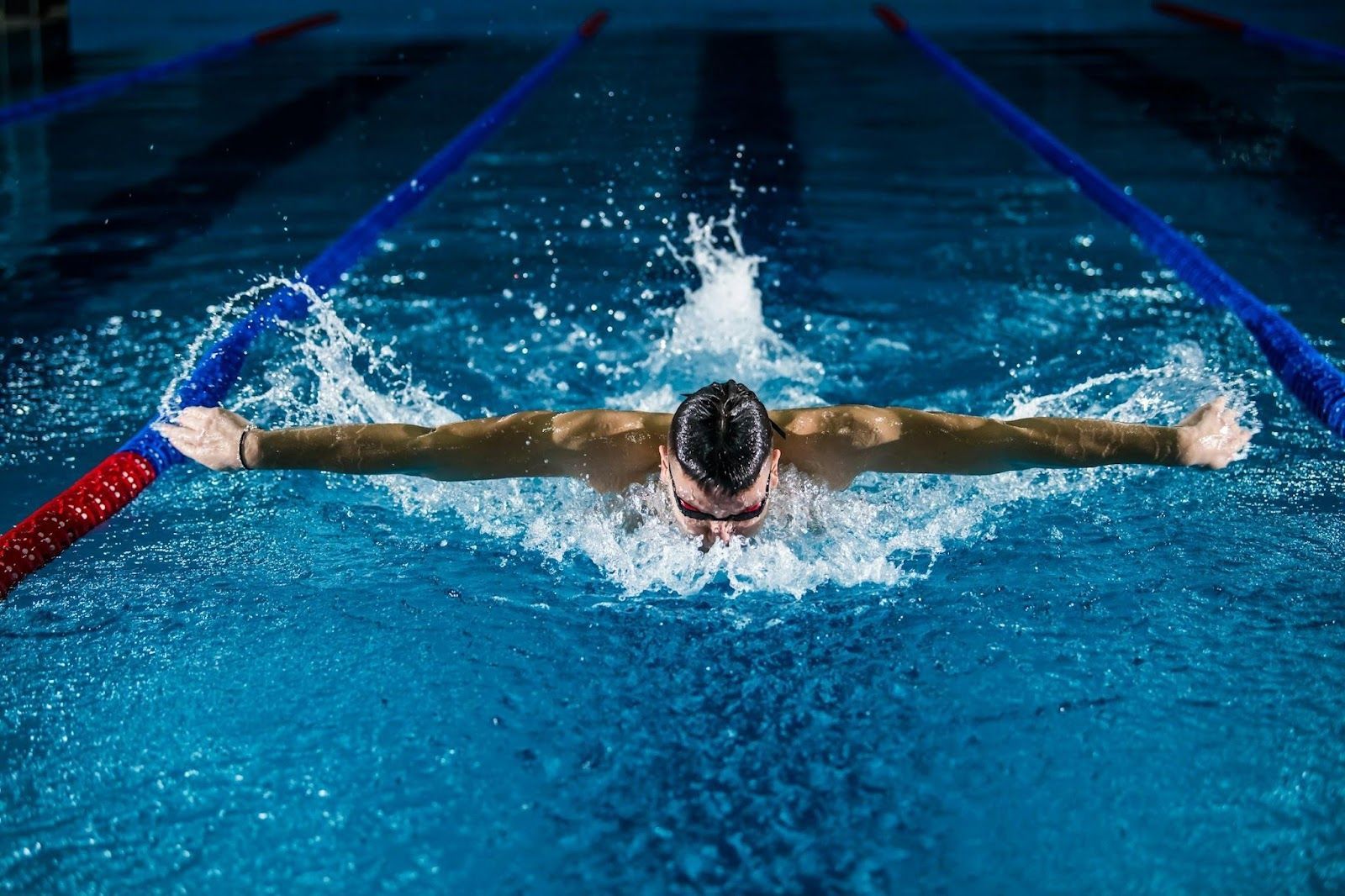
Image: Gentrit Sylejmani

During the 2008 Beijing Olympics, the world was introduced to Michael Phelps , an affable kid from Baltimore who achieved the impossible: breaking seven world records and earning eight gold medals —the first step in his journey to becoming the most decorated Olympian of all time.

Phelps’s incredible feats often overshadow his competitors, so we thought we’d take a moment to recognize the swimmers who came close but couldn’t overcome " The Baltimore Bullet ." Do you remember them?

Answers:

6
Miracle on Ice - Soviet Union

Image: Markus Spiske

If you guessed that the Soviet Union was the Goliath defeated by the American team at the Winter Olympics, you were right! At the time of the match, the Soviet team was a four-time defending gold medalist and the heavy favorite to win. Although the United States pulled off a legendary upset, the victory didn’t come easily . The game was a thrilling showdown , with the American team scoring the decisive goal exactly 10 minutes before the final buzzer.

7
Rumble in the Jungle - George Foreman

Image: Johann Walter Bantz

Known as " Big George ," Texas-born boxer George Foreman was defeated by Muhammad Ali in the legendary "Rumble in the Jungle." As mentioned earlier, Ali’s victory was even more remarkable given Foreman’s dominance in the sport—he was a two-time world heavyweight champion , an Olympic gold medalist , and the favorite to win the match. Today, Foreman is remembered not only for his boxing achievements but also for his entrepreneurial success: Since 1994, his iconic George Foreman Grill has sold over 100 million units.

8
Last shot - Bryon Russell
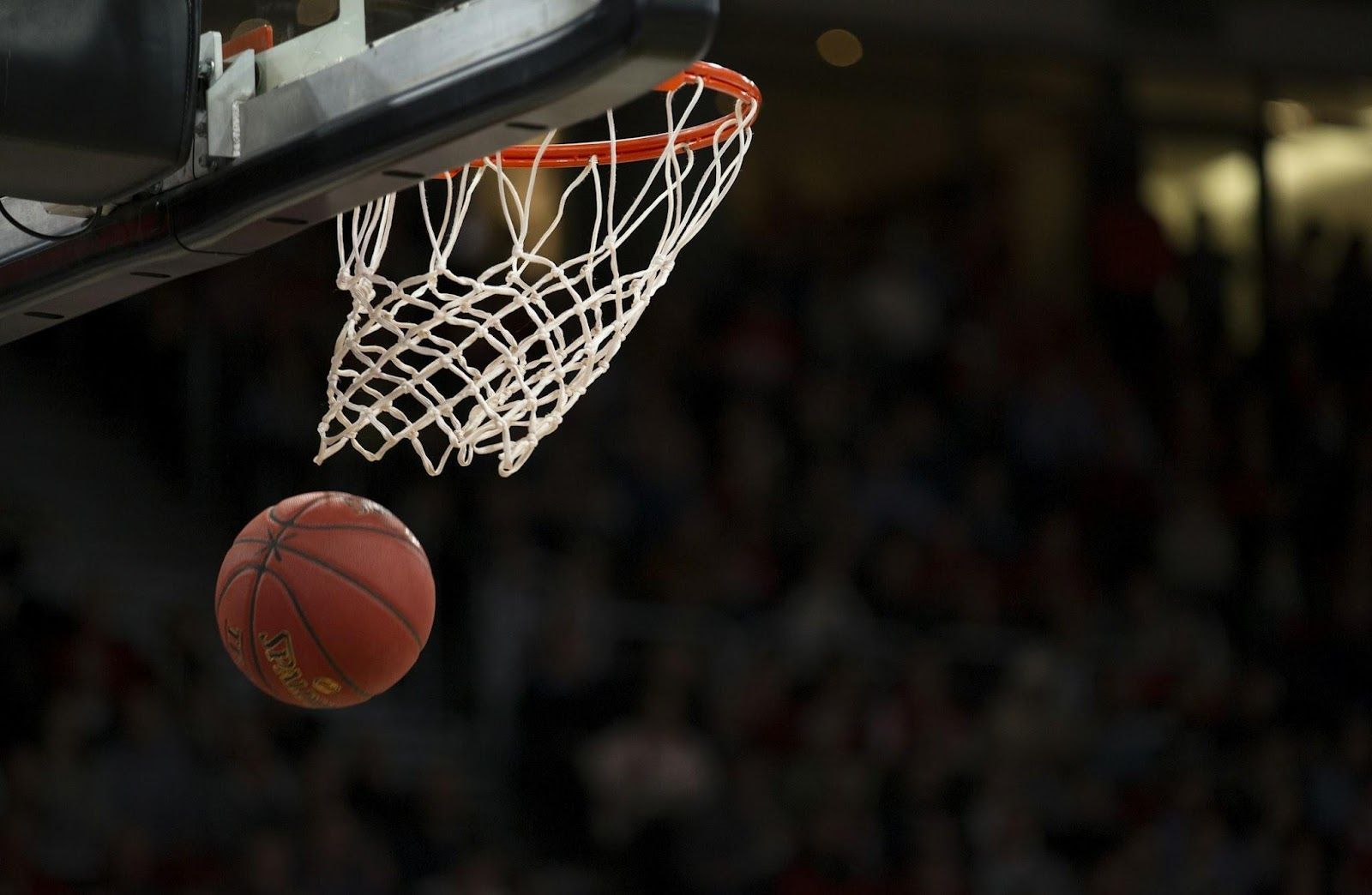
Image: Markus Spiske

The play that would become known as " The Last Shot " began when Michael Jordan stole the ball from Karl Malone and raced down the court. Before taking the shot, he swiftly dodged Utah Jazz defender Bryon Russell , causing him to trip and fall. By the time Russell got back on his feet, the ball was already soaring through the air, swishing through the net and sealing victory for the Bulls.

9
Serena Williams’ Golden Medal - Maria Sharapova
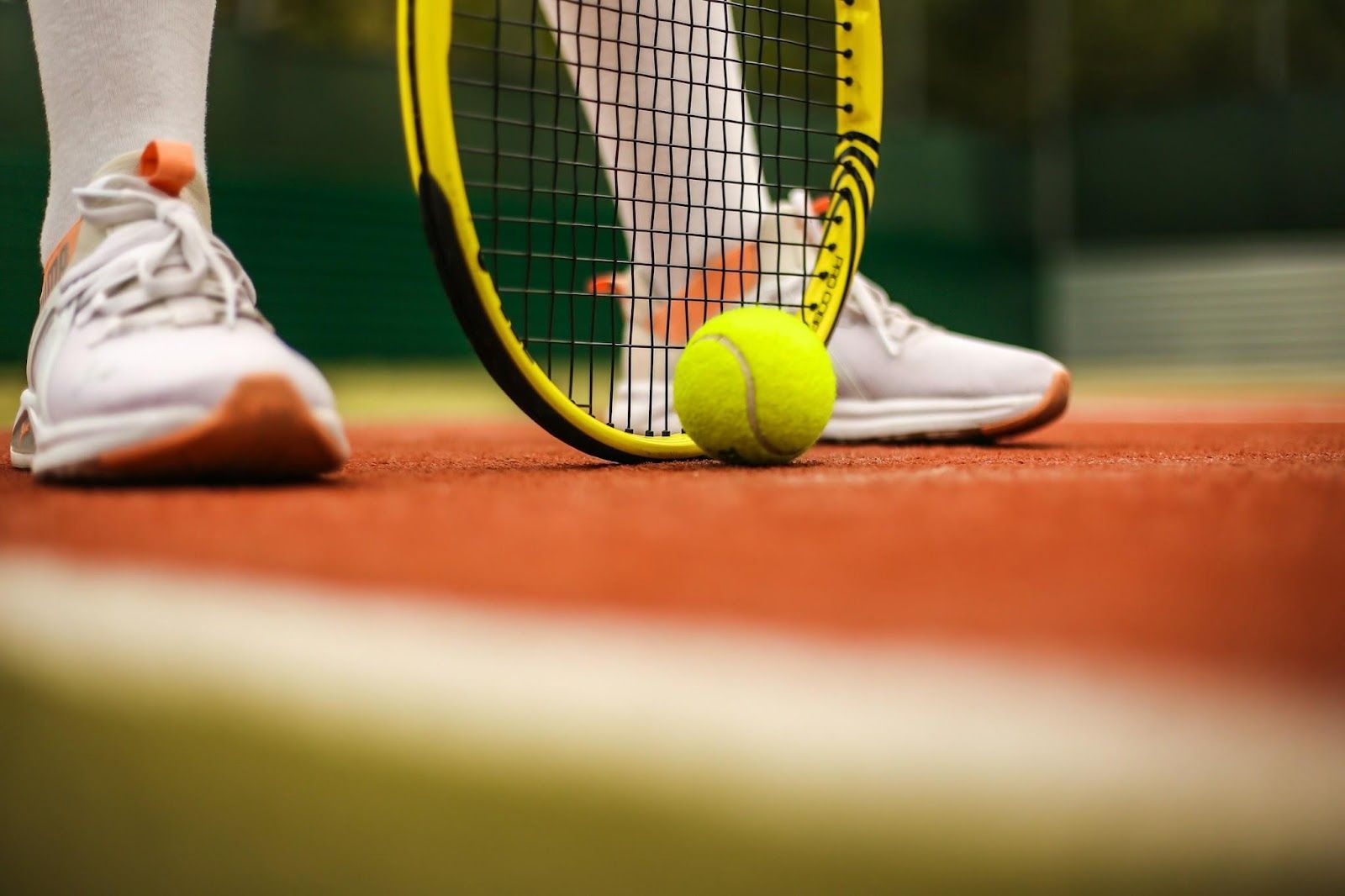
Image: Valentin Balan

Throughout their careers, Serena Williams and Maria Sharapova maintained a high-profile rivalry as two of the biggest names in women’s tennis. Fortunately for tennis lovers everywhere, the 2012 Olympics brought these titans head-to-head, and while Serena dominated the match , it was far from the end of Sharapova’s career—she continued to showcase her talent until retiring in 2020.

10
Michael Phelps - László Cseh and Milorad Čavić
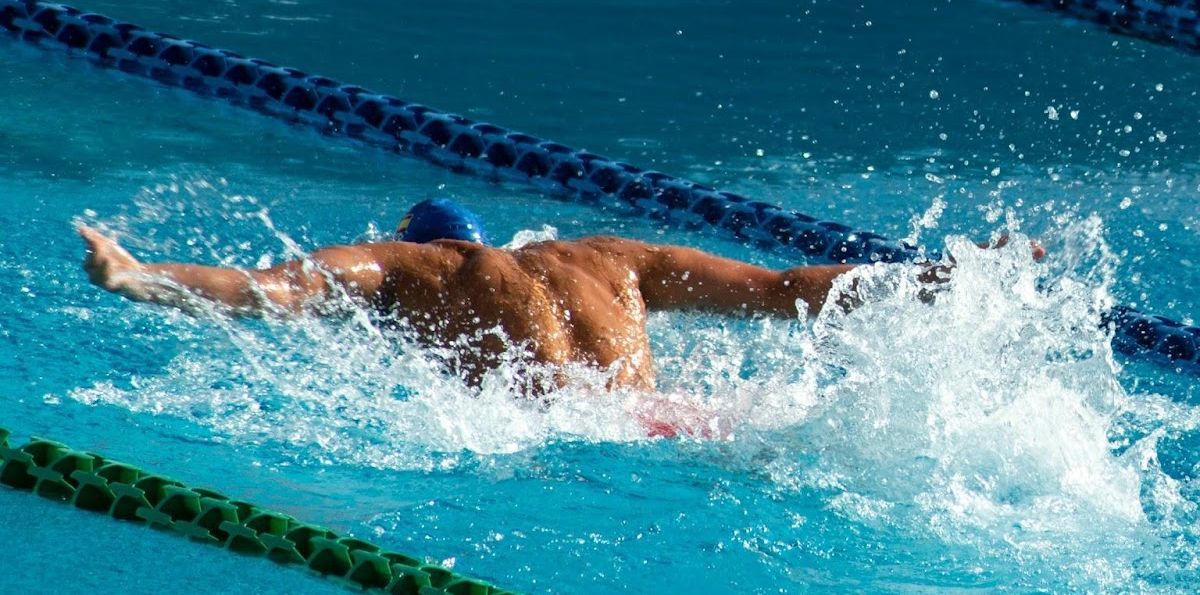
Image: Serena Repice Lentini

As mentioned earlier, Michael Phelps' historic victories at the 2008 Beijing Olympics were unprecedented, and narrowing it down to just one of his competitors wouldn't do justice to the event. Instead, we’d like to highlight a few remarkable runner-ups. Hungarian swimmer László Cseh secured multiple silver medals, often finishing just fractions of a second behind Phelps . Meanwhile, Serbian swimmer Milorad Čavić lost the 100m butterfly by an astonishing one-hundredth of a second —though he still managed to break the European record in the process.

Culture Culture 7 min read

A bucket list for the creative at heart

Every American should see these 10 American masterpieces at least once

Image: manolofranco

The intense relationship between Americans and their surroundings has been the source of a rich artistic tradition. From Impressionism and Realism to Abstract Expressionism and Pop Art, the United States has given the world a remarkable sample of its artistic potential. Through 10 masterpieces, which span a wide range of movements and artists, this article will explore the enormous legacy that visual art has left on American culture.

1
Snap the Whip - 1872

Image: Winslow Homer, CC0, via Wikimedia Commons

Winslow Homer was a self-taught artist from Boston, best known for his Civil War paintings, which he created at the request of Harper's Weekly magazine. But after the war, Homer moved to a totally different subject matter: childhood. The artist painted the life of American children as a world unto itself, where adults seemed to have no influence.

Homer's children, like the ones depicted in Snap the Whip , can be compared to similar literary characters of the time, like Louisa May Alcott's Little Women and Mark Twain's Tom Sawyer . They are potential America, the stock from which renewal will spring in the aftermath of the Civil War: young, strong, quick-witted, practical, and without pretense. The piece can now be viewed at The Met in New York City.

2
Whistler’s Mother - 1871

Image: James McNeill Whistler, CC0, via Wikimedia Commons

James Abbott McNeill Whistler (1834-1903) was a painter mainly active during the American Gilded Age and a leading proponent of the motto "art for art's sake." Whistler’s best-known piece is a painting entitled Arrangement in Grey and Black No. 1: The Artist’s Mother . While it is a portrait of his mother, the identity of the woman, according to the artist, should be of no interest to the viewer, only the formal layout of grays and blacks.

For Whistler, art was not about moral instruction or storytelling but, instead, about formal perfection. He believed that artists should not simply replicate what they see in nature but express their emotional response to it. Art should be filled with sentiment, not sentimentality. These ideas formed the basis of the Aesthetic Movement of the 1870s and 1880s and influenced several American artists.

3
Madame X - 1884

Image: John Singer Sargent, CC0, via Wikimedia Commons

It may seem totally innocent to us today, but in the late 19th century, this piece was a true scandal. Madame X , by John Singer Sargent (1856-1925), is a portrait of Virginie Gautreau, a young woman born in New Orleans who moved to Paris after her father’s death. There, she married a wealthy man twice her age and became the talk of the town, due to her independent character and her alleged infidelities.

Virginie posed for Sargent, the world's most sought-after portrait painter of his time, and the work turned out to be as rebellious, elegant, and striking as its model. Sargent always thought that this was his masterpiece, but the public hated it. Shortly before his death, he donated the painting to the Metropolitan Museum of Art in New York, saying, "I suppose it is the best thing I have done."

4
The Child’s Bath - 1893

Image: Mary Cassatt, Public domain, via Wikimedia Commons

Mary Cassatt (1845-1926) was not only one of the foremost American Impressionists but also an outstanding woman painter of the 19th century. She was raised and initially trained in Philadelphia before moving to Paris, where she befriended prolific Impressionists like Edgar Degas. However, Cassatt’s subject matter was very different from that of her French counterparts. She depicted a distinct world, drawn from her own strong family interests: sociable encounters over tea, fashionable women in theaters or drawing rooms, and mothers with their babies.

For example, The Child's Bath not only reflects Cassatt’s technical ability but also serves as a testament to her exploration of motherhood and female roles . Her approach succeeds in capturing everyday life, and the painting is remarkable for its composition and use of color. This piece, like many of her works, stands as a reminder of the value of small, deeply meaningful moments that make up culture and life in all its complexity.

5
American Gothic - 1930

Image: Grant Wood, Public domain, via Wikimedia Commons

Perhaps one of the most famous houses in America is located in Eldon, a tiny community in southern Iowa. Contrary to what one might think, no one of distinction, notoriety, or power has ever lived in this house. Its fame is owed entirely to artist Grant Wood (1891-1942), who used it in the background of his painting American Gothic .

Wood enlisted his sister Nan to pose as the woman and recruited a dentist from Cedar Rapids, B. H. McKeeby, as the man. The painting won a prize in Chicago in 1930 and was instantly catapulted to national fame. Since then, it has been reproduced and satirized by popular culture to exhaustion and is now one of the most recognizable American paintings. Wood's American Gothic honors those who settled the land and has become an iconic representation of American identity and resilience.

6
Nighthawks - 1942

Image: Edward Hopper, Public domain, via Wikimedia Commons

Edward Hopper (1882-1967) studied at the New York Institute of Art and Design and worked for many years as a magazine illustrator. Although he didn't particularly enjoy this job, it helped sharpen his compositional skills. Thanks to these influences, Hopper's work has come to typify the American Realism movement. His paintings convey the sense that the events depicted are taking place in front of the viewer in the here and now, as seen in his famous diner scene, Nighthawks .

In this stark, impassive, realist painting, Hopper evokes a powerful sense of urban alienation, highlighting the isolation. The bright fluorescent light in the all-night diner contrasts strongly with the surrounding gloom outside and immediately transports us to a scene from a film noir movie. Exhibited at the Art Institute of Chicago, Nighthawks is considered one of Hopper's masterpieces and is worth visiting at least once in a lifetime.

7
Untitled (Violet, Black, Orange, Yellow on White and Red) - 1949

Image: chummels

Mark Rothko (1903-1970), along with Jackson Pollock, was one of the greatest representatives of American abstraction . He is best known for his color field paintings. Through his work, he sought to achieve an ambitious utopia: to express the most basic universal emotions.

When Rothko painted Untitled (Violet, Black, Orange, Yellow on White, and Red) he was arriving at a point of maturity in what was a highly nuanced and distinct visual style. He had abandoned any remaining references to recognizable imagery, and the result is a painting with a great expressive force. Rothko used to say that he preferred to paint large pictures because he wanted to be very intimate and human. In this work, he achieves this immersion entirely through his sensitive use of color.

8
Autumn Rhythm (Number 30) - 1950

Image: Simi Iluyomade

Jackson Pollock (1912-1956) was a leading figure in Abstract Expressionism and is best known for his "drip technique." Pollock's drip method entailed placing a canvas on the floor and then dripping, pouring, and at times throwing paint over its surface. Although his technique appeared to favor chance, the artist stressed that everything in his paintings was fully intentional.

One of his most emblematic works is Autumn Rhythm (Number 30) , which is currently on display at the Metropolitan Museum of Art in New York. If you ever have the chance to see this piece in person, know that Pollock believed contemplation of his paintings allowed the viewer to access personal and unconscious responses to the modern world. As Pollock advised, the viewer should look passively and "try to receive what the painting has to offer."

9
Twenty Marilyns - 1962

Image: pvdberg

Andy Warhol (1928-1987) started making paintings of Marilyn Monroe shortly after her death. He used a black and white publicity photograph taken by Gene Korman for the 1953 movie Niagara to create a stencil for silk-screen printing, a technique he had adopted for transferring photographic images to canvas. Over the course of four months, Warhol created more than twenty works based on the Korman photograph.

What Warhol called the "assembly line effect" of the repeated image aimed to criticize the supposed uniqueness of the work of art in a world of mass reproduction and mass media. Yet, the repetitive Marilyns are full of small variations, as the paint is applied by hand. Twenty Marilyns is such an iconic work of American art history that, in a 2004 article published in The Guardian , it was named the third most influential piece of modern art in a survey of 500 artists, critics, and other members of the art world.

10
Whaam! - 1963

Image: Eric Koch, CC0, via Wikimedia Commons

Apart from Andy Warhol, perhaps the greatest exponent of American Pop Art is Roy Lichtenstein (1923-1997). Lichtenstein was mainly drawn to action and true romance comic strips. Through his depictions of fighter pilots and tearful drowning damsels, he drew attention to the constructed nature of gender roles. Lichtenstein's exaggeration of these gender stereotypes in comic book characters led some critics to recognize his paintings as true works of art.

Whaam! , based on a comic book panel published by DC Comics in 1962, is Lichtenstein's witty and irreverent reaction to the contemporary popularity of Abstract Expressionism. With this piece, the artist attempted to deflate that movement's pomposity by presenting pictorial subject matter based on what was regarded as crass commercial art. Since Whaam! , Lichtenstein was viewed by the public eye as the ultimate American master of Pop Art.

General General 6 min read

Frontier lingo

Learning is never “barkin' at a knot” 10 phrases from the Wild West!

Image: Anya Juárez Tenorio

We all know about the cowboys and the outlaws! But the Wild West, or the American Frontier, was much more than that! The culture, history, and geography of this time were fascinating, as was its dialect. Can you guess what "barkin’ at a knot" or "highfalutin" means? Many of these expressions may sound odd to our modern ears, but they once captured the rugged spirit of the time , and they helped early Americans describe their surroundings. So, keep reading if you’re eager to learn 10 expressions directly taken from the Wild West!

1
Higgledy-piggledy

Image: Peter Herrmann

Imagine a table full of random objects, all jumbled together, with no categories whatsoever. Chaotic, right? Well, that’s exactly what "higgledy-piggledy" means. Can you figure it out from context?

When things got all mixed up or disorganized , folks in the Wild West would call it "higgledy-piggledy." This playful phrase was used to describe chaos or confusion. But it’s not only about a mess of objects, a pile of papers sort of mess, it could also be a situation that got out of hand.

It’s believed to be of British origin, but it found a way to cross the pond and make its way into the American frontier lingo. The repeating sound of the words adds to the sense of disorder – kind of like a tongue-twister that reflects the state of things.

2
Bag of nails

Image: Blake Emge

Don’t take this too literally—it gets gross quickly. But when it comes to the meaning, it’s highly relatable. Ever had one of those days where nothing seems to go right ? The Wild West had a term for that: "bag of nails."

When things were in complete disarray, those personal situations that quickly escalated into chaos, they were described as a bag of nails.

Imagine spilling a bag of nails everywhere, gross at first, but then it’s also messy, frustrating, and hard to clean up.

The origin of the term is not very clear, but it paints a vivid picture of total disorder. If you are having a bag-of-nails kind of day, it’s time to take a deep breath and try again tomorrow!

3
Toad strangler

Image: Mike Kotsch

One curious thing about this phrase, originally from the South, is that in every variation it refers to the same animal in the same situation. For example, "frog choker."

In any case, when the rain came down so hard it could "drown a toad," you were in the middle of a "toad strangler."

This funny phrase (although it may not be so funny for the poor toad) was used to describe a heavy downpour , the kind that left everything soaked and muddy. In a land where the weather could change in an instant, such storms were both a blessing and a nuisance. Now, if you come to think about the mud, this wasn’t so funny for the people either!

4
Barkin' at a knot

Image: Robert Gramner

You could get the meaning of this phrase by simply picturing a dog barking at a not. What’s the first thought that crosses your mind? "What on Earth is that dog doing?" Well, that’s pretty much the gist of the expression.

In Wild West lingo, if you were "barkin' at a knot," it meant you were trying to do something impossible or wasting time on a rather pointless task .

This term comes from the image of a dog barking at a tree knot: the dog thinks the knot is a threat, but all the barking gets them nowhere.

It was used on the frontier to describe situations where people were expending effort for no reward. But it can be used today to talk, don’t you think? Time to move on, partner!

5
Leaky mouth

Image: Vitolda Klein

From the gross to the nonsensical and straight into the literal, in the Wild West, if someone had a "leaky mouth," it meant they couldn’t keep their lips sealed, that they talked too much, and, more often than not, spilled secrets. We all know someone like this!

Gossipers were everywhere back then, (and this is still the case!), and having a leaky mouth was definitely not a compliment, as you can imagine. People who shared too much information or spread rumors were seen as troublemakers, which made sense considering the number of outlaws around!

We may not have those kinds of outlaws anymore, but the leaky-mouthed ones are still around!

6
Raisin' sand

Image: Richard Lee

You may have heard the expression "to raise Cain," and if that’s the case, you can guess what this expression means!

When someone was causing trouble or creating a disturbance, they were basically "raisin' sand." You know the type—the kind of person who can’t sit still for a second, the kind that is always kicking up a storm of dust; mischief in every step they take. Well, this expression is about them.

Frontier towns had their fair share of rowdy folks, and raising sand could mean anything from a loud argument to a full-blown fight. And we’ve all seen enough Western movies to know how that usually ended!

7
High-falutin'

Image: Senya Mitin

Pretentious, fancy people have existed since the beginning of times. No society has escaped the "highfalutin’" sort of folks who are always bragging about. Can you guess what it means?

"Highfalutin" or "high-falutin’" referred to people in the Wild West who were acting overly fancy or pompous , and it was not precisely a compliment.

This term was used to poke fun at people who were full of themselves or trying too hard to appear important. The origin of the phrase is a bit hazy, but there seems to be consensus to believe the phrase is a combination of "high" and "fluting" which means having ornamental grooves. Either way, if you were labeled high-falutin’, it was time to dial it down a notch.

8
Guttersnipe

Image: Amsterdam City Archives

Kids on the street trying to survive are not just a thing of today; there have always been cases of children abandoned to their own fate. Back in the Wild West, "guttersnipe" was the term used to describe a homeless kid who was trying to make it on the streets.

These kids were scrappy survivors, navigating the rough streets much like birds picking through the gutters for food.

Dating back to the 1850s, the word became highly popular thanks to Mark Twain’s descriptions in his novels, and it stuck. Had you heard it before?

9
Four-flusher

Image: Klim Musalimov

Oh, who hasn’t had a fun game night with the family that didn’t end quite like one imagined? Suddenly, everyone is arguing over the rules of the game just because there was one four-flasher who couldn’t resist the temptation to cheat!

In the Wild West, a "four-flusher" was someone who tried to cheat their way to victory , and also someone who resorted to bluffing to win a game.

The phrase comes from poker, where a flush requires five cards of the same suit. A four-flusher, then, would be someone who tried to pass off four matching cards as a flush, hoping no one noticed. Outside of cards, the term grew to describe any liar, cheat, or fraud. If you were called a four-flusher, you were someone who couldn’t be trusted. And those were certainly not welcome in the typical Wild West saloons!

10
California widow

Image: gaspar zaldo

The term "widow" in this phrase is quite deceptive because the expression doesn’t refer to a woman whose husband has died. Instead, it referred to a woman whose husband had gone off to seek fortune, often in the California Gold Rush.

These women were left behind, sometimes for years, while their husbands pursued riches out West. Though they were still married, they were called "widows" because they were left to manage on their own.

It was a common term in the mid-1800s, as the Gold Rush drew many men away from their homes. For some women, this separation was temporary, but for others, their husbands never returned. Quite sad, huh?

Explore more American facts

Choose your favorite category!

General
General

As American as apple pie—the very best America has to offer!

Culture
Culture

Delve into the astounding richness of American lore.

Geography
Geography

Hop in and explore vast and diverse American landscapes.

History
History

Discover the key moments that shaped the United States.