Phrases to live by

Did you know these 10 unofficial American mottos?
Image: Annie Spratt

We Americans love mottos. Just check a dollar bill, and you’ll come across the words "In God We Trust," our official national motto, displayed on various national monuments. In that spirit, all 50 states have their own mottos . For instance, Nebraska’s is "Equality Before the Law," while Rhode Island chose the single-word motto "Hope."

However, some places in America are also known by unofficial phrases , often overshadowed by the spotlight we give to official ones. With that in mind, let’s take a moment to celebrate those quirkier expressions you’ve probably seen proudly displayed on license plates and T-shirts . Let’s discover everything that makes America unique!

1
Keep Austin weird (Austin, Texas)
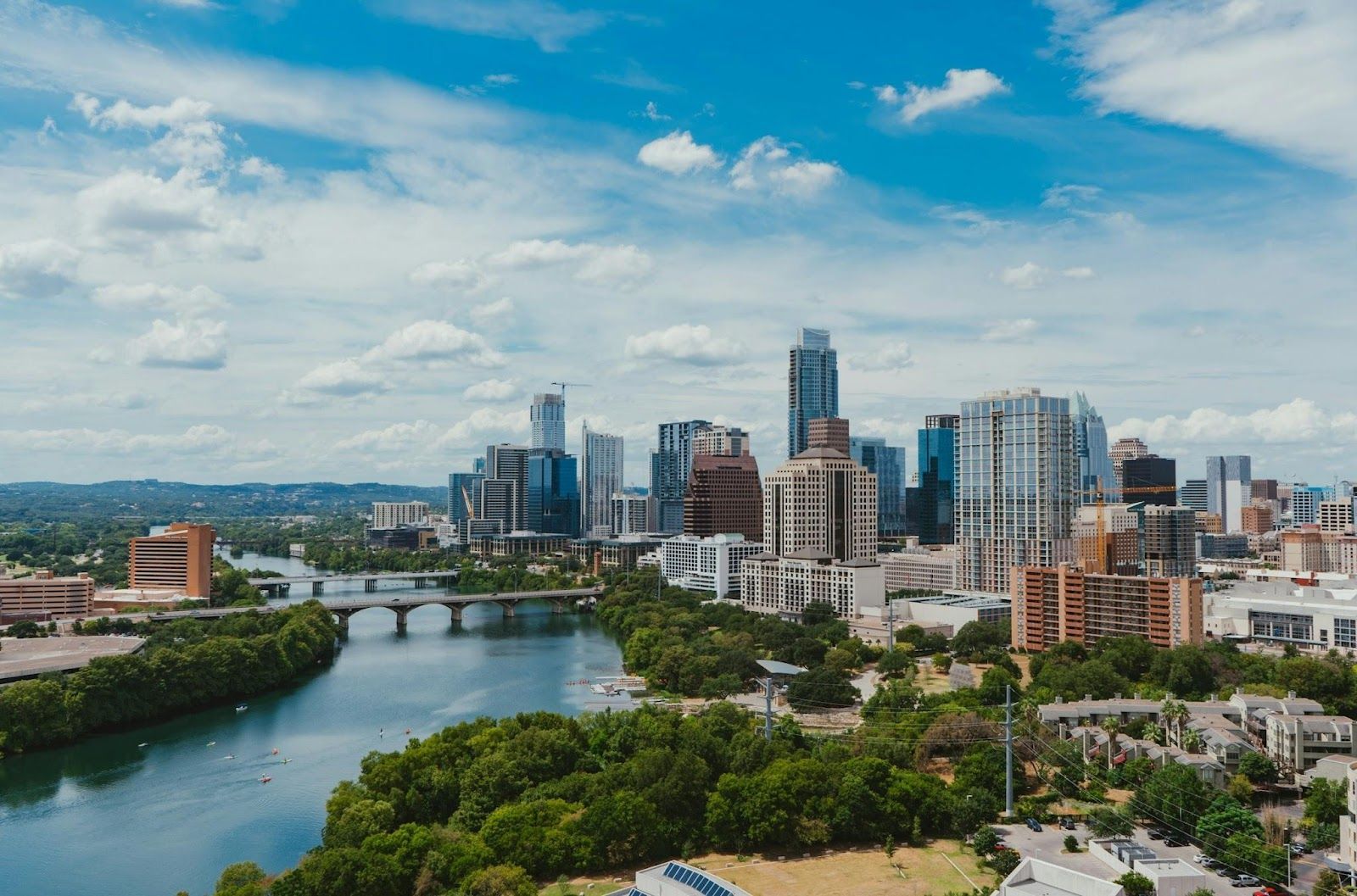
Image: MJ Tangonan

We’ll begin with one of the most distinctive unofficial mottos out there. In the year 2000, an Austin resident named Red Wassenich called a radio show and made a pledge encouraging fellow citizens to " Keep Austin Weird ." The phrase resonated with him, and he soon began printing bumper stickers and shirts. It was quickly embraced by other Austinites, eventually evolving into the unofficial motto still seen all over the Texas capital.

2
Al-Ki (Washington)

Image: Toan Chu

The only American state that has a fully unofficial state motto. " Al-Ki " (also written as "Alki") is a word from Chinook Jargon that translates to "by and by," though it’s sometimes interpreted as " hope for the future ." Whichever translation you prefer, both express a beautiful sentiment—one that reflects not only the optimism of early 19th-century settlers but also the warm, forward-looking spirit of the people of Washington State.

3
Land of Lincoln (Illinois)

Image: Joel Mott

Illinois takes great pride in being the home state of our 16th president—and with good reason. Who wouldn’t be proud of " The Great Emancipator "? Interestingly, Lincoln wasn’t born in Illinois; he was born in a log cabin in Kentucky and spent much of his childhood in Indiana. However, Illinois was definitely Lincoln’s home : it was in the "Prairie State" that he made a name for himself as a lawyer and met his future wife.

4
Sportsman’s Paradise (Louisiana)

Image: Fitsum Admasu

If you’ve ever visited the great state of Louisiana, you’ve probably noticed the many outdoor opportunities it offers, including abundant hunting, fishing, and trapping spots. While Louisiana’s official motto is "Union, Justice, and Confidence," many know the Pelican State by another moniker: "Sportsman’s Paradise."

5
Smiling faces, beautiful places (South Carolina)

Image: Jacqueline Munguía

One of the most memorable aspects of visiting the American South is experiencing its famous " Southern hospitality ." People from the South take pride in their warmth, kindness, and the instinctive way they welcome visitors. In that spirit, South Carolina’s unofficial motto perfectly reflects these values . After all, if you ever visit this great state, be prepared to be greeted by the two things it’s best known for: "Smiling Faces, Beautiful Places."

6
Taxation without representation (Washington, D.C.)

Image: Louis Velazquez

Most license plate mottos praise the state or city they represent. However, since 2000, Washington, D.C. has famously used a slogan that protests its unique political situation. For over 20 years, D.C. license plates have featured a variation of the phrase "Taxation Without Representation"—a quote that highlights the fact that D.C. residents must pay federal taxes without having voting representation in Congress.

7
Wild, wonderful (West Virginia)
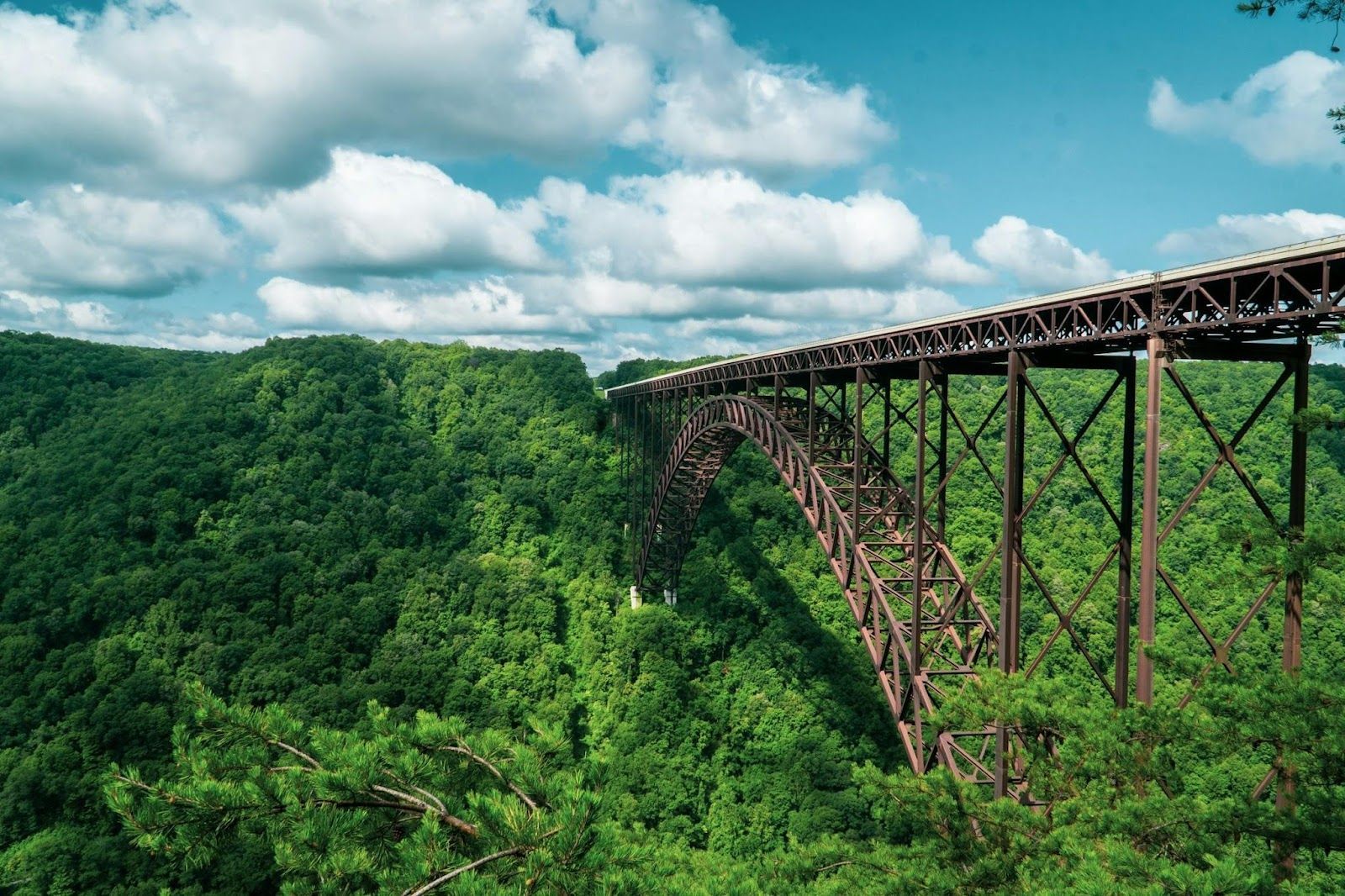
Image: Sharosh Rajasekher

There’s nothing like a good alliteration to lift your spirits. West Virginia is known worldwide for its beauty—a living reminder that good things come in small packages . What the state lacks in size, it makes up for with its stunning scenery. In that spirit, we’d like to celebrate whoever coined West Virginia’s most famous unofficial motto: "Wild, Wonderful." It’s short, simple, and perfectly captures the essence of this remarkable state.

8
America’s Dairyland (Wisconsin)

Image: Brian Suman

Wisconsin is known around the world for the exceptional quality of its dairy products, and Wisconsinites take great pride in that fact. Don’t believe it? Just look at the fans of the Green Bay Packers, who often wear iconic "cheesehead" hats shaped like wedges of cheese, proudly celebrating their state’s most famous export. While the official state motto is the single word "Forward," many prefer Wisconsin’s unofficial title: "America’s Dairyland," a nickname that appears frequently across the state.

9
Life Elevated (Utah)
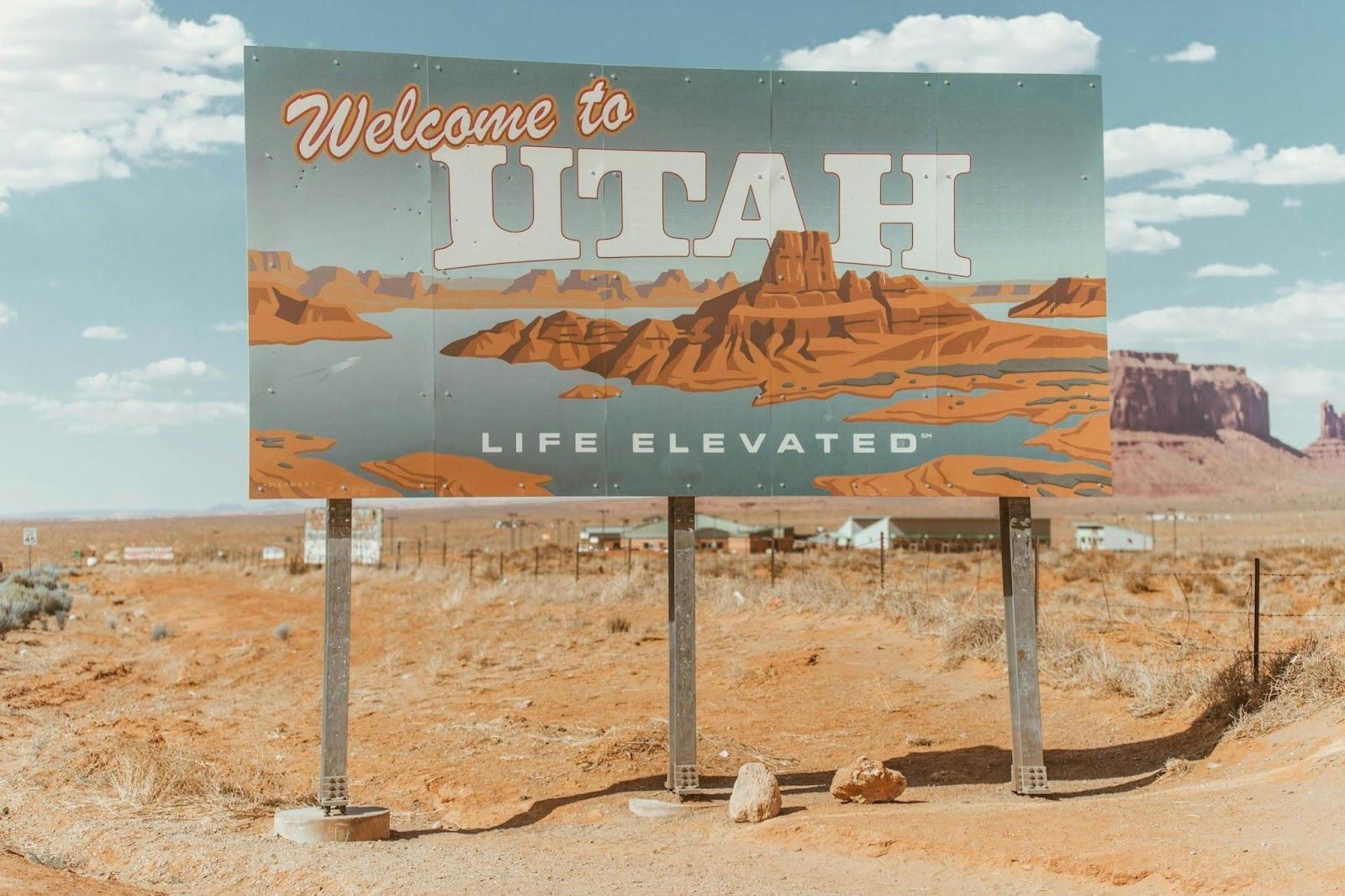
Image: Taylor Brandon

In 2006, Utah’s Department of Tourism introduced a new slogan to promote tourism and inspire residents to take pride in their beautiful state. The slogan, "Life Elevated," was featured on tourism signs and license plates throughout "The Beehive State." When you think about it, the slogan is quite clever, especially considering it indirectly references one of Utah’s most beloved natural wonders: Arches National Park.

10
Old Dominion (Virginia)

Image: STEPHEN POORE

From "the Mother of Presidents" to "the Mother of States," Virginia boasts a collection of iconic nicknames . While "Old Dominion" may not be as self-explanatory as some other monikers, it’s no less impressive. The name originates from Virginia being the first overseas dominion of the English kings and queens .

The Man Behind the Magic

A secret apartment? 10 fun facts about Walt Disney you might not know!

Image: Steve DiMatteo

If there is one animated character who has reached worldwide fame, it is undeniably the beloved Mickey Mouse. We all know one of the men who brought our favorite mouse to life: Walt Disney, the visionary animator, producer, entrepreneur, and voice actor who created a magical world of characters that marked our childhoods. But beyond his well-known accomplishments, there are some fun and lesser-known facts about Walt Disney that might surprise you. Keep reading to discover 10 interesting facts about the man behind Mickey Mouse!

1
His first home

Image: Lucija Ros

Elias and Flora were the parents of the iconic Walt Disney. But beyond raising one of the world's most famous entrepreneurs, they also had several talents and skills, thanks to which they could build their house with their own hands.

Determined to create their home, Elias obtained a permit in 1892 to build a two-story, 18 x 28-foot wooden cottage for $800. Flora was in charge of designing and drawing the plans, and Elias was responsible for every aspect of construction.

Nine years later, on December 5, 1901, Walt Disney was born on the second floor of that house.

2
His birth name

Image: Heike Mintel

But his parents didn't just give him a home; they also gave him a name . While we all know him as "Walt Disney", his full birth name was quite different.

Walt Disney was born Walter Elias Disney, inheriting his father's name as a middle name. Although he never officially changed his ID, he was most famously known by his diminutive , "Walt," which he had been called since childhood.

It didn’t take long for little Walter to begin showing an interest and talent in one of the artistic forms that would lead him to success: drawing.

3
Another name

Image: Steven Beyer

Speaking of names, let's take a look at Mickey Mouse.

Although "Mickey" and "Mouse" are inseparable for everyone today, this famous character was originally called something completely different when he was first created. Believe it or not, the rodent was originally named "Mortimer."

And guess who suggested the new name? Lillian, Walt Disney's wife. When Lillian first heard the name of the cute cartoon character, she felt it sounded too solemn. Instead, she suggested "Mickey," and thankfully, they decided to take her advice!

4
The voice

Image: kaleb tapp

The voice behind the lovable little mouse was none other than Walt Disney. That's right! He brought Mickey Mouse to life with his own voice from his creation in 1928 all the way until 1947. That's almost 20 years giving one of the world's most famous cartoons not only a voice but also a personality. So now you know: when you watch a Mickey movie from those years, you're hearing the voice of his very own creator!

After 1947, other actors took over the role of voicing Mickey, and they've done a great job. But it's always special to remember Walt was the first to take on that job.

5
A special character

Image: Marko Blažević

Besides Mickey, another character held a special place in Walt Disney's heart: the legendary Peter Pan, "the boy who never grew up."

As a young boy on his way to school, Walt Disney noticed posters for a theater company coming to Marceline, Missouri, to perform Peter Pan . Excited by the chance to see the play, the future animation legend got tickets and went with one of his brothers. But that's not all: shortly after, Walt was chosen to play Peter Pan himself in a school play!

Disney told this story himself, highlighting how much Peter Pan meant to him throughout his life. In 1953, he brought Peter Pan to the big screen, allowing thousands of children around the world to discover the magical world of Neverland!

6
High school dropout

Image: Khyta

In 1917, when Walt Disney turned 16, he decided to leave high school and try to join the army. But his plan did not succeed: he was too young to enlist and wasn't accepted. However, his brave spirit was stronger, so he joined the Red Cross to work with them in Europe.

In 1918, he was sent to France as an ambulance driver for the Red Cross, a role he performed for a couple of months. And there's one detail that highlights Walt Disney's passion. It's said that the inside of his ambulance was decorated with dozens of cartoons he had drawn himself!

7
Previous job

Image: JJ Ying

Walt Disney's passion for drawing was clear from his childhood, staying with him through his teenage years and adulthood.

After returning from France at the age of 18, Disney got a job as a commercial illustrator in Kansas City. The story goes that he ran to his aunt, exclaiming, "Aunt! They're paying me for drawing!" In that position, he created advertisements for newspapers, magazines, and posters. Shortly after, he discovered the world of animation.

There's no doubt that this job played an important role in helping Walt Disney eventually establish his own animation and production company.

8
Secret apartment

Image: Aubrey Odom

We could safely say that Disneyland is, without a doubt, a magical place filled with surprises.

But beyond the incredible attractions, such as exciting rides, parades, enchanting shows, and adored characters, there are also some hidden details that often go unnoticed. For example, the fact that Walt had a secret apartment in Disneyland, where he worked and spent time with his loved ones, managing and enjoying the park.

The apartment is still there, and while it's not open to the public, you can pass by and see a lamp that's kept lit as a symbol of Walt Disney's eternal presence in the hearts of many.

9
Train enthusiast

Image: Mike Bergmann

Walt Disney was a multifaceted man, so drawing and animation were just a part of his many passions.

It turns out that the entrepreneur also had a love for trains that began in his childhood. Along with using trains for transportation and collecting model trains, he built a miniature railroad in his backyard where guests could enjoy short and fun rides! He named it the Carolwood Pacific Railroad.

As you might guess, this interest also influenced the design of Disneyland, where the railroad is one of the main features.

10
His favorite song

Image: Guillaume de Germain

One of the things that had a special place in the heart of Walt Disney was his favorite song. Want to know what it was?

Rumor has it that his favorite song comes from one of Disney's most enchanting films: Mary Poppins . Composed in 1964 specifically for the movie, the song "Feed the Birds" had a unique meaning for him.

Its complexity and emotional depth moved him deeply, as the song highlights the importance of being kind and respectful to others. If you haven't listened to it yet or need a refresher to remember the melody, go ahead; you won't regret it!

REVOLUTIONARY ACHIEVEMENTS

The 10 Means Of Transportation That Changed America

Image: Jacob Norrie

From the time of the invention of the wheel more than 5000 years ago, human beings have found ways to move themselves and goods across the territory. But the last 250 years have brought groundbreaking innovations that changed the way we conceive transportation . In this sense, Americans have contributed a great deal to the development of new modes of transport that even allowed us to leave the atmosphere and travel to the moon.

In this article, we have compiled a list of the 10 means of transportation that changed the history of the United States and how all of humanity connects. Keep reading to discover the first American car, subway, and bike!

1
The Mayflower

Image: William Halsall, Public domain, via Wikimedia Commons

In 1620, about 100 passengers set sail on the Mayflower , a merchant ship that usually carried goods, to start a life in the New World. They left England in September and in November landed in Cape Cod, Massachusetts, putting the first stone in the foundation of the future American Nation.

The trip lasted two long months full of storms and perils. Finally, the ship, which was intended to land in Virginia, spotted the coastline up North in New England. The Mayflower pilgrims decided to stay in the area previously named Plymouth by famous explorer John Smith. During the first winter, the Mayflower served as a source of shelter . Although only half of the Pilgrims survived, they eventually founded the Plymouth Colony, celebrated the first American Thanksgiving with the Pokanoket people, and were able to establish a self-sufficient economy based on hunting, farming, and trading.

2
The Stagecoach

Image: Edward Joseph Holslag, Public domain, via Wikimedia Commons

Before the invention of trains and automobiles, animal power was the main form of transportation. People, goods, and even mail would travel by horse, donkey, oxen, and pulled coaches and wagons, connecting cities with rural parts of the country. In the United States, the carriage era started in the late 17th century and lasted until the early 1900s when the automobile replaced horse-drawn vehicles.

The stagecoach, in particular, was the main public vehicle responsible for the conquest of the American West. It traveled along predetermined routes and had stops every 12 or 50 miles where people could rest and grab a bite to eat and horses could be changed. Moving goods and people throughout the territory meant the growth of cities, the settling of rural areas, and the creation of wealth . In this sense, carriages played a key role in the transportation revolution that transformed American life forever.

3
The Clermont

Image: Samuel Ward Stanton (d1912), Public domain, via Wikimedia Commons

Although steamboats began to be developed in the late 1700s by the Scottish engineer James Watt, and that John Fitch was technically the first to build a steamboat in the United States in 1787, the North River Steamboat would be the one to make it into the history books .

This boat, also known as The Clermont , was designed by American inventor Robert Fulton. On August 17, 1807, this 142-foot-long vessel left New York City for Albany, constituting the first commercial steamboat service in the world . With a group of special guests aboard, the trip up the Hudson River took a total of 32 hours, at about 5 miles per hour. After this inaugural expedition, Fulton continued to build more boats, improving engine and propulsion design and making the steamboat a practical means of transportation. The success of The Clermont certainly changed river traffic and trade on major American rivers for years to come.

4
The American Railway System

Image: Popular Graphic Arts, Public domain, via Wikimedia Commons

There’s no doubt that trains had a significant role in shaping the landscape of the country. The origins of trains can be found in the ancient world, back when causeways and wooden rails were used to guide wagons. However, it would not be until the invention of the steam locomotive in the early 1800s that the history of transportation would be forever changed , spurring an industrial revolution around the world. And The United States was no exception.

The construction of new factories drove the need for materials to be transported over large distances, and railway travel provided the perfect solution. The concept of constructing a railroad in the U.S. was first conceived in 1812 by Colonel John Stevens. Yet, the first American railroad, the Baltimore and Ohio Railroad, was built in 1827 . For the next 50 years, the government would issue grants to build railroads across the country, which became a very lucrative investment for companies, leading to economic growth and the development of new towns and cities.

5
The San Francisco Cable Car

Image: Public domain, via Wikimedia Commons

Did you know that the cable car was invented in San Francisco in the late 1800s? It was developed by Andrew Smith Hallidie based on mining systems and is a symbol of the city still today. Clay Street Hill Railroad began public service on September 1, 1873, and it was an instant success. Other companies followed suit and launched their versions of Hallidie's patented system in the following years, totaling 53 miles of track across the city.

Later, although the electric street car, a lot cheaper to build and maintain, became the vehicle of choice for city transit, cable cars continued to be better equipped for steep hills. In 1947 the city Mayor urged to "get rid of all cable lines" leading a committee to launch a public campaign to save this iconic vehicle. Even celebrities rallied for the cause and ultimately the cable car system survived the attempt, specifically because of its great cultural value, especially among the thousands of tourists who visit San Francisco every year.

6
The Columbia Bicycle

Image: Boston Public Library, Public domain, via Wikimedia Commons

In 1878, Civil War veteran Colonel Albert A. Pope, inspired by a British bike he saw at the Philadelphia World’s Fair, hired a sewing machine company to make the first American bicycle . The brand went on to be called Columbia , and by 1888 was manufacturing about 5,000 high-quality bikes a year. However, for a couple of years, it would not be seen as a means of transportation but as pure entertainment.

Later, with the development of the British Rover safety bike, bicycles were no longer limited to athletes and the brave. Pope started selling these easier-to-ride vehicles and the American bicycle industry finally took off in 1890. By the beginning of the 20th century, 1 million bikes were produced in the U.S. yearly and people were even riding them to work every day.

7
The First American Car

Image: Public domain, via Wikimedia Commons

Few people know that the first successfully American manufactured car was actually developed by bicycle makers. In the Autumn of 1893, brothers Charles and Frank Duryea road-tested the first gasoline-powered automobile in Chicopee, Massachusetts . It was, in fact, an old horse-drawn buggy into which the brothers installed a 4 HP, single-cylinder gasoline engine.

By 1899 there were around thirty companies manufacturing cars in the U.S. One of the most representative staples of the history of automotive manufacturing in the country is, no doubt about it, the Ford Model T . This "affordable" car was intended for the American middle class and it was first produced in 1908 in Detroit. Within days of its release, over 15,000 Ford cars were sold and the popularity of this iconic American company is still relevant today.

8
The Tremont Street Line

Image: Boston Transit Commission, Public domain, via Wikimedia Commons

The first subway in America was built during the second phase of the Industrial Revolution in Boston, Massachusetts in 1897. This cutting-edge mode of transport was possible thanks to the invention of the electric motor by Frank Sprague in 1866 . But, why Boston? In the late 19th century, bustling Boston had a street congestion problem due to overcrowding and frequent blizzards and needed an out-of-the-box solution.

City officials agreed the best thing to do in a city with narrow colonial streets was to build an underground subway. Finally, on September 1, 1897, a four-track subway line between Boylston Street and Park Street was opened to the public . Additional lines and stations have been added throughout the following centuries, ushering in a new era in American public transportation.

9
The 1903 Wright Flyer

Image: John T. Daniels, Public domain, via Wikimedia Commons

On December 17, 1903, a powered airplane invented by brothers Orville and Wilbur Wright made the first sustained flight over the skies of North Carolina . The Wright Flyer —also known as the _Kitty Hawk_— was a single-place biplane that managed to fly 852 ft on its fourth attempt before it was blown over on landing. The aircraft was later repaired but never flew again —although you can now visit it at the National Air and Space Museum in Washington, D.C.

After this exceptional achievement by the Wright brothers, the progress of American aviation never ceased to amaze. For example, in 1910 the St. Petersburg–Tampa Airboat Line started to operate and although it lasted only three months, it is now considered the United States’ first airline. By 1918 the U.S. Post Office was using airplanes to transport mail across the country . Finally, in 1958 Pan American ushered in the Jet Age with the iconic Boeing 707.

10
The Apollo 11

Image: Project Apollo Archive, Public domain, via Wikimedia Commons

From the 1950s onwards, the Soviet Union and the United States embarked on a space race that made possible an unprecedented program of scientific exploration. On April 12, 1961

the Soviets managed to send the first person into space. In response, just 23 days after Yuri Gagarin, the first American man entered space aboard the Freedom 7 Mercury capsule . Alan Shepard’s trip lasted only 15 minutes and 28 seconds but it was more than enough to mark the beginning of an unprecedented revolution. Who would have thought that only 8 years later we would be transporting humans to the moon?

The story of Apollo 11 is well known, yet it deserves a special place in the history of American transportation , which is by no means limited to the Earth. Without the development of space shuttles, it would be impossible to imagine the future of transportation, a future that will surely be defined by the conquest of the unknown.

Explore more American facts

Choose your favorite category!

General
General

As American as apple pie—the very best America has to offer!

Culture
Culture

Delve into the astounding richness of American lore.

Geography
Geography

Hop in and explore vast and diverse American landscapes.

History
History

Discover the key moments that shaped the United States.