American lingo

Tell me your idiom, and I’ll tell you your state: From mad tight to jawn

Image: Hans Isaacson

From the bustling streets of New York to the serene landscapes of the Pacific Northwest, American English is rich with regional idioms that reflect the unique cultures and histories of each state. From "mad tight" to the intricacies of "jawn," these expressions not only add color to our language but also offer a glimpse into the local way of life.

1
"Mad tight"

Image: Andre Benz

Where it is used: New Jersey / New York

In the Northeastern U.S., particularly in New Jersey and New York, "mad tight" is used to describe something that's very cool or impressive. For example, "That concert was mad tight!" This usage reflects the region's tendency to intensify expressions for emphasis.

2
"Lagniappe"

Image: Joe Lavigne

Where it is used: Louisiana

In Louisiana, "lagniappe" refers to a little something extra, often given as a bonus. A French Creole term derived from a Quechua word, this quirky expression reflects the state’s rich cultural blend and tradition of generous hospitality.

3
"Bless your heart"

Image: Dani Guitarra

Where it is used: Southern United States

In the South, "bless your heart" can be a genuine expression of sympathy or, depending on the tone, a polite way to say someone is naive. This phrase highlights the region's emphasis on politeness and layered communication.

4
"Pop"

Image: Troy Coroles

Where it is used: Midwest and parts of the Northeast

In many Midwestern and Northeastern states, "pop" is the preferred term for a carbonated soft drink. Conversely, in the South, "coke" is commonly used to refer to any type of soda, regardless of brand.

5
"Spodie"

Image: wes lewis

Where it is used: Pacific Northwest

In the Pacific Northwest, particularly in Seattle, a "spodie" is an outdoor high school party where attendees share a large container of mixed alcohol and sugary drinks.

6
"Wicked"

Image: Venti Views

Where it is used: New England

In New England, especially in Massachusetts, "wicked" is used as an intensifier, meaning very . For example, "It's wicked cold outside." This usage is a distinctive feature of the New England dialect.

7
"Fixin' to"

Image: Adiel Gavish

Where it is used: Southern United States

In the South, "fixin' to" means preparing to do something soon. For instance, "I'm fixin' to go to the store."

8
"Hella"

Image: Scott Webb

Where it is used: Northern California

In Northern California, particularly in the Bay Area, "hella" is used to mean a lot or very. For example, "That party was hella fun." While scholars aren’t certain whether it originated as a contraction of "hell of a" or from the similarly used word "hellacious," it remains a hallmark of local vernacular.

9
"Y'all"

Image: Helena Lopes

Where it is used: Southern United States

"Y'all" is a contraction of "you all" and is commonly used in the South to address a group. It's a defining feature of Southern speech and culture.

10
"Jawn"

Image: Heidi Kaden

Where it is used: Philadelphia, Pennsylvania

"Jawn" is a versatile term from Philadelphia that can refer to anything —a person, place, or thing. For instance, "Pass me that jawn over there." According to some sources, it originated as a slang pronunciation of the word "joint" in African American Vernacular English.

History class is in session!

Follow this red line in Boston and end up in history class!

Image: BookBabe

Wanna take a stroll through the heart of American history? The Boston Freedom Trail is exactly that! With red bricks guiding your way, every step brings you closer to some of the most important moments that shaped the nation. So lace up those walking shoes (comfort is key for this one!), and let’s explore some surprising truths about one of the country’s most iconic trails.

1
Start here, end there: Boston Common to Bunker Hill

Image: Roger Starnes Sr

There’s no official rule about where to begin, but most people kick things off at Boston Common. From there, the trail snakes through the heart of the city and ends at the Bunker Hill Monument in Charlestown. That final stretch leads to one of the most symbolic sites of the American Revolution. Of course, if you’d rather do it backwards, nobody’s stopping you—it’s your patriotic pilgrimage! Either way, the journey between these two iconic spots is packed with stories.

2
Where the trail begins: Boston Common’s surprising start

Image: Yassine Khalfalli

Boston Common might be a peaceful green escape today, but it began with a much more practical purpose. Established in 1634, it’s the oldest public park in the US, and it was originally used for grazing livestock, not lounging on park benches.

The land was purchased from Anglican minister William Blackstone and soon transformed into a communal area by the Puritans. Over time, it has witnessed protests, public speeches, and even British troops setting up camp.

3
Short and sweet: the 2.5-mile trail

Image: Naoki Suzuki

The Freedom Trail may only stretch 2.5 miles, but don’t let that fool you—it’s packed with history. The route winds through downtown Boston, passing 16 official landmarks. Most of the trail is flat and fully accessible, making it friendly for everyone. Just remember to bring comfy shoes!

4
Follow the red-brick road

Image: Yassine Khalfalli

No need for a map or GPS—just follow the red-brick line! That bright path under your feet is the Freedom Trail’s signature feature. It weaves its way from site to site, keeping you on track with zero guesswork.

The trail’s design was first suggested by a local journalist in the 1950s, who wanted to link all the key historical spots. It’s Boston’s version of a historical yellow brick road—minus the flying monkeys, of course!

5
Millions make the trip every year

Image: Aubrey Odom

More than 4 million people walk the Freedom Trail each year—and not just tourists. Locals, history lovers, and school groups all flock to this living museum. It’s one of the most popular attractions in Boston, and for good reason.

From Paul Revere’s House to the Boston Tea Party site, each stop tells a story. Even if you’ve walked it before, there’s always something new to notice. So go ahead—join the crowd.

6
No need to go in order

Image: Vika Chartier

Unlike history books, the Freedom Trail doesn’t follow a strict timeline. It’s organized by geography, not chronology, which means you can hop around without feeling lost. For instance, Boston’s North End has a cluster of must-see sites close together. It’s totally fine to explore them first and double back later. Just follow your curiosity—and your feet—along the red bricks.

7
Oldest this, oldest that, it’s a record-breaker

Image: Kelly Sikkema

The Freedom Trail is a goldmine of American "firsts." You’ll find the country’s oldest public park (Boston Common), its oldest public building (the Old State House), and even the site of the first major battle of the Revolutionary War (Bunker Hill Monument).

Paul Revere’s House is the oldest building still standing in Boston. And the Old North Church? That’s right—it’s the oldest church still standing in the country!

8
Rest in peace, revolutionaries

Image: Wenhao Ruan

Cemeteries might not sound exciting, but on the Freedom Trail, they can be. The Granary Burying Ground is the final resting place of Paul Revere and victims of the Boston Massacre.

Over at Copp’s Hill Burying Ground, you’ll find figures connected to the Salem Witch Trials and shipbuilders like Edmund Hartt. These aren’t just graves—they’re chapters in America’s story. And you’ll be walking right through them.

9
No replicas here

Image: Liubov Ilchuk

Every building and site along the Freedom Trail is the genuine article. Thanks to meticulous preservation, nothing is a recreation or reimagining—you’re standing where revolutionaries stood, seeing what they saw.

There’s something special about touching the same walls and walking the same halls. It’s as close to time travel as you’re going to get. How great is that?

10
Past meets present in every step

Image: Brett Wharton

Sure, you're here for the history, but Boston’s modern charm is hard to miss. Between historic stops, you'll find lively markets, cozy restaurants, and the buzz of city life all around. Grab a cannoli in the North End or sip coffee where patriots once plotted revolts. The Freedom Trail offers a perfect blend of old and new.

NASA can be fun

Smuggled sandwiches, gorillas & more: 11 incredible space stories

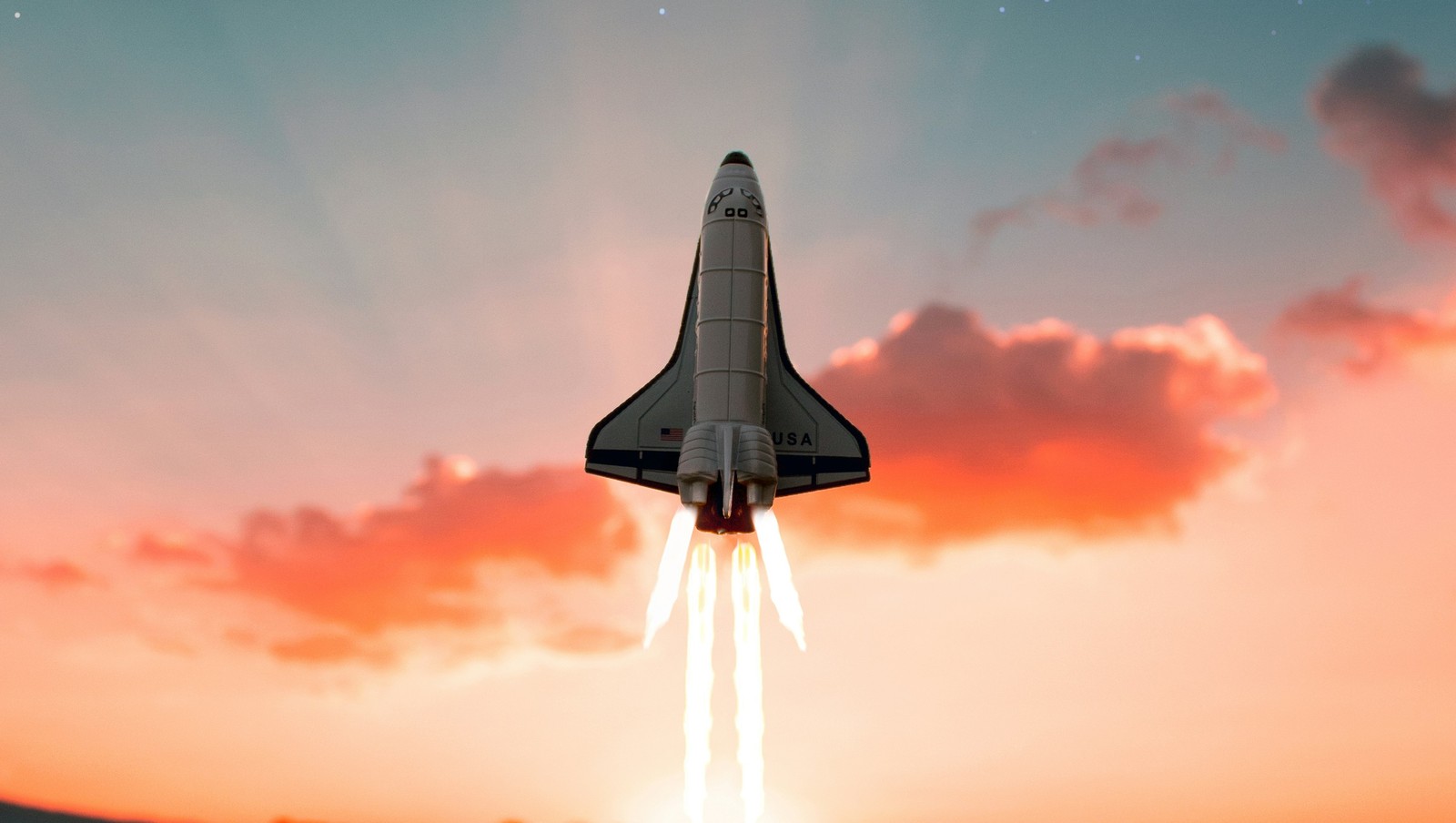
Image: Gerhard Janson

Space exploration might seem like all rockets and science on the surface, but behind NASA’s historic missions lie some truly weird and hilarious moments. From smuggled sandwiches floating in zero gravity to surprise gorilla-suit pranks aboard the International Space Station, the U.S. space program has had its share of unexpected twists. Did you know about these 11?

1
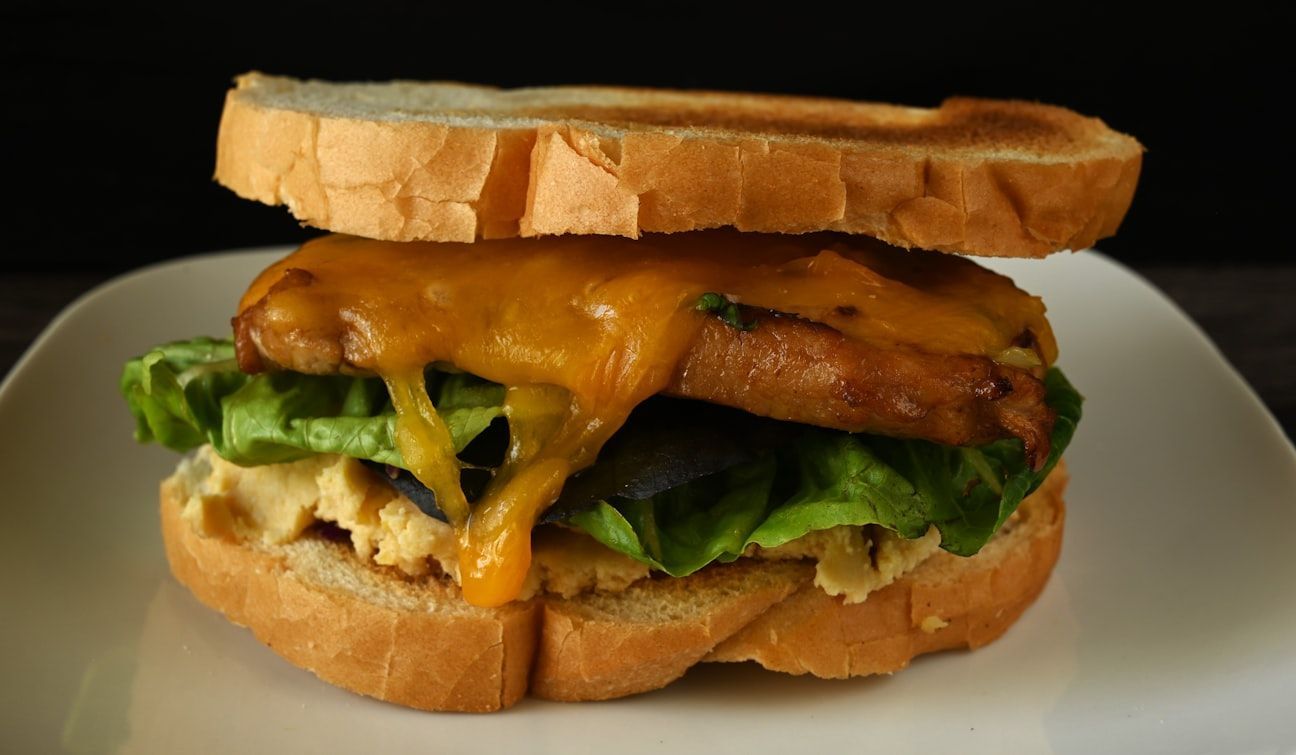
Smuggled sandwich

Image: Gennady Zakharin

During the Gemini 3 mission, astronaut John Young secretly brought a corned beef sandwich into space . He and fellow astronaut Gus Grissom took a few bites while in orbit.

Needless to say, Mission Control wasn’t amused—there were serious concerns about crumbs floating around and interfering with the spacecraft’s systems.

2
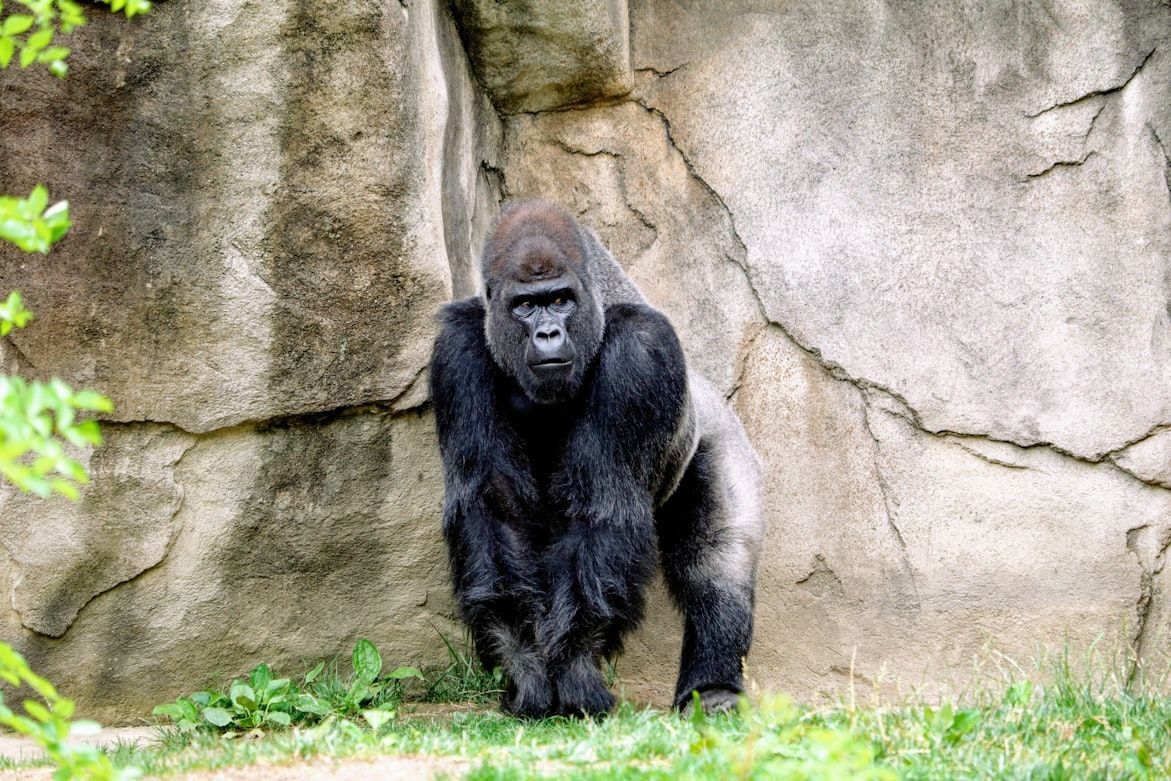
A gorilla in the ISS

Image: Amy Reed

Astronaut Scott Kelly pulled off a wild prank during his year in space by dressing in a gorilla suit and chasing fellow astronaut Tim Peake around the International Space Station.

The costume had been secretly sent by Scott’s twin brother, Mark Kelly, as a surprise birthday gift during the mission.

3
Lunar picnic

Image: Lucie Capkova

In 1969, Neil Armstrong and Buzz Aldrin made history as the first humans to walk on the Moon. But they didn’t stop there.

To mark the occasion, they also shared the first meal on the lunar surface . The menu included bacon squares, peaches, sugar cookie cubes, a pineapple-grapefruit drink, and coffee.

And unlike the smuggled corned beef sandwich incident, this meal was entirely mission-approved.

4
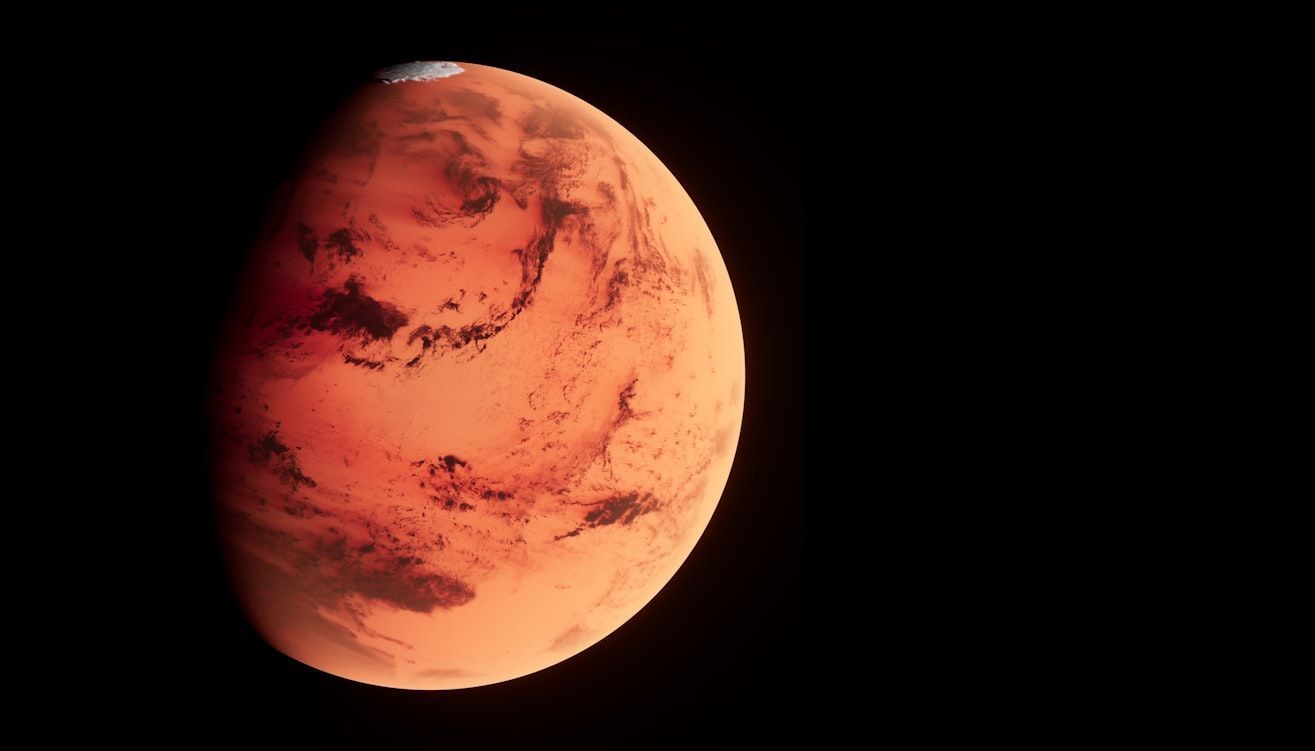
Fined by Mars "owners"

Image: Planet Volumes

In 1997, NASA was sued by three men from Yemen who claimed that Mars had been passed down to them by their ancestors.

They accused NASA of trespassing when the Pathfinder rover landed—and even began selling plots of Martian land for $2 per square meter. Of course, the case was never taken seriously.

5
Metric vs. Imperial

Image: Bozhin Karaivanov

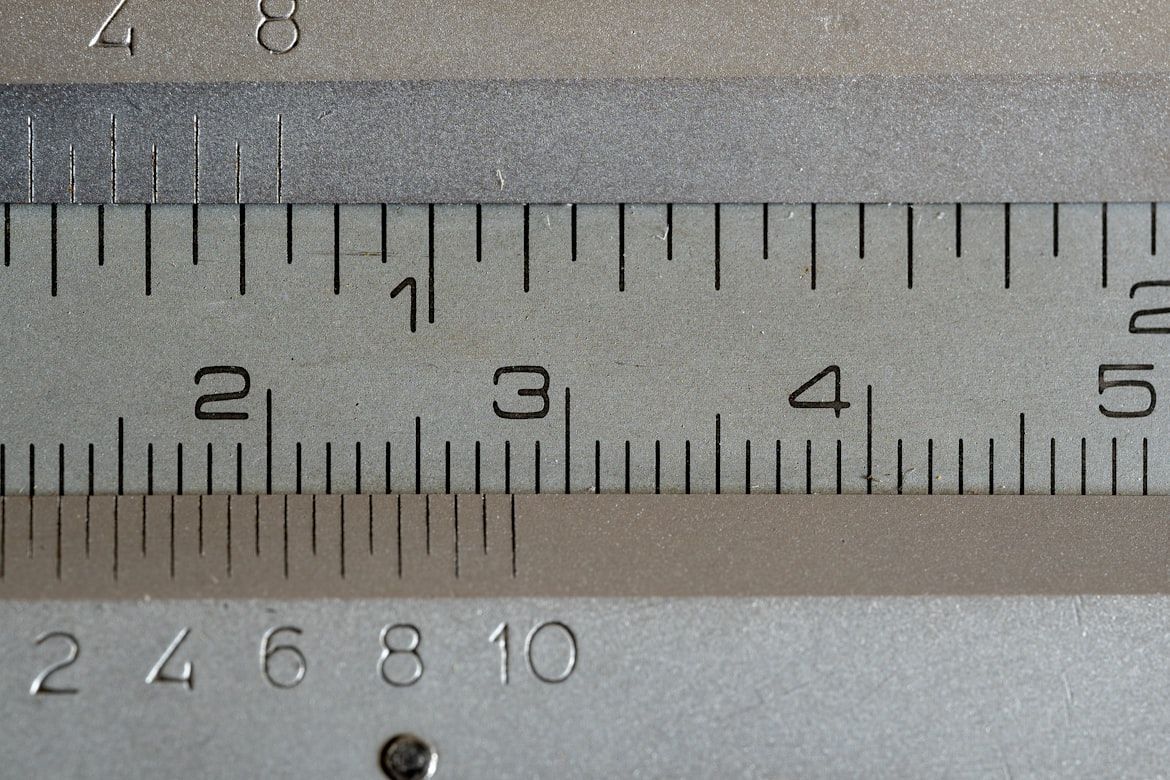
Back in 1999, NASA lost a Mars orbiter due to a mix-up between metric and imperial units. One team used the metric system, while another used imperial units to track thruster force.

The error caused the spacecraft to veer off course and burn up in the Martian atmosphere. It had been intended to be the first satellite to study Mars's climate and weather in detail.

6
Another fine—for littering

Image: Attila Lisinszky

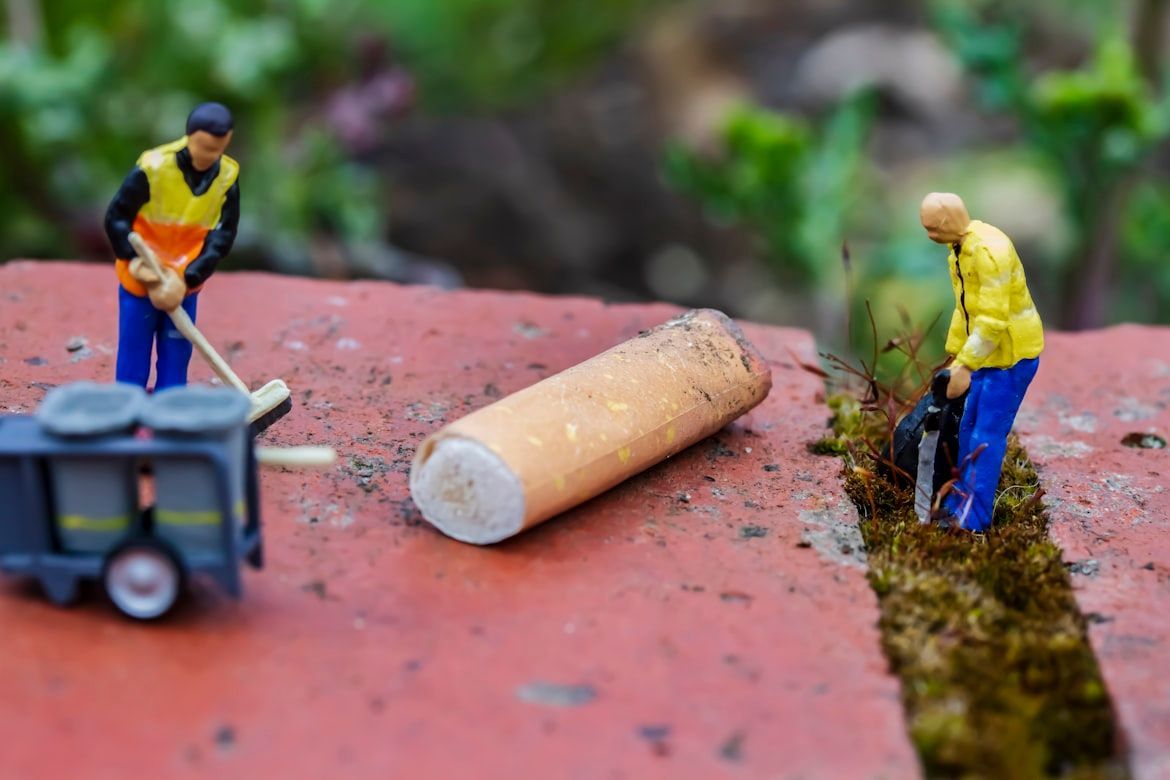
In 1979, NASA’s Skylab space station re-entered Earth’s atmosphere and broke apart, scattering debris across Western Australia, about 482 kilometers east of Perth.

In response, the Shire of Esperance , a local government body in Western Australia, jokingly fined NASA $400 for littering.

7
A building with its own weather

Image: reza shayestehpour

NASA’s Vehicle Assembly Building (VAB) at the Kennedy Space Center is one of the largest buildings in the world by volume, enclosing over 3.7 million cubic meters of space. It was originally built to assemble the massive Saturn V rockets used in the Apollo missions.

But its immense size—combined with Florida’s high humidity—once led to clouds forming inside . To prevent this, NASA installed a 10,000-ton air conditioning system to control moisture and protect delicate spacecraft.

8
Bathroom issues

Image: Jan Antonin Kolar

Early space missions didn’t have modern toilets—just plastic bags taped in place. During Apollo 10, this led to an awkward moment when a piece of human waste was spotted floating through the cabin .

Commander Tom Stafford asked for a napkin to grab it, but no one claimed responsibility. Minutes later, another one appeared. The crew laughed it off, but to this day, the mystery remains unsolved.

9
Mutiny in space

Image: Towfiqu barbhuiya

In 1974, the Skylab 4 crew spent 84 days in space—the longest mission at the time. Overworked and stressed, the astronauts staged the first space mutiny by taking a surprise day off and cutting communication with NASA.

They relaxed and enjoyed the view of Earth before resuming contact the next day. NASA wasn’t thrilled but learned a valuable lesson: space missions must care for astronauts’ mental health, not just their physical well-being.

10
Paid to stay in bed

Image: Kinga Howard

NASA once paid volunteers $15,000 to lie in bed for 90 days to simulate the effects of zero gravity on the human body.

It sounds like a dream job (pun intended)—until you realize they weren’t allowed to get up at all, not even for a second.

11
No insurance

Image: Vlad Deep

Before Apollo 11 launched, the crew couldn’t get life insurance due to the mission’s high risks . So Armstrong, Aldrin, and Collins came up with a clever backup plan.

They signed envelopes and postcards, which friends postmarked during the mission. If the astronauts didn’t return, their families could sell them to collectors for financial support.

Explore more American facts

Choose your favorite category!

General
General

As American as apple pie—the very best America has to offer!

Culture
Culture

Delve into the astounding richness of American lore.

Geography
Geography

Hop in and explore vast and diverse American landscapes.

History
History

Discover the key moments that shaped the United States.