Geographical history
10 cities that are part of America's historical core
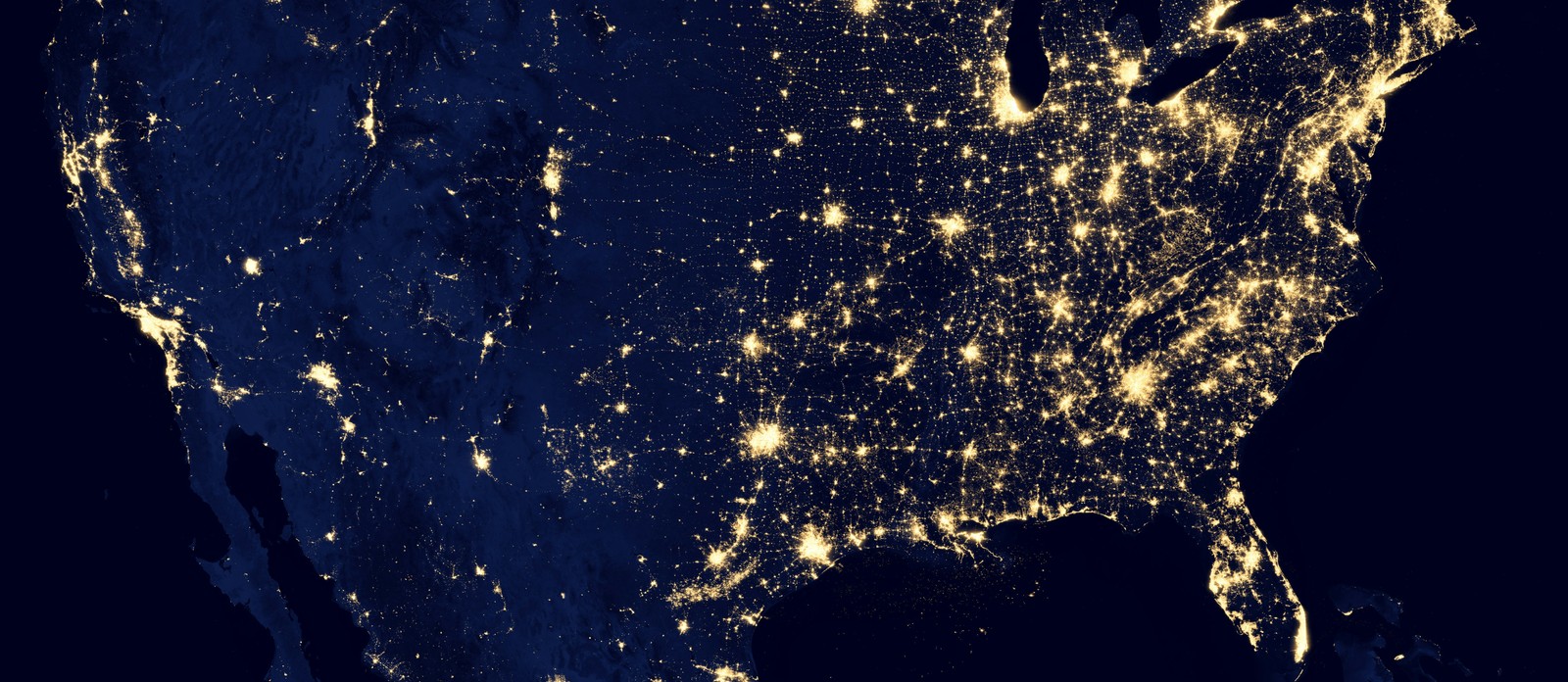
Image: NASA
What is the most important city in American history? Is it New York City, an economic and cultural powerhouse? Washington, D.C., its political core? Or maybe Boston or Philadelphia, the birthplace of America’s birth as a nation? The third-largest country in the world and its 250 years of history cannot be reduced to a single place , but choosing ten of its most important cities can give us a glimpse into this extensive and diverse nation. Here are 10 cities that played an important role in U.S. history.
1
Philadelphia, Pennsylvania
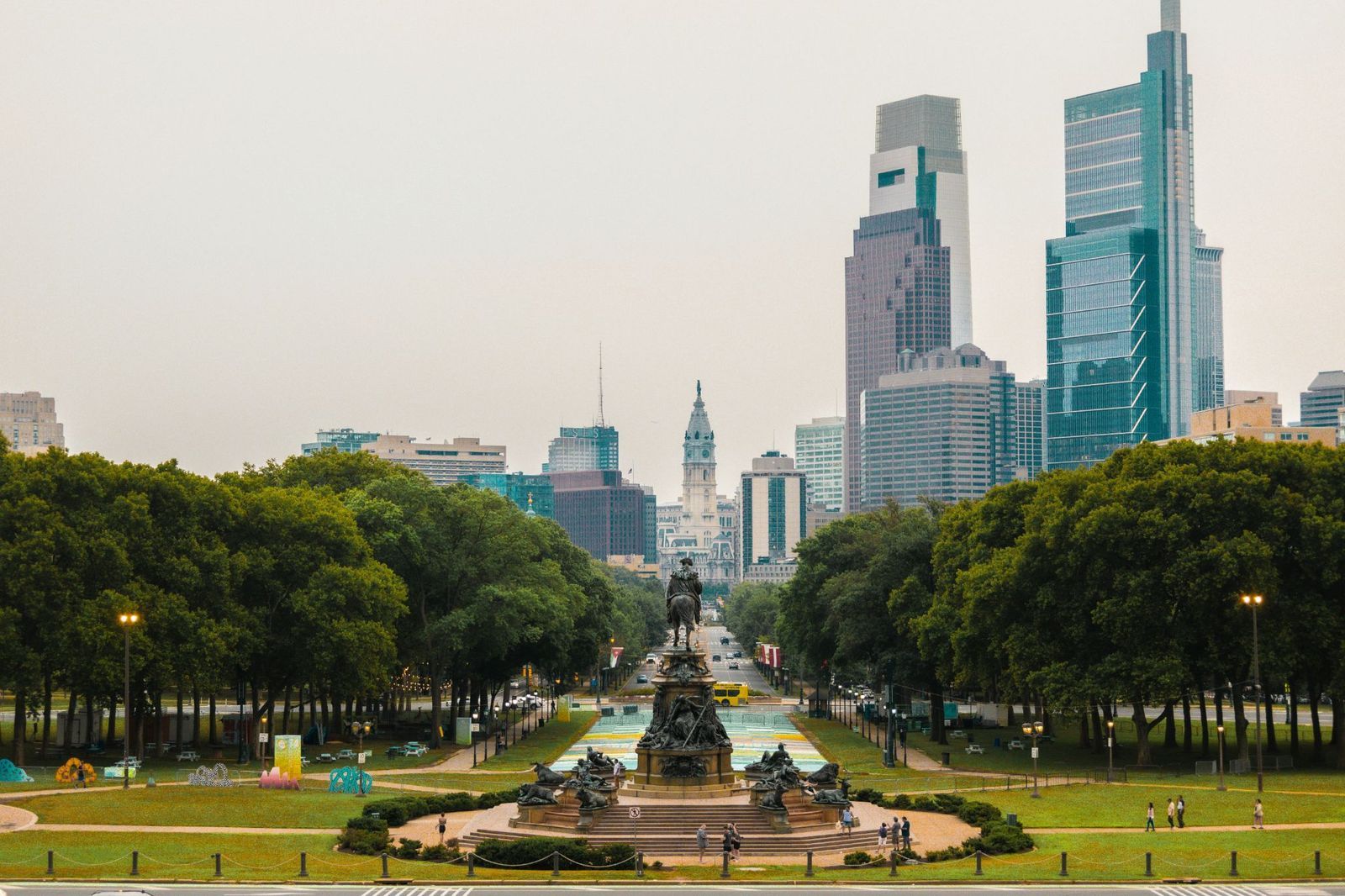
Founded in 1682 as the capital of the Province of Pennsylvania, Philadelphia was, from the start, a center for philosophical debates, science, and trade. Due to its central location among the Thirteen Colonies, it played a key role in the American Revolution , hosting the First and Second Continental Congresses in 1774 and 1776, and as the birthplace of the United States with the signing of the Declaration of Independence. After the war, it also hosted the 1787 Constitutional Convention, where the Constitution was drafted and signed. Philadelphia also served as the temporary U.S. capital during the construction of Washington, D.C., from 1790 to 1800.
2
Boston, Massachusetts
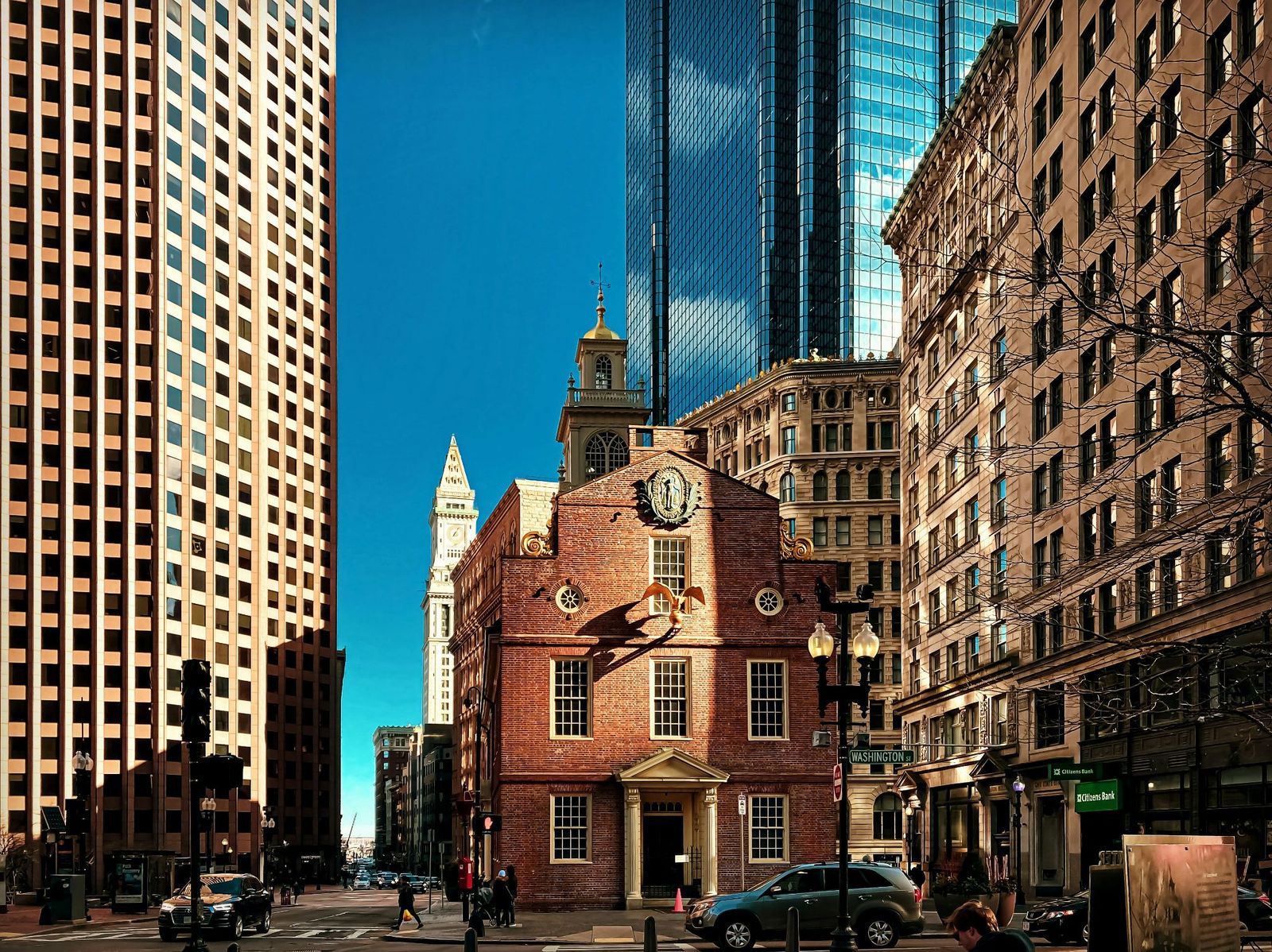
Established in 1630 by English Puritans, the city of Boston was crucial in accelerating the start of the American Revolutionary War . Among the rising tensions caused by new taxes imposed by the British Parliament, the 1770 confrontation between soldiers and colonists known as the "Boston Massacre" was the initial spark that led to the 1773 Boston Tea Party and later on to the 1775 Battles of Lexington and Concord, the first battles of the Revolutionary War. One of the main American ports, Boston has unfortunately suffered several natural and man-made disasters in its history, such as the Great Molasses Flood in 1919 and the New England Hurricane of 1938.
3
New York City, New York
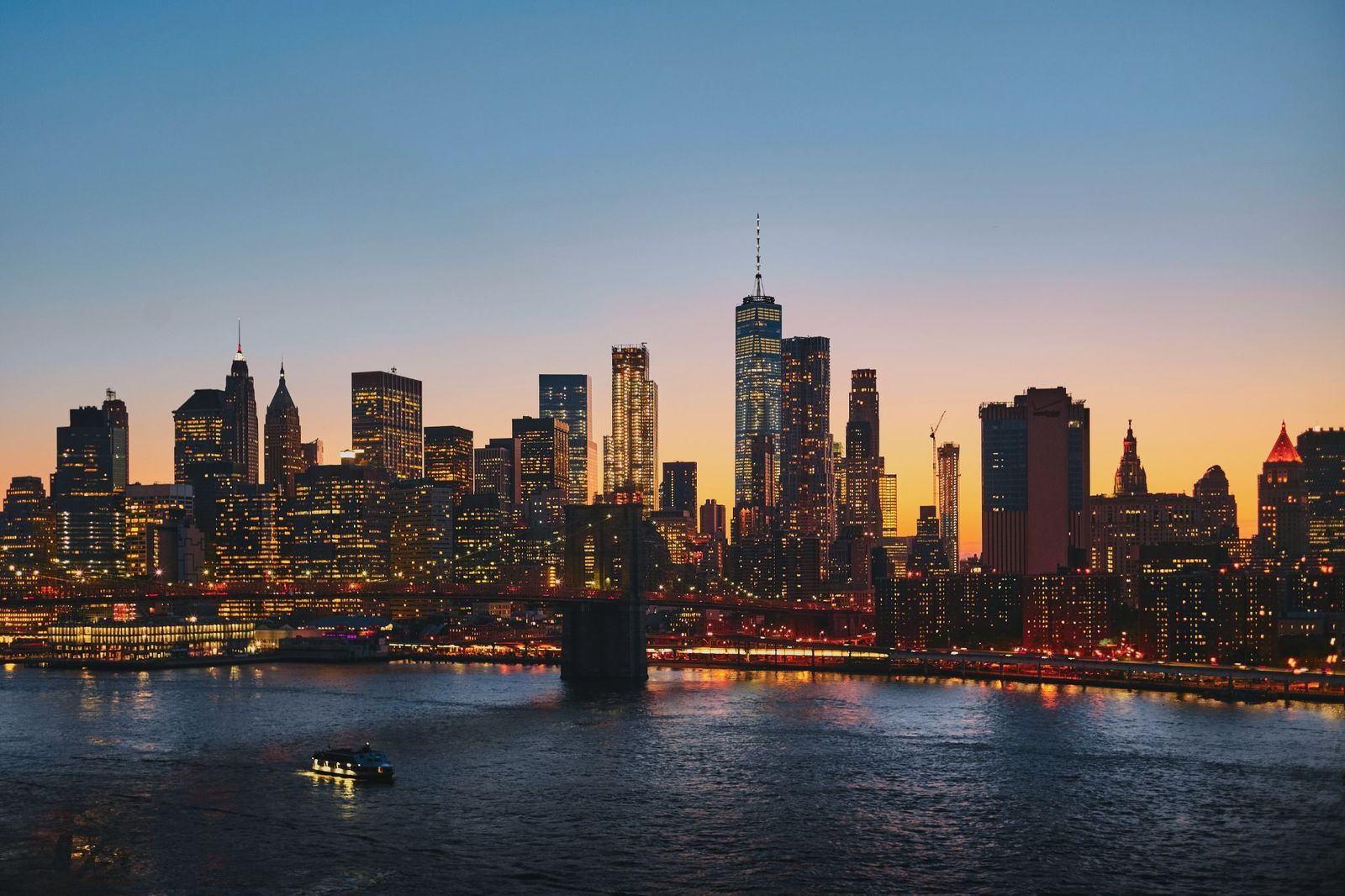
Originally a Dutch settlement, New York City is currently the most populous city in the U.S. and one of the cultural and economic capitals of the world, but it also played a central role in the beginning of American history. Occupied by British forces during most of the American Revolution, it later served as the first capital of the U.S., with George Washington being sworn in as the first American president at Federal Hall. During the 19th and early-20th centuries, New York City became the gateway to America through Ellis Island , the busiest immigration inspection station between 1892 and 1954, which served as the entry point for more than 12 million immigrants.
4
Washington, D.C.
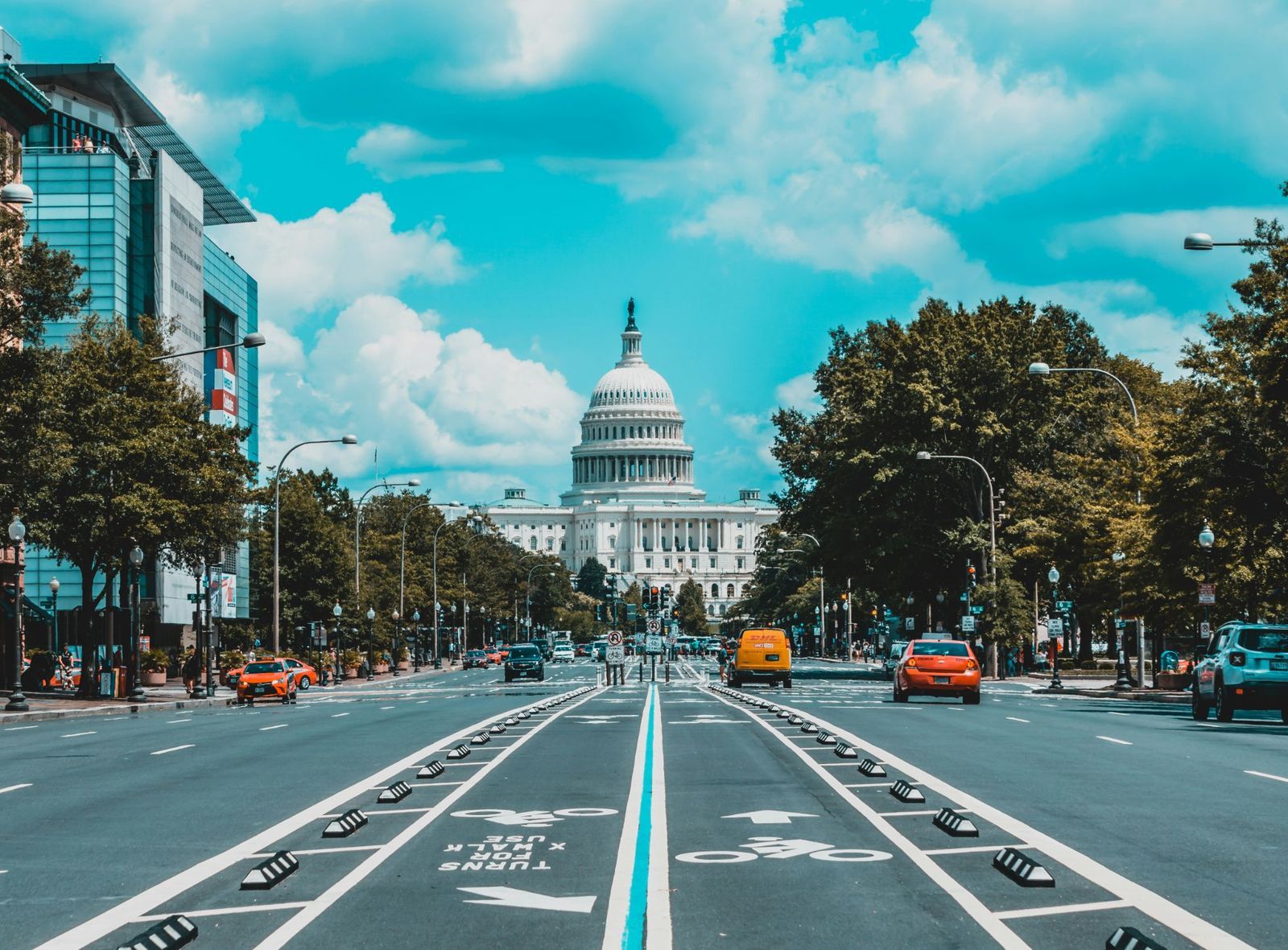
Conceived in 1789 as the national capital under the exclusive jurisdiction of the U.S. Congress, the location of Washington, D.C. on the banks of the Potomac was chosen by George Washington himself, although the entirety of his time in office happened in Philadelphia. Established as the seat of government in 1800, the city was set on fire by British troops in 1814. As the political core of America, Washington, D.C. has been the location of many crucial events in American history , such as the 1865 assassination of Abraham Lincoln, the 1963 March on Washington, and the 1960s protests against the Vietnam War.
5
Atlanta, Georgia
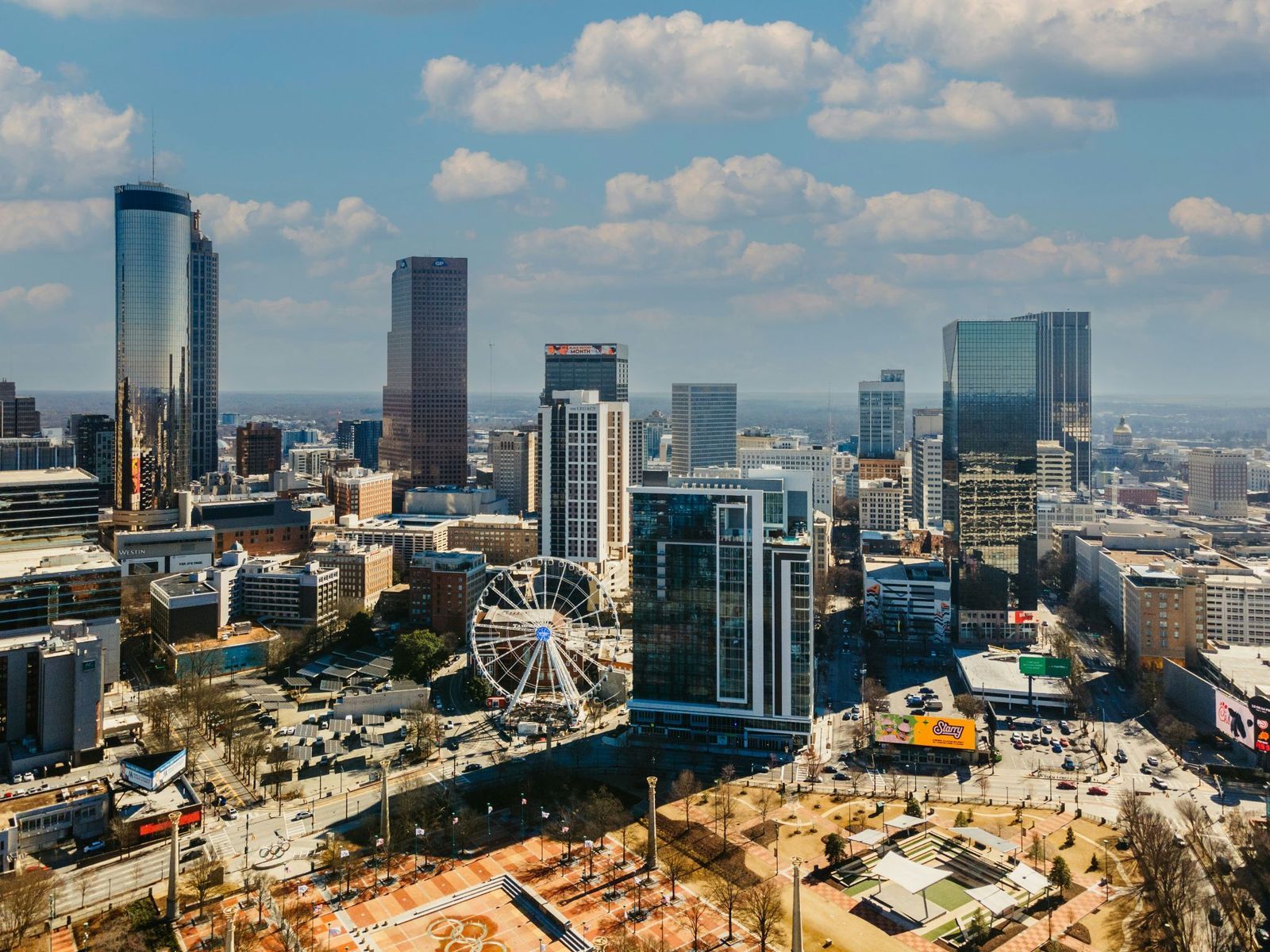
A railroad end station in its origins, Atlanta rose to prominence shortly after the Civil War as the new capital of Georgia, quickly becoming an industrial hub and one of the unofficial capitals of the South. Considered one of the powerhouses of African-American wealth, a fact that clashed with the strong enforcement of Jim Crow laws, it is not surprising that Atlanta became the birthplace of the Civil Rights Movement and of one of its leaders, Martin Luther King, Jr. From boycotts, desegregation lawsuits, student movements, and powerful public demonstrations, Atlanta was one of the epicenters of social change that culminated in the Civil Rights Act of 1964 and the Voting Rights Act of 1965.
6
Chicago, Illinois
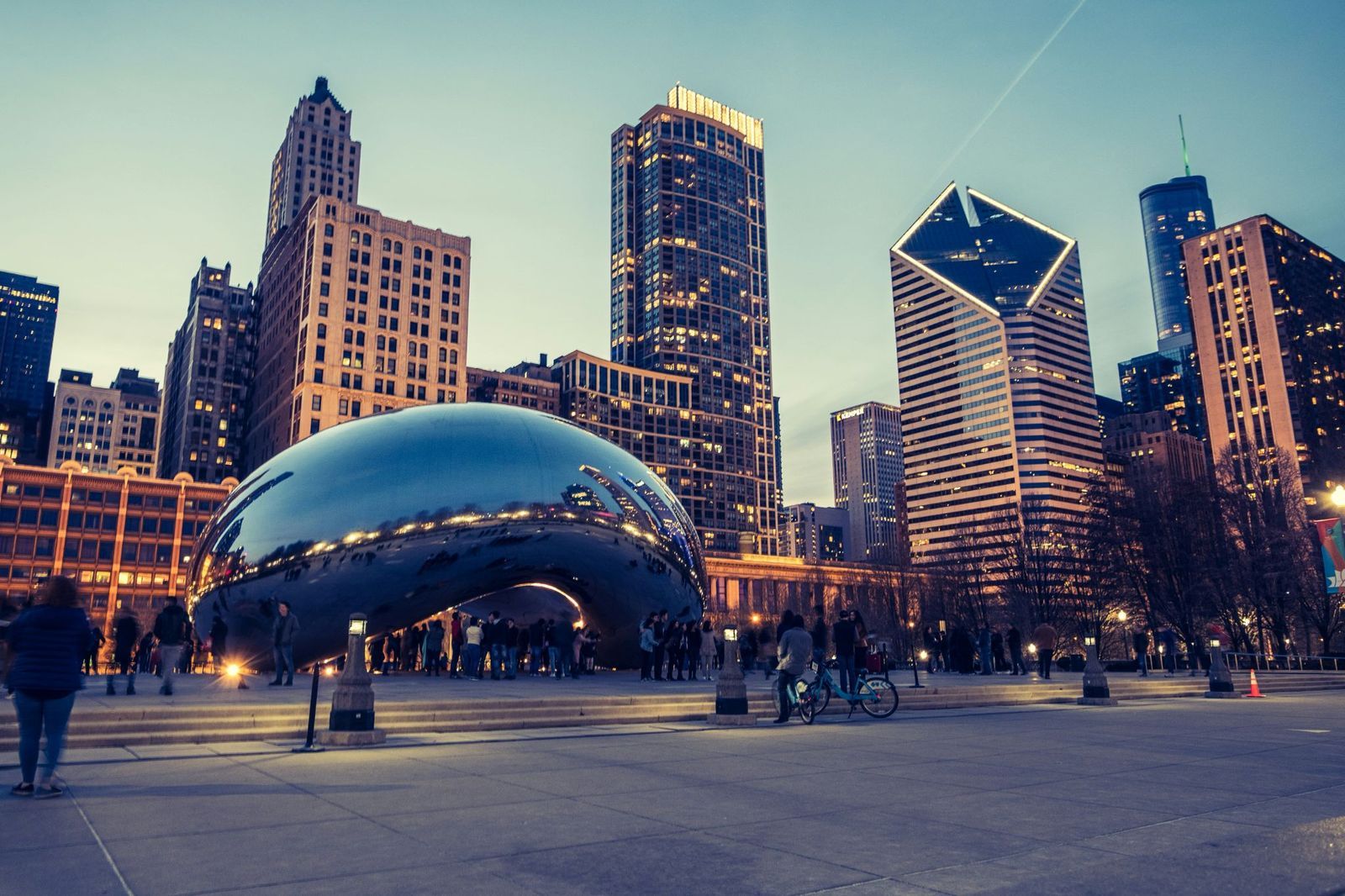
The most populous city in the state of Illinois, Chicago was at the center of the American Labor Movement . Destroyed in the 1871 Chicago Fire, its reconstruction followed strict building codes and became a benchmark for urban fire safety. In 1886, a peaceful rally in support of the eight-hour workday turned catastrophic when a bomb sparked a confrontation between protestors and the police, an event that kickstarted the Labor Movement and that was the origin of the May 1st International Workers’ Day.
7
San Francisco, California
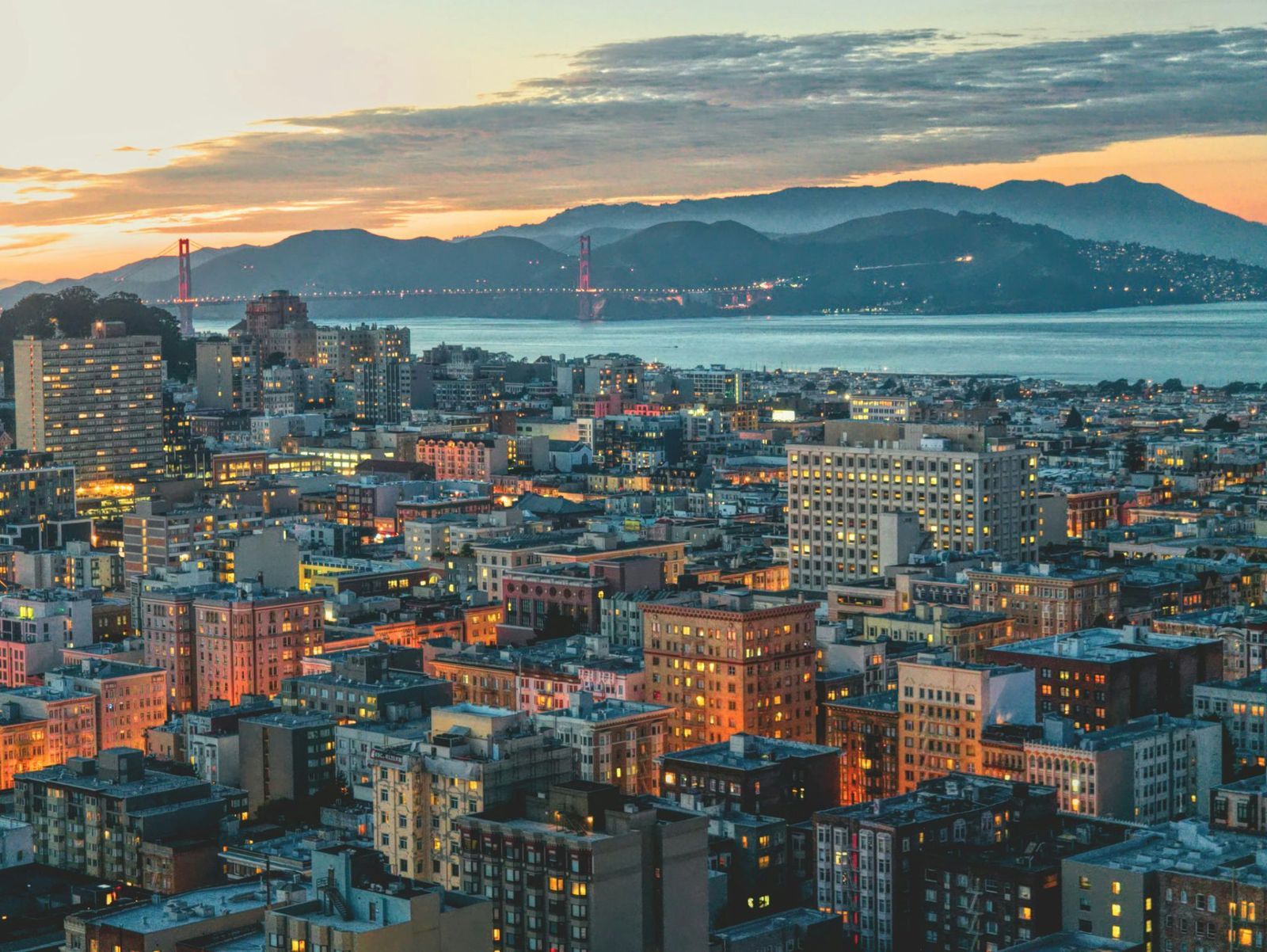
Established by the Spanish as the San Francisco Mission, and later part of Mexico under the name Yerba Buena, San Francisco became American territory in 1846 and transitioned into a bustling city during the 1849 Gold Rush. The birthplace of the United Nations in 1945, it was the epicenter of the Beat Generation in the 1950s and the hippie movement in the 1960s, as well as the backdrop of the tech boom thanks to its proximity to Silicon Valley.
8
New Orleans, Louisiana
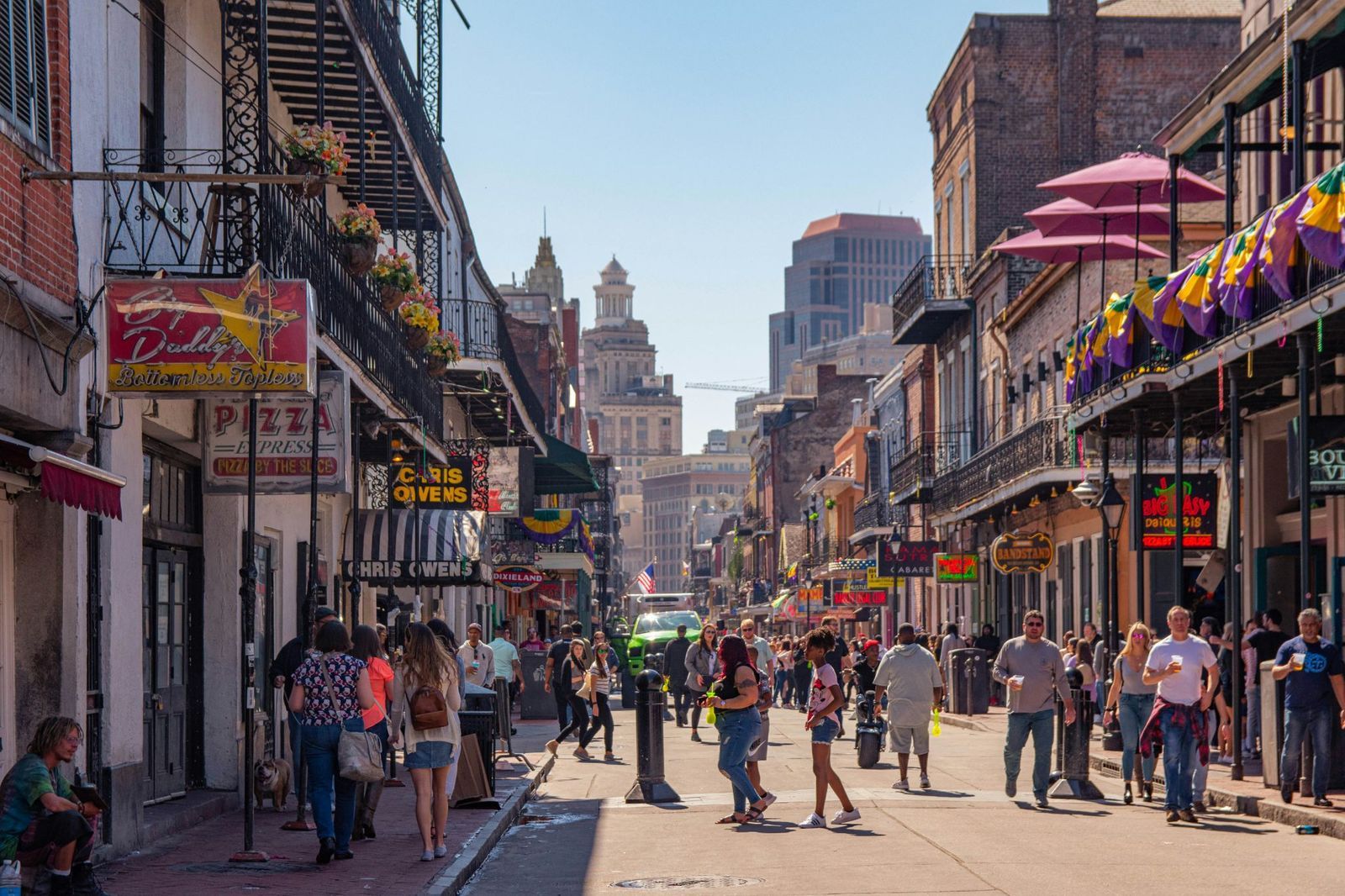
The 1803 Louisiana Purchase doubled the size of the United States overnight, but did you know that Jefferson’s original intent was only to acquire New Orleans? Westward expansion was a byproduct of France’s offer to sell its entire Louisiana Territory, but this would not have happened without New Orleans. By acquiring its port, America gained control over the Mississippi River, which ended any threat of foreign interference in agricultural or commercial affairs, and opened the American South to international trade. The strategic importance of the city came into play during the Civil War, when its capture by Union Admiral David Farragut depleted the Confederate finances and allowed Union forces to split and isolate Southern territories.
9
Detroit, Michigan
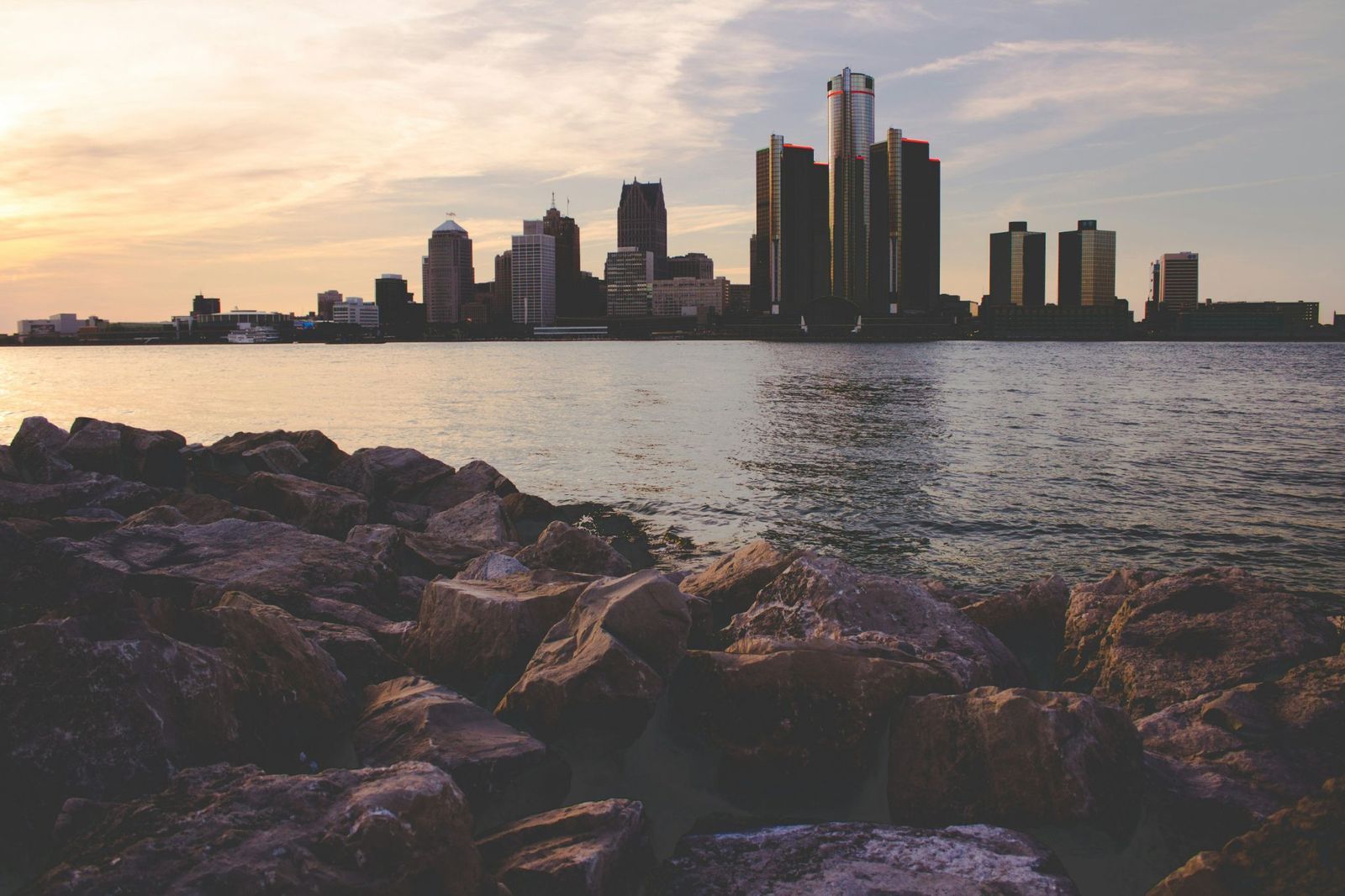
Established by French settlers in 1701, it passed into British hands a few decades later, before being handed over to the U.S. under the 1796 Jay's Treaty. A bustling port thanks to its connection with the Great Lakes through the Detroit River, the city became an industrial powerhouse in the early 20th century thanks to the motor industry. This earned it the Motown nickname, and it was the site of crucial innovations such as Ford’s moving assembly line in 1913 and the implementation of the $5 workday circa 1914.
10
St. Augustine, Florida
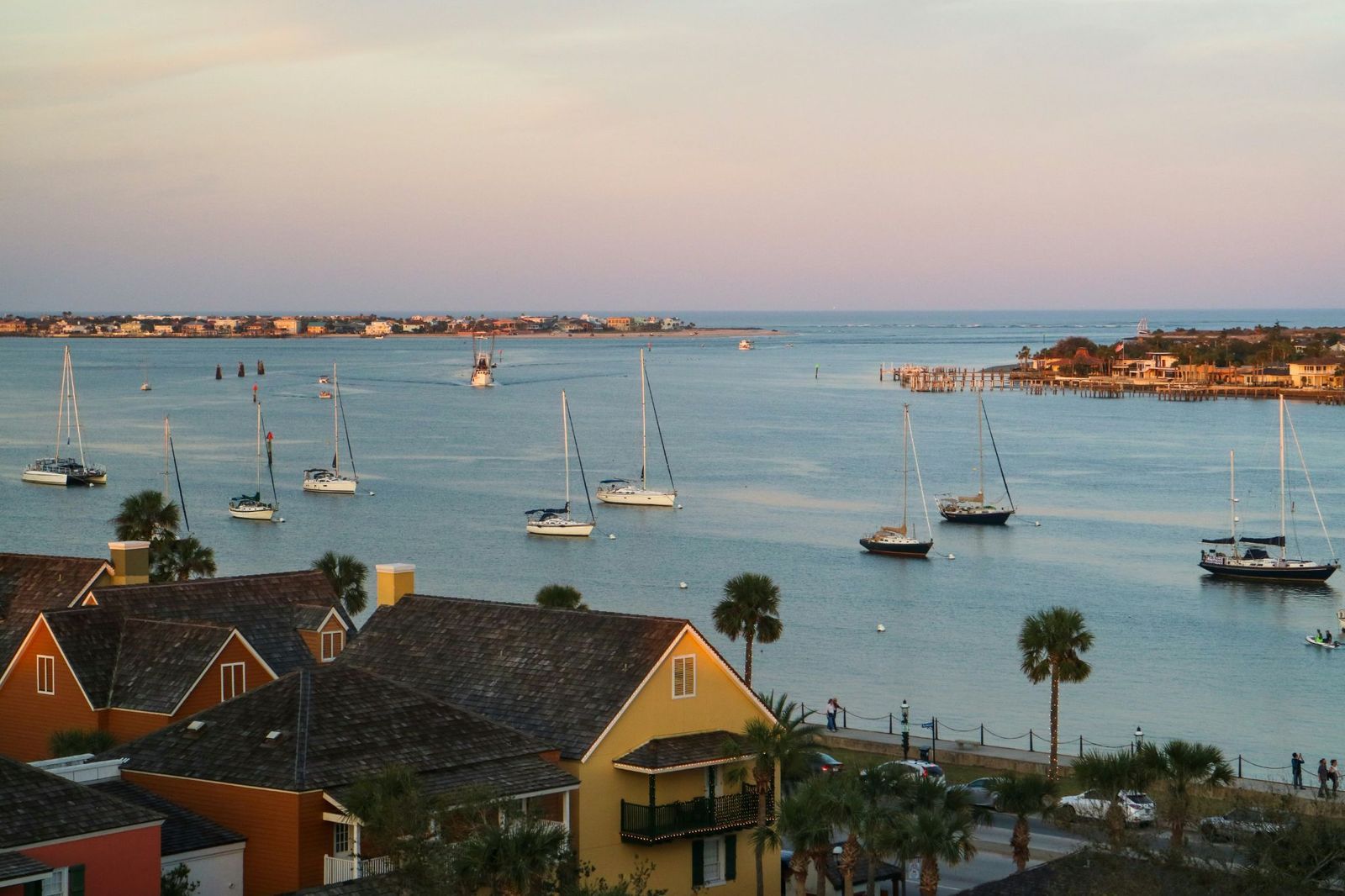
The city of St. Augustine is not the first to come to mind when thinking about historically important cities in America, but many forget that it predates Jamestown by nearly half a century, making it the oldest inhabited European settlement on U.S. soil (without accounting for U.S. territories, in which case San Juan would be the oldest). Founded by the Spanish in 1565 and acquired by the U.S. in 1821, St. Augustine became a tourist resort for wealthy merchants and oil tycoons in the late 19th century. However, the city played a key role in the 1960s Civil Rights Movement, as it became one of the battlegrounds for the protests and demonstrations against segregation.