History History 3 min read

We can all get along

You will not believe these 12 unexpected friendships between celebrities

Image: Roberto Nickson

For some reason, odd friendships always seem so satisfying, and that is especially true when it comes to celebrities and famous people. Think Martha Stewart and Snoop Dogg sharing laughs in the kitchen, or Britney Spears turning to Mel Gibson for support. These unlikely duos prove that friendship doesn’t always follow the rules of fame or personality. Sometimes, the most different people make the best connections. Did you know about these 12?

1
Snoop Dogg and Martha Stewart

Image: Sigmund

When Snoop Dogg joined Martha Stewart on her show to make mashed potatoes, no one expected a lasting friendship. But their bond grew through TV appearances, comedy roasts, and countless collaborations .

Stewart once said working with Snoop is like having a sidekick: he helps her loosen up and feel free.

2
Helen Mirren and Vin Diesel
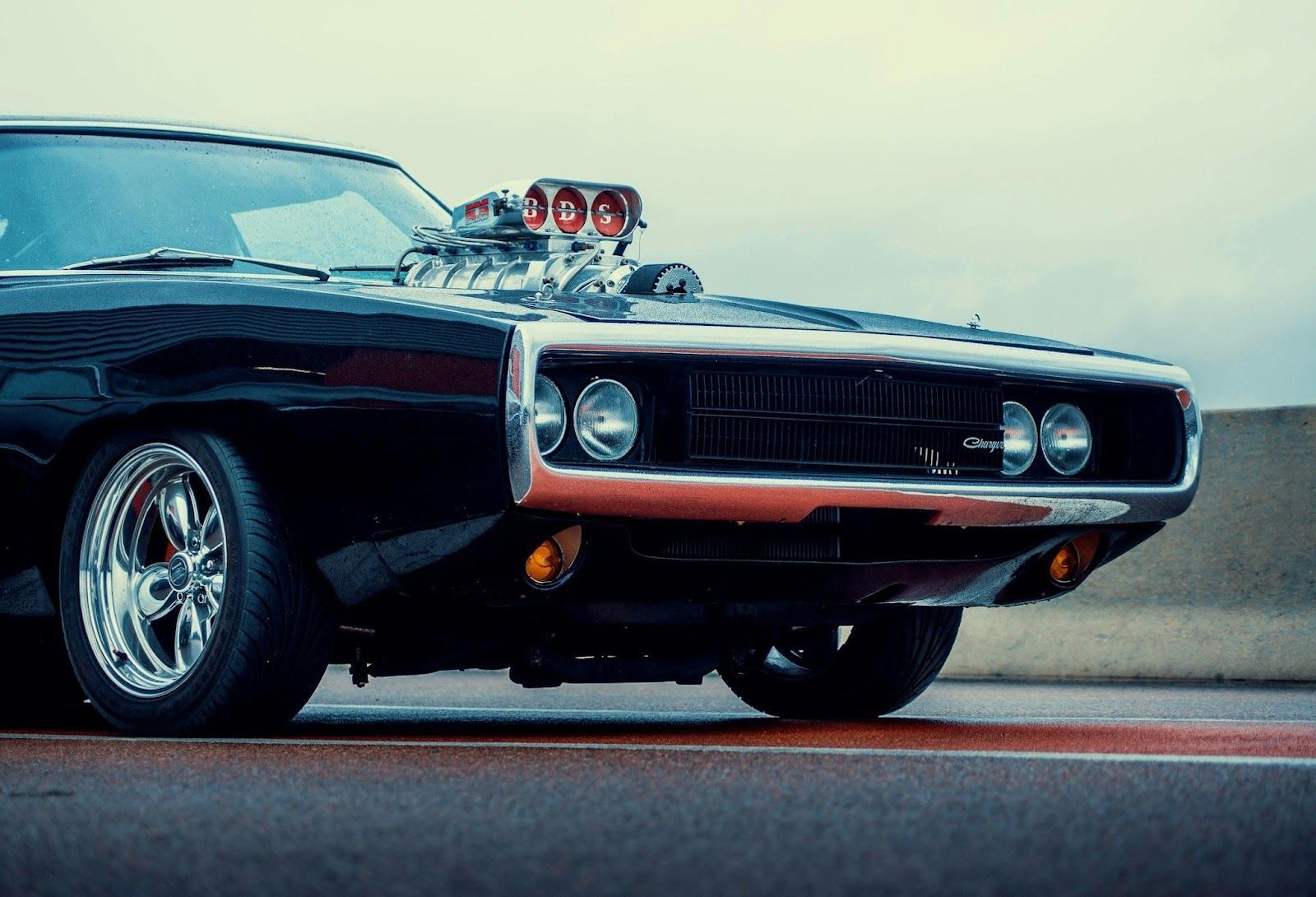
Image: Cook aynne

Dame Helen Mirren met Vin Diesel while filming Fate of the Furious in 2018, later joining him in F9 , Hobbs & Shaw , and Fast X .

"The most random people just have chemistry," she said. "And I adored Vin from the moment I met him."

3
Ellen DeGeneres and George W. Bush
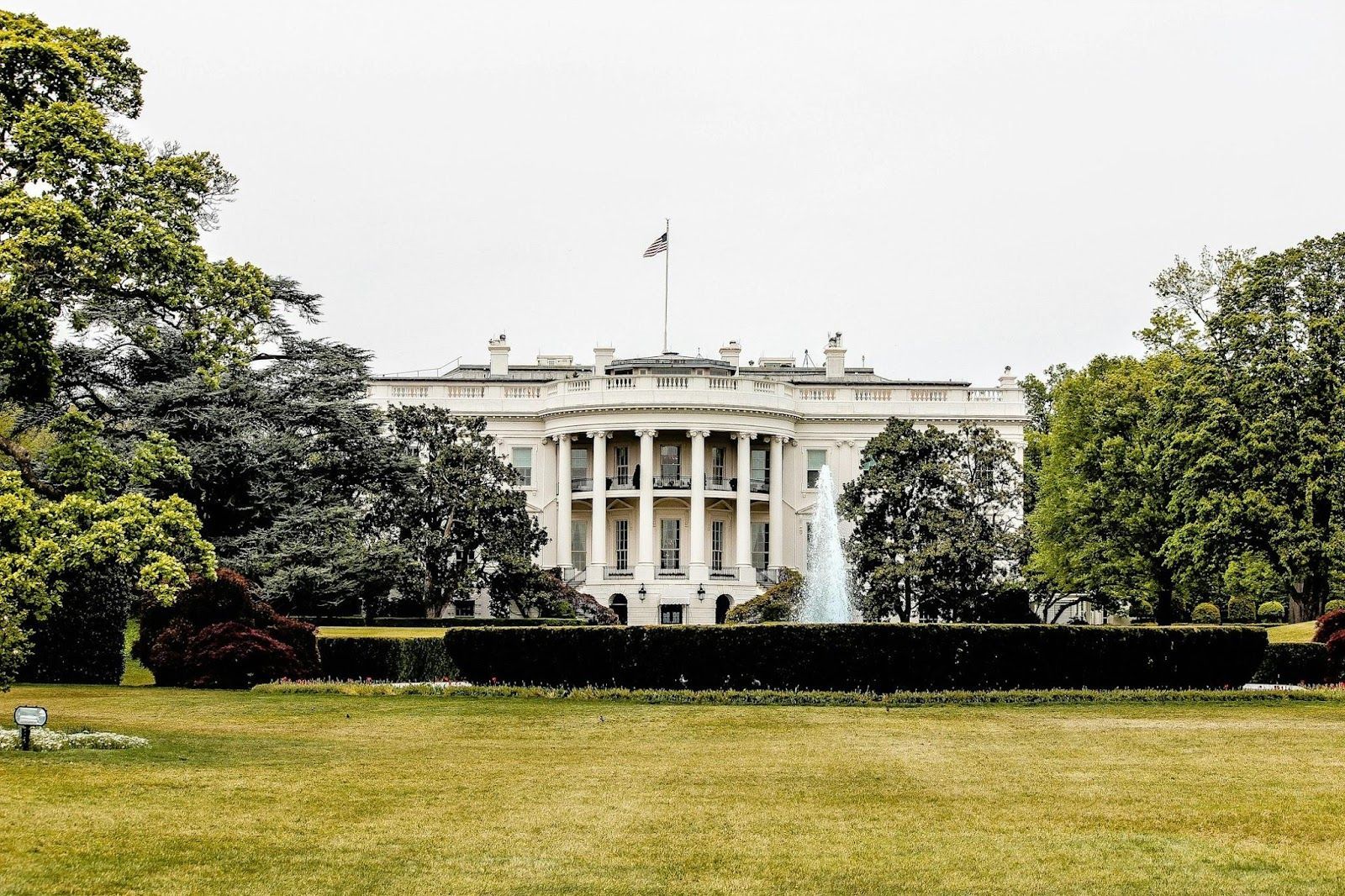
Image: René DeAnda

In 2019, Ellen DeGeneres and former President George Bush were photographed together at a Dallas Cowboys game with their wives, Portia de Rossi and Laura Bush.

On her talk show, DeGeneres addressed their friendship, saying, "I’m friends with George Bush… and a lot of people who don’t share my beliefs. We’re all different, and I think we’ve forgotten that it’s okay."

4
Timothée Chalamet and Larry David
Image: ayumi kubo

Timothée Chalamet and comedy legend Larry David were spotted having lunch together at Sant Ambroeus in New York City.

Fans were delighted by the unlikely pairing, watching two very different Hollywood stars share a casual meal and a surprising connection.

5
50 Cent and Bette Midler

Image: Joel Muniz

In 2008, Bette Midler reached out to 50 Cent for fundraising advice , praising his G-Unity Foundation for donating millions to nonprofits.

She later shared how much his support meant, saying, "He’s really made my life worth living" and had stood by her "through thick and thin."

6
Britney Spears and Mel Gibson

Image: Mathew Browne

Mel Gibson reached out to Britney Spears in 2007, concerned about how the media was treating her .

"I just thought, ‘Is anyone reaching out to her?’" he told Jimmy Kimmel. He later took her on a trip to Costa Rica in 2008 to help her escape the spotlight.

7
Elton John and Eminem

Image: TopSphere Media

Eminem and Elton John struck up an unexpected friendship after performing together at the 2001 Grammys.

Eminem later turned to Elton for support during his struggles with addiction and even sent him a gift after his civil union.

8
Diane Keaton and Justin Bieber

Image: Barbora Dostálová

Diane Keaton starred in Justin Bieber's "Ghost" music video and soon became one of his closest confidantes .

Reflecting on the experience, Keaton said, "I couldn’t believe it. This was one of those moments when you think, ‘I’m what?’"

9
Russell Crowe and RZA

Image: Chase Fade

Russell Crowe and Wu-Tang Clan's RZA have worked together on several films, including The Man with the Iron Fists , American Gangster , and The Next Three Days .

Their bond goes beyond work, with Crowe sharing that they have deep conversations . "It’s no effort for me to give a friend advice," he said.

10
Harry Styles and Stevie Nicks

Image: Illia Horokhovsky

Harry Styles and Stevie Nicks’ friendship began in 2015 when Styles gave Nicks a birthday cake after a Fleetwood Mac show.

Styles admires Nicks deeply , calling her a "beacon" and saying, "She is everything you’ve ever wanted in a lady, in a lover, in a friend." Nicks, in turn, considers Styles like a son , praising his rock & roll album for its 1970s vibe, saying, "He could have made a pop record, but he chose the harder path."

11
Ed Sheeran and Courteney Cox

Image: Mahrous Houses

Ed Sheeran and Courteney Cox formed an unexpected friendship when he moved into her LA beach house .

In a show of support, Sheeran wrote on Instagram, urging fans to vote for Cox for a People’s Choice Award, saying, "She’s never won one, and she lets me live in her beach house, so let’s win her the damn thing."

12
Stella McCartney and Johnny Depp
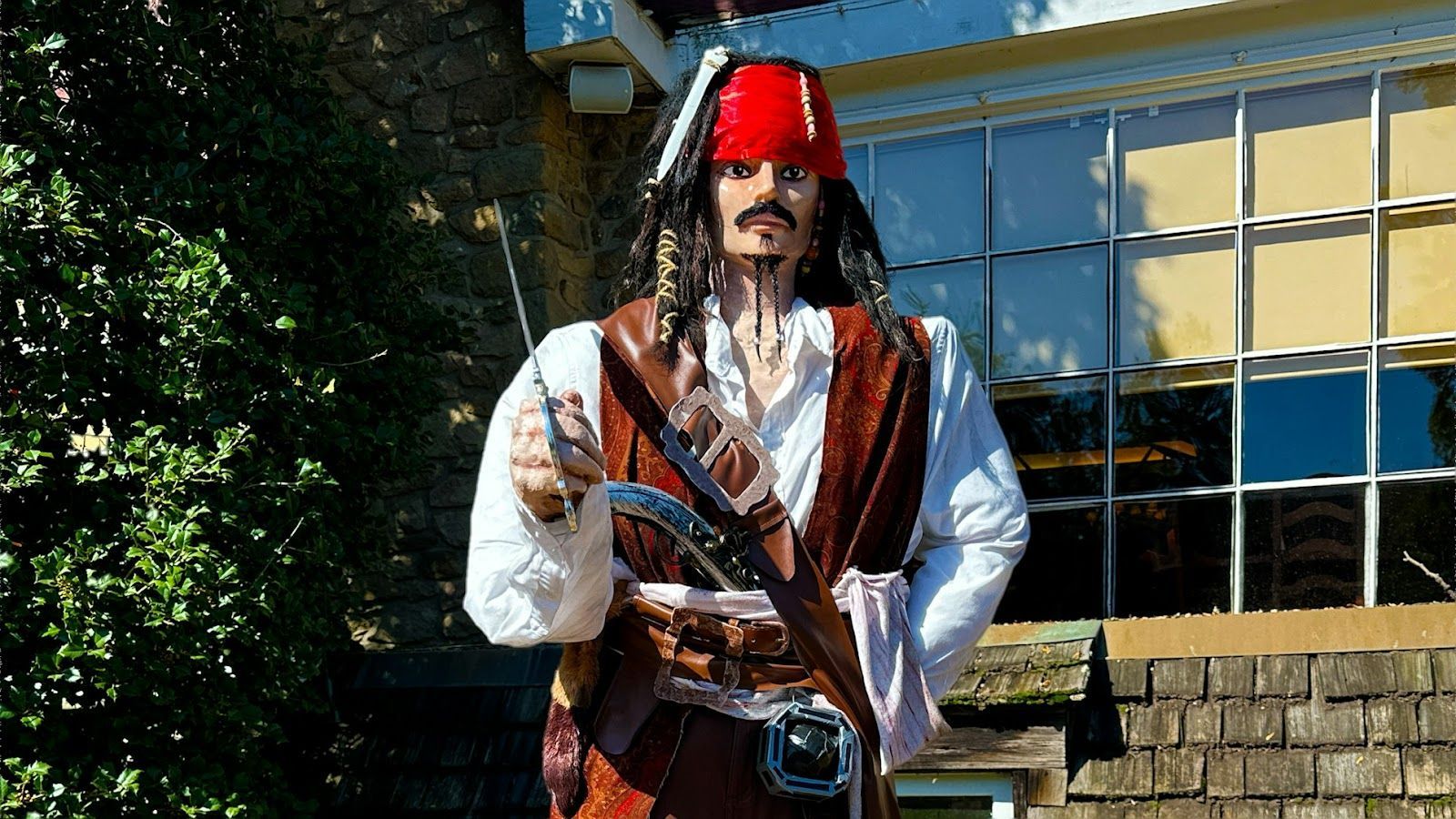
Image: Christopher Zenzel

Fashion designer Stella McCartney has known Johnny Depp since her student days at Central Saint Martins.

During her graduate show, Depp and Kate Moss stayed at her London home. Last year, McCartney shared a photo with Depp from the set of her father Paul McCartney's Queenie Eye music video, celebrating their long friendship.

Geography Geography 3 min read

American wonders

The Grand Canyon is older than dinosaurs—10 facts you never knew

Image: Drif Riadh

The Grand Canyon is one of America’s greatest natural wonders, but its history holds more surprises than you might think. From its ancient formation to modern discoveries, this canyon’s story is filled with adventure, mystery, and national pride. Here are 10 astonishing facts that reveal its amazing journey through time.

1
Ancient origins

Image: Ameer Basheer

The Grand Canyon isn’t just old—it’s millions of years older than previously thought. Some rock layers at the bottom date back 1.8 billion years, nearly half the age of Earth itself. While the canyon itself is around 5 to 6 million years old, recent studies suggest parts of it began forming 70 million years ago—during the dinosaur era.

2
Once an ocean floor

Image: Yannis Papanastasopoulos

Long before it was a canyon, this region sat beneath an ancient sea. The Kaibab Limestone, the canyon’s top layer, formed from marine fossils left behind as the waters receded 270 million years ago. The presence of coral, shellfish, and even shark fossils proves the area was once home to a thriving ocean ecosystem.

3
Carved by more than water

Image: Wolfgang Hasselmann

While the Colorado River played a huge role in shaping the canyon, other forces were at work. Volcanic activity, tectonic uplift, and even landslides helped carve out its immense depths. Lava flows from nearby volcanoes poured into the canyon, creating layers of rock that tell the story of violent geological change.

4
The earliest human inhabitants

Image: Russ McCabe

Humans have lived near the Grand Canyon for at least 12,000 years. The earliest known inhabitants were Paleo-Indians, who left behind stone tools and spear points. Later, the Ancestral Puebloans built cliff dwellings and left behind intricate pottery, proving that this seemingly inhospitable land was once home to thriving communities.

5
First European encounter

Image: Antoine Vidal de La Blache

Spanish explorer García López de Cárdenas was the first European to lay eyes on the canyon in 1540. Sent by Francisco Vázquez de Coronado in search of legendary cities of gold, he and his men were shocked by its vastness. They tried to climb down for water but failed, unable to comprehend its sheer scale.

6
Named a national monument

Image: Benjamin Cutting

President Theodore Roosevelt designated the Grand Canyon a national monument in 1908, calling it a place "every American should see." He was instrumental in protecting it from commercial exploitation, setting the stage for its eventual National Park status in 1919.

7
Hidden caves

Image: Russ McCabe

The Grand Canyon contains over 1,000 caves, but fewer than 400 have been explored. Some remain completely untouched, preserving prehistoric fossils and evidence of ancient human life. Today, only one cave is open to the public—Grand Canyon Caverns, located nearby in Arizona.

8
Phantom ranch

Image: Annie Spratt

Built in the 1920s, Phantom Ranch remains one of the most isolated lodges in America. Located at the bottom of the canyon, it’s only accessible by hiking, mule ride, or rafting. Due to high demand, reservations are awarded through a lottery system.

9
America’s first canyon explorer

Image: Alex Moliski

John Wesley Powell led the first recorded expedition through the Grand Canyon in 1869. With one arm lost in the Civil War, he braved the Colorado River’s treacherous rapids in wooden boats. His journey mapped the canyon’s uncharted territory, proving it wasn’t an impassable wasteland but a geological treasure trove.

10
Forgotten civilizations?

Image: Otacilio Maia

In the 1930s, explorer Emery Kolb uncovered a sealed cave in the canyon containing ancient artifacts and human remains. Some speculated it belonged to a lost civilization, but archaeologists determined it was a prehistoric Native American site. The canyon still holds thousands of undiscovered archaeological sites, adding to its mystery and historical significance.

General General 7 min read

State your colors

Why is there a bleeding animal on this state flag? Read all about it

Image: Dreajc10, CC BY-SA 4.0, via Wikimedia Commons

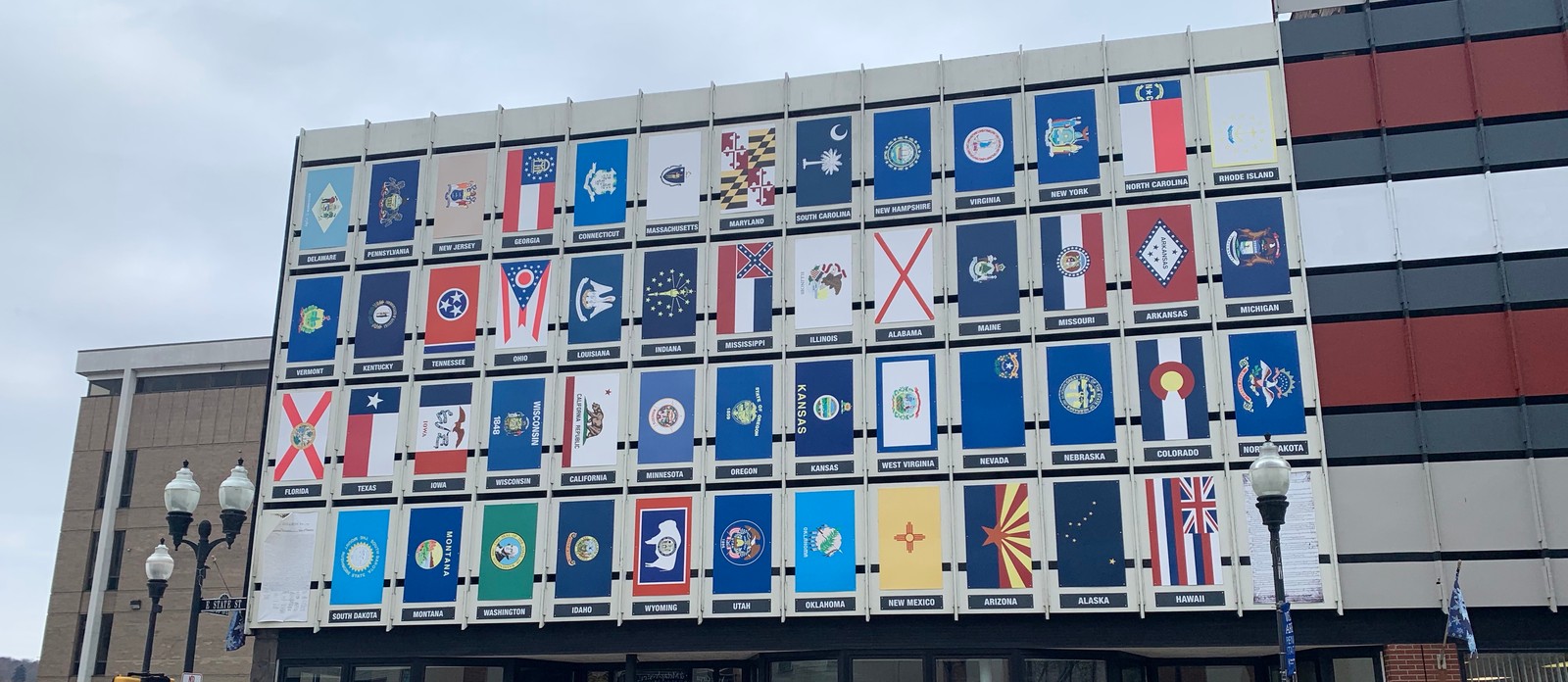
How much do you know about state flags? We see them flying at schools, post offices, and parades, but we rarely stop to think about where they come from. All of them have backstories that are worth learning about. From strange animal motifs to presidential portraits, here's a quick tour of some of the most unique state flags that you may find while touring America.

1
A 13-year-old designed Alaska’s flag

Image: Aerra Carnicom, CC BY-SA 4.0, via Wikimedia Commons

In 1927, while Alaska was still a U.S. territory, officials launched a contest inviting school kids to design territorial flags. Among the 140 entries that arrived in Juneau containing polar bears, mining scenes, or territorial seals, was the design of 13-year-old Benny Benson , an Alaskan Native Aleut.

The design featured eight gold stars against a deep blue field. Seven stars formed the Big Dipper, symbolizing strength through the Great Bear constellation, while the North Star represented Alaska’s future as the northernmost state in the Union. Benson also explained that the blue background honored both the sky and the state flower, the forget-me-not. His design was unanimously selected and officially adopted by the territorial legislature in May 1927, and Benson received a gold watch engraved with the flag and a $1,000 scholarship award.

2
Washington went green and presidential

Image: Malachi Brooks

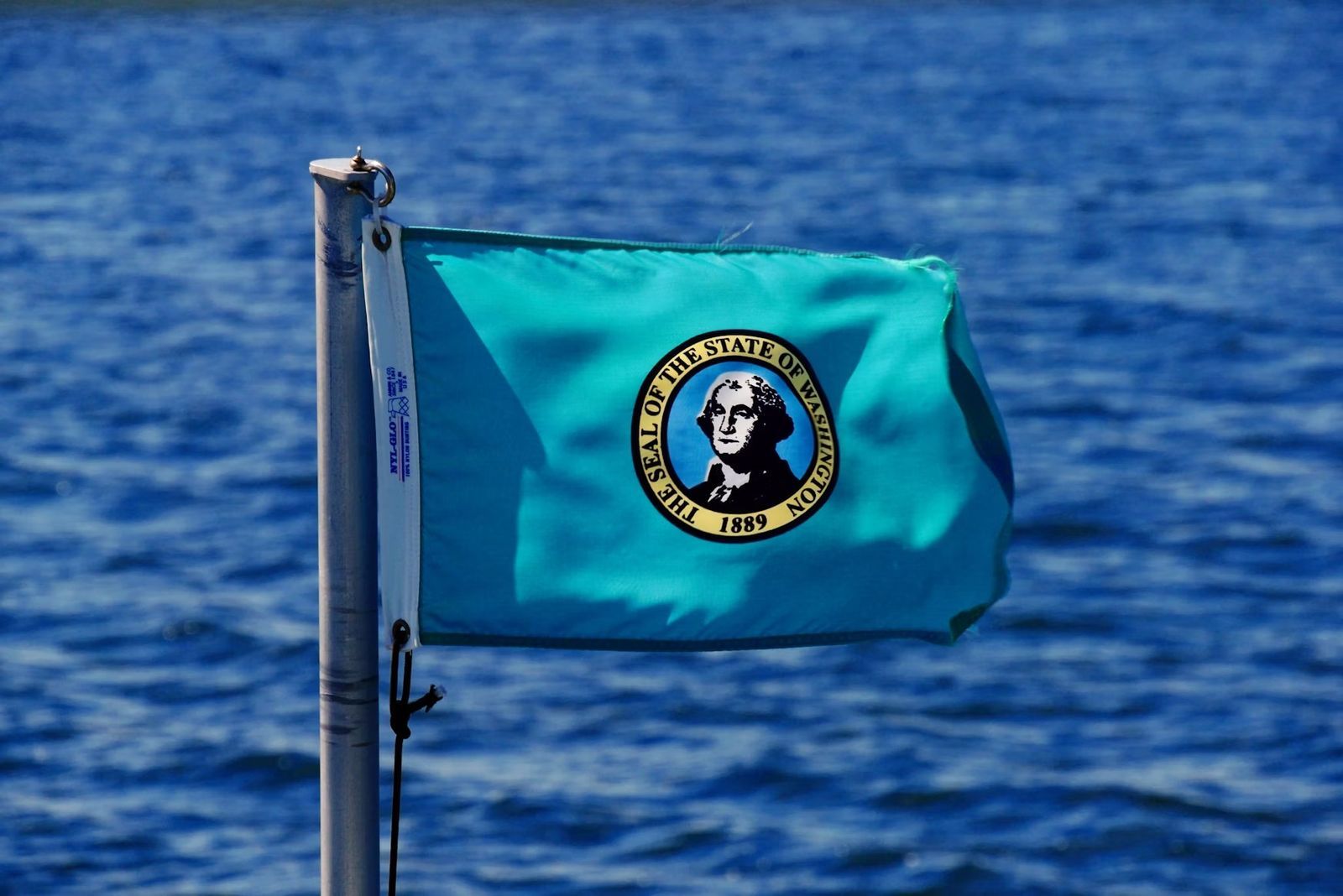
When Washington officially adopted its state flag in 1923, the Legislature made a choice unlike any other state in the country. Instead of following the usual red, white, and blue pattern, they chose a deep green background to reflect the state’s nickname , "The Evergreen State," a reference to its dense forests and year-round greenery. At the center, they placed the state seal featuring George Washington, the first president of the U.S.

The portrait itself was based on a famous painting by Gilbert Stuart, an American artist known for some of the best images of Washington. The portrait represents patriotism and identity. To this day, Washington remains the only U.S. state flag with a green field and the only one to feature an American president’s face.

3
Ohio ditched the rectangle

Image: Hannah Wernecke

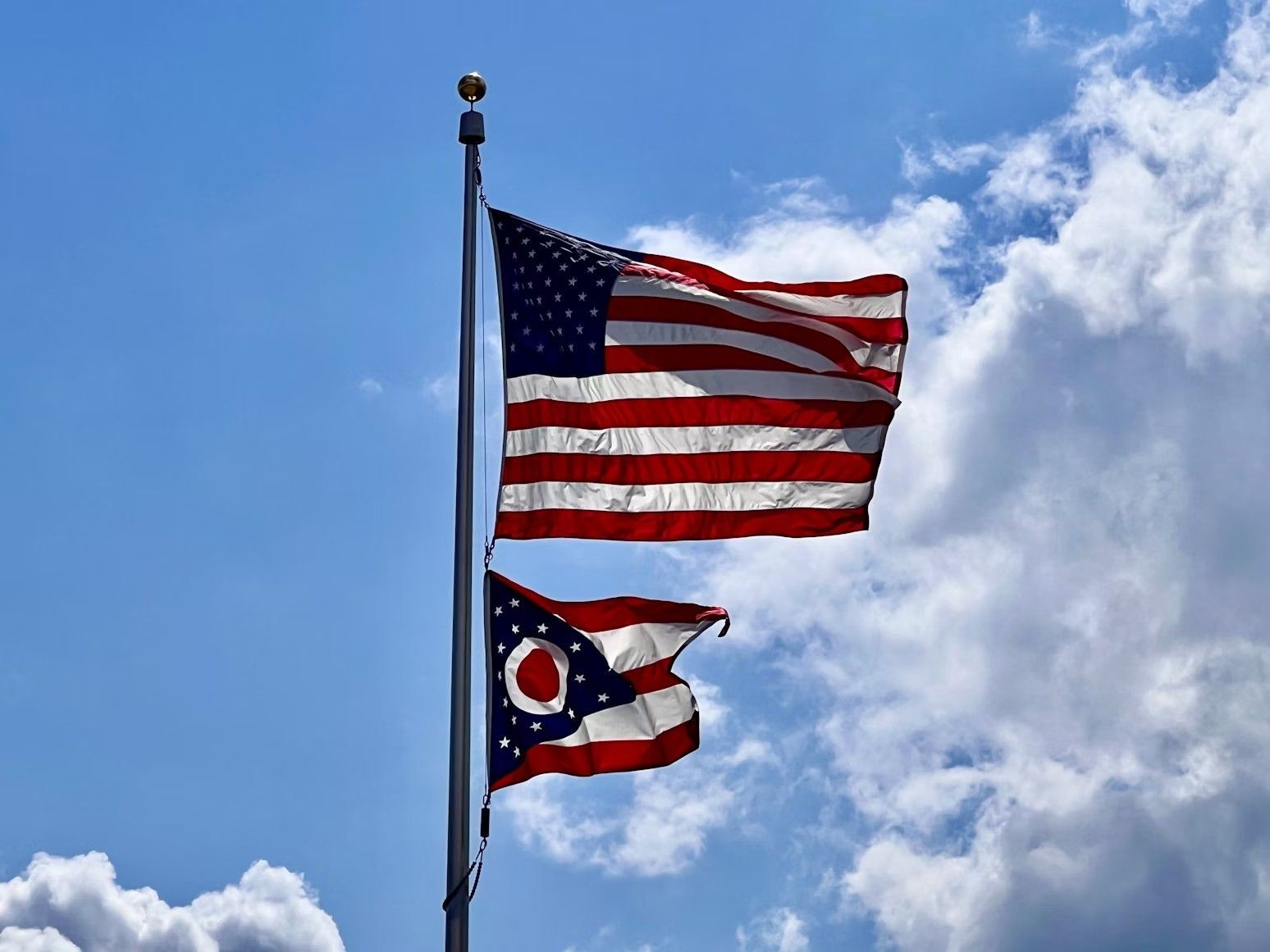
Ohio may have joined the Union in 1803, but for nearly a century, the state had no official flag of its own. But it began turning heads the moment it was introduced in 1902.

Designed by architect John Eisenmann for the Pan-American Exposition in Buffalo, New York, the flag broke one of the oldest traditions in vexillology. Instead of a rectangle, Eisenmann created a burgee, a swallowtail pennant shape more commonly used by naval organizations and cavalry units. Its red and white stripes represent roads and waterways, while the blue triangular field symbolizes Ohio’s hills and valleys. The white "O" stands for both Ohio and the buckeye nut, and the 17 stars honor Ohio as the seventeenth state admitted to the Union.

4
Maryland flew in from the Middle Ages

Image: Aerra Carnicom, CC BY-SA 4.0, via Wikimedia Commons

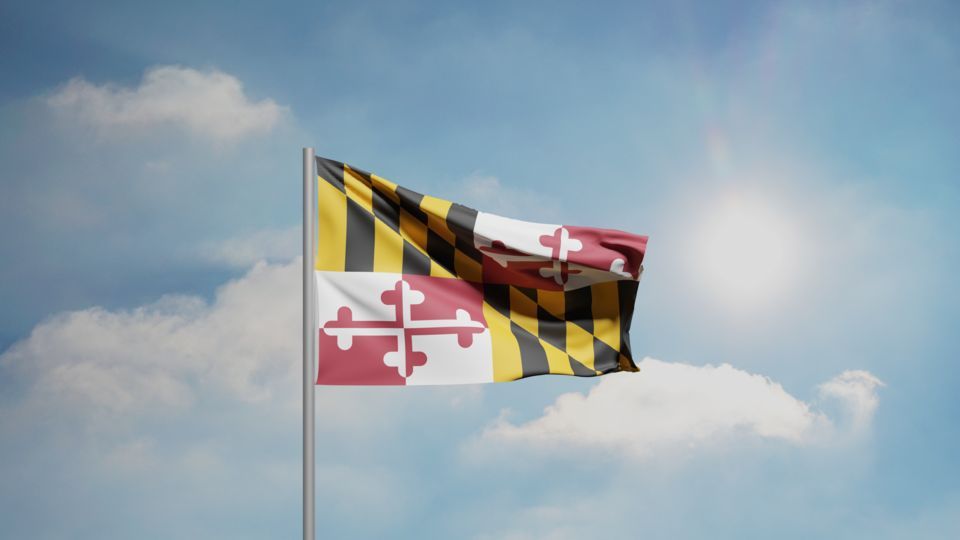
The story behind Maryland’s flag reaches back to English nobility, long before the U.S. existed. Its design comes from the coats of arms of the Calvert and Crossland families , connected to George Calvert, the first Lord Baltimore, whose family founded the Maryland colony in 1632 under a charter granted by King Charles I. The black and gold pattern belonged to the Calvert family, while the red and white cross belonged to the Crossland family through Calvert’s mother, Alicia Crossland.

During the Civil War, the colors gained powerful political meaning. Union supporters in Maryland often displayed the Calvert colors, while Confederate sympathizers adopted the Crossland pattern. Following the war, state leaders sought unity during Reconstruction, and by the 1880s, the two designs were combined into one banner. Maryland officially adopted the flag in 1904, turning former symbols of division into a lasting emblem of reconciliation.

5
California’s bear has a revolutionary past

Image: Drei Kubik

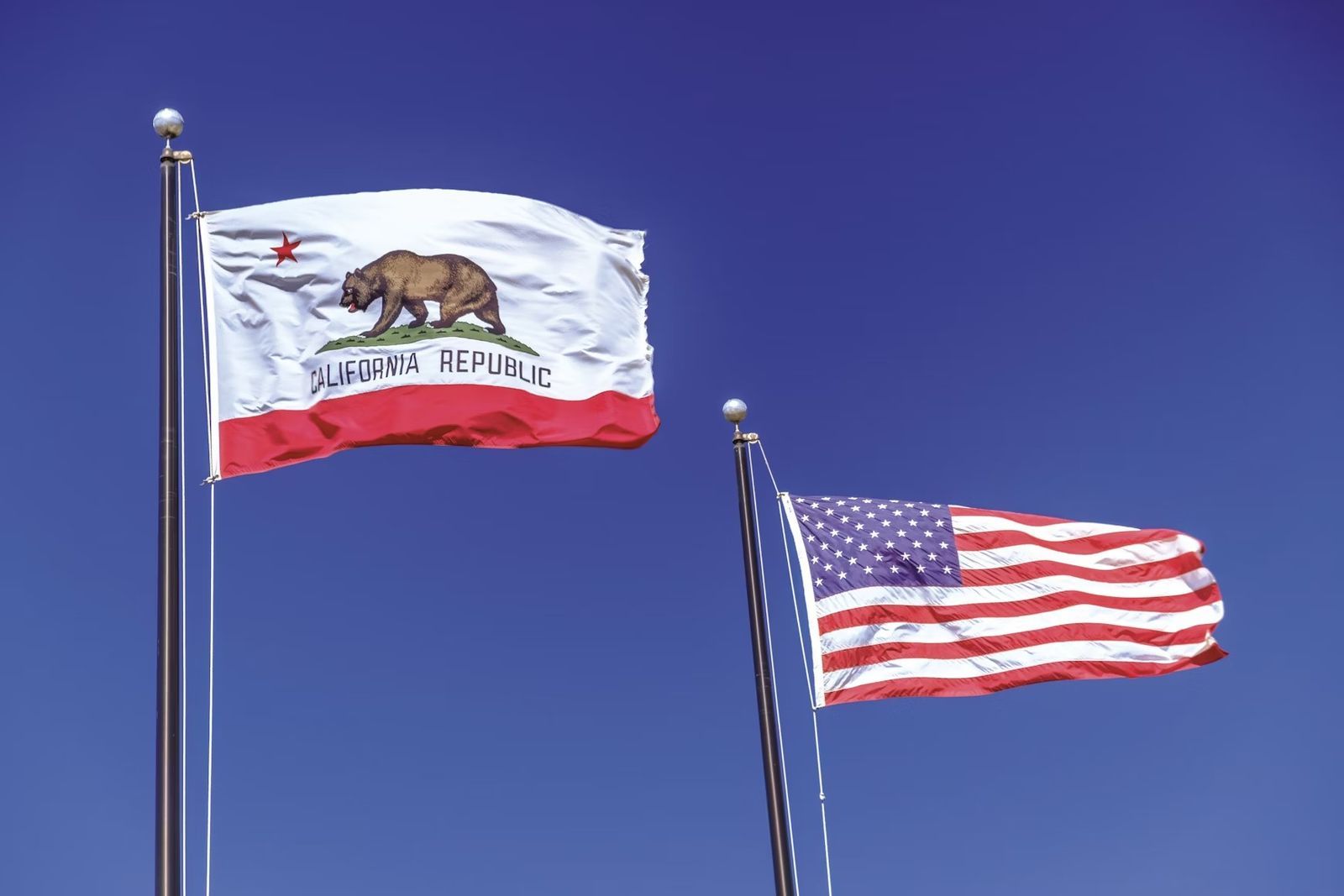
California’s famous Bear Flag began during the Bear Flag Revolt of 1846, when American settlers in Sonoma rebelled against Mexican rule and declared California an independent republic. Their handmade banner featured a grizzly bear, a red star, and the words "California Republic."

The rebellion ended in less than a month after the U.S. forces took control during the American-Mexican War between 1846 and 1848, but the image remained a symbol of independence. The original flag was later destroyed in 1906 in the San Francisco earthquake, though copies had been preserved. It wasn’t until 1911 that lobbying from the historical society, Native Sons of the Golden West, made the legislature adopt the design as the official state flag.

6
Oregon’s two sides

Image: Aerra Carnicom, CC BY-SA 4.0, via Wikimedia Commons

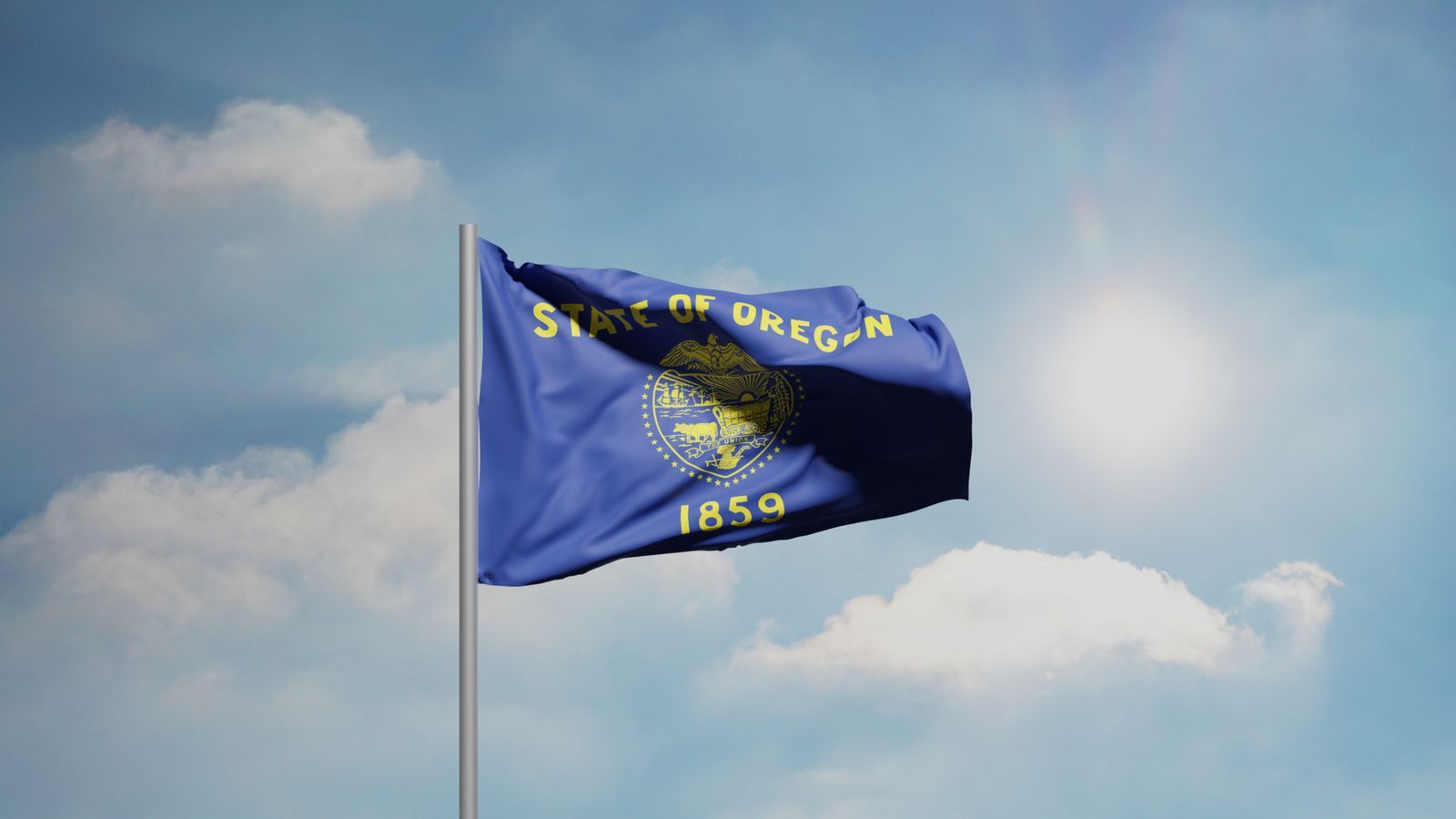
When Oregon adopted its official state flag in 1925, it quietly created one of the rarest flags in the world. Unlike nearly every other state banner, Oregon’s flag features two completely different designs, one on each side.

The front displays the state seal in gold against a navy-blue background, surrounded by 33 stars representing Oregon’s admission as the thirty-third state in 1859. Beneath the shield appears the year of statehood, while symbols such as a covered wagon and an eagle reflect Oregon’s frontier history and connection to the United States. The reverse side tells a simpler story. There, a single gold beaver appears alone on the blue field. The beaver became Oregon’s state animal because the fur trade played a major role in the region’s early economy during the 1800s.

7
Hawaii still nods to the British

Image: little plant

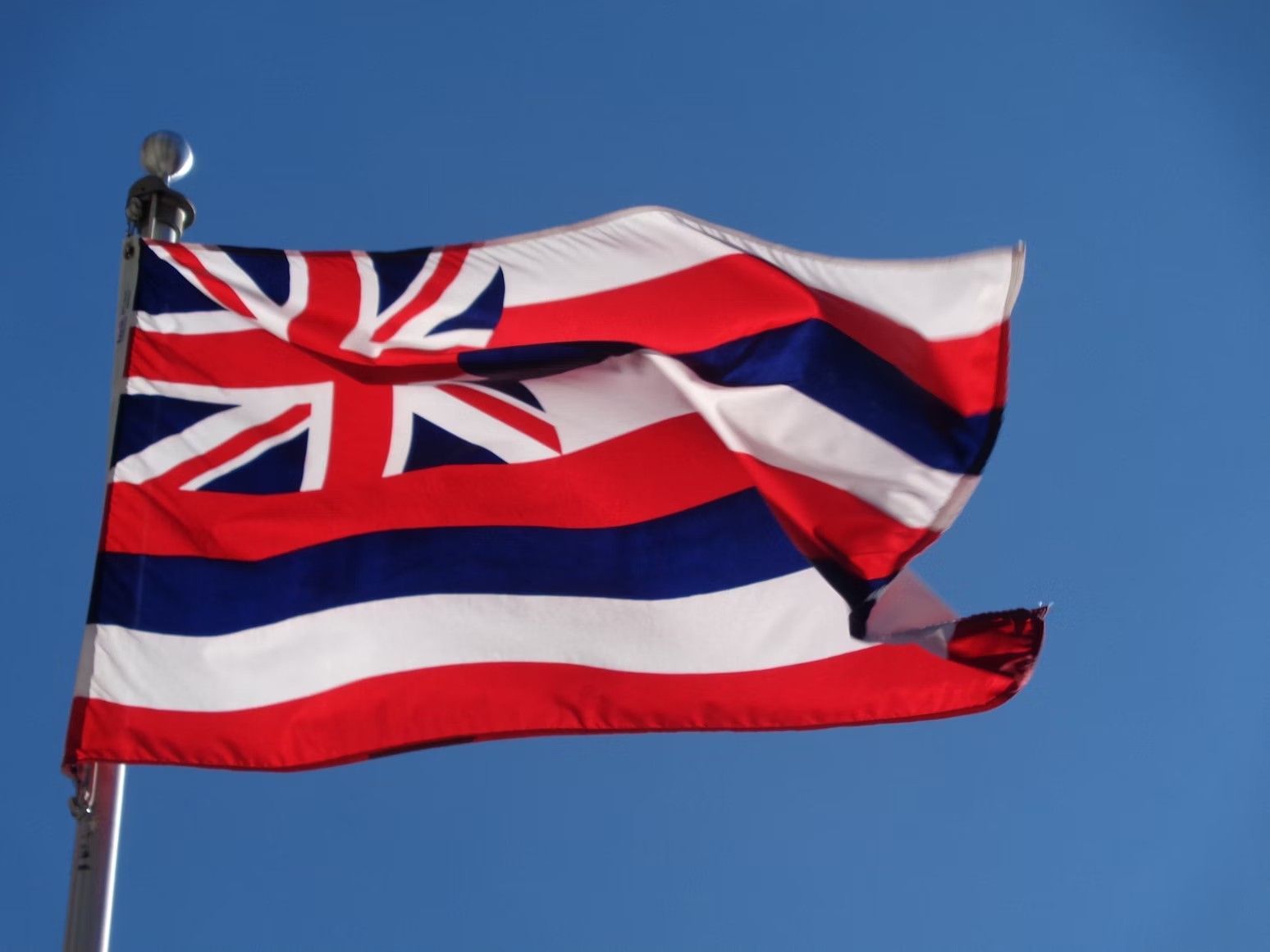
Hawaii’s state flag tells the story of a kingdom caught between powerful nations during the early 1800s. The British Union Jack placed in the corner dates back to the reign of King Kamehameha I, the ruler who united the Hawaiian Islands into a single kingdom.

Ever since the first British flag was raised in that territory in 1794, Hawaii used several variations of flags that blended British and American influences , partly to maintain good relations with both nations during the War of 1812. A combined design was created using the Union Jack alongside horizontal stripes inspired by the American flag. By 1845, the current design with eight stripes, representing the major islands, had been established. When Hawaii became a state in 1959, the historic flag remained unchanged.

8
Louisiana’s bleeding pelican

Image: Clker-Free-Vector-Images

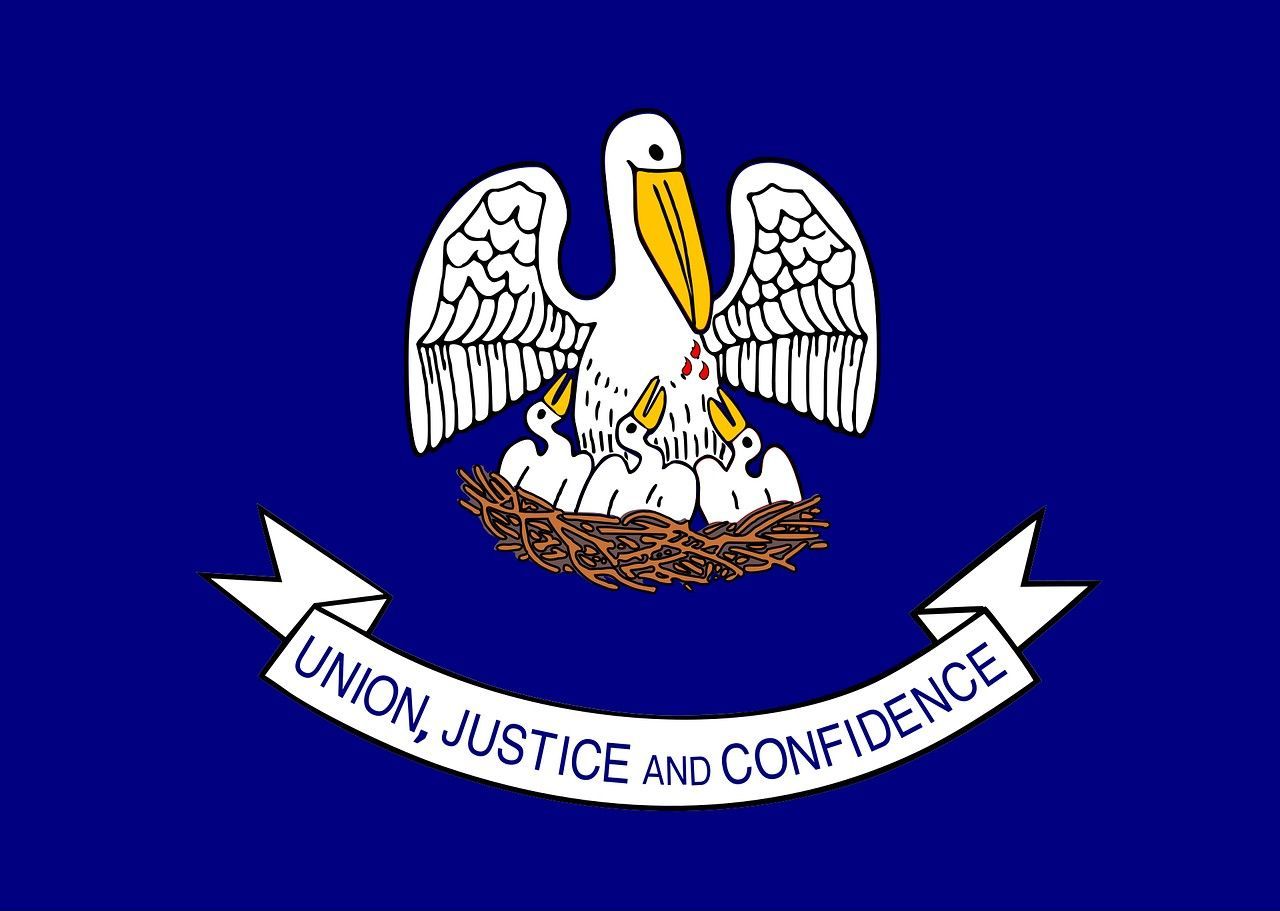
At first sight, Louisiana's choice of flag might seem a bit odd, but the meaning of its symbols carries centuries of meaning. The flag was adopted in 1912 and, at the center, stands a mother pelican feeding her chicks with drops of her own blood, an image taken from Christian traditions. According to legend, pelicans wound themselves during times of famine to keep their young alive. And even though the story is not scientifically accurate, the symbol stands for sacrifice, compassion, and protection. It also represents the bird-filled wetlands and Gulf Coast landscape that shaped the state’s identity.

Over time, different versions of the flag softened the dramatic image and even removed the drops of blood completely, but in 2010, Louisiana officially restored the traditional design and brought it back.

9
South Carolina’s flag is not standardized

Image: Clker-Free-Vector-Images

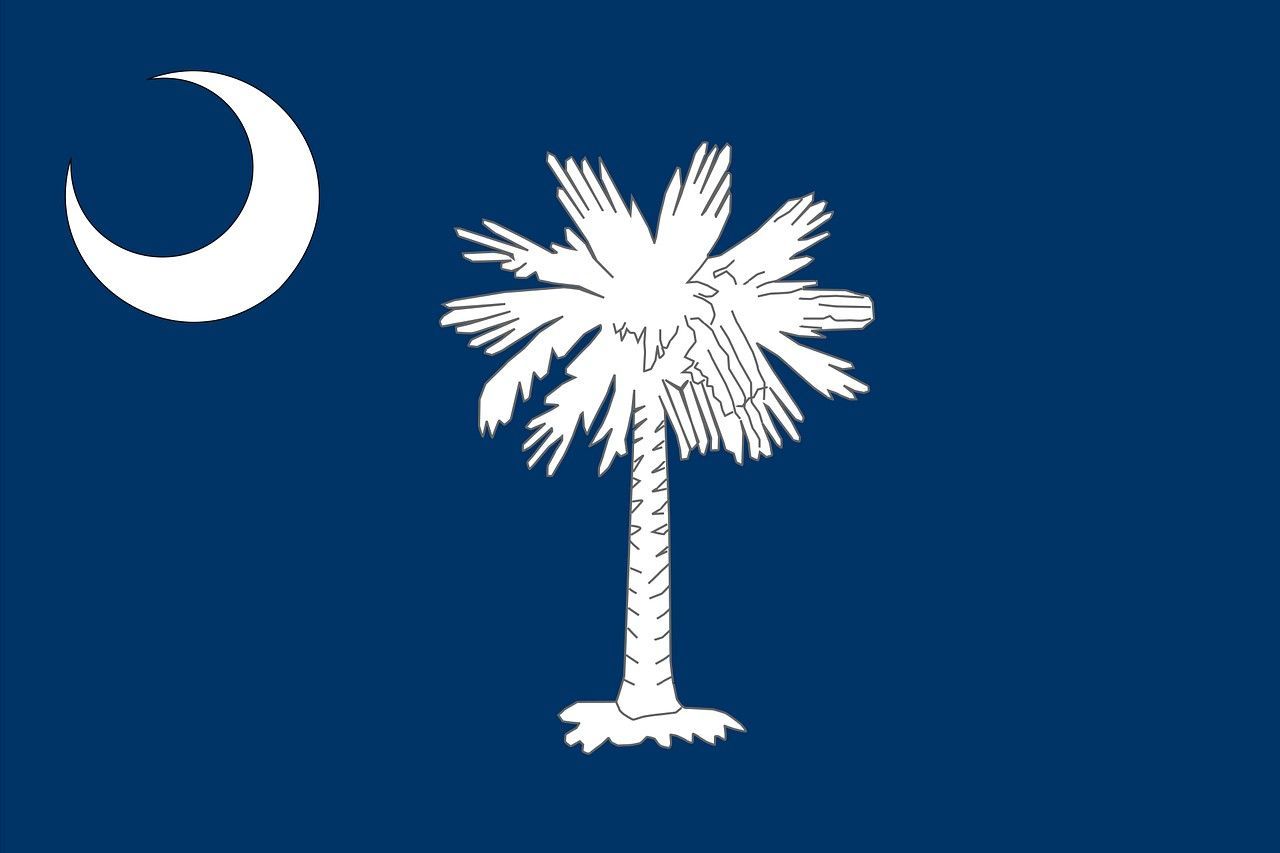
South Carolina’s flag shows a white crescent shape above a palmetto tree, and its design was born during the first days of the American Revolution. In 1775, Colonel William Moultrie designed a simple blue banner with a white crescent based on the uniforms worn by local patriot soldiers defending Charleston Harbor. A year later, the fort’s walls of palmetto logs absorbed British cannon fire instead of shattering. The Unexpected victory turned the palmetto tree into a symbol of South Carolina’s resistance, and it was added to the flag.

As the years passed, different versions appeared across the state, especially during the Civil War, when many were painted by hand. South Carolina officially adopted the familiar flag in 1861, but there were never defined exact shapes or proportions. That is why even today, no two South Carolina flags look exactly alike.

10
New Mexico went bold and beautiful

Image: Clker-Free-Vector-Images

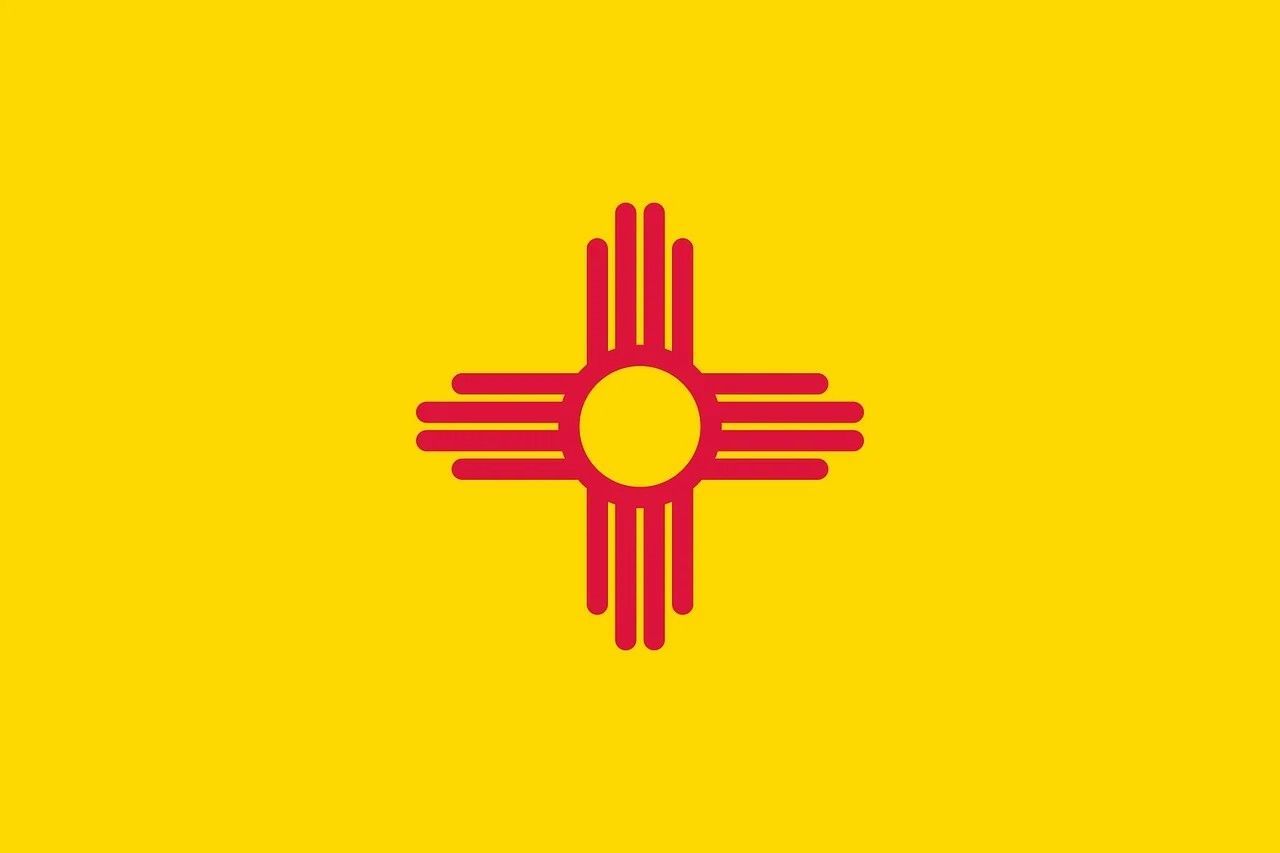
New Mexico’s first flag looked much like many others of the time. Designed by historian Ralph Emerson Twitchell, it included the American flag, the state seal, and the words "New Mexico" stitched across a blue field. But in 1920, the Daughters of the American Revolution began pushing for a design that truly represented the Southwestern identity.

After winning a statewide contest, Dr. Harry Mera, a Santa Fe physician and archaeologist, and his wife, Reba Mera, presented a design that replaced crowded symbols with something simpler : a red Zia sun symbol centered on a yellow field inspired by the colors carried by Spanish explorers centuries earlier. The sacred Zia symbol represented harmony through the number four, reflected in the seasons, directions, stages of life, and times of day. Adopted in 1925, the design became one of the boldest and most admired flags in America.

Explore more American facts

Choose your favorite category!

General
General

As American as apple pie—the very best America has to offer!

Culture
Culture

Delve into the astounding richness of American lore.

Geography
Geography

Hop in and explore vast and diverse American landscapes.

History
History

Discover the key moments that shaped the United States.