History History 6 min read

Would you dare go in?

Would you dare enter? 14 US locations that refuse to stay empty
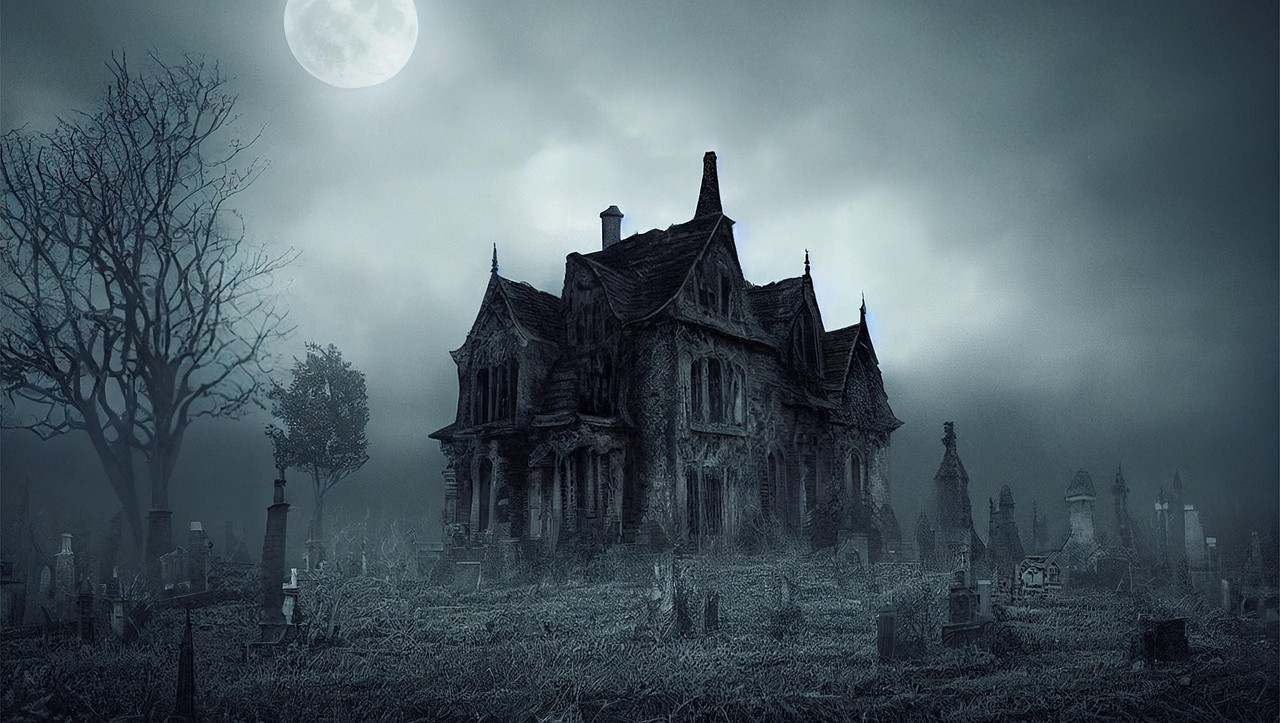
Image: Sandy Flowers

We know—it’s one thing to watch a scary movie hidden behind a giant bag of popcorn, and a very different thing to step into a dark, allegedly haunted house while an eerie, chilly breeze brushes your neck. Here, we’ve made a list of houses, hotels, and mansions in America with the spookiest claims of paranormal activity . Which one would you be brave enough to visit?

1
The Whaley House in San Diego, California

Image: Ivan Borinschi

The Whaley House is one of the few homes officially deemed "haunted" by the US government. Visitors report footsteps echoing in empty hallways, cold spots that won’t go away, and spectral figures on the stairs. How did it come to this? Built in 1857 by Thomas Whaley, the house stands on the site of former gallows. Whaley installed San Diego’s first brick house, which included a courtroom, general store, and theater space.

Unfortunately, Whaley’s daughter died by suicide in the house, and other family members passed away under the same roof. Accumulated tragedies and a spooky old house were enough to turn this eerie spot into a museum.

2
The Roosevelt Hotel in Los Angeles, California
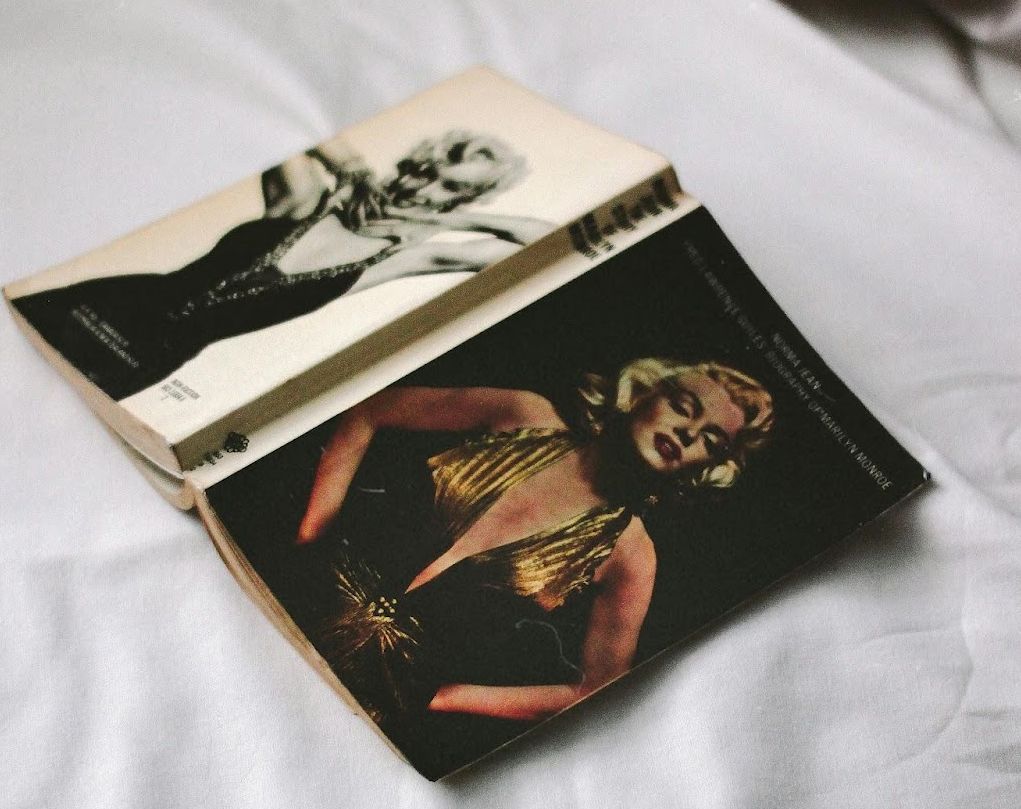
Image: pure julia

Built in 1927, this glamorous hotel hosted the very first Academy Awards. Stars like Clark Gable, Charlie Chaplin, and Marilyn Monroe were among its esteemed guests. But, according to recent visitors, Monroe never really checked out.

She is said to appear in a mirror that once hung in her poolside suite. Guests have reported seeing the reflection of a blonde woman behind them, only to turn around and find no one there. How would you react?

3
The White House in Washington, D.C.
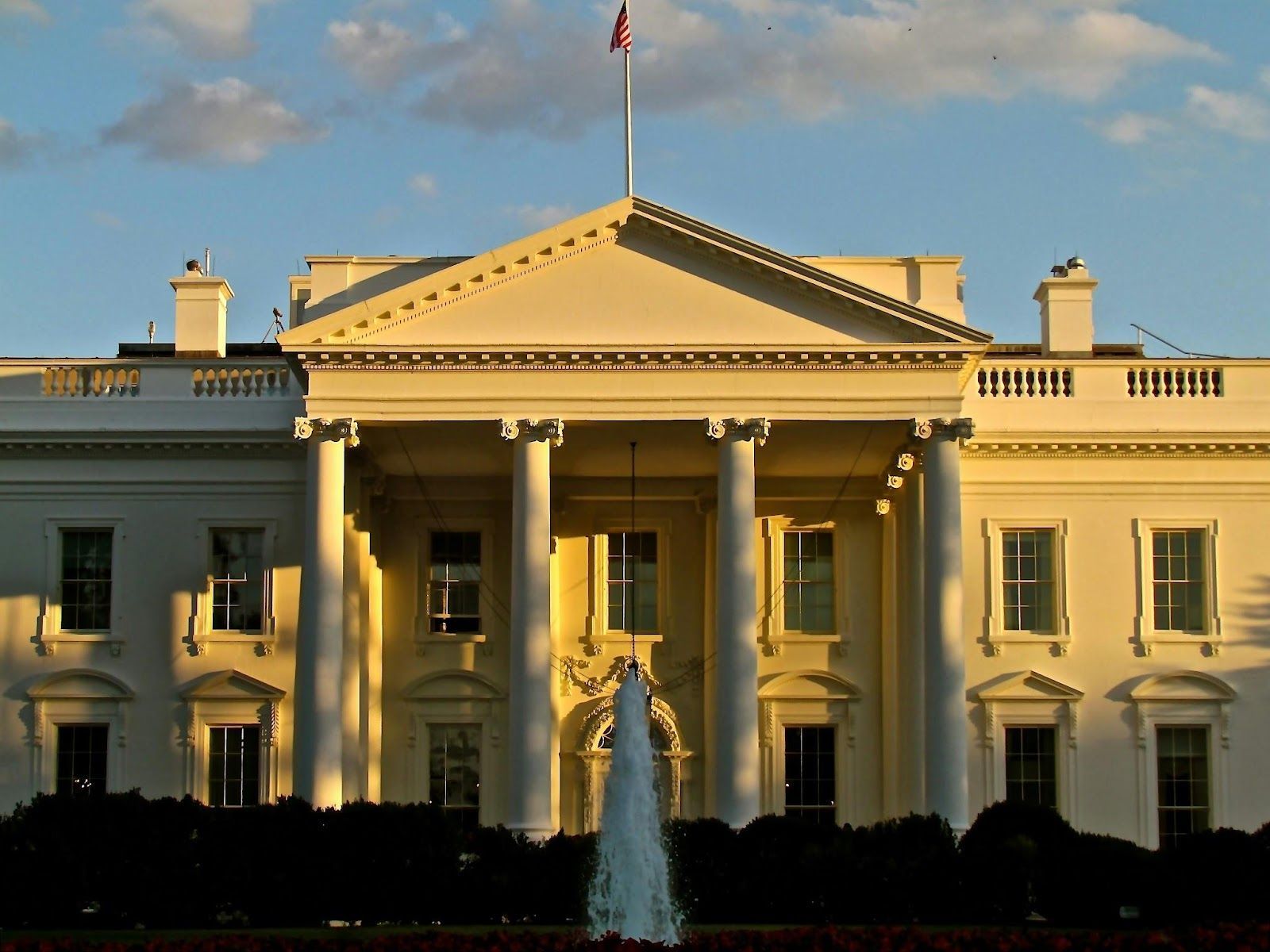
Image: Suzy Brooks

Did you expect to find America’s most powerful address on this list? As it turns out, presidents, first ladies, and staff have all reported eerie encounters over the years, with Abraham Lincoln’s presence as a recurring theme.

Queen Wilhelmina of the Netherlands allegedly fainted after seeing his ghost, and Eleanor Roosevelt claimed to feel his presence. Even Winston Churchill and Ronald Reagan contributed to the stories of a mysterious presence in the Lincoln Bedroom. Reagan famously reported that his dog, Rex, refused to enter the room.

4
The Winchester Mystery House in San Jose, California
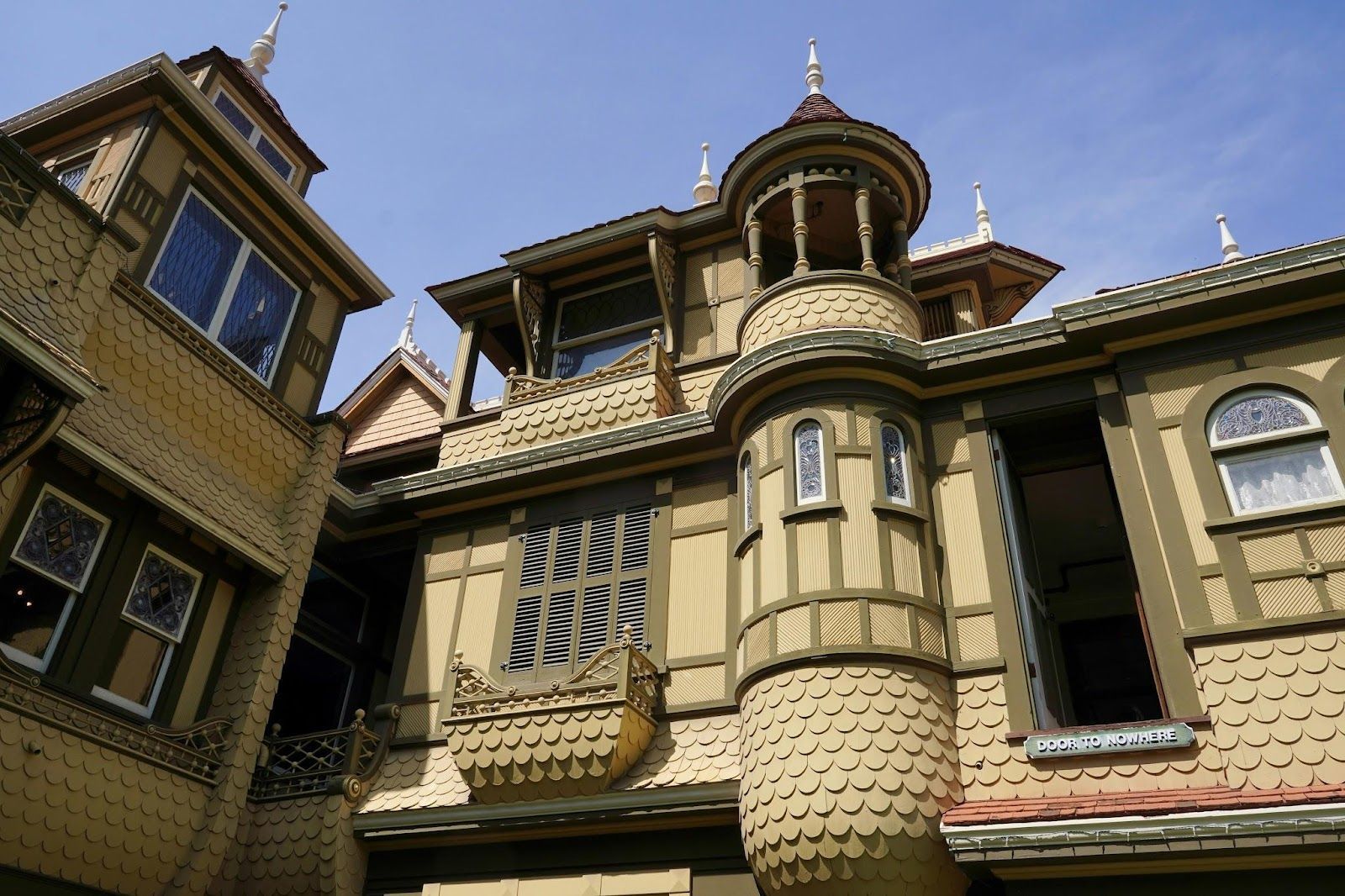
Image: Brett Wharton

When it comes to haunted mansions, Sara Winchester’s old Victorian-Gothic house will always sit in the podium.

After her wealthy husband and several family members died within months of each other , Sara began commissioning the construction of this puzzling house, which remained under continuous construction for 38 years. Naturally, it’s a bit of a labyrinth.

With staircases that lead nowhere, séance rooms, and flickers of shadowy figures here and there, the house stands as a monument to grief—and to ghosts.

5
The Villisca Axe Murder House in Villisca, Iowa
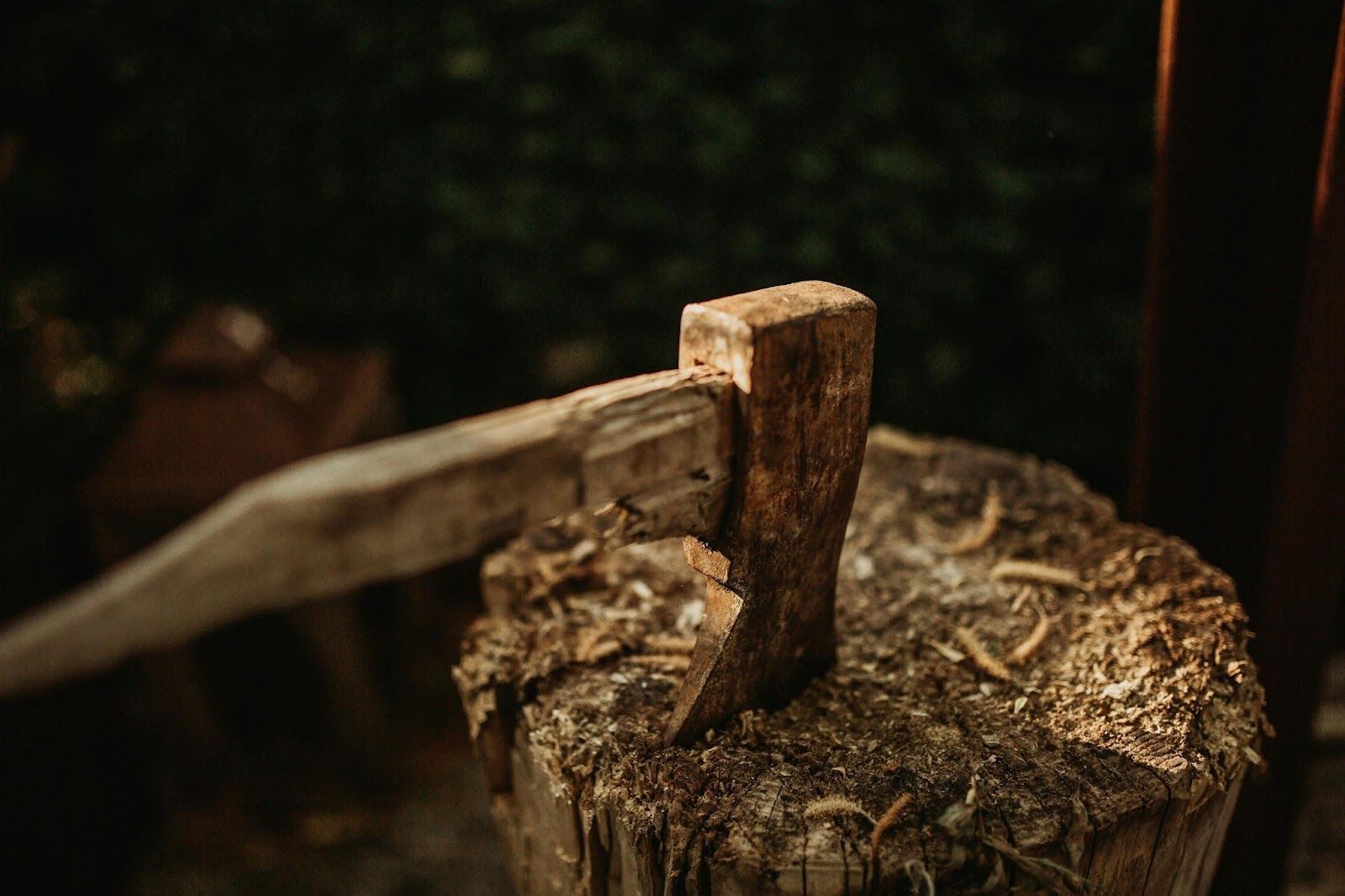
Image: Kevin Schmid

It might look like a quaint white farmhouse, but in 1912, it was the site of one of America’s most brutal unsolved murders. The Moore family and two guests were killed with an axe while they slept. There were no witnesses, and no real explanation was ever found.

Today, the house remains frozen in time, restored to its 1912 condition. Creaking floors, oil lamps, and a whole lot of uneasy silence.

6
Lizzie Borden House in Fall River, Massachusetts
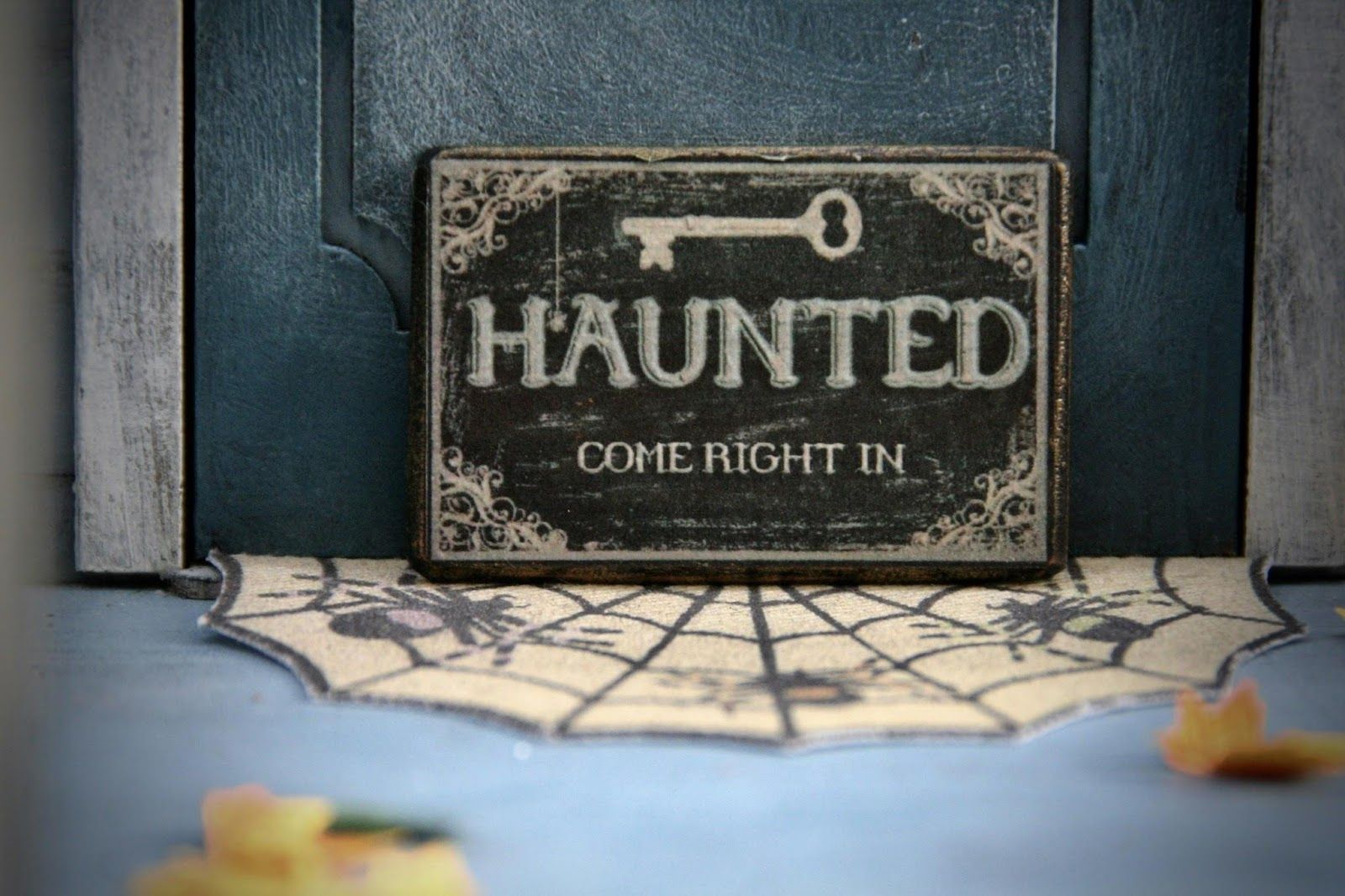
Image: Bee Felten-Leidel

You know the rhyme: "Lizzie Borden took an axe…" This New England house was the scene of one of America’s most infamous double murders in 1892. Lizzie was acquitted, but many believe she was responsible for the deaths of her father and stepmother, who were found dead under violent and suspicious circumstances.

Today, the house operates as a B&B for the brave and the curious. Guests have reported hearing footsteps, whispers, and even muffled cries coming from empty rooms. Some even choose to sleep in the very bedroom where Abby Borden met her tragic end.

7
The Lemp Mansion in St. Louis, Missouri
Image: Dhruv vishwakarma

Once home to the wealthy Lemp brewing dynasty, the mansion witnessed four family suicides between 1904 and 1949. That’s enough to make anyone who steps inside feel a bit… uncomfortable.

The family was cursed by misfortune: mental illness, failed fortunes, and mysterious deaths. Guests now report heavy footsteps in empty halls, strange knocking, and even ghostly apparitions—especially in the downstairs bathroom, where one Lemp took his own life. Today, it operates as a restaurant and inn.

8
Franklin Castle in Cleveland, Ohio
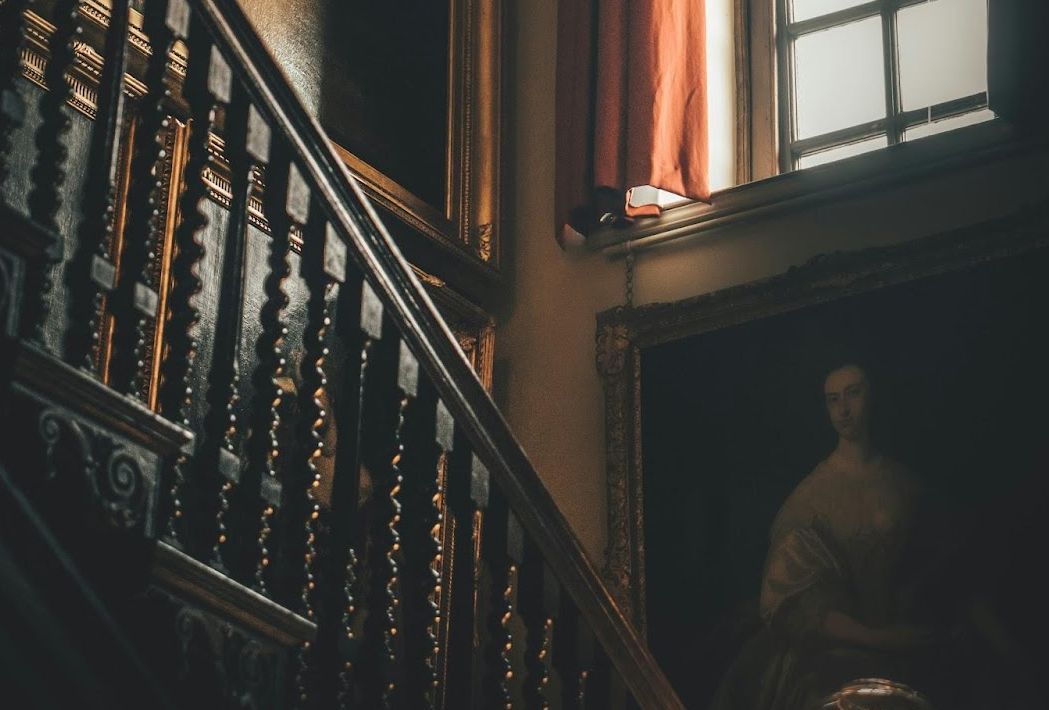
Image: Rob Potter

This Victorian mansion looks like it was designed to be haunted. Built in 1881 by Hannes Tiedemann, the home witnessed the deaths of several of his children and his wife within a short period.

Since then, tales of secret passageways, Nazi spies, and ghostly weeping have become forever attached to the castle. Owners have come and gone , but as the locals expected, none have chosen to stay.

9
The Sallie House in Atchison, Kansas

Image: Caroline Rogers

What began as a doctor’s residence in the 1800s took a dark turn when a young girl named Sallie allegedly died on the operating table . Her ghost, people say, began tormenting a later male resident, scratching, shoving, and even burning him.

Paranormal teams have confirmed that lights flicker, toys move on their own, and male visitors, especially, report sudden feelings of hostility.

10
The House of Death in New York, New York
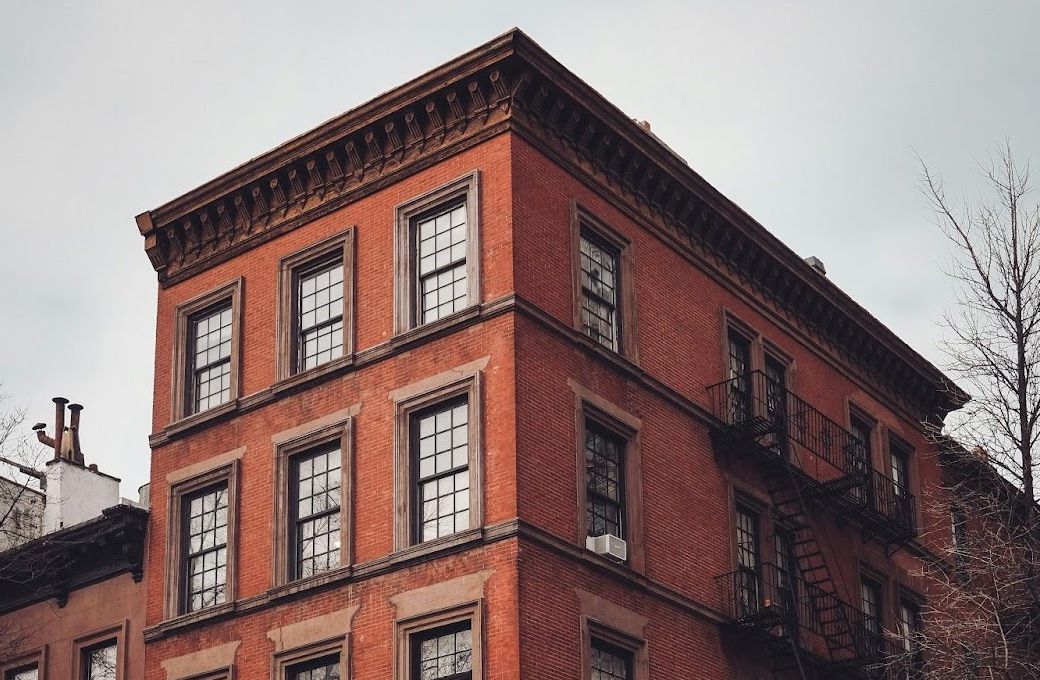
Image: With Paul

Behind the brownstone elegance of 14 West 10th Street in Greenwich Village lies one of NYC’s darkest secrets: over 20 reported deaths have occurred there.

Mark Twain was its most famous tenant , living there briefly in 1900. He once recounted a story about a floating log inside the house, but insisted that a rodent must have been responsible. Paranormal enthusiasts, however, refuse to believe his explanation and now claim that Twain’s ghost also haunts the house.

11
The Joshua Ward House in Salem, Massachusetts
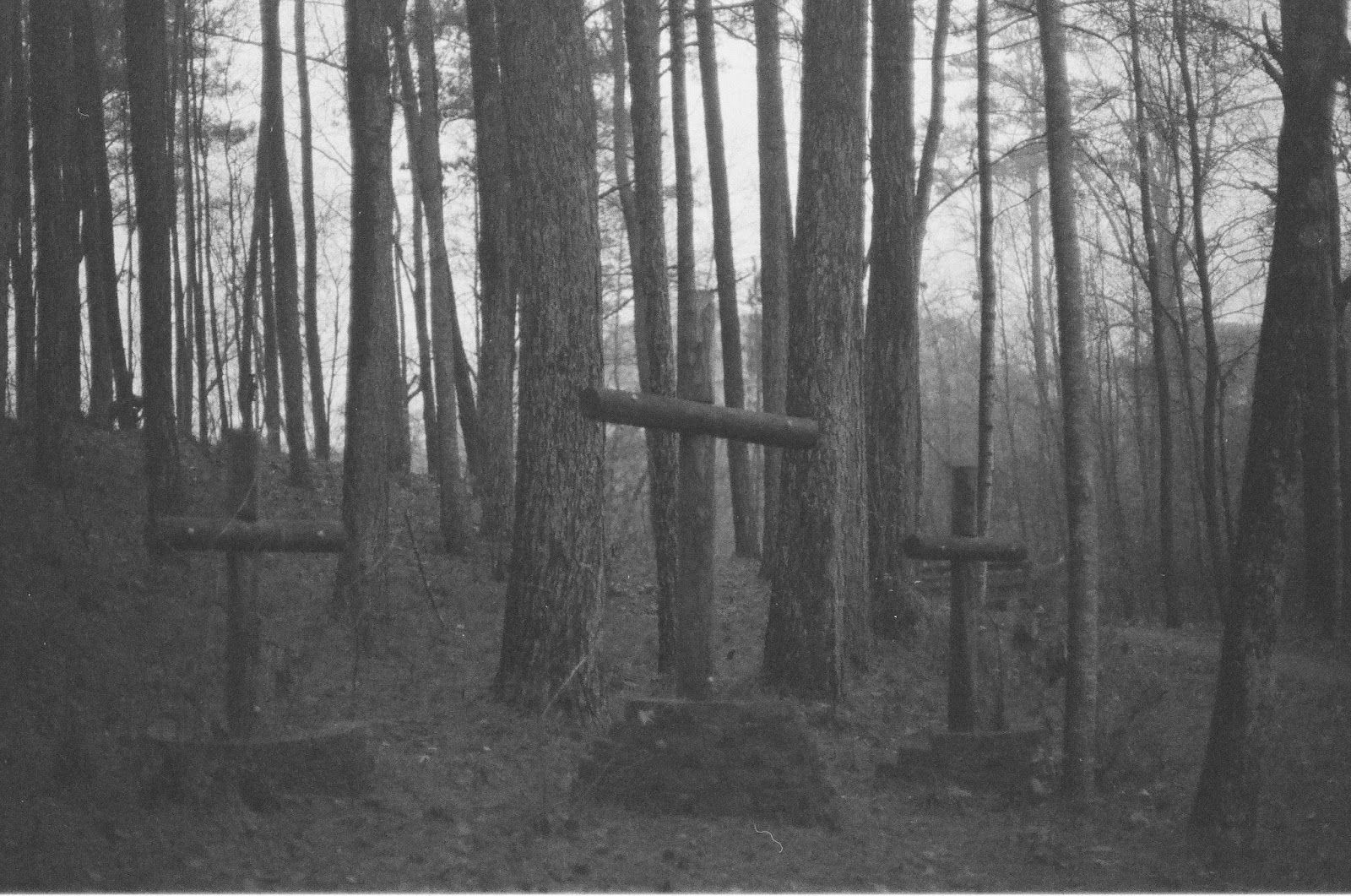
Image: Blake Cheek

This Georgian brick home sits under a dark curse in Salem. Its original land once held the jail of Sheriff George Corwin, infamous for torturing accused witches during the 1692 Salem Witch Trials. Known as the "Strangler," Corwin died of a heart attack at age 30 and was secretly buried in the basement.

Today’s residents and visitors report strangled sensations, cold drafts, and photographic anomalies—including a famous 1980s photo that appears to show a ghostly woman dressed in black with no eyes.

12
LaLaurie Mansion in New Orleans, Louisiana
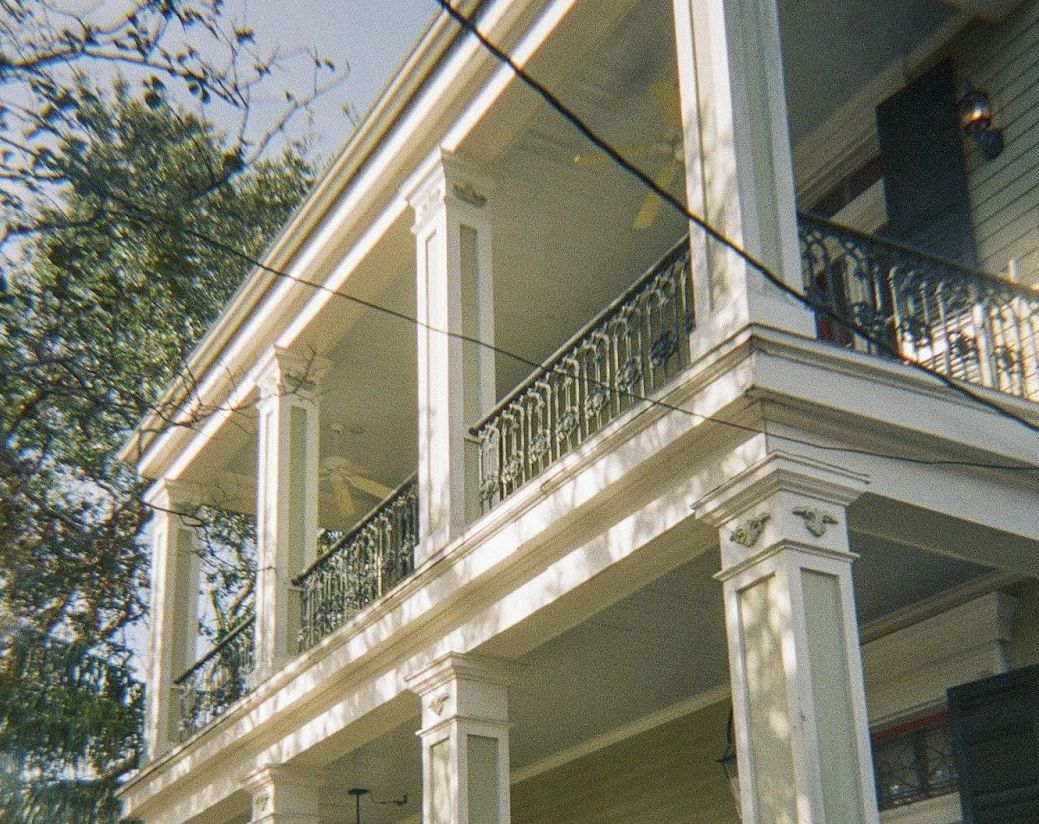
Image: Alain Pierre-Lys

Few stories are darker than that of Madame Delphine LaLaurie, a socialite whose elegant French Quarter mansion concealed an appalling secret. In 1834, a fire revealed a hidden attic where enslaved individuals had been cruelly confined under horrific conditions.

LaLaurie fled to Paris, but the ghost stories remained. Visitors claim to hear moans and phantom footsteps and to see shadowy figures. Actor Nicolas Cage once purchased the property but quickly sold it, claiming bad luck followed him.

13
The Bell Witch Cabin in Adams, Tennessee
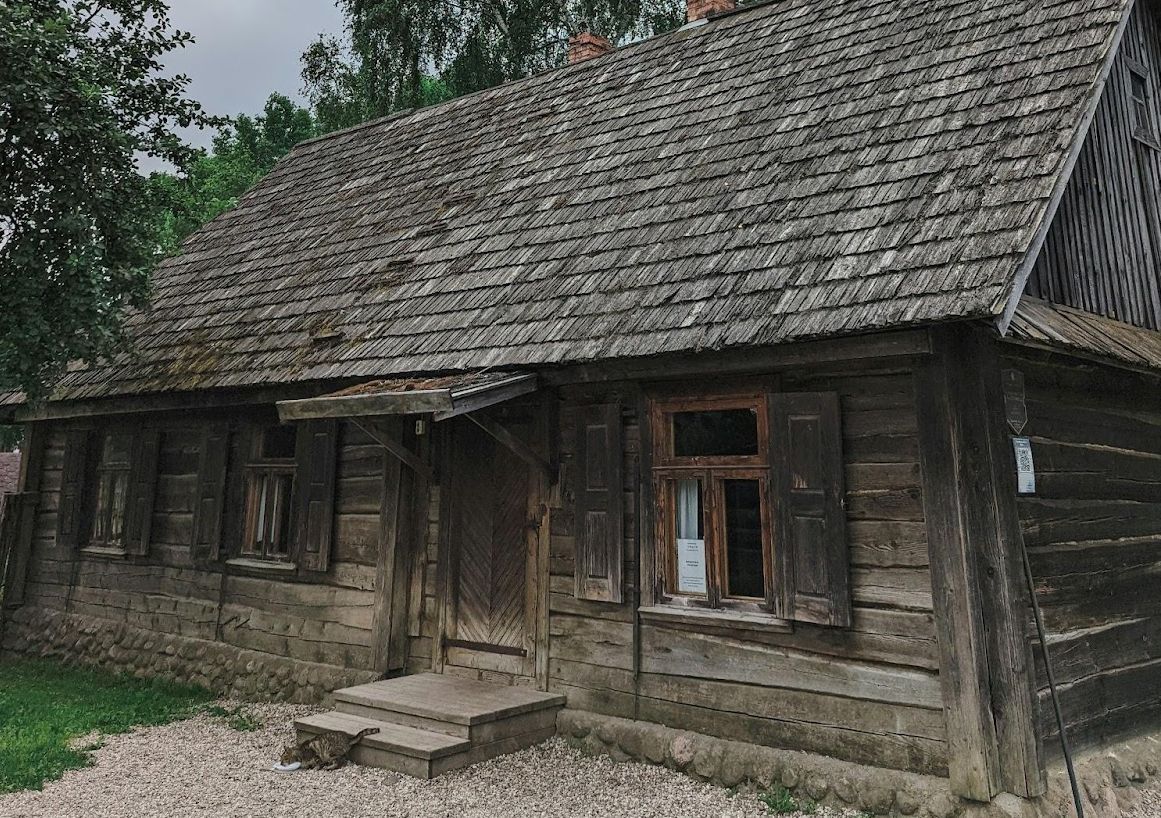
Image: Alex Vinogradov

This cabin marks the site of one of America’s oldest and most documented hauntings: that of the Bell Witch . This ghost received the nickname for haunting the Bell family in the 1800s. For years, the family endured a spirit that scratched walls, pulled hair, and even spoke in full sentences.

Legend has it that the entity killed patriarch John Bell. To this day, the rebuilt cabin and nearby cave remain popular destinations for ghost hunters.

14
The Riddle House in West Palm Beach, Florida

Image: Braden Wagner

Originally a funeral home (already a chilling start, right?), the Riddle House was later converted into a private residence. The story goes that it became haunted after an employee named Joseph hanged himself in the attic.

The house was eventually moved to Yesteryear Village to be preserved as a historical site, but it seems the ghosts made the trip too.

Culture Culture 5 min read

Double feature

10 times movies with identical plots were released at the same time

Image: cottonbro studio

After years of cinema history, it's hard to find a narrative that's a hundred percent original. Everything seems to take inspiration from something that's come before, but sometimes Hollywood takes this to the extreme. Twin films —two feature films with a striking resemblance and released at roughly the same time— are a fascinating cinematic phenomenon. Sometimes, both movies do relatively well at the box office; other times, one film completely buries the other. In this article, we have compiled 10 pairs of cinematic doppelgangers that offer two compelling versions of the same story. Can you think of other examples?

1
Elvis & Priscilla

Image: pasja1000

Elvis (2022) is an original script based on the life of Elvis Presley, directed by Baz Luhrmann, starring Austin Butler and Tom Hanks. On the other hand, Priscilla (2023) is based on the autobiography Elvis and Me, written by Priscilla Presley and directed by Sofia Coppola.

Although based on the life of the same public figure, the two films have their unique tone, extremely distinct executions, and different goals in mind. While Elvis focuses on the King of Rock and Roll himself and covers a lot more ground, Priscilla is much more intimate and has his wife and her experience at the center of the plot.

2
Top Gun & Iron Eagle

Image: LCdr. David Baranek, U.S. Navy, Public domain, via Wikimedia Commons

You've almost certainly seen Top Gun at some point. The 1986 hit that launched a young Tom Cruise to stardom as naval aviator Pete "Maverick" Mitchell was the highest-grossing title of that year, even though it was not only competing with a very similar film but wasn't even the first to be released.

Four months earlier, Iron Eagle , the story of brave fighter pilots battling in the skies, had been premiered. Although the Jason Gedrick-starring film had three sequels, none came close to the $1 billion mark that Top Gun grossed.

3
The Truman Show & EDtv

Image: Nathy dog

The Truman Show (1998) and EDtv (1999), both about a man whose life is filmed 24 hours a day for a TV show, were inspired by the then-emerging reality television.

While Truman is unaware that his life has been broadcast since he was a baby, Ed Pekurny is fully willing to air his daily life on TV —at least at first. Perhaps that lack of mystery, combined with a premiere just a few months after The Truman Show , meant that EDtv couldn't win over the audience. Would it be more popular if it had premiered earlier? Maybe, but it's hard to deny that The Truman Show is a masterpiece that will go down in cinema history.

4
Capote & Infamous

Image: Eric Koch for Anefo, CC0, via Wikimedia Commons

Truman Capote was a seminal writer in American literature. His life is full of exciting stories, so it's not surprising that his biography inspired several movies and TV series. Yet, in the case of Capote (2005) and Infamous (2006), this happened almost simultaneously.

Even more unusual, both films chose to tell the author's process that led him to interview the killers of the Clutter family and that would later become his most successful work, In Cold Blood . Capote stars Philip Seymour Hoffman and Toby Jones gives an excellent performance in Infamous . Which was your favorite?

5
Deep Impact & Armageddon

Image: Javier Miranda

In the summer of 1998, Deep Impact hit the cinemas, and just a few months later, Armageddon was released. Since both movies have similar plots —basically a comet or asteroid threatens to destroy the Earth—we can focus on which one had the better cast. On one side, you have Robert Duvall, Elijah Wood, Tia Leone, and Morgan Freeman. On the other, Bruce Willis, Ben Affleck, Billy Bob Thornton, Steve Buscemi, and Liv Tyler team up to save the world.

Looking at the box office returns, however, it's clear which one reigned supreme. Armageddon became the highest-grossing film that year, even though it received mostly negative reviews and was criticized for its scientific inaccuracies. All that said, Armageddon and Deep Impact are the pairing to go with if you're ever in the mood for a double feature.

6
Saving Private Ryan & The Thin Red Line

Image: Chief Photographer's Mate (CPHOM) Robert F. Sargent, U.S. Coast Guard, Public domain, via Wikimedia Commons

In 1998, Saving Private Ryan was one of the defining films of the year and captivated audiences with its heart-wrenching story and realistic portrayal of World War II. Shortly after making a fortune at the box office and scoring 11 Oscar nominations, The Thin Red Line hit the cinemas.

Both films feature similar themes and setups, but while Steven Spielberg’s take is a bit commercial and has a more straightforward narrative, the nearly three-hour-long version of Terrence Malick is more on the artistic side. That said, and despite the unfortunate coincidence, both movies are worth seeing if you like crude, realistic depictions of war.

7
The Prestige & The Illusionist

Image: jasper benning

For some reason, magic, a centuries-old form of entertainment, had its revival at the beginning of the 21st century thanks to cinema. While The Illusionist (2006) tells the story of Eisenheim, a Viennese magician who must confront Prince Leopold to avoid being discredited, The Prestige (2006) focuses on two rival magicians competing to win over late 19th-century London audiences. The two films, though different in style and tone, are excellent for any magic enthusiast.

8
Churchill & Darkest Hour

Image: Barthelemy de Mazenod

England's most famous Prime Minister, Winston Churchill, is one of the most revered leaders of World War II. Proof of that are the biographical films Churchill and Darkest Hour , released in 2017. Although both follow the same historical figure, they are very different in style, tone, and setting.

Churchill , starring Brian Cox, focuses on the last period of his wartime career, before the Normandy invasion. Released later but set earlier in time, Darkest Hour portrays Winston Churchill, played by Gary Oldman, as he holds the fate of Western Europe at the beginning of the war. The latter film turned out to be the more successful of the two, even winning an Academy Award for best actor.

9
K-9 & Turner and Hooch

Image: Martin Podsiad

In 1989, there were not one but two films that portrayed police officers teaming up with a dog to fight crime. The first was K-9 , starring Jim Belushi as the angry police detective Michael Dooley. Instead of taking a human partner, Dooley decides to get a German Shepherd named Jerry Lee. From there, all kinds of antics ensue.

Just a few months later, Tom Hanks played a meticulous police investigator who's forced to take a troublesome dog who's the only witness to a horrible crime in Turner and Hooch . Obviously, a lot of the humor from both of these movies stems from the erratic behaviors of their titular canines. So, if you are into dog jokes, then you'll probably find something to like here.

10
No Strings Attached & Friends with Benefits

Image: cottonbro studio

In 2011, two romantic comedies were released centered around the idea of friends casually hooking up to end up realizing they were in love. No Strings Attached had Natalie Portman and Ashton Kutcher in the leading roles, while Friends with Benefits starred Mila Kunis and Justin Timberlake.

Although they are practically the same movie, they had some success. Both of them made about 150 million at the box office. However, if you have a problem telling them apart, don't worry, you are not alone!

Geography Geography 5 min read

Cradles of history

America's forgotten capitals: Cities that were once their state’s main

Image: Martin Zenker

Every state has its heart: A main city that serves as the center for governance, lawmaking, and administration. But what about the cities that once held the title, only to see it moved elsewhere? Did any of them resist the change? Let’s look into towns that left indelible marks on the culture of their states, even after the halls of power packed up and moved inland.

1
San Francisco, California

Image: Belle Co

San Francisco was never officially a state capital, but there was a 9-month period during the early governance of California when the capitol stood in the city’s Merchant’s Exchange building .

The seat of California’s capital moved multiple times among cities, including Monterey, San Jose, Vallejo, and Benicia. In the mid-19th century, it settled in Sacramento, strategically situated at the confluence of major rivers –which also meant proneness to flood . Severe flooding hit the city in the 1860s, temporarily incapacitating it as a state capital.

The administration then moved to San Francisco, which had been instrumental during the Gold Rush and remained a cultural and economic powerhouse. When Sacramento had recovered, though, the legislature moved back and it has remained the state capital since.

2
Savannah, Georgia

Image: Jessica Furtney

Savannah, the beautiful city in Georgia famous for its cobblestone streets and picturesque squares, was the state’s first colonial capital. It continued to hold the capitol following the American Revolution.

In the late 1700s, however, the capital moved inland to Augusta, where the population was growing. The decision was also meant to protect the government from potential coastal attacks .

Several cities served as capitals in the decades that followed, such as Louisville and Milledgeville. It wasn’t until a constitutional convention was held in Atlanta that the city’s potential as a state capital was recognized, and later realized.

3
St. Augustine, Florida

Image: Maddie DiFilippo

Known for its well-preserved colonial architecture, like the Castillo de San Marcos fortress , St. Augustine was the capital of East Florida for hundreds of years, since Spanish rule.

When Florida became a U.S. territory, St. Augustine, on Florida's northeast coast, maintained its role as one of two capitals, alongside Pensacola, which served West Florida. However, the difficulty of travel between these two cities led to inefficiencies in governance.

A halfway point was set exactly at Tallahassee to make access easier for legislators of both sides. To this day, St. Augustine maintains many constructions and a strong heritage from its colonial past.

4
New Orleans, Louisiana

Image: Stella He

When Louisiana was admitted into the Union, vibrant New Orleans was the state capital, and it remained so for over 30 years until the government seat was changed to Baton Rouge.

New Orleans was the largest and most economically significant city in the state at the time, so it was a natural choice. Still, its location also posed challenges, like disease outbreaks that often plagued it, and the powerful political influence of the French Creole population .

Eventually, Baton Rouge became the official capital, and its new Gothic Revival-style capitol building opened in the mid-19th century. Today, New Orleans remains a cultural hub for the state and the country.

5
Lewiston, Idaho

Image: Anthony Camerlo

The original capital of Idaho was upstate Lewiston, a key shipping hub thanks to its access to river transport. But the discovery of gold in the Boise Basin meant that the population –and the riches– flew to southern Idaho.

With the majority of settlers now in the south, the capital's relocation was pushed. Lewiston residents did not take this lightly: They fiercely resisted losing the capital and went so far as to lock the territorial seal and papers in the town jail to prevent their removal.

Federal troops had to intervene to complete the relocation. Today, Lewiston still proudly proclaims itself as "Idaho's First Territorial Capital," a line displayed everywhere downtown.

6
Plymouth, Massachusetts

Image: donwhite84

Plymouth, located in southeastern Massachusetts on Plymouth Bay, was the landing site of the Pilgrims in 1620. For many decades it remained its capital until the colony merged with that in Massachusetts Bay.

After the merger, Boston, a city with a larger population and a central hub for trade and governance, was designated the new capital. But Plymouth is still considered "America's Hometown" and hosts elaborate Thanksgiving celebrations annually.

Plymouth will always retain its historical significance, such as being the home of Plymouth Rock , which commemorates the site of the disembarkation of the Mayflower Pilgrims.

7
Kingston, New York

Image: Amy Lavine, CC BY-SA 4.0

Kingston is located along the Hudson River in Ulster County, New York, with a scenic backdrop of the Catskill and Shawangunk Mountains.

It retains its Revolutionary War-era stone buildings, historic landmarks, and its title as the "birthplace" of New York State's government; It was its first capital. But when it became a center for revolutionary activities in the late 18th century, British forces burned the city in retaliation.

Kingston was rebuilt, but it never regained its capital status. Albany was later chosen as the capital for its central location and strong infrastructure.

8
Detroit, Michigan

Image: Alex Brisbey

Detroit, a.k.a. "Motor City," is not just the center of the U.S. automotive industry, but was Michigan's first capital before it moved inland to Lansing.

Michigan Territory had Detroit as its center, and it remained so even after it became a state. But there were concerns over Detroit's proximity to the Canadian border , and, as with many other capitals, a desire to fix the capitol in the state’s center.

Lansing, just a small settlement at the time, was more accessible and more secure. Detroit didn’t stay behind, though; Its role as a transportation hub during the Industrial Revolution helped it become a manufacturing powerhouse .

9
Kaskaskia, Illinois

Image: Dave Hoefler

Kaskaskia is now nearly a ghost town , a quiet community of fewer than 20 residents. This is due to Mississippi River flooding and shifting channels –but it was once its state capital.

Situated in Randolph County, Illinois, near the Mississippi River, it’s uniquely located on the western bank of the river. In the early 19th century it was a center for trade and governance and remained the capital until the legislature decided to relocate to Vandalia.

Vandalia, inland and growing, was a reasonable choice back then, but it would be replaced by Springfield eventually, largely due to the efforts of Abraham Lincoln .

10
New Castle, Delaware

Image: jakob

New Castle served as Delaware’s colonial capital during the 17th and 18th centuries. It was here, in 1776, that Delaware declared independence from both Pennsylvania and Great Britain, establishing itself as a state.

The city’s location by the Delaware River was key during colonial times, but it also made it susceptible to British naval attacks during the American Revolution. That was why the seat was moved to Dover, although it wasn’t made the permanent capital until the 1780s.

New Castle still keeps its well-preserved colonial architecture, particularly in the district surrounding its courthouse.

Explore more American facts

Choose your favorite category!

General
General

As American as apple pie—the very best America has to offer!

Culture
Culture

Delve into the astounding richness of American lore.

Geography
Geography

Hop in and explore vast and diverse American landscapes.

History
History

Discover the key moments that shaped the United States.