General General 3 min read

What is your hobby?

Imagination knows no boundaries: 10 bizarre hobbies
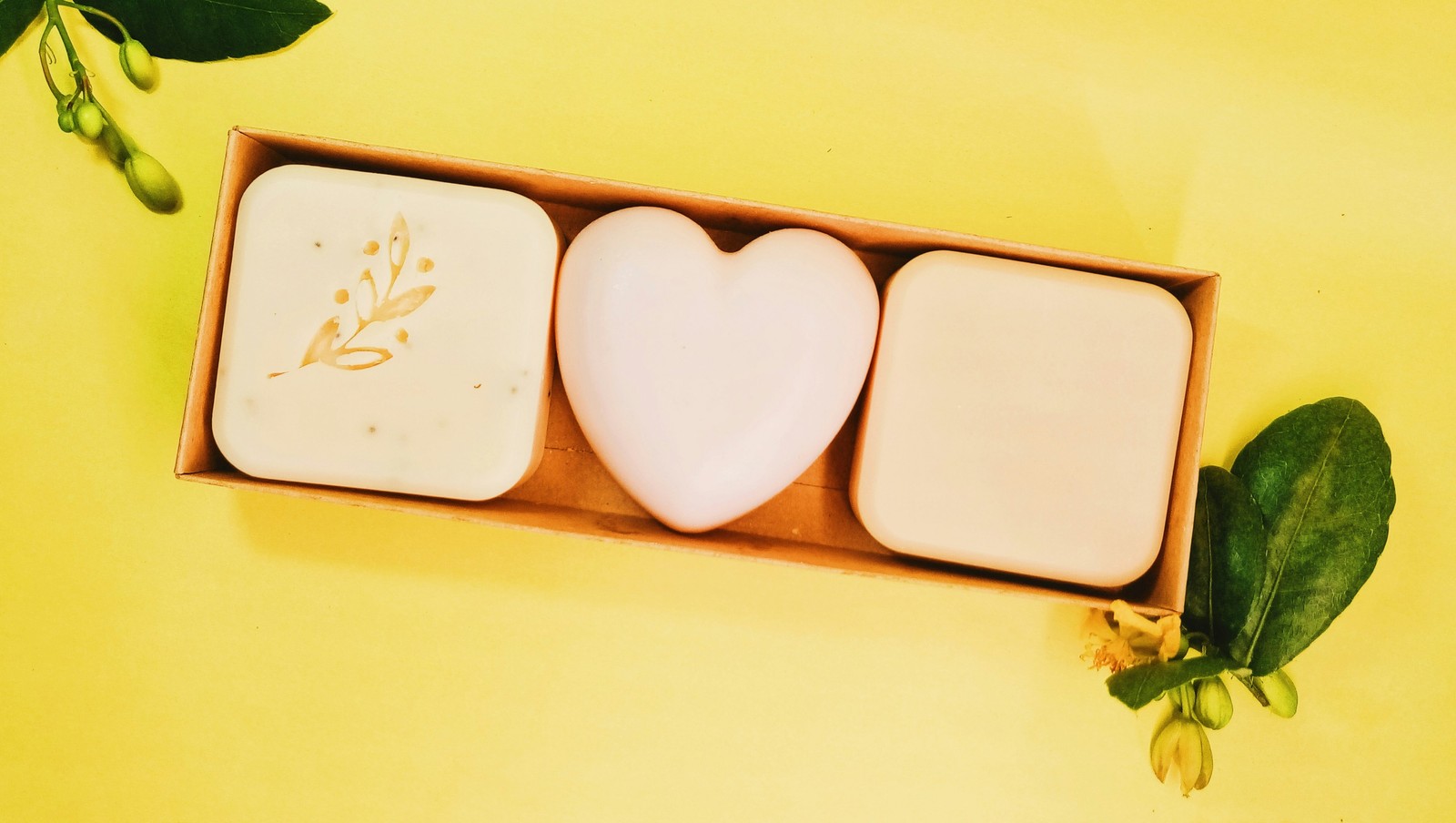
Image: Cristine Despares

Imagination knows no boundaries, especially when it comes to finding ways to entertain itself. For most of us, a hobby might involve having a stamp collection or pruning the garden. But for some people, that is not enough. If you think that building tiny ships inside bottles is an odd hobby, you will be amazed by the following 12 activities that some humans indulge in.

1
Extreme ironing
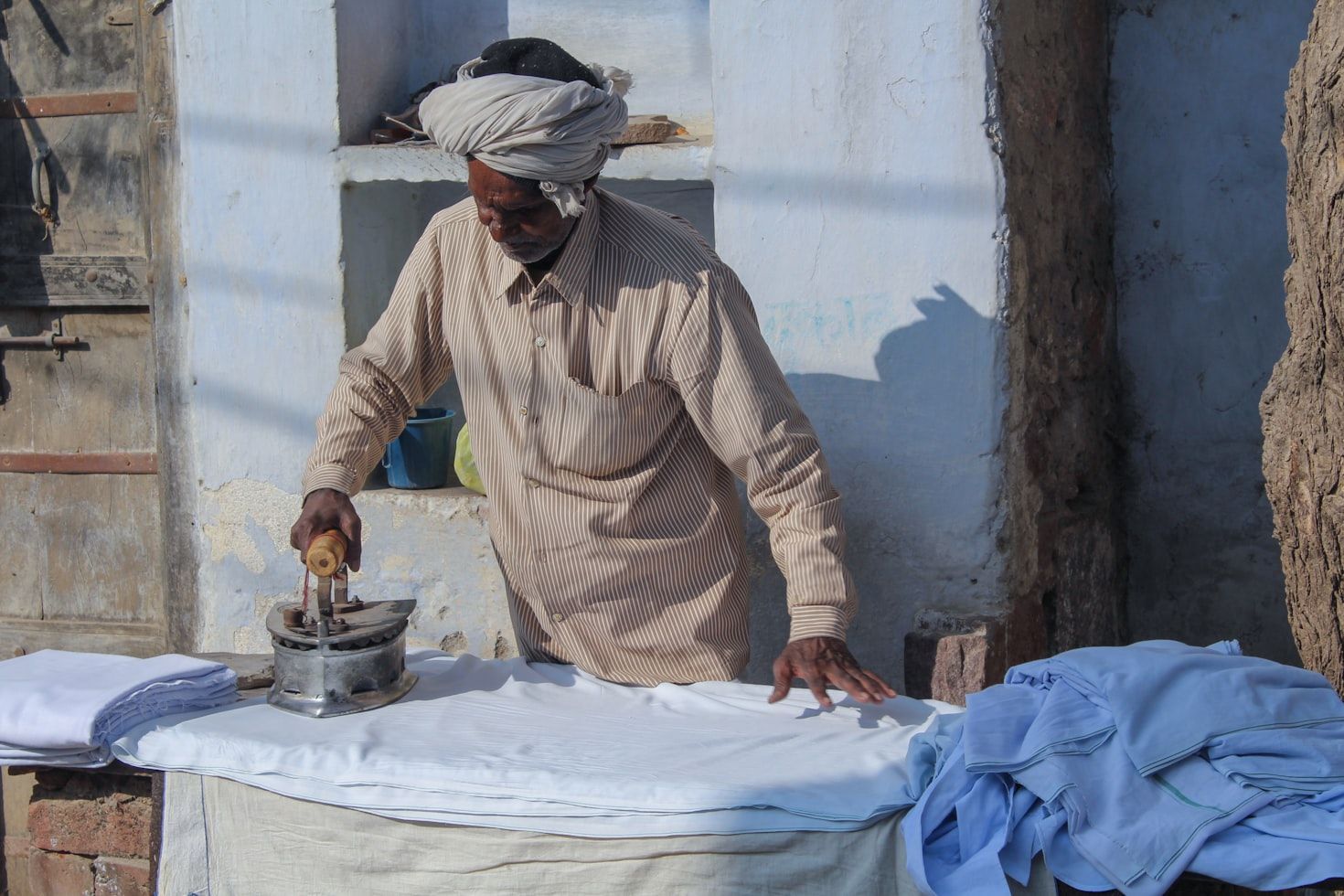
Image: Eric Vö

There is nothing extreme about ironing if you do it the usual way. But what if you were to iron your shirts atop a mountain peak ? Believe it or not, ironing clothes in extreme environments is a thing. There is even a world record for the most outrageous example of extreme ironing, which was set 200 feet underwater in 2011.

2
Worm charming
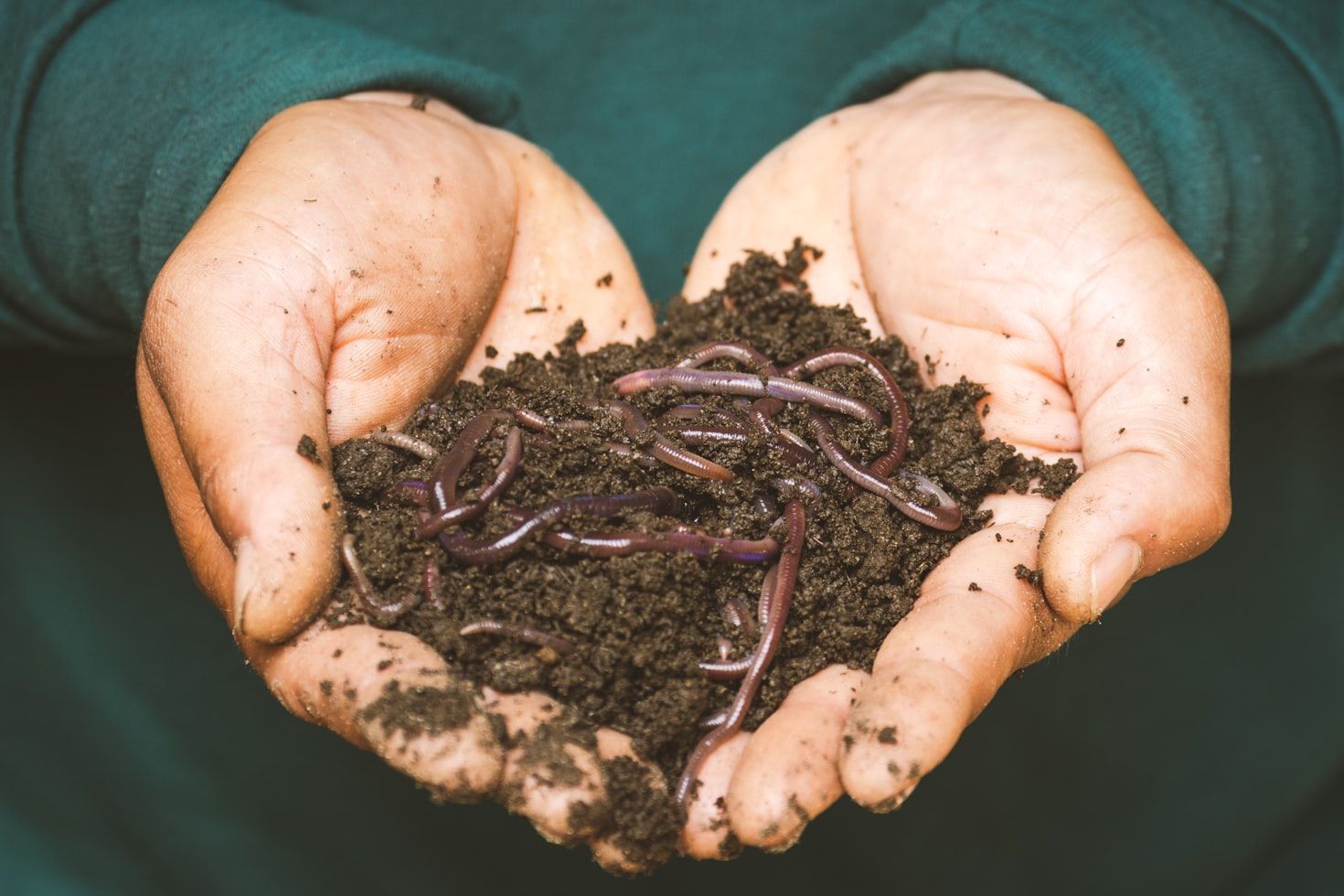
Image: sippakorn yamkasikorn

Worms are not the first creatures that come to mind when one thinks of interactive animals. However, they do respond to certain stimuli, especially vibrations on the ground and sound.

A small but dedicated group of people devote themselves to the odd hobby of worm charming, attracting worms from the ground using vibrations, sound, and other ingenious methods . This unusual activity requires patience and a gentle touch, but for its followers, it is very rewarding.

3
Toy voyaging
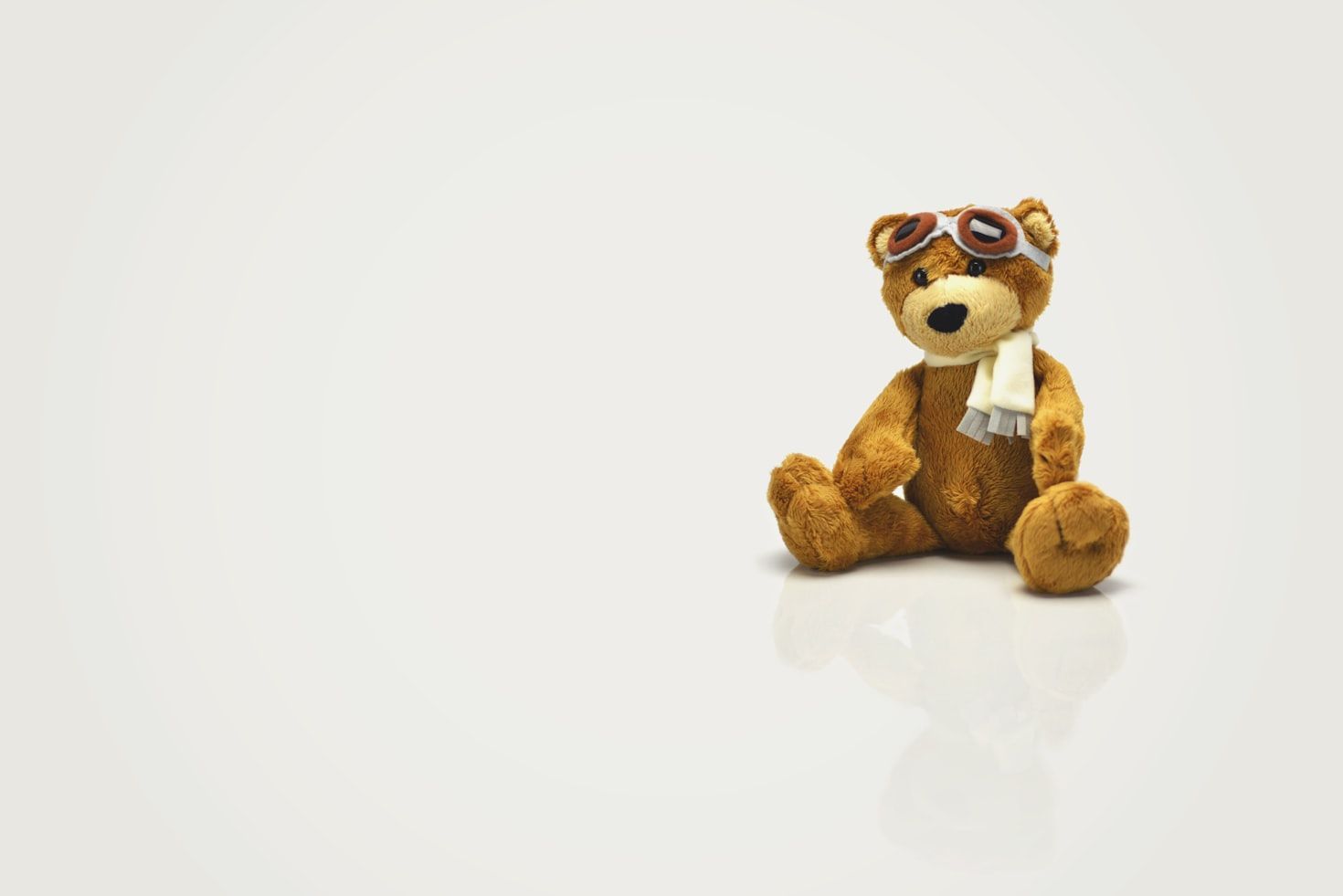
Image: Barrett Ward

Whoever saw the early 2000s movie Amélie will recognize this one. Some people have small toys that accompany them on vacations and appear in photos at famous landmarks , which are then uploaded to their Instagram and Facebook accounts.

4
Soap carving
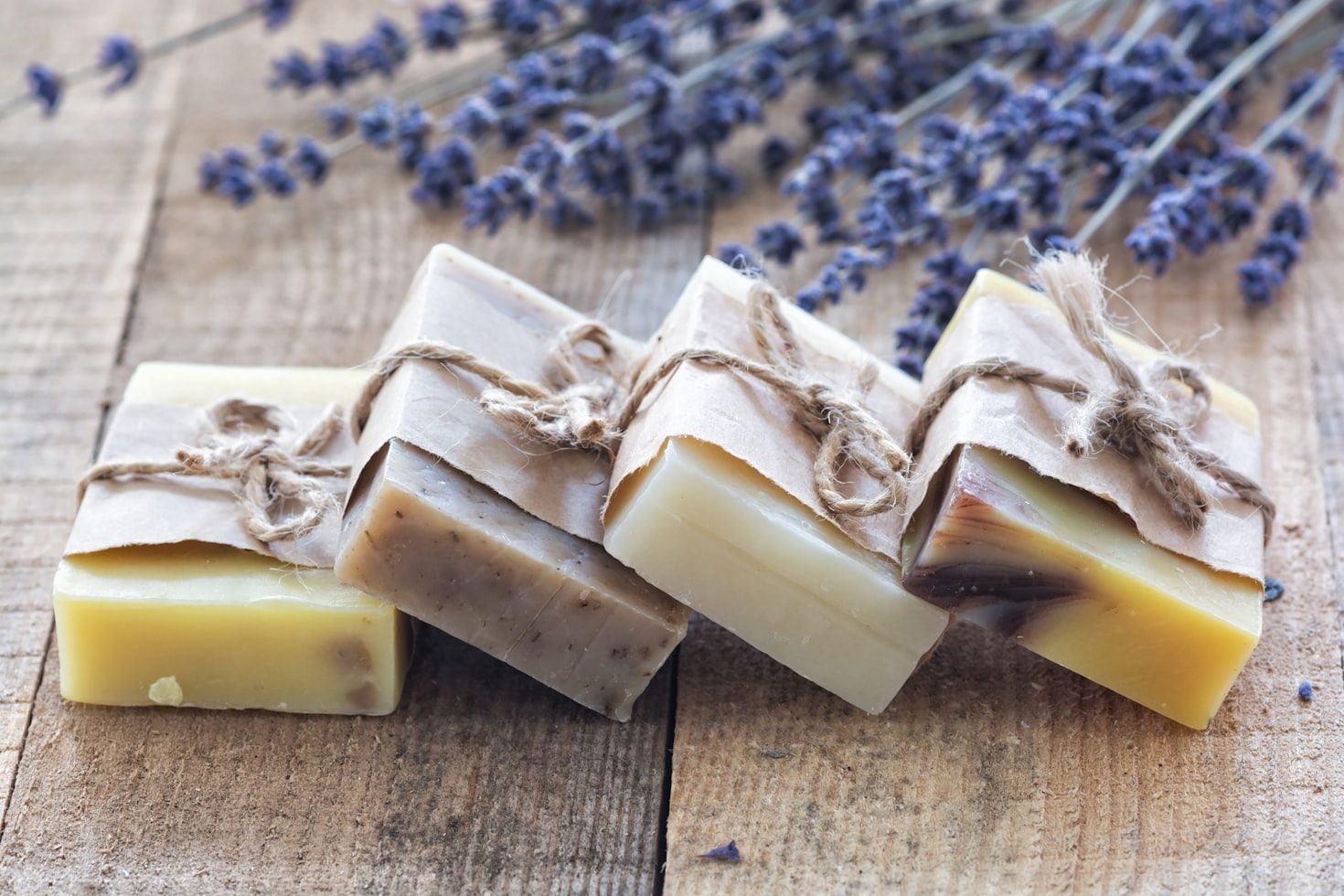
Image: Aurélia Dubois

As it turns out, soap can be used for more than just washing and bathing. Yes, a particularly fragrant soap placed in your sock drawer will add a pleasant scent each time you open it. But this is something entirely different. Some people carve soap bars into intricate sculptures , using small knives or other fitting instruments.

5
Human knotting
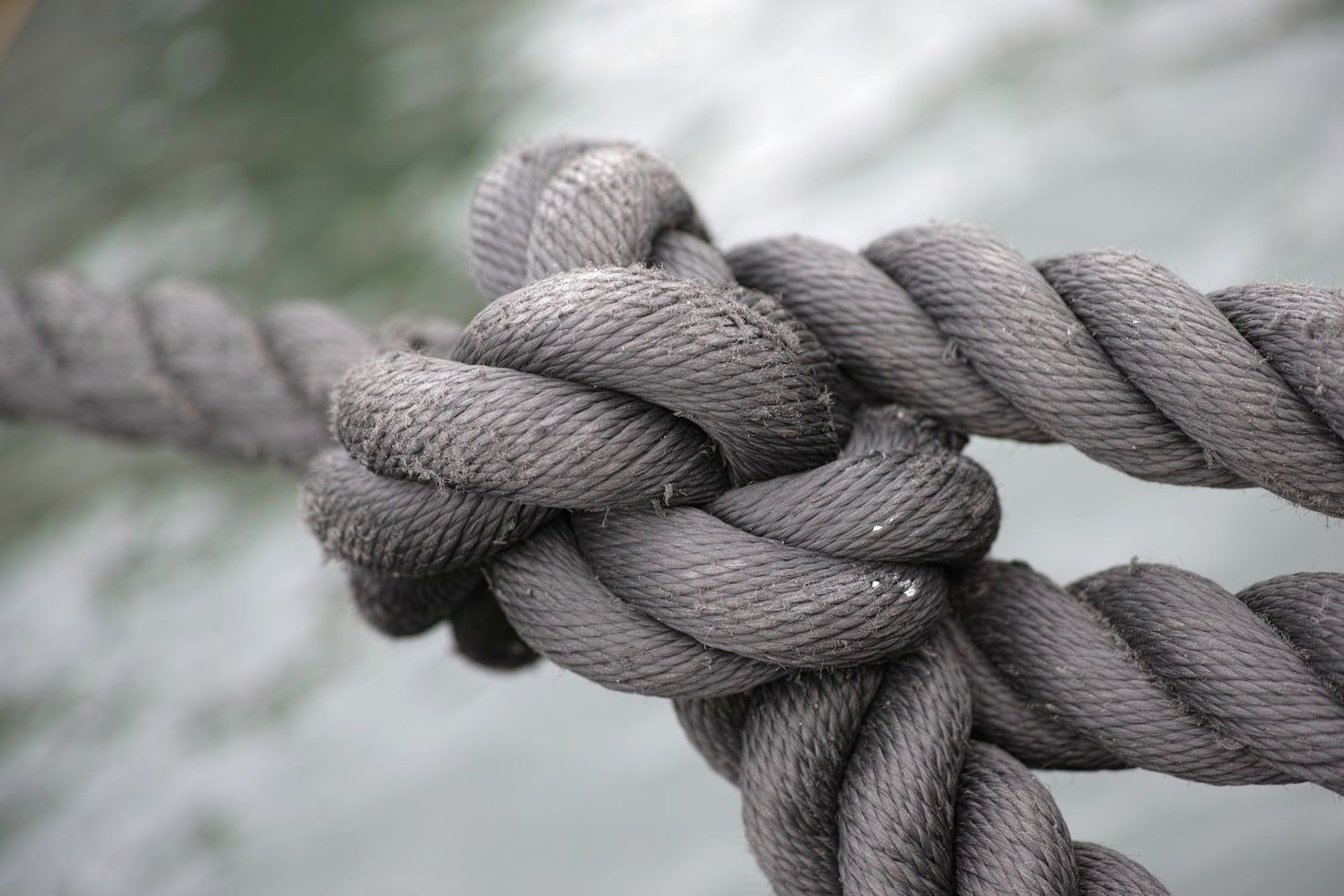
Image: engin akyurt

A hobby can also be a group activity. In some parts of the world, groups of people engage in the challenging task of tying themselves into a human knot , and then work together to find creative solutions and untangle the puzzle without letting go . It's like Twister, but without the board underneath.

6
Geocaching
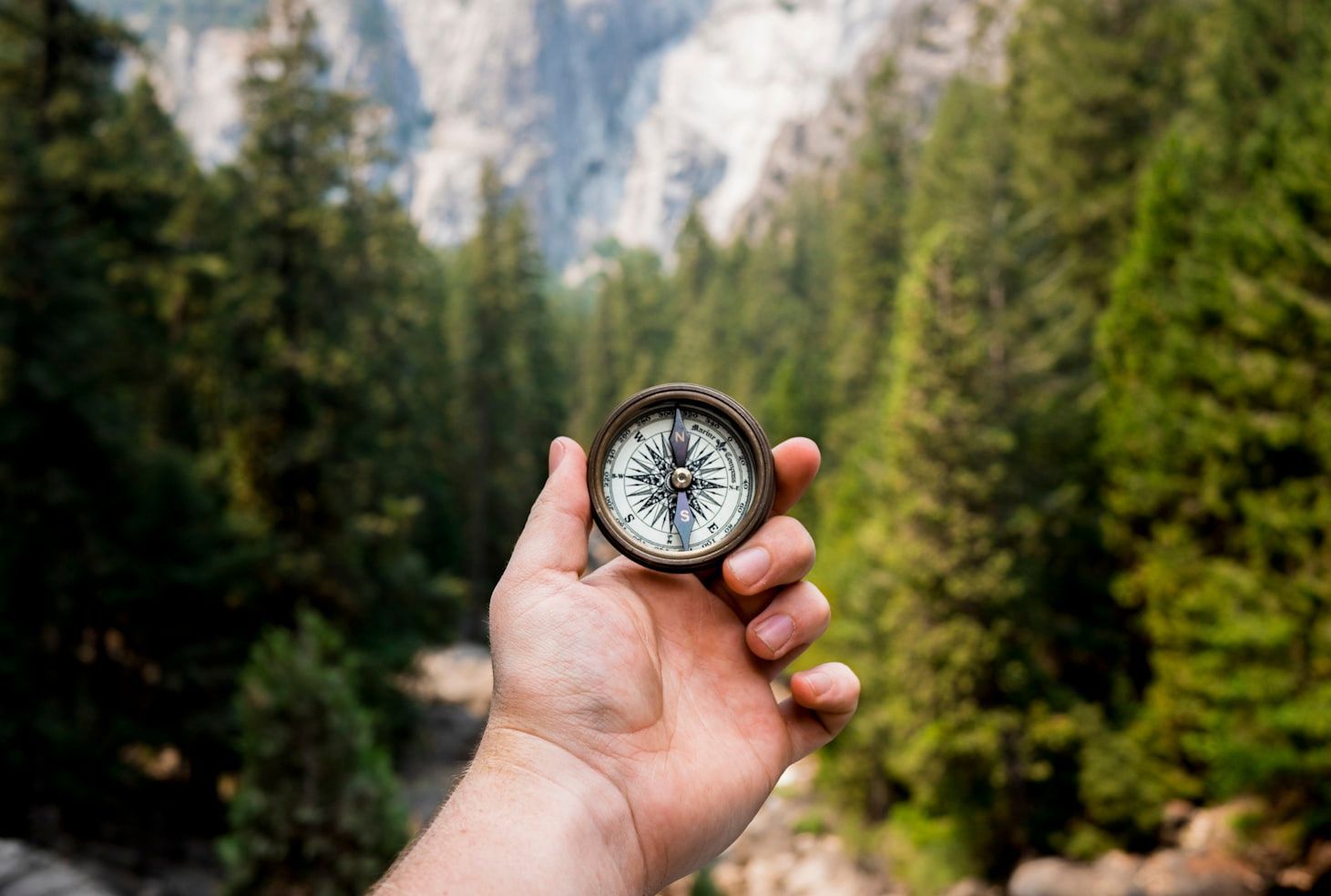
Image: Jamie Street

A sort of digitally-aided treasure hunt, geocaching is a fun hobby that requires a hand-held GPS receiver or a phone app to guide participants to a destination where a hidden container is stored . Once found, the participant logs their visit in an included logbook and can also trade one of the many small items inside the container for one of their own. Sounds like fun, right?

7
Trainspotting

Image: Silver Ringvee

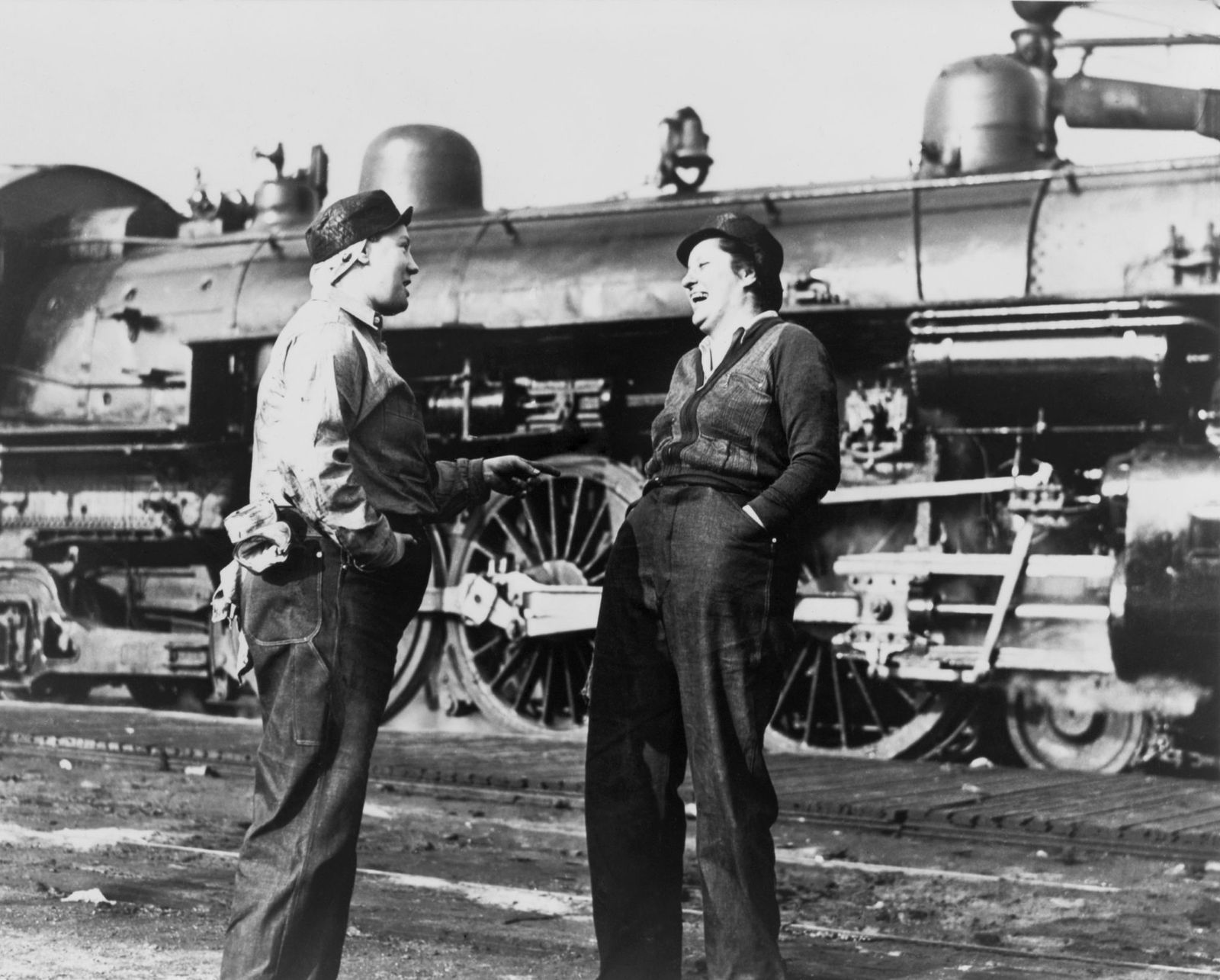
Other than being a movie and a book, trainspotting is also a hobby where enthusiasts, you guessed it, spot trains. Train spotters often watch trains and track the number of each engine , as well as share information about the whereabouts of the trains, technical data, and specific characteristics.

8
Duck herding
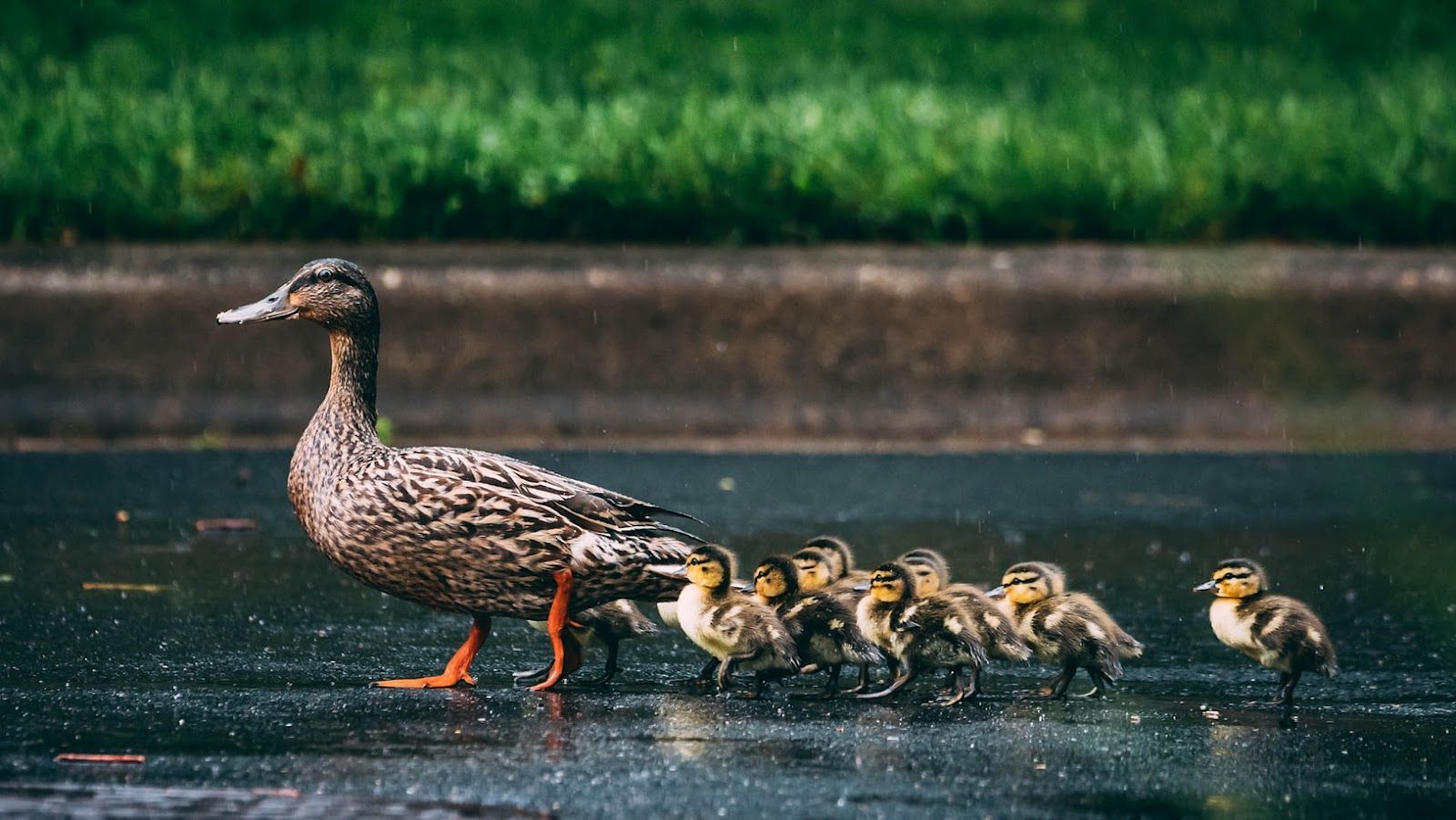
Image: Vlad Tchompalov

Most people have heard of sheep herding, but what about duck herding? This hobby is performed as a team effort with trained sheepdogs who know how to maneuver a group of geese or ducks back into their pen . This unusual activity is suitable for all ages and fitness levels, making it a great team-building exercise for corporate groups.

9
Historical cooking

Image: Alyson McPhee

Several YouTube channels feature expert and amateur chefs cooking historical recipes and then tasting the results. This fun activity involves trying out recipes from the past , some dating back centuries, as far back as recipes can be found, and appreciating flavors that are not around anymore.

10
Ghost hunting
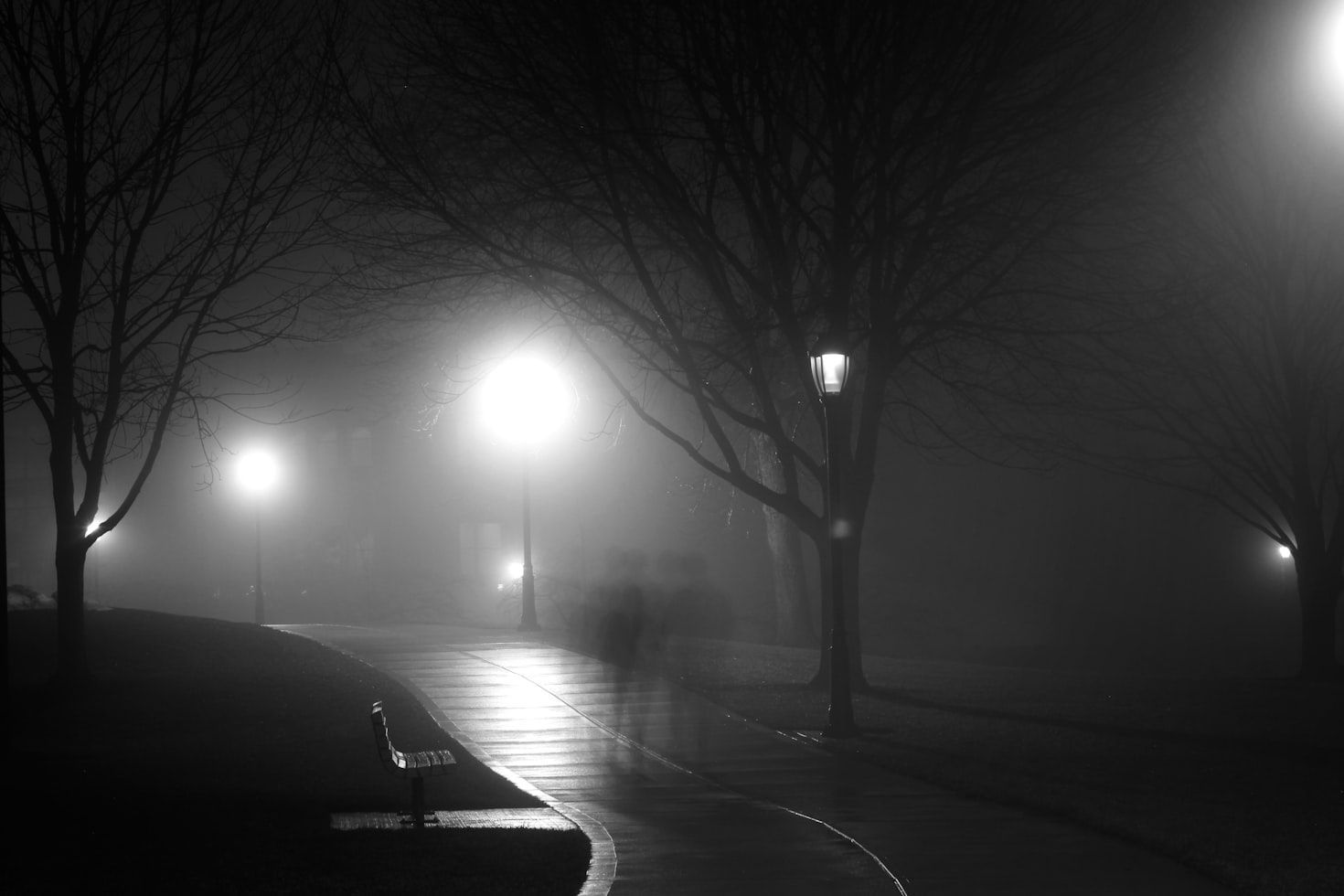
Image: Jesse Bowser

As the name suggests, ghost hunting is a hobby that involves investigating and documenting paranormal activity in order to capture evidence of ghostly sightings or encounters . This activity does not require participants to believe in the existence of ghosts, but rather to enjoy the thrill of visiting eerie places filled with spooky stories.

11
Mobile phone throwing
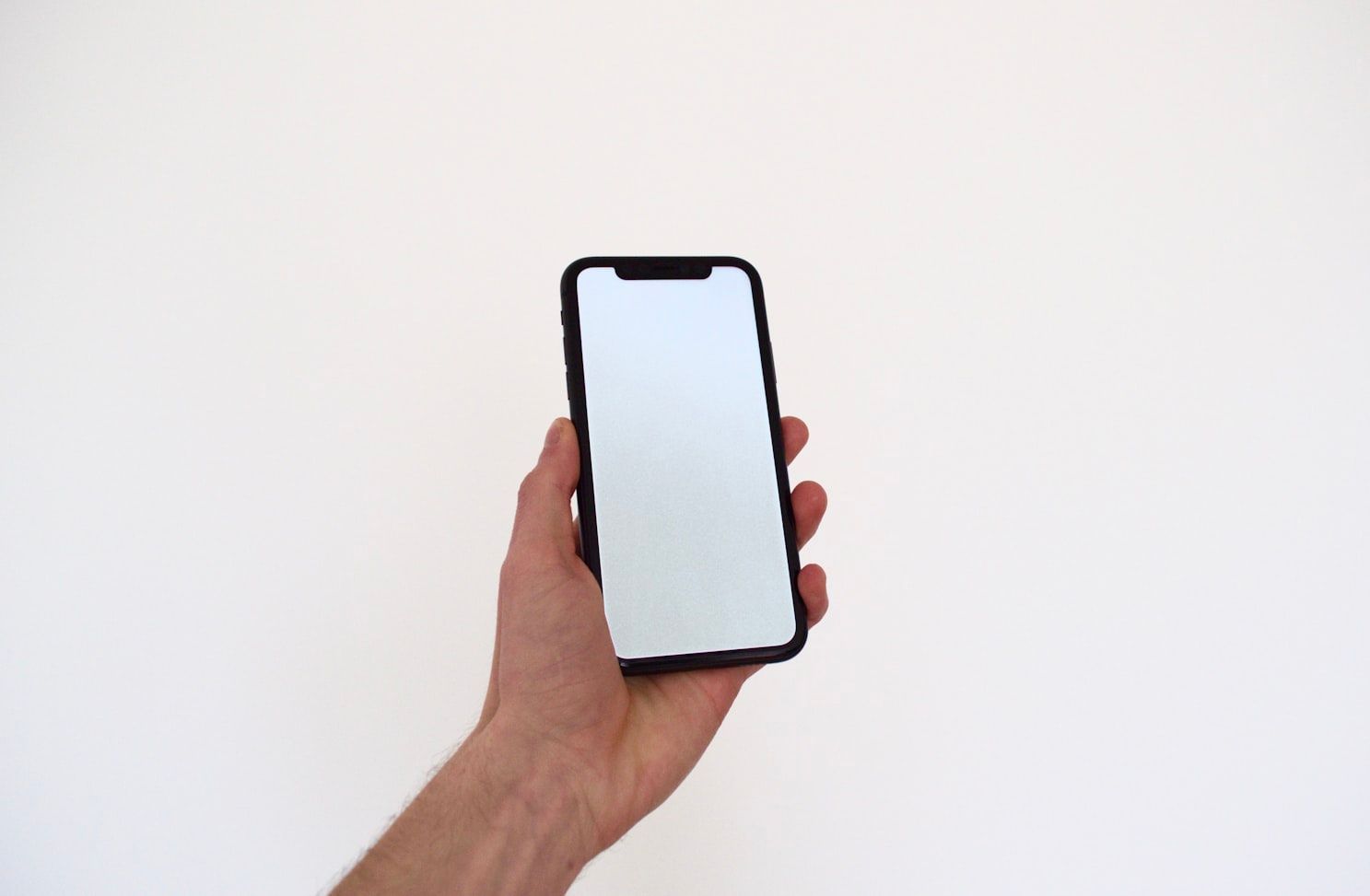
Image: Vojtech Bruzek

If you've ever felt the urge to throw your mobile phone in frustration over a situation, this hobby might be for you. Mobile phone throwing is a competitive sport in which contestants throw phones and are judged based on their technique and the distance covered. This hobby originated in Finnish culture, and it was started by Nokia, known for its reputation as an unbreakable "brick" that supposedly outlasts all our smartphones.

12
Painting memes
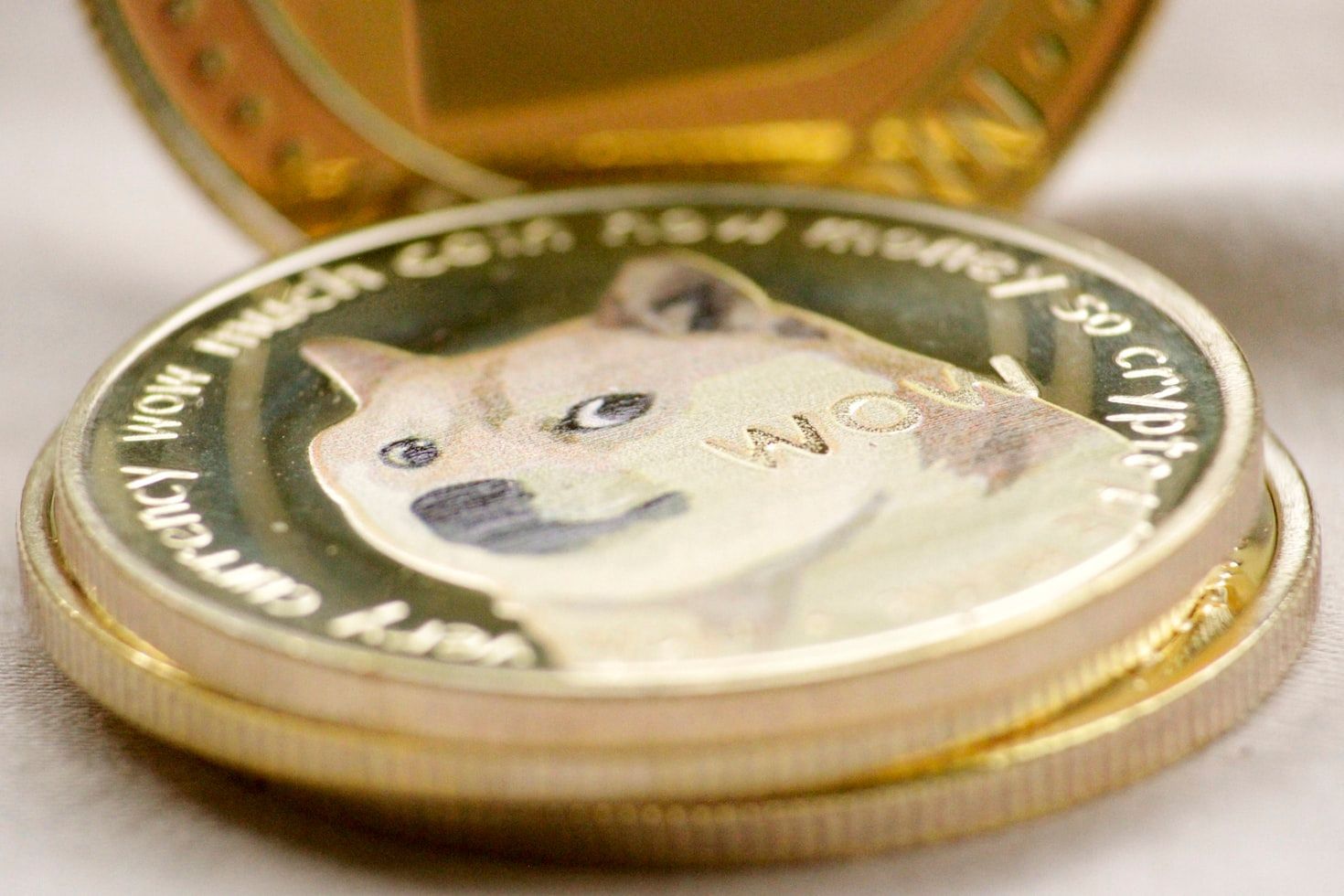
Image: Crystal Mapes

Memes are, by nature, ephemeral creations, meant to last for a while before fading into obscurity. However, some kind souls have taken up meme painting as a hobby, giving these digital images a more elevated existence as works of art .
History History 3 min read

Surprise memorabilia!

Did you know that Steve Jobs put a computer mouse in a time capsule?

Image: Ray Shrewsberry

Time capsules work like surprise packages from the past, found hidden all over America, from the Gateway Arch to unassuming backyards. But, for the most part, these artifacts are filled with whatever people thought was important at the time, which might not coincide with what is important during the opening. Folks have buried everything from handwritten letters to coins, but also a few other quite bizarre items, in the hopes of giving future generations a peek into their world. Read on and take a look at some of the weirdest things found inside these time vessels!

1
An empty whiskey bottle

Image: Zhivko Minkov

In 2015, a time capsule from 1944 was found beneath the City Hall stairs in Lebanon, New Hampshire. Inside was a whiskey bottle with a humorous note: "Whoever finds this bottle may keep it. Sorry, there is no liquor in it, but I drank it all up."

The note was signed by Samuel Stevens, a former city surveyor. Along with the bottle were old newspapers and a penny, but Stevens’ decades-old joke stole the spotlight.

2
Electroshock therapy video

Image: Museums of History New South Wales

In 1958, a time capsule was buried at a former state hospital on the west side of Indianapolis. It included a video from the Bahr Treatment Center's groundbreaking ceremony, which focused on mental health care.

Though some audio is lost, the video references electroshock and insulin shock therapy . The footage is a somber reminder of how far mental health treatment has progressed.

3
A piece of cake

Image: Caitlyn de Wild

During renovations, a Niagara Falls funeral home discovered a 1948 time capsule. It held typical items like newspaper clippings, letters, and postcards.

But one surprise stood out: a piece of cake, possibly from the building's opening party .

4
Vintage optical glass

Image: Daniel Novak

In March 2015, a 19th-century time capsule was found in the cornerstone of a former telescope factory in Pittsburgh. It included what may be one of the first pieces of optical glass made in America .

The Brashear Company, founded by astronomer Dr. John A. Brashear, made telescopes and scientific tools from the 1880s to the early 1900s. By the 1940s, the site was used to produce bombsights for the U.S. military.

5
Lisa mouse

Image: Bryan Natanael

In 1983, Steve Jobs spoke at the Aspen Design Conference and added a computer mouse to the Aspen Time Tube , buried nearby. Meant to be opened in 2000, its location was forgotten over time.

In 2013, a National Geographic crew finally unearthed it. Along with the Lisa mouse, the capsule held a Rubik's Cube and a Moody Blues 8-track tape.

6
Vintage shoestore

Image: Erik Mclean

While technically, this is not a time capsule in strict terms, it can be seen as one. An American family inherited an old building from their grandparents and discovered a forgotten shoe store locked for decades .

The store, active from the 1940s to 1960s, held hundreds of vintage shoes in mint condition, possibly worth thousands. The family is keeping the location secret while they assess its full value.

7
Budweiser beer

Image: Giuliana Catachura

Inspired by Egyptian tombs, Dr. Thorwell Jacobs of Oglethorpe University created a massive time capsule called the "Crypt of Civilization."

Buried beneath the school, it holds items like a Gone with the Wind script, recordings, plastic toys, an English-teaching machine, and a sealed Budweiser . It’s meant to be opened in the year 8113 AD.

8
Stephen Hawking’s DNA

Image: Sangharsh Lohakare

The Immortality Drive, located aboard the ISS, is a memory device designed to preserve human DNA. It holds the genetic codes of Stephen Hawking, Stephen Colbert, Jo Garcia, Laura Hickman , and others.

Also in space are messages from 73 world leaders, left on the moon’s Sea of Tranquility by Apollo 11 envoys in 1969.

9
Spooky message

Image: Daniel Lincoln

In 2016, a time capsule from Montgomery Elementary in Albuquerque was found, containing notes from a 1968 fourth-grade class. Most messages were typical for kids at the time. But one stood out: Greg Lee Youngman began his note with "I am dead" and claimed he was born in 1900 . Whether he was imagining the distant future or pretending to be a ghost, it added a spooky twist.

10
A single black shoe

Image: mostafa mahmoudi

While demolishing his parents' old barn, a man discovered a 128-year-old time capsule hidden beneath the rubble.

Inside were a Mason jar, a newspaper from August 10, 1894, an almanac, a damaged notebook or storybook, and a single black shoe .

General General 7 min read

State your colors

Why is there a bleeding animal on this state flag? Read all about it

Image: Dreajc10, CC BY-SA 4.0, via Wikimedia Commons

How much do you know about state flags? We see them flying at schools, post offices, and parades, but we rarely stop to think about where they come from. All of them have backstories that are worth learning about. From strange animal motifs to presidential portraits, here's a quick tour of some of the most unique state flags that you may find while touring America.

1
A 13-year-old designed Alaska’s flag

Image: Aerra Carnicom, CC BY-SA 4.0, via Wikimedia Commons

In 1927, while Alaska was still a U.S. territory, officials launched a contest inviting school kids to design territorial flags. Among the 140 entries that arrived in Juneau containing polar bears, mining scenes, or territorial seals, was the design of 13-year-old Benny Benson , an Alaskan Native Aleut.

The design featured eight gold stars against a deep blue field. Seven stars formed the Big Dipper, symbolizing strength through the Great Bear constellation, while the North Star represented Alaska’s future as the northernmost state in the Union. Benson also explained that the blue background honored both the sky and the state flower, the forget-me-not. His design was unanimously selected and officially adopted by the territorial legislature in May 1927, and Benson received a gold watch engraved with the flag and a $1,000 scholarship award.

2
Washington went green and presidential

Image: Malachi Brooks

When Washington officially adopted its state flag in 1923, the Legislature made a choice unlike any other state in the country. Instead of following the usual red, white, and blue pattern, they chose a deep green background to reflect the state’s nickname , "The Evergreen State," a reference to its dense forests and year-round greenery. At the center, they placed the state seal featuring George Washington, the first president of the U.S.

The portrait itself was based on a famous painting by Gilbert Stuart, an American artist known for some of the best images of Washington. The portrait represents patriotism and identity. To this day, Washington remains the only U.S. state flag with a green field and the only one to feature an American president’s face.

3
Ohio ditched the rectangle

Image: Hannah Wernecke

Ohio may have joined the Union in 1803, but for nearly a century, the state had no official flag of its own. But it began turning heads the moment it was introduced in 1902.

Designed by architect John Eisenmann for the Pan-American Exposition in Buffalo, New York, the flag broke one of the oldest traditions in vexillology. Instead of a rectangle, Eisenmann created a burgee, a swallowtail pennant shape more commonly used by naval organizations and cavalry units. Its red and white stripes represent roads and waterways, while the blue triangular field symbolizes Ohio’s hills and valleys. The white "O" stands for both Ohio and the buckeye nut, and the 17 stars honor Ohio as the seventeenth state admitted to the Union.

4
Maryland flew in from the Middle Ages

Image: Aerra Carnicom, CC BY-SA 4.0, via Wikimedia Commons

The story behind Maryland’s flag reaches back to English nobility, long before the U.S. existed. Its design comes from the coats of arms of the Calvert and Crossland families , connected to George Calvert, the first Lord Baltimore, whose family founded the Maryland colony in 1632 under a charter granted by King Charles I. The black and gold pattern belonged to the Calvert family, while the red and white cross belonged to the Crossland family through Calvert’s mother, Alicia Crossland.

During the Civil War, the colors gained powerful political meaning. Union supporters in Maryland often displayed the Calvert colors, while Confederate sympathizers adopted the Crossland pattern. Following the war, state leaders sought unity during Reconstruction, and by the 1880s, the two designs were combined into one banner. Maryland officially adopted the flag in 1904, turning former symbols of division into a lasting emblem of reconciliation.

5
California’s bear has a revolutionary past

Image: Drei Kubik

California’s famous Bear Flag began during the Bear Flag Revolt of 1846, when American settlers in Sonoma rebelled against Mexican rule and declared California an independent republic. Their handmade banner featured a grizzly bear, a red star, and the words "California Republic."

The rebellion ended in less than a month after the U.S. forces took control during the American-Mexican War between 1846 and 1848, but the image remained a symbol of independence. The original flag was later destroyed in 1906 in the San Francisco earthquake, though copies had been preserved. It wasn’t until 1911 that lobbying from the historical society, Native Sons of the Golden West, made the legislature adopt the design as the official state flag.

6
Oregon’s two sides

Image: Aerra Carnicom, CC BY-SA 4.0, via Wikimedia Commons

When Oregon adopted its official state flag in 1925, it quietly created one of the rarest flags in the world. Unlike nearly every other state banner, Oregon’s flag features two completely different designs, one on each side.

The front displays the state seal in gold against a navy-blue background, surrounded by 33 stars representing Oregon’s admission as the thirty-third state in 1859. Beneath the shield appears the year of statehood, while symbols such as a covered wagon and an eagle reflect Oregon’s frontier history and connection to the United States. The reverse side tells a simpler story. There, a single gold beaver appears alone on the blue field. The beaver became Oregon’s state animal because the fur trade played a major role in the region’s early economy during the 1800s.

7
Hawaii still nods to the British

Image: little plant

Hawaii’s state flag tells the story of a kingdom caught between powerful nations during the early 1800s. The British Union Jack placed in the corner dates back to the reign of King Kamehameha I, the ruler who united the Hawaiian Islands into a single kingdom.

Ever since the first British flag was raised in that territory in 1794, Hawaii used several variations of flags that blended British and American influences , partly to maintain good relations with both nations during the War of 1812. A combined design was created using the Union Jack alongside horizontal stripes inspired by the American flag. By 1845, the current design with eight stripes, representing the major islands, had been established. When Hawaii became a state in 1959, the historic flag remained unchanged.

8
Louisiana’s bleeding pelican

Image: Clker-Free-Vector-Images

At first sight, Louisiana's choice of flag might seem a bit odd, but the meaning of its symbols carries centuries of meaning. The flag was adopted in 1912 and, at the center, stands a mother pelican feeding her chicks with drops of her own blood, an image taken from Christian traditions. According to legend, pelicans wound themselves during times of famine to keep their young alive. And even though the story is not scientifically accurate, the symbol stands for sacrifice, compassion, and protection. It also represents the bird-filled wetlands and Gulf Coast landscape that shaped the state’s identity.

Over time, different versions of the flag softened the dramatic image and even removed the drops of blood completely, but in 2010, Louisiana officially restored the traditional design and brought it back.

9
South Carolina’s flag is not standardized

Image: Clker-Free-Vector-Images

South Carolina’s flag shows a white crescent shape above a palmetto tree, and its design was born during the first days of the American Revolution. In 1775, Colonel William Moultrie designed a simple blue banner with a white crescent based on the uniforms worn by local patriot soldiers defending Charleston Harbor. A year later, the fort’s walls of palmetto logs absorbed British cannon fire instead of shattering. The Unexpected victory turned the palmetto tree into a symbol of South Carolina’s resistance, and it was added to the flag.

As the years passed, different versions appeared across the state, especially during the Civil War, when many were painted by hand. South Carolina officially adopted the familiar flag in 1861, but there were never defined exact shapes or proportions. That is why even today, no two South Carolina flags look exactly alike.

10
New Mexico went bold and beautiful

Image: Clker-Free-Vector-Images

New Mexico’s first flag looked much like many others of the time. Designed by historian Ralph Emerson Twitchell, it included the American flag, the state seal, and the words "New Mexico" stitched across a blue field. But in 1920, the Daughters of the American Revolution began pushing for a design that truly represented the Southwestern identity.

After winning a statewide contest, Dr. Harry Mera, a Santa Fe physician and archaeologist, and his wife, Reba Mera, presented a design that replaced crowded symbols with something simpler : a red Zia sun symbol centered on a yellow field inspired by the colors carried by Spanish explorers centuries earlier. The sacred Zia symbol represented harmony through the number four, reflected in the seasons, directions, stages of life, and times of day. Adopted in 1925, the design became one of the boldest and most admired flags in America.

Explore more American facts

Choose your favorite category!

General
General

As American as apple pie—the very best America has to offer!

Culture
Culture

Delve into the astounding richness of American lore.

Geography
Geography

Hop in and explore vast and diverse American landscapes.

History
History

Discover the key moments that shaped the United States.